Co-Ownership Homes in Hilton Head Island
3 luxury holiday homes in Hilton Head Island available as co-ownership shares, from $721,000 per share. Genuine ownership, fully managed, a fraction of the whole-home price.
The Hilton Head Island Collection
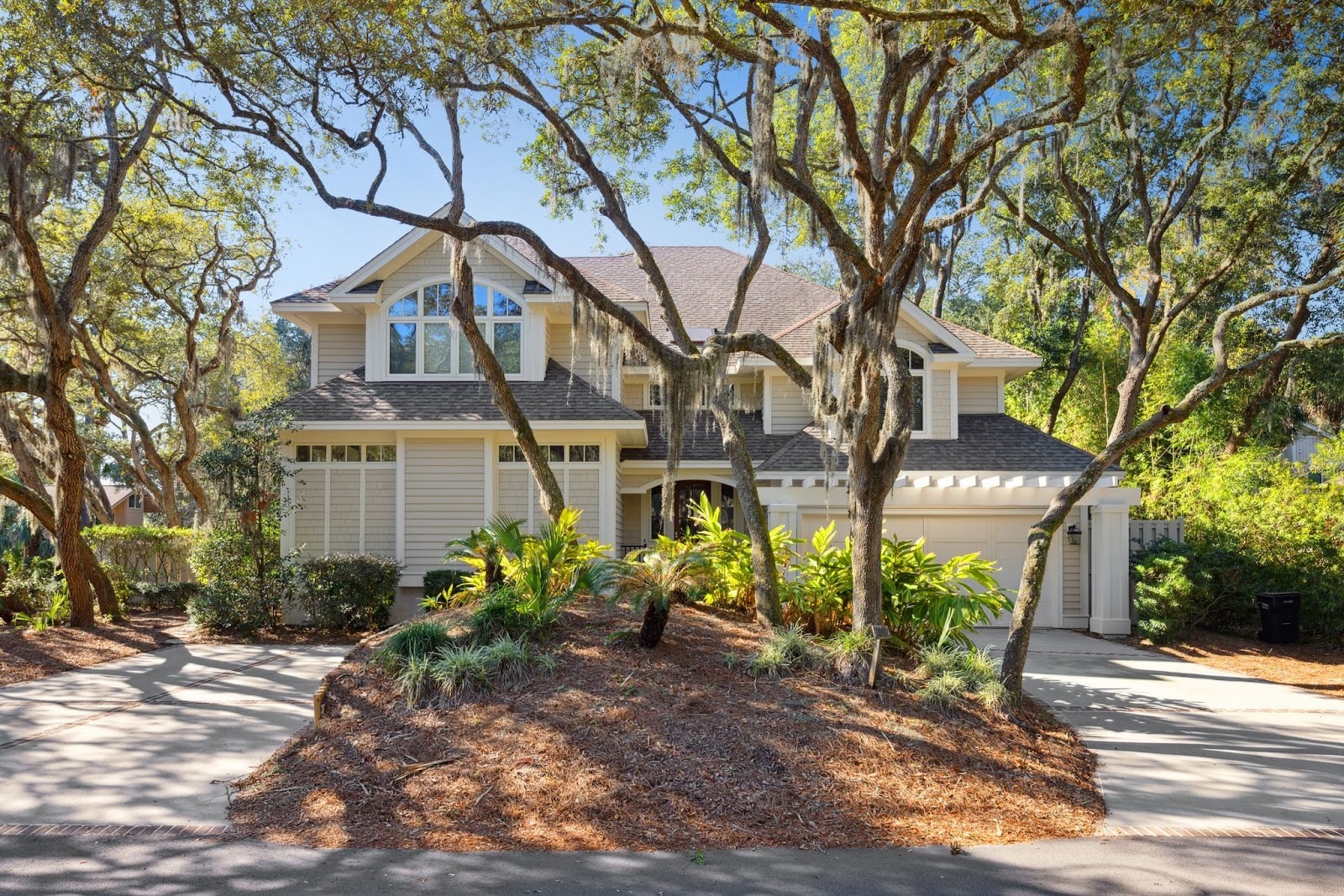
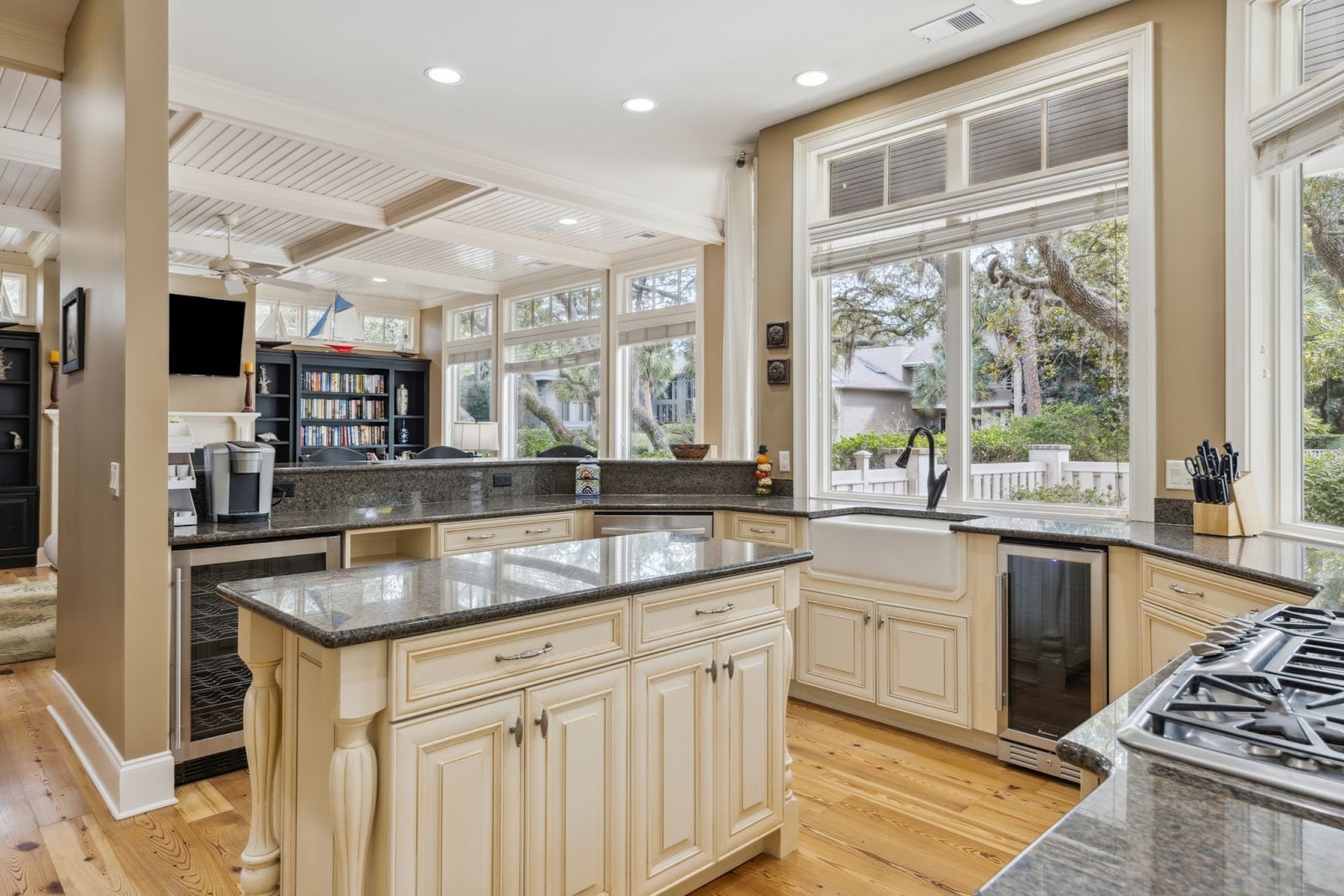
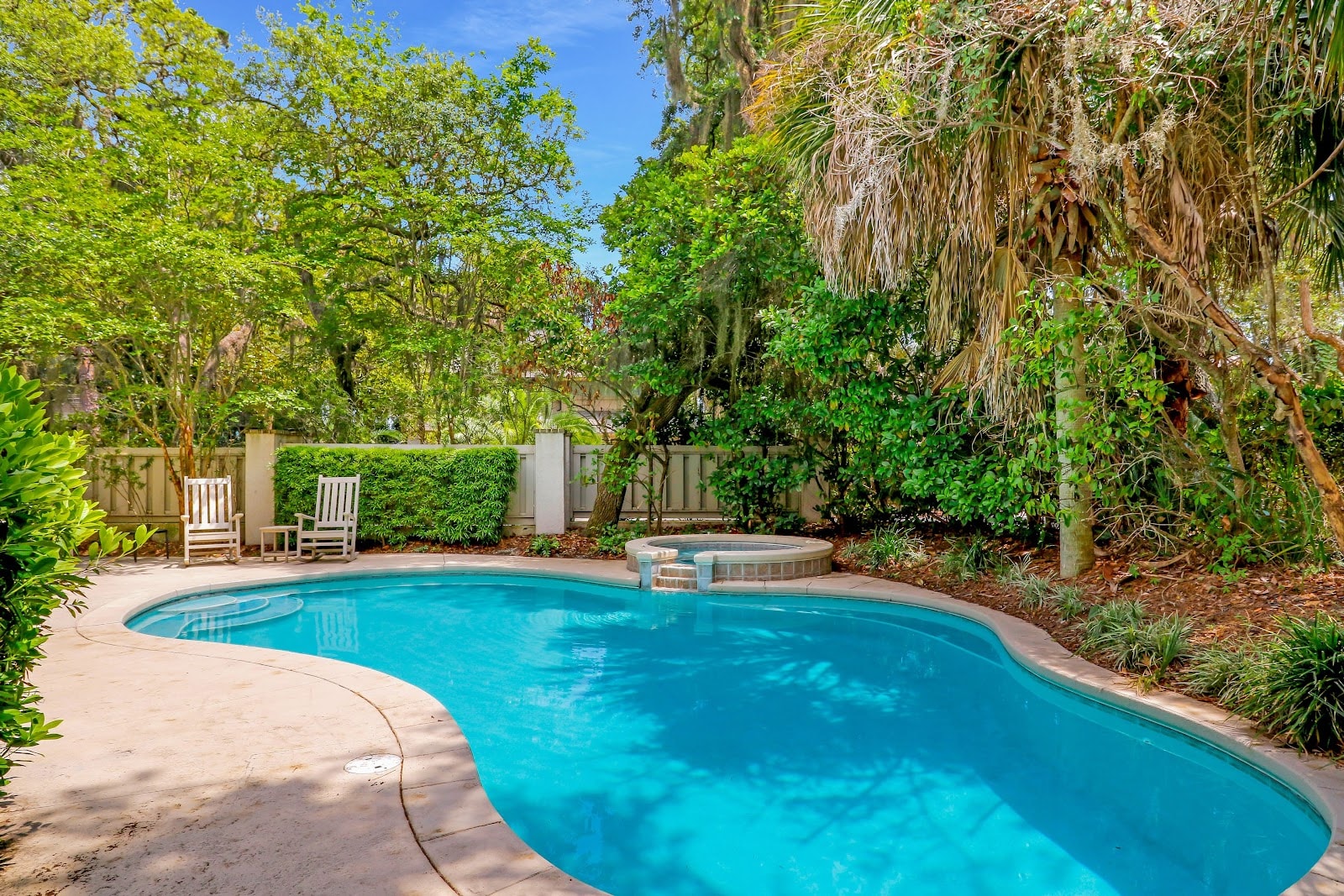
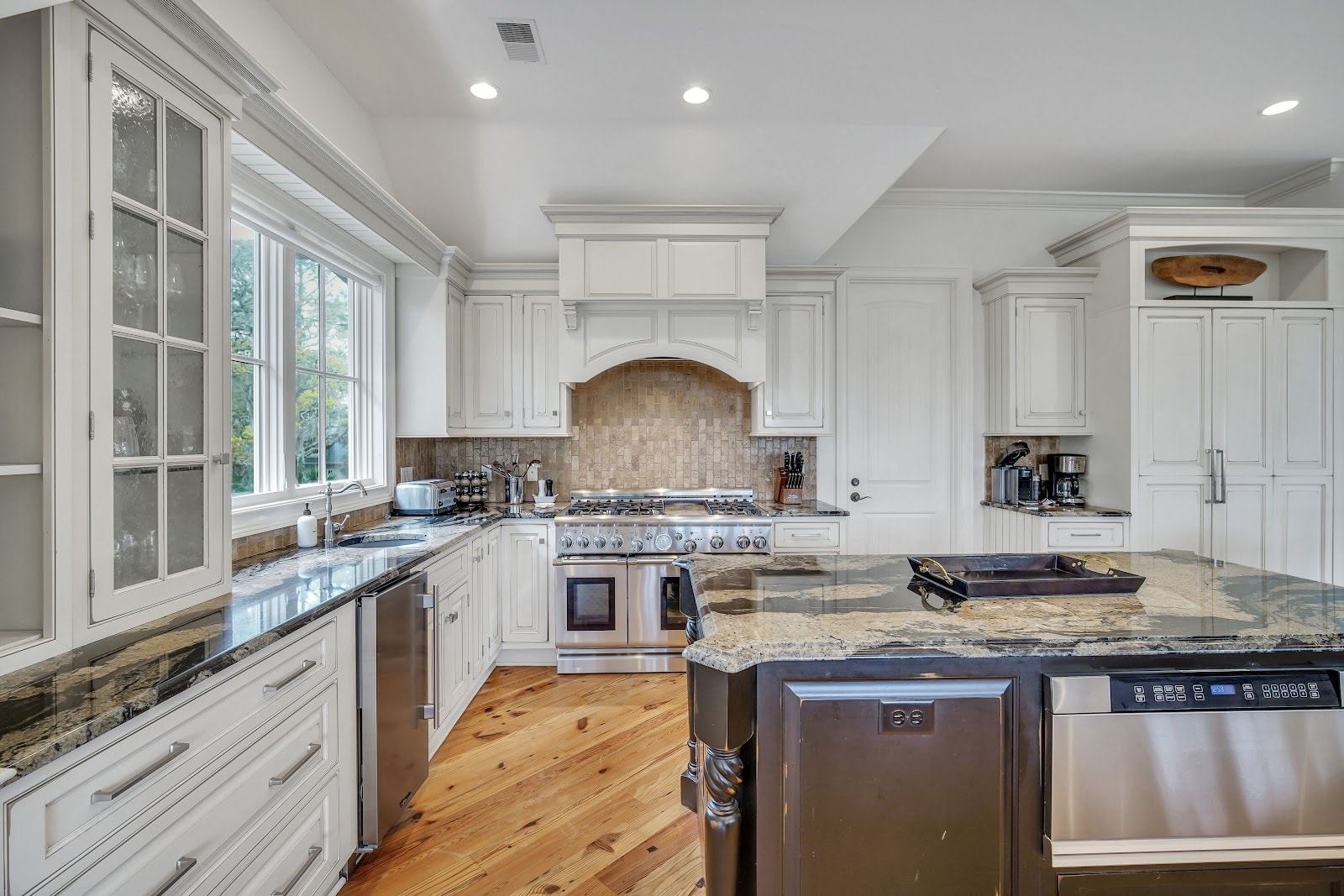
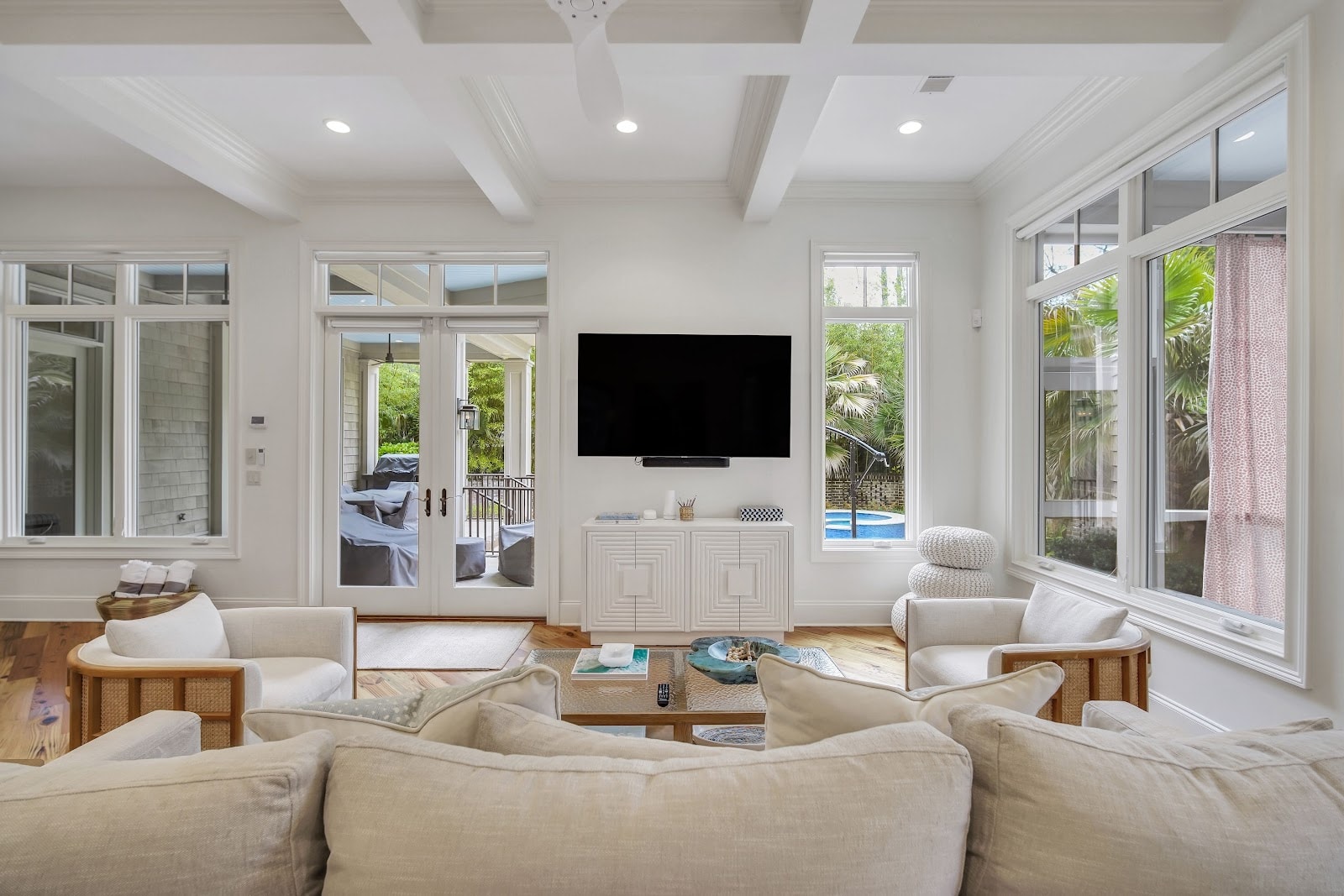
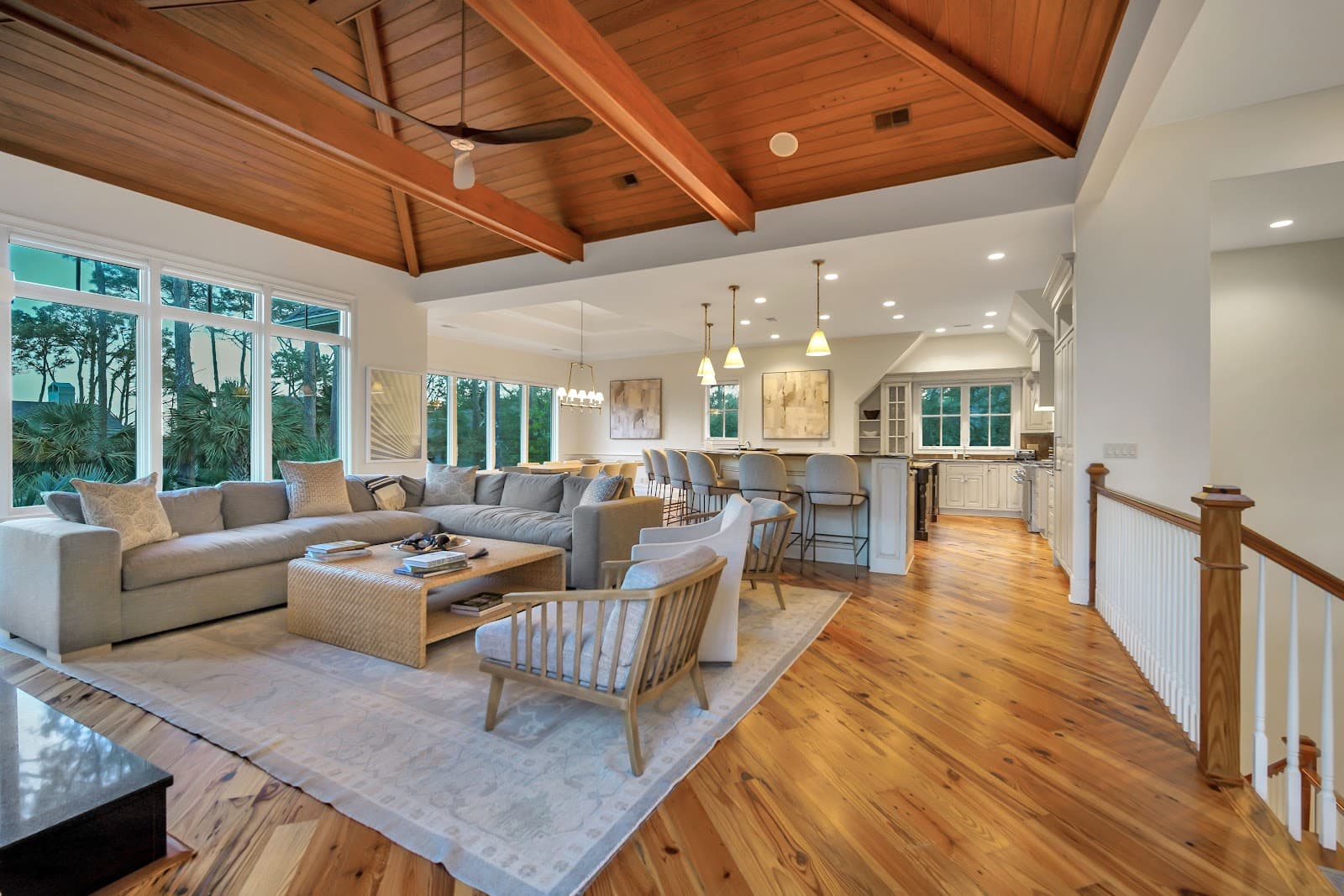
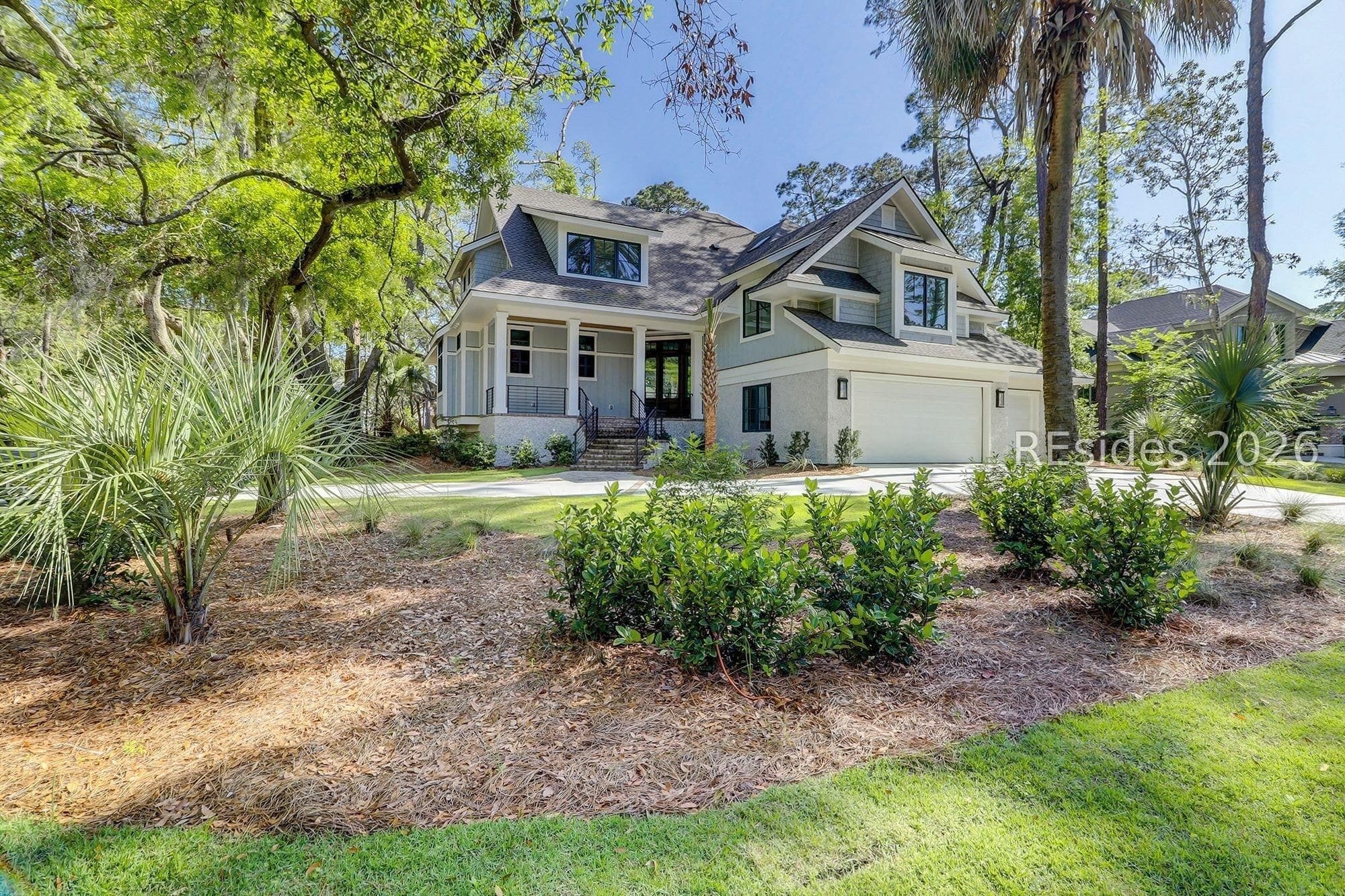
Hilton Head Island, South Carolina, USA — 5-Bed House With Pool
$721,000
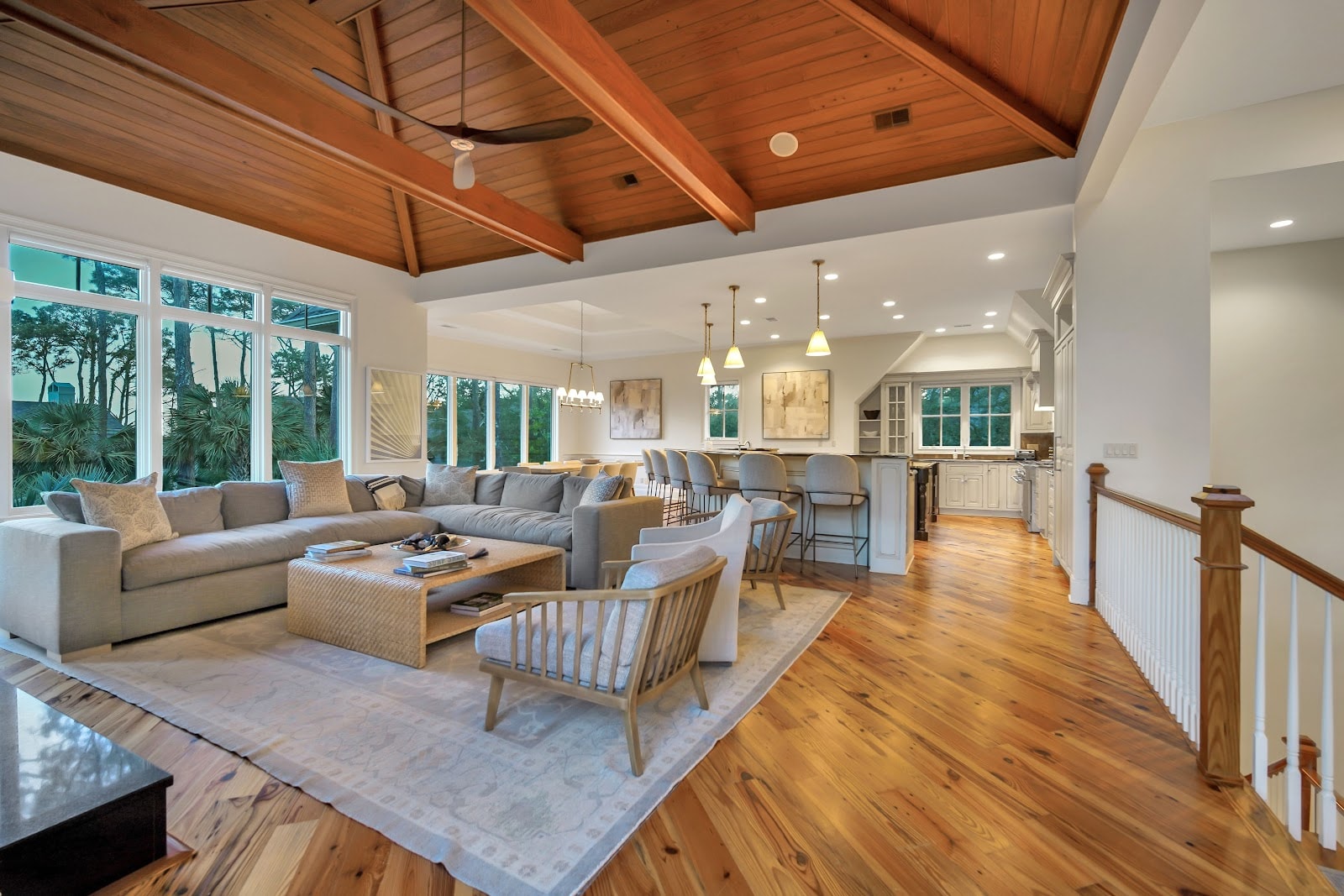
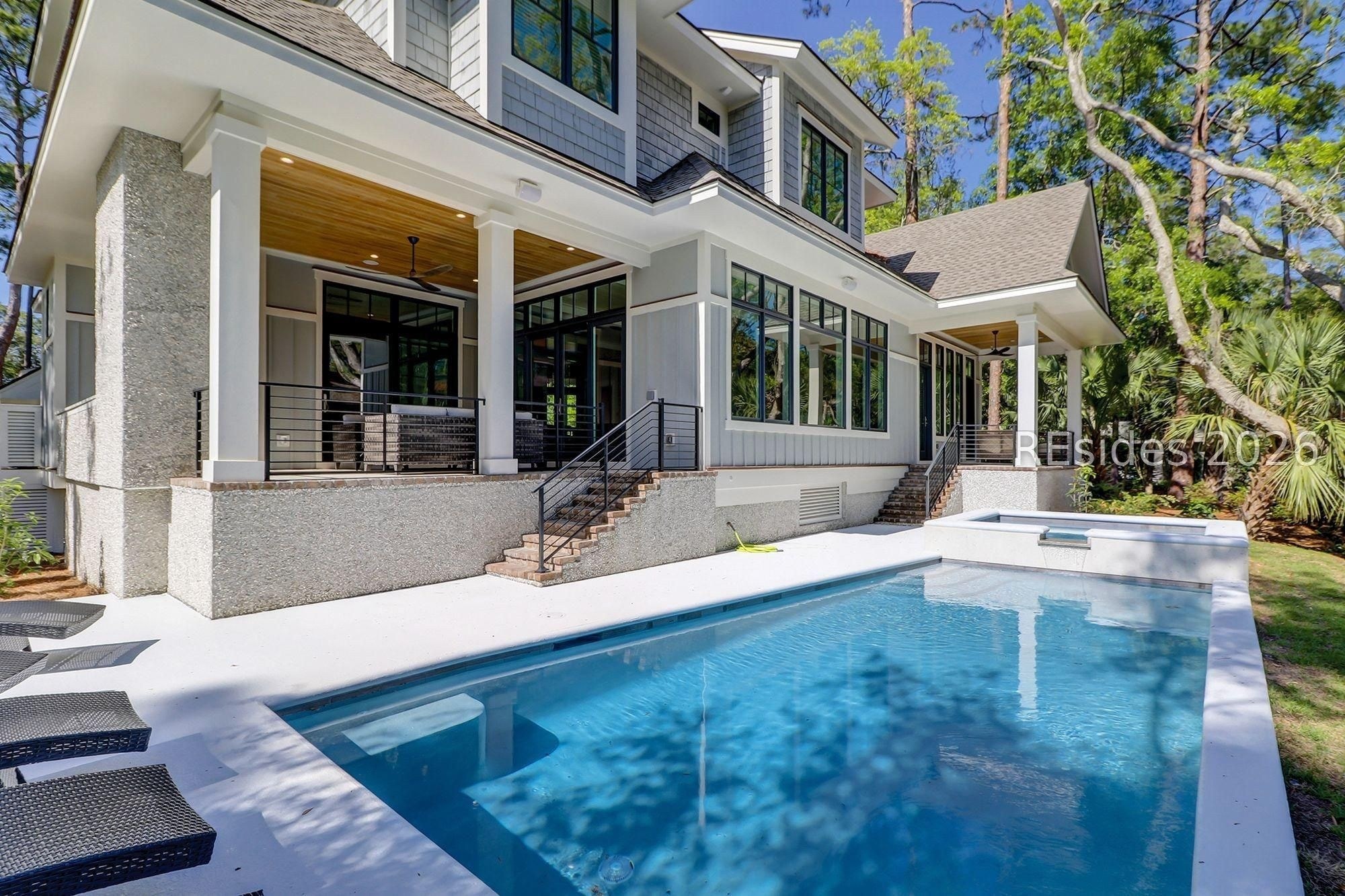
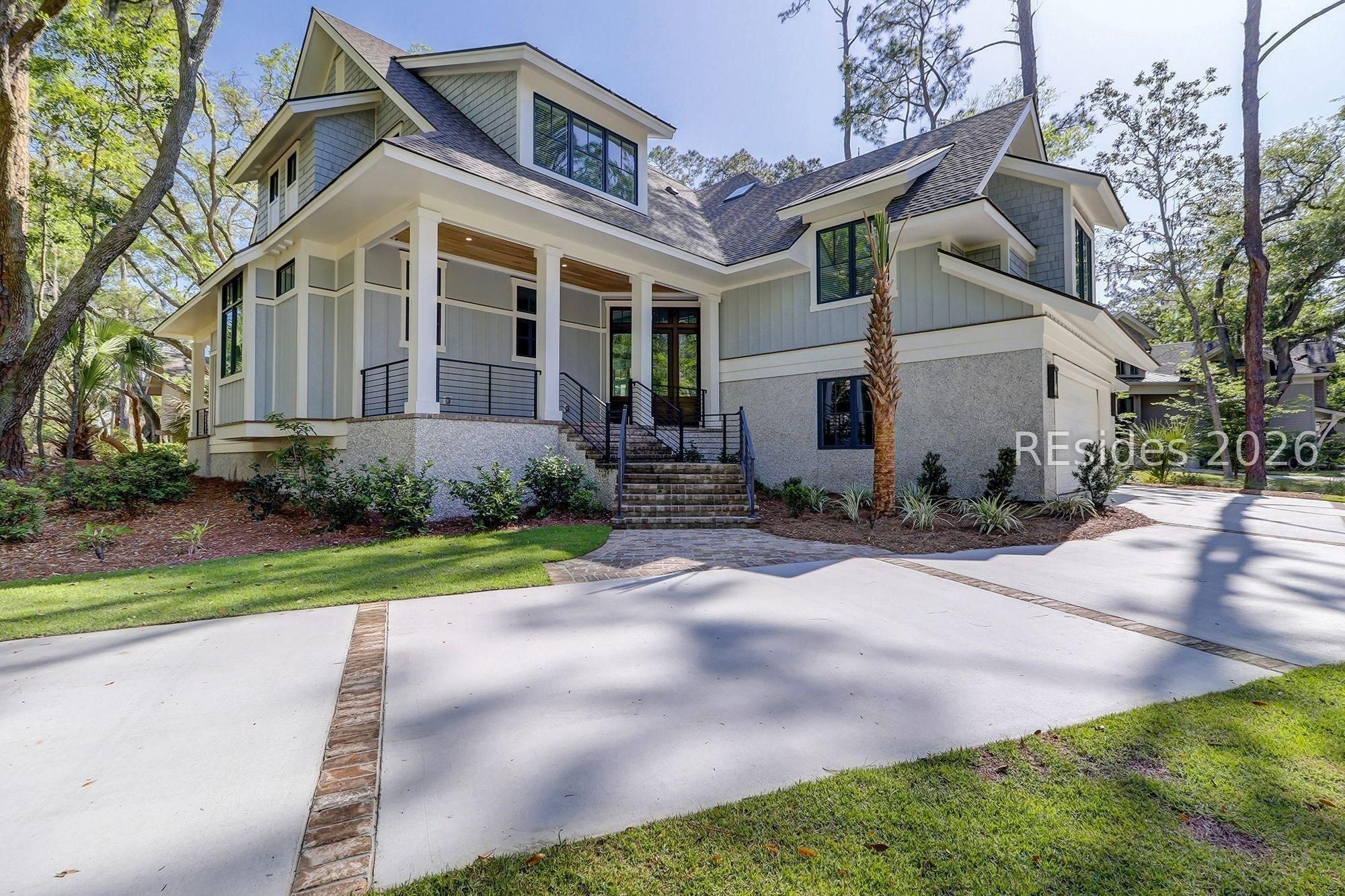
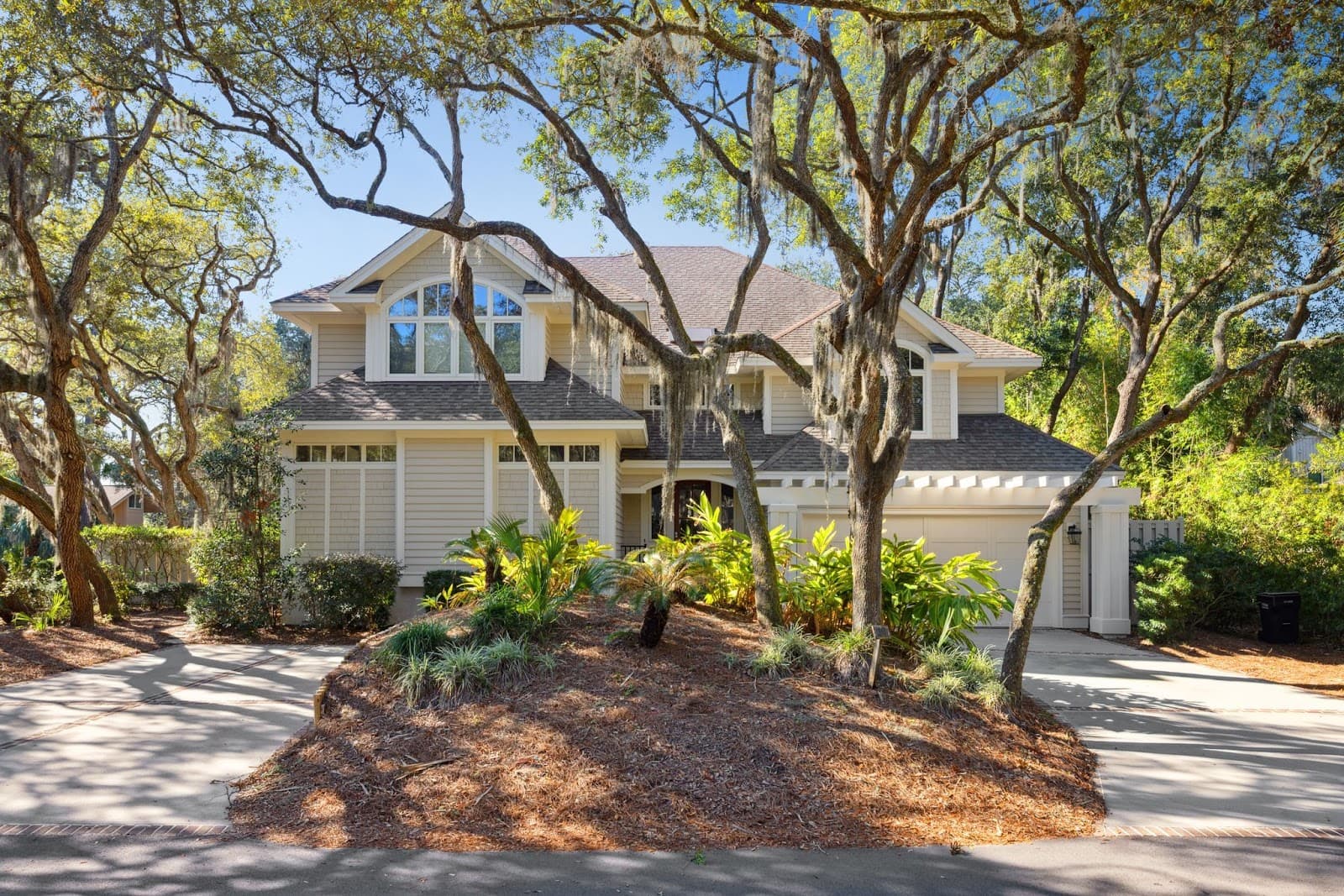
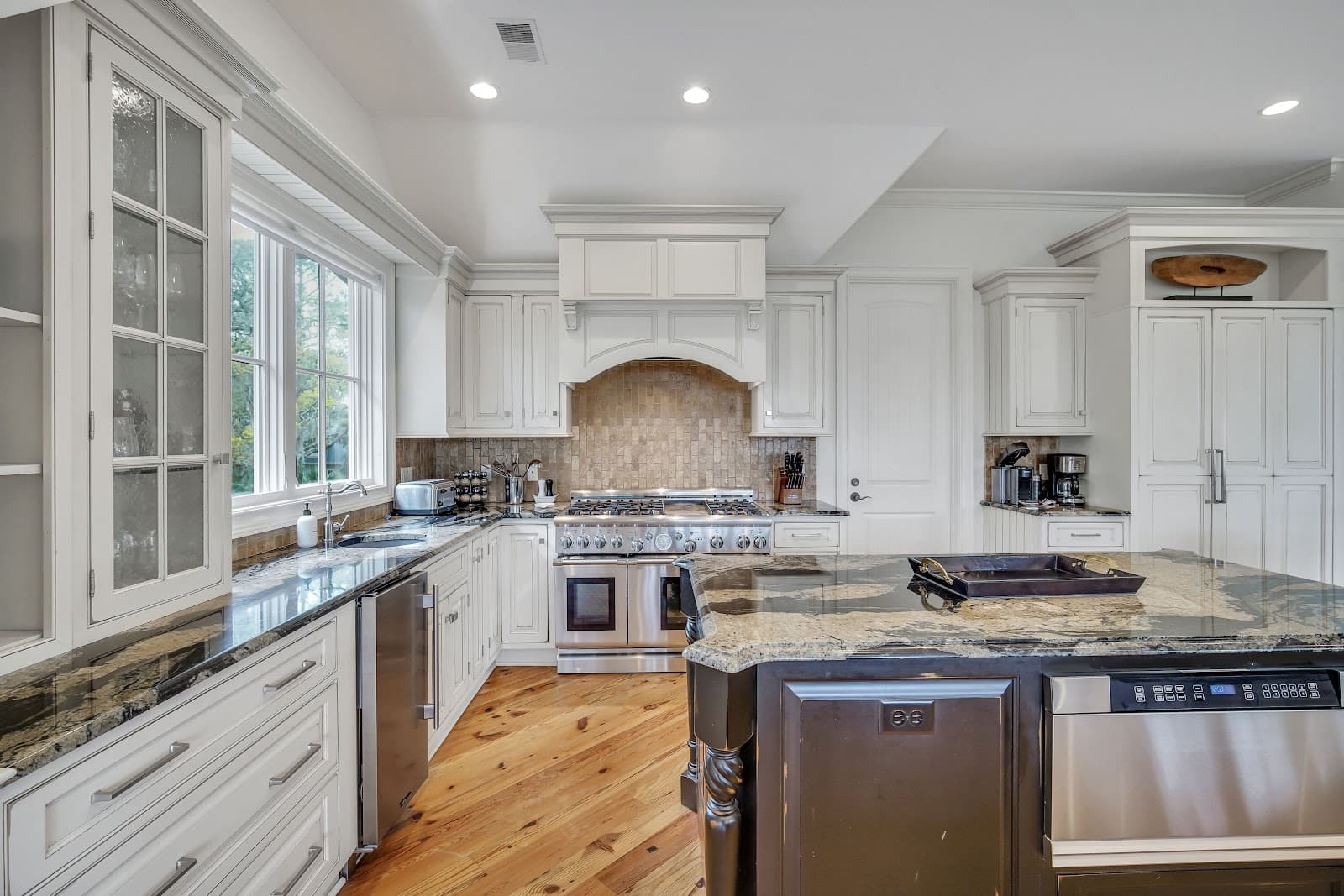
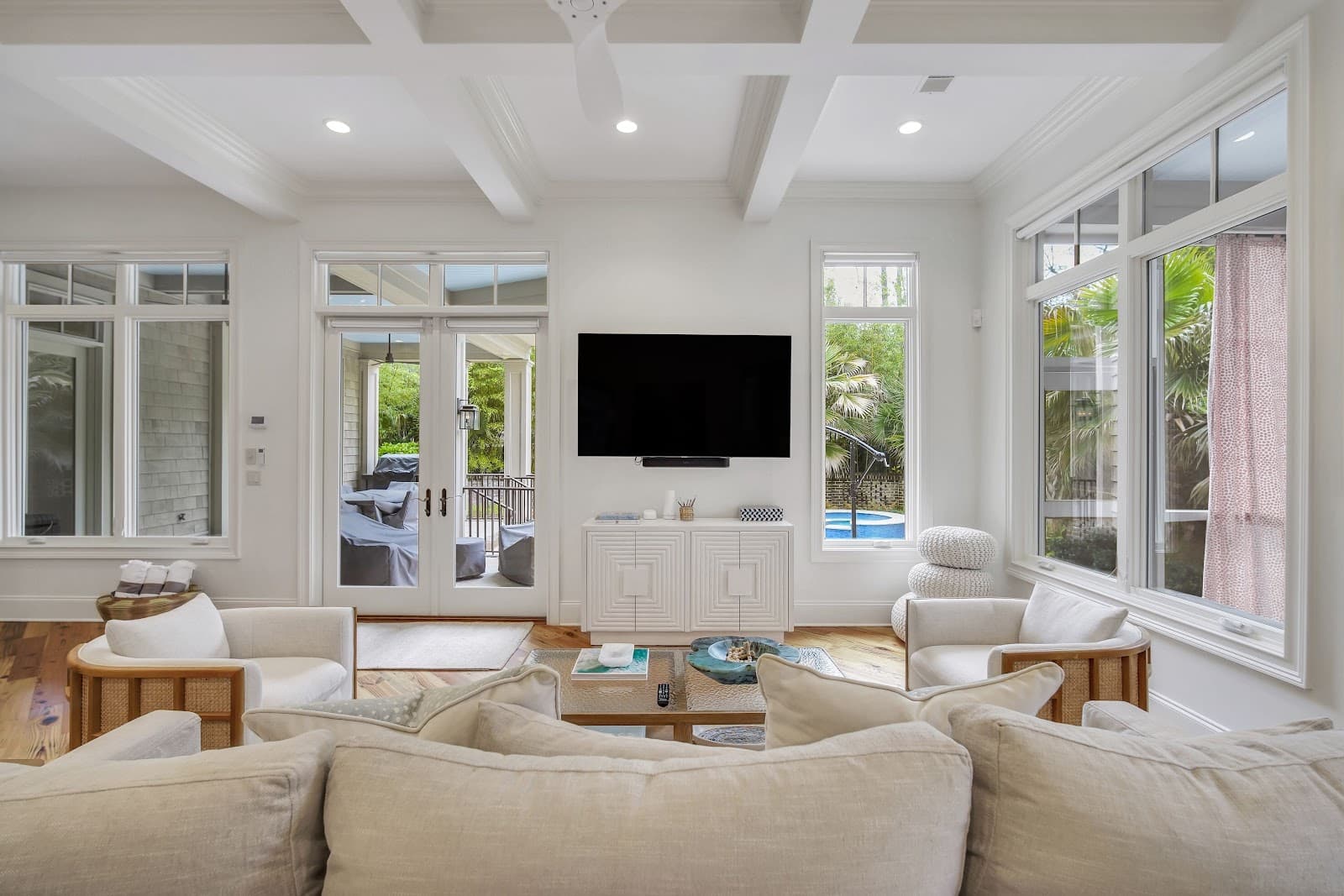
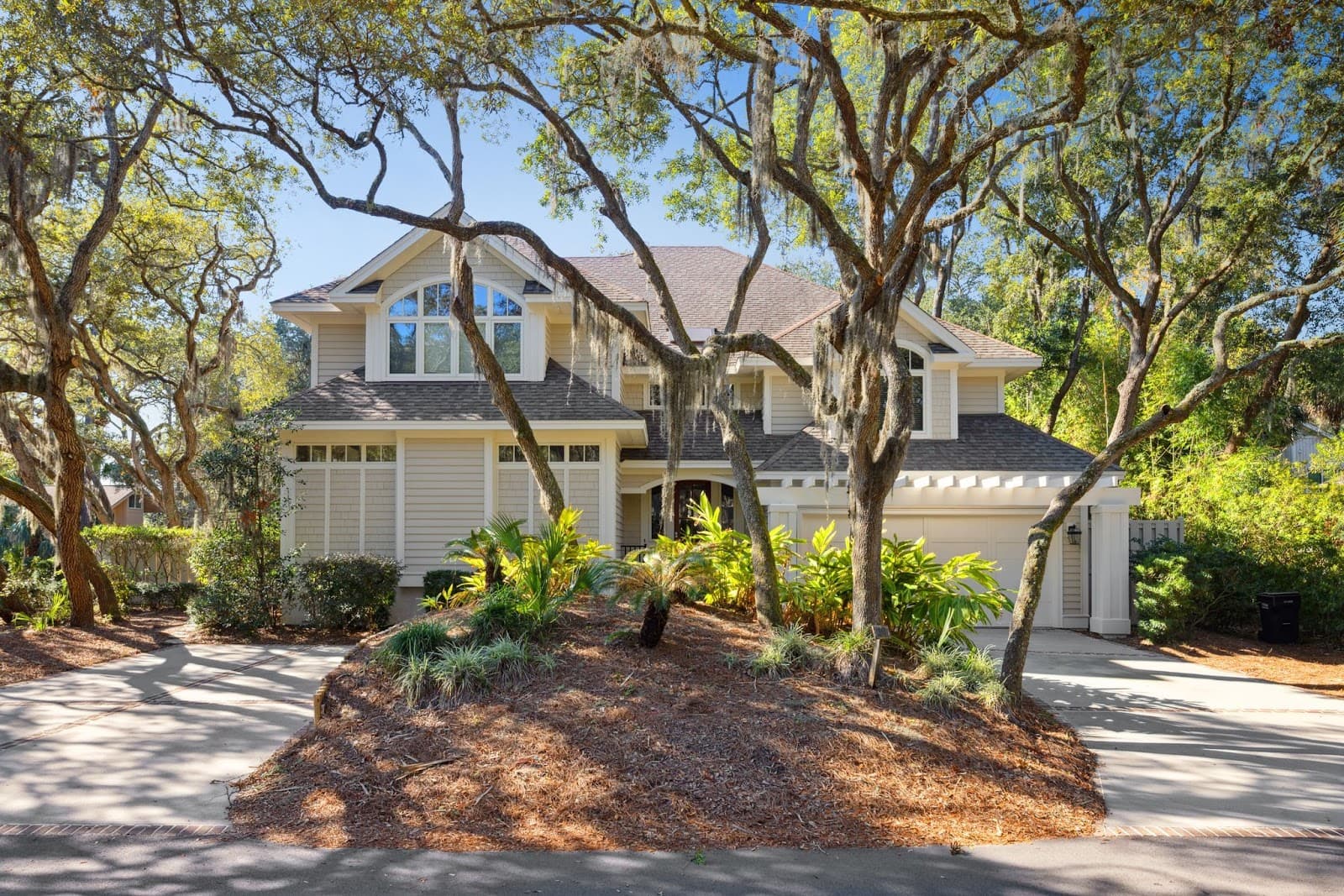
Hilton Head Island, South Carolina, USA — 6-Bed House With Beach Access
$785,000
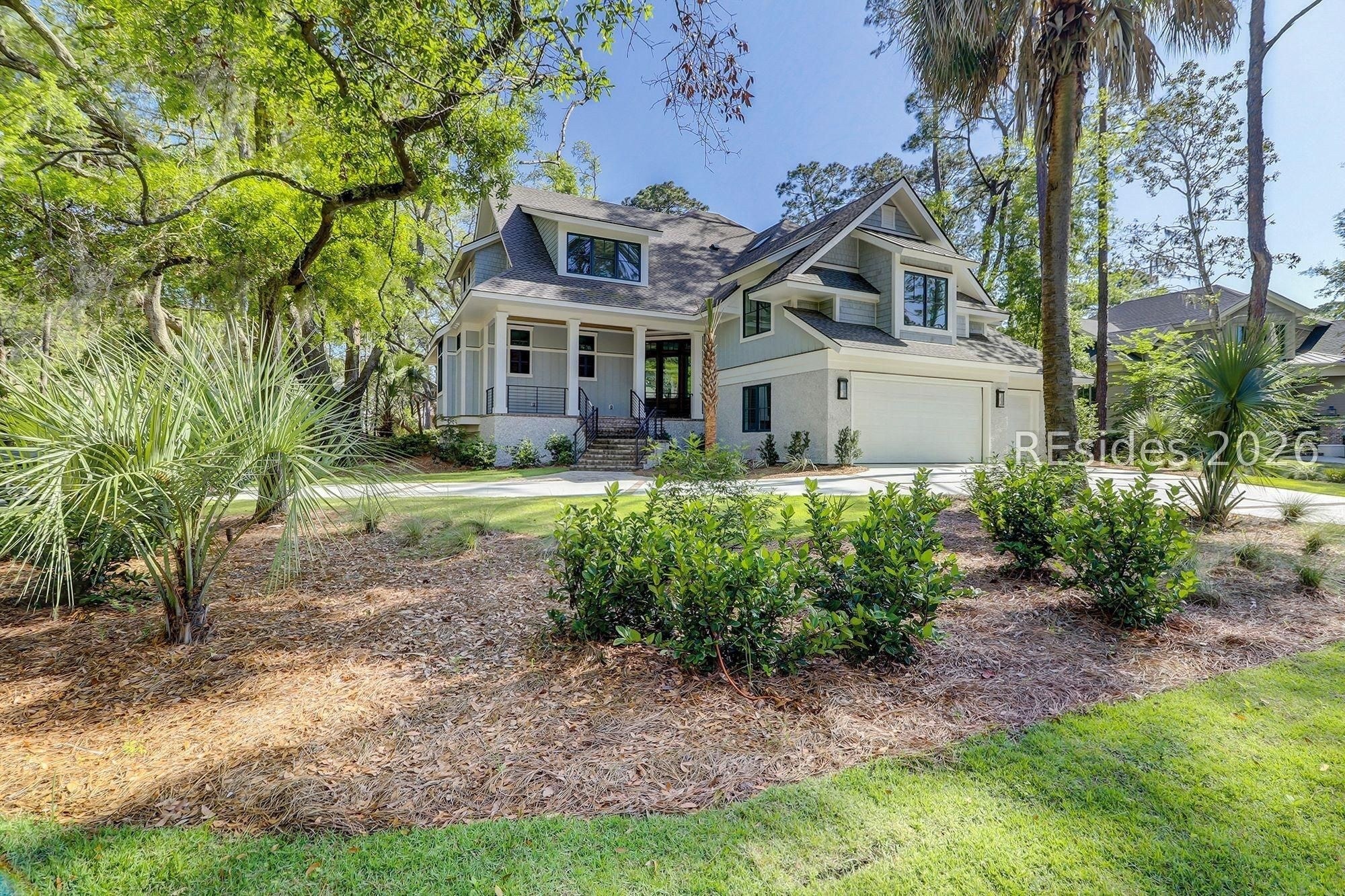
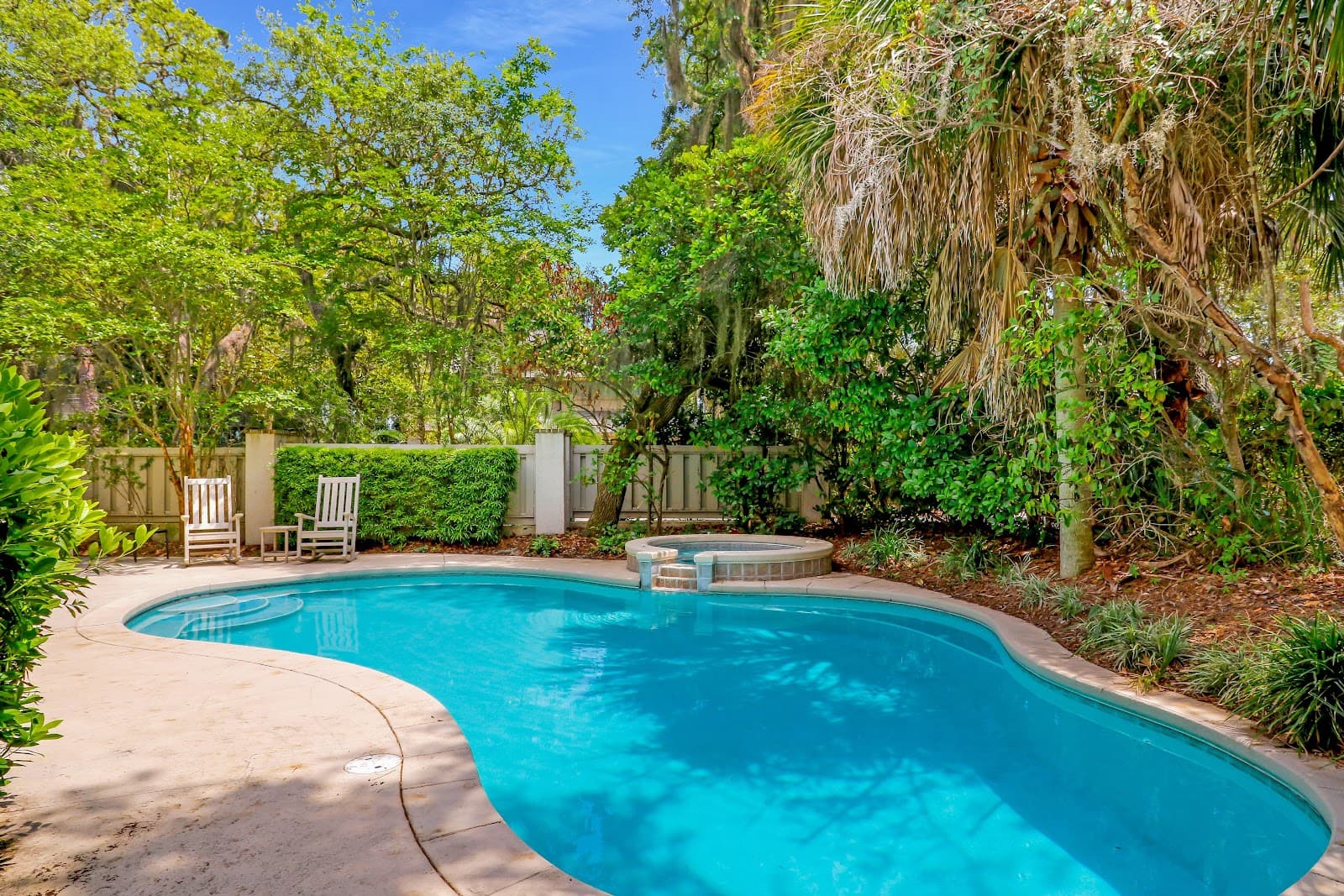
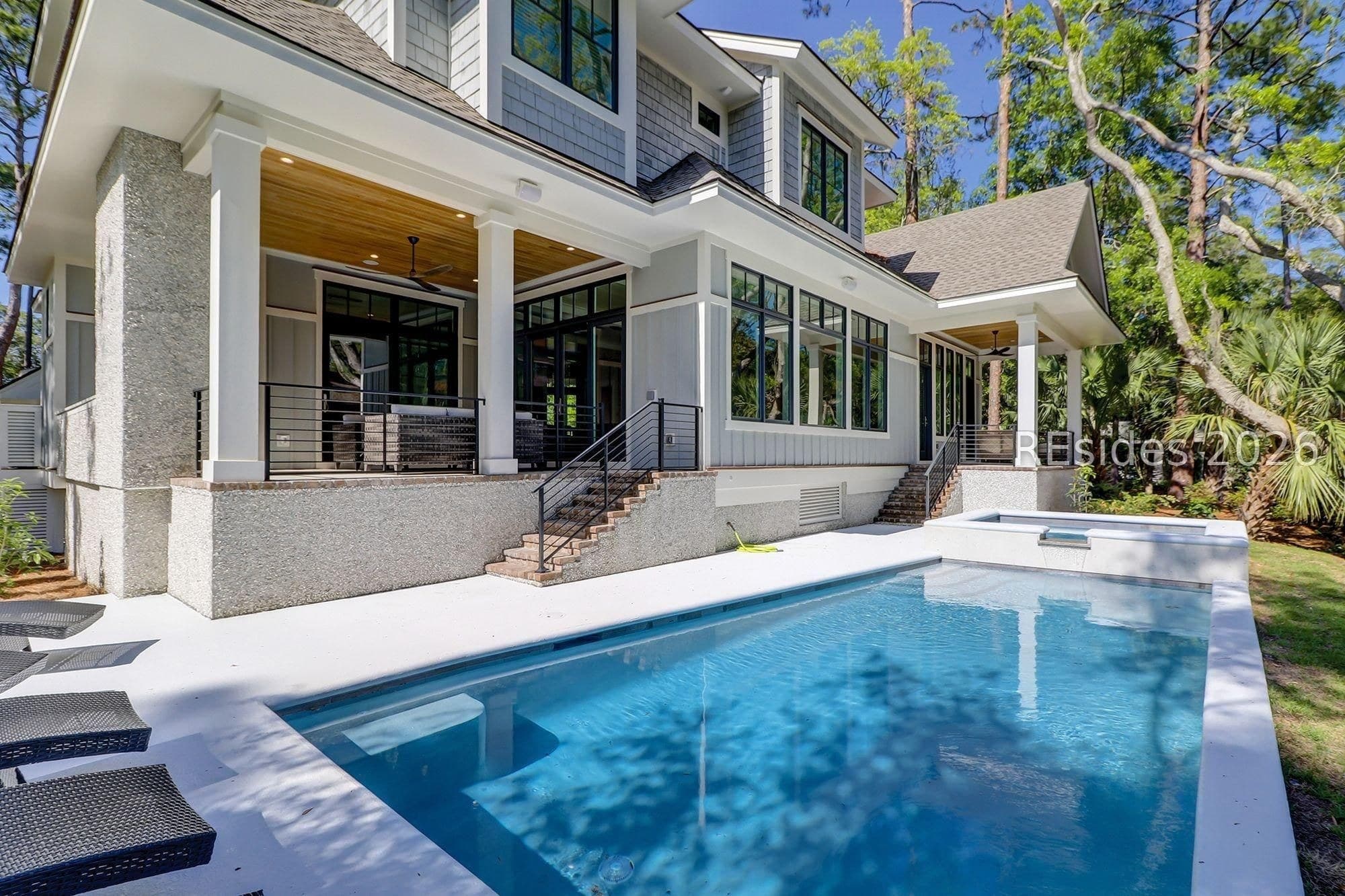
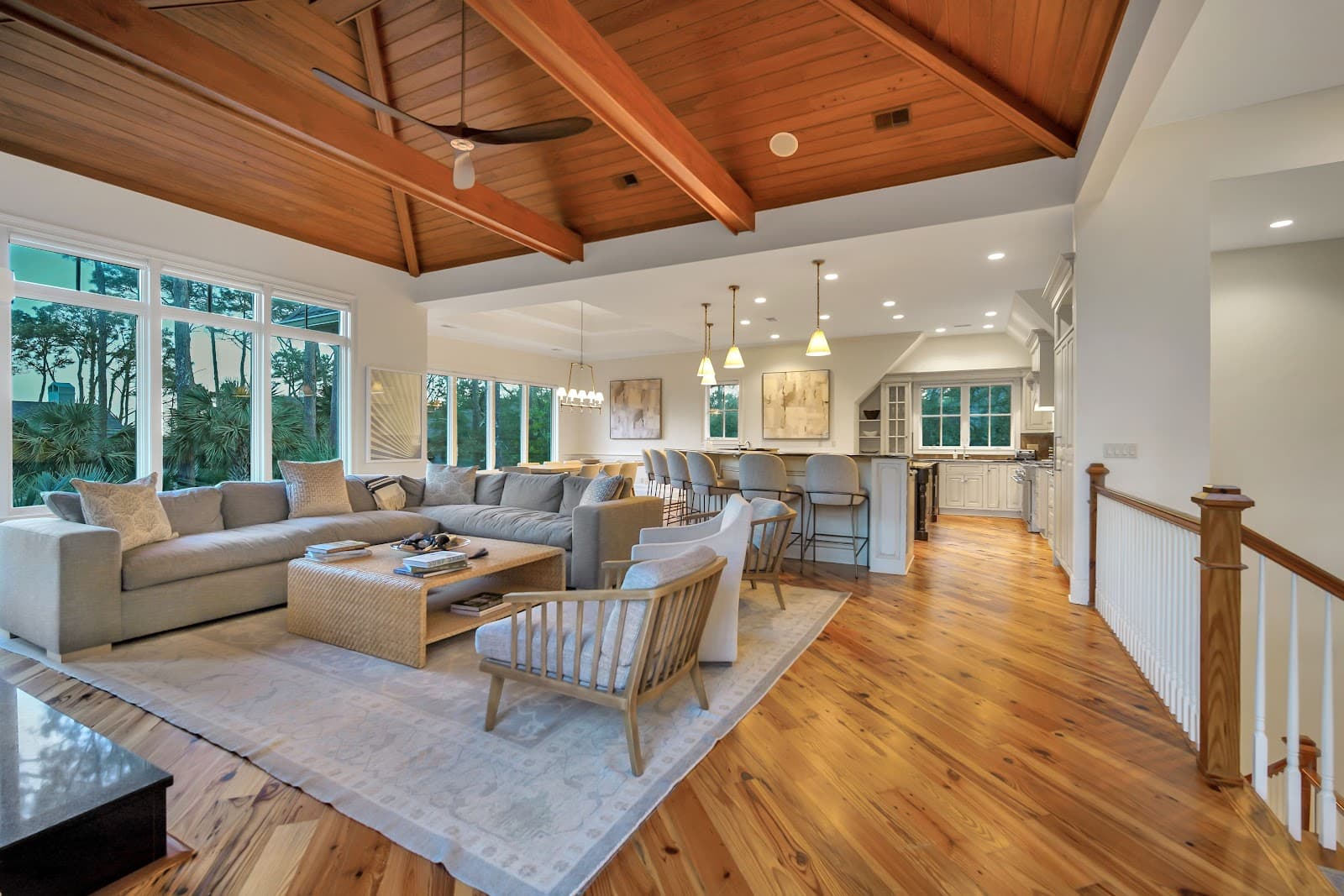
Hilton Head Island, South Carolina, USA — 7-Bed Coastal House With Pool In Sea Pines
$1,020,000
Why buy a co-ownership home in Hilton Head Island?
Buying a whole holiday home in Hilton Head Island means paying full price for a house that stands empty most of the year. Co-ownership takes the same home — professionally managed, beautifully furnished — and divides it into shares, usually eighths. You own a real share of the home — not a right to use it — with roughly six weeks of use a year, a share you can sell or pass on, and running costs shared between owners rather than shouldered alone. In Hilton Head Island, that ownership starts from $721,000.
Hilton Head Island, properly understood
Hilton Head is the largest barrier island on the South Carolina coast — twelve miles long, foot-shaped, with a permanent population of tens of thousands and a visitor economy several times that. It is not a quiet island, and pretending otherwise would be a disservice. What it is instead is the most complete resort island on the American southeast coast: roughly two dozen golf courses, one of the strongest tennis and racquet cultures in the country, twelve miles of hard-packed cyclable beach, sixty-odd miles of public pathways, a full range of restaurants and shopping, an airport with commercial service on the island itself, and Savannah forty-five minutes away.
The other thing worth understanding is how it was built, because it explains why a heavily developed island still looks like a forest. When Charles Fraser began developing Sea Pines in the 1950s, he did something almost nobody was doing in American coastal development: he wrote rules to preserve the tree canopy, set buildings back, banned the visual clutter of signage and overhead wires, and kept structures below the treeline. Those principles spread to the island's other communities and eventually into the town's own ordinances. The result is a place where you can drive for miles between live oaks and pines and barely see the buildings — and where the commercial signage is famously, almost comically, discreet.
For a buyer, the practical consequence is a very particular kind of resort island: dense in amenity, low in visual intrusion, organised into gated communities with their own beaches, courses and clubs, and genuinely usable for ten months of the year. If Kiawah is the nature-reserve option and Sea Island is the club option, Hilton Head is the complete one — the island where a group of six adults with completely different ideas of a good week can all be satisfied without leaving.
A short history, including the part usually skipped
The island takes its English name from a seventeenth-century captain, but its important history is more recent and more remarkable. Sea-island cotton and indigo plantations worked by enslaved West Africans dominated the island until the Civil War, when Union forces captured Port Royal Sound in late 1861 and the planters fled. What followed is the part of the story that deserves to be much better known: on this island, in 1862, Mitchelville was established — the first self-governed town of freed people in the United States, with its own elected officials, its own laws, and compulsory education for children, which was a first anywhere in South Carolina.
The Gullah Geechee culture that grew from the Sea Island communities — its own creole language, foodways, crafts, spirituals and land traditions — remained the island's dominant culture for the century that followed, in the isolation that came from having no bridge until 1956. Native islander families held land through generations, and their descendants are still here. Historic Mitchelville Freedom Park now interprets that history on its original site, and it is the single most worthwhile hour on the island for anyone who wants to understand where they are.
The modern island began with the bridge and with Fraser's Sea Pines development from 1956 onwards, which invented a template — environmentally sensitive, master-planned, amenity-rich resort community — that was subsequently copied along the whole southeastern coast, Kiawah included. Golf followed: the Harbour Town Golf Links opened in 1969 with its striped lighthouse and its Pete Dye design, and the professional tournament it has hosted every spring since has been the island's global calling card ever since. The Town of Hilton Head Island incorporated in 1983 to take control of its own planning. What exists today is the mature version of an experiment that largely worked.
How the island is organised
Hilton Head is best understood as a set of large master-planned communities — known locally, in a term inherited from the island's plantation history and now widely reconsidered, as the island's gated resorts — each with its own gates, security, amenities and character, strung along a single main road. Sea Pines, at the southern tip, is the original and the largest: Harbour Town and its marina, three golf courses, the forest preserve, a beach club and its own commercial village. Palmetto Dunes, mid-island, is the amenity heavyweight — three courses, one of the biggest tennis and pickleball centres in the country, a saltwater lagoon system you can kayak, and a long beach.
Shipyard and Port Royal are smaller and more compact, both with golf and beach access and both close to the island's commercial centre. Hilton Head Plantation, in the north, is the largest residential community — quieter, more year-round, less resort-driven, with its own courses and a marina on Skull Creek. Long Cove, Wexford and Indigo Run are the private, residentially focused communities: no rentals, no day visitors, club-centred and quiet.
Outside the gates, the island has a public life too: Coligny Beach and its plaza at the south end, the Shelter Cove and Coligny commercial districts, the town's own parks and the public beach accesses. And immediately off-island, Bluffton — particularly Old Town Bluffton on the May River — has become one of the most appealing small towns in the Lowcountry, with galleries, oyster restaurants and prices well below the island's.
The practical translation for a buyer: on Hilton Head, the community you buy into matters more than the street. Each has its own rules, its own amenity access, its own fees and, in several cases, its own restrictions on renting. Resolve that before you fall in love with a house.
Where exactly to own: the communities, rated
Sea Pines. The island's original and most famous address: Harbour Town, the lighthouse, the marina, three golf courses, the six-hundred-acre forest preserve, miles of leisure trails and a long stretch of beach. Busiest during the spring tournament week, and the most complete self-contained world on the island. Best for owners who want the full Hilton Head experience within one gate.
Palmetto Dunes and Shelter Cove. Mid-island, and the strongest amenity package for an active family: three courses, a nationally significant tennis and pickleball operation, an eleven-mile lagoon system for kayaking and fishing, a wide beach, and the Shelter Cove marina and shops across the road. Central location means everything on the island is ten minutes away.
Shipyard and Port Royal. Compact, well-established, close to the commercial centre and Coligny, with golf, tennis and beach clubs. Often the best value for a beach-adjacent address with full amenities, and the shortest walk to the island's public life.
Hilton Head Plantation and the north end. The residential half of the island: quieter, more permanent residents, two golf courses, a marina on Skull Creek with the best sunset view on the island, and considerably more house for the money. Ten to fifteen minutes from the beach clubs, which suits owners for whom the beach is a daily walk rather than a doorstep.
Long Cove, Wexford and the private communities. Club-centred, residential, no rental traffic and no day visitors — the quietest and most exclusive addresses on the island, with membership structures that need to be understood before purchase. Best for owners who want a private club life rather than a resort one.
Off-island: Bluffton and the mainland. Old Town Bluffton on the May River is a genuinely lovely small town with a growing food and gallery scene, and prices materially below the island's, fifteen to twenty-five minutes from the beach. For two-season owners who want space and a town, it is an increasingly compelling alternative.
The beach and the water
Twelve miles of beach, wide, gently shelving and — the characteristic that defines how the island is used — hard-packed enough at low tide to ride a bicycle on. Beach cruisers are the island's signature transport, and the low-tide ride along the water's edge is what most owners do on their first morning and most mornings after. The sand is fine, the water is warm from late spring into October, and the shelf is shallow enough that small children can be let in without anxiety.
Public access is genuinely public here, which distinguishes Hilton Head from more closed islands: Coligny Beach Park, Driessen, Burkes and other town accesses have parking, showers and boardwalks. The gated communities have their own beach clubs for residents and guests. Because the island is twelve miles long, even a busy July day leaves large stretches almost empty if you walk for ten minutes.
Behind the beach sits the other water. The island is wrapped in tidal creeks and marsh, with Calibogue Sound to the west, Port Royal Sound to the north and the Intracoastal Waterway running past. That means dolphins in the creeks — sometimes strand-feeding in the shallows, a behaviour recorded in only a few places on earth — and a serious boating, fishing and kayaking culture. Inshore fishing for redfish and trout, offshore charters out of the marinas, shrimping in season, and kayak trips through the marsh at dusk are all on the doorstep. Palmetto Dunes' lagoon system lets you paddle for miles without ever leaving the community.
Golf: the island's other landscape
Hilton Head is one of the great golf destinations in the United States, with something in the order of two dozen courses on the island itself and more in the surrounding Lowcountry. The headline is Harbour Town Golf Links in Sea Pines: a Pete Dye design with Jack Nicklaus consulting, opened in 1969, famous for small greens, tight tree-lined corridors and a finish along Calibogue Sound beneath the striped lighthouse. It has hosted a PGA Tour event every spring since it opened — the only tour stop in South Carolina, played the week after the Masters, with a tartan jacket for the winner — and it is open to play the rest of the year.
Around it, the range is genuinely deep: the other Sea Pines courses, the three at Palmetto Dunes including a Robert Trent Jones design running to the ocean, Shipyard, Port Royal's three, the Hilton Head Plantation courses, and the private clubs at Long Cove and Wexford. The variety matters — links-adjacent, lagoon-laced, forested, oceanside — and so does the availability: outside tournament week you can generally get on the good ones with reasonable notice.
For a non-golfing owner, the golf is still doing you a favour: it is why the island's landscaping is immaculate, why the tree canopy was preserved as course corridors, and why an island of this size supports the restaurants and services it does. And it is why the island's spring — March through May — is its most valuable season, which is a useful thing for a calendar to know.
Tennis, pickleball, trails and the outdoor day
Hilton Head's racquet culture is one of the strongest in the country and has been for fifty years. The island holds several major tennis centres, a long-established coaching tradition, hundreds of courts across the communities, and a competitive and social calendar that runs all year. Pickleball has arrived at scale — Palmetto Dunes and other centres have built substantial dedicated facilities — and for a certain demographic it has become the single most-used amenity on the island.
The pathway network is the island's other quiet triumph: something over sixty miles of paved public pathways, separate from the roads, running the length of the island and connecting the communities, beaches, shops and schools, with more inside each gated community. Combined with the hard-packed beach, it means a family can genuinely cycle everywhere. Bicycles outnumber golf carts, which is saying something in this part of the world.
The rest of the outdoor register: kayaking and paddleboarding in the creeks and lagoons, fishing inshore and offshore, dolphin tours, the Sea Pines Forest Preserve with its trails and boardwalks over freshwater ponds, birdwatching that is exceptional and effortless, the Coastal Discovery Museum at Honey Horn with its marsh trails and heritage exhibits, and a nature programme that will take children out to find alligators and learn the tides. It is an island designed, more than most, to be used outdoors.
Savannah, Bluffton and the mainland
Forty-five minutes south-west sits Savannah, and it is one of the most beautiful cities in America: a preserved eighteenth-century grid built around twenty-two garden squares under live oaks, with a historic district you can walk for days, a serious restaurant scene, an art and design school that gives the city an unexpected youth, and a river front that runs from cotton warehouses to riverboats. It is close enough for dinner and easily worth two or three days across a year of visits.
Much closer, Bluffton — fifteen to twenty-five minutes off the island — has become the Lowcountry's most appealing small town. Old Town Bluffton sits on a bluff above the May River with a handful of streets of galleries, restaurants, an oyster tradition and a genuinely local feel. The May River oysters are among the best in the South. Beyond it, Palmetto Bluff and the surrounding countryside give the inland version of the Lowcountry: rivers, forests, horses and quiet.
And then the islands. Daufuskie, reachable only by boat from Hilton Head, is a small island with no bridge, a Gullah community, historic sites and a very slow pace — a superb day trip and one of the more moving places on this coast. Beaufort, forty-five minutes north, is a small antebellum town of extraordinary architecture. Charleston is about two hours. The point, for an owner, is that a week here need never be confined to the island.
The seasons, honestly described
Spring is the island's crown: March, April and May bring warm days, cool nights, azaleas, the golf at its absolute best and the tournament week in April, which is the single busiest and most expensive week of the year. Book around it deliberately in one direction or the other. Late spring brings the turtle nesting season and the start of the family peak.
Summer — June through August — is hot and humid, with afternoon thunderstorms that arrive, clear and leave, and an ocean that is genuinely warm. This is the family season, and the island is at its busiest; the beach, the pools, the lagoons and the air conditioning all earn their keep. September thins out quickly once American schools return and the water stays warm, with the caveat that it sits in the peak of hurricane season.
October is arguably the best month of the year: warm sea, dry air, low humidity, empty beaches and perfect golf. November stays mild and adds the oyster season. Winter — December through February — is cool rather than cold, with plenty of bright days in the fifties and sixties Fahrenheit; the golf continues, the cycling is excellent, the island is quiet, and a substantial population of northern snowbirds spends the whole season here. An honest summary: ten to eleven usable months, two of them hot, and no dead season at all.
Hurricane season, well managed
The Atlantic hurricane season runs from the start of June to the end of November, with the statistical peak in late August and September. Hilton Head's most recent significant storm was Hurricane Matthew in 2016, and the island's building standards, insurance and evacuation planning are all built around the season.
Coastal building codes are strict and have been strengthened repeatedly; newer construction is engineered for high wind. Homes carry wind and flood insurance as standard, a known annual cost that is part of your numbers from the start. Evacuation routes and procedures are well established and rehearsed each season, and the town and the communities coordinate them.
For a co-owned home, this is one of the real advantages of the structure: professional management handles it all — shutters and preparation ahead of a storm, inspection afterwards, insurance administration, and the contractor relationships that matter when the whole coast needs a roofer at once. It is exactly the kind of responsibility a shared, professionally managed home carries far better than a single owner several states away.
A year on the island, month by month
January and February are the quiet, bright months: cool, dry, empty beaches, golf without a wait, and a large seasonal population of northern residents who come for exactly this. March turns it: the azaleas, the first warm days, the spring golf season opening in earnest. April is the island's peak — the professional tournament week brings the world, the weather is perfect, and prices and crowds reflect both.
May is arguably the sweetest month: warm, not yet humid, the ocean warming, the turtles beginning to nest and the tournament crowds gone. June, July and August are the family summer — hot, humid, busy, and built around the beach, the pools, the lagoons and the afternoon storms. The island absorbs it, but the roads are busy and the restaurants need booking.
September empties out fast after Labor Day while the ocean stays warm, which makes it superb value for anyone who can travel outside school holidays, with hurricane season to keep in mind. October is the connoisseur's month: dry, warm, empty, and the best golf conditions of the year. November is mild and brings the oysters. December is quiet, cool and decorated, with Harbour Town's lights and a genuinely charming small-town Christmas. There is no month here that does not work.
The year's fixtures
The island's calendar has one immovable landmark: the PGA Tour tournament at Harbour Town in April, played the week after the Masters, which has run every year since 1969. It fills the island and lifts every rate on it, and it is a genuinely wonderful week to be here if you love golf. Either way, plan around it.
Around that: the Hilton Head Island Wine and Food Festival in March, a long-running event with tastings across the island; the Concours d'Elegance and motoring weekend in the autumn; the RBC-week concerts and social calendar; the springtime Gullah Celebration in February, which is the island's most important cultural event and the right way into the history described earlier; and the summer programme of outdoor concerts, markets and family events at Shelter Cove and Coligny.
The sporting calendar beyond golf includes serious tennis and pickleball tournaments across the year, a triathlon and running calendar, and a fishing tournament season out of the marinas. Off-island, Savannah's St Patrick's Day is one of the largest in the United States and worth seeing once from a safe distance, and Bluffton's oyster roasts and street festivals run from autumn through spring.
Eating, drinking and the Lowcountry table
Hilton Head has more restaurants than any island of its size on this coast, and the range runs from serious to entirely unserious. The strengths are seafood — local shrimp, oysters from the May River and the surrounding creeks, grouper and snapper off the boats — and the Lowcountry canon: shrimp and grits, she-crab soup, Frogmore stew, red rice, and the Gullah Geechee cooking that underpins all of it. The island's better kitchens do this properly; the tourist strip does not always, and local advice is worth taking.
Beyond the island, the food improves further. Old Town Bluffton has become a genuine destination for oysters and modern Lowcountry cooking, twenty minutes away. Savannah, at forty-five minutes, is a serious food city with a national profile. Between them, an owner here never runs short of somewhere new.
Provisioning a house is easy: full-size supermarkets on the island, farmers' markets in season, seafood markets that sell what came in that morning, and shrimp bought at the docks when the timing is right. The practical shape of a good week is a couple of proper dinners, a Bluffton lunch, and the rest cooked at home — which on this coast, with that seafood, is not a compromise.
Hilton Head with children
This is one of the most reliable family destinations in the United States, and the reason is the combination of a very gentle beach, a pathway network that lets children cycle safely, and a density of organised activity that means a rainy afternoon is never a crisis. The beach shelves gently and is hard-packed for bikes; the lagoons and creeks are calm enough for a first kayak; and the communities' pools, tennis programmes and children's camps run all summer.
The specific attractions: the Sea Pines Forest Preserve with its boardwalks and alligator-spotting, the Coastal Discovery Museum with marsh walks and hands-on exhibits, dolphin tours that deliver almost every time, mini golf that is taken remarkably seriously here, the Harbour Town lighthouse climb, and a turtle-nesting programme through the summer that children latch onto completely. Junior golf and tennis coaching on this island is as good as anywhere in the country.
For older children and teenagers, the island's independence factor is the selling point: sixty miles of pathways, a beach you can ride along, and a compact set of destinations mean a fourteen-year-old can be given a bike and a meeting time. For ownership groups, the useful arithmetic is that the island works in every month, so families with school-age children and couples without them tend to want different weeks — and the rotation handles the genuine clashes over the summer and the spring exactly as it is written to.
The non-beach day
There is a great deal to do here that has nothing to do with sand. Historic Mitchelville Freedom Park, on the site of the first self-governed town of freed people in the United States, is the most important hour on the island. The Coastal Discovery Museum at Honey Horn combines Lowcountry history, art exhibitions and marsh trails on a beautiful old property. The Sea Pines Forest Preserve gives six hundred acres of trails, ponds and shell rings — one of which is a several-thousand-year-old Native American site.
Then the water without swimming: dolphin cruises, sunset sails out of Harbour Town and Skull Creek, kayak tours through the marsh at dusk, and fishing charters at every level from a creek trip with children to offshore for the day. Spa facilities are plentiful. The island has an arts centre with a professional performance programme, galleries, and a surprisingly good local music scene.
And the day trips do the rest: Bluffton for galleries and oysters, Savannah for the squares and the restaurants, Daufuskie Island by ferry for the slowest and most interesting day on this coast, and Beaufort for antebellum architecture. What matters for a shared home is that every member of a household wants to come — and on Hilton Head, they generally do, because the island is unusually good at supplying different people with different days.
Getting there and getting around
Hilton Head is one of the easiest resort islands in America to reach. Savannah/Hilton Head International Airport is about forty-five minutes away with broad domestic service and connections onward, and Hilton Head Island Airport sits on the island itself with commercial regional service to several hub cities — which means, for some routes, a flight that lands on the island. Charleston is about two hours by road, Jacksonville about two and a half, and Atlanta around four and a half.
The island is reached by a causeway from the mainland, and the single main road running its length is the island's one traffic constraint — it can be genuinely slow at peak times in July and during tournament week. Owners learn the alternate routes and the timing quickly. Bluffton's commercial district on the mainland handles the bigger shopping.
Locally, the answer is bicycles. Sixty-plus miles of separated public pathways, more inside each community, and a hard-packed beach mean that a very large share of an owner's week can happen without a car. A car remains necessary for the airport, Savannah and the big shop, and most groups keep one vehicle rather than one per adult. Golf carts are common within the communities. Practically, a week here involves far less driving than most American holidays.
The property market, honestly described
Hilton Head is a mature, deep and unusually liquid resort market — one of the largest concentrations of second homes on the American southeast coast, with decades of transaction history, a full-time population of tens of thousands and a substantial retiree base. That depth is a genuine advantage: there is a real, continuous market at every price point rather than a thin one at the top, and the professional infrastructure for managing, letting and maintaining property is as mature as anywhere in the region.
The price gradient runs by community and by frontage. Oceanfront and ocean-view in Sea Pines, Palmetto Dunes and the beachfront stretches sits at the top, followed by the private club communities, then golf-frontage and lagoon-view property, then the interior and the north end, with Bluffton and the mainland offering materially better value. Newer construction commands a substantial premium, partly for finishes and partly because coastal building standards materially affect insurance.
Three local specifics are worth knowing. First, insurance: wind and flood cover is a standard annual cost on a barrier island. Second, property tax: South Carolina assesses an owner-occupied legal residence at a lower ratio than other real property, so a second home carries a higher effective property tax — a known line item, shared between the owners. Third, community rules: each gated community has its own regime on rentals, alterations, fees and amenity access, and we take you through the one that applies.
For a share buyer, the translation is the familiar one. A house on this island of the size and quality that makes a family week work is a large purchase carrying coastal running costs all year for a house used a handful of weeks. A share is not — and with something like ten or eleven usable months, the calendar spreads across the whole year rather than crowding into July.
What underpins value here
Five supports. First, amenity depth: two dozen golf courses, a nationally significant racquet scene, twelve miles of beach, sixty miles of pathways, marinas, and a restaurant and retail base that a much larger town would be pleased with. Nothing else on this coast matches the completeness. Second, access: an airport on the island, a major one at forty-five minutes, and a drive-market catchment covering Atlanta, Charlotte, Nashville and the whole southeast.
Third, a genuine year-round population and economy. Hilton Head is not a seasonal strip that closes in November — it has schools, a hospital, a town government, tens of thousands of permanent residents and a large winter population of seasonal ones. That underpins the property market in a way a purely seasonal island's cannot. Fourth, the length of the season: spring and autumn are the best of the year, the golf runs twelve months, and there is no dead period.
Fifth, planning discipline and constrained supply. The island is finite, largely built out, and governed by a town whose ordinances on height, signage, tree canopy and setbacks are unusually strict — which both preserves the character and prevents large new supply. What to know: hurricane season and its insurance cost, and a busy main road in high summer. Both are well known and simply part of island life.
Who owns here
Hilton Head's ownership is overwhelmingly American and heavily southeastern: Atlanta, Charlotte, Nashville, Columbia, Greenville and the Carolinas form the core drive market, with the Midwest and the Northeast supplying a large seasonal and retiree population. The island has one of the highest concentrations of retirees of any resort community in the country, which gives it a genuine year-round social and civic life — clubs, volunteer organisations, a symphony, an arts centre — that seasonal islands lack.
The second layer is second-home owners who use the island for weeks and, in many communities, let the rest through rental programmes. The third, smaller but growing, is international — Canadian, British and European buyers who have discovered Savannah as an entry point and this coast as a place that is warm in April.
For a co-owner the practical consequence is an island entirely built around part-time ownership. Property management, maintenance, landscaping, storm preparation and rental administration are large, mature, competitive industries here, which means service quality is high and prices are keener than on smaller islands. A house used by several families in rotation is, from the island's point of view, an entirely ordinary arrangement that its management companies have handled since the 1970s.
Hilton Head against the alternatives
Buyers looking at the southeastern coast compare the same places, so here is the honest reckoning. Against Kiawah, two hours north: Kiawah is quieter, wilder and lower-density, with a nature-reserve feel and Charleston next door; Hilton Head has far more amenity, more restaurants, more golf, an airport on the island and a real year-round town — and correspondingly more traffic and less solitude. It is the difference between an island you retreat to and an island you use.
Against Sea Island and the Georgia coast: a more closed, club-centred proposition at a considerably higher price of entry. Against the Florida panhandle beaches — Rosemary, Seaside, Destin: whiter sand and clearer water, a more concentrated and more expensive summer season, and much less to do outside it. Against Charleston's own islands, Isle of Palms and Sullivan's: closer to a great city, smaller, less amenity-rich, and priced accordingly. Against the Outer Banks: wilder and cheaper with a much shorter season and no infrastructure of this kind.
Hilton Head's own case, stated plainly: the most complete resort island on the American southeast coast, with two dozen golf courses, a nationally significant racquet scene, twelve miles of cyclable beach, sixty miles of car-free pathways, an airport on the island, Savannah at forty-five minutes, a ten-to-eleven-month season and a genuine year-round town — at prices below the more exclusive alternatives. The trades are summer traffic and a busier, more developed island than the quiet-seekers want. For a family or a group with mixed interests and mixed ages, it is the most reliably satisfying address on this coast.
Co-ownership on Hilton Head, in practice
Here is how a share of a house here actually works. You own a real share of a specific, fully furnished, professionally managed home — an eighth, a quarter — not a right to use it. You can sell it, pass it on to your heirs, and you benefit when the home rises in value. A timeshare sells you a week. Co-ownership sells you the house, not points or a club membership. Your share is part of the house itself, shared with a small group of owners rather than hundreds, and you sell it on the open market at the price you set. The legal set-up is arranged by our partner for each home and walked through with you before you buy. The calendar allocates usage fairly across the owners, rotating the contested dates — the tournament week in April, the summer weeks, Thanksgiving, the Christmas period — from year to year so no owner is permanently advantaged, with flexible booking for everything else.
A professional manager runs the house: cleaning and linen between stays, landscaping, maintenance, the community association relationship, utilities, deliveries, the humidity and pest management a subtropical coast requires, and — importantly here — storm preparation and post-storm inspection. Your owner's storage holds the bikes, the beach kit and the clubs between visits, so you travel light.
Hilton Head suits the structure unusually well for two reasons. The first is the season: with ten or eleven usable months and spring and autumn as the best of them, the rotation has genuinely valuable weeks to distribute across the whole year rather than a scarce summer to fight over. The second is amenity access: much of what makes this island good — the beach clubs, the courses, the racquet centres, the pathways — comes with the property and the community, which means a share buys into an entire infrastructure rather than just a house.
Costs are shared in the same proportion as ownership: each owner carries their share of the home's running costs, billed transparently, covering property taxes, wind and flood insurance, utilities, community association and amenity fees, landscaping, cleaning, maintenance and the reserve that keeps the furnishings good. On a barrier island those costs are real, which is precisely the argument for sharing them across several households rather than carrying them alone for a house used six weeks a year.
Buying in the United States: how the process actually runs
American property transactions run differently from European ones and are, once understood, fast and well-supported. There is no notary in the civil-law sense. In South Carolina the closing is conducted by an attorney, working with a title insurer: the deposit is held in escrow, the chain of title is researched, liens and encumbrances are resolved, and title insurance is issued protecting the buyer against defects missed in the search. That insurance is standard practice and one of the real strengths of the system.
The sequence: an offer on a standard state-approved contract; a due-diligence period during which the buyer inspects and can generally withdraw; title and survey review; and closing, typically within thirty to sixty days, with all costs itemised in advance on a settlement statement. On a barrier island, use the due-diligence period properly: elevation certificate, flood zone determination, insurance quotes obtained before commitment rather than after, wind mitigation assessment, and the community association's covenants, budget, reserves and rental rules read rather than skimmed. On Hilton Head the community documents matter more than on most islands, because the communities differ so much.
There is no restriction on foreign ownership of American residential property. Non-US buyers will need a taxpayer identification number for filing purposes, should expect withholding rules to apply on a future sale, and should take advice on how their home country treats US-situs assets — including estate and inheritance treatment, the point most often overlooked. For a co-ownership share, the legal set-up is arranged by our partner for each home. We walk every buyer through the specimen documents in plain language before any commitment, and we will always encourage independent legal and tax advice. Nothing in this guide is legal or tax advice.
Three owners' years: specimen calendars
Three honest specimen years. The golf-first couple: a week in late March when the courses are perfect and the crowds have not arrived, the tournament week in April in the years the rotation grants it, a week in October which is the finest golf month of the year, and a stretch in January for winter rounds and an empty island. Almost none of it competes with the family calendar, which is exactly why it clears.
The family with school-age children: a week at spring break, a fortnight in July built around the beach, the pools and the lagoons, a long weekend at Thanksgiving, and a few days at Christmas when the island is cool and decorated. Six-plus weeks in a house that already holds the bikes, the boards and the beach chairs — and a July fortnight that is close to impossible to rent at short notice.
The friends' syndicate: two couples taking alternating long weekends through the spring and autumn — golf, oysters, Savannah dinners, tennis — plus one shared week each summer when the households and their children combine, and unclaimed weeks placed into managed rental where the home and the community provide for it. Three different shapes, one common property: on an island with eleven usable months, six weeks a year is not a constraint to be managed. It is a budget to be spent well.
An owner's practical almanac
The small knowledge that makes ownership frictionless. Tides: check them. Low tide means hard sand for cycling, a wide beach, shelling and the best dolphin watching; high tide narrows the beach considerably in places. Traffic: the island has one main road, and in July and during tournament week it is slow at predictable hours — travel early, learn the cross-island alternatives, and do the big shop on the mainland.
Wildlife etiquette matters here: alligators live in the lagoons and are never to be approached or fed — a genuine safety rule with legal weight behind it. Turtle nesting season brings lighting restrictions on beachfront properties from May into October, because artificial light disorients hatchlings; comply without complaint and do not disturb marked nests.
Seasonal practicalities: summer humidity means air conditioning runs constantly and a closed house needs humidity management, which is one of the reasons an unmanaged coastal second home deteriorates fast. Insects are a Lowcountry fact; good repellent is standard kit. Hurricane season runs June to November with preparation handled by the management team. Book the tournament week, Easter and the popular restaurants well ahead; book nothing else and let the island set the pace.
And the golden rule: whatever week you cannot use, release it early. On an island where October is as good as July, someone in your ownership group will want it.
Hilton Head: questions owners actually ask
Is it busy? It is the liveliest island on this coast, because it has the most to do. In July and during tournament week, book restaurants ahead and allow time on the main road. In October, January or March it is calm, and the beach is empty ten minutes' walk from any access point.
Which community should we buy in? Sea Pines for the full island experience within one gate. Palmetto Dunes for the strongest amenity package and a central position. Shipyard or Port Royal for value close to the beach and the shops. Hilton Head Plantation for quiet, space and more house for the money. The private communities for club life without rental traffic. Tell us how your group actually spends a week and we will point you at the right homes below.
How long is the season, really? Ten to eleven months. Spring and autumn are the best of the year, summer is hot and busy, winter is cool but perfectly usable — the golf runs all year and a large seasonal population spends the whole winter here. There is no dead period, which is unusual for an American beach destination.
What about hurricanes? Seasonal and well managed. Building codes are strict, insurance is comprehensive, evacuation is well rehearsed, and professional management handles preparation and post-storm inspection for you.
Can children get around on their own? Yes, and it is one of the island's defining features: over sixty miles of separated public pathways plus a beach you can cycle at low tide. Parents routinely describe Hilton Head as where their children got their first real independence.
More questions, answered plainly
Do we need a car? For the airport, Savannah and the big shop, yes. For a great deal of the rest, no — the pathway network and the beach make bicycles the island's real transport, and most groups keep one vehicle rather than one per adult.
Can we let our weeks? On many homes, yes. Where managed letting of unused weeks is allowed, the management team handles it for you. Rental rules vary between the island's communities, and we confirm exactly what applies to each home before you commit.
What are the running costs like? Each owner carries their share of the home's costs, billed transparently — property taxes, wind and flood insurance, utilities, community association and amenity fees, landscaping, cleaning, maintenance and the furnishing reserve. Sharing them is the point of the structure, and you see the full breakdown before you commit.
How does Hilton Head compare with Kiawah? Kiawah is quieter, wilder and lower-density with Charleston next door; Hilton Head has far more to do, more golf, more restaurants, an airport on the island and a real year-round town. If your group is mixed in age and interest and wants everything within reach, Hilton Head. If your group wants solitude and wildlife, Kiawah. We list homes on both and will say plainly which suits you.
What should we do on a viewing trip? Come for three days. Cycle the beach at low tide and then ride a pathway the length of the island. Play a course. Take a boat out at sunset. Spend an hour at Mitchelville. Have dinner in Old Town Bluffton one night and on the island the next. Then let us open the doors of the houses themselves. Three days answers more than three months of listings, and we will build the itinerary around the homes listed below.
Taxes, resale and how ownership works for your 1/8 share of the home are covered in depth in our complete country guide. Read the full USA ownership guide →
Each listing shows the full price of its share — typically one-eighth of the home. It is a purchase price, not a deposit or membership fee: you become a co-owner of the home.
No. A timeshare sells you a week; co-ownership sells you the house. You own a real share of the Hilton Head Island home with a small group of owners, not a week at a resort shared with thousands. It moves with the value of the house, you sell it on the open market at your price, and you can leave it to your children.
A one-eighth share corresponds to about six weeks a year, scheduled fairly across seasons so every owner enjoys peak weeks over time. The home is professionally managed — you simply arrive.
Questions about a home in this collection? Our team typically replies within minutes.
Get in Touch
Speak to an expert
Tell us what you're looking for and we'll be in touch.