Co-Ownership Homes in Ibiza
14 luxury holiday homes in Ibiza available as co-ownership shares, from €159,000 per share. Genuine ownership, fully managed, a fraction of the whole-home price.
The Ibiza Collection
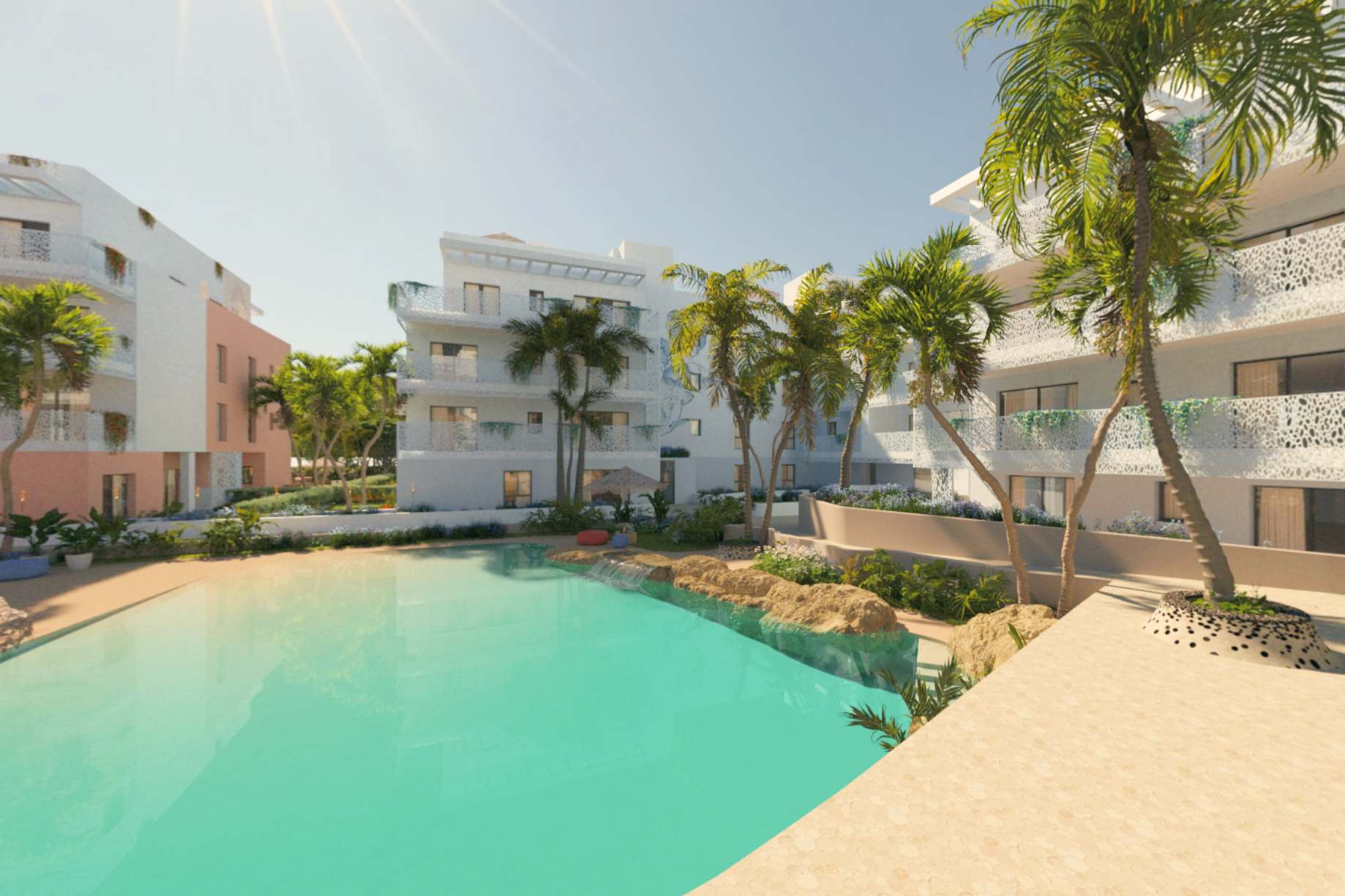
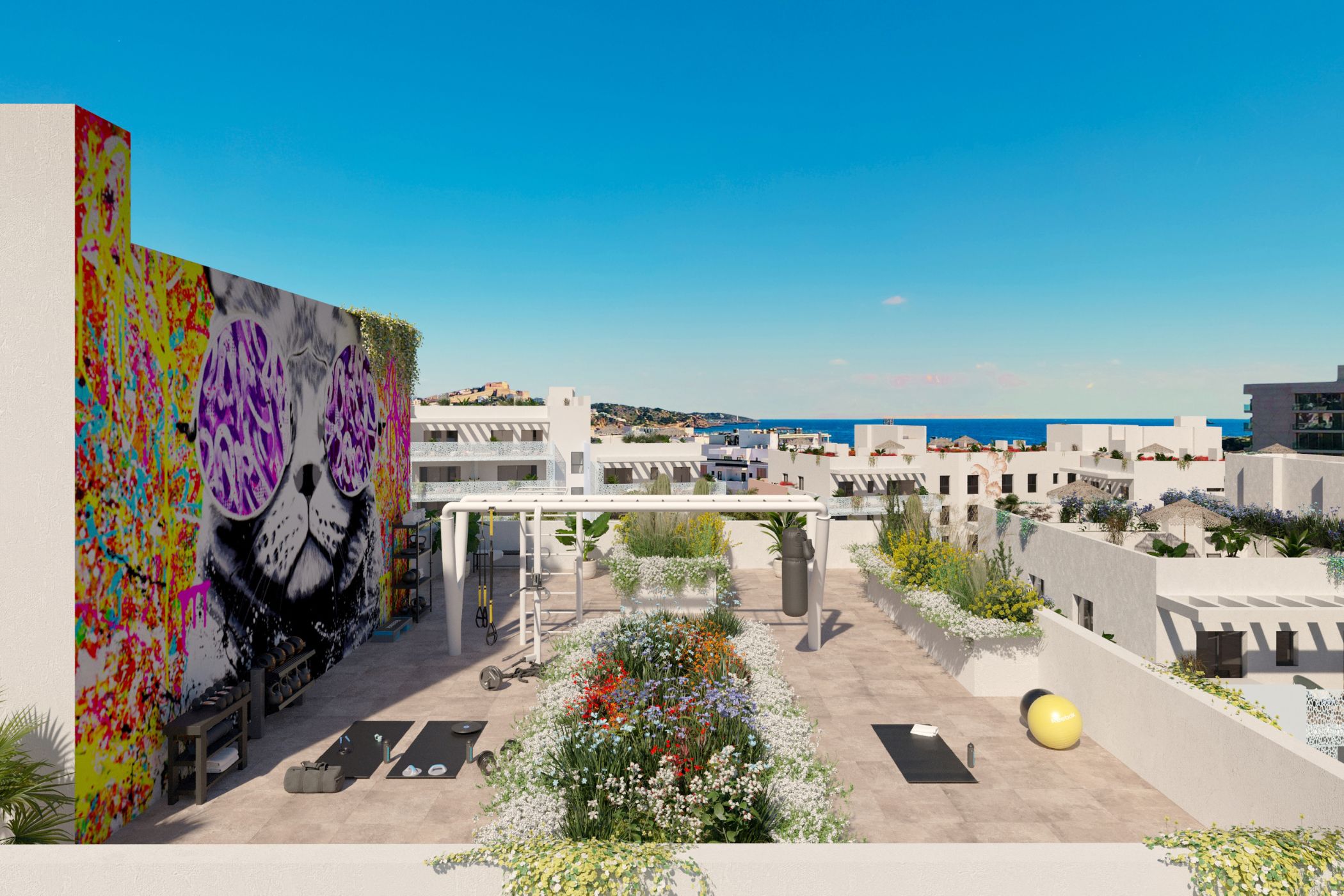
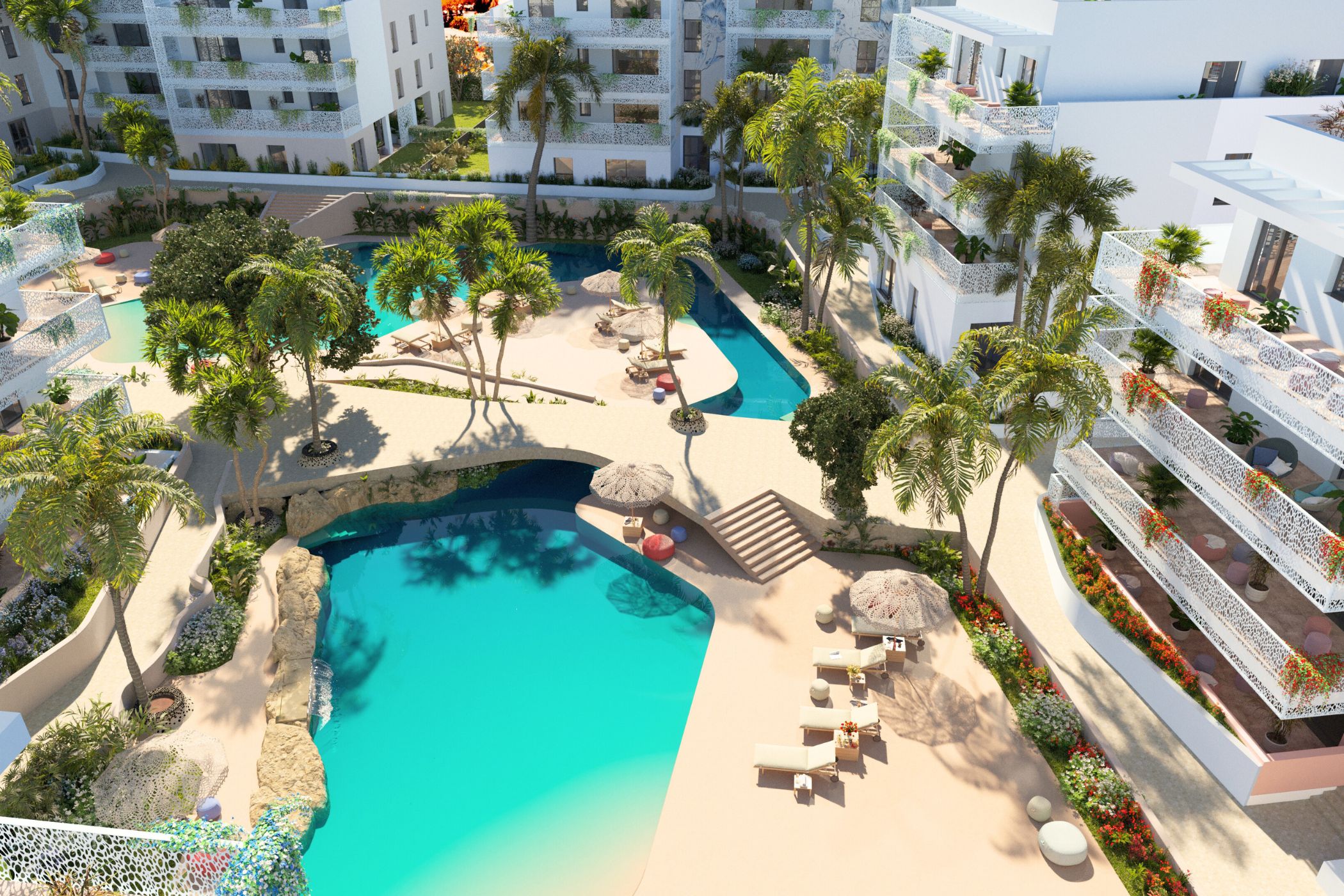
Playa d’en Bossa, Ibiza, Spain — 2-Bed Apartment With Sea Views
€159,000
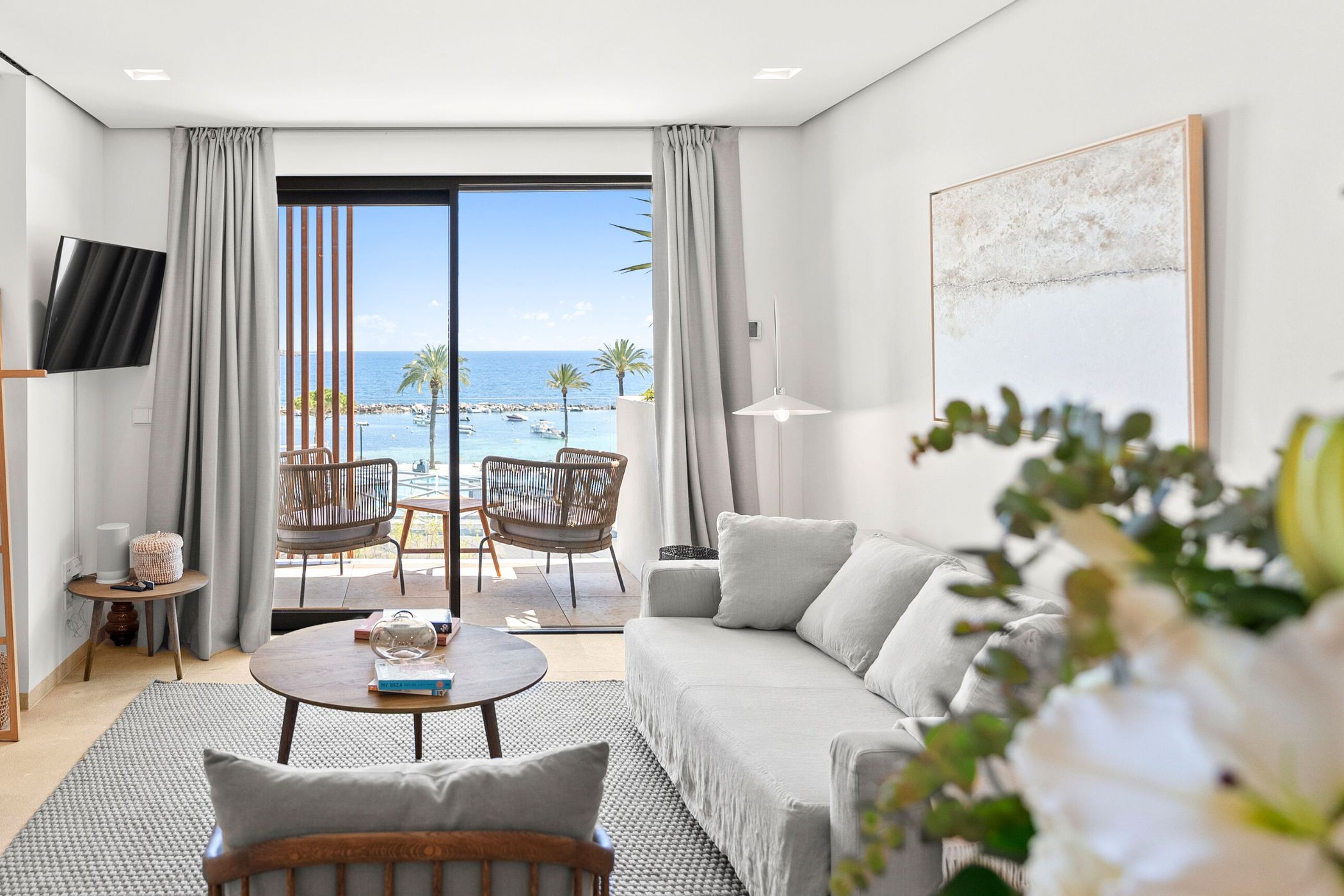
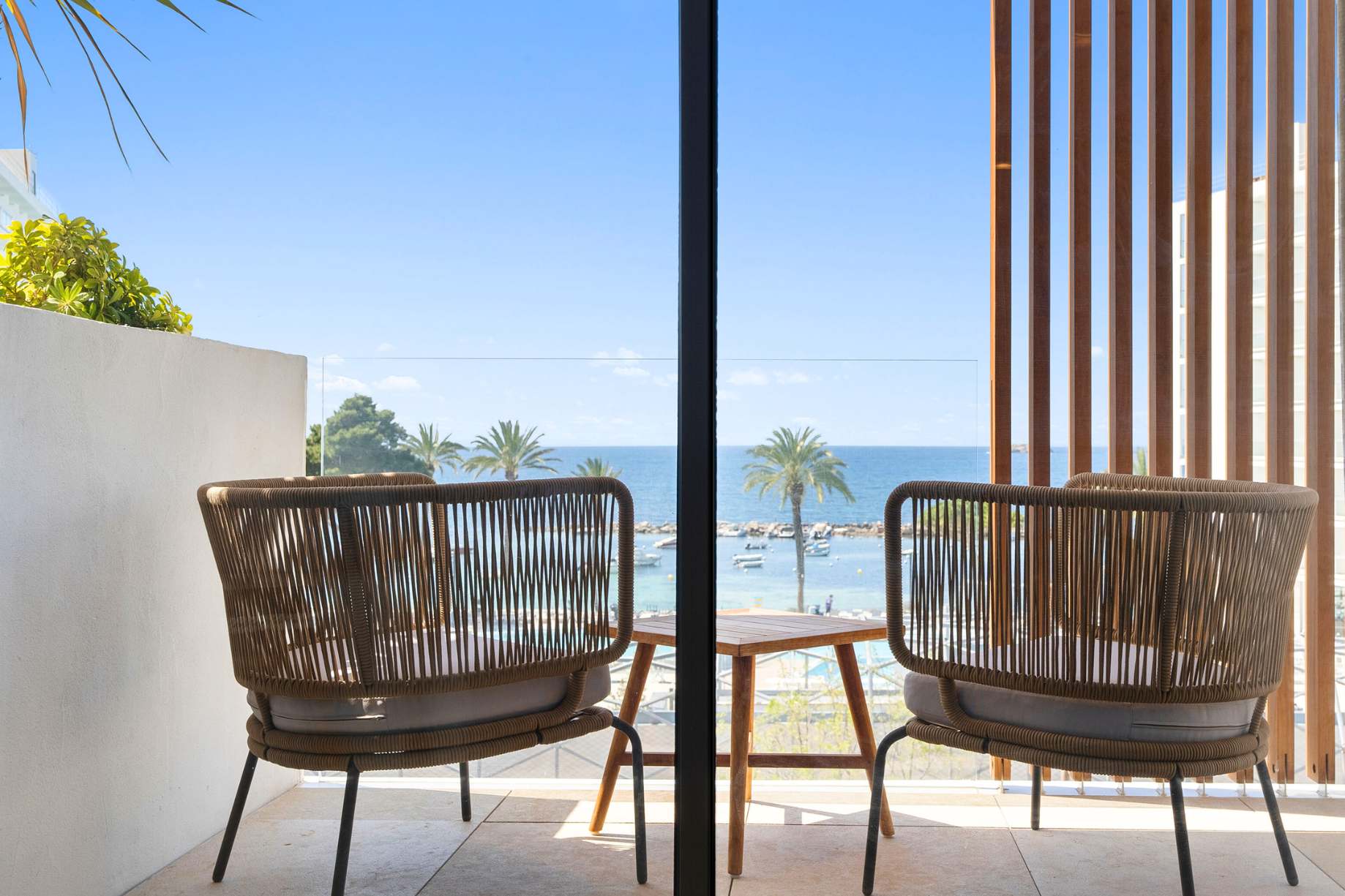
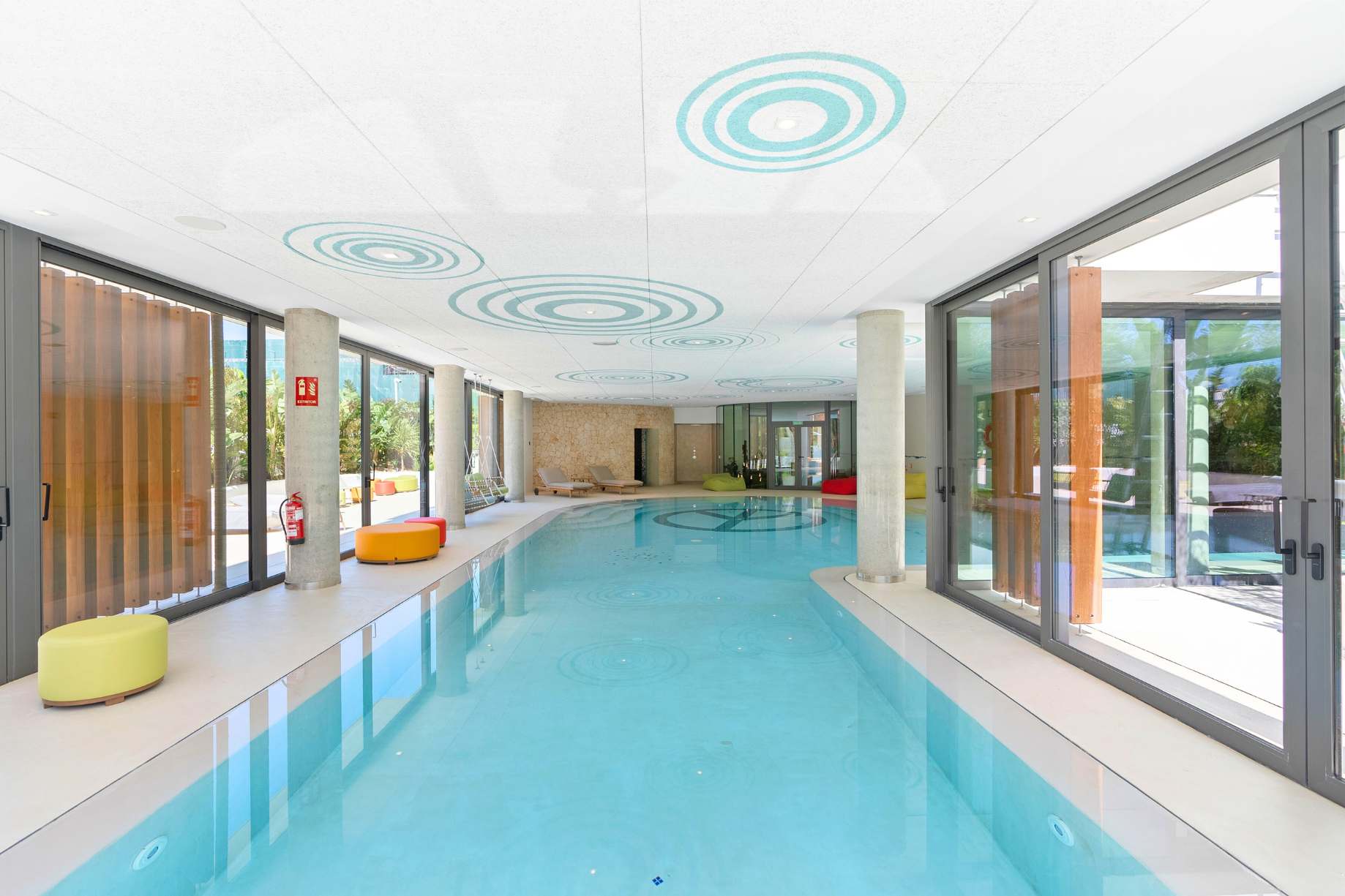
Playa d'en Bossa, Ibiza, Spain — 1-Bed Apartment With Sea Views
€159,000
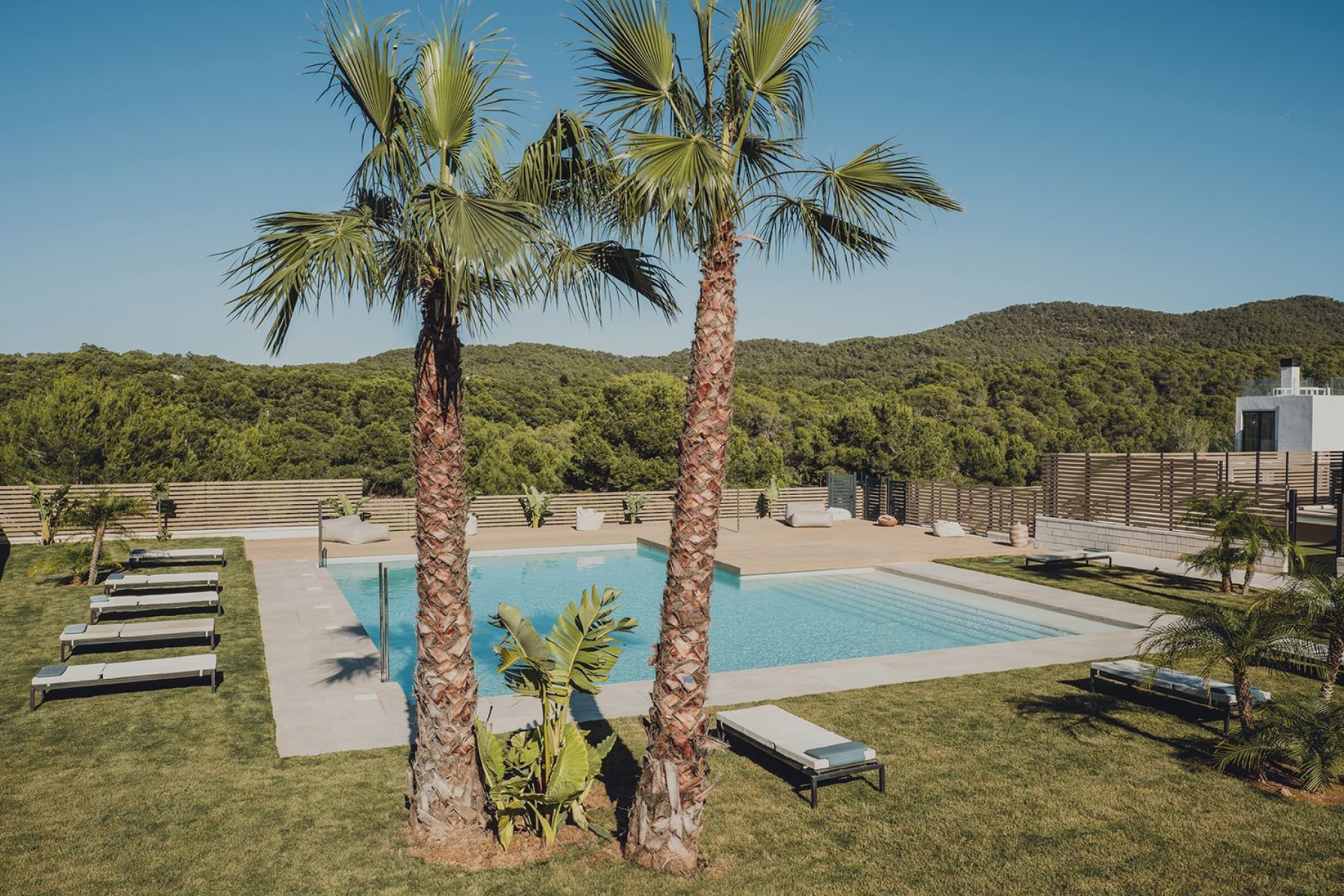
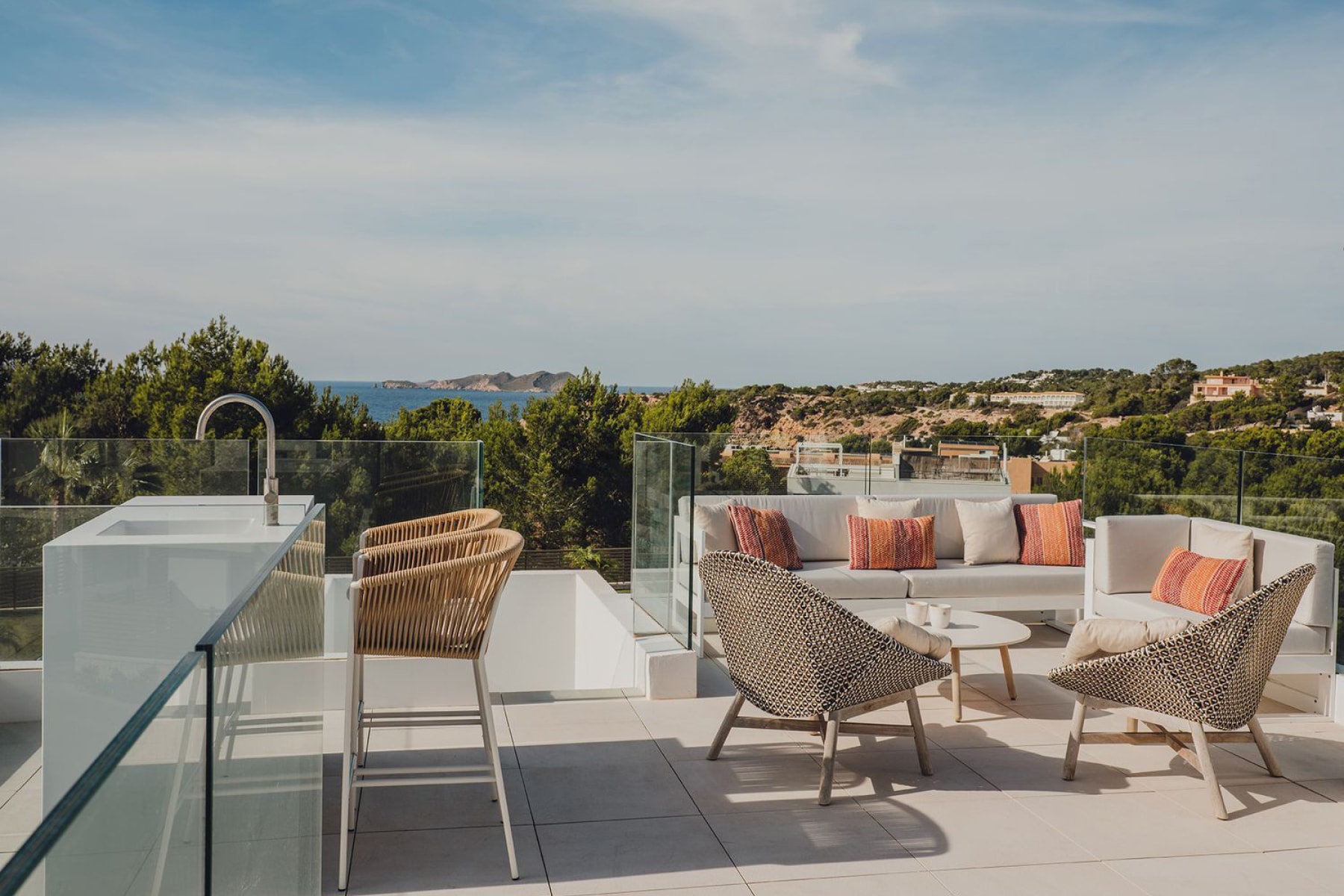
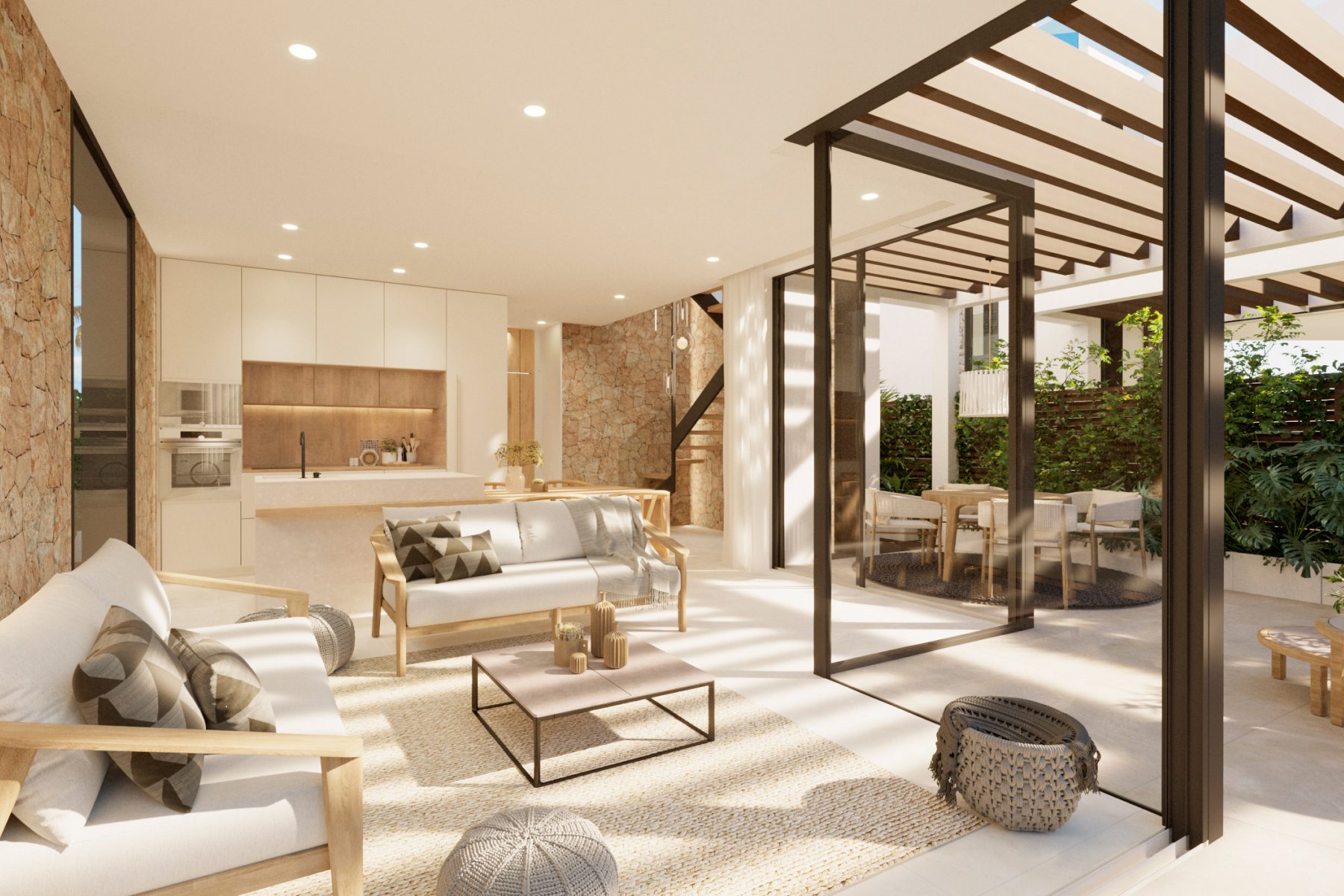
Ibiza, Spain — 3-Bed House With Sea Views
€170,000
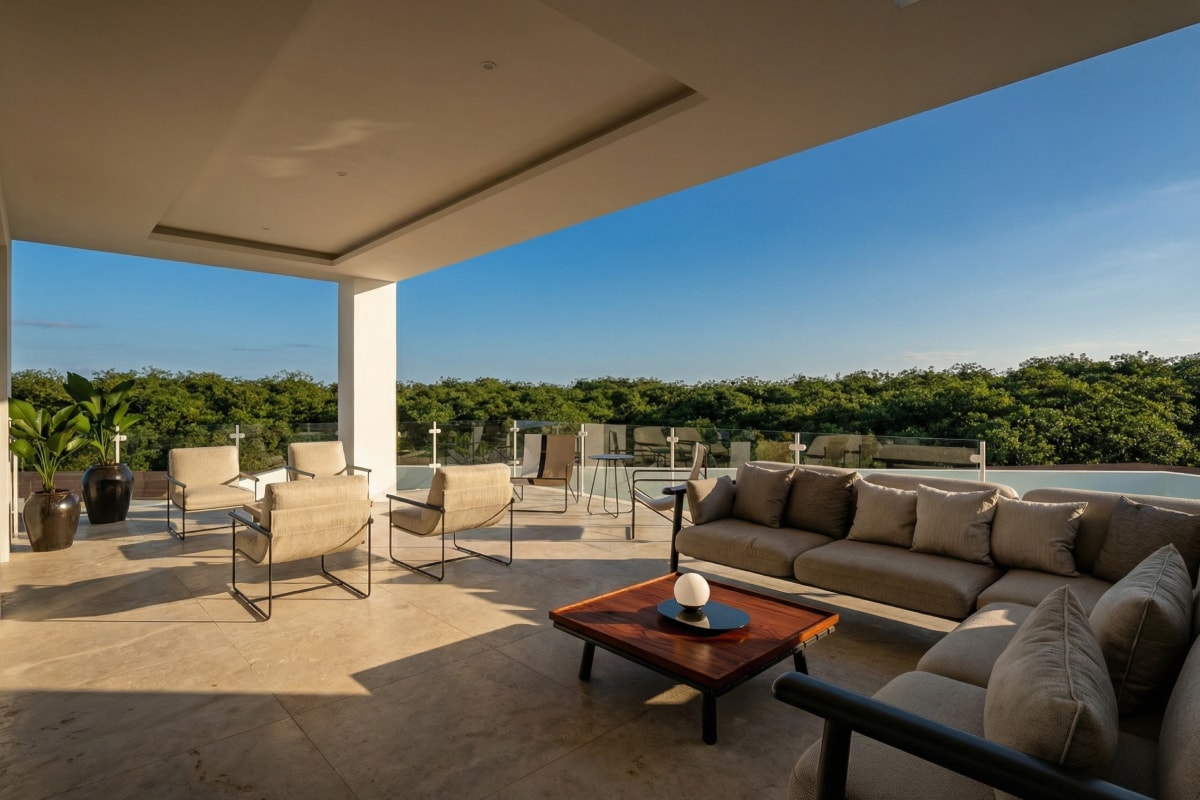
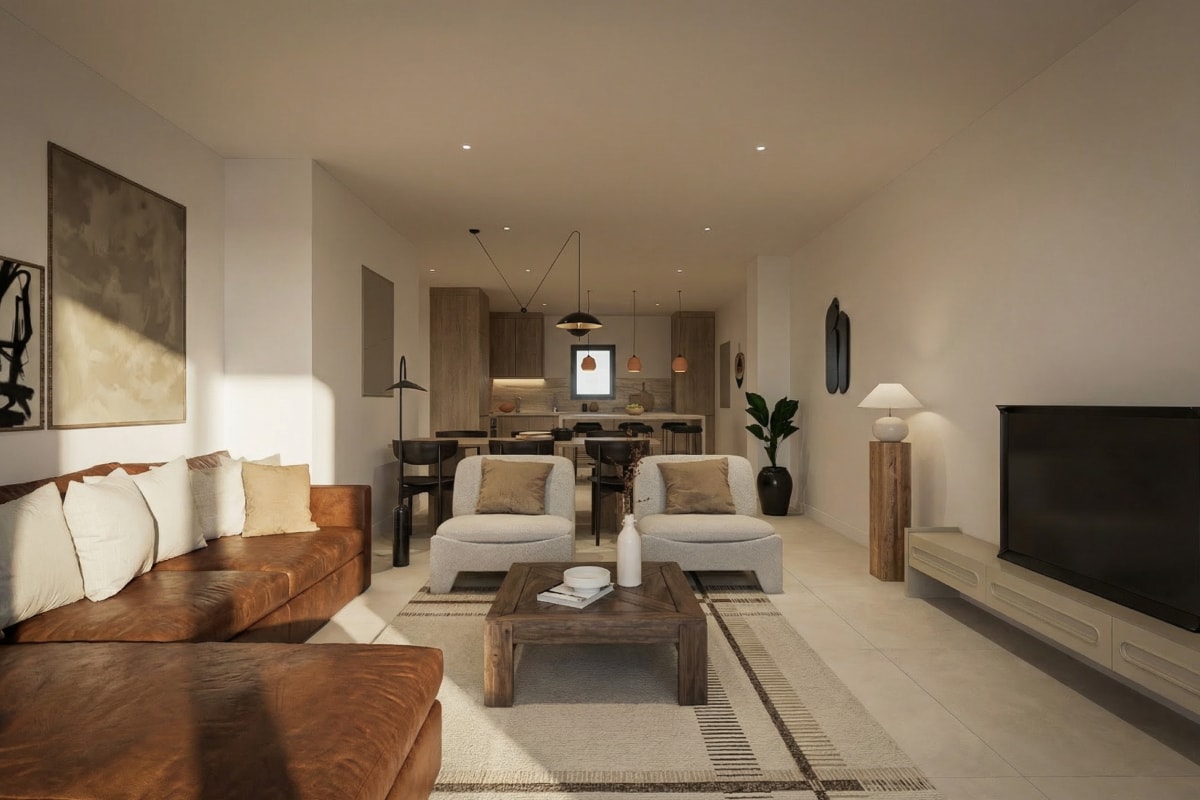
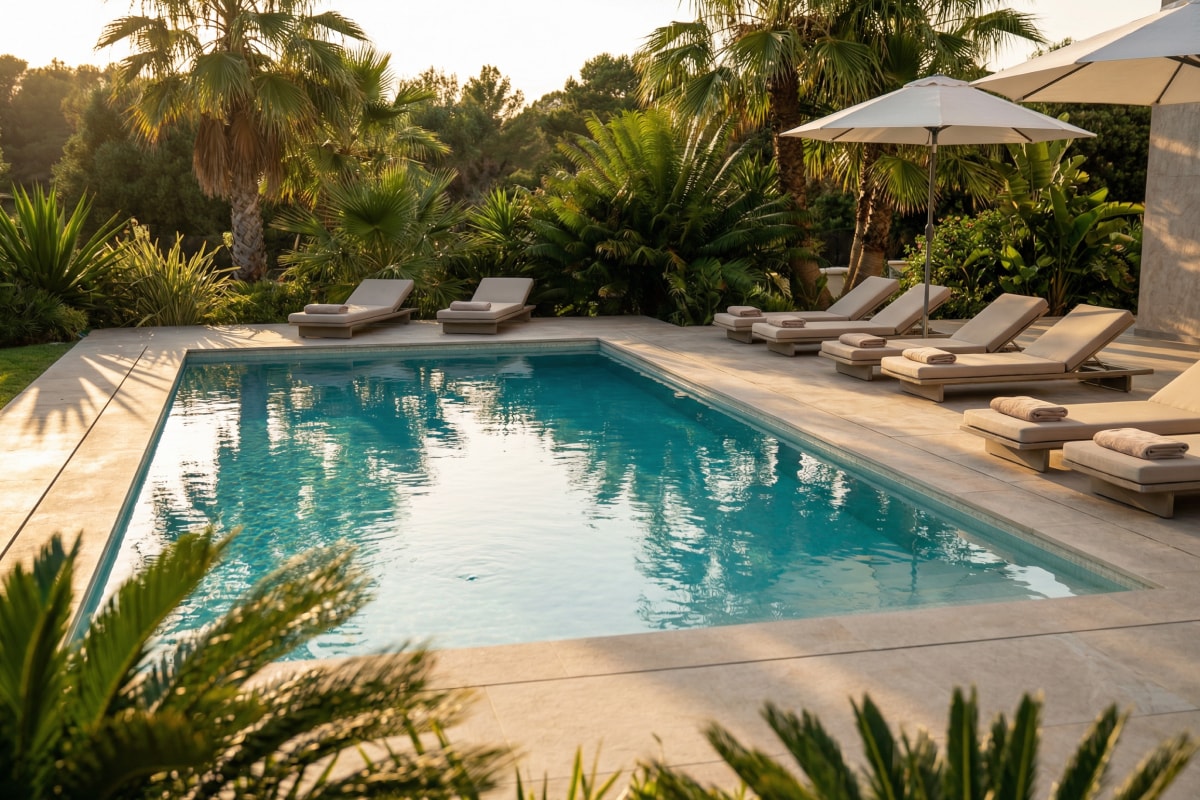
Ibiza, Spain — 3-Bed Apartment With Pool
€180,000
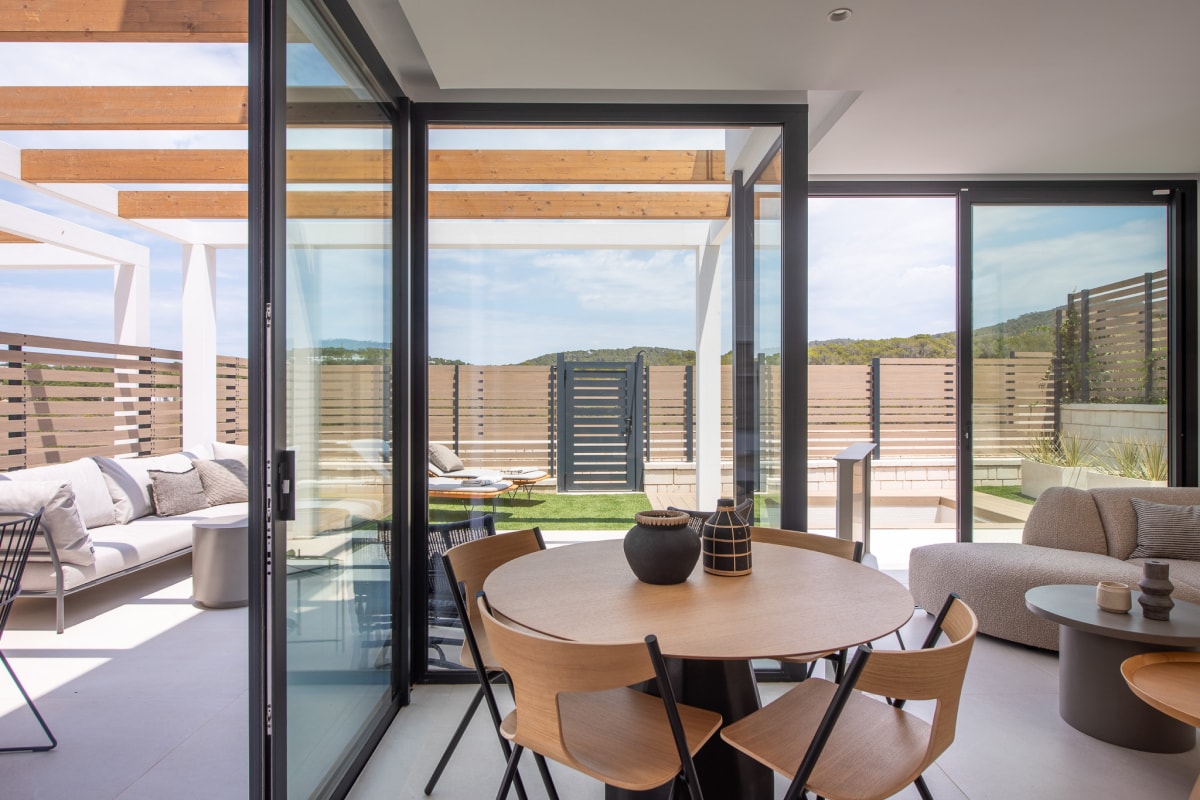
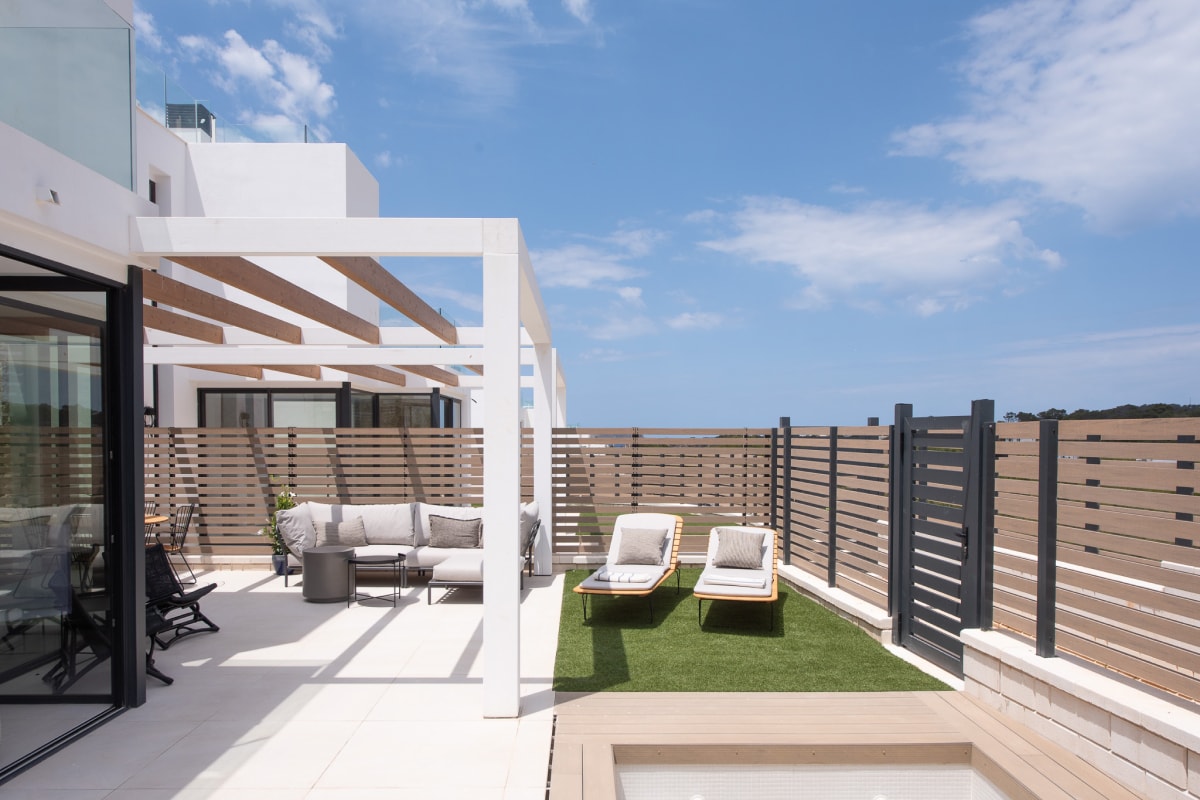
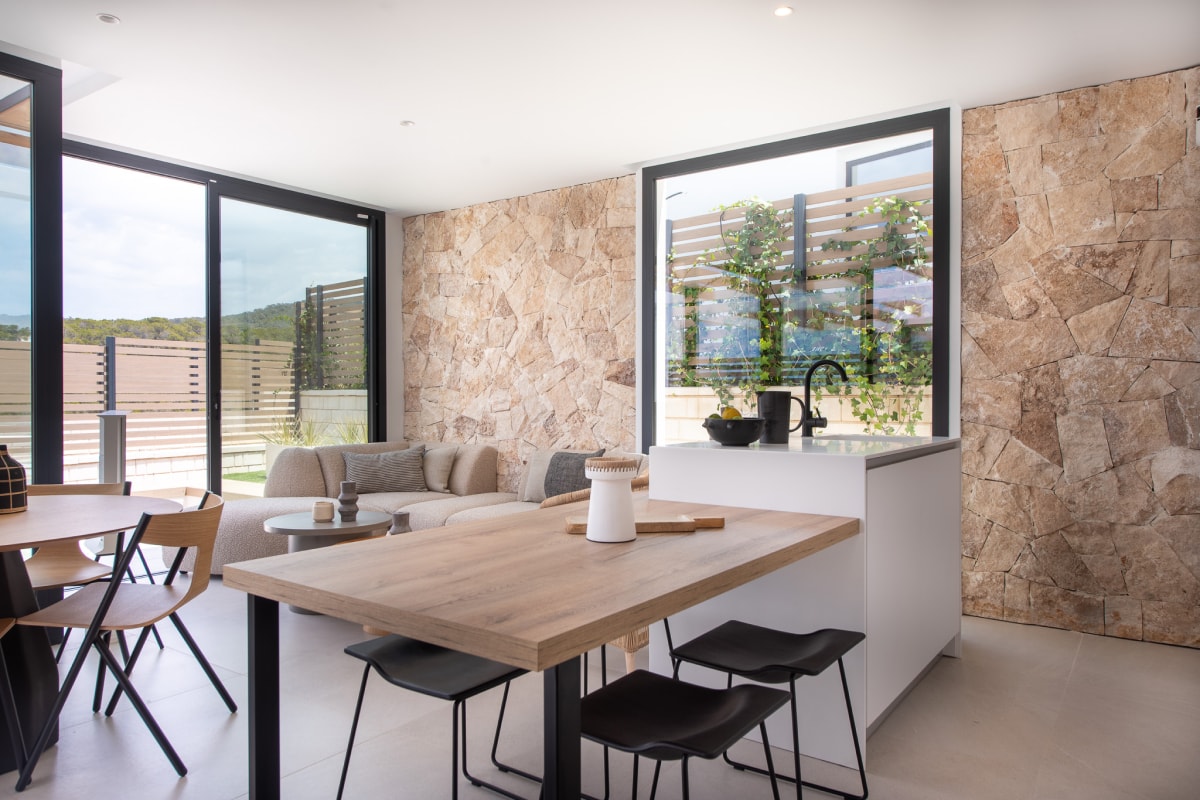
Ibiza, Spain — 3-Bed House With Sea Views
€180,000
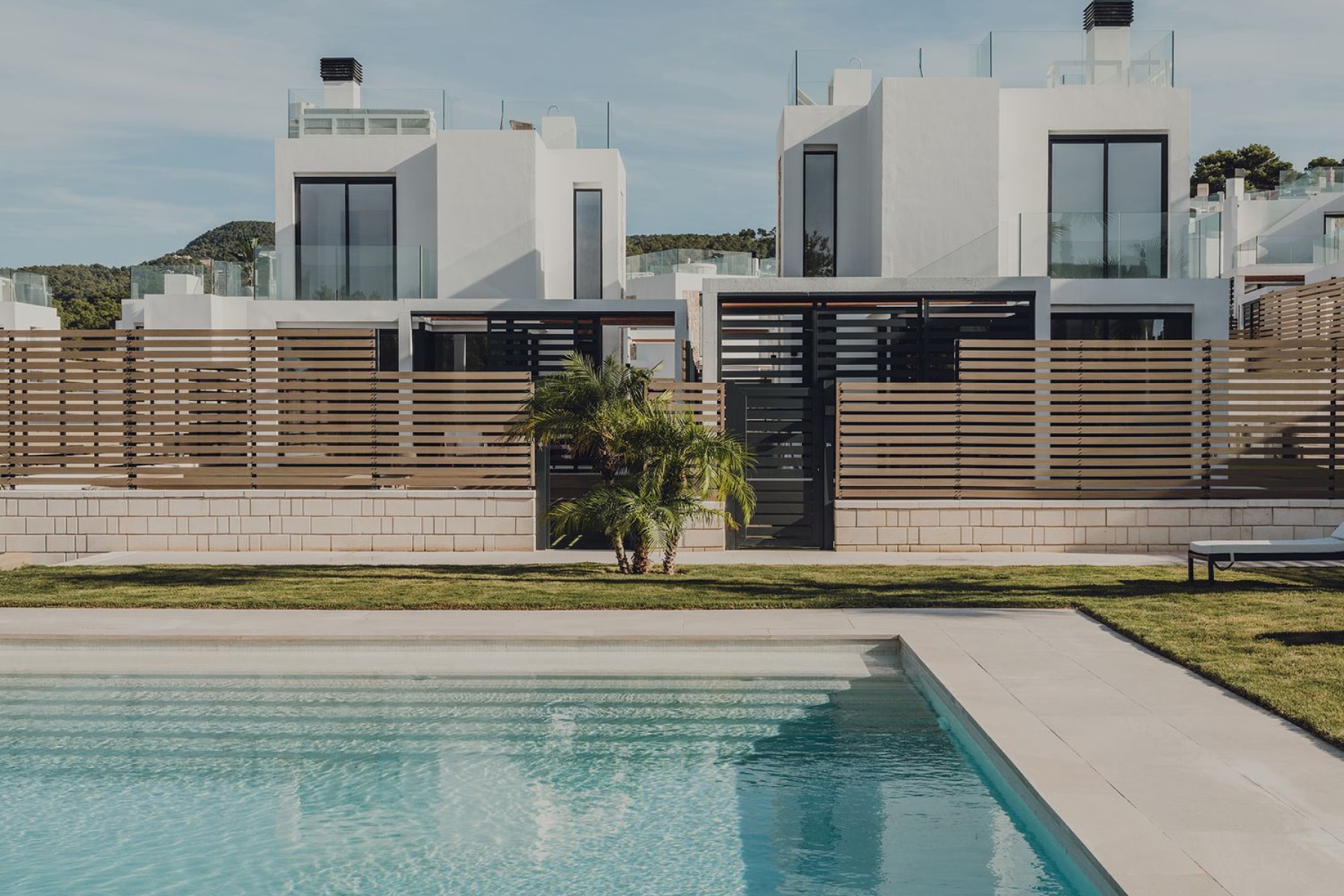
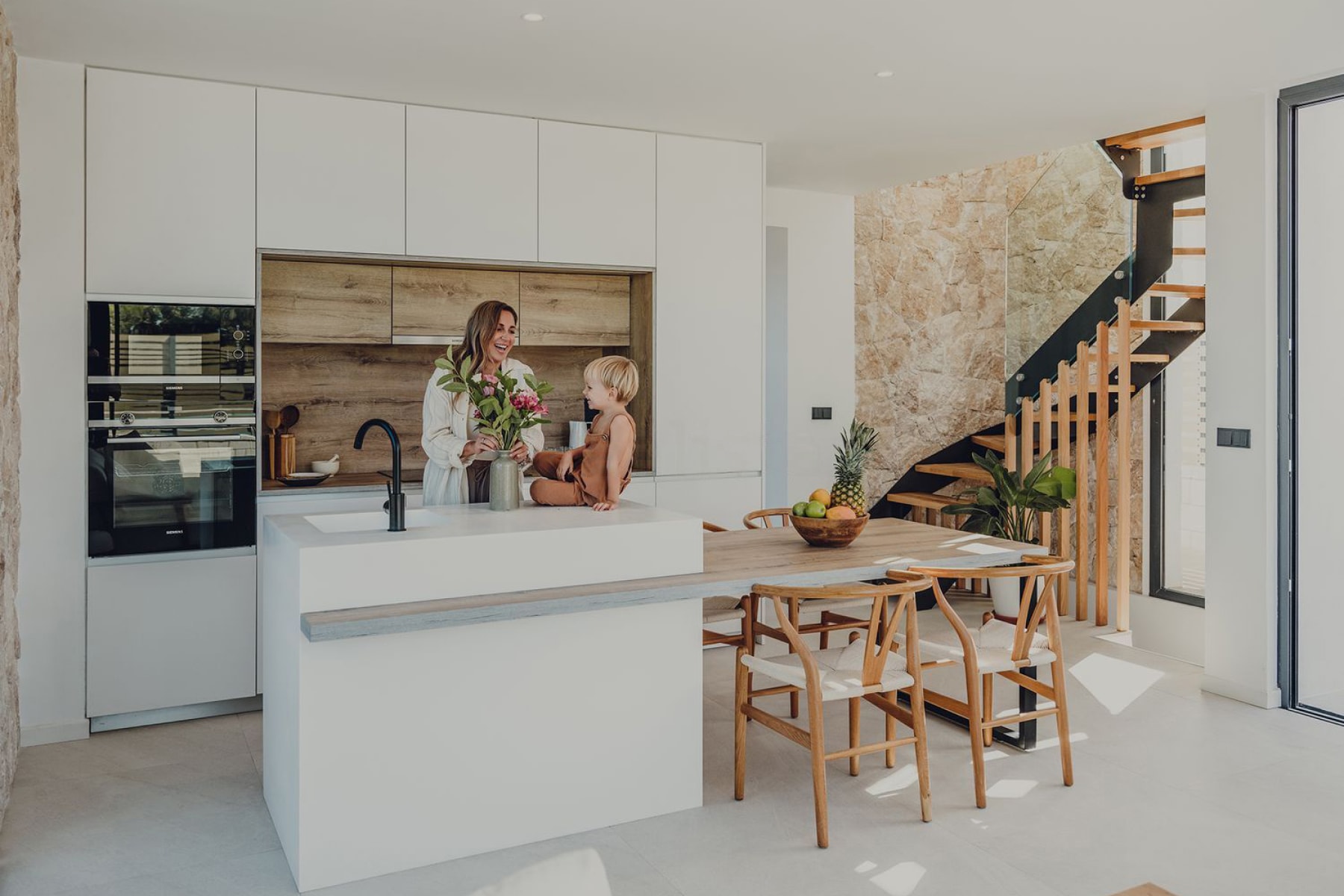
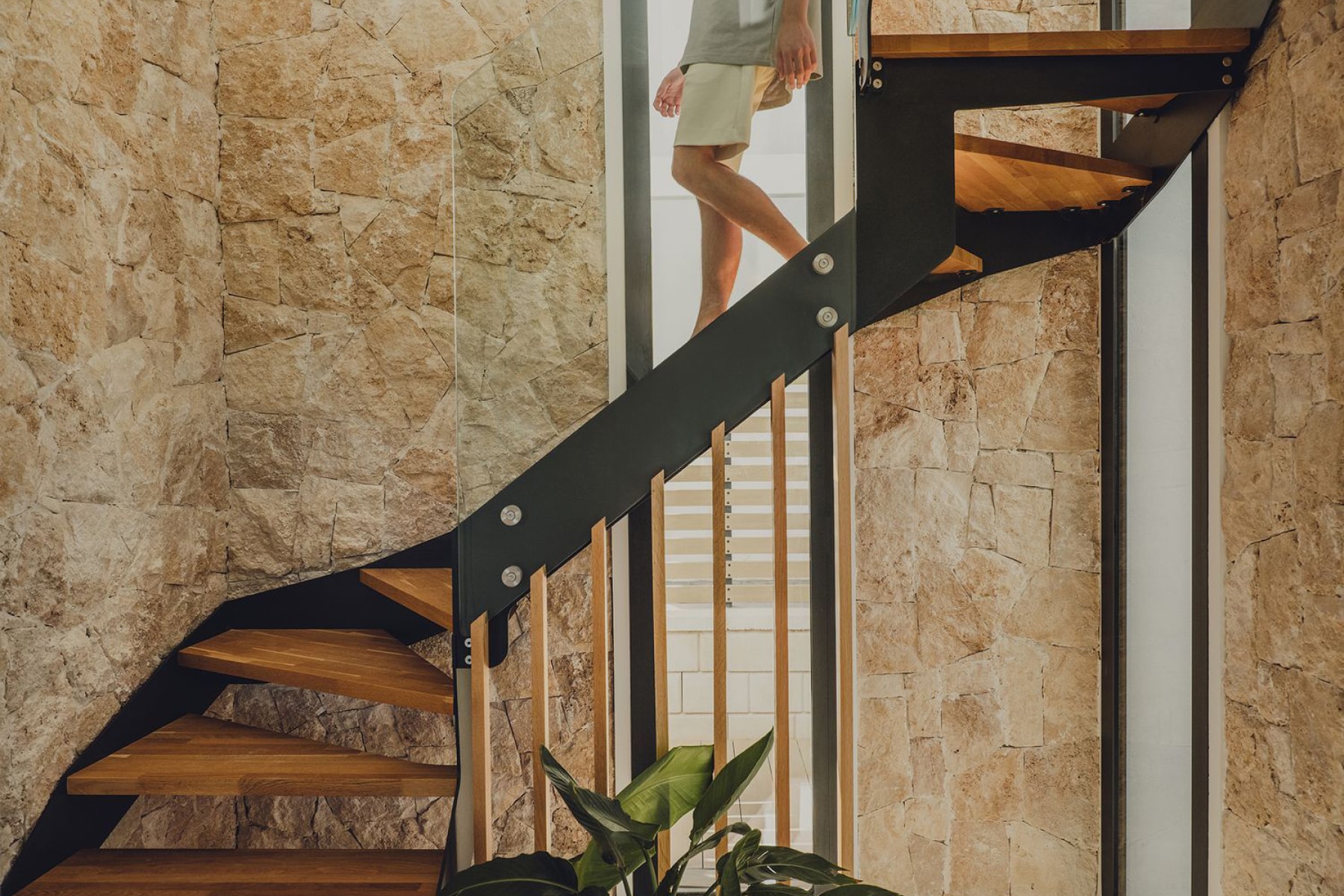
Ibiza, Spain — 3-Bed House With Sea Views
€180,000
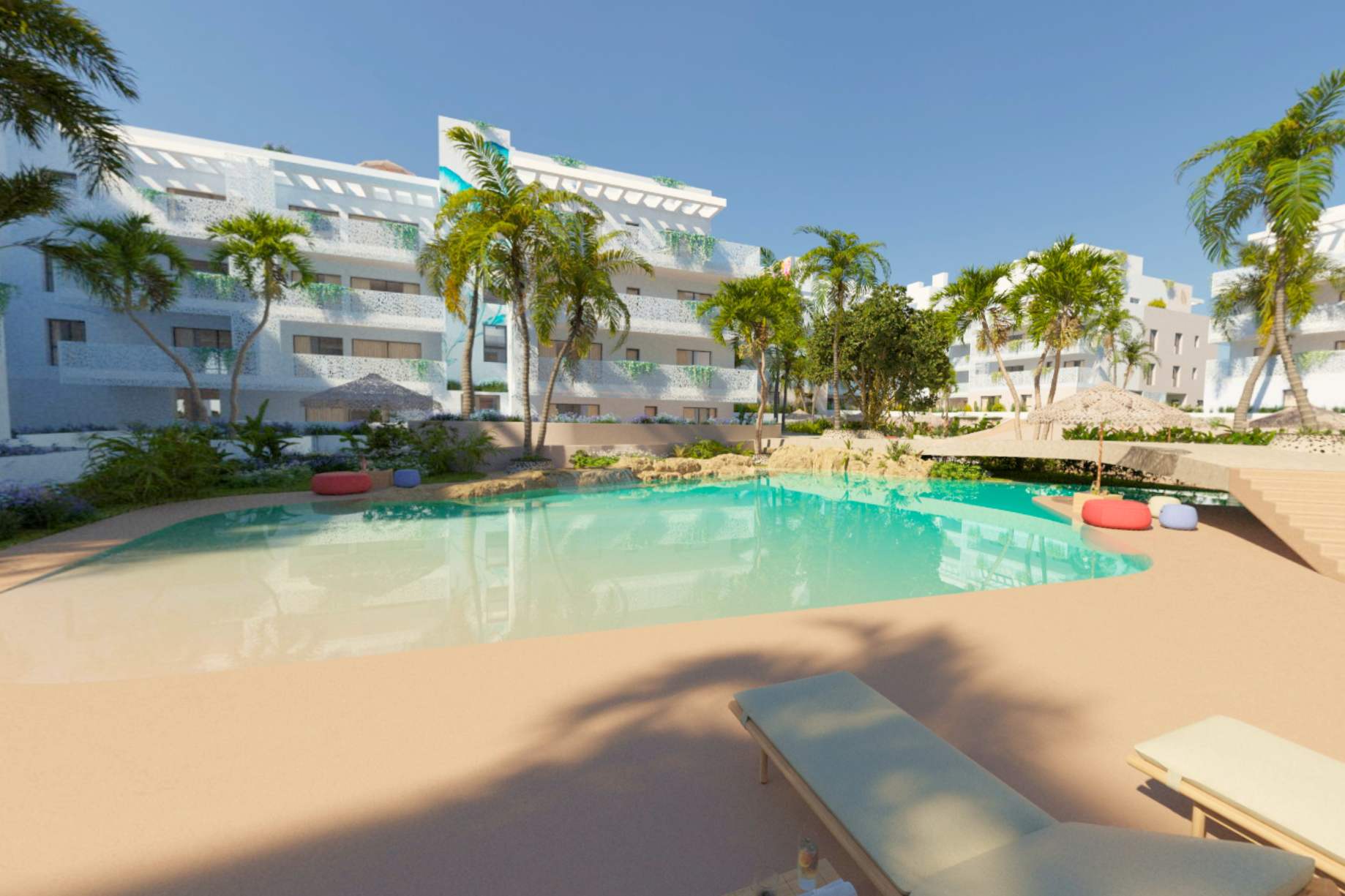
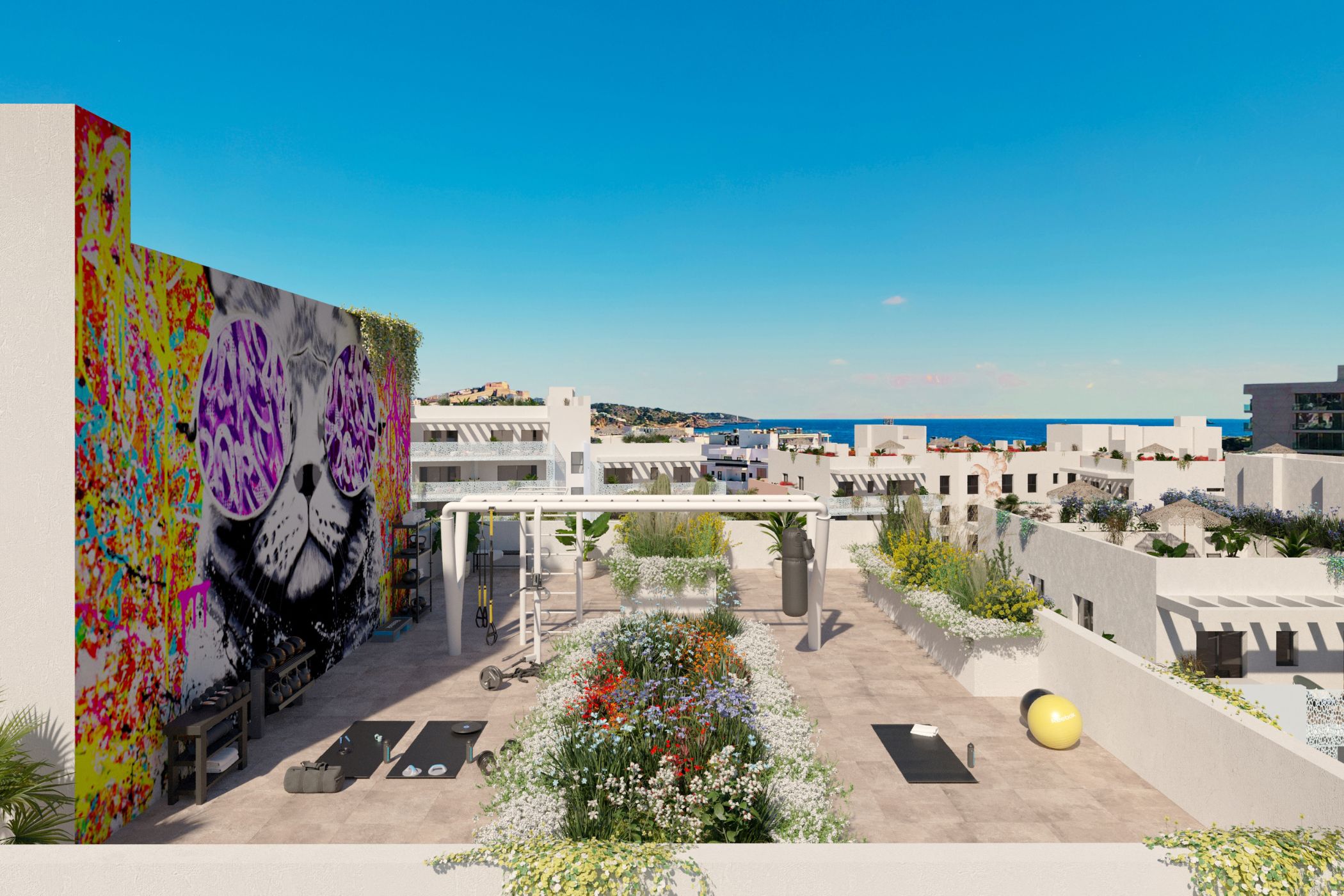
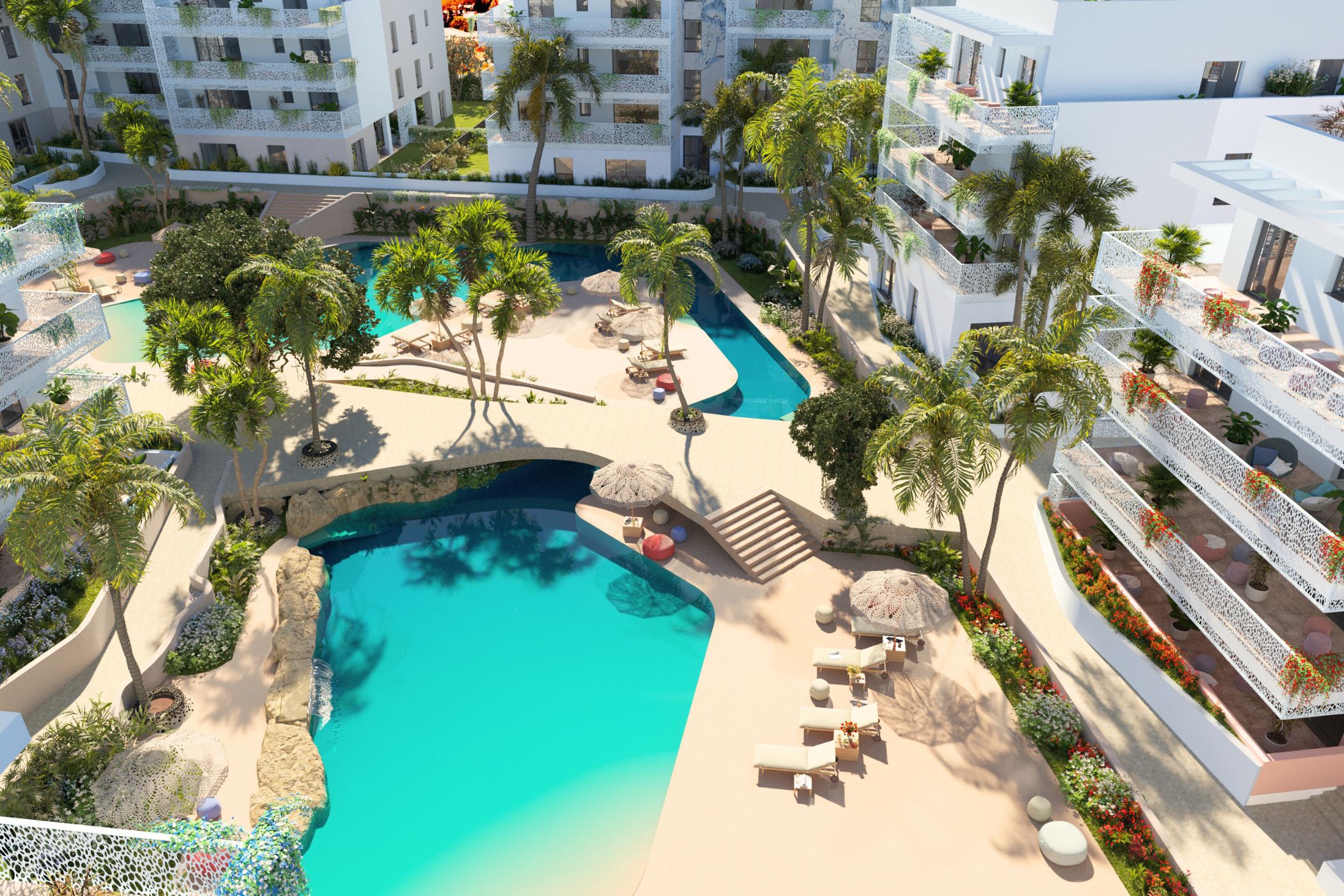
Playa d’en Bossa, Ibiza, Spain — 2-Bed Apartment With Sea Views
€189,000
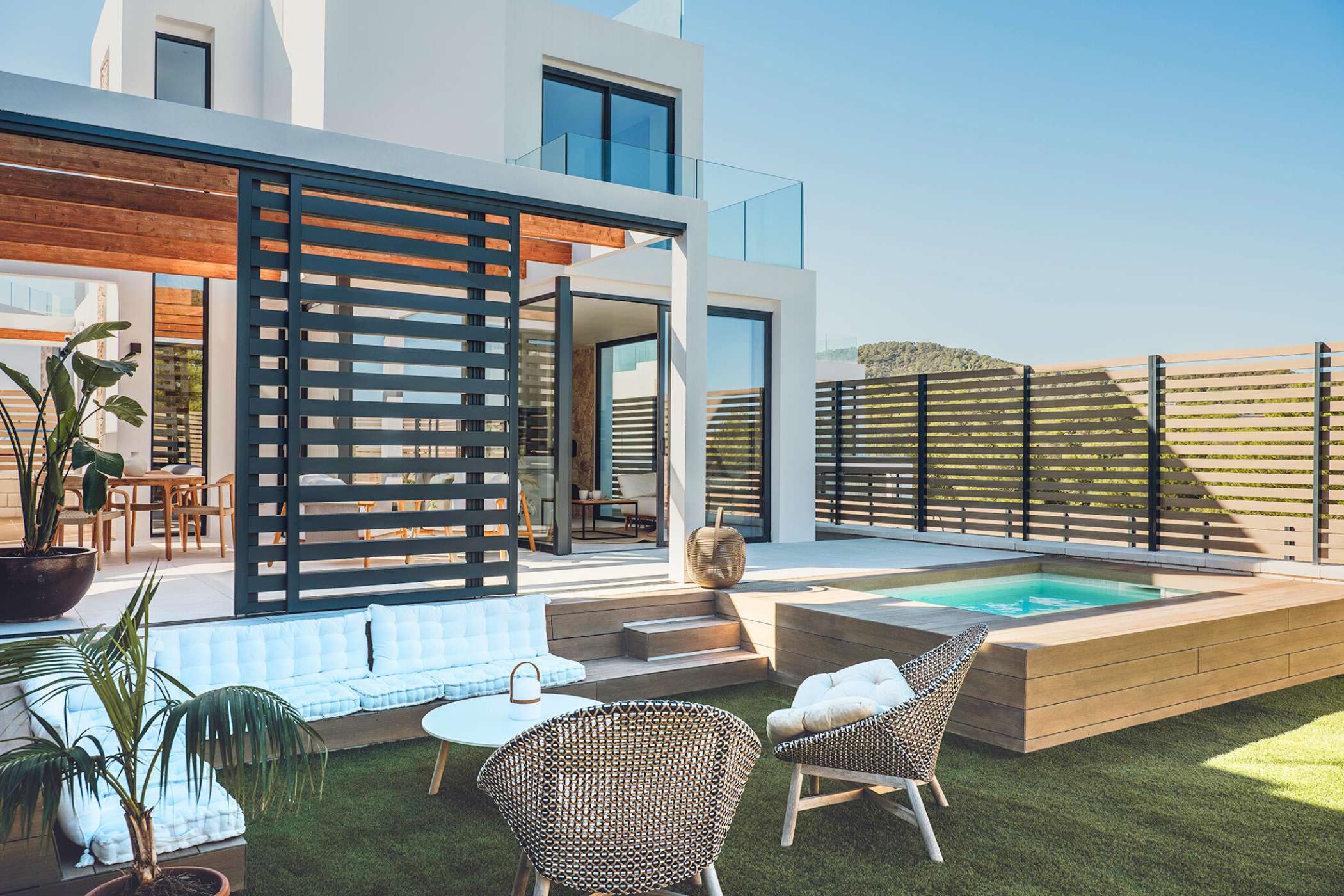
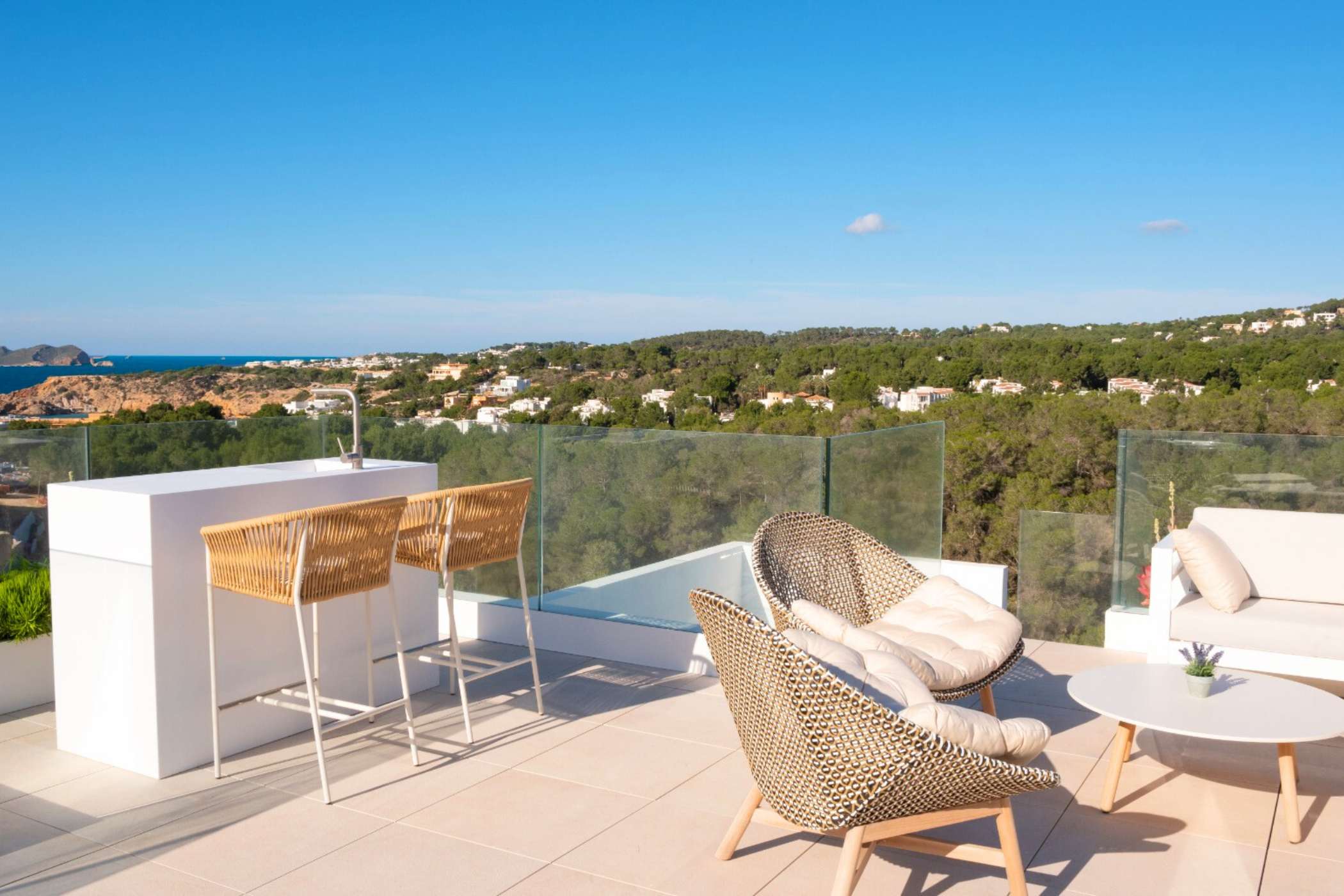
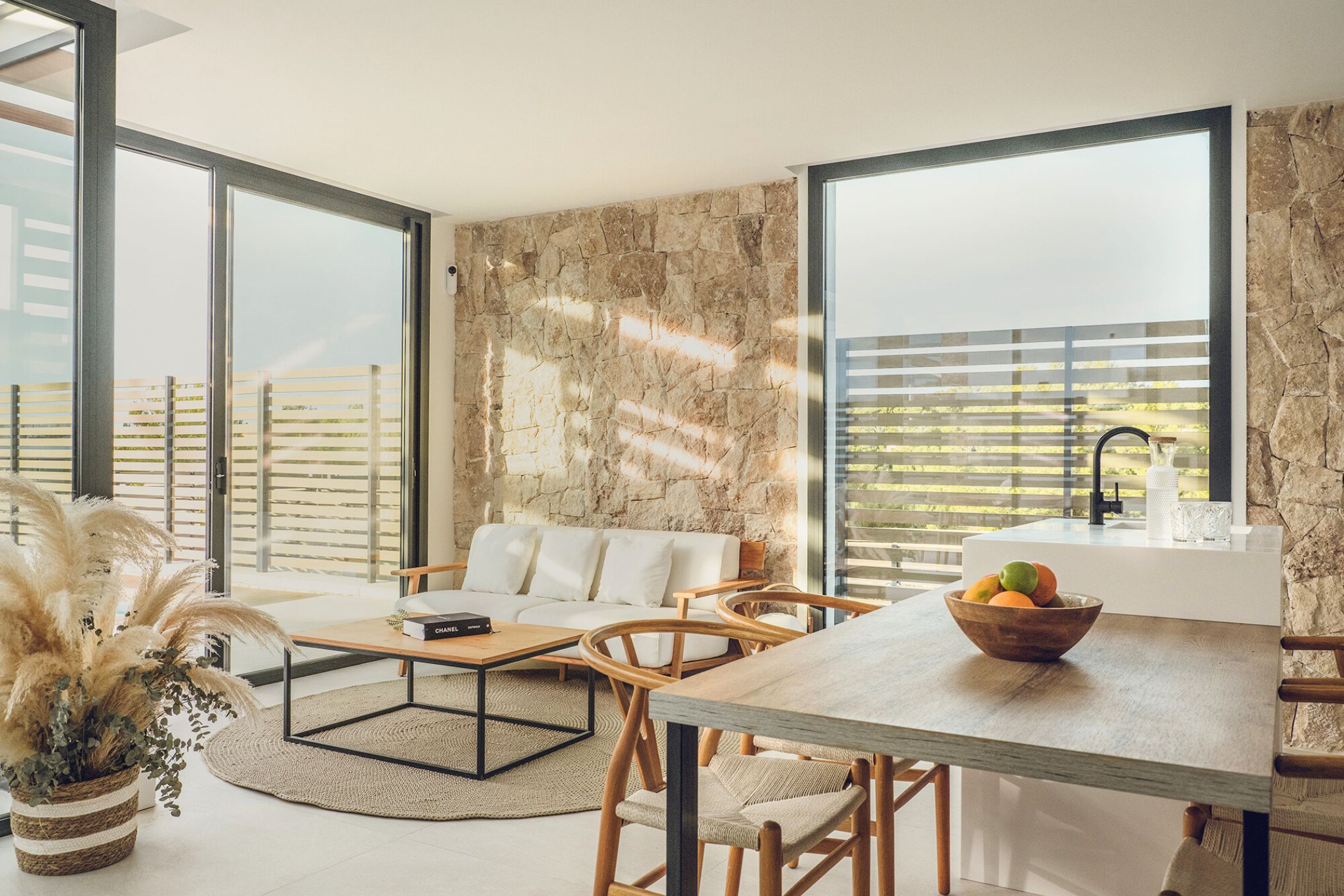
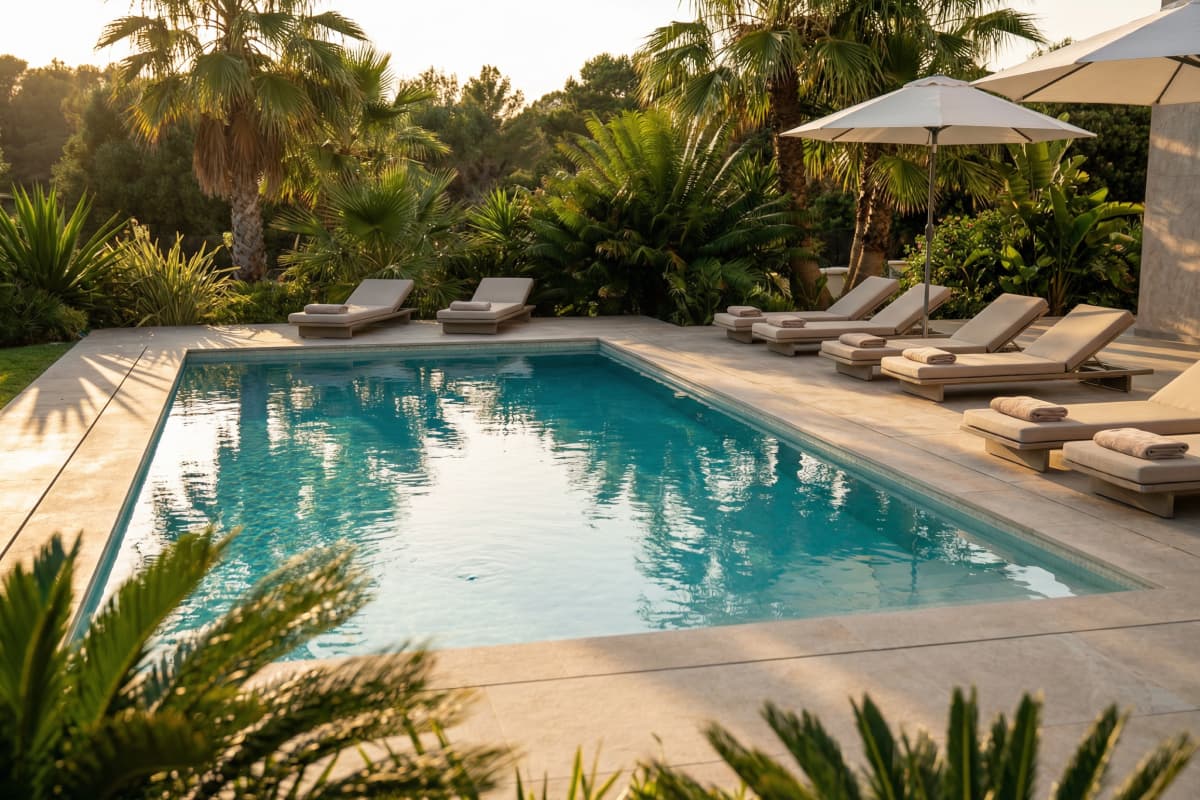
Cala Tarida, Ibiza, Spain — 3-Bed Villa With Pool
€199,000
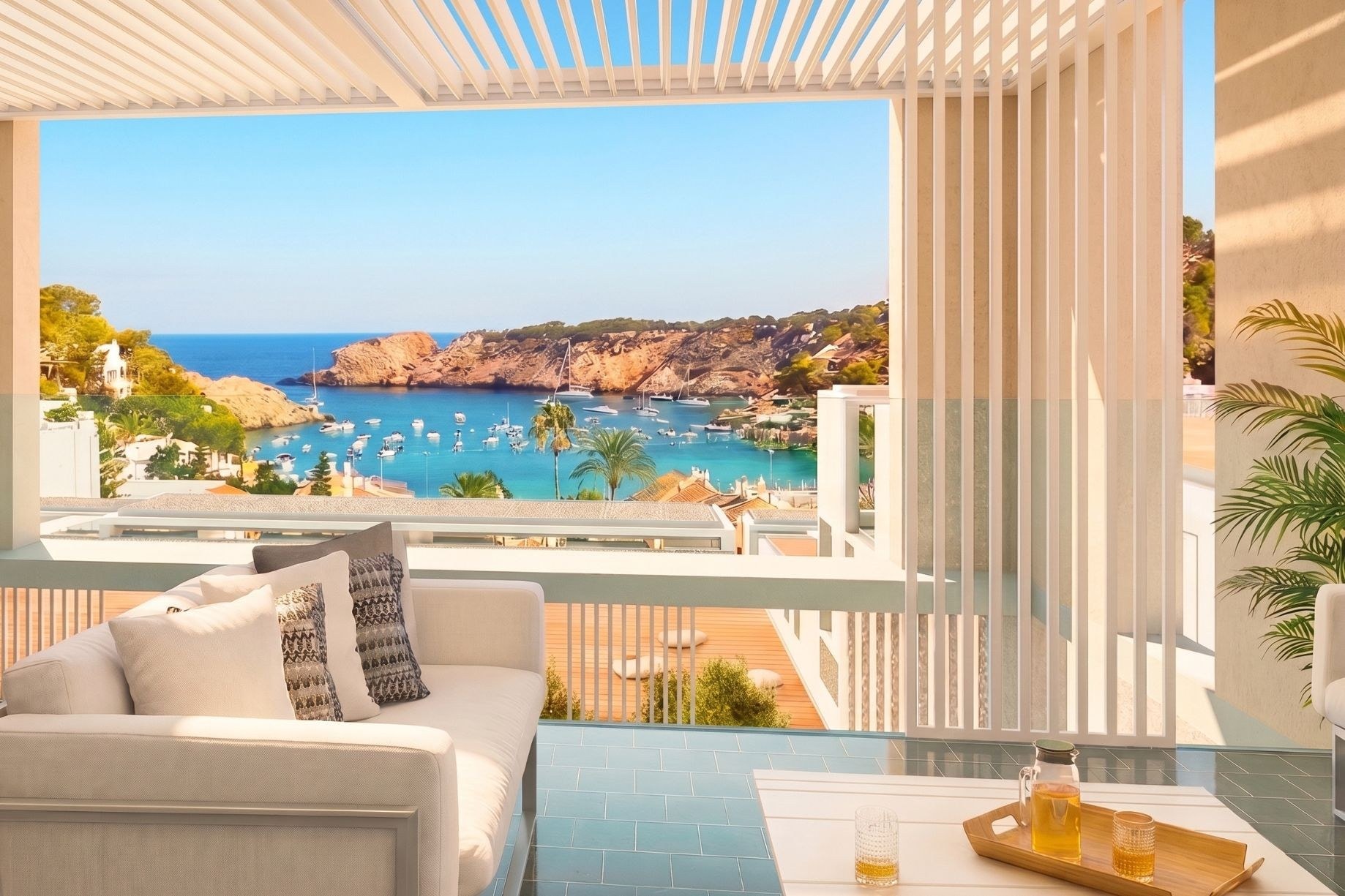
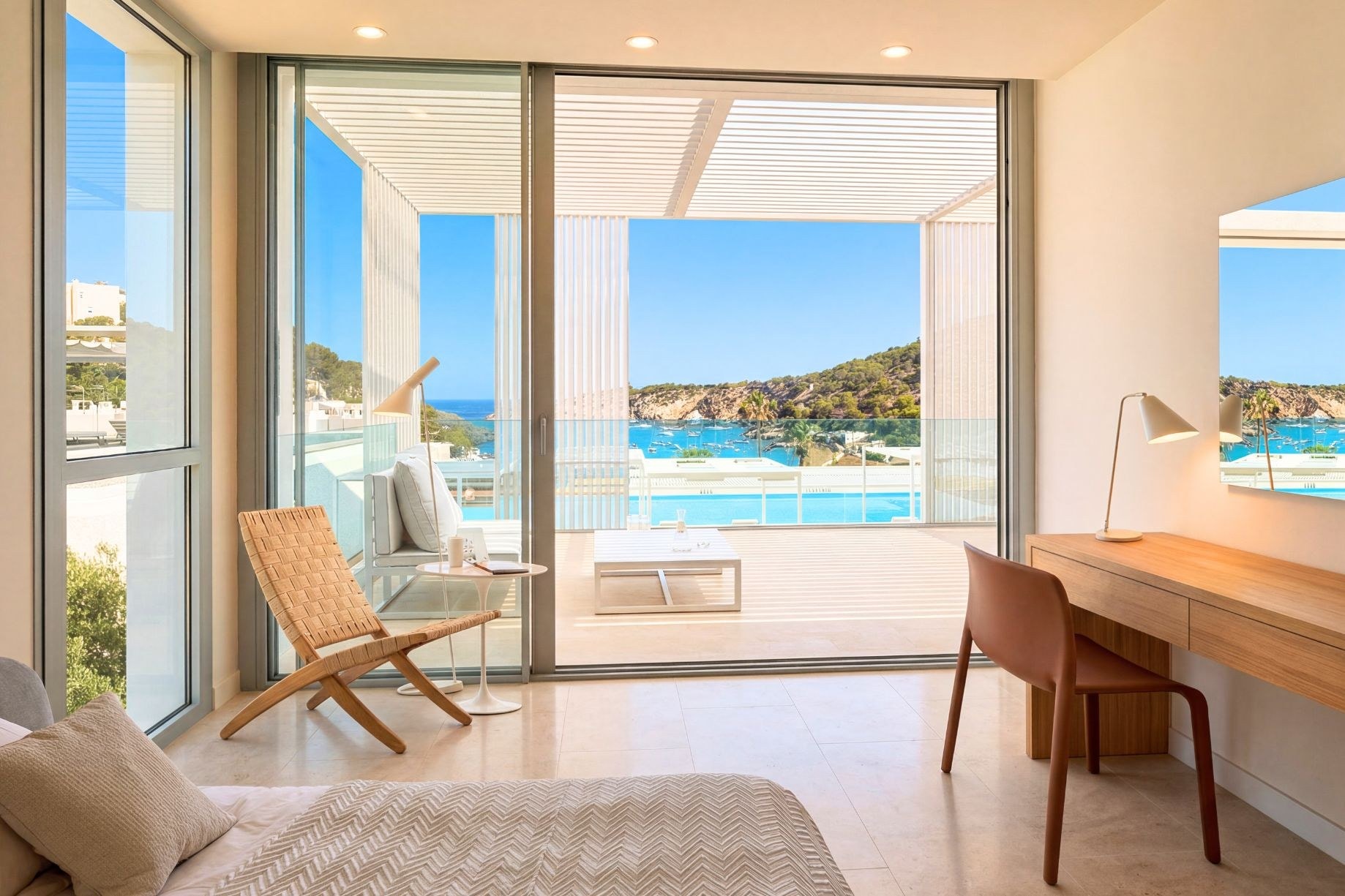
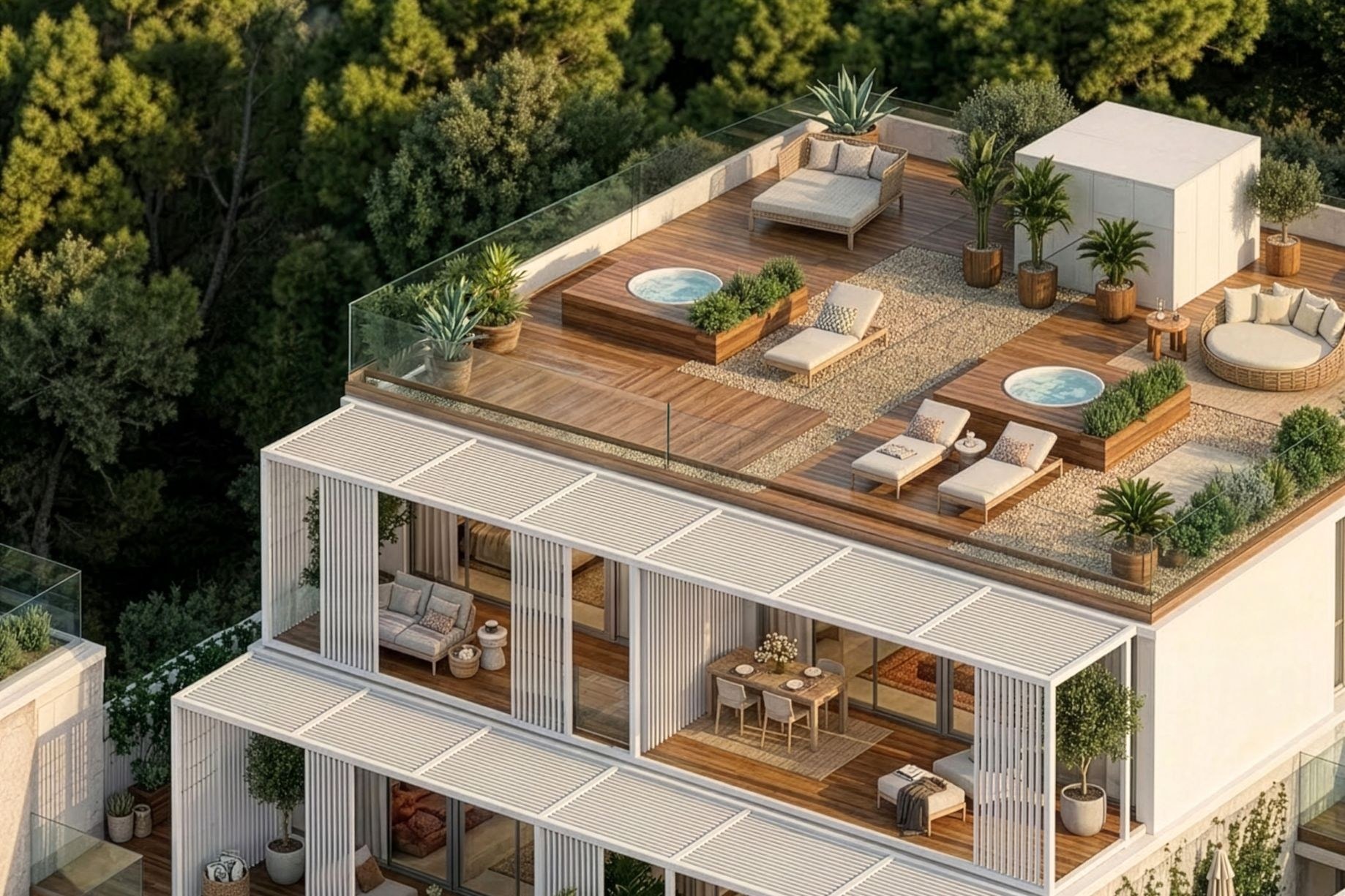
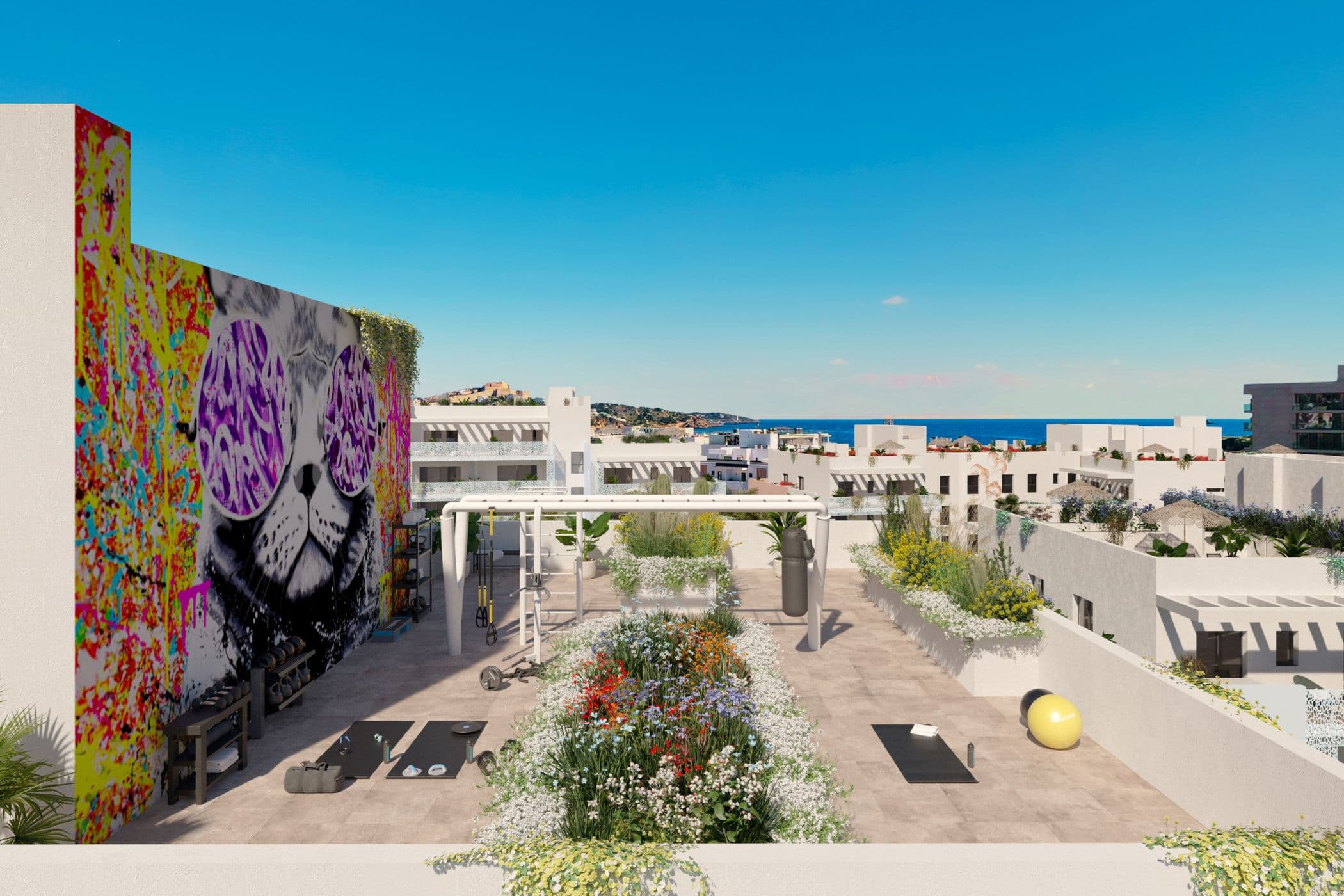
Cala Vadella, Ibiza, Spain — 2-Bed Penthouse With Sea Views & Private Roof Terrace
€199,000
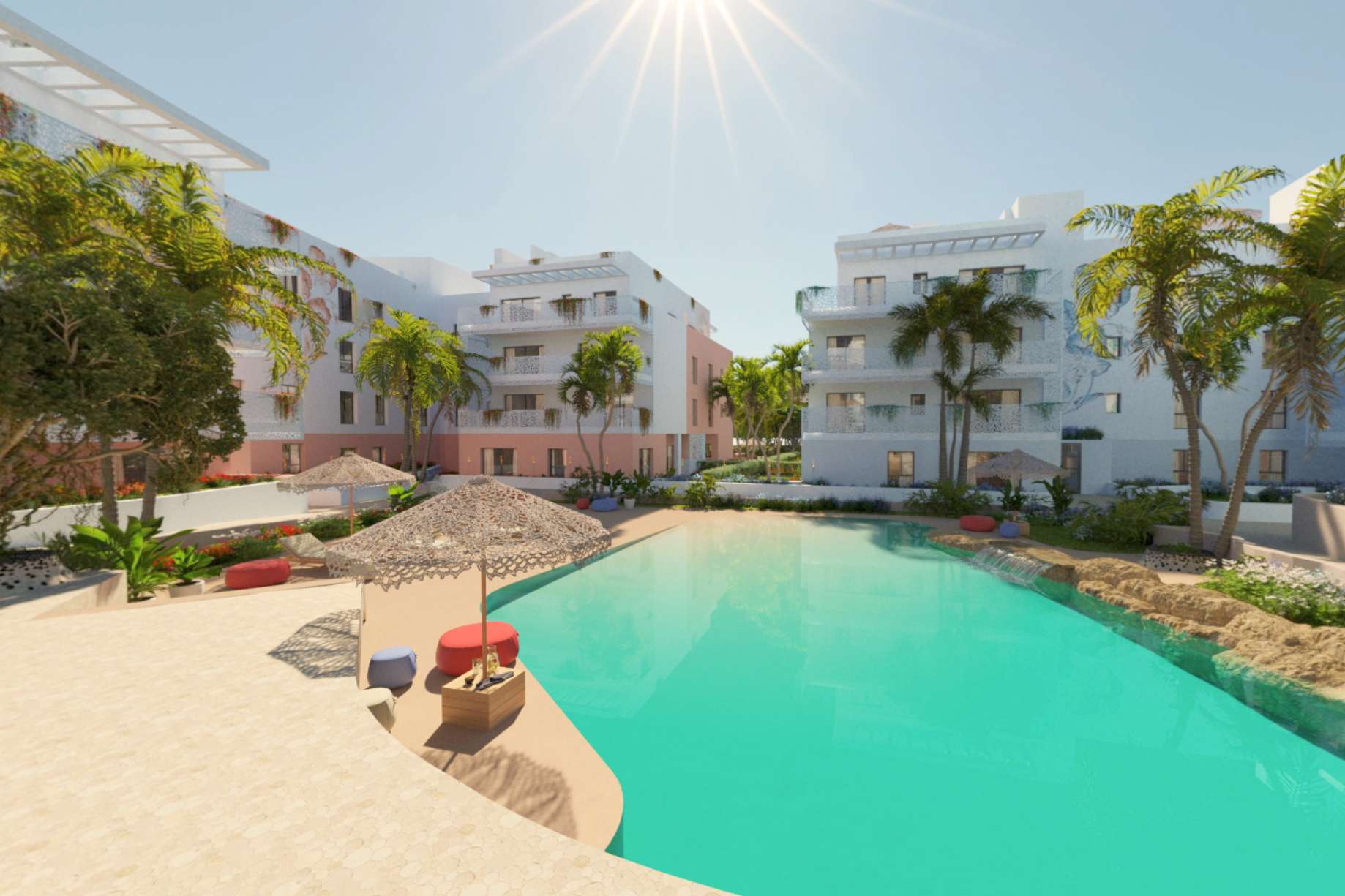
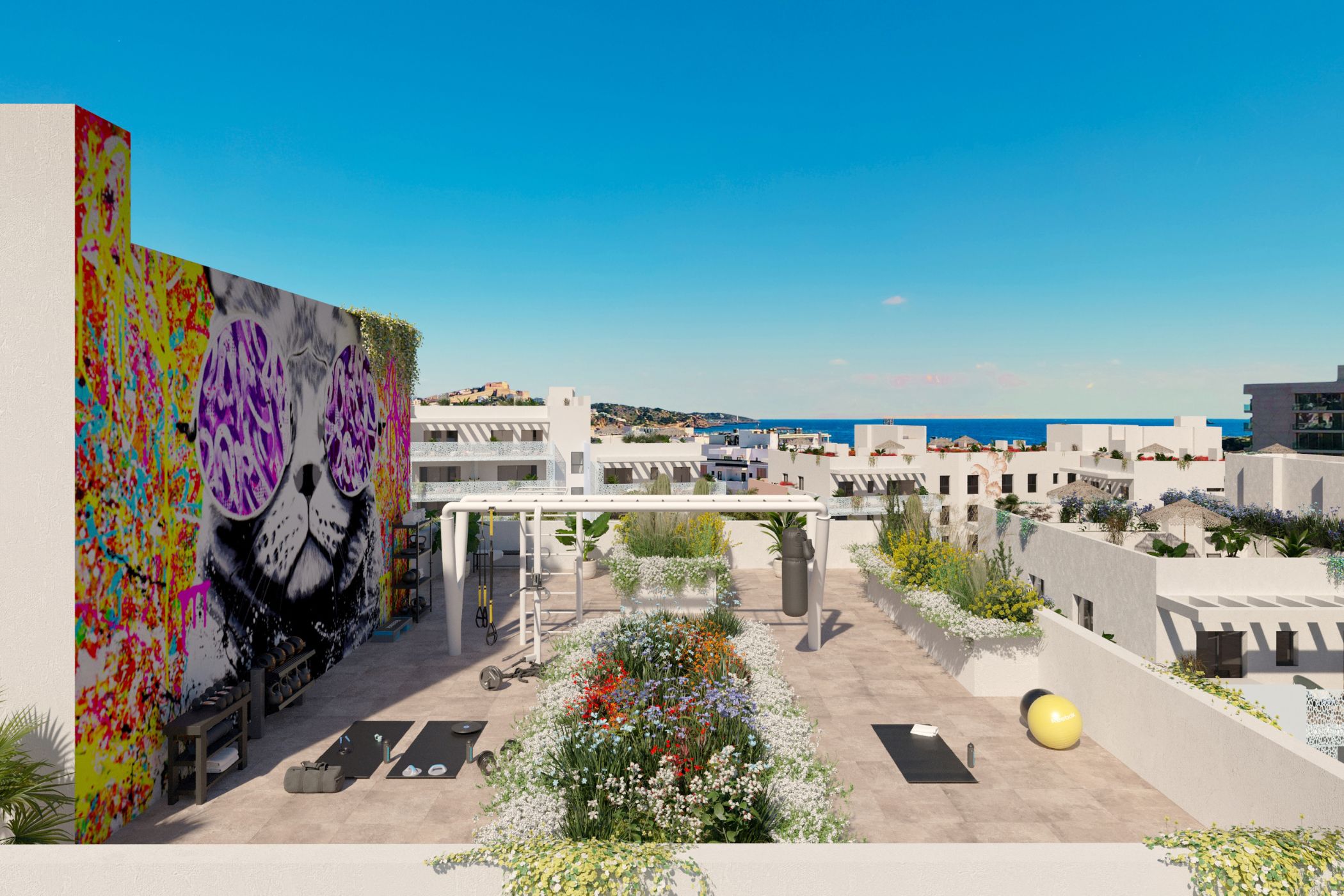
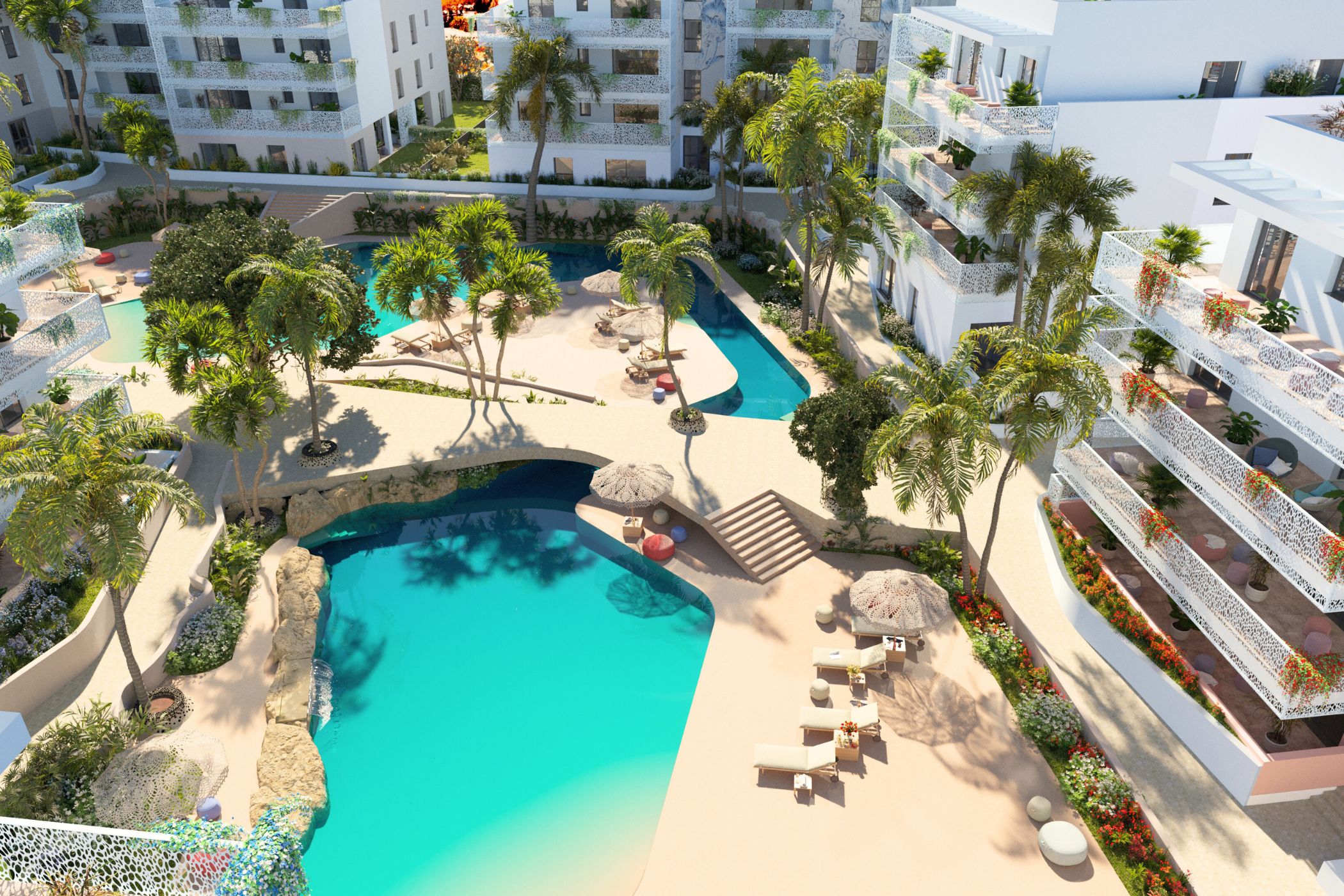
Playa d’en Bossa, Ibiza, Spain — 2-Bed Apartment With Sea Views
€199,000

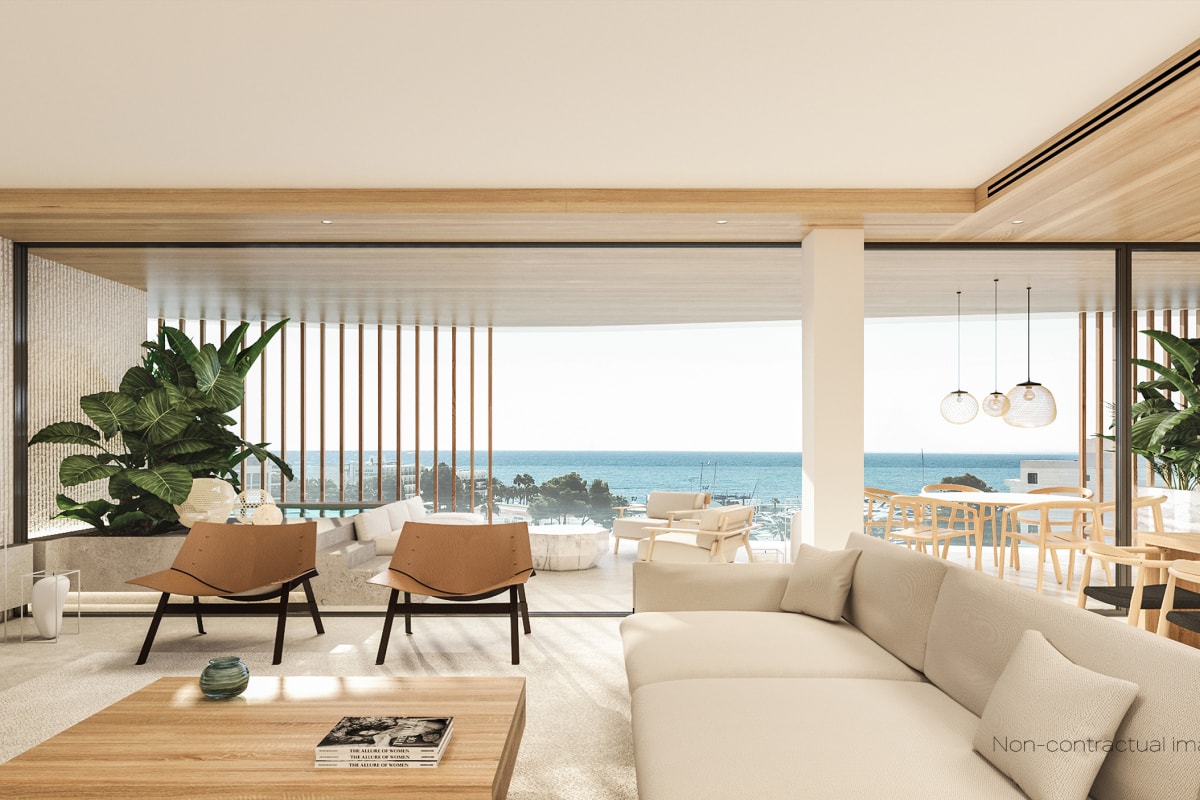
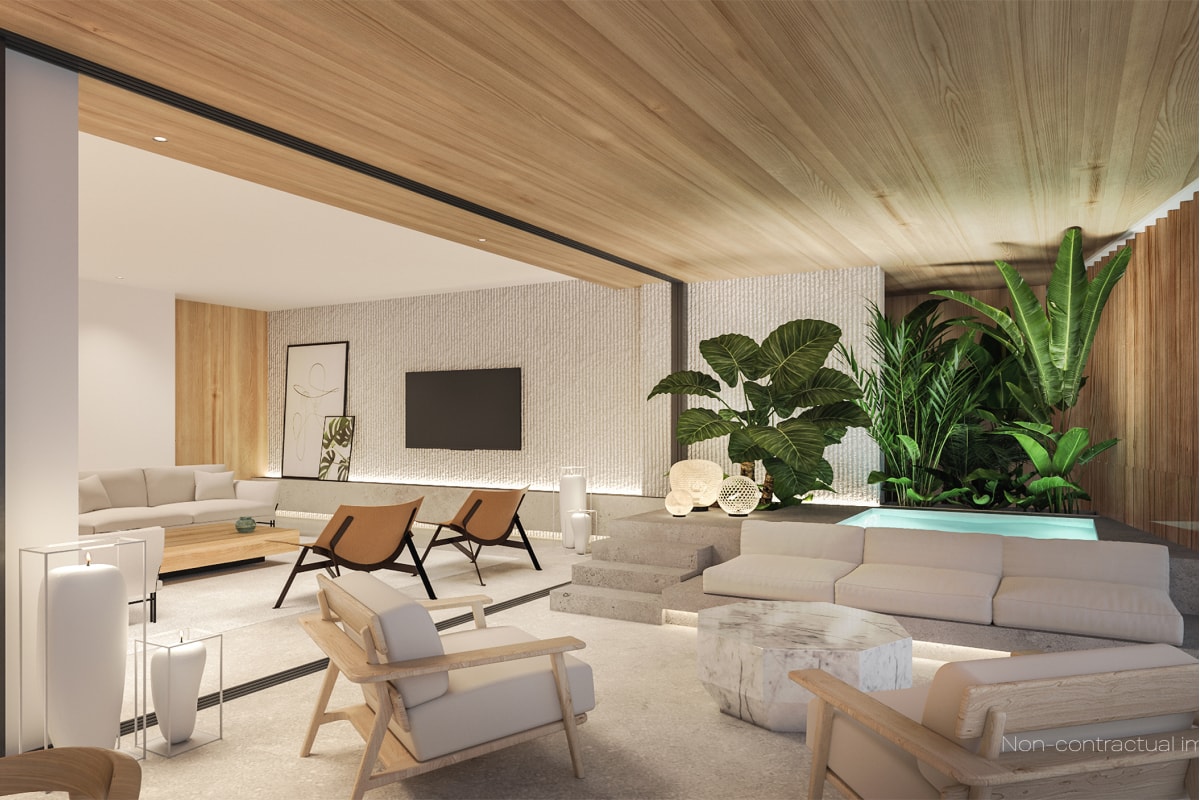
Ibiza, Spain — 3-Bed House With Sea Views
€260,000
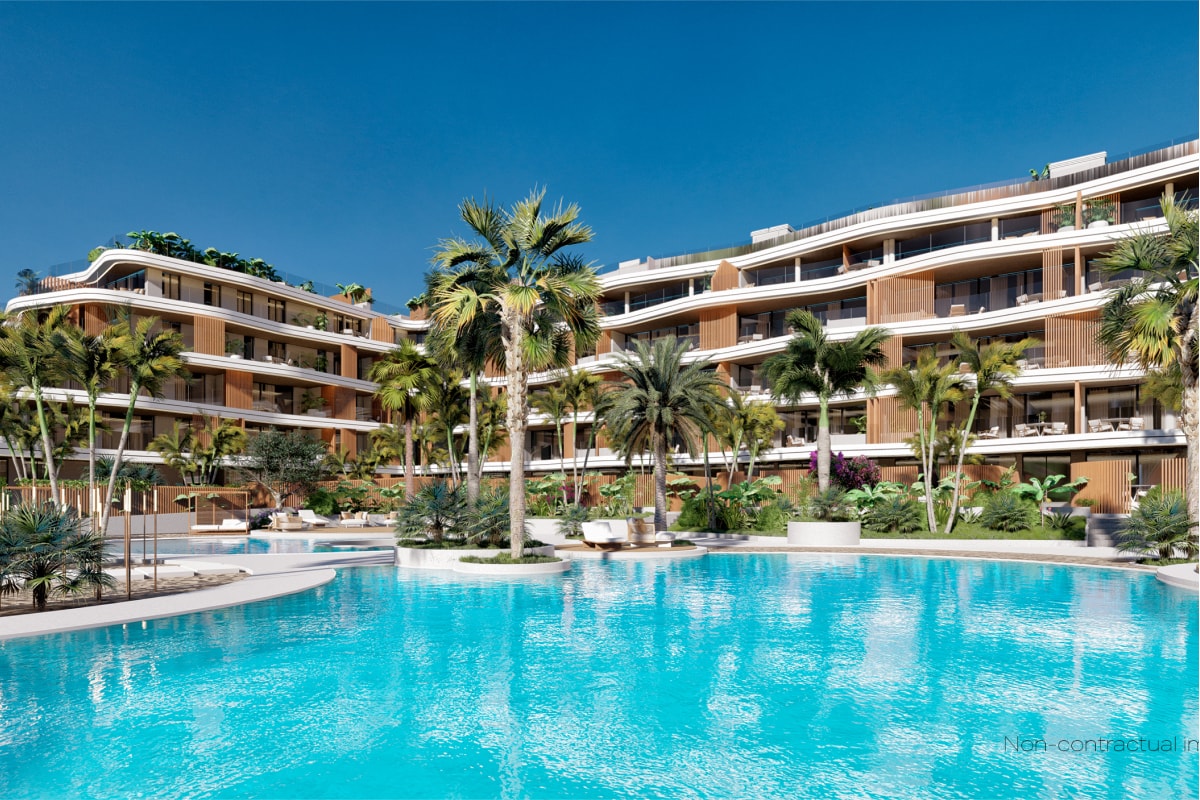
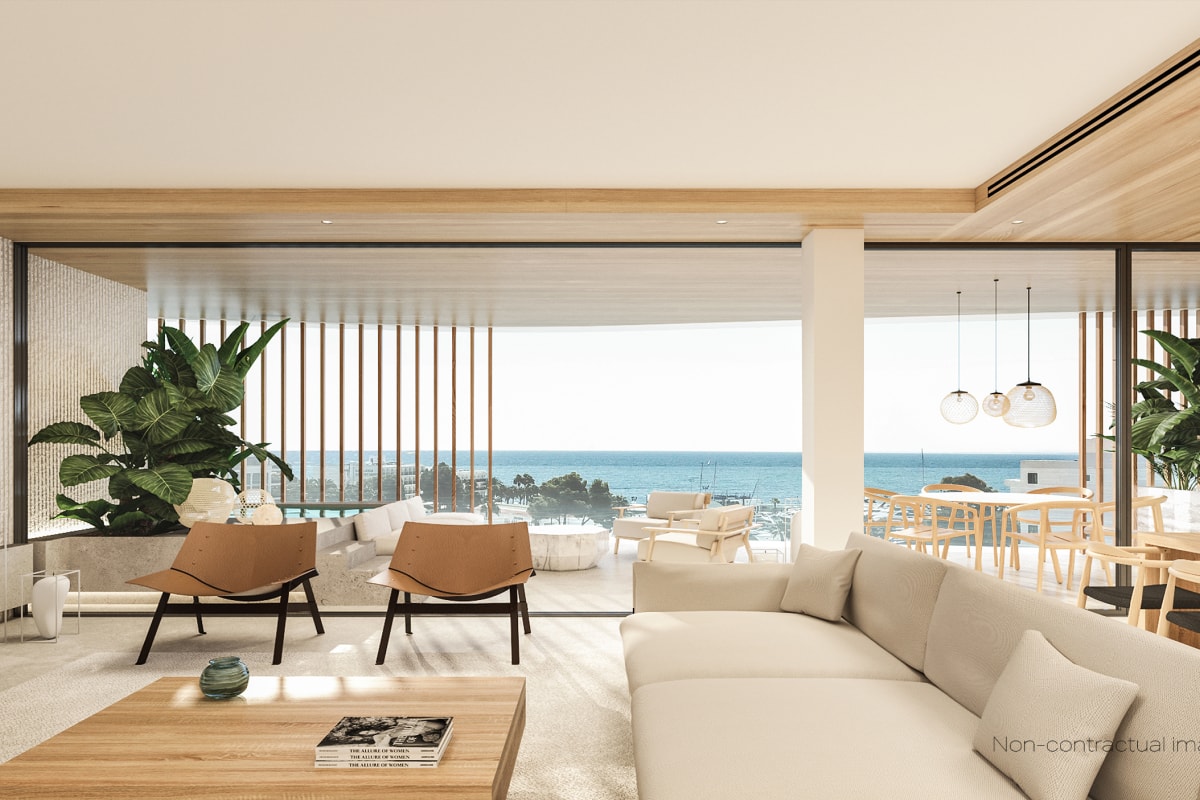
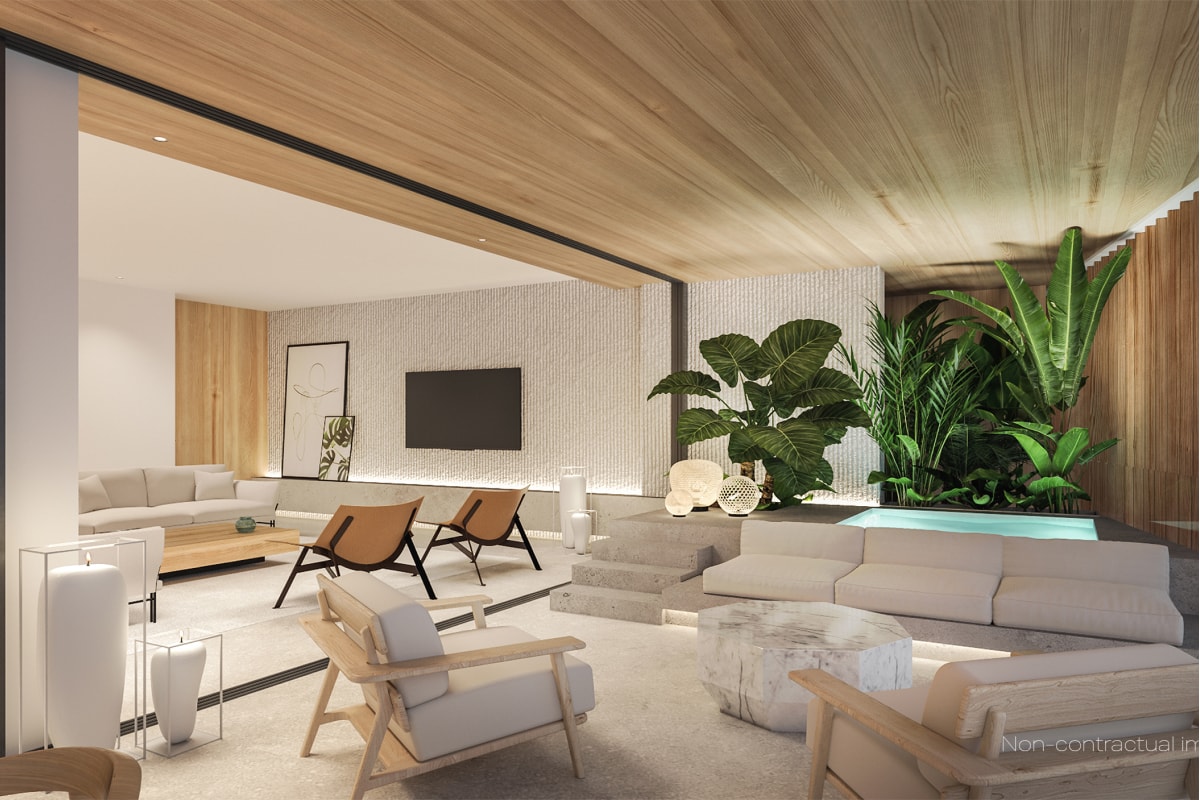
Ibiza, Spain — 3-Bed House With Sea Views
€275,000
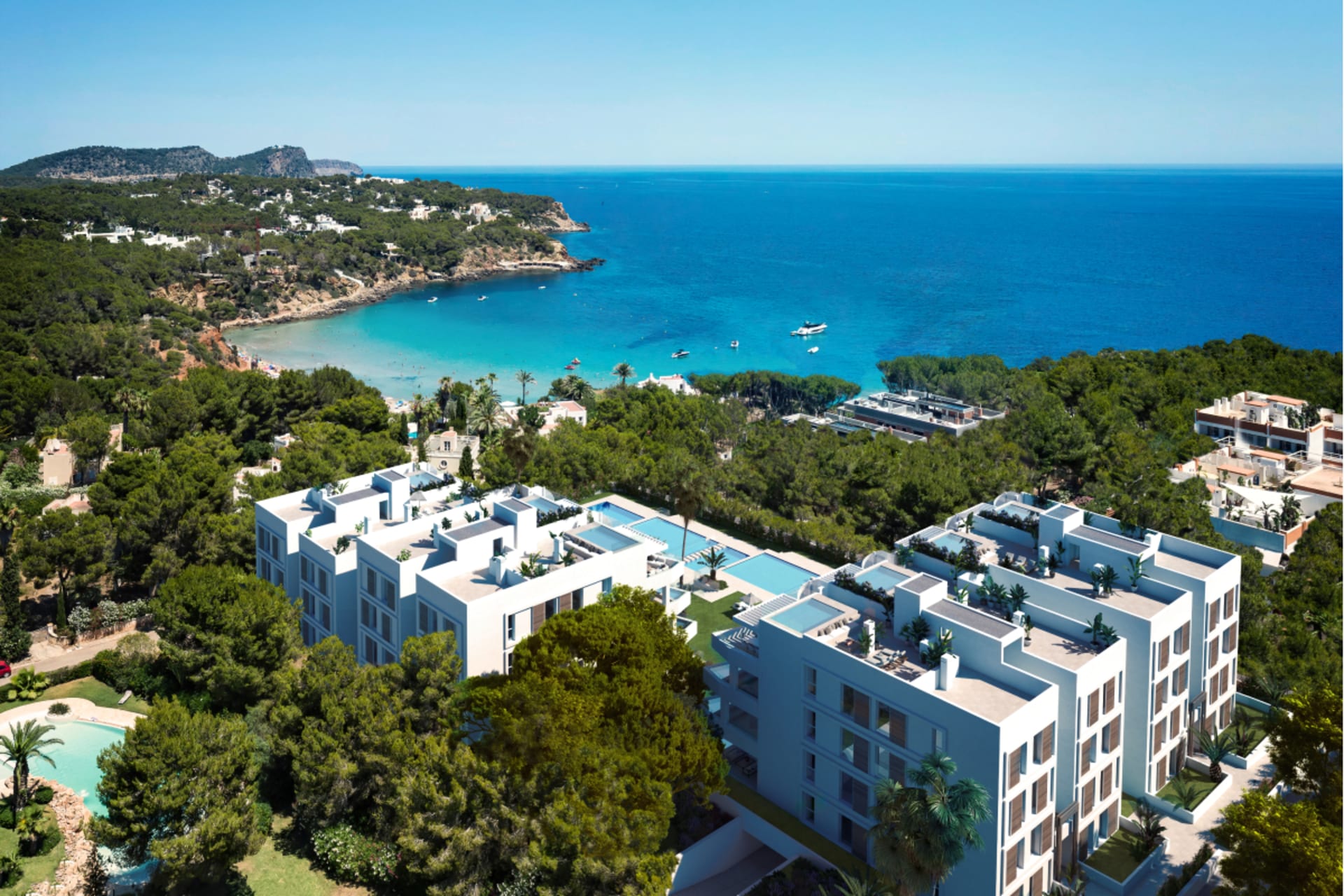
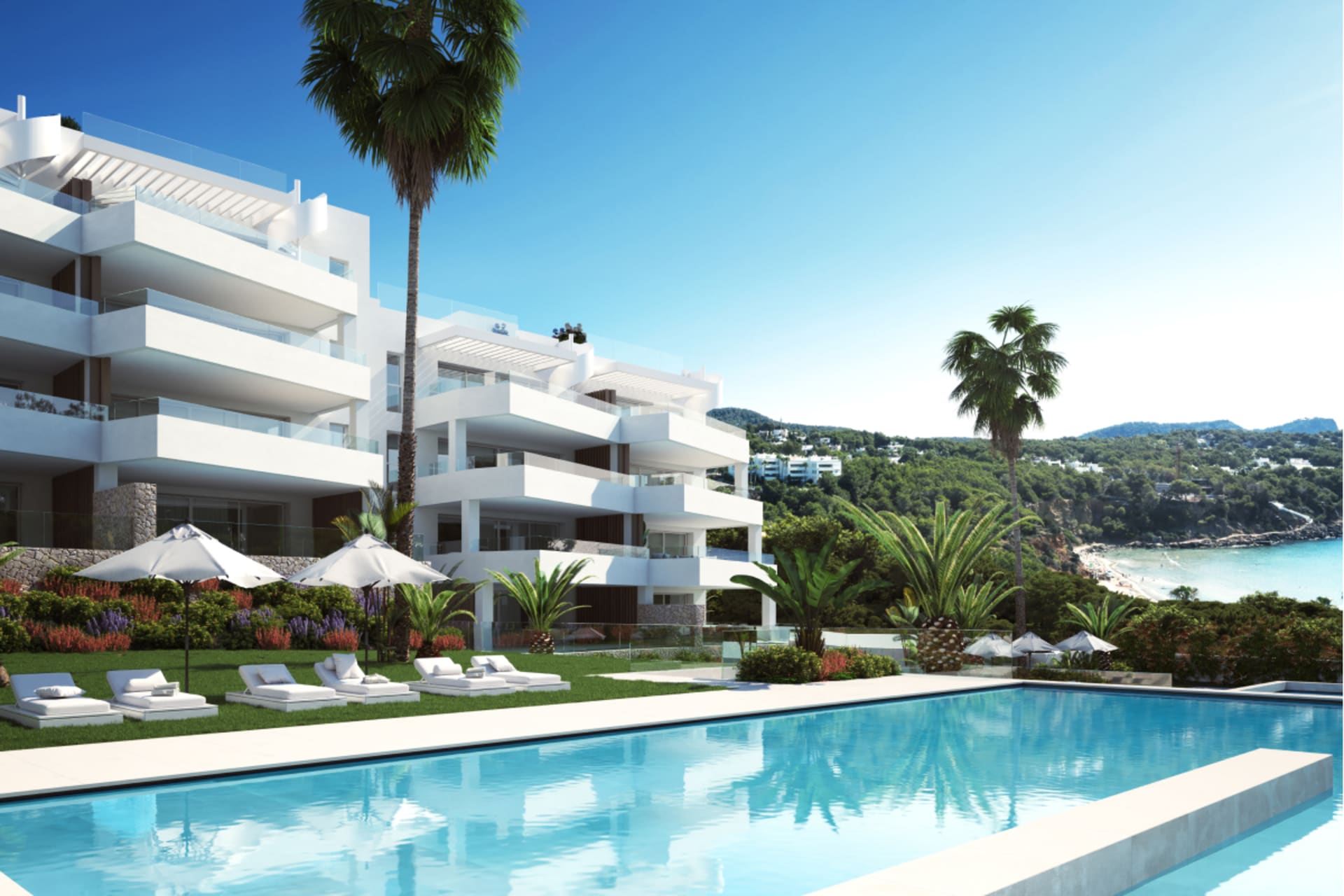
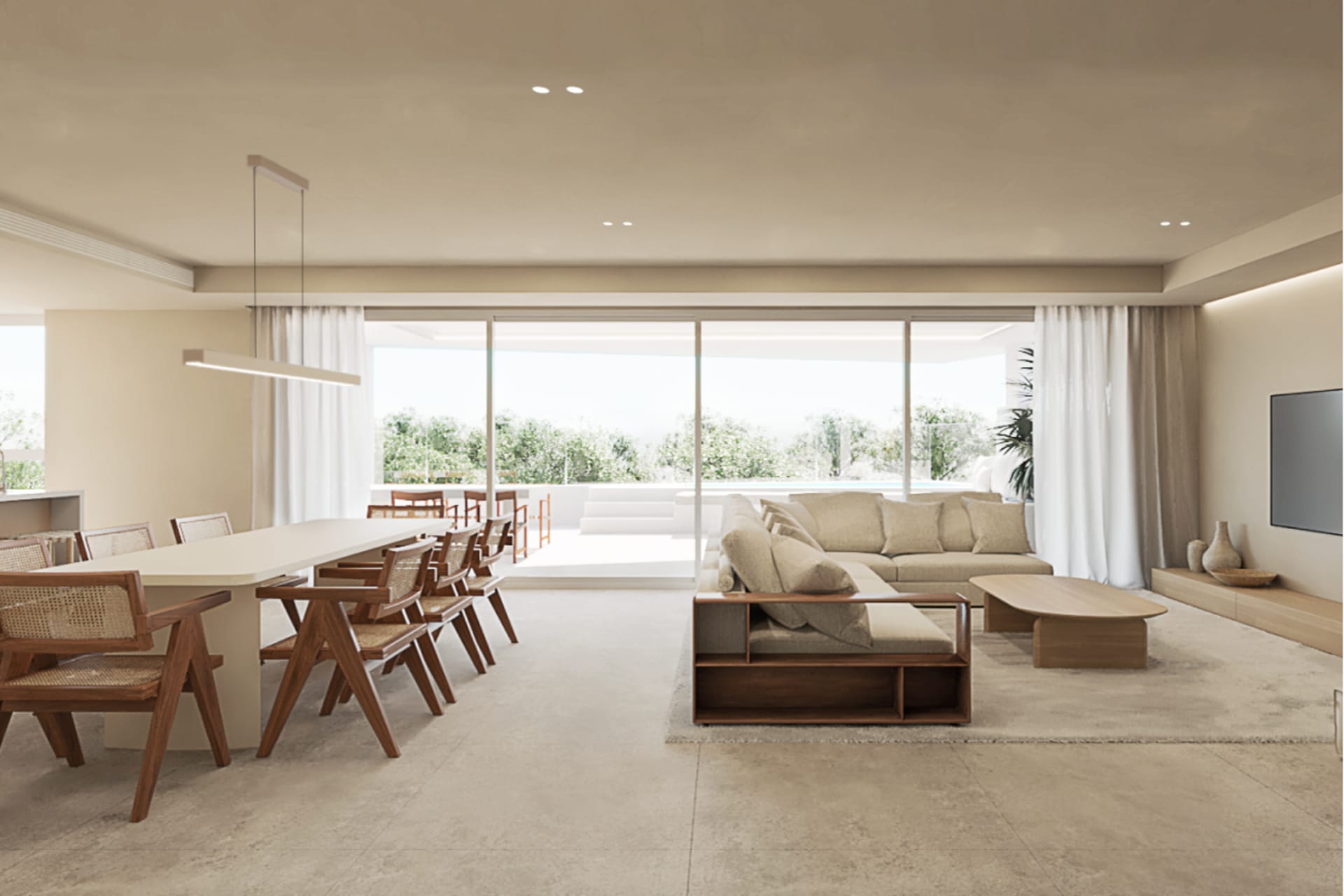
Santa Eulària, Ibiza, Spain — 4-Bed Villa With Private Pool & Mediterranean Sea Views
€315,000
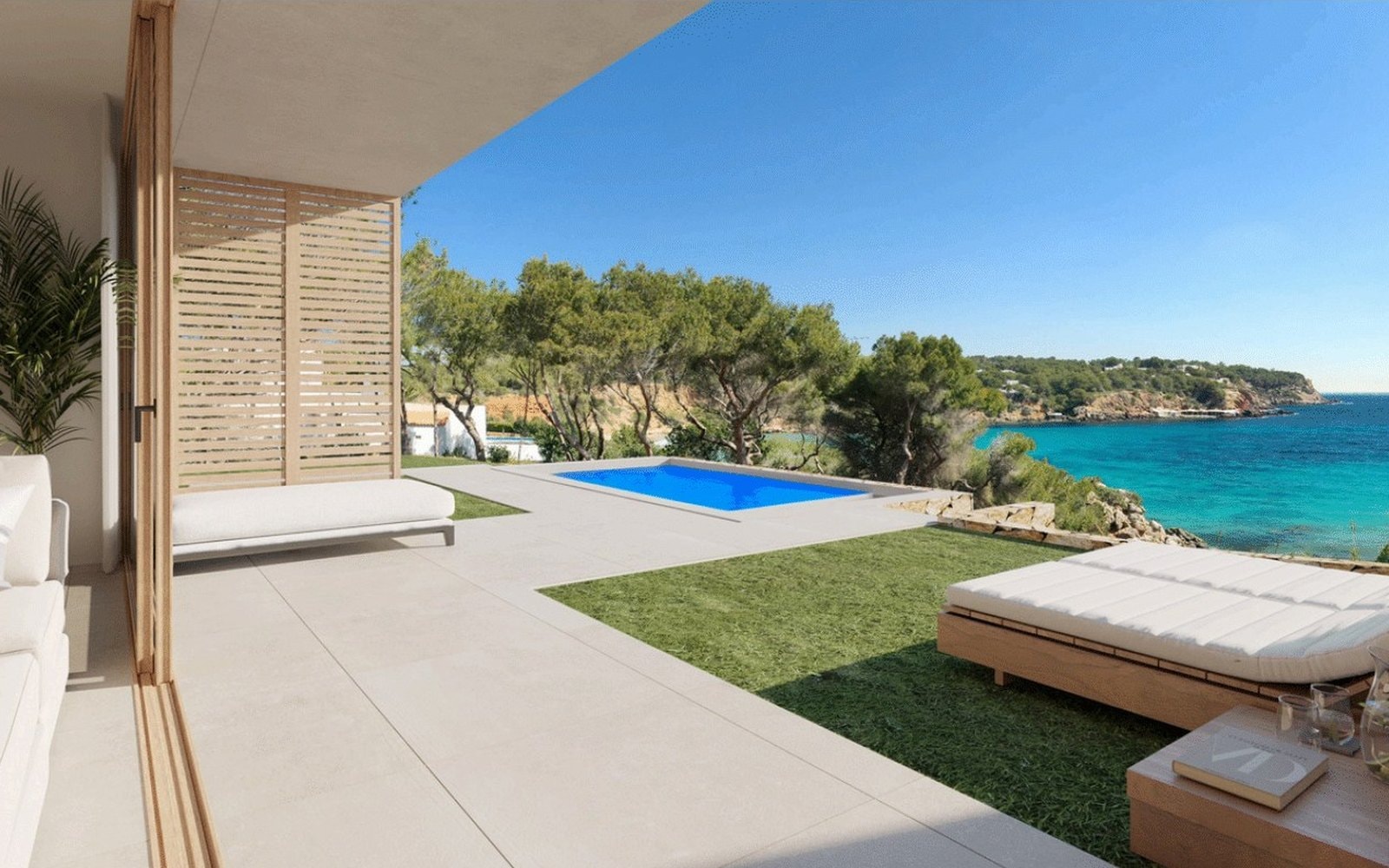
Cala Llenya, Ibiza, Spain — 3-Bed Private Residence
€419,000
Why buy a co-ownership home in Ibiza?
Buying a whole holiday home in Ibiza means paying full price for a house that stands empty most of the year. Co-ownership takes the same home — professionally managed, beautifully furnished — and divides it into shares, usually eighths. You own a real share of the home — not a right to use it — with roughly six weeks of use a year, a share you can sell or pass on, and running costs shared between owners rather than shouldered alone. In Ibiza, that ownership starts from €159,000.
Ibiza, properly understood
Most people know exactly one thing about Ibiza. The clubs are real, they are world-famous, and they occupy roughly four months of the year in two specific parts of a five-hundred-square-kilometre island. The other ninety per cent of Ibiza is something else entirely: a Mediterranean island of pine forests running down to turquoise coves, whitewashed hill villages, Phoenician salt flats, a walled Renaissance old town that is a UNESCO World Heritage Site, and an interior of terraced farmland, almond groves and stone fincas that has changed remarkably little in a century.
The water is the first thing that surprises people. Ibiza's sea is extraordinarily clear — clearer than most of the Mediterranean — and the reason is botanical rather than lucky: vast meadows of Posidonia seagrass grow in the channel between Ibiza and Formentera, filtering the water and stabilising the sand. Those meadows are themselves UNESCO-protected, and one of them is thought to be among the oldest living organisms on earth. It is why the coves here photograph the way they do, and why the swimming in September is one of the great pleasures of European travel.
For a buyer, the case is a particular one. Ibiza is small enough to cross in forty minutes, has an international airport twenty minutes from the old town with dense European connections through the season, an extraordinary food scene that has grown up alongside the visitor economy, and a north and interior that are genuinely quiet. Its season is long — the sea is swimmable from May into late October and the walking season runs through the winter — and the island rewards owners who use the shoulders as much as the summer. The one thing that matters most is choosing the right part of it: get the location right and Ibiza is one of the most beautiful and best-connected islands in the Mediterranean.
A short history: Phoenicians, salt and everything after
Ibiza is older than almost anywhere else on this list. The Phoenicians founded a settlement here in the seventh century BC, drawn by the natural harbour and by salt — the island's salt pans have been worked more or less continuously ever since, which makes them one of the longest-operating industrial sites in Europe. The Phoenician village at Sa Caleta and the vast necropolis at Puig des Molins, with thousands of tombs cut into the hillside above the modern town, are both part of the island's UNESCO listing and both are worth an hour.
Carthage, Rome, the Vandals, Byzantium and the Moors followed in turn, each leaving something — the terraced agriculture and irrigation of the interior are largely Moorish in origin. The Catalan conquest came in 1235, and the walls that define the old town today were built in the sixteenth century to a state-of-the-art Italian design, to keep out the Ottoman and Barbary raiders whose threat also produced the fortified churches you see in the villages: thick-walled, tower-topped, built as refuges as much as places of worship.
The modern island began in the 1930s, when artists and writers fleeing European politics discovered it, and accelerated in the 1960s when it became one of the great destinations of the counterculture — a reputation that produced the hippy markets that still run weekly, the island's tolerance, and a permanent international community. The club scene grew from that in the 1970s and 1980s and became a global industry. What is often missed is that the two Ibizas coexist rather than compete: the same island holds a village where the loudest sound is a church bell and a superclub with a capacity in the thousands, and they are twenty minutes apart.
The island, region by region
Ibiza Town — Eivissa — is the capital and the island's most beautiful thing: Dalt Vila, the walled upper town, climbing to a cathedral and a castle with views over the harbour and out to Formentera, a UNESCO site in its entirety. Below it the port, the marina, the old fishermen's quarter of Sa Penya and the shopping streets of La Marina. It is lively year-round by island standards, with the island's best concentration of restaurants and the ferry to Formentera at the quay.
Santa Eulària des Riu, twenty minutes north-east, is the family capital: a proper town with a long promenade, a marina, good restaurants, a Wednesday market, the island's only river, and a calmer, more residential feel. Around it, the coves and villa country of Es Canar, Cala Llonga and S'Argamassa. This is where a large share of families with children end up, and it is the easiest part of the island to live in normally.
The north — Sant Joan de Labritja, Sant Miquel, Sant Carles, Portinatx — is the quiet Ibiza and, for many owners, the real one: hill villages, pine forest, small coves reached down dirt tracks, agroturismos in restored fincas, and a landscape that empties out completely in winter. Benirràs beach, where people gather to drum at the Sunday sunset, is the emblem. Prices are lower, drives are longer, and the peace is genuine.
The west and south-west — Sant Antoni de Portmany, Sant Josep, Cala Comte, Cala Bassa, Cala d'Hort — hold the famous sunsets and the most dramatic coast, including the view out to Es Vedrà, the sheer rock island that has accumulated more legends than any other feature of the Mediterranean. Sant Antoni itself is the island's most divided town: a long-standing mass-market resort strip alongside a genuinely lovely bay and a marina, improving steadily but still the part of the island to research most carefully before buying.
And the centre: Santa Gertrudis, Sant Rafel, Sant Llorenç. The inland villages, five to fifteen minutes from anywhere, with the island's best food scene outside the capital, art galleries, and a rural setting of almond terraces and stone walls. Santa Gertrudis in particular has become the address for people who want Ibiza without the coast's summer traffic — and it is twenty minutes from every beach on the island.
Where exactly to own: micro-locations, rated
Ibiza Town and the surrounding hills — Talamanca, Jesús, Cap Martinet. The most usable address on the island: walk into the old town, the best restaurant density, the ferries, the harbour, and a place that is alive in February as well as August. Best for owners who want a town rather than a villa in the pines, and by far the strongest position for a short-break, out-of-season calendar.
Santa Eulària and the east coast. The family answer: a real town with services, a promenade, an easy beach, calm water, good schools' worth of infrastructure, and quick access to both the capital and the north. Prices are more reasonable than the west, and the summer is busy without being frantic.
The north — Sant Joan, Sant Miquel, Sant Carles, Portinatx. Quiet, green, beautiful, and the best value on the island. Coves rather than beaches, dirt tracks, agroturismo country, and a winter that is genuinely closed. Best for owners whose Ibiza is walking, swimming, long lunches and doing very little.
Santa Gertrudis and the interior. The connoisseur's compromise: a village with excellent restaurants and galleries, twenty minutes from every coast, out of the summer traffic, and beautiful rural surroundings. Increasingly the address that people who have owned elsewhere on the island move to.
The south-west — Sant Josep, Cala Comte, Es Cubells, Cala d'Hort. The dramatic coast, the sunsets, the Es Vedrà views and the most spectacular positions on the island, with prices to match at the top. Sant Josep village itself is charming and well-placed for the airport and the salt flats.
Where to be careful. The Sant Antoni resort strip and the Playa d'en Bossa club corridor are both specific environments — vibrant if that is what you want, genuinely loud in season if it is not. Sound carries a long way over water and pine forest here, and a villa that seems idyllic in April can have a bass line in August. We check this for every home we list, and it is the first question you should ask about any Ibiza property, from us or anyone else.
The coast: coves, beaches and the water
Ibiza's coastline is essentially a series of coves — calas — cut into a pine-covered coast, and learning them is one of the pleasures of owning here. The famous ones on the west coast are famous for a reason: Cala Comte for the sunset over the offshore islets, Cala Bassa for its clarity and shelter, Cala Salada for the pines running to the water, Cala d'Hort for the view of Es Vedrà rising out of the sea. The north has the wilder ones — Cala Xarraca, Benirràs, Aigües Blanques — often reached down a track and often nearly empty outside July and August.
The east coast is gentler and more family-suited: Cala Llonga, Es Canar, Cala Nova, the long sands at Santa Eulària. The south has the beaches of the salt flats — Ses Salines and Es Cavallet — which sit inside a natural park, backed by dunes and pine, and are the most fashionable stretch of sand on the island. And in the middle sits the old town's own beach at Talamanca, walkable from the port.
The water deserves its own note. The clarity is a function of the Posidonia meadows described earlier, and it is genuinely exceptional — snorkelling here is worthwhile in a way it is not in much of the western Mediterranean. Sea temperatures climb from tolerable in May to genuinely warm from July, and stay swimmable well into October, which is why the shoulder months are the connoisseur's season. Boats are the other half of the coast: a day out to Formentera, or around to a cove reachable only from the water, is what most owners here end up doing more than anything else.
Formentera, thirty minutes away
The single best day trip in the Balearics leaves from the quay in Ibiza Town. Formentera is the smallest of the inhabited Balearic islands — flat, low, quiet, with no airport and consequently no crowds beyond those the ferries bring — and it has the finest beaches in the western Mediterranean. Ses Illetes, the sandspit running north towards Ibiza, is the one that appears in photographs and genuinely looks like that: white sand, water in three shades of turquoise, and almost no development because most of it sits inside a natural park.
The island is about twenty kilometres long and is best explored by bicycle or scooter along its green routes — old paths connecting the villages, the salt pans, the lighthouse at the eastern cape and the coves along the rockier southern coast. There is a good food scene, largely centred on fish, and a small, self-selecting summer population that has been coming for decades.
For an Ibiza owner, Formentera changes the calculation of a week: a thirty-minute fast ferry each way makes it an easy day, and a night or two there is one of the more memorable things you can do from a base on the larger island. It also functions as the pressure valve — on a busy August day when Ibiza's coast road is at capacity, Formentera's beaches are the reason you stop caring.
The interior: villages, fincas and the other island
Drive ten minutes inland from any coast and Ibiza changes completely. The interior is terraced farmland, dry-stone walls, olive, fig, carob and almond trees, and low white fincas with flat roofs and thick walls — a vernacular architecture so distinctive and so well-suited to the climate that it has been copied around the Mediterranean and, in a much-diluted form, around the world. In February the almond blossom turns whole valleys white, which is one of the island's least-known spectacles.
The villages are small, whitewashed and built around fortified churches: Santa Gertrudis, Sant Rafel, Sant Llorenç, Sant Mateu, Sant Miquel, Sant Carles. Each is a square, a church, a bar or two and, increasingly, a restaurant that people drive across the island for. Santa Gertrudis in particular has become a destination in its own right. Sant Rafel is the island's pottery village. Sant Mateu makes wine — Ibiza's small wine industry is old, obscure and improving.
This is also where the island's markets live: the Wednesday hippy market at Es Canar, running since the 1970s, and the Saturday market at Las Dalias near Sant Carles, which is the better of the two and worth the trip. And it is where the agroturismo tradition sits — old fincas converted into small hotels and restaurants, usually with a pool under a carob tree, which is the version of Ibiza that most owners end up wanting to reproduce in their own house.
Eating and drinking
Ibiza's food scene is far better than its reputation suggests and has been for two decades — a direct consequence of a wealthy international visitor economy meeting a Mediterranean island with genuine produce. The local tradition is worth seeking out: bullit de peix, the island's great fish stew served in two courses with rice cooked in the broth; sofrit pagès, a slow-cooked meat dish for winter; flaó, a mint and cheese tart; hierbas ibicencas, the herb liqueur every family claims a version of. The old fishermen's restaurants along the coast — the ones with plastic chairs and a view — still do this best.
Above that sits everything else: beach clubs of varying seriousness, the international restaurants of the old town and the marinas, the inland village restaurants that have quietly become some of the best on the island, and a farm-to-table movement built on the interior's smallholdings. Santa Gertrudis, Sant Joan and Santa Eulària all have kitchens worth a drive. Prices in high season are frankly high and in the shoulder months are entirely reasonable, which is one more argument for a September week over a July one.
Provisioning a house is easy: supermarkets in the main towns, weekly farmers' markets, excellent fish, and the island's own salt, olive oil and wine. And the practical shape of a good week here is not the one visitors have — it is a morning swim, a market, lunch cooked at home under a tree, a late afternoon at a cove, and dinner at eleven in a village square. That is what owning rather than visiting buys.
A year on the island, month by month
January and February are the island's deep quiet: cool, often bright, with the almond blossom in February turning the interior white. Many coastal businesses are closed, the roads are empty, and the resident community has the place to itself. Walking season is at its best. March and April bring the island back to life — wildflowers, warming days, the first restaurants reopening, and Easter, which is when the season effectively begins.
May is one of the two best months of the year: warm, green, the sea beginning to be swimmable, everything open, and none of the crowds. June is warm, busy and building. July and August are the peak in every sense — hot, crowded, expensive, with the coast roads at capacity and the club season at full volume. It is exhilarating, and owners who prize calm tend to favour the months either side.
September is the island's best month, and it is not close. The sea is at its warmest, the heat has eased, the crowds thin sharply after the first week, the restaurants are still open and the light turns golden. October continues it, with swimming still comfortable into the middle of the month. Then Ibiza changes character rather than closing: November and December bring mild days in the high teens, empty coves, long lunches in the towns and a local Christmas that most visitors never see. January and February are the walking and cycling season — professional teams train in the Balearics for a reason — with the almond blossom turning the interior white in February. Fewer coastal businesses are open and the flight schedule runs mainly through mainland Spain, so a winter week is planned rather than improvised; owners who do plan it tend to guard those weeks jealously.
The year's fixtures
The island's calendar is a mix of the very old and the very modern. The traditional layer runs through the year: village fiestas for each patron saint, with processions, folk dancing and fireworks; Sant Joan's midsummer bonfires on the shortest night of the year; the almond blossom in February; and Easter week, which is observed properly in Ibiza Town.
The most spectacular is Ibiza's medieval fair in May, when Dalt Vila is given over for several days to a re-enactment that fills the walled town with market stalls, costume, music and food and is genuinely one of the best events in the Balearics. Around it sit the summer's music and arts calendar, the sunset gatherings at Benirràs on Sundays, and the two hippy markets — Es Canar on Wednesdays and Las Dalias on Saturdays, both running since the counterculture era.
The club season, for those who want it, runs roughly from the opening parties in late April and May to the closing parties in late September and October, concentrated in Ibiza Town's port area, the Playa d'en Bossa corridor and a handful of inland venues. It is an international industry and it is very good at what it does. For owners who do not want it, the practical point is that it is geographically contained, and the north and interior of the island are entirely unaffected.
Ibiza with children
Ibiza is a better family island than its reputation allows, provided you choose the right part of it. The east coast around Santa Eulària is built for it: gentle, shallow beaches, a long flat promenade for bikes and scooters, a proper town with a market and playgrounds, calm water and a family visitor profile. The north's coves are beautiful and often have shallow, sheltered entries. Boat days, snorkelling in that famously clear water, and the ferry to Formentera are the things children remember.
Beyond the water: horse riding in the interior, the salt flats' birdlife including flamingos in migration season, walking the walls of Dalt Vila and the castle, the markets, and the simple business of a village square in the evening where Spanish children are still out at eleven and yours will want to be too. Water parks and the usual commercial attractions exist near the resort areas.
The caution is straightforward and worth stating: do not buy in a party corridor and expect a family week. Sound travels here, and the areas around the main club venues and the Sant Antoni strip are genuinely loud in season. Choose the east, the north or the interior and none of that touches you. For ownership groups, the useful arithmetic is that family weeks and adult weeks want different months here — families take July and August, couples take May, June, September and October — so a mixed group's rotation is less contested than in a single-season resort.
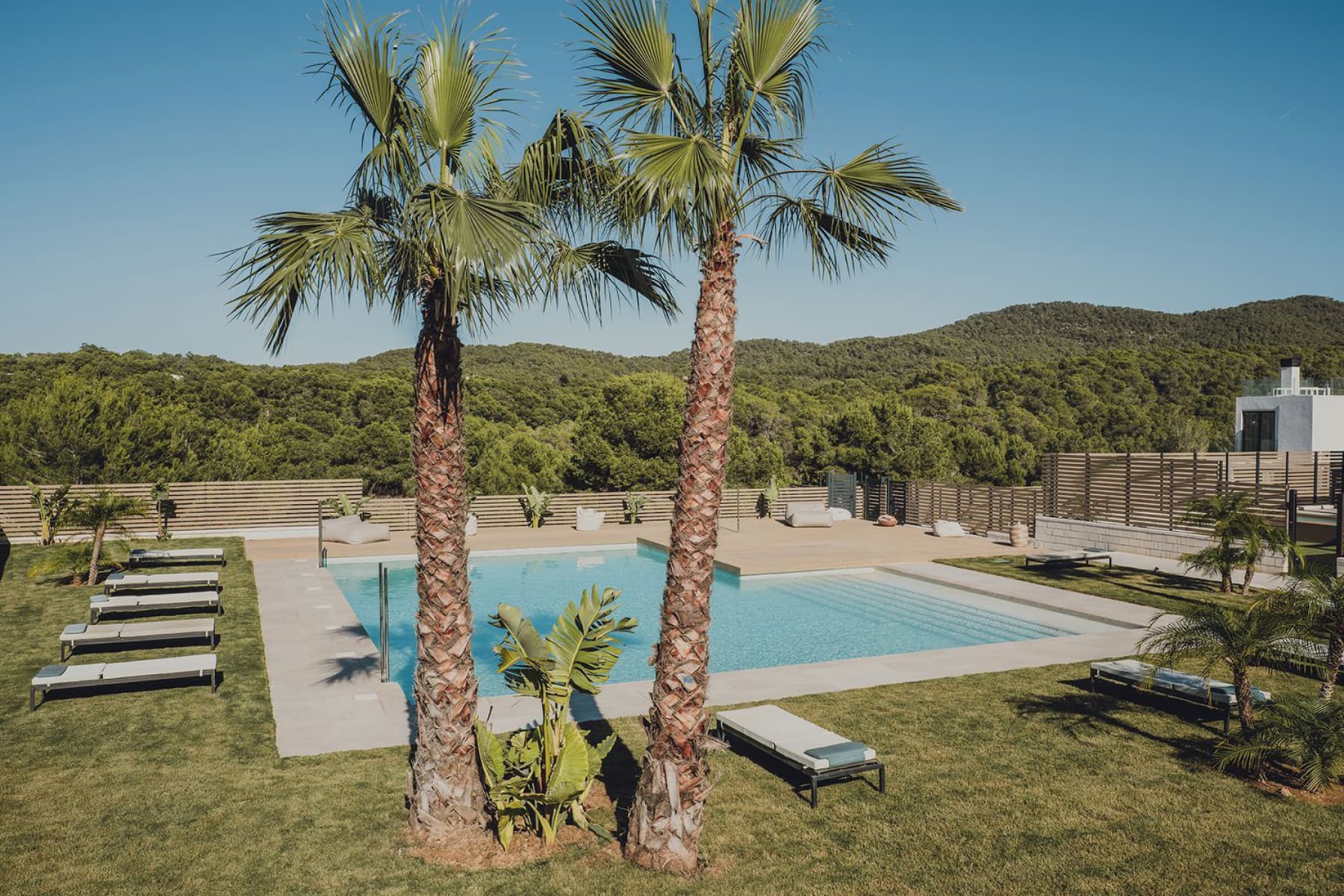
Walking, cycling and the outdoor island
Outside the summer, Ibiza is a walking island and very few visitors realise it. A network of old paths, dirt tracks and coastal routes links the villages, the watchtowers and the coves, through pine forest and terraced farmland. The climb up Sa Talaia, the island's highest point at just under five hundred metres above Sant Josep, gives a view over almost the whole island to Formentera and, on a clear day, the Spanish mainland. The coastal path around Cala d'Hort with Es Vedrà offshore is the most photographed walk on the island for good reason.
The sixteenth-century watchtowers strung around the coast make a superb informal itinerary: each was built within sight of the next as an early-warning system against raiders, and walking between them takes you along the wildest parts of the coast. The salt flats natural park in the south has flat, easy trails through the pans and the dunes, with flamingos in autumn and spring.
Cycling is excellent from October to May — the interior's quiet lanes, the climbs in the north-west, and a growing road-cycling culture that brings professional teams here for winter training. Sea kayaking and paddleboarding along the coves is the best way to see the coast; diving is good, with clear water and several wrecks. And in high summer the honest advice is to do all of this before ten in the morning, and then go swimming.
Getting there and getting around
Ibiza's airport sits about fifteen to twenty minutes from Ibiza Town and is one of the best-connected island airports in Europe through the season: direct flights from most major European cities from spring to autumn, with a heavy concentration of British, German, Italian, Dutch and Spanish routes. The winter schedule reduces substantially — this is the honest counterpart to the summer's abundance — with connections mainly through the Spanish mainland from November to March, which is a real consideration for owners planning winter weeks.
Ferries provide the alternative and the freight: fast and conventional services from Denia, Valencia, Barcelona and Palma, carrying cars, which is how a good number of owners bring the things a house needs. The Formentera ferry runs frequently from Ibiza Town and, in season, from Santa Eulària and Sant Antoni.
On the island, a car is necessary for most addresses — the island is forty minutes end to end and the villages and coves are not connected by useful public transport. In high summer the coast roads and, more acutely, the parking at the popular beaches become genuinely difficult; the local habit is to go early, go late, or go by boat. An address in Ibiza Town or Santa Eulària reduces the driving considerably, which is one of the arguments for a town position over a remote villa if your group is not made up of confident drivers.
The property market, honestly described
Ibiza is the most expensive property market in the Balearics and one of the most expensive island markets in the Mediterranean, and the reason is a straightforward collision: fixed, protected supply against genuinely international demand. The island's planning regime is restrictive — coastal development is tightly controlled under Spanish coastal law, large parts of the island are protected as natural park or rural land, and the rules governing what can be built on rustic land have been progressively tightened. New villas in the countryside are far harder to create than most buyers assume.
Demand comes from across northern Europe — Britain, Germany, the Netherlands, Scandinavia, Italy, France — plus mainland Spain and, at the top of the market, a global buyer pool. That mix has made the market resilient through several cycles, and it means the island is not dependent on any single national economy.
Two local specifics are worth knowing. First, tourist rental licences: the Balearic Islands license short-term tourist letting, and licences are limited. Where letting unused weeks matters to you, we confirm the licence position for the specific home before you buy. Second, water: Ibiza relies partly on desalination, and on country properties wells and cisterns are part of the standard checks we make.
For a share buyer, the logic here is unusually strong. Ibiza is a place people use intensively for a few weeks and then leave for months, and a Mediterranean house needs looking after all year. A whole house bought for six weeks a year is an expensive way to own an empty building. A share is not — and in a place where the best weeks are May, June, September and October rather than a single fought-over fortnight, the calendar distributes better than most people expect.
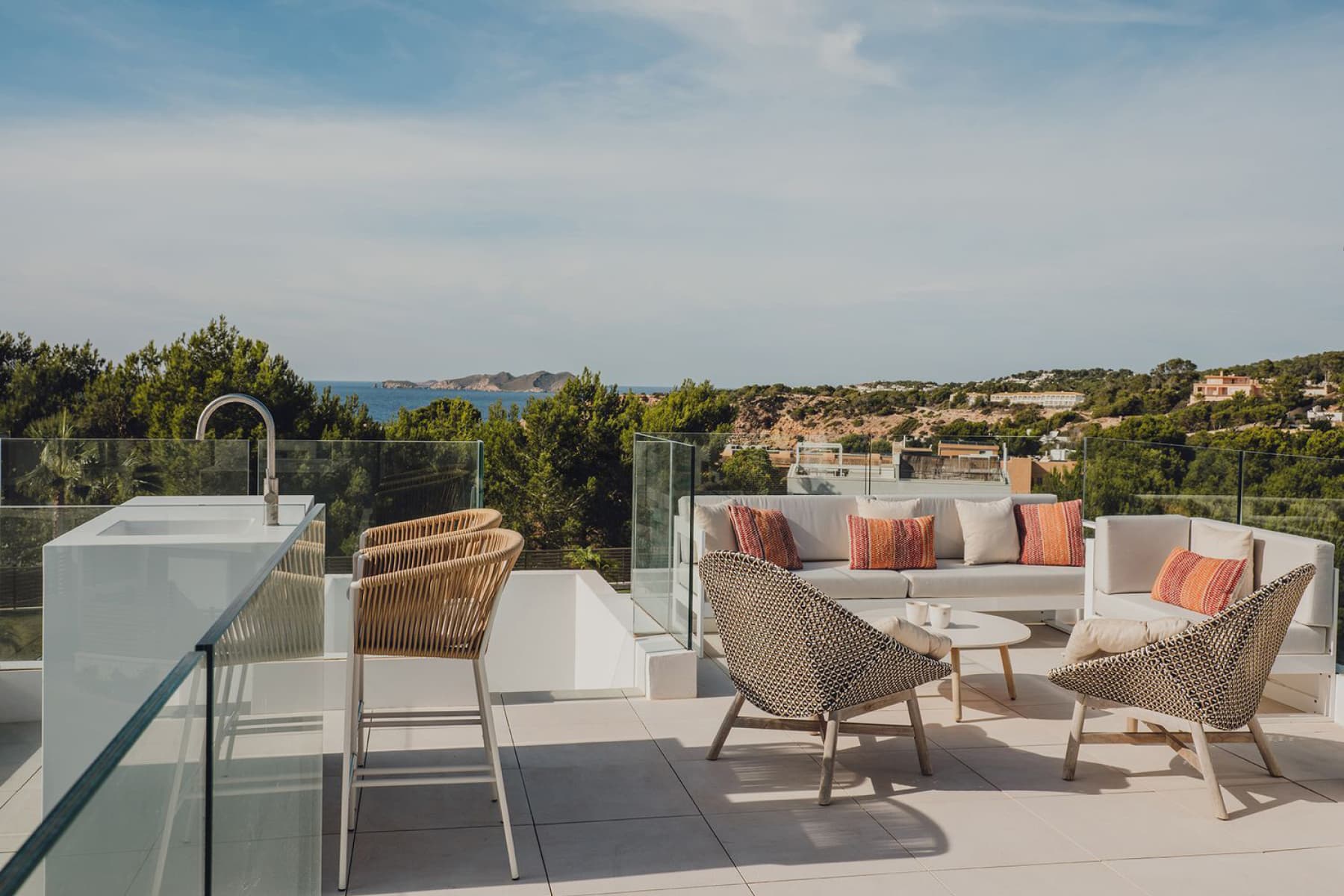
What underpins value here
Five supports. First, protected and constrained supply: coastal law, natural park designations covering a significant share of the island, and progressively tighter rules on building in the countryside. The stock of good Ibiza houses grows very slowly. Second, the UNESCO layer — Dalt Vila, the Phoenician sites and the Posidonia meadows are protected in perpetuity, which protects both the townscape and the extraordinary water quality that is the island's core natural asset.
Third, connectivity: one of the best-connected island airports in Europe through the season, with direct flights from most major northern European cities, and ferry links to three mainland ports. Fourth, the breadth of the demand base — no single nationality dominates, which has historically made this market more resilient than islands dependent on one country's buyers.
Fifth, the island's dual identity. Ibiza captures two entirely separate markets — the international club and hospitality economy, and the quiet villa-and-finca market of the north and interior — from the same fixed supply of property. That is unusual and it broadens the buyer pool at resale considerably. What to know: a quieter winter with a lighter flight schedule, a lively August, careful water use and licensed letting. All are well known, and all point to choosing the right part of the island.
Who owns here
Ibiza's ownership is one of the most international in the Mediterranean. The core layers are British, German and Dutch — long-established communities going back to the 1960s and 1970s in several cases — alongside Italians, French, Scandinavians, Swiss and mainland Spanish. Many of these families are second- and third-generation owners: people whose parents came as young travellers and who now bring their own children.
Beneath that sits the island's own population — Ibicencos with deep roots, farming families whose terraces and fincas define the interior, and a large service and hospitality workforce that swells enormously in summer. And above it, at the top of the market, a genuinely global layer that arrives by yacht and departs in October.
For a co-owner, the practical consequence is an island entirely accustomed to part-time, international ownership. Property management, caretaking, pool and garden maintenance, and the seasonal opening and closing of houses are mature professional industries here, because the majority of the island's better housing stock needs them. A house used by several families in rotation is, from Ibiza's point of view, completely ordinary — and the multilingual, international character of the island means the practical side of ownership is easier here than in many more parochial markets.
Ibiza against the alternatives
Buyers looking at the Balearics and the wider Mediterranean compare the same places. Against Mallorca: Mallorca is far larger and more varied, with mountains, a real capital city, better winter connectivity and a longer usable year — but nowhere on it has Ibiza's water clarity or its particular atmosphere, and Mallorca's best areas are priced comparably. Mallorca is the better choice for year-round use; Ibiza is the better one for a certain kind of summer.
Against Menorca: quieter, gentler, less developed, with superb beaches and a much shorter season, at lower prices. Against Formentera: more beautiful and far more restricted — very little property, no airport, and a market of extreme scarcity. Against the Costa Brava, the Côte d'Azur or the Amalfi coast: all mainland, all with better winter life and easier access, none with an island's containment or this water.
Ibiza's own case, stated plainly: the clearest water in the western Mediterranean, protected by UNESCO for a botanical reason rather than a scenic one; a walled UNESCO old town that is genuinely one of the loveliest in Spain; a quiet, green, empty north and interior twenty minutes from everything; a food scene far above the island's size; one of the best-connected island airports in Europe through the season; and Formentera thirty minutes away. It rewards choosing your part of the island carefully and using the shoulder months as well as the summer — and owners who do both get something very few places can offer.
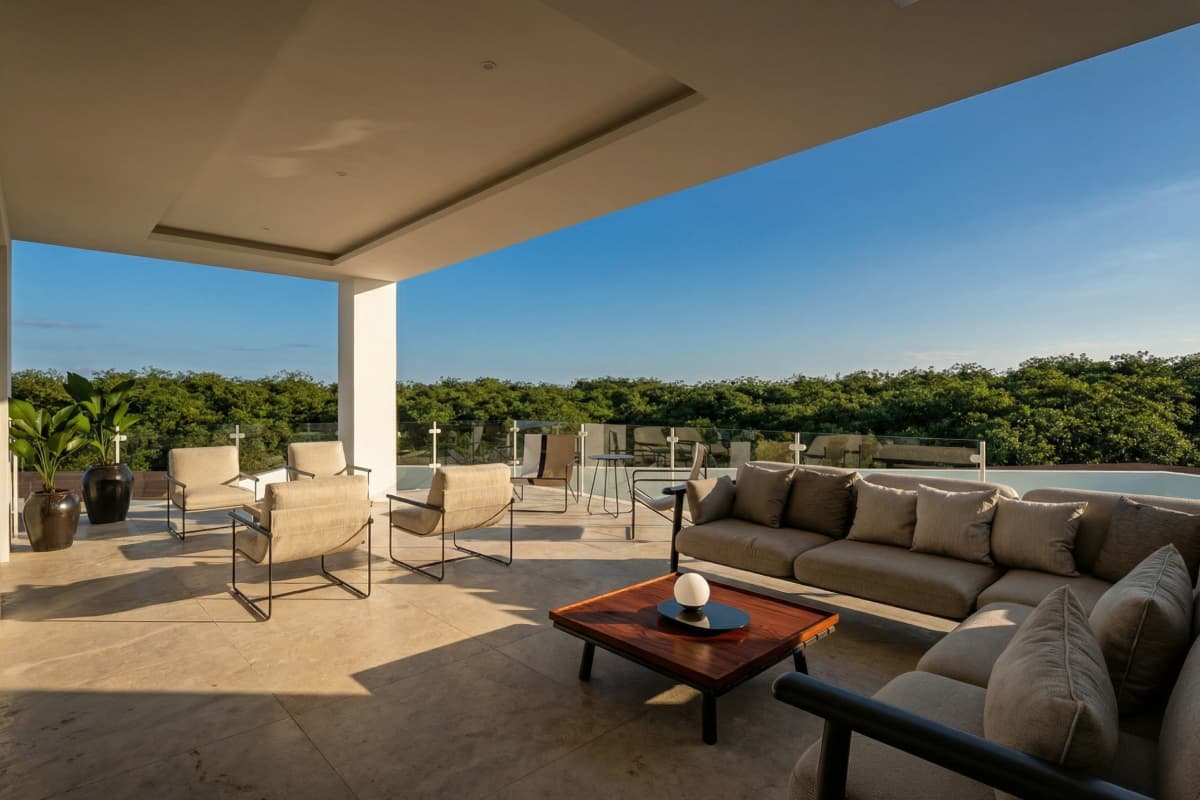
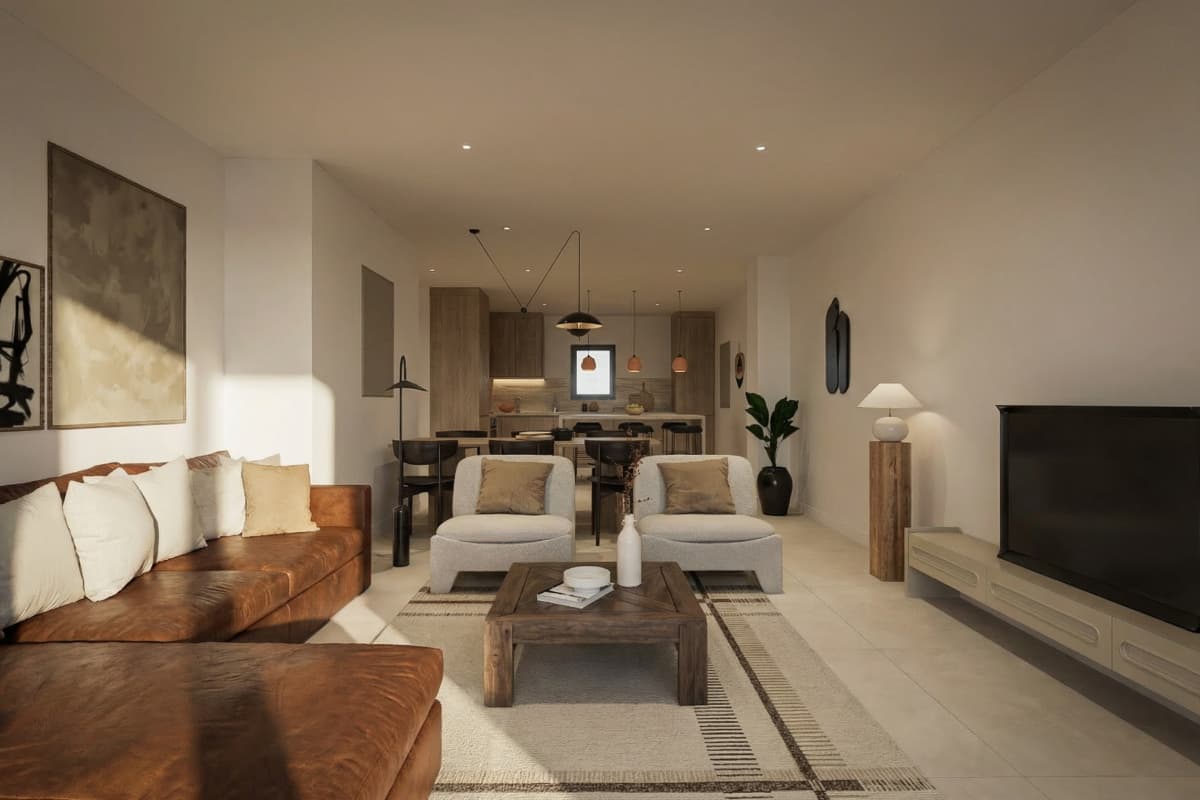
Co-ownership in Ibiza, in practice
Here is how a share of a home here actually works. You own a real share of a specific, fully furnished, professionally managed home — an eighth, a quarter — not a right to use it. You can sell it, pass it on to your heirs, and you benefit when the home rises in value. A timeshare sells you a week. Co-ownership sells you the house. Your share is part of the house itself, shared with a small group of owners rather than hundreds, and you sell it on the open market at the price you set. The legal set-up is arranged by our partner for each home and walked through with you before you buy. The calendar allocates usage fairly across the owners, rotating the most contested dates — the August weeks, Easter, the September shoulder — from year to year so no owner is permanently advantaged, with flexible booking for everything else.
Ibiza suits the structure for a specific and slightly unusual reason: the island's best weeks are not all in the same month. May, June, September and October are, for a large share of people who know the island, better than July and August — warmer water in September, easier roads, open restaurants, no crowds. That means the rotation has genuinely desirable weeks spread across six months rather than one contested fortnight, and a group whose members want different things can all get what they want.
The management point matters more here than in most places. A Mediterranean house left closed through a hot summer and a wet winter deteriorates: pools need weekly attention, gardens need irrigation, salt air corrodes, and a house that is opened four times a year by four different families needs someone to reset it between each. That is handled professionally — cleaning, linen, pool and garden, maintenance, utilities, opening and closing, and the local relationships that make anything happen on an island.
Costs are shared in the same proportion as ownership: each owner carries their share of the home's running costs, billed transparently, covering local property taxes and community charges where they apply, insurance, utilities and water, pool and garden, cleaning, maintenance and the reserve that keeps the furnishings good. You see the full breakdown before you buy, not after.
Buying in Spain: how the process actually runs
Spanish property purchase is a well-trodden path for foreign buyers and follows a predictable sequence. You will need a Spanish tax identification number for foreigners — the NIE — which is a straightforward administrative step and the first thing to organise. How the purchase of your share is completed, including what is signed and where it is recorded, depends on the home's legal set-up, which our partner arranges and explains before you buy.
Independent legal representation is standard and strongly advisable: a Spanish lawyer acting for you, not for the seller or the agent, who checks the registry entry, any charges on the property, the community of owners' status, the building and occupancy licences, and — critically on this island — the planning position of anything built on rustic land, plus the tourist rental licence status if letting matters to you. Purchase taxes and costs are published; the Balearic Islands set their own transfer tax rates, which are progressive, and your lawyer will confirm the current position. Non-resident buyers face no restriction on owning Spanish property.
Two Ibiza-specific checks are part of every purchase. First, planning status: extensions, pools and outbuildings are checked against their licences as standard. Second, water: on rural properties, the source, the licence and the quality are confirmed. For a co-ownership share, the legal set-up is arranged by our partner for each home. We walk every buyer through the specimen documents in plain language before any commitment, and we will always encourage independent legal and tax advice. Nothing in this guide is legal or tax advice.
Three owners' years: specimen calendars
Three honest specimen years. The family: a week at Easter when the island is green and quiet, a fortnight in August in the years the rotation grants it, a long weekend in June, and a week in late September when the sea is warmest and the crowds have gone. Six-plus weeks, in a house that already holds the snorkels, the paddleboards and the beach kit.
The couple who know the island: ten days in May before anything is busy, a long weekend in June, two weeks in late September and early October which is the best sea and light of the year, and four or five days in February for the almond blossom, the walking and an empty island. A calendar assembled almost entirely from the weeks nobody fights over — and, most Ibiza regulars would argue, the better weeks.
The friends' syndicate: one shared week in high summer when everyone comes and the boat is booked, plus alternating long weekends through May, June, September and October — a cove, a long lunch, a village dinner, a day on Formentera — and unclaimed weeks placed into managed letting where the property is licensed for it. Three shapes, one common property: on an island whose best months run from May to October, six weeks a year is not a constraint to be managed. It is a budget to be spent well.
An owner's practical almanac
The small knowledge that makes ownership frictionless. Beaches in high summer: go before ten or after five, or go by boat. The parking at the popular coves fills by mid-morning in August and the coast roads are slow in the middle of the day. Restaurants: book, particularly in July and August, and particularly anywhere with a sunset view. Eat late — nine o'clock is early here.
Seasons: much of the coastal island closes from November to March, so a winter week needs a town or village position rather than a remote villa if you want to eat out. Flights reduce substantially in winter — check the schedule before planning February. September is the best month and the one to ask for.
The house: pools, gardens and irrigation need weekly attention through the summer, salt air is hard on metal and timber, and water is a genuine resource question here — the management team handles all of it, and it is one of the practical reasons an unmanaged Ibiza house ages badly. Mosquitoes exist in the humid weeks; screens and a plug-in are ordinary equipment.
And the golden rule: whatever week you cannot use, release it early. On an island where September is better than July, someone in your ownership group will take it — probably gratefully.
Ibiza: questions owners actually ask
Is it all clubs? No — and that is the single most important thing to understand. The club scene is real, world-class and geographically contained in two or three specific areas, and it runs for about four months. The north, the interior and most of the east coast are entirely unaffected: hill villages, pine forest, empty coves and silence. The island's own tourist board would rather you knew that, and so would we.
Will we hear noise? Not from the right home, and it is the first thing we check on any home we list. The clubs are concentrated around Sant Antoni and the Playa d'en Bossa corridor; the north, the interior and most of the east coast are quiet all summer long.
When is the best time to come? September, comfortably — warmest sea, thinning crowds, everything still open, and the light at its best. May and June are close behind. July and August are the peak and the most crowded; April and October are lovely and quieter still. February has almond blossom and empty walking trails, with the caveat that much is closed.
What is Ibiza like in winter? Different, and quietly wonderful. Days sit in the mid to high teens, the hills go green, the almond blossom comes out in February, and the coastal paths and cycling roads are at their best — which is why professional cycling teams train here. Ibiza Town and Santa Eulària keep their restaurants, markets and daily life going all year. A number of beach clubs and coastal hotels do close between November and March, and the flight schedule runs mainly through mainland Spain, so a winter trip wants planning. If winter use matters to you, buy in or near a town and it works beautifully.
Can we let our weeks? Where the property holds a Balearic tourist rental licence, yes, and the management team handles letting for you. Licences are limited, so we confirm the position for each home before you commit.
More questions, answered plainly
Which part of the island should we choose? Ibiza Town or Santa Eulària if you want a town, services and a workable winter. The north or the interior if you want quiet, green and value. The south-west if you want the drama and the sunsets. Santa Gertrudis if you want the best of the interior with restaurants at the door. Tell us how your year actually looks and we will point you at the right homes below.
Do we need a car? For most addresses, yes — the island is forty minutes end to end and public transport is limited. An Ibiza Town or Santa Eulària position reduces the driving considerably, which is worth weighing if your group is not made up of enthusiastic drivers.
What about water? Ibiza relies partly on desalination, and rural properties may use wells or cisterns, which we check as standard on any country home. Day to day it simply means using water thoughtfully.
What are the running costs like? Each owner carries their share of the home's costs, billed transparently — local property taxes and community charges where they apply, insurance, utilities and water, pool and garden, cleaning, maintenance and the furnishing reserve. A Mediterranean house with a pool has real costs; the point of the structure is that they are shared and handled rather than carried alone for a building you visit six times a year.
What should we do on a viewing trip? Come for three days, ideally outside August. Walk Dalt Vila at eight in the evening. Swim at a north cove and at a west one and see which you prefer. Have lunch in a village square in the interior. Take the ferry to Formentera. Drive from the house to the airport so you know the real time. And spend an evening on the terrace. Then let us open the doors. Three days answers more than three months of listings, and we will build the itinerary around the homes listed below.
Taxes, resale and how ownership works for your 1/8 share of the home are covered in depth in our complete country guide. Read the full Spain ownership guide →
Each listing shows the full price of its share — typically one-eighth of the home. It is a purchase price, not a deposit or membership fee: you become a co-owner of the home.
No. A timeshare sells you a week; co-ownership sells you the house. You own a real share of the Ibiza home with a small group of owners, not a week at a resort shared with thousands. It moves with the value of the house, you sell it on the open market at your price, and you can leave it to your children.
A one-eighth share corresponds to about six weeks a year, scheduled fairly across seasons so every owner enjoys peak weeks over time. The home is professionally managed — you simply arrive.
Questions about a home in this collection? Our team typically replies within minutes.
Get in Touch
Speak to an expert
Tell us what you're looking for and we'll be in touch.