Co-Ownership Homes in Johns Island
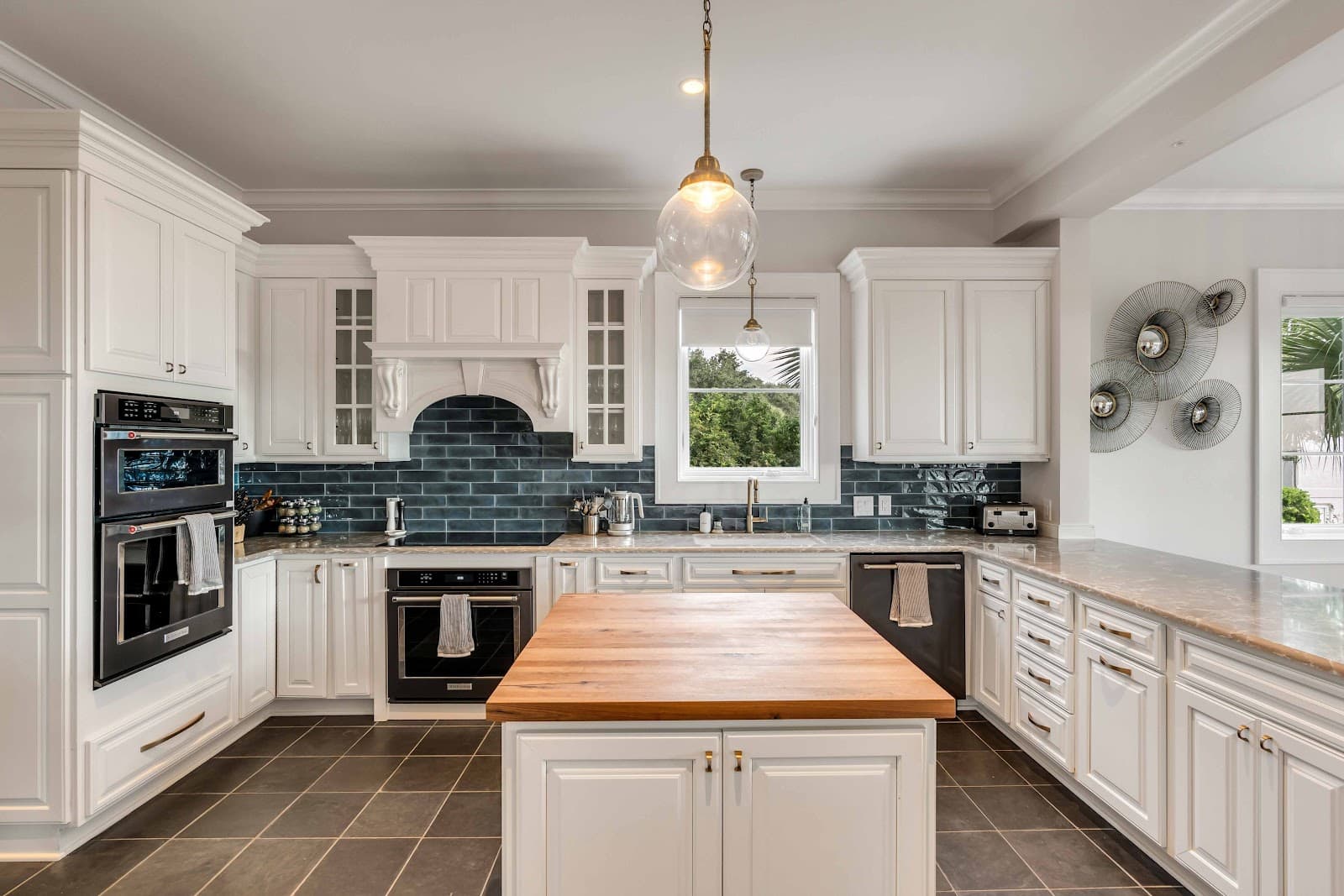
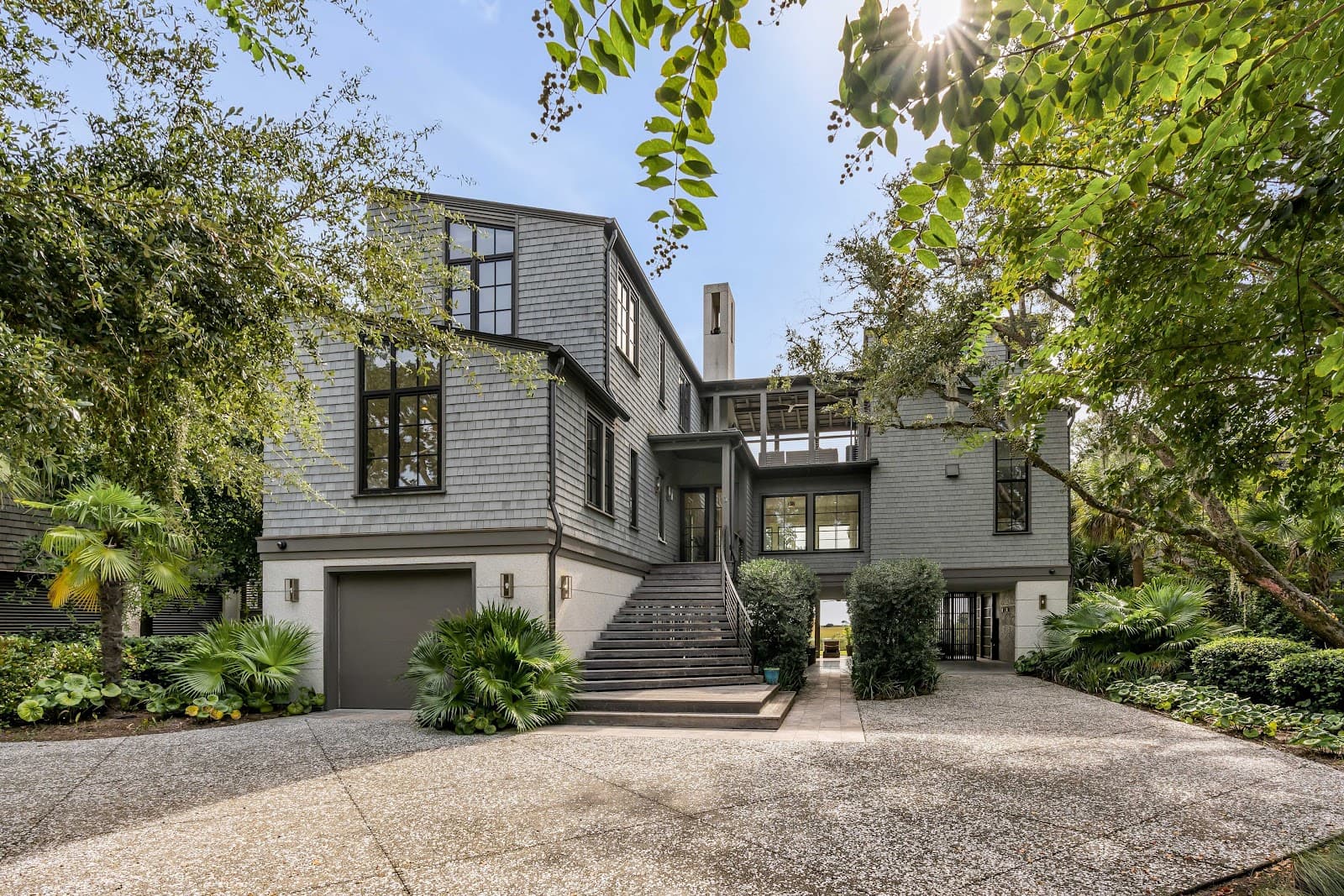
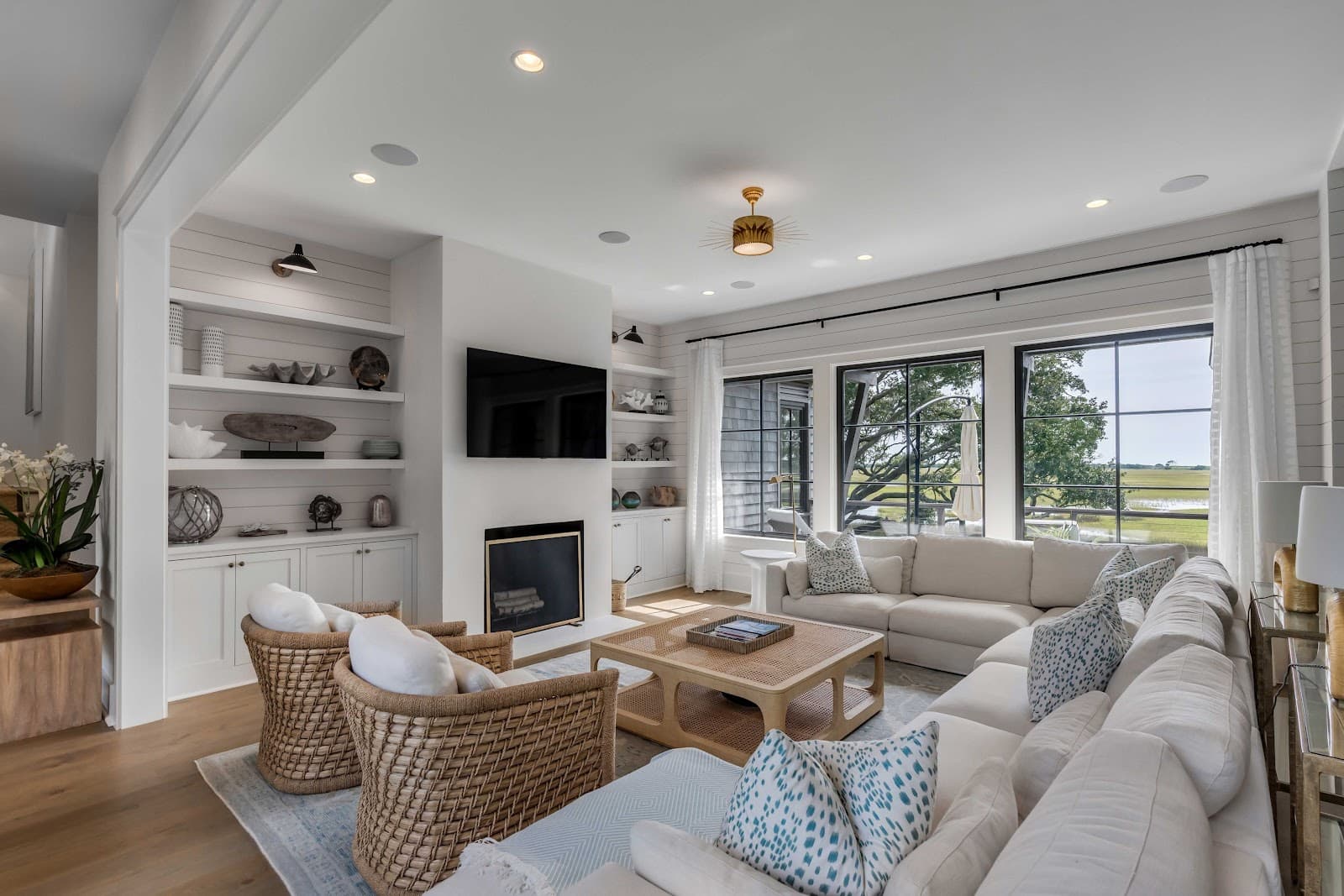
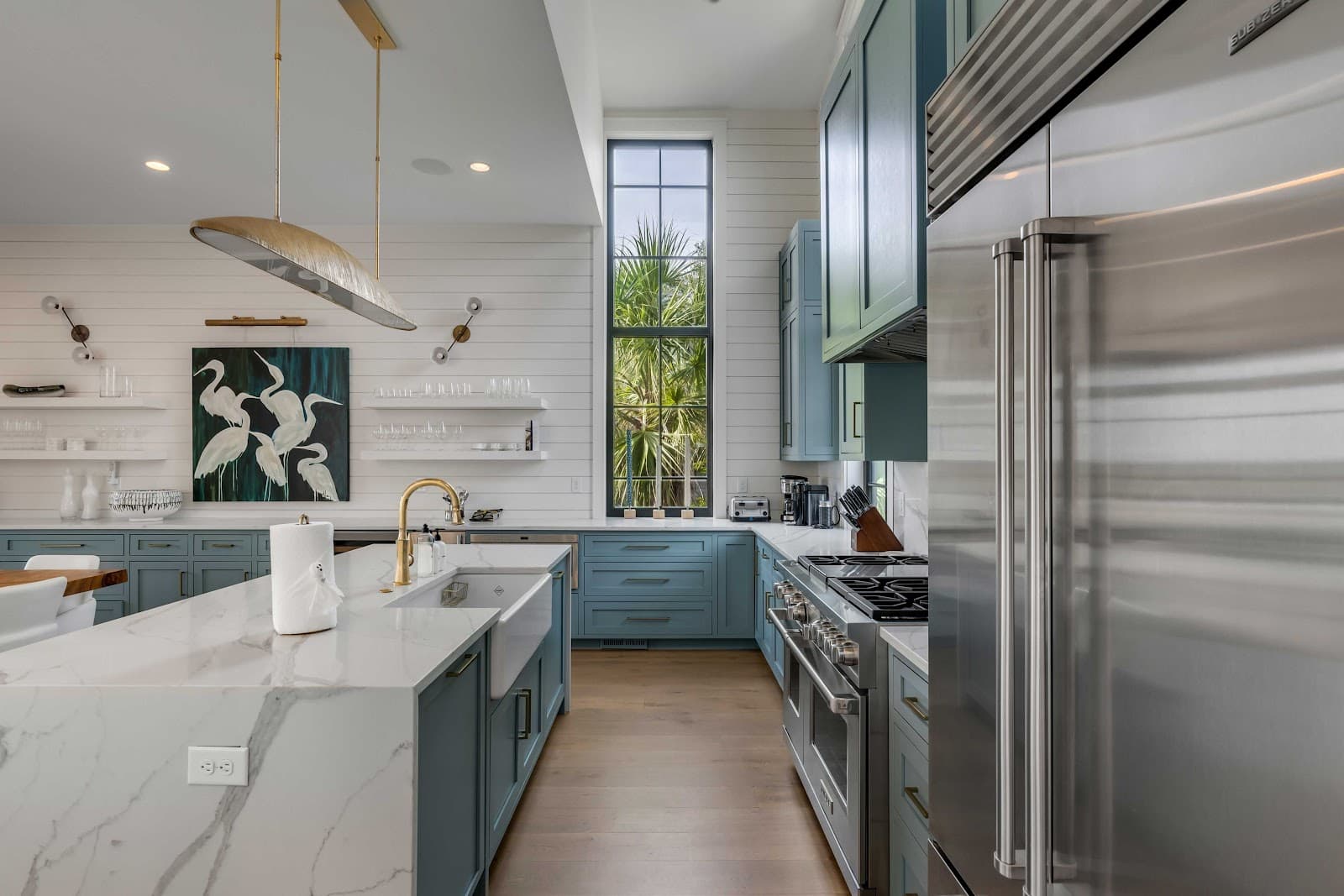
2 luxury holiday homes in Johns Island available as co-ownership shares, from $695,000 per share. Genuine ownership, fully managed, a fraction of the whole-home price.
The Johns Island Collection
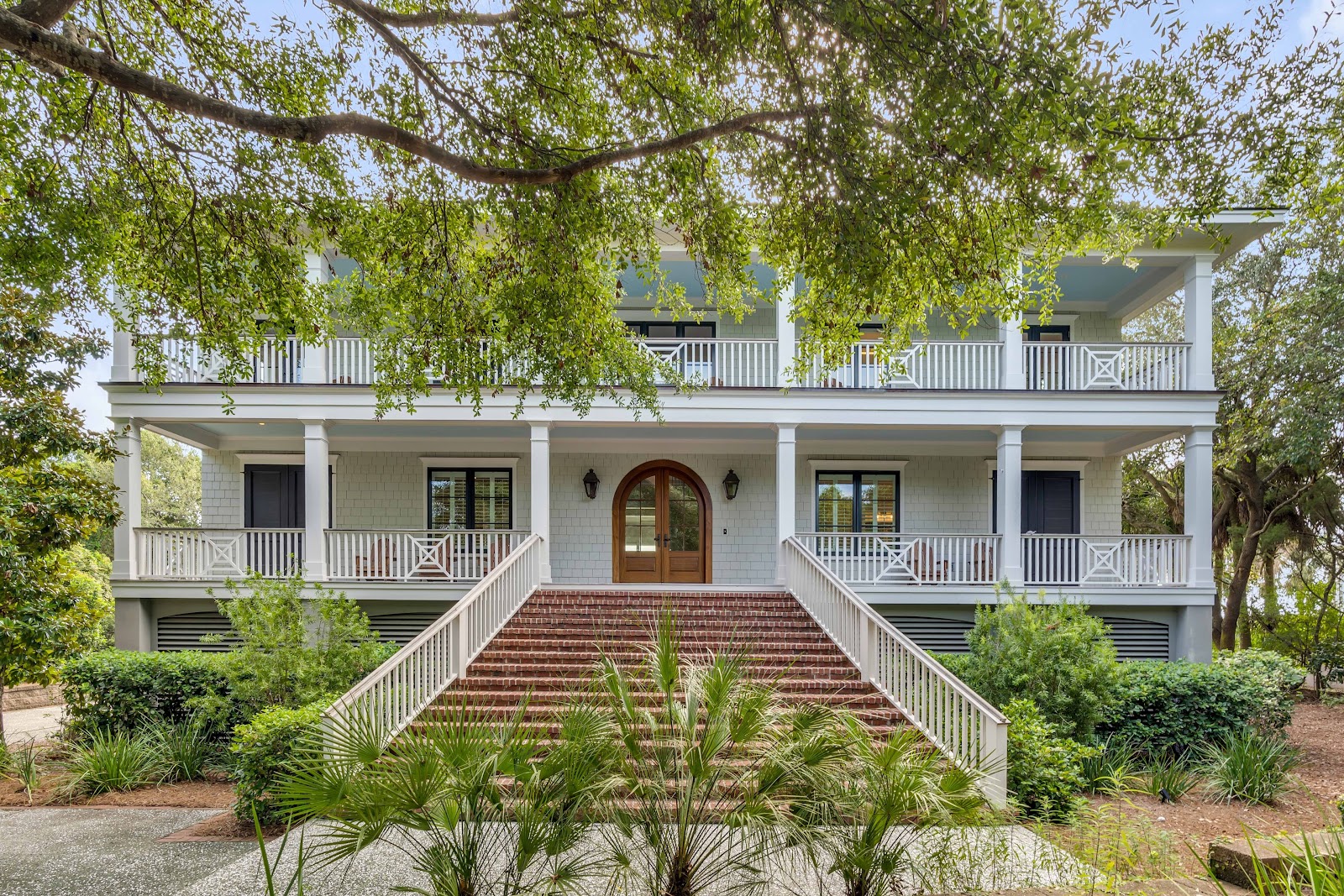
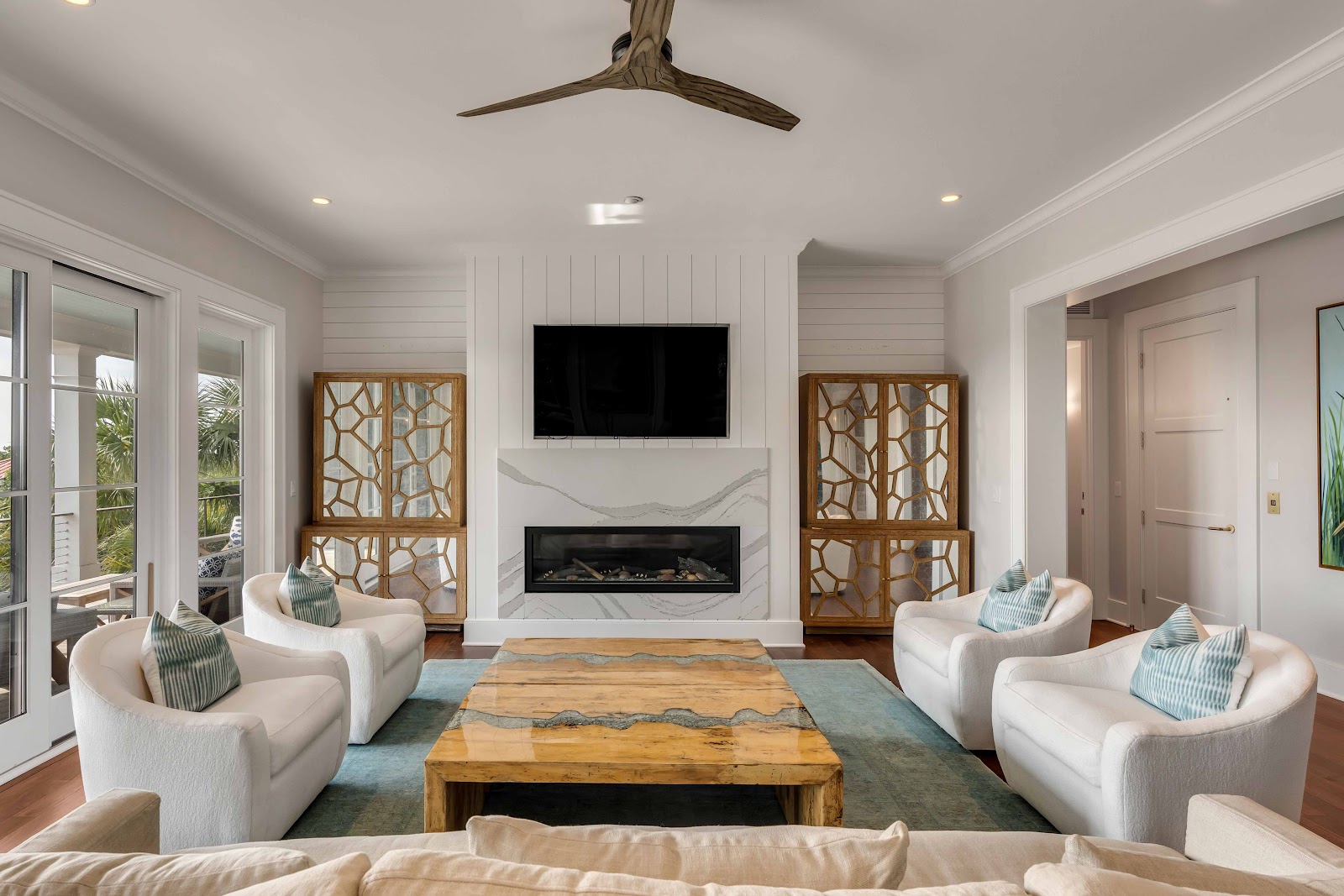
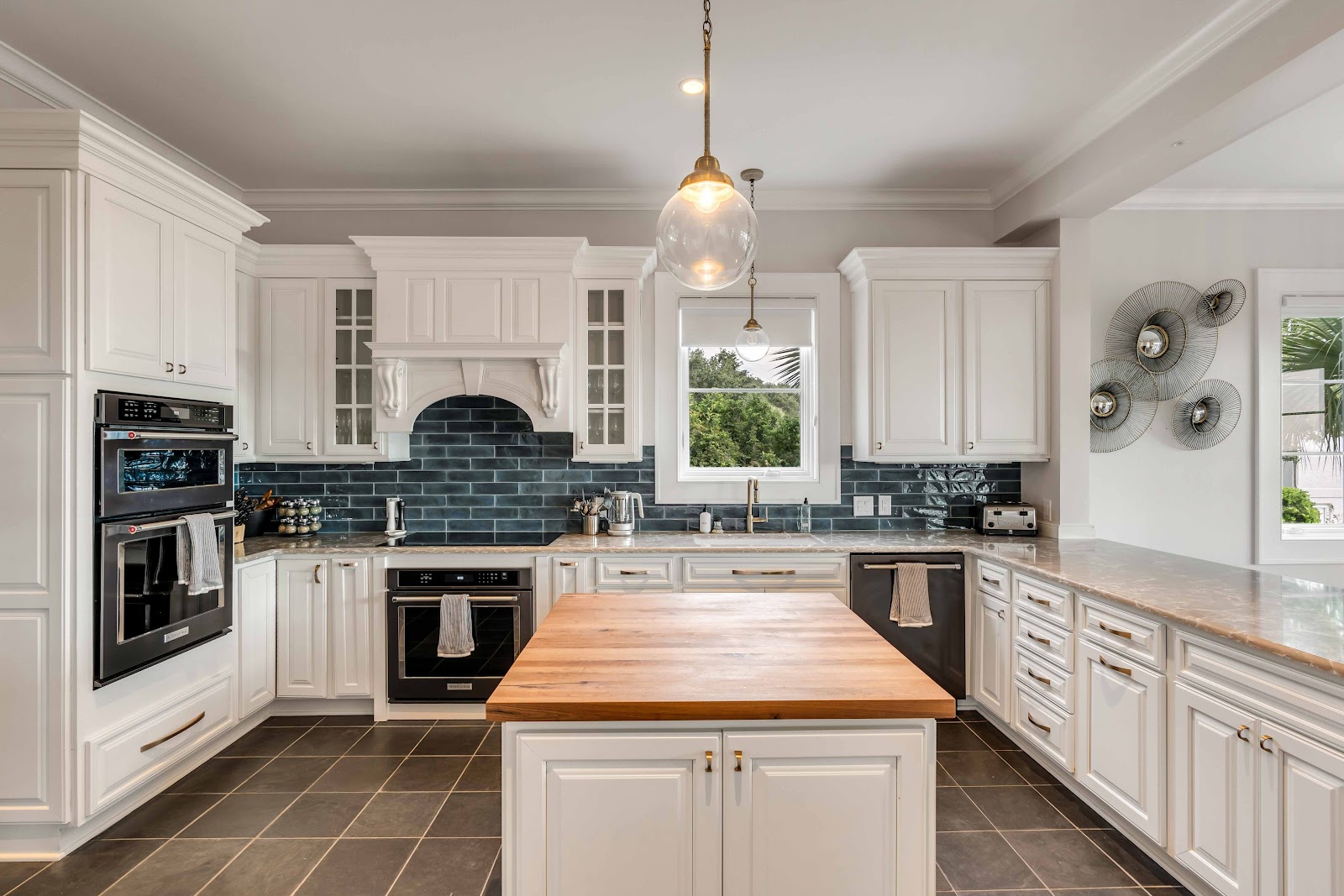
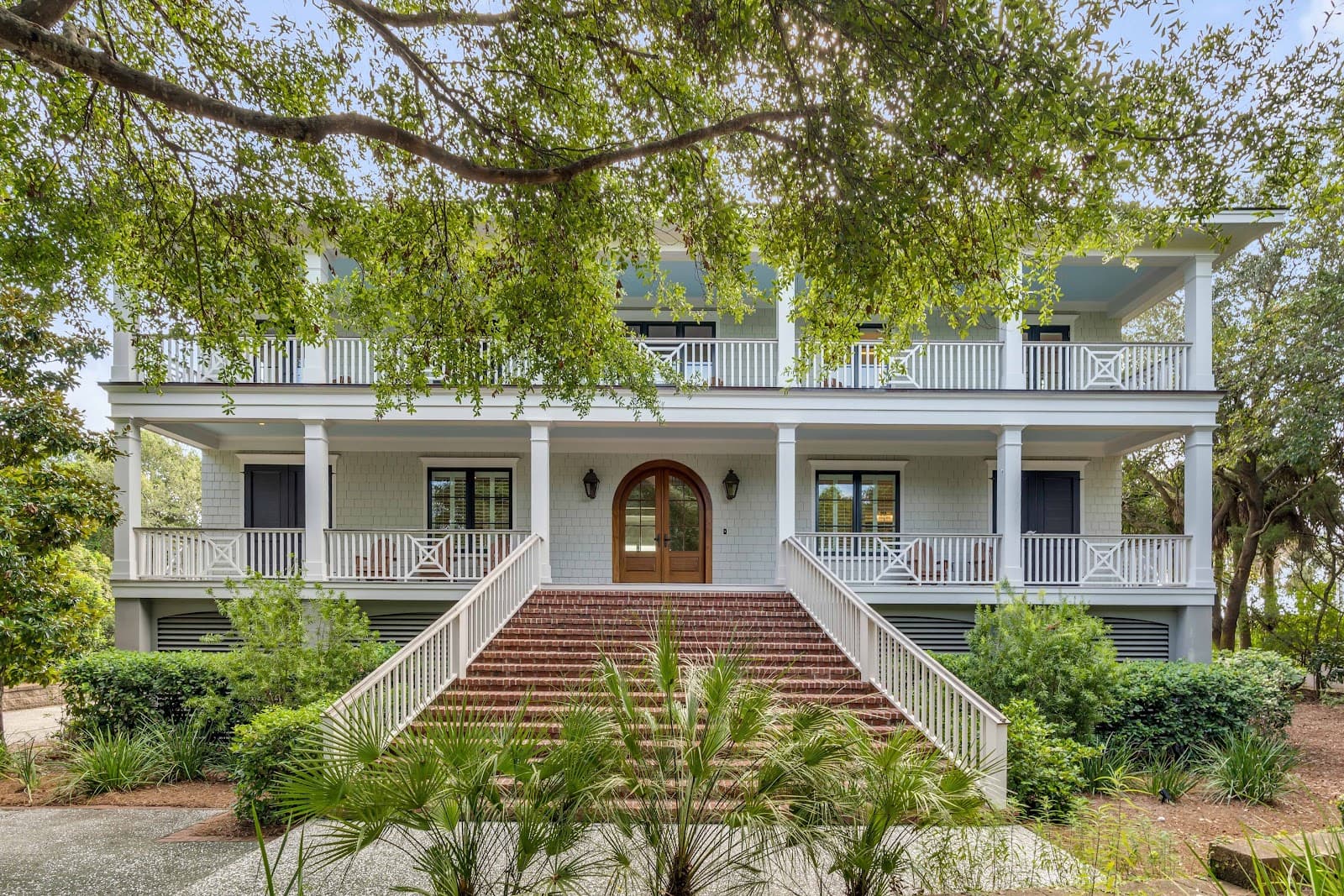
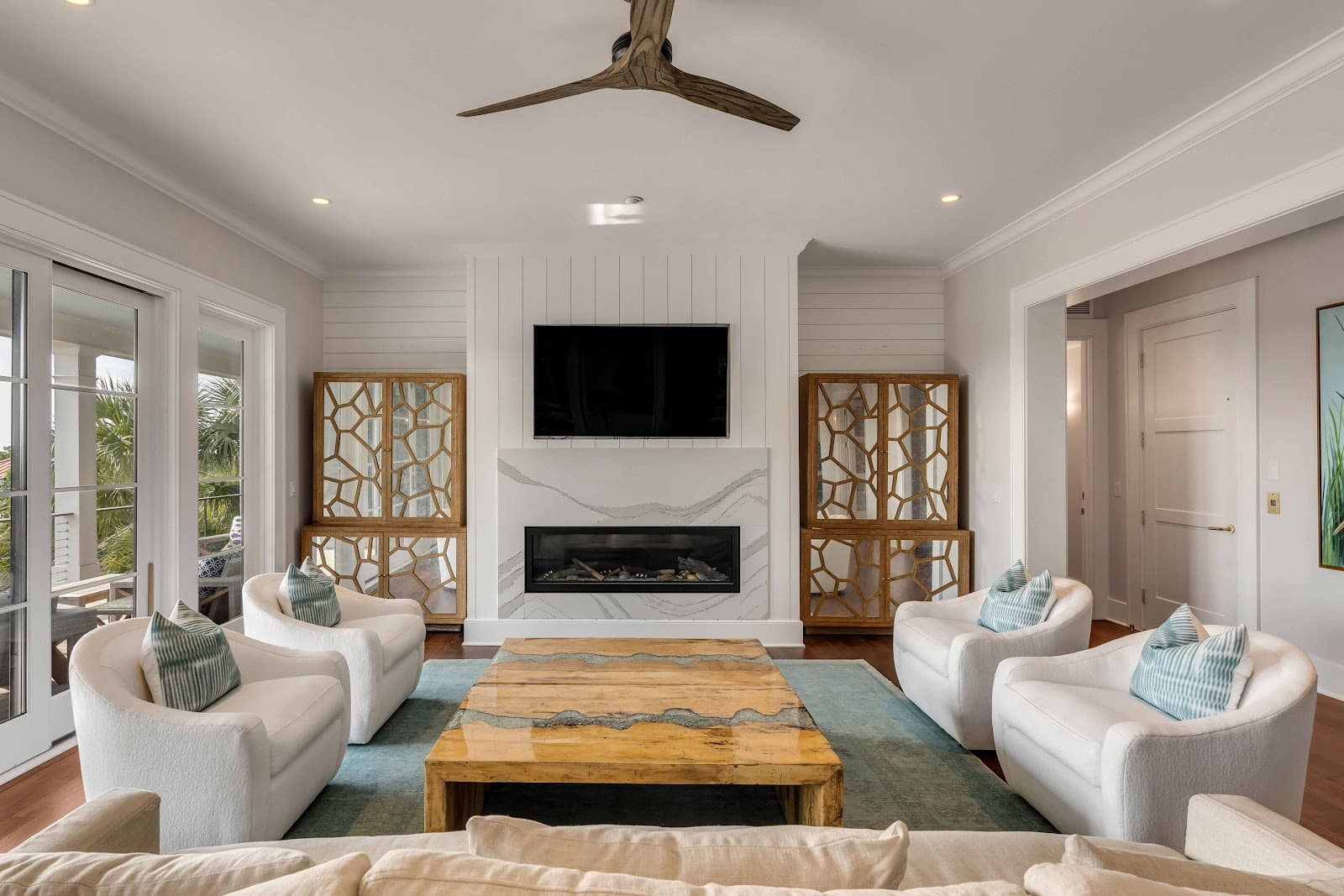
Johns Island, South Carolina, USA — 5-Bed House With Beach Access
$695,000
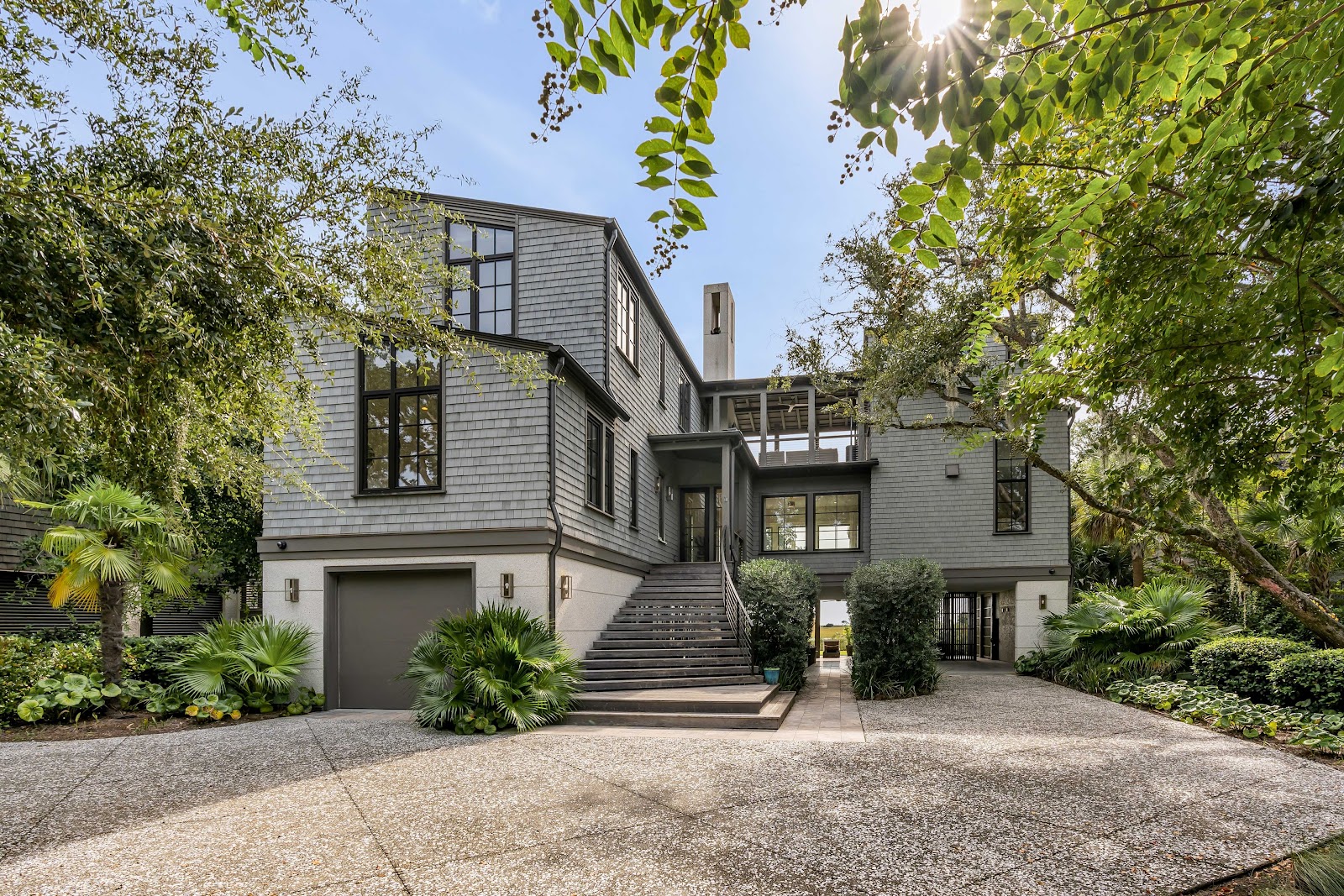
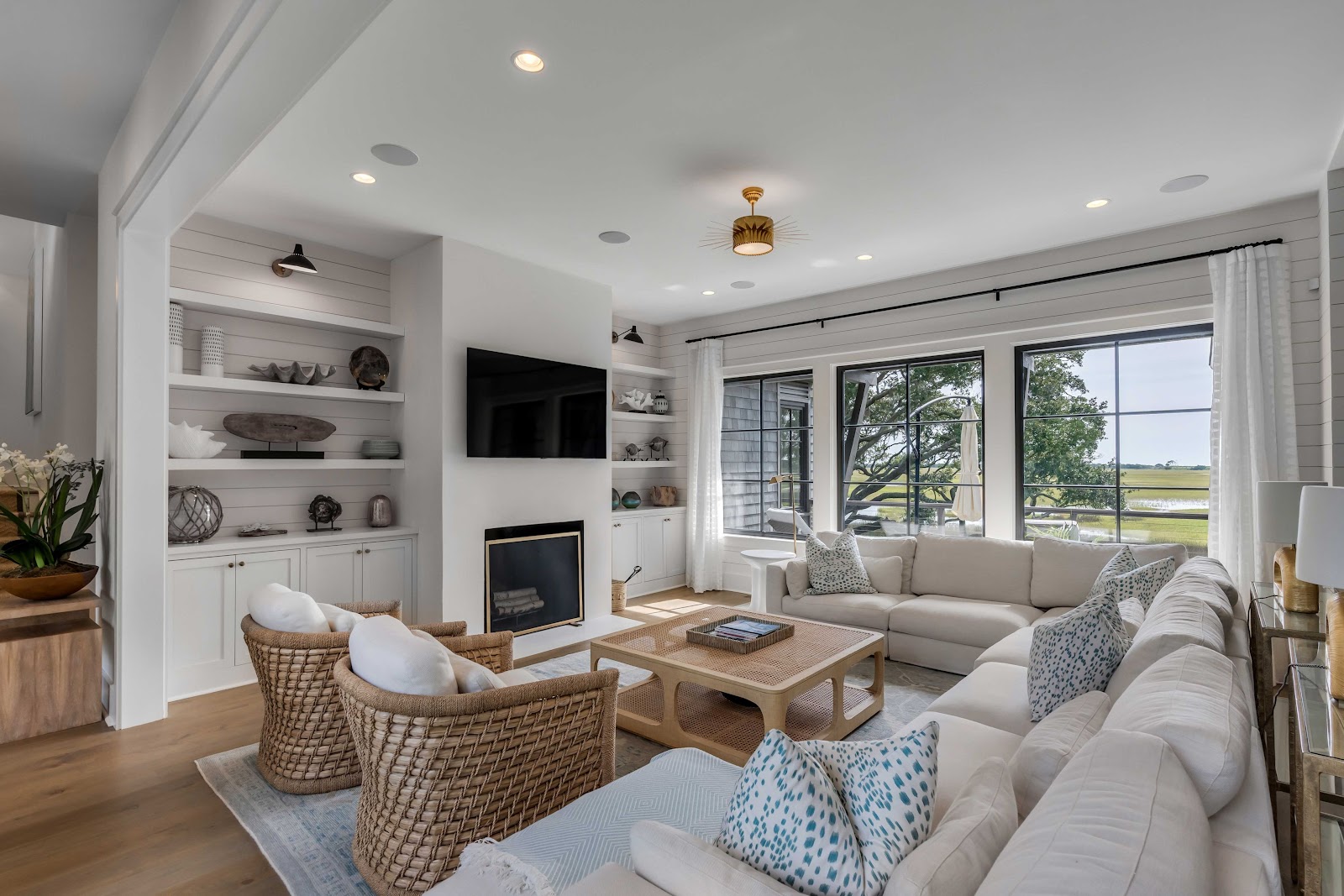
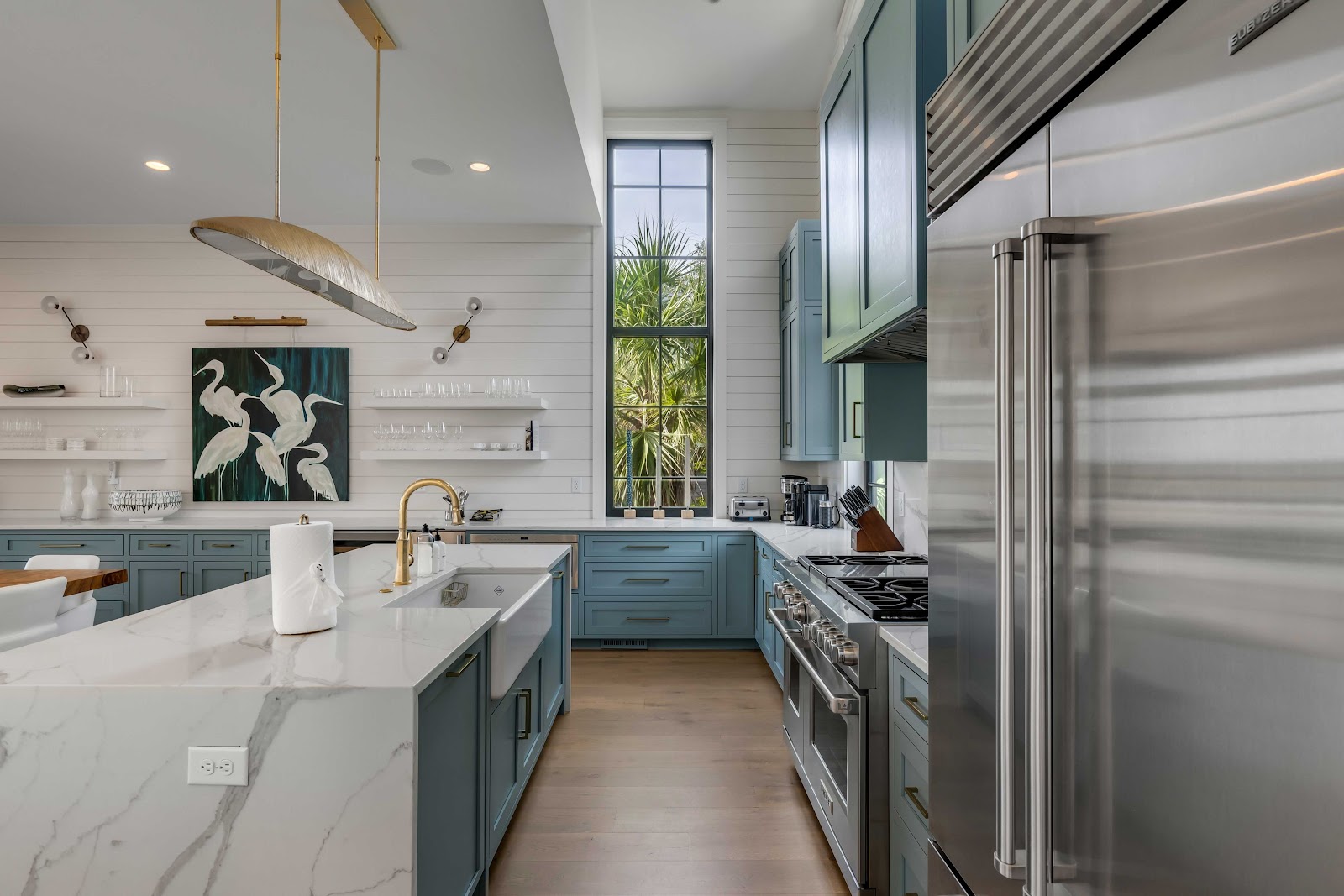
Johns Island, South Carolina, USA — 5-Bed Cottage With Beach Access
$749,000
Why buy a co-ownership home in Johns Island?
Buying a whole holiday home in Johns Island means paying full price for a house that stands empty most of the year. Co-ownership takes the same home — professionally managed, beautifully furnished — and divides it into shares, usually eighths. You own a real share of the home — not a right to use it — with roughly six weeks of use a year, a share you can sell or pass on, and running costs shared between owners rather than shouldered alone. In Johns Island, that ownership starts from $695,000.
Johns Island, properly understood
Johns Island is the big one. It is the largest island in South Carolina and among the largest on the American east coast — roughly eighty square miles of farmland, tidal creek, live-oak forest and marsh, sitting between Charleston and the barrier islands. Almost everyone who visits the Lowcountry drives across it without registering that they have, because the road to Kiawah and Seabrook runs its whole length. That is the island's defining quality: it is the mainland-side sea island that the beach islands depend on, and it has kept a rural character that they never had.
What that means in practice is a place unlike anywhere else on this list. There is no gate, no resort, no beachfront. Instead there are farm stands selling tomatoes in June, roads tunnelled under live oaks hung with Spanish moss, a marina at the far end where the shrimp boats and the sailing yachts share a dock, an oak believed to be several centuries old that draws visitors from across the country, and a scattering of houses on creeks and marshes with their own docks. Charleston's historic peninsula is thirty to forty minutes away; the Kiawah gate is fifteen to twenty.
For a buyer, the case is essentially about value and space. The homes we list here are large — four and five bedrooms, with pools, marsh views and, in several cases, beach access arrangements — at prices materially below the equivalent inside a barrier-island gate. You trade a beach at the end of the street for land, trees, quiet and a short drive. For a good number of families, particularly those who intend to use the house across the whole year rather than only in high summer, that is not a trade at all. It is also, unmistakably, a place where people live and work as well as holiday, which many buyers value enormously.
A short history, including the part that matters most
The island's early history follows the Lowcountry pattern: Native settlement along the creeks, English colonisation from the 1670s, and then two centuries of plantation agriculture — indigo, then Sea Island cotton — worked by enslaved West Africans whose descendants formed the Gullah Geechee communities that still shape this island's culture, place names and foodways. Fenwick Hall, an eighteenth-century plantation house, still stands on the island; so do a number of small historically Black settlement communities founded after emancipation, several of which remain on the land their families have held for generations.
The part of the island's history that deserves the most attention is far more recent and far less well known. In the 1950s and 1960s, Johns Island was one of the birthplaces of the Citizenship School movement. Local leaders — a Johns Island businessman and community organiser, working with a Charleston educator who had been dismissed from her teaching post for her civil-rights activity — set up classes in a community building on the island to teach adults to read well enough to pass the literacy tests then used to block Black voter registration. The model spread across the South and became one of the most effective instruments of the civil-rights movement. The building, the Progressive Club, still stands, and its restoration has been a long local project.
The twentieth century otherwise made Johns Island a farming island — one of the truck-farming centres of the South, sending tomatoes and vegetables north by the trainload — and it remained so until the beach resorts were built on Kiawah and Seabrook from the 1970s. The road to them runs through Johns Island, and everything that has happened here since has followed from that: first a service community for the resorts, and over the last two decades one of the fastest-growing residential areas in the whole Charleston region. Which brings us to the section below.
The island, area by area
The northern end, closest to Charleston, is where the island's growth has concentrated: the Maybank Highway corridor with shopping, restaurants, schools and the newer subdivisions, plus access across to James Island and the city. It is the most convenient part of the island for daily life and the least rural in feel.
The middle of the island is the farming heart: River Road and the smaller lanes running off it, fields, farm stands, small settlement communities, the county park with its equestrian centre and adventure course, and the Angel Oak in its own small park. This is where the canopy roads are — stretches of Bohicket Road and River Road where the live oaks meet overhead — and where the island still looks and feels like the Lowcountry of a century ago.
The southern end, towards Kiawah and Seabrook, is the resort-adjacent stretch: Freshfields Village with its grocery, restaurants and shops sits here, technically on Johns Island, at the junction where the two barrier islands begin. Bohicket Marina, just beyond, has the boats, waterfront restaurants and charters. This is the part of Johns Island most buyers actually mean, because it puts the beach islands' amenities fifteen minutes away without the beach islands' prices.
The creeks and the marsh define the rest. The Stono River runs along the island's north-east side, the Kiawah River along the south, and Bohicket Creek at the western end, with a network of tidal creeks between. Waterfront and marsh-front property here — with docks, or with the long views over spartina that are the Lowcountry's signature — is the island's premium product, and it is where several of the homes we list sit.
Next door: Wadmalaw Island, reached by a small bridge, is even more rural, with a tea garden that is the only commercial tea plantation in North America and a vineyard beside it. It is the quietest place within twenty minutes of Charleston and worth an afternoon.
Where exactly to own: micro-locations, rated
The southern end, near Freshfields and Bohicket. The most practical position for a holiday home: the grocery, restaurants and shops of Freshfields at five minutes, the marina and its charters at ten, and the Kiawah and Seabrook gates at fifteen to twenty. Beach access arrangements are common with homes here. This is where most of our Johns Island listings sit, and for good reason.
Marsh and creek front. The island's premium: long views over spartina, sunsets, wading birds, dolphins in the creeks and — on some properties — a private dock and deep-water access. If your household's idea of a holiday involves a boat, a paddleboard or a fishing rod, this is the version of Johns Island to buy.
The canopy-road middle. Houses set among live oaks off River Road and Bohicket Road, with acreage, privacy and the most beautiful approach roads in the Lowcountry. Fifteen to twenty-five minutes from everything, which suits owners who want land and quiet more than convenience.
The Kiawah River corridor. A newer planned community on the island's southern side built around a working farm, with its own amenities, dock and river frontage. A different proposition from the rest of the island — more managed, more contemporary — and a genuine alternative for buyers who want a community rather than a lane.
The northern end and the Maybank corridor. Closest to Charleston, most convenient for schools, shops and the city, and the busiest. Best for owners whose use of the house is city-and-country rather than beach-and-boat, and generally the best value per square foot on the island.
Wadmalaw Island. Over the small bridge: quieter still, more agricultural, with the tea garden and the vineyard. For buyers who want the deepest rural Lowcountry within half an hour of a great city.
Choosing your spot: roads, growth and drainage
Johns Island has been one of the fastest-growing parts of the Charleston region for two decades — a sign of how much people want to live here — and it is worth understanding before you choose where on it to buy. New subdivisions have gone up across the northern and central island, while the southern end keeps its rural character.
In practice that means the main corridors are busiest at commuting hours, and road improvements are an active local conversation, with strong support for protecting the live oaks along the historic canopy roads. Most owners simply plan their Charleston trips around the peaks.
Drainage is worth knowing about too. Parts of the island are low-lying, and some roads take water in heavy rain. Flood zone status varies across the island and shapes insurance, so it is part of the standard checks for any home.
The southern end, where most of the homes we list sit, is the quietest part of the island. For every home we check the flood zone and elevation certificate, and we suggest driving the route to Freshfields and to Charleston at the hour you would actually drive it.
The Angel Oak, the farms and the landscape
The island's most famous resident is a tree. The Angel Oak is a southern live oak of extraordinary size, with a canopy spreading well over a hundred feet and branches so long they rest on the ground and rise again. Estimates of its age vary widely and the most cautious put it at several centuries; whatever the number, standing under it is genuinely affecting, and it is free to visit. In recent years a substantial area of surrounding forest was acquired for conservation, protecting the tree's setting from the development that had been proposed around it — one of the better outcomes in the island's long argument with itself.
The farms are the island's other landscape. Johns Island was one of the great truck-farming districts of the American South, and although the acreage has shrunk, working farms remain and their stands sell tomatoes, corn, peaches, melons and greens through the season. The June tomato is a genuine local event. Several farms run pick-your-own days, farm dinners and markets, and the newer planned community on the island's south side is built around a working farm of its own.
Between the farms sits the rest of it: live-oak forest, pine, tidal creek, and the spartina marsh that turns from green to gold across the autumn. The county park has trails, an equestrian centre and a treetop adventure course. The canopy roads — where oaks planted or left along the old routes have grown together overhead — are among the most photographed stretches of road in the American South, and driving them slowly with the windows down is a legitimate way to spend part of an afternoon.
Water: creeks, marina and the coast
Johns Island is not a beach island — that is the honest starting point — but it is a water island, and the water here is arguably more useful. It is wrapped by the Stono River, the Kiawah River and Bohicket Creek, with a network of tidal creeks between them, all of it connected to the Intracoastal Waterway and the Atlantic beyond. What that gives you is boating, and a great deal of it: inshore fishing for redfish and trout, offshore charters, crabbing and shrimping in season, kayaking through the marsh at dusk, and dolphins working the creek mouths.
Bohicket Marina at the island's western end is the hub — several hundred slips, charter and rental companies, waterfront restaurants and a summer market — and it is where most owners without their own dock get on the water. Properties with private docks and deep-water access exist and command a substantial premium, for obvious reasons.
For beaches, you drive. Beachwalker Park at the western end of Kiawah is a public county beach, consistently ranked among the best in the United States, about twenty minutes from most of the island's southern end. Seabrook and Kiawah's own beaches are inside their gates; several Johns Island properties come with beach-access arrangements through a club or community, which is exactly the kind of detail that changes the value of a house here and which we check and state plainly for every listing. Folly Beach, on the way to Charleston, is the public, surf-town alternative.
Charleston and the neighbours
Charleston's historic peninsula is thirty to forty minutes from most of Johns Island, and it is the reason this island works as a holiday base. Founded in 1670, largely spared the twentieth century's demolitions, it is a walkable district of pastel eighteenth- and nineteenth-century houses, church steeples, walled gardens, cobbled lanes and the Battery looking out to the harbour — and it has become one of the most celebrated food cities in America, with a serious restaurant scene, a wine and cocktail culture, and a calendar that includes a major arts festival each spring.
Closer in: Kiawah and Seabrook at fifteen to twenty minutes for the beaches, the golf and the resort amenities; Freshfields Village at five to ten for the everyday shopping; Wadmalaw next door for the tea garden and the vineyard; and Folly Beach, a genuinely unpretentious surf town, twenty-five minutes towards the city.
Further afield, the Lowcountry opens out: the plantation sites along the Ashley River with their gardens and their properly interpreted histories; Edisto Island to the south for an older, wilder, less developed coast; Beaufort an hour and a half away with its antebellum streets; and Hilton Head about two hours. What that adds up to, for an owner, is a base from which a week never needs to repeat itself — which is more than most beach addresses can offer.
The seasons, honestly described
This is the Lowcountry, and the season is long. Spring, from March into early June, is the best of the year: warm days, cool nights, azaleas and wisteria, the farms starting to sell, and Charleston at its most beautiful. Late spring brings the first heat and the beginning of the family season.
Summer — late June through August — is hot and genuinely humid, with afternoon thunderstorms that arrive, empty the sky and leave, and an ocean that is bath-warm. On Johns Island specifically the summer is more bearable than on open sand, because the live oaks give real shade and the houses here have pools; but it is hot, and the middle of the day belongs to the water. This is also the height of insect season in the marsh.
September thins out fast once American schools return while the water stays warm — good value, with hurricane season to keep in mind. October is the finest month of the year: dry, warm, low humidity, the marsh turning gold, and perfect weather for the boat, the bike and the farm stands. November stays mild and brings the oyster roasts, which are the Lowcountry's great social institution. Winter — December to February — is cool rather than cold, with plenty of bright days in the fifties and sixties Fahrenheit; the island is quiet, Charleston is at its best for restaurants, and a certain kind of owner treats it as the secret season. Ten or eleven usable months, two of them hot, no dead period.
Hurricanes, flooding and insurance
The Atlantic hurricane season runs from the start of June to the end of November, with the statistical peak in late August and September. Hurricane Hugo in 1989 remains the region's reference point, and coastal building standards have been shaped by it ever since. Johns Island is not a barrier island, so it does not take the direct surge that Kiawah or Folly would; parts of it are low-lying, which is why drainage and access are part of choosing a home.
Building codes here are strict and have been strengthened repeatedly since Hugo; newer construction is engineered for high wind. Wind and flood insurance are a standard annual cost, and on this island the flood zone varies from parcel to parcel, so the elevation certificate for the specific home is the document to see. Evacuation procedures for the Charleston area are well established and rehearsed each season.
One further local point worth checking: outside the sewered corridors, some rural Johns Island properties are on septic systems and private wells. Both are entirely normal and entirely manageable, and both are due-diligence items with their own inspections. For a co-owned home, storm preparation, post-storm inspection, insurance administration and the systems maintenance are handled by professional management rather than by an owner several states or countries away — which is one of the more concrete practical advantages of the structure in a place like this.
Eating, provisioning and the Lowcountry table
Johns Island's own food scene is small and improving: a handful of good restaurants along the Maybank corridor at the northern end, the Freshfields Village restaurants at the southern, and the waterfront places at Bohicket Marina. What the island really offers is ingredients — the farm stands, the seasonal produce, the shrimp and oysters from the creeks, and a couple of markets that are worth planning a Saturday around.
Lowcountry cooking is one of America's genuinely distinctive regional cuisines and it rewards learning. Its foundations are rice — the crop that made this coast rich, cultivated with West African knowledge and labour — plus shrimp, oysters, blue crab and fish from the creeks, and the pork and greens of the wider South. Shrimp and grits, she-crab soup, Frogmore stew, red rice, hoppin' John. Gullah Geechee cooking is its deepest layer and the tradition to seek out.
For serious eating, Charleston is thirty to forty minutes away and is a national destination — a city that punches far above its size, with a generation of celebrated chefs, an oyster culture, a barbecue tradition and a bar scene to match. The practical shape of a week on Johns Island is therefore rather good: farm stands and the fish market for most of it, a couple of dinners at the marina or Freshfields, and one proper night in Charleston.
Johns Island with children
The island is a good place for children in a specific, slightly old-fashioned way. What it offers is space: gardens, trees, a pool at the house, water at the end of the road, and room to be outdoors without a schedule. The county park has a treetop adventure course, trails and an equestrian centre. The farms run pick-your-own days. The creeks are excellent for a first kayak or a crab line, and dolphin sightings are close to guaranteed on any boat trip.
The set pieces are a short drive away. Kiawah's Beachwalker Park for the beach, twenty minutes. Charleston for the aquarium, Fort Sumter by boat and a walkable historic city. Folly Beach for surf lessons. The Angel Oak, which small children find genuinely astonishing. And the tea garden on Wadmalaw next door, which is a strange and rather lovely half-hour.
The one thing to plan around is that this is a driving island — there is no walkable village, no safe network of separated paths of the kind Kiawah and Hilton Head have, and a child cannot cycle to a friend's house on these roads. That is the trade for the space. For ownership groups, the calendar is favourable: the island works in every month, so families take the summer and the school holidays while couples in the group take October, spring and the mild winter weeks, and the rotation has little to arbitrate.
The property market, honestly described
Johns Island's market has two distinct halves. The growth corridors at the northern and central parts of the island have absorbed a great deal of new subdivision construction over two decades and behave like a suburban market: plentiful supply, competitive pricing, and a buyer base of Charleston-area families. The southern end near Kiawah and Seabrook, the creek and marsh frontage, and the acreage properties along the canopy roads are a different and much tighter market, driven by second-home and lifestyle demand.
The value proposition against the barrier islands is the whole point. A four- or five-bedroom house with a pool, land and marsh views on Johns Island costs materially less than an equivalent inside the Kiawah or Seabrook gates, and it sits fifteen to twenty minutes from the same beaches, the same golf and the same marina. What you give up is the gate, the beach at the end of the street, and the amenity package that comes with a resort community — plus, on this island specifically, the walkable safety of a private road network.
Three specifics are worth knowing. First, flood zone and elevation, which vary across the island and shape insurance cost and mortgage requirements; the elevation certificate answers it for each home. Second, wind and flood insurance, a standard annual line item on this coast. Third, South Carolina's property tax treatment: a second home is assessed at a higher ratio than an owner-occupied residence — a known cost, shared between the owners.
For a share buyer, the logic is clean. These are large family houses with pools and land, carrying full coastal running costs all year, used by any single household for a handful of weeks. A share puts a bigger, better-positioned house within reach than whole ownership would — and on an island with ten or eleven usable months, the calendar spreads across the year rather than crowding into July.
What underpins value here
Five supports. First, position: fifteen to twenty minutes from two of the best-regarded beach resorts on the American east coast, and thirty to forty from one of its most celebrated cities. Johns Island is the land between them, and it cannot be moved. Second, Charleston itself — one of the fastest-growing metropolitan areas in the American South for two decades, with an economy diversifying into aerospace, technology and the port, and a national profile that keeps rising.
Third, conservation. A significant and growing acreage on and around the island is protected — the forest around the Angel Oak, conservation easements on farmland, and the marsh and creek systems that cannot be built on. That both preserves the landscape and constrains how much of the island can ever be developed. Fourth, the length of the season: spring and autumn are the best of the year, winter is usable, and there is no dead period.
Fifth, the price gap itself. As long as Kiawah and Seabrook command the premium they do, the island immediately behind them holds a structural value position — and buyers steadily discover it, which is precisely what has driven the growth. What to know: busy roads at peak hours, flood exposure that varies by parcel, coastal insurance, and a beach that is a short drive away. All are known and checkable, and all point to choosing the right part of the island.
Who owns here
Johns Island's ownership is more mixed than any other place on this list, and that is part of its character. There are families who have farmed here for generations and Gullah Geechee families whose land has been in the same hands since emancipation; there is a large and growing Charleston-area commuter population in the newer subdivisions; there are retirees; and there is a second-home layer concentrated at the southern end near the beach islands and along the creeks.
That mix means the island has a genuine year-round civic life — schools, churches, a farmers' market, local politics that people actually attend — rather than the seasonal rhythm of a resort island. It also means the island has an active conversation about its own future, which a new owner should approach with some humility: the development pressure described earlier is experienced very differently by a family who has been here for a century than by someone arriving from out of state.
For a co-owner, the practical consequence is a place used to part-time ownership at its southern end and entirely unremarkable about it, with the Charleston area's mature property management, maintenance and landscaping industries a short drive away. A house occupied by several households in rotation raises no eyebrows here — though on a rural island with neighbours who know each other, being a good neighbour matters more than it does behind a gate.
Johns Island against the alternatives
Against Kiawah, fifteen minutes away and covered in its own guide: Kiawah gives you ten miles of protected beach, thirty miles of car-free trails, seven golf courses and a gated, low-density island where children can cycle everywhere — at a substantial premium and inside a managed community. Johns Island gives you a bigger house, land, trees and a creek for materially less money, with the beach a drive away. The honest way to choose is to ask whether your household's week is built around the beach or around the house.
Against Seabrook: similar logic, smaller and quieter than Kiawah, with an equestrian centre and its own beach club. Against Hilton Head, two hours south: far more amenity, more golf, more restaurants and an airport on the island, with correspondingly more development and traffic. Against Folly Beach or Isle of Palms, closer to Charleston: actual beach towns, smaller houses, higher prices per square foot, more surf-and-town character.
Against the mainland suburbs of Charleston: cheaper again and closer to the city, without the creeks, the oaks, the farms or the beach islands next door. Johns Island's own case, stated plainly: the largest sea island in South Carolina, with farms, canopy roads, tidal creeks and one of the most extraordinary trees in America; a marina and the beach islands fifteen to twenty minutes away; Charleston at thirty to forty; a ten-to-eleven-month season; and space and value that the barrier islands cannot match. The trades are traffic, flood exposure that varies by parcel, and no beach at the end of the street.
Co-ownership on Johns Island, in practice
Here is how a share of a house here actually works. You own a real share of a specific, fully furnished, professionally managed home — an eighth, a quarter — not a right to use it. You can sell it, pass it on to your heirs, and you benefit when the home rises in value. A timeshare sells you a week. Co-ownership sells you the house, not points or a club membership. Your share is part of the house itself, shared with a small group of owners rather than hundreds, and you sell it on the open market at the price you set. The legal set-up is arranged by our partner for each home and walked through with you before you buy. The calendar allocates usage fairly across the owners, rotating the contested dates — the summer weeks, spring break, Thanksgiving, the Christmas period — from year to year so no owner is permanently advantaged, with flexible booking for everything else.
The structure suits this island particularly well for a simple reason: the houses here are large. Four and five bedrooms with a pool and land is exactly the kind of property that a single household buys, uses for six weeks, and then leaves standing empty while paying coastal insurance, taxes, pool service, landscaping and pest control for all fifty-two. Sharing that across several households turns an inefficient asset into a well-used one, and it puts a bigger and better-positioned house within reach than whole ownership would.
Management matters more here than in a gated resort community, because there is no association doing half the work. Landscaping on an acre of Lowcountry ground, pool service in a subtropical summer, pest and humidity control, septic or well systems where they apply, storm preparation and post-storm inspection, and the vendor relationships that make any of it happen — all of it is handled professionally rather than by an owner at a distance.
Costs are shared in the same proportion as ownership: each owner carries their share of the home's running costs, billed transparently, covering property taxes, wind and flood insurance, utilities, pool and landscaping, cleaning, maintenance, any community or beach-access fees, and the reserve that keeps the furnishings good. You see the full breakdown before you buy, not after.
Buying in the United States: how the process actually runs
American property transactions run differently from European ones and are, once understood, fast and well-supported. There is no notary in the civil-law sense. In South Carolina the closing is conducted by an attorney, working with a title insurer: the deposit is held in escrow, the chain of title is researched, liens and encumbrances are resolved, and title insurance is issued protecting the buyer against defects missed in the search. That insurance is standard practice and one of the real strengths of the system.
The sequence: an offer on a standard state-approved contract; a due-diligence period during which the buyer inspects and can generally withdraw; title and survey review; and closing, typically within thirty to sixty days, with all costs itemised in advance on a settlement statement. On Johns Island specifically, use the due-diligence period for the local questions: the flood zone designation and elevation certificate for that exact parcel; insurance quotes obtained before commitment rather than after; septic and well inspections where they apply; any community association's covenants, budget and rental rules; and the terms of any beach-access arrangement attached to the property, which is often one of the most valuable things about it.
There is no restriction on foreign ownership of American residential property. Non-US buyers will need a taxpayer identification number for filing purposes, should expect withholding rules to apply on a future sale, and should take advice on how their home country treats US-situs assets — including estate and inheritance treatment, the point most often overlooked. For a co-ownership share, the legal set-up is arranged by our partner for each home. We walk every buyer through the specimen documents in plain language before any commitment, and we will always encourage independent legal and tax advice. Nothing in this guide is legal or tax advice.
Three owners' years: specimen calendars
Three honest specimen years. The family: a week at spring break when the azaleas are out, a fortnight in July built around the pool, the creek and Beachwalker Park, a long weekend at Thanksgiving, and a few days at Christmas when the island is cool and quiet. Six-plus weeks in a house that already holds the bikes, the kayaks and the crab lines — and a July fortnight that would be near impossible to rent late.
The boat-and-city couple: a week in late April when the weather is perfect and the fishing turns on, a long weekend in June, ten days in October which is the best month of the year here, and a stretch in February for the quiet and for Charleston's restaurants at their most available. A calendar assembled almost entirely from the weeks nobody competes for, and in this part of the world several of them are better than the peak.
The friends' syndicate: two couples taking alternating long weekends through the spring and autumn — a day on the water out of Bohicket, an oyster roast, a Charleston dinner, a round at one of the nearby courses — plus one shared week each summer when the households and children combine, and unclaimed weeks placed into managed letting where the property permits it. Three shapes, one common property: on an island with ten or eleven usable months and a great city half an hour away, six weeks a year is not a constraint to be managed. It is a budget to be spent well.
An owner's practical almanac
The small knowledge that makes ownership frictionless. Traffic: the island has a small number of two-lane roads and no alternatives, so travel to Charleston outside the commuting peaks and allow more time than the map suggests on a summer Saturday. Tides: check them before planning a boat trip or a creek paddle — the Lowcountry's tidal range is large and a creek that is navigable at high water is mud at low.
Wildlife etiquette: alligators live in the ponds and creeks and are never to be approached or fed. Snakes are present and almost always harmless if left alone. Insects are a genuine Lowcountry summer fact — good repellent is standard kit, and the no-see-ums at dusk in the marsh are not a myth.
Seasonal practicalities: summer humidity means air conditioning runs constantly and a closed house needs humidity management, which is one of the main reasons an unmanaged Lowcountry property deteriorates. Hurricane season runs June to November with preparation handled by the management team. Farm stands run roughly May to October and the June tomato is worth planning around. Book Charleston's better restaurants ahead, particularly in spring; book nothing else.
And the golden rule: whatever week you cannot use, release it early. On an island where October is as good as July, someone in your ownership group will want it.
Johns Island: questions owners actually ask
Is there a beach? A short drive away. Beachwalker Park at the western end of Kiawah is a public county beach about twenty minutes from the island and is consistently rated among the best in the country. Several Johns Island homes also carry beach-access arrangements through a club or community, one of the most valuable features a property here can have; we state what applies to each home we list.
What is the traffic like? The main corridors are busy at commuting hours, so owners plan Charleston trips around the peaks. The southern end, where most of our homes sit, is the quiet end, and the canopy roads under the live oaks are one of the island's great pleasures.
Does it flood? Parts of the island are low-lying, and some roads take water in heavy rain. Flood zone designation varies parcel by parcel and shapes insurance, so for every home we look at the elevation certificate, and you see insurance quotes before you commit.
What about hurricanes? A seasonal feature from June to November, and well managed. Johns Island is not a barrier island, so it does not take direct surge the way Kiawah or Folly would. Building codes are strict, insurance is comprehensive, evacuation planning is well rehearsed, and professional management handles preparation and inspection.
Is it rural? Beautifully so. There is no gate and no resort village, and daily life involves a short drive. What you get instead is land, trees, water and space at a price the barrier islands cannot approach. Come and drive it — most people know within an hour that it is for them.
More questions, answered plainly
Which part of the island should we choose? The southern end near Freshfields and Bohicket for the best combination of convenience, the marina and quick access to the beach islands. Creek or marsh front if the water is the point. The canopy-road middle for land, oaks and privacy. The northern end for the shortest run into Charleston and the best value. Tell us how your household actually spends a week and we will point you at the right homes below.
Do we need a boat? No — Bohicket Marina has charters and rentals, and dolphin, fishing and sunset trips are easy to arrange. But this is a creek-and-marsh island, and a property with a dock or deep-water access is a genuinely different proposition. Where a home has one, we say so.
Can we let our weeks? On many homes, yes. Where managed letting of unused weeks is allowed, the management team handles it for you. Short-term rental rules vary across Charleston County and between communities, and we confirm exactly what applies to each home before you commit.
What are the running costs like? Each owner carries their share of the home's costs, billed transparently — property taxes, wind and flood insurance, utilities, pool and landscaping, pest and humidity control, cleaning, maintenance, any community or beach-access fees, and the furnishing reserve. Sharing them is the point of the structure, and you see the full breakdown before you commit.
What should we do on a viewing trip? Come for three days. Drive Bohicket Road and River Road slowly under the oaks. Stand under the Angel Oak. Take a boat out of Bohicket at the end of the day. Buy tomatoes at a farm stand. Drive to Beachwalker Park, then into Charleston, and time both. Have dinner in the city one night and at the marina the next. Then let us open the doors of the houses themselves. Three days answers more than three months of listings, and we will build the itinerary around the homes listed below.
Taxes, resale and how ownership works for your 1/8 share of the home are covered in depth in our complete country guide. Read the full USA ownership guide →
Each listing shows the full price of its share — typically one-eighth of the home. It is a purchase price, not a deposit or membership fee: you become a co-owner of the home.
No. A timeshare sells you a week; co-ownership sells you the house. You own a real share of the Johns Island home with a small group of owners, not a week at a resort shared with thousands. It moves with the value of the house, you sell it on the open market at your price, and you can leave it to your children.
A one-eighth share corresponds to about six weeks a year, scheduled fairly across seasons so every owner enjoys peak weeks over time. The home is professionally managed — you simply arrive.
Questions about a home in this collection? Our team typically replies within minutes.
Get in Touch
Speak to an expert
Tell us what you're looking for and we'll be in touch.