Co-Ownership Homes in Menorca
6 luxury holiday homes in Menorca available as co-ownership shares, from €150,000 per share. Genuine ownership, fully managed, a fraction of the whole-home price.
The Menorca Collection
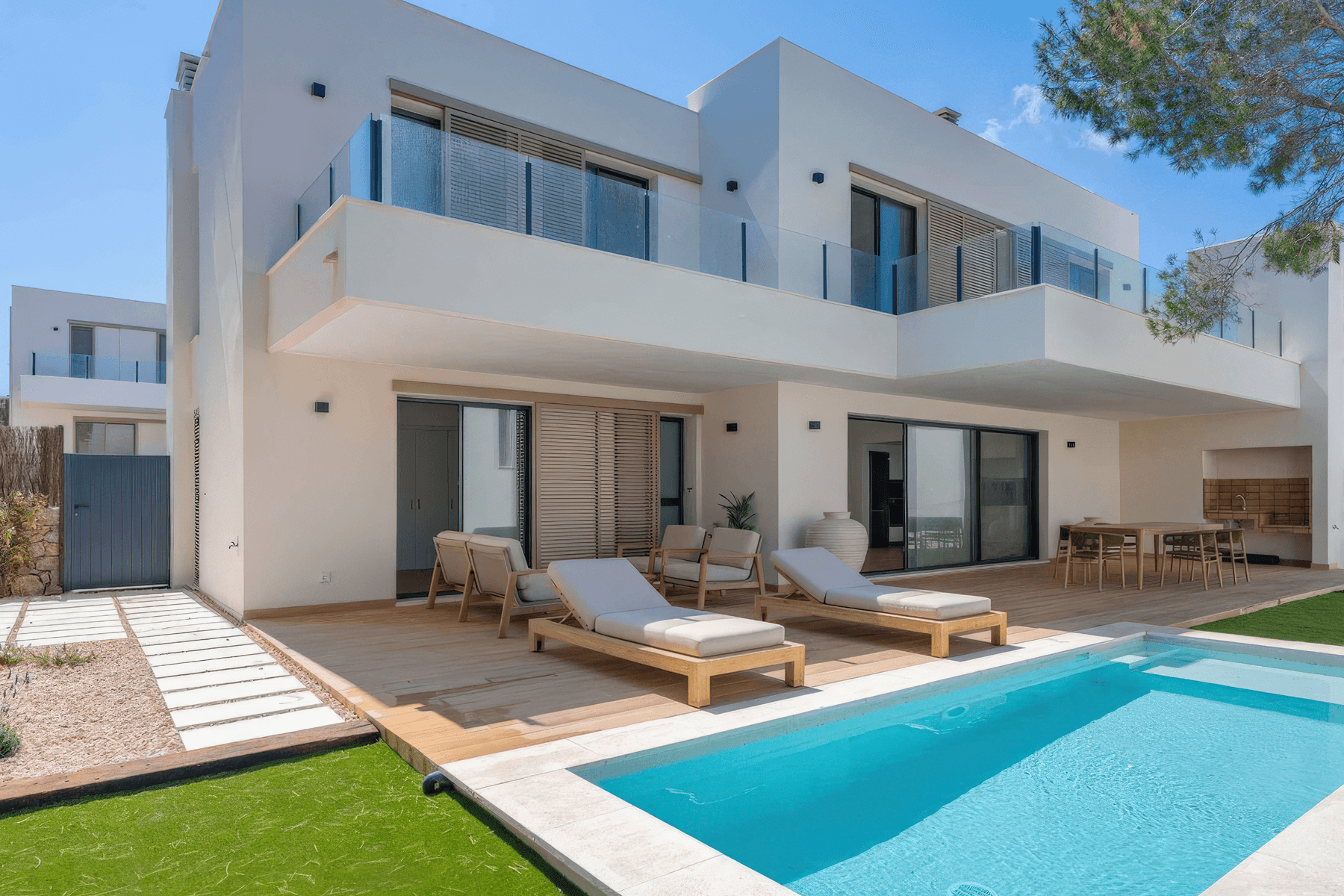
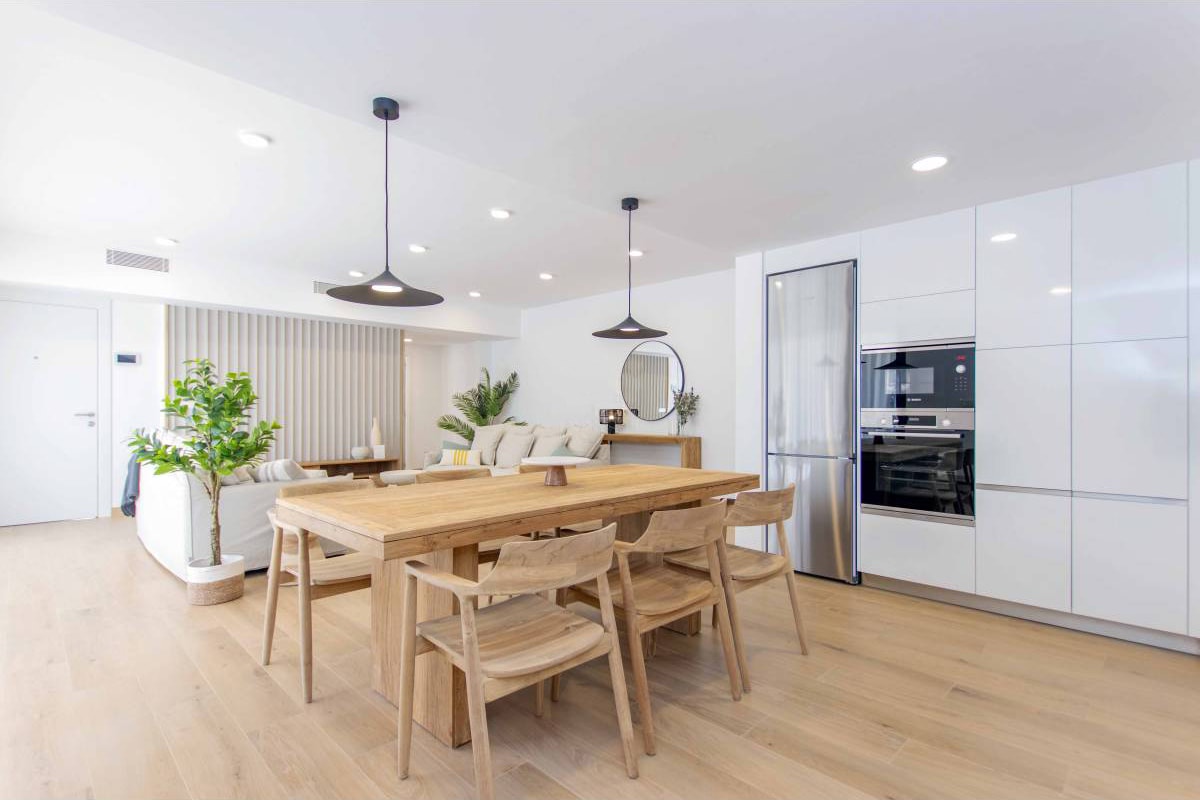
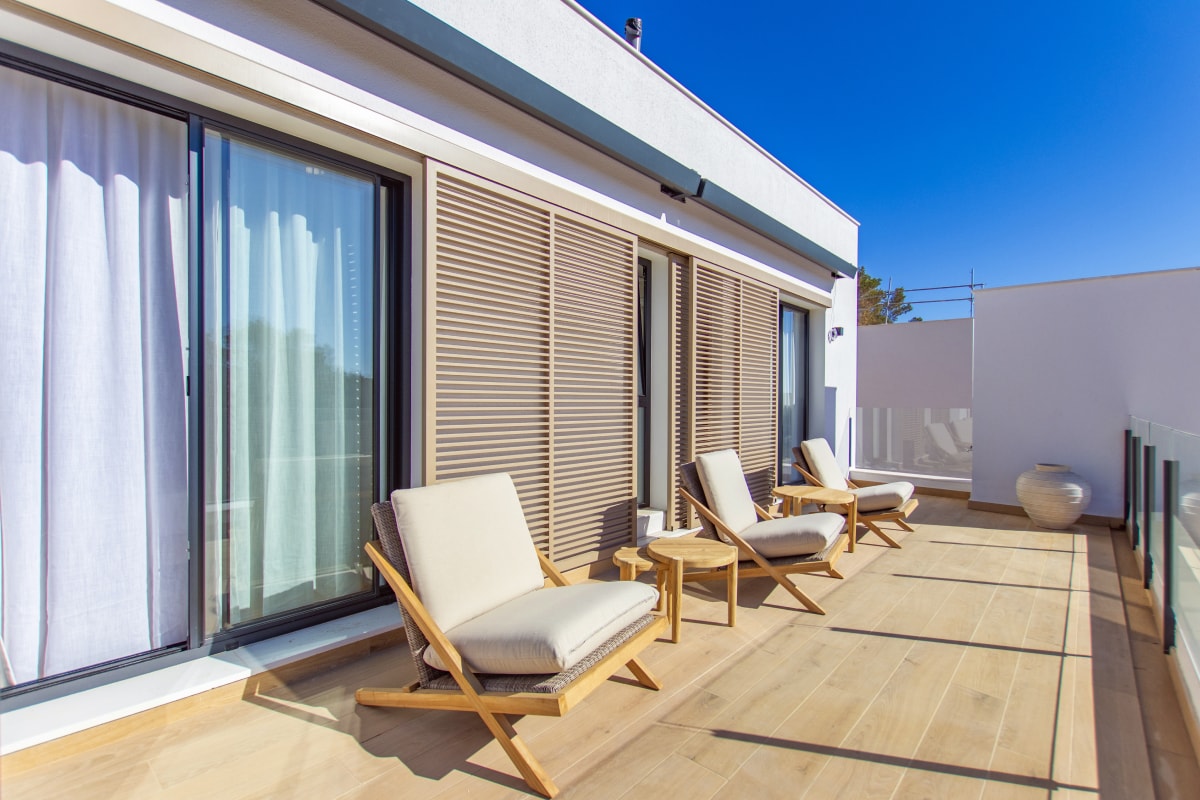
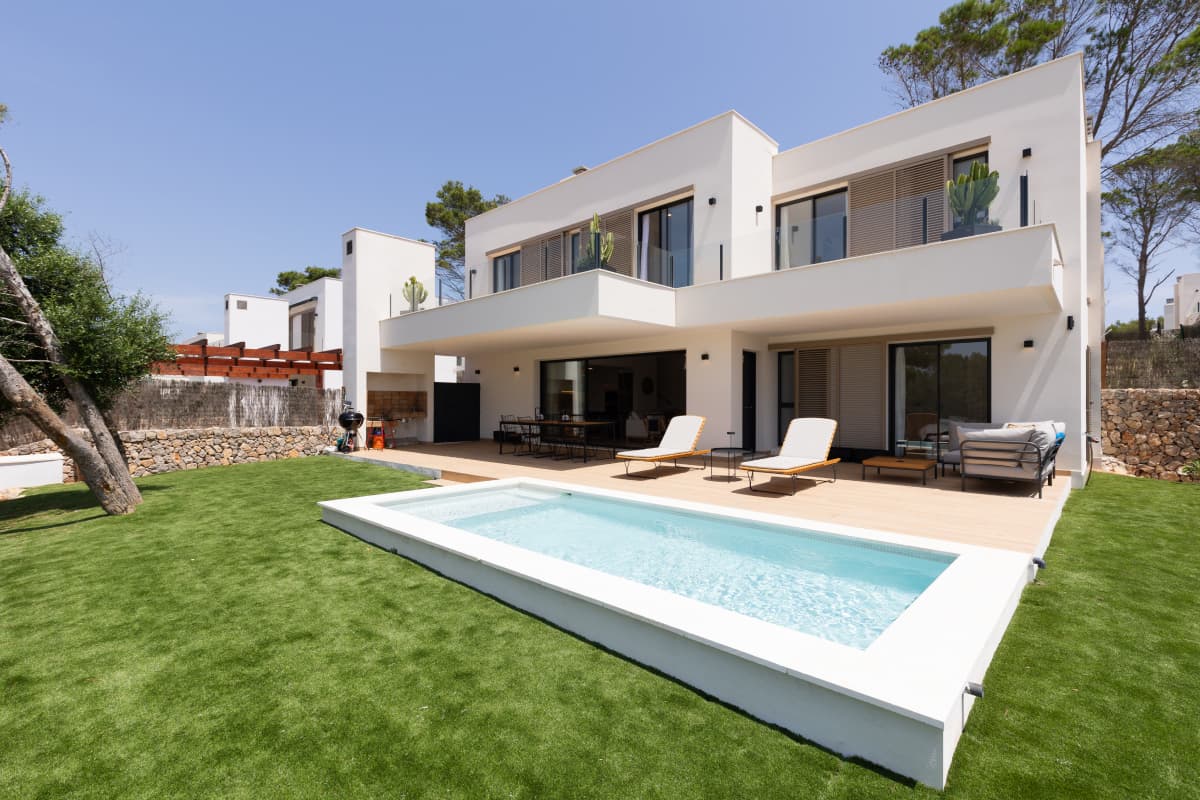
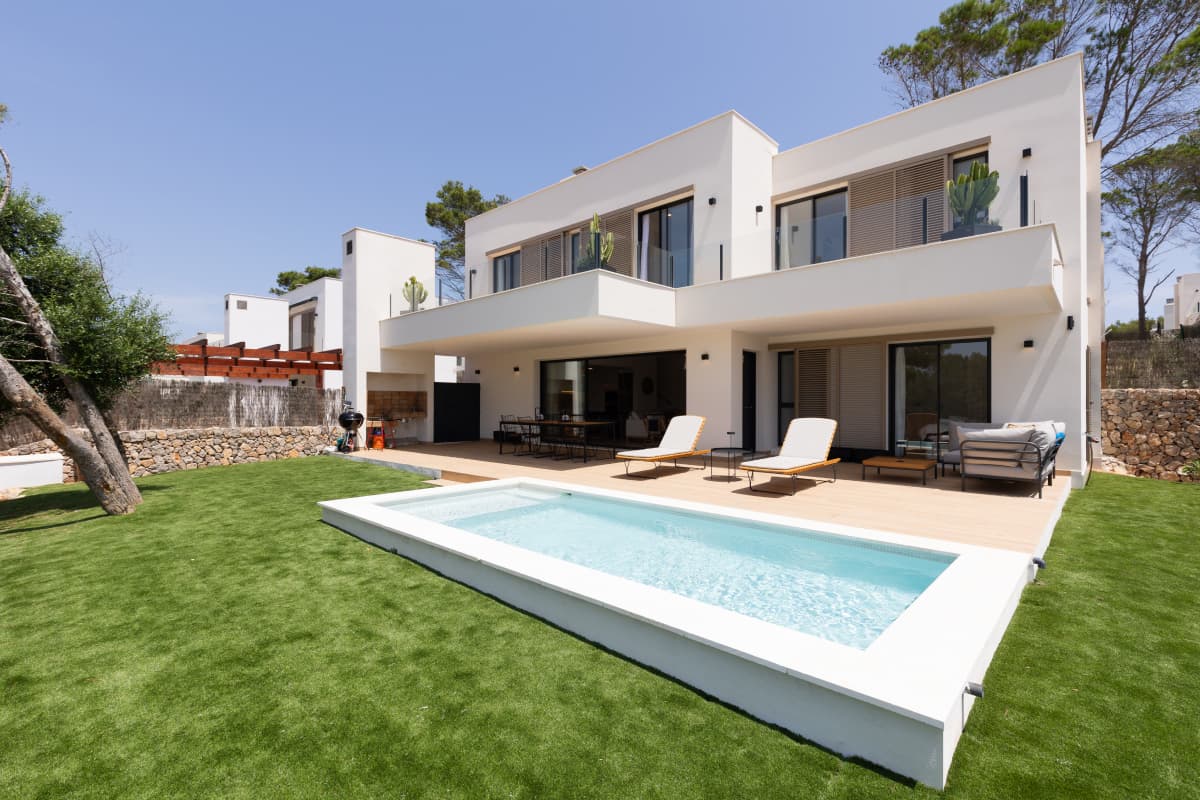
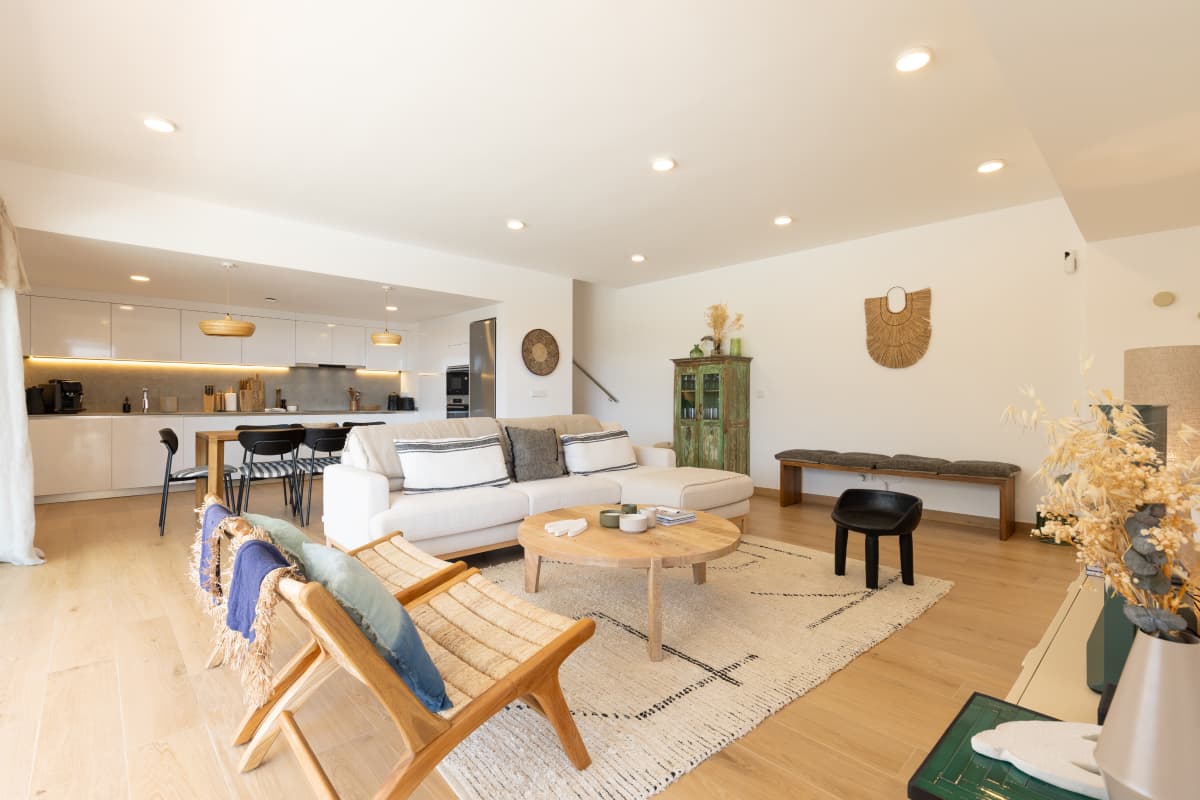
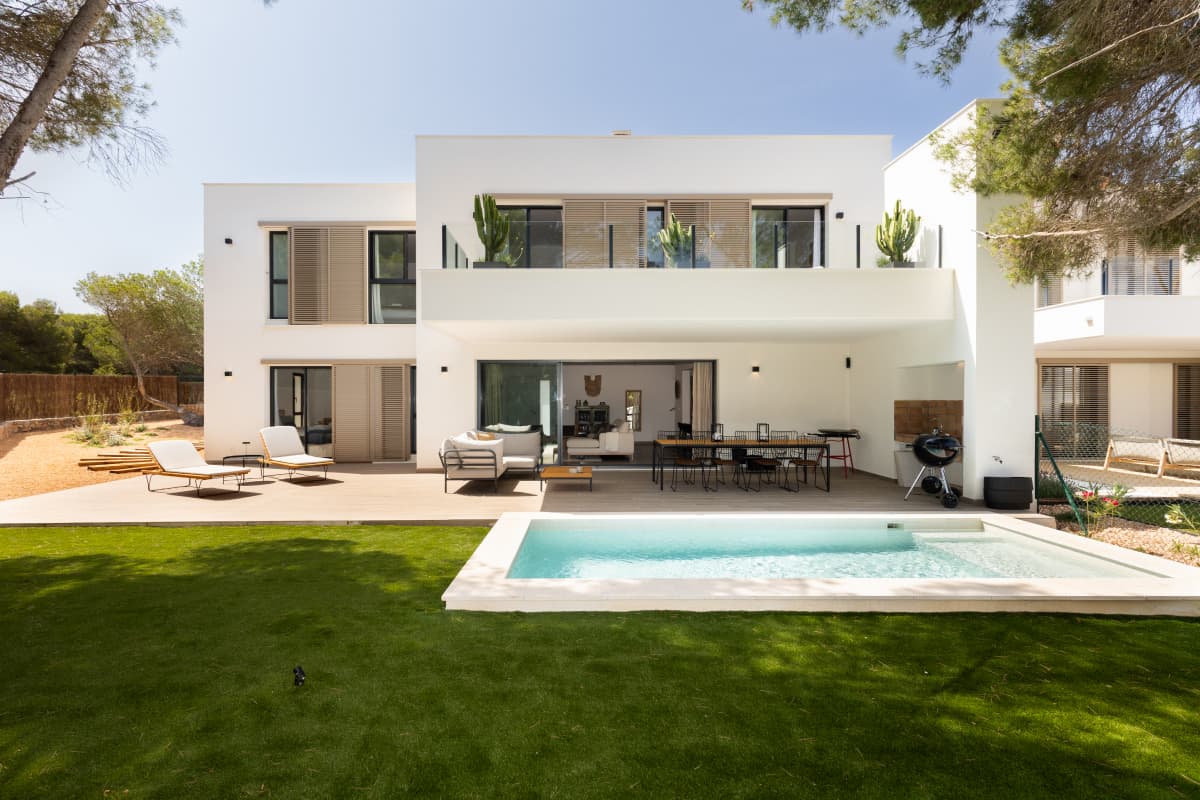
Menorca, Spain — 4-Bed House With Pool
€150,000
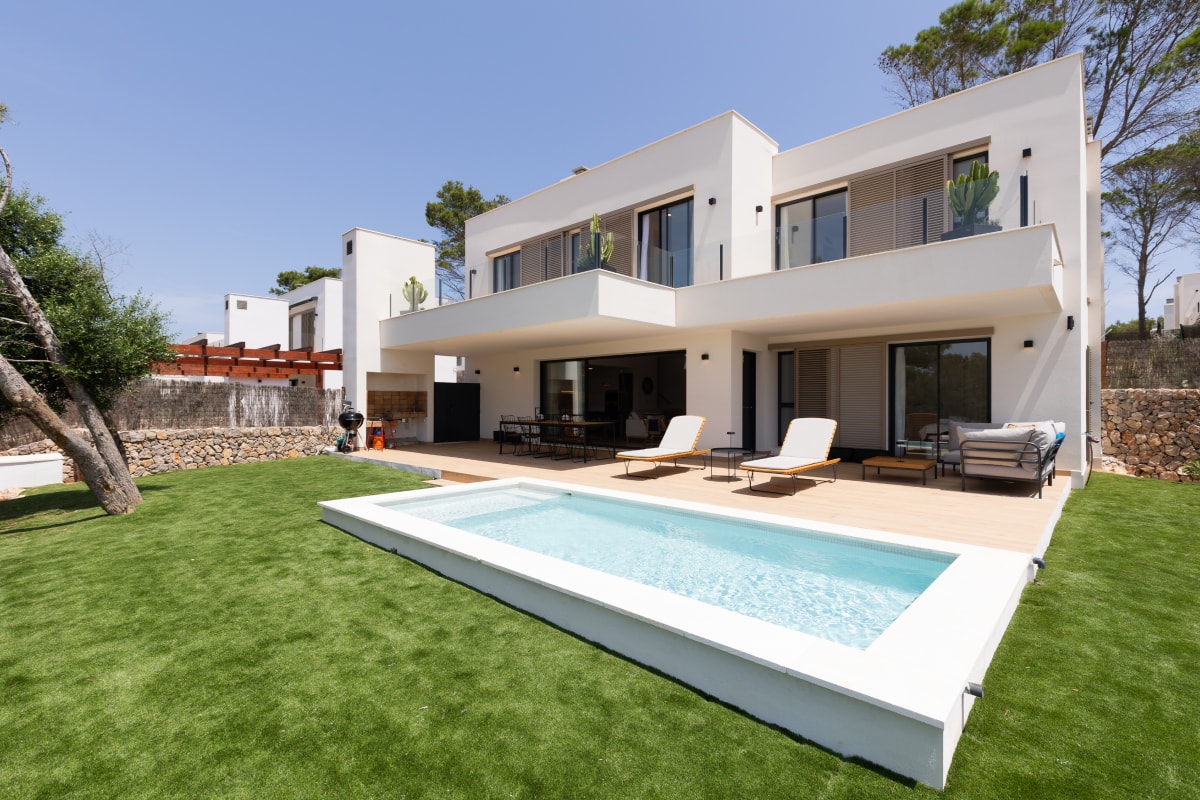
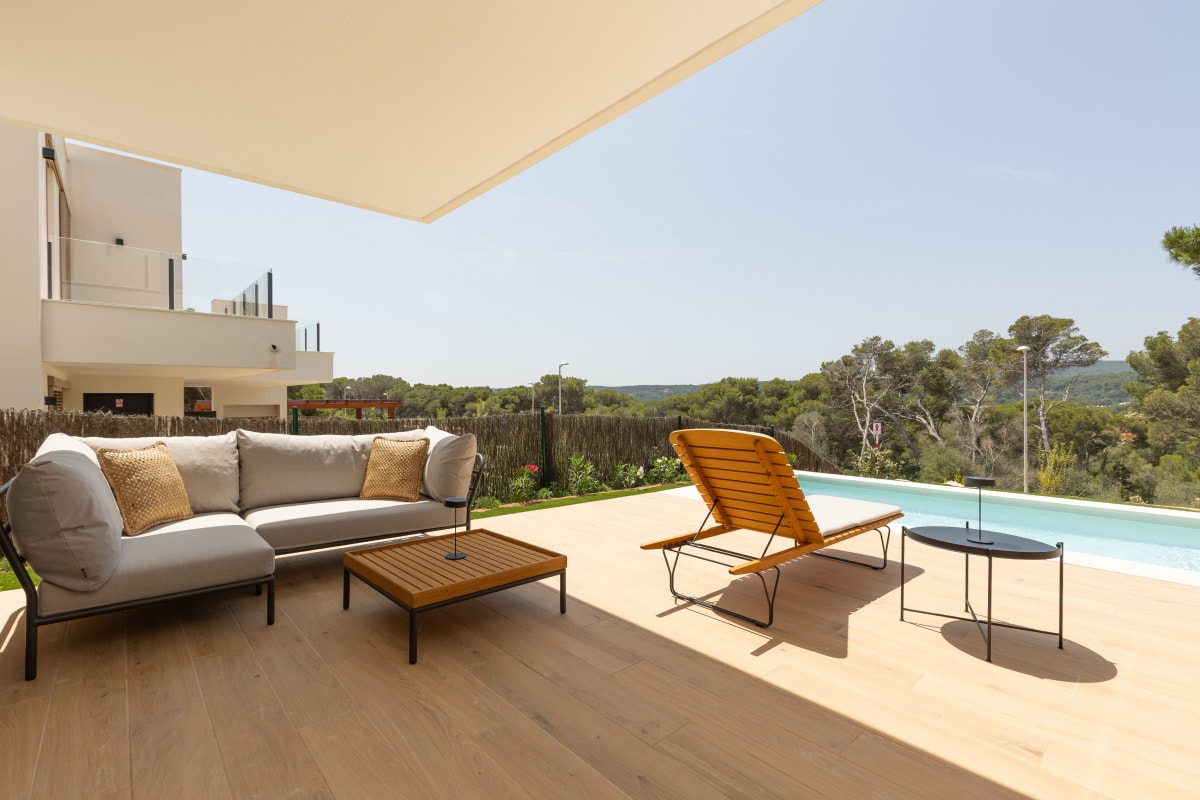
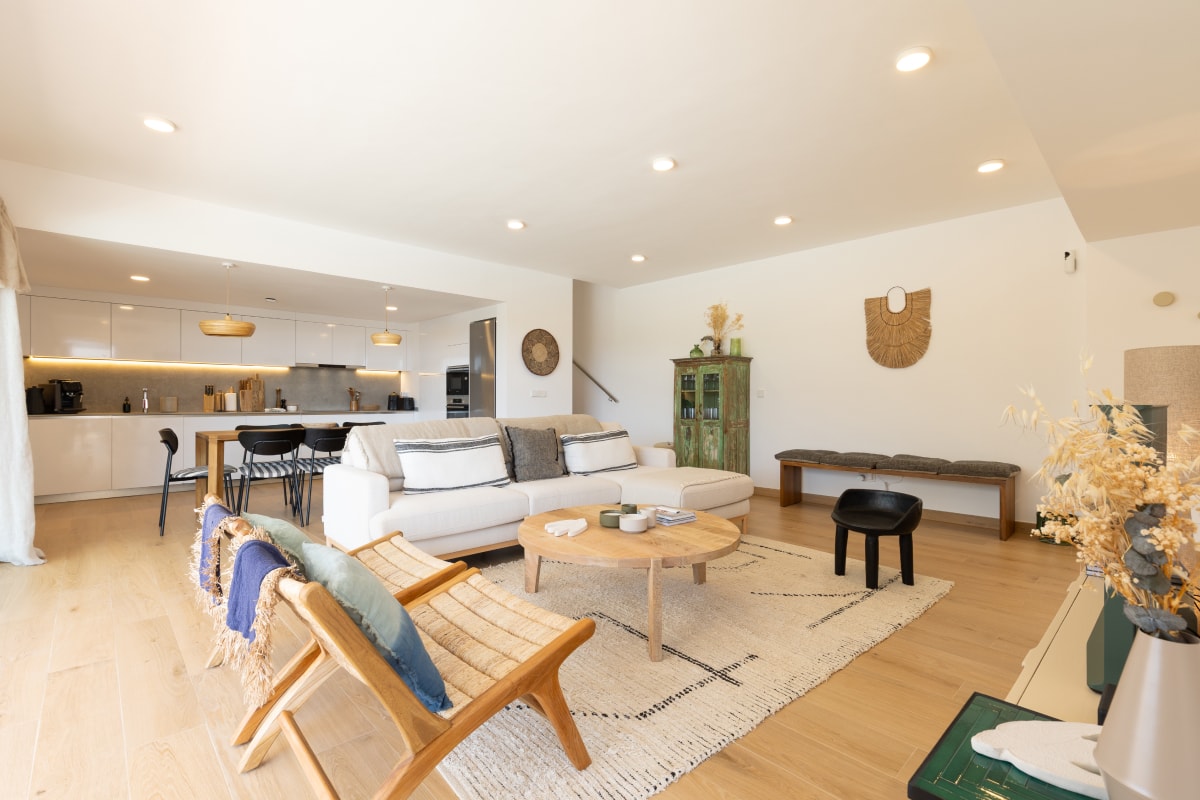
Menorca, Spain — 4-Bed House With Pool
€150,000
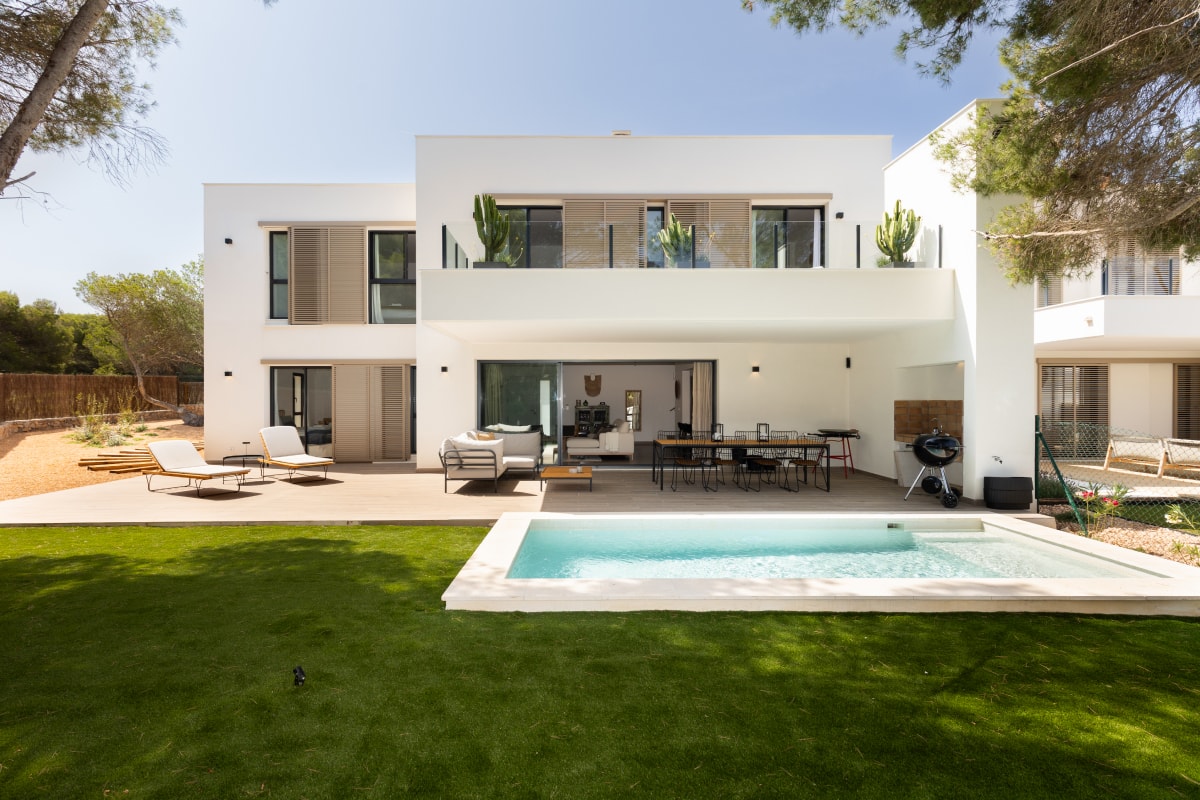
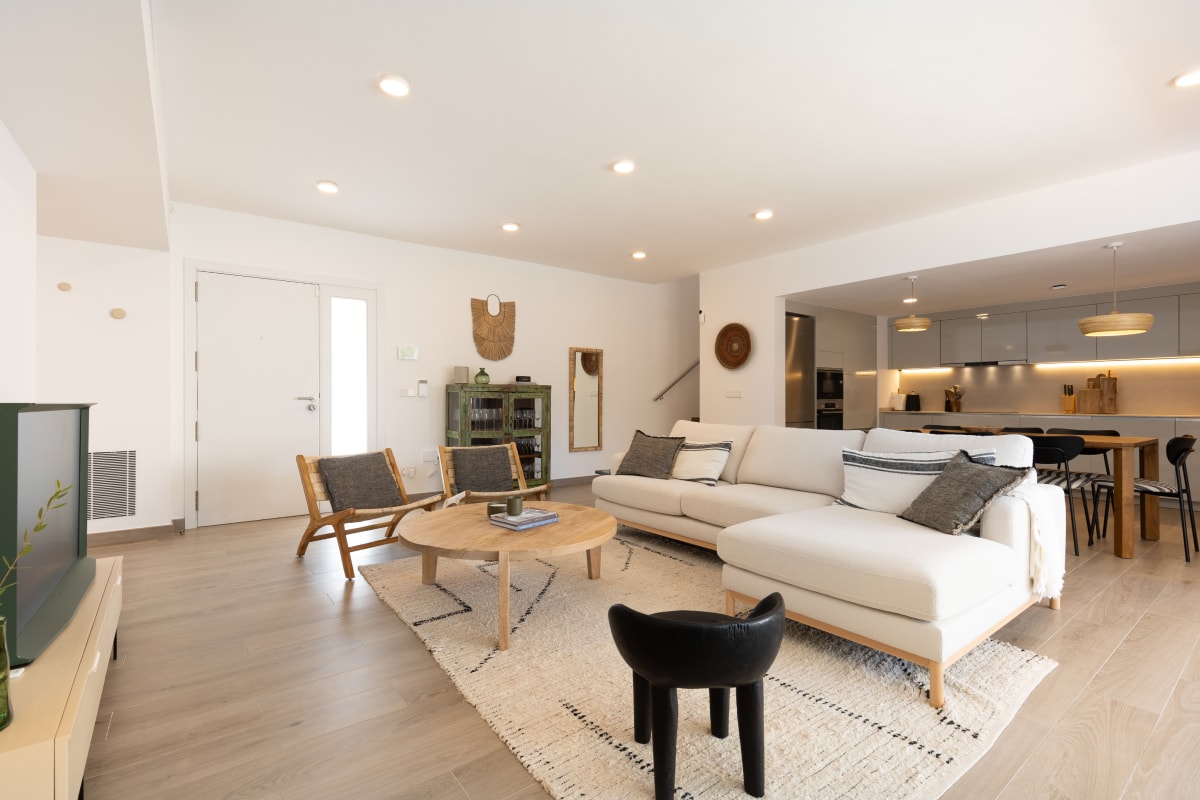
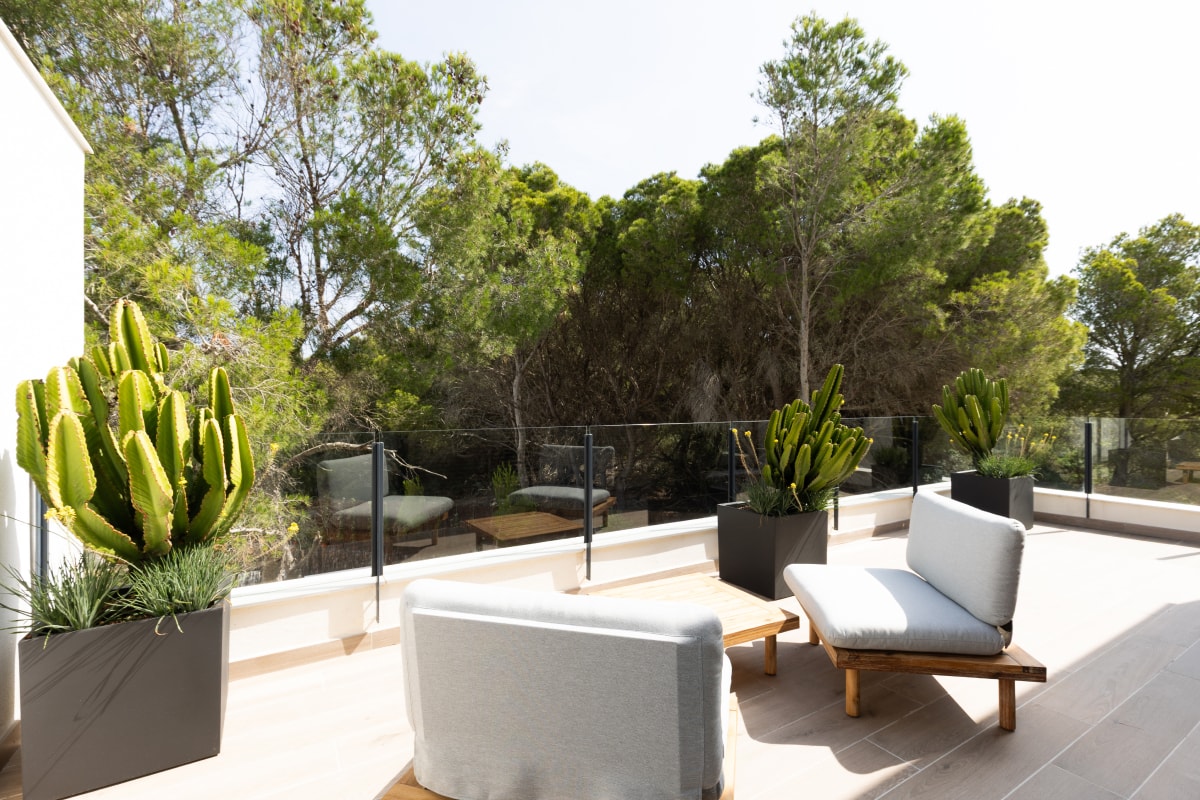
Menorca, Spain — 4-Bed House With Pool
€155,000
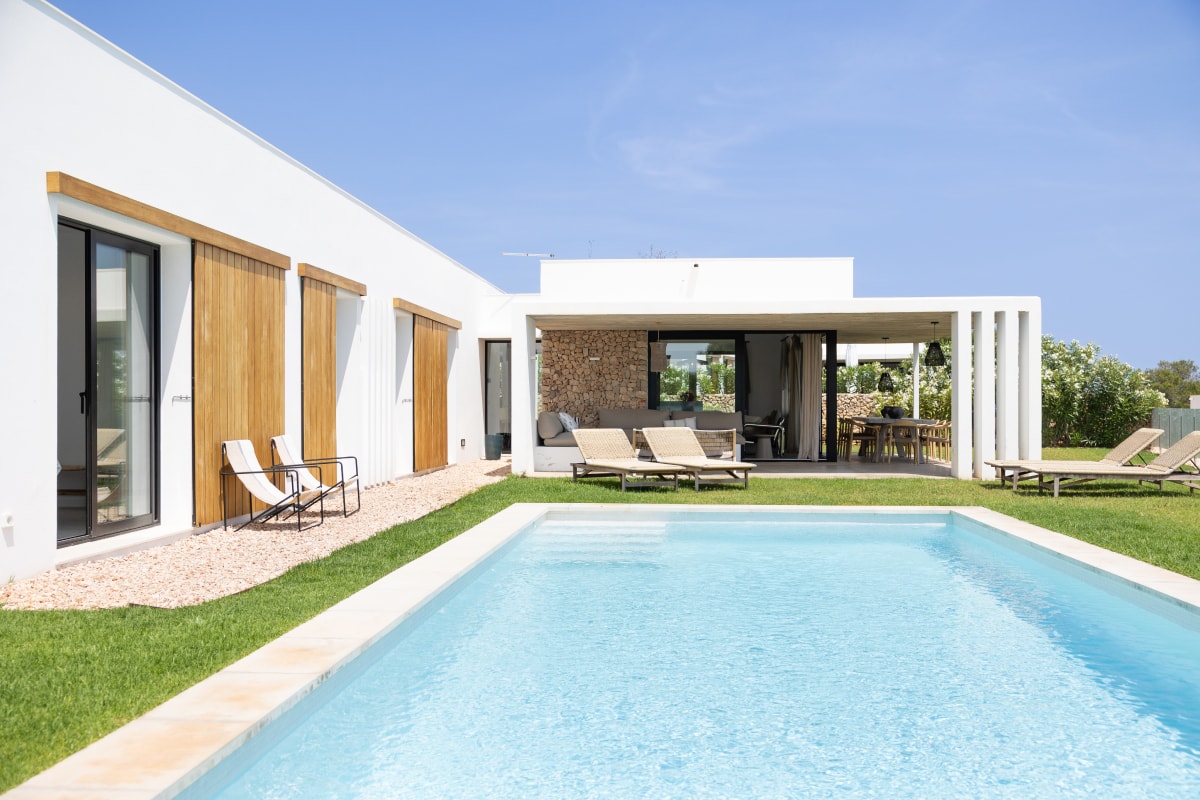
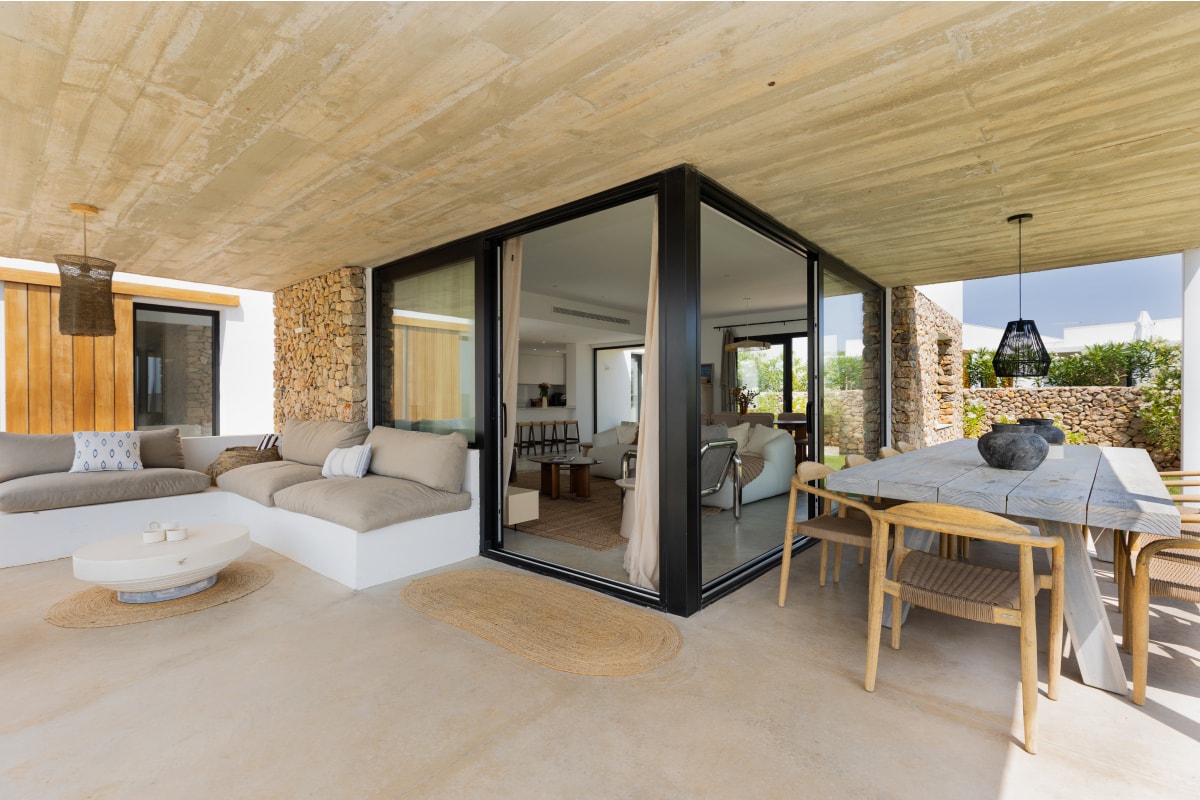
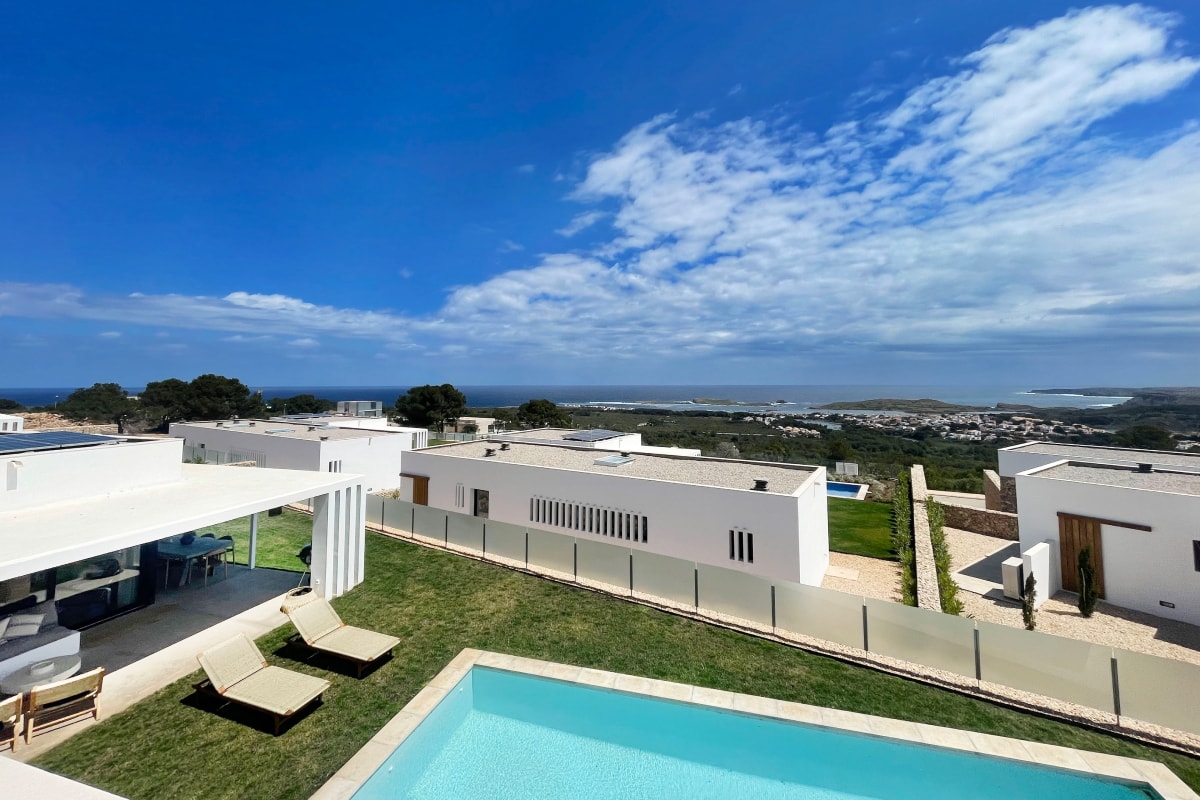
Menorca, Spain — 5-Bed House With Sea Views
€190,000
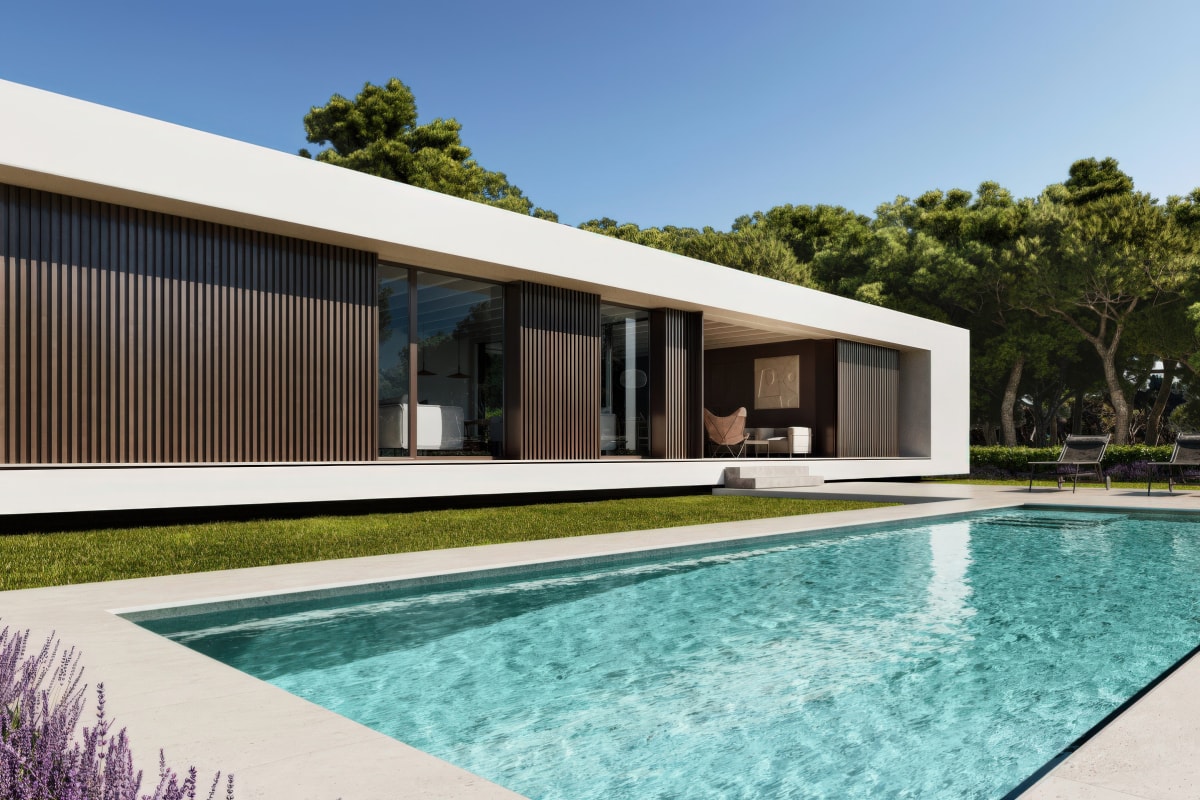
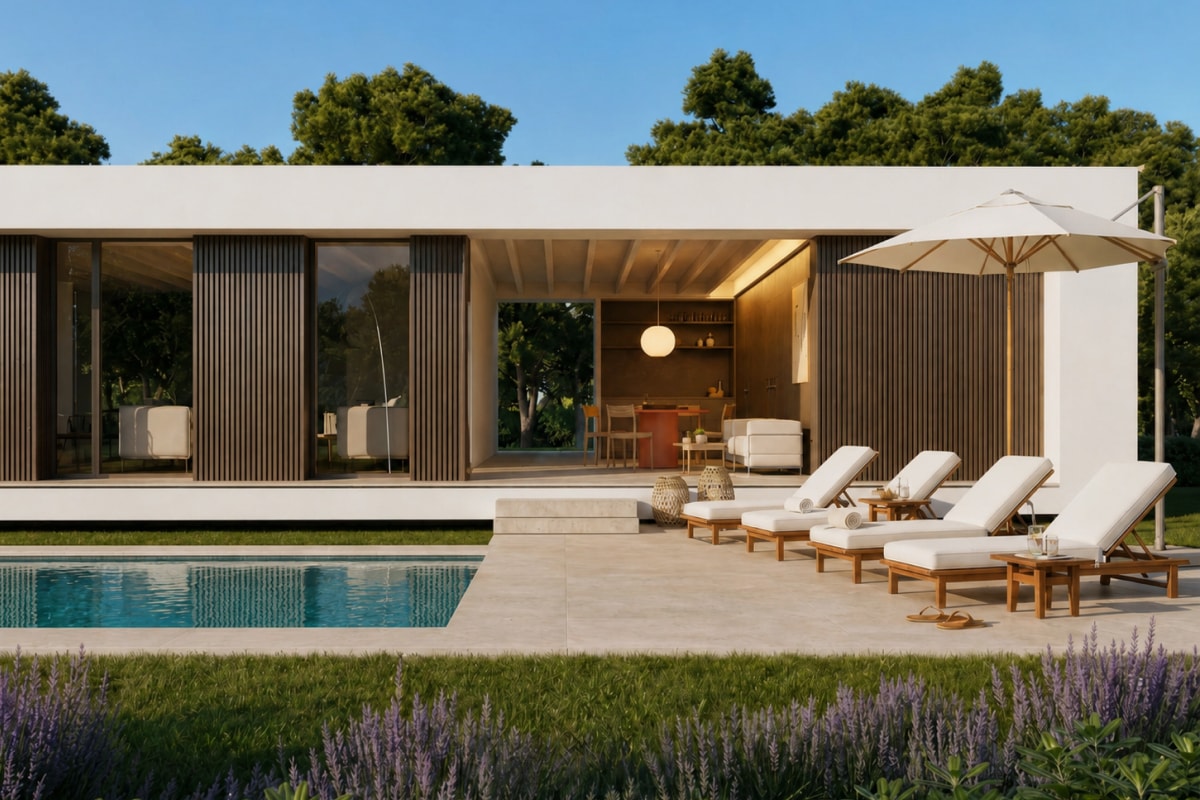
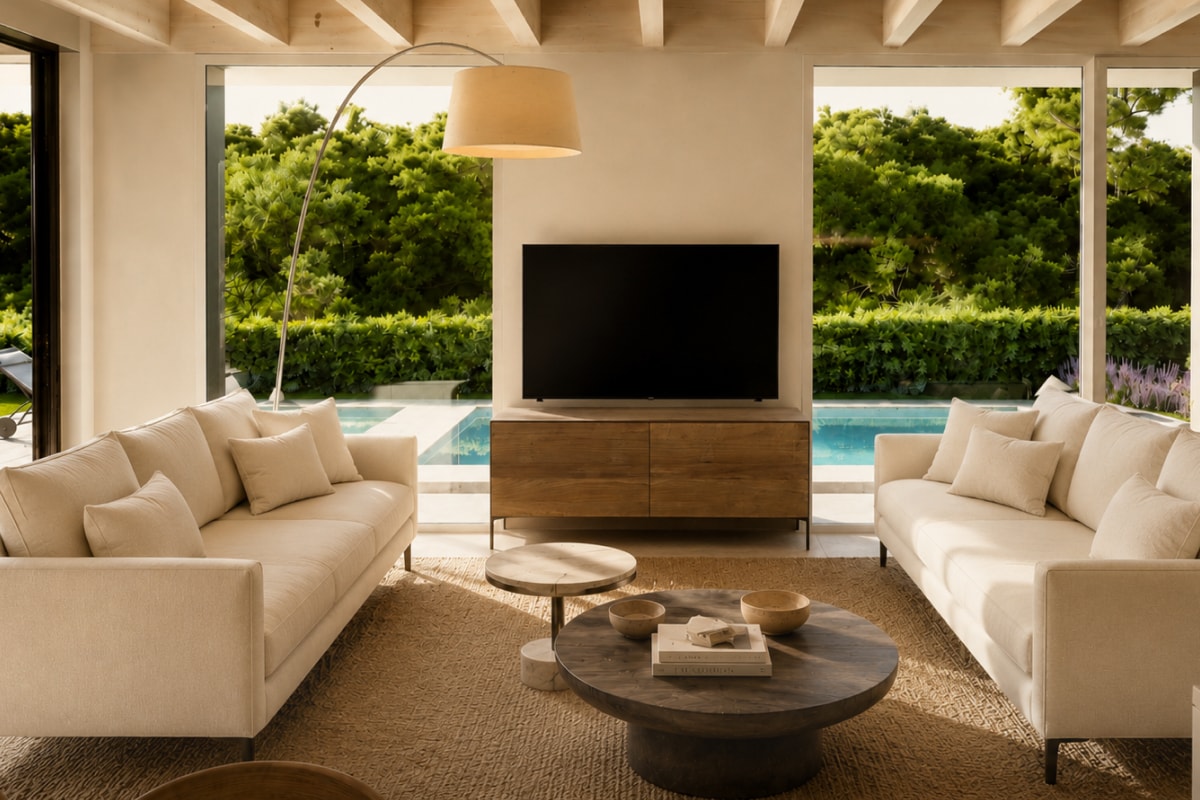
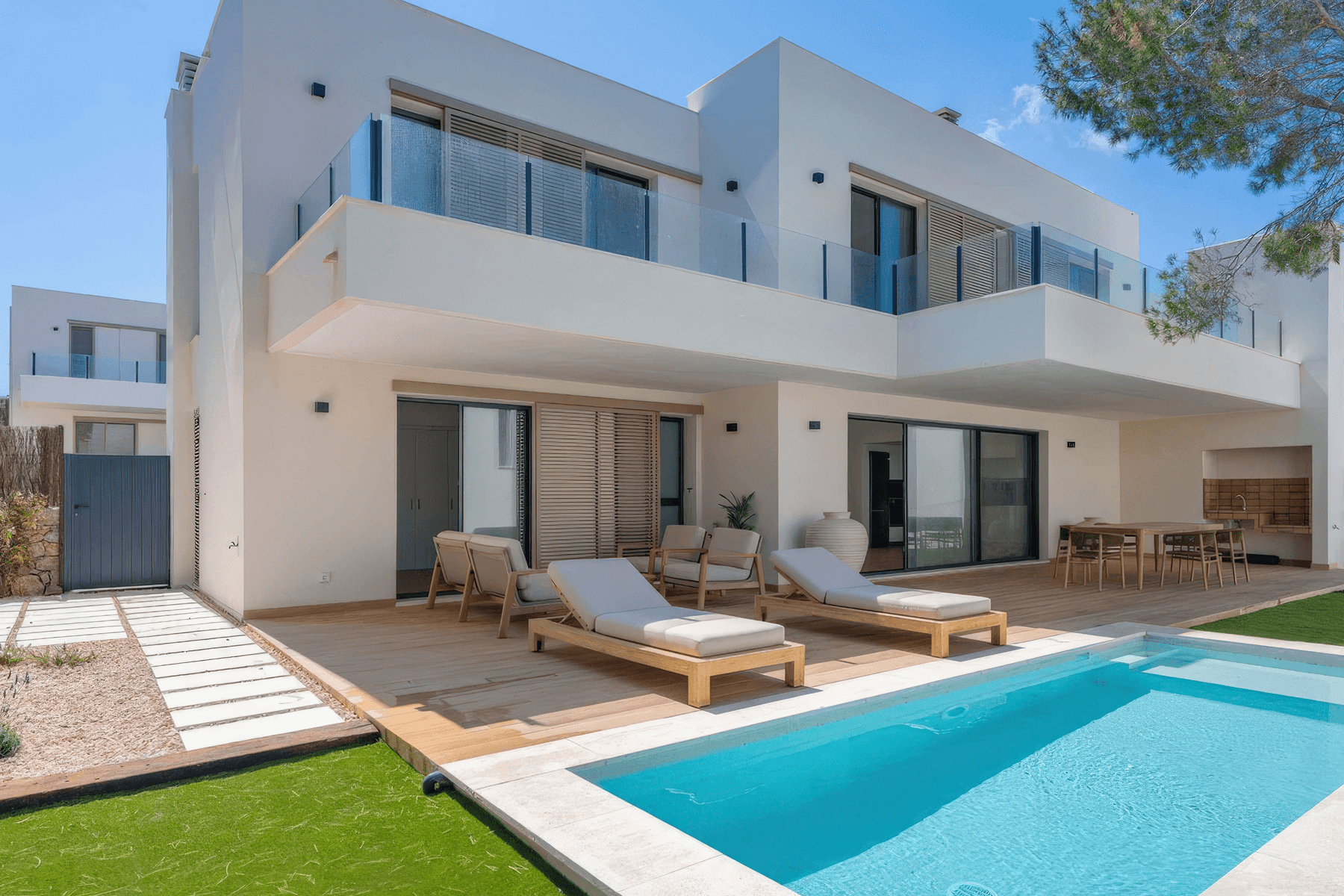
Son Parc, Menorca, Spain — 4-Bed Villa With Pool, Solarium & Garden
€210,000
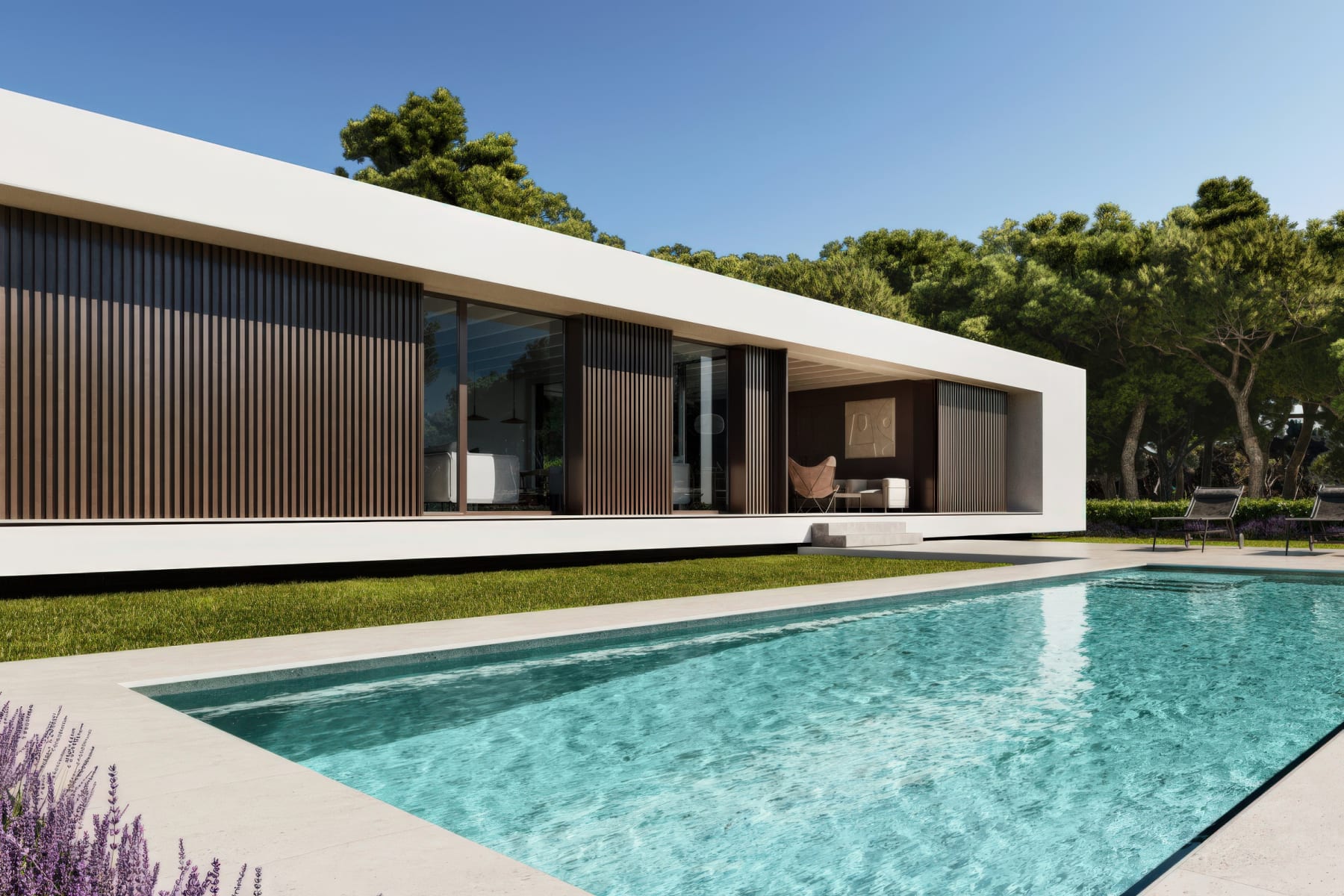
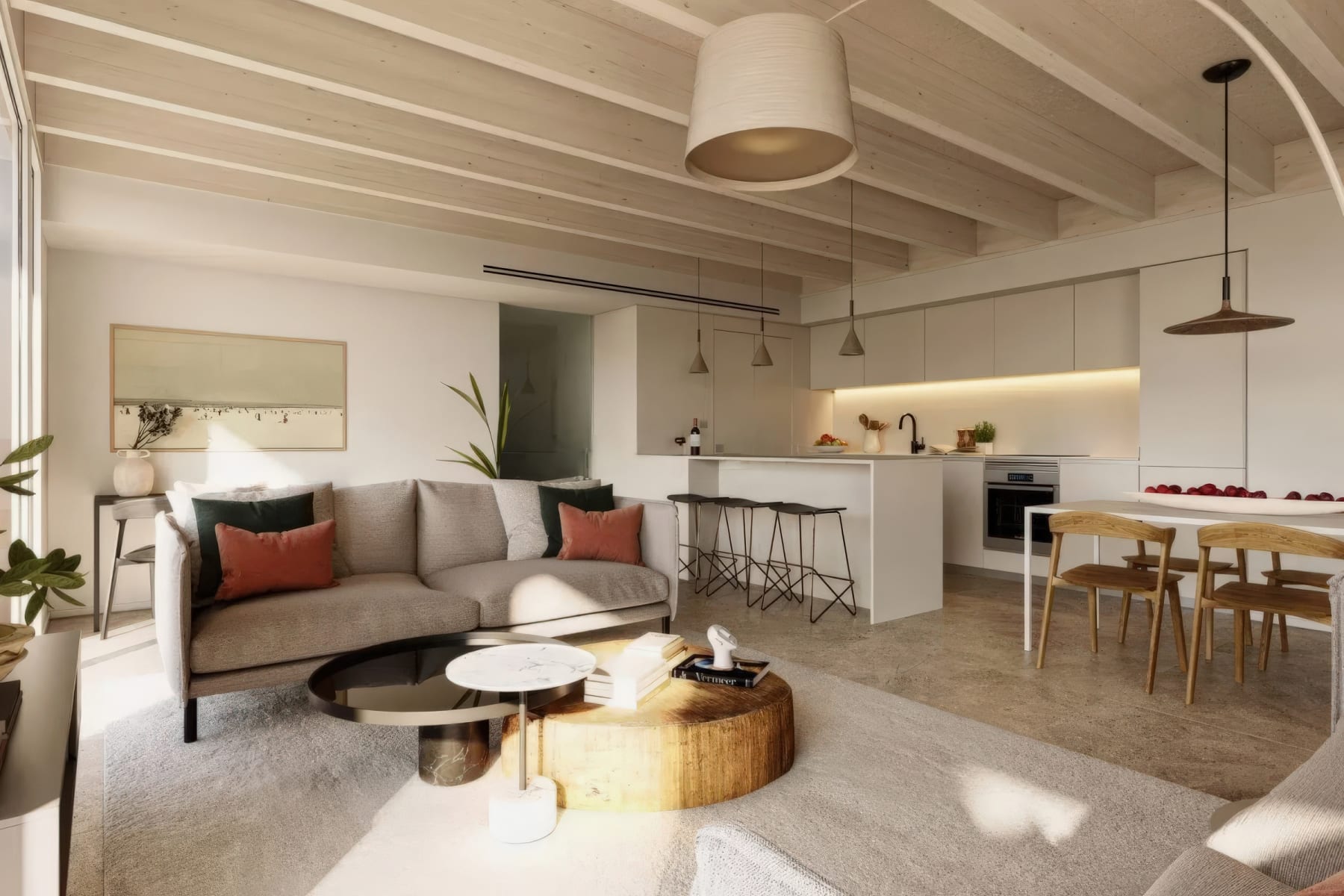
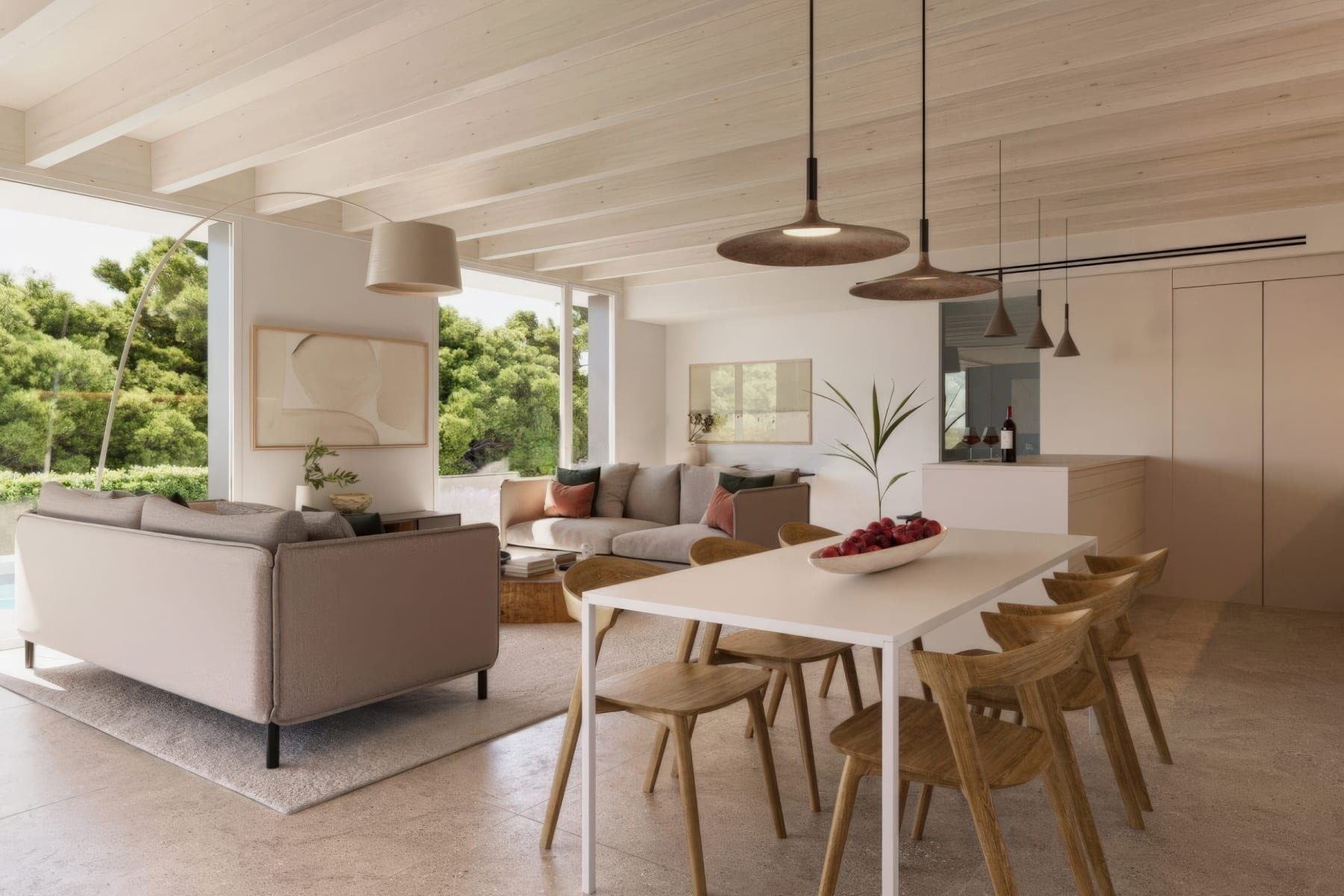
Son Parc, Menorca, Spain — 4-Bed Villa With Private Pool & Solarium
€210,000
Why buy a co-ownership home in Menorca?
Buying a whole holiday home in Menorca means paying full price for a house that stands empty most of the year. Co-ownership takes the same home — professionally managed, beautifully furnished — and divides it into shares, usually eighths. You own a real share of the home — not a right to use it — with roughly six weeks of use a year, a share you can sell or pass on, and running costs shared between owners rather than shouldered alone. In Menorca, that ownership starts from €150,000.
Menorca, properly understood
Menorca is the Balearic island that said no. When Mallorca and Ibiza were being built on through the 1960s and 1970s, Menorca largely was not — partly by accident of timing, partly by deliberate local choice — and in 1993 the whole island was designated a UNESCO Biosphere Reserve. The consequence is visible from the air: a coastline of some two hundred kilometres with almost no high-rise development on it, a network of dry-stone walls dividing green fields, and beaches at the end of tracks rather than at the end of boulevards.
That single decision is why Menorca feels different from its neighbours and why it is the Balearic island people tend to discover last and then keep returning to. There are no superclubs and no Costa Smeralda equivalent. There is instead a coastal bridle path running the entire way around the island, a capital city built around one of the largest natural harbours in the world with Georgian sash windows left over from a century of British rule, a Catalan-founded old town at the other end, prehistoric stone monuments found nowhere else on earth, and a food culture built on cheese, lobster and gin.
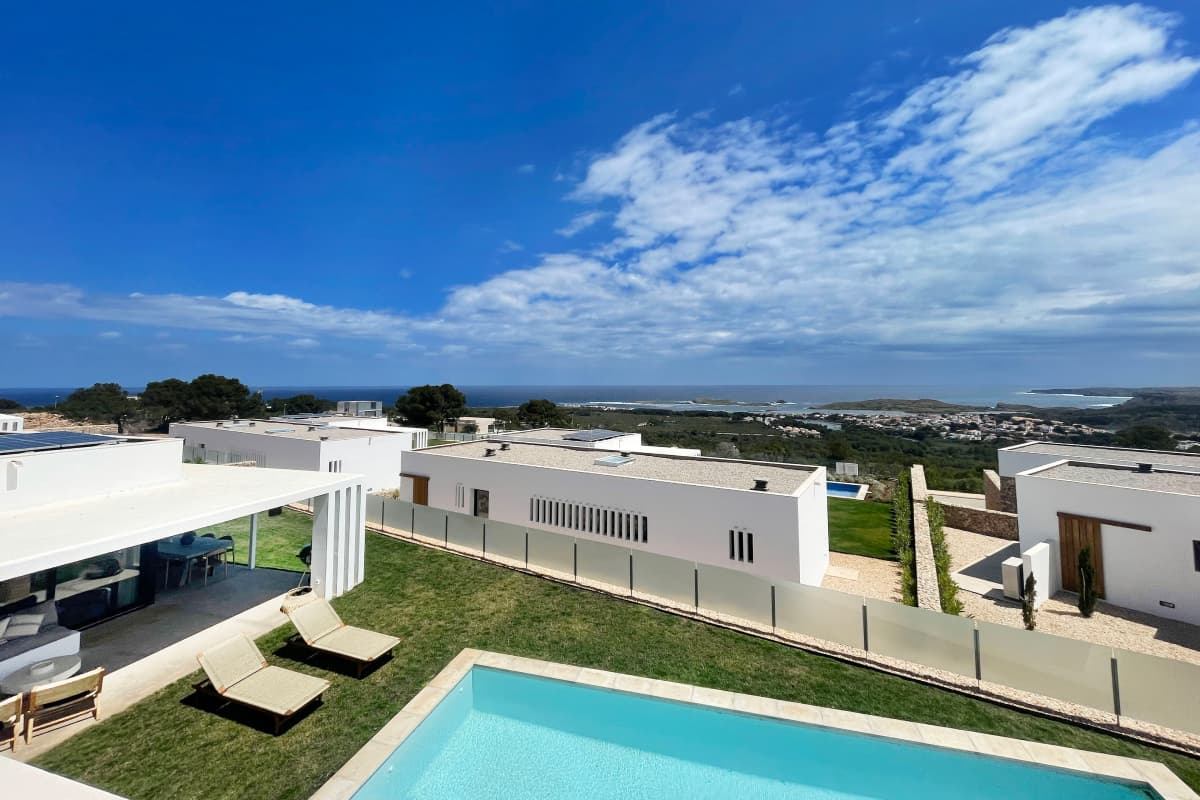
For a buyer, the practical case is space and value. The homes we list here are four- and five-bedroom houses with pools and sea views at price levels that would buy a small apartment on the fashionable stretches of Ibiza or Mallorca. What you gain is calm: a gentler pace, empty coves in June and September, and none of the noise of the glamour economy. For a household whose idea of a holiday is a beach at the end of a track, a long lunch and a walk along a cliff path, it is close to perfect.
A short history: taulas, the British and the biosphere
Menorca's deep history is genuinely exceptional and, until recently, under-recognised. Between roughly 1600 and 100 BC the island's Talayotic culture built stone monuments across it — talayots, or watchtowers; navetes, boat-shaped burial chambers; and taulas, enormous T-shaped stone constructions found nowhere else in the world and still not fully explained. There are several hundred sites on an island of this size, many of them free to visit and unfenced. In September 2023 the ensemble was inscribed on the UNESCO World Heritage list as Talayotic Menorca, which is the single best thing that has happened to the island's cultural profile in a generation.
Then the usual Mediterranean succession — Carthaginians, Romans, Vandals, Byzantines, Moors — until the Catalan conquest of 1287. What sets Menorca apart from its neighbours is what came next: the harbour at Maó is one of the finest natural deep-water anchorages in Europe, and that made the island strategically valuable out of all proportion to its size. Britain took it in 1708 and held it for most of the eighteenth century across three separate occupations, moving the capital from Ciutadella to Maó and leaving behind sash windows, Georgian façades, a road across the island, a taste for gin, and a naval hospital on an island in the harbour.
The twentieth century's decisive fact was what did not happen. Menorca's mass-tourism development came later and lighter than Mallorca's or Ibiza's, and the island's own planning turned firmly towards protection: the whole island became a UNESCO Biosphere Reserve in 1993, large parts of the coast are protected as natural park or rural land, and building on the shoreline is tightly restricted. The Camí de Cavalls — the historic bridle path around the entire coast, laid out for coastal defence — was legally reopened as a public right of way in 2010 after decades of dispute. What exists today is an island that made a choice about what kind of place it wanted to be, and stuck to it.
The island, region by region
Maó, in the east, is the capital: a town of about thirty thousand climbing the cliff above a five-kilometre natural harbour, with Georgian architecture, a covered fish market, a distillery making the island's gin, restaurants along the quay and an airport ten minutes away. It is the island's practical centre and the most usable address out of season, because it has a year-round life that the coastal resorts do not.
Ciutadella, at the western end forty-five minutes away, is the older and more beautiful of the two: the Catalan capital before the British moved it, with a medieval old town of narrow shaded streets, a cathedral, an arcaded main square, palaces, and a small port cut into the rock below. It is where the island's most famous festival happens each June, and for many visitors it is the more atmospheric place to be based.
The south coast holds the postcard beaches: white sand, turquoise water and pine woods running down to it, in a series of coves — Macarella, Macarelleta, Turqueta, Son Saura, Mitjana — most reached by a track and a walk, some by boat only. The resort development that exists on the island is mostly along this coast, low-rise and low-key by Balearic standards.
The north coast is a different island entirely: wilder, more exposed to the tramuntana wind, with dark red and grey sand, dramatic headlands and far fewer people. Cala Pregonda, Cavalleria, Binimel·là and the lighthouse at Favàritx, standing in a landscape of black slate that looks like nowhere else in Spain, are the highlights. The Albufera des Grau natural park, the core of the biosphere reserve, is here.
And the middle: farmland divided by dry-stone walls, whitewashed farmhouses, the sanctuary on Monte Toro at the island's highest point with a view of the whole of it, and small inland towns — Alaior, Es Mercadal, Ferreries — where the cheese is made and where prices are a fraction of the coast's.
Where exactly to own: micro-locations, rated
Maó and its harbour. The most practical address on the island: a real town with year-round life, restaurants that stay open, the fish market, the airport ten minutes away, and the extraordinary harbour below. Best for owners who want to use the house outside high summer, and the strongest position for short breaks.
Ciutadella and the west. The more beautiful town: medieval streets, the square, the port, the festival, and the best of the south-coast beaches within twenty minutes. Slightly further from the airport, and for many owners entirely worth it.
The south-coast coves and their resorts. Where the white-sand beaches are, and where most of the island's holiday housing sits: Cala Galdana, Son Bou, Binibeca, Cala en Porter and the smaller urbanisations. Low-rise, family-suited, busy in August and genuinely quiet from November. Best for a beach-first household.
The north coast. Wilder, emptier and more dramatic, around Fornells, Es Mercadal's coast and Addaia. Fornells in particular — a fishing village on a long sheltered bay, famous for its lobster stew and its watersports — is one of the loveliest places on the island. Sailors and windsurfers prize the tramuntana here, and the quiet is the whole appeal.
Inland: Alaior, Es Mercadal, Ferreries and the farmland. Whitewashed towns and country houses among dry-stone walls, ten to twenty minutes from either coast, cooler in August, and materially cheaper than anything on the shoreline. This is where a given budget buys the most house, and where our own listings' value comes from.
A note that applies island-wide: because so much of Menorca's coast is protected, a great deal of what looks like undeveloped shoreline will stay that way. That is the island's core asset, and it means a house with a sea view here is far less likely to acquire a neighbour than one in most Mediterranean markets.
The beaches and the Camí de Cavalls
Menorca's coastline is generally reckoned to hold more beaches than Mallorca and Ibiza combined, which on an island a fraction of their size tells you what kind of coast it is: not long strands but a succession of coves, most of them small, many of them reached on foot. The south's white-sand calas — Macarella and its smaller neighbour Macarelleta above all, plus Turqueta, Son Saura and Mitjana — are the ones on the postcards, and they earn it: pale sand, pine to the water's edge, and a particular turquoise that comes from white sand under clear water.
The north is the connoisseur's coast. Cala Pregonda's red sand and offshore rock stacks, Cavalleria's long exposed beach, Binimel·là, and the lunar slate landscape around the Favàritx lighthouse — this is a wilder, emptier, more windswept Menorca that most visitors never see, and it is arguably the better half.
Tying all of it together is the Camí de Cavalls: a bridle path that runs the entire way around the island, roughly one hundred and eighty-five kilometres, originally laid out so that horsemen could patrol the coast against raiders and reopened as a public right of way in 2010 after a long legal battle. It is divided into twenty numbered stages, it passes essentially every beach on the island, and walking a stage in the morning before the heat is one of the great pleasures of owning here. For a keen walker it is a genuine ambition: the whole circuit takes ten days or so.
One practical note that matters more here than elsewhere. Many of the best beaches are reached by unmade track and have limited parking that fills by mid-morning in summer, and in recent years access to some of the busiest has been managed with shuttle buses and restrictions. Go early, go late, walk in on the Camí, or go by boat — all four are better than arriving at midday in August and looking for a space.
The seasons, and the tramuntana
Menorca's swimming season runs from roughly May to early October. Within it, June and September are the months regulars choose — warm sea, everything open, and a fraction of the people. July and August are the peak, lively and sun-drenched, when the small coves are at their most popular; go early or by boat and they are glorious.
Outside those months the island shifts rather than shuts. The coastal urbanisations quieten and a number of seasonal restaurants and hotels close for the winter, while Maó and Ciutadella carry on as the real towns they are, with markets, shops and restaurants open all year. Winter days are mild, the fields go green, and the island belongs to the hundred thousand people who live on it.
This is when the Camí de Cavalls comes into its own. Spring and autumn are the best walking of the year on the coastal path, the wildflowers in April are exceptional, and a February week of empty coves and clear light is one of the better-kept secrets in the Balearics. The flight schedule contracts over the winter to mainly Spanish connections, so those weeks want planning rather than improvising.
The tramuntana is the island's other defining feature. Menorca is the most exposed of the Balearics to the north wind, which is why the north coast looks as it does, why the trees lean and why the old houses sit low with small north-facing windows. For sailors and windsurfers — particularly in Fornells' sheltered bay — it is the attraction. For everyone else it simply means checking the forecast and switching coasts, which on an island this size takes twenty minutes.
Talayotic Menorca and the interior
The island's prehistoric monuments deserve more than a paragraph, because they are genuinely unlike anything else and because they are everywhere. Taulas — two enormous stone slabs set in a T, standing at the centre of a horseshoe enclosure — exist only on Menorca, and their purpose is still argued over. Talayots, the conical stone towers, stand in fields all over the island. Navetes, boat-shaped burial chambers, are older still; the one at Es Tudons is among the oldest roofed buildings in Europe.
Several of the major sites — Torre d'en Galmés, Talatí de Dalt, Naveta des Tudons, Torralba d'en Salord — are properly presented, and many smaller ones are simply standing in a field beside a wall with nobody there. The 2023 UNESCO World Heritage inscription has raised their profile and improved the interpretation, and visiting them is one of the things that turns a beach week here into something more interesting.
The interior around them is the other Menorca: farmland divided by an extraordinary network of dry-stone walls, whitewashed farmhouses with their distinctive green shutters, gates made of olive wood, and the cattle that make the island's cheese. Monte Toro, at the centre, is only three hundred and fifty-odd metres high but is the island's highest point and on a clear day you can see the whole of Menorca from its sanctuary — which, on an island this size, is a genuinely useful way to understand where you are.
Eating, drinking and provisioning
Menorca's food is distinct even within the Balearics. Its emblem is the caldereta de llagosta, a spiny lobster stew made properly in Fornells on the north coast and expensive everywhere; ordering it once, in the right place, is a proper occasion. Around it: fish from the harbour markets, sobrassada and the island's cured pork, and above all cheese — Mahón-Menorca is a protected-origin cow's-milk cheese, sold at several ages from soft and buttery to hard and sharp, and it is on every table on the island.
The British left gin. The distillery on Maó's quayside has been making it since the eighteenth century, when the Royal Navy needed a local supply, and the island drinks it as pomada — gin with cloudy lemonade — through the summer festivals. There is also a small and improving wine industry, and the local olive oil and honey are worth taking home.
Practically: Maó and Ciutadella both have proper markets, including a covered fish market in Maó that is one of the nicest places on the island to have lunch, plus supermarkets and specialist shops. The coastal resorts have smaller supermarkets that close out of season. The restaurant scene has improved markedly over the last decade, with serious kitchens in both towns and along the harbour, and prices that remain noticeably lower than Ibiza's. The practical shape of a week is a market run, most lunches at home, a beach picnic, and dinners split between the towns and one lobster night in Fornells.
A year on the island, month by month
January and February are quiet and often windy, with the island green, the walking excellent and the coastal resorts closed. The towns keep going. March and April bring the spring — wildflowers along the Camí de Cavalls, warm days, and Easter, when the season begins to stir. This is the best walking of the year by some distance.
May is the opening of the good part: warm, everything reopening, the sea just about swimmable at the end of the month, and the beaches empty. June is close to perfect, and holds the island's great festival in Ciutadella on the eve and day of Saint John. July and August are the peak: hot, lively, with the popular beaches at their busiest by mid-morning. Plan the day around an early swim or a boat and they are wonderful.
September is the month regulars choose — the sea at its warmest, the crowds thinning sharply after the first week, everything still open. Early October holds it. From late October the coast winds down and by November it is quiet again, with the towns carrying on and the resorts resting. In short: five or six months of full island life and a peaceful winter that rewards owners who love an empty island and the best walking of the year.
The year's fixtures
One event dominates the Menorcan calendar and it is genuinely extraordinary. The Festes de Sant Joan in Ciutadella, on the twenty-third and twenty-fourth of June, is a horse festival of medieval origin in which riders in formal dress take their horses into a dense crowd in the old town's squares and the horses rear on their hind legs while the crowd presses in around them. It is loud, ancient, slightly alarming and completely unlike any other festival in Spain. If you can be on the island for it once, do — and book a very long way ahead.
Each of the island's towns has its own summer festival on the same model, with horses and its own patron saint, running through July, August and early September — Es Mercadal, Alaior, Ferreries, Sant Lluís, Maó — so from late June the island has a horse festival almost every weekend. These are local events rather than tourist ones and are all the better for it.
Around them: the sailing regattas out of Maó's harbour, the summer music programme, the jazz festival, open-air cinema, and the markets that run through the season in each town. Spring and autumn bring the walking season on the Camí de Cavalls and the associated trail events. Very little of it needs booking a year ahead, with the exception of Sant Joan and anything at all in August.
Menorca with children
Menorca is widely regarded as the most family-friendly of the Balearics, and the reasons are structural. The south-coast beaches are shallow, sheltered and sandy, with calm turquoise water that suits small children better than the deeper coves of Ibiza. The island is small enough that nothing is more than forty-five minutes away. There is no nightlife economy to work around. And the resort development that exists is low-rise and family-oriented rather than party-oriented.
Beyond the beach: boat trips around the coast and into the harbour at Maó; kayaking and paddleboarding in the sheltered bay at Fornells, which also has excellent sailing and windsurfing schools that take children; horse riding, which on this island is a genuine tradition rather than a tourist activity; the prehistoric sites, which children find far more interesting than adults expect because you can walk right up to them; and the Camí de Cavalls, which has plenty of short, flat, spectacular stages.
Two tips. The best small beaches have limited parking in August, so the family days that work best start early or go by boat. And on the odd windy day, a house with a pool makes the island's switch-coasts habit even easier. For ownership groups the calendar is easy: families take July and August, everyone else takes May, June, September and October, and there is very little to arbitrate.
Walking, riding and the outdoor island
The Camí de Cavalls is the centrepiece and it changes what this island is for. One hundred and eighty-five kilometres in twenty waymarked stages around the entire coast, passing headlands, coves, wetlands, farmland and lighthouses, it turns Menorca from a beach destination into a walking one for eight months of the year. Individual stages take two to five hours; several of the finest — the north coast between Cavalleria and Binimel·là, the south around Macarella — are among the best coastal walks in the Mediterranean. Spring and autumn are the seasons for it.
Riding is the island's other tradition, and not a manufactured one: the Menorcan horse is its own recognised breed, black and elegant, central to the summer festivals, and stables across the island take riders out along the coastal paths. It is the most appropriate way to see the Camí, and children take to it here as a matter of course.
Then the water and the rest. Sailing and windsurfing out of Fornells' long sheltered bay, which is one of the best natural training waters in the Mediterranean. Kayaking along the north coast's cliffs and caves. Diving, which is good and uncrowded. Cycling on quiet inland roads. Birdwatching in the Albufera des Grau wetland, which is the core of the biosphere reserve and full of migrating species in spring and autumn. For an owner, the practical point is that Menorca's outdoor life extends the usable year well beyond the swimming months.
Beyond the island: days out
Menorca is small enough that the whole island is a day out: Maó to Ciutadella is forty-five minutes, and any beach on either coast is within forty. The classic days are the harbour at Maó by boat, including the island fortifications and the old naval hospital; the north coast to Favàritx and the Albufera; the prehistoric circuit inland; and the walk-and-swim combination on any Camí stage.
Off the island, Mallorca is thirty minutes by air or a few hours by ferry, and Palma is a genuinely great small city with a cathedral, a serious food scene and shopping — an easy overnight. Barcelona is under an hour's flight and equally straightforward for a long weekend, with ferries as the slower alternative. Ibiza is a short hop for anyone curious about the contrast, which is instructive: the two islands are seventy miles apart and could not be less alike.
For an owner, the practical value of all this is that Menorca does not have to be the whole holiday. A week here can include two nights in Palma or Barcelona without difficulty, which matters on an island where the winter is quiet and the shoulder seasons are the best time to come.
Getting there and getting around
Menorca's airport sits about ten minutes from Maó and carries a dense network of direct summer flights from across Europe — Britain, Germany, Italy, France, the Netherlands, Scandinavia and mainland Spain — from roughly May to October. Outside that window most connections route through Barcelona, Madrid or Palma, so winter trips are simply planned a little further ahead.
Ferries provide the alternative and the freight: services run from Barcelona and Valencia to Maó and Ciutadella, and from Alcúdia in Mallorca to Ciutadella in about an hour and a half, which is how a good number of owners bring a car and the things a house needs.
On the island a car is necessary. Menorca is small — an hour end to end — but the beaches are at the ends of tracks and public transport is limited to the main routes between towns. Roads are good and traffic is negligible outside August, when the main road across the island and the beach access roads get busy. A house in Maó or Ciutadella puts the shops, market and restaurants on foot; anywhere else, expect to drive to dinner.
The property market, clearly explained
Menorca is the least expensive of the three main Balearics and has been for decades, which is the whole opportunity. The reason is not that it is worse — by most measures of coastline, tranquillity and landscape it is better — but that it developed later, promoted itself less, and has a shorter season and thinner winter connectivity. That gap has narrowed steadily over the last decade as buyers priced out of Mallorca and Ibiza have looked east, and it continues to narrow.
Supply is genuinely constrained and for the best possible reason: the whole island is a UNESCO Biosphere Reserve, a large share of the coast is protected as natural park or rural land, and Balearic and island planning rules place real limits on building near the shoreline and in the countryside. New coastal supply is very limited, and much of the undeveloped coast you can see will remain undeveloped — which is worth more to a long-term owner than almost any amenity.
Three specifics are worth knowing. First, tourist rental licences: the Balearic Islands license short-term tourist letting, and where letting unused weeks matters to you, we confirm the licence position for the specific home before you buy. Second, water: rural homes often draw on wells and cisterns, and supply and quality are checked as part of every purchase. Third, the rhythm of the year: a glorious summer season and a peaceful winter, which shape how a home here is enjoyed.
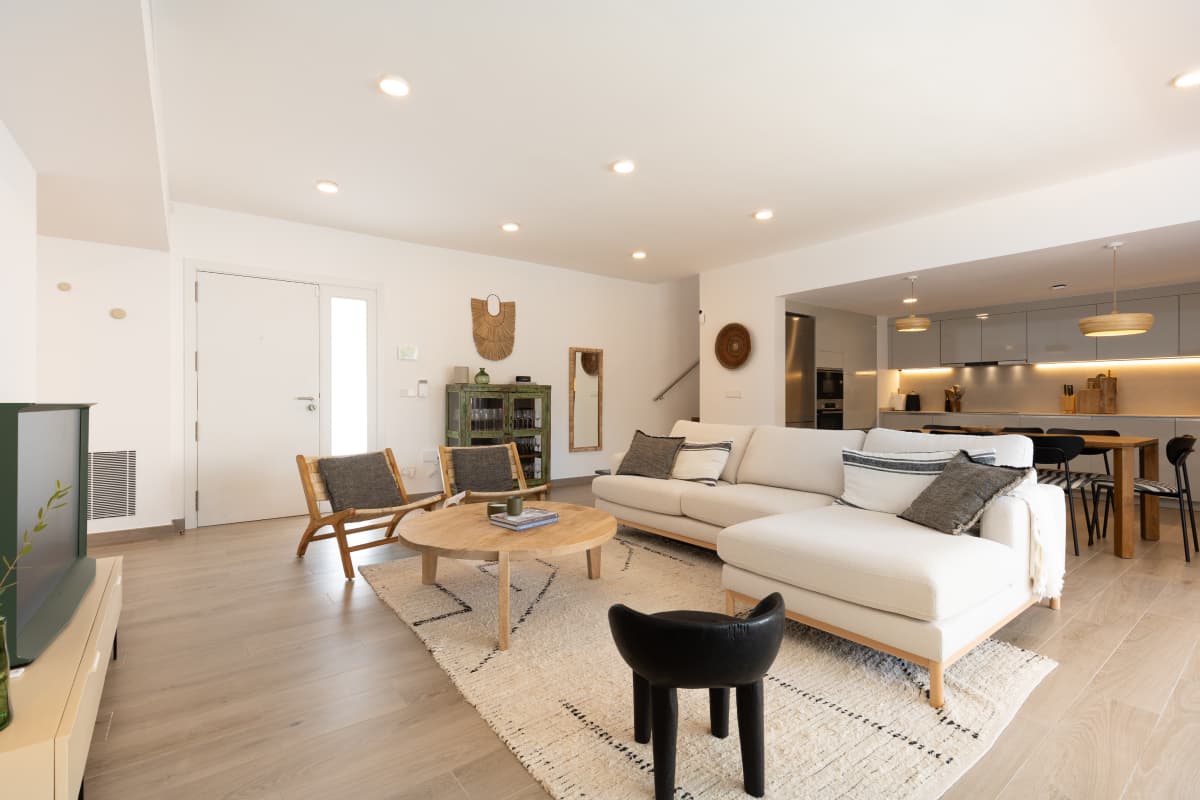
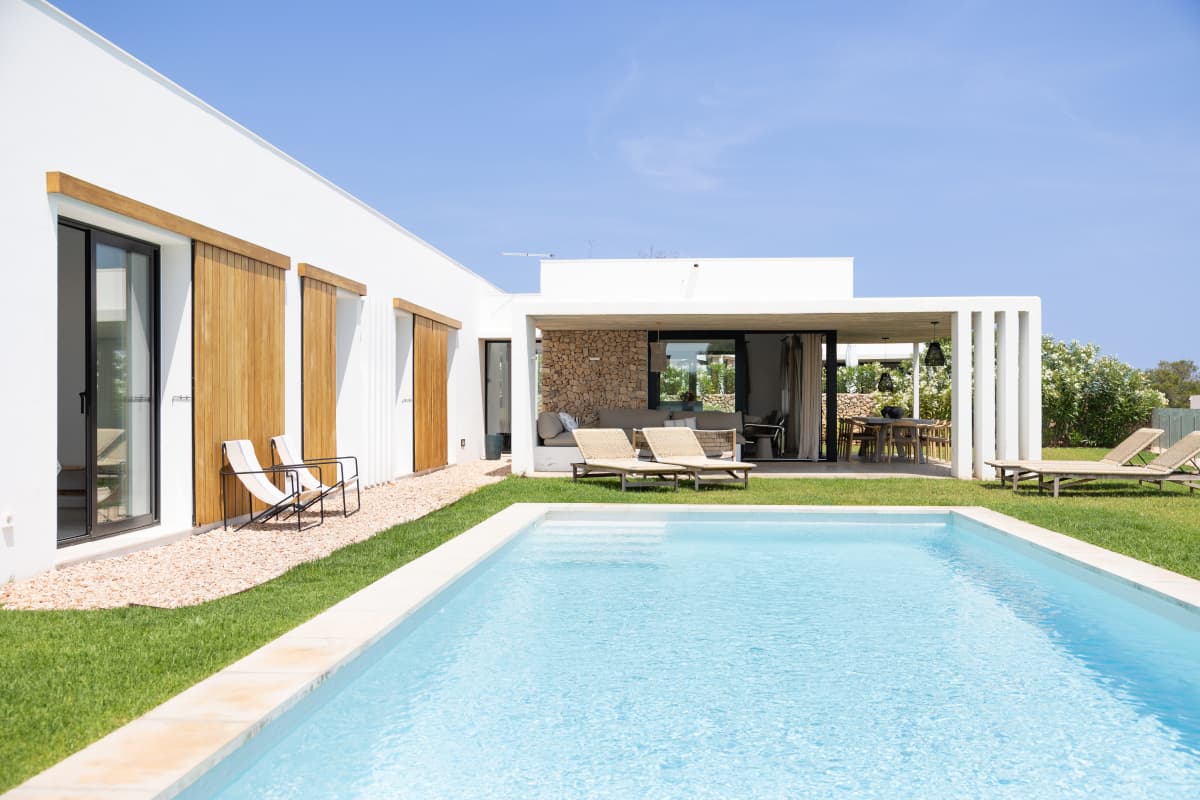
For a share buyer the logic is straightforward and the value proposition unusually good. Our Menorca listings are four- and five-bedroom houses with pools and sea views at price levels that buy far less elsewhere in the Balearics. Those houses are used hard for a summer and closed for much of the rest of the year, during which they still cost money and still need care. A share matches that pattern — and because the island's best weeks are June and September rather than only August, the calendar distributes better than most.
What underpins value here
Five supports. First, the biosphere reserve designation and the protection regime around it: the whole island, since 1993, with much of the coast additionally protected. That is the most durable form of scarcity a property market can have, and it is why Menorca's undeveloped coastline is likely to stay undeveloped. Second, the 2023 UNESCO World Heritage inscription of the island's prehistoric monuments, which adds a second layer of international recognition and a reason to visit outside the beach season.
Third, the Camí de Cavalls, which since its reopening in 2010 has given the island a genuine spring and autumn walking economy — extending the usable year and broadening the visitor base beyond families on beach holidays. Fourth, the price gap with Mallorca and Ibiza, which has been closing but remains substantial and keeps drawing buyers eastward.
Fifth, the two towns. Maó and Ciutadella are real places with year-round populations, schools, markets and restaurants, which means the island retains a functioning economy in the months the resorts rest — and property in and around them holds value in a way that seasonal urbanisations do not.
Who owns here
Menorca's ownership is quieter and more domestic than Ibiza's. The largest foreign group is British, with a long-established community going back decades and concentrated around both towns and the south coast. Beyond that: Spanish mainland owners, particularly from Catalonia and Madrid, many of them multi-generational; Italians, French, Germans and Dutch in growing numbers; and a small Scandinavian layer.
Beneath that sits the island's own population of around a hundred thousand — farming families, the cheese and shoe industries that were Menorca's economy before tourism, fishermen, and the professional and service communities of the two towns. Menorca has a strong local identity, a preference for its own pace, and a well-documented reluctance to be developed further, which a new owner does well to respect rather than to find quaint.
For a co-owner the practical consequence is an island entirely accustomed to properties that are occupied for part of the year, with established local services for caretaking, pool and garden maintenance and the seasonal opening and closing of houses. A home used by several households in rotation is completely ordinary here — and the British-inflected, long-internationalised character of the island makes the practical side of ownership straightforward.
Menorca against the alternatives
Against Mallorca: far larger and more varied, with mountains, a genuinely great capital city, much better winter flight connectivity and a longer usable year — and prices in its best areas that are multiples of Menorca's. Mallorca is the better choice for year-round use and for someone who wants a city; Menorca is emptier, gentler and considerably better value.
Against Ibiza: seventy miles away and a different planet. Ibiza has the water clarity, the international scene, the food and the summer economy; Menorca has the quiet, the walking, the family beaches and prices a fraction of Ibiza's. Buyers rarely agonise between the two for long — most people know within a day which island they are.
Against Sardinia and Corsica: comparably beautiful, similarly seasonal, with Sardinia's north offering a similar quiet-versus-glamour trade to Palau's. Menorca's advantages are the size — you can reach everything in forty-five minutes — the Camí de Cavalls, and the density of prehistoric sites. Against the Spanish mainland coasts: cheaper and better connected in winter, without an island's containment or these beaches.
Menorca's own case, stated plainly: a UNESCO Biosphere Reserve island where most of the coast is protected and will stay that way; more beaches than Mallorca and Ibiza combined on a fraction of the land; a one-hundred-and-eighty-five-kilometre coastal path around the whole of it; UNESCO-listed prehistoric monuments found nowhere else on earth; two real towns with year-round life; a food culture of cheese, lobster and gin; and four- and five-bedroom houses with pools at prices its neighbours cannot approach.
Co-ownership in Menorca, in practice
Here is how a share of a home here actually works. You own a real share of a specific, fully furnished, professionally managed home — an eighth, a quarter — not a right to use it. You can sell it, pass it on to your heirs, and it moves with the value of the house. A timeshare sells you a week. Co-ownership sells you the house: you own part of one home alongside a small group of owners, not time or points shared with thousands. The legal set-up is arranged by our partner for each home and walked through with you before you buy. The calendar allocates usage fairly across the owners, rotating the most contested dates — the August weeks, Easter, the Sant Joan festival in June and the September shoulder — from year to year so no owner is permanently advantaged, with flexible booking for everything else.
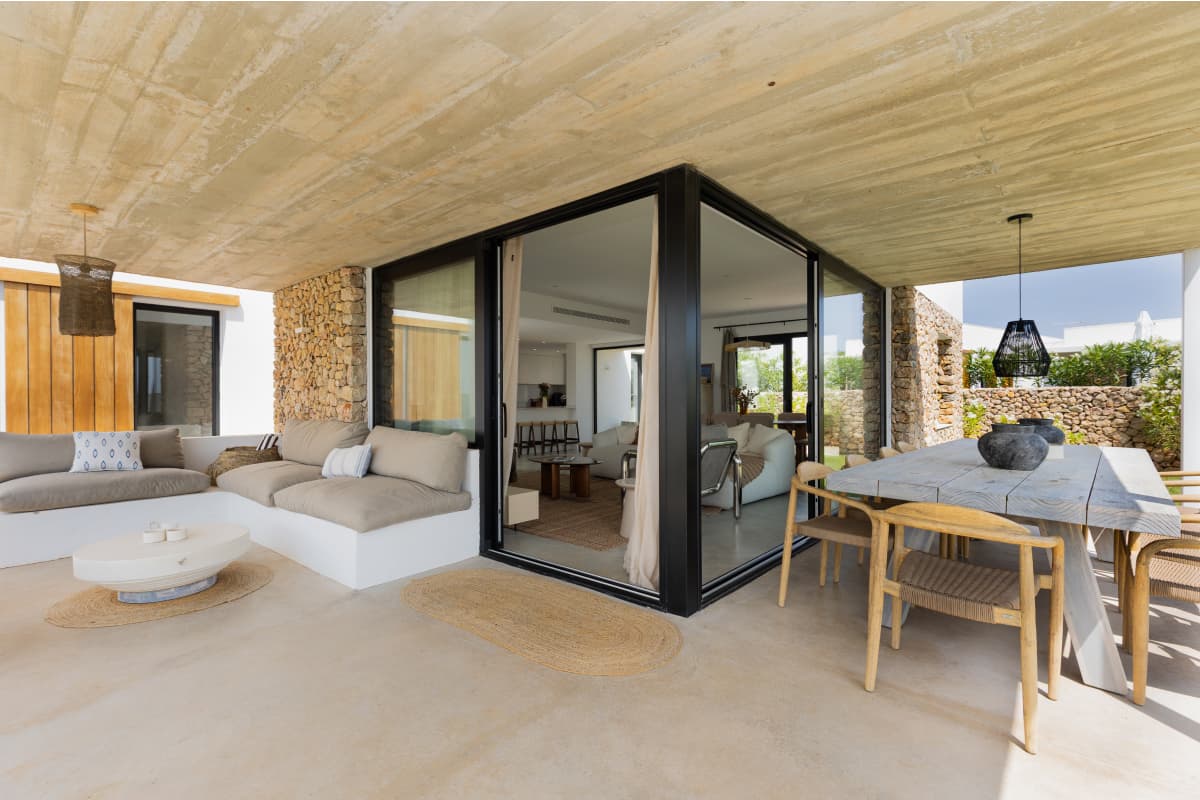
The structure suits a seasonal island particularly well, and Menorca more than most because of the kind of property involved. These are large family houses with pools — the sort a single household buys, uses for a summer, and then closes for eight months while continuing to pay for insurance, pool service, garden, and the salt-air maintenance that a Mediterranean coastal house needs whether or not anyone is in it. Sharing spreads exactly that burden.
It also matches how the island is best used. Menorca's finest weeks are late May, June, September and early October — warm sea, open restaurants, empty beaches, and the Camí de Cavalls at its best — and those are precisely the weeks that a shared calendar distributes easily, because the competition inside an ownership group is concentrated on August. An owner with any flexibility here does very well.
Costs are shared in the same proportion as ownership: each owner carries their share of the home's running costs, billed transparently, covering local property taxes and community charges where they apply, insurance, utilities and water, pool and garden, cleaning, maintenance and the reserve that keeps the furnishings good. You see the full breakdown before you buy, not after.
Buying in Spain: how the process actually runs
Spanish property purchase is a well-trodden path for foreign buyers and follows a predictable sequence. You will need a Spanish tax identification number for foreigners — the NIE — which is a straightforward administrative step and the first thing to organise. How the purchase of your share is completed, including what is signed and where it is recorded, depends on the home's legal set-up, which our partner arranges and explains before you buy. Non-resident buyers face no restriction on owning Spanish property.
Independent legal representation is standard and strongly advisable: a Spanish lawyer acting for you, not for the seller or the agent, who checks the registry entry, any charges on the property, the community of owners' status and accounts, the building and occupancy licences, the planning position of anything built in a rural or protected zone, and — critically on this island — the tourist rental licence status if letting matters to you. Purchase taxes are published; the Balearic Islands set their own transfer tax rates, which are progressive, and your lawyer will confirm the current position.
Two Menorca-specific checks are part of every purchase. First, your lawyer confirms that every structure — extensions, pools and outbuildings included — is properly licensed, which matters particularly on protected land where the rules are strict. Second, on rural properties, the water source, its licence and its quality are confirmed. For a co-ownership share, the legal set-up is arranged by our partner for each home. We walk every buyer through the specimen documents in plain language before any commitment, and we will always encourage independent legal and tax advice. Nothing in this guide is legal or tax advice.
Three owners' years: specimen calendars
Three specimen years. The family: a fortnight in August in the years the rotation grants it, a week at Easter when the island is green and the Camí is at its best, and a week in late June before the peak. Six-plus weeks of genuine summer in a house that already holds the snorkels, the paddleboards and the beach chairs — and an August fortnight that would be near impossible to rent late.
The couple who know the island: ten days in early June, including the Sant Joan festival in Ciutadella in the years the rotation allows, a fortnight across September which is the best fortnight of the Menorcan year, and four or five days in April for the wildflowers and the walking. A calendar assembled almost entirely from weeks nobody fights over, and better than the peak ones by most regulars' reckoning.
The walking syndicate: two couples taking alternating long weekends across April, May, September and October to work through the twenty stages of the Camí de Cavalls, plus one shared week in high summer when the households and children combine. Three shapes, one common property: on an island whose best months run from May to October and whose coastal path takes ten days to walk, six weeks a year is not a constraint to be managed. It is a budget to be spent well.
An owner's practical almanac
The small knowledge that makes ownership frictionless. Beaches: the best small coves have limited parking on unmade tracks and fill by mid-morning in summer; some have shuttle arrangements in peak season. Go before ten, go after five, walk in along the Camí, or go by boat. Check the wind first — the tramuntana turns a north-coast beach into a sandblaster and makes the south coast the obvious choice that day, and vice versa.
Seasons: book anything at all in August a long way ahead, and book the Sant Joan festival in Ciutadella further ahead than that. Check the flight schedule before planning a winter week, because it contracts substantially and connections route via the mainland or Palma. Confirm which restaurants are open out of season rather than assuming.
Walking: the Camí de Cavalls is best from March to May and September to November. Carry more water than you think in summer and start early; the coastal stages have little shade. Stage markers and maps are good, and each stage has a road access point at either end.
The house: salt air, summer sun and the quiet months all call for steady care — pool, garden, shutters, humidity and pest control — and the management team handles all of it, so you arrive to a home that has been looked after rather than merely locked. Water is precious in summer; use it thoughtfully. And the golden rule: whatever week you cannot use, release it early.
Menorca: questions owners actually ask
How does it compare with Mallorca and Ibiza? Quieter, greener, emptier and materially cheaper, with more beaches per kilometre of coast and a fraction of the development. It has no superclubs, no mountain range and no city on Palma's scale. Most people know within a day whether that is a gain or a loss for them.
What is the winter like? Peaceful. From November to March the coastal resorts rest and flights route mainly through Spanish hubs, while Maó and Ciutadella carry on with their markets, shops and restaurants — which is why we steer owners who want winter weeks towards one of the towns. For walkers, it is the best season of all.
What about the wind? Menorca is the most exposed of the Balearics to the tramuntana, and it blows hard in winter and the shoulder seasons. It shapes the north coast, the trees and the traditional architecture. It is a gift if you sail or windsurf and a fact to plan around if you do not — and it is one reason a house with a pool and a sheltered terrace is worth more here than the same house elsewhere.
Can we let our weeks? Yes, where the property holds a Balearic tourist rental licence. Where a licence exists and managed letting is provided for, the management team handles everything, and we confirm the position for each home we list before you commit.
Is it good for children? It is generally reckoned the best of the Balearics for families: shallow sheltered beaches, no nightlife economy to navigate, an island small enough that nothing is far, and sailing and riding traditions that take children seriously. In August, an early start to the beach makes the day.
More questions, answered plainly
Where should we buy? Maó or Ciutadella if you want a town, services and a workable winter. The south coast if the white-sand beaches are the point. Fornells and the north if you sail or want the wilder half of the island. Inland if you want the most house for the money and cooler August nights. Tell us how your year actually looks and we will point you at the right homes below.
Do we need a car? Yes. The island is small but the beaches are at the ends of tracks and public transport runs mainly between the towns. A house in Maó or Ciutadella puts shops, market and restaurants on foot, which is worth a lot on an evening when nobody wants to drive.
What about water? Rural homes often draw on wells or cisterns, and supply and quality are checked as part of every purchase. Day to day it simply means using water thoughtfully, which is no hardship at all.
What are the running costs like? Each owner carries their share of the home's costs, billed transparently — local property taxes and community charges where they apply, insurance, utilities and water, pool and garden, cleaning, maintenance and the furnishing reserve. That is the point of the structure: a Mediterranean house with a pool, professionally cared for all year, with the costs shared rather than carried alone.
What should we do on a viewing trip? Come for three days in May, June or September. Walk one stage of the Camí de Cavalls in the morning and swim at the end of it. Drive to Favàritx and stand in the slate landscape. Have lunch at the fish market in Maó and dinner in Ciutadella's old town. See one taula. Then let us open the doors of the homes themselves. Three days answers more than three months of listings, and we will build the itinerary around the homes listed below.
Taxes, resale and how ownership works for your 1/8 share of the home are covered in depth in our complete country guide. Read the full Spain ownership guide →
Each listing shows the full price of its share — typically one-eighth of the home. It is a purchase price, not a deposit or membership fee: you become a co-owner of the home.
No. A timeshare sells you a week; co-ownership sells you the house. You own a real share of the Menorca home with a small group of owners, not a week at a resort shared with thousands. It moves with the value of the house, you sell it on the open market at your price, and you can leave it to your children.
A one-eighth share corresponds to about six weeks a year, scheduled fairly across seasons so every owner enjoys peak weeks over time. The home is professionally managed — you simply arrive.
Questions about a home in this collection? Our team typically replies within minutes.
Get in Touch
Speak to an expert
Tell us what you're looking for and we'll be in touch.