Co-Ownership Homes in Miami
11 luxury holiday homes in Miami available as co-ownership shares, from $68,000 per share. Genuine ownership, fully managed, a fraction of the whole-home price.
The Miami Collection
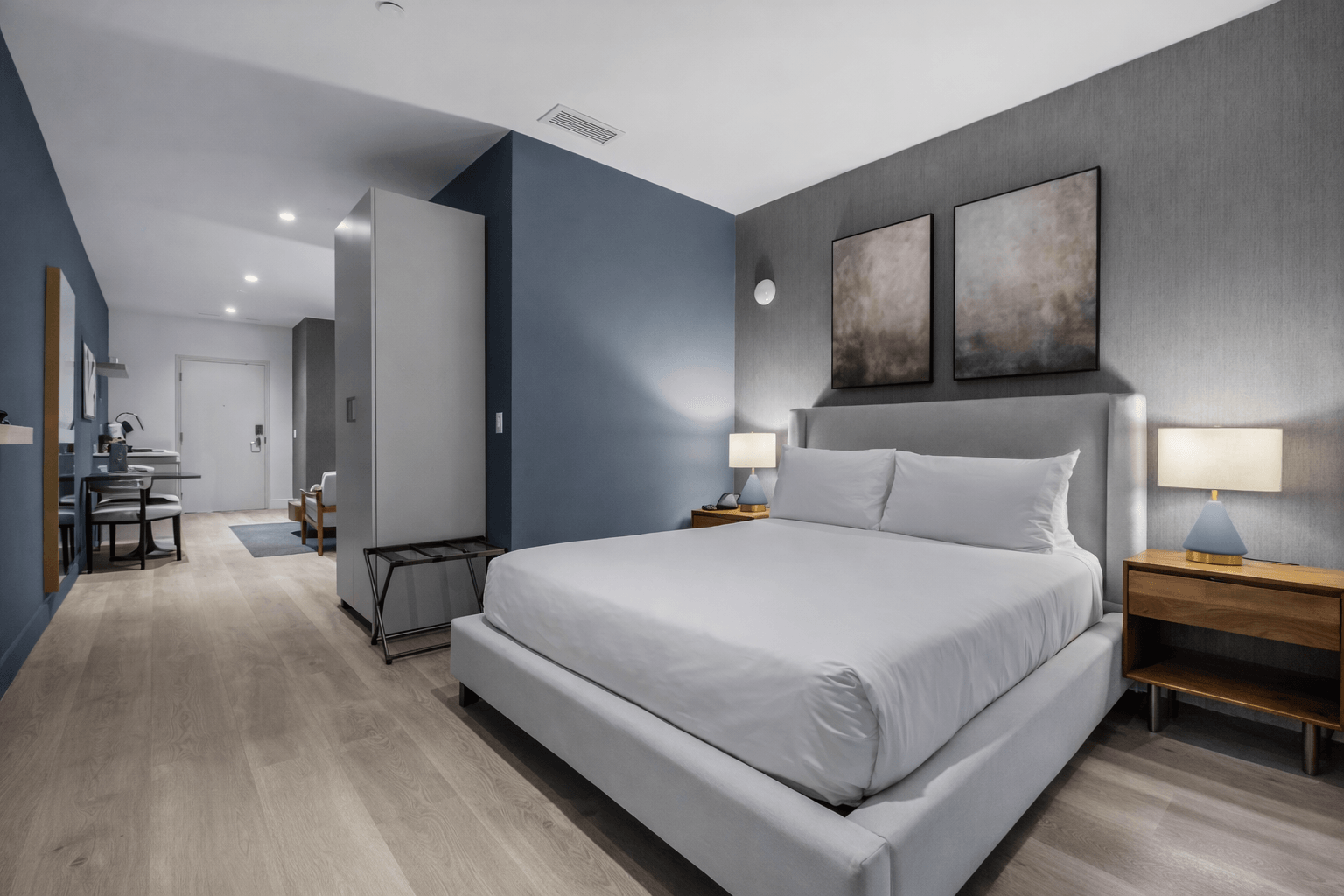
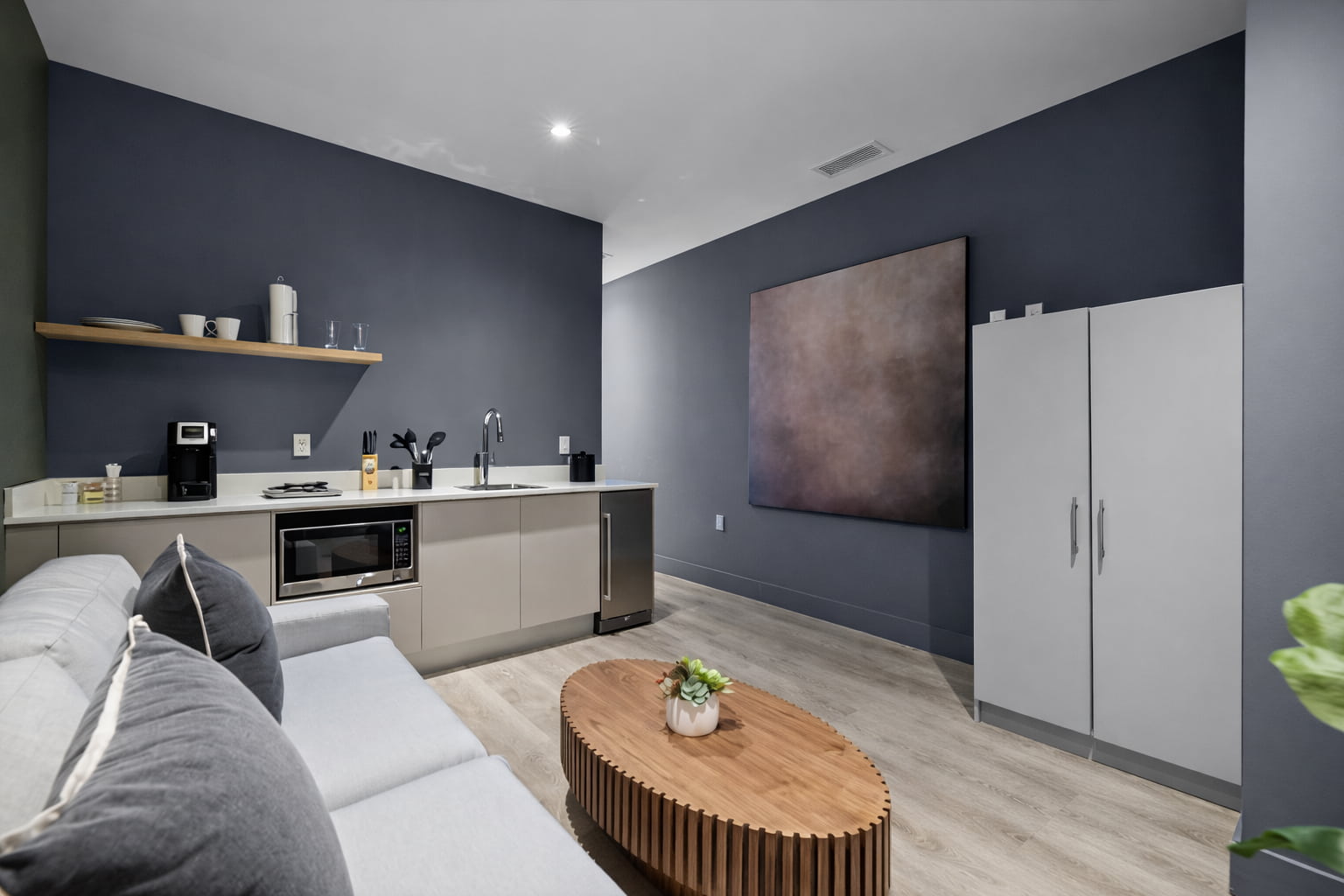
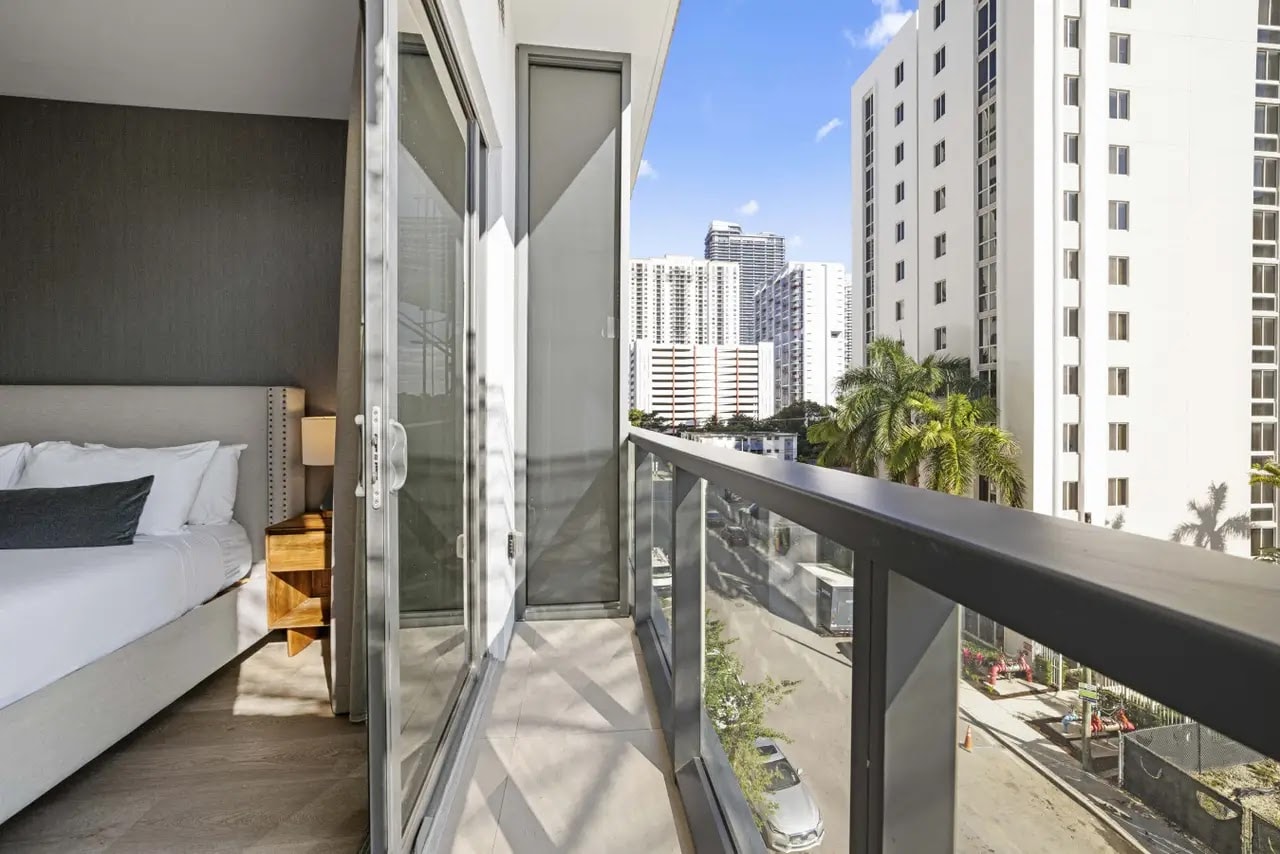
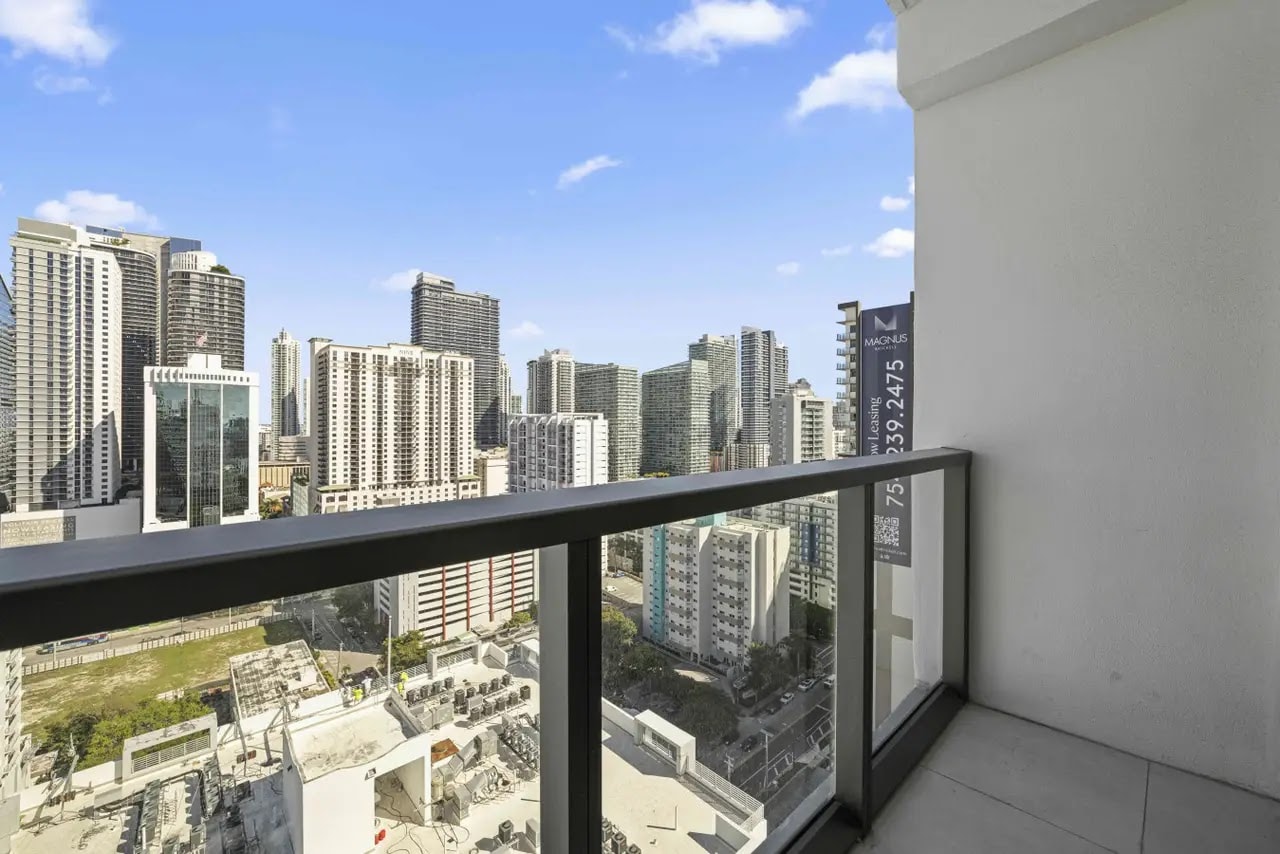
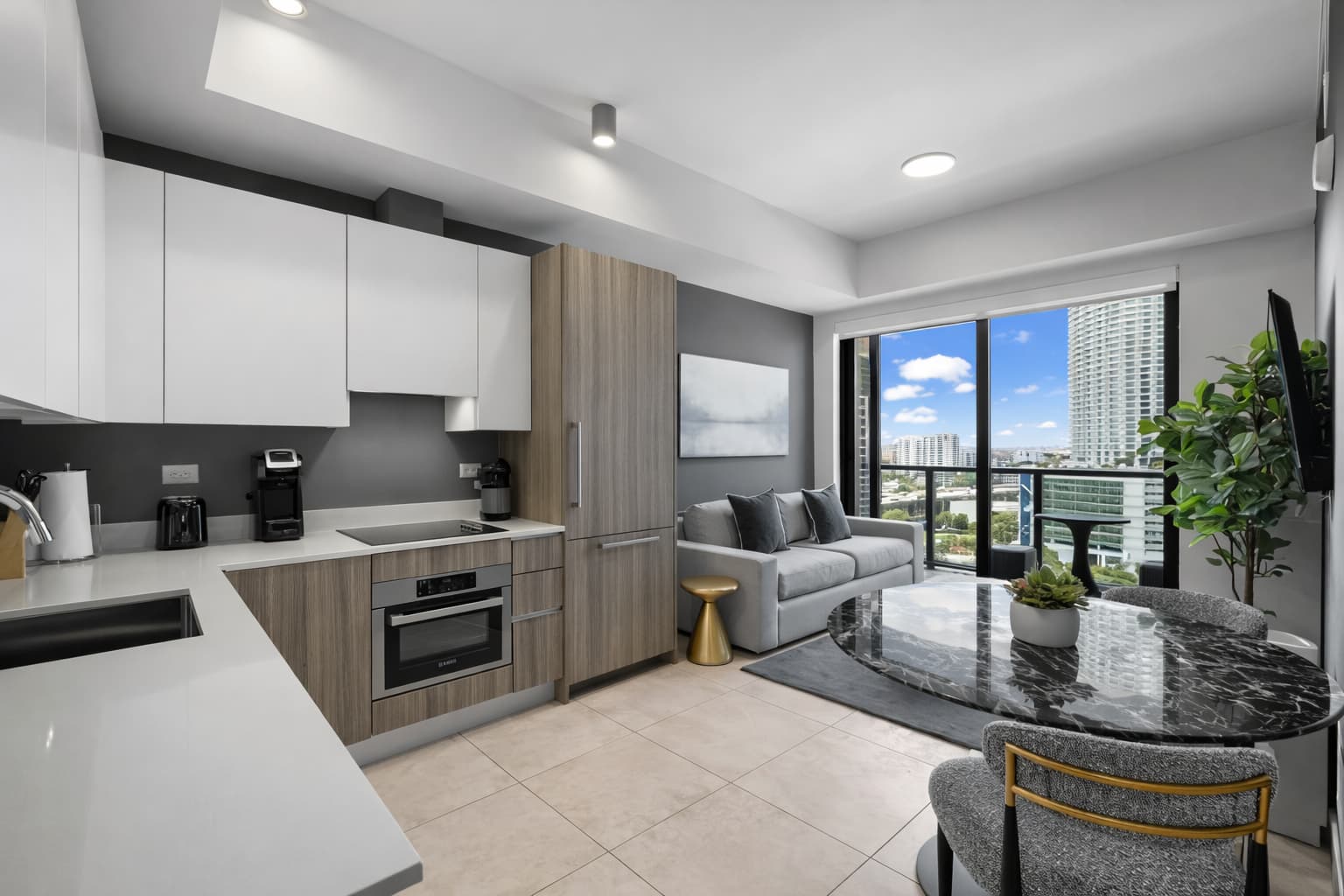
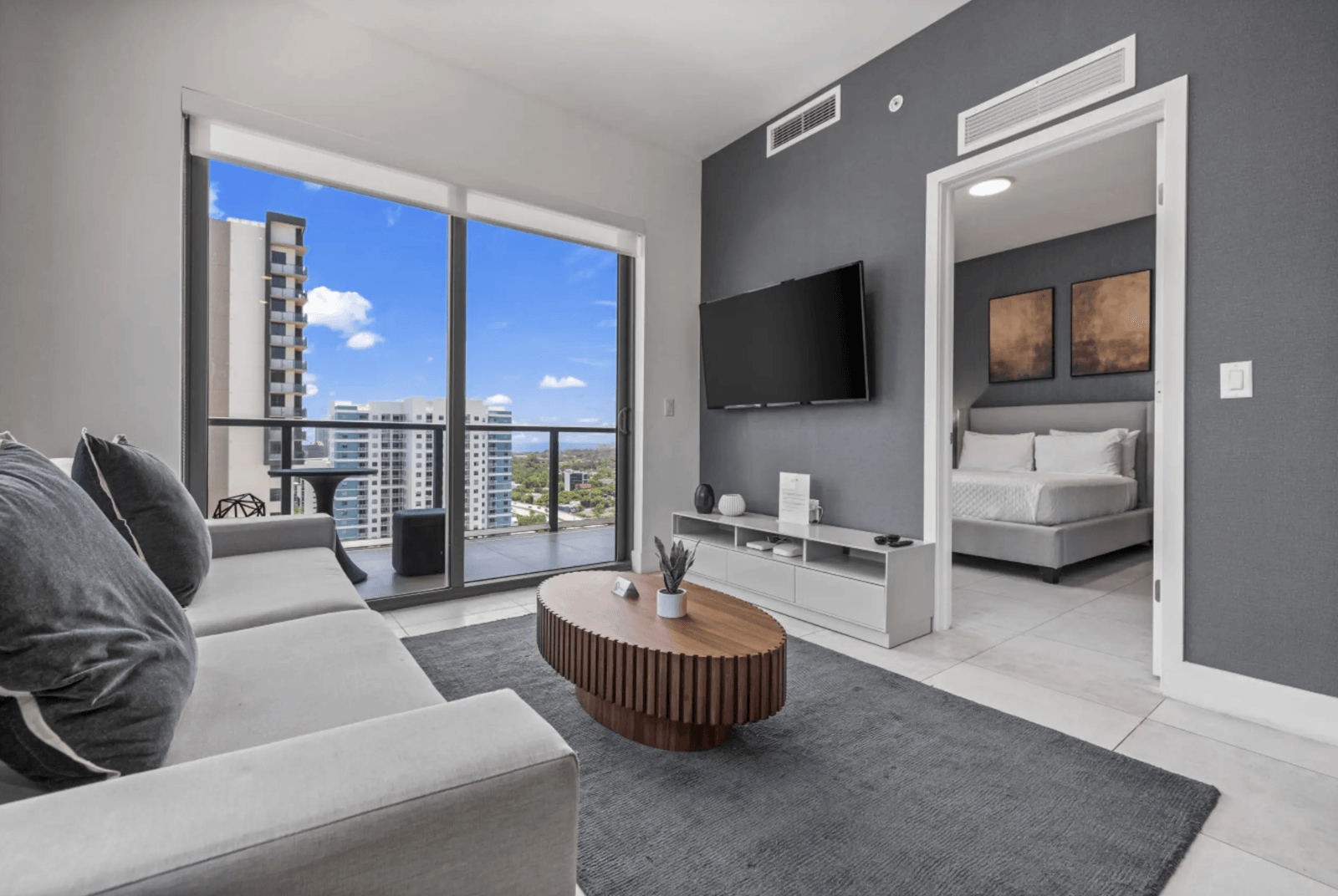
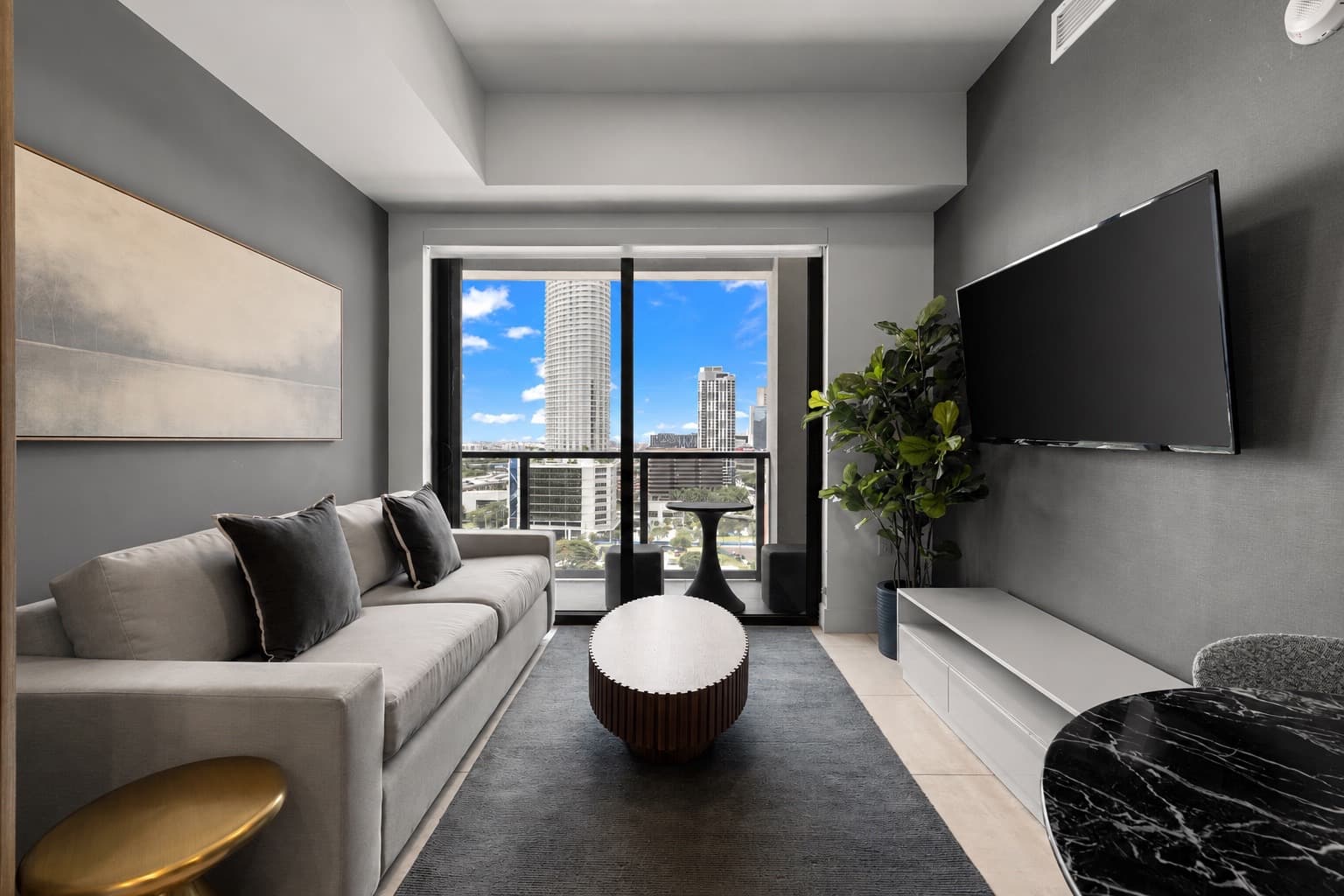
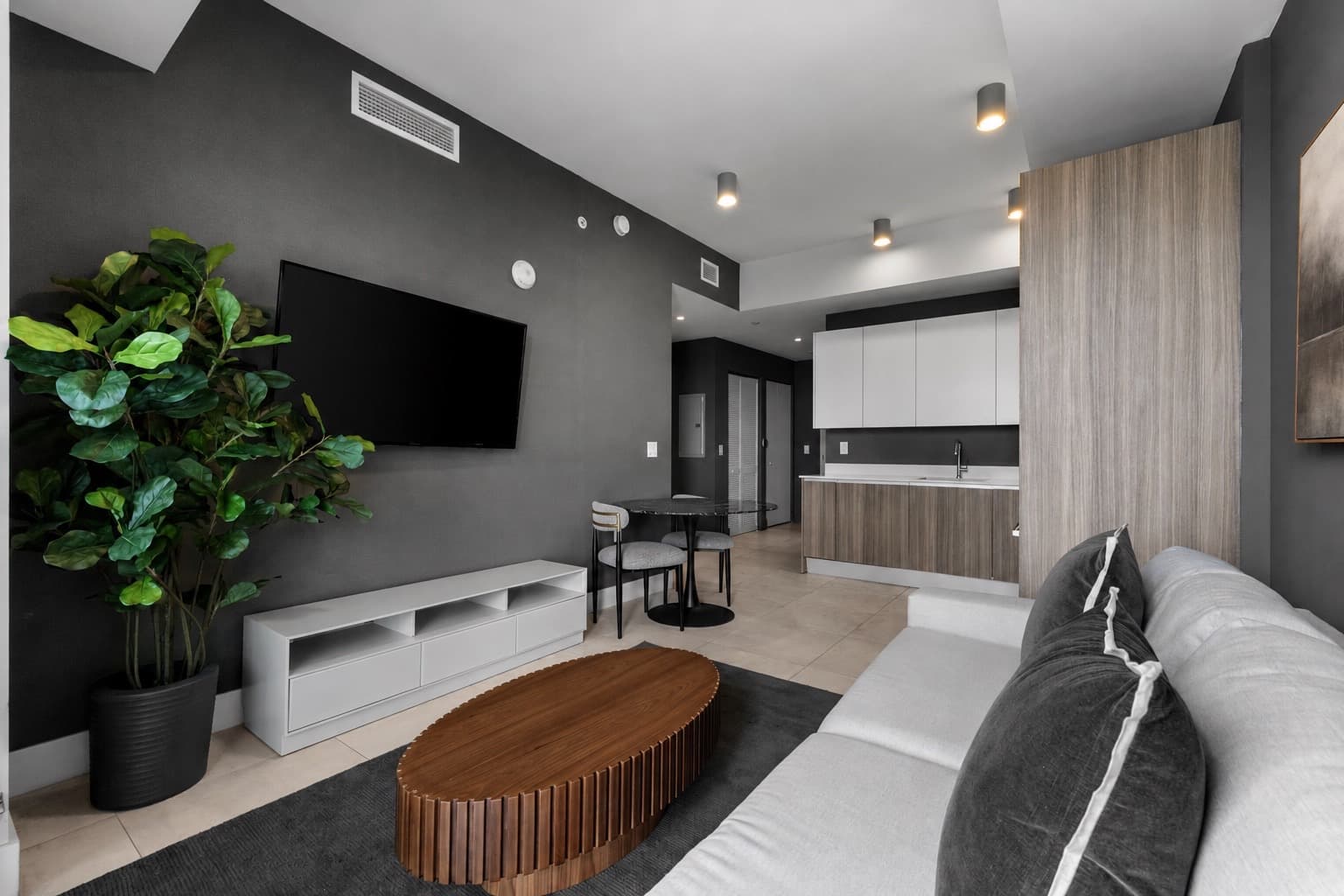
Miami, Florida, USA — 1-Bed Apartment With Pool
$84,000
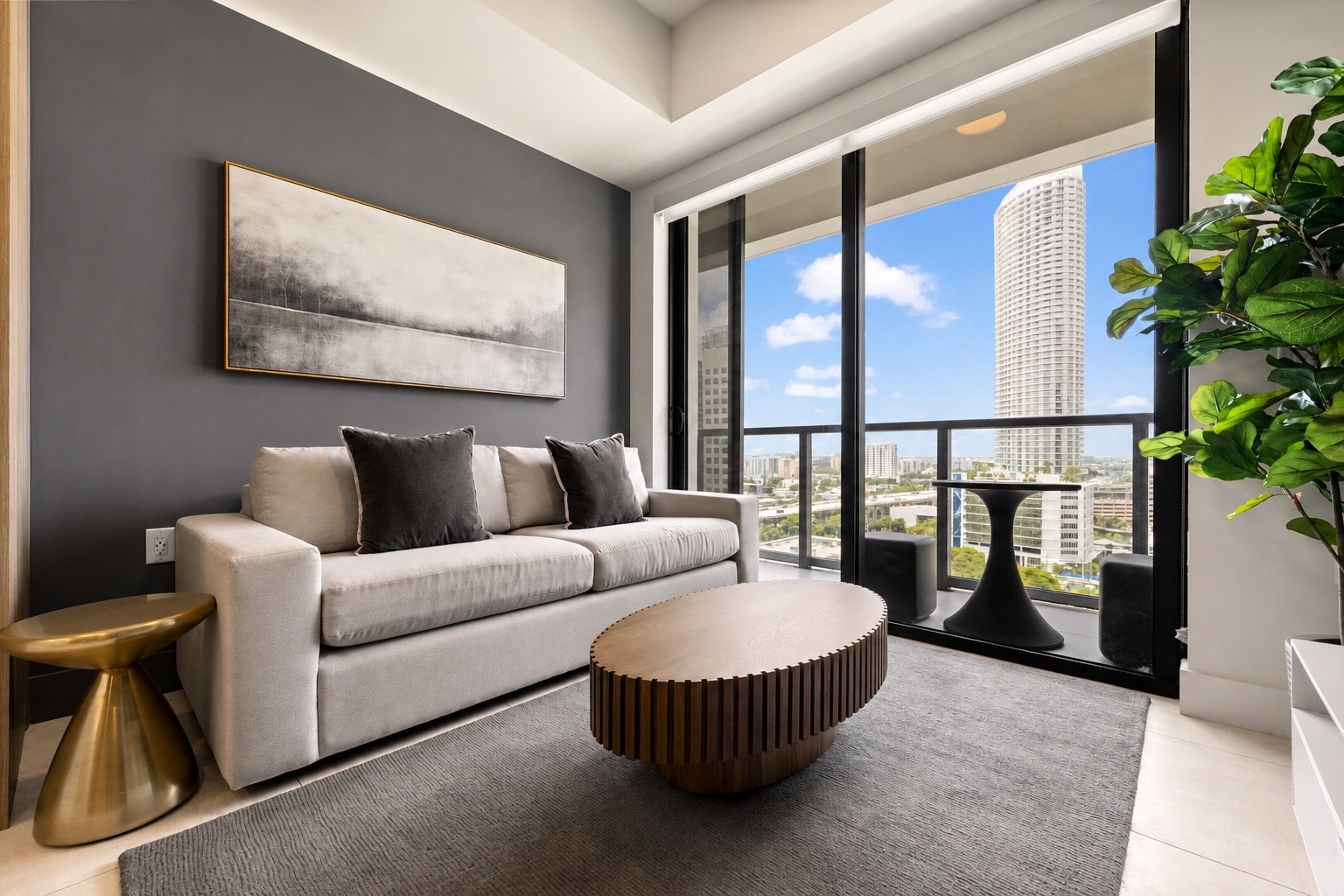
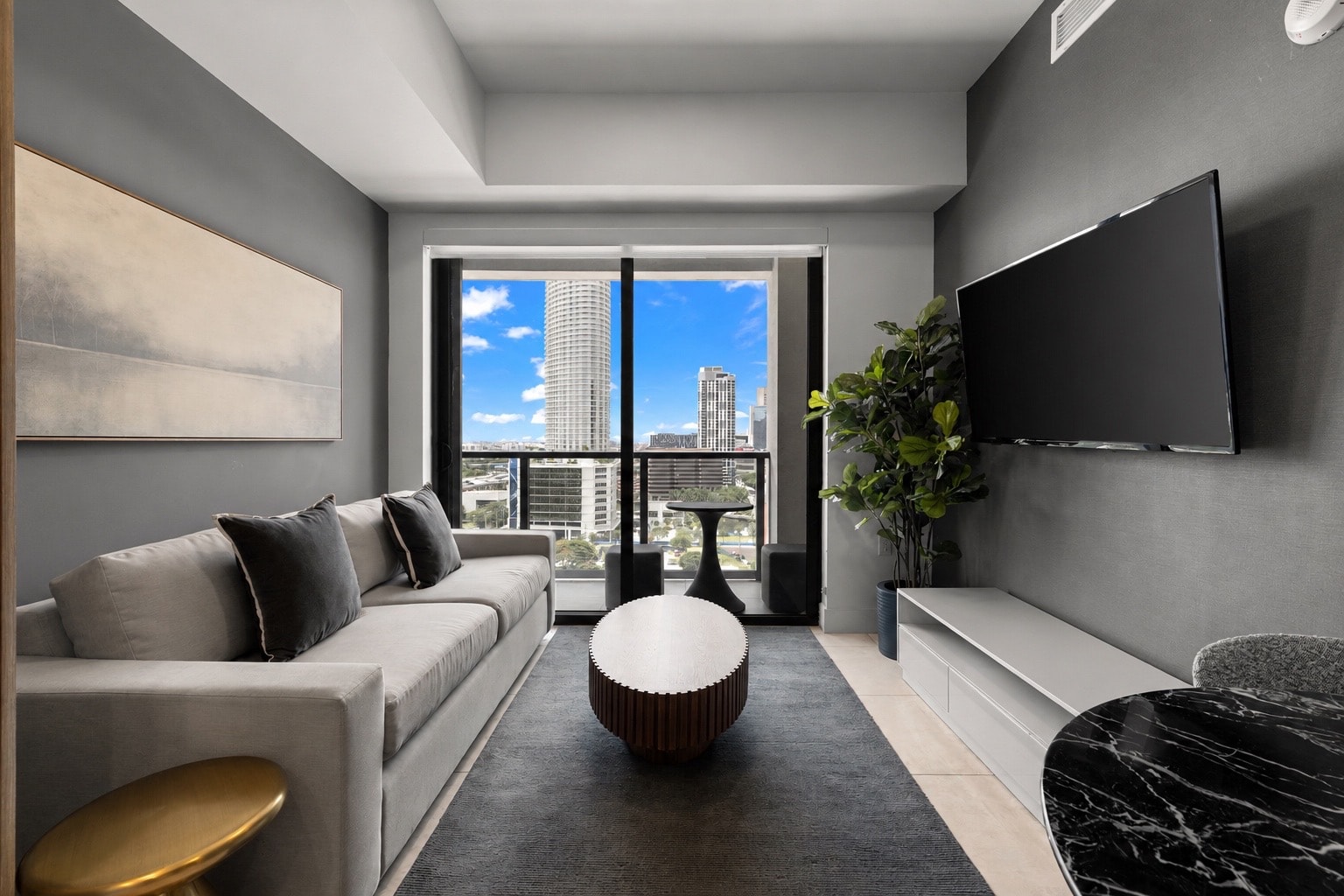
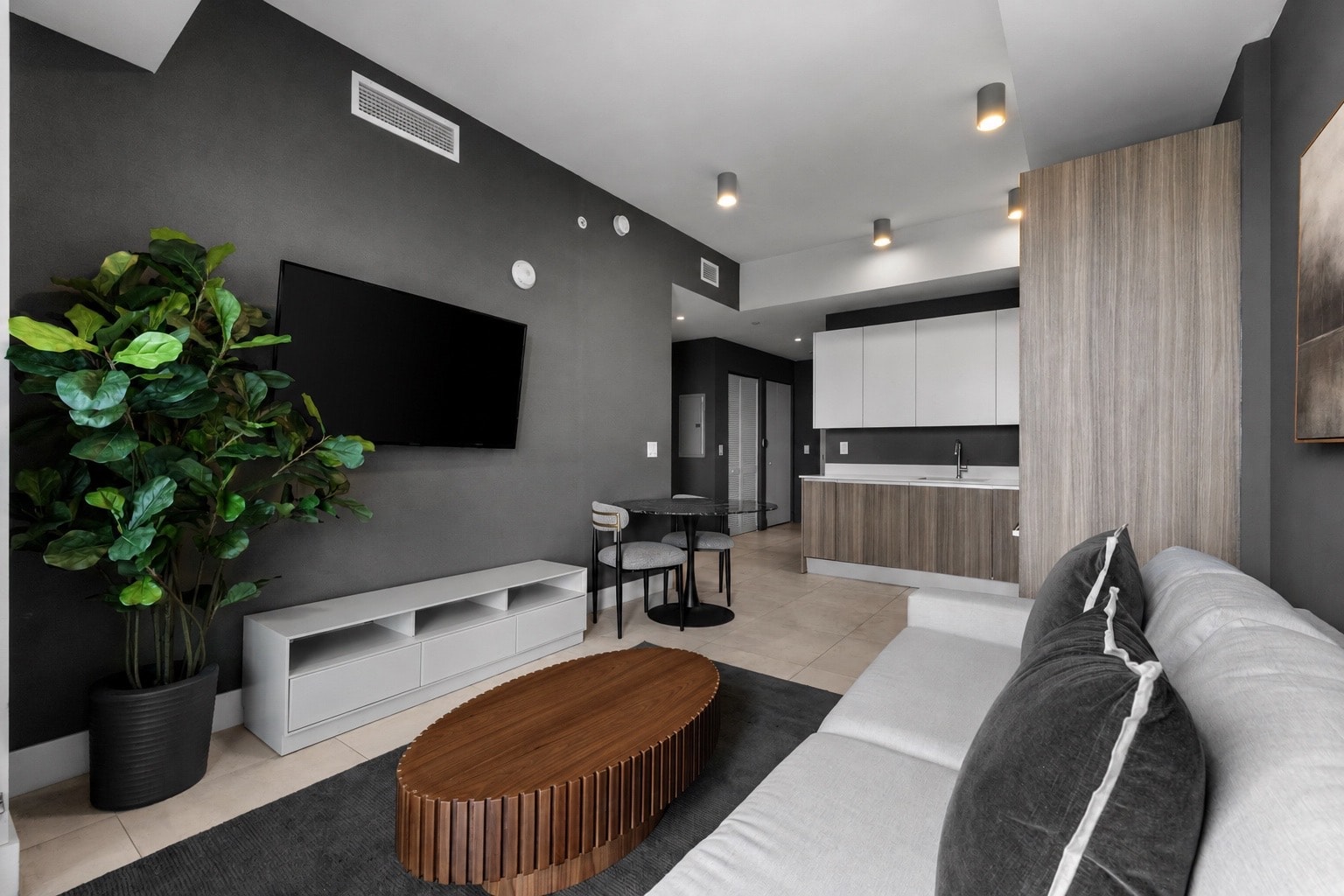
Miami, Florida, USA — 1-Bed Brickell Apartment With Rooftop Pool & Spa
$89,000
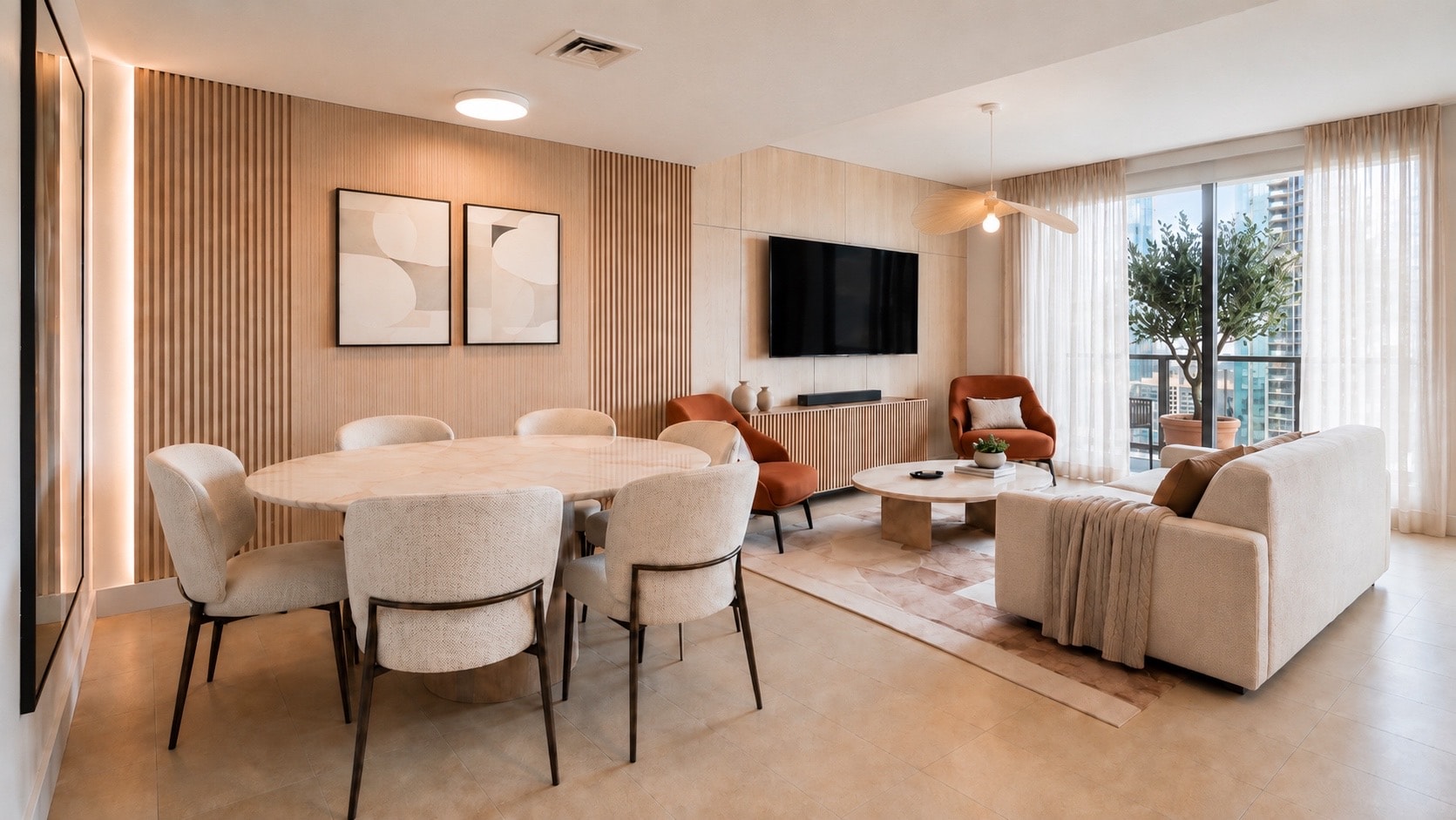

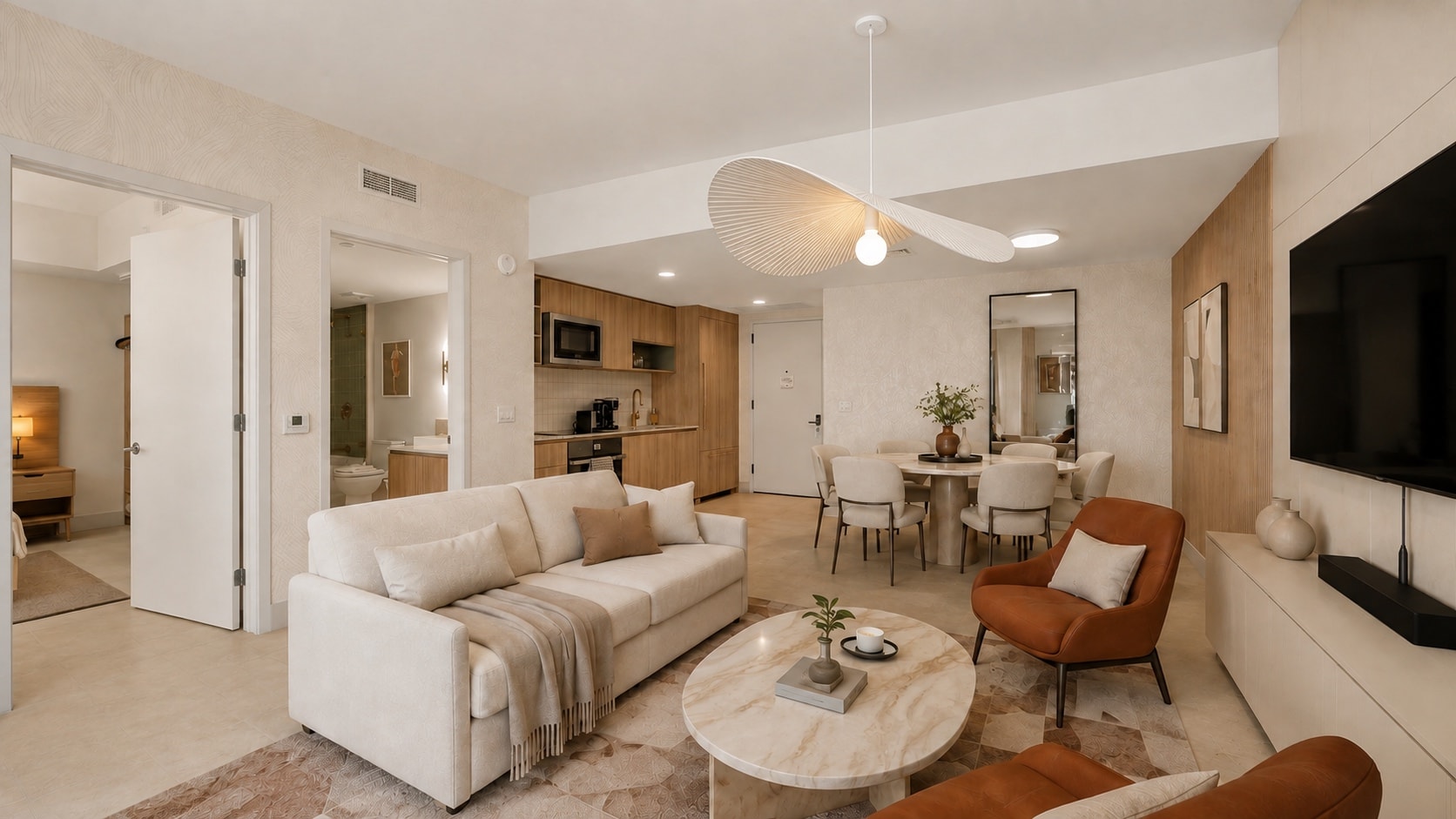
Miami, Florida, USA — 1-Bed Apartment With Bay Views & Resort Pool
$99,000

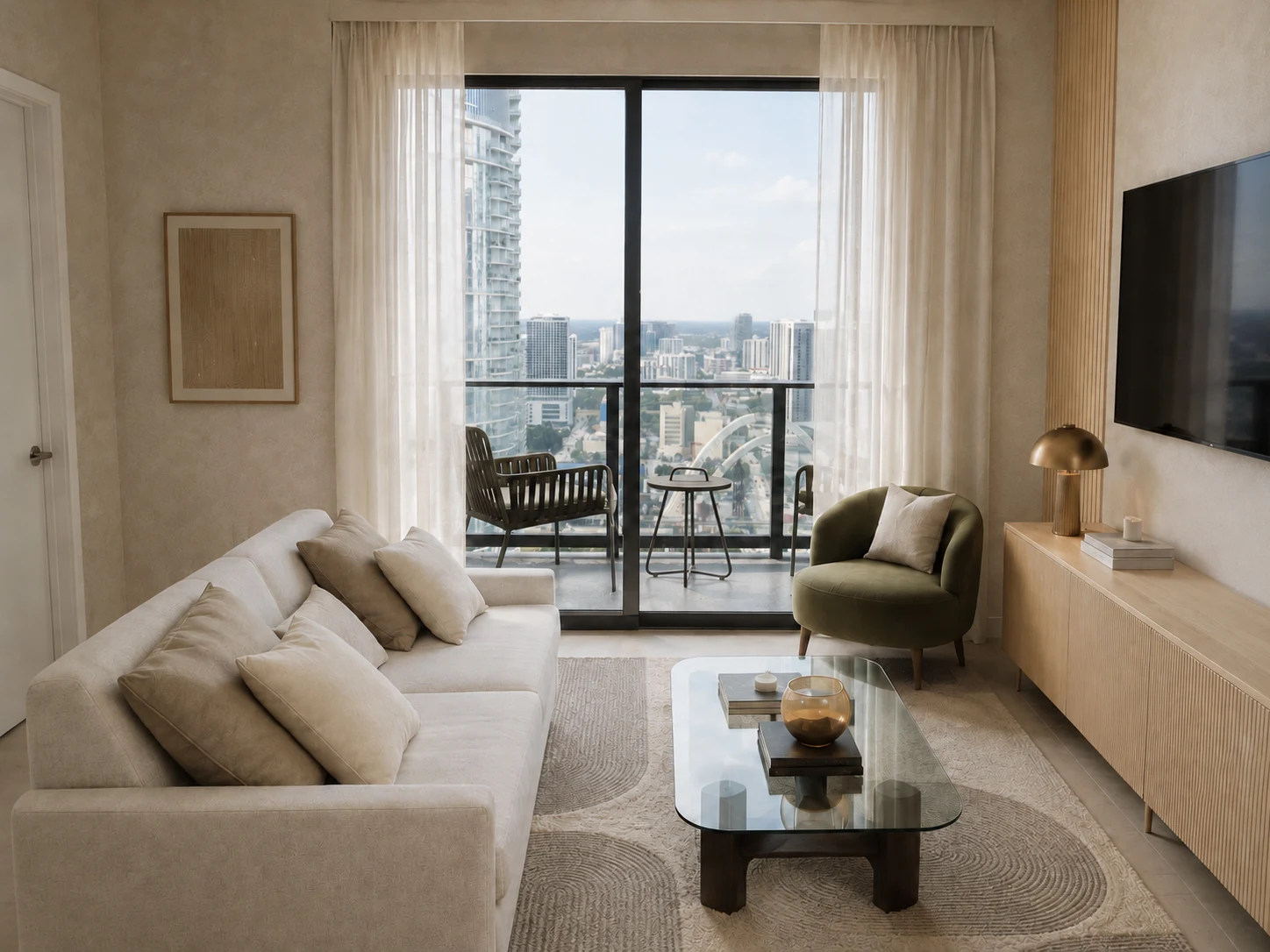
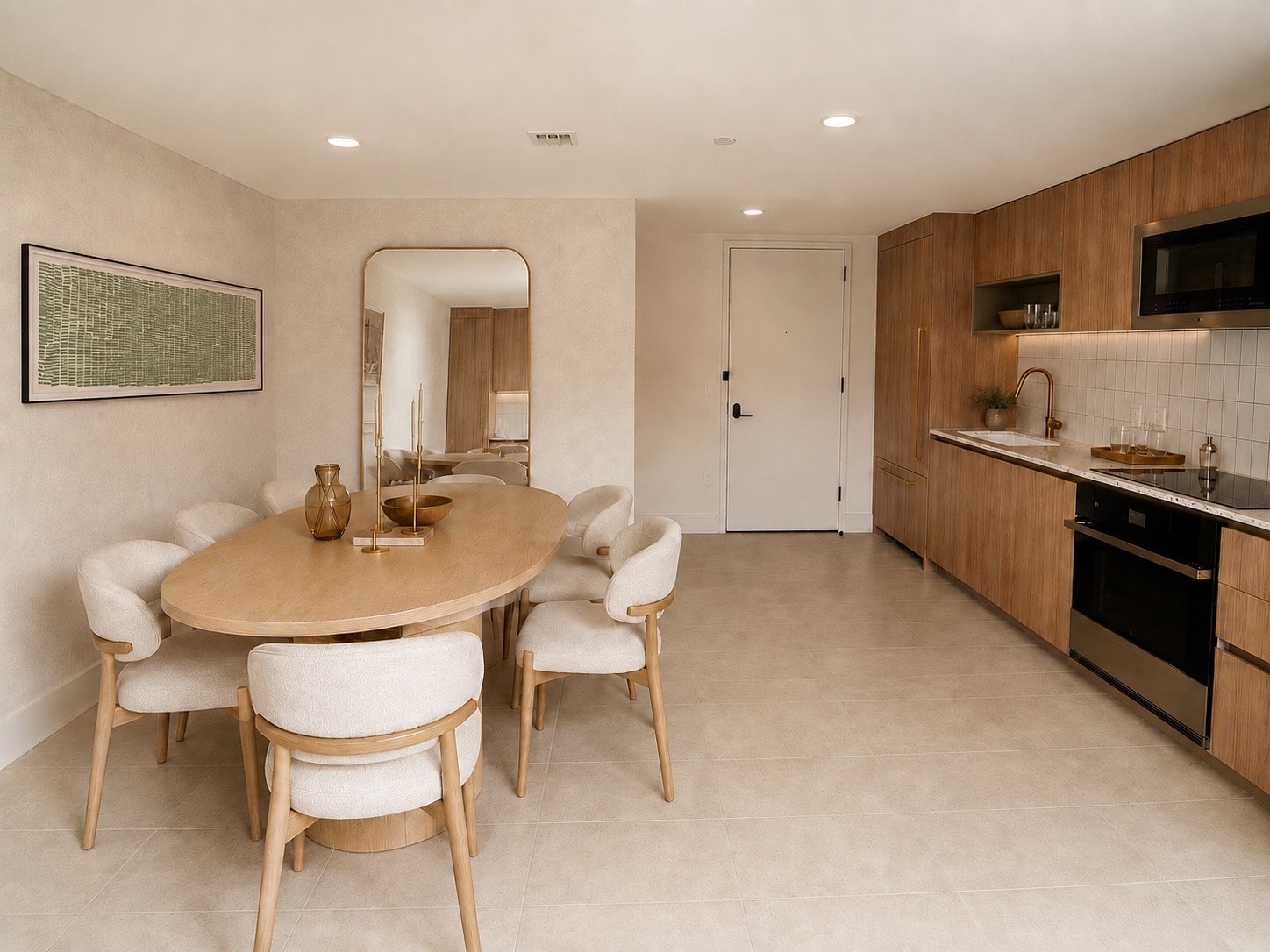
Miami, Florida, USA — 1-Bed Apartment With Skyline Views & Spa
$100,000
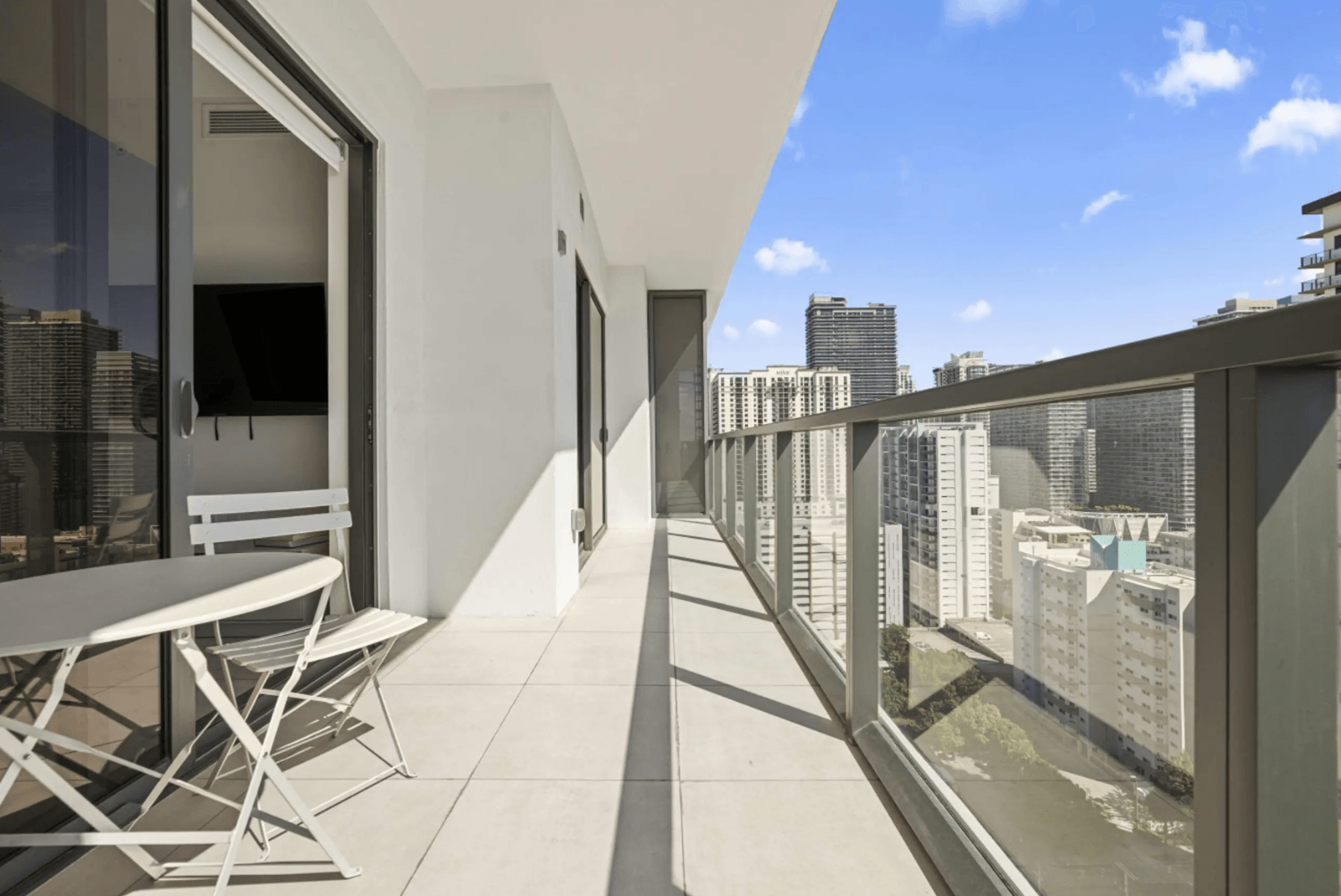
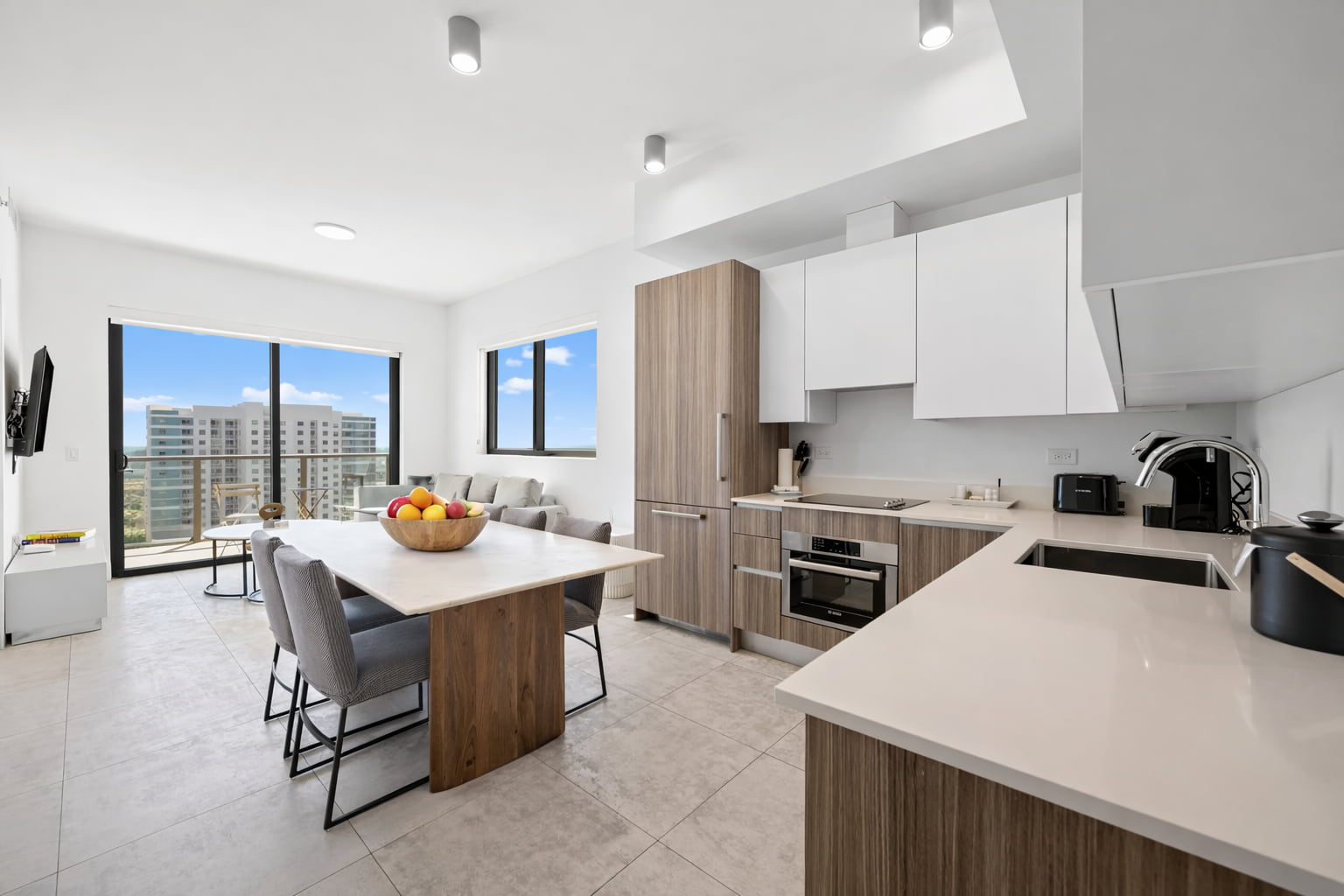
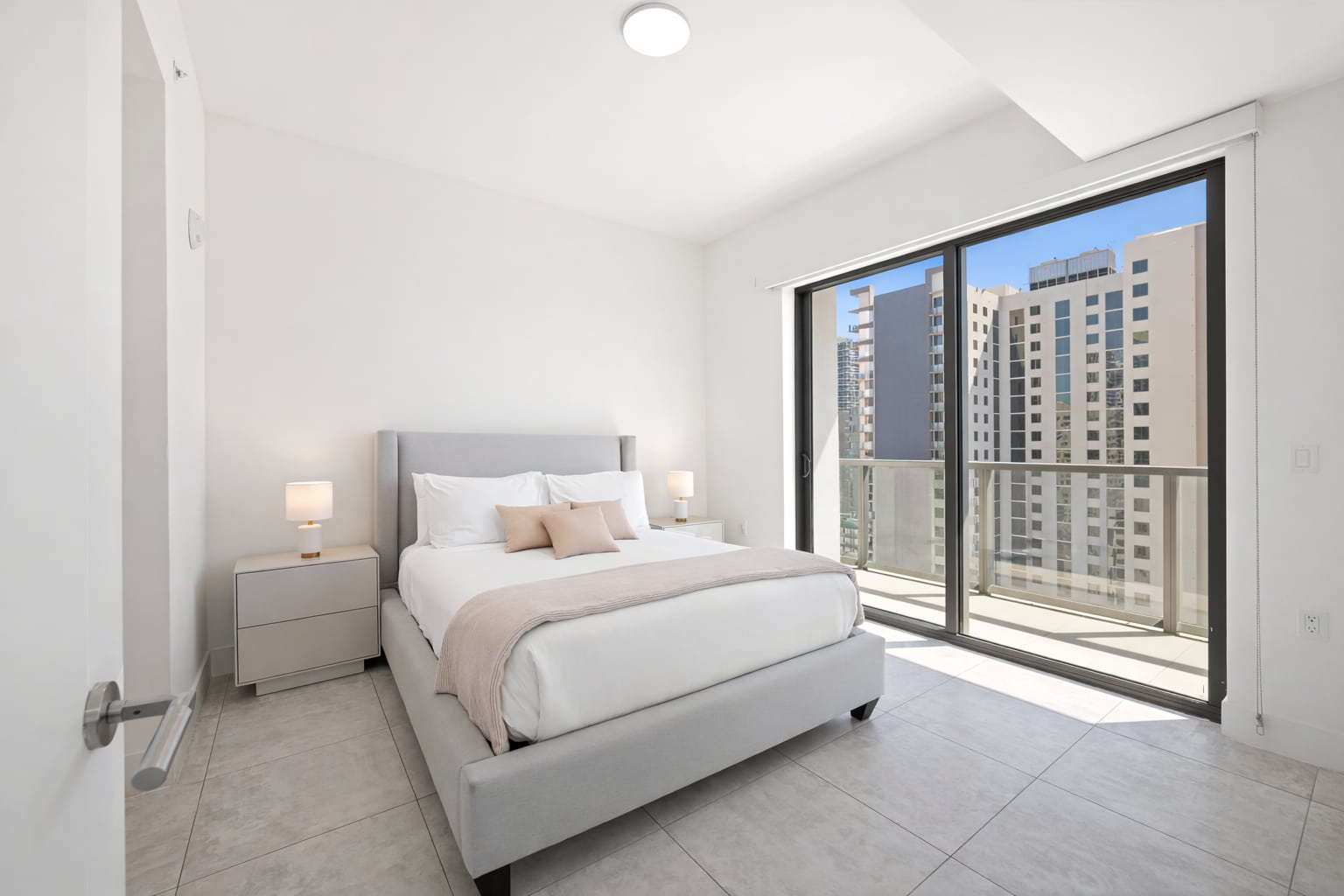
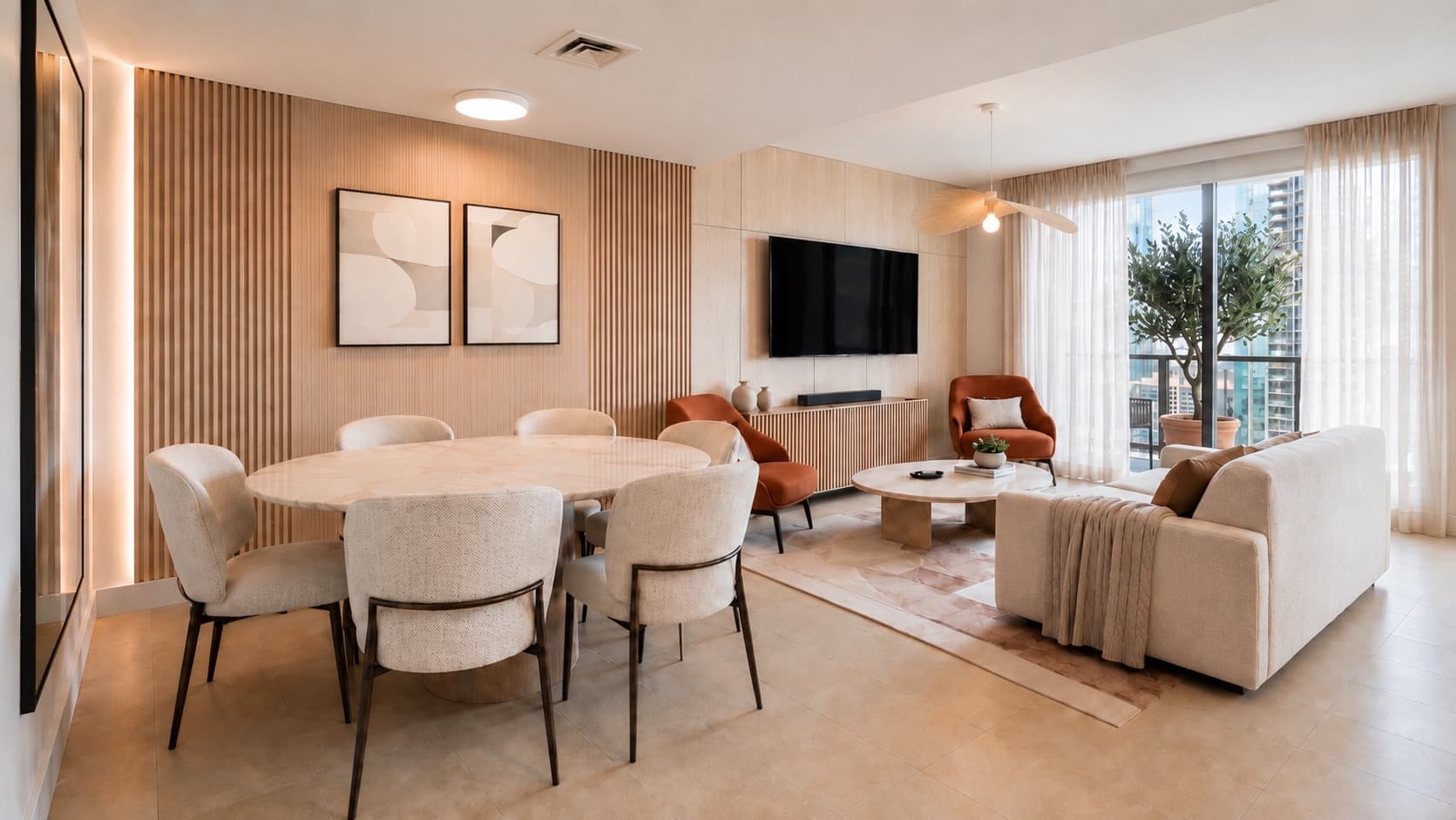
Miami, Florida, USA — 2-Bed+Den Apartment With Pool
$113,000
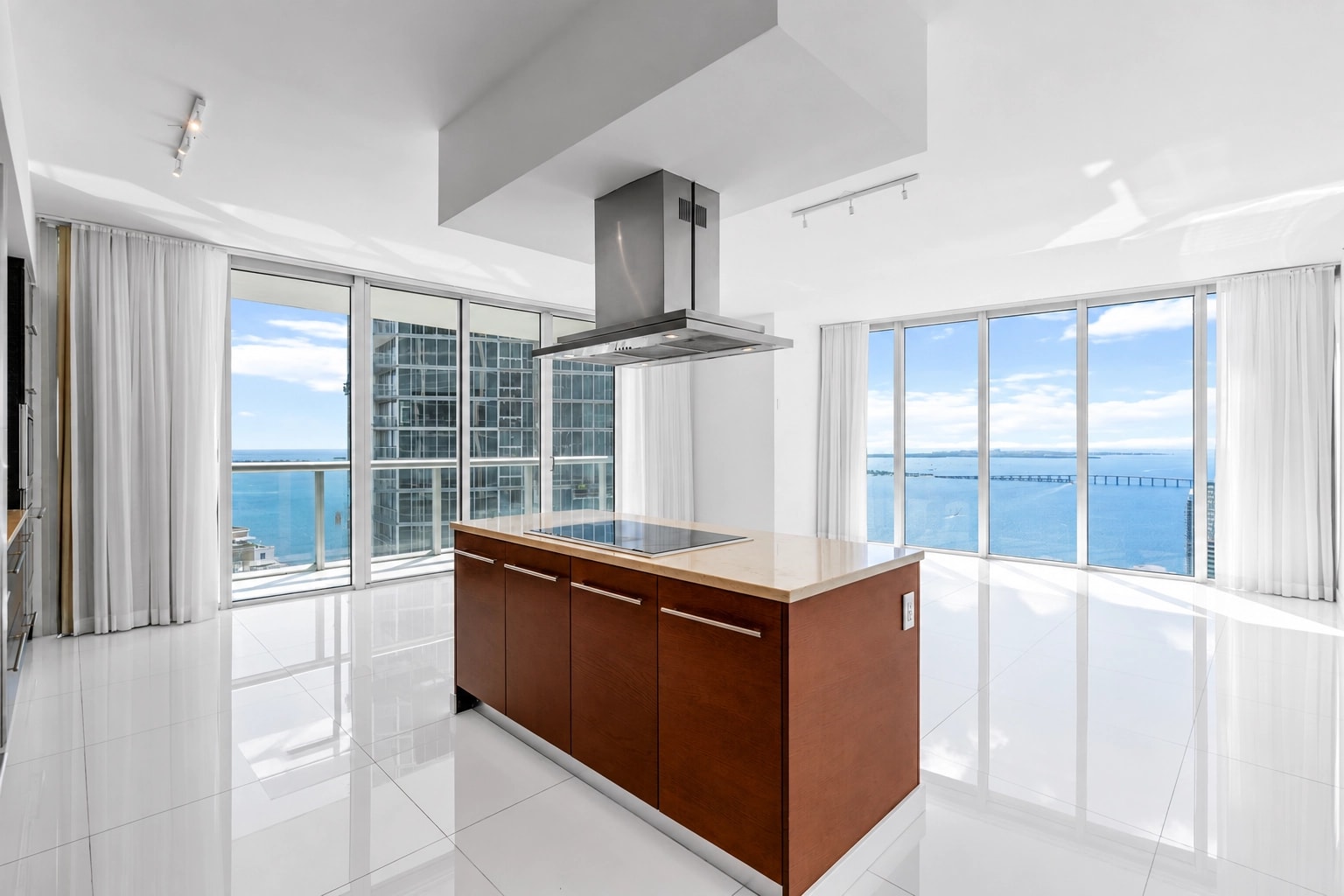
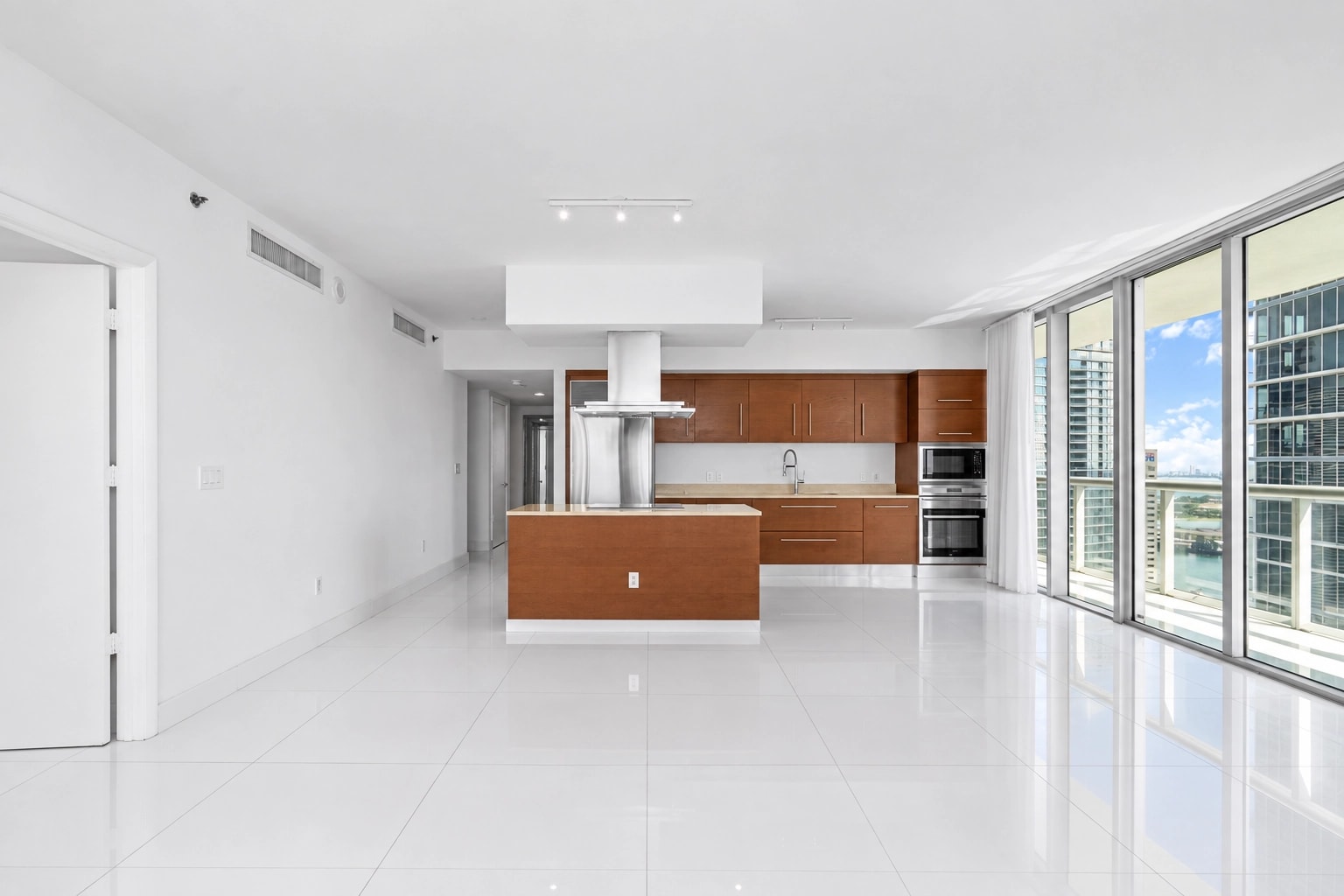
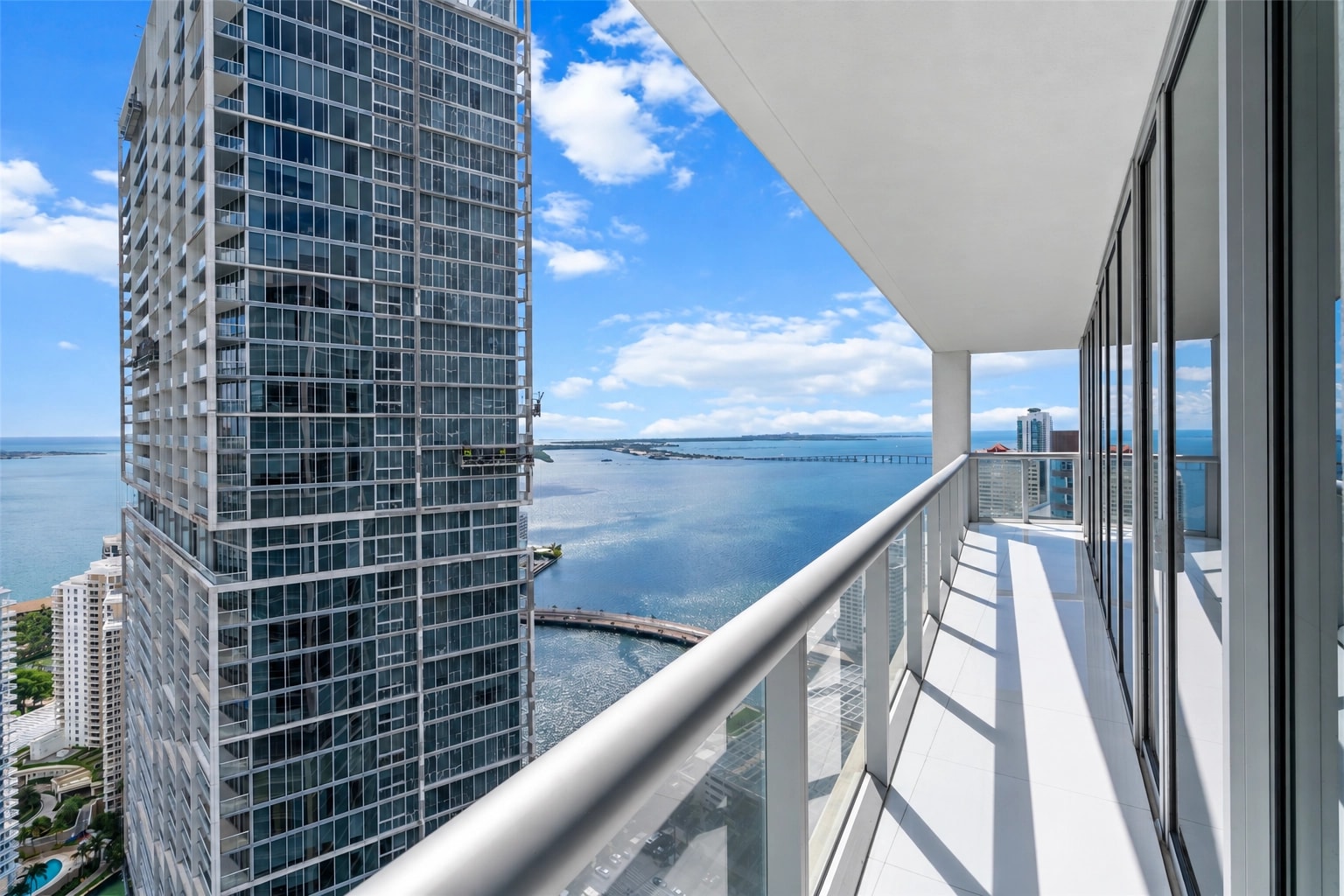
Miami, Florida, USA — 2-Bed Waterfront Apartment With Water & Skyline Views
$173,000
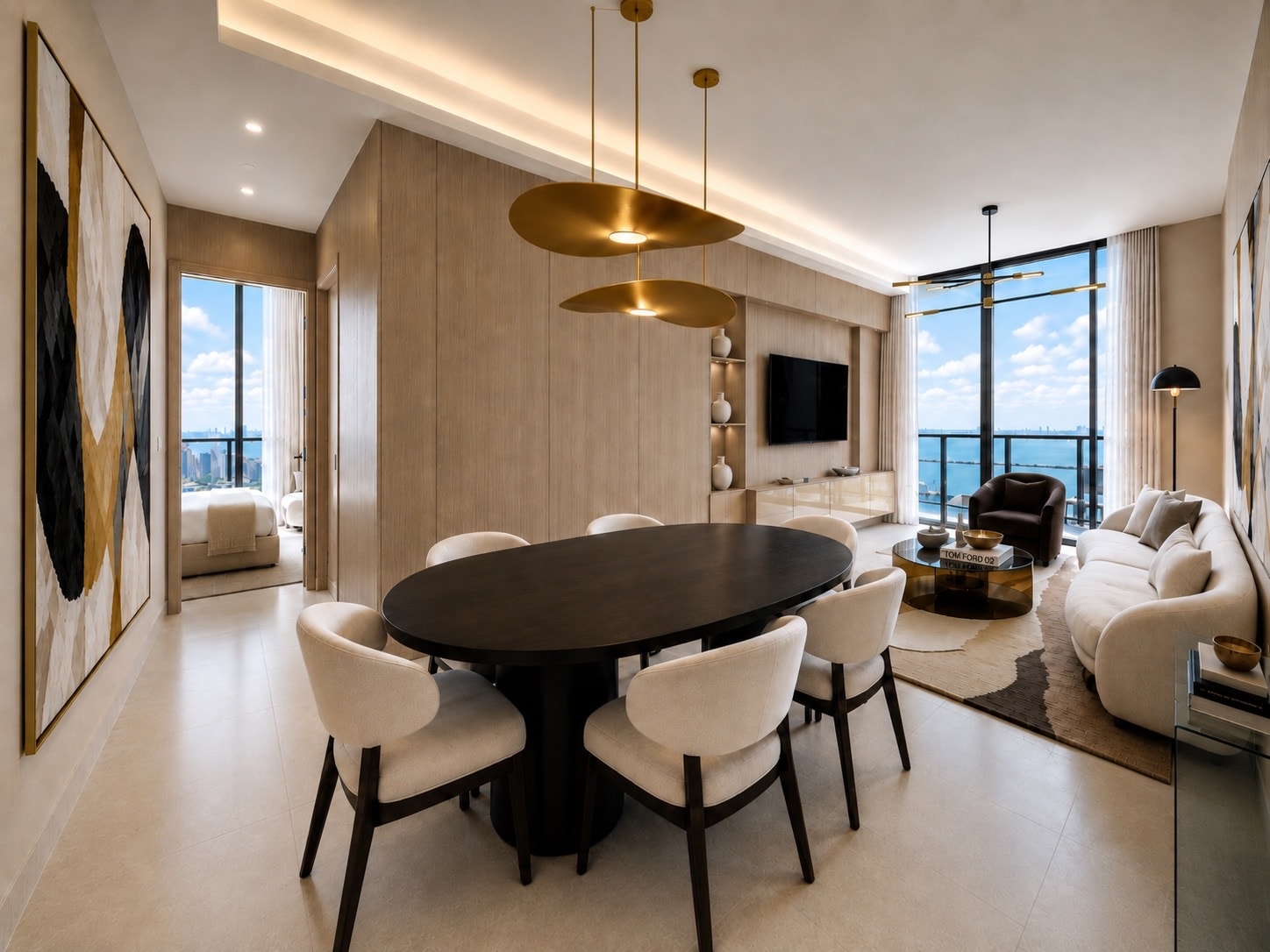
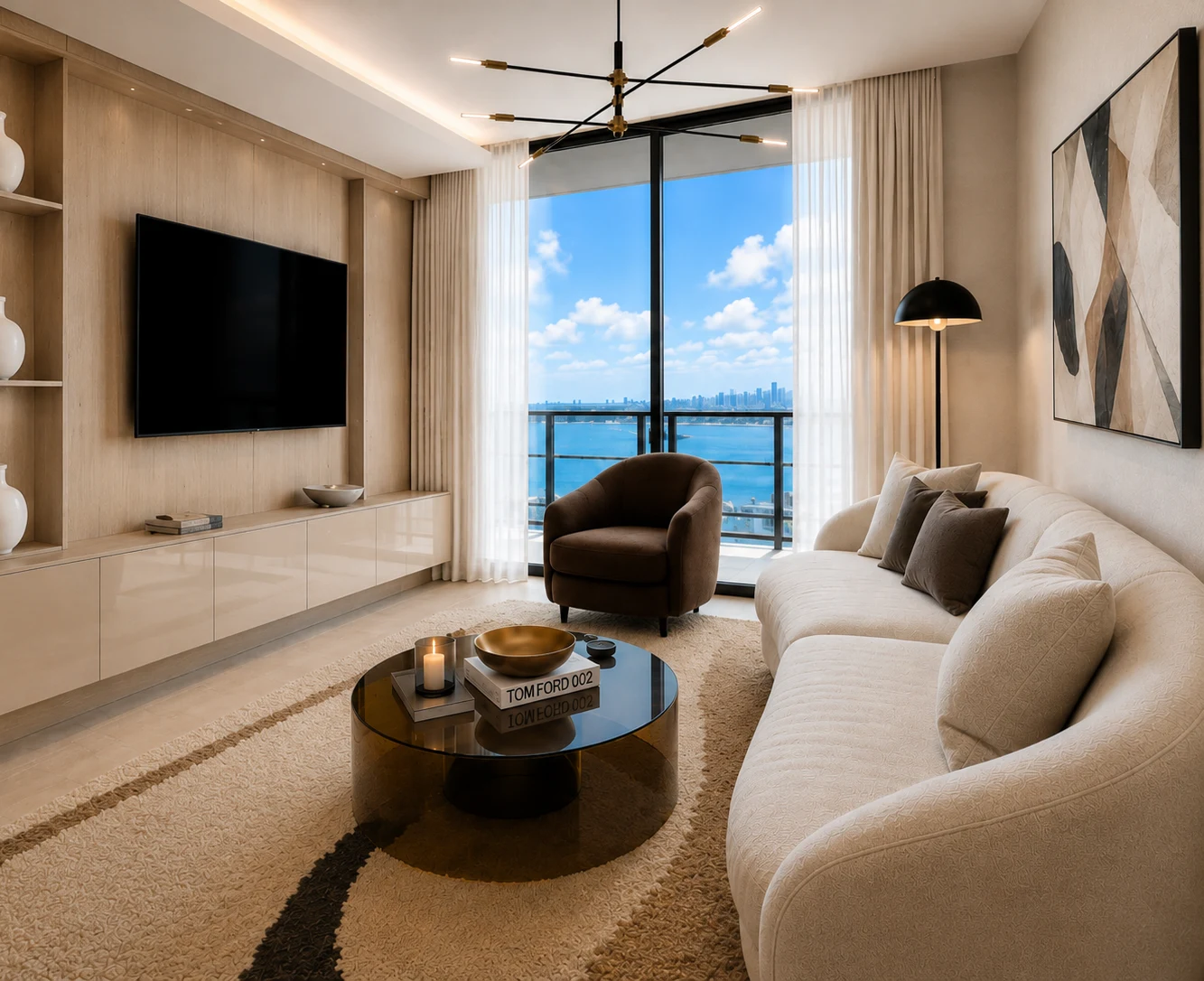
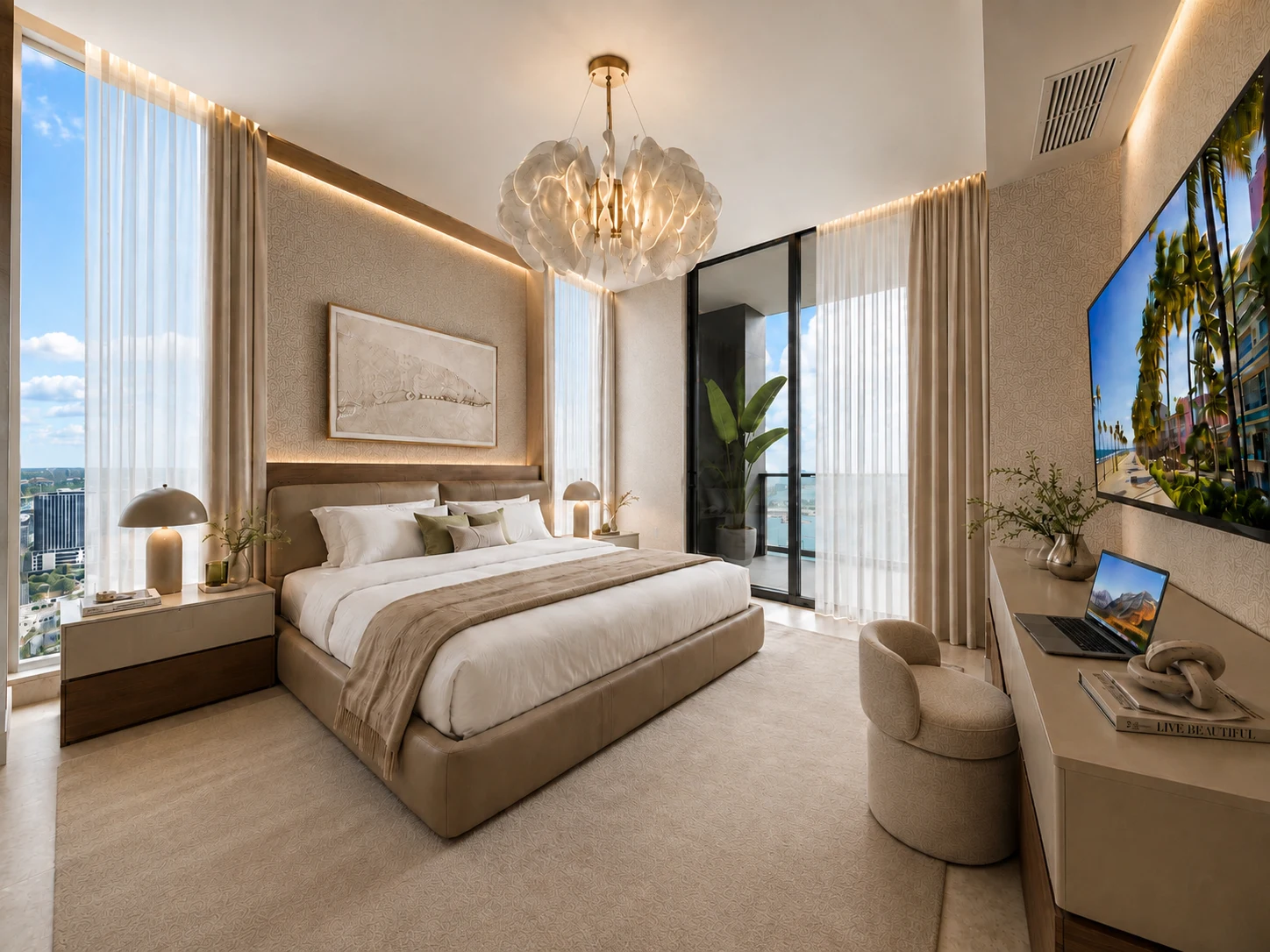
Miami, Florida, USA — 3-Bed Penthouse With Ocean Views
$230,000



Miami, Florida, USA — 2-Bed Branded Residence With Panoramic Terrace
$444,000

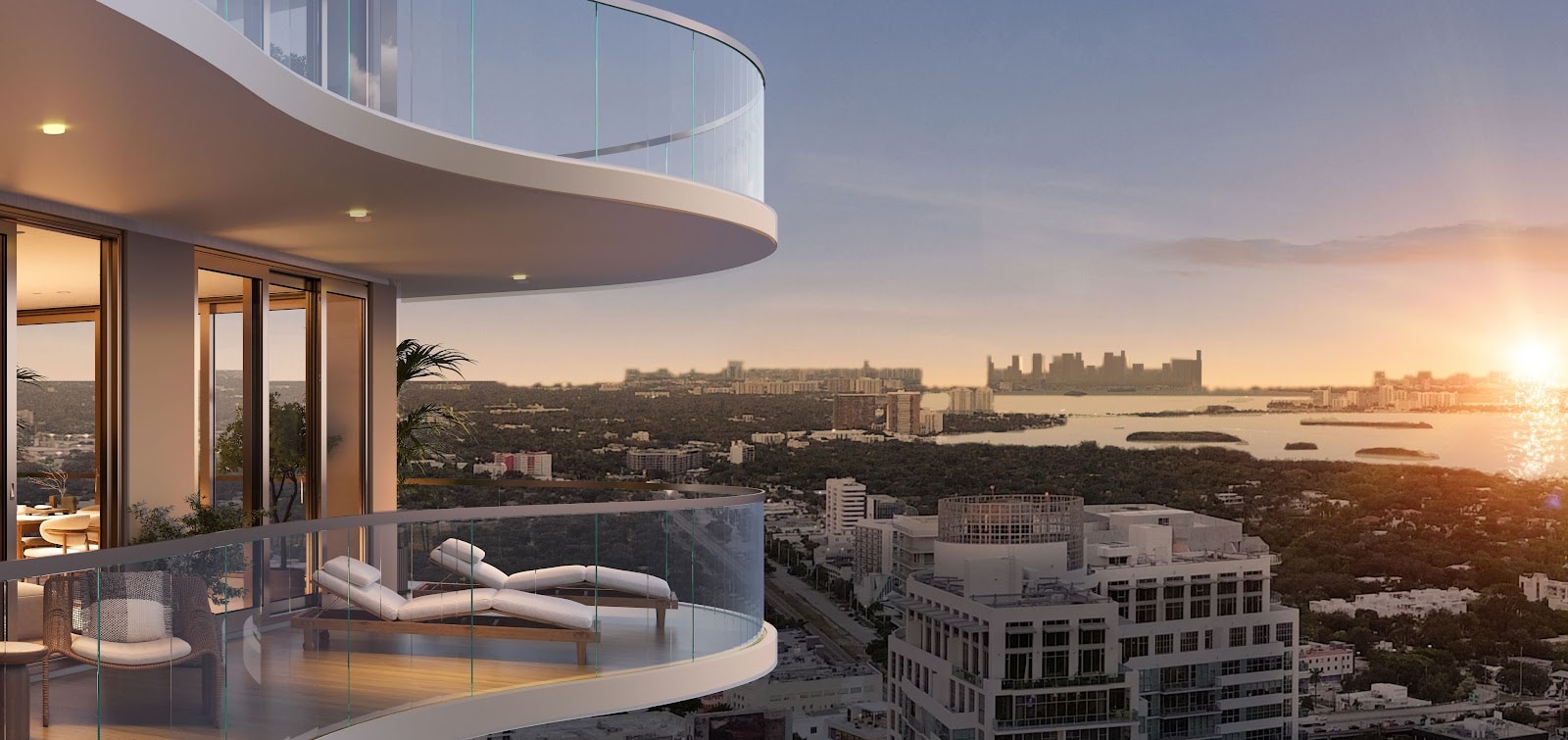
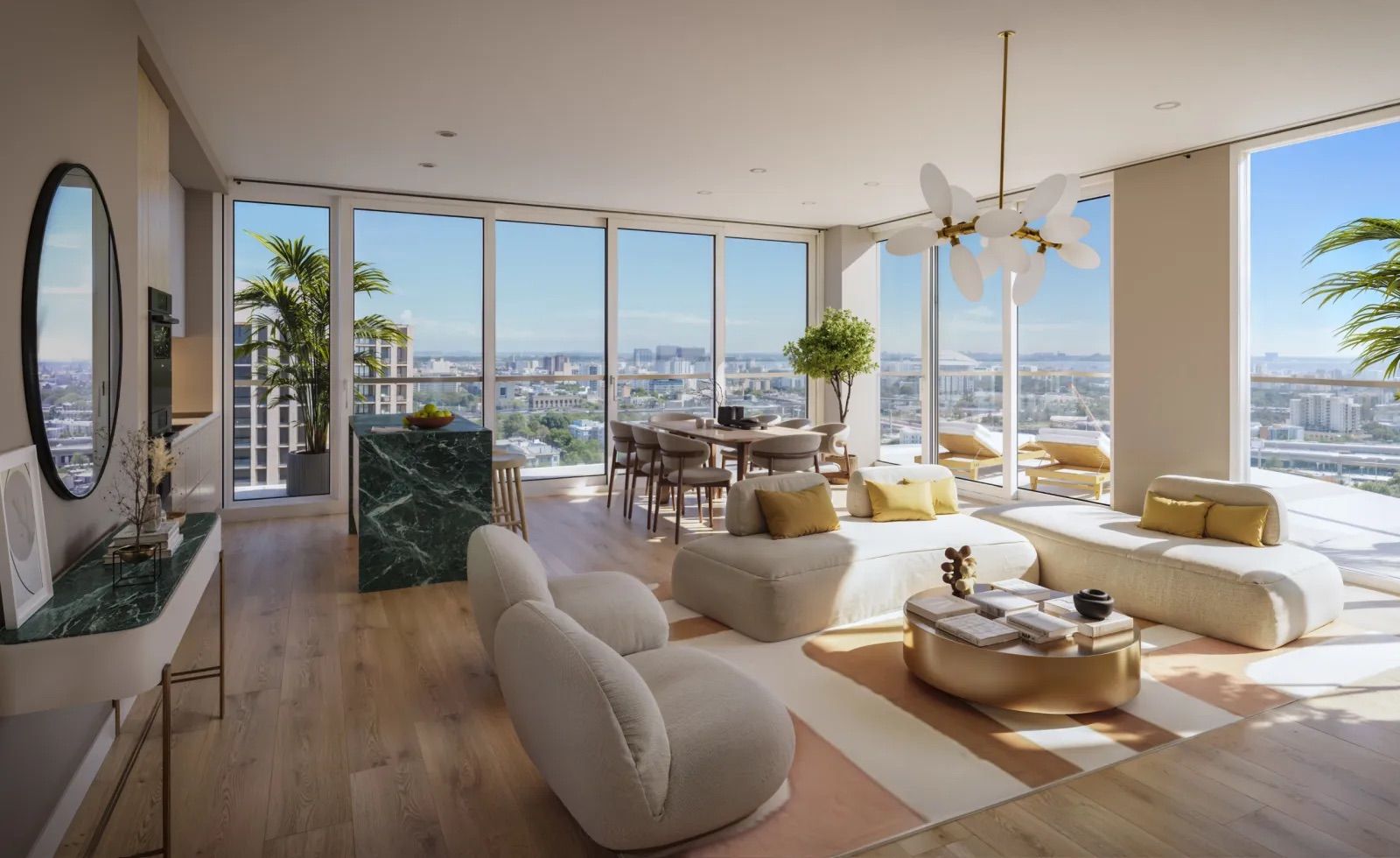
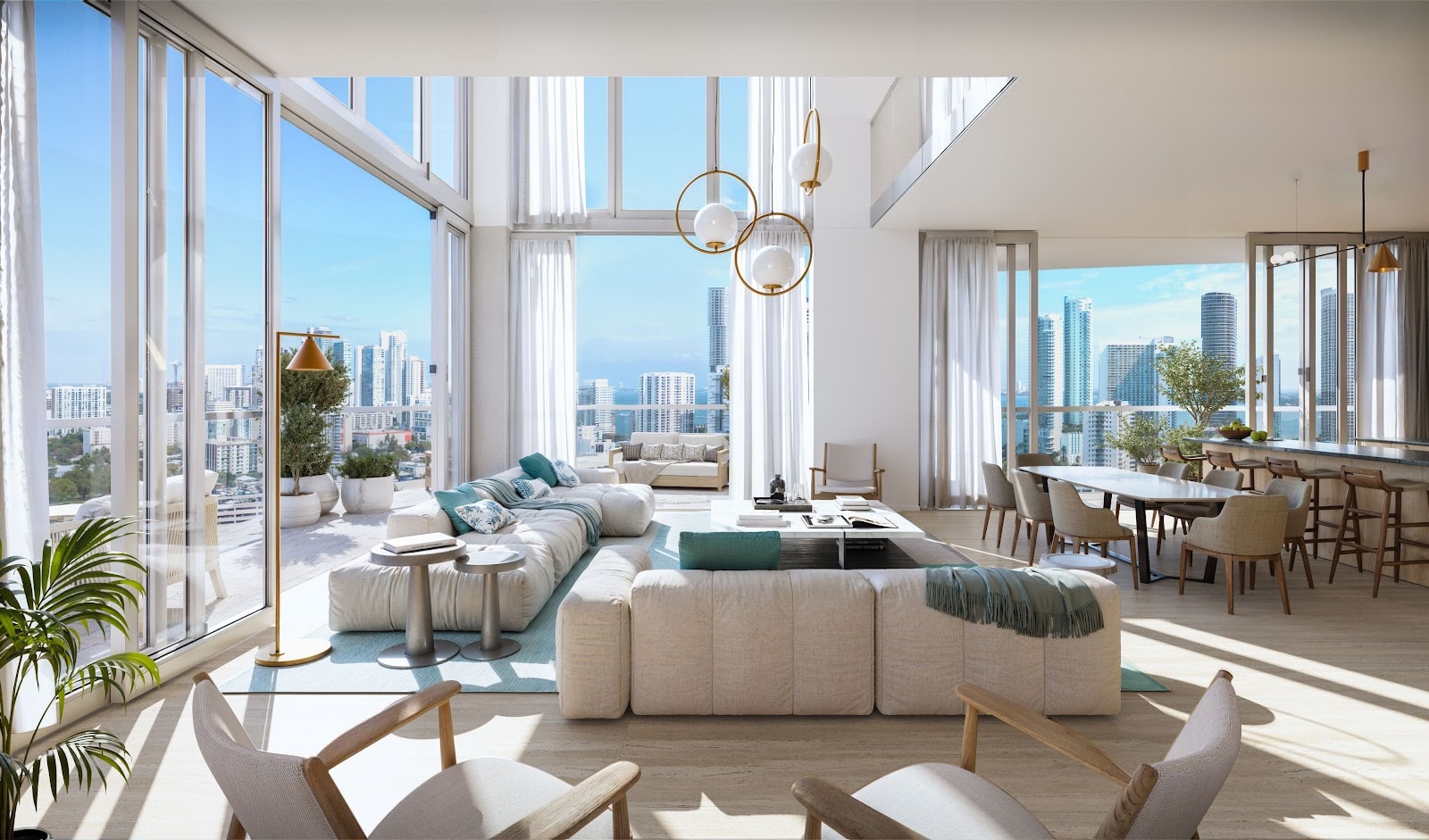


Why buy a co-ownership home in Miami?
Buying a whole holiday home in Miami means paying full price for a house that stands empty most of the year. Co-ownership takes the same home — professionally managed, beautifully furnished — and divides it into shares, usually eighths. You own a real share of the home — not a right to use it — with roughly six weeks of use a year, a share you can sell or pass on, and running costs shared between owners rather than shouldered alone. In Miami, that ownership starts from $68,000.
What is fractional ownership in Miami?
Fractional ownership in Miami means owning a real share of a fully managed home, usually an eighth, with around six weeks a year to use it, depending on the home. We currently list 11 Miami homes, with shares from $68,000.
You own a real share of the home (an eighth, a quarter), not a right to use it. You can sell it, pass it on, and it rises and falls in value with the house. The legal set-up is arranged by our partner for each home and explained before you buy.
Miami's best season runs from November to April, which makes a share here a natural complement to a home in Europe or the northern United States. Many of the homes we list in the city are apartments in Brickell, Miami's high-rise financial district on Biscayne Bay, within walking distance of restaurants, the bay front and the Metromover; Miami Beach homes have their own page, linked below.
Miami, properly understood
Miami is the only genuinely international city on this list, and that is the fact to start from. It is the business and cultural capital of the Americas' north-south axis — a place where Spanish is spoken as widely as English, where the airport is one of the busiest international gateways in the United States, and where money, art, food and people arrive from the Caribbean, Latin America and Europe in roughly equal measure. It is not a resort with a city attached. It is a city of six million people in its metropolitan area, with beaches.
The geography is unusual and it shapes everything. Miami proper sits on the mainland along Biscayne Bay; Miami Beach is a separate city on a barrier island across the water, connected by causeways; and between and around them are a set of distinct neighbourhoods — Brickell's high-rise financial district, Coconut Grove's sailing village, Coral Gables' Mediterranean-revival grid, Wynwood's converted warehouses, Little Havana's Cuban main street, Key Biscayne's island calm — each with its own character and its own price. Choosing Miami means choosing one of those, and they are less interchangeable than the map suggests.
For an owner, the case is a particular one and a strong one. This is a twelve-month city with a genuinely inverted season: the good months here are November to April, when northern Europe and the American north-east are cold. The winter weather is close to perfect — warm, dry, twenty-five degrees, sea swimmable — and the hot, humid summer is the city's quiet season. That inversion makes a Miami share complementary to almost anything else a household owns, and it is why the entry-level apartments we list here — which are among the least expensive shares on our whole site — are the way a lot of buyers get into co-ownership at all.
A short history: from railroad to hemisphere capital
Miami is young. The Tequesta lived here for thousands of years, the Spanish came and mostly left, and as late as 1890 this was a few hundred people at the mouth of a river. The city was incorporated in 1896 after a landowner named Julia Tuttle persuaded a railroad magnate to extend his line south — which makes Miami one of the very few major American cities founded by a woman, and the only one whose founding was essentially a real-estate negotiation.
What followed was boom and bust in cycles: the 1920s land frenzy that produced Coral Gables and Miami Beach and then collapsed; the Art Deco building programme of the 1930s that gave South Beach the largest concentration of that architecture anywhere in the world; the post-war tourist boom and the MiMo modernism of the 1950s. Then the event that made the modern city: the Cuban revolution and the waves of exile that followed from 1959 onwards, which transformed Miami's language, food, politics and economy, and were followed over subsequent decades by arrivals from across the Caribbean and South America.
The last three decades built the city that exists now. South Beach's Art Deco district was rescued from demolition and became a global destination. Brickell rose from a residential avenue into a skyline of towers and one of the largest banking centres in the hemisphere. Wynwood's warehouses became a museum-scale outdoor mural district. An international art fair arrived in the early 2000s and turned December into the city's cultural high season. And in the last few years a wave of finance and technology relocation, helped by Florida's tax regime, accelerated everything. Miami's defining quality is that it keeps becoming something else — which is exhilarating, and which is also why buying here requires knowing which Miami you are buying.
The neighbourhoods, one by one
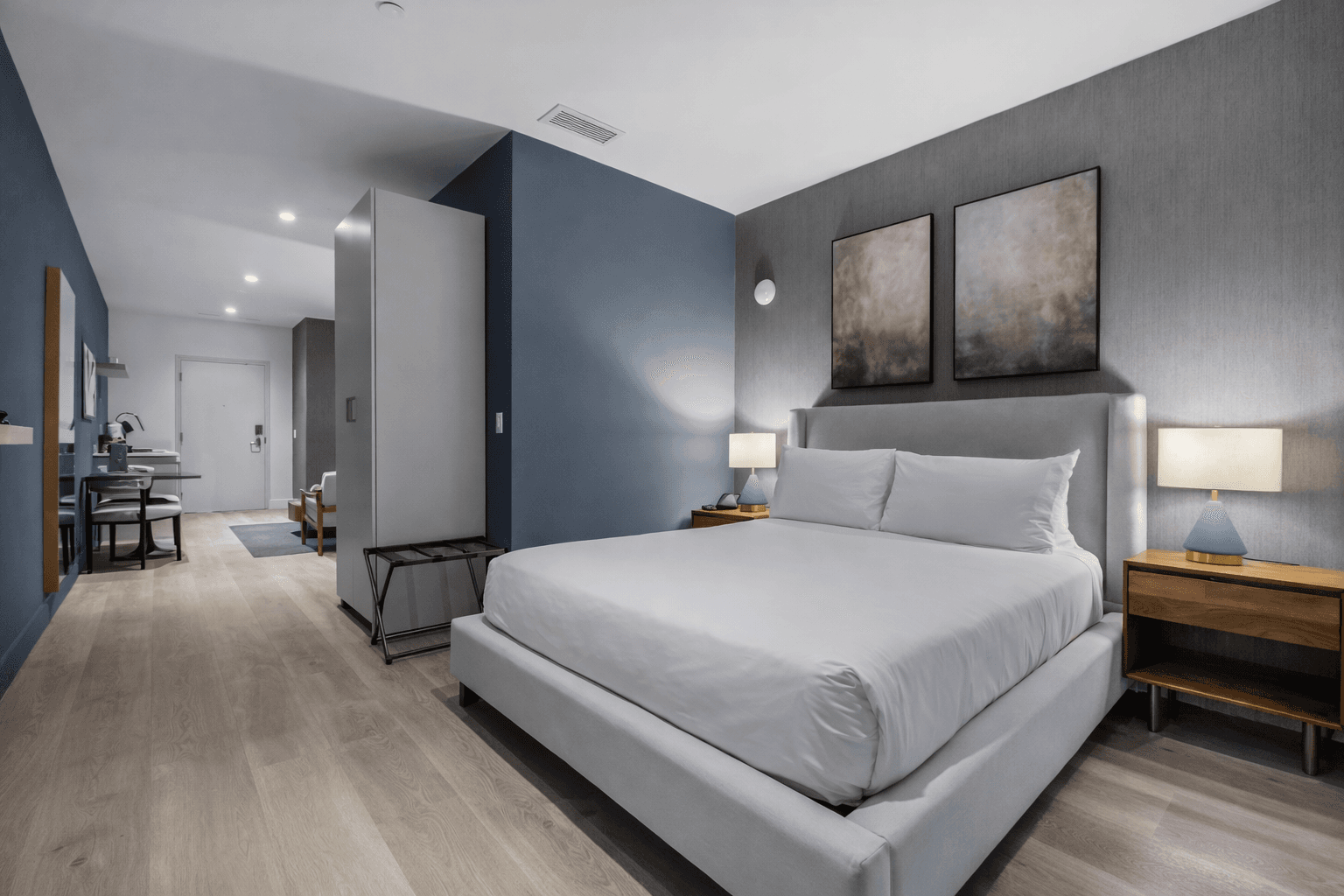
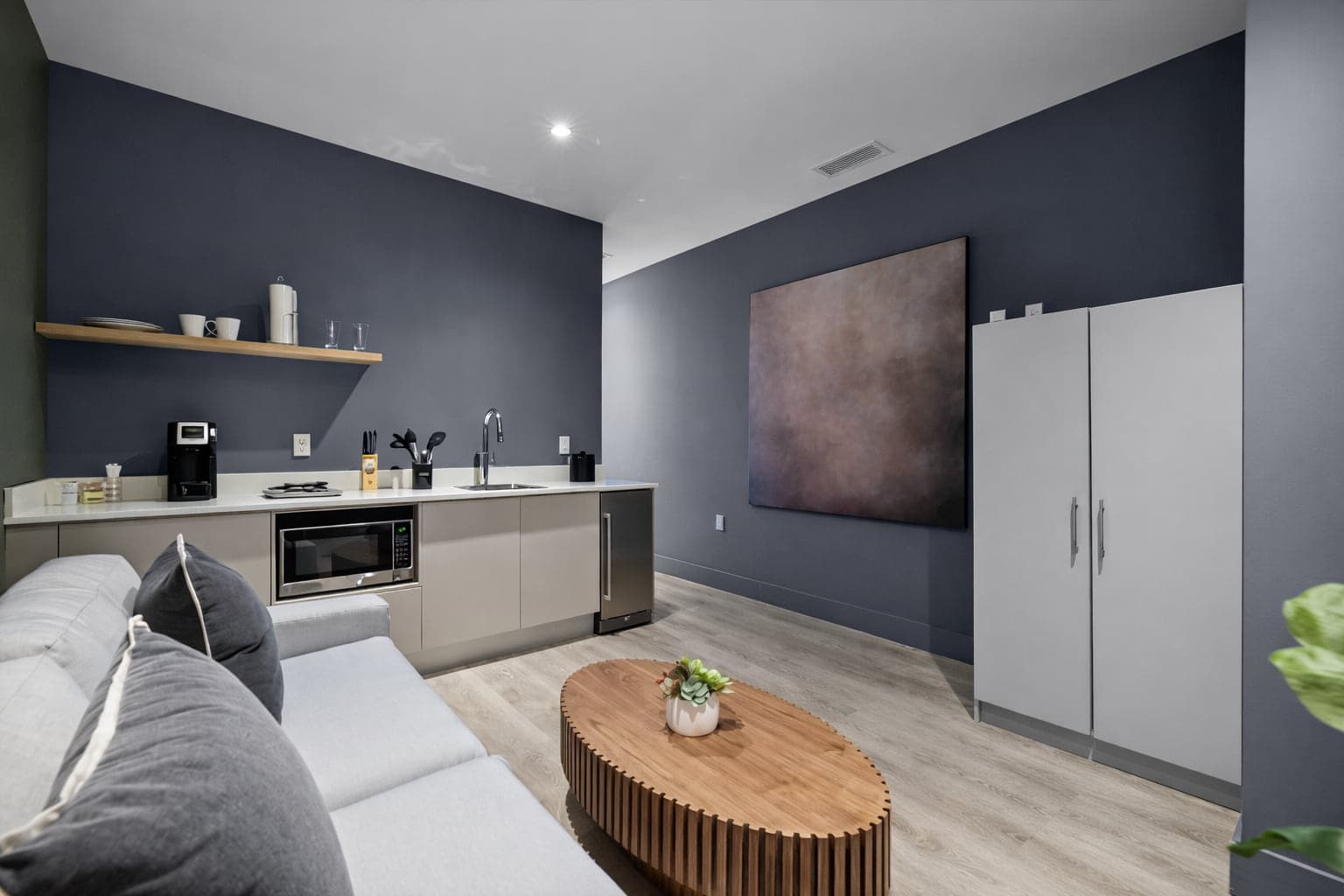
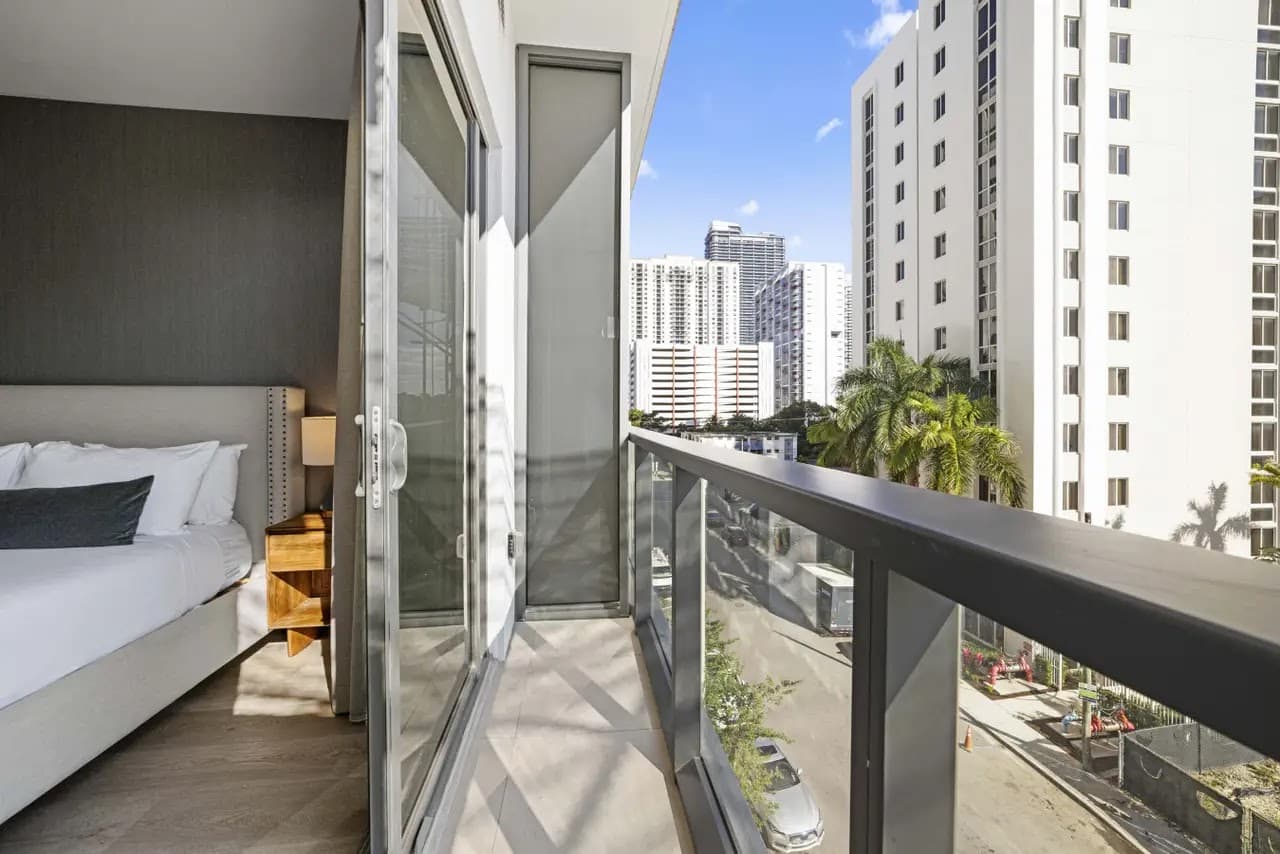
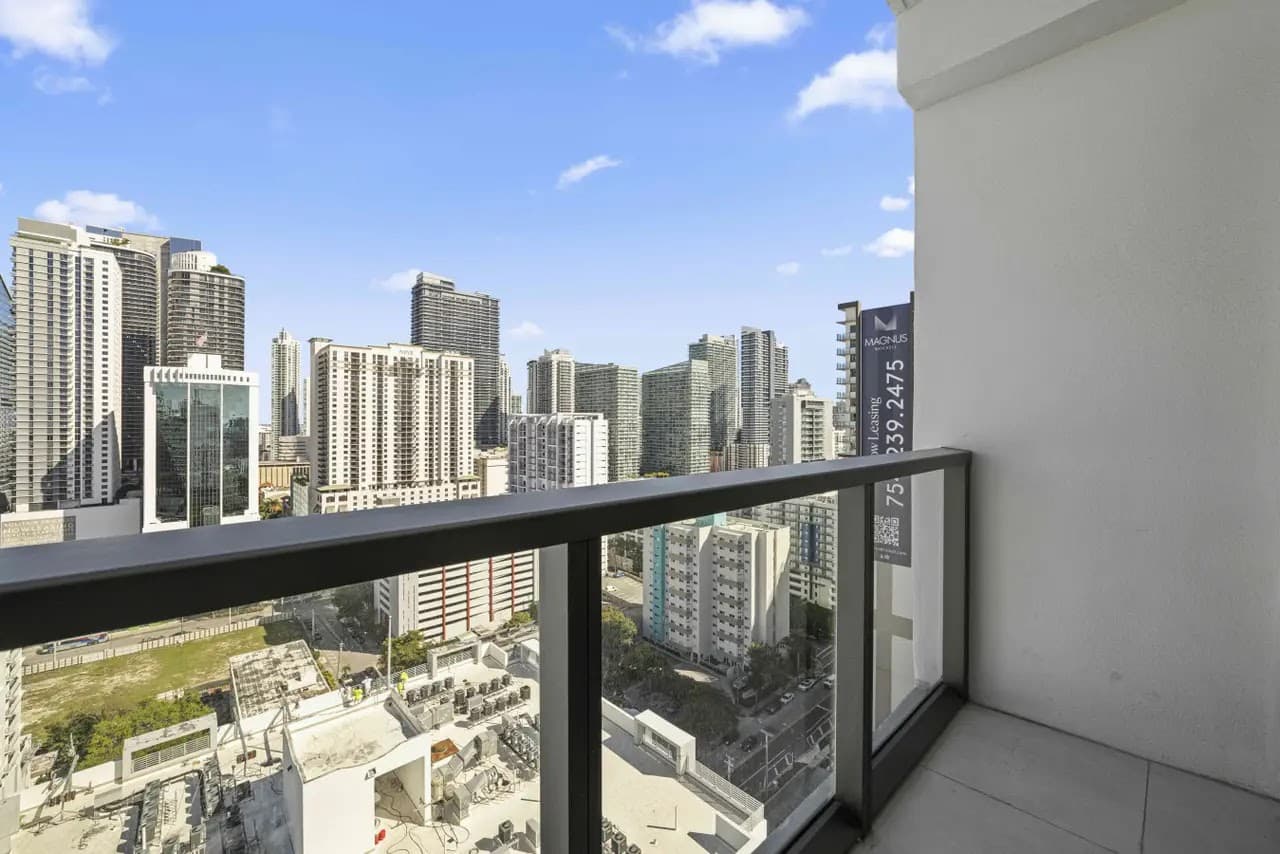
Brickell is the financial district and the densest part of the city: a grid of high-rise residential towers south of the river, with banks, restaurants, two large shopping developments and a metro-mover that loops through it. Apartments here come with amenity decks — pools, gyms, sometimes several — and the whole quarter is walkable in a way most of Miami is not. It is the natural entry point for a first apartment, and it is where the least expensive shares on our books sit.
Downtown and Edgewater run north along the bay: the arts and science museums, the arena, the bayfront park, and a corridor of newer towers with water views. Wynwood, inland from them, is the converted-warehouse district — murals, galleries, breweries and restaurants — and the Design District beyond it pairs luxury retail with genuinely interesting architecture.
Coconut Grove, south of Brickell, is the oldest neighbourhood and the greenest: sailing on the bay, banyan trees, a village centre, and the Vizcaya estate with its gardens on the water. Coral Gables, west of it, is a planned 1920s city of Mediterranean-revival houses, tree-lined boulevards, a grand hotel, a spring-fed public swimming pool carved out of a quarry, and its own strict architectural rules. Both are quieter, leafier and more residential than anything on the beach side.
Across the causeways: Miami Beach, which is three cities in one. South Beach has the Art Deco district, the ocean drive, the nightlife and the crowds. Mid-Beach is calmer, with the great post-war hotels and a boardwalk. North Beach is quieter and cheaper again. North of it, Surfside, Bal Harbour and Sunny Isles run up the barrier island with their own characters. And east of the city, Key Biscayne is an island of beaches, parks and a lighthouse, ten minutes from downtown and psychologically an hour away.
Where exactly to own: the neighbourhoods, rated
Brickell. The best entry point and the most practical address: walkable, dense, full of restaurants, connected by transit, with amenity buildings that make an apartment feel much larger than its floor area. Ten minutes to downtown, fifteen to the causeway, twenty to the airport. Best for owners who want a city rather than a beach, and for a first, smaller share.
Downtown and Edgewater. Bay views, the museums and the arena, newer buildings, and generally better value per square metre than Brickell. Quieter at street level, and improving steadily.
Coconut Grove. The green, calm, sailing side of Miami: banyans, bay, a walkable village, good schools' worth of infrastructure and a genuinely residential feel. Popular with families and with owners who have had South Beach and want the opposite.
Coral Gables. The most beautiful built environment in the county — a planned Mediterranean-revival city with boulevards, plazas and its own architectural code. Houses rather than towers, ten to fifteen minutes from most things, and a settled, established atmosphere.
South Beach and Mid-Beach. The famous Miami: ocean at the end of the street, the Art Deco district, restaurants and nightlife, buzzing in the season and during the big events. Mid-Beach and North Beach give you the same ocean at a lower price and a calmer pace.
Key Biscayne. An island with two large parks, quiet beaches, a lighthouse and a small village, ten minutes across a scenic causeway from downtown. Calm, family-oriented and expensive, and a world away from the city it sits beside.
One structural point that applies across all of them. Most Miami property at these price levels is condominium, which means you are buying into a building association with its own finances, rules and — increasingly — reserve obligations. That association's health matters as much as the apartment. See the section on Florida condominium law below; it is the most useful piece of due diligence in this market right now.
The climate, season by season
Miami's season runs from roughly November to April, and in those months it is close to unbeatable: daytime temperatures in the mid to high twenties Celsius, low humidity, sunshine, and sea temperatures that stay swimmable all year. January and February are the peak — warm, dry, and precisely when northern Europe and the American north-east are at their worst. March and April are warmer and busier, with the big events. This is the reason people buy here.
May through October is the tropical summer: hot and humid, with daytime temperatures around thirty to thirty-three degrees and warm nights, and it is the wet season — most afternoons bring a short, dramatic thunderstorm that empties the sky in twenty minutes and moves on. The city runs perfectly — everything is air-conditioned and the sea is warm — and it is the quiet season, with rates to match.
Hurricane season runs from the start of June to the end of November, and South Florida is well prepared for it. Building codes here are among the strictest in the United States, tightened substantially after Hurricane Andrew in 1992, and newer towers are engineered to a high standard with impact glass and reinforced structures. Windstorm and flood insurance is confirmed for the specific building and sits in your numbers from the start, and evacuation procedures for the barrier islands are well established. For a shared, professionally managed home, storm preparation and post-storm inspection are handled for you.
Florida condominium law: what to check
This is the most useful piece of due diligence in the Miami market and most listings will not raise it. After the 2021 Surfside collapse, Florida required buildings above a certain age and height to undergo milestone structural inspections, and required associations to carry out structural integrity reserve studies and fund those reserves properly rather than voting to waive them, as many had done for decades.
The result is a market that rewards buying the right building. Some older buildings have been working through special assessments and higher association fees as they bring reserves and maintenance up to the new standard, while well-funded buildings and newer towers stand out clearly — and that reset has created real opportunity for a well-advised buyer.
What that means in practice: for any Miami apartment, the building's documentation matters as much as the apartment itself. The milestone inspection status, the reserve study and whether reserves are properly funded, the association's financial statements, any assessments levied or pending, the insurance position, and the age and condition of roof, envelope, plumbing and elevators. We check this for every home we list here and tell you plainly what we find, and your own lawyer reviews it independently.
The beaches and the water
Miami Beach's ocean side runs for several miles of wide, pale sand with a boardwalk and beach paths behind it, lifeguard towers that have become an architectural signature, and water that is warm from spring through autumn and swimmable even in January. South Beach is the busiest stretch; Mid-Beach and North Beach are progressively calmer; and the beaches at Surfside and Bal Harbour further north are quieter still. Access is genuinely public and well provided for.
Key Biscayne, ten minutes across the causeway from downtown, is the local's answer: Crandon Park with its long shallow beach, and at the island's southern tip a state park with a nineteenth-century lighthouse, pine forest and one of the best swimming beaches in the county. It feels a very long way from the city and is not.
The bay is the other half and the one visitors miss. Biscayne Bay is a shallow, warm, protected body of water between the mainland and the barrier islands, and it is a boating culture as much as a view: sailing out of Coconut Grove, powerboats to the sandbars where half the city anchors at weekends, paddleboarding, and fishing. Biscayne National Park, immediately south, is almost entirely underwater — mangroves, islands and the northern end of the only living coral reef in the continental United States, reachable by boat for snorkelling and diving. For an owner, a boat is not necessary; charters, rentals and clubs cover most of it.
Art, food and the cultural city
Miami's cultural life changed decisively in the early 2000s when a major international art fair chose Miami Beach for its American edition. Every December the city fills with galleries, satellite fairs, installations and parties, and the effect has compounded year-round: two significant art museums on the bay, a strong private-collection culture with several open to the public, the Wynwood mural district which is effectively a permanent outdoor exhibition, and the Design District's mix of architecture and retail.
The food is the city's other great pleasure and it is genuinely distinctive. Cuban cooking is the foundation — the ventanilla coffee window, the croqueta, the sandwich, the ropa vieja — and Little Havana's main street is where to start, ideally at a domino park and a century-old bar. Around it sits everything else the hemisphere sends: Peruvian, Venezuelan, Colombian, Argentine, Haitian, Nicaraguan, Brazilian. Stone crab in season, from October to May, is a local institution worth planning a meal around. And above all that, a serious fine-dining scene has grown up in the last decade in the Design District, Brickell and the beach hotels.
Beyond that: a purpose-built performing arts centre downtown with opera, ballet and symphony seasons; the science museum with its aquarium and planetarium; the Vizcaya estate, which is one of the most beautiful houses in America and sits on the bay in Coconut Grove; and a music scene that runs from Latin to electronic and never entirely stops.
A year in Miami, month by month
November opens the season: the humidity breaks, the city refills, the stone crab season starts and the weather turns close to perfect. December is the cultural peak — the international art fair fills the city for a week and the whole month benefits — plus a warm, bright Christmas that is the reason a great many northern owners bought here in the first place.
January and February are the best months of the year: warm, dry, blue, with the sea swimmable and the city at full volume. This is peak season, and prices reflect it. March brings the tennis tournament, a very large electronic music festival, the Calle Ocho street festival, and American spring break, which makes the beach areas genuinely chaotic for a couple of weeks. April is warm and lovely, with the Formula One race weekend arriving in early May.
May marks the turn: humidity rises, the wet season begins, and the city empties of visitors. June through September is the summer — hot, humid, daily afternoon storms, warm sea, low prices and a local city rather than a visitor one, during the hurricane season months. October is the beginning of the return, with stone crab season opening and the weather starting to break. In short: six glorious months, a quiet tropical summer and two shoulders — and the glorious months are precisely the northern winter.
The year's fixtures
December's international art fair is the biggest: several days that turn the whole city into a cultural event, with satellite fairs across the mainland, installations, and a level of international attention that no other Miami week attracts. Book far ahead or avoid it deliberately — either is a reasonable strategy.
March is the busiest month for events: a major professional tennis tournament at the stadium north of the city, a very large electronic music festival downtown, the Calle Ocho street festival in Little Havana which is one of the largest Hispanic street parties in the United States, and the American spring break, which fills the beaches. Early May brings the Formula One race weekend, which has been held here since 2022 and transforms the area around the stadium.
Around those: the boat show in February, which is one of the largest in the world and a genuine spectacle whether or not you want a boat; a full performing-arts season downtown from autumn to spring; the film festival in the spring; the food and wine festival in February; and, in the summer, a much quieter local calendar of neighbourhood events. For an owner, the useful pattern is that Miami's fixtures cluster in exactly the months the weather is best — so a calendar built around them writes itself.
Miami with children
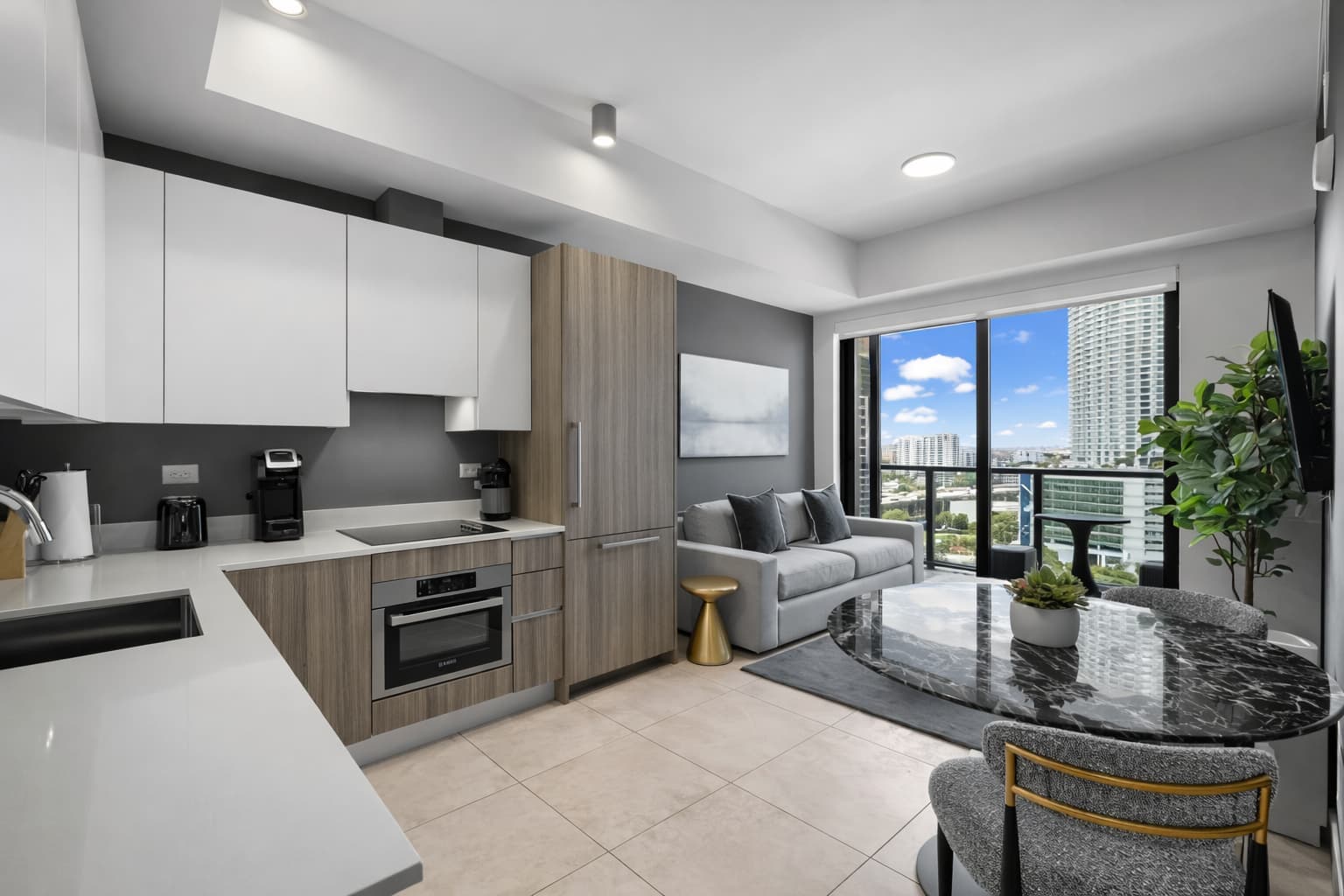
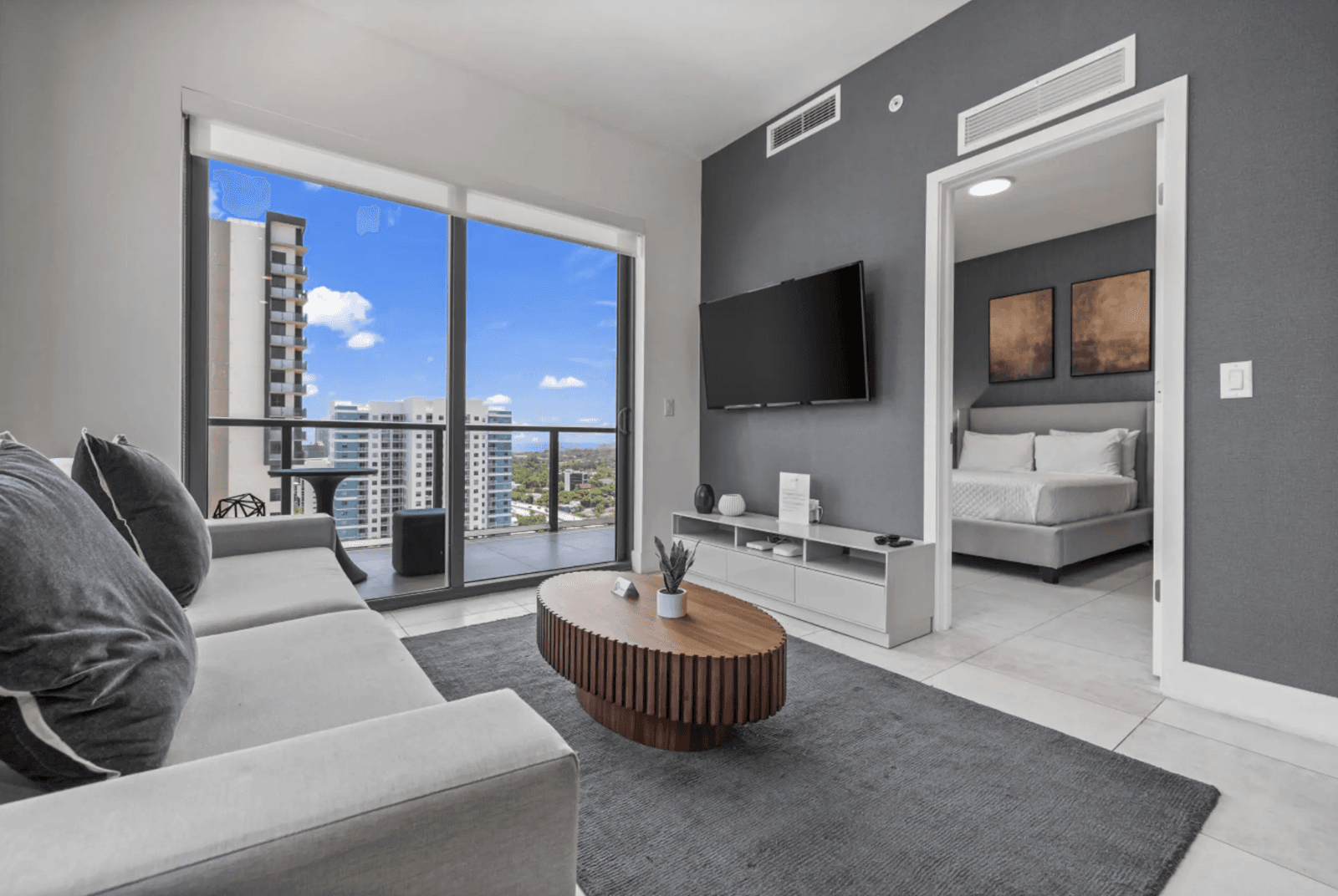
Miami works well for families in the season and requires more planning in the summer. The assets are the obvious ones and some less obvious. The beaches are wide, warm and lifeguarded, with the calm shallow water at Crandon Park on Key Biscayne being the best for small children. Most apartment buildings in Brickell and the newer towers have pools, and a pool matters here from March to November.
The set pieces: the science museum downtown with its aquarium and planetarium, which is genuinely excellent; the zoo, which is one of the better ones in the United States; the Everglades an hour away, where an airboat trip and an alligator are guaranteed to land; the Vizcaya gardens; the Venetian Pool in Coral Gables, a swimming pool carved out of a coral quarry in the 1920s and unlike anywhere else; and the seaquarium and the children's museum on the causeway.
Beyond the city, the Keys start an hour south and offer snorkelling on the reef, glass-bottom boats and a completely different pace. For ownership groups, the arithmetic is favourable: Miami's peak is the northern winter, so families take Christmas, the February half-term and Easter, and nobody much wants July and August — which makes the rotation here one of the least contested of any destination we list.
Beyond the city: days out
The Everglades begin about an hour west and are one of the strangest and most important landscapes in North America — a slow river of grass the size of a small country, with alligators, wading birds, and a set of trails and boardwalks that make it accessible in half a day. The Shark Valley loop and the Anhinga Trail are the two to know. Go in the dry season, from December to April, when the wildlife concentrates around the remaining water and the mosquitoes are bearable.
South, the Florida Keys run for a hundred and twenty miles down a single highway across bridges. Key Largo is an hour away and holds the first underwater state park in the United States, with snorkelling and diving on the reef. Islamorada is the sport-fishing capital. Marathon and Bahia Honda have the best beaches in the Keys. Key West is three and a half hours and worth an overnight rather than a day: a genuinely strange, beautiful, historic town at the end of the road.
North and inland: Fort Lauderdale forty-five minutes away with its canals and a second international airport; Palm Beach an hour and a half, which is a different and much more formal version of Florida; and the Orlando theme parks about three and a half hours, now also reachable by a fast train from downtown Miami. Further afield, Miami's airport puts the entire Caribbean within an hour or two — the Bahamas are thirty-five minutes in the air — which is a genuine and underused advantage of owning here.
Getting there and getting around
Miami International Airport is one of the major international gateways of the United States and by a distance the best-connected airport on this list: direct flights from most European capitals, and the dominant hub for travel between North America, the Caribbean and Latin America. It sits about twenty minutes from Brickell and thirty from Miami Beach. Fort Lauderdale, forty-five minutes north, is a useful and often cheaper second option, particularly for low-cost carriers.
Miami is a driving city with busy peak hours on the causeways and the main north-south arteries, and getting around keeps getting easier: the Metromover loops free through downtown and Brickell, the Metrorail runs to the airport and the southern suburbs, ride-hailing is ubiquitous and cheap, and an express train service now links downtown Miami to Fort Lauderdale, West Palm Beach and Orlando.
The practical advice depends entirely on where you buy. In Brickell, downtown or South Beach, a car is genuinely optional — those are the walkable parts of the city and the ones served by transit, and parking is expensive. In Coconut Grove, Coral Gables, Key Biscayne or anywhere else, a car is necessary. Many owners here rent one for the days they need it rather than keeping one, which given Miami parking costs is usually the right call.
The property market, clearly explained
Miami's property market has been reshaped over the last five years by in-migration. Florida levies no state income tax, and a substantial movement of finance and technology firms and individuals from higher-tax states — plus a long-standing flow of international capital from Latin America and Europe — has pushed demand up sharply, particularly in Brickell, downtown and the beach neighbourhoods. That is a genuine structural change rather than a cycle.
The market splits by product. New and recent condominium towers command a premium and are built to the post-2021 standard. Older condominium stock — including some very desirable buildings — has been repriced by the reserve and inspection requirements described earlier, which has created real opportunity in the right building. Single-family houses in Coconut Grove, Coral Gables and Key Biscayne are a separate and tighter market. Miami Beach has its own dynamics, including its own short-term rental rules.
Three specifics are worth knowing. First, the condominium association — reserves, milestone inspections, assessments, insurance — which is the key due-diligence item in this market and which we check on every home we list. Second, insurance: Florida windstorm and flood cover is part of every budget and is confirmed for the specific building from the start. Third, flood zones: the city has invested heavily in pumps and road-raising, and a building's flood-zone status is checked as part of every purchase. Buy the right building, read the documents, and Miami rewards you.
For a share buyer, Miami offers something no other destination on our list does: a genuine entry point. The Brickell apartments we list are among the least expensive shares anywhere on our books, which makes this the place a lot of buyers try co-ownership for the first time — a city apartment used for a week at Christmas, a week in February and a long weekend or two, in a building with a pool on the roof, at a fraction of the cost of the same use in a hotel.
What underpins value here
Five supports. First, connectivity: one of the most internationally connected airports in the United States, and the effective capital of the Americas' north-south corridor. Second, the tax regime — Florida's lack of a state income tax has driven a sustained migration of people and firms from higher-tax states, and that flow underpins housing demand across the whole metropolitan area.
Third, the international buyer base. Miami's property market has been supported by Latin American and European capital for decades, which makes it less dependent on any single national economy than most American markets. Fourth, the season: the peak here is the northern winter, which means Miami competes with the Caribbean and the Mediterranean's off-season rather than with them directly, and it attracts a snowbird population that stays for months.
Fifth, the cultural and business infrastructure built over the last two decades — the art fair and the year-round gallery economy, the museums, the food scene, the finance and technology presence — which has turned a resort city into a genuinely year-round one. Buy the right building and all five work for you.
Who owns here
Miami's ownership is the most international of any market we cover. Latin American buyers — Venezuelan, Colombian, Brazilian, Argentine, Mexican — have been a foundation of the condominium market for decades, often using property here as both a home and a store of value. European buyers, particularly Italian, Spanish, French, German and Russian-speaking, form a second large layer. And American buyers come from across the north-east and the Midwest, many of them spending the whole winter.
The last five years added a new group: relocations from New York, California and Chicago, drawn by the tax regime and by remote work, many of whom became full-time residents rather than seasonal ones. That has deepened the year-round economy considerably and made parts of the city — Brickell especially — busier in July than they used to be.
For a co-owner the practical consequence is a city entirely built for part-time and international ownership. Condominium buildings are used to absent owners, the property-management and rental-administration industries are large and competitive, everything can be arranged remotely and in Spanish or English, and a home occupied by several households in rotation is completely unremarkable — subject only to the building's own rules, which is why the association documents matter as much as they do.
Miami against the alternatives
Buyers looking for winter sun compare a specific set. Against the Caribbean islands: warmer sea and better beaches, at the cost of a much thinner city, far fewer flights, higher running costs and, in many cases, a more complicated purchase. Miami's argument is that it is a real city with the beach attached, and that you can fly there direct from almost anywhere. Against Palm Beach and Naples: more formal, quieter, more expensive per square metre, and considerably less to do. Against Orlando: a different business entirely.
Against the Spanish and Portuguese coasts, for a European buyer: closer, cheaper to reach, cheaper to own, and warm in the northern summer rather than the northern winter. That last point is the whole comparison. A Mediterranean home is used in July; a Miami home is used in January. For a household that already owns in Europe, Miami is complementary rather than competitive — which is exactly how several of our owners use it. Against Dubai: a comparable winter-season logic with better tax treatment and a much shorter history; Miami wins on culture, food and hemisphere connectivity.
Miami's own case, stated plainly: a genuinely international city of six million with one of the world's best-connected airports; a winter season that runs November to April at close to perfect weather; the largest concentration of Art Deco architecture in the world; a food culture drawn from the entire hemisphere; a globally significant art week; the Everglades an hour away and the Keys immediately south; and — uniquely on our list — entry-level shares that make co-ownership accessible at a level nothing else on our books matches.
Co-ownership in Miami, in practice
Here is how a share of a home here actually works. You own a real share of a specific, fully furnished, professionally managed home — an eighth, a quarter — not a right to use it. You can sell it, pass it on to your heirs, and it moves with the value of the house. A timeshare sells you a week. Co-ownership sells you the house: you own part of one home alongside a small group of owners, not time or points shared with thousands. The legal set-up is arranged by our partner for each home and walked through with you before you buy. The calendar allocates usage fairly across the owners, rotating the contested dates — Christmas and New Year, the February weeks, art week in December, Easter — from year to year so no owner is permanently advantaged, with flexible booking for everything else.
Miami suits the structure for two reasons that are specific to it. The first is the inverted season: the best weeks here run November to April, precisely when a European or northern-American property is least useful, so a Miami share complements rather than competes with anything else a household owns. The second is that almost nobody wants July and August, which makes this one of the least contested calendars of any destination on our books — the rotation has far less arbitrating to do than in a Mediterranean summer market.
There is a third reason, and it is the entry price. The apartments we list in Brickell are among the least expensive shares anywhere on our site. For a household that has never done this before, a small city apartment in a building with a pool, used for two or three weeks of winter sun a year, is a low-risk way to find out whether co-ownership suits them at all — and it happens to be in a city with the flight connections to make short trips practical.
Costs are shared in the same proportion as ownership: each owner carries their share of the home's running costs, billed transparently, covering property taxes, windstorm and flood insurance, condominium association fees, utilities, cleaning, maintenance and the reserve that keeps the furnishings good. In a Florida condominium the association's own finances flow through to owners, which is exactly why we check the building's reserve and inspection position before listing anything — and why you see the full breakdown before you buy, not after.
Buying in the United States: how the process actually runs
American property transactions run differently from European ones and are, once understood, fast and well-supported. There is no notary in the civil-law sense. In Florida the transaction runs through a title company or a real-estate attorney acting as closing agent: the deposit is held in escrow, the chain of title is researched, liens and encumbrances are resolved, and title insurance is issued protecting the buyer against defects missed in the search. That insurance is standard practice and one of the real strengths of the system.
The sequence: an offer on a standard contract; an inspection and due-diligence period during which the buyer investigates and can generally withdraw; a condominium document review period, which Florida law provides specifically and which exists for exactly the reasons described earlier; title review; and closing, typically within thirty to sixty days, with all costs itemised in advance. Use the condominium review period properly — the association's financial statements, reserve study, milestone inspection status, insurance certificates, minutes and any pending assessments are the documents that matter, and a Florida real-estate attorney should read them for you.
There is no restriction on foreign ownership of American residential property, and Miami is more accustomed to international buyers than any other market in the country. Non-US buyers will need a taxpayer identification number for filing purposes, should expect withholding rules to apply on a future sale, and should take advice on how their home country treats US-situs assets — including estate and inheritance treatment, the point most often overlooked. For a co-ownership share, the legal set-up is arranged by our partner for each home. We walk every buyer through the specimen documents in plain language before any commitment, and we will always encourage independent legal and tax advice. Nothing in this guide is legal or tax advice.
Three owners' years: specimen calendars
Three specimen years. The winter-escape couple: ten days over Christmas and New Year in the warm, a week in late January when northern Europe is at its worst, a long weekend in March, and a week in April before the humidity arrives. Every week of that calendar falls in the months a northern household most wants to be somewhere else — which is the entire argument for owning here rather than in the Mediterranean.
The family: the Christmas fortnight, the February half-term with the beach, the science museum and an Everglades day, and a week at Easter. Four blocks, all of them in the season, none of them competing with a European summer house. If the group has a Mediterranean property too, the two calendars interlock almost perfectly.
The city couple: a long weekend for art week in December, a week in January, a few days in March around the tennis, and a stretch in November when the season opens and the stone crab arrives — plus, because the airport is what it is, the occasional three-day trip booked a week out. That last pattern is the one Miami enables and most destinations do not: with direct flights from almost everywhere and a walkable apartment, a share here gets used more often and in shorter bursts than a house in a resort ever will.
An owner's practical almanac
The small knowledge that makes ownership frictionless. Seasons: November to April is the season and January and February are its peak. Book art week in December and the March event weeks far ahead, or avoid them deliberately. Spring break in March fills the beach areas with a particular kind of crowd; owners tend to plan around it.
Getting about: in Brickell, downtown or South Beach you do not need a car and parking is expensive — use the Metromover, ride-hailing and your feet. Everywhere else you do. Traffic on the causeways and the main arteries is heavy at peak hours; adjust rather than fight it. The airport is twenty to thirty minutes away depending on the hour, and it is a big airport — allow properly for it.
In the building: condominium rules cover more than you might expect — guest registration, deliveries, moving in and out, pool hours and, in many buildings, letting. Read them once and you will never think about them again. Storm season runs June to November, with preparation and post-storm inspection handled by the management team, and the air conditioning is kept running between stays to protect the apartment and its contents — all part of the service.
And the golden rule: whatever week you cannot use, release it early. Between November and April, someone in your ownership group will take it immediately.
Miami: questions owners actually ask
What is the summer like? Hot, humid and tropical, with a warm sea and very low prices. Everything is air-conditioned and the city carries on. It is the quiet season, and in practice almost nobody in an ownership group competes for July and August — which is precisely why the rotation here is easy.
What about hurricanes? South Florida is well prepared. Its building codes are among the strictest in the United States and newer towers are engineered to a high standard with impact glass. Windstorm and flood insurance is confirmed for each building and included in your numbers, evacuation procedures are well established, and professional management handles preparation and inspection for you.
What is the condominium reserve issue I keep reading about? After 2021, Florida required milestone structural inspections and properly funded reserves for older buildings rather than allowing associations to waive them. Some buildings have since raised fees or levied assessments to meet the new standard, while well-funded and newer buildings are already there. It is the most important due-diligence item in this market — we check the building's position on every home we list and tell you plainly, and your own attorney reviews the documents independently.
Do we need Spanish? No, but it helps and you will enjoy the city more. Miami is genuinely bilingual — in Brickell, Little Havana and much of the mainland you will hear more Spanish than English, and everyone switches without a thought.
Is Miami safe? It is a large American city and behaves like one: the neighbourhoods where we list homes — Brickell, downtown, Coconut Grove, Coral Gables, Key Biscayne, the beach — are busy, well-lit and ordinary, with the usual big-city sense required at night. Take the precautions you would in Barcelona or London and nothing more.
More questions, answered plainly
Which neighbourhood should we choose? Brickell for walkability, restaurants, transit and the best entry price. Downtown or Edgewater for bay views and value. Coconut Grove for green, calm and sailing. Coral Gables for the most beautiful streets in the county. South or Mid-Beach for the ocean at the end of the road. Key Biscayne for island calm ten minutes from downtown. Tell us how your year actually looks and we will point you at the right homes below.
Do we need a car? In Brickell, downtown or South Beach, no — and parking is expensive enough that not having one is an advantage. Anywhere else, yes. Renting for the days you need it is what most owners end up doing.
Can we let our weeks? In the right building, yes. Each condominium association sets its own leasing terms and municipal rules differ, so we check the position building by building. Where managed letting of unused weeks is provided for, the management team handles it, and we tell you exactly what applies before you commit.
What are the running costs like? Each owner carries their share of the home's costs, billed transparently — property taxes, windstorm and flood insurance, condominium association fees, utilities, cleaning, maintenance and the furnishing reserve. Insurance and association fees are both included in the full breakdown you see before you commit, not after.
What should we do on a viewing trip? Come for three days between November and April. Walk Brickell in the evening and South Beach in the early morning, which are two entirely different cities. Eat in Little Havana. Take a boat out on the bay. Spend half a day in the Everglades. Then let us open the doors of the apartments themselves — and ask us for the building's documents while you are here, because in Miami that is the part that matters. Three days answers more than three months of listings, and we will build the itinerary around the homes listed below.
Taxes, resale and how ownership works for your 1/8 share of the home are covered in depth in our complete country guide. Read the full USA ownership guide →
Each listing shows the full price of its share — typically one-eighth of the home. It is a purchase price, not a deposit or membership fee: you become a co-owner of the home.
No. A timeshare sells you a week; co-ownership sells you the house. You own a real share of the Miami home with a small group of owners, not a week at a resort shared with thousands. It moves with the value of the house, you sell it on the open market at your price, and you can leave it to your children.
A one-eighth share corresponds to about six weeks a year, scheduled fairly across seasons so every owner enjoys peak weeks over time. The home is professionally managed — you simply arrive.
Questions about a home in this collection? Our team typically replies within minutes.
Get in Touch
Speak to an expert
Tell us what you're looking for and we'll be in touch.