Co-Ownership Homes in Napa
6 luxury holiday homes in Napa available as co-ownership shares, from $479,000 per share. Genuine ownership, fully managed, a fraction of the whole-home price.
The Napa Collection
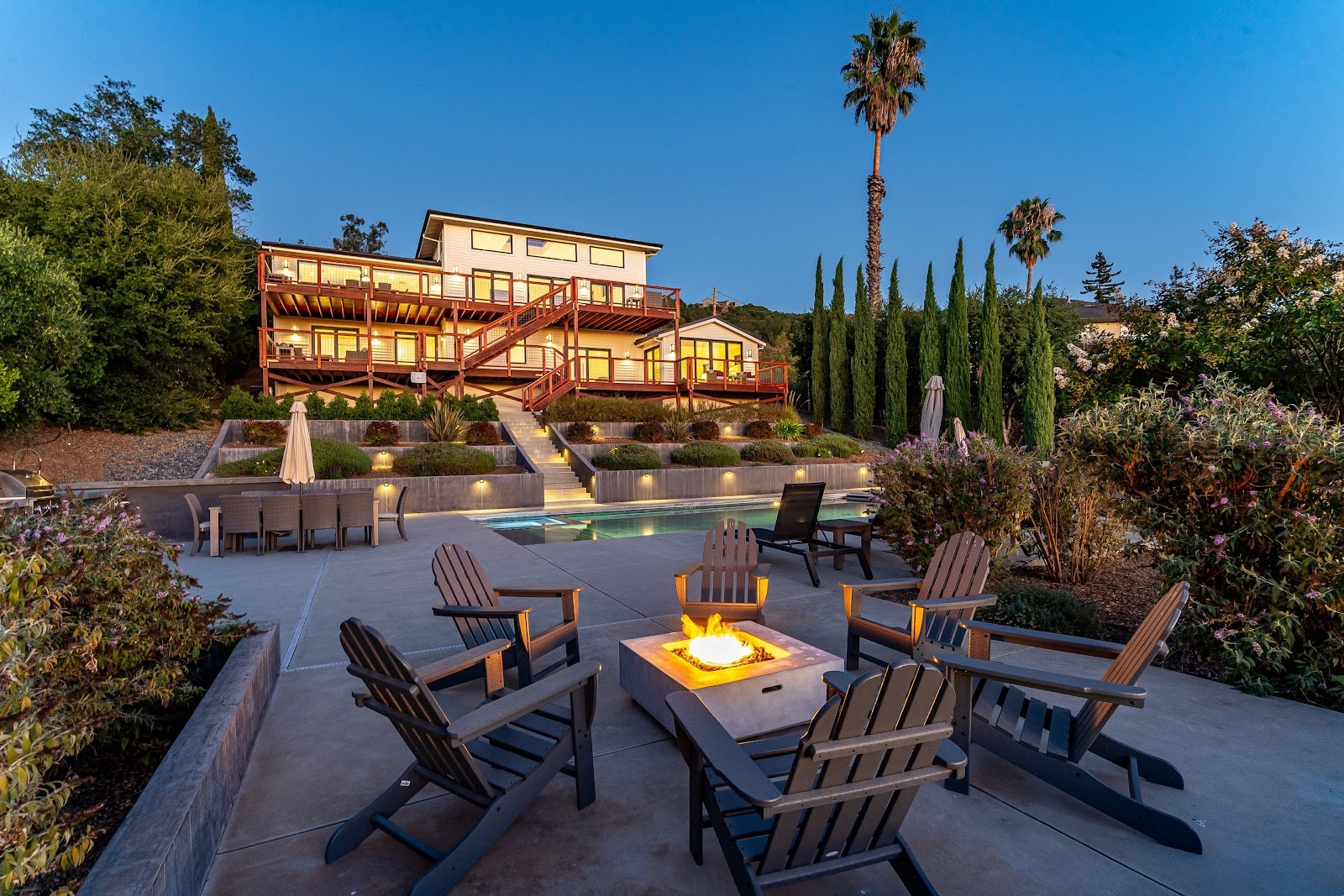
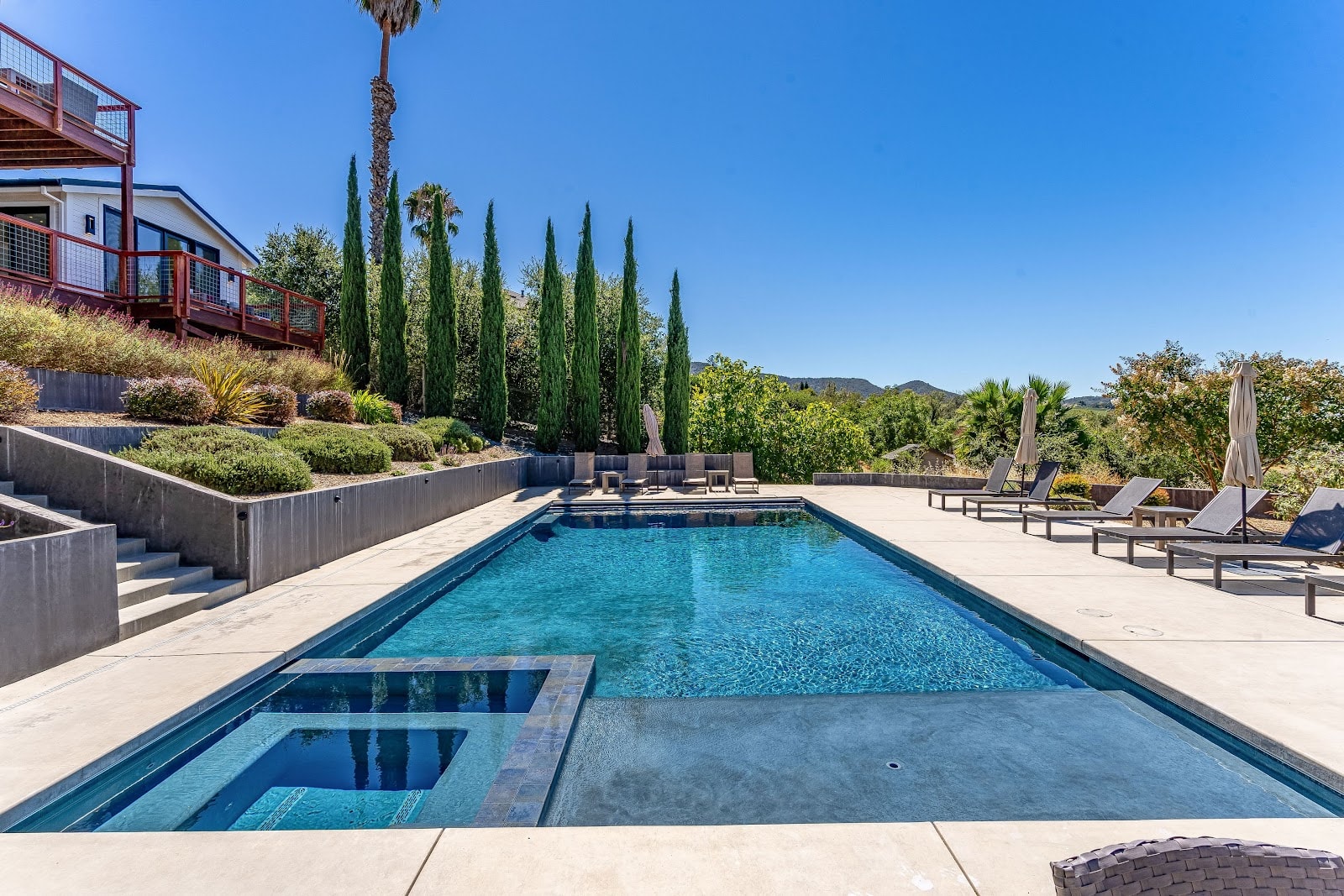
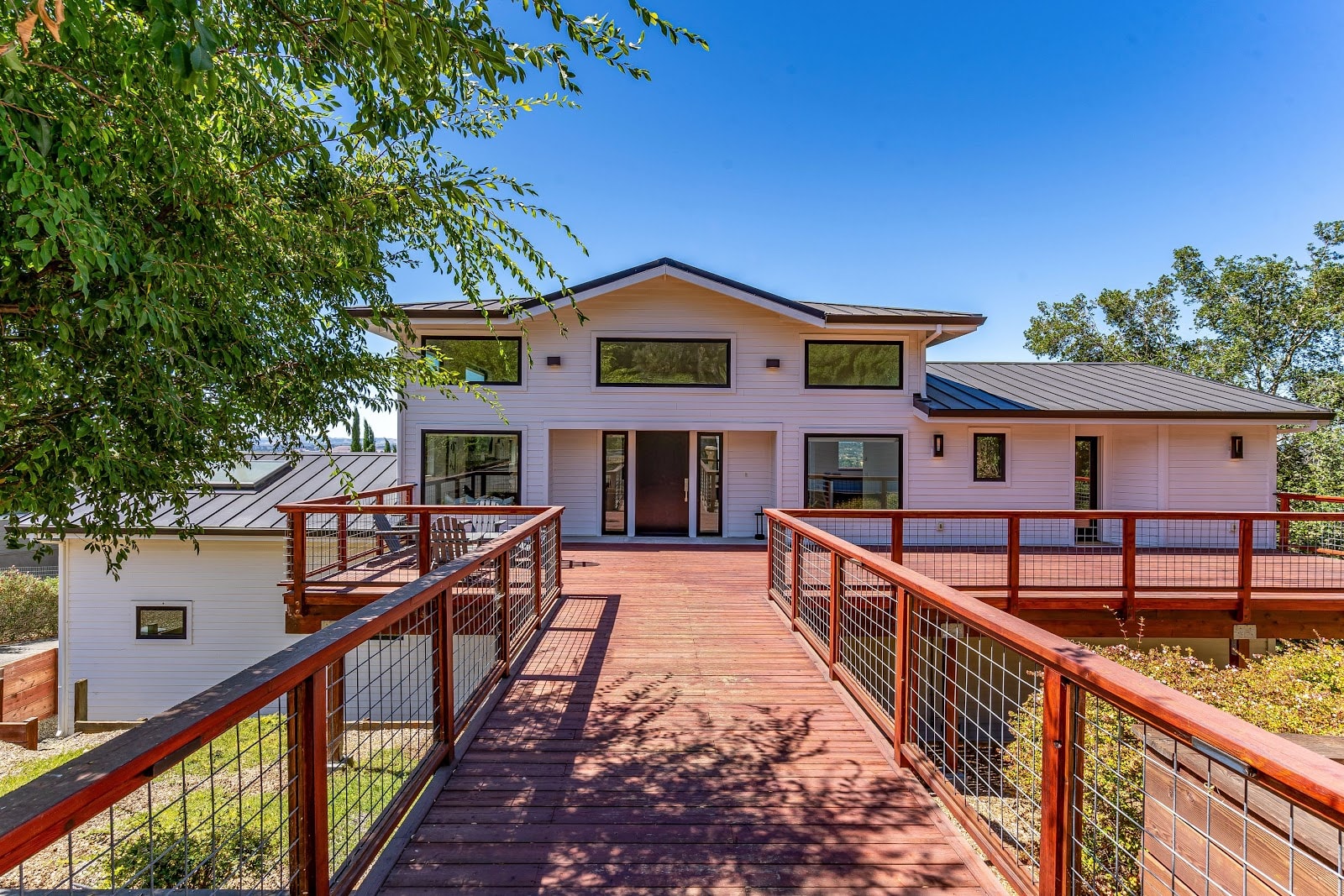
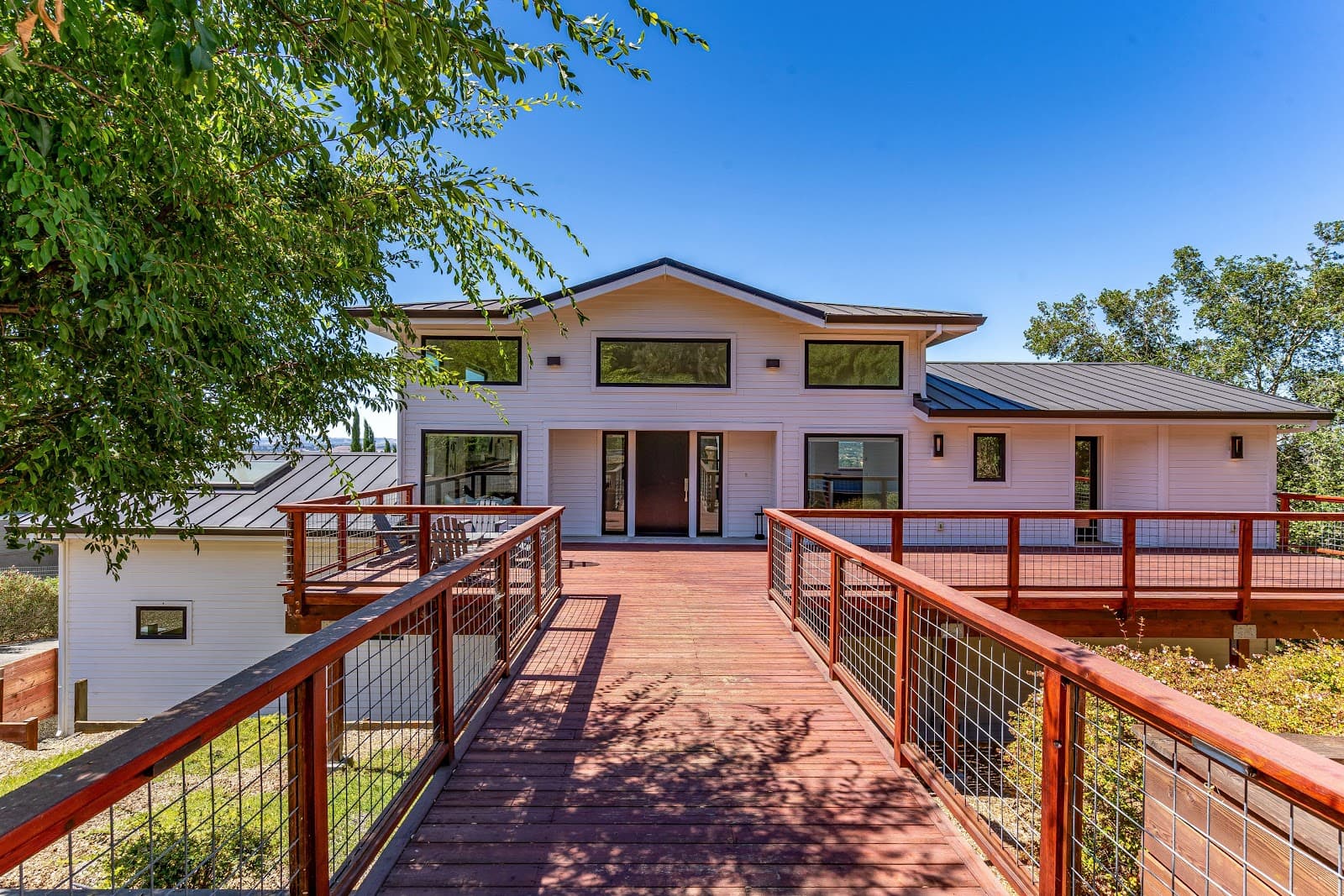
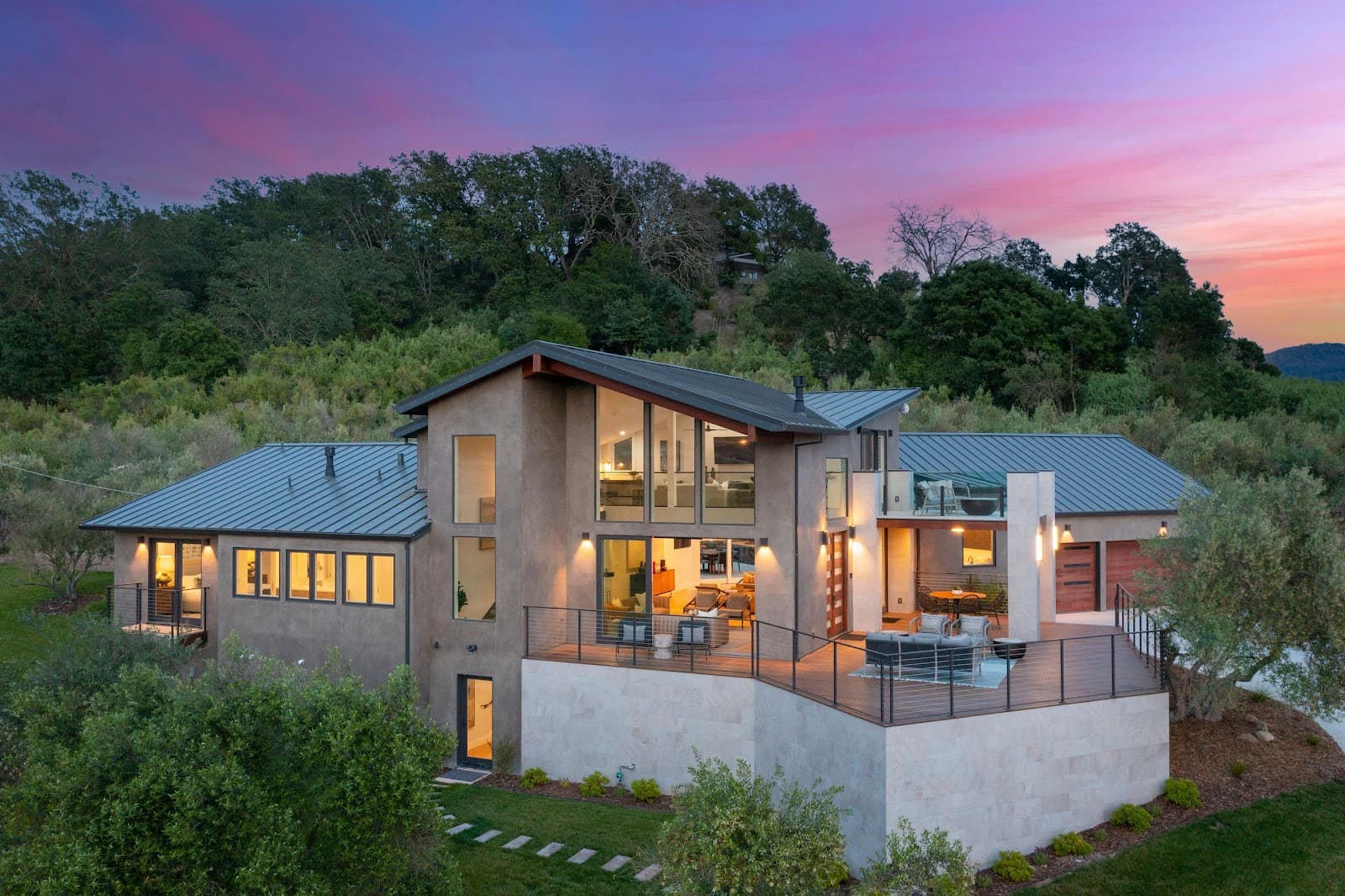
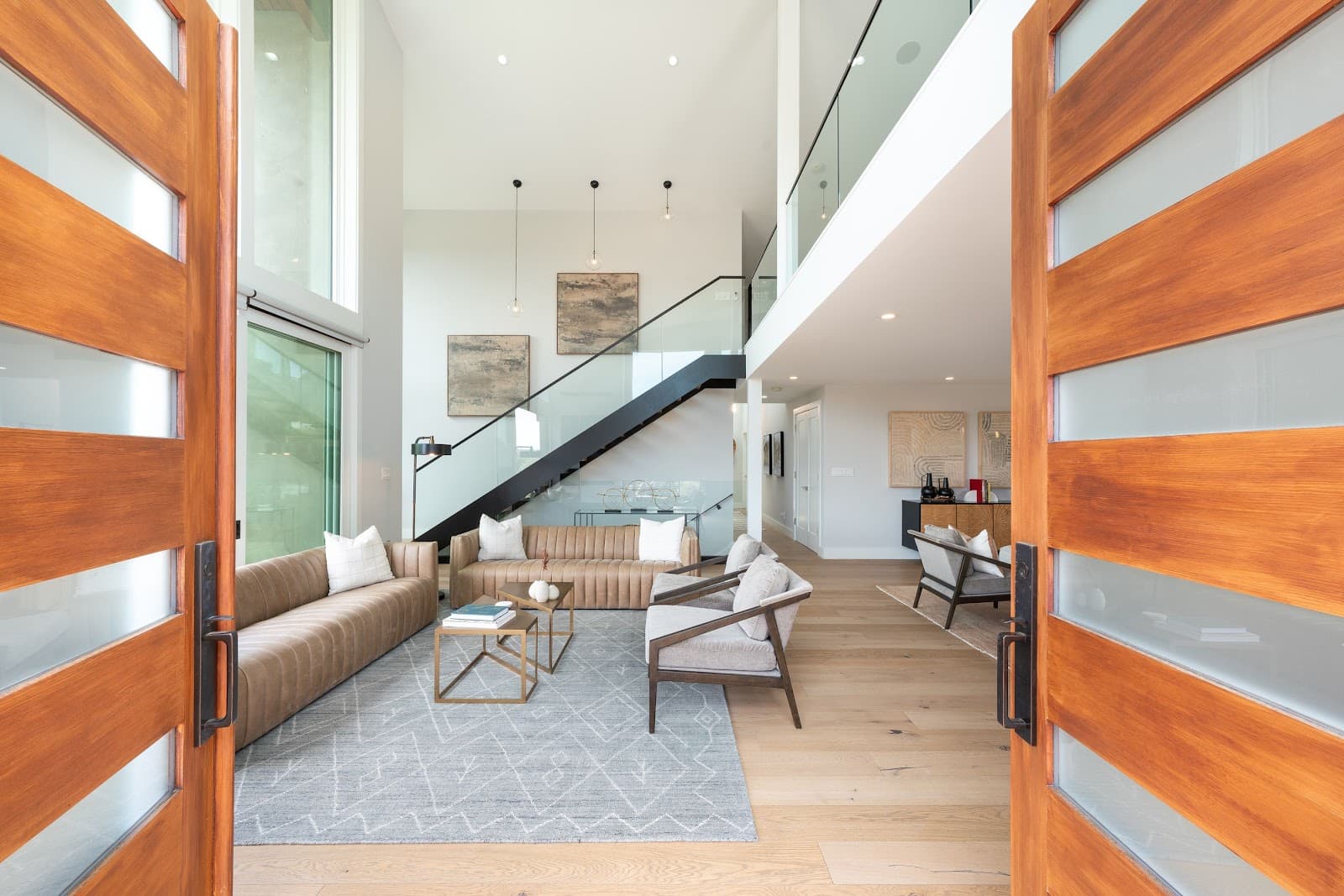
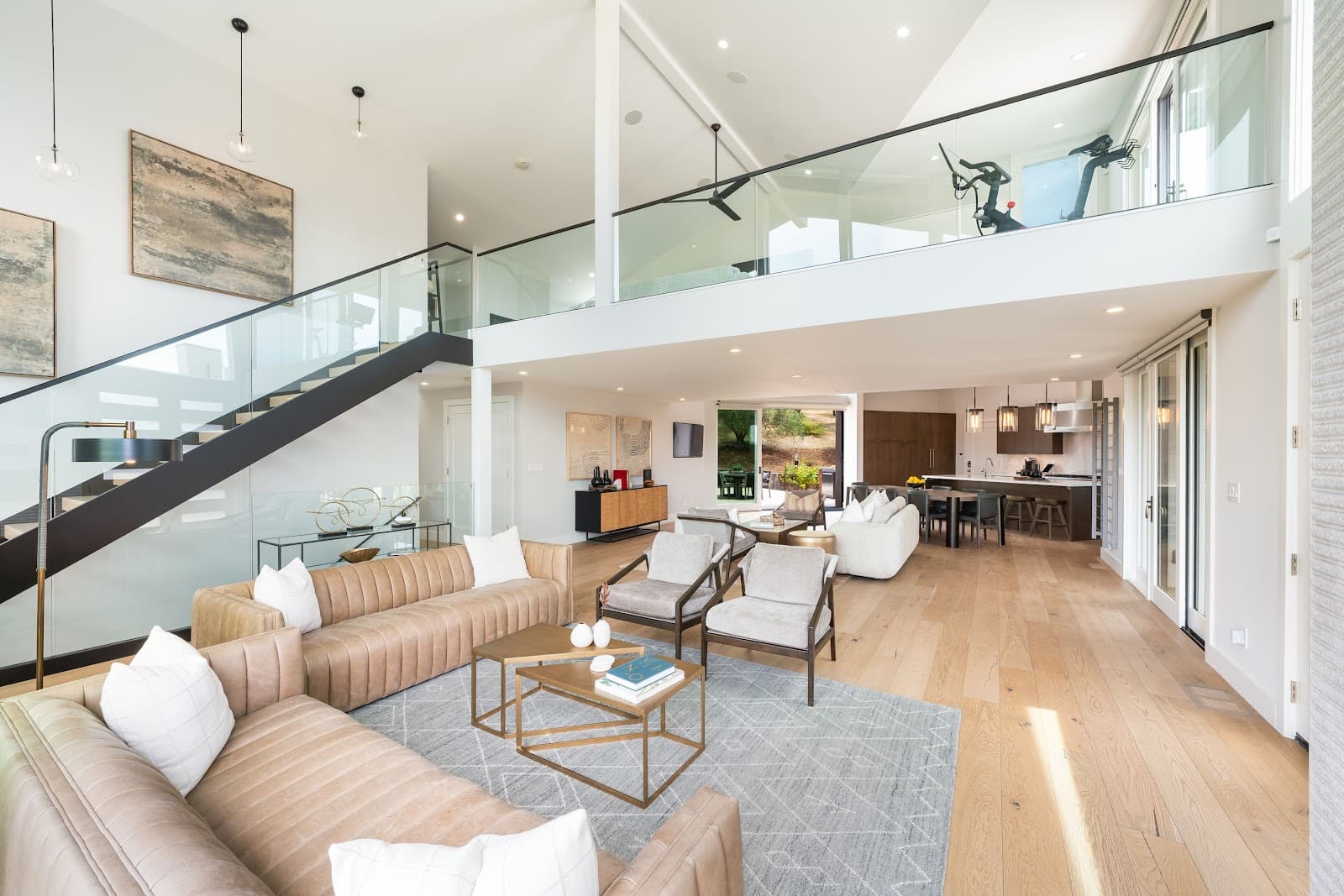
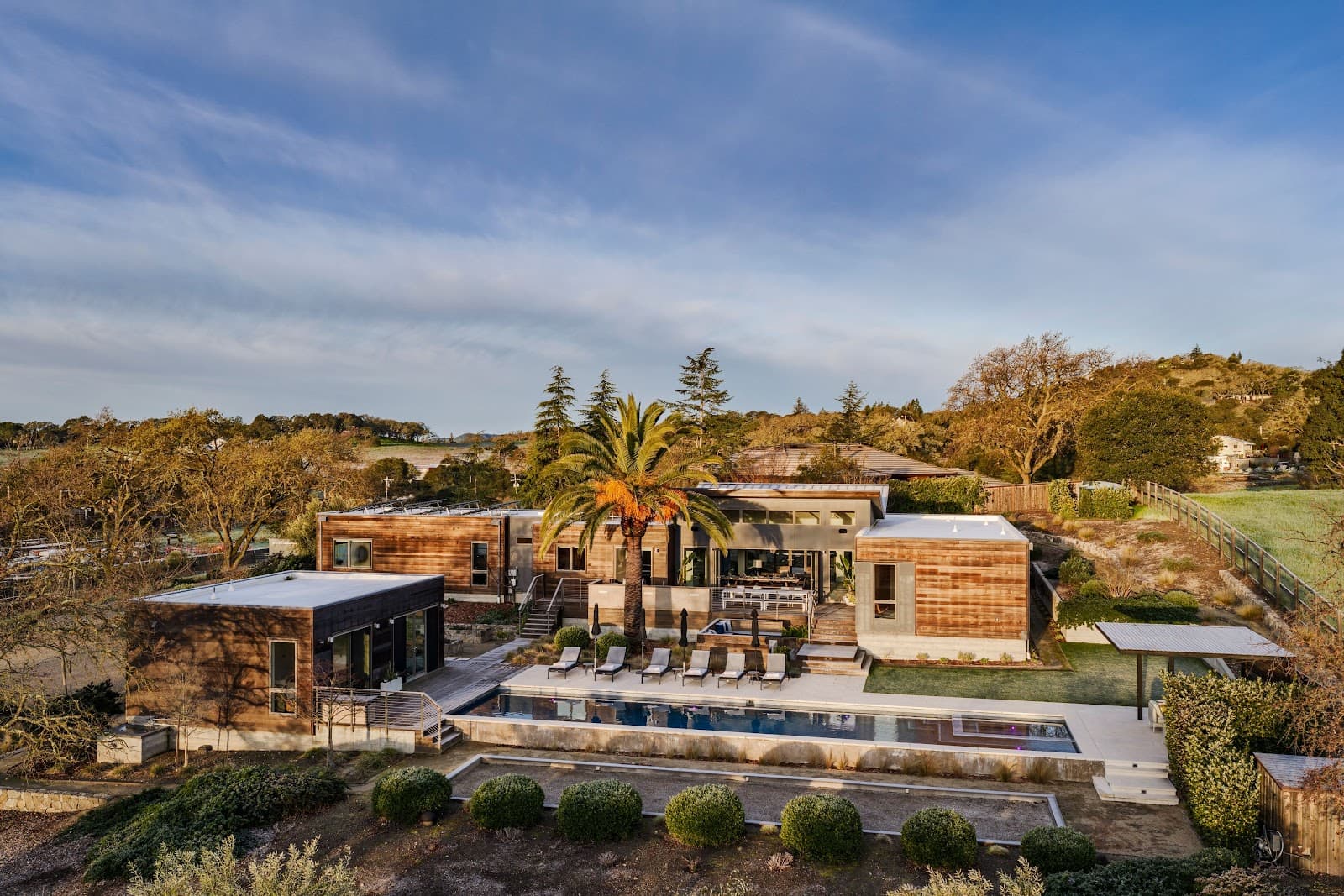
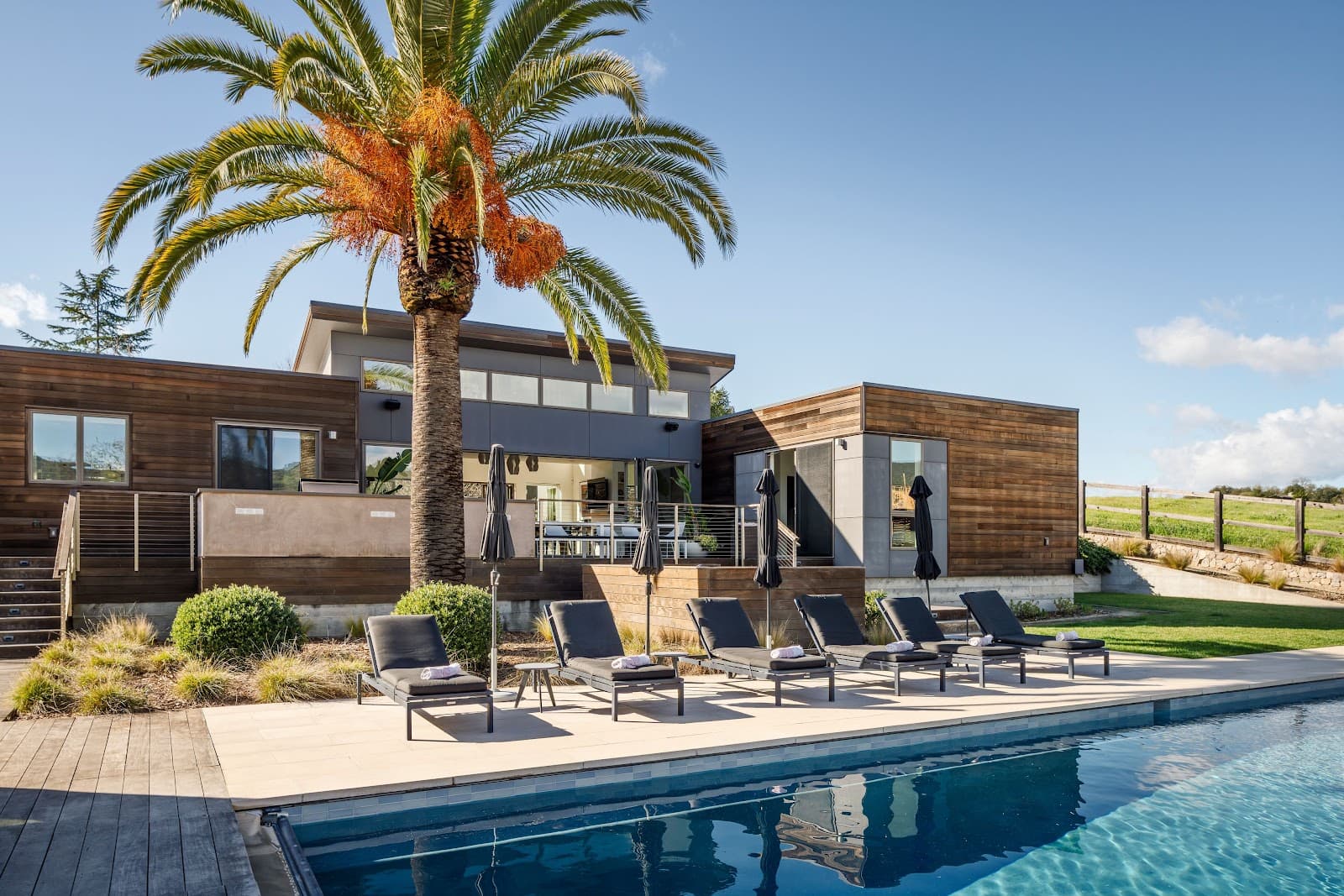
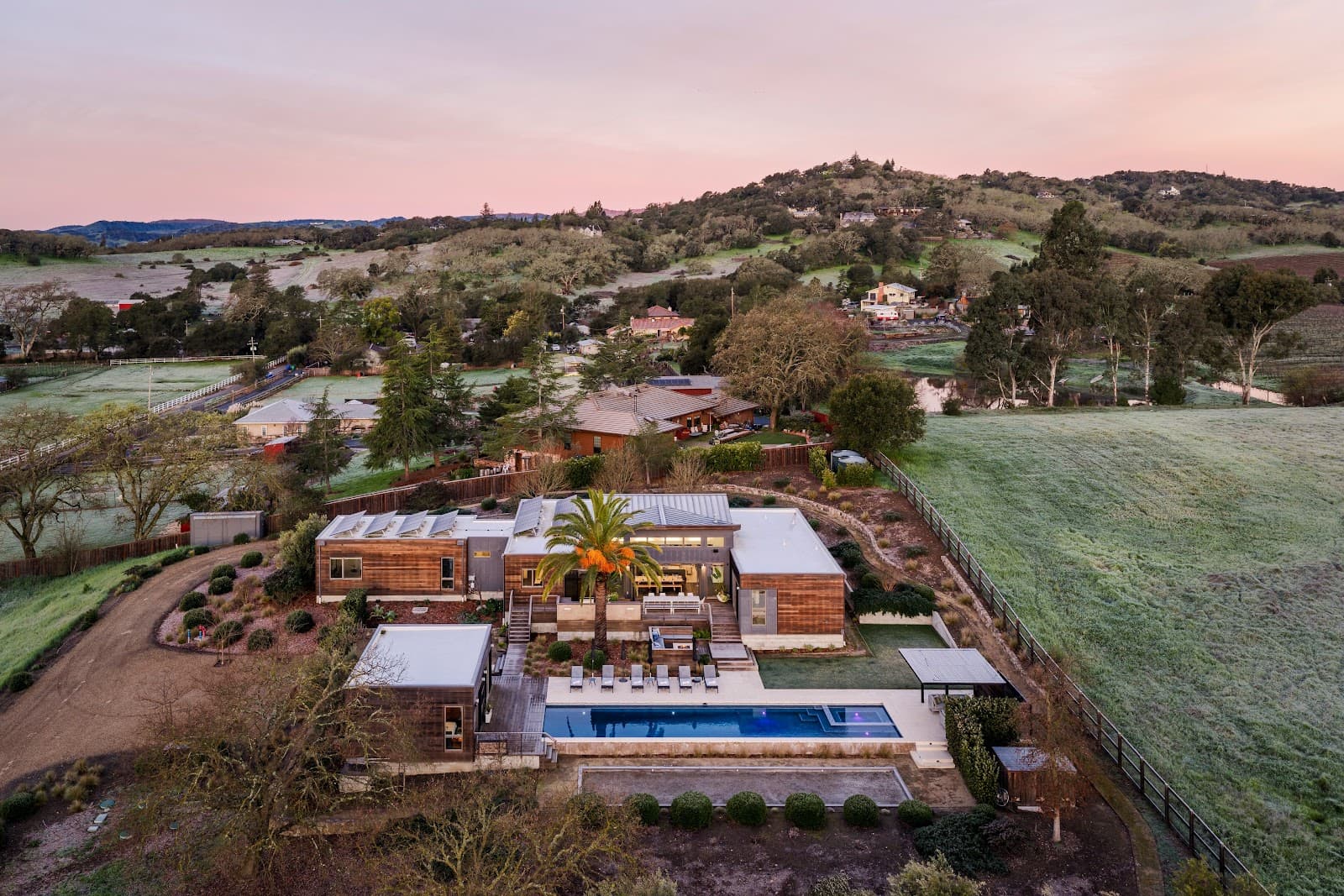
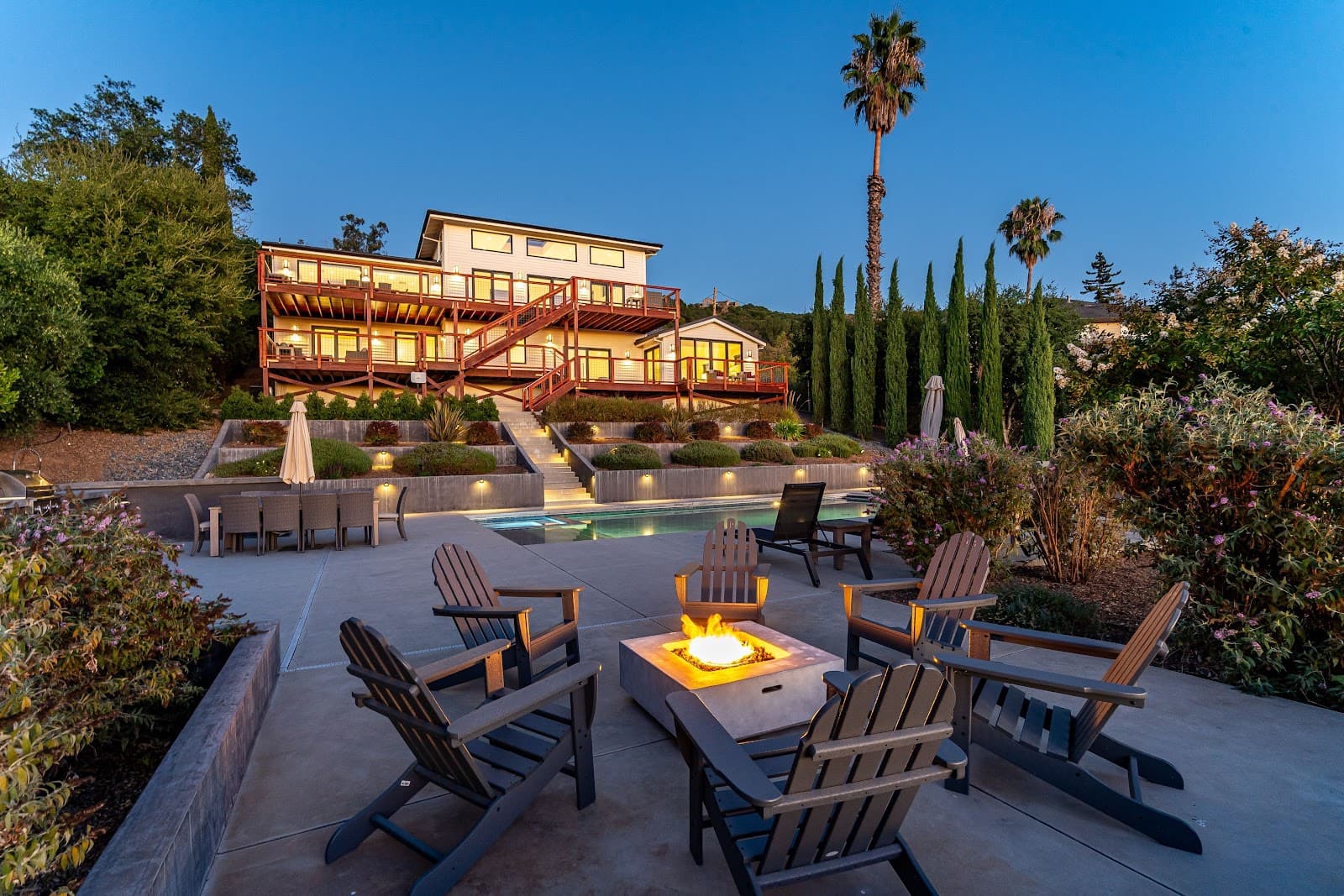
Napa, California, USA — 4-Bed Estate With Pool
$479,000
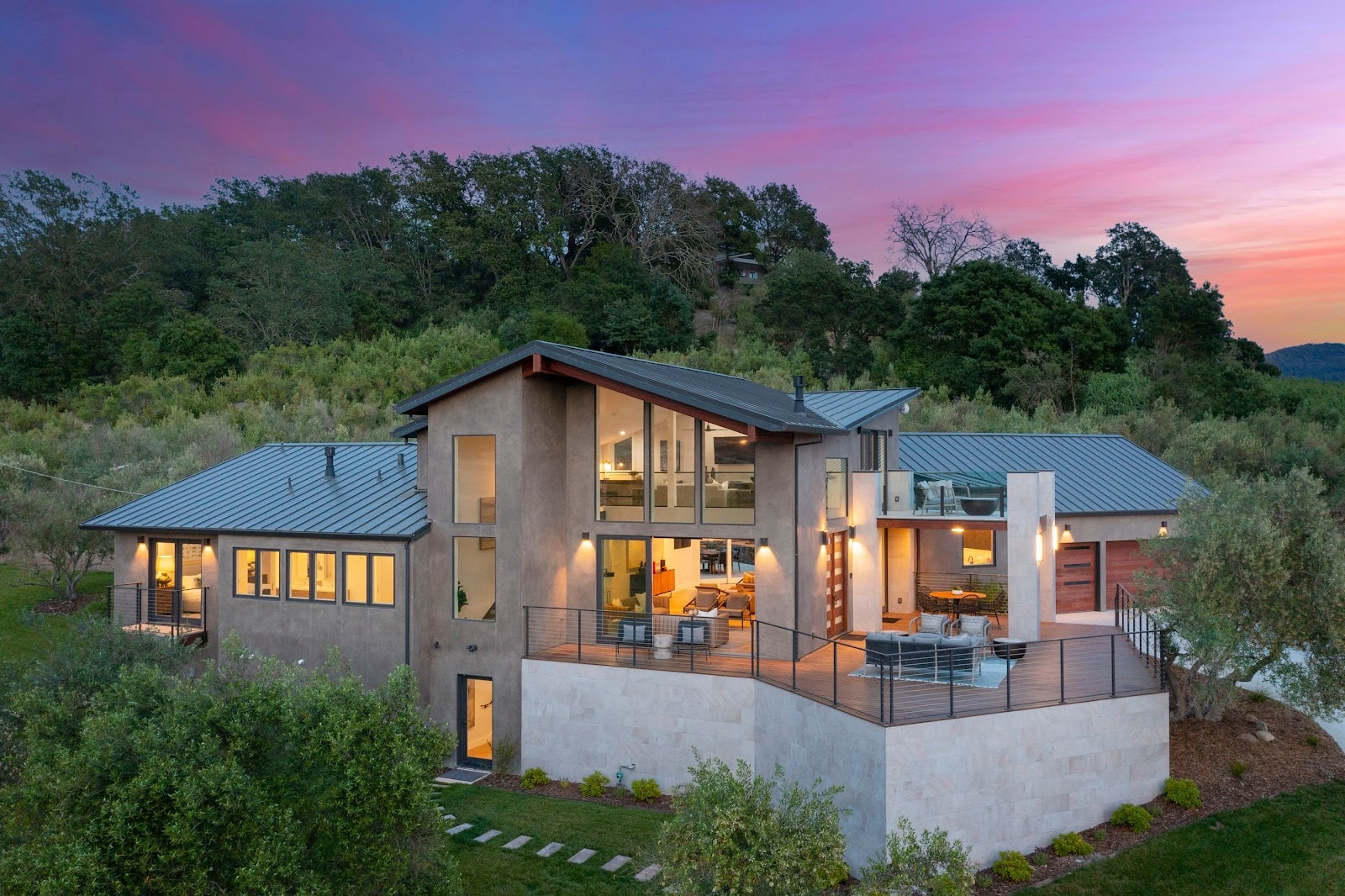
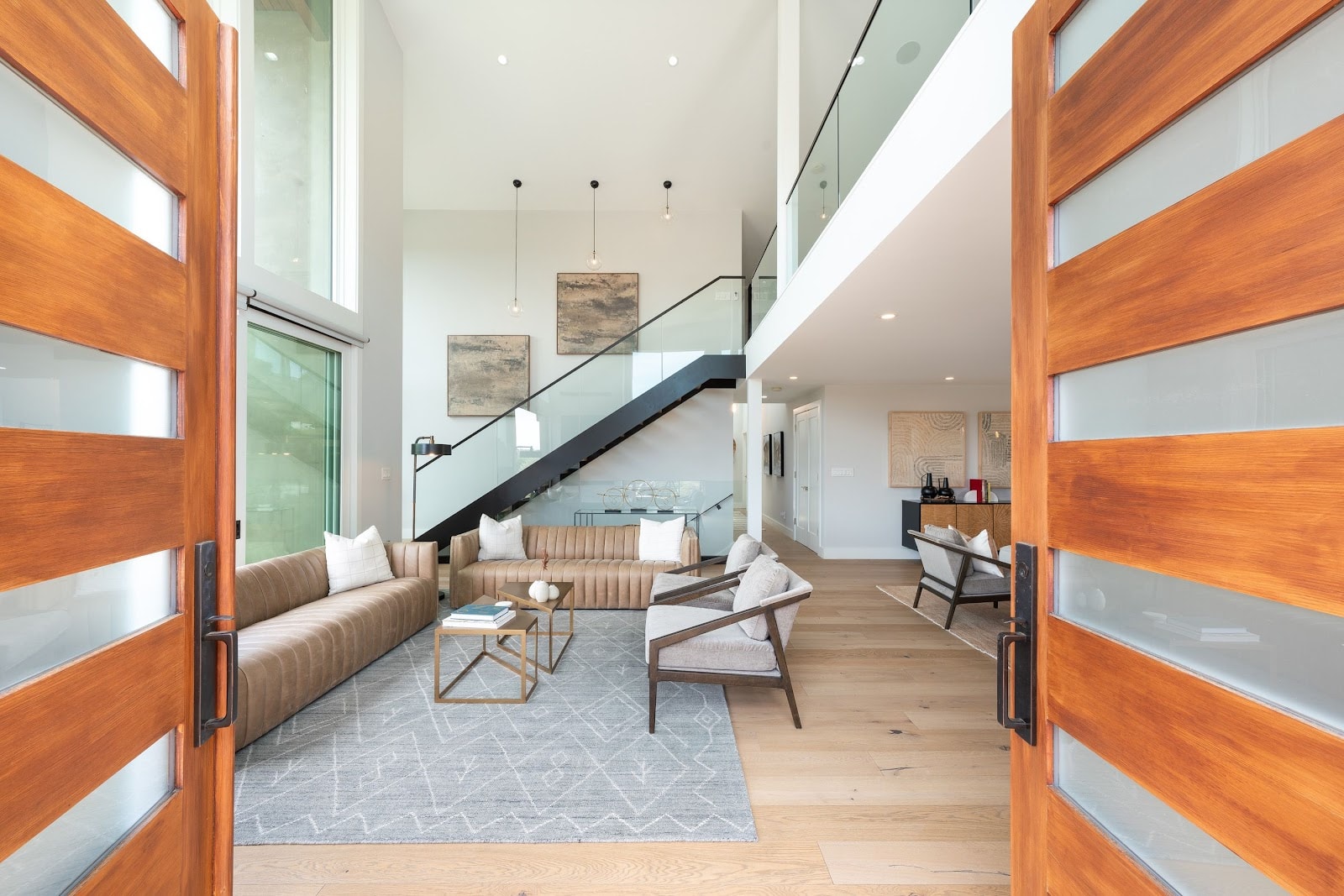
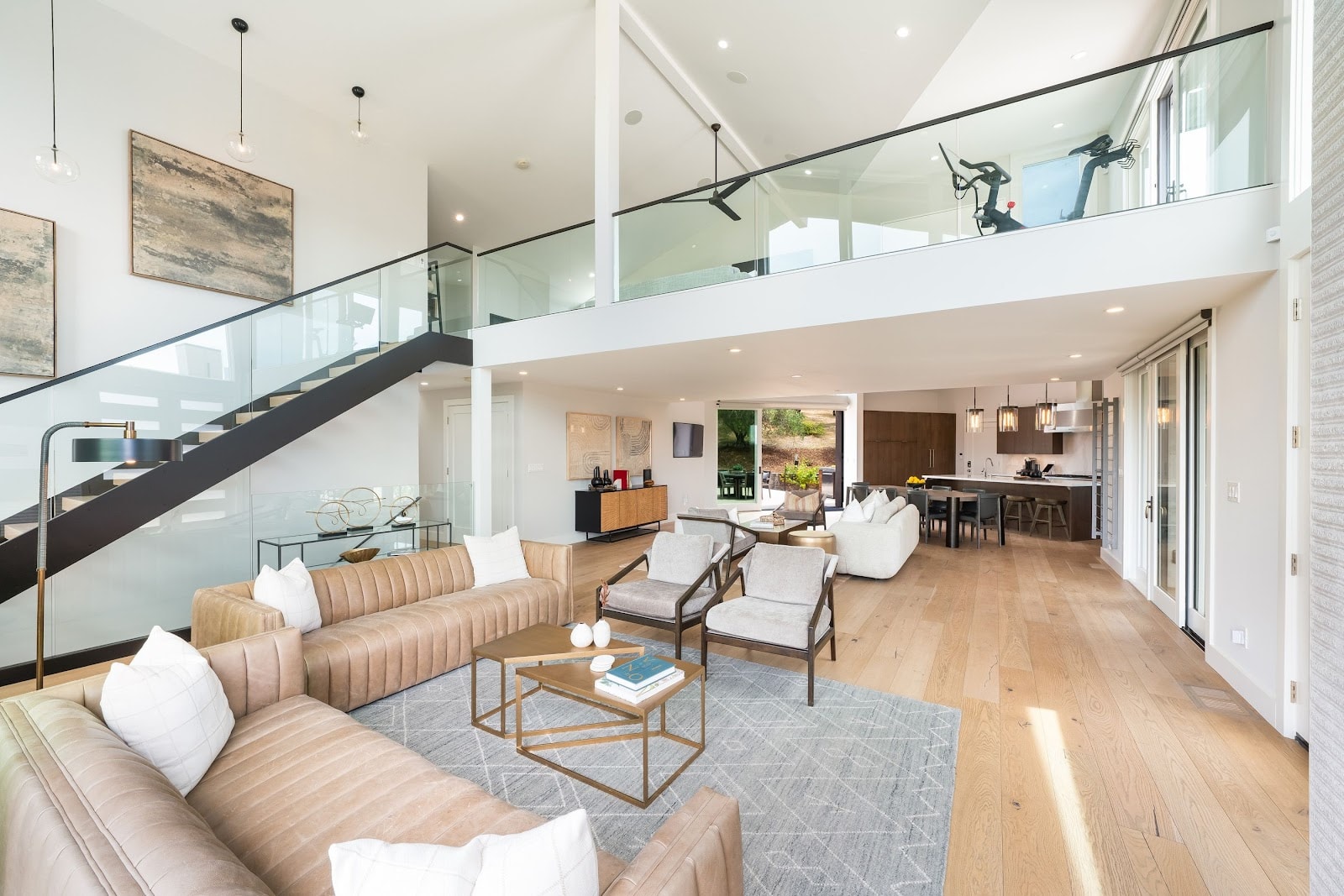
Napa, California, USA — 4-Bed Estate With Pool
$655,000
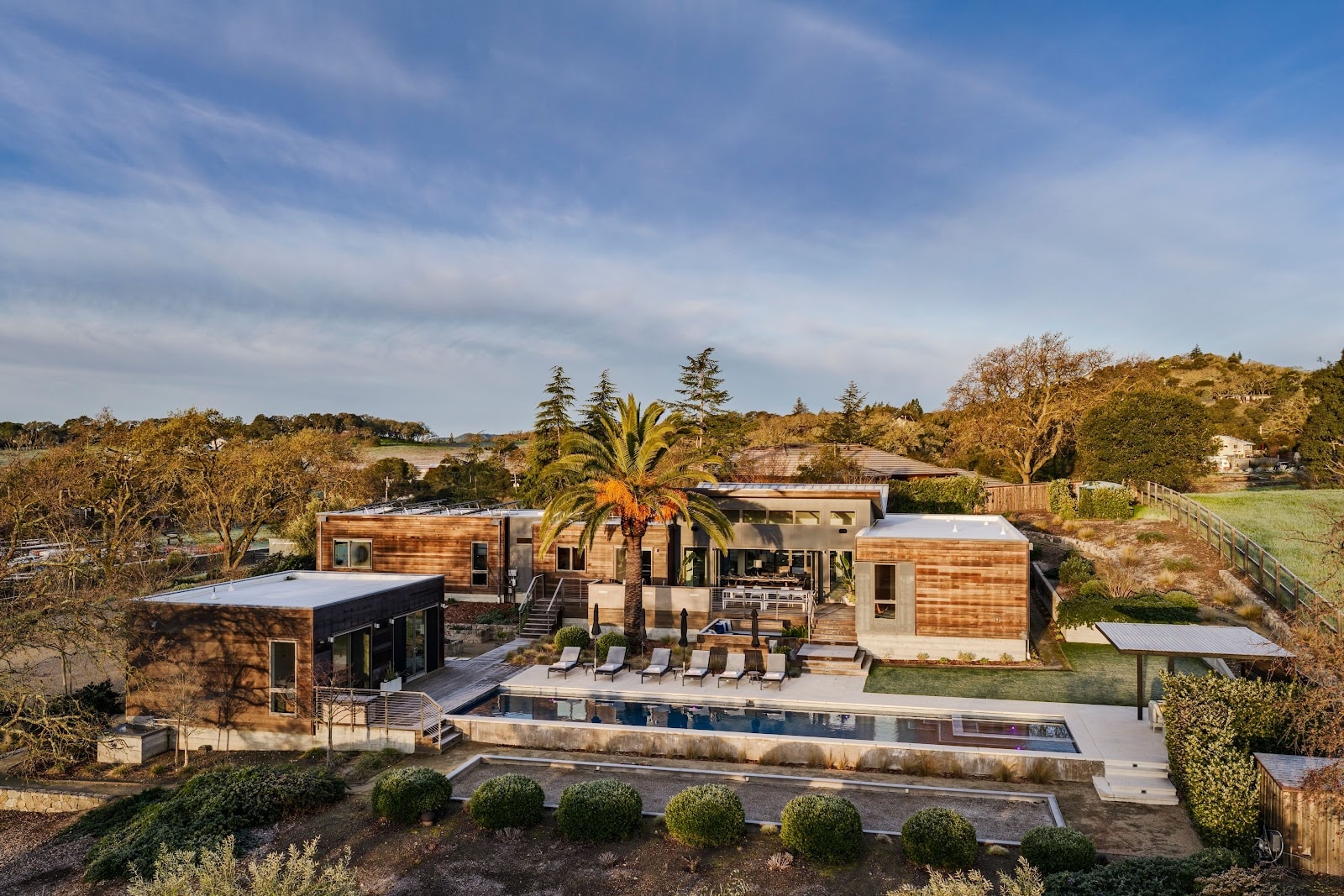
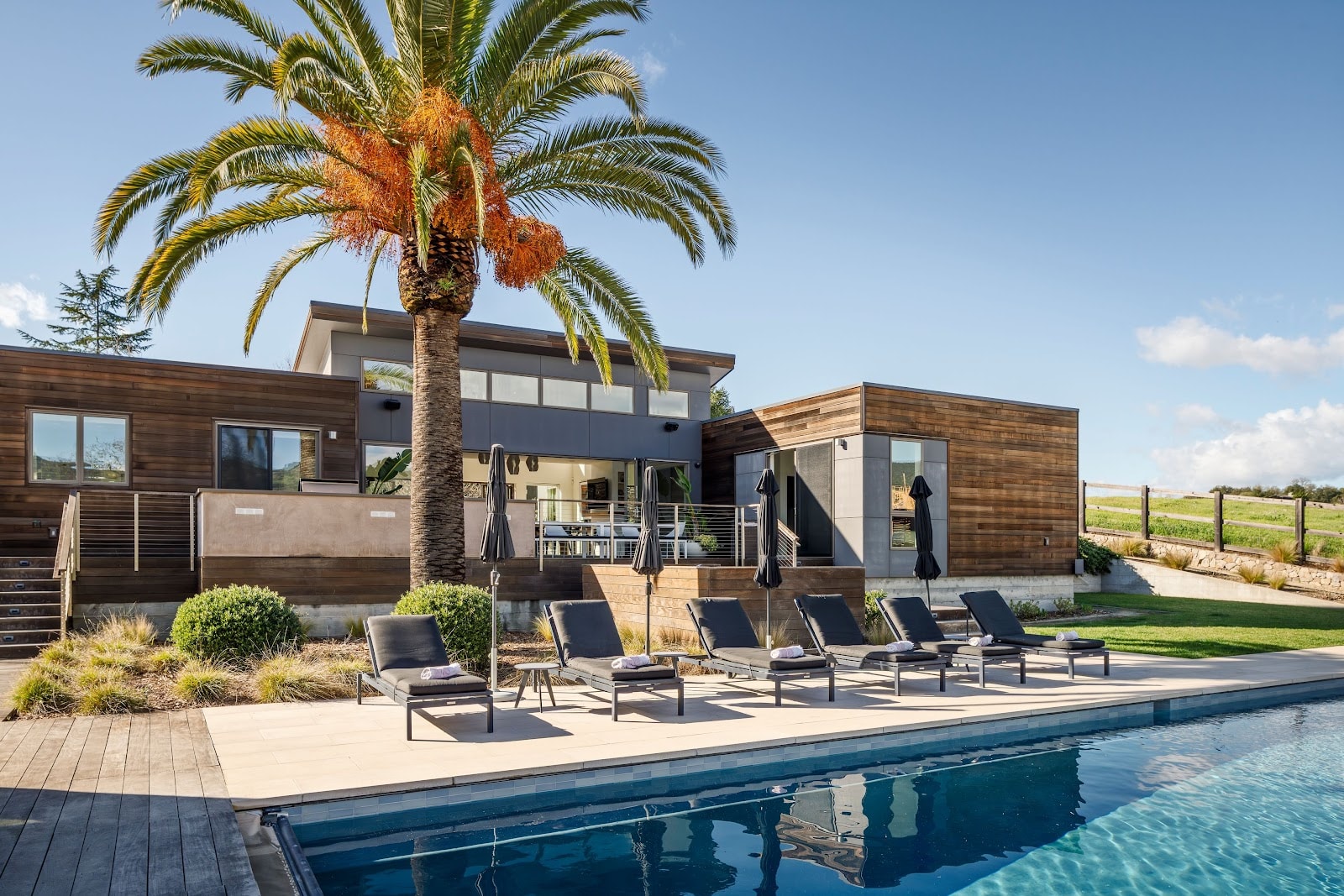
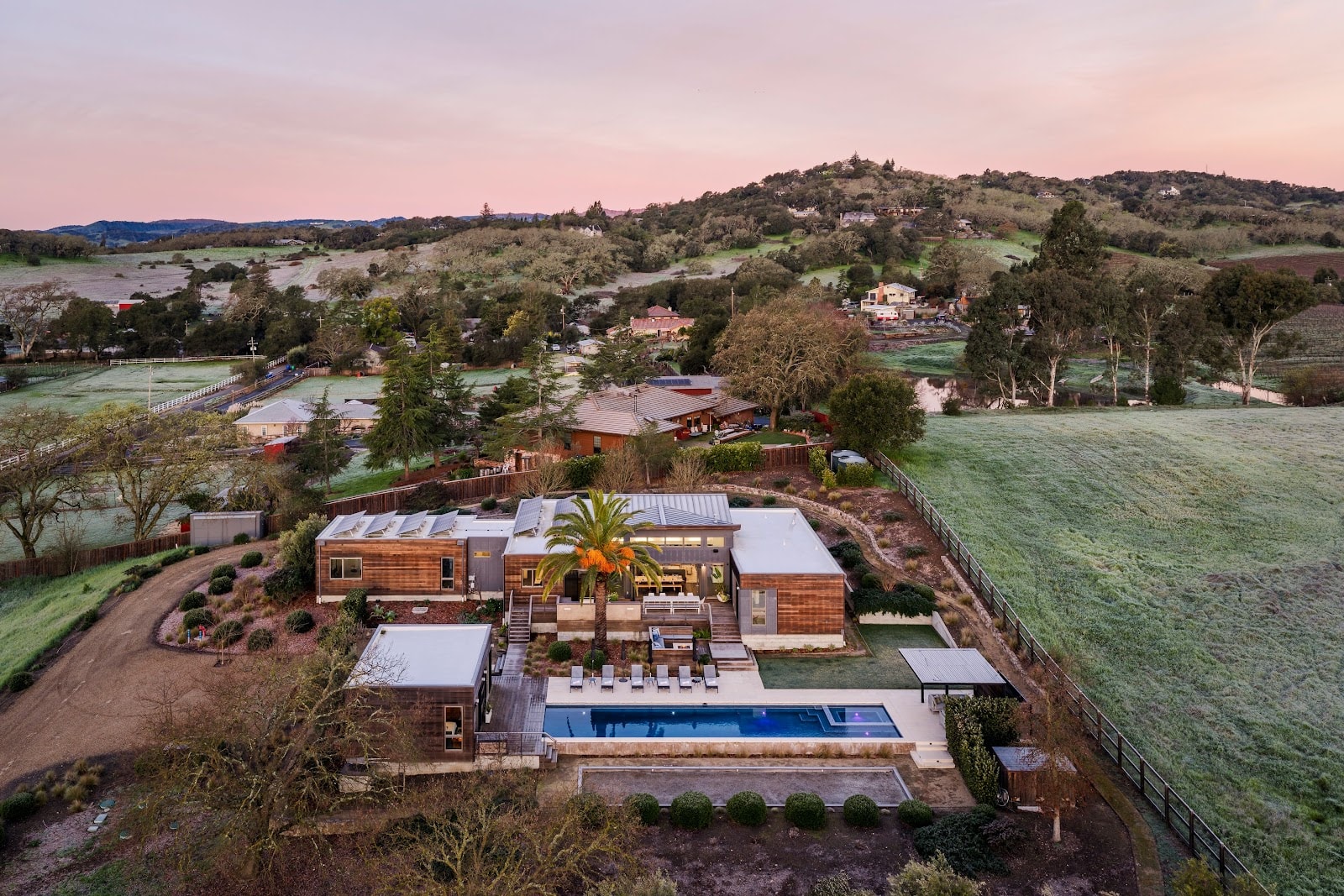
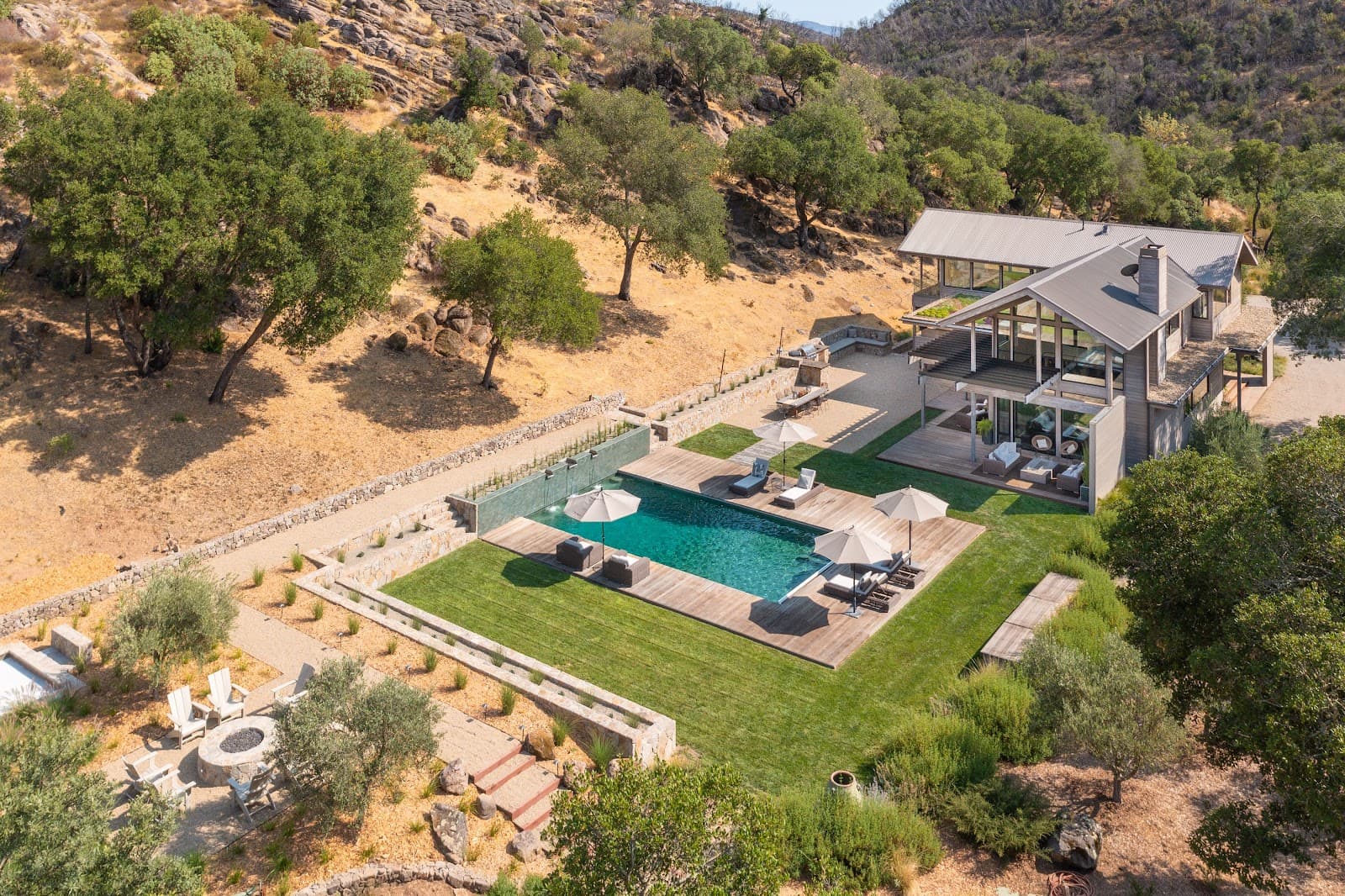
Napa, California, USA — 5-Bed House With Pool
$745,000
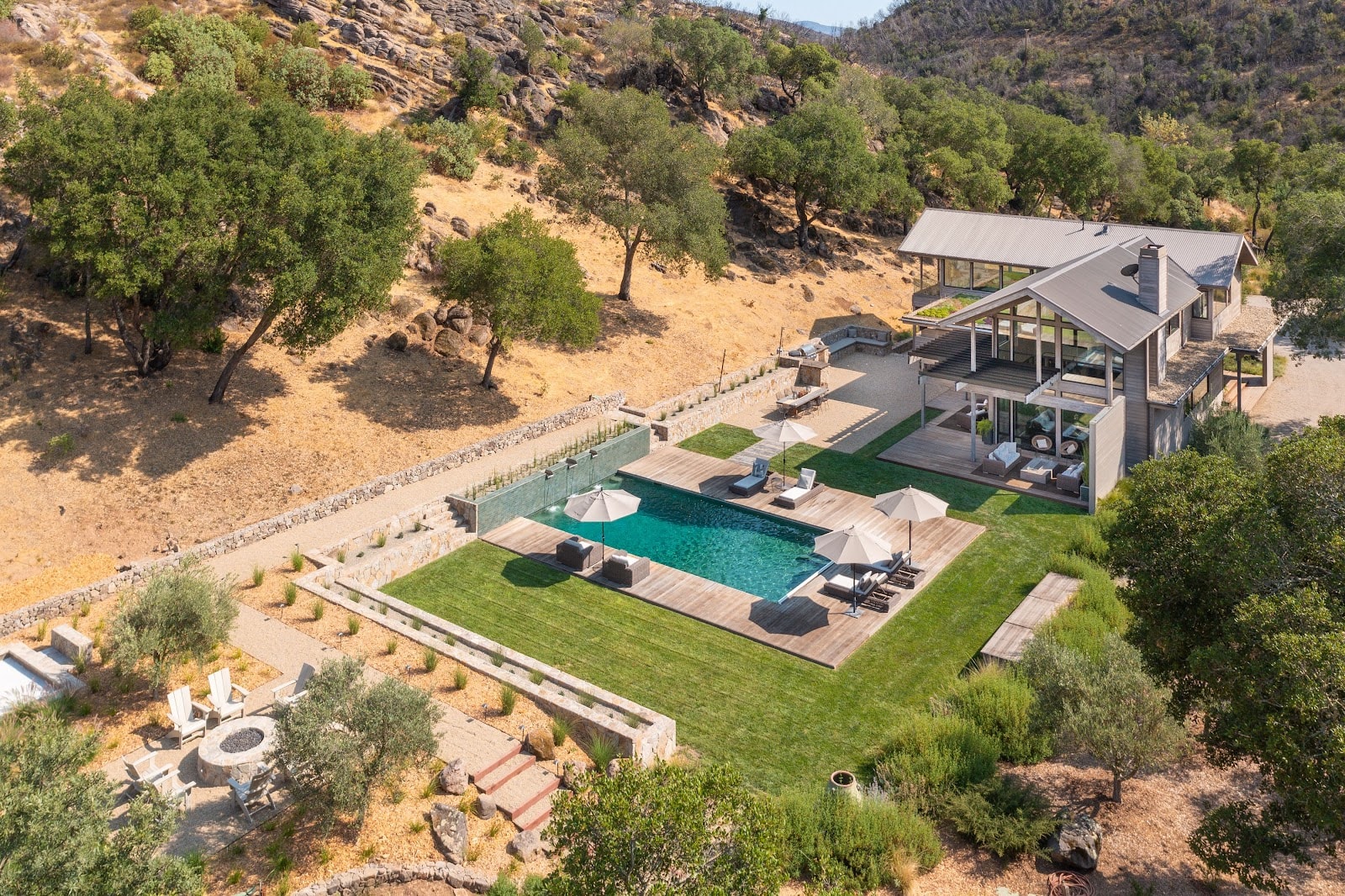
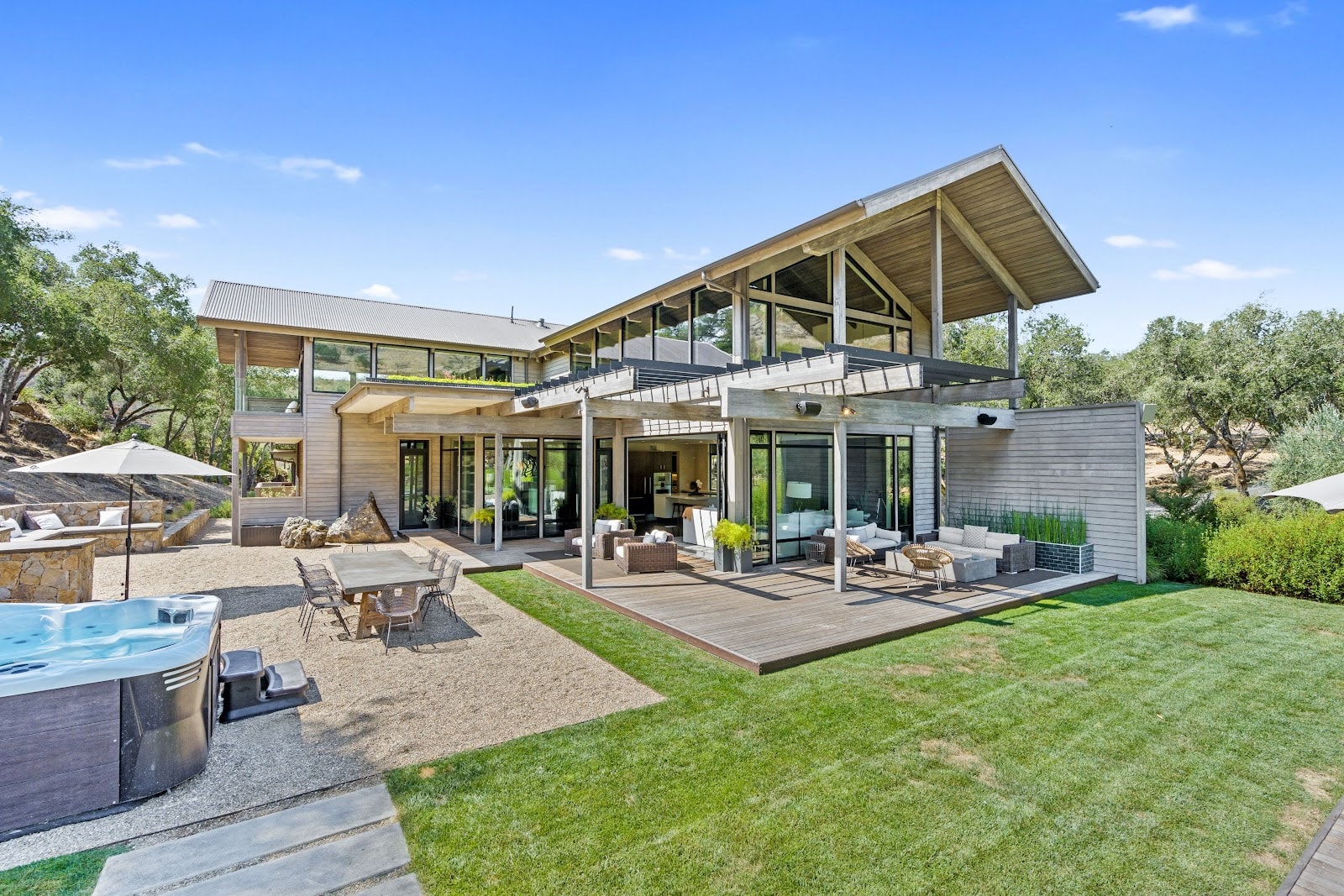
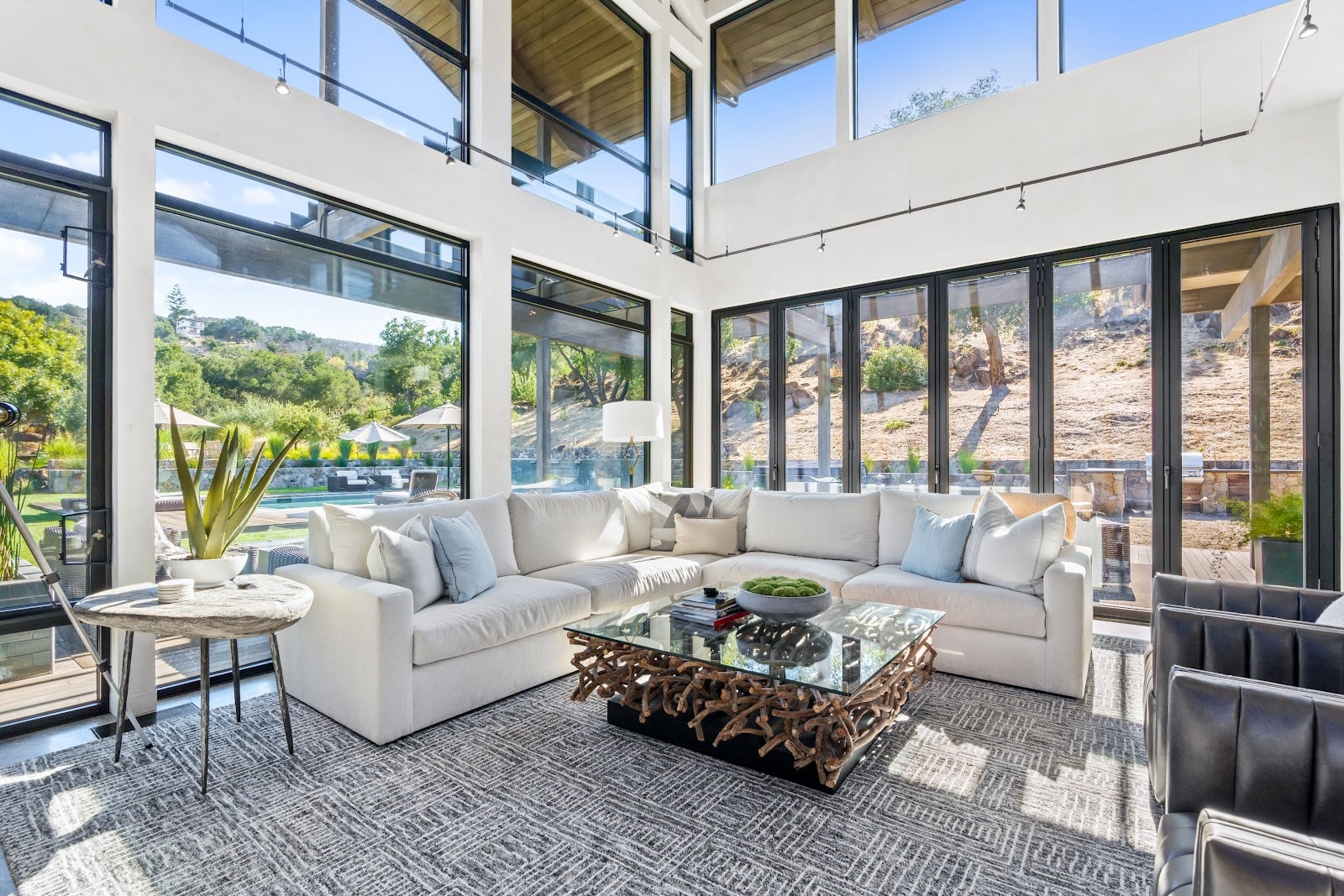
Napa, California, USA — 4-Bed Estate With Outdoor Kitchen
$850,000
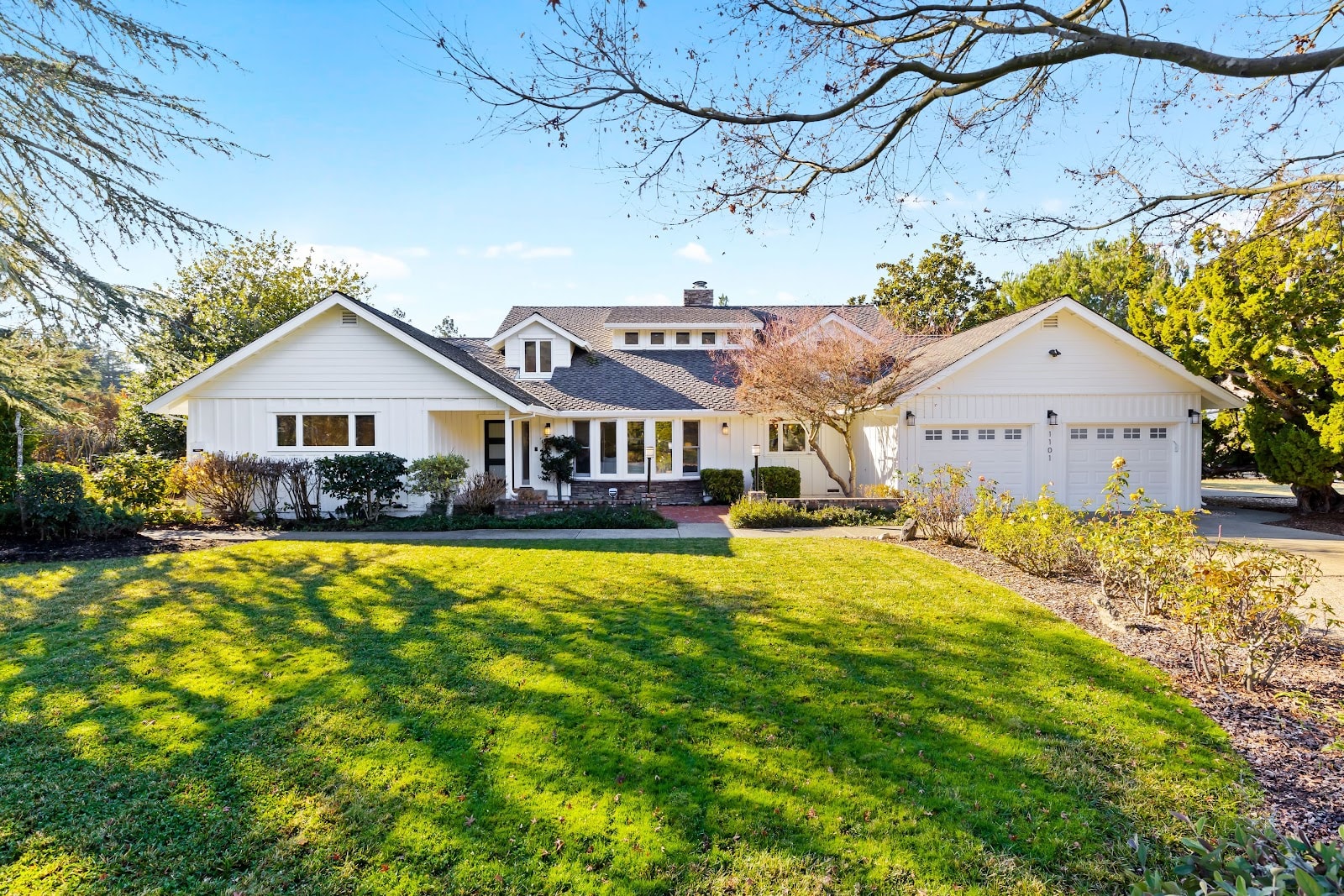
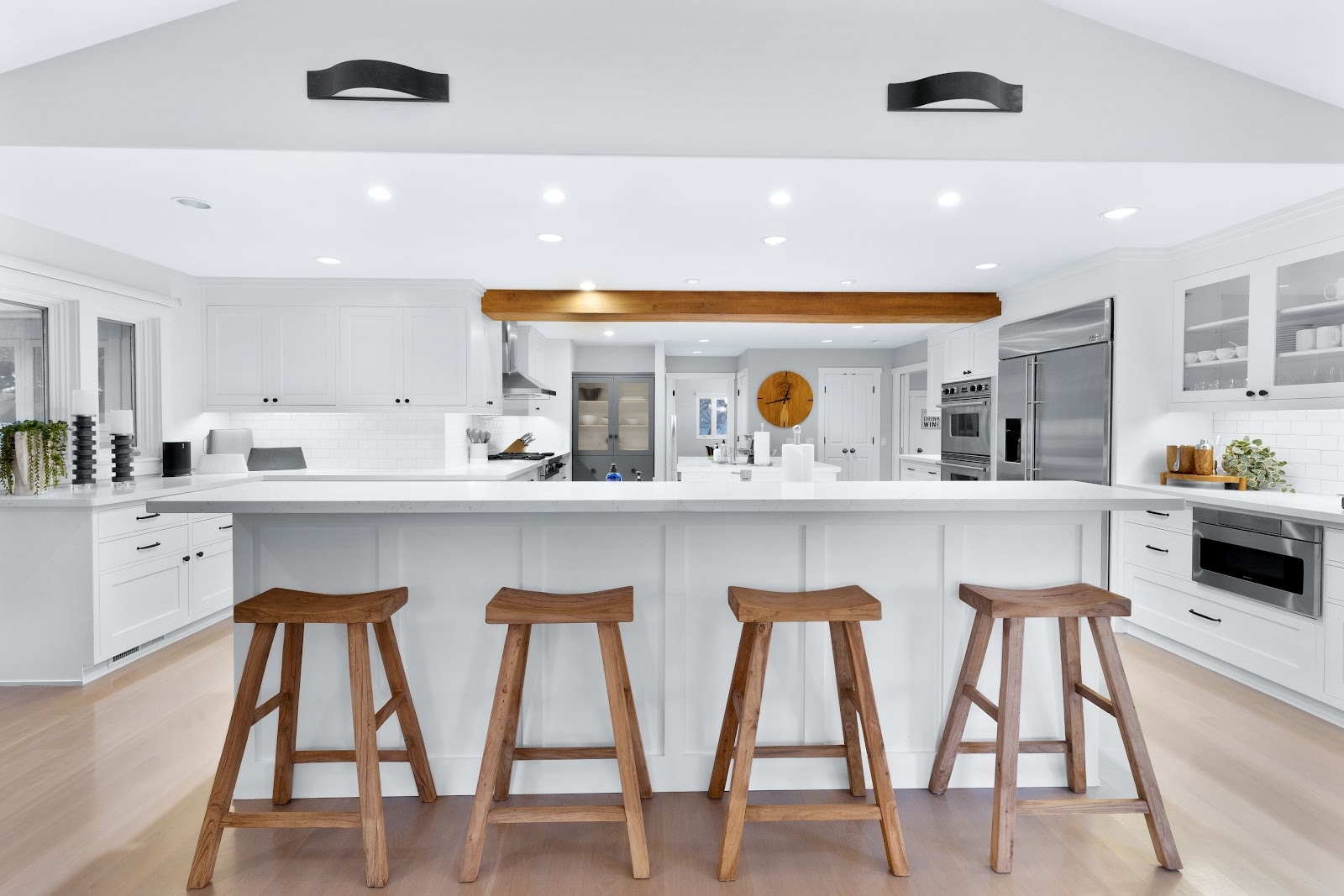
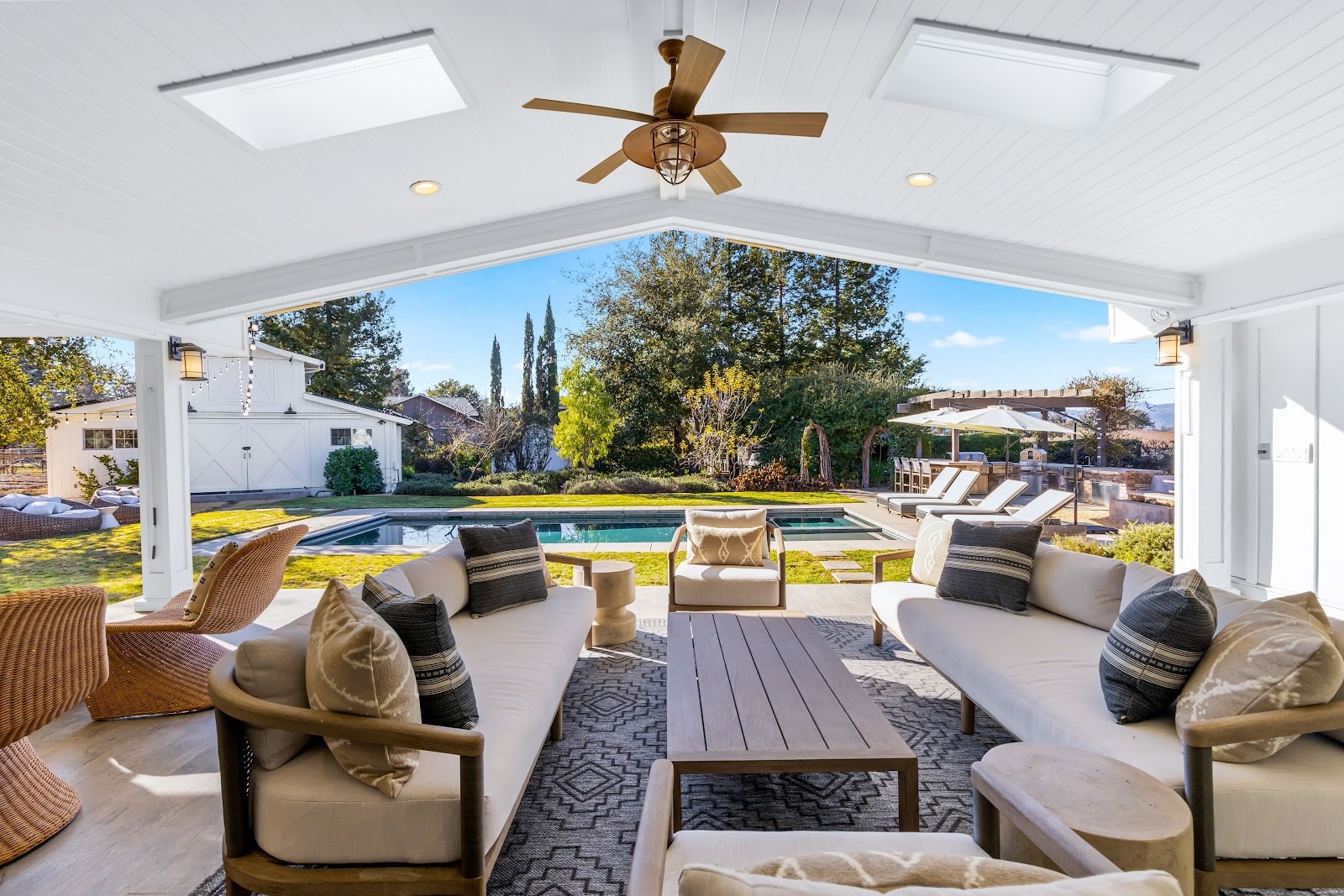
Napa, California, USA — 5-Bed House With Pool
$865,000
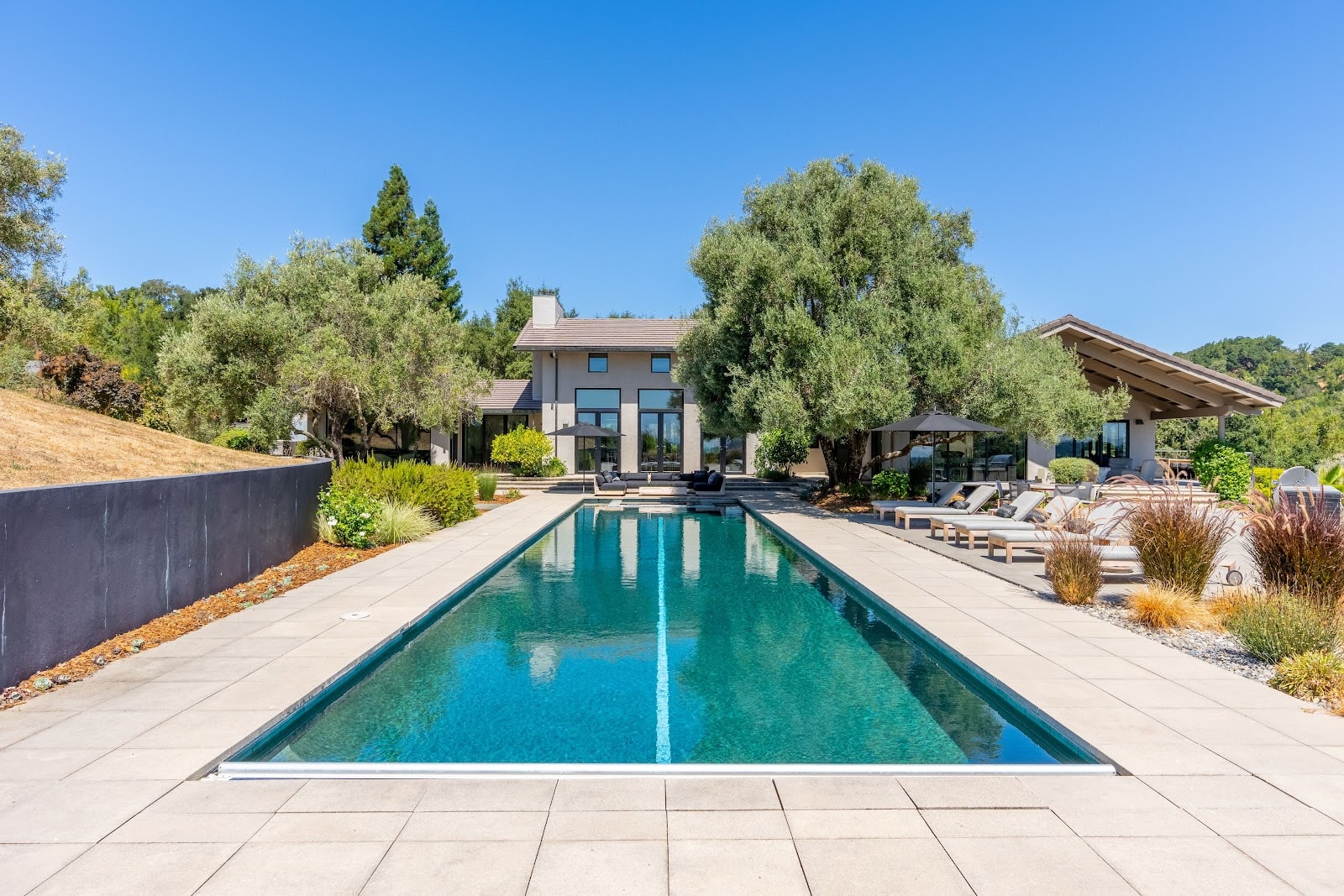
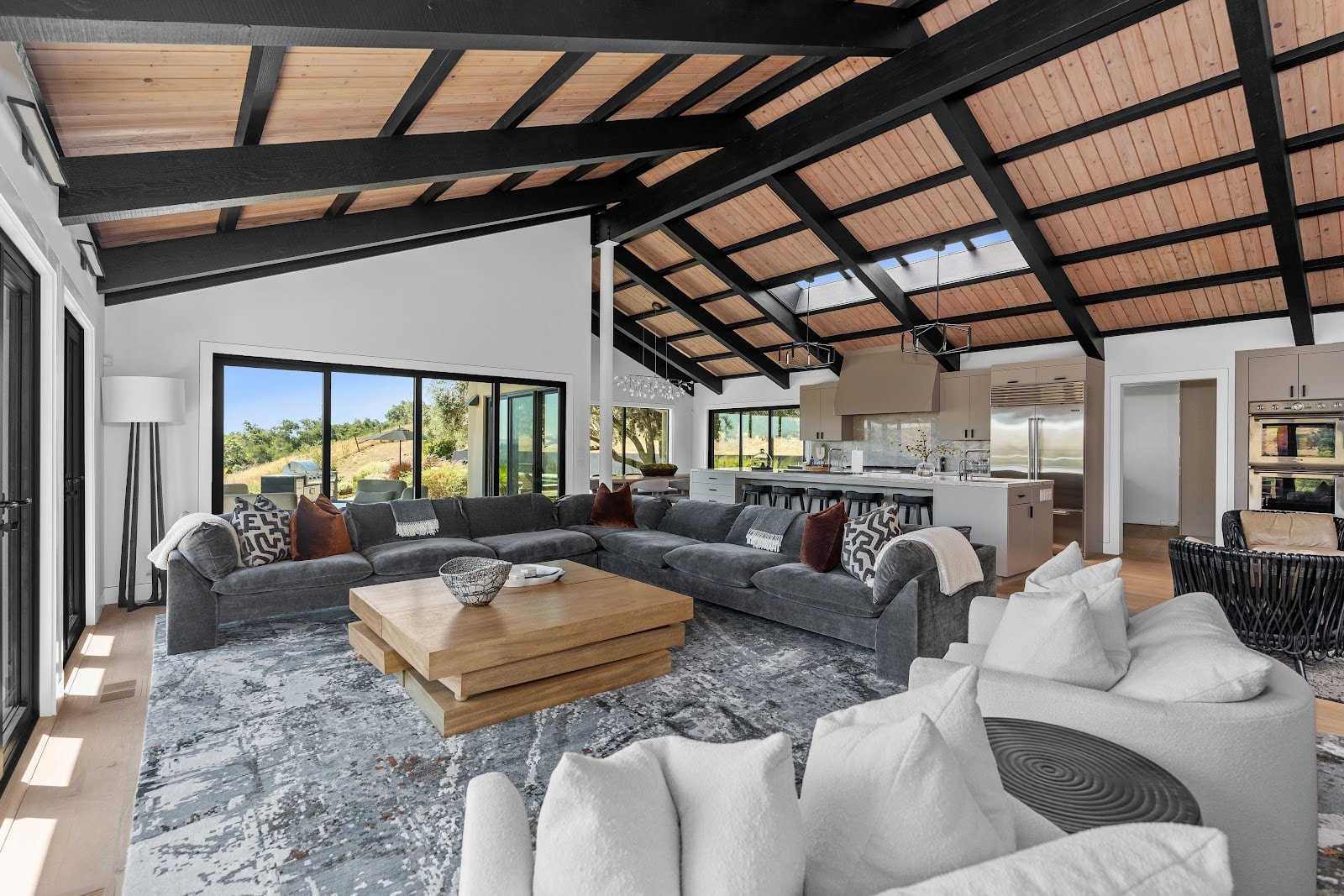
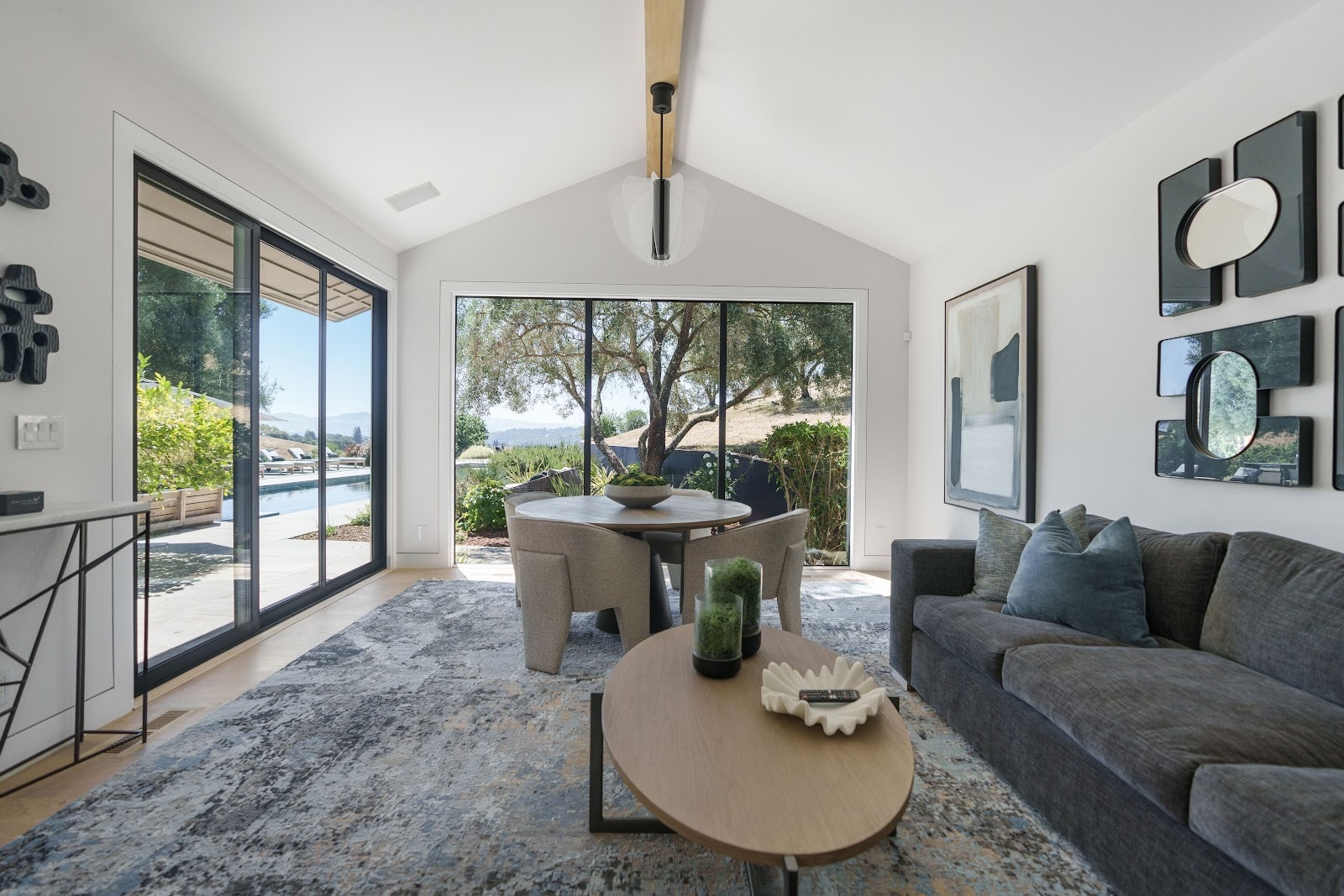
Napa, California, USA — 6-Bed House With Pool
$1,350,000
Why buy a co-ownership home in Napa?
Buying a whole holiday home in Napa means paying full price for a house that stands empty most of the year. Co-ownership takes the same home — professionally managed, beautifully furnished — and divides it into shares, usually eighths. You own a real share of the home — not a right to use it — with roughly six weeks of use a year, a share you can sell or pass on, and running costs shared between owners rather than shouldered alone. In Napa, that ownership starts from $479,000.
What is fractional ownership in Napa?
Fractional ownership in Napa means owning a real share of a fully managed home, usually an eighth, with around six weeks a year to use it, depending on the home. We currently list 6 Napa homes, with shares from $479,000.
You own a real share of the home (an eighth, a quarter), not a right to use it. You can sell it, pass it on, and it rises and falls in value with the house. The legal set-up is arranged by our partner for each home and explained before you buy.
Napa is the best-known of California's wine valleys, about an hour and a half north of San Francisco, and people return to it for the same weeks every year: harvest in September and October, the quiet green of late winter, long summer evenings. A share lets you own in the valley for those weeks without carrying the cost of a whole estate.
Napa, properly understood
Napa is a thirty-mile valley an hour north of San Francisco, and the thing to understand before anything else is that it is a farm. Not metaphorically — legally. In 1968 Napa County created the first agricultural preserve in the United States, zoning the valley floor for agriculture and making it extraordinarily difficult to develop, a protection later reinforced by ballot measures requiring a vote of the people to rezone agricultural land. That single decision, taken before the wine boom, is why the valley today is vineyards and small towns rather than the suburban sprawl that swallowed comparable land elsewhere in California.
Everything follows from it. The scarcity of buildable land is why Napa property is expensive and why supply cannot grow. The preserved landscape is why the drive up the Silverado Trail at golden hour is one of the most beautiful in America. The concentration of a fixed area of vineyard into the world's most valuable wine appellation is why a valley this small supports several hundred wineries and one of the highest densities of serious restaurants anywhere in the country. And the fact that it is agricultural land means the calendar here is a farming calendar — bud break, bloom, veraison, harvest — which gives the year a shape that a resort's does not.
For a buyer, the practical meaning is a destination unlike any other on this list. There is no ski mountain and no beach. What there is instead is a small, protected, spectacularly good-looking valley an hour from a major international city, with world-class food, an extraordinary drinking culture, hot springs at the northern end, cycling and hiking on the ridges, and a season that runs comfortably ten months. It suits a particular kind of owner completely — and the ones who buy here tend to use their weeks more, not less, as the years go on.
A short history: from prunes to Cabernet
The Wappo people lived in this valley for thousands of years before Spanish and then American settlement; the valley's name comes from their language. Vines arrived in the mid-nineteenth century — Charles Krug founded a commercial winery here in the 1860s, and by the 1880s Napa had several dozen — but the industry was flattened twice, first by the phylloxera louse and then, decisively, by Prohibition. For most of the first half of the twentieth century this was a valley of prunes, walnuts, cattle and a handful of surviving wineries selling sacramental and bulk wine.
The modern era begins in the 1960s with a small number of people who believed the valley could make wine of the first rank: Robert Mondavi's winery in 1966 was the symbolic start, and the agricultural preserve two years later was the structural one. The proof came in 1976 at a blind tasting in Paris, when a Napa Cabernet and a Napa Chardonnay beat the best of Bordeaux and Burgundy in front of French judges. The result was reported around the world, and the valley's reputation was made in an afternoon.
What followed was fifty years of compounding: capital, ambition, viticultural science, and an obsessive focus on Cabernet Sauvignon, which the valley's climate and soils suit as well as anywhere on earth. Along the way the towns changed too — Yountville became a restaurant destination of international standing, downtown Napa transformed itself from a workaday county seat into a genuinely appealing small city with a river front, a music venue and a public market, and Calistoga kept its nineteenth-century spa-town character almost intact. The valley you visit today is the result of an unusual thing: sustained prosperity inside a boundary that could not expand.
The valley, town by town
Napa, the city, sits at the southern end and is the valley's only real urban centre — around eighty thousand people, a walkable downtown along the river, the Oxbow Public Market, the restored Uptown Theatre, a jazz club in the old opera house, tasting rooms, restaurants and a genuine year-round life. It is the most affordable end of the valley, the most practical for services, and the place where you can walk to dinner. Twenty-five minutes from St Helena and an hour from San Francisco.
Yountville, ten minutes north, is small, beautifully kept, and has one of the highest concentrations of Michelin-starred restaurants per resident anywhere in the world — the legacy of one restaurant's ambition and the cluster that grew around it. It is walkable end to end in fifteen minutes, expensive, and for many owners the single most desirable address in the valley precisely because you can eat that well and then walk home.
Oakville and Rutherford are less towns than crossroads in the middle of the valley's most valuable vineyard land — a general store, a few great wineries, and a hillside hotel with the best terrace view in California. St Helena, further north, is the valley's classic main street: a long, elegant, tree-lined stretch of nineteenth-century buildings with shops, restaurants and a hospital, surrounded by vineyards. It is the address most people picture when they picture Napa.
Calistoga, at the top of the valley, is different in kind: a small, unpretentious, nineteenth-century spa town built on geothermal springs, with mud baths, hot pools, a main street of low buildings and a mountain backdrop. It is the least expensive of the northern towns and, for a certain owner, the most charming. And on the ridges either side — Mount Veeder, Spring Mountain, Howell Mountain, Atlas Peak — sit the valley's hillside properties, with views, cooler air and a more remote life.
Where exactly to own: micro-locations, rated
Downtown Napa and the riverfront. The best value in the valley and the only address with real urban life: walk to the market, a dozen restaurants, tasting rooms and the music venue. Closest to San Francisco and the airports, most practical for services, and the strongest year-round community. Best for owners who want a town rather than a vineyard view.
Yountville. The connoisseur's choice and the most walkable food destination in America relative to its size. Ten minutes to the heart of the valley in either direction, and small enough that everything is on foot. Expensive, quiet at night, and superb.
St Helena. The classic Napa main street with vineyards on all sides, the best small-town shopping in the valley, and a central position for winery visits. Twenty-five minutes from downtown Napa, and the address that most reads as Napa Valley to anyone you tell.
Calistoga. Value, charm and hot springs. A genuine small town with mud baths and a mountain backdrop, less polished than St Helena and considerably less expensive. Furthest from San Francisco, closest to the wilder northern country and the geysers.
Oakville, Rutherford and the valley floor. Vineyard-adjacent addresses in the most valuable agricultural land in America. Rare, expensive, and beautiful. Everyday errands are a short drive away; the reward is that you wake up in the middle of the vines.
The hillsides: Mount Veeder, Spring Mountain, Howell Mountain, Atlas Peak. Views, cooler nights, forest and privacy, at the end of a beautiful winding drive. Hillside homes are maintained to the county's defensible-space standards, and insurance is confirmed for each property before you commit. Best for owners who want seclusion above everything.
Just outside: Sonoma and Carneros. Over the ridge to the west, Sonoma's valley is greener, gentler, cheaper and less polished, with its own excellent wines and a lovely historic plaza. Carneros, at the southern end where the two counties meet, catches the bay fog and grows Pinot and Chardonnay. Both are legitimate alternatives for owners who want wine country without Napa's prices.
The wine: what is actually in the glass
Napa is Cabernet Sauvignon country, and understanding why makes every subsequent tasting better. The valley runs roughly north to south, open at its southern end to the cool fog of San Pablo Bay and closing at the northern end into a warmer, more sheltered basin. That gives a temperature gradient along thirty miles, from cool Carneros in the south to hot Calistoga in the north, and a second gradient from valley floor to hillside. Combine that with a geology unusual even by Californian standards — volcanic and sedimentary soils interleaved by ancient floods and eruptions — and you get dozens of distinct growing conditions in a very small area, formalised into sixteen or so sub-appellations.
The result: Cabernet Sauvignon that ripens fully almost every year, with the structure to age, from Rutherford's famous dusty tannin to the tighter, more mineral hillside wines of Howell Mountain and Spring Mountain. Around it, the valley grows serious Chardonnay in the cooler south, Sauvignon Blanc, Merlot and Cabernet Franc for blending and increasingly on their own, some fine Zinfandel from old vines, and a small but growing quantity of Rhône and Italian varieties from producers who enjoy the argument.
For a visitor, the practical shift that ownership brings is from tasting-room tourism to relationships. Visitors book three tastings in a day and remember none of them. Owners join two or three wineries' allocation lists, get to know a winemaker or two, come at harvest, and end up with a cellar under the stairs that tells the story of their years here. That is a different and much better experience, and it is only available to people who come back.
Visiting wineries, done properly
Some practical guidance, because the valley rewards knowing how it works. Almost all Napa wineries now require appointments — a consequence of county use permits as much as of demand — so a day of spontaneous drop-ins is not the plan. Two, or at most three, appointments in a day is the maximum that leaves you capable of remembering the third. Book the ambitious one in the morning when your palate is fresh.
The range of experience is wide. The large historic estates on Highway 29 do polished, informative, high-volume visits and are a fine introduction. The Silverado Trail, the quieter road up the eastern side, holds a higher concentration of the small and serious. The hillside wineries are the ones with the views and the caves. And the appointment-only, tiny-production producers — the ones with no sign at the gate — are where an owner's relationships eventually lead, and where the wine most often justifies the price.
A driver is not optional if everyone is tasting; the county takes this seriously and so should you. Car services are plentiful and reasonably priced, and the Wine Train offers a slow, comfortable, faintly old-fashioned way to see the valley floor. Harvest, from roughly late August into October, is the most exciting time to visit and the busiest — everything is happening, the smell of fermentation is everywhere, and the wineries are working. Book early or come in winter, when the tasting rooms are quiet and the winemakers have time to talk.
Eating: the valley's other industry
Napa's restaurant density is a direct consequence of its wine. A small valley with several hundred wineries, a wealthy visitor economy and an agricultural landscape that grows superb produce was always going to attract ambitious cooks, and for fifty years it has. Yountville is the epicentre, holding several Michelin-starred restaurants within a few hundred metres, including one of the most celebrated in the world — reservations for which are a project rather than a phone call, and one an owner can plan around a year ahead in a way a visitor cannot.
But the depth matters more than the peak. St Helena, downtown Napa and Calistoga all have serious kitchens, and beneath them sits a layer of genuinely excellent everyday eating: taquerias serving the valley's substantial Mexican-American community, whose labour built and runs this wine industry and whose food is among the best in Northern California; bakeries; a hundred-year-old grocery; the Oxbow Public Market in Napa with its oyster bar, butcher, cheesemonger and coffee.
For an owner, the eating is one of the strongest arguments for the valley. You can book the once-in-a-lifetime dinner and also have a two-taco lunch that costs nothing and is just as memorable. And provisioning a house here is a pleasure: farmers' markets in season, olive oil pressed locally, cheese from the coast, produce from the valley floor and Sonoma, and a wine cellar that fills itself.
Beyond the vineyards: the outdoor valley
It is easy to assume Napa is a valley you drive through and drink in. It is also a valley you move in. Cycling is the local passion: the Silverado Trail is one of the great road rides in California, quiet, rolling and flanked by vineyards, and the ridge climbs up Mount Veeder, Howell Mountain and Oakville Grade are serious. The Vine Trail, a paved separated path being built the length of the valley, already connects Napa to Yountville and is extending north — a genuinely lovely family ride through vines.
Hiking is better than expected. The state parks on the valley's edges — Bothe-Napa Valley with its redwoods, Robert Louis Stevenson at the head of the valley on Mount St Helena, Skyline Wilderness above the city — give real trails, and the ridges reward a climb with a view down the whole valley. In spring the hills are green and the wild mustard flowers between the vine rows, which is the valley at its most photographed.
Then the specialities. Hot-air ballooning at dawn over the valley floor is a genuine cliché and a genuine wonder, and the still morning air here suits it. Calistoga's geothermal water supports a spa culture that goes back to the nineteenth century — mud baths, mineral pools, and hot springs that are unfashionable enough to still feel authentic. Lake Berryessa, east of the valley, adds boating and swimming in summer. And an hour and a half west, the Sonoma Coast gives you the Pacific: cliffs, seals, cold water and the best oysters in California.
A year in the valley, month by month
January and February are the valley's quiet secret: cool, often wet, with the vines bare and the hills brilliant green. This is when the mustard flowers between the rows, when tasting rooms have time for a conversation, when hotel rates are at their lowest and when the restaurants that are impossible in October have a table. Serious wine people come in winter deliberately.
March and April bring bud break and the valley waking up: green shoots, warm days, wildflowers on the ridges, and the best hiking and cycling of the year. May is close to perfect — warm, dry, everything in leaf — and brings the big music festival to Napa on the American Memorial Day weekend. June through August is hot, dry and bright: mornings are beautiful, afternoons call for a pool or a cellar, and the valley works around it. The bay fog rolls up on many summer mornings and burns off by ten.
Late August through October is harvest, and it is the valley's true high season: crush, night picking, the smell of fermentation everywhere, the light going gold, and the vines turning red and yellow through October. It is the most exciting and most expensive time to be here, and everything needs booking. November is quiet, mild and lovely, with the last colour on the vines. December brings a small-town Christmas and the beginning of the cycle again. There is no bad month — but the ones most people avoid are frequently the best ones to own in.
The year's fixtures
Napa's calendar is shorter than a resort's and better than you would expect. The largest event is BottleRock, a substantial music festival held in downtown Napa over the American Memorial Day weekend in May, which fills the valley for three days with a line-up that regularly includes major international acts — and, this being Napa, a culinary stage where chefs and musicians cook together. Book around it in whichever direction suits you.
Through the spring and early summer the valley runs a steady programme of winery events, release parties, outdoor concerts and the charitable wine auction week that has raised very large sums for the county's health and children's services over four decades. The jazz club in the old opera house downtown books nationally touring artists year-round, and the restored Uptown Theatre does the same for larger acts.
Harvest, from late August into October, is less an event than a season, but it is the one to build a visit around at least once: night picking under lights, sorting tables running at dawn, the crush pads working, and an atmosphere in the valley that is entirely different from the rest of the year. Autumn also brings the food-and-wine calendar at its densest. Winter has the mustard season in February, when the flowers between the vine rows turn the valley yellow and the photographers arrive, and a quiet, hospitable Christmas in the towns.
Napa with children
Napa is a better children's destination than people expect. The valley's assets for families are the outdoor ones: the Vine Trail for cycling through vineyards on a paved, traffic-free path; the state parks with redwood groves and swimming holes; Lake Berryessa for boating; the pools that come with most houses here and matter enormously in July; and the sheer amount of space to be outside in.
The set pieces work too. The Old Faithful geyser near Calistoga erupts on a schedule and delights small children reliably. The petrified forest nearby is a genuine curiosity. The hilltop Tuscan-style castle winery north of St Helena has a full medieval fantasy about it — dungeon included — and is unembarrassed about being the family option. Balloon flights, the Wine Train, and the safari-style animal park in the hills west of the valley round it out.
Tasting appointments are an adult affair, so the rhythm most owning families settle into is the split day: one adult tastes in the morning while the other takes the children to the pool or the trail, and everyone meets for a long lunch. It works because the valley is small — nothing is more than half an hour from anything else. And for teenagers, the food, the cycling and the proximity of San Francisco make it a considerably better proposition than it sounds.
Beyond the valley: days out
San Francisco is an hour and a quarter south and changes the character of a week here entirely: a great city for a day or a night, with the Golden Gate, the museums, the food and the airport. Berkeley and Oakland are closer still, and both are more interesting than their reputation among visitors suggests. For an owner, having a world city an hour away means a rainy Tuesday is never a problem.
West, over the ridge, Sonoma County is the immediate neighbour and the natural counterweight: the historic plaza at Sonoma town, the Russian River Valley's Pinot country, Healdsburg's excellent small-town square, and — an hour and a half from Napa — the Sonoma Coast, which is one of the wildest and most beautiful coastlines in California. Point Reyes, a little further, has oysters, cliffs, a lighthouse and elephant seals.
North and east, the country opens up: Lake Berryessa for boating and swimming, the geysers and geothermal country above Calistoga, and the long drive up into Mendocino and the redwoods if you have the time. Sacramento is an hour east. And the Sierra — Truckee, Tahoe and the mountains — is about three hours, which makes a ski weekend from a Napa house perfectly realistic for owners who want both.
Getting there and getting around
Napa is one of the easiest wine regions in the world to reach. San Francisco International is about an hour and a half by road with the full international network; Oakland is around an hour and often cheaper; Sacramento is about an hour; and Charles M. Schulz–Sonoma County Airport, forty-five minutes west, has useful regional service that avoids the Bay Area entirely. The drive from any of them is straightforward, and the last twenty minutes — up Highway 29 or the Silverado Trail — is one of the pleasanter arrivals in American travel.
Owners learn the valley's rhythm within one visit: Highway 29 through St Helena is slow at five o'clock on an October Saturday, so locals use the Silverado Trail and time their movements to suit — and a good deal of the year the roads are simply a pleasure.
A car is necessary, with the important caveat about drinking and driving: if the day involves tasting, use a driver or a car service, and the county's enforcement is a good reason to take that seriously rather than optimistically. In downtown Napa and Yountville a great deal is walkable, and the Vine Trail makes cycling between towns genuinely practical. Most groups keep one car and hire a driver for the days that need one.
Fire and earthquake: how homes here are prepared
Like all of Northern California, Napa plans carefully for wildfire and earthquakes. Fire readiness is built into the way homes here are kept: defensible space around every house, wildland-interface building standards on newer construction with ember-resistant venting and non-combustible roofing, and seasonal vegetation work carried out before the dry months.
Insurance is part of the plan from day one. Valley-floor homes are generally simpler to insure than hillside ones, and cover is confirmed for the specific property before you commit, so the cost sits in your numbers from the start.
On earthquakes: modern construction is engineered for them, older masonry has largely been retrofitted, and earthquake cover is a separate insurance decision worth taking advice on. For a co-owned home, vegetation management, compliance, insurance placement and seasonal preparation are all handled by professionals on the ground — a real advantage over a single owner living far away.
The property market, clearly explained
Napa is one of the most supply-constrained property markets in the United States, and the reason is the agricultural preserve described at the start. Land zoned for agriculture cannot easily become land zoned for houses; ballot measures require voter approval to rezone; and the towns themselves have limited growth boundaries. The consequence is a valley where the housing stock grows very slowly against demand from one of the wealthiest metropolitan regions on earth, an hour away.
The price gradient runs by town and by position. Downtown Napa is the entry point and offers the best value plus genuine walkable urban life. Yountville and St Helena command the highest town premiums. Calistoga offers charm and value at the top of the valley. Vineyard-adjacent property on the valley floor is rare and priced accordingly, and hillside estates trade on view and privacy.
Three local specifics are worth knowing. First, insurance: confirmed for the specific property before you commit, with valley-floor homes generally simpler to insure than hillside ones. Second, California property tax: assessed value is set at the purchase price with capped annual increases, so the tax on a newly bought home is based on what you paid rather than on the seller's figure. Third, water and well rights on rural properties, which are checked as part of any purchase outside the town limits.
For a share buyer the case here is unusually clean. Napa is a place people visit for long weekends and short weeks, several times a year, rather than for a month at a time. A whole house bought for that pattern sits empty three hundred days a year while carrying Californian fixed costs. A share matches the way the valley is actually used — and because there is no dominant peak season beyond harvest, the calendar distributes with less friction than in a ski or beach market.
What underpins value here
Five supports. First and largest: the agricultural preserve and the ballot protections around it. Napa is one of very few places in America where the scarcity of developable land is written into law rather than merely produced by geography, and it has held for more than half a century. Second, the appellation itself — Napa Valley is the most valuable wine name in the New World, and that value is attached to a fixed thirty-mile valley that cannot be extended.
Third, the Bay Area: one of the largest concentrations of wealth on the planet, an hour away, treating this valley as its weekend country. That demand has been consistent for fifty years and shows no structural sign of changing. Fourth, the hospitality and food economy: several hundred wineries, a Michelin-starred restaurant cluster, world-class hotels and spas, and a visitor economy that is diversified across wine, food, wellness, music and events rather than resting on one season.
Fifth, the length of the usable year. There is no dead season here — winter is quiet and lovely, spring is green, summer is hot and bright, autumn is the peak. Property whose usable season is ten or eleven months behaves differently from property whose usable season is eight weeks, and a professionally managed structure makes the most of every one of them.
Who owns here
Napa's second-home ownership is dominated by the Bay Area — technology and finance wealth, professional families, and a long-established San Francisco tradition of a place in the country. That is the core, and it explains the market's rhythm: Thursday-to-Sunday usage, heavy long-weekend patterns, and a valley that is markedly busier at the weekend than midweek.
Around it sits a national layer: buyers from Los Angeles, Seattle, New York, Texas and Chicago who come three or four times a year, often built around allocation pick-ups and harvest. And a genuine international layer, larger here than in most American second-home markets, drawn by the wine — European, Asian and Latin American buyers for whom Napa is a recognised global name and San Francisco is a direct flight.
Then there is the valley's own community, which matters more than in a pure resort: a substantial permanent population, a large and long-established Mexican-American community whose work underpins the entire wine industry, farmers, winemakers, chefs and hospitality workers. Napa is a working county, not a holiday strip, and it feels like one. For a co-owner, the practical consequence is a mature service economy — property management, maintenance, landscaping, caretaking — used to houses that are occupied part of the time, and a valley where a house with several families in rotation raises no eyebrows at all.
Napa against the alternatives
Buyers considering wine country compare the same places. Against Sonoma, immediately west: Sonoma is greener, larger, more varied, less polished and materially cheaper, with excellent Pinot Noir and Chardonnay and a gentler atmosphere. It is the better value; Napa is the better name, the better food cluster and the more liquid property market. A good number of buyers look at both and choose on temperament rather than price.
Against Europe: Tuscany and Provence give more history, more beauty of a different kind and lower prices, at the cost of a long-haul flight for American buyers and a considerably more complicated purchase and management process for anyone. Bordeaux and Burgundy have the deeper wine culture and a property market that is far harder for outsiders to access. Against Central Otago, Mendoza or the Cape: all beautiful, all cheaper, all much further from anywhere for most buyers.
Against other American second-home destinations: Napa has no beach and no ski mountain, and it does not need them. What it has instead is one of the world's great food-and-drink destinations, an hour from San Francisco, in a landscape protected by law, with a ten-month season and no dependence on snow or surf. For owners whose ideal week is a long lunch, a bike ride, a spa afternoon and a dinner worth flying for, nothing on this list competes.
Wine country beyond Napa: St. Helena and Healdsburg
Napa is the centre of the wine country we list, but not all of it. Up-valley, St. Helena is the small, walkable heart of the Napa Valley's best-known vineyards, between Highway 29 and the Silverado Trail. Over the Mayacamas Mountains in Sonoma County, Healdsburg sits where the Russian River, Dry Creek and Alexander valleys meet, with a town plaza of tasting rooms and restaurants and a slightly more relaxed pace than Napa.
Napa or Sonoma comes down to style. Napa is more polished and led by Cabernet Sauvignon; Sonoma County is larger and more varied, from Pinot Noir and Chardonnay towards the coast to Zinfandel in Dry Creek. Homes in St. Helena and Healdsburg have their own pages, linked below with their live counts and prices.
Co-ownership in Napa, in practice
Here is how a share of a house here actually works. You own a real share of a specific, fully furnished, professionally managed home — an eighth, a quarter — not a right to use it. You can sell it, pass it on to your heirs, and it moves with the value of the house. A timeshare sells you a week. Co-ownership sells you the house: part of one specific home, shared with a small group of owners rather than thousands — not time, points or a membership. The legal set-up is arranged by our partner for each home and walked through with you before you buy. The calendar allocates usage fairly across the owners, rotating the contested dates — harvest weeks, the festival weekend, Thanksgiving, the Christmas period — from year to year so no owner is permanently advantaged, with flexible booking for everything else.
Napa suits the structure better than almost any destination on our list, for a specific reason: this is a short-stay market. People come here for long weekends and four-day weeks, several times a year, rather than for a fortnight. That is precisely the usage pattern a share is designed for — and it means an owner here typically takes eight or ten separate visits a year rather than two long ones, which is a materially richer relationship with a place.
A professional manager runs the house: cleaning and linen between stays, landscaping and irrigation, pool maintenance, defensible-space compliance, insurance administration, utilities, deliveries and the seasonal preparation that a Californian summer requires. Your owner's storage holds the bikes and, inevitably, the wine — a proper cellar or a climate-controlled store is one of the practical questions worth asking about any Napa house before you buy.
Costs are shared in the same proportion as ownership: each owner carries their share of the home's running costs, billed transparently, covering property taxes, insurance, utilities, landscaping and pool, vegetation management, cleaning, maintenance and the reserve that keeps the furnishings good. In a county where the fixed costs of a house are high and the usage pattern is naturally part-time, that sharing is not a detail — it is the whole argument.
Buying in the United States: how the process actually runs
American property transactions run differently from European ones and are, once understood, fast and well-supported. There is no notary in the civil-law sense. In California the transaction runs through an escrow company and a title insurer: escrow holds the deposit and coordinates the closing, while the title company researches the chain of title, resolves liens and issues title insurance protecting the buyer against defects missed in the search. That insurance is standard and is one of the real strengths of the system.
The sequence: an offer on a standard state-approved contract; a contingency period during which the buyer inspects the property, reviews disclosures and can generally withdraw; title and disclosure review; and closing, typically within thirty to sixty days. California's disclosure regime is unusually thorough — sellers must disclose known material facts, and natural-hazard disclosure reports covering fire, flood and seismic zones are standard. Use the contingency period properly: obtain insurance quotes before commitment rather than after, review any association documents, understand the property tax reassessment that follows a purchase, and on rural properties investigate water, well and septic thoroughly.
There is no restriction on foreign ownership of American residential property. Non-US buyers will need a taxpayer identification number for filing purposes, should expect withholding rules to apply on a future sale, and should take advice on how their home country treats US-situs assets — including estate and inheritance treatment, the point most often overlooked. For a co-ownership share, the legal set-up is arranged by our partner for each home. We walk every buyer through the specimen documents in plain language before any commitment, and we will always encourage independent legal and tax advice. Nothing in this guide is legal or tax advice.
Three owners' years: specimen calendars
Three specimen years. The wine-first couple: four days in February for the mustard bloom and winemaker conversations that are impossible in October, a long weekend in May, a full week at harvest in September or early October in the years the rotation grants it, a few days in November for allocation pick-ups and the last colour, and a winter weekend in January. Eight or nine separate visits' worth of days, spread across the year, which is exactly how the valley is best used.
The family: a week at Easter when the hills are green and the trails are dry, a fortnight in July built around the pool, the Vine Trail, Lake Berryessa and day trips to San Francisco and the coast, a long weekend at Thanksgiving, and a few days at Christmas. A pattern that treats the house as a California base rather than a wine tour, with the city an hour away doing a great deal of the work.
The friends' syndicate: two or three couples taking alternating long weekends through the spring and autumn — a tasting, a bike ride, a spa afternoon, one serious dinner — plus one shared harvest week when everyone comes, and unclaimed weeks placed into managed rental where the home provides for it. Three shapes, one common property: in a valley used in long weekends rather than fortnights, a share is not a compromise on the way people own here. It is a closer match to it than whole ownership is.
An owner's practical almanac
The small knowledge that makes ownership frictionless. Appointments: book winery visits before you travel, two or at most three a day, the best one in the morning. Drivers: if the day involves tasting, hire one — car services are plentiful, reasonably priced and much cheaper than the alternative. Roads: Highway 29 through St Helena is slow on autumn weekends; use the Silverado Trail and travel outside the middle of the day.
Seasons: harvest, from late August into October, is the busiest and most expensive time and needs booking months ahead. January, February and early March are the valley's best-value and, for wine conversation, arguably best weeks. Summer afternoons are hot — plan the outdoors for mornings and evenings and let the middle of the day belong to a pool or a cellar. The bay fog burns off around mid-morning most summer days; do not judge the weather at eight o'clock.
In the house: a wine store or cellar is worth confirming before you buy, because you will accumulate faster than you expect. Fire-season preparation, defensible-space compliance and irrigation are all handled by the management team. September and October are usually clear and bright, and the valley at its most beautiful.
And the golden rule: whatever days you cannot use, release them early. Napa is an hour from four million people and someone in your ownership group will always take a long weekend.
Napa: questions owners actually ask
Do we need to be wine people? No, though you will become slightly more of one. The valley's food, spas, cycling, hot springs, landscape and proximity to San Francisco stand entirely on their own. Plenty of owners here have two tasting appointments a year and use the house mostly as a beautiful, quiet base an hour from a great city.
How is it in summer? Hot and dry — genuinely hot in the middle of the day in July and August, with cool mornings and pleasant evenings. Houses here have pools for a reason. The pattern that works is outdoors early, indoors or in the water in the afternoon, and dinner outside at eight when the temperature drops.
When is the best time to come? Depends what you want. October for harvest and the drama. May for the weather. February for the mustard, the quiet and the winemakers' time. September for the best combination of everything. There is no month that fails, which is unusual and is one of the strongest arguments for owning rather than visiting.
What about fires? Napa plans for them carefully. Defensible-space compliance, wildland-interface building standards and seasonal vegetation work are part of how homes here are kept, and insurance is confirmed for the specific property before you commit — valley-floor homes are generally simpler to insure than hillside ones. Professional management handles the preparation, which is a real advantage of shared ownership.
Is it too far from San Francisco to be useful? The opposite: an hour and a quarter is close enough for the city to be a day out and for the airports to be easy, and far enough that the valley is entirely its own place. It is one of the best-positioned second-home regions in America.
More questions, answered plainly
Which town should we choose? Downtown Napa for value, walkability and urban life. Yountville for food and a small, beautiful, walkable centre. St Helena for the classic Napa main street and a central position. Calistoga for charm, hot springs and value. The hillsides for views and privacy. Tell us how your year actually looks and we will point you at the right homes below.
Can we let our weeks? On many homes, yes. Where managed letting of unused weeks is provided for, the management team handles it rather than you, in line with the short-term rental rules of Napa County and its towns. We tell you exactly what applies to the property you are considering, set out in the documents we go through together before any commitment.
What are the running costs like? Each owner carries their share of the home's costs, billed transparently — property taxes, insurance, utilities, landscaping and pool, vegetation management, cleaning, maintenance and the furnishing reserve. Insurance and the property tax set at purchase are both included in the breakdown you see before you commit, not after.
Is there anything to do in winter? Yes, and it is a well-kept secret: green hills, mustard flowers, empty tasting rooms, restaurant tables that are impossible in October, mud baths in Calistoga, low rates, and winemakers with time to talk. Several of our owners deliberately take January and February weeks for exactly this.
What should we do on a viewing trip? Come for three days. Book two tastings, not six. Ride the Vine Trail. Have one long lunch and one serious dinner. Drive the Silverado Trail at golden hour and up onto one of the ridges. Walk the main street in whichever town you are considering, at nine in the morning and again at nine at night. Then let us open the doors of the houses themselves. Three days answers more than three months of listings, and we will build the itinerary around the homes listed below.
Nearby: St. Helena (2, from $489,000) · Healdsburg (2, from $740,000)
Taxes, resale and how ownership works for your 1/8 share of the home are covered in depth in our complete country guide. Read the full USA ownership guide →
Each listing shows the full price of its share — typically one-eighth of the home. It is a purchase price, not a deposit or membership fee: you become a co-owner of the home.
No. A timeshare sells you a week; co-ownership sells you the house. You own a real share of the Napa home with a small group of owners, not a week at a resort shared with thousands. It moves with the value of the house, you sell it on the open market at your price, and you can leave it to your children.
A one-eighth share corresponds to about six weeks a year, scheduled fairly across seasons so every owner enjoys peak weeks over time. The home is professionally managed — you simply arrive.
Questions about a home in this collection? Our team typically replies within minutes.
Get in Touch
Speak to an expert
Tell us what you're looking for and we'll be in touch.