Co-Ownership Homes in Newport Beach
5 luxury holiday homes in Newport Beach available as co-ownership shares, from $875,000 per share. Genuine ownership, fully managed, a fraction of the whole-home price.
The Newport Beach Collection
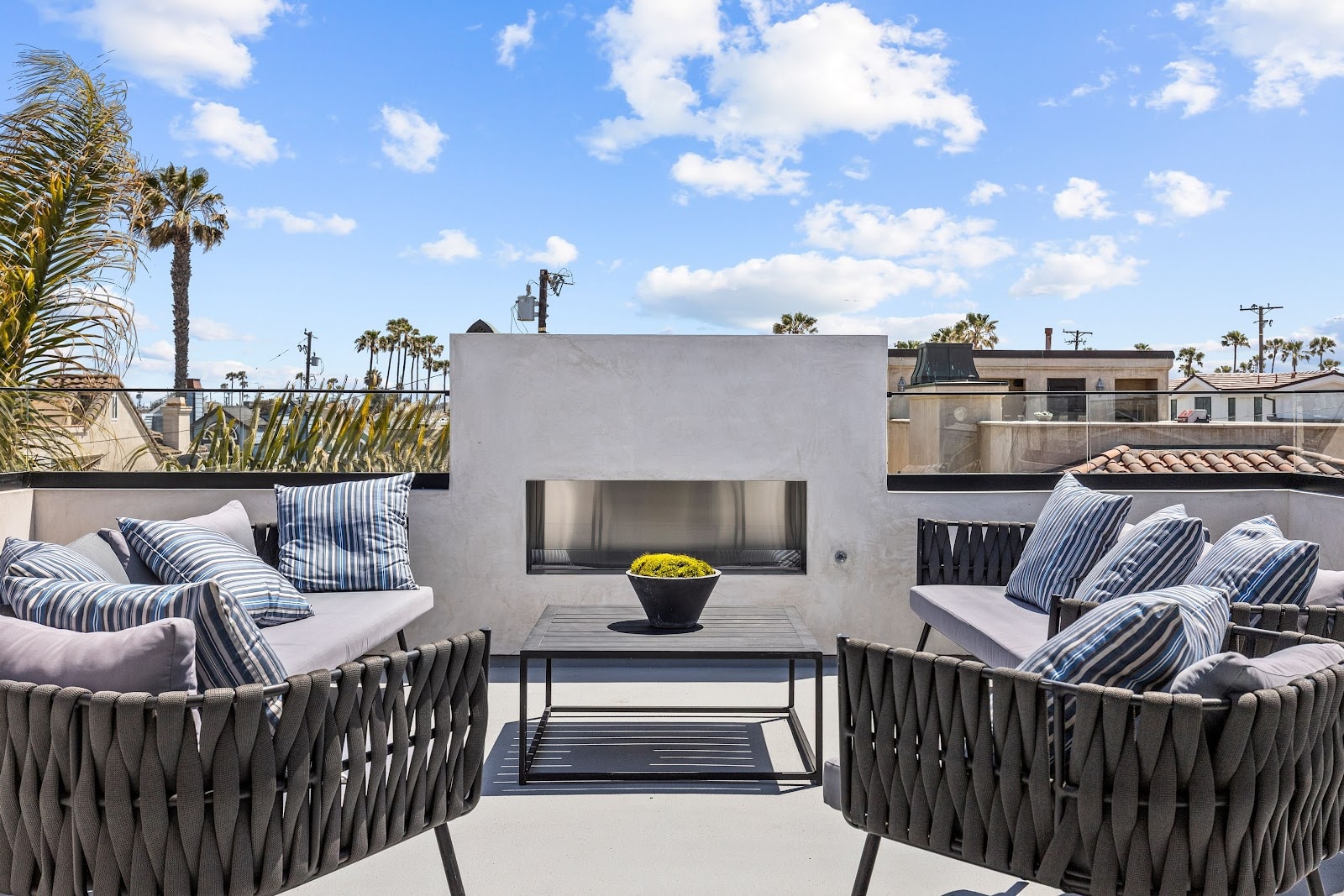
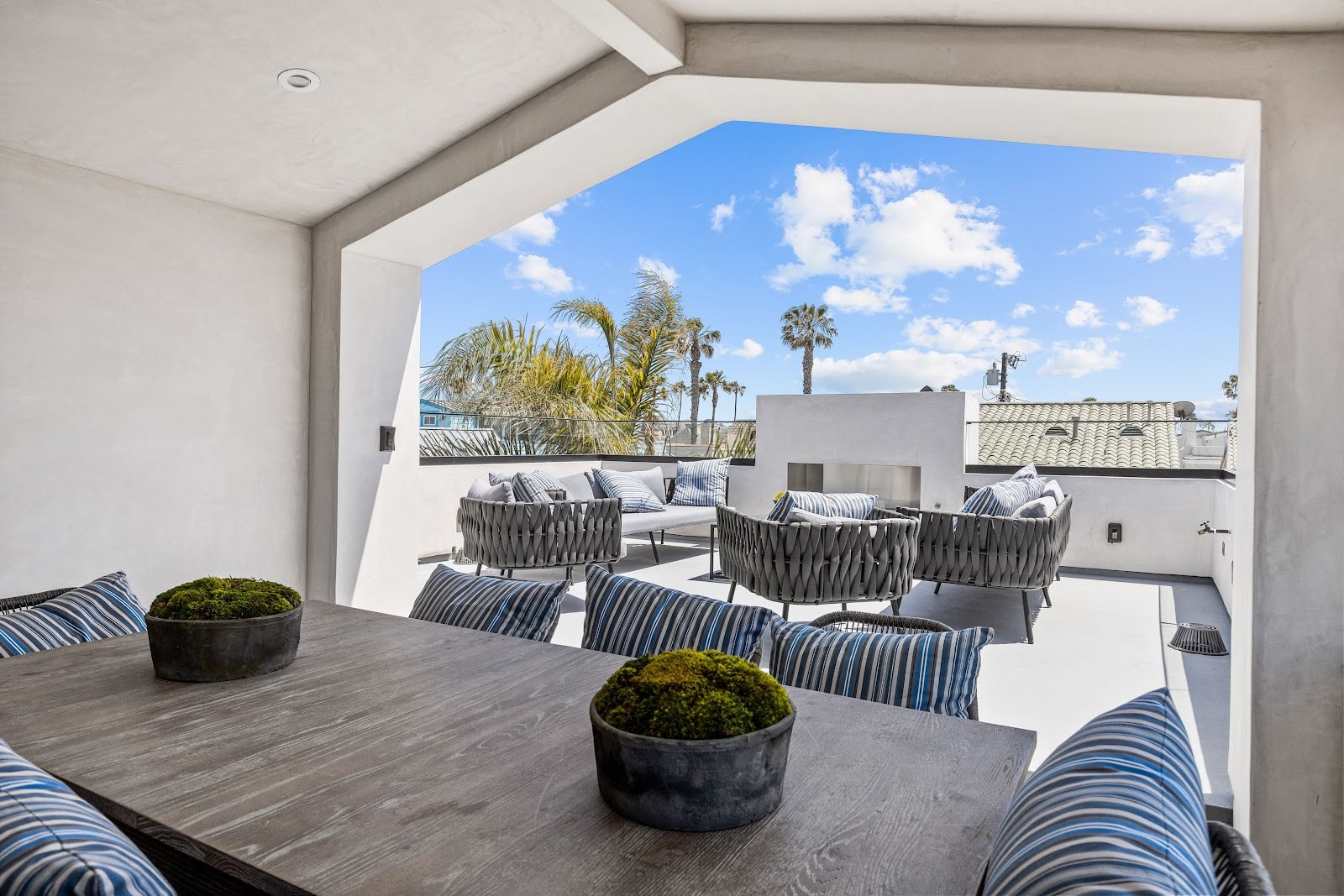
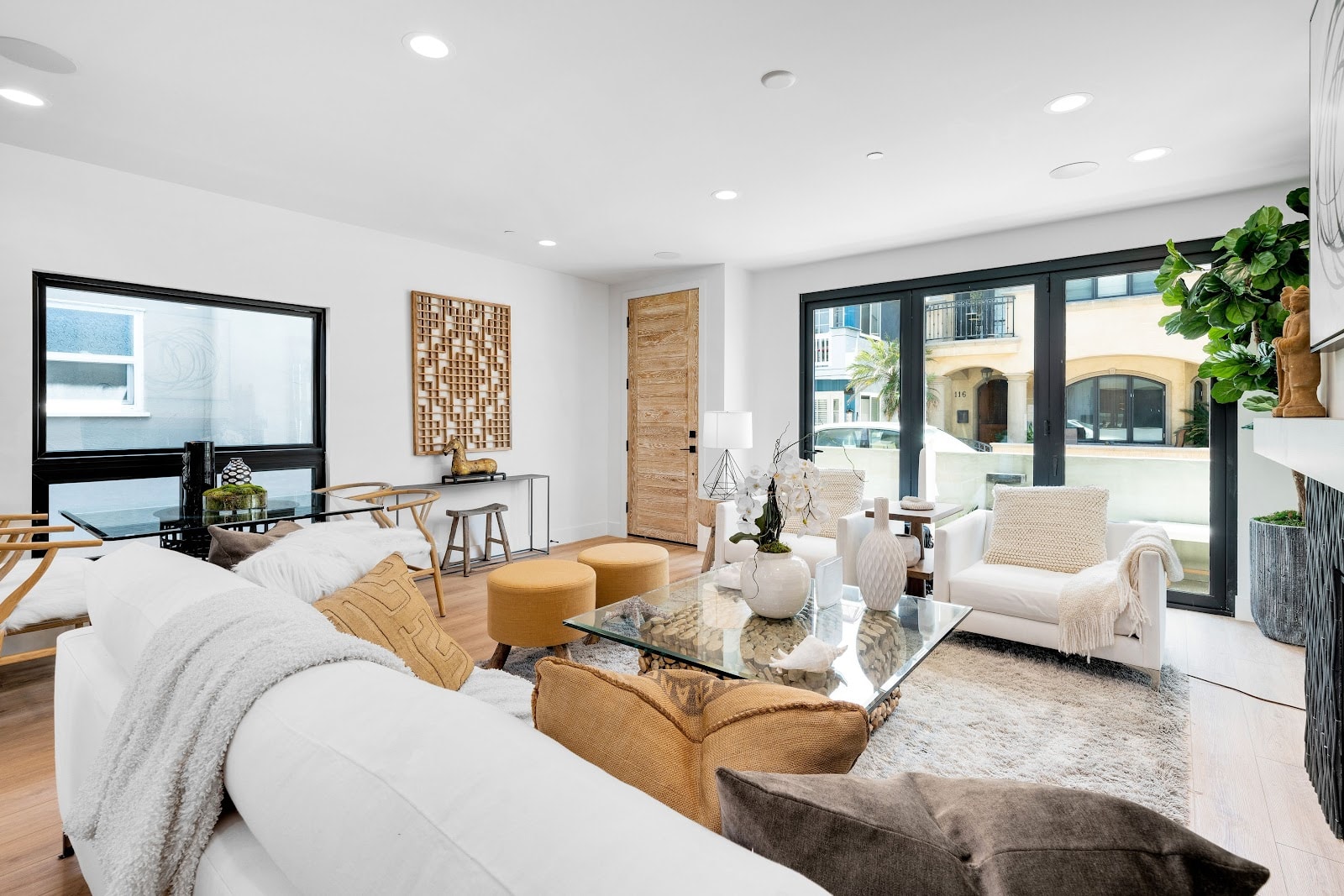
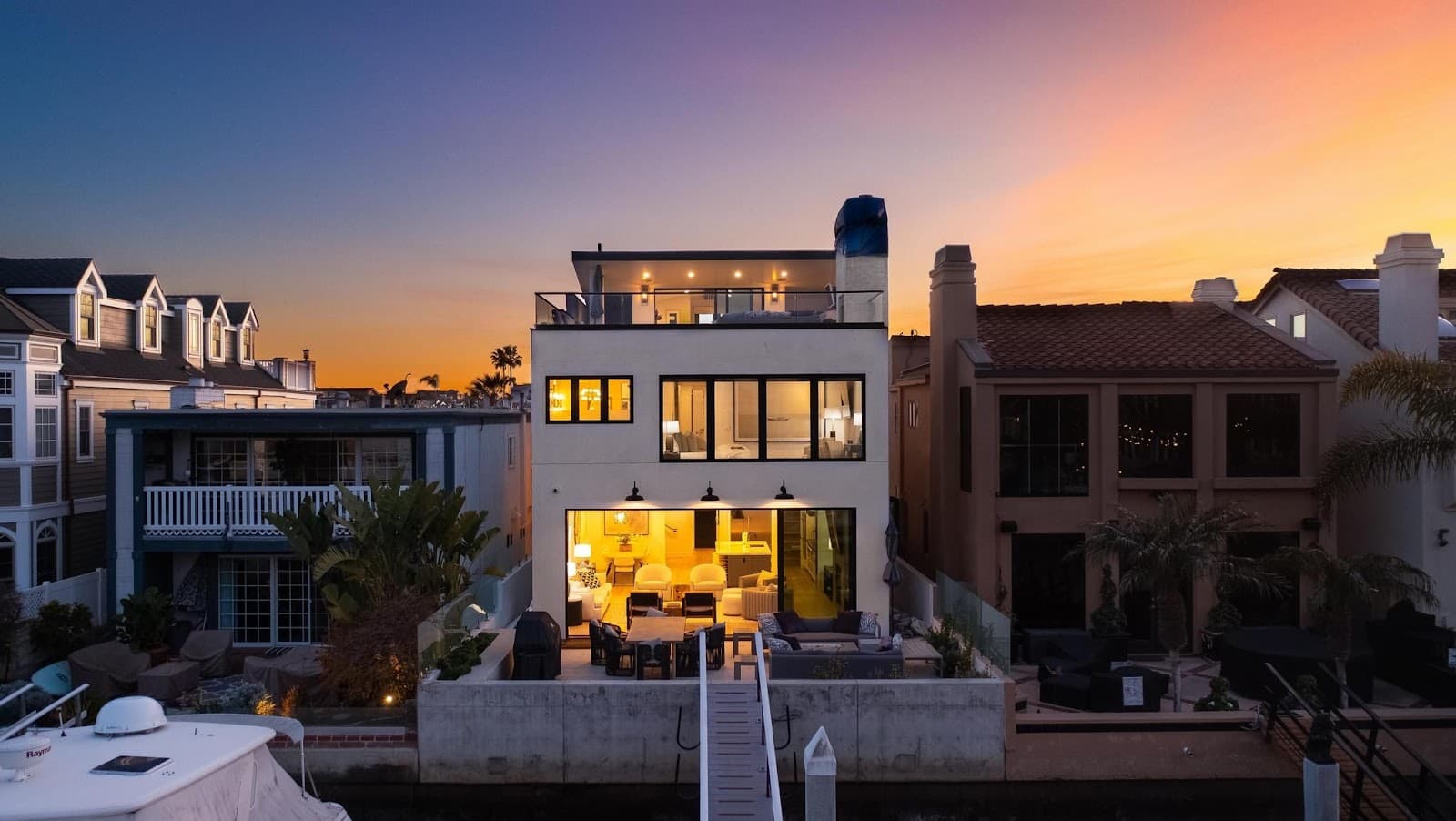
Newport Beach, California, USA — 3-Bed House With Beach Access
$875,000
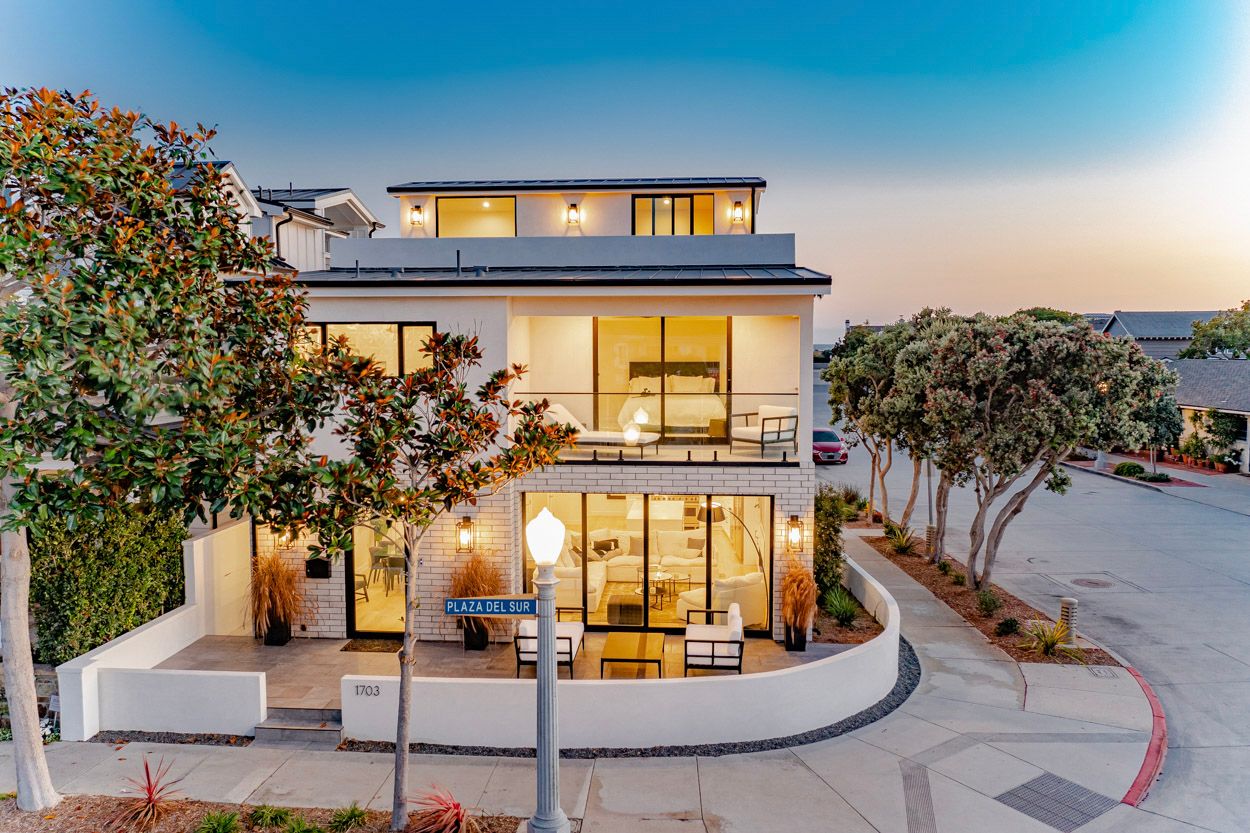
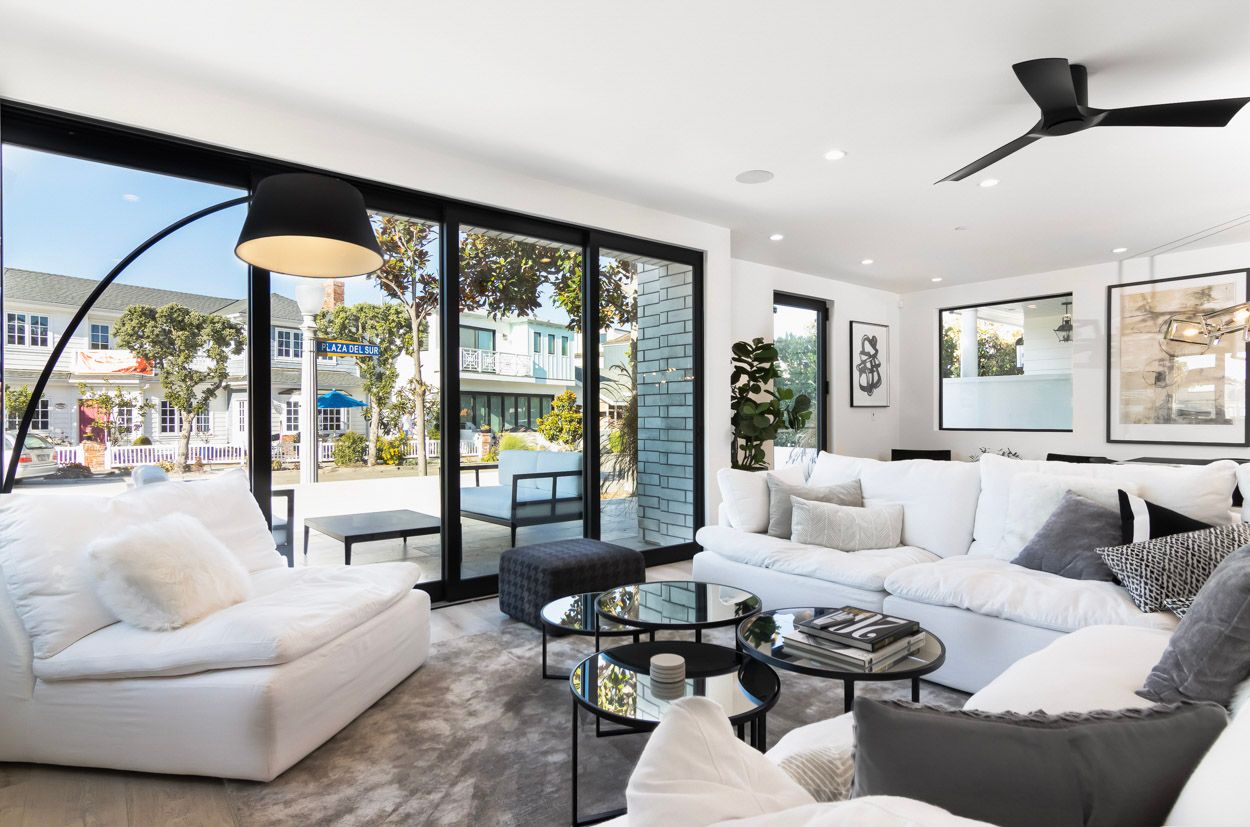
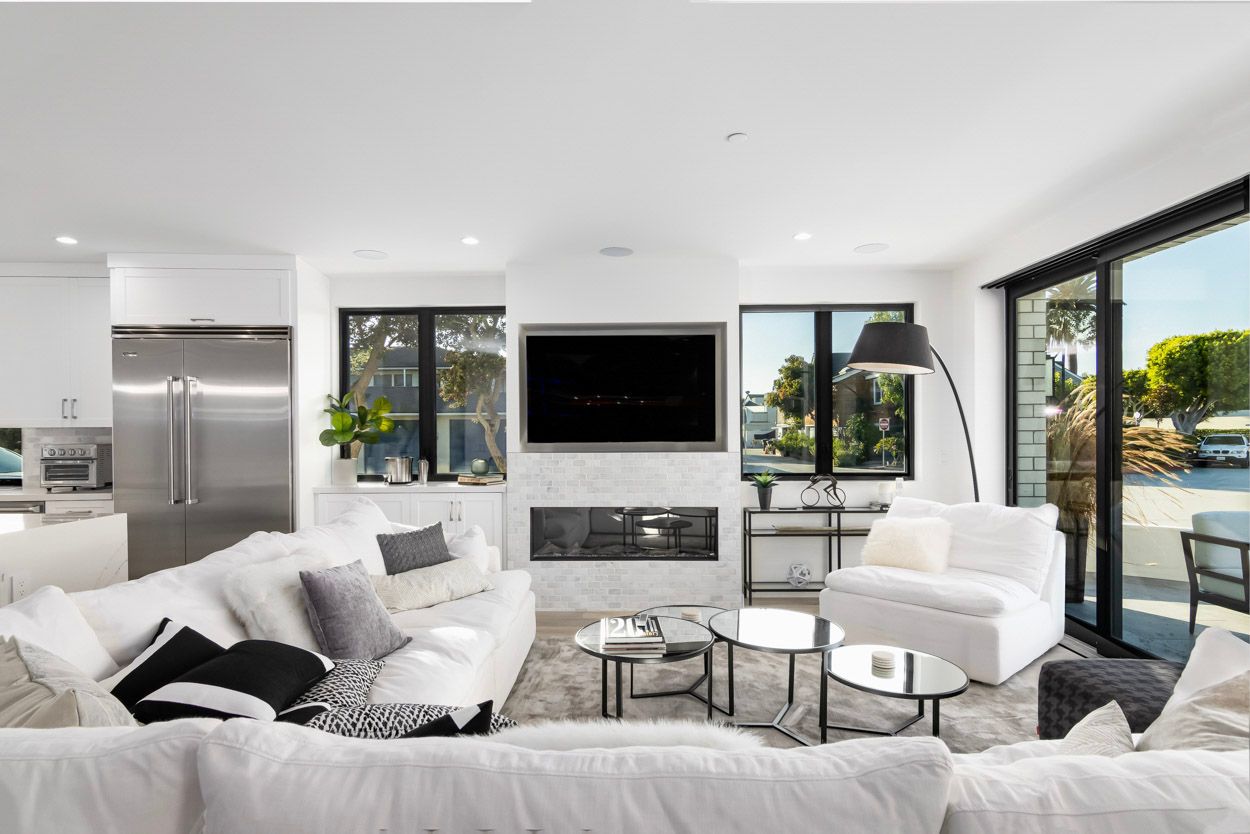
Newport Beach, California, USA — 4-Bed House With Beach Access
$899,000
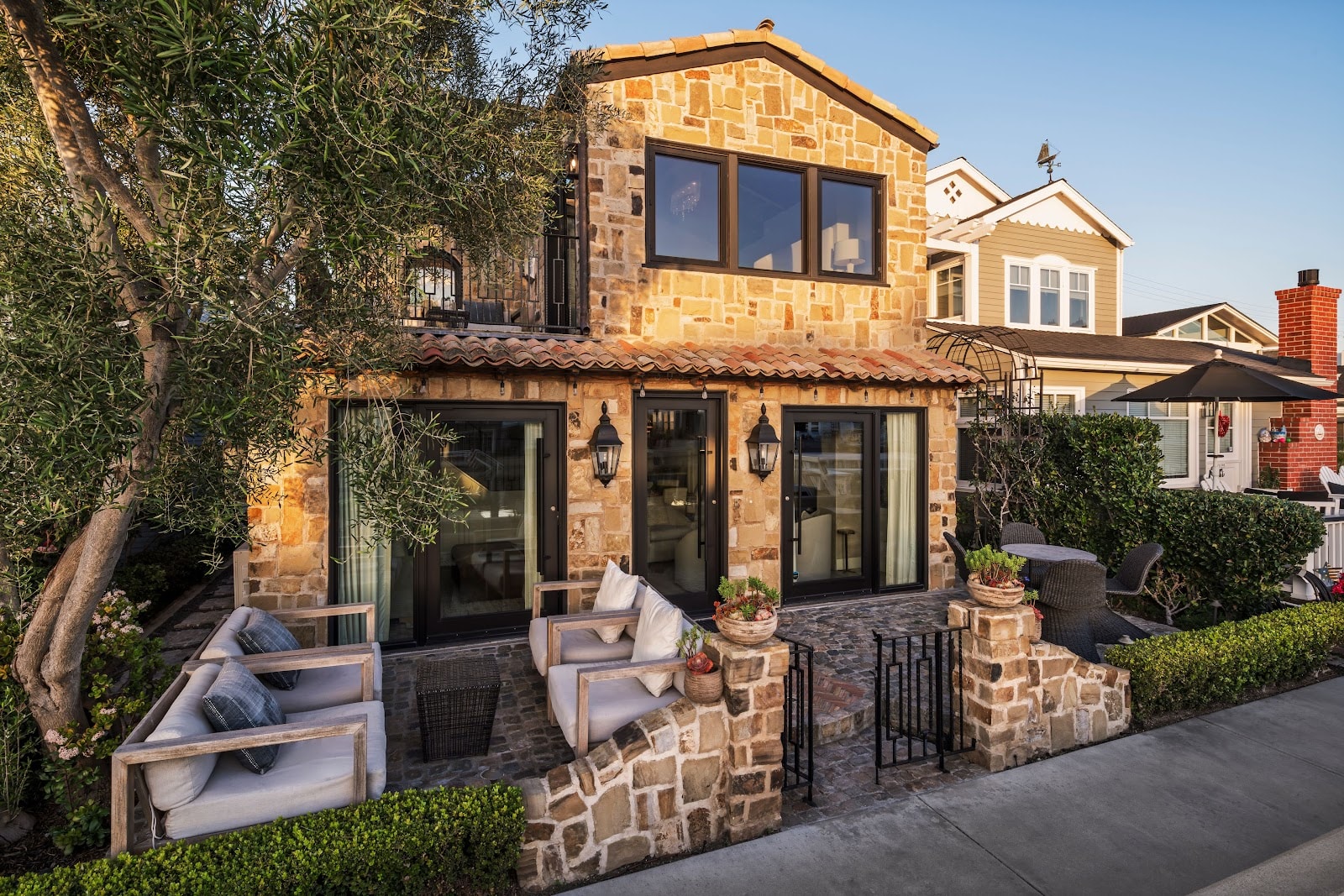
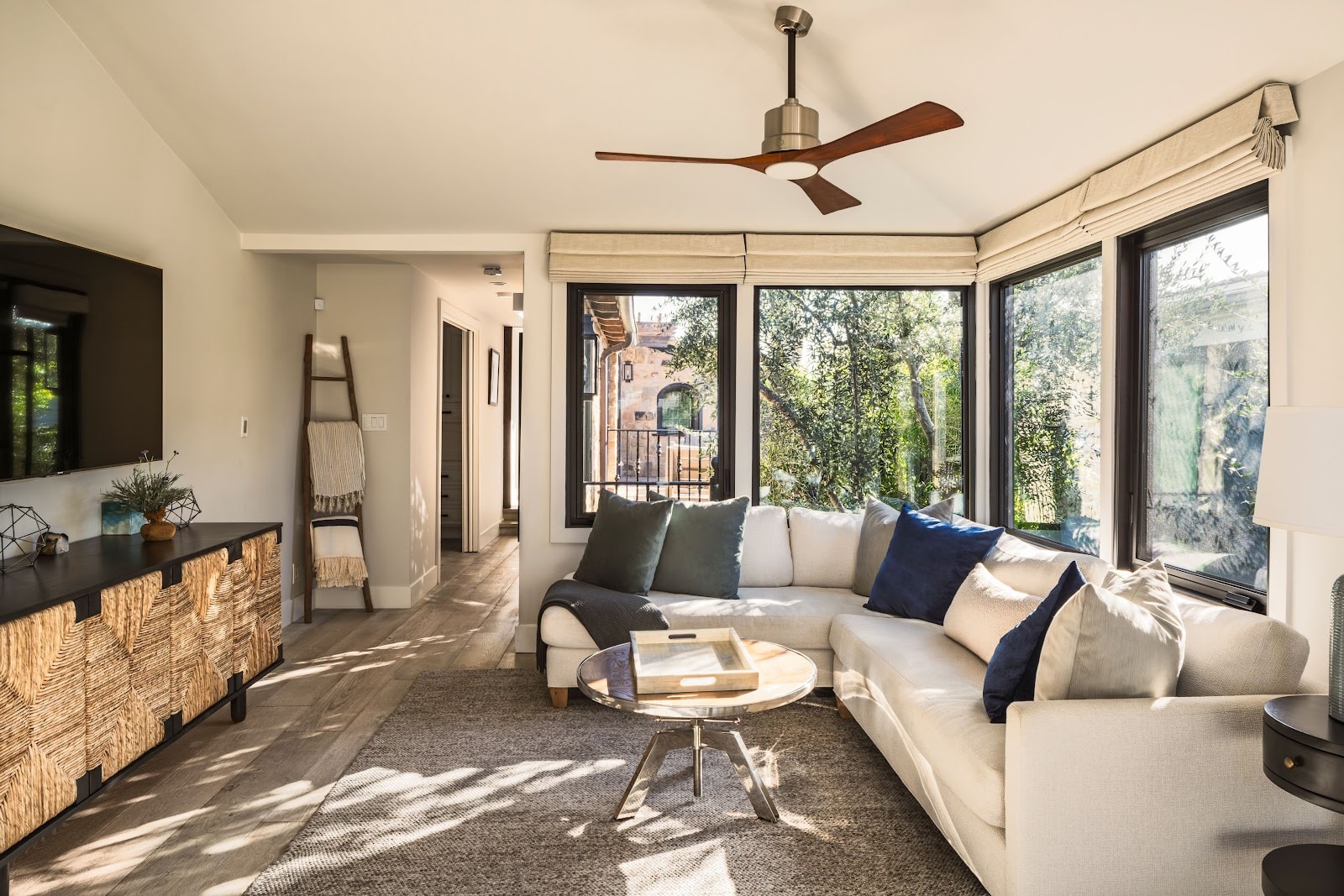
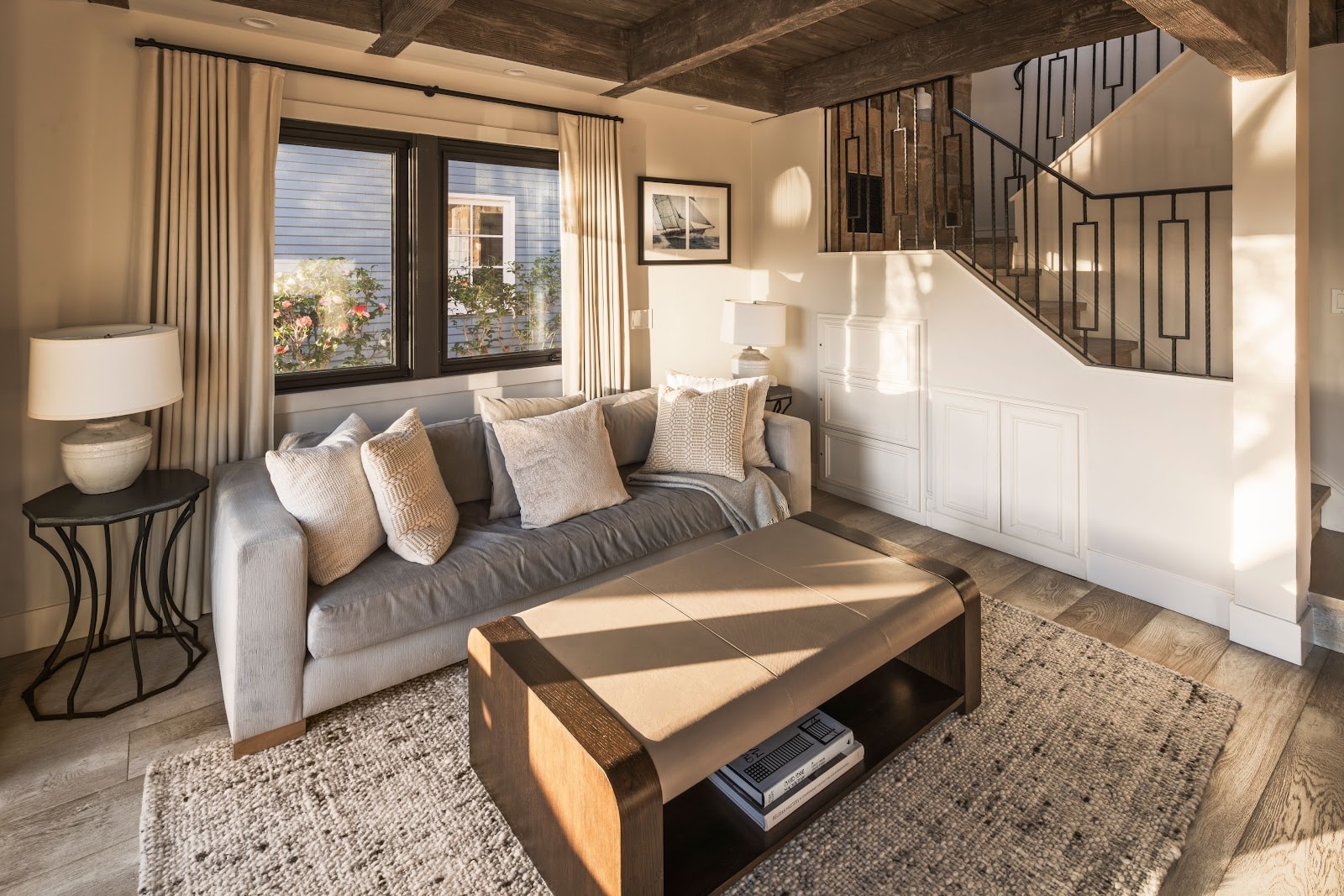
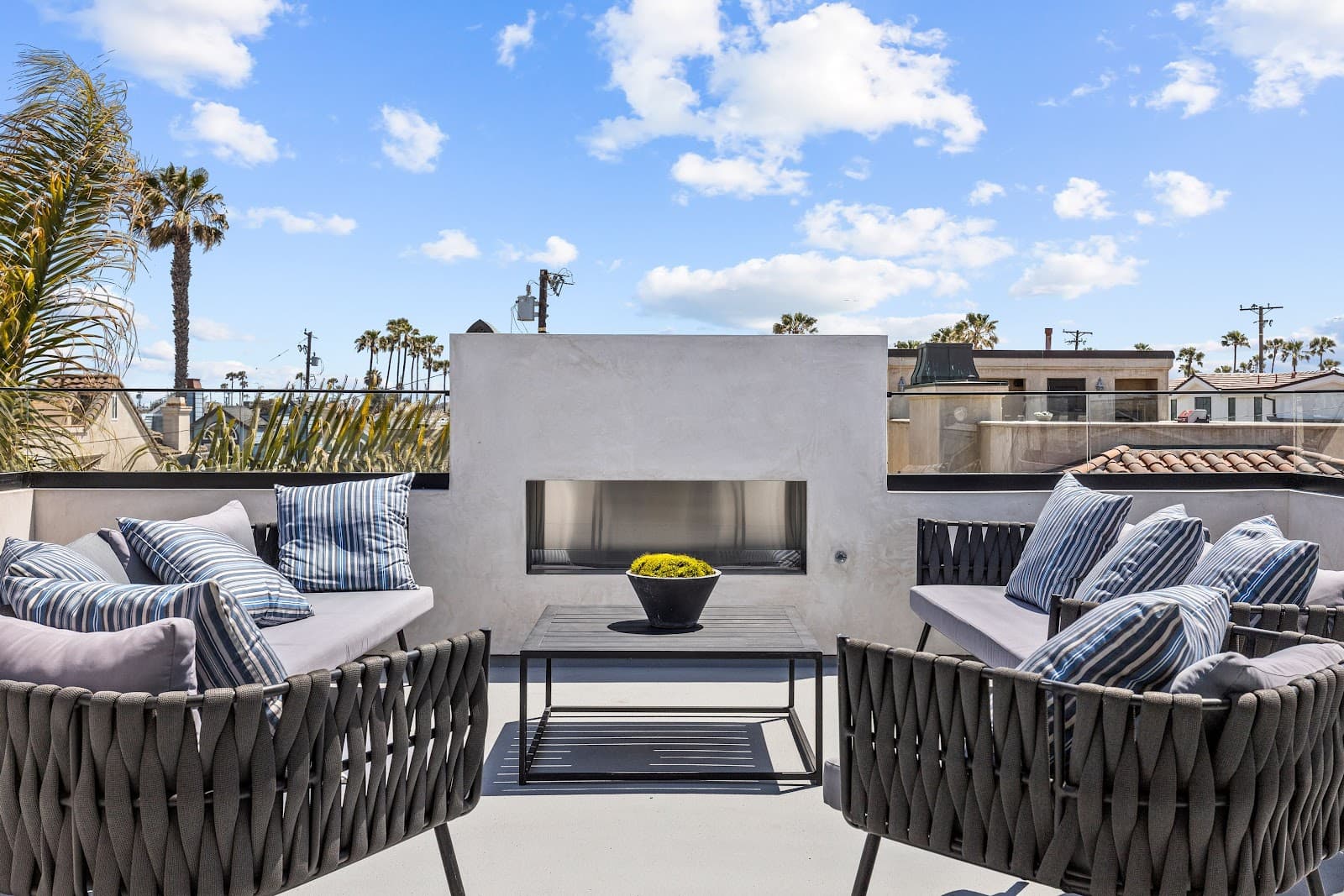
Newport Beach, California, USA — 4-Bed House With Fireplace
$925,000
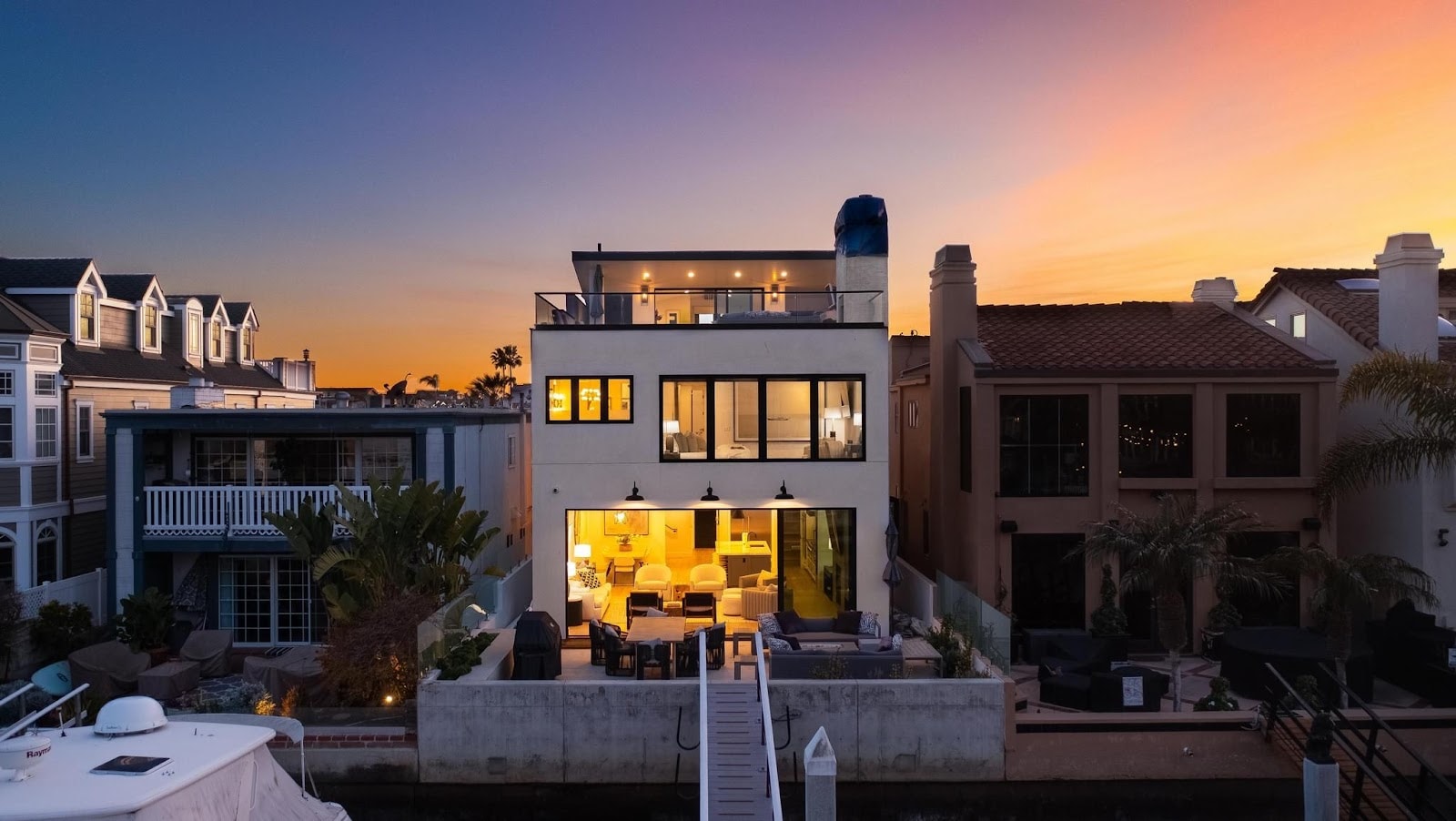
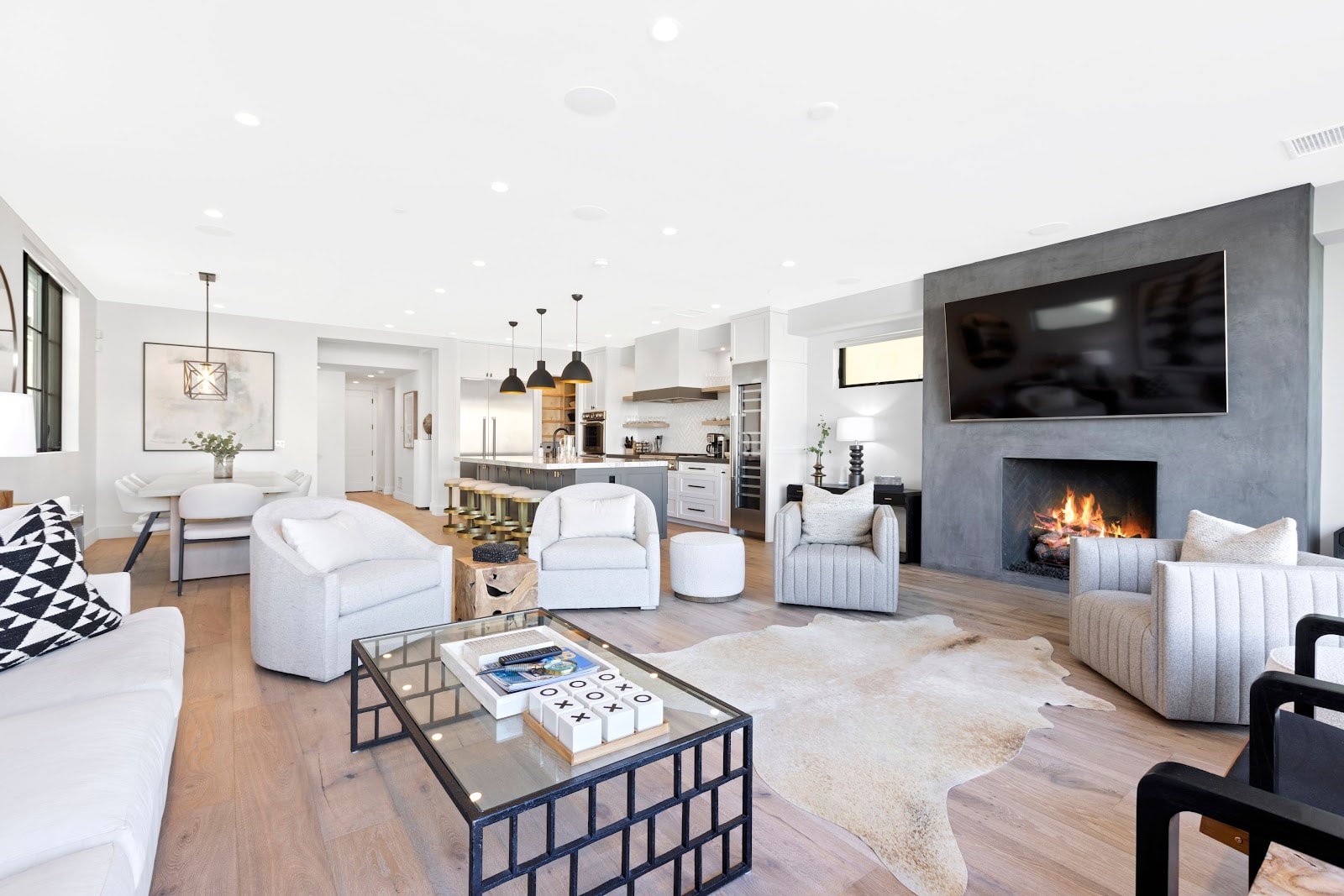
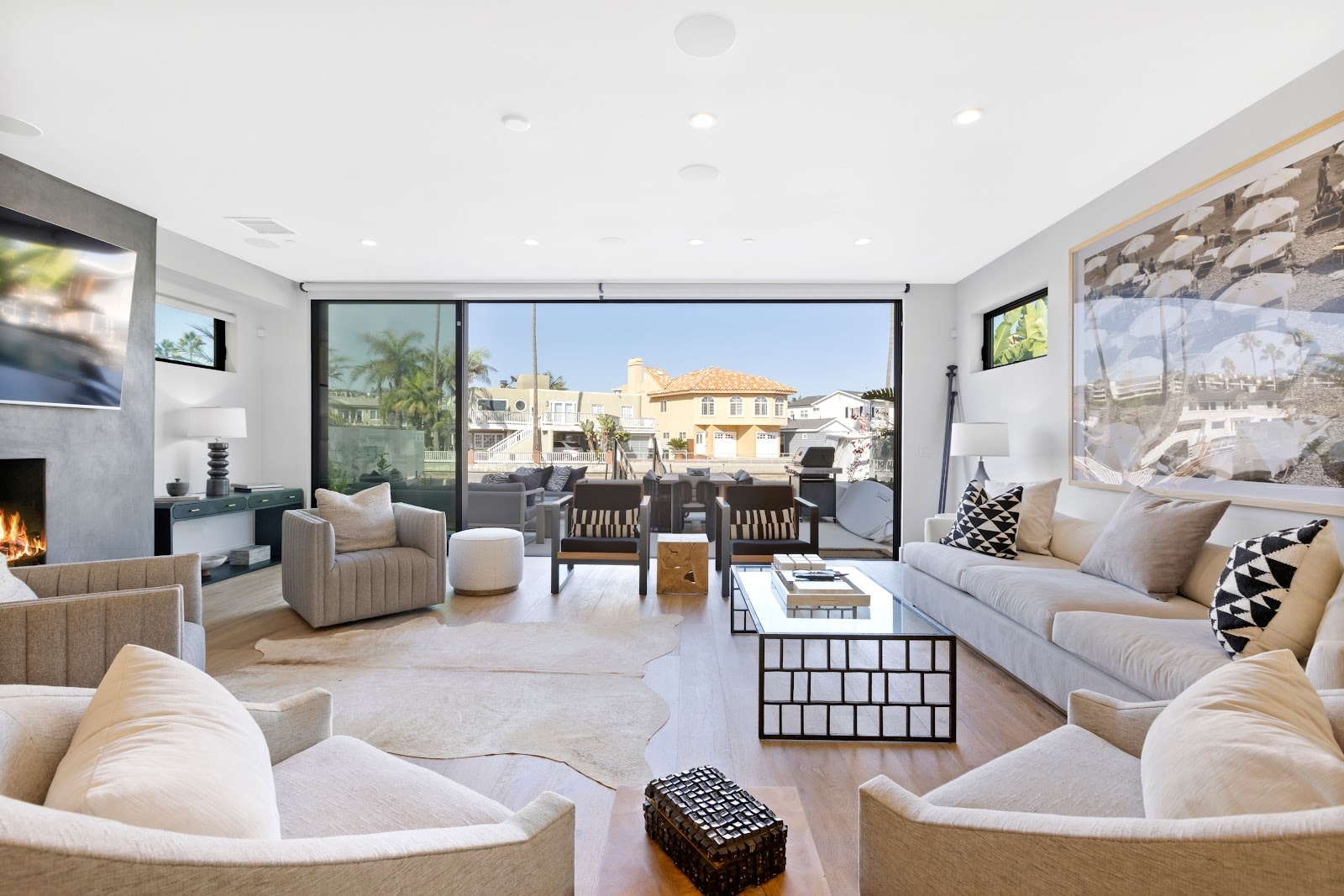
Newport Beach, California, USA — 4-Bed House With Beach Access
$1,320,000
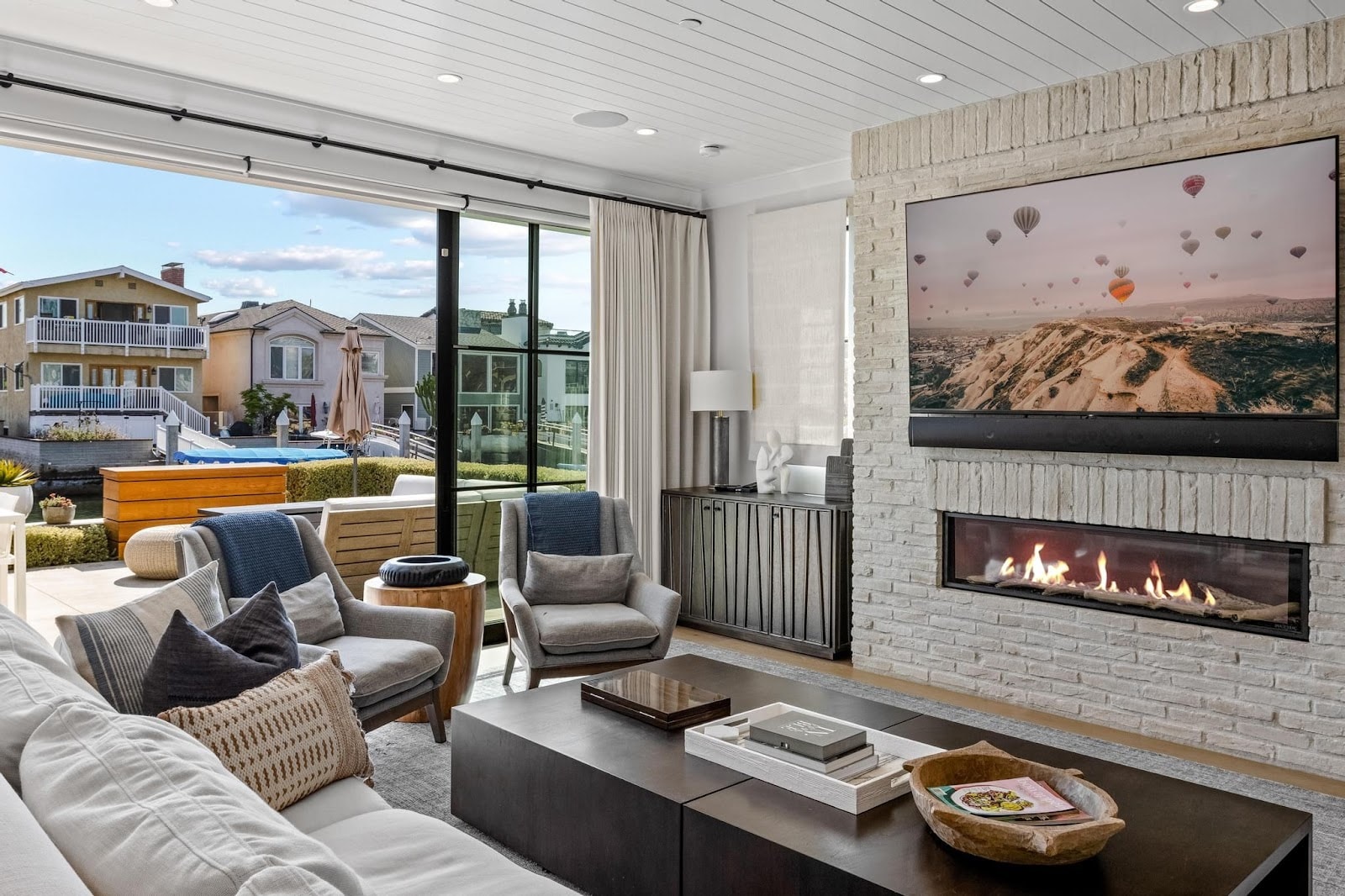
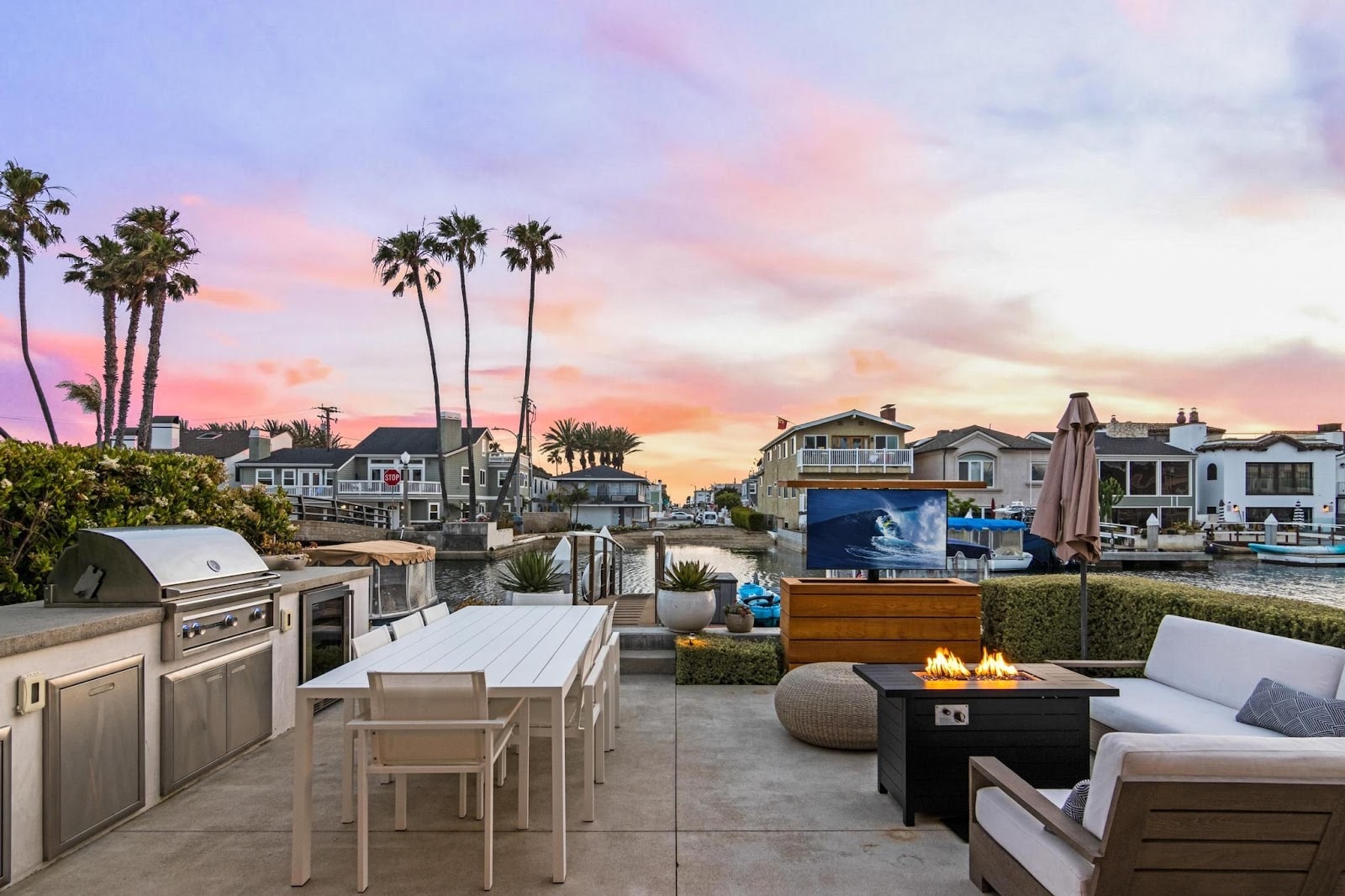
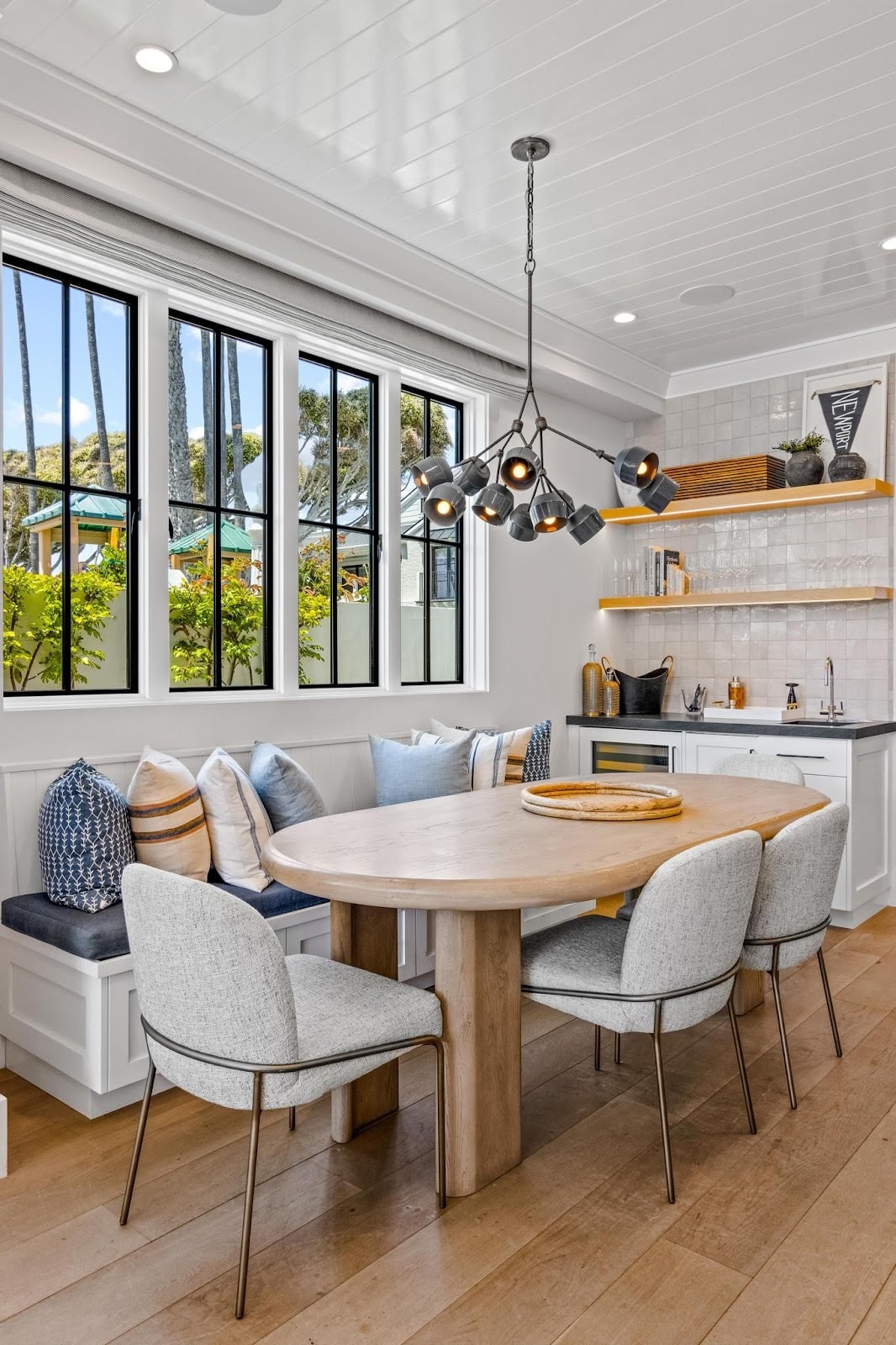
Newport Beach, California, USA — 3-Bed Farmhouse With Hot Tub
$1,430,000
Why buy a co-ownership home in Newport Beach?
Buying a whole holiday home in Newport Beach means paying full price for a house that stands empty most of the year. Co-ownership takes the same home — professionally managed, beautifully furnished — and divides it into shares, usually eighths. You own a real share of the home — not a right to use it — with roughly six weeks of use a year, a share you can sell or pass on, and running costs shared between owners rather than shouldered alone. In Newport Beach, that ownership starts from $875,000.
What is fractional ownership in Newport Beach?
Fractional ownership in Newport Beach means owning a real share of a fully managed home, usually an eighth, with around six weeks a year to use it, depending on the home. We currently list 5 Newport Beach homes, with shares from $875,000.
You own a real share of the home (an eighth, a quarter), not a right to use it. You can sell it, pass it on, and it rises and falls in value with the house. The legal set-up is arranged by our partner for each home and explained before you buy.
Newport Beach is a harbour town in Orange County, about forty miles south-east of Los Angeles, with Balboa Island, the Balboa Peninsula and the bay at its centre. It is a year-round place, with mild winters, warm summers and boats in the harbour every month, so a share's weeks are good weeks whenever they fall.
Newport Beach, properly understood
Newport Beach is not a beach town in the way that phrase usually implies. It is a small coastal city of around eighty-five thousand people in Orange County, built around one of the largest recreational harbours in the United States, with an international airport fifteen minutes from the water, a hospital, a business district, some of the most expensive residential real estate on the American west coast, and a year-round climate that is among the most equable anywhere. It has surf and sand, but what it actually sells is a way of living outdoors twelve months a year within an hour of eighteen million people.
The harbour is the organising fact. Newport Bay holds something in the order of nine thousand boats across its moorings, slips and docks, wrapped by a peninsula on the seaward side and a set of man-made islands in the middle. That geography produced the city's shape — a long barrier peninsula with ocean on one side and harbour on the other, islands reached by short bridges and a car ferry that carries three vehicles at a time, and mainland neighbourhoods rising on the bluffs behind. It also produced the culture: sailing, rowing, paddling, fishing, and a set of yacht clubs whose junior programmes have produced a remarkable number of Olympic and America's Cup sailors.
For a buyer, the case is a combination that very few coastal addresses can match. Weather that essentially never stops a plan. An airport fifteen minutes away with direct service across the western United States and beyond. A protected estuary and a state park with three miles of undeveloped coast at either end of the city. Laguna Beach's art colony fifteen minutes south, Los Angeles an hour north, and Catalina Island seventy-five minutes offshore by fast ferry. And no season that closes — which for a shared calendar is worth more than any single amenity.
A short history of a harbour
The Tongva and Acjachemen peoples lived along this coast and the estuary behind it long before Europeans arrived; the marshland at the head of the bay was a rich source of food and remains ecologically remarkable. Spanish and then Mexican land grants turned the country behind the coast into ranchos, and it was the Irvine family's vast holding — later the basis of much of modern Orange County — that shaped what could be built and where.
The bay's transformation into a harbour began in the 1870s when a small steamer proved the channel navigable, giving the place its name; a pavilion went up on the peninsula in 1906, the electric railway arrived from Los Angeles, and the town became a weekend destination for the city. The critical engineering came in the 1920s and 1930s, when the entrance jetties were built and the bay was dredged, turning a shallow, shifting estuary into a stable, deep, protected harbour — and creating, from the dredged material, the islands that now hold some of the most valuable residential land in California.
What followed was a century of accumulation: the yacht clubs and the sailing culture, the Christmas boat parade that has run since 1908 and is still one of the loveliest things on this coast, the aerospace and then finance and technology money that came into Orange County after the war, the airport, the shopping centre on the bluff, and the coastal preservation battles that produced the state park at Crystal Cove and the nature reserve in the back bay. The city that emerged is a working harbour, a serious residential address, and a resort, all within about six miles.
The city, neighbourhood by neighbourhood
The Balboa Peninsula is the classic beach Newport: a long narrow sandbar with the ocean on one side, the harbour on the other, two piers, the historic pavilion and fun zone, and a dense grid of beach cottages, duplexes and newer houses. Life here is walking to the sand, cycling the boardwalk, and being in the middle of the summer city — in July, a bicycle is the best way to get anywhere.
Balboa Island and Little Balboa Island sit in the middle of the harbour: tiny lots, tightly packed cottages, a walkable village of shops and ice-cream parlours on Marine Avenue, a footpath around the entire island's waterfront, and the three-car ferry across to the peninsula. It is the most charming address in the city and one of the most sought-after, with prices to match. Lido Isle, closer to the harbour mouth, is the quieter, more residential island with its own clubhouse and a genuinely private feel.
Corona del Mar, on the bluff south of the harbour entrance, is the village Newport: a walkable main street of restaurants and shops, tree-lined residential streets, the beach at Big Corona below and the tide pools at Little Corona beyond, and Inspiration Point looking back at the harbour mouth. For many owners it is the best balance the city offers — beach, village life and calm, five minutes from everything.
The mainland neighbourhoods rise behind: Newport Heights and Cliff Haven above the bay with harbour views; Dover Shores and Bayshores on the water; Eastbluff and Big Canyon around the golf course; Newport Coast and the Pelican Hill area at the southern edge, which is the newest and most resort-like part of the city, with ocean views from the hills and immediate access to Crystal Cove. Each is a different Newport, and the right one depends entirely on whether your week is spent on the sand, on the water or on a terrace looking at both.
Where exactly to own: micro-locations, rated
Balboa Peninsula. For owners whose week is the beach: sand at the end of the street, the boardwalk for cycling, the piers, the surf and the summer city. Liveliest in July and August, and gloriously quiet from October. Best value for beach proximity, and a bicycle covers everything in summer.
Balboa Island. The most charming address in Newport: a village you can walk around in forty minutes, waterfront path all the way, the ferry, and a genuine small-town feel in the middle of a harbour. Small lots and high prices; utterly beloved by the people who have it.
Corona del Mar. The best all-round balance: a walkable village of good restaurants, a beach below the bluff, tide pools, calm streets, and five minutes to the harbour, Fashion Island and the freeway. If a group wants one address that suits beach people, restaurant people and quiet people simultaneously, this is usually it.
Lido Isle and the harbour-front neighbourhoods. Boating Newport: docks, the yacht clubs, the harbour on the doorstep, and a quieter, more residential rhythm than the peninsula. Best for owners who intend to be on the water rather than in it.
Newport Coast and the southern bluffs. The newest and most resort-like: larger houses, ocean views from the hills, golf and resort amenities, and immediate access to Crystal Cove's three miles of protected coast and backcountry trails. Ten minutes from the village, and a different, calmer proposition altogether.
Just south: Laguna Beach. Fifteen minutes down the coast, and a genuinely different place — an artists' colony turned coastal town with coves, galleries, a summer arts festival and a hillier, more bohemian character. Prices are comparable, the beaches are more dramatic and the town is smaller. Worth looking at alongside Newport rather than instead of it.
The water: harbour, ocean and back bay
Three distinct bodies of water, and owners here end up using all of them. The harbour is the calm one: sailing, paddleboarding, kayaking, electric duffy boats pottering between waterfront restaurants, junior sailing programmes that are among the best in the country, and a boating culture serious enough that the ocean race to Hawaii starts from here. You do not need to own a boat — rentals, charters and club access cover most of what a visiting owner wants.
The ocean is the other half. Newport's surf runs the length of the peninsula, with beginner-friendly beach breaks along much of it and, at the eastern tip, the Wedge — a bodysurfing wave created by the jetty that is famous, spectacular and genuinely dangerous, and best watched rather than attempted. Water temperatures are Californian rather than tropical: comfortable in a wetsuit year-round and warm enough for most people from July into October. The beaches are wide, clean, patrolled and long.
The third is the one visitors miss. The Upper Newport Bay Nature Preserve — the back bay — is roughly a thousand acres of estuary at the head of the harbour, one of the largest remaining coastal wetlands in Southern California, with a loop trail of some ten miles around it, kayaking through the marsh, and birdlife that draws serious watchers from across the state. It is five minutes from Fashion Island and feels like another county. Owners walk, run and cycle it more than they expect to.
Crystal Cove, Laguna and the coast south
Crystal Cove State Park, at the southern edge of the city, is the single best thing about this stretch of coast and is often left out of the brochures. It protects more than three miles of undeveloped shoreline — cliffs, coves, sand and some of the best tide pools in Southern California — plus several thousand acres of backcountry canyon with trails running inland. Within it sits a historic district of small wooden beach cottages built in the 1930s and 1940s, some restored and rentable, which is what this whole coast looked like before the money arrived. Sunset there is the local ritual.
Fifteen minutes further south, Laguna Beach is an artists' colony that became a town without entirely losing the plot: a string of coves and pocket beaches beneath hillsides, dozens of galleries, a main beach with a boardwalk and lifeguard tower that is a genuine landmark, and a summer arts season including an outdoor festival where paintings are recreated as tableaux with live people in them, which sounds absurd and is in fact remarkable.
Beyond Laguna the coast continues through Dana Point — a harbour with whale-watching charters and a Spanish mission at San Juan Capistrano just inland — down towards San Clemente and the county line. Northwards it is Huntington Beach with its surf pier and long flat sand, and then the Los Angeles beaches. It is one of the most usable coastlines in the world, and a Newport house sits in the middle of it.
The everyday city: shopping, food and services
Newport's practical infrastructure is unusually complete for a beach destination, which is one of the strongest arguments for it over more isolated coastal towns. Fashion Island, on the bluff, is a large open-air shopping centre with the full range of department stores, restaurants and cinemas, and it functions as the city's town square in a way that will be either familiar or faintly alien depending on where you are from. Around it sit the business district, the hospital and the professional services.
The food is better and more varied than a resort of this size would produce: harbour-front restaurants and dock-and-dine spots, serious modern cooking in Corona del Mar and around the airport district, an Orange County Vietnamese and Korean food culture fifteen to twenty-five minutes inland that is among the best in the United States, and the everyday layer of fish tacos, breakfast places and coffee that a beach town runs on. Lido Marina Village on the harbour has become a genuinely appealing small waterfront district of shops and restaurants.
Provisioning a house is trivially easy — full supermarkets, farmers' markets, a fish market on the peninsula selling what the dory fleet landed that morning, and delivery for everything else. The dory fishing fleet, incidentally, has been launching boats off the sand by the Newport Pier since the 1890s and is one of the last of its kind in America; buying fish from it at seven in the morning is a small pleasure worth having once.
The climate, season by season
This is one of the most reliably pleasant climates on earth. Winters are mild and mostly dry, with daytime temperatures typically in the mid to high teens Celsius and the occasional stretch of rain between December and March; you can eat outside in January in a jumper. Spring is bright and cool, with a coastal fog pattern in late spring — May and June bring low cloud that burns off by midday, a phenomenon locals name after those months and grumble about affectionately.
Summer is warm rather than hot, moderated by the ocean: comfortable daytime heat, cool evenings, essentially no rain, and water temperatures that climb into the low twenties Celsius by late summer. Autumn is the local secret — September and October are frequently the warmest, clearest, calmest months of the year, with the water still warm and the summer crowds gone. Owners who can travel outside school holidays take autumn deliberately.
Two things worth knowing. The autumn Santa Ana winds bring hot, clear, dry days to the coast, which itself sits well away from the fire-prone canyons inland. And this is Southern California, so modern construction is engineered for earthquakes, and earthquake cover is a separate insurance decision worth taking advice on.
A year in Newport, month by month
January and February are quiet, mild and bright between rain spells — the months when the beaches belong to residents and the restaurants have tables. March brings warmth back and the grey whales going north offshore. April is lovely: clear, warm, uncrowded, with the wildflowers out on the Crystal Cove backcountry trails.
May and June carry the coastal cloud pattern — mornings often overcast, burning off by lunchtime — which locals treat as a joke. It is still warm, still pleasant, and considerably calmer than what follows. July and August are the summer city at full volume: the peninsula fills, the boardwalk is busy from dawn, bicycles rule, and the water is at its warmest. It is enormous fun.
September and October are, for most owners, the best months of the year: warm, clear, the water still warm, the crowds gone, and the light going gold. November is mild and quiet. December brings the harbour's great annual set piece — the Christmas boat parade, which has run since 1908, when a hundred-odd decorated and illuminated boats circle the bay over several evenings while the waterfront houses compete at lighting themselves. It is genuinely magical and worth building a December week around. There is no dead month here at all.
The year's fixtures
The Christmas Boat Parade in December is the immovable one, and it has more than a century behind it. Around it, the winter brings the Newport Beach Film Festival's programming, the restaurant weeks, and the whale migration offshore from December through spring. Spring has sailing regattas at the yacht clubs almost every weekend and the start of the junior sailing season.
Summer's calendar is the beach itself plus the fixtures: the Fourth of July, which on the peninsula is an event of legendary scale and should be approached with either enthusiasm or avoidance rather than indifference; the summer concert series; the surf and bodysurfing contests, including the ones held when the Wedge is working; and, every other year, the start of the great ocean race to Hawaii from the harbour mouth, which draws the sailing world.
Fifteen minutes down the coast, Laguna's summer arts season runs from July into September — the festival of arts, the living-picture tableaux, and the parallel funkier festival across the road — and it is the cultural highlight of the Orange County year. Autumn brings food and wine events, the boat show, and the Santa Ana season's spectacular sunsets. Owners here quickly discover that the calendar rewards being present rather than booking a year ahead.
Newport with children
This is close to an ideal family address, and the reasons are practical rather than promotional. The harbour is calm, shallow in places and safe for small children in a way an open coast is not — paddleboards, kayaks, small sailing dinghies and the ferry are all part of an ordinary day. The junior sailing programmes at the yacht clubs are excellent and long-established, and a summer of them changes a child. The beaches are wide, patrolled and gently shelving along much of the peninsula.
Then the set pieces: the Balboa Fun Zone with its ferris wheel and the frozen bananas that are a genuine local institution; the ferry crossing itself, which small children will do repeatedly; the tide pools at Little Corona, which are among the best teaching tide pools in California; the discovery centre on the harbour; and, half an hour inland, the theme parks that some families will regard as the point and others as a warning.
Beyond that, the cycling. The boardwalk along the peninsula, the paths around the islands, the loop around the back bay and the coastal trails give a genuinely usable car-free network, and the flat terrain suits small legs. For ownership groups, the useful arithmetic is that the city works in every month: families take July and the school holidays, and the couples in the group take September, October and the spring — which means the rotation has far less to arbitrate than in a single-season resort.
Beyond the city: days out
Catalina Island is the best of them: a fast ferry from the Balboa Pavilion crosses in about seventy-five minutes to a small Mediterranean-looking town on an island that is largely protected wilderness, with clear water, snorkelling, a casino ballroom from the 1920s and a road-free interior full of bison. It is a superb day trip and an even better overnight.
Los Angeles is roughly an hour north; travel outside peak hours and the museums, the music, the food and the sprawl of the city are entirely accessible. Closer in, Orange County's own attractions include the mission at San Juan Capistrano, the Vietnamese and Korean food districts inland, and the theme parks.
Inland and further afield the range is wide: the mountains behind Los Angeles for snow in winter, roughly two hours; Palm Springs and the desert about two hours east, which is a completely different landscape and superb from October to May; Joshua Tree beyond it; San Diego an hour and a half south; and the Baja coast beyond that. A Newport house is a base for Southern California, not just for a beach.
Getting there and getting around
John Wayne Airport sits about fifteen minutes from the water and is one of the great advantages of this address: a well-run, mid-sized airport with direct service across the western United States, to the major national hubs and to several international destinations, without the ordeal of the larger Los Angeles airports. For visiting owners it means a flight and a fifteen-minute drive rather than a flight and a transfer.
Los Angeles International is about an hour away outside peak traffic, and it is the answer for long-haul international arrivals. Long Beach and Ontario are alternatives. The freeway network is comprehensive, and the practical local skill — knowing which hours to travel — is learned within a couple of visits.
In the city itself, the honest advice depends on where you are. On the peninsula, Balboa Island or in Corona del Mar village, a great deal is walkable and a bicycle covers the rest — many owners barely move the car for days, which given peninsula parking is a mercy rather than a hardship. Elsewhere in the city a car is necessary. The three-car ferry between the peninsula and Balboa Island is a genuine piece of transport as well as a charming one, and the harbour water taxis extend the network in summer.
The property market, clearly explained
Newport Beach is one of the most expensive coastal property markets in the United States and has been for decades. The supports are specific and durable: an absolutely fixed supply of waterfront — a peninsula, a set of man-made islands and a bluff, none of which can be extended; a coastal regulatory regime in California that makes new development on the shoreline extremely difficult; proximity to one of the largest and wealthiest metropolitan regions on earth; and an airport fifteen minutes away.
The price gradient runs by water. Bayfront and oceanfront sit at the top, followed by island addresses with harbour access, then bluff properties with ocean views, then the walkable village and peninsula streets a block or two back, then the mainland neighbourhoods. The premium for being on the water rather than near it is very large, and the premium for a private dock larger still. Corona del Mar village and the inland Newport neighbourhoods offer the best value for owners who want the city rather than the frontage.
Two local specifics are worth knowing, and the first matters particularly for a shared home. Newport Beach manages short-term lodging through a capped permit system concentrated on the peninsula, which keeps its residential streets residential; if letting unused weeks matters to you, we tell you exactly what applies to any home we list. The second is California property tax: assessed value is set at the purchase price with capped annual increases, so the tax on a newly bought home is based on what you paid.
For a share buyer the logic here is strong. A Newport house of the size and position that makes a family week work is a very large purchase indeed, in a city where running costs are high and short-term letting is limited to permitted properties. A house bought for six weeks' use is a house that stands empty for forty-six. A share is not.
What underpins value here
Five supports. First, absolutely fixed waterfront supply inside a state coastal regulatory regime that makes new shoreline development close to impossible. There is no mechanism by which more Balboa Island appears. Second, the harbour itself — one of the largest recreational harbours in the country, with the club, sailing and boating infrastructure that took a century to build.
Third, the catchment: Orange County and greater Los Angeles form one of the largest concentrations of wealth on the planet, and Newport is its coast. That demand is structural, local and not dependent on anyone flying anywhere. Fourth, the airport at fifteen minutes, which converts a regional address into a national one and is a genuine differentiator against most Californian beach towns.
Fifth, the climate and the resulting length of season. There is no month here that does not work; the golf, the sailing, the cycling and the beach walking run all year, and autumn is better than summer. Property with a twelve-month usable season behaves differently from property with a three-month one.
Who owns here
The ownership is overwhelmingly Californian and heavily local: Orange County and Los Angeles families for whom this is a weekend house forty-five minutes from home, plus a substantial permanent population of residents in a city with schools, a hospital and a business district. That local depth is what distinguishes Newport from resort towns — a large share of the housing is somebody's only home, which keeps the city alive in February.
Around that sits a national second-home layer — Arizona, Nevada, Texas, the Pacific Northwest and the Midwest — for whom the airport makes a long weekend practical. And an international layer, mostly Canadian, Chinese, Korean and European, drawn by the climate, the schools and the airport, and larger here than in most American beach markets.
For a co-owner the practical consequence is a city entirely used to part-time ownership alongside full-time residence, with a deep and competitive service economy — property management, maintenance, boat services, landscaping, cleaning — because a large share of the housing stock needs some of it. A house occupied by several families in rotation is unremarkable here, provided the rental rules are respected, which is a matter of buying the right property rather than hoping.
Newport against the alternatives
Buyers looking at the Southern California coast compare the same places. Against Laguna Beach, fifteen minutes south: Laguna is more beautiful, more dramatic, more bohemian and smaller, with coves instead of a harbour and an artistic culture Newport does not have; Newport has the harbour, the airport, the services and the flatter, more family-usable geography. Many buyers look at both and choose on temperament.
Against San Diego and its beach towns — La Jolla, Del Mar, Coronado: a comparable climate, a great city, arguably better beaches, and prices that are high but generally below Newport's peak. The trade is distance from Los Angeles and a smaller boating infrastructure. Against Santa Barbara: more beautiful, more Spanish, more genteel, further from a major airport and with a smaller harbour. Against Malibu: more dramatic, more famous, more exposed to fire and landslide, with a single highway and far fewer services.
Against Florida: warmer water, cheaper entry and a tropical summer, while Newport's summer is warm rather than hot. Newport's own case, stated plainly: one of the largest recreational harbours in America, three miles of protected coast at Crystal Cove, a thousand-acre estuary at the back bay, an international airport fifteen minutes away, a twelve-month climate with no dead season, and a complete small city rather than a resort strip. For a group that will use a house all year rather than for a fortnight, it is one of the strongest addresses on this list.
Co-ownership in Newport Beach, in practice
Here is how a share of a house here actually works. You own a real share of a specific, fully furnished, professionally managed home — an eighth, a quarter — not a right to use it. You can sell it, pass it on to your heirs, and it moves with the value of the house. A timeshare sells you a week. Co-ownership sells you the house: part of one specific home, shared with a small group of owners rather than thousands — not time, points or a membership. The legal set-up is arranged by our partner for each home and walked through with you before you buy. The calendar allocates usage fairly across the owners, rotating the contested dates — the Fourth of July, the summer weeks, the boat parade evenings in December, Thanksgiving and Christmas — from year to year so no owner is permanently advantaged, with flexible booking for everything else.
Newport suits the structure particularly well for two reasons. The first is the twelve-month climate: there is no dead season to be stuck with, September and October are better than July, and winter weeks here are genuinely pleasant — which means the rotation distributes desirable weeks across the whole calendar rather than rationing a short peak. The second is price. Newport is expensive enough that whole ownership of a good house for six weeks a year is a proposition very few households can justify, while a share of the same house is within reach of many more.
A word on letting, because it is specific to this city. Newport Beach manages short-term lodging through capped permits concentrated on the peninsula. That suits sharing perfectly: rather than relying on guests to fill empty weeks with guests, a share removes the empty weeks altogether by dividing the home and its costs among owners who will use it. We tell you exactly what applies to any home we list.
Costs are shared in the same proportion as ownership: each owner carries their share of the home's running costs, billed transparently, covering property taxes, insurance, utilities, landscaping, cleaning, maintenance, any association or dock fees, and the reserve that keeps the furnishings good. A professional manager handles the house between stays, which in a coastal city with salt air and heavy use is not a luxury.
Buying in the United States: how the process actually runs
American property transactions run differently from European ones and are, once understood, fast and well-supported. There is no notary in the civil-law sense. In California the transaction runs through an escrow company and a title insurer: escrow holds the deposit and coordinates the closing, while the title company researches the chain of title, resolves liens and issues title insurance protecting the buyer against defects missed in the search. That insurance is standard and one of the real strengths of the system.
The sequence: an offer on a standard state-approved contract; a contingency period during which the buyer inspects, reviews disclosures and can generally withdraw; title and disclosure review; and closing, typically within thirty to sixty days. California's disclosure regime is thorough, with natural-hazard reports covering fire, flood and seismic zones as standard. On this coast, use the contingency period for the specifics: the city's short-term lodging position for the exact address, any homeowners' association documents, dock and mooring rights where they exist, coastal permit history, and insurance quotes obtained before commitment rather than after.
There is no restriction on foreign ownership of American residential property. Non-US buyers will need a taxpayer identification number for filing purposes, should expect withholding rules to apply on a future sale, and should take advice on how their home country treats US-situs assets — including estate and inheritance treatment, the point most often overlooked. For a co-ownership share, the legal set-up is arranged by our partner for each home. We walk every buyer through the specimen documents in plain language before any commitment, and we will always encourage independent legal and tax advice. Nothing in this guide is legal or tax advice.
Three owners' years: specimen calendars
Three specimen years. The family: a week at Easter, a fortnight in July on the peninsula with the bikes and the beach, a long weekend at Thanksgiving, and a few days in December for the boat parade. Six-plus weeks, in a house that already holds the boards, the bikes and the beach kit — and a July fortnight that is close to impossible to rent at short notice in a city that restricts short-term letting.
The two-season couple: a week in late April when the trails are green and the beaches are empty, a long weekend in June, ten days in late September and early October when the water is still warm and the crowds have gone, a few days in December for the harbour lights, and a January weekend for the quiet. A calendar built almost entirely from the weeks nobody competes for, in a city where those weeks are frequently better than the peak ones.
The friends' syndicate: two couples taking alternating long weekends through the spring and autumn — sailing, a Crystal Cove walk, a Laguna gallery afternoon, dinner on the harbour — plus one shared summer week when the households and their children combine, and a Catalina overnight built into it. Three shapes, one common property: in a city with a twelve-month season and an airport fifteen minutes away, six weeks a year is not a constraint to be managed. It is a budget to be spent well.
An owner's practical almanac
The small knowledge that makes ownership frictionless. On the peninsula in July, know where the house's own spaces are, leave the car there and use bicycles for everything — it is the local way and the quickest. Freeways: plan airport runs and Los Angeles trips outside the predictable peak hours.
Seasons: the May and June coastal cloud burns off by lunchtime — do not judge the day at eight in the morning. September and October are the best months of the year and are the ones to take if your diary is flexible, with the autumn Santa Ana winds bringing hot, clear, dry days to the coast.
On the water: the harbour is calm and safe, the ocean is not always, and the Wedge at the tip of the peninsula is a spectator sport rather than a participation one unless you genuinely know what you are doing. Lifeguards are excellent and their flags mean what they say. Water is cool enough that a wetsuit extends the season considerably for children.
And the golden rule: whatever week you cannot use, release it early. In a city forty-five minutes from several million people with a twelve-month climate, someone in your ownership group will always take it.
Newport Beach: questions owners actually ask
Is the water warm enough to swim? By European Mediterranean standards, not in winter — this is a cool-current coast. From July into October it is comfortable for most people, and warmest in late summer. Wetsuits are ordinary here, and a cheap one turns a cold May morning into a fine one, particularly for children.
What is summer like on the peninsula? Lively and joyful — the boardwalk is busy from early, bicycles beat cars, and the Fourth of July is a spectacle in every sense. Corona del Mar, the islands and the bluff neighbourhoods are calmer. And from mid-September the city quietens while the weather stays perfect.
Can we let our weeks? Where a property carries a valid short-term lodging permit, managed letting of unused weeks may be provided for, and the management team handles it. Newport Beach caps these permits, so we check each property and tell you exactly what applies before you commit.
Do we need a boat? No. The harbour's culture is welcoming to people without one: clubs, charters, rentals, electric boats by the hour, junior sailing programmes and paddle craft cover almost everything a visiting owner wants. If a property comes with a dock or a mooring, that is a significant and separately valuable thing, and we will say so plainly.
How close is the airport, really? About fifteen minutes from the water, with direct service across the western United States, to the national hubs and to a handful of international destinations. It is the single most underrated feature of this address, and the reason a Newport house gets used ten or twelve times a year rather than twice.
More questions, answered plainly
Which neighbourhood should we choose? Peninsula for the beach and the summer city. Balboa Island for charm and a village you can walk around. Corona del Mar for the best all-round balance of beach, village and calm. Lido and the harbour front for boating. Newport Coast for space, views and Crystal Cove. Tell us how your group actually spends a week and we will point you at the right homes below.
Is it walkable? In the right neighbourhood, genuinely — the peninsula, Balboa Island and Corona del Mar village all work on foot and by bicycle, and the boardwalk and island paths make a car unnecessary for days at a time. Elsewhere in the city, less so.
What are the running costs like? Each owner carries their share of the home's costs, billed transparently — property taxes, insurance, utilities, landscaping, cleaning, maintenance, association or dock fees where they apply, and the furnishing reserve. The property tax set at purchase is included in the full breakdown you see before you commit, not after.
What about earthquakes and fire? Modern construction here is engineered for seismic events, and earthquake cover is a separate insurance decision worth advice. The coast itself sits well away from the fire-prone canyons inland, and the management team handles seasonal preparation for you.
What should we do on a viewing trip? Come for three days. Cycle the peninsula boardwalk end to end. Take the ferry to Balboa Island and walk the whole waterfront path. Watch a sunset at Crystal Cove. Have dinner in Corona del Mar village and lunch on the harbour. Drive to the airport so you believe the fifteen minutes. Then let us open the doors of the houses themselves. Three days answers more than three months of listings, and we will build the itinerary around the homes listed below.
Nearby: Malibu (4, from $674,000)
Taxes, resale and how ownership works for your 1/8 share of the home are covered in depth in our complete country guide. Read the full USA ownership guide →
Each listing shows the full price of its share — typically one-eighth of the home. It is a purchase price, not a deposit or membership fee: you become a co-owner of the home.
No. A timeshare sells you a week; co-ownership sells you the house. You own a real share of the Newport Beach home with a small group of owners, not a week at a resort shared with thousands. It moves with the value of the house, you sell it on the open market at your price, and you can leave it to your children.
A one-eighth share corresponds to about six weeks a year, scheduled fairly across seasons so every owner enjoys peak weeks over time. The home is professionally managed — you simply arrive.
Questions about a home in this collection? Our team typically replies within minutes.
Get in Touch
Speak to an expert
Tell us what you're looking for and we'll be in touch.