Co-Ownership Homes in Olympic Valley
3 luxury holiday homes in Olympic Valley available as co-ownership shares, from $336,000 per share. Genuine ownership, fully managed, a fraction of the whole-home price.
The Olympic Valley Collection
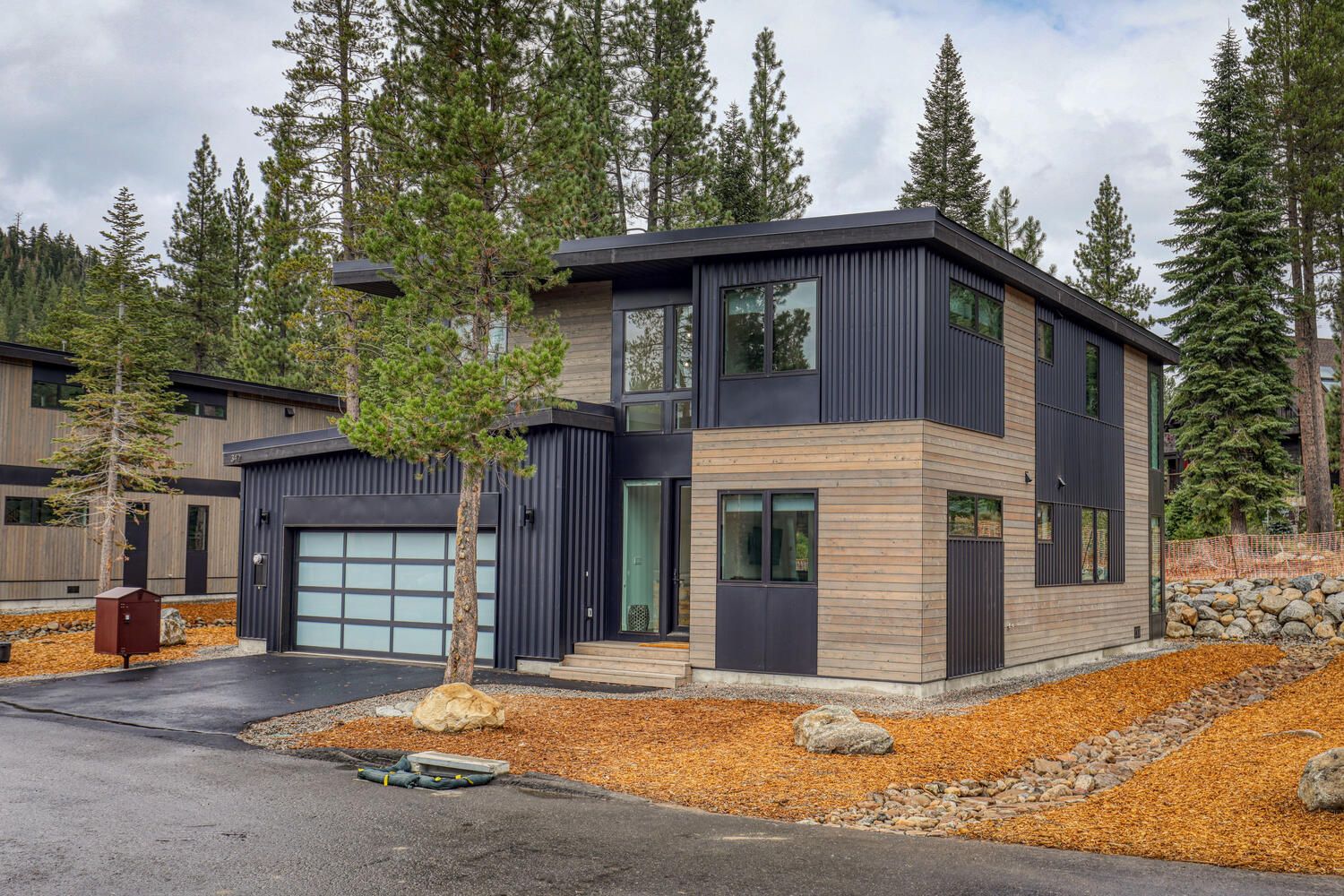
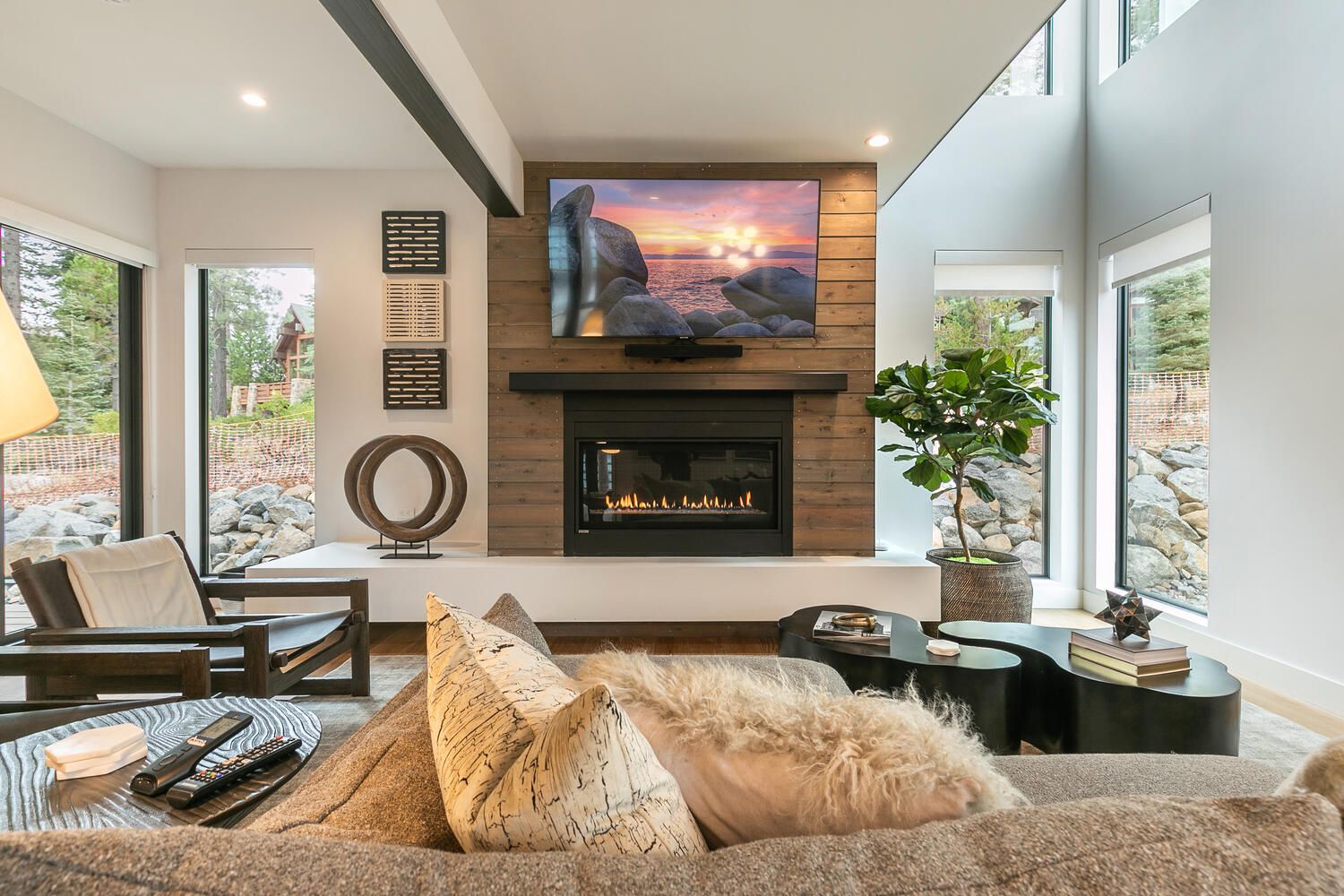
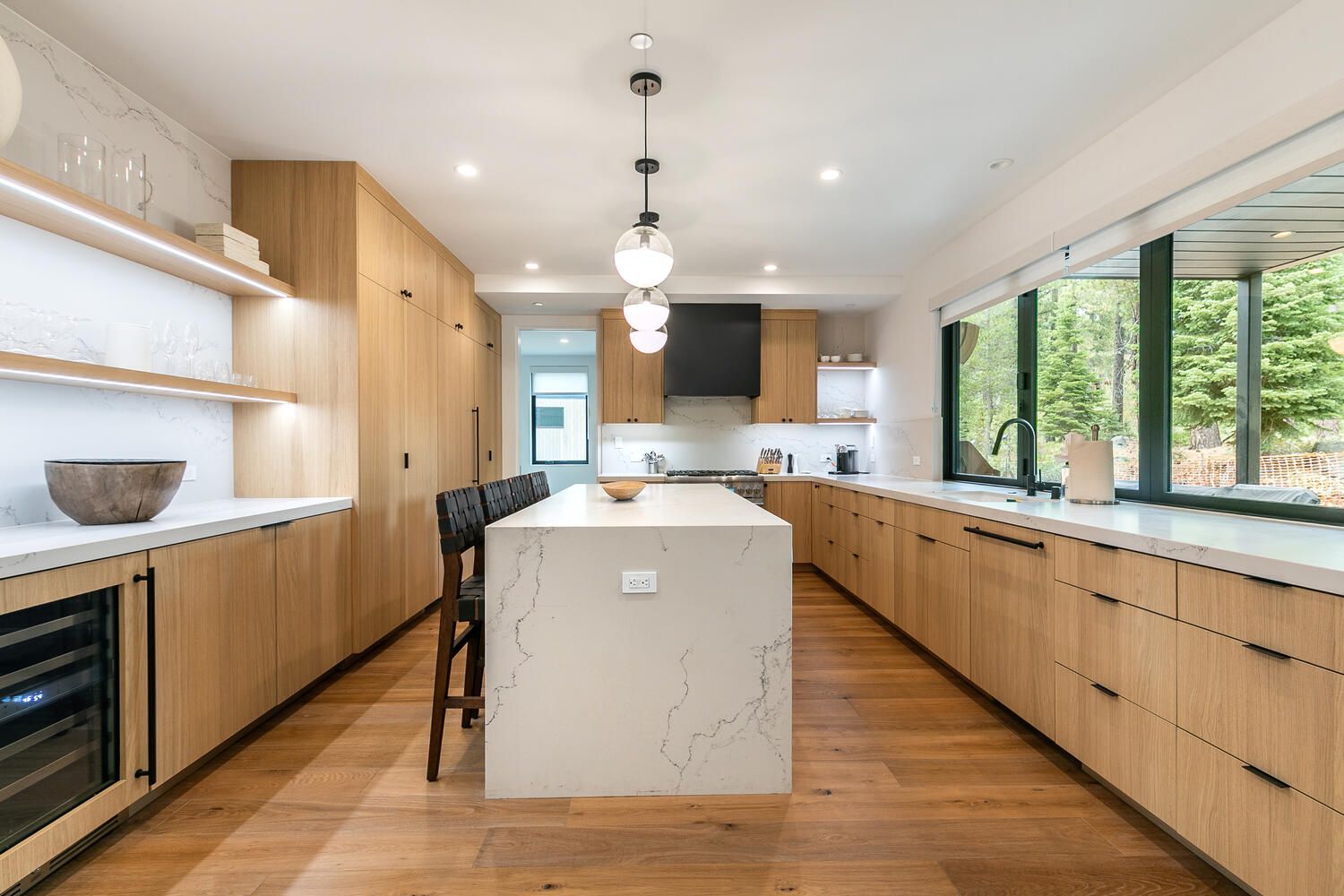
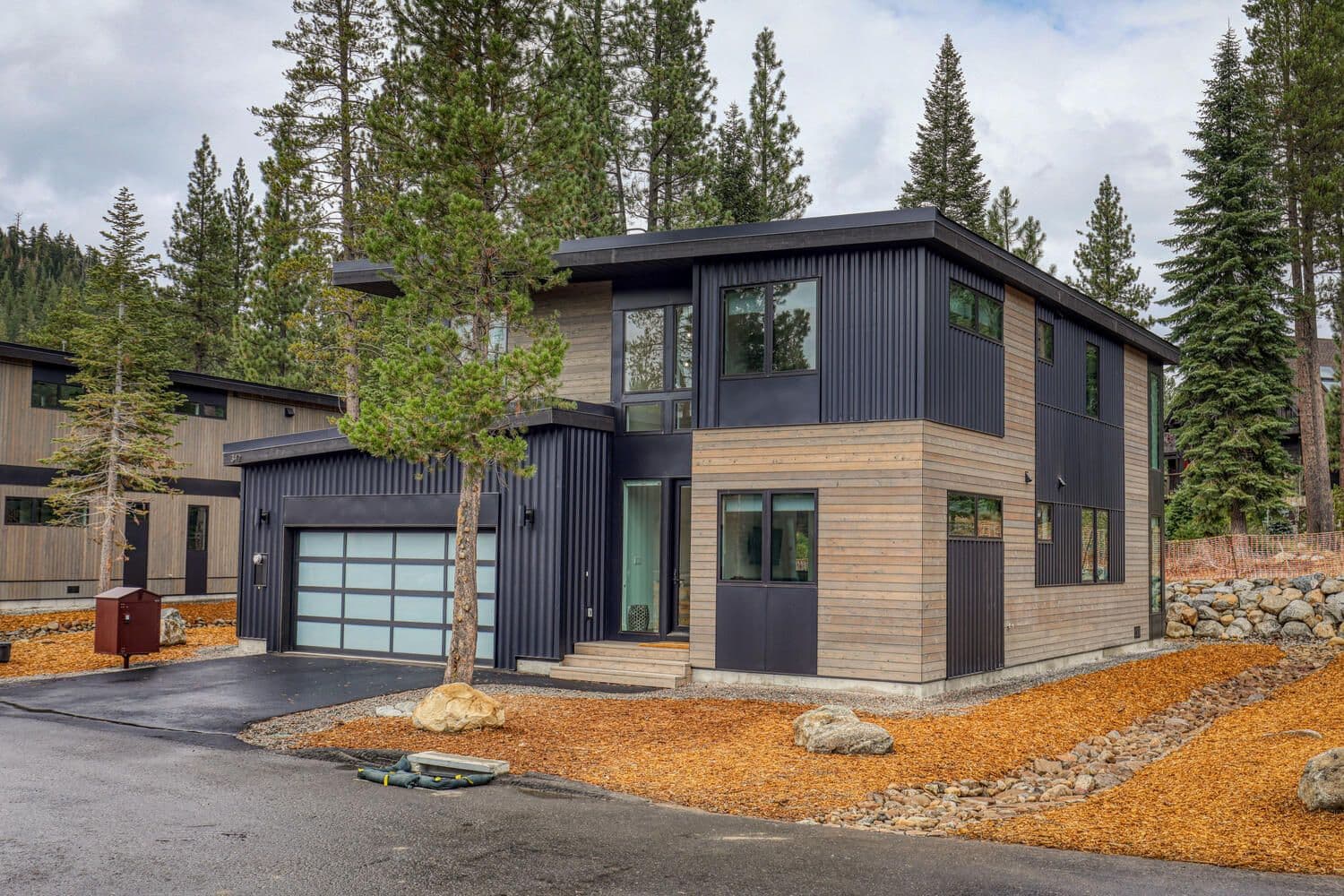
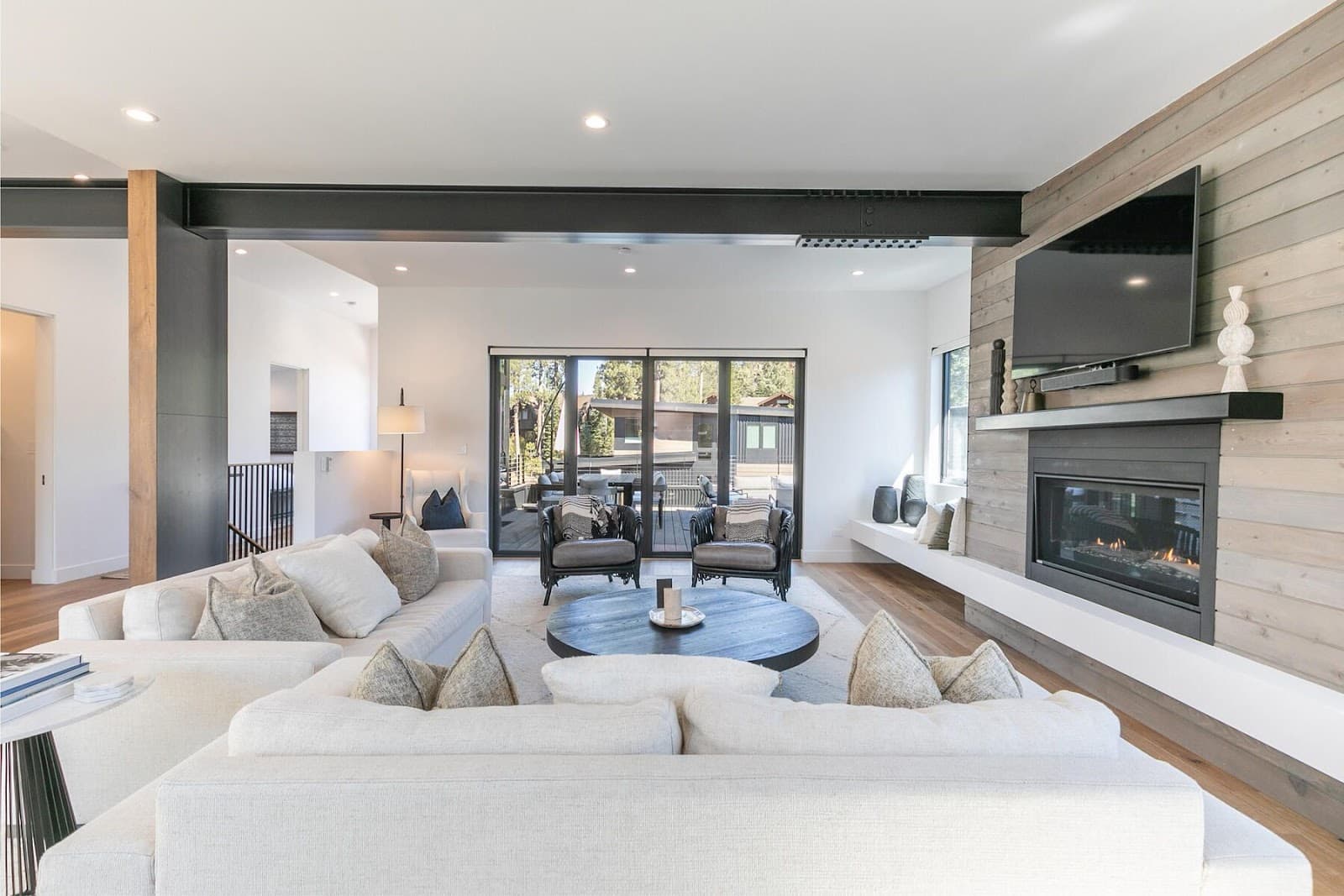
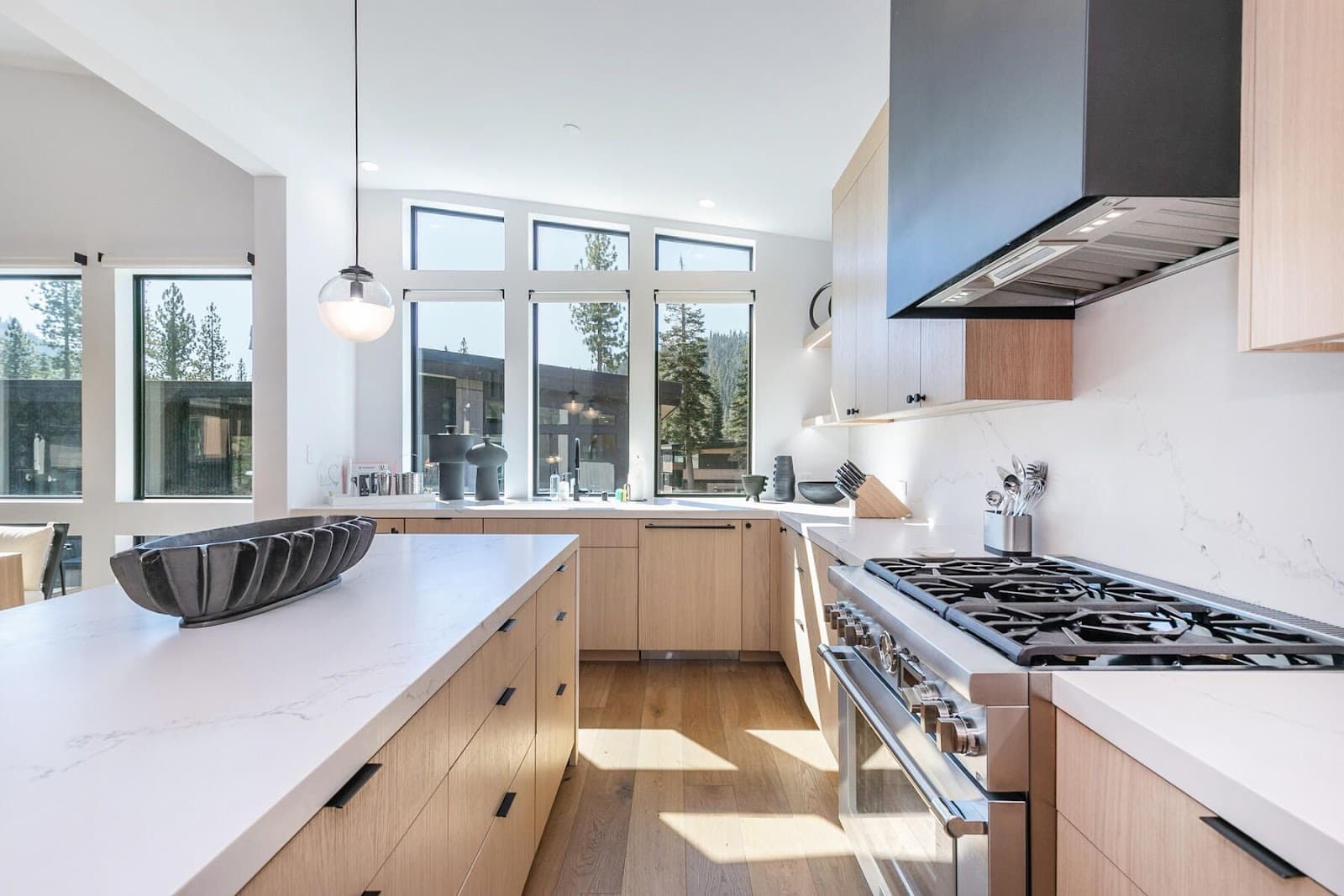
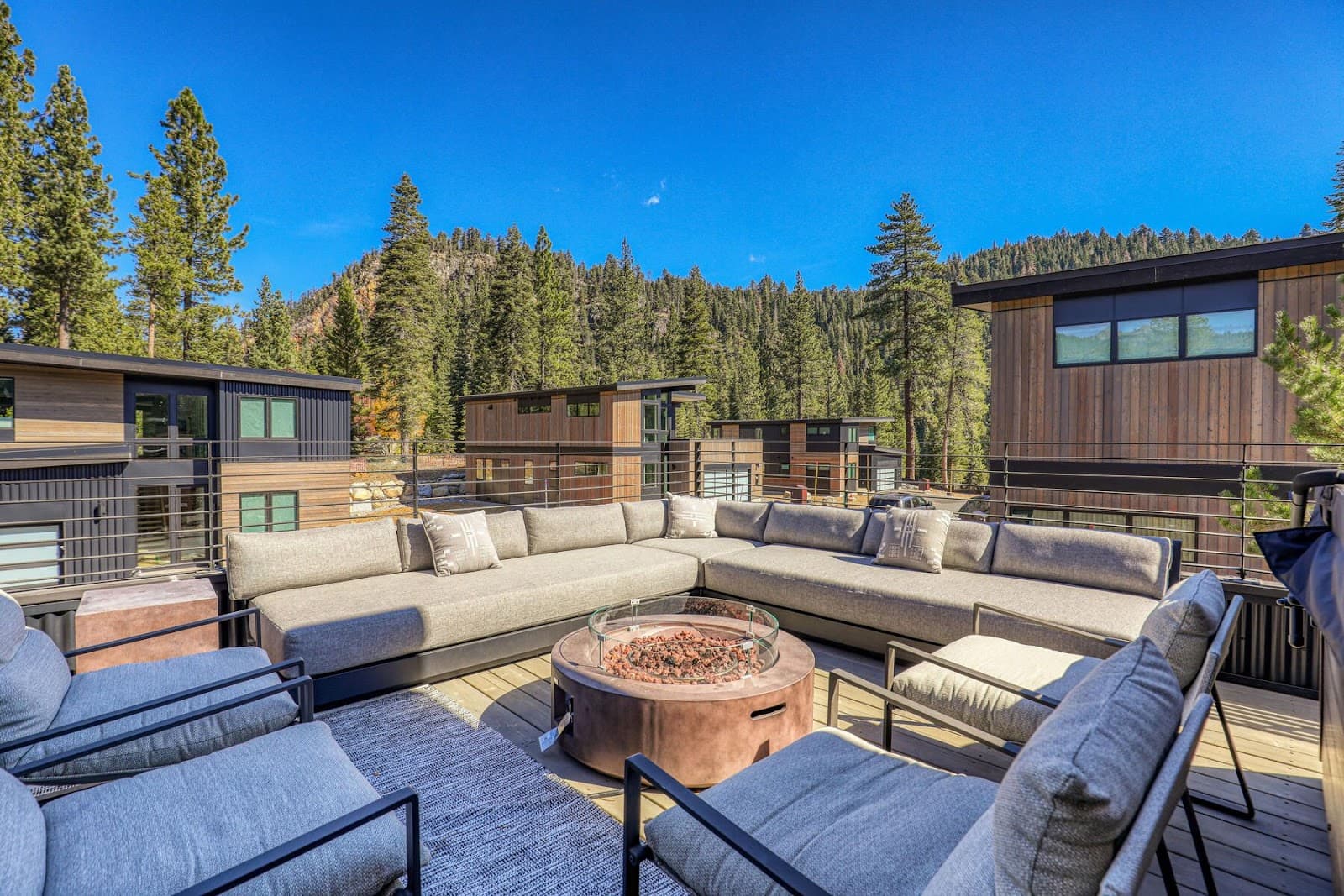
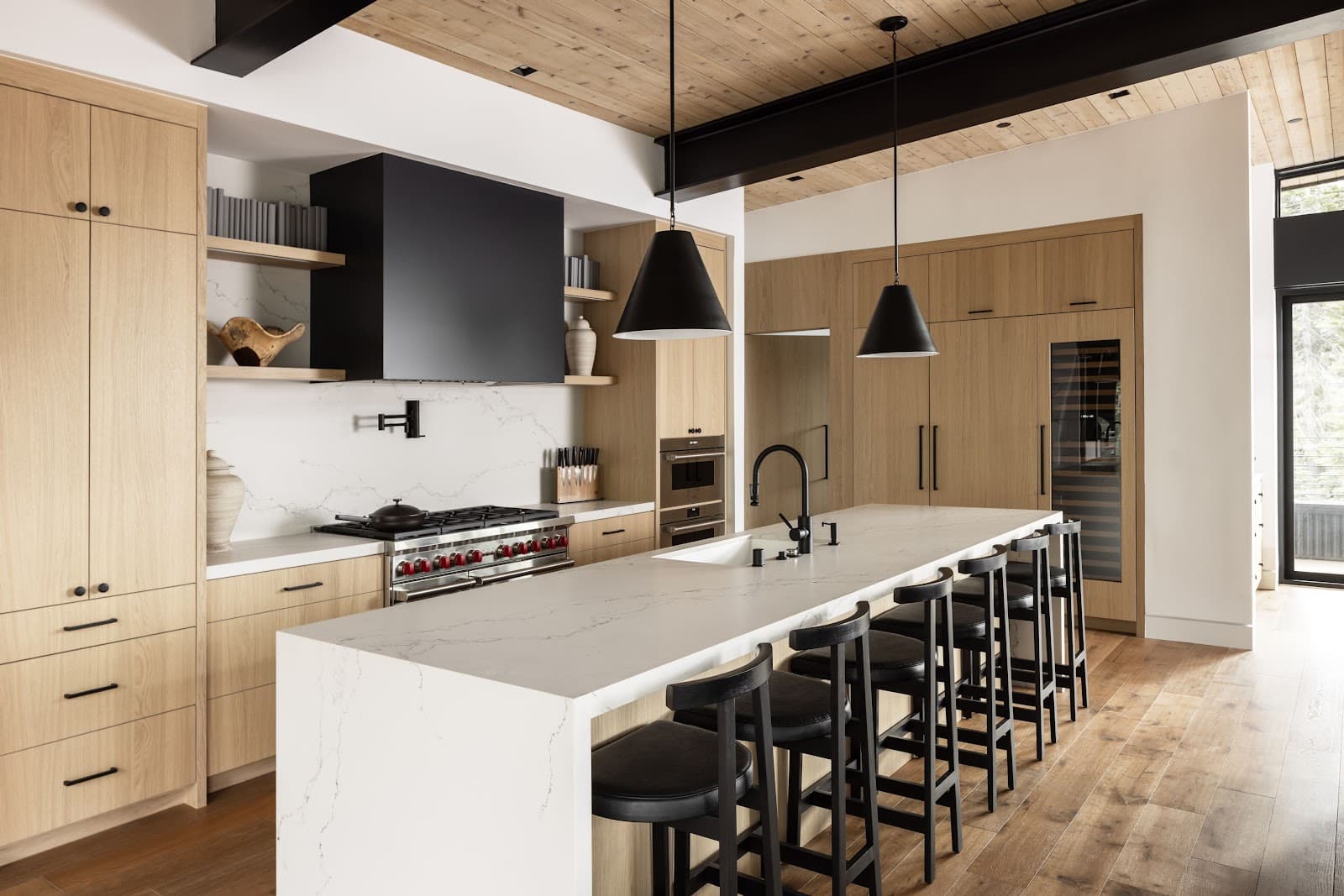
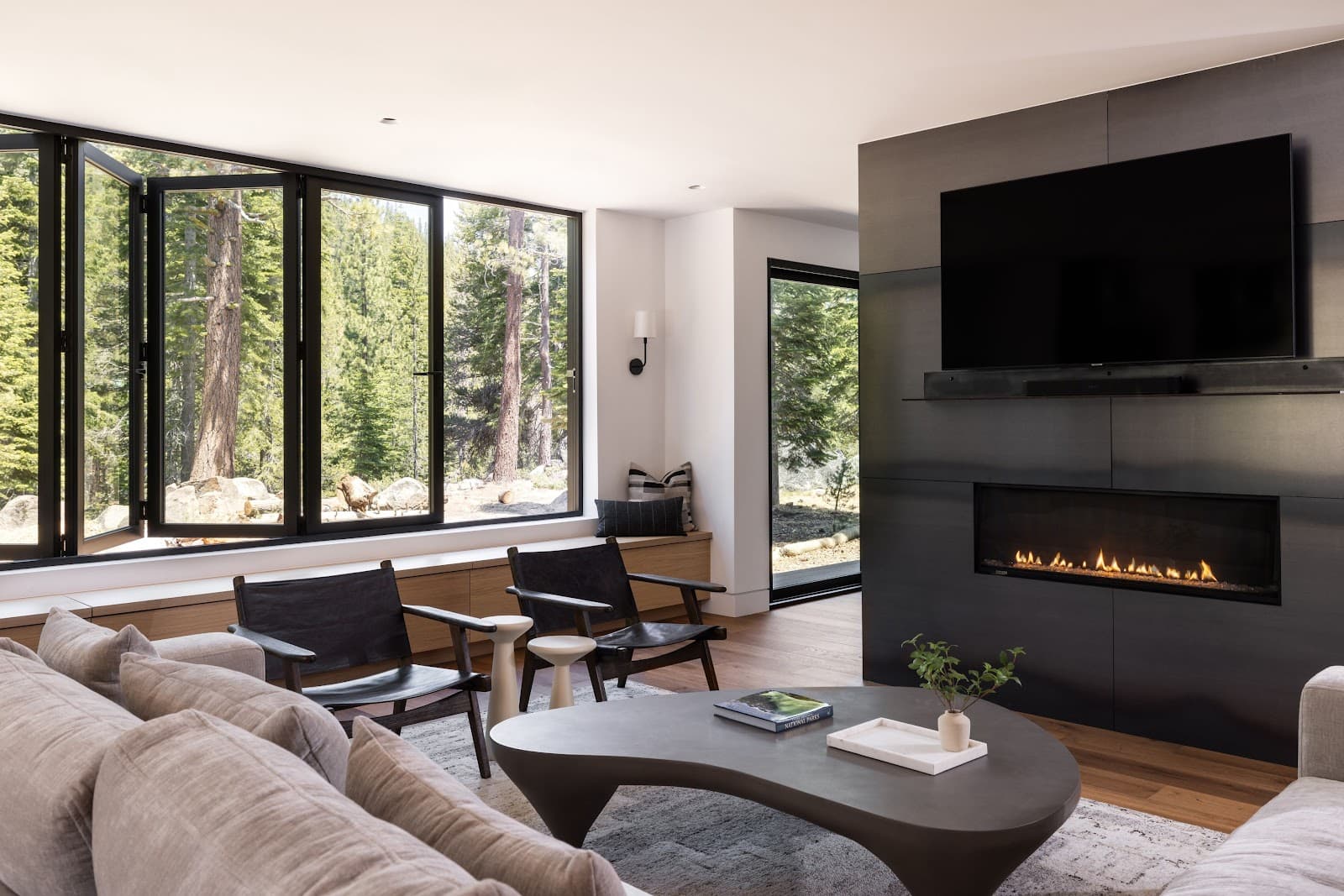
Olympic Valley, California, USA — 4-Bed House With Hot Tub
$336,000
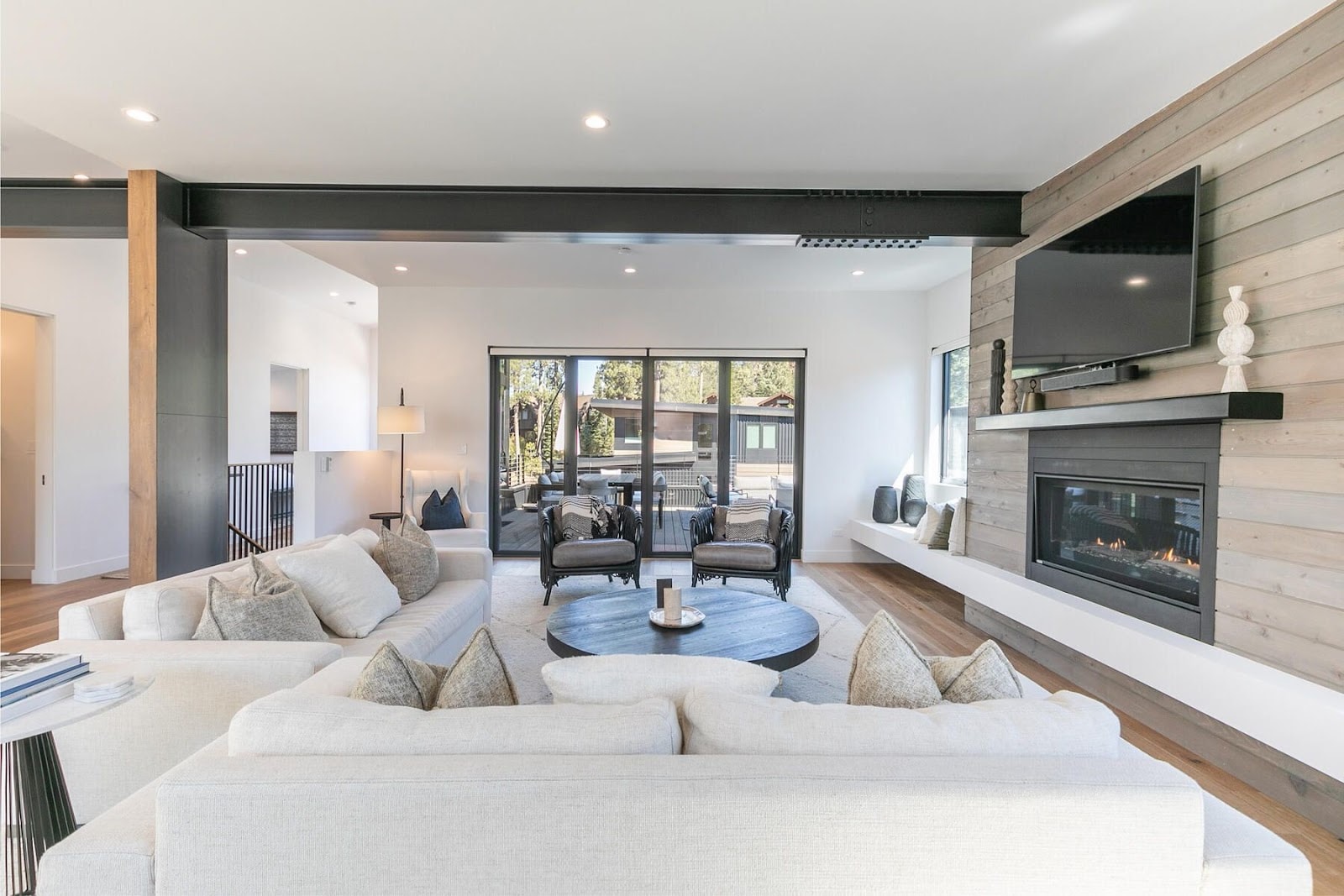
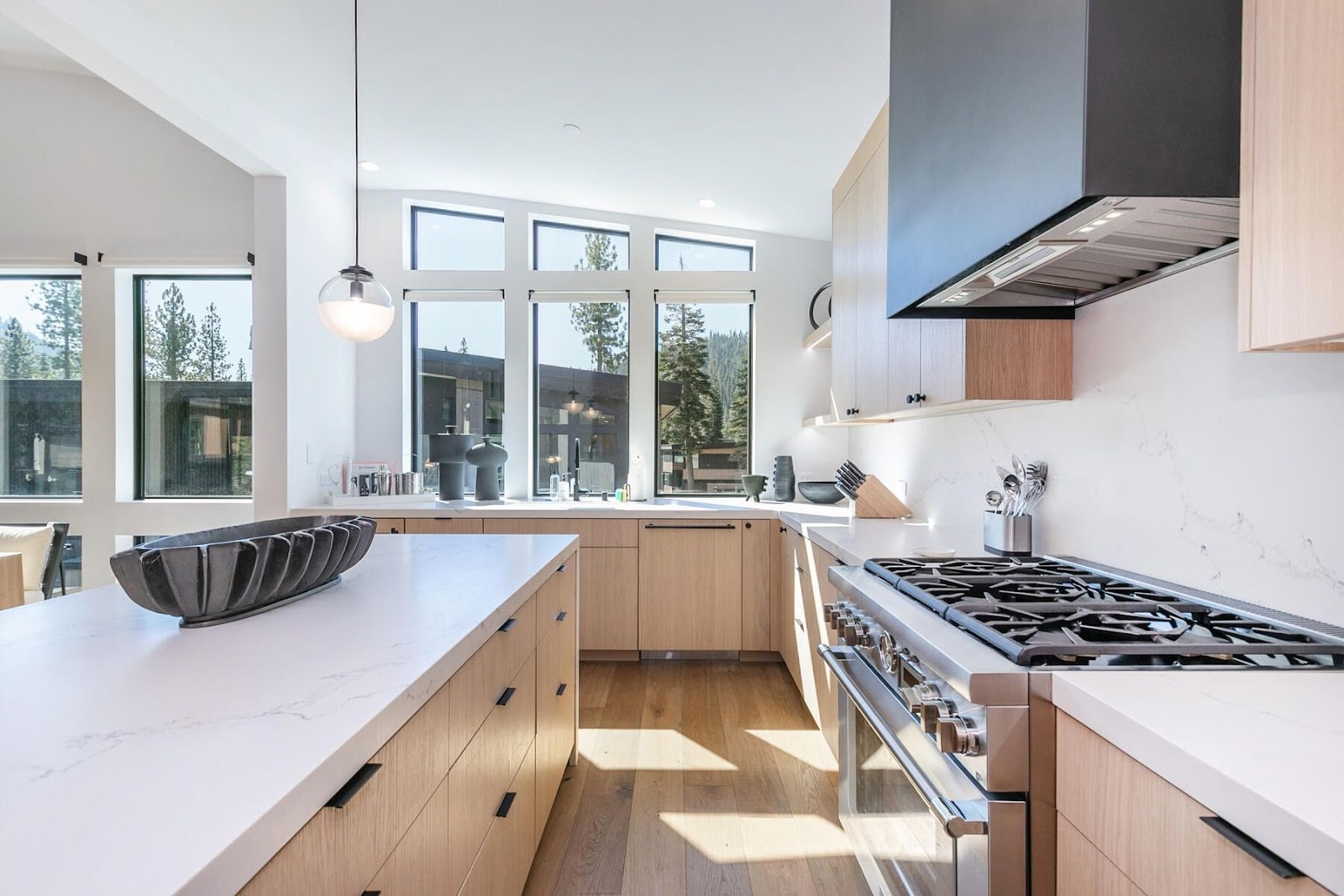
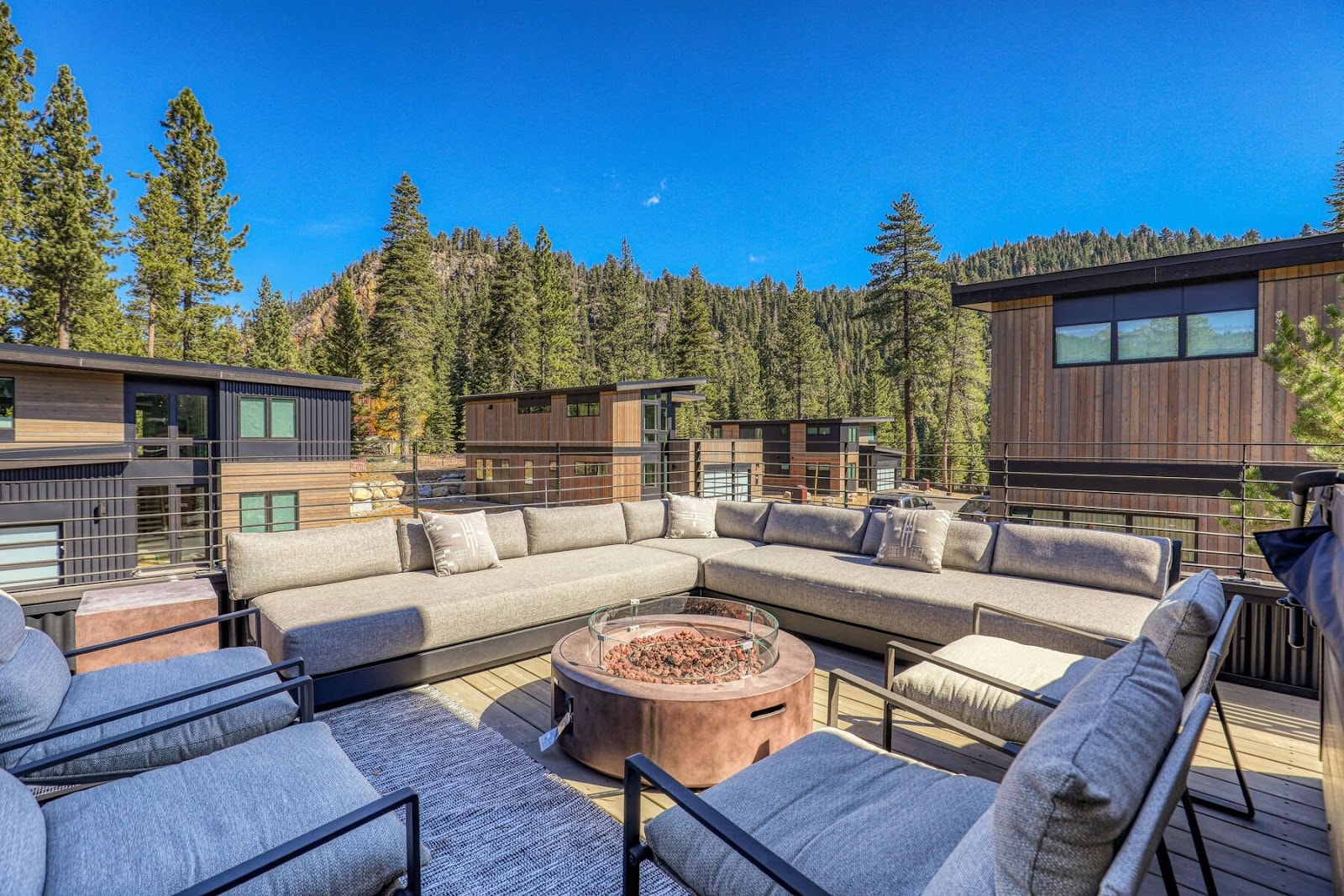
Olympic Valley, California, USA — 4-Bed House With Hot Tub
$389,000
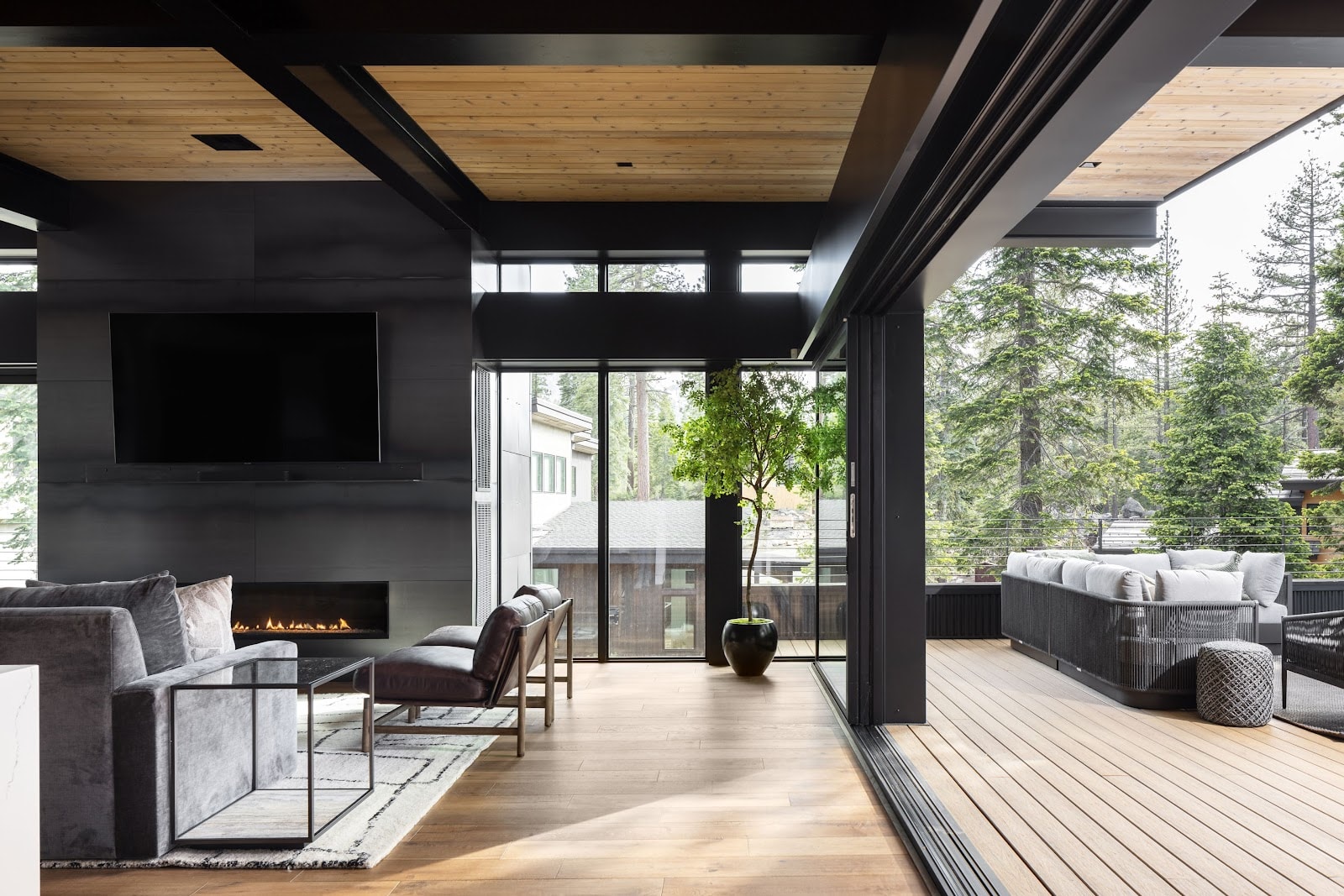
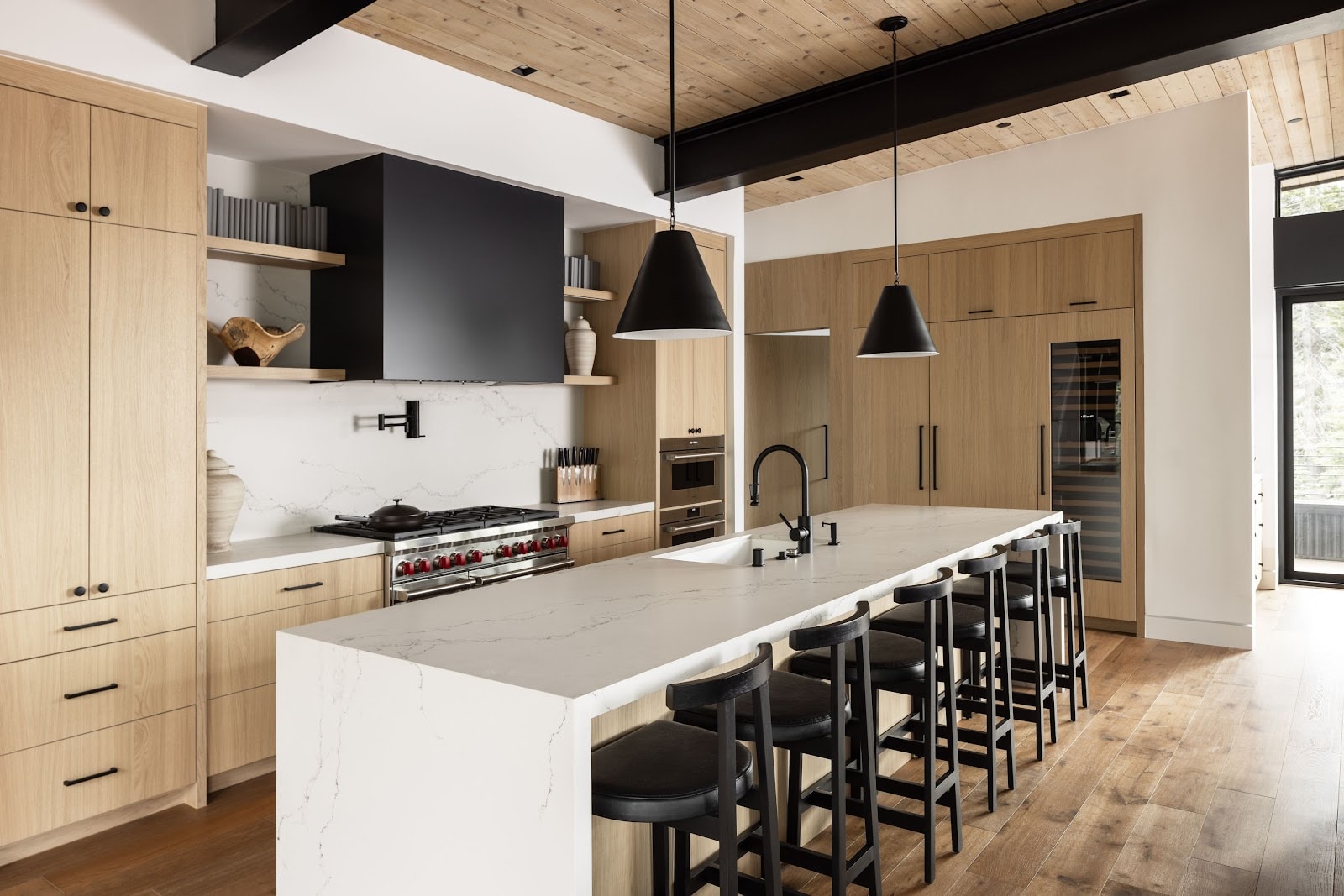
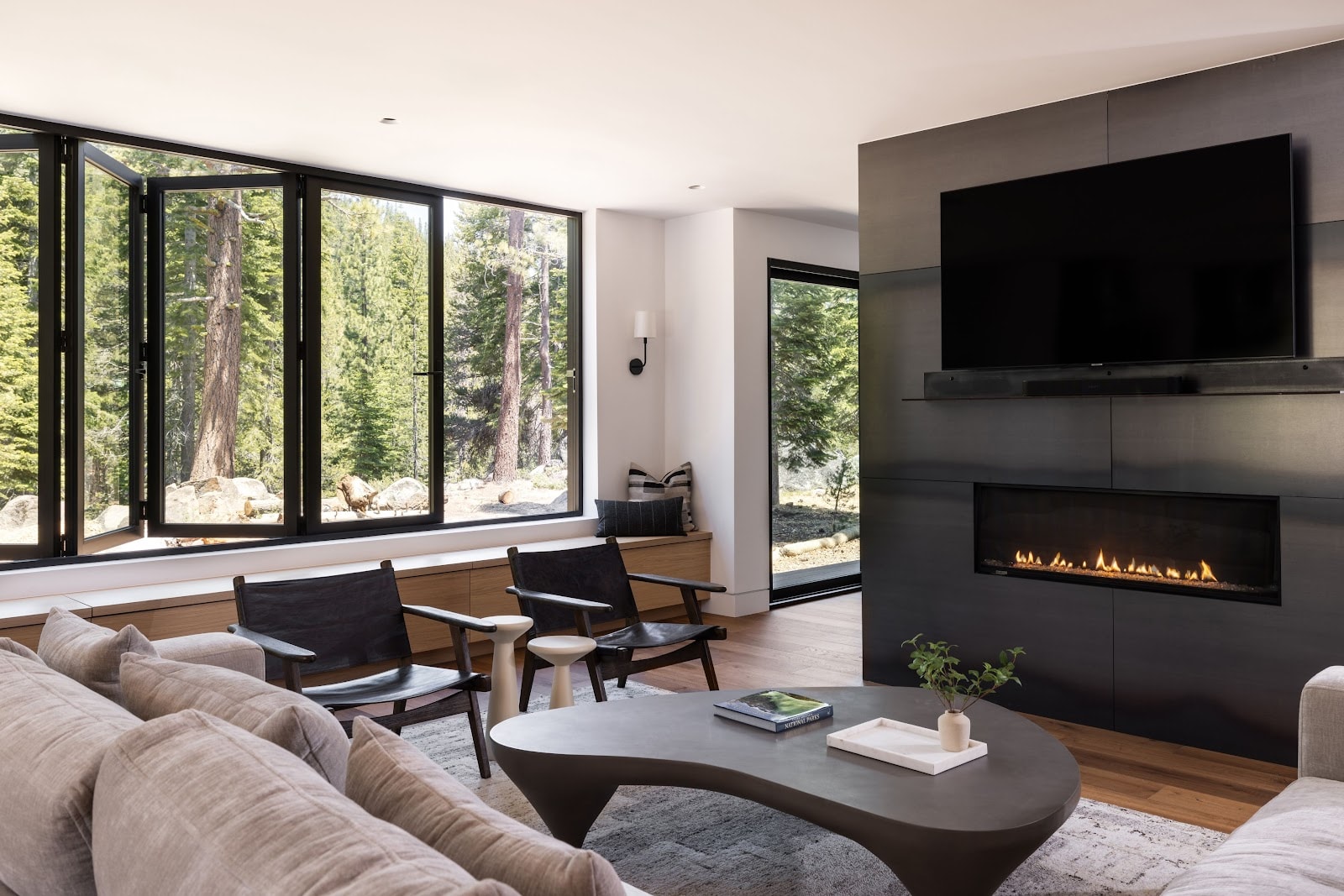
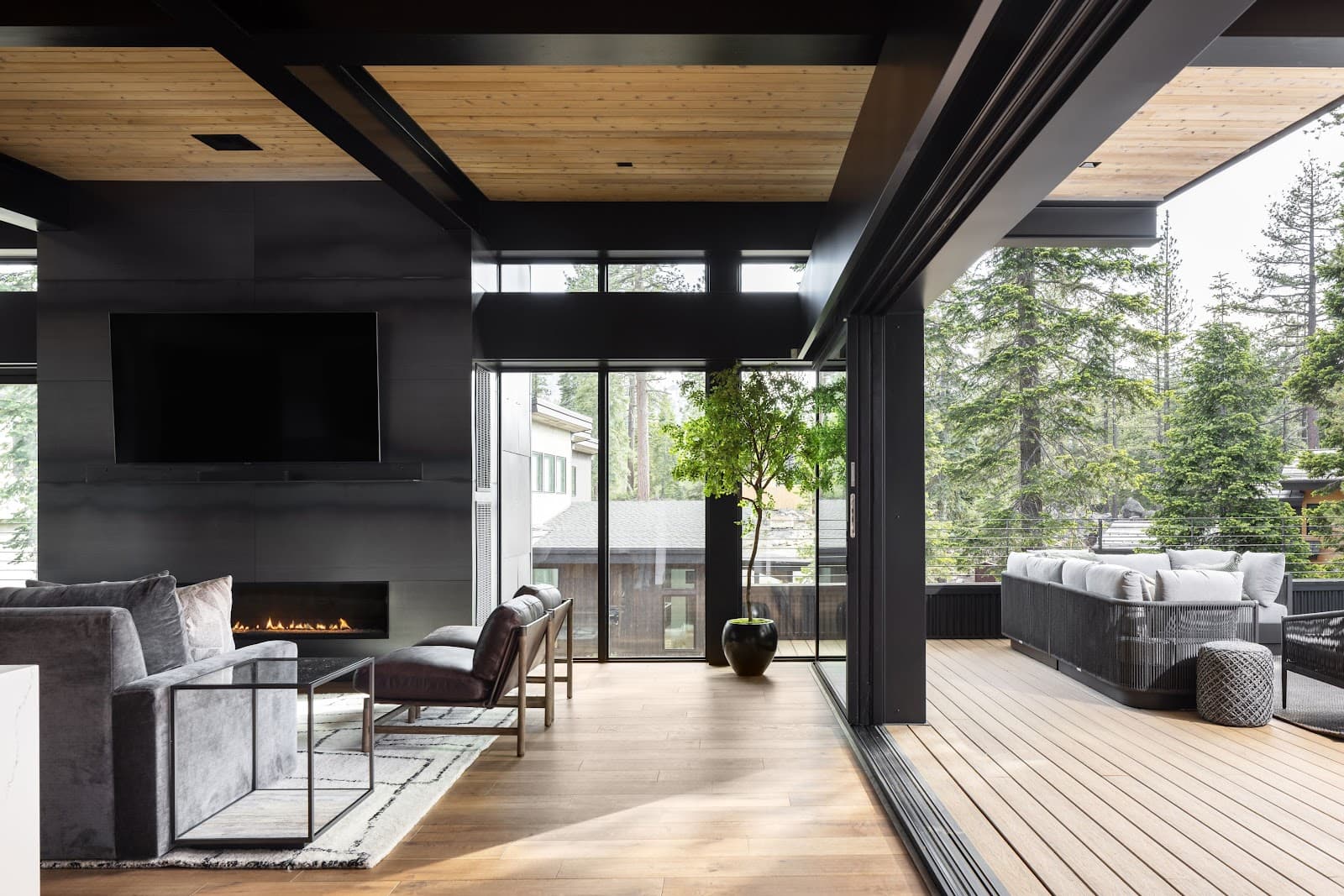
Olympic Valley, California, USA — 5-Bed House With Hot Tub
$750,000
Why buy a co-ownership home in Olympic Valley?
Buying a whole holiday home in Olympic Valley means paying full price for a house that stands empty most of the year. Co-ownership takes the same home — professionally managed, beautifully furnished — and divides it into shares, usually eighths. You own a real share of the home — not a right to use it — with roughly six weeks of use a year, a share you can sell or pass on, and running costs shared between owners rather than shouldered alone. In Olympic Valley, that ownership starts from $336,000.
Olympic Valley, properly understood
Olympic Valley is a single glacial valley six miles north-west of Lake Tahoe, about three miles long, with one road in and one of the most celebrated ski mountains in North America closing the end of it. That is the whole place: a flat meadow floor with a creek running through it, a cluster of buildings at the head, and granite walls rising two thousand vertical feet on three sides. There is no town in the ordinary sense — no supermarket, no high street, no hospital — and for the people who choose it, that absence is the point.
What it has instead is the mountain. This valley hosted the 1960 Winter Olympics, which was the making of Californian skiing and left behind an infrastructure, a reputation and a name. The resort has since been renamed, and since 2022 it has been joined by a base-to-base gondola to the neighbouring Alpine Meadows valley, creating one of the largest linked ski areas in the United States. The terrain here is the serious end of Lake Tahoe skiing: granite faces, chutes, an enormous open bowl system and a lift that rises directly from the car park onto some of the most famous steep skiing in the country.
For an owner, the proposition is specific and compelling: a valley — quiet, spectacular, hemmed by wilderness — with a world-class mountain at the end of it, Tahoe fifteen minutes away, Truckee's restaurants and services fifteen minutes in the other direction, and Reno's airport under an hour. And it has a summer that surprises everyone: the valley floor is a wildflower meadow, the trails climb straight from the door into the Granite Chief Wilderness, and there is a swimming pool at eight thousand two hundred feet reached by cable car.
A short history: 1960 and everything after
The Washoe people summered in this valley for centuries. When American settlers arrived in the nineteenth century the meadow was used for grazing, and the valley was known by a name that reflected the settlers' descriptions of the Washoe women they encountered — a name the resort and the community retired in 2021 after long consultation, in recognition that it was a slur. The valley and the resort now carry Olympic and Palisades names respectively, and the change was made with the involvement of the Washoe Tribe.
The transformation came in 1949, when a young man with an inheritance and a conviction built a single chairlift and a lodge at the end of an empty valley. Six years later, with almost nothing constructed, he won the bid to host the 1960 Winter Olympics — a decision that astonished the sporting world and was made to work by a vast building programme. The Games were the first to be televised in the United States, the first with a purpose-built athletes' village, and the first to use a computer to tabulate results. They put Californian skiing on the international map permanently.
What followed was six decades of mountain development: the cable car up the granite face, the funitel, the terrain expansion into the bowls above, and the building of a base village in the 2000s. In 2021 the resort took a new name; in 2022 the base-to-base gondola opened to Alpine Meadows over the ridge, linking two mountains that had been separately operated for decades. The valley itself, meanwhile, has stayed remarkably undeveloped: the meadow is still a meadow, the wilderness boundary is still a short walk away, and the built area occupies a fraction of the valley floor.
The mountain, in detail
The mountain above Olympic Valley is one of the most serious inbounds ski areas in the United States, and the geography explains why. Directly above the base rises a peak whose lift has become shorthand for expert skiing in America — a chairlift that loads at the car park and unloads two thousand feet up on terrain that is genuinely steep from the first turn, with a set of named chutes and faces that skiers travel across the country to ski. On a powder morning the queue for it forms before the lifts open, and the atmosphere is unlike anywhere else in California.
Beyond it the mountain opens out completely. The upper bowls — a series of linked, largely treeless basins served by high lifts — give enormous quantities of intermediate and advanced terrain, wide and rolling rather than steep, with the granite of the Sierra crest above and Lake Tahoe visible to the south. The cable car climbs the face to High Camp at about eight thousand two hundred feet, where there is a lodge, an Olympic museum, an ice rink and a swimming pool with a view over the lake. The funitel provides a second high-capacity route that runs when the wind closes other lifts.
Beginners and lower intermediates are better served than the mountain's reputation suggests: the gentle terrain sits up high, reached by a spectacular cable-car ride, with wide, forgiving slopes and big views, while the valley-floor learning area handles first turns. For a family with a true first-timer, Alpine Meadows over the gondola and Northstar fifteen minutes away add even more easy skiing.
The 2022 gondola changed the calculation. Alpine Meadows is now a lift ride away rather than a drive: a quieter, more varied, more sheltered mountain with superb tree skiing, a friendlier bowl system and considerably less traffic. Between the two, the linked area is among the largest in the country, and the practical effect for an owner is that a storm day, a wind day and a bluebird day each have an obvious answer without moving the car.
The valley: where exactly to own
The Village at the base. Ski-in, ski-out condominiums around a pedestrian plaza with restaurants, shops, an ice rink in winter and the lifts at the end of it. This is the shortest possible morning and the most convenient base in the Tahoe region, and it is where a good number of the shares we list sit: lock-and-leave apartment living, with a base area that buzzes on peak weekends.
The valley floor and the meadow edge. Houses and townhouses spread along the valley's flat floor and up its lower slopes, some with the meadow in front and the granite walls behind, most within a five- to ten-minute walk or a short shuttle of the lifts. Quieter than the village, with more space, and in summer some of the loveliest positions in the Sierra.
The upper valley and the creek. The older cabins and newer houses tucked into the trees along the creek and the valley's northern side: private, wooded, quiet, and a short drive or walk to the base. This is where owners who value seclusion over convenience end up.
Alpine Meadows, over the ridge. A separate valley with its own base area and its own quieter community, now connected by the gondola, generally better value than Olympic Valley for equivalent proximity, and with its own passionate following. Worth considering alongside rather than instead.
Nearby alternatives. Tahoe City, ten minutes south on the lake shore, has services, restaurants, a marina and lake access, and is where a good number of valley owners actually do their shopping. Truckee, fifteen minutes north, has the historic main street, the supermarkets, the hospital and the airport road. Both are legitimate bases for someone who wants a town and is content to drive to the mountain — and both are covered in our Truckee guide.
Snow, wind and the numbers
The valley floor sits at about six thousand two hundred feet and the mountain rises to roughly nine thousand. Average annual snowfall here is very high — this stretch of the Sierra crest is among the snowiest places in the United States, and season totals well over four hundred inches are ordinary. The snowpack is maritime: heavy, wet, and enormous in volume, which builds a deep and durable base and produces genuinely long seasons. In big years, the upper mountain has stayed open into late spring and beyond.
This is a high, exposed mountain, so on big storm and wind days the upper lifts — including the ones that reach the best terrain — pause until conditions settle. That is exactly where the gondola link to Alpine Meadows shines: a sheltered, treed alternative one lift ride away, so a storm day still means a great day on the snow.
Access is the other weather consideration. The valley has one road in, and the state highway along the lake and the interstate over the pass both operate chain controls and occasionally close in major storms. Owners plan travel days around forecasts rather than the reverse, and a four-wheel-drive vehicle with proper winter tyres is the sensible standard from November to April.
Summer is Californian: dry, warm days, cold nights, essentially no rain from June to September, and a wildflower season in the meadow and the high country that is genuinely spectacular in July. Autumn is long, golden and quiet. As everywhere in the Sierra, homes are kept to defensible-space and wildland-interface standards, and insurance is confirmed for the specific property before you commit.
Summer in the valley
Olympic Valley's summer is the half of the year that sells itself once you have seen it. The meadow floods green in early summer and fills with wildflowers; the creek runs clear; and the granite walls that frame the valley take the evening light in a way that makes the whole place look like a national park, which in effect it nearly is — the Granite Chief Wilderness begins a short walk from the last building.
The walking is exceptional and starts at the door. The Shirley Canyon trail climbs beside a series of waterfalls and granite slabs from the base to High Camp, where you can swim in the pool at eight thousand feet and ride the cable car down — one of the best half-days in the Sierra. The Five Lakes trail from the Alpine Meadows road reaches a set of granite-bowl lakes in under two hours. The Pacific Crest Trail runs along the crest above the valley. And the Tahoe Rim Trail circuit is within easy reach.
Beyond hiking: lift-served and cross-country mountain biking, road cycling on the lake-shore roads and over the passes, a golf course on the valley floor, rafting on the Truckee River from Tahoe City, and the lake itself fifteen minutes away with its beaches, boats and improbably clear water. The base village runs a summer programme of concerts, markets and outdoor films, and the mountain-running and endurance-sport calendar is significant. Summer weeks here are contested inside owner groups as hard as ski weeks, which is the practical proof.
A year in Olympic Valley, month by month
November is the wait, with the mountain typically opening late in the month. December builds to a busy Christmas and New Year fortnight — this is a drive market from the Bay Area, so holidays and weekends behave differently from fly-in resorts. January and February bring the biggest storms, the deepest base and, midweek, some of the quietest lift queues of the season. March is often the best month: deep base, longer light and spring weather up high.
April carries excellent spring skiing, and in strong years May does too on the upper mountain. Late spring is the valley's pause — the snow is going, the trails are wet, and the base is quiet. June opens the summer as the meadow greens and the high trails clear, with the creek running hard.
July and August are the summer peak: wildflowers, the pool at High Camp, the trails, the lake, and a base village that is busy in a completely different way. September is superb and empties out after the first week. October is golden, quiet and the best hiking of the year. Two full seasons, two genuine shoulders, and a valley that in the shoulders belongs almost entirely to the people who live and own here.
Eating, provisioning and the practical valley
Olympic Valley's hospitality is good, and compact. The base village has restaurants, bars, a coffee shop and a small market, and the historic lodge at the base has been serving skiers for seventy years. High Camp has a lodge with a view.
For anything more, you drive. Tahoe City is ten minutes south with restaurants, a proper grocery, a bookshop and the lake; Truckee is fifteen minutes north with the region's best concentration of restaurants, the full-size supermarkets, the hospital and the historic main street. Both are easy runs, and most owners do a large shop on the way in from the airport and then eat a mixture of at home, in the village and in Truckee across a week.
The practical shape of a week here reflects that: breakfast in the house, ski or walk from the door, lunch on the mountain or in the village, and dinner either cooked at home or a fifteen-minute drive away. Owners who want to walk to a different restaurant every night should be looking at Truckee rather than here — and we will say so.
Olympic Valley with children
The valley works beautifully for families. The gentle skiing sits high on the mountain, reached by cable car — a ride children love — on wide, forgiving terrain, and the valley-floor learning area handles first turns. For a first-time five-year-old, Alpine Meadows over the gondola and Northstar twenty minutes away add even more easy terrain.
Everything else is in the valley's favour. The base village is pedestrian, so children can move around it freely. The ski school is large and long-established. The ice rink runs through the winter, there is tubing, and the swimming pool and hot tub at High Camp operate in winter as well as summer — swimming outdoors in the snow at eight thousand feet is the kind of thing children remember for good.
Summer is unambiguously excellent: the meadow, the creek, the waterfall walk up Shirley Canyon, the bike trails, the pool, and the lake fifteen minutes away with its beaches. For ownership groups, the arithmetic is the same as elsewhere in Tahoe — this is a Bay Area drive market, so weekends and Californian school holidays are the contested slots, and a group whose members can travel midweek or outside that calendar finds the rotation very comfortable.
The non-skier's valley
This valley rewards a non-skier in its own way. The cable car carries foot passengers to High Camp, where there is a lodge, an Olympic museum, an ice rink, a hot tub and a pool, and a view down the whole valley to Lake Tahoe — which is a better day than most ski-resort non-skiers get anywhere. Snowshoeing and cross-country skiing are available in the valley and at Tahoe Cross Country ten minutes away, which is one of the largest Nordic centres in the country.
Then the drives, which in this part of the world are the point rather than the price. The lake shore road south from Tahoe City past the historic estates to Emerald Bay is one of the great scenic drives in America and is at its best with fresh snow on the peaks. Truckee's historic main street, the state park at Donner, the hot springs at Sierraville, about forty-five minutes north of Truckee — and the galleries and shops of Tahoe City all fill a day.
In summer the category evaporates: the non-skier becomes a walker, a swimmer, a market-goer or a passenger on the lake. What matters for a shared home is that everyone in a household wants to come — and here that depends more than usual on choosing the right property, because a base-village apartment and a house up the valley offer quite different weeks for someone who is not skiing.
Beyond the valley: days out
Lake Tahoe is fifteen minutes away and is the first and best excursion. The west shore from Tahoe City south is the beautiful side — granite, pines, the historic estates at Sugar Pine Point and Vikingsholm, and Emerald Bay, which is among the most photographed views in the American West. The east shore in Nevada has Sand Harbor's beach and a summer Shakespeare season on the sand. The full circuit of the lake is a day with stops.
Truckee, fifteen minutes north, has the historic main street, the state park with its excellent museum covering the emigrant trail and the transcontinental railroad, and the region's practical services. Reno is under an hour east: an airport, a serious food scene, an art museum and the region's shopping. Virginia City, the silver-boom town beyond it, is a genuine nineteenth-century survival.
Further out: the Lost Sierra to the north around Downieville and the Lakes Basin, which is quiet and superb for cycling; Yosemite's high country over Tioga Pass in a long summer day; Napa and Sonoma about two and a half hours west; and San Francisco three hours, which makes a city weekend from a valley house entirely practical.
Getting there and getting around
Reno-Tahoe International Airport is about fifty minutes away and is the practical answer for anyone flying: good domestic service across the western United States and connections beyond, with a drive that runs down the interstate and along the lake road. Sacramento is roughly two hours; San Francisco and Oakland around three, with the full international network.
The Bay Area drive sets the region's rhythm. Friday evenings and Sunday afternoons in winter are the busy times on the interstate, and in a big storm the pass runs chain controls. The valley's single access road is straightforward, and owners quickly learn the easy pattern: travel Thursday or Saturday and check conditions before setting out.
Within the valley, a great deal is walkable if you are based in or near the base village — that is the argument for a village address. Elsewhere in the valley a car or the local shuttle is needed, and a car is necessary in any case for Tahoe City, Truckee, the lake and the airport. All-wheel drive with proper winter tyres is the sensible rental from November to April, and chains should live in the boot.
The property market, clearly explained
Olympic Valley's market is small, tightly bounded and unusual. The valley is short, most of its floor is meadow, wilderness and national forest surround it, and the built area is a fraction of the whole — which means the supply of property here is genuinely fixed in a way that is rare even in mountain markets. Demand comes overwhelmingly from the Bay Area, three hours away, plus a wider Californian and western second-home base.
The stock splits clearly. Base-village condominiums offer ski-in ski-out access, amenities and lock-and-leave convenience, and they are the most liquid part of the market. Houses and townhouses on the valley floor and up the sides are fewer, more varied in age and quality, and priced accordingly. New construction is rare, which keeps supply tight.
Three specifics are worth knowing. First, insurance: cover is confirmed for the specific property before you commit, so it sits in your numbers from the start. Second, California property tax: assessed value is set at the purchase price, so the tax on a newly bought home is based on what you paid. Third, short-term rental: the county runs a permit regime for the Tahoe area and homeowners' associations set their own rules, so if letting matters to you we confirm the position for the specific property.
For a share buyer the logic is strong here for a particular reason. A Tahoe ski property is used intensively for a few winter weekends and weeks and a stretch of summer, and it carries high fixed costs the whole year — insurance, taxes, snow removal, vegetation management, association dues. Whole ownership means paying for all of that to be empty most of the time. A share matches the way the valley is actually used, and because the summer here is genuinely wanted, the calendar spreads across two seasons rather than crowding into one.
What underpins value here
Five supports. First, the mountain: one of the most celebrated ski areas in the United States, with an Olympic history, extraordinary terrain, and — since 2022 — a lift connection to a second large mountain that materially improved the product. Second, absolute supply constraint: a short valley enclosed by wilderness and national forest, with a meadow floor that will not be built on and a built area that cannot meaningfully expand.
Third, the Bay Area: one of the largest concentrations of wealth on earth, three hours away, whose demand for this valley has been consistent since 1960 and structurally stronger since remote work became normal. Fourth, the two-season calendar — a summer of wildflowers, wilderness trails, a high-altitude swimming pool and Lake Tahoe fifteen minutes away, which gives the property a usable year rather than a usable winter.
Fifth, the region around it: Truckee's services fifteen minutes north, Tahoe City and the lake ten minutes south, Reno's airport under an hour, and half a dozen other ski mountains within thirty minutes. An Olympic Valley address is a quiet valley with a very large region attached.
Who owns here
The ownership is overwhelmingly Californian and specifically Bay Area — technology and professional families, many of them multi-generational in the valley, some of whom have held the same cabin since the decade after the Olympics. That gives the community an unusual continuity for a resort valley, and a genuine local culture: ski patrol families, mountain guides, long-serving instructors and a small permanent population.
Around it sits the wider western second-home market — Sacramento, southern California, Nevada, the Pacific Northwest — and a growing group of full-time residents who moved here permanently when remote work made it possible. International ownership is small but present, mostly arriving through Reno or San Francisco.
For a co-owner the practical consequence is a valley entirely accustomed to part-time ownership. Property management, snow removal, vegetation compliance, maintenance and rental administration are mature professional services here, because most of the housing stock needs them. A home used by several families in rotation is completely unremarkable — subject, as everywhere in this market, to the association's own rules, which is why we check them before listing.
Olympic Valley against the alternatives
The comparison that matters most is with Truckee, fifteen minutes north, which we also cover. Truckee is a real town — historic main street, hospital, schools, supermarkets, restaurants open in April — with a wider spread of ski access and two lakes. Olympic Valley is a single spectacular valley with one of the great mountains in America at the end of it and almost no services. If you want a town, buy in Truckee. If you want to walk out of the door onto the mountain and be surrounded by granite and wilderness, buy here. Both are correct answers to different questions.
Against Northstar, twenty minutes away: a more manicured, more family-calibrated mountain with a purpose-built village and better beginner terrain, on gentler ground. Against South Lake Tahoe: a bigger lakefront town with casinos on the Nevada line and a large ski area, at the cost of far more traffic and much less charm. Against Mammoth: higher, snow-surer, spectacular, and five hours from the Bay Area rather than three.
Against Colorado and Utah: drier snow and, in Utah's case, a bigger airport, at the cost of a flight rather than a drive for the Californian market that dominates here. Olympic Valley's own case, stated plainly: an Olympic mountain with some of the most serious inbounds terrain in America, now linked by gondola to a second large mountain; a valley enclosed by wilderness with a meadow at its centre; a summer of wildflowers, waterfalls and a pool at eight thousand feet; Lake Tahoe fifteen minutes away and Truckee fifteen in the other direction.
Co-ownership in Olympic Valley, in practice
Here is how a share of a home here actually works. You own a real share of a specific, fully furnished, professionally managed home — an eighth, a quarter — not a right to use it. You can sell it, pass it on to your heirs, and it moves with the value of the house. A timeshare sells you a week. Co-ownership sells you the house: part of one specific home, shared with a small group of owners rather than thousands — not time, points or a membership. The legal set-up is arranged by our partner for each home and walked through with you before you buy. The calendar allocates usage fairly across the owners, rotating the contested dates — Christmas, New Year, the February holiday weekends, spring break and the summer weeks — from year to year so no owner is permanently advantaged, with flexible booking for everything else.
The management case is stronger here than in most places, because the valley has no services and a Sierra winter is demanding. Snow removal is a serious recurring operation. Vegetation and defensible-space compliance is a legal obligation. Roofs, heat tape and freeze protection matter at six thousand feet with a maritime snowpack. Add cleaning and linen between stays, the association relationship, utilities, and the seasonal opening and closing, and remote self-management from another state stops being realistic.
The two-season calendar is what makes the structure work well here. In a winter-only valley a share means competing for five months. Here the July and August weeks — the meadow, the waterfall walk, the pool at High Camp, the lake — are genuinely wanted, and September is one of the best months of the year. That gives the rotation twice as much good material to distribute, which is why calendars in two-season places clear with far less negotiation.
Costs are shared in the same proportion as ownership: each owner carries their share of the home's running costs, billed transparently, covering property taxes, insurance, utilities, association dues, snow removal, vegetation management, cleaning, maintenance and the reserve that keeps the furnishings good. In a valley where the fixed costs of a mountain property are high and the natural usage pattern is part-time, that sharing is the whole argument. You see the full breakdown before you buy, not after.
Buying in the United States: how the process actually runs
American property transactions run differently from European ones and are, once understood, fast and well-supported. There is no notary in the civil-law sense. In California the transaction runs through an escrow company and a title insurer: escrow holds the deposit and coordinates the closing, while the title company researches the chain of title, resolves liens and issues title insurance protecting the buyer against defects missed in the search. That insurance is standard and one of the real strengths of the system.
The sequence: an offer on a standard state-approved contract; a contingency period during which the buyer inspects the property, reviews disclosures and can generally withdraw; title and disclosure review; and closing, typically within thirty to sixty days. California's disclosure regime is thorough, with natural-hazard reports covering fire, flood and seismic zones as standard. Use the contingency period for the local specifics: insurance quotes obtained before commitment rather than after; the homeowners' association's documents, budget, reserves and rental rules; the property's snow-load, roof and heating history; and the county's short-term rental permit position for that exact address.
There is no restriction on foreign ownership of American residential property. Non-US buyers will need a taxpayer identification number for filing purposes, should expect withholding rules to apply on a future sale, and should take advice on how their home country treats US-situs assets — including estate and inheritance treatment, the point most often overlooked. For a co-ownership share, the legal set-up is arranged by our partner for each home. We walk every buyer through the specimen documents in plain language before any commitment, and we will always encourage independent legal and tax advice. Nothing in this guide is legal or tax advice.
Three owners' years: specimen calendars
Three specimen years. The ski-first family: a week over Christmas or New Year in the years the rotation grants it, the February holiday weekend when it does, a short midweek powder trip booked three days out because the drive from the Bay Area makes that possible, a spring-skiing week in April, and a fortnight in July for the meadow, the pool and the lake. Six-plus weeks, in a home that already holds the skis, the boards and the hiking boots.
The two-season couple: a long weekend in mid-January for storms, a week in March when the base is deep and the light is long, a week in late June as the wildflowers come out, ten days in September when the trails are empty and the lake is still swimmable, and a few days in October for the colour. A calendar built almost entirely from weeks nobody competes for.
The friends' syndicate: one marquee ski week together each winter, the trip that started the whole thing; alternating long weekends through the spring; a shared week at the lake and the meadow in August; and unclaimed weeks placed into managed rental where the property is permitted and the home provides for it. Three shapes, one common property: in a valley with an Olympic mountain at one end and Lake Tahoe fifteen minutes from the other, six weeks a year is not a constraint to be managed. It is a budget to be spent well.
An owner's practical almanac
The small knowledge that makes ownership frictionless. Travel days: avoid the interstate on winter Friday evenings and Sunday afternoons; check chain controls and pass conditions before setting out, not after. The valley has one road in — straightforward, but worth knowing. All-wheel drive with proper winter tyres from November to April, chains in the boot.
The mountain: the upper lifts close in high wind more often than at sheltered resorts, so check the lift status before committing to a plan, and remember that the gondola to Alpine Meadows gives you a sheltered, treed alternative on exactly those days. The cable car runs for foot passengers too, which is the best-value ticket on the hill for a non-skiing day.
Provisioning: there is a small market in the village and not a great deal more in the valley, so do the big shop in Truckee or Tahoe City on the way in. Book the Christmas-week ski school and the village restaurants on peak weekends ahead; book nothing else. In summer, start walks early — the afternoon heat is real and the trailhead parking fills.
The house: snow removal, roof and heat-tape management, freeze protection and defensible-space compliance are handled by the management team and genuinely matter here. Your owner's storage holds both seasons' kit so you travel light. And the golden rule of a two-season valley: whatever week you cannot use, release it early — someone in your ownership group is watching the calendar.
Olympic Valley: questions owners actually ask
Is the skiing too hard for us? The mountain's reputation is built on its steep terrain, and that reputation is deserved — but the upper bowls hold a great deal of wide intermediate skiing, and since 2022 the gondola puts Alpine Meadows, which is gentler and more varied, one lift ride away. The one thing to plan around is that the genuinely easy terrain is high on the mountain rather than at the base, so a first-timer's week takes a little more organising here than at Northstar.
Why did the name change? The valley and the resort carried a name that is a slur against Native American women. After long consultation, including with the Washoe Tribe whose ancestral land this is, the resort changed its name in 2021 and the valley is now Olympic Valley. It is worth knowing, and worth using the current names.
Is there anything to do in the valley itself? Skiing, hiking, the cable car and High Camp, the village restaurants and the golf course — and then you drive. Tahoe City is ten minutes, Truckee fifteen. If your ideal week involves walking to a different restaurant each night, buy in Truckee instead; we list homes there too and will say so plainly.
How does the wind affect things? The upper mountain is exposed, and on high-wind days its top lifts pause. Since 2022 the gondola link to Alpine Meadows has made those days easy: a sheltered, treed alternative is one lift ride away, without moving the car.
Is the summer genuinely worth having? Yes, and it is the part that surprises people. The meadow, the waterfall walk up Shirley Canyon, wilderness trails from the door, a swimming pool at eight thousand feet, and Lake Tahoe fifteen minutes away. Summer weeks here are contested inside owner groups as hard as ski weeks.
More questions, answered plainly
Village apartment or house up the valley? The village gives you ski-in ski-out, restaurants at the door, lock-and-leave simplicity and the shortest morning in Tahoe. A house up the valley gives you space, quiet, the meadow and the granite, a short shuttle or drive from the lifts. Tell us how your group actually spends a day and we will point you at the right homes below.
Do we need a car? For the airport, Truckee, Tahoe City and the lake, yes. Within the valley, a village address makes a car largely unnecessary during a ski week.
Can we let our weeks? On many homes, yes. Where managed letting of unused weeks is provided for, the management team handles it rather than you, within the county's short-term rental permit regime for the Tahoe area and the association's own rules. We tell you exactly what applies to the property you are considering, set out in the documents we go through together before any commitment.
What are the running costs like? Each owner carries their share of the home's costs, billed transparently — property taxes, insurance, utilities, association dues, snow removal, vegetation management, cleaning, maintenance and the furnishing reserve. Insurance and the property tax set at purchase are both included in the full breakdown you see before you commit.
What should we do on a viewing trip? Come for three days. Ski the mountain one morning and ride the gondola to Alpine Meadows the next. Take the cable car up as a foot passenger and look at the valley from above. Walk to the meadow at seven in the evening. Drive to Tahoe City and to Truckee so you know the real times. Then let us open the doors of the homes themselves. Three days answers more than three months of listings, and we will build the itinerary around the homes listed below.
Taxes, resale and how ownership works for your 1/8 share of the home are covered in depth in our complete country guide. Read the full USA ownership guide →
Each listing shows the full price of its share — typically one-eighth of the home. It is a purchase price, not a deposit or membership fee: you become a co-owner of the home.
No. A timeshare sells you a week; co-ownership sells you the house. You own a real share of the Olympic Valley home with a small group of owners, not a week at a resort shared with thousands. It moves with the value of the house, you sell it on the open market at your price, and you can leave it to your children.
A one-eighth share corresponds to about six weeks a year, scheduled fairly across seasons so every owner enjoys peak weeks over time. The home is professionally managed — you simply arrive.
Questions about a home in this collection? Our team typically replies within minutes.
Get in Touch
Speak to an expert
Tell us what you're looking for and we'll be in touch.