Co-Ownership Homes in Torri del Benaco
5 luxury holiday homes in Torri del Benaco available as co-ownership shares, from €139,000 per share. Genuine ownership, fully managed, a fraction of the whole-home price.
The Torri del Benaco Collection
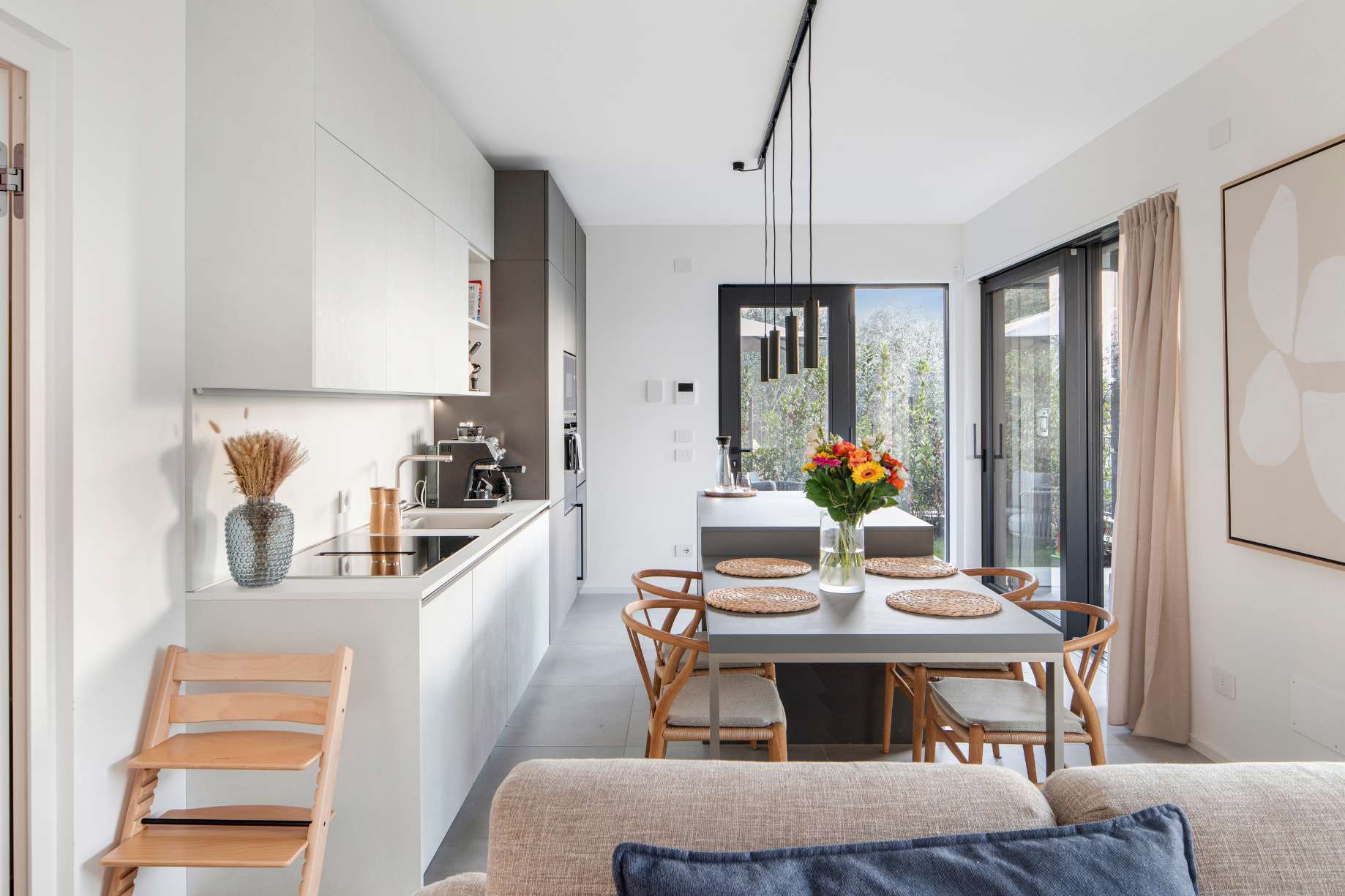
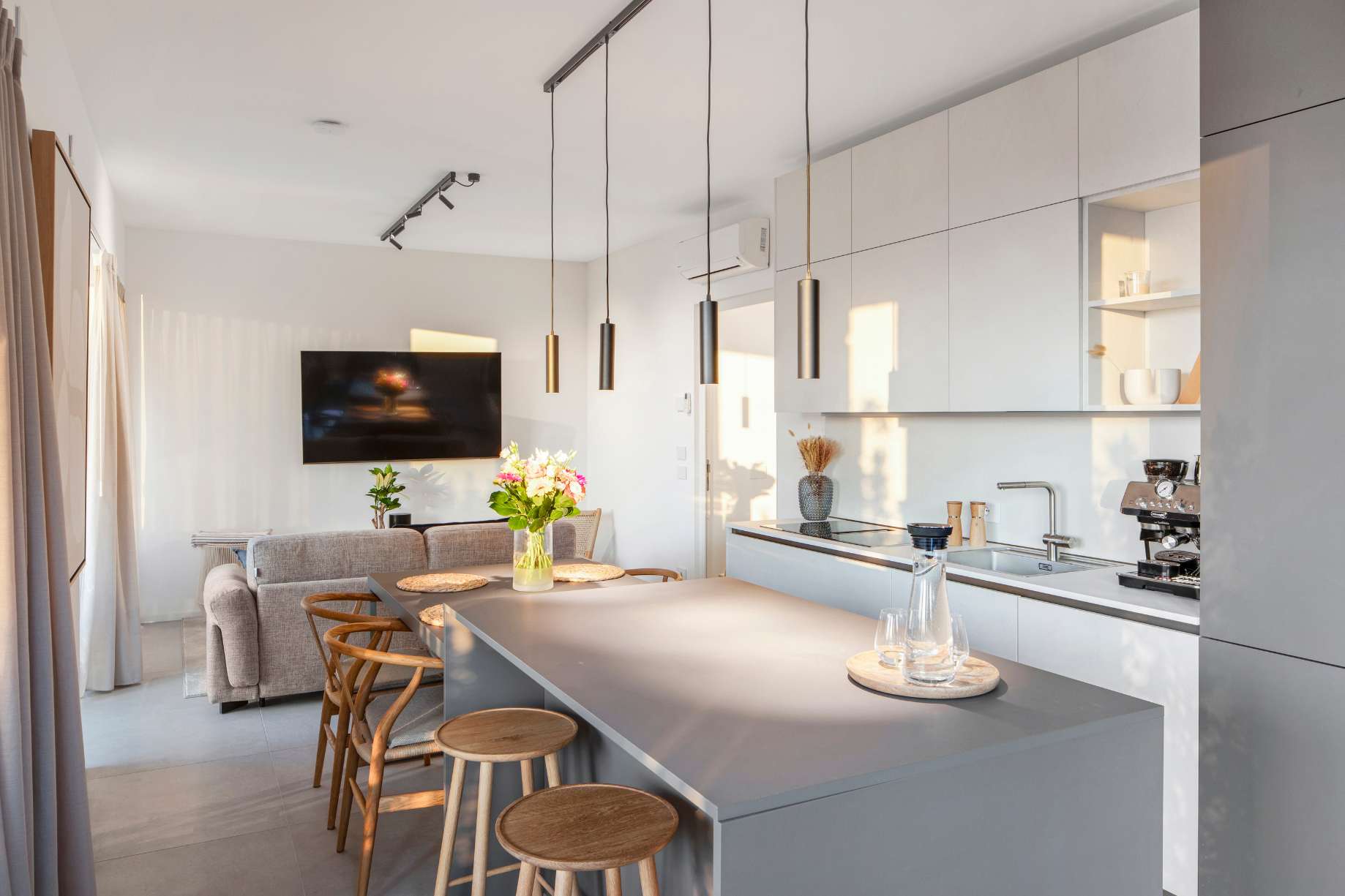
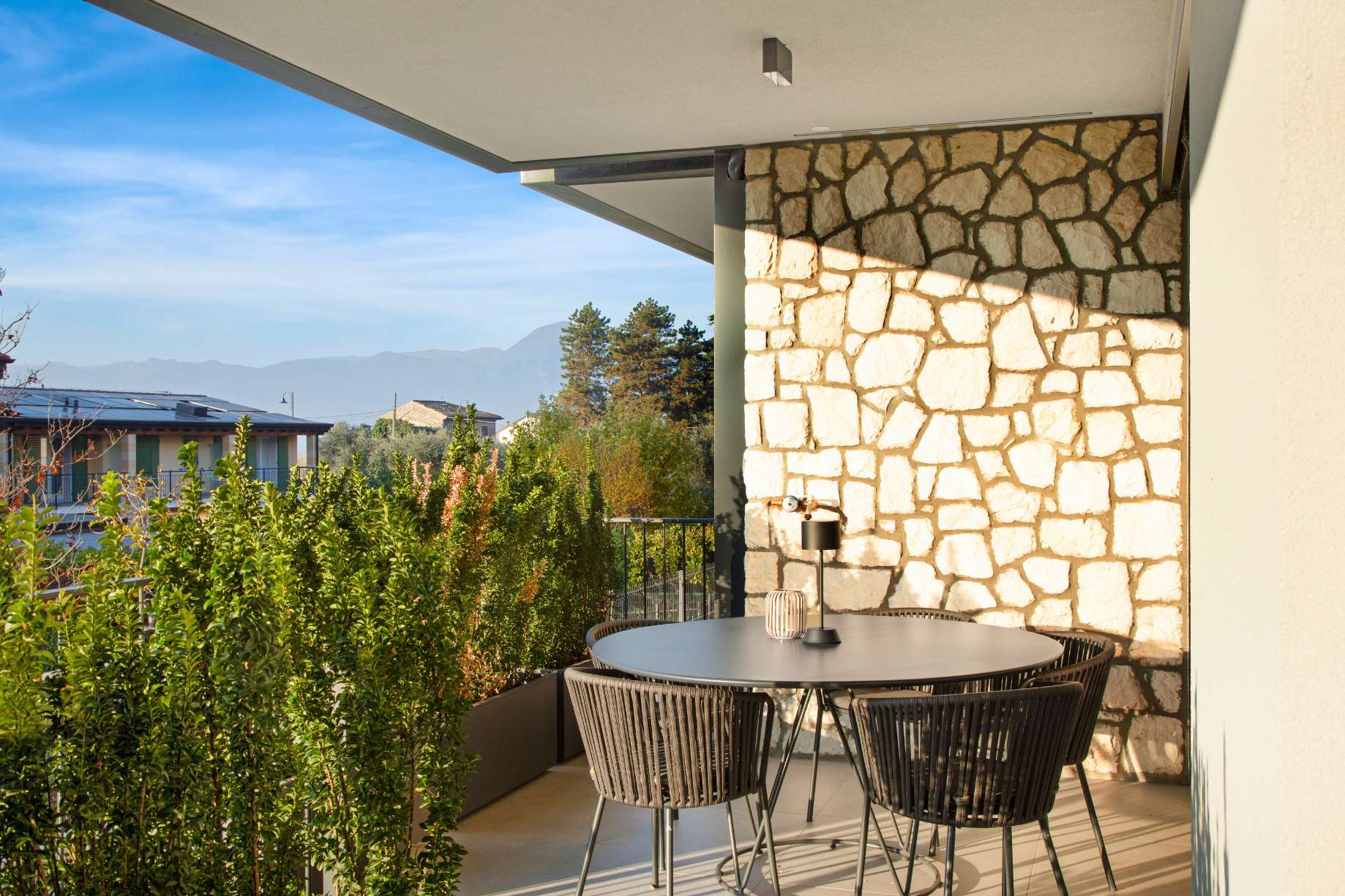
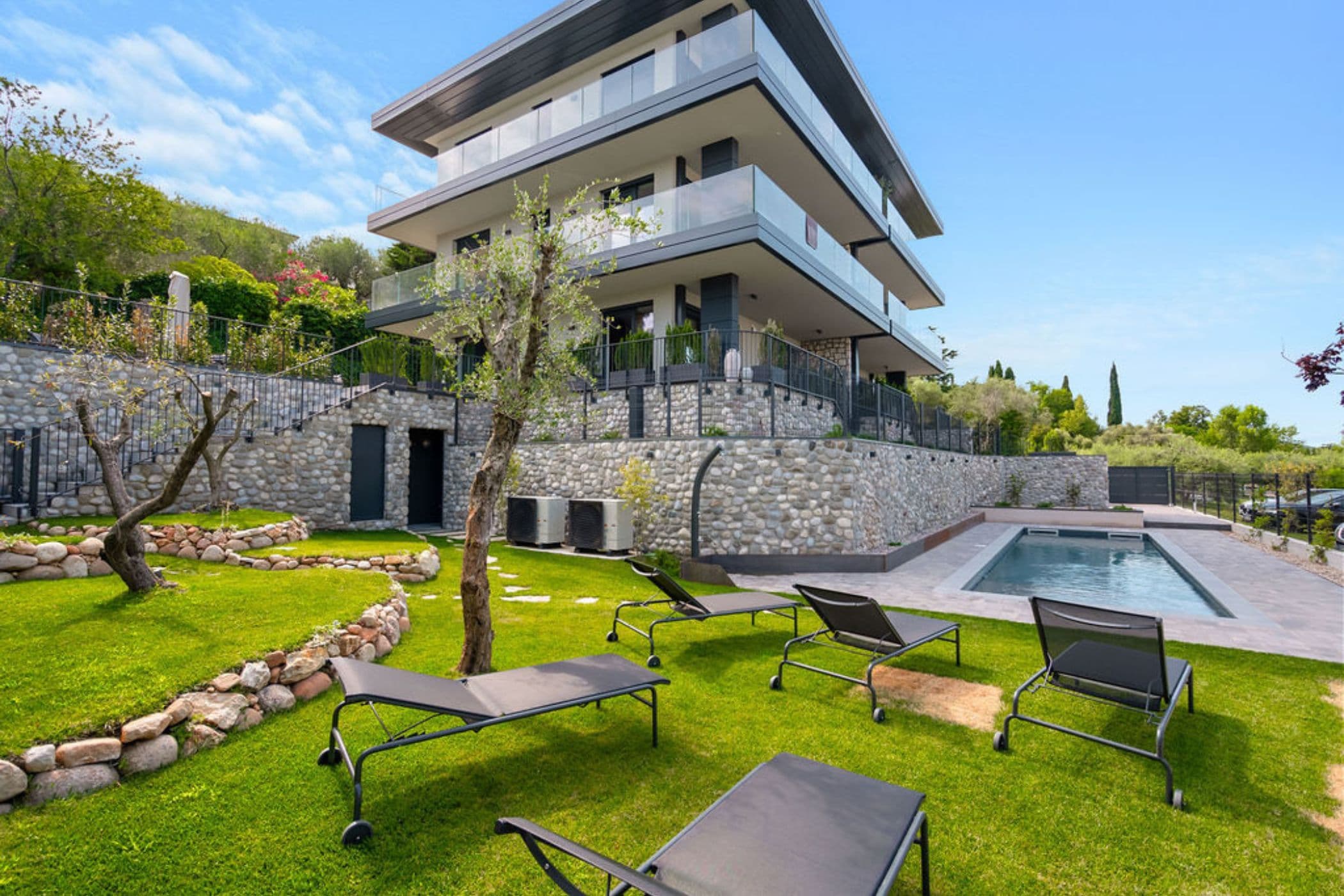
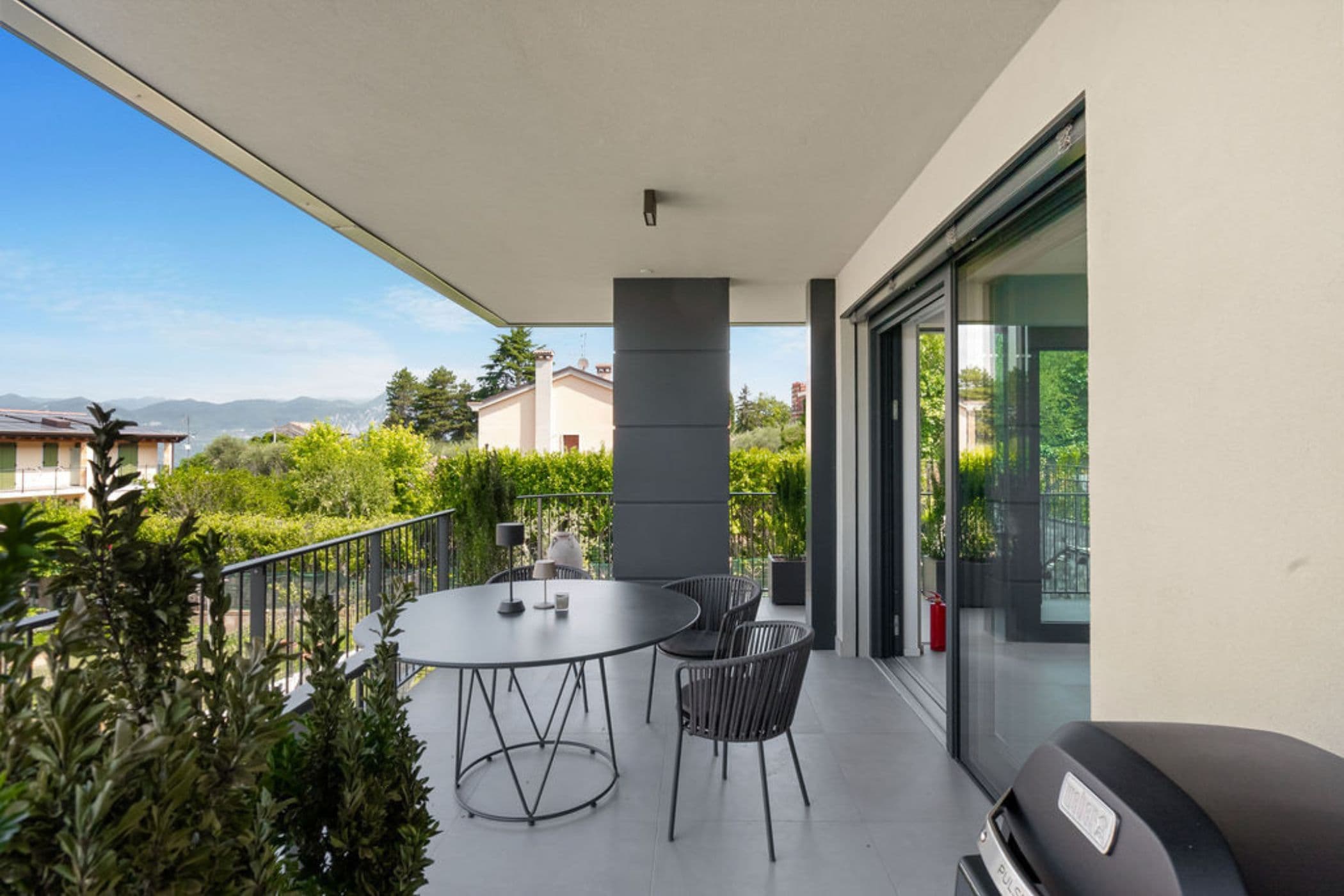
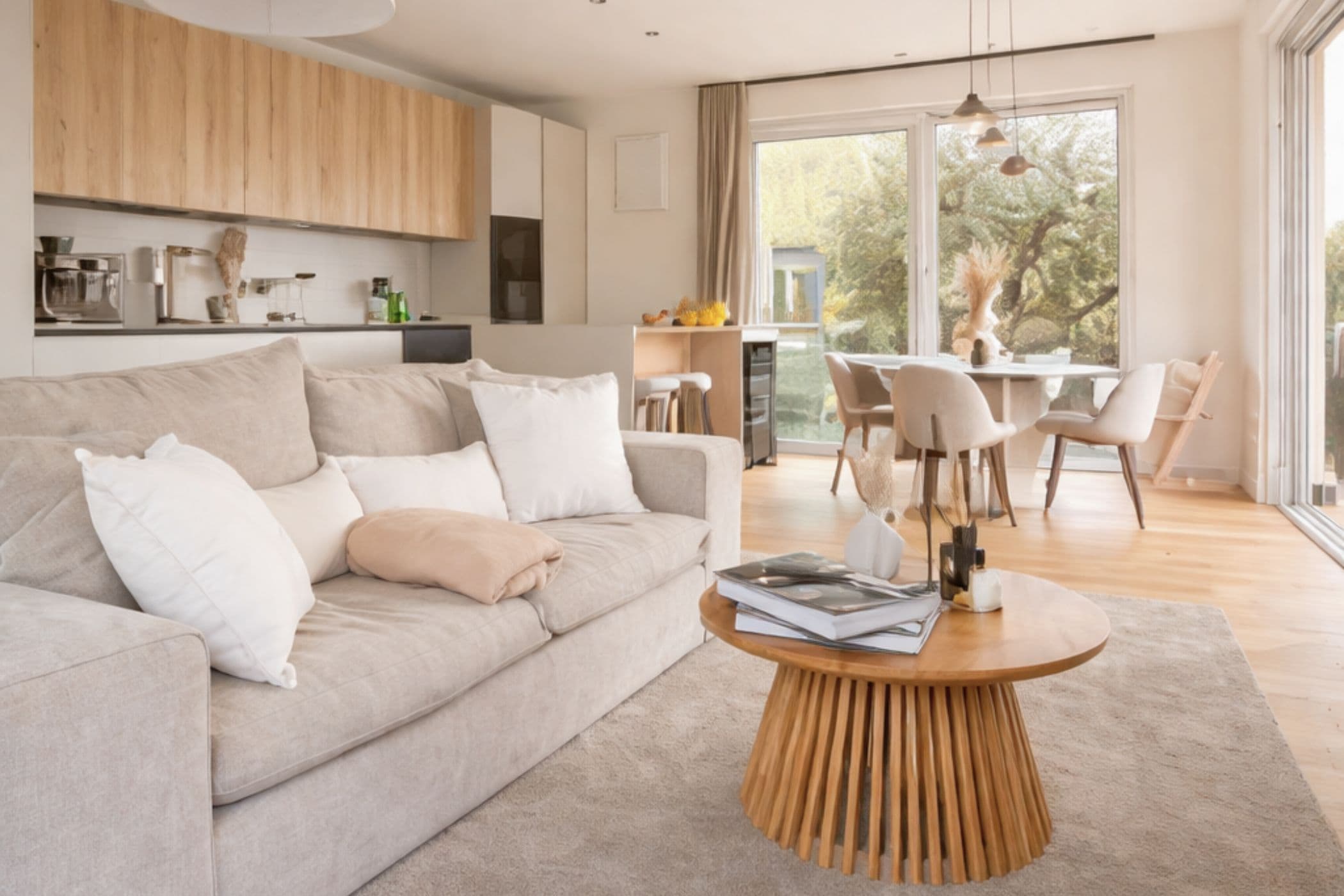
Torri del Benaco, Lake Garda, Italy — 2-Bed Apartment With Pool
€139,000
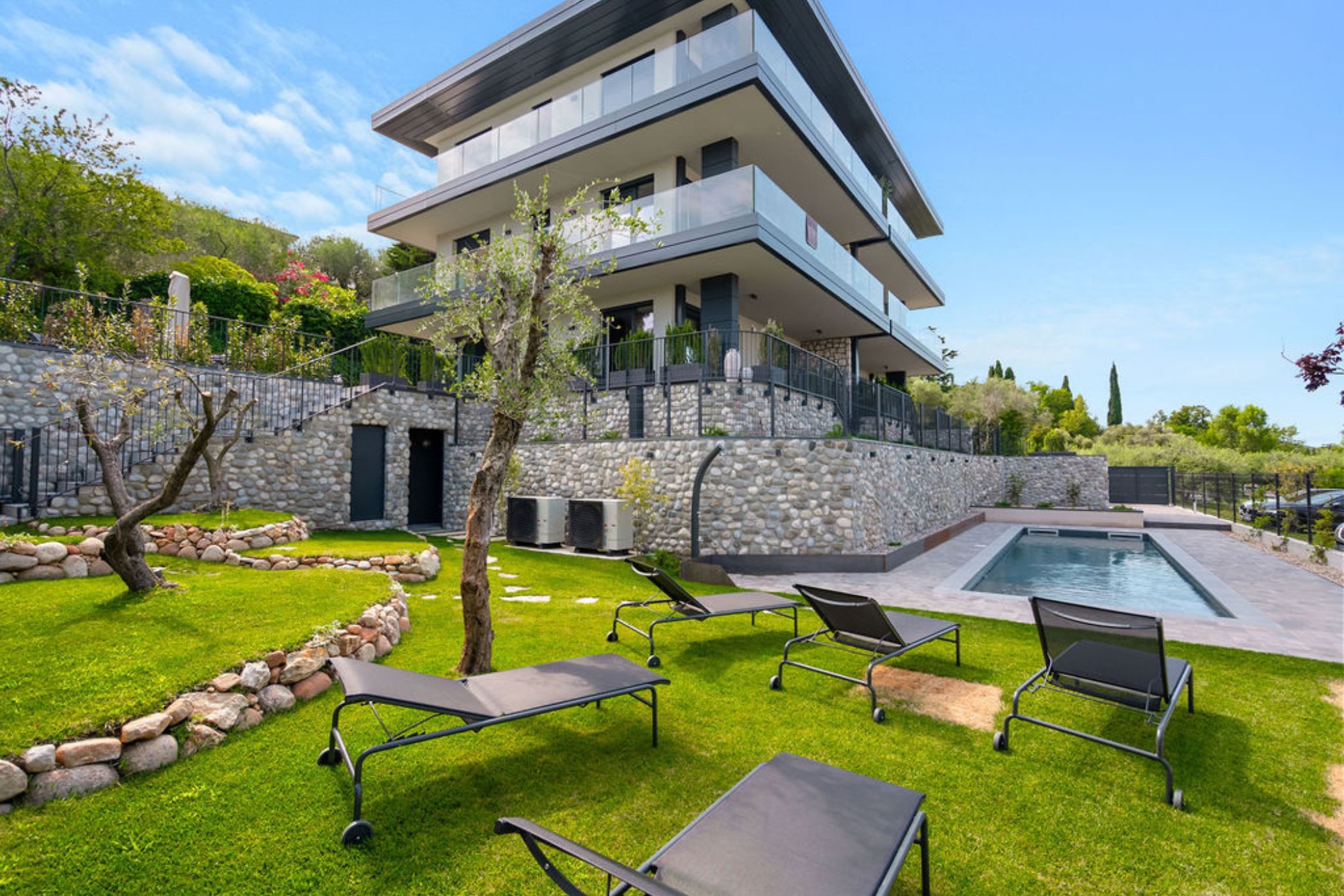
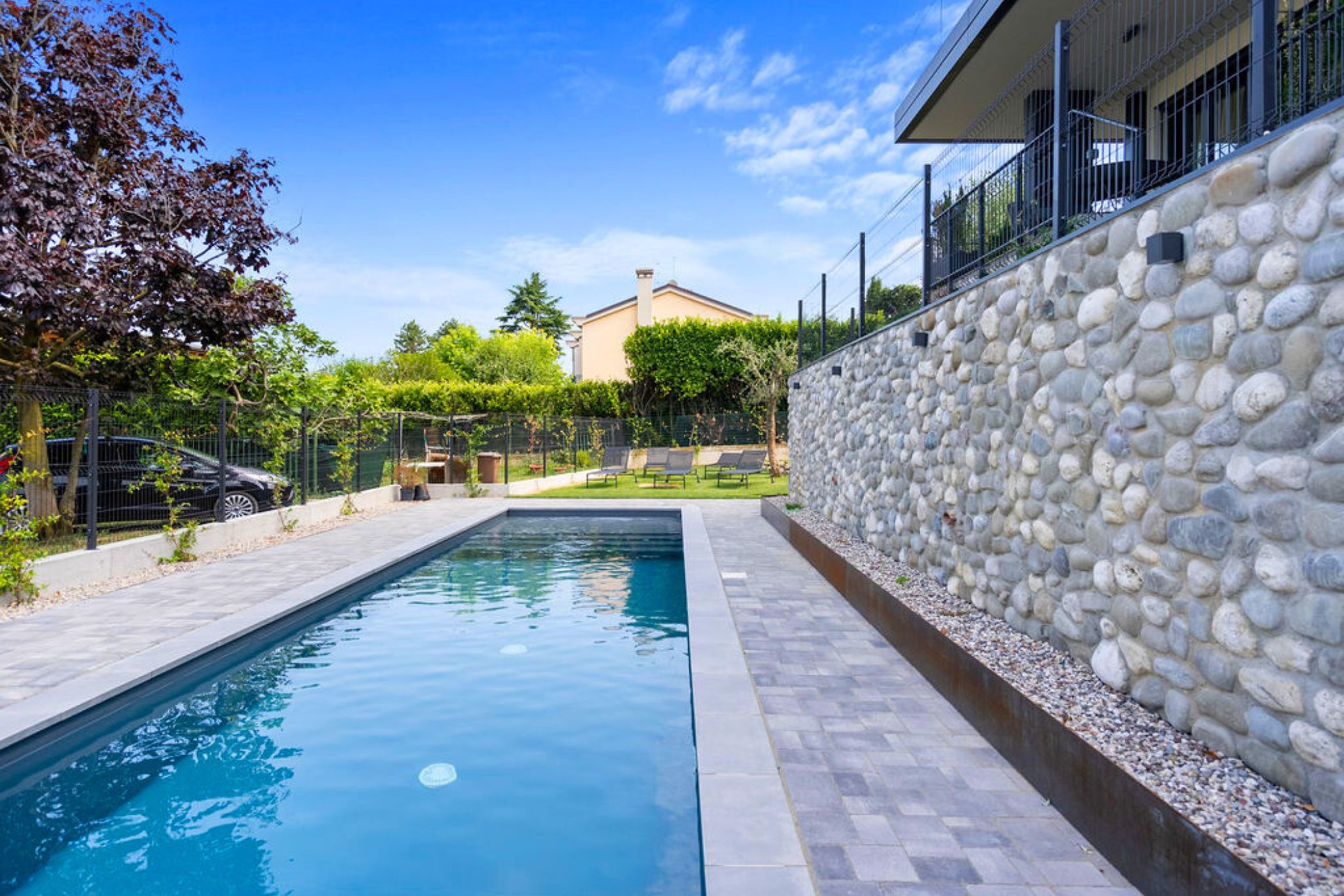
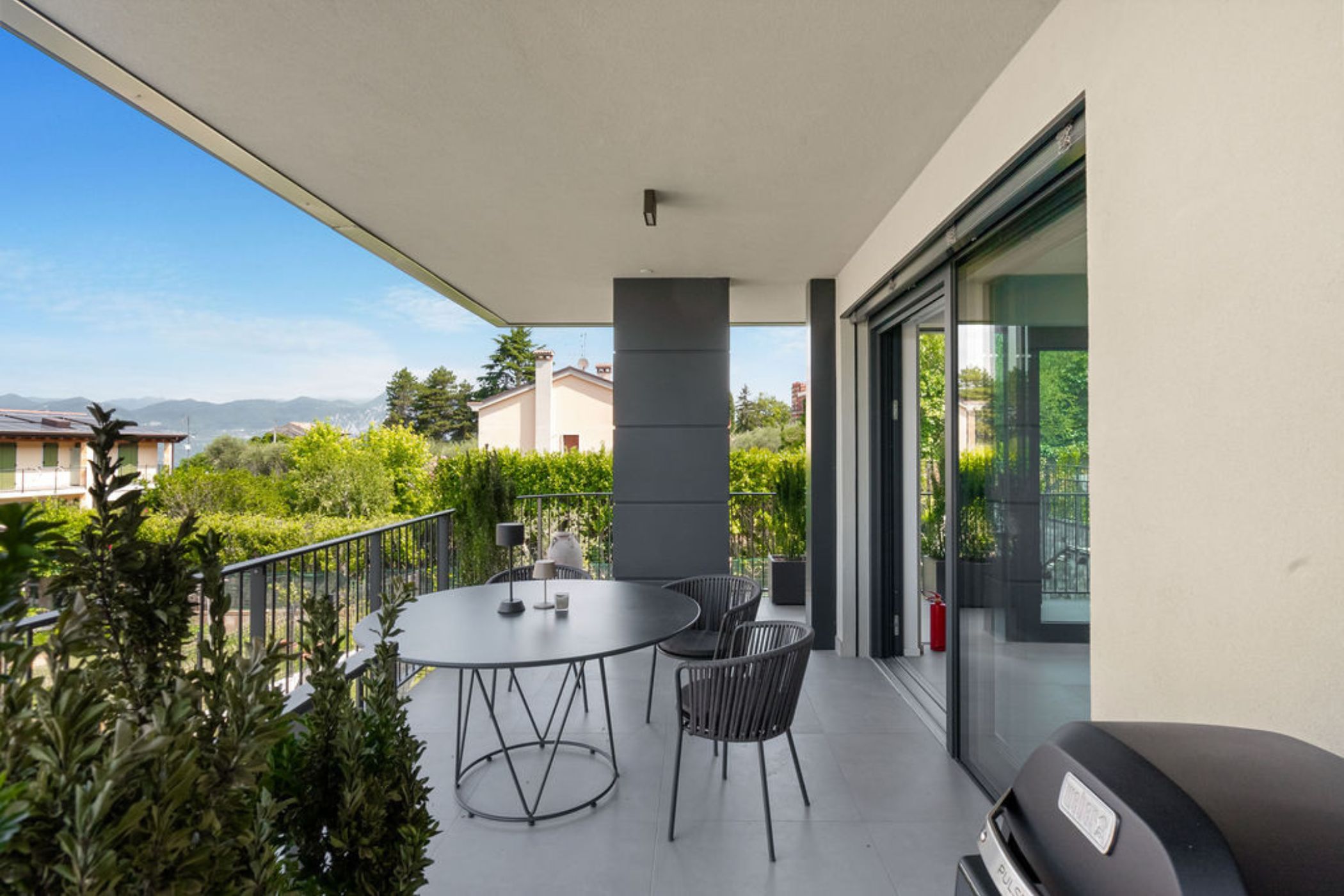
Torri del Benaco, Lake Garda, Italy — 2-Bed Apartment With Pool
€155,000
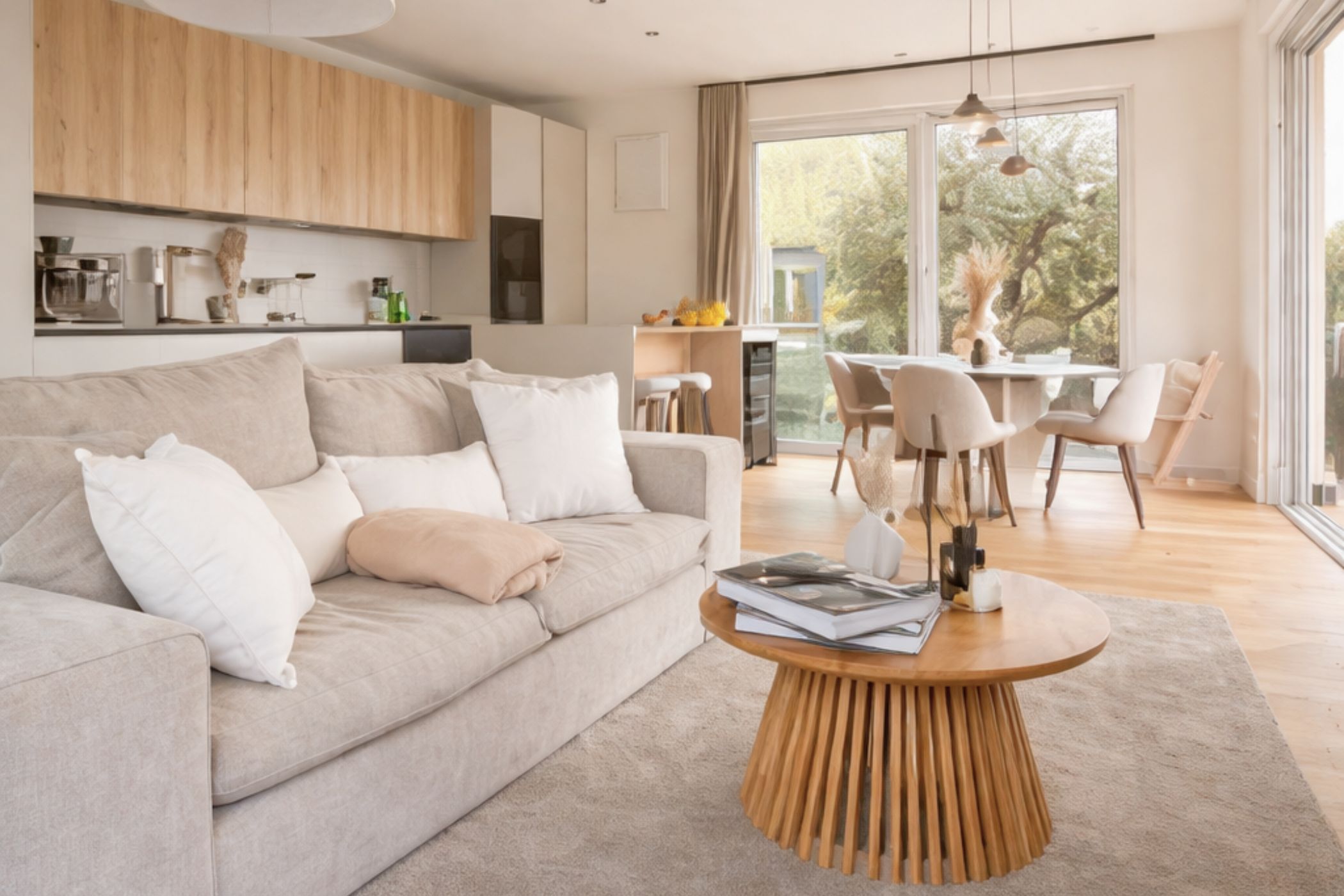
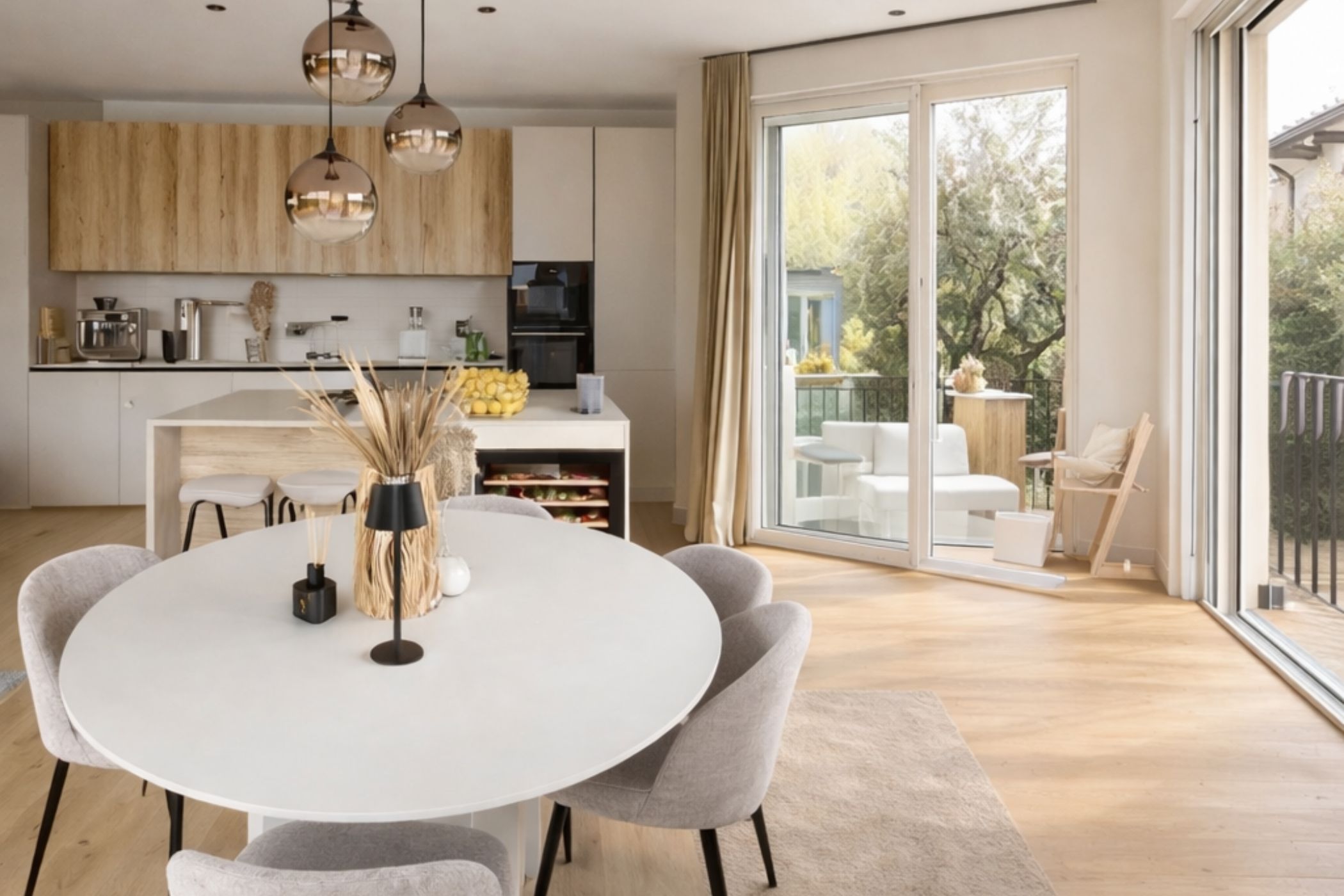
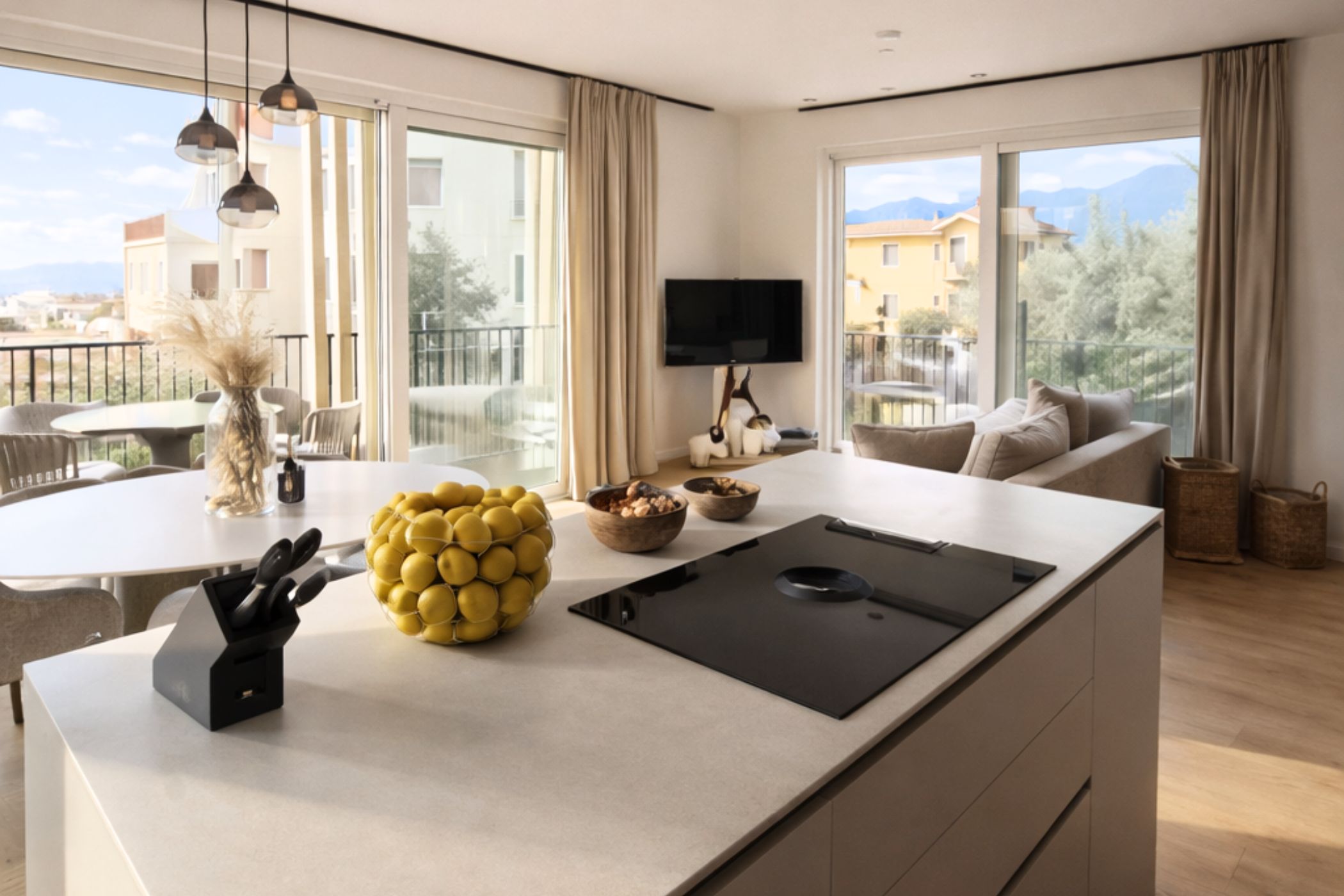
Torri del Benaco, Lake Garda, Italy — 2-Bed Apartment With Pool
€159,000
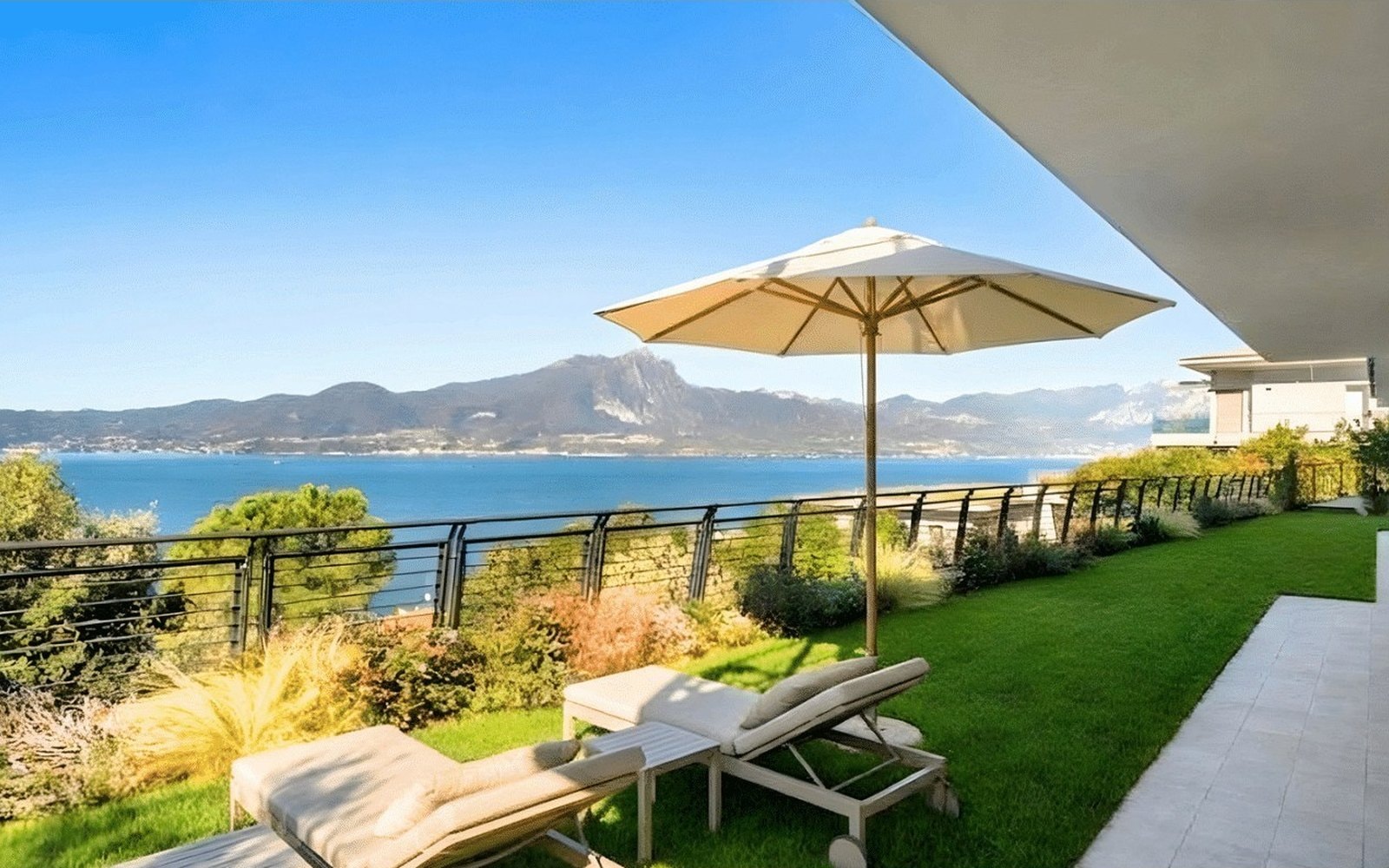
Torri del Benaco, Lake Garda, Italy — 2-Bed Private Residence
€259,000
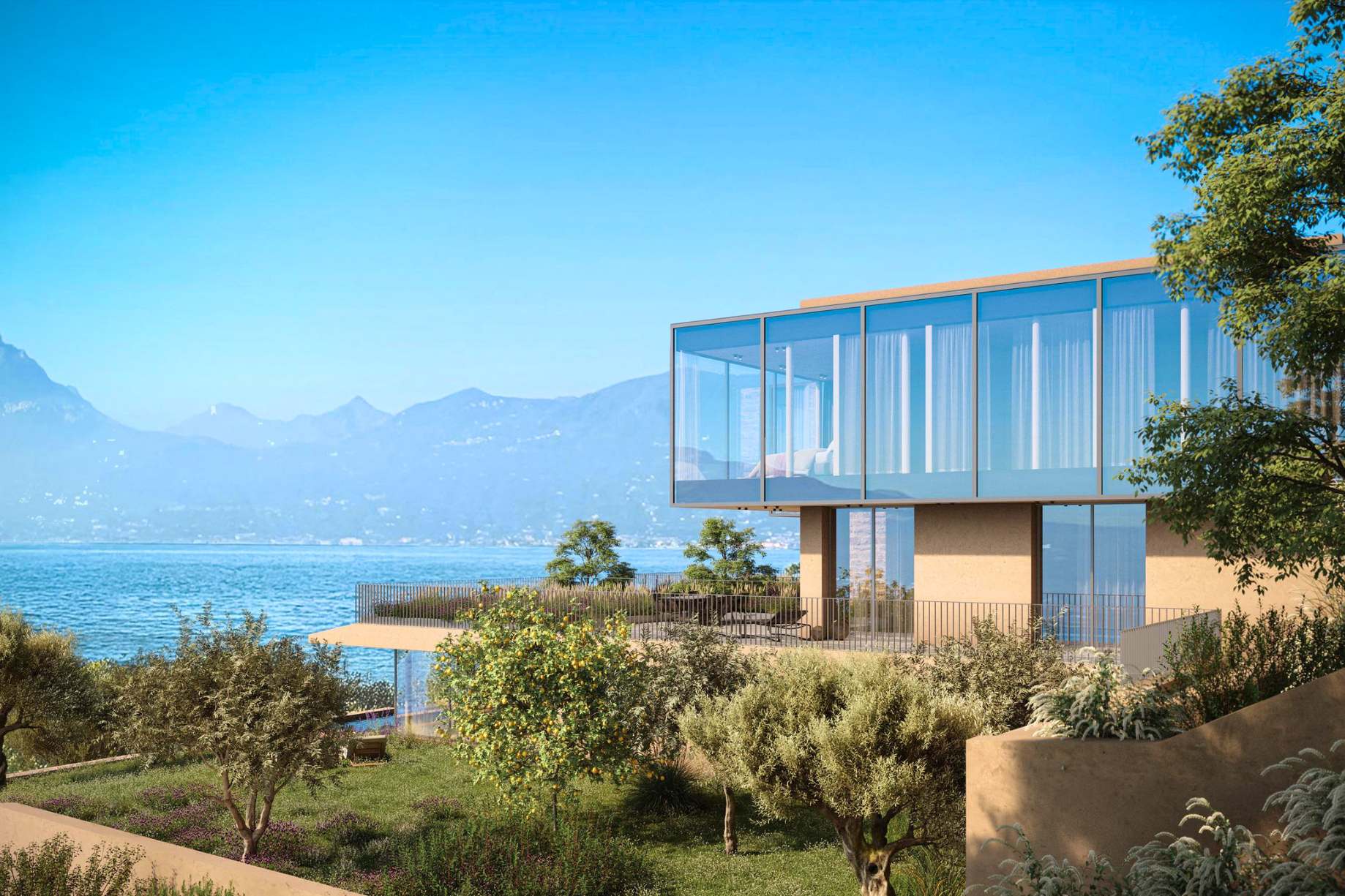
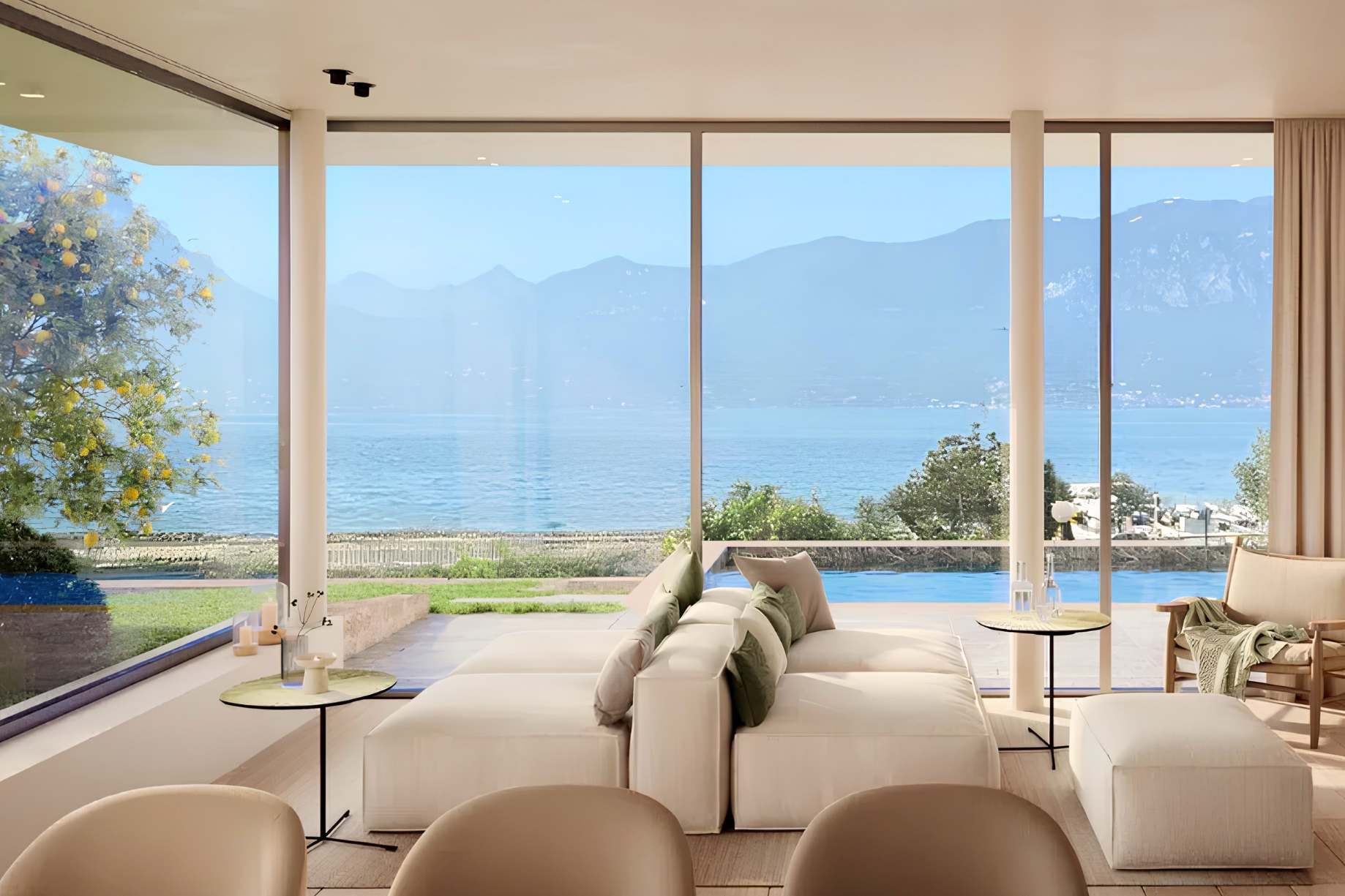
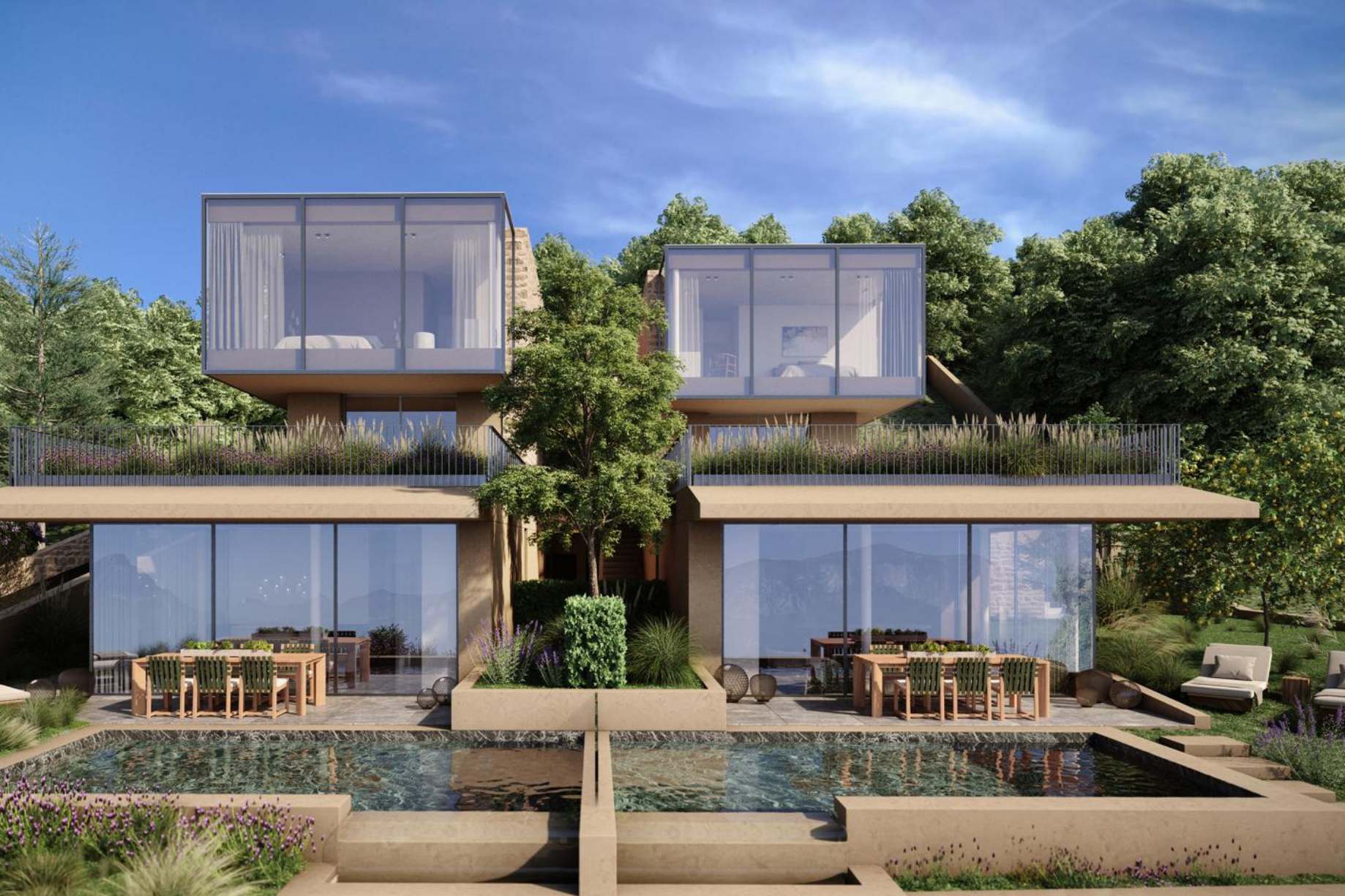
Torri del Benaco, Lake Garda, Italy — 3-Bed Garden Apartment With Lake View & Heated Pool
€289,000
Why buy a co-ownership home in Torri del Benaco?
Buying a whole holiday home in Torri del Benaco means paying full price for a house that stands empty most of the year. Co-ownership takes the same home — professionally managed, beautifully furnished — and divides it into shares, usually eighths. You own a real share of the home — not a right to use it — with roughly six weeks of use a year, a share you can sell or pass on, and running costs shared between owners rather than shouldered alone. In Torri del Benaco, that ownership starts from €139,000.
Torri del Benaco, properly understood
Torri del Benaco is a small harbour town on the eastern shore of Lake Garda, roughly halfway up it, with a fourteenth-century castle standing directly over the water and olive groves climbing the slope behind. It is the sort of place that people drive through, stop for lunch, and then quietly look up property prices before they have finished their coffee. That is a fair reaction: this is one of the loveliest small towns on the biggest lake in Italy, and it is considerably less expensive than the names that get the attention.
The eastern shore has a character of its own. It is called the Riviera degli Olivi — the olive coast — because this is one of the northernmost places in the world where olives are grown commercially, and the terraces above the towns are silver-green rather than built up. The shore is gentler and less dramatic than the cliff-backed western side, which means more sun, more agriculture, and towns that grew as fishing and farming villages rather than as resorts. Torri, Garda, Bardolino and Lazise run south from here in a string; Malcesine and the mountains are north.
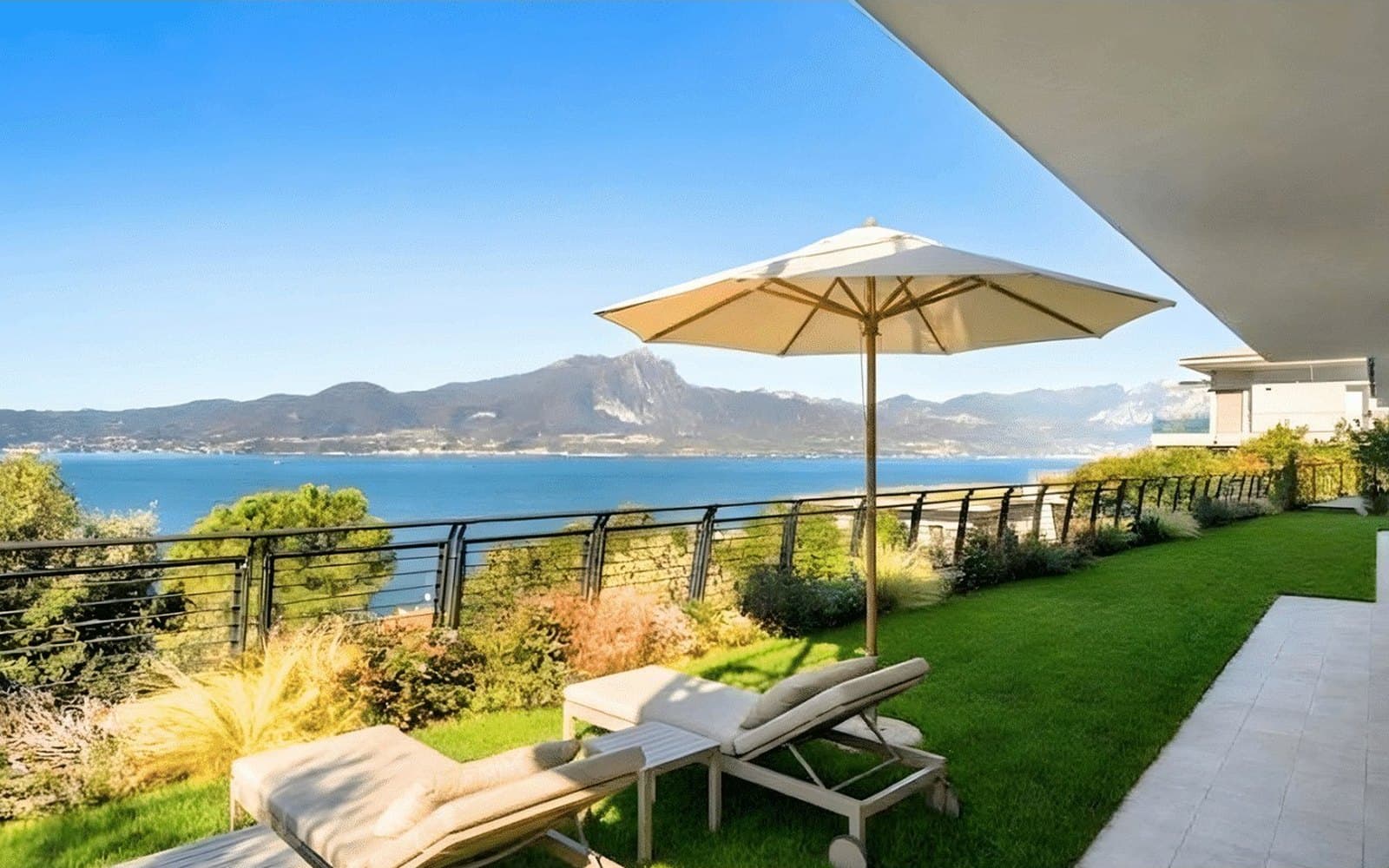
What makes it work as a holiday address is the combination of things within easy reach. The lake itself for swimming, sailing and the ferries; Monte Baldo rising nearly seventeen hundred metres directly behind for walking and, in winter, snow; Verona and its Roman arena forty-five minutes away, with an opera season in the open air each summer; the Bardolino and Valpolicella wine country immediately inland; and Venice and Milan each about two hours by road. The apartments we list here sit from around one hundred and thirty-nine thousand euros for an eighth share, with pools, gardens and lake views — which for this lake is a genuinely competitive number.
A short history: Scaligers, fishermen and lemon houses
Lake Garda has been settled since prehistory — there are Bronze Age pile-dwelling sites around its shores, several of them now on the UNESCO World Heritage list as part of a wider Alpine group — and Torri's own position, on a small promontory with a natural harbour, made it useful long before it was pretty. The Romans knew the lake as Benacus, which survives in the town's name.
The castle on the harbour is the town's defining building and dates in its present form to 1383, built by the Scaligers, the dynasty that ruled Verona and much of this shore in the fourteenth century. They fortified the lake with a chain of castles — Torri, Malcesine, Lazise, Sirmione — and several still stand with their distinctive swallow-tailed battlements. Torri's is open to visitors and holds a small museum of lake fishing and olive culture.
Attached to the castle is the other thing worth seeing: a limonaia, a lemon house, built in the eighteenth century. Garda's climate is mild enough for citrus but not reliably mild enough in winter, so growers built these tall pillared frames against south-facing walls and glazed them over from autumn to spring. The Garda lemon houses were once a substantial industry and are now largely gone; the one here is among the best preserved, and it explains more about this lake's peculiar microclimate than any brochure will.
The modern town grew from fishing, olives and the ferry trade, and tourism arrived gradually through the twentieth century rather than all at once. That is why the historic centre survives largely intact: a compact grid of narrow streets behind the harbour, with the church, the piazza and the waterfront restaurants, and no high-rise anything.
The lake, shore by shore
The eastern shore, where Torri sits, runs from Peschiera in the south up to Malcesine and the Trentino border in the north. The southern end — Lazise, Bardolino, Garda — is the gentlest and busiest, with wide promenades, wine towns and the theme parks inland. Torri sits above them where the shore begins to steepen, quieter and more residential. North of it, Brenzone and Malcesine climb into genuine mountain scenery, with Malcesine's castle and its rotating cable car up Monte Baldo.
The western shore, twenty-five minutes away by the car ferry that runs from Torri's harbour, is the dramatic one: cliffs falling straight into the water, tunnels cut through rock, and towns — Gargnano, Limone, Riva del Garda at the top — squeezed onto narrow ledges. Salò and Gardone hold the belle époque villas and the more formal hotels. Having the ferry means the whole of that shore is available to you as a day out without the two-hour drive around.
The southern end is different again: shallower, warmer, wider, with Sirmione's peninsula reaching out into the lake carrying a Roman villa complex and thermal springs, and Peschiera's fortified harbour at the outflow. This is where the lake feels almost like a sea.
And behind all of it, the hills: Monte Baldo directly above the eastern shore, a ridge running the length of it and rising to over two thousand metres, known to botanists for centuries as the garden of Europe because of the range of plants that grow between the lake and the summit. There is a cable car at Malcesine, hiking and paragliding all summer, and small ski areas on the eastern flank in winter.
Where exactly to own: micro-locations, rated
Torri's historic centre and harbour. Walk to the castle, the ferry, the restaurants and the water. Narrow streets, no cars to speak of, and the best evenings on this shore. Busy at lunchtime in July and August and quiet by ten. Best for owners who want the town itself rather than a view of it.
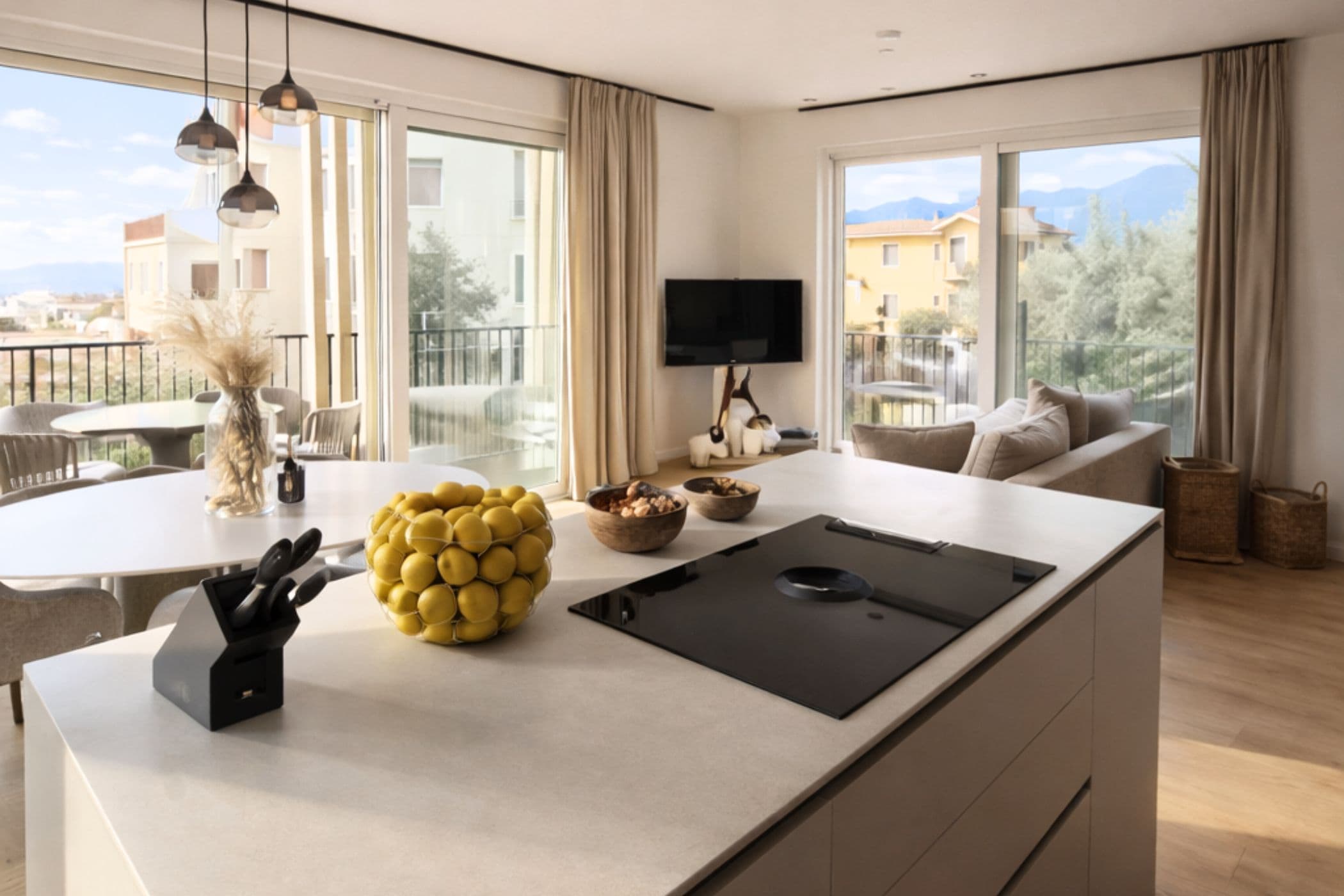
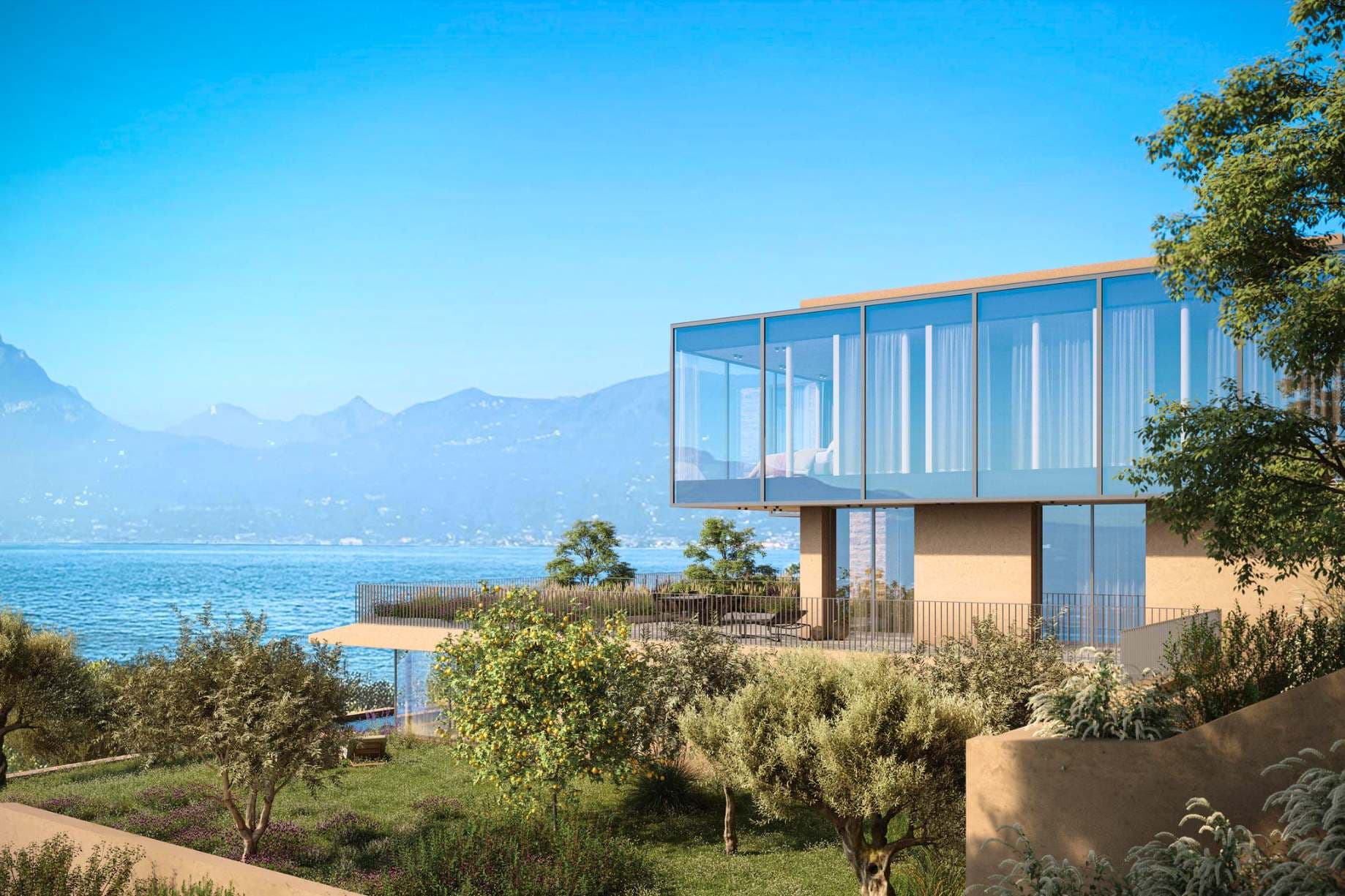
The olive terraces above the town. A few minutes uphill: gardens, pools, morning shade and the lake laid out below. Most of the apartments we list sit in this band, which is where the combination of a lake view, a pool and a short walk into town is actually achievable at a sensible price.
Albisano, on the hillside above. A small village looking down the length of the lake, five minutes' drive up a series of hairpins, with a viewpoint that is one of the best on Garda. Quieter and cheaper, with the drive as the trade.
Punta San Vigilio and the shore south. The prettiest headland on the lake, with a tiny harbour, an old villa and a bay that has been famous for a century. Between Torri and Garda town, and a lovely stretch to be based on.
North towards Brenzone and Malcesine. Steeper, more mountainous, closer to the cable car and the serious walking, with the wind that makes the northern lake a sailing destination. Good for outdoor households, further from Verona.
South towards Garda, Bardolino and Lazise. Flatter, warmer, more amenities, the wine towns and the theme parks — the most convenient end of the shore for families with young children, and the busiest in August.
The lake in practice: swimming, sailing and the ferries
Garda's water is clean, clear and swimmable from roughly June into September, warmest in August, and the eastern shore has a series of small pebble and shingle beaches with easy entries — Torri has several within a walk of the centre. It is a lake rather than a sea, so there is no tide, no salt and, on a still morning, water like glass.
The wind is the lake's other characteristic and it is remarkably regular. A northerly, the Peler, blows down the lake in the early morning; a southerly, the Ora, comes back up in the afternoon. That daily rhythm has made Garda one of the best sailing and windsurfing waters in Europe, particularly at the northern end around Torbole and Riva, and it means dinghy sailing here is predictable in a way that sea sailing rarely is. Schools and rental companies are everywhere; you do not need to own a boat.
The ferries deserve emphasis because they change how the lake is used. A network of passenger boats connects the towns along both shores, and the car ferry from Torri del Benaco to Toscolano-Maderno is the only one crossing the middle of the lake — about half an hour, and it turns the western shore from a long drive into a short hop. Owners here use it constantly: lunch in Gargnano, a look at the villas at Gardone, and back for dinner.
Beyond that: paddleboarding on the calm mornings, kayaking along the shore, diving in the clear water at the northern end, and — for anyone who wants it — the whole lake circuit by boat, which is a genuinely memorable day.
Monte Baldo and the hills behind
The ridge that rises behind the eastern shore is the reason Torri works in more than one season. Monte Baldo runs for some thirty kilometres above the lake and tops out above two thousand metres, and because it climbs from a mild lake shore to an alpine summit in a very short horizontal distance it holds an extraordinary range of plants — which is why botanists have been coming here since the sixteenth century and why it acquired the nickname of Europe's garden.
The easiest access is the cable car from Malcesine, twenty minutes north, which rises in rotating cabins to about eighteen hundred metres and puts you on a ridge with the lake on one side and the Dolomites on the horizon. From the top there is walking in every direction, paragliding from the launch points, and lift-served mountain biking. Closer to Torri, tracks climb from Albisano and the villages into chestnut and beech woods with viewpoints over the lake.
In winter there is snow on the ridge and small ski areas on the eastern flank around Prada and San Zeno di Montagna — modest by Alpine standards, but genuinely there, and about half an hour from the lake shore. The combination of a mild lakeside town and snow within a short drive is unusual, and it is one of the quiet arguments for the eastern shore over the western.
Inland from the ridge, the country opens into the Valpolicella and Bardolino wine hills, the Lessinia plateau with its fossil beds and stone villages, and eventually Verona. It is a landscape that rewards a car and an afternoon.
Wine, olive oil and the table
This corner of Italy eats and drinks extremely well, and much of it is made within twenty minutes of the town. Bardolino, the light red grown on the moraine hills immediately south, is the local wine and is best understood as a lake wine — fresh, low in tannin, served cool, and made for the fish. Chiaretto, its rosé, is the summer drink of this shore. Twenty minutes inland lies Valpolicella, and with it Amarone, one of the great red wines of Italy, made from grapes dried for months before pressing. Soave and Custoza are the whites. Almost all of the producers receive visitors.
The olive oil is the other local product and the reason the shore looks the way it does. Garda oil carries its own protected designation, and because this is close to the northern limit of olive cultivation, the style is delicate and grassy rather than peppery. Several frantoi around Torri and Garda sell direct, and the November pressing is worth timing a visit around.
On the plate: lake fish is the tradition — sardines of the lake, perch, pike, whitefish and eel, often simply grilled or served with polenta, which is the true staple of the Veneto. Bigoli, the thick local pasta, usually with a duck or sardine sauce. Risotto with tench. And then the wider Veneto and Verona repertoire beyond it. Torri has a good number of restaurants for its size, several on the harbour, and prices well below the western shore's smarter addresses.
Provisioning is easy: a supermarket, bakeries, a fishmonger, a weekly market in Torri and larger ones in Garda and Bardolino, plus the direct sales at the oil mills and wineries. A week here that includes two dinners out and five cooked at home from the market is not a compromise — it is the better version.
Verona, Venice and the days out
Verona is forty-five minutes away and is one of the most rewarding small cities in Italy: a Roman arena still in use, a walkable historic centre on a bend of the Adige, medieval squares, and enough churches, frescoes and restaurants for several visits. Its opera festival runs in the arena through the summer, performed in the open air to an audience of thousands sitting on the Roman stone — one of the genuinely great European experiences, and easily done as an evening from the lake.
Venice is about two hours by road, and rather better by train from Verona or Peschiera, which turns it into a straightforward day. Milan is a similar distance west. Mantua, an hour south, is a small ducal city with extraordinary frescoed palaces and almost no crowds. Vicenza and Padua are within reach for architecture and art.
Closer to home: Sirmione's Roman villa and thermal baths at the south end of the lake; the wine towns of Bardolino and Valpolicella; the Lessinia plateau for walking; Trento and the Dolomites an hour and a half north; and — for families — Gardaland and the other parks at the southern end, which are Italy's largest and about twenty-five minutes away.
The point for an owner is that Torri is a lake town with a serious region behind it. A week here does not have to be a week on a beach, which is exactly what makes the shoulder months work.
The seasons, and what each is good for
Garda's season is longer than most Italian lakes' because of the microclimate that grows the olives and once grew the lemons. Spring starts early: March and April bring blossom on the terraces, walking weather on Monte Baldo, and a lake that is beautiful to look at and too cold to swim in. Easter opens the season properly. May and early June are among the best weeks of the year — warm, green, everything open, and the towns still calm.
July and August are the peak. The lake is at its warmest and busiest, the Italian holiday month of August fills every town on both shores, and the lakeside road gets slow at the obvious hours. It is enjoyable if you plan around it — swim early, eat late, use the ferry rather than the road — and hard work if you arrive at midday expecting a parking space.
September is the month regulars choose: the water is still warm, the crowds go home after the first week, the restaurants are open and the light is at its best. October brings the olive harvest, the vineyards turning, and superb walking weather. November has the new oil and the first snow on the ridge.
Winter here is real but mild — this is a lake at the foot of the Alps that rarely freezes, with days in the high single figures and bright sun on the water. Some of the seasonal hotels and beach businesses close, while Torri, Garda and Bardolino keep their year-round shops and restaurants going because people live in them. There is skiing on Monte Baldo half an hour above, Verona is forty-five minutes away for opera, markets and Christmas, and the walking on the lower slopes is at its clearest. It is a quieter lake in January, and a very pleasant one.
Summer on the eastern shore: good to know
Two pieces of local know-how make summer on this shore effortless.
The first is the road. The eastern shore is linked by a scenic two-lane lakeside road, and on July and August days and fine summer weekends it is at its liveliest, with parking in the popular towns filling by mid-morning. Owners quickly fall into the local rhythm: travel early or late, let the passenger boats and the car ferry do the work, and choose a home with its own parking, which on this shore is well worth having.
The second is the lake itself. Garda is a large alpine lake fed by mountain rivers, and its level rises and falls gently with the seasons and the year's rain and snowmelt, replenished each winter and spring. Swimming, the ferries and daily life carry on as normal throughout.
Alongside those, the ordinary Italian second-home points, all straightforward: the annual municipal property tax applies to second homes, purchase taxes differ from those on a main residence, and on older properties your lawyer confirms planning and cadastral compliance as a matter of course. All of it is foreseeable and part of the numbers from the start.
The year's fixtures
The lake's calendar is a mixture of the local and the internationally significant. The largest draw is Verona's opera festival, staged in the Roman arena from June to early September — an open-air season of the standard repertoire performed to some fifteen thousand people on Roman stone, which is worth building a week around at least once. Verona also runs a Shakespeare festival in its Roman theatre across the summer.
On the lake itself: sailing regattas through the season, with the great long-distance race around the whole lake each autumn drawing a large fleet; the Bardolino wine festivals in the autumn; the olive oil pressings and new-oil celebrations in November; and each town's patron saint festival with its procession and fireworks over the water. Torri's own summer calendar includes concerts in the castle courtyard and evenings on the harbour.
Spring and autumn bring the walking and cycling season on Monte Baldo and in the Valpolicella hills, plus the wine estates' open days. Winter brings Christmas markets in Verona and the smaller lake towns, and skiing on the ridge above. Almost none of it needs booking a year ahead — with the exception of the arena, where the good seats for the well-known productions go early.
Torri del Benaco with children
This is a strong family lake and Torri is a good base on it. The water is calm, clean and shallow at the edges, with small beaches within walking distance of the town and no tide or surf to worry about. The ferries are an adventure in themselves and cost very little. The castle has a museum small enough to hold a child's attention and battlements to climb.
Within half an hour south sit Italy's largest theme park and a cluster of water parks and animal parks, which is either a delight or a duty depending on your household but is undeniably useful in the middle of August. The Malcesine cable car is a genuine event for children — rotating cabins, a mountain at the top, snow patches into early summer. Sailing and windsurfing schools take children from a young age, and the lake's predictable afternoon wind is exactly what a beginner needs.
The town itself is compact, largely traffic-free in the old centre, and the sort of place where children can be given a little rope. Italian restaurants are entirely unbothered by families at nine in the evening. For ownership groups, the calendar sorts itself: families take July and August, and the couples in the group take May, June, September and October, which most people who know this lake would argue are the better months anyway.
The non-swimmer's week
Garda handles people who are not interested in the water better than most lakes, because there is so much within an hour. Verona alone will absorb several days across a year — the arena, the churches, the Castelvecchio museum, the markets, the restaurants. The wine country begins ten minutes inland, and a day of Valpolicella cellars with lunch is a fixture for a good number of owners here.
On the shore: the castle and its lemon house, the olive mills, the weekly markets in Torri, Garda and Bardolino, the villa gardens on the western shore reached by the car ferry, and the belle époque towns of Salò and Gardone with their promenades. The Vittoriale, the extraordinary hillside estate of the poet D'Annunzio above Gardone, is one of the strangest and most memorable houses in Italy.
Above: the Monte Baldo cable car for anyone who wants the view without the climb, and easy walking on the lower terraces among the olives. Beyond: Sirmione's thermal baths at the south end, Mantua for the frescoes, Trento for the mountains and the Dolomites past it. What matters for a shared home is that everyone in a household wants to come — and at Garda they generally do.
Getting there and getting around
Verona's airport is about fifty minutes from Torri and is the natural arrival point, with direct European services concentrated in the season. Bergamo and Milan's airports are around an hour and a half to two hours west, usually with more choice and lower fares; Venice is about two hours east; and Brescia and Bologna are alternatives. Winter schedules are thinner at Verona and better at the Milan airports, which is worth knowing when planning an off-season week.
Rail is a genuine option in this corner of Italy and underused by visitors. Peschiera del Garda, at the southern end of the lake, sits on the main Milan–Venice line, with fast trains to both cities and to Verona; from there it is a bus or a boat up the shore. For anyone travelling from elsewhere in Italy, or combining the lake with Venice or Milan, the train is frequently the better route.
On the lake, a car is useful and the ferries are better. The passenger boats connect the towns along both shores, and the car ferry from Torri to Toscolano-Maderno crosses the middle of the lake in about half an hour, which saves an enormous drive. Within Torri the old centre is walkable and largely pedestrian. The one practical piece of advice is to make sure any property you are considering has its own parking — on this shore in August, that single detail changes the character of a week.
The property market, honestly described
Lake Garda is the largest and most accessible of the Italian lakes and its market reflects that: deeper and more liquid than Como's or Maggiore's at the mid range, with a broad international buyer base and a long history of foreign ownership. Within it, the eastern shore has historically been more affordable than the western — the Brescia side carries the villa-and-belle-époque premium and the celebrity association, while the Verona side is more agricultural, more residential and better value.
Demand comes from Germany, Austria and Switzerland above all — Garda has been the German-speaking world's lake for generations, and it is a drive rather than a flight from Munich — plus Dutch, British, Scandinavian and northern Italian buyers. That breadth has kept the market steady through several cycles and means it is not dependent on any single economy.
Supply is constrained by geography and by planning: the shore is narrow, the hillside behind is terraced and protected in places, historic centres cannot be altered freely, and Italian building regulation is strict about what can be added. New lakeside development is limited, which is why the towns look as they did fifty years ago.
For a share buyer the case is straightforward. The apartments we list here are two- and three-bedroom properties with pools, gardens and lake views from around one hundred and thirty-nine thousand euros for an eighth — a level at which whole ownership of anything comparable on this lake is a different conversation entirely. And because Garda's best weeks run from May to October rather than clustering in a single fortnight, a shared calendar here distributes real quality across the year rather than rationing one peak.
What underpins value here
Five supports. First, accessibility: Garda sits at the meeting point of the Milan–Venice corridor and the Brenner route down from Austria and Germany, with a main-line railway station at the south end and four airports within two hours. It is the easiest of the Italian lakes to reach, and that is not going to change.
Second, the German-speaking market. Garda has been the summer lake for southern Germany and Austria for generations, reachable by car in a few hours, and that demand base is deep, loyal and largely insulated from what happens elsewhere. Third, constrained supply: a narrow shore, protected historic centres, terraced hillsides and strict Italian building regulation.
Fourth, the length of the season — a microclimate mild enough for olives, walking from March, swimming from June to September, wine and oil harvests in autumn, and snow on the ridge in winter, which together give the lake a genuinely long usable year. Fifth, Verona: a UNESCO-listed city with an international opera festival forty-five minutes away, which anchors the region culturally and keeps visitors coming outside the swimming months.
Together these give the lake a fundamental position that has held steady through several cycles, and a market that rewards owners who simply come back, year after year, to enjoy it.
Who owns here
Garda's foreign ownership is dominated by the German-speaking countries — Germany, Austria and Switzerland — with a presence long enough that many families are on their third generation at the same lake and often in the same town. British, Dutch, Belgian and Scandinavian owners form the next layer, and there is a steady flow of northern Italians, particularly from Verona, Brescia and Milan, for whom this is a weekend lake an hour or two from home.
Beneath that sits Torri's own year-round community: a town of a few thousand people with a school, a church, a market and a fishing and olive-growing history that has not entirely disappeared. Unlike some lake towns, it does not empty out entirely in the winter, which is one of the reasons it is a pleasant place to own rather than merely to visit.
For a co-owner the practical consequence is a lake thoroughly used to properties occupied for part of the year, with established local services for caretaking, pools, gardens and the seasonal opening and closing of apartments. A home used by several households in rotation is entirely unremarkable here — and the long German-speaking presence means the practical side of ownership is unusually multilingual and well organised.
Torri del Benaco against the alternatives
Against Como: Como is more dramatic and more famous, with steeper shores, grander villas and a celebrity association that shows up in the prices. It is also further from a main-line station, more congested on its narrow shore roads, and considerably more expensive for an equivalent property. Garda is bigger, sunnier, easier to reach and better value; Como is more beautiful in the postcard sense.
Against Maggiore and Iseo: Maggiore is lovely, quieter and split across a Swiss border, with a shorter season and fewer services. Iseo is the connoisseur's small lake, largely undiscovered and correspondingly limited. Garda's advantages over both are size, sunshine, the length of the season and the depth of the market.
Against the western shore of Garda itself: Gargnano, Gardone and Salò have the belle époque villas, the botanical gardens and the more formal atmosphere, on a cliff-backed shore with dramatic tunnelled roads. Torri's eastern shore has more sun, more olive terraces, gentler ground, easier access to Verona — and lower prices. The car ferry means you get the western shore anyway.
Against the Mediterranean coasts: a lake is a different pleasure from the sea. What Garda offers is warm calm swimmable water without a tide, a mountain behind it, a great city forty-five minutes away, wine and olive country immediately inland, and a season that runs from March to November. Torri's own case, stated plainly: a fourteenth-century harbour town with a castle and a lemon house, olive terraces above it, the only car ferry across the lake leaving from its quay, Monte Baldo behind, Verona and its arena forty-five minutes away, and apartments with pools and lake views at prices the famous lakes cannot match.
Co-ownership at Lake Garda, in practice
Here is how a share of a home here actually works. You own a real share of a specific, fully furnished, professionally managed home — an eighth, a quarter — not a right to use it. You can sell it, pass it on to your heirs, and it moves with the value of the home. A timeshare sells you a week. Co-ownership sells you the house: a share of one home, held with a small group of owners rather than thousands — not a club membership. The legal set-up is arranged by our partner for each home and walked through with you before you buy. The calendar allocates usage fairly across the owners, rotating the most contested dates — the August weeks, Easter, and the arena season in summer — from year to year so no owner is permanently advantaged, with flexible booking for everything else.
Garda suits the structure particularly well because of the length of its season. This is not a lake with one good fortnight: May and June are excellent, July and August are the peak, September is arguably the best month of all, and October brings the harvests and the walking. That gives the rotation genuinely desirable weeks spread across six months rather than a single contested block, which is why calendars in places like this clear with far less negotiation than in a short-season resort.
The management case is the ordinary Mediterranean one. Pools and gardens need attention through the season, apartments need opening and closing, the quieter months call for airing and upkeep, and cleaning and linen between owners' stays has to happen reliably. All of it is handled professionally rather than by an owner in another country — and on a lake where a good number of properties sit in managed developments with their own rules and shared facilities, having someone locally who deals with the administration matters.
Costs are shared in the same proportion as ownership: each owner carries their share of the home's running costs, billed transparently, covering local property taxes and condominium charges where they apply, insurance, utilities, pool and garden, cleaning, maintenance and the reserve that keeps the furnishings good. You see the full breakdown before you buy, not after.
Buying in Italy: how the process actually runs
How the purchase of your share is completed, including what is signed and where it is recorded, depends on the home's legal set-up, which our partner arranges and explains before you buy. Foreign buyers face no restriction on owning Italian property, and you will need an Italian tax code, the codice fiscale, which is a straightforward administrative step.
Independent legal representation is strongly advisable and is not automatic: the notary is neutral rather than acting for you. A lawyer or surveyor working on your behalf should check the planning and building compliance of the property, whether the cadastral records match what is actually built, any building amnesty applications, the condominium's accounts and rules, the state of shared facilities such as pools and gardens, and any easements. Discrepancies in older properties are not rare, and they are far easier to resolve before purchase than after.
Two tax points to raise with your own adviser rather than take from a guide: purchase taxes differ between a primary residence and a second home, and the annual municipal property tax applies to second homes in a way it generally does not to a main residence. Both are entirely foreseeable and belong in your numbers from the start. For a co-ownership share, the legal set-up is arranged by our partner for each home; we walk every buyer through the specimen documents in plain language before any commitment, and we will always encourage independent legal and tax advice. Nothing in this guide is legal or tax advice.
Three owners' years: specimen calendars
Three honest specimen years. The family: a fortnight in August in the years the rotation grants it, a week at Easter when the terraces are in blossom and the walking is at its best, and a week in late June before the peak. Six-plus weeks in an apartment that already holds the paddleboards, the bikes and the lake kit — and an August fortnight that is close to impossible to rent late on this lake.
The couple who know the lake: ten days in May when everything is open and nothing is busy, a fortnight in September which is the best fortnight of the Garda year, a long weekend in June built around a night at the arena in Verona, and four or five days in November for the new olive oil and the vineyards turning. A calendar assembled almost entirely from weeks nobody competes for, and better than the peak by most regulars' reckoning.
The wine-and-walking syndicate: alternating long weekends through spring and autumn — a Valpolicella cellar day, a Monte Baldo ridge walk, the car ferry to the western shore for lunch — plus one shared week in high summer when the households and children combine. Three shapes, one common property: on a lake whose good months run from April to October and whose city forty-five minutes away has an opera season, six weeks a year is not a constraint to be managed. It is a budget to be spent well.
An owner's practical almanac
The small knowledge that makes ownership frictionless. Traffic: the lakeside road is slow in August and on fine summer weekends, so travel early or late and use the boats. The car ferry from Torri to the western shore saves an hour and a half of driving and is one of the best-value tickets on the lake. Make sure the property has its own parking — in August this is the single detail that most affects how a week feels.
Seasons: book anything in August a long way ahead, and book arena tickets for the well-known operas earlier still. May, June, September and October are the best weeks and are much easier to arrange. November brings the new olive oil, which is worth timing a visit for. Winter is mild, bright and quiet, with skiing on the ridge above and Verona forty-five minutes away.
On the water: the northerly wind blows in the morning and the southerly in the afternoon, which matters if you are sailing, paddleboarding or planning a flat-water swim — mornings are usually glassy. The lake is clean and swimmable from June, and the small beaches shelve gently.
The house: humidity, pool and garden all need attention through the season, and apartments benefit from being opened and aired between stays — which is handled by the management team. Your owner's storage keeps the lake kit between visits so you travel light. And the golden rule: whatever week you cannot use, release it early — on this lake, someone in your ownership group will take it.
Torri del Benaco: questions owners actually ask
Is a lake as good as the sea? Different, and for a lot of families better. The water is clean, calm and warm from June to September, there is no tide, no salt and no surf, and the shallow entries suit small children. What you gain is a mountain behind you, a great city forty-five minutes away, wine and olive country ten minutes inland, and a season that runs far longer than a beach one.
How busy does it get? August is the lake's liveliest month — this is the German-speaking world's summer lake as well as Italy's — and the waterfronts are full of life. May, June, September and October are calm, and September in particular has warm water and quieter shores; owners with any flexibility love the shoulder months.
What about the traffic? Summer journeys along the eastern shore road take longer than the map suggests, and the answers are all easy: travel outside the middle of the day, use the passenger boats and the car ferry, and choose a property with parking.
Is there anything to do in winter? More than people expect. The lake is mild and bright, Verona is forty-five minutes away with opera, markets and restaurants, there is skiing on Monte Baldo about half an hour above, the walking on the lower terraces is at its clearest, and the towns keep their year-round shops and restaurants because people live in them. It is quieter, and quietly good.
Eastern shore or western? The western has the grand villas, the dramatic cliffs and the higher prices; the eastern has more sun, the olive terraces, easier access to Verona and better value. With the car ferry leaving from Torri's own harbour you get the western shore as a day out whenever you want it — which is, we would argue, the best of both.
More questions, answered plainly
Where exactly should we look? Torri's historic centre if you want to walk to the harbour and the restaurants. The olive terraces just above town for a pool, a garden and the lake view — which is where most of the apartments we list sit. Albisano for the viewpoint and better value. South towards Garda and Bardolino for flatter ground and more amenities. North towards Malcesine for the mountains and the sailing. Tell us how your year looks and we will point you at the right homes below.
Do we need a car? For the wine country, Verona and Monte Baldo, yes. Within Torri the centre is walkable and the boats cover much of the lake. Most groups keep one car, and parking at the property matters more than the car itself.
Can we let our weeks? On many homes, yes. Where letting of unused weeks is allowed, the management team handles it for you, in line with Italian regional and municipal rules on short-term tourist letting, including registration and the tourist tax. What applies to each home is set out in its documents.
What are the running costs like? Each owner carries their share of the home's costs, billed transparently — local property taxes and condominium charges where they apply, insurance, utilities, pool and garden, cleaning, maintenance and the furnishing reserve. Italy's second-home property tax treatment is a real line item and belongs in your numbers from the start, confirmed by your own adviser. You see the full breakdown before you commit, not after.
What should we do on a viewing trip? Come for three days in May, June or September. Take the car ferry across to the western shore and come back in the evening. Walk up to Albisano at sunset and look down the lake. Have lunch on Torri's harbour and dinner in a Valpolicella cellar. Go up the Malcesine cable car. Then let us open the doors of the apartments themselves. Three days answers more than three months of listings, and we will build the itinerary around the homes listed below.
Taxes, resale and how ownership works for your 1/8 share of the home are covered in depth in our complete country guide. Read the full Italy ownership guide →
Each listing shows the full price of its share — typically one-eighth of the home. It is a purchase price, not a deposit or membership fee: you become a co-owner of the home.
No. A timeshare sells you a week; co-ownership sells you the house. You own a real share of the Torri del Benaco home with a small group of owners, not a week at a resort shared with thousands. It moves with the value of the house, you sell it on the open market at your price, and you can leave it to your children.
A one-eighth share corresponds to about six weeks a year, scheduled fairly across seasons so every owner enjoys peak weeks over time. The home is professionally managed — you simply arrive.
Questions about a home in this collection? Our team typically replies within minutes.
Get in Touch
Speak to an expert
Tell us what you're looking for and we'll be in touch.