Co-Ownership Homes in Vail
3 luxury holiday homes in Vail available as co-ownership shares, from $780,000 per share. Genuine ownership, fully managed, a fraction of the whole-home price.
The Vail Collection
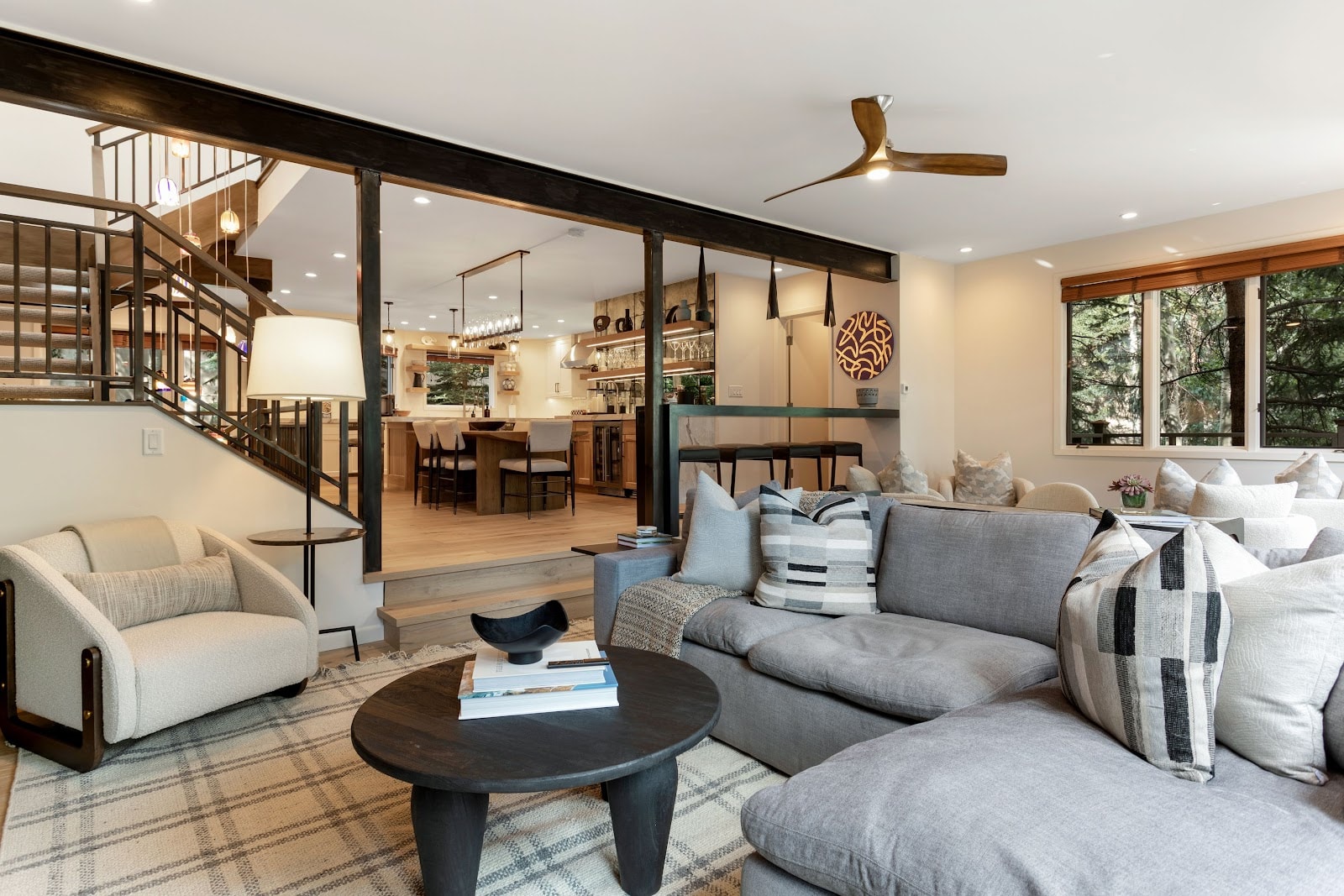
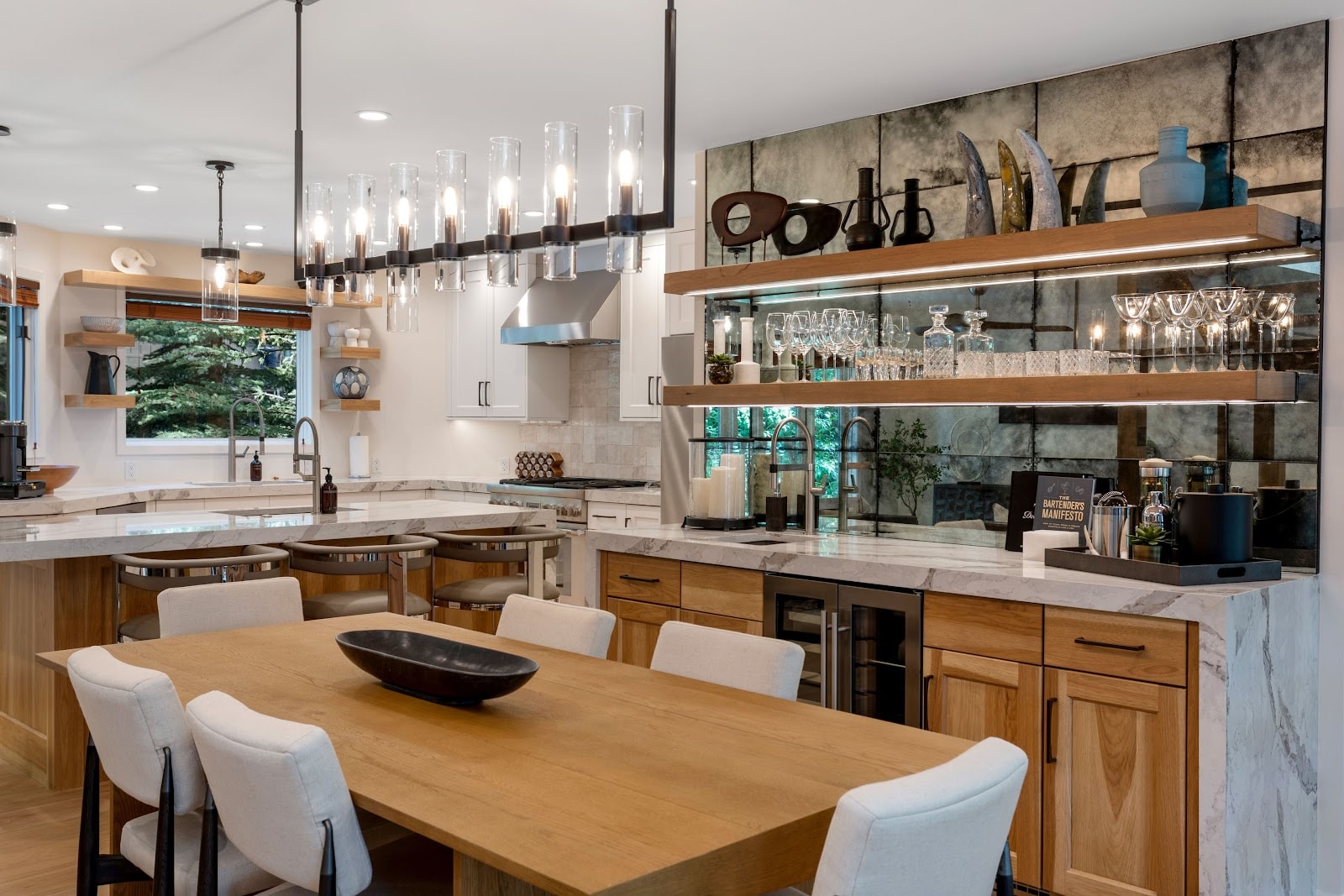
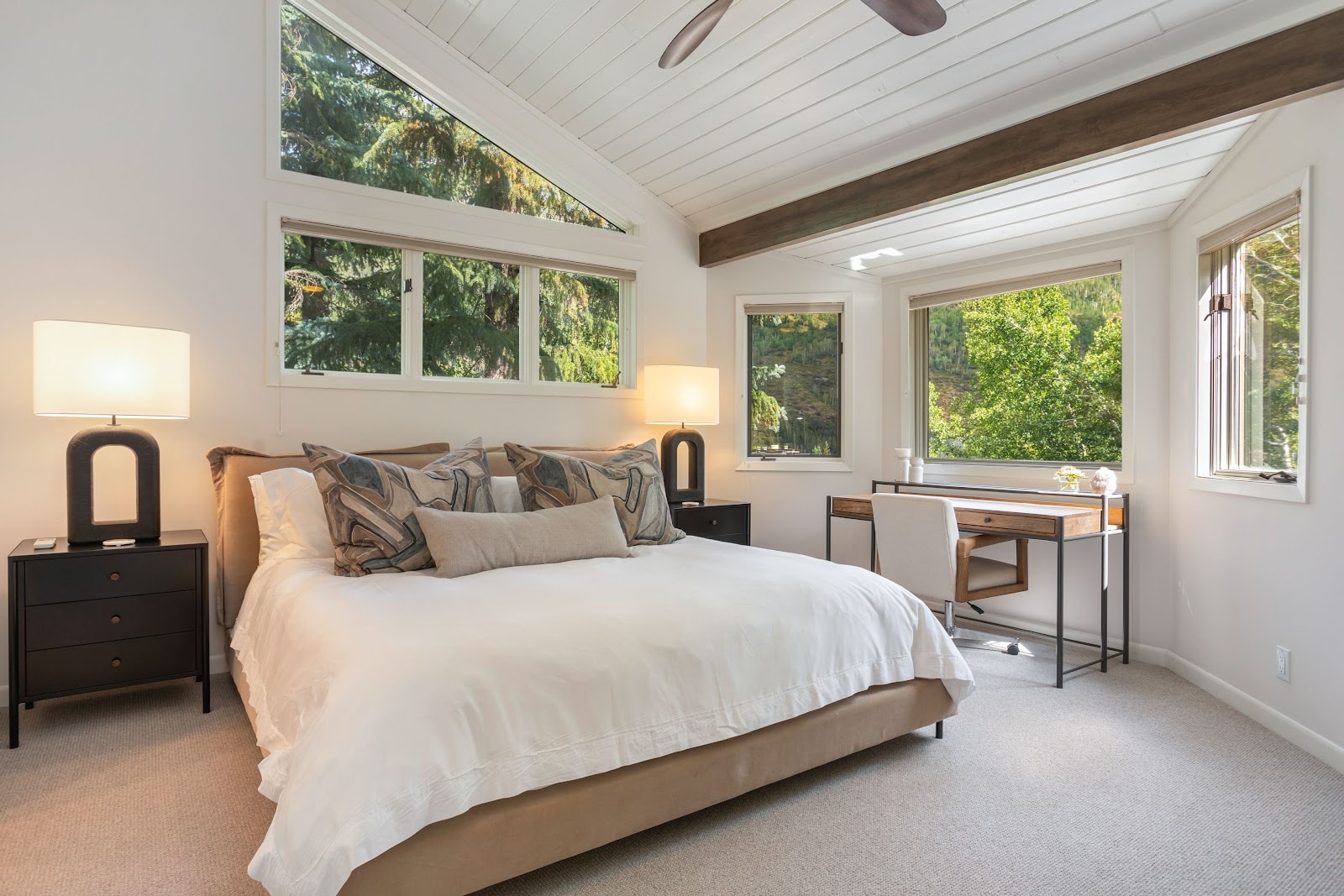
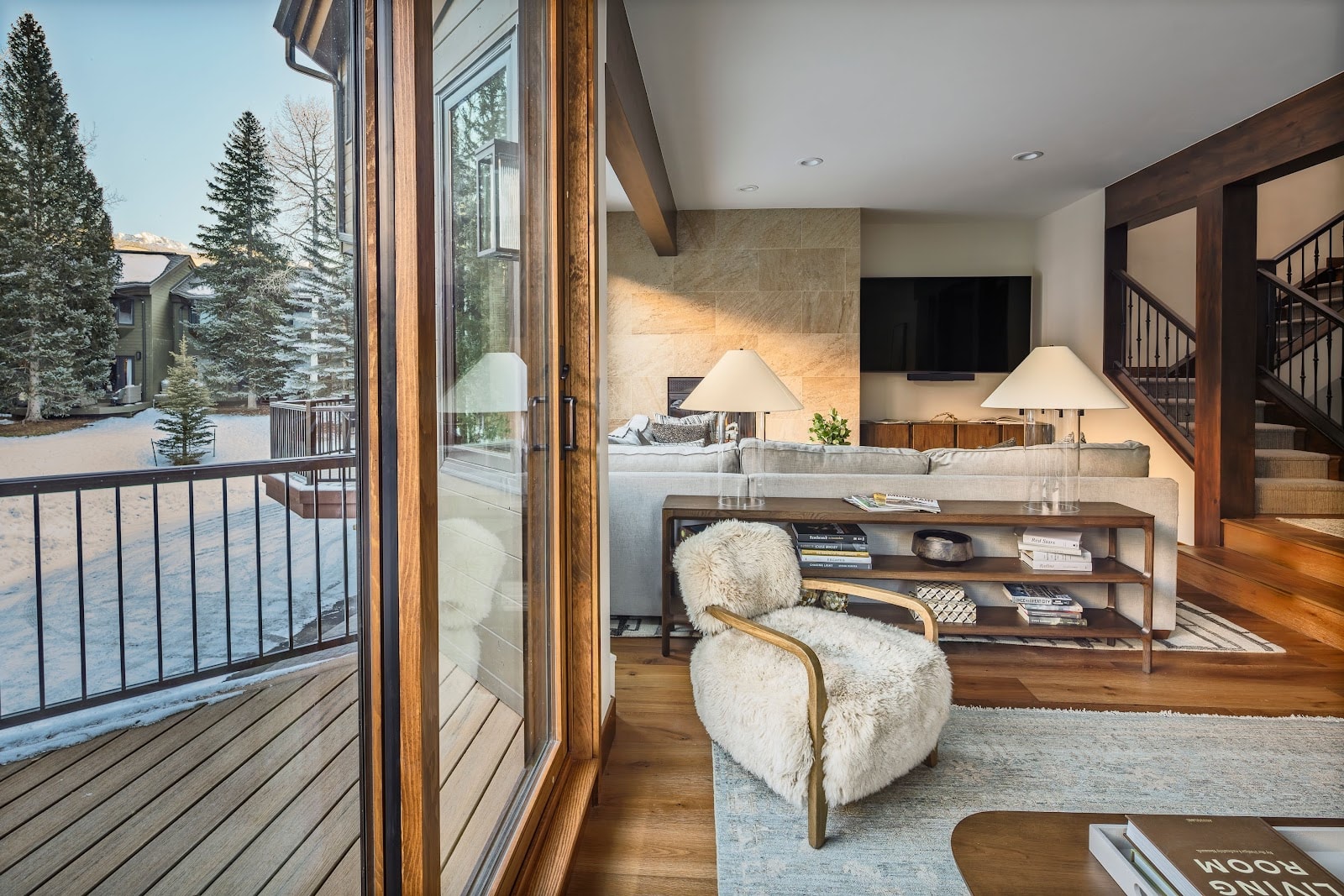
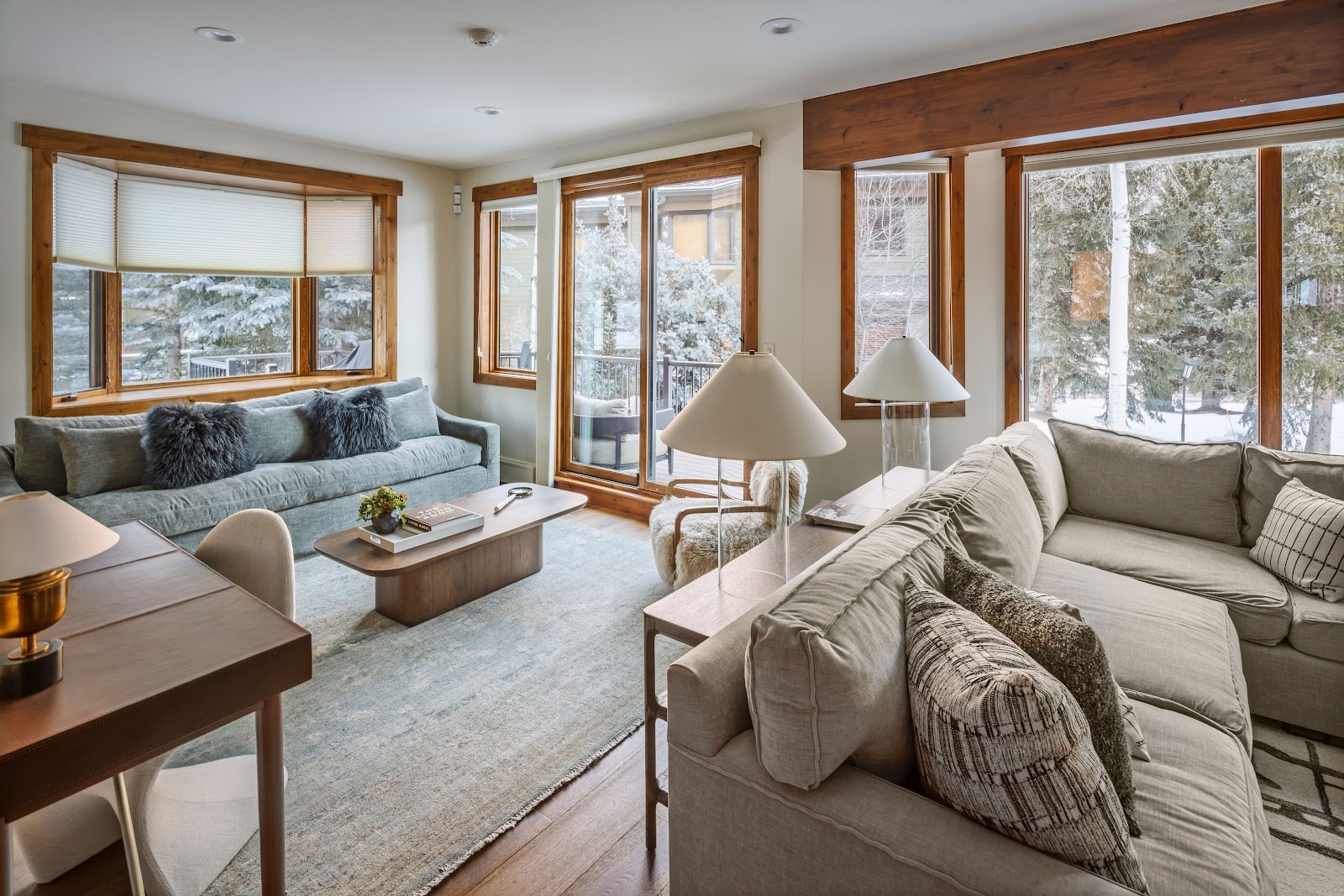
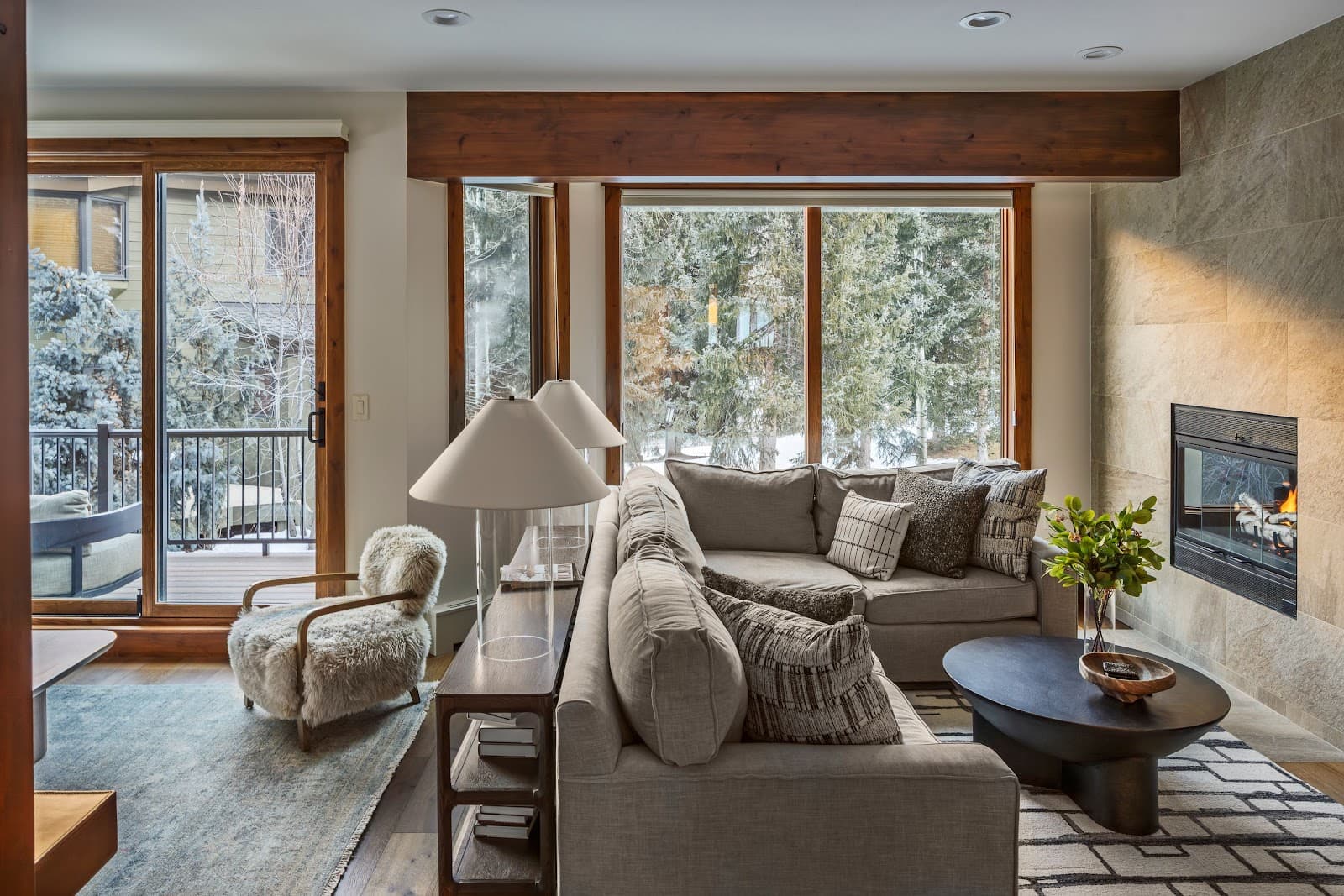
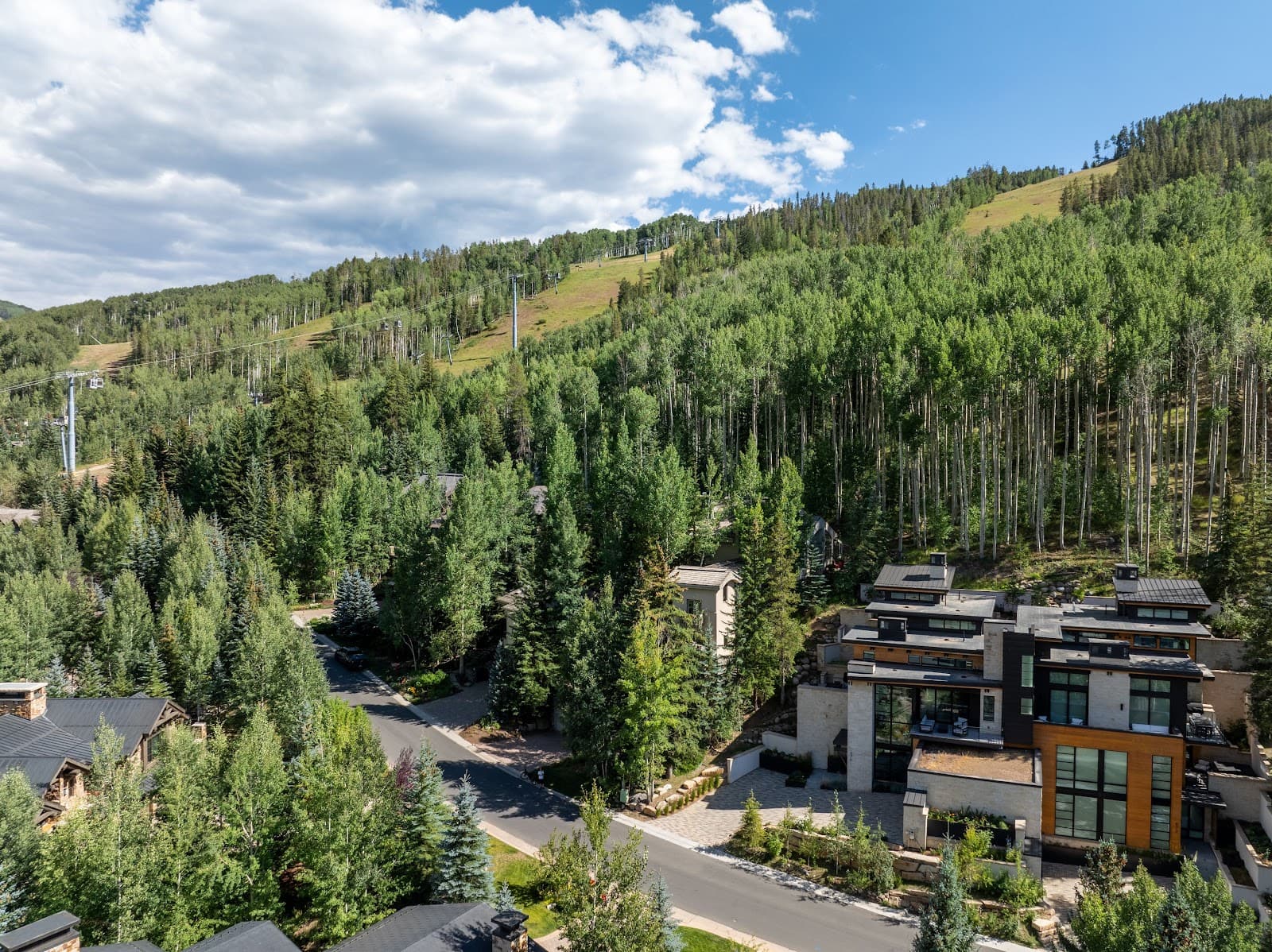
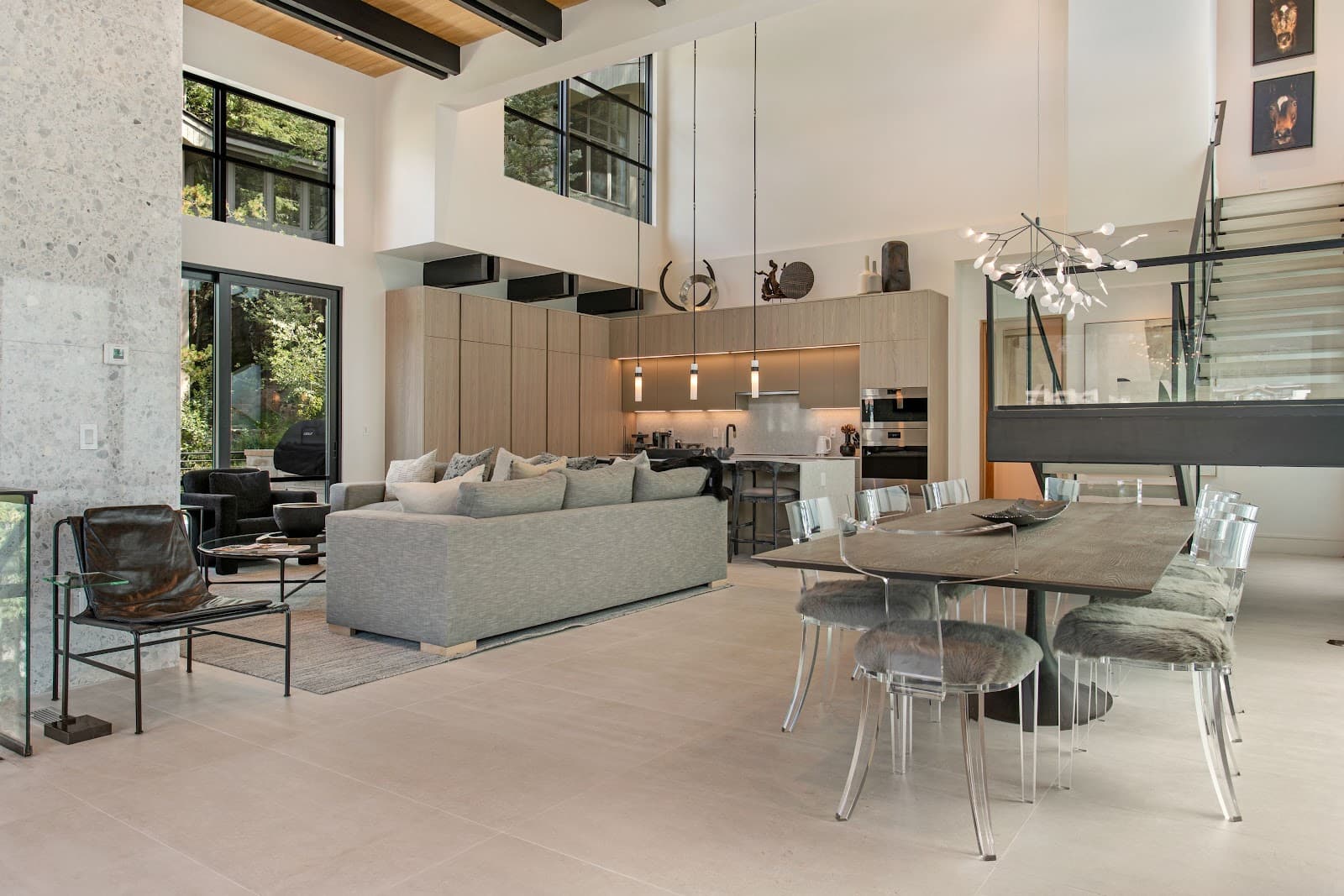
Vail, Colorado, USA — 4-Bed House With Mountain Views
$780,000
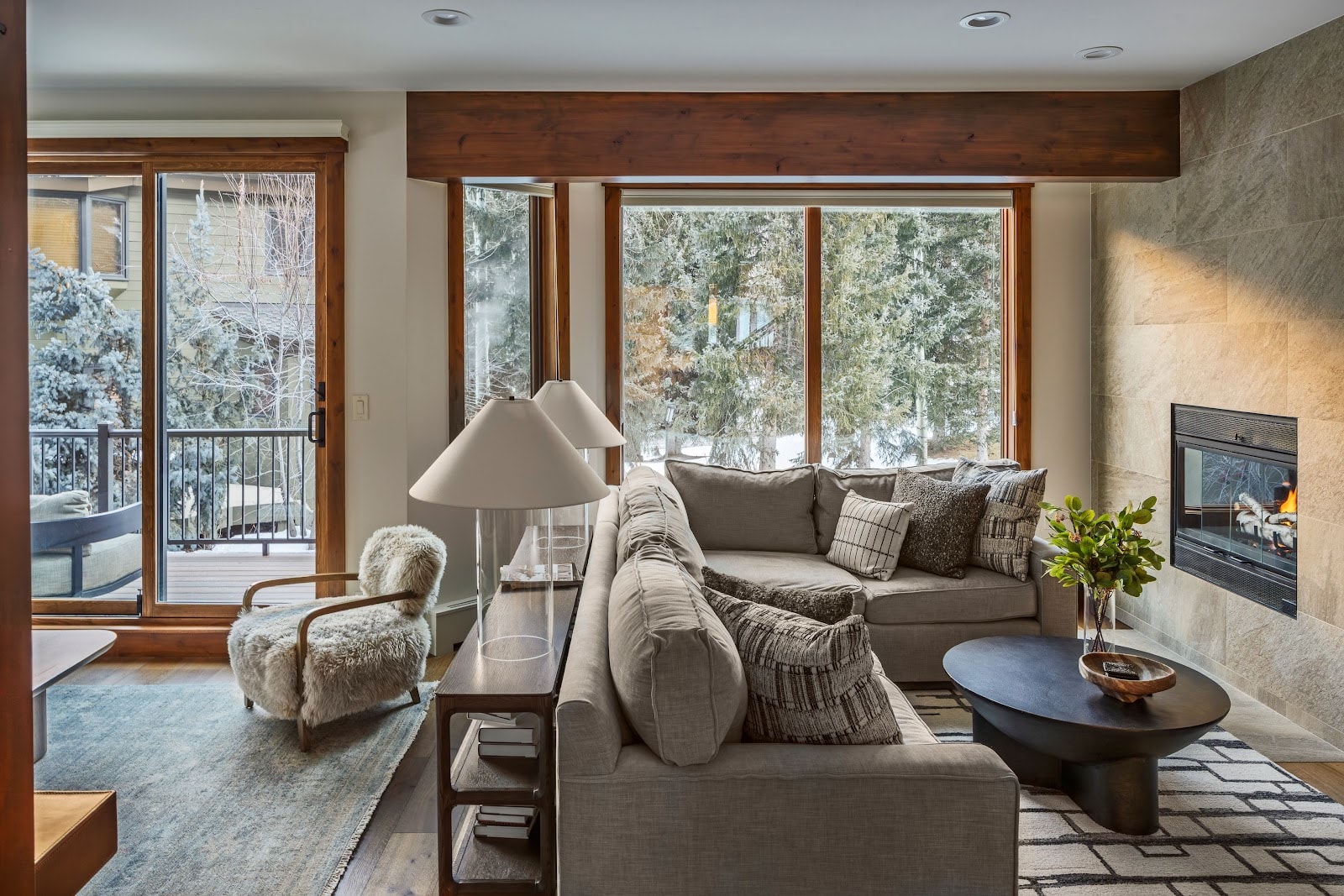
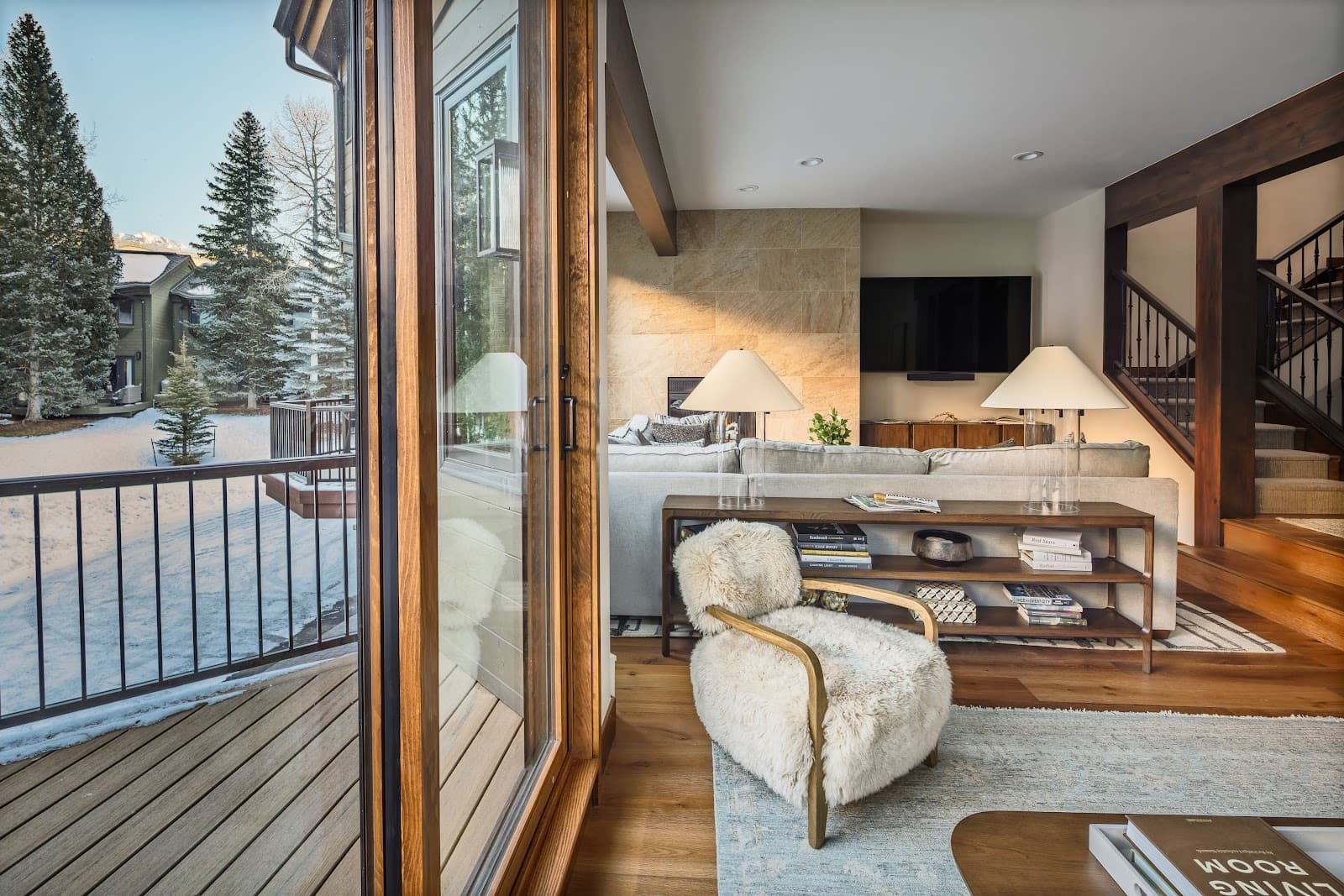
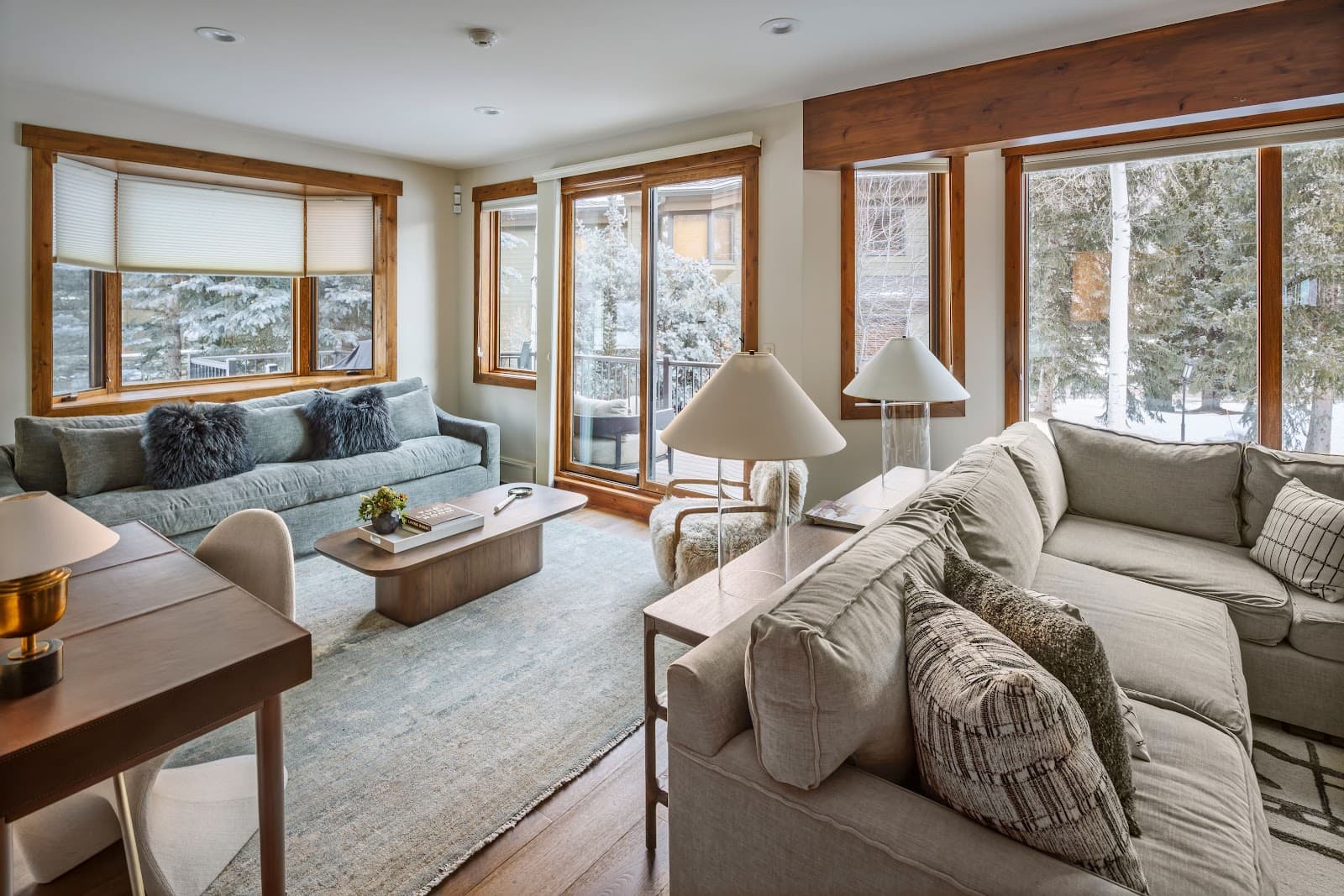
Vail, Colorado, USA — 4-Bed House With Pool
$799,000
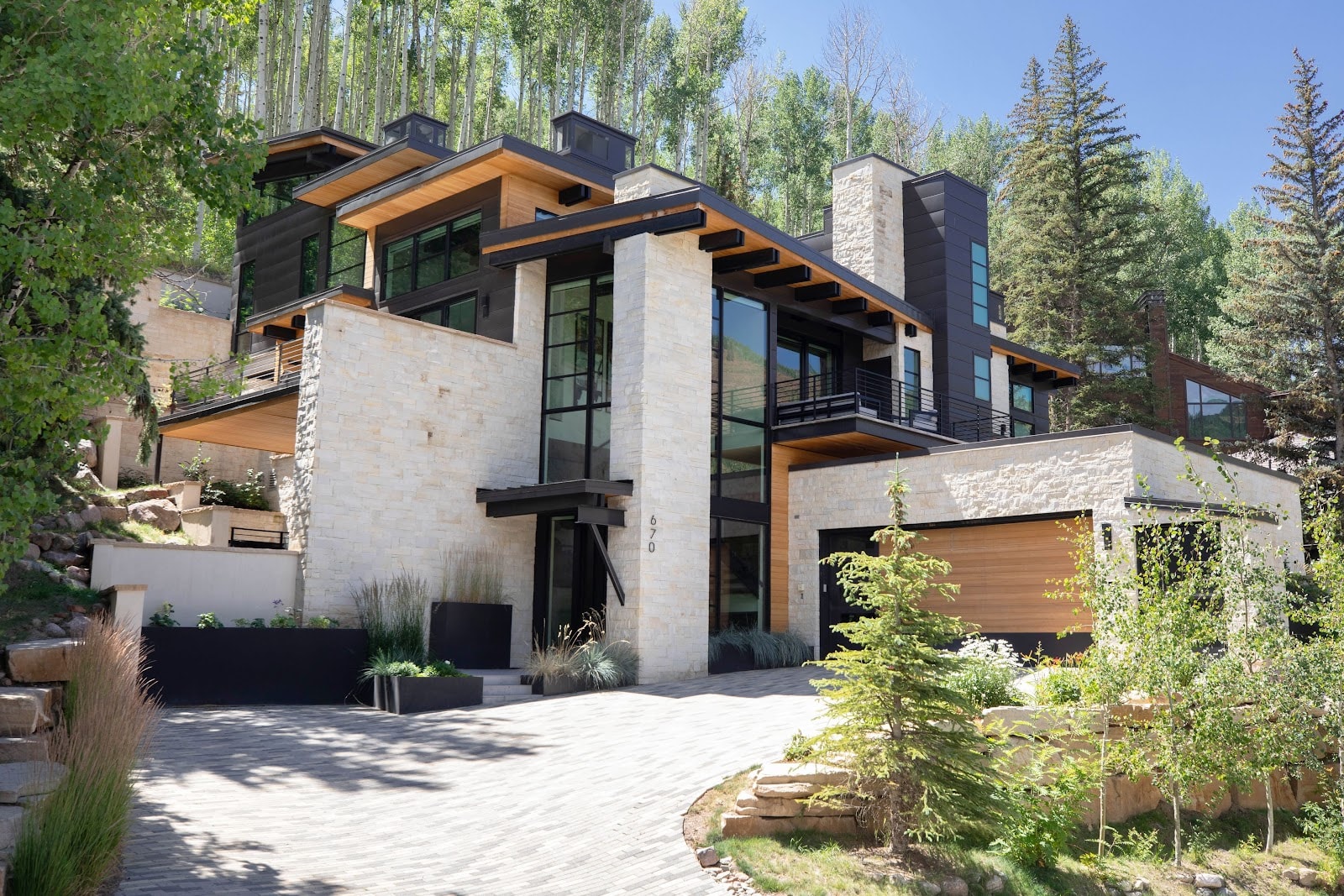
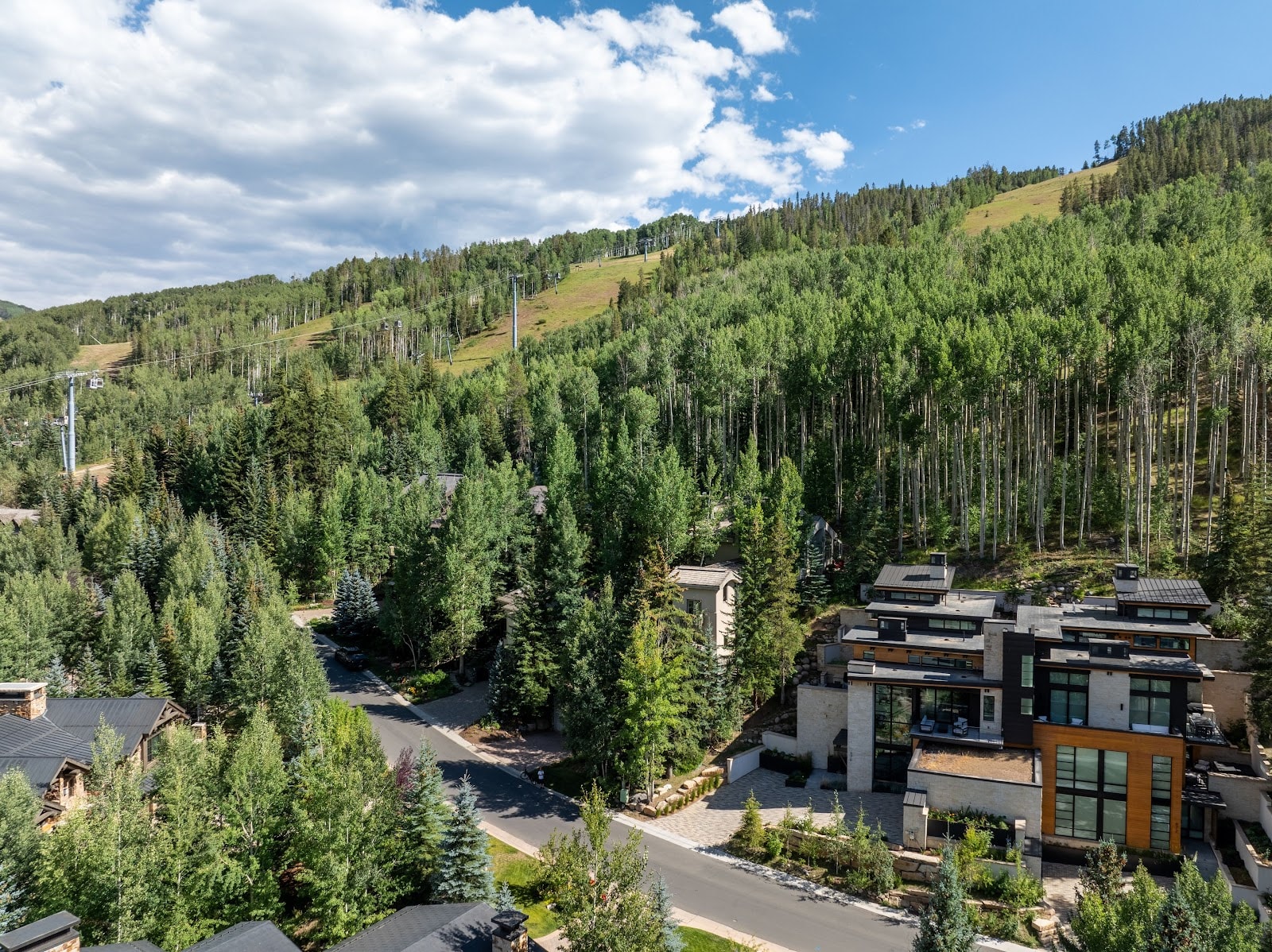
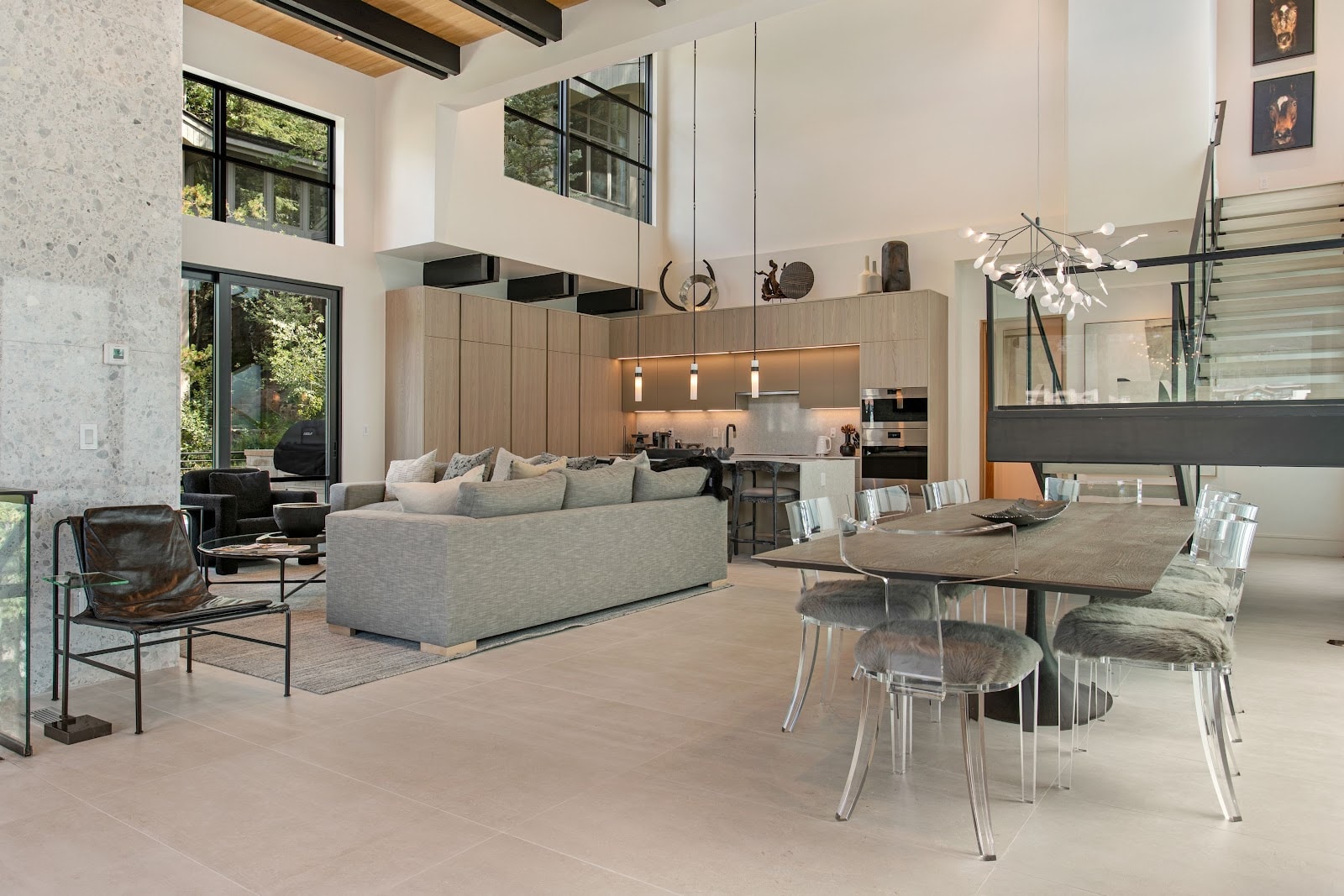
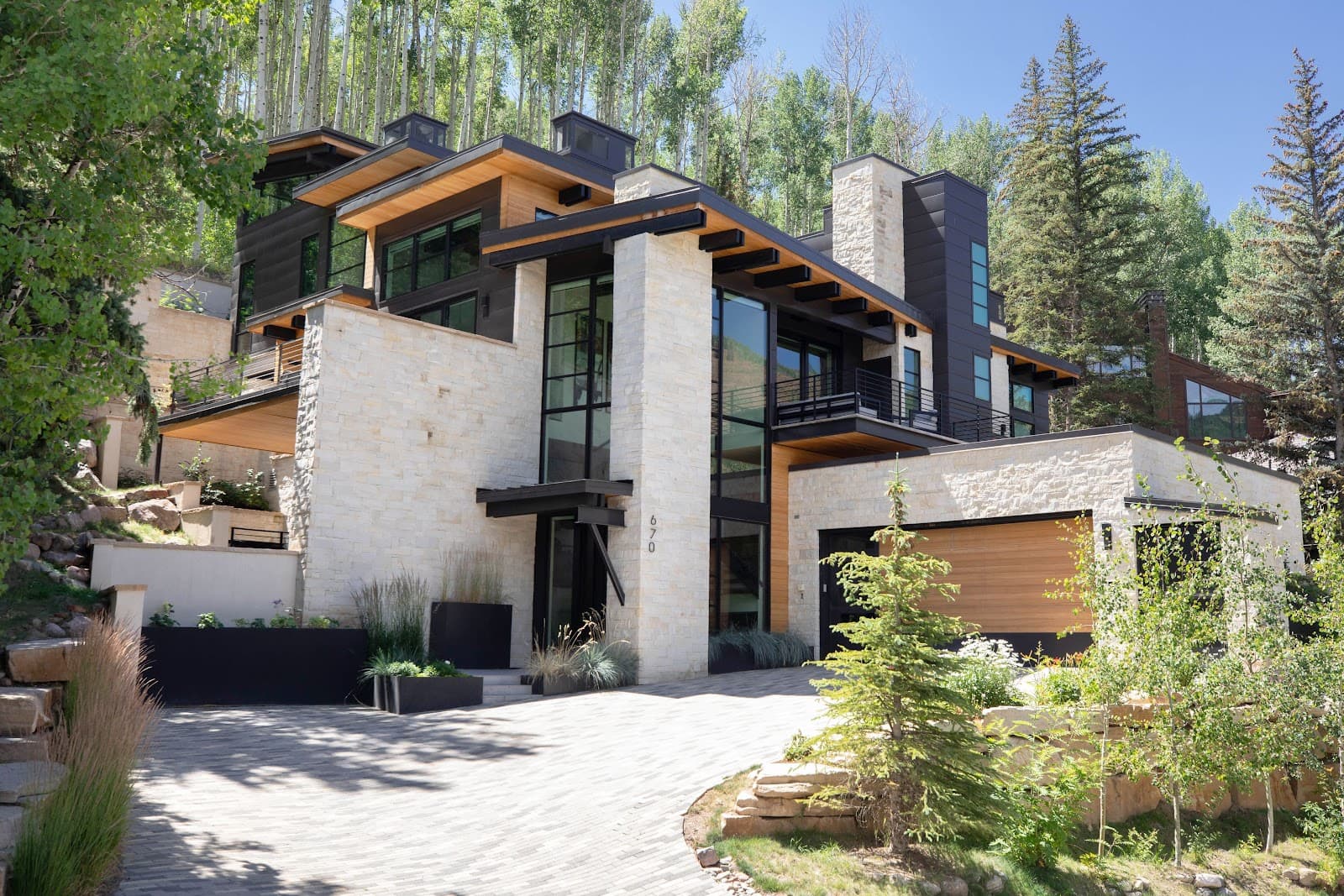
Vail, Colorado, USA — 4-Bed House With Hot Tub
$2,100,000
Why buy a co-ownership home in Vail?
Buying a whole holiday home in Vail means paying full price for a house that stands empty most of the year. Co-ownership takes the same home — professionally managed, beautifully furnished — and divides it into shares, usually eighths. You own a real share of the home — not a right to use it — with roughly six weeks of use a year, a share you can sell or pass on, and running costs shared between owners rather than shouldered alone. In Vail, that ownership starts from $780,000.
What is fractional ownership in Vail?
Fractional ownership in Vail means owning a real share of a fully managed home, usually an eighth, with around six weeks a year to use it, depending on the home. We currently list 3 Vail homes, with shares from $780,000.
You own a real share of the home (an eighth, a quarter), not a right to use it. You can sell it, pass it on, and it rises and falls in value with the house. The legal set-up is arranged by our partner for each home and explained before you buy.
Vail is a valley rather than a single village, from East Vail through Vail Village and Lionshead to West Vail, and the address you choose decides your walk to the lifts. Owning an eighth rather than the whole house is what puts a home close to the mountain within reach for many buyers: about an eighth of the price, the running costs shared, and a managed home ready for the first snow.
Vail, properly understood
Vail is the largest single-mountain ski resort in North America and, more than sixty years after it opened, still the standard against which American skiing measures itself. But the number that matters is not the acreage. It is the shape of the mountain: a long front face of groomed and gladed runs above the village, and behind it, over the ridge, seven vast open bowls facing south, plus a further high basin beyond those. That geography — front side for the morning, back bowls for a powder day, Blue Sky Basin for the far end of the world — is why people who have skied everywhere still come back here.
The town beneath it was built from nothing. There was no village in the Gore Creek valley before 1962; the founders, veterans of the mountain division that trained just over the pass during the war, laid out a pedestrian village in an alpine idiom because it suited what they were selling and because there was nothing else to reference. Six decades later that decision has aged unexpectedly well: Vail Village and Lionshead are genuinely car-free, walkable, planted, and full of people on foot at nine in the evening in February, which is more than most purpose-built resorts can say.
The other half of the case is the summer, and it is stronger than almost anyone outside Colorado realises. Vail has an outdoor amphitheatre that hosts major American orchestras in residence each July, a nationally significant dance festival, an alpine botanical garden at the highest elevation in North America, a paved recreation path running the length of the valley and over the pass, and hiking and fly fishing that would justify the drive on their own. There is a reason a substantial share of the property here is used as much in July as in February.
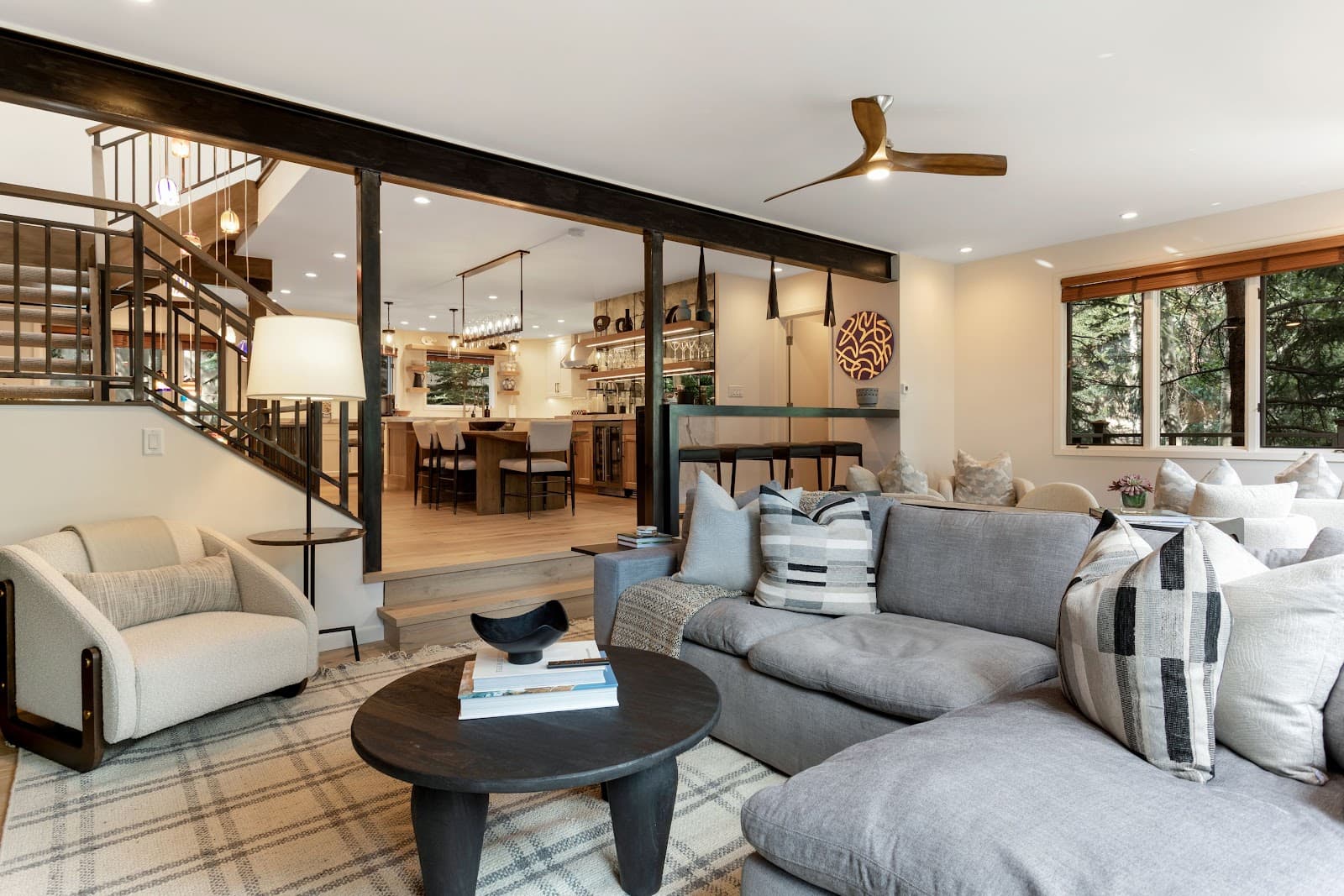
A short history: from sheep pasture to Vail
The Ute people summered in these mountains for centuries before displacement in the nineteenth century; the range that walls the valley to the north still carries the name of an English hunting expedition that came through in the 1850s. What followed was mining in the surrounding valleys, a railroad through Minturn, and a long quiet period in which the Gore Creek valley was sheep pasture and not much else.
The turning point was the war. The United States Army trained its mountain division at Camp Hale, over Tennessee Pass and about half an hour from here, teaching thousands of soldiers to ski and climb at altitude — and a striking number of them came back afterwards to build the American ski industry. Two of them, having noticed the extraordinary bowls on the back of what was then an anonymous mountain, opened Vail in 1962 with a single gondola and a handful of buildings. The site has since been designated a national monument in recognition of what happened there.
Vail grew faster than anyone expected: the interstate arrived through the valley, Lionshead was added, the town incorporated, and by the 1980s it was the most visited ski resort in the United States. It hosted the world alpine championships three times between 1989 and 2015. Blue Sky Basin opened in 2000, extending the mountain further into the back country. The valley below filled in — Avon, Edwards, Eagle — and a resort became a region. What is unusual about the story is how much of the original design survived it: the villages are still pedestrian, the buildings still low, and the mountain still the same shape it was when two veterans climbed it on skins.
The valley, village by village
Vail Village is the original: a compact pedestrian core of narrow lanes, covered arcades and flower boxes at the foot of the mountain, with the gondola, the ski school, the best restaurants and the most expensive real estate in the valley. Golden Peak, immediately east, holds the children's ski school and the race venue. Living here means walking to the lift and to dinner and paying accordingly.
Lionshead, ten minutes west along the pedestrian path or one stop on the free bus, is the second base: rebuilt over the last two decades into a more modern village around its own gondola, with a large ice rink, the mountain's main learning area and a more open, less intricate feel. It is generally better value than Vail Village for equivalent proximity, and for many families the more practical base.
Cascade Village, West Vail, Intermountain and Matterhorn run west along the valley floor: less glamorous, more residential, better value, and all served by the free bus that is one of the best resort transport systems in America. East Vail, at the other end beneath the pass, is quieter and more wooded, with hiking straight from the door and a slightly colder microclimate.
Then the down-valley towns, which are where a great many owners actually end up. Minturn, ten minutes south, is an old railroad town with a main street, a saloon and a genuine local character. Avon sits at the base of Beaver Creek, fifteen minutes west, with a lake, services and its own gondola. Edwards, a little further, has grown into the valley's practical centre — supermarkets, restaurants, schools, a river. And Eagle and Gypsum, near the airport, offer the best value in the valley with a twenty-five to forty-minute drive to the lifts.
Where exactly to own: micro-locations, rated
Vail Village and Golden Peak. Ski-in convenience plus the best pedestrian village in American skiing: walk to the gondola, to the ski school and to dinner. The most expensive address in the valley and the one that holds its value most stubbornly. Best for owners whose priority is the shortest possible morning and a village to walk out into at night.
Lionshead. The same mountain, a different gondola, a more modern village and generally better value. The rink, the learning area and the ski school are here, which makes it the practical family base. Ten minutes on foot to Vail Village along a heated pedestrian path.
West Vail, Intermountain and Matterhorn. The valley-floor residential neighbourhoods: better value, more space, and a bus system frequent enough that a car can stay parked all week. The most sensible answer for a group that wants square footage without leaving Vail itself.
East Vail. Quieter, wooded, cooler, with trailheads from the door and a straightforward run into the village. The best summer position in Vail proper and a favourite of people who have owned here for years.
Beaver Creek and Avon. Fifteen minutes west: Beaver Creek is a smaller, more contained, more manicured mountain with its own village and, in many opinions, better on-mountain service and shorter lift queues than Vail. Avon at its base has services and a lake. A genuine alternative rather than a compromise.
Down valley: Minturn, Edwards, Eagle. Where the value is. A real main street in Minturn, the valley's practical centre in Edwards, and considerably more house for the money in Eagle near the airport. The trade is twenty to forty minutes of driving to the lifts, which a two-season owner may consider a bargain and a ski-first owner will not.
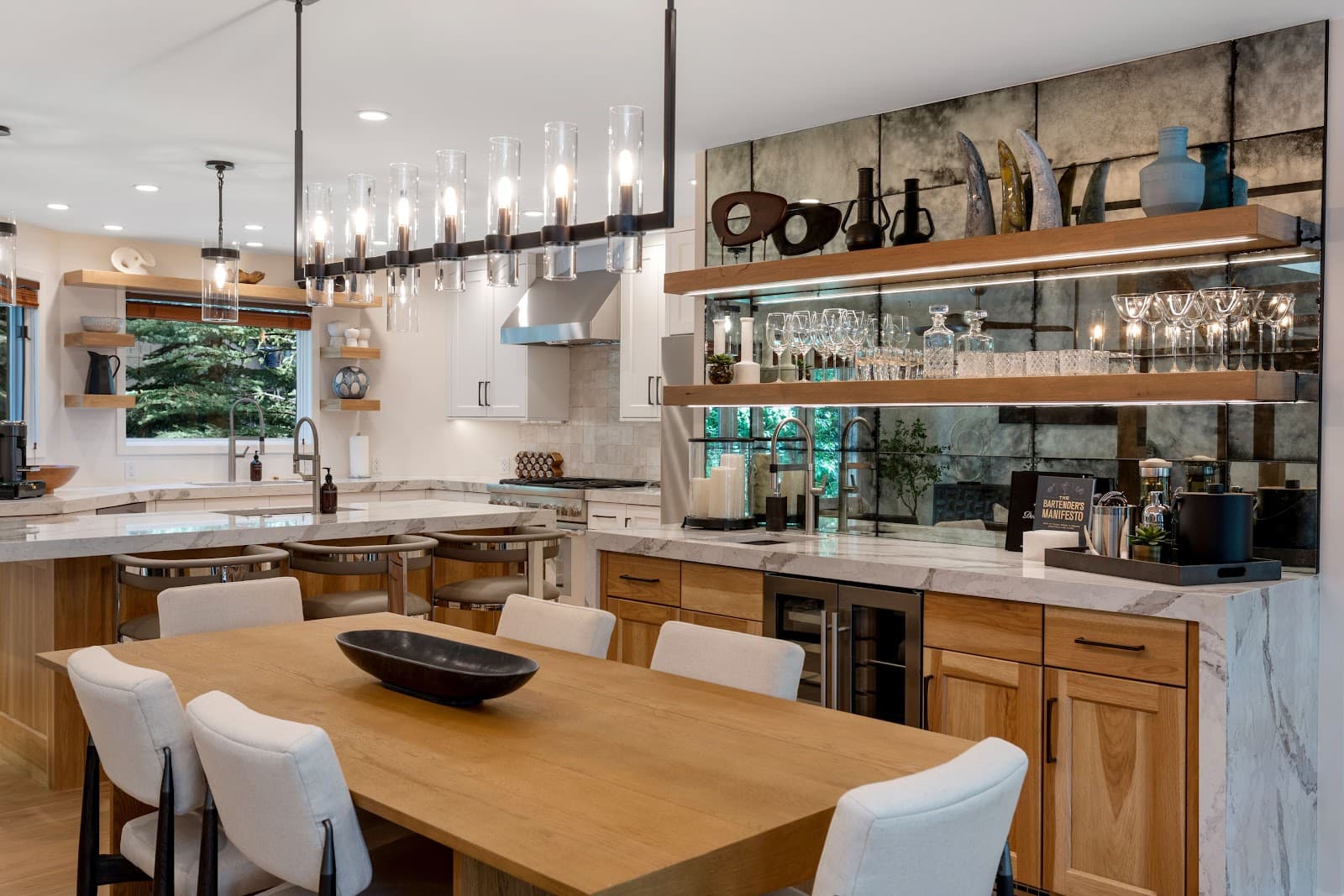
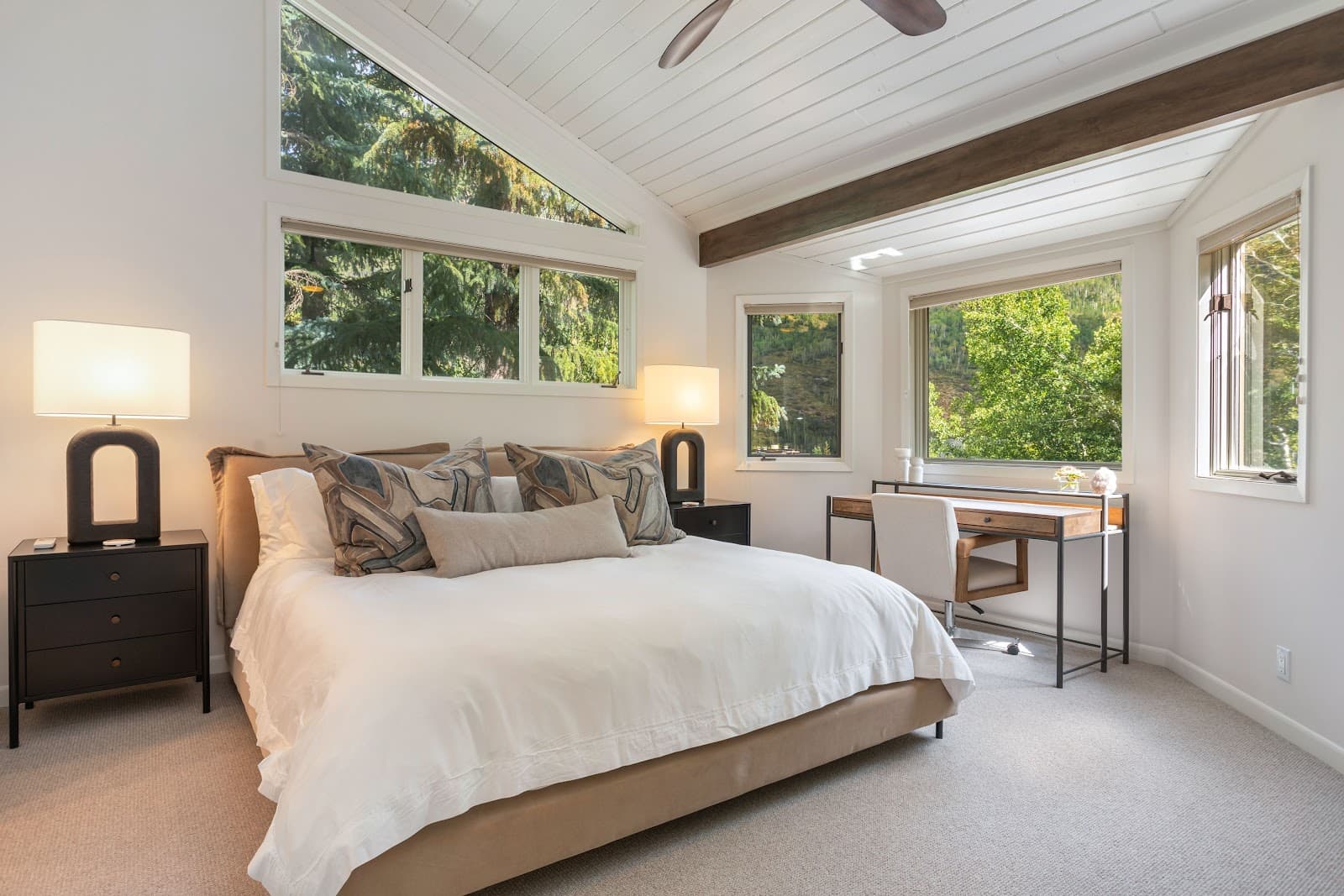
The mountain: front side, back bowls, Blue Sky
Vail's front side is the mountain most people ski most of the time, and it is exceptional in its own right: a broad, north-facing wall of long groomed runs, tree skiing and gladed terrain rising from the village to the ridge, with enough lift capacity that the mileage is genuinely available. Beginners have real terrain rather than a token slope; intermediates have more long blue runs than they can ski in a week; and the trees on the eastern side hold snow for days after a storm.
Over the ridge lie the Back Bowls, and they are what makes Vail Vail. Seven of them, running for several miles along the mountain's southern side: enormous, open, mostly treeless bowls that on a clear day after a storm are among the great experiences in skiing. They are south-facing, which means timing matters — go early after a snowfall, and understand that in a warm spell the snow changes fast. They are also the reason Vail's acreage figure is so large and slightly misleading: this is not a resort you ski by covering ground methodically, but one where you choose a bowl and spend a morning in it.
Beyond the bowls, Blue Sky Basin — opened in 2000 — is a further high, north-facing area of gladed and open terrain that feels genuinely remote: no buildings, long lifts, and snow that holds because of the aspect. It is a full expedition from the village and the reward for making the trip.
Vail's great strength is breadth rather than sheer pitch: scale, variety, reliability and terrain that suits an entire mixed group at once — which for a shared family home is precisely the right quality. And with Beaver Creek fifteen minutes away and a further set of Colorado resorts within an hour or two, the range from this valley is very large indeed.
Snow, altitude and the honest data
The numbers. Vail Village sits at roughly 8,150 feet — about 2,480 metres — and the mountain rises to around 11,570 feet, a little over 3,500 metres. Average annual snowfall is in the region of 350 inches, roughly nine metres, and the snow is the dry, light, low-density Colorado powder that the state's marketing is built on and that is, unlike most marketing, accurate. Snowmaking covers the main arteries on the front side, which matters in a lean December.
The season generally runs from mid-November to mid-April. Early season is front-side skiing while the base builds. January and February are the coldest and deepest. March is the snowiest month in many years and, with longer light, the one a lot of experienced owners prefer. April brings spring conditions and the closing weeks, which have their own charm. The back bowls need a proper base before they open, which is typically January onwards, and they are best in the days immediately after a storm.
Altitude is worth a little planning. At eight thousand feet in the village and eleven and a half on the mountain, visitors arriving from sea level settle in fastest by drinking more water than seems necessary, going easy on alcohol the first night and taking the first afternoon gently. Within a day or two most people have adjusted completely, and the reward is snow that stays dry and light.
Summer: the second season, and it is serious
Vail's summer is the best-kept secret in American mountain resorts. The valley sits at eight thousand feet, which means warm dry days, cold nights, no humidity and a wildflower season in July that is genuinely spectacular. The mountain runs its gondolas for hiking and mountain biking, and the terrain above the village opens into meadows, ridges and views across the Gore Range.
The cultural programme is what surprises people. Vail hosts a summer classical music festival that brings major American orchestras into residence at the outdoor amphitheatre for weeks at a time — sitting on the grass with a picnic while a world-class orchestra plays as the light goes off the peaks is one of the more remarkable things available at any ski resort anywhere. Alongside it runs a nationally significant dance festival, an outdoor adventure and sports festival in June, farmers' markets, and a season of free concerts.
Outdoors, the register is deep: hiking on hundreds of miles of trail into the Gore Range and the wilderness areas, with alpine lakes a couple of hours from the trailhead; mountain biking on both lift-served and cross-country networks; a paved recreation path running the length of the valley and up over the pass, which is one of the finest cycle paths in the United States; fly fishing on Gore Creek and the Eagle River, both properly good; golf at several courses; and the alpine botanical garden beside the amphitheatre, which is the highest in North America and a lovely hour. Summer weeks in Vail are contested inside owner groups, which tells you what you need to know.
A year in the valley, month by month
November brings the opening of the mountain, usually mid-month, and a quiet town waiting for winter. December builds to a very busy and very expensive Christmas and New Year fortnight. January is cold, snowy and — after the first week — one of the best value and least crowded stretches of the season. February is deep winter with the American holiday weekend as its peak.
March is the connoisseur's month: frequently the snowiest, with long light and warm afternoons, and the back bowls at their best. April closes the season in the first half, with spring skiing and a town that empties quickly. May is mud season: the trails are wet, many restaurants close, the valley takes a breath, and rates are at their lowest of the year.
June opens the summer with the outdoor sports festival and the first high trails clearing. July and August are the summer peak — the music festival, the dance festival, the wildflowers, the markets, and daytime temperatures that are warm rather than hot. September is arguably the finest month of the year: the aspens turn gold across the whole valley, the air is clear and cold at night, and the trails are empty. October is quiet and beautiful, and then the cycle starts again. Two seasons and two genuine shoulders, and the shoulders are where a flexible owner steals the best weeks.
The year's fixtures
Winter's calendar is built around the mountain: opening weekend in November, the Christmas and New Year programme with torchlit descents and fireworks, the big American holiday weekends, a full schedule of ski racing including events at Beaver Creek's celebrated downhill course fifteen minutes away, and the closing weekend in April with the traditional costumed nonsense that every good ski town produces.
June brings a large outdoor adventure and sports festival to the valley — mountain biking, kayaking on the creek, climbing, trail running and dog events, with music alongside — which fills the town and is a fine way to see it in summer. Then July and August are the cultural months: the classical music festival with major orchestras in residence at the amphitheatre, the dance festival with international companies, an outdoor film series, farmers' markets on Sundays in the village, and free concerts through the week.
September brings the autumn colour, harvest and wine events, and the Oktoberfest weekends that the village's architecture rather demands. Through the year the amphitheatre also hosts touring popular music. The practical point for an owner is that almost none of this needs booking a year in advance — it rewards simply being here, which is exactly what a share is for.
Eating, drinking and provisioning
Vail Village and Lionshead hold a restaurant scene that is polished, assured and, at the top end, genuinely very good — steakhouses, alpine and Italian dining rooms, sushi at improbable altitude, and several serious kitchens that have been here for decades. On-mountain dining is better than most American resorts manage, including a few restaurants worth planning a run around.
The valley below is where value and character live. Minturn's main street has a saloon that has been in business a very long time and a Saturday market in summer that is a genuine local institution. Edwards and Avon have the everyday restaurants, the breweries and the supermarkets. And there is a good coffee, bakery and burrito layer throughout, which matters more on a ski morning than any dinner.
Provisioning a house is easy but should be planned: the full-size supermarkets are down valley in Avon, Edwards and Eagle rather than in Vail Village, and the standard owner habit is a big shop on the drive in from the airport or Denver. Delivery services cover the valley. The practical shape of a good week is two dinners out, a mountain lunch that is part of the point, and the rest cooked at home — which in a house with a fire and a view is no hardship at all.
Vail with children
Vail is one of the strongest family ski destinations in North America, and the reasons are structural. The ski school is enormous, long-established and well-run, with dedicated children's facilities at Golden Peak and Lionshead. The beginner and intermediate terrain is genuinely extensive rather than token, so a family of mixed ability can ski together for a week without anyone being bored or frightened. The villages are pedestrian, which means children can be given a degree of freedom that a road-based resort does not allow.
Off the snow: the ice rink at Lionshead, tubing, the adventure area at the top of the gondola with a coaster and ropes courses that runs in both seasons, the recreation centre and pools down valley, and the free bus system that a competent twelve-year-old can use alone. Snowshoeing and Nordic skiing are available minutes from the village.
Summer may be even better: lift-served mountain biking with children's programmes, the paved recreation path for family cycling, easy alpine hikes with a lake as the reward, fly-fishing lessons on the creek, the botanical garden, and outdoor concerts where nobody minds children on the grass. For ownership groups, the useful arithmetic is that Vail's peak weeks are the American school holidays — Christmas, the February holiday weekend, and spring break — which do not necessarily coincide with British or European ones, so a mixed international group often finds the calendar sorts itself with far less friction than expected.
The non-skier's Vail
The pedestrian villages do most of the work. A non-skier's winter day here has real structure without effort: coffee and the bakeries, the shops and galleries — which are numerous and not all ski shops — the ice rink, a long lunch somewhere warm, and a spa afternoon at one of several hotels. Snowshoe outings with guides go up into the silent side valleys; the Nordic centre offers groomed track skiing; and the gondola carries foot passengers to the top for lunch and the view, which is one of the best-value things on the mountain.
Beyond that, the valley: Minturn's main street, the galleries and shops in Edwards and Avon, the recreation centres, and a drive over Vail Pass or down towards Glenwood Springs, where there is a very large hot springs pool and a spectacular canyon. Beaver Creek's village fifteen minutes west has its own restaurants and an outdoor performing arts programme.
In summer the category vanishes entirely: the non-skier becomes a walker, a cyclist, a concert-goer, a market-goer or a fisherman. What matters for a shared home is that everyone in a household wants to come — and in Vail, with the summer programme it has, they generally do.
Beyond the valley: days out
The immediate neighbour is Beaver Creek, fifteen minutes west: a smaller, more contained mountain with a manicured village, superb service and one of the great World Cup downhill courses. Many Vail owners ski it as often as Vail itself. Further west, Glenwood Springs is an hour and a quarter and holds one of the largest hot springs pools in the world plus the entrance to a spectacular canyon; Aspen is about two hours by road in summer over Independence Pass, longer in winter around.
East, over Vail Pass, the interstate runs through Copper Mountain, Frisco, Breckenridge, Keystone and Loveland Pass — an entire second cluster of Colorado skiing within forty-five minutes to an hour, and a set of lake and hiking country in summer around Dillon Reservoir. Leadville, over Tennessee Pass, is a genuine nineteenth-century mining town at ten thousand feet and one of the more atmospheric places in Colorado, with the national monument at Camp Hale on the way.
Further out: Denver is about two hours east on the interstate, easiest midweek; Rocky Mountain National Park is a couple of hours north-east; Moab and the Utah canyon country is a long but very worthwhile day west. And the hot springs, ghost towns and mountain passes of central Colorado will absorb any number of summer afternoons.
Getting there and getting around
There are two ways in and the choice matters. Eagle County Regional Airport sits about thirty-five minutes west of Vail and has direct seasonal service from a good number of American cities during the winter, with a reduced schedule the rest of the year. When it works it is superb — a short drive from terminal to village with no pass to cross. Denver International, about two hours east, has the full domestic and international network and operates year-round, and it is how most international visitors arrive.
The Denver drive is easiest midweek or at off-peak hours. The interstate through the mountains is a busy recreational corridor on winter Friday evenings and Sunday afternoons, and heavy snow brings traction rules over the high passes, so owners simply check conditions and travel around the rush. Shared and private shuttle services run the route continuously in season.
Within the valley, Vail's free bus system is genuinely excellent — frequent, comprehensive and covering both villages plus the residential neighbourhoods — which means a group staying in Vail proper can leave the car parked for a week. Down-valley addresses need a car, as do most summer trailheads. Four-wheel drive with proper winter tyres is the sensible rental from November to April.
The property market, honestly described
Vail is one of the most expensive mountain property markets in North America, and the structure behind that is unusually rigid. The valley is narrow, hemmed by mountains and national forest on both sides, and the town of Vail is effectively built out — there is very little land left, and what exists is constrained by topography and by planning. Meanwhile demand is national and international, drawn by the mountain's reputation, the pedestrian villages and the summer programme.
The price gradient is steep and legible. Ski-in ski-out and Vail Village addresses command the highest premium in the state; Lionshead follows; the valley-floor Vail neighbourhoods are materially cheaper for the same access; Beaver Creek and Avon are a parallel market; and Minturn, Edwards, Eagle and Gypsum offer progressively better value in exchange for driving time. The difference between a village address and one twenty minutes down valley is very large, and for some owners entirely worth it.
Two local specifics worth knowing. First, short-term rental: the Town of Vail licenses short-term lets and applies zoning and occupancy rules, and neighbouring jurisdictions have their own regimes, so where letting unused weeks is allowed, it runs within the licensing for that specific address. Second, mountain construction: a house at eight thousand feet with a generous snow load needs regular care — roofs, heat tape, snow removal, freeze protection — which the management team handles as a routine part of running the home.
For a share buyer the logic is straightforward and strong. A Vail house of the size and position that makes a family ski week work is among the largest single second-home purchases in American skiing, carrying high fixed costs all year for a property used a handful of weeks. A share is not — and in a valley with a genuine summer season and a serious cultural programme, the calendar spreads across the year rather than crowding into the winter.
What underpins value here
Five supports. First, the mountain: the largest single ski mountain in North America, with a terrain profile — front side, back bowls, Blue Sky Basin — that has no direct equivalent, plus Beaver Creek fifteen minutes away and half a dozen more Colorado resorts within an hour. Second, sustained capital investment: lifts, snowmaking, base facilities and the villages have been continuously reinvested in for six decades.
Third, constrained supply. The valley is narrow, walled by national forest, and effectively built out within the town boundary. New inventory happens down valley, not in Vail Village. Fourth, the pedestrian villages themselves: genuinely car-free, walkable, planted and alive at night, which is rarer in North American skiing than it should be and is very difficult to replicate.
Fifth, the summer. The music and dance festivals, the recreation path, the wildflowers, the fishing and the trails give this valley a second season with real cultural weight, which underpins property values in a way that snow alone cannot.
Who owns here
Vail's ownership is national in a way few resorts are. Denver and the Front Range provide the drive market — two hours away, and the reason weekends have their own rhythm here. Beyond that, the second-home base is spread across Texas, the Midwest, the East Coast, Florida and California, drawn by the airport's seasonal direct flights and by six decades of reputation. Mexican and Latin American families form a long-established and significant presence, particularly at Christmas and in the summer.
The international layer is smaller than at a comparable European resort but real and growing: British, Brazilian, Australian and European owners for whom Denver is a straightforward connection. And beneath all of it is a substantial permanent community — a town with schools, a hospital down valley, a year-round workforce and a civic life that persists in May when nobody is visiting.
For a co-owner the practical consequence is a valley entirely built around part-time ownership. Property management, caretaking, snow removal, maintenance and rental administration are large, mature, competitive industries here, because a very large share of the housing stock is somebody's second home. A house occupied by several families in rotation is completely unremarkable, and the management companies have been handling exactly that arrangement since the 1970s.
Vail against the alternatives
Buyers comparing North American mountain destinations shortlist the same handful. Against Aspen, two hours away: Aspen has the better town — a genuine nineteenth-century mining town with a cultural life, restaurants and a social scene that Vail's built villages cannot match — four separate mountains, and prices materially higher, from an airport that is small and weather-sensitive. Vail has more skiing on one mountain, an easier airport, and a lower entry point.
Against Park City: Utah has a thirty-five-minute airport with no pass to cross, drier snow, a historic main street, and a confirmed Winter Olympics ahead; Vail has the bigger single mountain, the back bowls, and a summer cultural programme Park City does not match. The airport comparison favours Park City decisively; the mountain comparison favours Vail.
Against Jackson Hole: more dramatic scenery and the most serious inbounds terrain in the country, in a colder, more remote valley with much less beginner and intermediate ground. Against Breckenridge and the other Summit County resorts forty-five minutes east: cheaper, closer to Denver, with a genuine historic main street in Breckenridge — and mountains that do not have the scale or the bowls. Against Europe: an Alpine resort of comparable size will offer more linked terrain and cheaper lift tickets and food, at the cost of a long-haul flight for American buyers and, generally, less reliable snow quality.
Vail's own case, stated plainly: the largest single ski mountain in North America with a terrain profile nothing else replicates; two genuinely pedestrian villages; Beaver Creek fifteen minutes away and half a dozen resorts within an hour; a summer season with major orchestras in residence; an airport thirty-five minutes away in season and a major international one at two hours.
Co-ownership in Vail, in practice
Here is how a share of a home here actually works. You own a real share of a specific, fully furnished, professionally managed home — an eighth, a quarter — not a right to use it. You can sell it, pass it on to your heirs, and it moves with the value of the home. A timeshare sells you a week. Co-ownership sells you the house: a share of one home, held with a small group of owners rather than thousands — not a points scheme, not a club membership. The legal set-up is arranged by our partner for each home and walked through with you before you buy. The calendar allocates usage fairly across the owners, rotating the contested dates — Christmas, New Year, the February holiday weekend, spring break, the summer festival weeks — from year to year so no owner is permanently advantaged, with flexible booking for everything else.
A professional manager runs the house, and at eight thousand feet that is worth more than it sounds. Snow removal, roofs, heat tape, gutters and freeze protection are taken care of every winter, the heating is managed between stays, and cleaning and linen, maintenance, the association relationship, utilities and the seasonal opening and closing are all handled for you. You arrive to a warm house and a cleared path, every time.
Vail suits the structure particularly well because of the two-season calendar. In a winter-only resort, a share means competing over five months and treating summer as consolation. Here the July and August weeks carry a music festival with major orchestras, a dance festival, wildflowers and the best hiking in Colorado, and September's aspen colour is as sought after inside owner groups as a February week. That doubles the amount of genuinely desirable material the rotation has to distribute.
Costs are shared in the same proportion as ownership: each owner carries their share of the home's running costs, billed transparently, covering property taxes, insurance, utilities, association dues where they apply, snow removal, cleaning, maintenance and the reserve that keeps the furnishings good. In a valley where the fixed costs of a mountain house are high and the natural usage pattern is part-time, that sharing is the whole argument.
Buying in the United States: how the process actually runs
American property transactions run differently from European ones and are, once understood, fast and well-supported. There is no notary in the civil-law sense. In Colorado the transaction runs through a title company acting as closing and escrow agent: it holds the deposit, researches the chain of title, resolves liens and encumbrances, and issues title insurance protecting the buyer against defects missed in the search. That insurance is standard practice and one of the real strengths of the system.
The sequence: an offer on the state-approved contract; an inspection and due-diligence period during which the buyer investigates and can generally withdraw; title review; and closing, typically within thirty to sixty days, with all costs itemised in advance on a settlement statement. In a mountain resort, use the due-diligence period for the specifics: the homeowners' association documents, budget and reserve position; the short-term rental licensing status for that exact address; the property's snow-load, roof and heating history; and insurance quotes obtained before commitment rather than after.
There is no restriction on foreign ownership of American residential property. Non-US buyers will need a taxpayer identification number for filing purposes, should expect withholding rules to apply on a future sale, and should take advice on how their home country treats US-situs assets — including estate and inheritance treatment, the point most often overlooked. For a co-ownership share, the legal set-up is arranged by our partner for each home. We walk every buyer through the specimen documents in plain language before any commitment, and we will always encourage independent legal and tax advice. Nothing in this guide is legal or tax advice.
Three owners' years: specimen calendars
Three honest specimen years. The ski-first family: the Christmas or New Year week in the years the rotation grants it, the February holiday weekend or the spring-break week when it does not, a midweek January trip booked short because the snow report said so, and a fortnight in July for the trails, the bikes and the concerts. Six-plus weeks, in a house that already holds the skis, the boots and the bikes.
The two-season couple: a week in mid-January for cold snow and empty lifts, a long weekend in March when the bowls are at their best, a week in late June as the wildflowers start, ten days across July for the orchestras and the hiking, and four days in late September for the aspens. A calendar built almost entirely from weeks nobody competes for — and in Vail, several of those are better than the peak ones.
The friends' syndicate: one marquee ski week together each winter, the trip that started the whole thing; alternating long weekends in March and April; a shared week in the summer around the music festival; and unclaimed weeks placed into managed rental where the property is licensed and the home provides for it. Three shapes, one common property: in a valley with the biggest mountain in North America and an orchestra on the lawn in July, six weeks a year is not a constraint to be managed. It is a budget to be spent well.
An owner's practical almanac
The small knowledge that makes ownership frictionless. Altitude first: arrive, drink water, take the first afternoon gently, and go easy on the first night's wine. It is the single most common way visitors lose a day of their week. Sun at eleven thousand feet is fierce even in January — proper sunscreen and lenses are not optional.
Travel: fly into the county airport in season if the route works, and into Denver otherwise. Avoid the interstate on winter Friday evenings and Sunday afternoons; check pass conditions and traction restrictions before setting out. Four-wheel drive with winter tyres is the sensible rental from November to April, and chains live in the boot.
Seasons: May and late October are the quiet months, when a number of restaurants close and the town breathes — the ones that stay open are the locals' addresses. Book the Christmas-week ski school, the popular village restaurants and the summer festival tickets ahead; book nothing else and let the valley set the pace. Do the big supermarket shop down valley on the way in.
The house: snow removal, roof and heat-tape management and freeze protection are handled by the management team and are genuinely important at this altitude. Your owner's storage holds skis, boots and the summer kit so you travel light. And the golden rule of a two-season valley: whatever week you cannot use, release it early — someone in your ownership group is watching the calendar.
Vail: questions owners actually ask
Is Vail too big? It is the largest single ski mountain in North America, which sounds intimidating and in practice is the opposite: the scale means a mixed-ability group can all ski well without compromise, and lift queues are diluted across a great deal of terrain. What it does mean is that you should learn the mountain rather than wander it — the back bowls in particular reward knowing where you are going.
How does the altitude feel? Most people adjust within a day or two. The village is at about eight thousand feet and the summit at eleven and a half, so arriving from sea level, drink more water, go easy on alcohol and take the first afternoon gently. Some people feel nothing at all — and the altitude is exactly what keeps the snow so dry.
How long is the drive from Denver? About two hours in good conditions, longer on winter Friday evenings and Sunday afternoons, which owners simply travel around. In season, the county airport thirty-five minutes away makes the drive unnecessary if your route flies there.
Is the summer really worth it? It is the reason a great many people buy here rather than at a comparable resort. Major American orchestras in residence at an outdoor amphitheatre, a dance festival, wildflowers, a paved recreation path the length of the valley, world-class fly fishing and hundreds of miles of trail. July and September weeks are contested inside owner groups, which is the practical proof.
Vail Village or down valley? Village addresses buy you the shortest morning and a pedestrian town to walk out into at night, at the highest price in Colorado. Down valley buys you considerably more house and a twenty-to-forty-minute drive. There is no wrong answer, only a trade — tell us how your group actually spends a day and we will point you at the right homes below.
More questions, answered plainly
Do we need a car? In Vail proper, often not — the free bus system is genuinely comprehensive and covers both villages and the residential neighbourhoods. Down valley, and for summer trailheads and day trips, yes. Most groups keep one vehicle rather than one per adult.
Can we ski Beaver Creek too? Yes, and many owners do — it is fifteen minutes west, smaller, more manicured, with shorter queues and superb service, and it sits on the same pass ecosystem as Vail. Between the two, plus the Summit County resorts forty-five minutes east, the range from this valley is very large.
Can we let our weeks? On many homes, yes. Where letting of unused weeks is allowed, the management team handles it for you, within the Town of Vail's short-term rental licensing or the rules of the neighbouring jurisdiction. What applies to each home is set out in its documents.
What are the running costs like? Each owner carries their share of the home's costs, billed transparently — property taxes, insurance, utilities, association dues where they apply, snow removal, cleaning, maintenance and the furnishing reserve. A house at eight thousand feet with a heavy snow load has real recurring costs; the point of the structure is that they are shared and professionally handled rather than carried alone for a house used six weeks a year.
What should we do on a viewing trip? Come for three days. Ski the front side one morning and the back bowls the next. Walk from Vail Village to Lionshead along the pedestrian path in the evening. Drive down valley to Minturn and Edwards so you understand the trade. Ride the gondola in the afternoon just to look. Then let us open the doors of the houses themselves. Three days answers more than three months of listings, and we will build the itinerary around the homes listed below.
Nearby: Aspen (3, from $1,170,000) · Breckenridge (2, from $650,000)
Taxes, resale and how ownership works for your 1/8 share of the home are covered in depth in our complete country guide. Read the full USA ownership guide →
Each listing shows the full price of its share — typically one-eighth of the home. It is a purchase price, not a deposit or membership fee: you become a co-owner of the home.
No. A timeshare sells you a week; co-ownership sells you the house. You own a real share of the Vail home with a small group of owners, not a week at a resort shared with thousands. It moves with the value of the house, you sell it on the open market at your price, and you can leave it to your children.
A one-eighth share corresponds to about six weeks a year, scheduled fairly across seasons so every owner enjoys peak weeks over time. The home is professionally managed — you simply arrive.
Questions about a home in this collection? Our team typically replies within minutes.
Get in Touch
Speak to an expert
Tell us what you're looking for and we'll be in touch.