AI & Technology
Ask AI for a Day Out, Then Make It Yours
Use an itinerary assistant to shape a relaxed day from your holiday home, with original sources for the details that matter.

Google Maps lets you change your departure date and time when planning a route, using estimated traffic and transport schedules to inform the result. Its own directions guidance is a useful reminder that a day out begins with particulars: where you are starting, when you are going and how you want to travel. Give an AI assistant those same particulars and you have a much better starting point for a holiday plan.
Imagine breakfast at your holiday home, with a museum in mind, somewhere pleasant for lunch and no particular desire to spend the afternoon driving. A conversational planning tool can help you put those wishes into an order. The enjoyable part is shaping the day around your own company and interests, then confirming the details that make it work. For co-owners returning to a familiar home, that can mean discovering something new without filling every hour.
Begin with the kind of day you actually want
Before asking for suggestions, decide what would make the day feel good. A family outing with young children has a different rhythm from a long lunch for two or a morning spent quietly looking at paintings. Tell the assistant what matters: a late start, limited walking, time beside the water, one indoor stop or a return home before dinner. These preferences are more useful than asking for a destination’s ten best attractions.
Try a brief such as: “Suggest a relaxed day from our holiday home, starting after breakfast. We would like one cultural visit and lunch nearby, with an easy return. Keep the afternoon optional.” Add your actual travel date and intended transport. Specify the maximum time you would be happy to spend travelling, rather than allowing the plan to grow around an attractive place much further away.
Make enjoyment the brief. Ask for two contrasting options, each with a short explanation of why it fits. That gives you something manageable to discuss over coffee. A long catalogue of possibilities can simply move the work of choosing from a search page into a conversation. Two thoughtful candidates are often enough to get a satisfying day started.
Give the assistant a small, useful source pack
If you have already found an interesting museum, restaurant or walking route, begin there. Supply links to the venue’s own website, the local tourism office and the relevant transport operator. Ask the assistant to organise the information you provide and to distinguish confirmed details from suggestions. A compact collection of relevant material makes the task clearer than a request to discover everything about a region.
Check what your chosen tool can actually access. If it cannot open a page, paste the relevant public passage and identify its source and date. Ask it to say when an opening time, ticket condition or connection has not been confirmed. A useful response can contain an unanswered question; it does not need to disguise every gap with a confident sentence.
This matters because NIST’s generative AI risk profile identifies the production of confidently presented false information as a recognised risk. In holiday planning, the practical response is straightforward: keep the source beside the suggestion. You can enjoy the convenience of a conversational shortlist while retaining a direct route back to the people who run the place.
Homes for sale now
The newest homes you can own a piece of

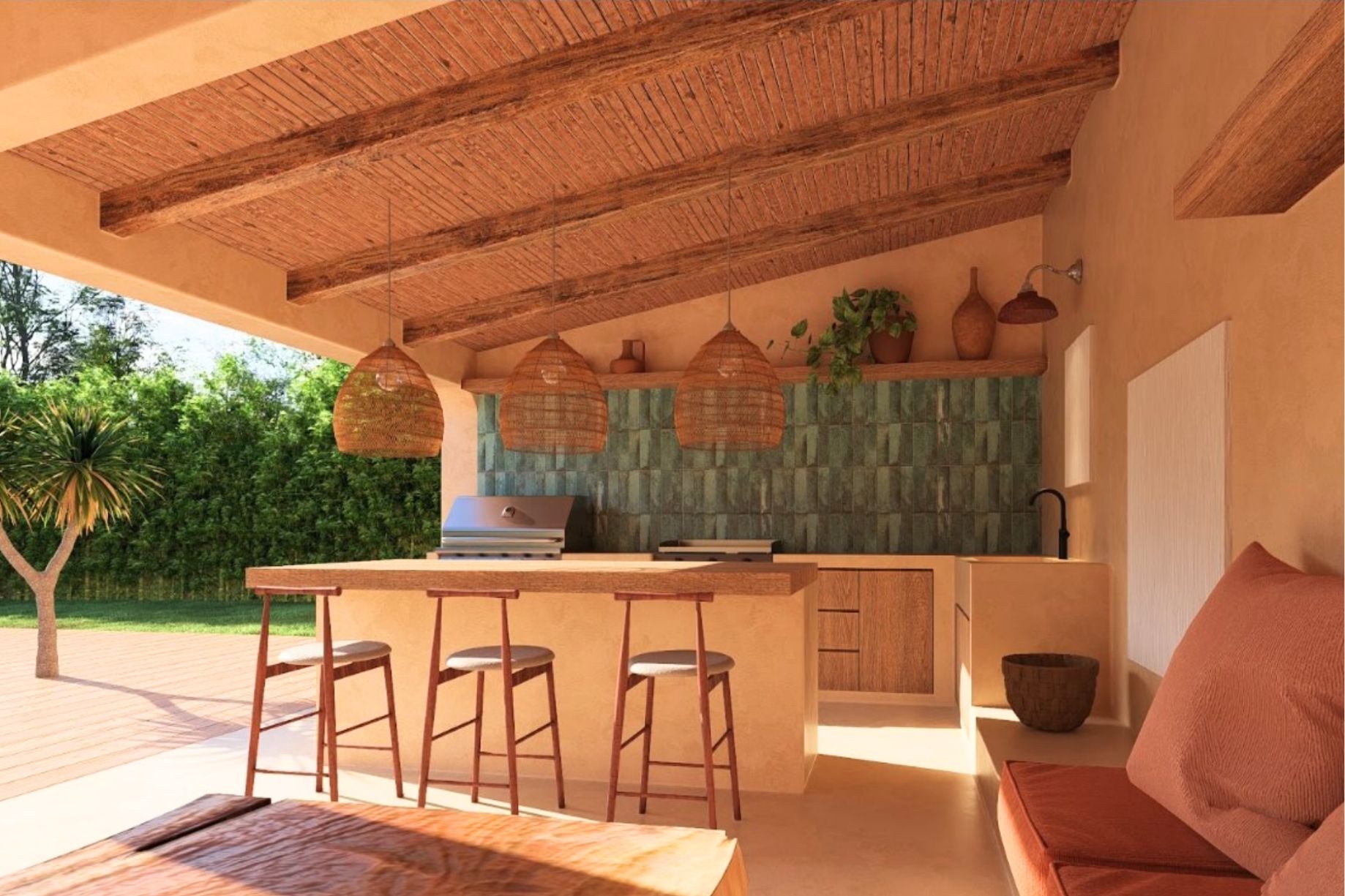

Verdizela, Costa de Lisboa, Portugal — 4-Bed Villa With Heated Pool & Wellness Area
€309,000



Playa d'en Bossa, Ibiza, Spain — 2-Bed Garden Apartment With Infinity Pool & Beach Club
€319,000


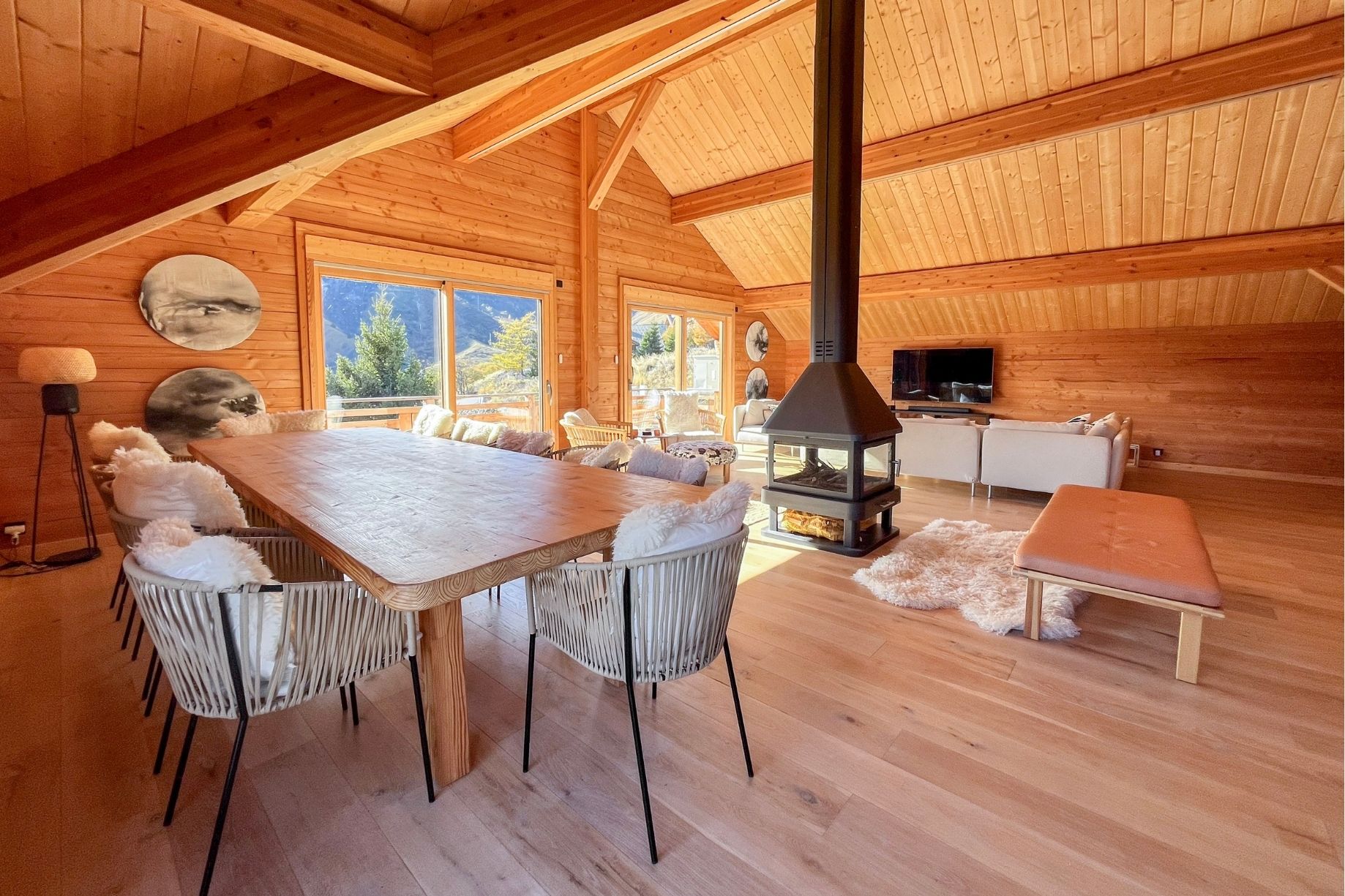
La Toussuire, Les Sybelles, France — 6-Bed Chalet With Panoramic Mountain Views & Hot Tub
€339,000
Check the few details that hold the day together
Once you have chosen an outline, open the original websites yourself. Confirm the museum’s opening for your exact day, any timed-entry requirement and the last admission. For lunch, check the restaurant’s own booking arrangements and make a reservation directly if that is your preference. Keep a suggested table and a confirmed table clearly separate in your notes.
A link is a starting point for checking, rather than proof that every sentence beside it is supported. Look for the actual statement on the page. If the page does not settle your question, contact the venue. This is particularly worthwhile for a special exhibition, a seasonal activity or a visit involving someone whose access requirements need a precise answer.
Confirm the anchors, leave the rest flexible. A timed museum ticket and a lunch booking may be all the structure you need. There is little benefit in giving a casual coffee stop the same weight as a reservation. Mark the essentials clearly and allow the rest of the day to respond to appetite, energy and something interesting you notice along the way.
Put every journey back on a real map
A proposed sequence can look tidy in a paragraph while making little sense on the ground. Enter each journey into a mapping service, using the correct starting point and transport mode. Check the return as well as the outward leg. A town-centre landmark is not necessarily a useful substitute for your home’s location when judging how much travelling an outing involves.
Read beyond the headline travel time. Consider the walk to a station, parking at the destination, the slope of a route and how comfortable everyone will be after lunch. Ask the assistant to revise the order if the map reveals unnecessary backtracking. Its role here is to help you reshape the day around information you have checked, rather than settle the route by description alone.
Google’s guidance also advises travellers to follow actual traffic rules and signs where directions are uncertain. For rail journeys, use the relevant operator’s current planner and service notices. In Great Britain, for example, National Rail recommends checking disruptions and future engineering works. The broader planning habit is useful wherever you travel: recheck the journey close to departure, especially when a connection is essential.
Ask for a shorter day and a second version
One of the most productive follow-up requests is also one of the simplest: “Remove a stop.” A plan that combines a market, a gallery, lunch, a boat trip and sunset somewhere else may leave very little room to enjoy any of them. Ask the assistant to keep the experience you care about most and suggest which optional visit to save for another stay.
Then request a second version for different conditions. A rainy-day alternative might keep the same lunch booking and replace an outdoor walk with an indoor visit, subject to its opening arrangements. A tired-day version might stay close to home altogether. Check forecasts and any relevant local warnings through the appropriate official service when deciding what to do; a proposed alternative is simply an option to have ready.
Leave room to change your mind. Imagine a hypothetical Saturday with a confirmed late-morning museum visit and lunch afterwards. The afternoon could remain unbooked, with a short stroll as one possibility and a return to the terrace as another. Ask the assistant to write those as choices. That small change makes the itinerary feel like an invitation, with time for another coffee if the conversation is going well.
Keep the home’s arrangements in their own place
An itinerary is about how you spend your stay. Your right to use the co-owned home comes from the property’s actual ownership and booking arrangements. Before planning around a particular week, confirm that your stay is secured through the proper process. A conversational assistant should not be used to infer annual nights, guest permissions or a right to change dates from the size of an ownership share.
For COP, the starting point is deeded co-ownership, often through an entity, with the details established in the relevant documents. Ask the management team about anything affecting arrival, guests or use of the home. Keep the confirmed answer with your stay information. An attractive day plan works best when the practical arrangements for getting into the property are already settled.
You can also keep the planning conversation pleasantly simple by leaving out door codes, alarm details, identity documents and other private material. A nearby public landmark may be sufficient for an initial shortlist; use the precise address in your own route check when necessary. Share preferences, keep access details private. The assistant needs to know that you prefer a quiet lunch, not how to unlock the front door.
Turn a useful plan into a personal collection
After the outing, save what you would actually recommend to your future self. Perhaps the museum deserved longer, the walk home was more pleasant than expected or lunch was the main event. Record those observations separately from the original suggestions. They are the beginnings of your own relationship with the place, built from experience rather than a fresh list generated each time.
On your next stay, ask for one new idea that fits around something familiar. Keep the restaurant you enjoyed and explore a different neighbourhood beforehand, or return to a favourite gallery with a shorter afternoon. Date any practical notes that may change, and check them again before relying on them. Familiarity makes planning easier without requiring the destination to remain exactly as you left it.
The aim is a day you are glad to have spent, followed by the pleasure of coming home. AI can be part of the preparation, while the choices remain personal and the important details stay connected to their original sources. If you are imagining a place to return to and gradually make your own collection of days out, browse COP’s current homes for a starting point.
More from Co-Ownership Property



Get in Touch
Speak to an expert
Tell us what you're looking for and we'll be in touch.