AI & Technology
Co-Owning a Ski Chalet in the Alps: A Buyer's Guide
Discover how co-owning a ski chalet in the European Alps cuts costs by 80% while delivering luxury living, rental income, and hassle-free property management.
The European Alps have long represented the pinnacle of luxury property ownership — a world of snow-dusted chalets, Michelin-starred mountain dining, and year-round outdoor adventure. But until recently, owning a ski chalet in resorts like Verbier, Méribel, or Kitzbühel was reserved for those with seven-figure budgets and the patience to manage a property that sits empty most of the year. That equation is changing fast, and the catalyst is co-ownership.
Co-owning a ski chalet means purchasing a real share — typically one-eighth — of a fully managed luxury property. You get real estate ownership that appreciates in value, around 45 days of personal use per year, and none of the headaches of full ownership. According to Knight Frank’s 2026 Alpine Property Report, the Alpine Property Index has risen 23% over five years, and prime prices are up 3.3% year-on-year. The question for smart buyers is no longer whether Alpine property is a good investment — it’s how to access it intelligently.
Market Intelligence
Why Alpine Ski Property Is Outperforming Almost Every Asset Class
Alpine ski property has quietly become one of Europe’s strongest real estate sectors. Knight Frank’s Alpine Property Index shows that prime residential prices across 26 resorts averaged €19,675 per square metre in 2025, with top-tier resorts like Gstaad reaching €47,300 per square metre. Over the past two decades, Robb Report notes that prime ski property prices have surged 150% — a figure that outstrips most traditional investment portfolios.
The growth is not uniform, and that creates opportunity. Andermatt leads the pack at 14.6% annual growth, driven by its transformation into a year-round luxury destination. Cortina d’Ampezzo is up 10% year-on-year, buoyed by the 2026 Winter Olympics. French stalwarts like Méribel (7.1% growth) and Alpe d’Huez (5.7%) continue their steady climb. For co-ownership buyers, this means every share benefits from the same capital appreciation as full owners — but at a fraction of the entry price.
What’s driving this? Savills’ 2025/26 Ski Report identifies three converging forces: surging year-round demand as remote work normalises mountain living, limited new supply due to planning restrictions across Alpine nations, and growing international buyer pools from Asia and the Middle East competing with traditional European and American purchasers.
23%
Five-year growth in the Alpine Property Index, per Knight Frank’s 2026 report
€19,675/m²
Average prime residential price across 26 Alpine resorts in 2025
45 Days
Approximate annual personal use with a typical one-eighth co-ownership share
Resale
Shares are resold through our partner’s resale process — vs 12–18 months for full property sales
Investment Strategy
The Economics of Co-Owning vs Full Ownership in the Alps
Let’s put real numbers to the comparison. A luxury four-bedroom chalet in a prime French Alpine resort might cost €2 million or more to buy outright. Annual running costs — management, maintenance, insurance, local taxes — can easily reach €30,000 to €50,000. Then there’s the uncomfortable truth: most second-home owners use their property for fewer than 30 days per year, meaning the property sits empty for over 90% of the time.
Co-ownership transforms this equation entirely. A one-eighth share in the same property starts from around €250,000. Running costs are split proportionally, so your annual outlay drops to roughly €4,000–€6,000. You still get approximately 45 days of personal use — more than most full owners actually achieve. And because co-ownership properties are fully managed, you never deal with finding cleaners, coordinating maintenance, or handling rental logistics.
The capital freed up by choosing co-ownership is significant. The difference between €2 million and €250,000 is €1.75 million that can remain invested in diversified portfolios, pension contributions, or even additional fractional ownership shares across multiple destinations. Many of the buyers we work with at Co-Ownership Property hold shares in two or three properties — a ski chalet, a beach lifestyle villa, and perhaps a city lifestyle apartment — for less than the cost of a single full-ownership holiday home.
Alpine Resort Price Growth — Year-on-Year (Knight Frank 2026)
Andermatt, Switzerland
Cortina d’Ampezzo, Italy
Davos, Switzerland
Méribel, France
Alpe d’Huez, France
How It Works
The Legal Structure Behind Alpine Co-Ownership
Understanding the legal framework is critical for confident buying. When you purchase a co-ownership share, you own a real share of the home — an eighth, a quarter — not a right to use it. You can sell it, pass it on to your heirs, and it rises and falls in value with the house. It is fundamentally different from a timeshare, which typically offers only a right-to-use licence with no ownership of the physical property.
The legal set-up is arranged by our partner for each home and walked through with you before you buy. Whether you’re a British buyer purchasing in France, an American investing in Austria, or a European diversifying into Swiss resorts, how tax works depends on the country and the home’s legal set-up, which our partner explains before you buy; we recommend independent advice.
Crucially, each co-owner can sell their share on the open market at market price. The management company first offers the share to existing co-owners in the property, then lists it more broadly. Resale is handled through our partner’s resale process, without you having to sell the whole house — a full Alpine property can take 12 to 18 months to sell in slower markets. This exit strategy flexibility is a major draw for buyers who want exposure to Alpine property without buying a whole chalet.
“The smartest buyers aren’t choosing between owning a ski chalet and not owning one. They’re choosing between tying up €2 million in a single property or investing €250,000 in a managed share — and keeping the rest working for them.”
Lifestyle
What 45 Days in a Luxury Alpine Chalet Actually Looks Like
The co-ownership experience is designed to feel like arriving at your own home every time. Booking windows depend on the home and our partner. Fresh linens, a stocked kitchen, and your preferred room configuration are all arranged before arrival.
Those 45 days per year offer extraordinary flexibility. Spread them across the winter ski season for world-class piste access, the summer hiking and cycling months when the Alps come alive with wildflower meadows and mountain biking trails, or the shoulder seasons for spa retreats and gastronomic escapes. Many co-owners we speak to are surprised to discover that Alpine resorts now generate nearly as much visitor traffic in summer as winter — a trend that Knight Frank attributes to the rise of year-round mountain living.
The properties themselves are turnkey luxury. We’re talking about designer interiors, hot tubs with mountain views, professional-grade kitchens, and proximity to the best ski lifts and village centres. At Co-Ownership Property, every listing on our chalets and villas portfolio has been fully renovated and furnished to an exacting standard. You are not buying a fixer-upper — you are buying into a ready-made Alpine lifestyle.
| Factor | Full Ownership | Co-Ownership (1/8 Share) |
|---|---|---|
| Entry Price (4-bed chalet) | From €2,000,000+ | From around €250,000 |
| Annual Running Costs | €30,000–€50,000 | 1/8 of the costs, fully managed |
| Personal Use (Days/Year) | Unlimited (avg ~25 used) | ~45 days |
| Property Management | Owner’s responsibility | Fully managed, included |
| Resale Timeline | 12–18 months typical | Through our partner’s resale process |
| Capital Appreciation | 100% exposure | 100% proportional exposure |
Resort Guide
Where to Co-Own: Europe’s Top Alpine Markets for Fractional Buyers
Not all Alpine resorts are created equal, and choosing the right location for co-ownership depends on your lifestyle priorities, budget, and investment goals. French Alps properties remain the most popular choice for co-ownership buyers, with resorts like Méribel, Courchevel, and Chamonix offering a combination of world-class skiing, vibrant village life, and strong rental demand. France’s steady 1.2% annual price growth is lower than Switzerland’s, but entry prices are also more accessible — making it ideal for first-time co-owners.
For buyers seeking maximum capital growth, Swiss resorts lead the field with 5% average annual appreciation. Andermatt’s meteoric rise — 14.6% in the latest year — is fuelled by massive infrastructure investment from Egyptian billionaire Samih Sawiris, who has transformed the former military town into a luxury destination anchored by The Chedi hotel and a year-round concert hall. Verbier and Gstaad remain perennial favourites among ultra-high-net-worth buyers.
Austrian properties offer a compelling middle ground: lower entry prices than France or Switzerland, excellent snow reliability across the Tyrol and Salzburgerland, and a warm, family-friendly culture that appeals to buyers seeking authenticity over glamour. Meanwhile, Italian resorts like Cortina d’Ampezzo — host of the 2026 Winter Olympics — are experiencing a renaissance, with Mandarin Oriental and Four Seasons both launching branded residences in the region.
2014–2018
Branded Residences Arrive in the Alps
The Chedi Andermatt pioneered hotel-branded Alpine residences, proving demand for managed luxury property in ski resorts.
2019–2020
Remote Work Transforms Mountain Demand
The pandemic accelerated a shift already underway — affluent professionals began treating Alpine homes as year-round bases, not just winter escapes.
2021–2023
Fractional Ownership Goes Mainstream
Europe’s fractional property platforms grew to a €650 million market. Co-ownership emerged as a credible, regulated alternative to full ownership.
2024–2025
Supply Squeeze Meets Soaring Demand
Planning restrictions limited new builds across Swiss, French, and Austrian resorts. Prices surged 23% over five years as international buyers competed for limited stock.
2026 & Beyond
The New Normal: Shared Luxury
With nearly three-quarters of high-net-worth individuals considering full-time Alpine living, co-ownership provides the smart entry point into a market that shows no sign of cooling.
Hassle-Free Ownership
Full Management: Why You’ll Never Worry About Your Chalet Again
One of the most underappreciated advantages of co-ownership is the total elimination of property management stress. Anyone who has owned a second home knows the reality: emergency plumbing calls at midnight, scrambling to find reliable cleaners before guests arrive, insurance renewals, tax filings in a foreign language, and the nagging guilt of a property deteriorating while you’re not there.
With co-ownership through Co-Ownership Property, everything is handled for you. Professional management covers cleaning, maintenance, seasonal preparation (critical in Alpine environments where snow loads, frozen pipes, and heating systems require expert attention), admin, tax compliance, and — where applicable — rental management. You never need to contact or coordinate with your co-owners. The management company handles all inter-owner logistics, scheduling, and property upkeep. Your only job is to book your stays and enjoy them.
The running costs are split proportionally across all co-owners. A one-eighth owner pays one-eighth of everything — from the annual chimney sweep to the property tax bill. This shared-cost model makes luxury Alpine property ownership dramatically more affordable than going it alone, and it ensures the property is maintained to the highest standard year-round, protecting everyone’s investment.
Rental Income
Earning From Your Chalet When You’re Not There
Many Alpine co-ownership properties are eligible for holiday rental income during the weeks you’re not in residence. This is fully managed — you don’t list the property on Airbnb, deal with guest enquiries, or wash sheets. The management company handles everything, and income is shared proportionate to your ownership stake.
Alpine rental demand has strengthened considerably in recent years. Savills reports that prime ski properties now achieve 20–24 weeks of annual occupancy, up from 12–14 weeks historically, thanks to year-round tourism. While rental income should never be the primary reason for buying — and no specific returns can be guaranteed — it provides a welcome contribution towards running costs, effectively reducing your net cost of ownership even further.
Getting Started
How to Start Your Alpine Co-Ownership Journey
The buying process is straightforward and guided at every step. Begin by browsing available Alpine properties on Co-Ownership Property’s platform to identify locations and price points that match your lifestyle. Book a free consultation to discuss your goals — whether that’s a family ski base, a retirement retreat, or a portfolio diversification play.
During consultation, our specialists walk you through specific property options, how ownership works, tax implications for your jurisdiction, booking logistics, and resale provisions. There’s no obligation and no pressure. Many of our buyers spend several months exploring options before committing — and that’s exactly the approach we encourage. This is a significant lifestyle decision, and getting it right matters more than getting it fast. To explore what’s currently available, visit our all properties page or read co-ownership case studies from buyers who’ve already made the move.
Common Questions
Frequently Asked Questions
Is co-owning a ski chalet the same as a timeshare?
No — and this is the most important distinction to understand. A timeshare typically gives you a right-to-use licence, often tied to fixed weeks and a points system, with no ownership of the actual property. Co-ownership means you own a real share of the home itself. You own a genuine stake in a physical asset that appreciates in value, and you can sell your share on the open market.
How do I book my stays at the chalet?
Booking is handled through a dedicated app. Booking windows depend on the home and our partner. When you arrive, your personal belongings are taken out of storage and the home is prepared for you.
What happens if I want to sell my share?
You set the price. Your co-owners get the first chance to buy at that price; if they pass, it goes on the open market. If none are interested, it’s listed for sale more broadly. Resale is handled through our partner’s resale process, without you having to sell the whole house.
Do I have to deal with the other co-owners?
Not at all. The professional management company handles all coordination between owners — from booking schedules to maintenance decisions. You never need to contact or negotiate with your co-owners directly.
Can the chalet be rented out when I’m not using it?
In many cases, yes. Holiday rental is fully managed and income is shared proportionate to your ownership stake. Availability depends on local regulations and the specific property. Your specialist can advise on rental potential during consultation.
What are the annual costs of co-owning a ski chalet?
All costs — maintenance, insurance, property tax, management fees — are split proportionally among co-owners. For a one-eighth share, running costs are shared equally between the co-owners and handled by our partner. This covers everything including professional management.
Explore Alpine Co-Ownership Properties
Whether you’re seeking a luxury ski chalet in the French Alps, a Swiss mountain retreat, or an Austrian Tyrolean hideaway, Co-Ownership Property curates fractional shares in the finest Alpine homes.
Browse PropertiesMore from Co-Ownership Property
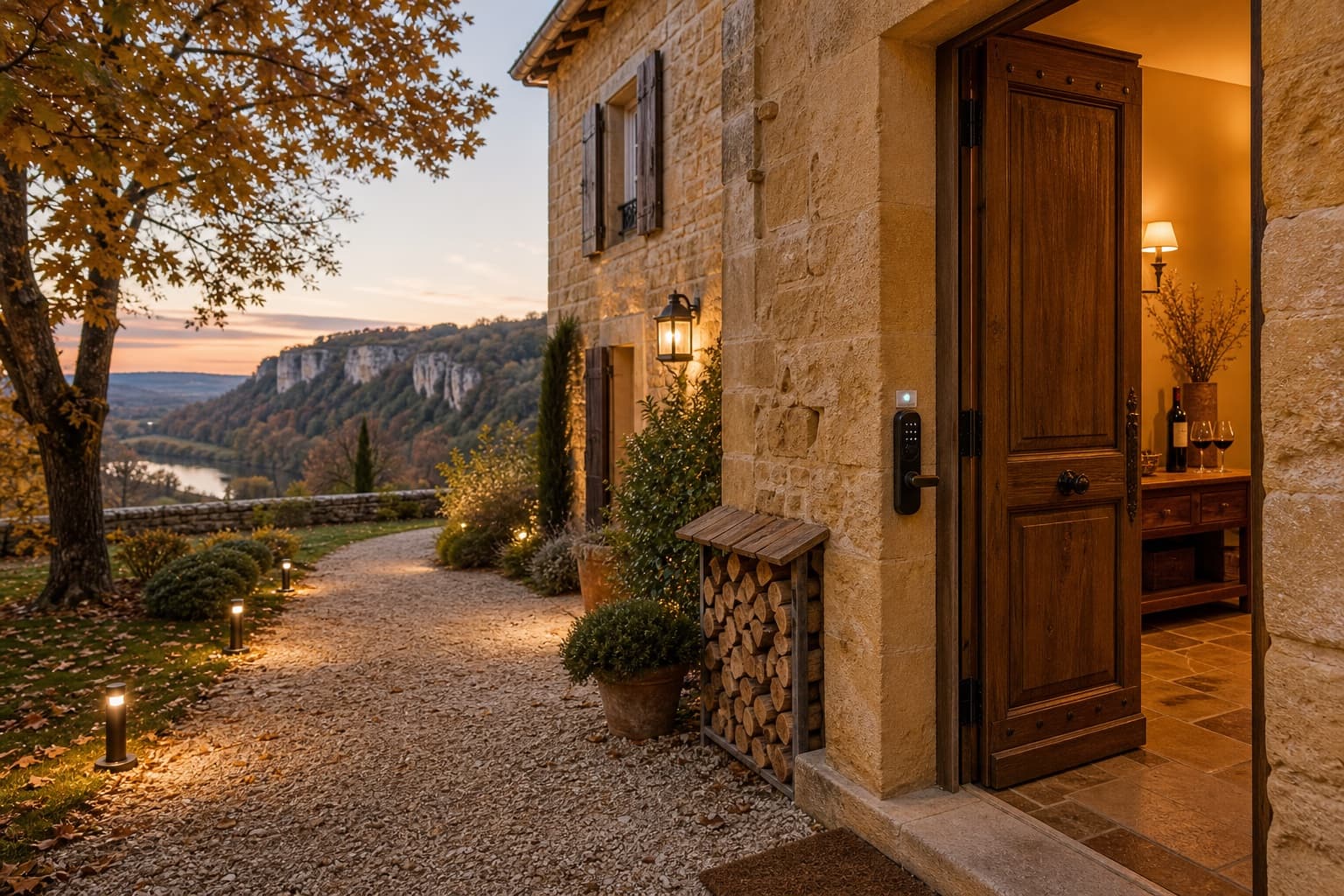

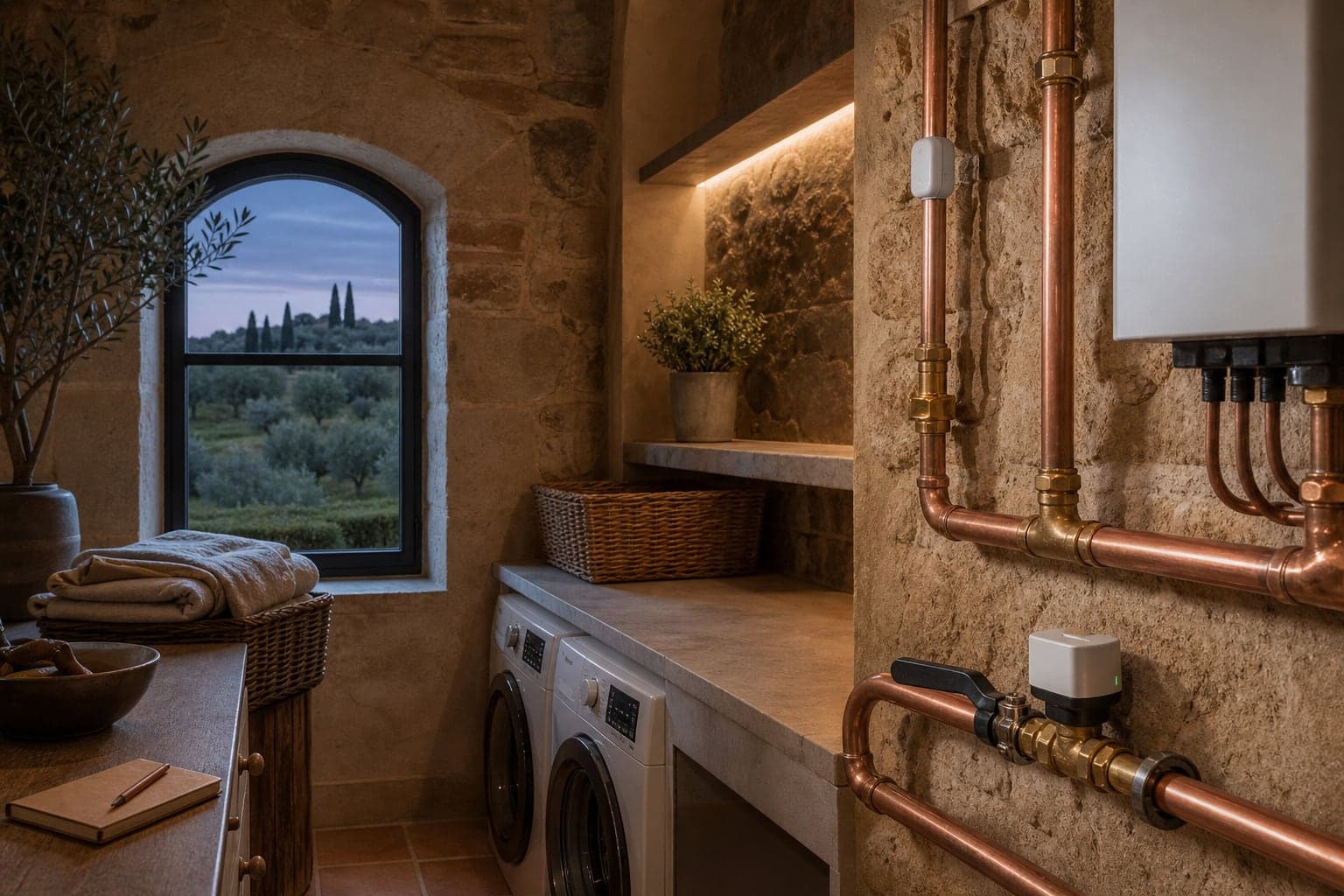
Get in Touch
Speak to an expert
Tell us what you're looking for and we'll be in touch.