Co-Ownership Basics
Room for Friends in Your Co-Owned Holiday Home
Choose a home that suits time together, with a thoughtful layout and clear arrangements for the people you would like to invite.
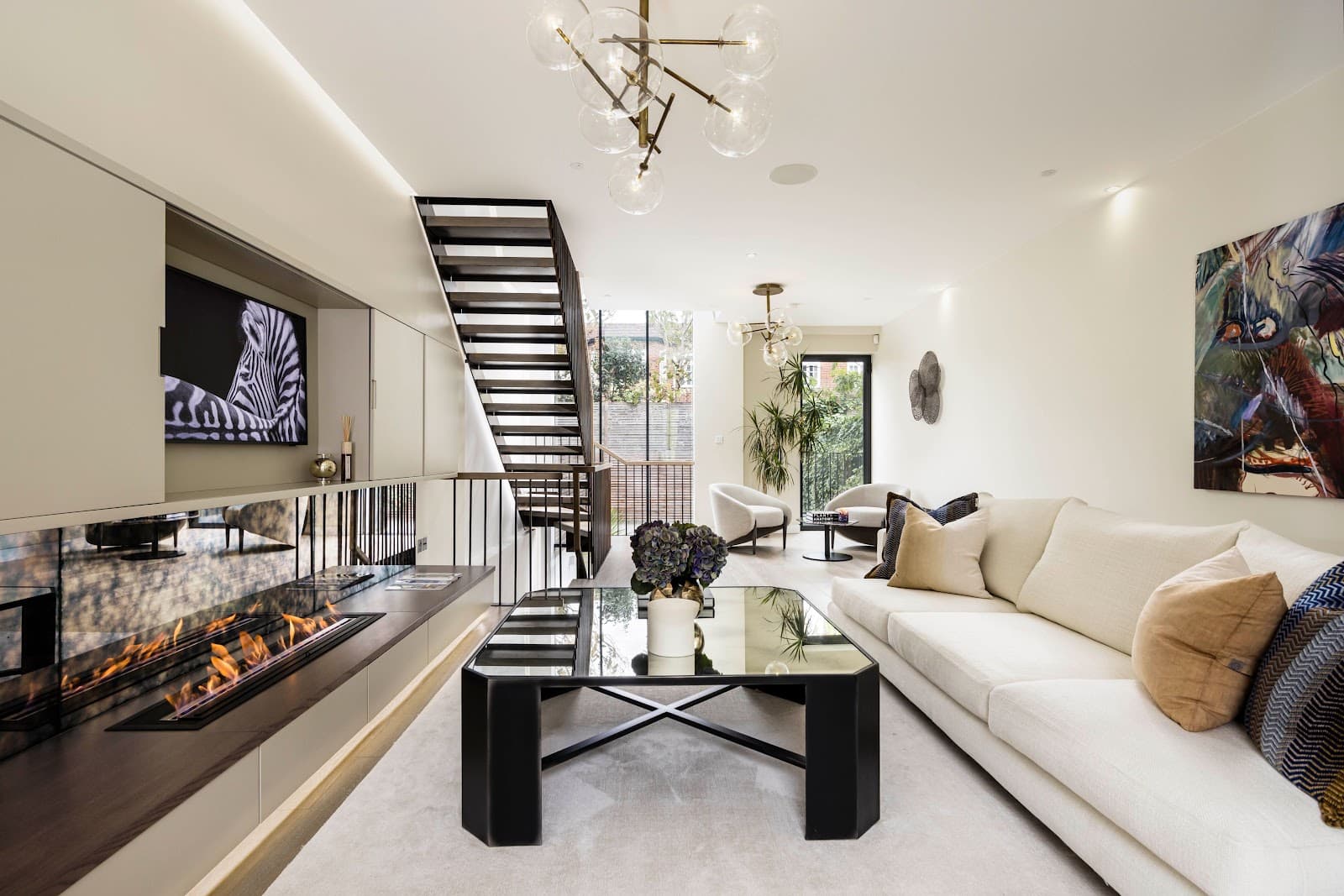
COP’s current Chelsea house listing has four bedrooms arranged across five floors, with a separate kitchen and dining level and a private courtyard. Those details tell you more about a weekend with friends than the bedroom count alone. You can begin to picture people gathering for supper, finding a quiet corner afterwards and coming down at different times for breakfast.
Having a familiar home to share is one of the pleasures that can draw people towards co-ownership. A visit becomes more personal when you can invite someone into your own holiday routine: the first coffee, a walk you enjoy and an evening that does not have to end when a restaurant closes. Choosing the right home for that experience means considering both the rooms and the arrangements that govern your stay.
Picture the people before counting the bedrooms
Start with the visits you would genuinely like to host. A couple joining you for two nights, adult children arriving separately and a family bringing a toddler create quite different requirements. Imagine one realistic occasion rather than the largest gathering you could theoretically squeeze into a house. You are choosing a setting for comfortable time together, not trying to occupy every available bed.
Think about privacy as well as numbers. Two friends may be happy sharing a room, while another party needs separate sleeping spaces. Someone who wakes early may value a route to the kitchen that does not disturb everyone else. A guest who works for an hour before breakfast might appreciate a door they can close more than a larger bedroom.
Choose for your usual company. If most stays will be just the two of you, assess how the house feels then as well. Extra rooms can be useful, but they should support the way you expect to use the property across the year. A home that suits both an ordinary visit and an occasional invitation offers a more convincing fit than one chosen entirely around a hypothetical reunion.
Read the floor plan as a day together
A floor plan becomes more informative when you give it a timetable. Where does an early riser make tea? Can someone rest while others talk in the living room? How far is a bedroom from the bathroom, the dining table and the outdoor space? Trace those small journeys rather than relying only on photographs of attractive individual rooms.
The Chelsea example makes this especially clear. Its published description places the principal living space on the upper ground floor and the kitchen and dining area one level below. A lower level contains a family room, home office and an en suite bedroom; two further bedrooms are on the first floor, with the primary suite at the top. That is a particular pattern of living, with stairs as part of the day.
A bedroom count is only the beginning. For some groups, separation between sleeping areas will be welcome. For others, keeping everyone closer to the same level matters more. Confirm the actual layout, bed configurations and any access needs with COP. Do not treat an office, extra room or sofa as an approved sleeping place unless the property’s documented arrangements say that it is.
Homes for sale now
The newest homes you can own a piece of
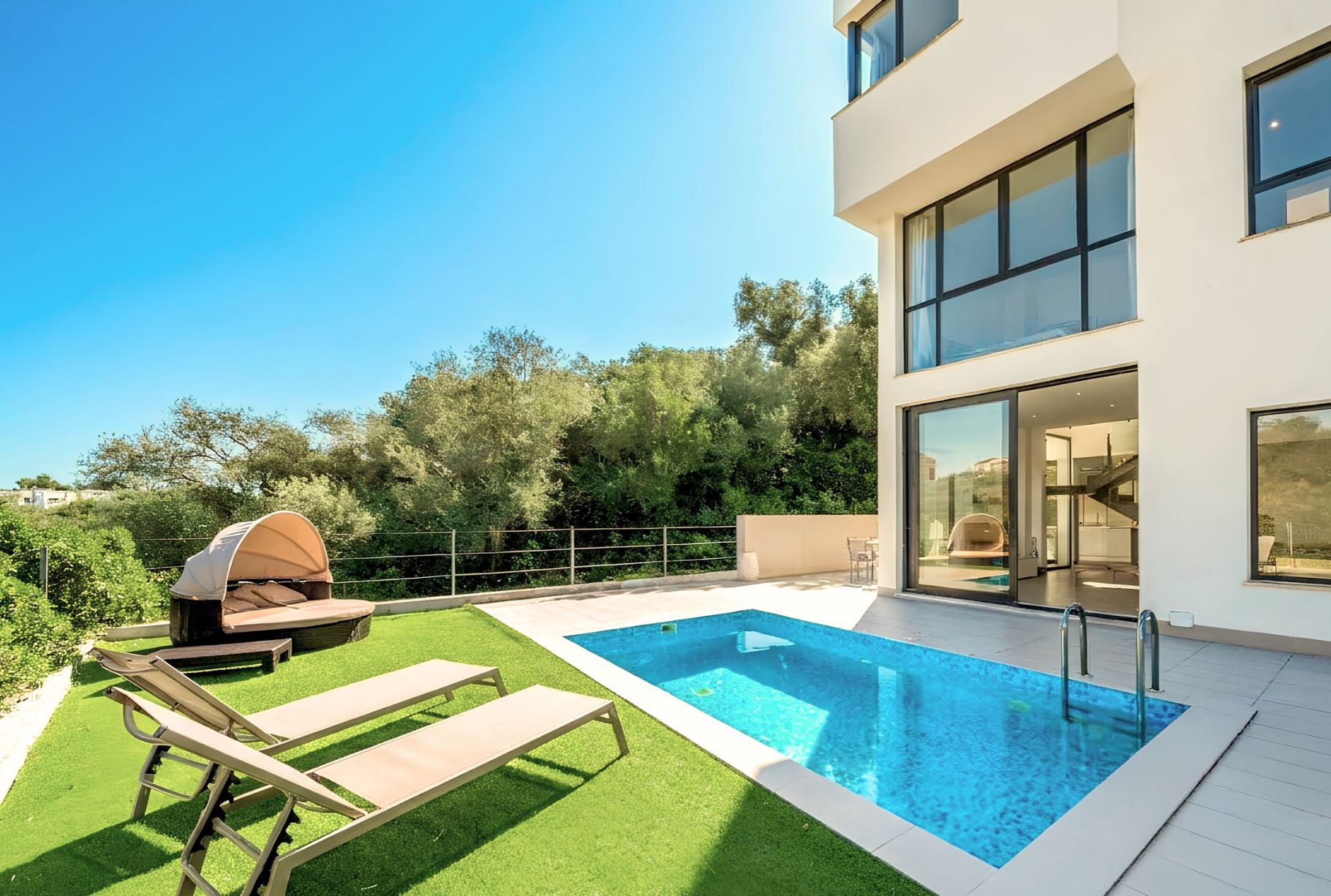
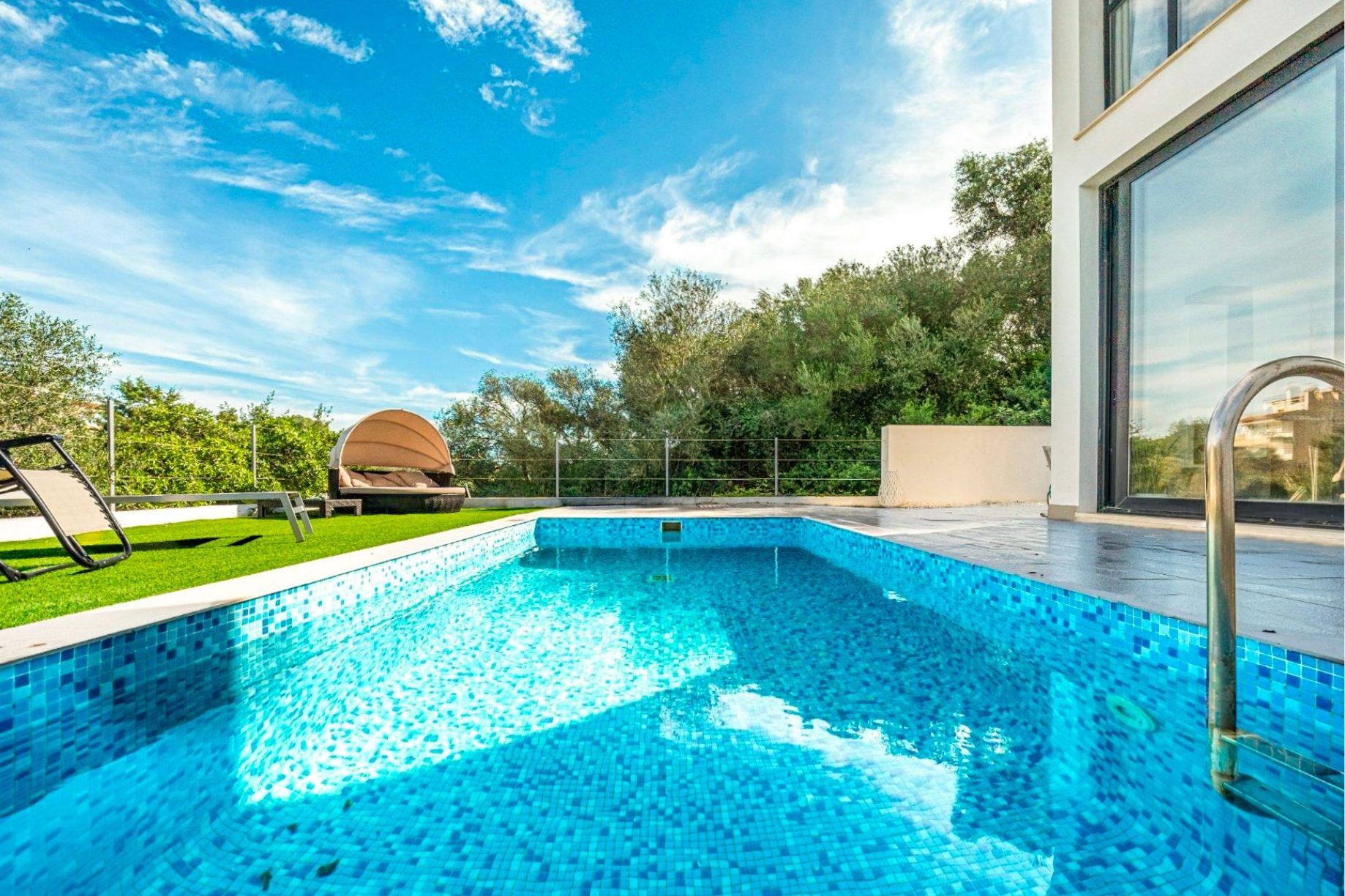
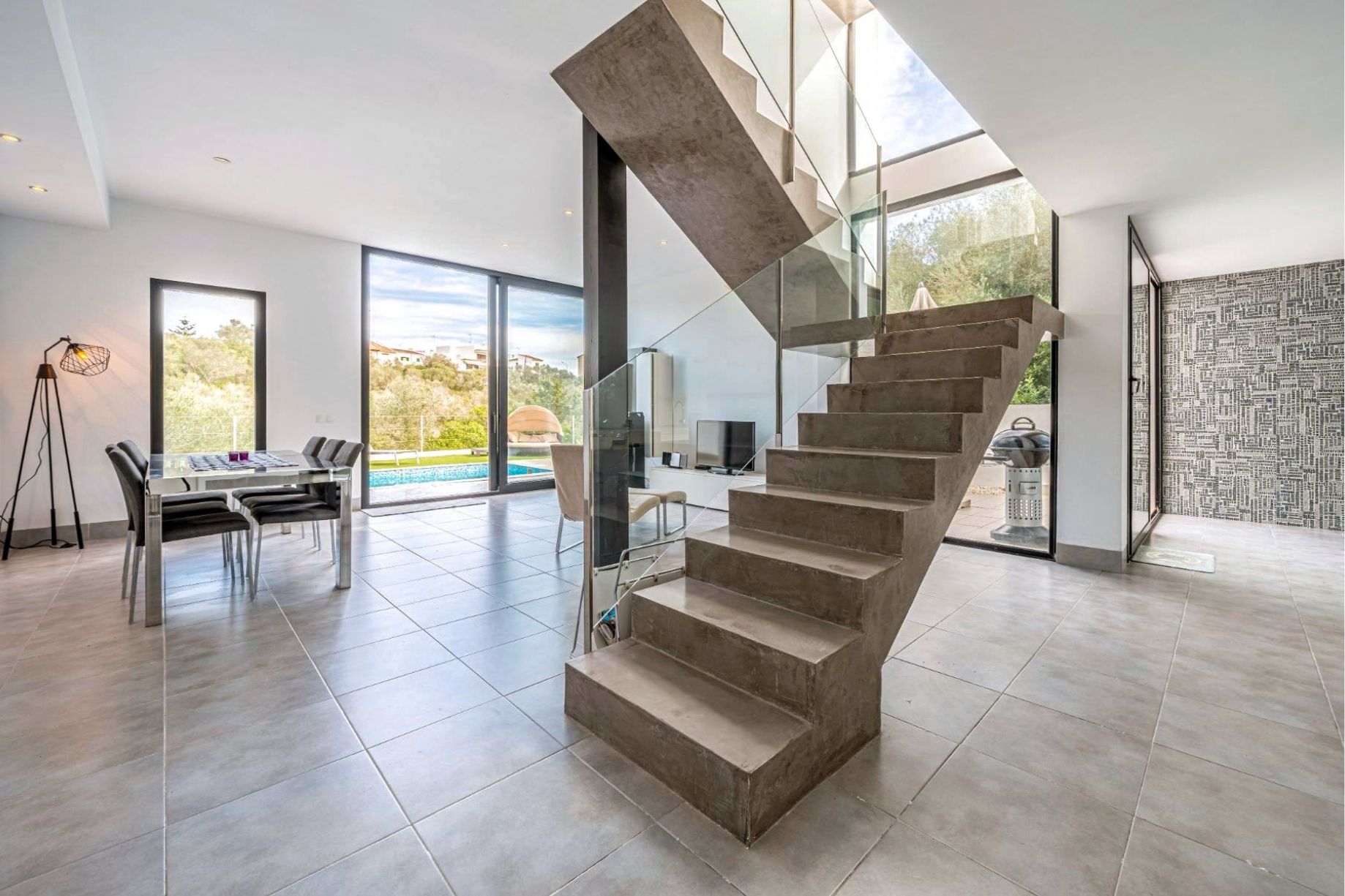
Portocolom, Mallorca, Spain — 2-Bed House With Heated Pool & Private Garden
€159,000



Gera Lario, Lake Como, Italy — 2-Bed Garden Apartment With Lake Views & Shared Pool
€124,000

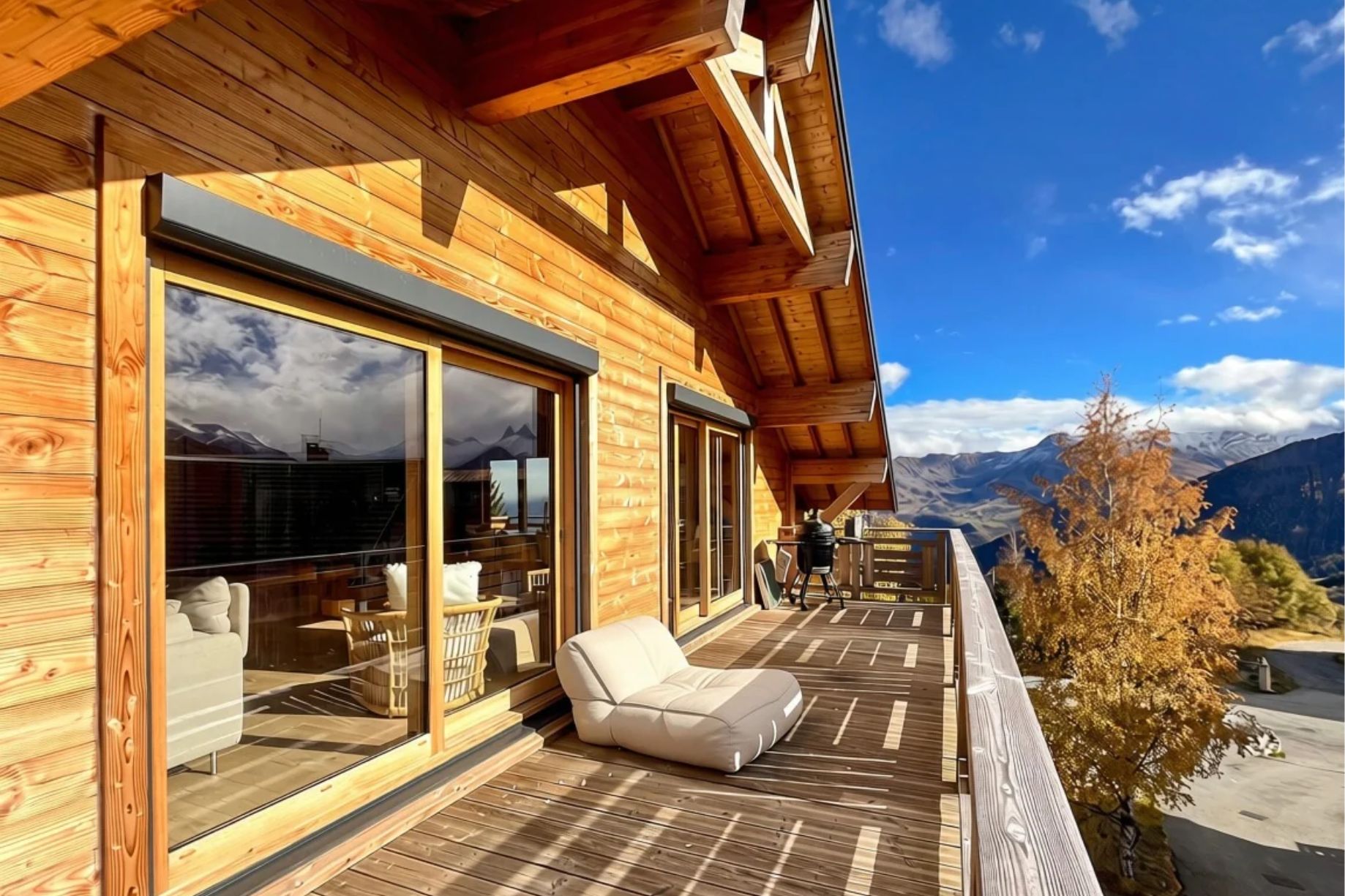
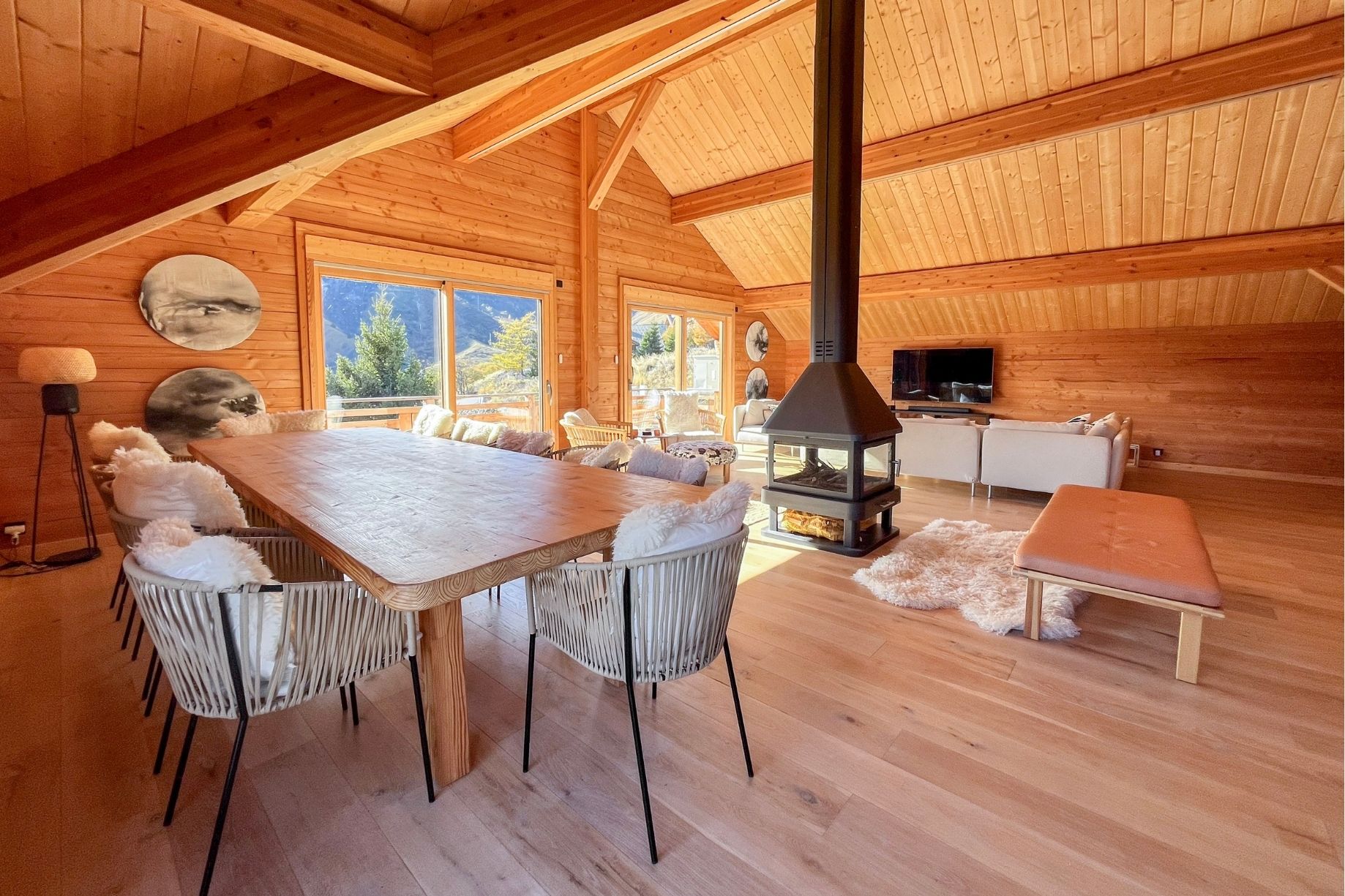
La Toussuire, Les Sybelles, France — 6-Bed Chalet With Panoramic Mountain Views & Hot Tub
€339,000
Look for places to gather and places to pause
A good shared weekend has room for both conversation and silence. Look at the dining space and ask whether it accommodates your intended party comfortably. Then consider the living room: enough seats for everyone is more useful than a photograph taken from a flattering angle. If several guests enjoy reading, see whether there is somewhere to sit away from the main conversation.
Outdoor space can give a stay another dimension. In the Chelsea house, the listing identifies a private courtyard reached from the kitchen. That relationship is worth considering during a viewing: how easily could you carry lunch outside, and where would you sit afterwards? Elsewhere, a balcony, terrace or garden may serve a similar purpose, subject to its actual size and permitted use.
Distinguish the home’s own spaces from communal facilities. A pool shared with other residents does not become reserved for your party because you have invited friends. Ask how guest access works wherever a development has shared amenities. Space to spend time apart can be just as valuable as a generous table, particularly when people have different ideas about how much of the day to spend together.
Confirm the invitation before sending it
Before offering dates, secure your own stay through the property’s booking process and check the guest provisions. Find out the permitted occupancy, whether guests must be registered and whether any approval is needed. Ask separately about visitors joining you during the day and people staying overnight; they are different situations, and the relevant documents should make the position clear.
It is also worth separating hosting from giving someone the use of the home without you present. Do not infer that permission for accompanied guests includes an unaccompanied stay, or that either arrangement permits paid letting. Ask the management team to explain the rules that apply to the specific property and keep the answer with your stay information.
COP concerns deeded property co-ownership, often through an entity, with rights and responsibilities established in the relevant documents. Let confirmed arrangements shape the invitation. There is no need to turn a friendly message into formal paperwork, but knowing the dates, party size and applicable conditions first lets you invite people with confidence about what you can offer.
Make the first evening easy to join
The arrival evening sets the tone. Ask when everyone expects to reach the home and whether they would prefer supper waiting or a little time to settle in. A simple meal is often easier than a reservation that depends on several journeys running perfectly. Think about what can be prepared in advance without keeping the host in the kitchen for the entire evening.
Check the practical provision through the management team: linen for the confirmed party, towels, any requested children’s equipment and the arrangements for separate arrivals. Establish whether there are extra charges associated with your plans before promising an all-inclusive visit. A professionally managed home still has its own service scope; knowing it helps you make the most of the assistance available.
Give guests a short introduction when they arrive. Show them the rooms they will use, the contact for a practical problem and the property’s emergency information. The London Fire Brigade’s home guidance emphasises having an escape plan and making additional arrangements for anyone who may need help. Follow the property-specific instructions so that a brief orientation can be clear and reassuring.
Keep one meal and leave some freedom
A successful visit does not require everyone to follow the same itinerary. You might agree on dinner together and let the morning unfold separately. Some guests will want to explore; others may be delighted to sit with a book. Having a home as the meeting point can make those different preferences easier to accommodate without repeated negotiations over where to regroup.
Discuss meals in the same practical spirit. Ask about dietary preferences before shopping, decide whether you want to cook together and agree any contribution to shared groceries in whatever way feels comfortable for the group. Clear, ordinary conversations leave more space for the things you actually want to do together. They also help avoid an enthusiastic host taking on more work than intended.
Hospitality can have a light touch. A favourite walk, one planned supper and time at home may be enough to make a short stay feel personal. Leave guests a little opportunity to contribute, whether that is choosing breakfast, making coffee or suggesting an outing. The pleasure lies in sharing the place, rather than presenting a programme that everyone must complete.
Choose a home you will enjoy after the guests leave
Finally, imagine the quieter day after your friends depart. Is this still somewhere you would look forward to spending time? The same living room, kitchen and outdoor space should make sense for your own routine. Hosting is a valuable part of the picture, but your experience as an owner will include many less eventful mornings as well.
When discussing a property, bring a concrete example of a visit you would like to host. Ask how the layout, booking provisions, occupancy and management services would work for that occasion. For the Chelsea house, four bedrooms across five floors may suit some parties particularly well; another household might prefer a different arrangement. A useful viewing makes those preferences clearer rather than assuming that more rooms automatically means a better choice.
A co-owned holiday home can offer the pleasure of welcoming familiar faces into a place that is becoming familiar to you too. With the right fit, the invitation is simple: come for a few days, we will have supper together and see what tomorrow brings. If that is part of the ownership experience you imagine, explore COP’s current homes with your own guest list in mind.
More from Co-Ownership Property
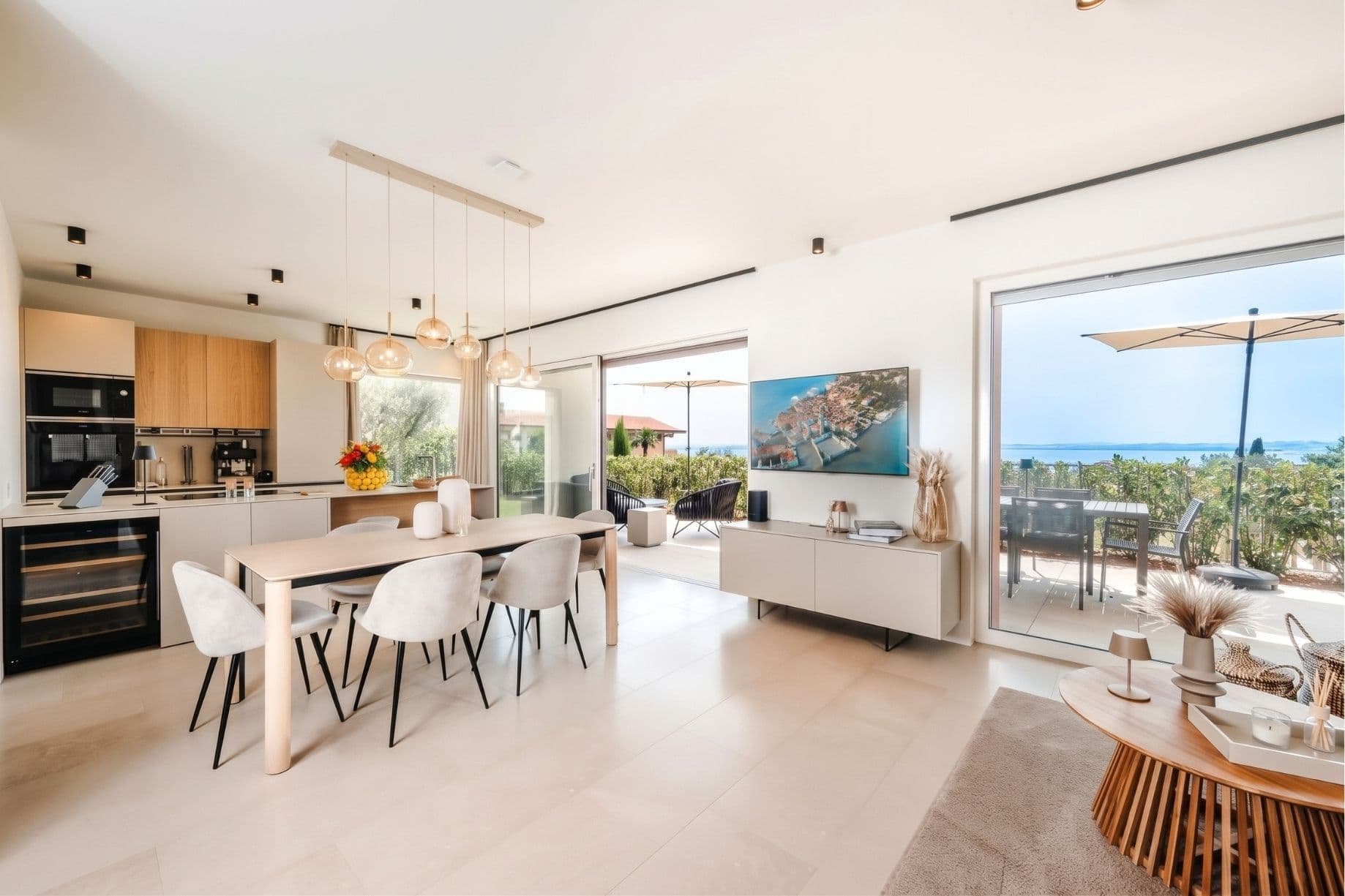

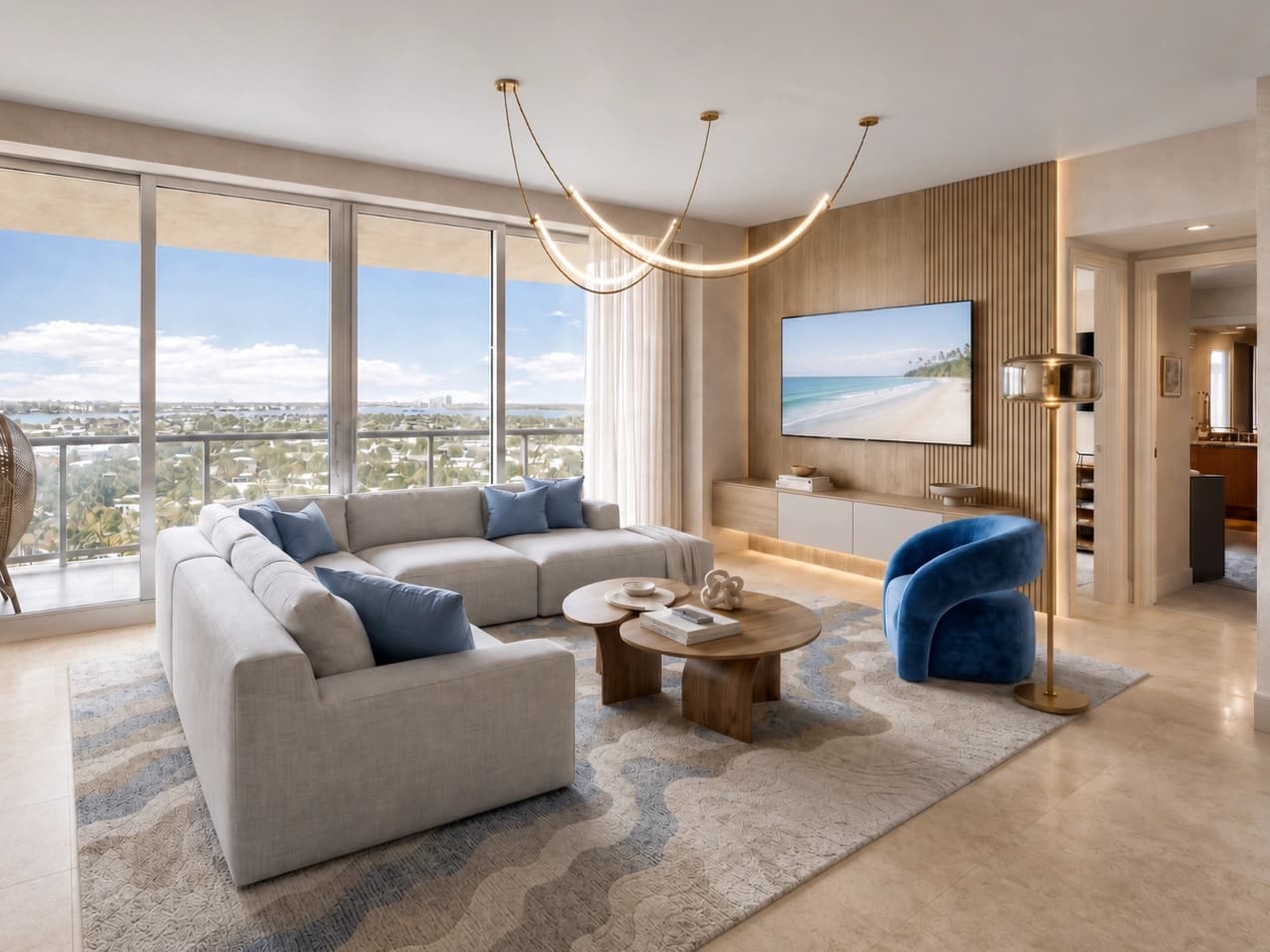
Get in Touch
Speak to an expert
Tell us what you're looking for and we'll be in touch.