Properties & Destinations
Co-Ownership vs Buying the Whole House
Discover why affluent buyers are choosing co-ownership over full second-home ownership. The membership model for luxury property delivers more for less.

There is a well-worn analogy in the world of luxury lifestyle: why buy the entire private members” club when a membership gives you everything you need? Annabel”s in Mayfair charges around £3,250 a year for access to one of London”s most prestigious social venues — a fraction of what it would cost to own the building. The same logic is now reshaping how affluent buyers approach second-home ownership, and co-ownership is leading the charge.
The average luxury second home sits empty for ten months of the year, according to industry research. Owners pay 100% of the purchase price, 100% of the maintenance, and 100% of the headaches — for a property they use barely 39 nights annually. Meanwhile, a new generation of buyers is asking a smarter question: what if you could enjoy the same luxury lifestyle, the same real ownership, and the same potential for appreciation — but at a fraction of the cost and with none of the hassle? Welcome to the membership model for luxury property, and it is transforming the market.
Market Shift
From Full Ownership to the Membership Era
The shift from full ownership to shared access is not limited to holiday homes. It is the defining consumer trend of the decade. McKinsey & Company projects that subscription and access-based models will account for over 30% of retail and consumer goods revenue, and the luxury property sector is following suit. Gen Z consumers — 78% of whom use sharing apps monthly — are pioneering what the VML Future 100 report calls “shared luxury”: fractional access to jets, supercars, and holiday homes, prioritising connection and experience over sole possession.
But this is not just a millennial or Gen Z phenomenon. The Coldwell Banker Global Luxury 2026 Trend Report reveals that Gen X and Millennials stand to inherit $4.6 trillion in global real estate wealth over the next decade, with the United States capturing 52% of that transfer. Many of these inheritors are choosing to deploy that capital more efficiently — investing in co-ownership shares rather than sinking millions into a single property they rarely visit.
The membership model for property works exactly like an elite private members” club. You pay for real ownership of a real asset — not points, not timeshare weeks, but a real share of a luxury home. You get guaranteed access, professional management, and all the benefits of ownership. The only difference is you share the costs with a small group of like-minded co-owners, and the property is professionally managed on your behalf.
10 Months
Average time a luxury second home sits completely empty each year — over 300 days of wasted potential.
45 Days
Approximate annual personal use per 1/8th co-ownership share — more than the average full owner actually uses their second home.
$4.6T
Global real estate wealth transferring from Boomers to Gen X and Millennials over the next decade (Coldwell Banker 2026).
6.9%
Compound annual growth rate of the global luxury real estate market through 2035, with North America capturing 30% of share.
The Numbers
What Full Second-Home Ownership Really Costs
Before understanding why co-ownership makes sense, it helps to see the true cost of going it alone. A luxury holiday home on the Costa del Sol or in the French Alps is not just the purchase price. Annual maintenance runs at 1% to 2% of the property”s value — meaning a €1 million villa costs €10,000 to €20,000 a year just to keep in good condition. Insurance premiums for second homes can be two to three times higher than primary residences, thanks to vacancy risk.
Then there is property management. If you decide to rent the property when you are not there, management fees typically consume 20% to 40% of rental income. Factor in local taxes, utilities running in an empty property, garden maintenance, pool servicing, and the occasional emergency repair, and the true annual running cost of a luxury second home can easily exceed €30,000 to €50,000 — for a property you might visit six or seven times a year.
According to research from Gitnux, 25% of second-home owners use their property for fewer than two weeks per year. That means a quarter of luxury second-home owners are paying full price for what amounts to a very expensive holiday let — to themselves.
True Annual Cost: Full Ownership vs Co-Ownership (€1M Property)
Full Ownership — Purchase Price
Full Ownership — Annual Running Costs
Co-Ownership — 1/8th Share Price
Co-Ownership — Annual Running Costs
Full Owner — Average Nights Used
Co-Owner — Guaranteed Access
The Solution
How Co-Ownership Delivers the Membership Advantage
Co-ownership transforms this equation entirely. When you purchase a one-eighth share in a luxury property, you own a real share of the home. This is real property on the balance sheet — it appreciates, it can be sold on the open market, and it provides a genuine stake in a tangible asset. But instead of shouldering 100% of the costs, you pay a proportionate fraction.
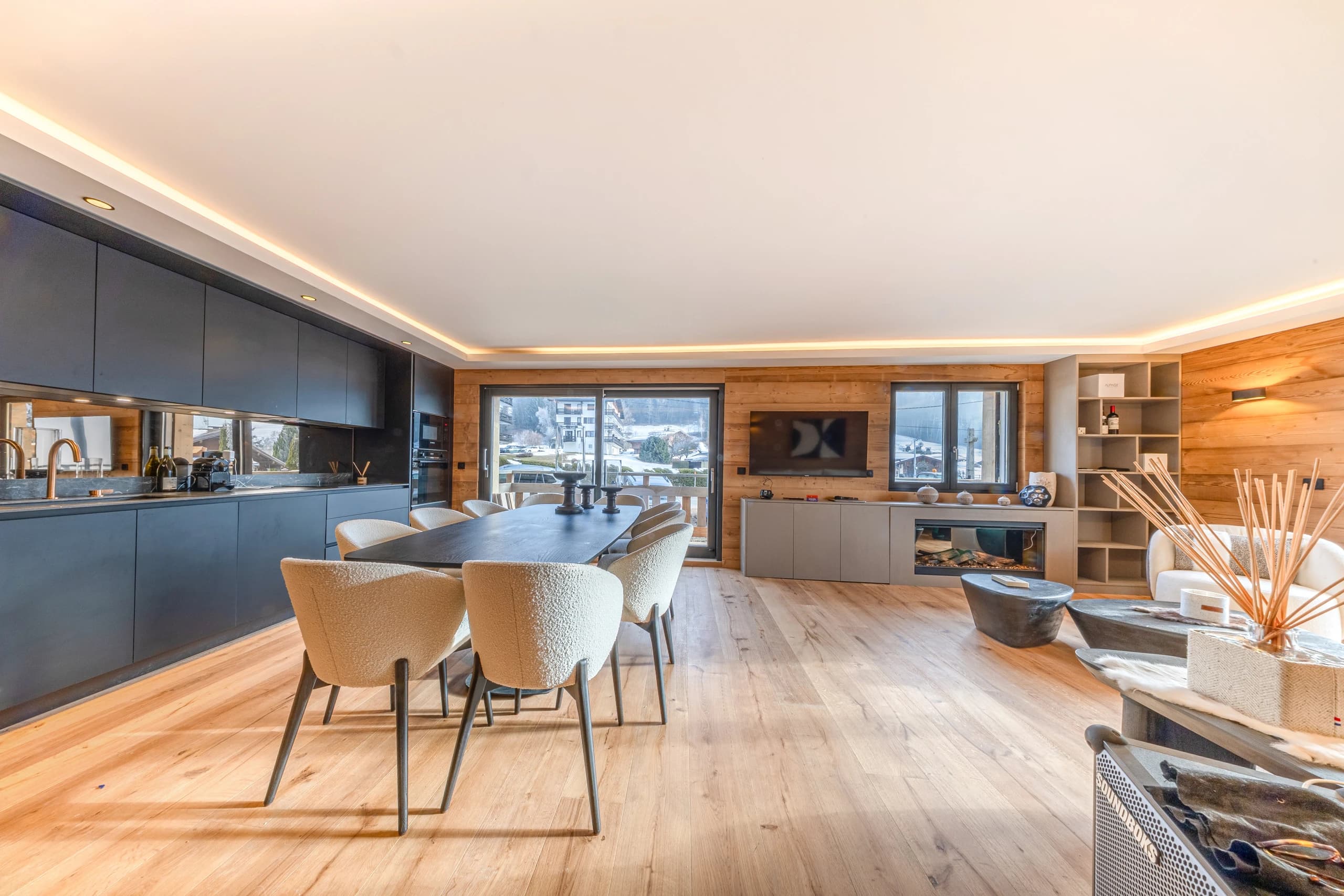
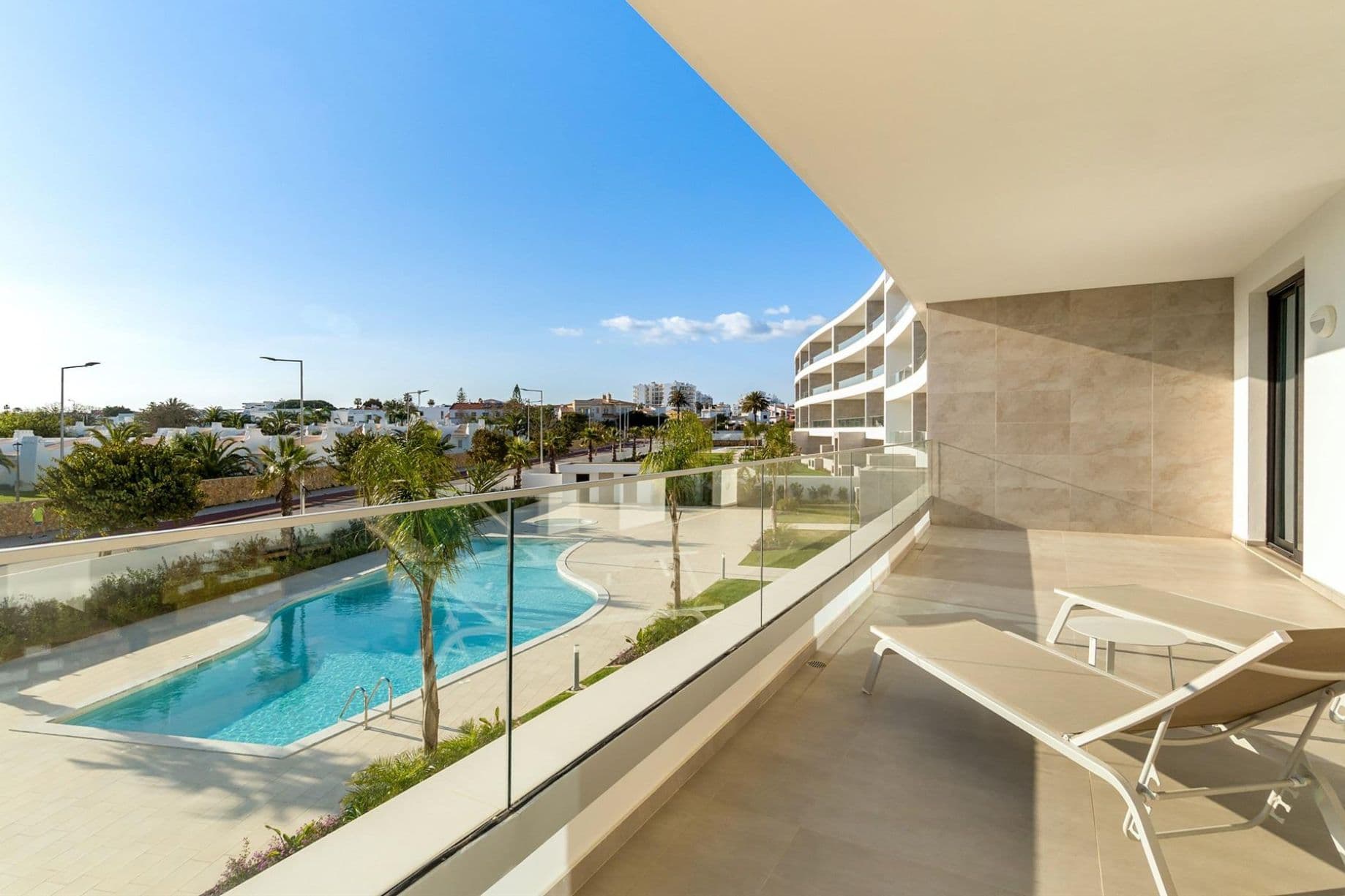
A one-eighth share in a stunning Alpine chalet or a beachfront villa in Spain might start at a fraction of the whole-home price — delivering approximately 45 days of personal use per year. That is more time than the average full owner actually spends in their second home, at a fraction of the capital outlay. Running costs — maintenance, insurance, taxes, management — are all split eight ways. And crucially, the property is professionally managed year-round, so you never have to coordinate with other owners, find cleaners, or deal with emergency plumbing calls from another continent.
When you arrive, your personal belongings are taken out of storage and the home is prepared specifically for you. When you leave, it is managed and maintained to the highest standard. This is what the membership model looks like applied to luxury real estate — and it is why buyers who have experienced both models rarely go back to full ownership.
“Why buy the entire club when membership gives you everything you need? Co-ownership is the membership model applied to luxury real estate — real ownership, professional management, and a lifestyle that full owners envy.”
Ownership Structure
Real Ownership, Not Timeshare: Understanding What You Own
One of the most common misconceptions about co-ownership is that it resembles a timeshare. The two models could not be more different. A timeshare typically grants the buyer a right to use a property during fixed weeks, with no underlying asset ownership, no equity appreciation, and notoriously difficult resale conditions. Co-ownership, by contrast, provides genuine fractional ownership of the property itself.
Each co-owner owns a real share of the home — an eighth, a quarter — not a right to use it. You can sell it, pass it on to your heirs, and it rises and falls in value with the house. The legal set-up is arranged by our partner for each home and walked through with you before you buy. Buyers benefit from transparent governance and — crucially — the ability to sell their share at market value whenever they choose, through our partner’s resale process, without the whole house having to be sold.
There are no points systems, no mandatory exchange networks, and no corporate intermediary deciding when and where you can holiday. You own a share of a specific, named, luxury property — and that share is yours to use, rent, or sell as you see fit. It is ownership in the truest sense, structured for modern lifestyles.
| Factor | Full Second-Home Ownership | Co-Ownership (1/8th Share) |
|---|---|---|
| Capital Outlay | 100% of property value | ~12.5% of property value |
| Annual Running Costs | €30,000–€50,000+ | €4,000–€6,000 (shared 8 ways) |
| Personal Use | ~39 nights (average) | ~45 days (guaranteed) |
| Management Hassle | Owner’s responsibility | Fully managed, zero hassle |
| Resale | 3–12 months typical | No need to sell the whole house |
| Legal Ownership | Full title | Real share of the home — real asset |
Market Intelligence
The Luxury Property Market in 2026: Why Co-Ownership Is Accelerating
The broader market dynamics are firmly on the side of co-ownership. The US luxury residential real estate market is projected to grow from $291 billion in 2025 to $349 billion by 2031, according to Mordor Intelligence, at a CAGR of 3.19%. Globally, luxury real estate is growing at 6.9% CAGR through 2035, with North America accounting for roughly 30% of market share.
Yet at the same time, luxury home prices are outpacing the broader market. Redfin data shows luxury prices surged ahead in 2025, making full ownership increasingly inaccessible even for affluent buyers. This creates the perfect conditions for co-ownership to thrive: rising property values mean the underlying asset appreciates, while the shared-cost model keeps the entry point accessible.
The trend is global. From Colorado ski properties to Balearic island retreats, from Italian lakefront villas to Parisian pied-à-terres, buyers are discovering that co-ownership provides the same prestige and lifestyle benefits as full ownership — without the dead capital sitting in an empty property for ten months of the year.
2019–2020
The Access Economy Matures
Subscription models dominate consumer spending from media to transport. Luxury buyers begin questioning whether full property ownership delivers proportionate value.
2021–2022
Co-Ownership Goes Mainstream
Post-pandemic demand for second homes surges. Co-ownership platforms see record growth as buyers seek luxury without the full-ownership price tag. Median US second-home prices hit $400,000.
2023–2024
Legal and Financial Infrastructure Matures
Fractional co-ownership becomes established and trusted across Europe and the USA.
2025
The Luxury Market Accelerates
US luxury residential market reaches $291 billion. Luxury prices outpace the broader market, making co-ownership the smart entry point for affluent buyers.
2026 and Beyond
The $4.6 Trillion Inheritance Wave
Gen X and Millennials inherit record real estate wealth. Diversified, low-hassle co-ownership portfolios become the preferred strategy for next-generation property investors.
Lifestyle
The Membership Lifestyle: What 45 Days of Luxury Actually Looks Like
Forty-five days per year is more than most people think. That is six and a half weeks — enough for a two-week summer holiday, a week at Christmas, a week at Easter, a long weekend every month, and still days to spare. Booking windows depend on the home and our partner.
And because the property is maintained to hotel-grade standards year-round, every arrival feels like checking into a five-star destination. Whether it is a ski chalet with mountain views or a beachfront property with Mediterranean sunsets, the experience is curated, seamless, and — unlike a hotel — genuinely yours. Your art on the walls, your wine in the cellar, your favourite armchair by the fire.
For buyers who previously owned second homes outright, the relief is palpable. No more worrying about burst pipes in January, no more chasing property managers, no more guilt about a beautiful home sitting dark and unused for months on end. The membership model replaces all of that with a single, elegant proposition: luxury when you want it, freedom when you don”t.
Generational Wealth
The $4.6 Trillion Inheritance Wave and What It Means for Co-Ownership
The Coldwell Banker Global Luxury 2026 Trend Report identifies a seismic shift on the horizon: over the next decade, $4.6 trillion in real estate wealth will transfer from Baby Boomers to Gen X and Millennial heirs. In the United States alone, that figure is $2.4 trillion. This is the largest intergenerational wealth transfer in history, and it will fundamentally reshape how the next generation approaches luxury property.
Many inheritors will not want to maintain sprawling family estates or single-use holiday homes. They will want diversified, low-hassle, high-experience property portfolios — exactly what co-ownership provides. Instead of inheriting one property and all its obligations, forward-thinking families are already using co-ownership to spread their real estate allocation across multiple destinations and countries, from mountain chalets to coastal villas to city apartments.
This is not about downsizing ambition. It is about upsizing intelligence. A buyer who might have spent €800,000 on a single holiday home can instead acquire co-ownership shares in three or four luxury properties across different markets and climates — enjoying ski seasons, beach summers, and city weekends, all with real ownership, all professionally managed, and all for the same total investment.
Investment Strategy
Rental Income, Resale Value, and the Financial Case
Co-ownership is not just a lifestyle play — there is a compelling financial case, too. Many co-ownership properties can be rented out as holiday homes when owners are not in residence (subject to location and permits), with rental fully managed and income shared proportionate to ownership stake. Owners do not need to lift a finger — listing, guest communication, cleaning, and key handover are all handled professionally.
On the resale side, fractional shares offer significantly lower transaction costs than whole-property sales — research suggests approximately 10% to 15% lower. And because the management company first offers shares to existing co-owners in the property before listing externally, there is a built-in buyer pool that accelerates the process. The result: faster liquidity than traditional property investment, with the underlying asset continuing to appreciate as luxury real estate values climb.
For investors used to thinking in terms of capital allocation efficiency, co-ownership represents one of the smartest plays in the current market. You get exposure to prime luxury real estate — an asset class growing at 6.9% CAGR globally — with dramatically lower capital requirements, lower running costs, and faster exit routes than full ownership. It is the financial logic behind every successful membership business applied to bricks and mortar.
Common Questions
Frequently Asked Questions
Is co-ownership the same as timeshare?
Absolutely not. Co-ownership gives you a real share of the home, not a right to use it. You hold real equity in a real asset that appreciates in value. Timeshares typically offer only a right to use, with no underlying ownership, no equity growth, and poor resale prospects. Co-ownership shares can be sold on the open market at market value.
How much does a co-ownership share cost?
Shares vary by property and location, ranging up to around €2 million for ultra-premium properties. Most shares fall in the €100,000 to €1 million range, making world-class luxury property accessible at a fraction of full ownership cost.
How many days per year can I use the property?
Each 1/8th owner receives approximately 45 days per year. Booking windows depend on the home and our partner.
Who manages the property and coordinates between owners?
Everything is professionally managed — cleaning, maintenance, repairs, rental, administration, and coordination between co-owners. You never need to contact or deal with other co-owners. When you arrive, your personal belongings are taken out of storage and the home is prepared for you.
Can I sell my share whenever I want?
You set the price. Your co-owners get the first chance to buy at that price; if they pass, it goes on the open market.
Can I earn rental income from my share?
Many properties can be rented out as holiday homes (depending on location and local permits). Rental is fully managed — owners do not need to do anything. Income is shared proportionate to ownership stake.
What destinations are available for co-ownership?
Co-Ownership Property offers shares in luxury properties across Europe and the USA, including the French Alps, Costa del Sol, Balearic Islands, Italian Lakes, South of France, Paris, Colorado, California, and Florida — with expansion into Portugal, Austria, and other European markets.
Explore Properties With Co-Ownership Property
Whether you are seeking a co-ownership share in the Alps, the Mediterranean, or the Rockies — discover luxury properties starting at a fraction of the whole-home price per share. Fully managed, real ownership, zero hassle.
Browse PropertiesReady to look at the homes? Browse the full COP collection across every destination, or speak with our team about what is available now.
More from Co-Ownership Property
Get in Touch
Speak to an expert
Tell us what you're looking for and we'll be in touch.