Co-Ownership Basics
A Familiar Front Door, a Lighter Bag
Knowing what is supplied, what you can store and what you really use can make returning to a co-owned holiday home feel simpler.

Eurostar Standard and Plus currently allow two pieces of luggage and one item of hand luggage, according to the operator’s published baggage guidance. A generous allowance is useful, but you need not fill it. One appealing prospect of returning to a familiar holiday home is learning how little you need to bring to enjoy being there.
That does not mean every co-owned home comes with a cupboard for your clothes or equipment waiting by the door. Those arrangements depend on the particular property. It means that, over successive visits, you can replace some of the uncertainty of packing with knowledge: what is provided, what you actually use and what is better bought or hired locally. The reward is a simpler departure and a more relaxed arrival.
Begin with what is already there
Before making a packing list, ask for the home’s current inventory or arrival information. Check the items that would make a real difference to your bag: towels and bedding, a hairdryer, kitchen equipment and any laundry facilities. A photograph can help you understand a room, but it cannot tell you what will be available for your stay. Confirmation is much more useful than a guess based on a well-appointed bathroom.
Separate what the home supplies from what a previous visitor happened to leave. A bottle beside the sink does not establish a policy on toiletries, and a charger visible in a photograph may belong to somebody else. Ask how consumables work and what you should bring for the first evening. There is considerable comfort in knowing you can make breakfast without having to investigate every cupboard after travelling.
Pack from a confirmed inventory. Keep a short note with the things you do not need to carry, as well as the things you do. That second list can be surprisingly useful when you are about to put an extra towel or kitchen gadget into a case simply because it usually comes on holiday with you.
Find out whether personal storage is offered
The idea of leaving walking shoes, a favourite jumper or a few books at a holiday home is attractive. In a co-owned property, however, it needs an agreed arrangement. Ask whether personal storage is available, how much space is allocated and how it is accessed. Do not assume that an empty shelf, garage or spare wardrobe is yours to use between visits.
If storage is offered, understand the practical details before filling it. Is it a labelled box, a locked cupboard or a separate service? Who can access it, and how is it handled when you are away? Ask what may be stored and what happens if you sell your share. If valuable equipment is involved, confirm the relevant security and insurance arrangements with the appropriate provider rather than assuming storage includes cover.
The useful principle is a small, deliberate collection. Choose items you regularly use and would otherwise carry back and forth. A store of forgotten duplicates soon becomes another cupboard to manage. If the home offers no personal storage, that is still useful information: build your travel kit around taking belongings home and consider local hire for occasional bulky equipment.
Homes for sale now
The newest homes you can own a piece of



6th Arrondissement, Paris, France — 3-Bed Apartment With Three Balconies
$945,000

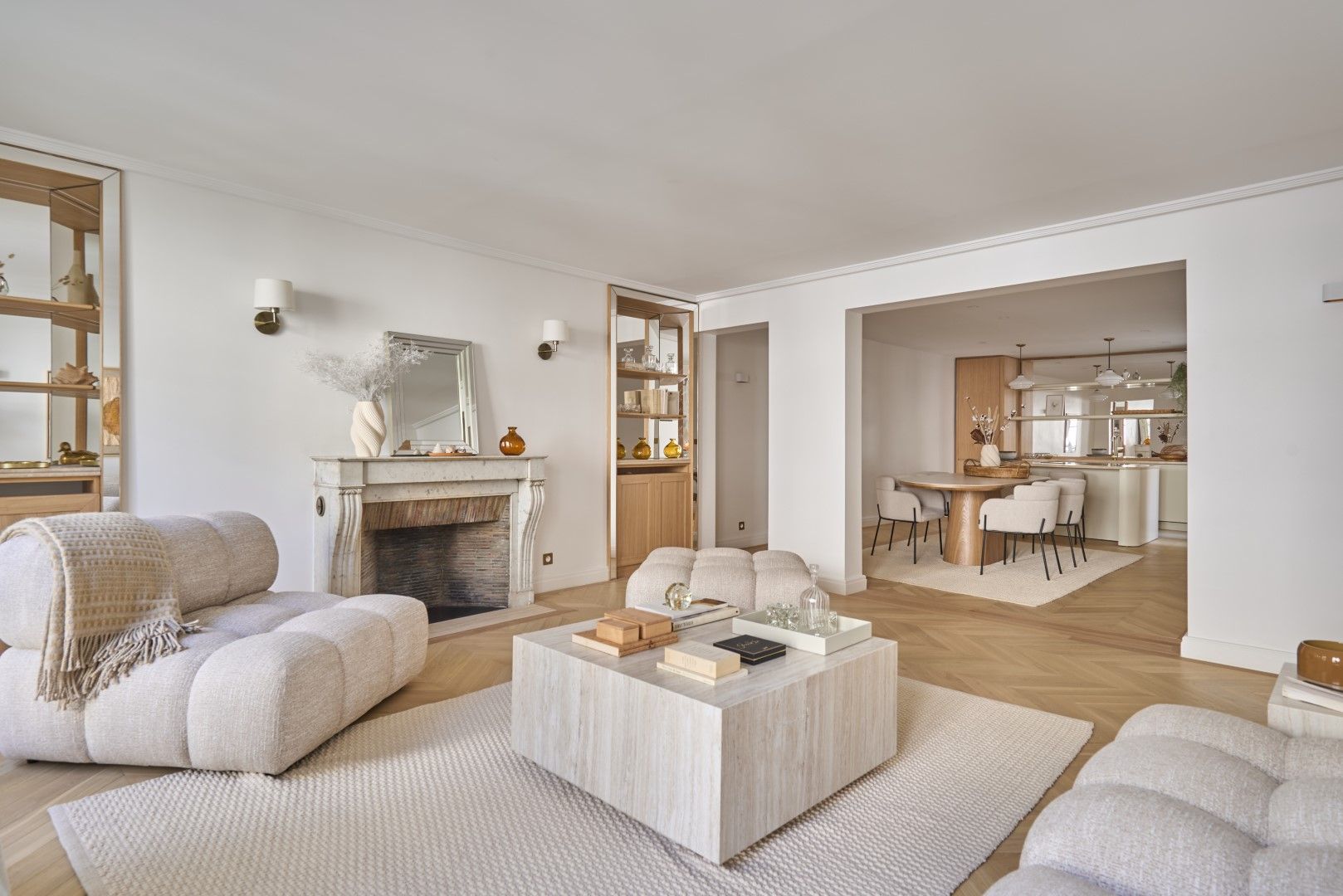

7th Arrondissement, Paris, France — 2-Bed Apartment In The Carré Des Antiquaires
$635,000



Madrid, Spain — 3-Bed Apartment in the Salamanca District
€345,000
Choose clothes for the stay you actually want
It is easy to pack for several imagined holidays at once: a walking trip, a sequence of formal dinners and a week on the beach. Start instead with the days you expect to enjoy. A few compatible layers may serve you better than a separate outfit for every possible plan. Choose the shoes you will walk comfortably in, then decide whether another pair earns its place.
Laundry can change the calculation, but only when you know the facilities and arrangements. Confirm whether there is a washing machine, how drying works and what products are supplied or permitted. Washing clothes is less helpful if your departure is early and there is nowhere appropriate to dry them. Plan around the actual stay, including the day you need to pack again.
Leave room for a change of weather without trying to carry an entire wardrobe. Check the forecast close to departure, add the layers suited to your plans and remove items that duplicate the same job. The point is comfort. A lighter case should make it easier to enjoy the journey, not leave you unwilling to go outside because the useful jacket stayed at home.
Give the awkward items a separate decision
Walking poles, skis, beach equipment and a child’s travel kit can dominate luggage before you have packed a shirt. Deal with them first. Check what the property supplies, what can be stored by agreement and what can be hired locally for your dates. Compare the practicalities as well as the price: collection, fit, opening hours and the effort of returning equipment all matter.
For frequently used personal equipment, familiarity may justify carrying it. For an activity you might try once, hiring could be more convenient. There is no single correct answer. The useful distinction is between something essential to the holiday you have planned and something you are bringing because you might conceivably want it. Discuss shared items with your travelling companions so three people do not all pack the same accessory.
Check before buying a second set. Confirm that the home’s arrangements allow an item to remain there, and that it will still be suitable when you return. Children grow, activities change and equipment needs attention. The best solution is usually the one that removes a recurring inconvenience without adding a new task for you or the people looking after the property.
Let the journey set the limits
Measure the bag you intend to use, then check the rules for your actual ticket and route. Eurostar’s current guidance distinguishes maximum bag lengths of 85cm on routes to and from London and 75cm on its other routes. That is a reminder to read the relevant conditions rather than carry forward a rule from the last journey. Make the same check with any connecting operator.
For flying, check the airline’s cabin and checked-bag allowances separately from the airport’s security rules. The EU’s general passenger guidance on luggage describes cabin liquids in containers holding no more than 100ml, within a transparent bag of up to one litre. Check current instructions at each departure airport, including your return airport, before deciding what to pack. Do not assume the outward and return arrangements are identical.
Practise the journey at home by lifting and moving the packed bag. Can you manage it alongside your smaller bag and anything else you need to carry? Consider stairs, transfers and the final approach to the property. A case that closes successfully on the bedroom floor may still be an awkward companion when you are moving between a train platform and a taxi.
Make the first evening easy
Pack the things you will want on arrival where you can reach them. Keep access instructions available, charge the phone you rely on and know how to contact the local support team. Put a change of clothes near the top of the bag if you are arriving late. These are small decisions that allow the first hour to feel like the beginning of a holiday.
Ask in advance about any arrival-shopping service, its availability and cost, rather than assuming a stocked fridge is included. If you prefer to shop yourself, check where and when you can do so on your travel day. A simple first meal is often enough. The elaborate dinner you imagined while packing can wait until you have unpacked and decided what sounds good.
Give yourself a little time to settle in before planning the next outing. Put clothes away, find what you need for the morning and make a drink. The attraction of a home you return to is partly this ordinary domestic ease. Once the practical details are settled, you can spend your attention on the view, a conversation or the book that finally made it into your bag.
Improve the list before you leave
At the end of the stay, note what remained untouched and what you wished you had brought. Keep the list short enough that you will actually read it next time. Include useful questions for the next visit: whether a particular item is supplied, whether storage is possible or whether hiring worked well. This is more helpful than trying to remember every detail several months later.
Leave the home ready for the next stay by following its departure instructions. Take personal belongings out of shared spaces, return supplied items to their places and use only the storage arrangements agreed for your share. If something needs attention, report it through the home’s established process. A clear handover supports the next owner’s arrival as well as your own future visits.
Deeded co-ownership means owning a share of a property, often through an entity; the individual home’s documents and operating arrangements determine how stays and services work. Personal storage, laundry, equipment and arrival supplies are therefore useful questions to raise while choosing a home. They connect the ownership decision to the experience you hope to enjoy, down to the bag you carry through the door.
If arriving with a little less appeals, explore COP’s current homes and ask about the practical details that would make returning feel easy for you.
More from Co-Ownership Property



Get in Touch
Speak to an expert
Tell us what you're looking for and we'll be in touch.