Second-home tax by country: buying a share in Europe
Purchase, annual, wealth and capital-gains taxes for Spain, France, Italy, Portugal, Austria and Germany in one table, with our detailed guide for each country.
The short answer: buying a share of a holiday home in Europe means paying the same kinds of taxes as any buyer of a home in that country — a purchase tax when you buy, a modest annual property tax while you own, and possibly tax on a gain when you sell — on your share. Purchase taxes run from about 3.5% in Austria to 6–13% in Spain depending on the region, with roughly 7–8% in buying costs on an older home in France. How the home's legal set-up affects this is explained by our partner before you buy.
The table compares Spain, France, Italy, Portugal, Austria and Germany, with links to our detailed guide for each. It is a general overview, not tax advice: rates change, and your own position depends on where you live. Take advice from a tax adviser who knows both countries.
Second-home taxes by country at a glance
| Country | When you buy | Every year | Wealth tax | When you sell (non-residents) |
|---|---|---|---|---|
| Spain | Transfer tax (ITP) set by region: about 6–13% on resale homes (e.g. Andalucía 7%, Balearics 8–13% by value, Catalonia 10%); new builds 10% VAT plus stamp duty | IBI property tax; non-resident income tax on a deemed income even if not let | Can apply to non-residents above the allowance | Flat-rate tax on the gain; buyer withholds 3% of the price on account |
| France | Notaire costs about 7–8% on older homes, 2–3% on new | Taxe foncière, and taxe d'habitation on second homes | IFI on net property wealth over €1.3m | 19% plus social charges, reducing with years owned; exempt after 30 years |
| Italy | Registration tax 9% of the cadastral value (private seller); 10% VAT on most new builds | IMU municipal tax on second homes | No separate wealth tax on the home | Taxable if sold within 5 years; generally exempt after |
| Portugal | IMT, progressive from 1% to 8% for second homes (flat 6% or 7.5% at the top), plus 0.8% stamp duty | IMI municipal tax; AIMI on high-value holdings | AIMI only above a high threshold | Rules for non-residents changed recently; take advice |
| Austria | Real-estate transfer tax 3.5% plus a fee of about 1.1% | Small municipal property tax | None | Real-estate gains tax |
| Germany | Real-estate transfer tax 3.5–6.5% depending on the state | Municipal property tax | None | Private sales generally tax-free after 10 years |
Checked 5 October 2026 against official and professional sources and summarised in general terms. Regional rates and allowances change; confirm the figures for a specific home with the notary or lawyer handling your purchase.
What changes when you buy a share rather than a whole home?
Mostly, the size of the numbers. You own a real share of the home (an eighth, a quarter), not a right to use it, so the taxes that follow a property generally follow your share of it: a share of the purchase tax, a share of the annual property taxes (usually paid through the running costs), and tax on your own gain when you sell.
The detail depends on how each home is held, which differs by partner and by country. That is why the legal set-up is arranged by our partner for each home and explained before you buy, and why it is worth showing those documents to your own adviser. Two practical consequences are common to almost every country:
- Wealth taxes rarely bite on a single share, because the value of a share is usually well below the allowances. See our guide to wealth tax on a co-ownership share.
- You may have two tax systems to think about: the country where the home is and the country where you live. Double-tax treaties usually stop you paying twice in full on the same income or gain.
Spain
Spain's purchase tax on a resale home is the regional transfer tax (ITP), and the rate depends on the region: around 7% in Andalucía (Costa del Sol, Costa de la Luz), 6% in Madrid, 6.5% in the Canaries, 10% in Catalonia (including Baqueira and the Costa Brava), and a sliding scale from 8% to 13% by value in the Balearic Islands. New builds bought from a developer pay 10% VAT plus a regional stamp duty instead. You will need an NIE (foreigner's tax number). Each year there is the local IBI property tax and, for non-residents, an income tax on a deemed income from the home even if it is never let. When a non-resident sells, the gain is taxed at a flat rate and the buyer withholds 3% of the price and pays it to the tax office on account.
- Spain property tax for co-owners: ITP, IBI and wealth tax
- Buying in Spain as a foreigner: tax, NIE and legal rules
- How to buy a co-ownership share in Spain · FAQs: UK buyers, US buyers
France
Buying costs in France are usually quoted as "notaire fees", most of which is transfer tax: roughly 7–8% of the price on an older home and 2–3% on a new one. Owners pay the annual taxe foncière, and second homes still pay taxe d'habitation. France's wealth tax, the IFI, applies only to net property wealth above €1.3 million, so a single share rarely reaches it. A non-resident's gain on sale is taxed at 19% plus social charges, with allowances that rise each year you own the property and remove the tax entirely after 30 years.
- France property tax for co-owners: taxe foncière, IFI and capital gains
- France: rental income and capital gains
- What a French SCI is: a general guide for foreign buyers
- How to buy a co-ownership share in France · FAQs: IFI, UK buyers
Italy
A second home bought from a private seller pays a 9% registration tax, calculated on the cadastral value rather than the price (the cadastral value is usually lower). From a developer, VAT usually applies instead, at 10% for most homes. You will need a codice fiscale. Second homes pay the municipal IMU each year. A gain is generally taxable if you sell within five years of buying and exempt after that.
- Italy property tax for co-owners: IMU, rental tax and capital gains
- How to buy a co-ownership share in Italy · FAQs: IMU, Italian buyers
Portugal
Portugal's purchase tax, IMT, is progressive for second homes: from 1% on the first slice up to 8%, with flat rates of 6% and 7.5% on the most expensive properties, plus stamp duty of 0.8%. You will need a NIF (tax number). Each year there is the municipal IMI, and AIMI on high-value holdings. The rules on gains for non-residents changed in recent years, so take advice on your own position before you sell.
- Portugal property tax for co-owners: IMT, IMI and capital gains
- Homes in Portugal: 4 from €154,000
Austria and Germany
Austria charges a 3.5% real-estate transfer tax plus a further fee of about 1.1%. Non-EU buyers usually need approval from the regional land-transfer authority, and in Tyrol and Salzburg many homes are zoned for main residence only, which matters for holiday use. Germany's real-estate transfer tax is set by each state, between 3.5% and 6.5%. Neither country has a wealth tax.
Buying in the USA from Europe
If you live in Europe and are looking at a US home, the US side has its own rules on withholding when a foreign owner sells and on US estate tax. Start with the US tax questions European buyers should ask and how to buy a share in the USA. Americans buying in Europe should read Buying a holiday home share in Europe as an American.
Tax on rent and on selling
If a home allows letting, rental income is usually taxed where the home is and declared at home too — see rental rules by country and the FAQ on tax on rental income. For gains, see capital gains tax when selling a share and how to sell a share.
Frequently asked questions
What taxes do I pay when I buy a share of a holiday home in Europe?
The purchase tax of the country where the home is, applied to your share: for example a regional transfer tax of about 6–13% in Spain, roughly 7–8% in buying costs on an older home in France, a 9% registration tax on the cadastral value in Italy, progressive IMT plus 0.8% stamp duty in Portugal, and 3.5% plus a further fee of about 1.1% in Austria. How the home's legal set-up affects this is explained before you buy.
Do I pay property tax every year on a share?
Yes, your share of the home's annual property taxes, such as IBI in Spain, taxe foncière in France and IMU in Italy. These are usually paid through the running costs.
Will a fractional share trigger wealth tax?
Rarely. Wealth taxes such as France's IFI (over €1.3 million of net property wealth) and Spain's wealth tax have allowances that a single share is usually well below.
Is there capital gains tax when I sell?
Usually, if you make a gain: Spain taxes non-residents at a flat rate with a 3% withholding by the buyer, France taxes gains at 19% plus social charges with relief for years owned, and Italy generally taxes gains only on sales within five years.
Do I pay tax in my home country as well?
Possibly, but double-tax treaties normally give credit for tax paid where the home is. Take advice from an adviser who knows both countries.
Is this tax advice?
No. This page is a general overview, checked in October 2026. Rates and rules change and depend on your circumstances, so take advice from a qualified tax adviser before you buy or sell.
Sources
- Spain regional ITP rates 2026: InmoFiscal, ITP por comunidad autónoma
- Portugal IMT 2026 table: IMT table and stamp duty (Autoridade Tributária circular 40129/2026)
- Italy second-home taxes: Taxes on second homes in Italy
- Austria purchase costs and approval: Buying property in Austria, state by state
- France buying costs: Barème des frais de notaire 2026
Questions about your situation?
Ask David or Dylan
Tell us where you live and where you are looking to buy, and we will point you to the right guide and the questions to take to your adviser. David or Dylan will reply personally, usually within one working day.
Homes to look at
Homes in Portugal: 4 from €154,000
Portugal is one of the most-read tax guides on the site and one of our thinnest markets. Ask us to tell you when a new Portuguese home is listed.
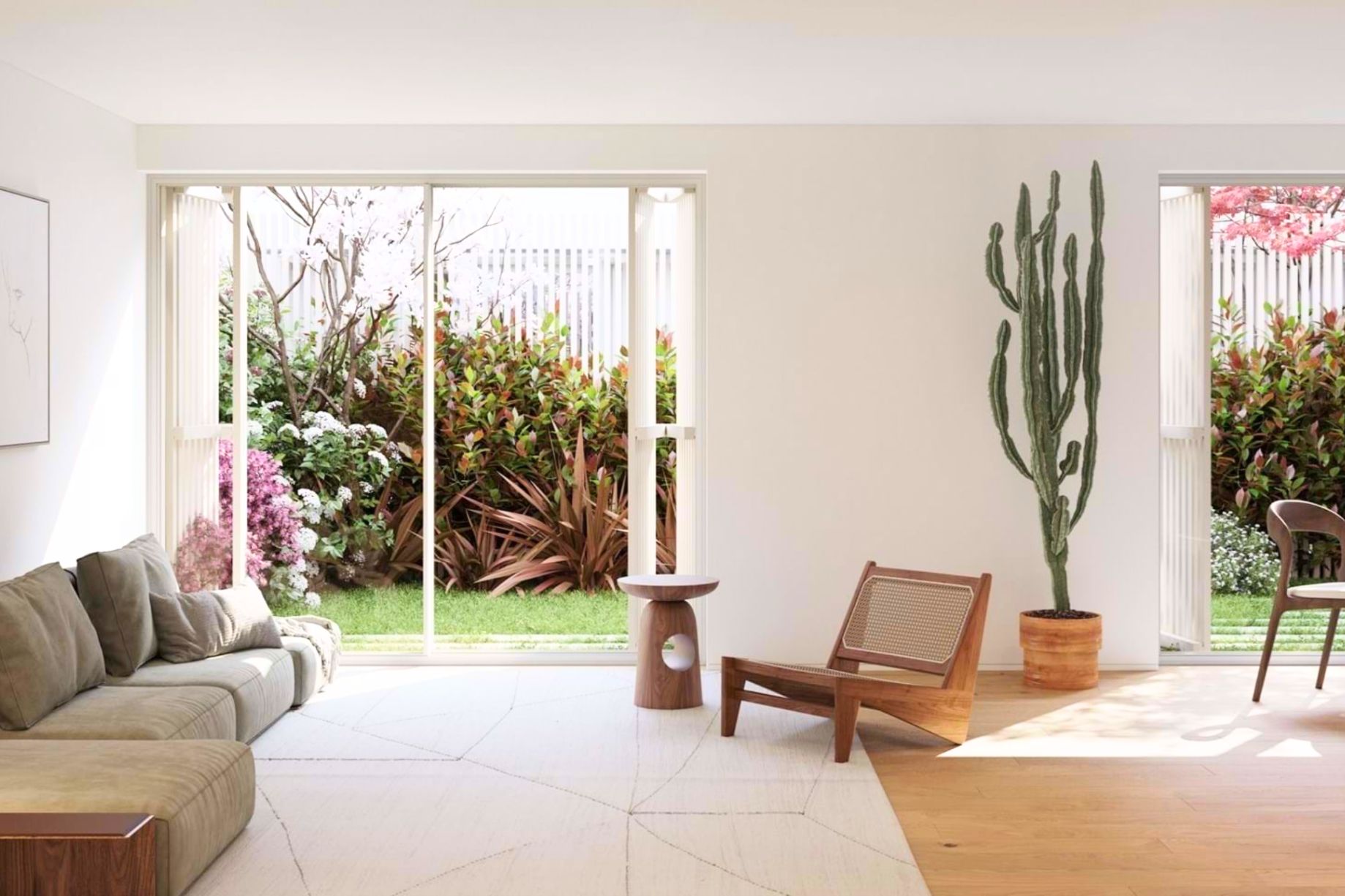
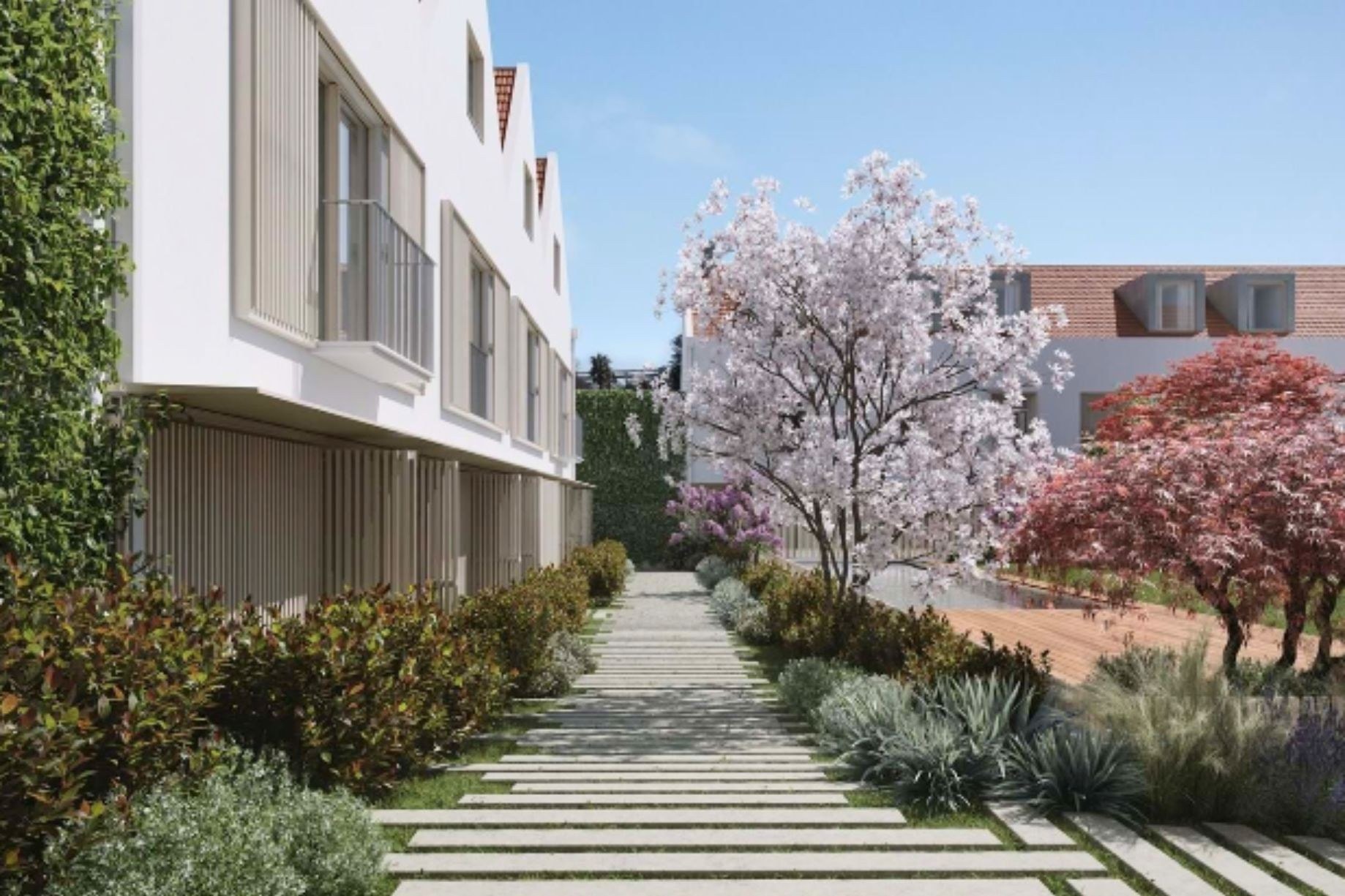
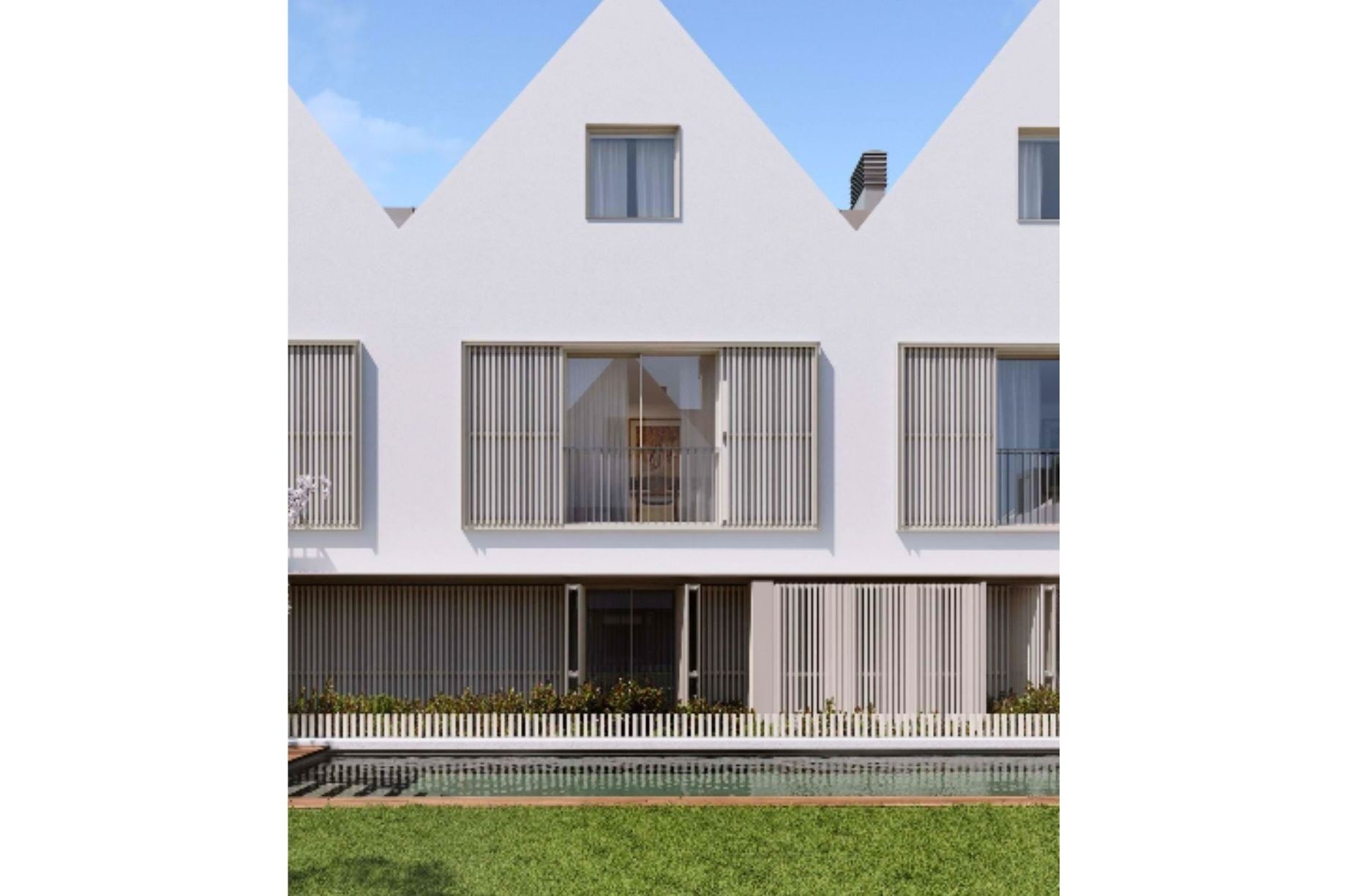
Lisbon, Lisboa, Portugal — 2-Bed Garden Apartment With Private Garden & Shared Pool
€169,000
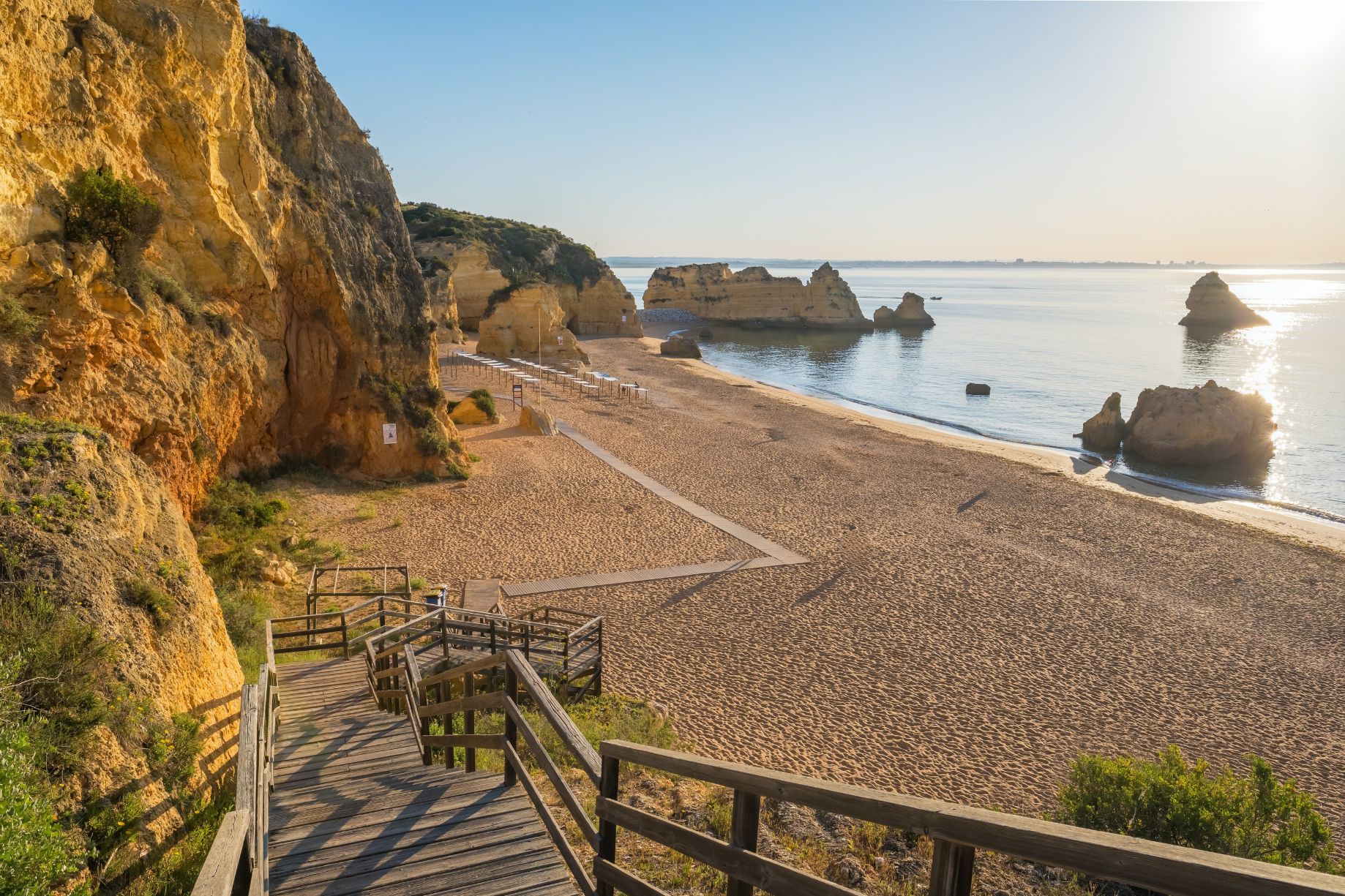
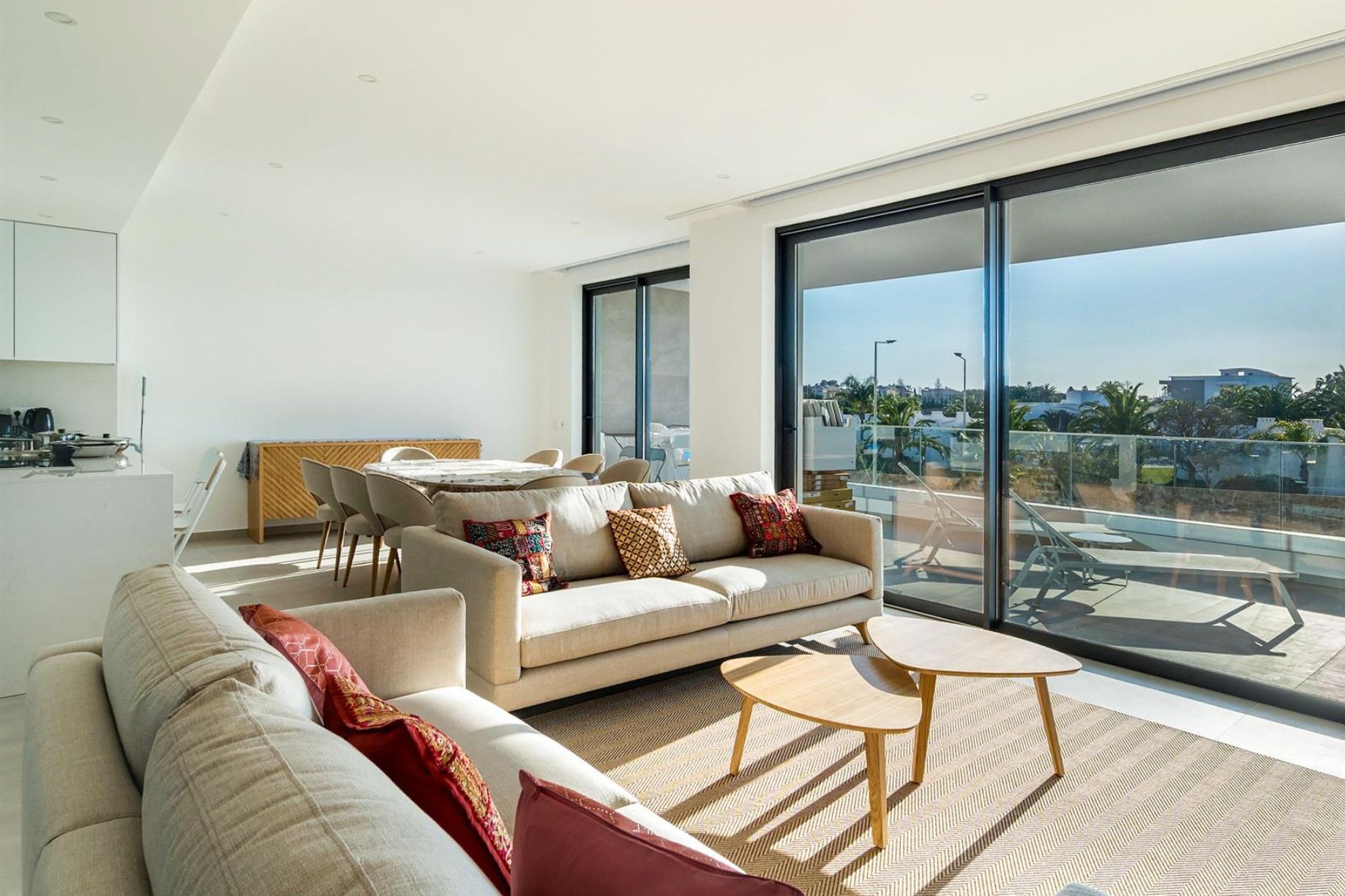
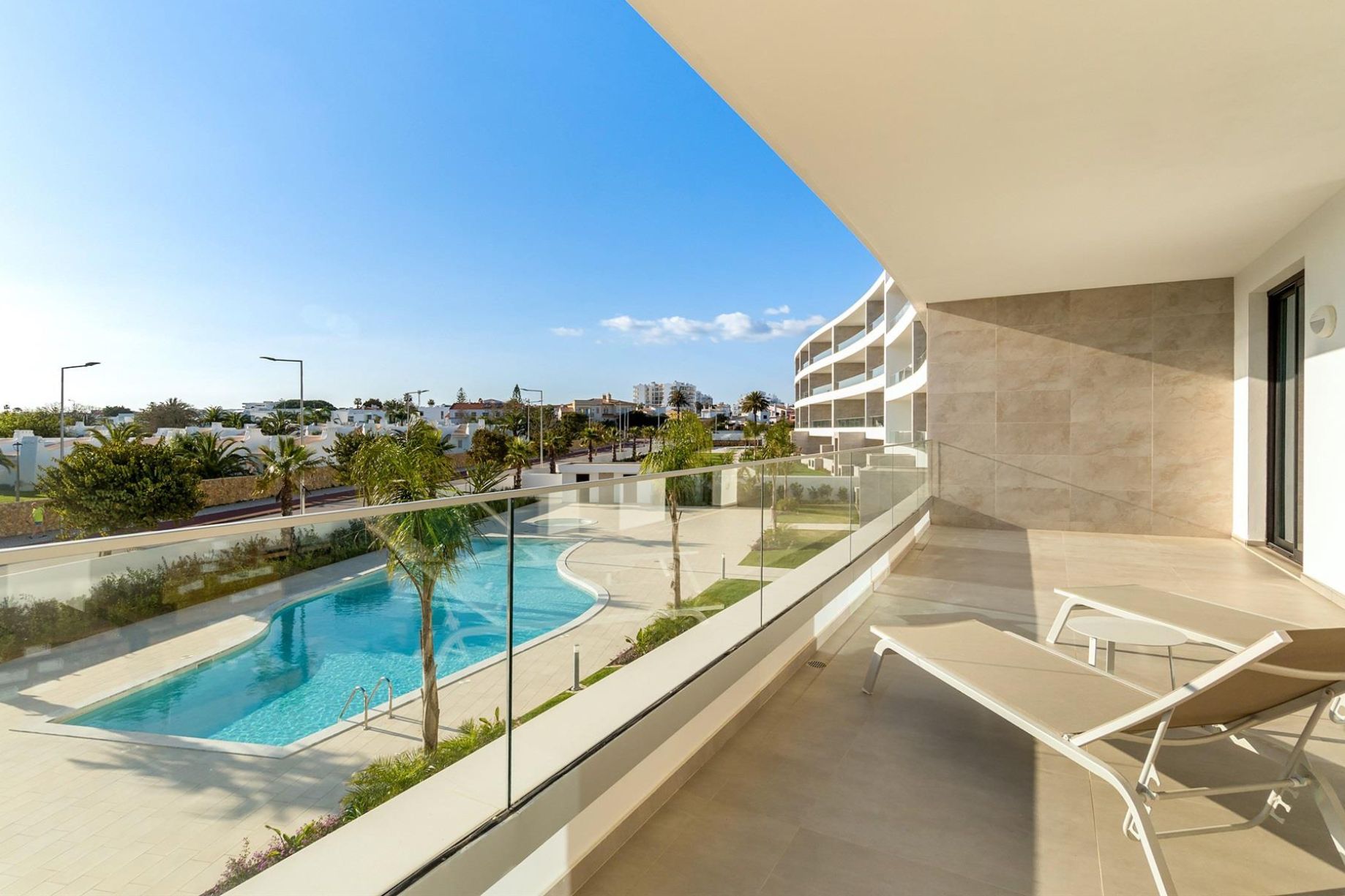
Lagos, Algarve, Portugal — 2-Bed Terrace Apartment With Sea Views & Two Terraces
€154,000

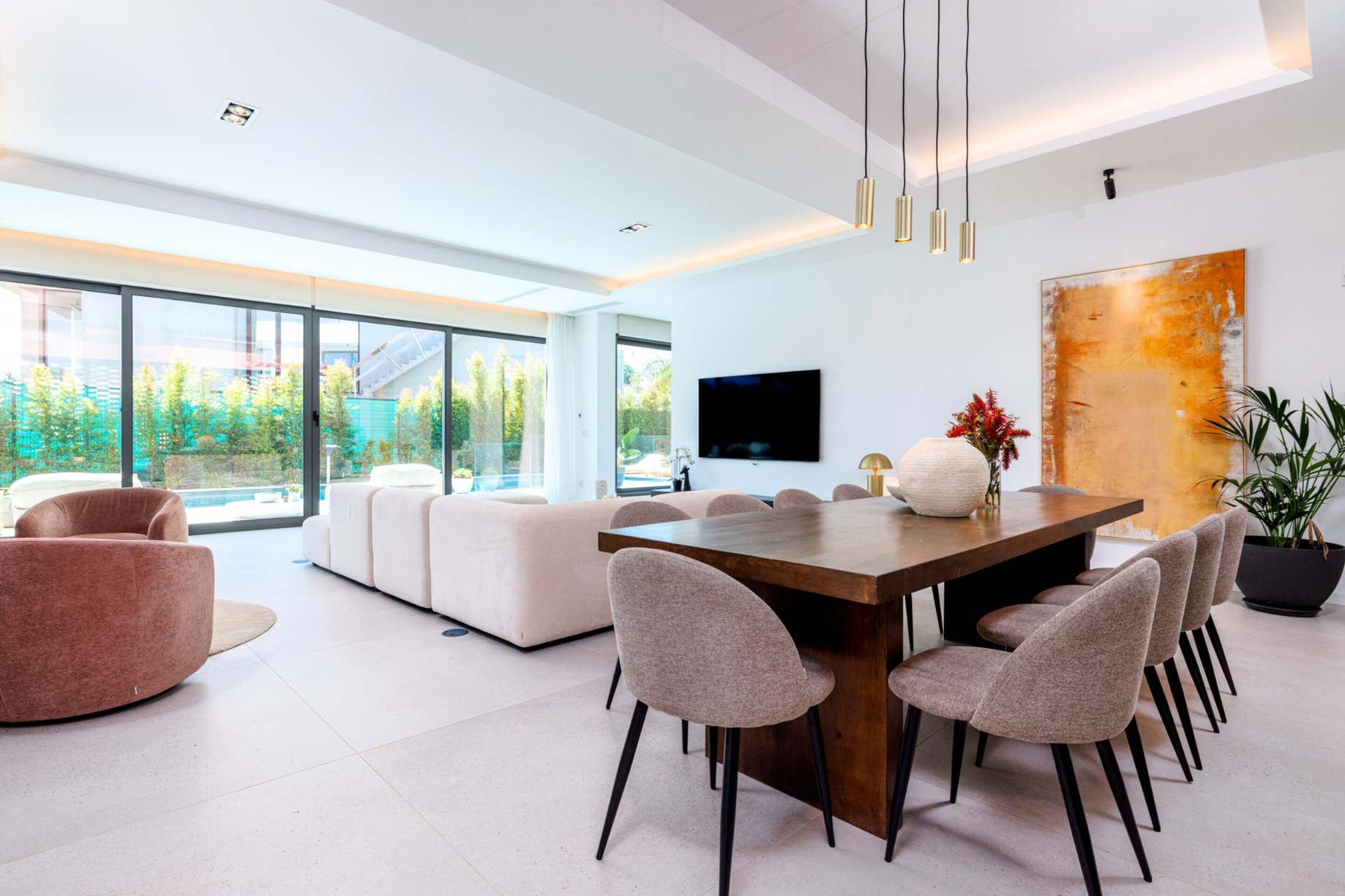
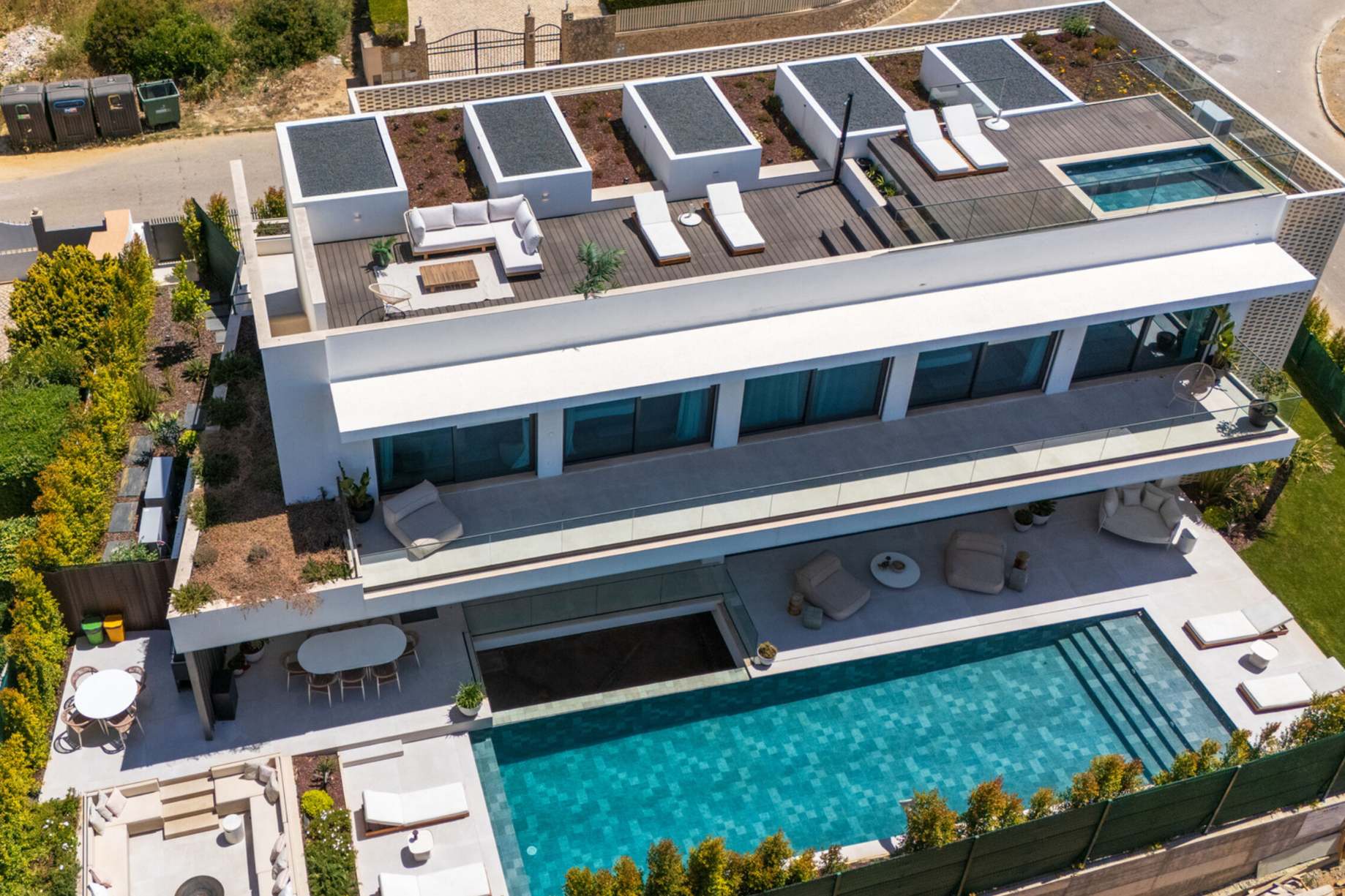
Albufeira, Algarve, Portugal — 4-Bed Villa With Sea View & Roof Terrace
€399,000
Get in Touch
Speak to an expert
Tell us what you're looking for and we'll send you the homes that fit.