Buying a holiday home share in Europe as an American
Who can buy where, the steps, the US tax touchpoints in plain English, paying in dollars, Schengen 90/180 with EES and ETIAS, and why many Americans buy a share.
The short answer: yes — US citizens can buy a holiday home, or a real share of one, in Spain, France, Italy and Portugal on the same terms as local buyers, with no residency needed. You pay the local purchase taxes, need a local tax number (Spain's NIE, for example), and keep reporting your income to the IRS as usual; financing may be available depending on where you live. Owning a home does not let you stay beyond the Schengen limit of 90 days in any 180.
Around half the buyers we work with are American. Of the 171 euro-priced homes we list in Europe, 140 are under €300,000 a share, from €119,000.
Can Americans buy property in Europe?
| Country | Can a US citizen buy? | What you need | Homes we list |
|---|---|---|---|
| Spain | Yes, no restriction | An NIE (foreigner's tax number) and usually a Spanish bank account | 98 from €120,000 |
| France | Yes, no restriction | ID and the documents the notaire asks for | 19 from €119,000 |
| Italy | Yes (reciprocity with the US) | A codice fiscale (tax code) | 28 from €119,000 |
| Portugal | Yes, no restriction | A NIF (tax number) | 4 from €154,000 |
| Austria | Usually needs approval | Most states require land-transfer approval for non-EU buyers; Tyrol and Salzburg also restrict holiday use | 14 from €145,000 |
Home counts and prices are live from our listings (11 October 2026). The legal set-up of each home is arranged by our partner and explained before you buy, and that can affect the paperwork.
How does buying work, step by step?
- Choose the place and the home. Think about how you will travel (direct flights matter), the season you will use most and the weeks you can realistically take.
- Get your local tax number. Spain's NIE, Italy's codice fiscale, Portugal's NIF. These can usually be arranged from the US, through a consulate or a representative, and take a few weeks.
- Reserve your share. Our partner sends the documents: what you will own and how the home is held, the booking rules, the running costs and the resale terms.
- Take independent advice. A local lawyer for the purchase and a cross-border tax adviser for the US side.
- Move the money. Plan the currency transfer (see below) and pay the deposit and balance as the documents set out.
- Complete. Remote completion is common: documents are signed digitally or through a power of attorney, so you do not have to fly over to sign.
Our country guides go through each step in detail: Spain, France and Italy.
US tax: what you report and when
This is a general overview, not tax advice. US citizens are taxed on worldwide income wherever they live, and owning property abroad touches both the US system and the local one. Talk to a cross-border tax adviser who works with both the US and the country you are buying in before you buy, so that how you hold the share suits you.
- Local taxes. You pay the purchase taxes of the country (see our tax by country guide), any annual property tax, and in some countries — Spain, for example — an annual non-resident income tax on a deemed income even if you never let the home.
- Rental income, if the home allows letting, is reported on your US return as well as locally. The US normally gives a foreign tax credit for income tax already paid abroad, so you are not usually taxed twice in full.
- A gain when you sell is reportable in the US, and the country where the home is may tax it too, with credit rules between the two.
- Foreign bank accounts. If you open a bank account abroad and your foreign accounts together exceed $10,000 at any point in the year, you file an FBAR.
- Foreign asset reporting. The IRS says a foreign home you own directly is not reported on Form 8938, but the answer can differ depending on how a property is held. Ask your adviser to look at the legal set-up our partner explains before you buy.
- Estate planning. Inheritance rules and taxes in Spain, France, Italy and Portugal work differently from the US. Include the share in your estate plan from the start.
Paying in dollars: currency and transfers
Most European homes are priced in euros, so the dollar cost moves with the exchange rate between reserving and completing. A few practical points:
- Use a currency specialist or your bank's international desk rather than a standard retail transfer; the difference in exchange rate on a six-figure sum can be large.
- Consider fixing the rate for the balance once your purchase is agreed (a forward contract), so a moving dollar cannot change what you pay.
- Remember the running costs are paid in euros each year too.
- Prefer dollars? Some homes in Paris and London are priced in US dollars, and of course our US homes are — 110 of them, with one-eighth shares from $68,000.
Schengen 90/180, EES and ETIAS
Spain, France, Italy, Portugal and Austria are all in the Schengen area. As a US citizen you can stay up to 90 days in any 180-day period across the whole area without a visa, counted on a rolling basis. Owning a home or a share does not change that limit or give you a right of residence. A one-eighth share's six or so weeks a year fits comfortably inside it, but if you also travel elsewhere in Europe, count all your days.
- EES (Entry/Exit System): the EU's digital border system, which records your entries and exits and counts your days automatically, became fully operational in April 2026.
- ETIAS: a travel authorisation that visa-free visitors, including Americans, will need before travelling. It has been announced (expected to cost €20 and last three years) but no start date has been confirmed; check the EU's official ETIAS site before you travel.
- Longer stays need a national visa or residence permit from the country concerned. Spain closed its property-investment "golden visa" route in April 2025, so buying a home is not a route to residence there.
Financing
Financing may be available depending on where you live. Many buyers pay cash, or release equity at home; ask us about the home you are interested in and we will tell you what applies.
Why many Americans buy a share rather than a whole home
For most Americans, a European holiday home is used for a few weeks a year — often less than the Schengen limit would allow anyway. A share means paying for roughly the time you use, arriving to a home that is cleaned and ready, and having someone on the ground to deal with the boiler, the pool and the local bills while you are an ocean away. You still own a real share of the home (an eighth, a quarter), not a right to use it: you can sell it, pass it on, and it rises and falls in value with the house. And because shares are far cheaper than whole homes, some buyers own in two places — a summer home on the Mediterranean and a winter one in the Alps.
If you are new to the idea, start with what fractional ownership is and whether it is worth it.
Frequently asked questions
Can a US citizen buy property in Spain, France, Italy or Portugal?
Yes. US citizens can buy in all four on the same terms as local buyers, with no residency requirement. You need a local tax number, such as Spain's NIE, Italy's codice fiscale or Portugal's NIF.
Does owning a home in Europe let me stay longer than 90 days?
No. Owning a home or a share does not change the Schengen limit of 90 days in any 180 for US citizens. Longer stays need a national visa or residence permit.
Do I have to report a European property to the IRS?
You report any rental income and any gain on sale on your US return, and you file an FBAR if your foreign bank accounts exceed $10,000 in total. The IRS says a directly owned foreign home is not reported on Form 8938, but this can depend on how the property is held, so ask a cross-border tax adviser.
Will I be taxed twice?
Usually not in full: the US normally gives a credit for income tax paid abroad on the same income. The details depend on the country and your situation, so take advice from a cross-border tax adviser.
Can Americans get a mortgage for a European share?
Financing may be available depending on where you live. Ask us about the home you are interested in.
Do I need ETIAS to visit my home?
Not yet. ETIAS has been announced for visa-free visitors, including Americans, but no start date has been confirmed. Check the EU's official site before you travel.
Can I complete the purchase without flying to Europe?
Usually yes. Documents can be signed digitally or through a power of attorney, and many American buyers complete remotely.
Questions about your situation?
Ask David or Dylan
Buying from the US? Tell us where you are looking, how you would travel and when you would use the home. David or Dylan will reply personally, usually within one working day.
Homes to look at
European homes under €300,000 a share
Three of the newest euro-priced homes in Spain, France, Italy, Portugal and Austria under €300,000 a share.



Higuerón, Costa del Sol, Spain — 3-Bed Villa Apartment With 133 m² Private Terrace
€159,000



Ruiloba, Cantabria, Spain — 5-Bed House With Private Pool, Garden & Picos de Europa Views
€175,000
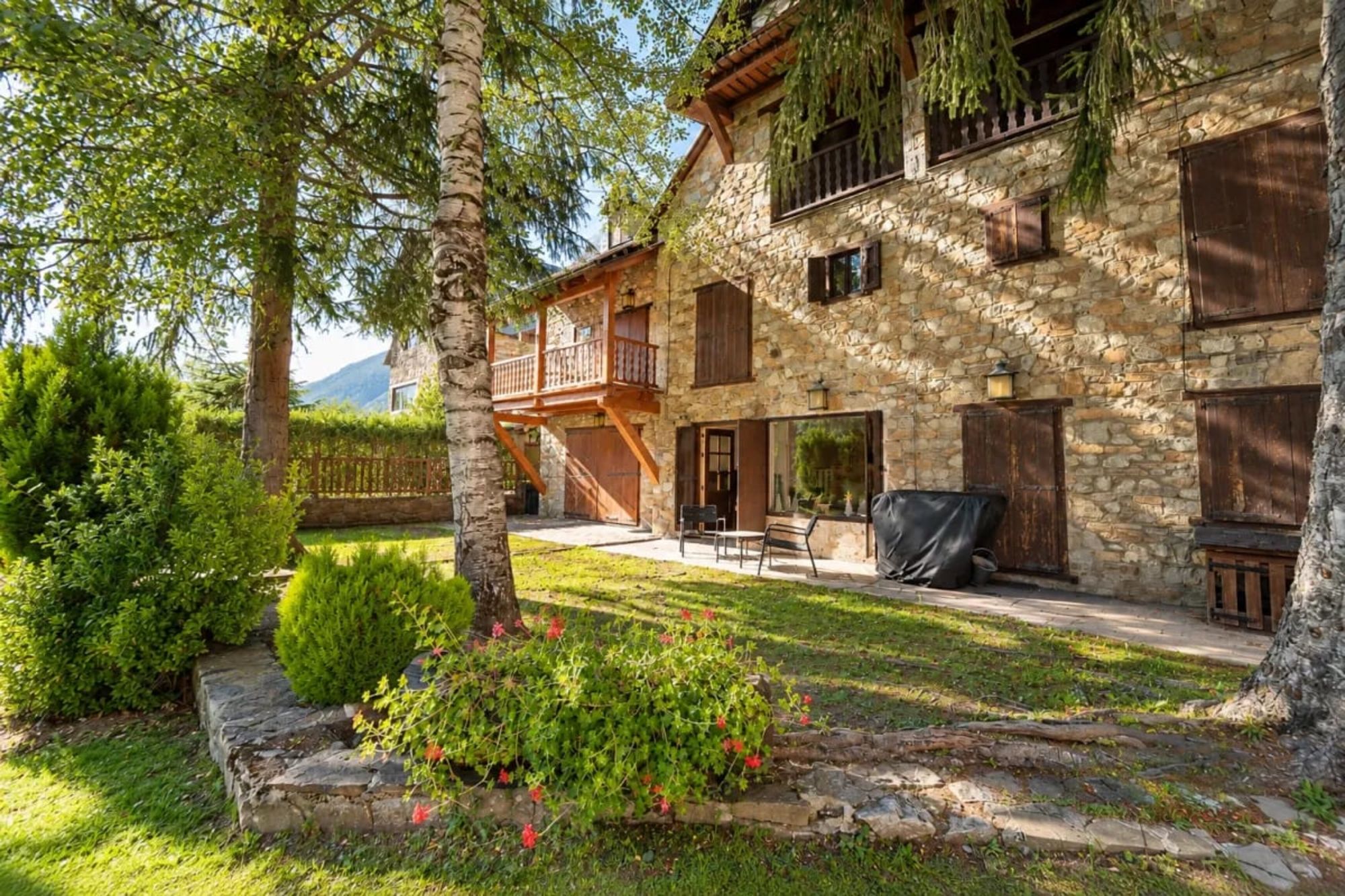
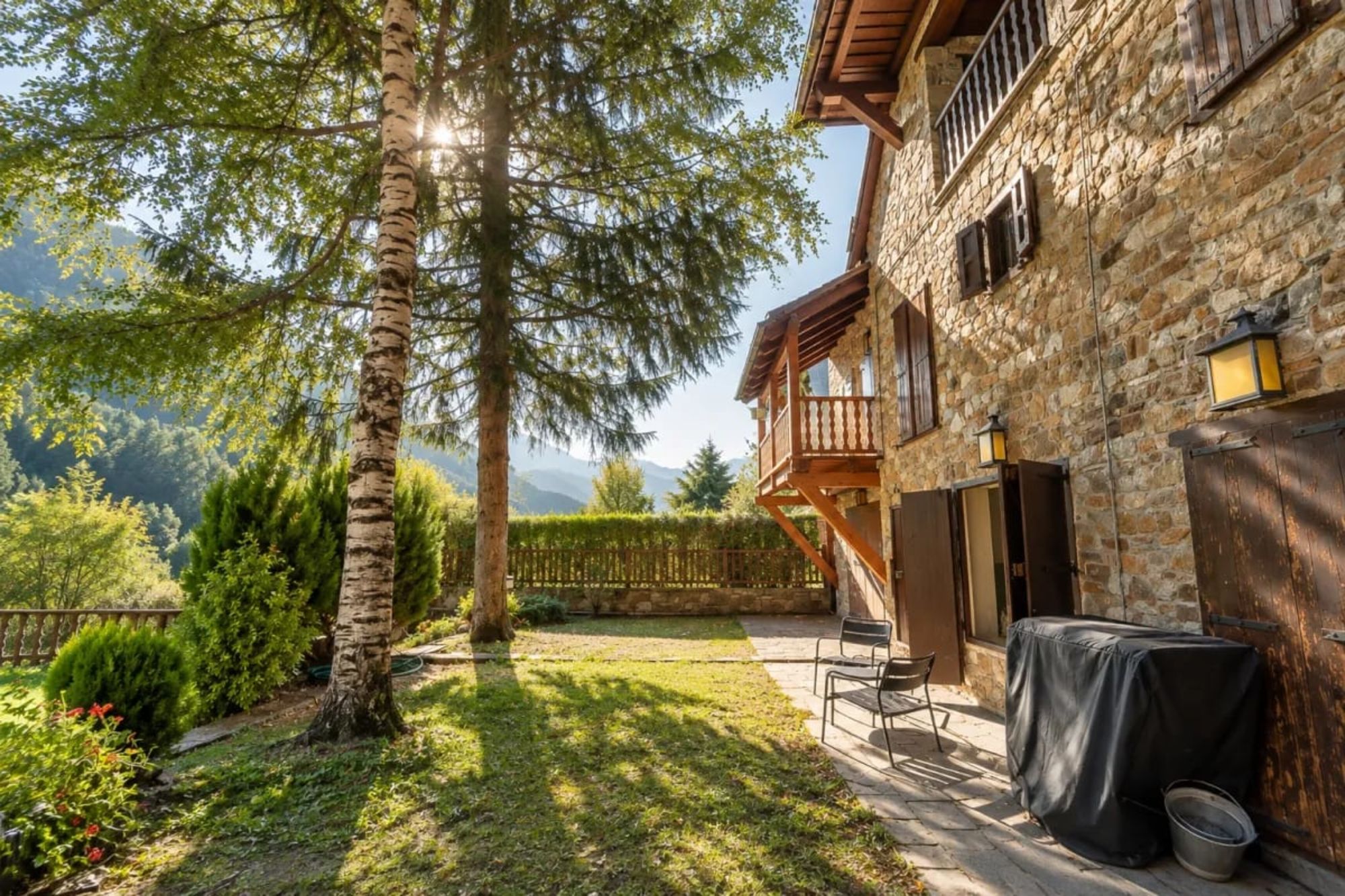
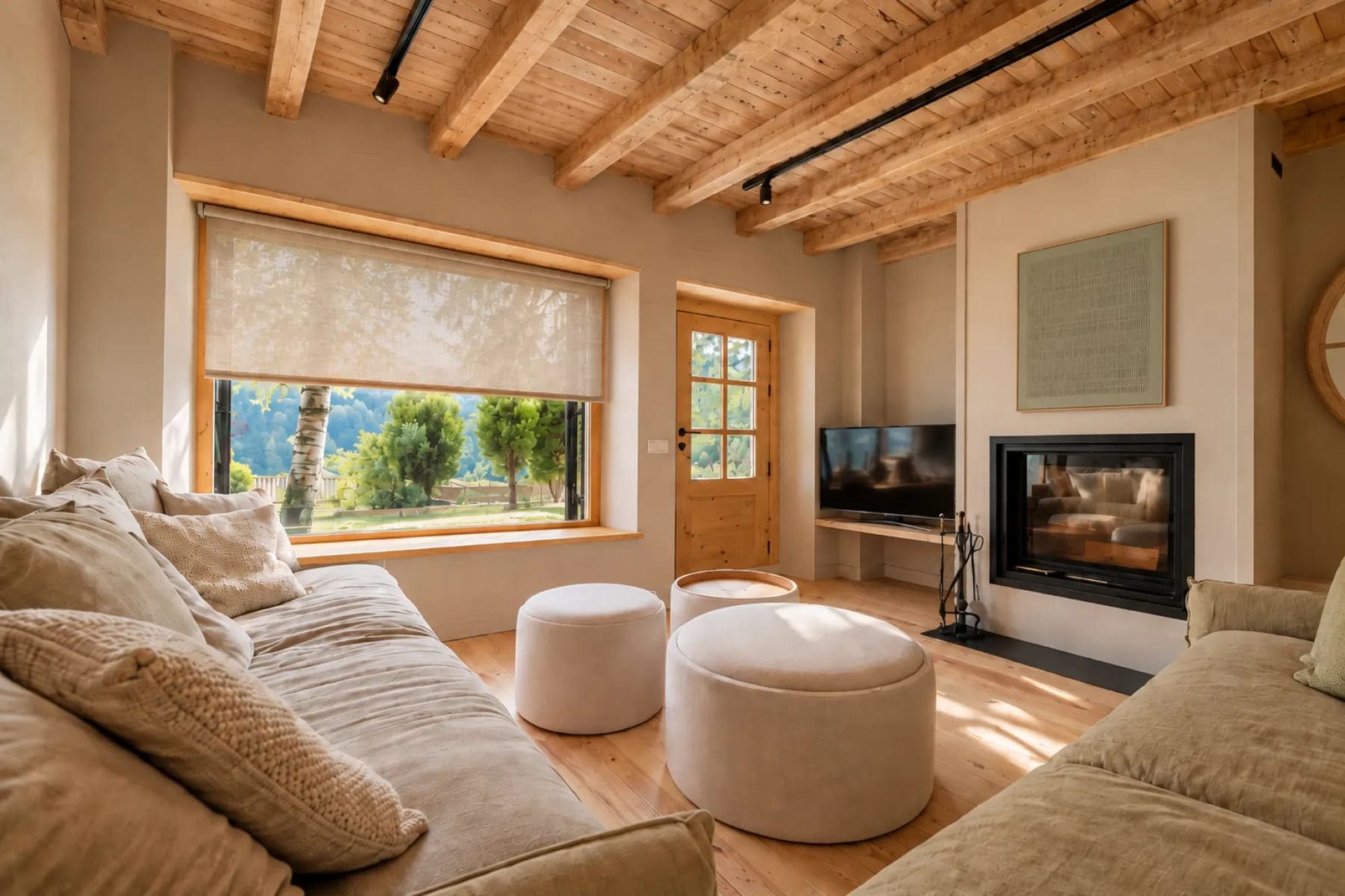
Garòs, Val d'Aran, Spain — 4-Bed Mountain House With Garden & Fireplace
€175,000
Get in Touch
Speak to an expert
Tell us what you're looking for and we'll send you the homes that fit.