Is fractional ownership worth it?
Who it suits and who it doesn't, how to work out what a night really costs, whether a share holds its value, and the questions to ask before you buy.
The short answer: fractional ownership is worth it if you would use a holiday home for four to eight weeks a year and want to own rather than rent. You pay roughly an eighth of the price and an eighth of the running costs for about an eighth of the year, keep a real share that can rise or fall in value with the home, and can sell it later. It is not the right choice if you want rental income, may need your money back quickly, or would only go for a week or two.
Across the 295 homes Co-Ownership Property lists, the median one-eighth share is €195,000 in Europe and $685,000 in the USA.
The 30-second verdict: who is it worth it for?
| Your situation | Is a share worth it? | Why |
|---|---|---|
| You'd use a holiday home 4–8 weeks a year | Usually yes | You pay for roughly the time you use instead of a whole year |
| You go back to the same place every year | Usually yes | A home you know, ready when you arrive, instead of rebooking rentals |
| You don't want to manage a property abroad | Yes | The home is fully managed; you book and turn up |
| You want somewhere better than you'd buy outright | Often | An eighth of a €1.5m villa costs far less than a €1.5m villa |
| You'd stay three months or more a year | Probably not | Past about 12 weeks, owning the whole home usually works out better |
| You want rental income | No | Most co-owned homes are for the owners' own use; see rental rules by country |
| You may need the money back quickly | No | Like any property, selling a share takes time |
| You'd only go for a week or two | Probably not | Renting is likely cheaper for short stays |
What does a night really cost you?
The fair way to judge a share is the cost per night you actually spend there. It has two parts: the running costs of your share, and the cost of the money you have tied up in it.
Running costs. These are your share of the home's real annual costs — management, insurance, maintenance, local property tax and a repair reserve — and they vary a great deal from one home to another. We send the running costs for any home you ask about, so you can put the real figure into the sum below. Our fees guide explains what is in them.
The money tied up. Money in a share is money not earning interest elsewhere. A simple way to put a price on that is to ask what the same sum would earn in savings or a low-risk investment.
A worked example (illustrative figures, not a specific home)
| Example | One-eighth share | The whole home |
|---|---|---|
| Price | €200,000 | €1,600,000 |
| Nights a year you use it | 42 (six weeks) | 42 (six weeks) |
| Return given up, at an assumed 4% a year | €8,000 a year | €64,000 a year |
| Cost of money per night used | about €190 | about €1,524 |
| Running costs | One-eighth of the home's costs | All of the home's costs |
| Who does the work | The manager | You, or staff you pay |
Example only: €200,000, €1.6 million and 4% are round numbers chosen to show the method. They are not a quote, a forecast or the figures of any home we list. Put in the price of the home you are looking at, its running costs (ask us) and the return you would realistically get on the money.
The comparison that matters is with what you would otherwise do. If you would rent a similar villa for six weeks in good months, look at what those six weeks cost you today, every year, with nothing at the end. If you would buy the whole home, the table shows why that only makes sense when you would use it for much of the year or let it out.
Our page on fractional ownership vs renting goes deeper into the rent-or-own question, and fractional ownership vs a second home covers buying outright.
Is fractional ownership a good investment?
Think of a share as a home you use that also holds value, rather than as an investment you buy for a return. You own a real share of the home (an eighth, a quarter), not a right to use it. You can sell it, pass it on, and it rises and falls in value with the house. The legal set-up is arranged by our partner for each home and explained before you buy.
That last point cuts both ways. If prices in the area rise, your share is worth more; if they fall, it is worth less. Nobody can promise which, and you should be wary of anyone who does.
Two examples of how a share's value could move (illustrative)
| If the home's value… | A €200,000 share after 10 years |
|---|---|
| Rises 2% a year | about €243,800 |
| Stays flat | €200,000 |
| Falls 1% a year | about €180,900 |
Simple compound arithmetic on an example price, before selling costs and any tax on a gain. Not a forecast for any home or market.
Two things to bear in mind when you compare a resale with the price you paid. First, the price of a new share usually includes furnishing, setting up the home and the company's service, so the share is not just an eighth of the bare property value. Second, when you sell, buyers will compare your share with any new shares on offer in the same or similar homes. Price and location matter far more than anything else.
What are the catches?
There are a few things worth knowing before you buy, and none of them are hidden:
- Selling takes time. You set the price. Your co-owners get the first chance to buy at that price; if they pass, it goes on the open market. How long it takes depends on the home, the price and the season. See how to sell a share.
- The nights follow a system. You get around six weeks a year with a fair share of high season, but you cannot have every August. Ask how the booking system for a home works before you commit.
- Running costs continue. You pay your share of the home's costs every year, whether or not you visit.
- It is not a rental investment. Many co-owned homes cannot be let, and where they can it is a way to offset costs, not an income.
- Some homes have a minimum ownership period before you can sell. Check it.
How do you check that a company is genuine?
Fractional ownership is a legitimate, long-established way to own a holiday home, but as with any property purchase you should check what you are buying. The test that matters most: can you see the documents showing what you will own and how the home is held, before you pay? A genuine company will show you. Other good questions are what the running costs are and how they have changed, how the booking system works, and how resale works. Our checklist of questions to ask any co-ownership company covers the rest.
We are independent agents and experts: we list homes from several partner companies, our partner pays us, and you pay the same price as going direct. We will tell you honestly what we know about any home you are considering.
A 10-year view
Over ten years, the full cost of a share is: the price you pay, plus purchase taxes and legal costs, plus ten years of your share of running costs, minus what you get back when you sell. Against that you have had around sixty weeks in the home. Run that sum with the figures for a real home — we will send them — and compare it with ten years of renting the same kind of place. For most people who would use a home four to eight weeks a year, the share wins on quality of stay, and often on cost too. For people who would only go for a fortnight, renting usually wins.
Financing may be available depending on where you live; ask us about the home you are looking at. Tax on buying, owning and selling differs by country: see our tax by country guide.
Frequently asked questions
Is fractional ownership worth it?
Yes, if you would use a holiday home for four to eight weeks a year and want to own rather than rent. You pay about an eighth of the price and running costs for about an eighth of the year and keep a real share you can sell. It is not worth it if you want rental income, need quick access to your money, or would only go for a week or two.
Is fractional ownership a good investment?
It is best seen as a home you use that also holds value. Your share rises and falls in value with the house, so it can gain or lose; it is not designed to produce rental income.
Do fractional shares appreciate?
A share's value follows the value of the home and the local market, so it can rise or fall. When you sell, buyers also compare your price with new shares on offer, so price and location matter most.
What is the catch with fractional ownership?
Selling takes time, your nights follow the home's booking system, running costs continue every year, and most homes are for your own use rather than letting. None of this is hidden: ask to see the booking rules, running costs and resale terms before you buy.
Is fractional ownership a scam?
No. Owning a real share of a home is a legitimate, long-established model. Check that you can see the documents showing what you will own and how the home is held before you pay, and ask for the running costs and resale terms in writing.
How do I work out the cost per night?
Add your share of the running costs to the return you give up on the money in the share, then divide by the nights you will use. Ask us for the running costs of any home and we will help you run the numbers.
How much does a share cost?
Across the homes we list, the median one-eighth share is €195,000 in Europe and $685,000 in the USA; 140 euro-priced homes are under €300,000 a share.
Questions about your situation?
Ask David or Dylan
Send us the home you are looking at and how many weeks you would use it. David or Dylan will reply personally, usually within one working day, with the running costs and the sums.
Homes to look at
See what a share costs in a real home
Three recently listed European homes under €250,000 a share. Ask us for the running costs of any of them and we will help you work out the cost per night.
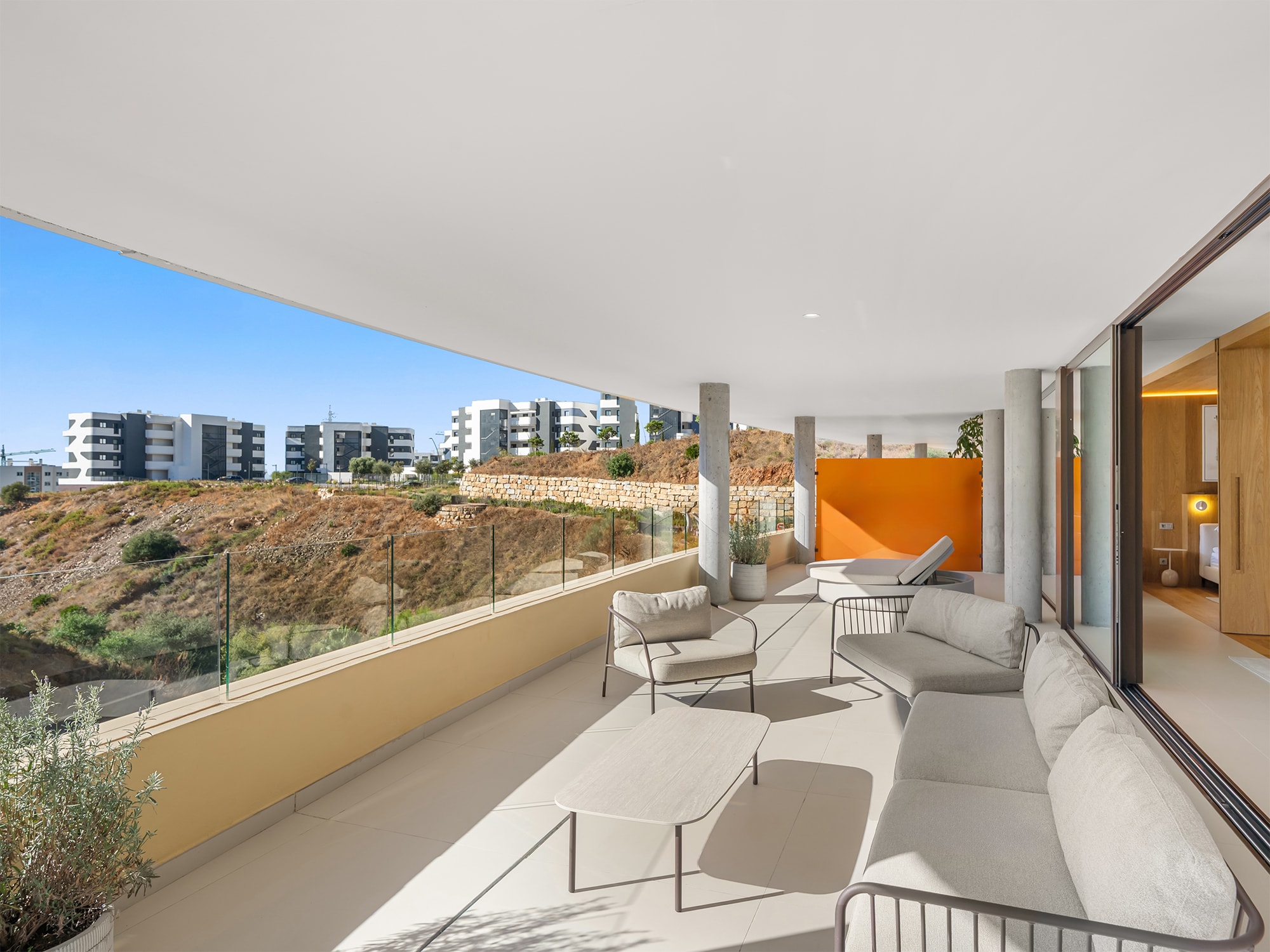
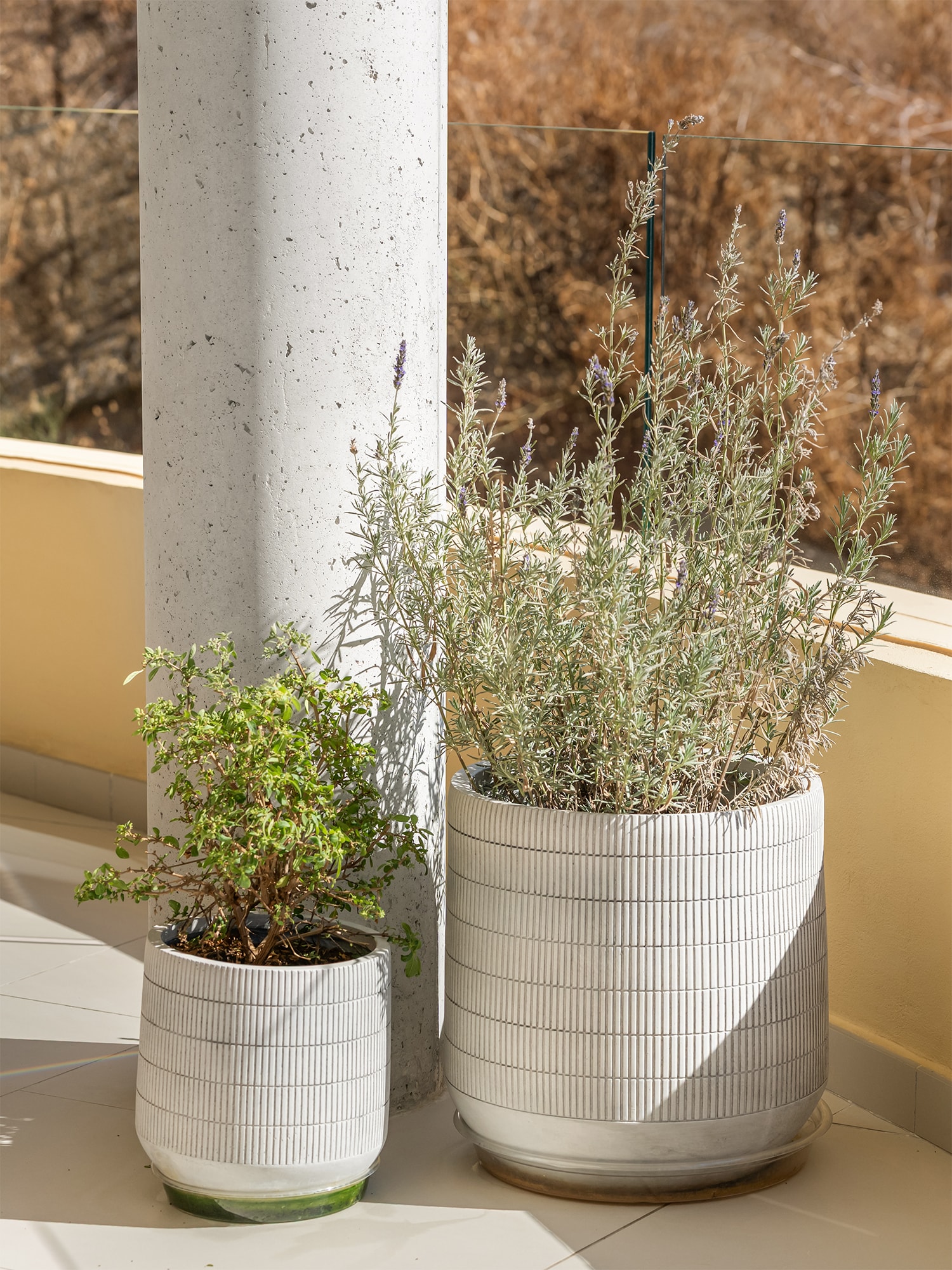
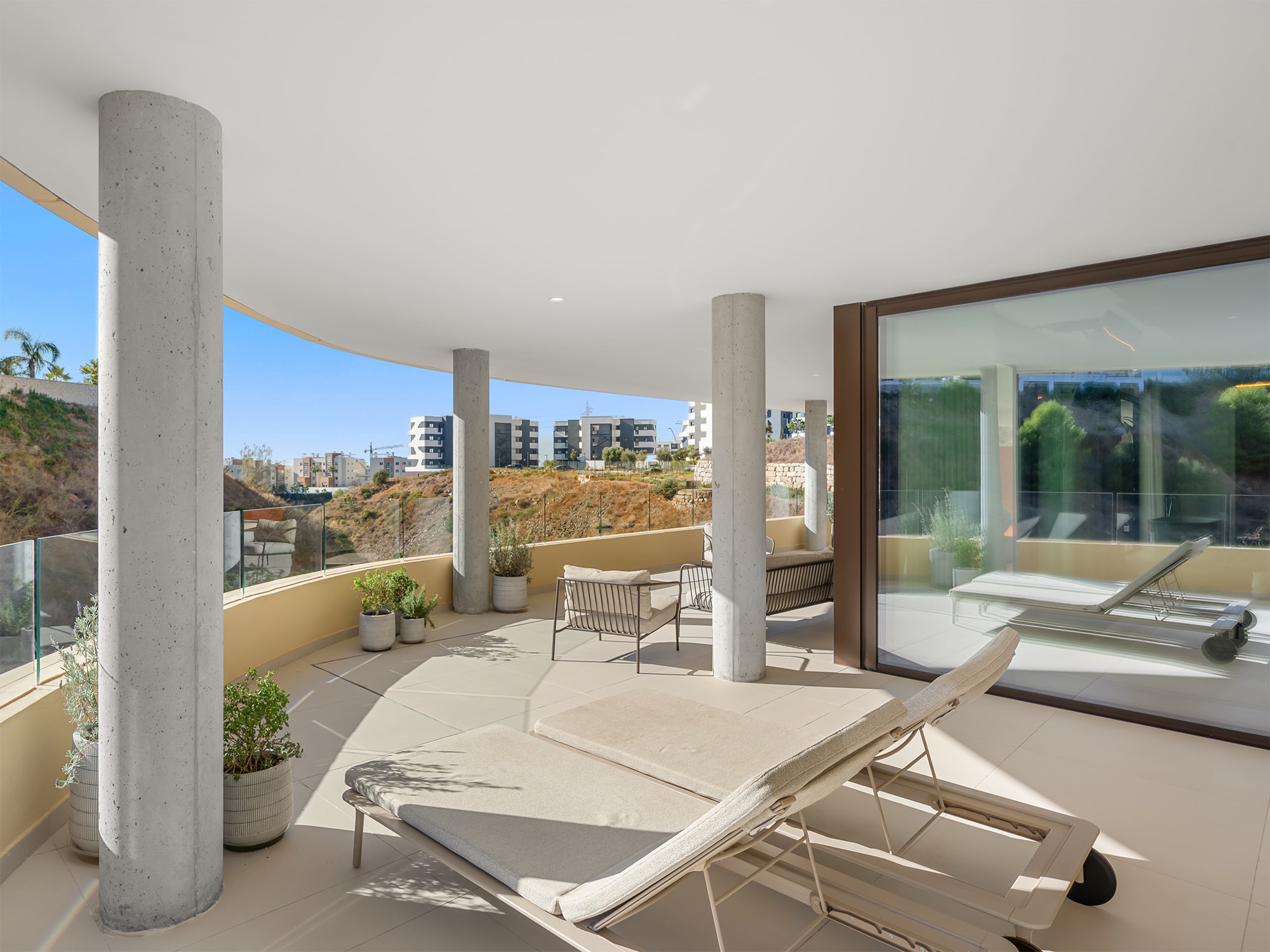
Higuerón, Costa del Sol, Spain — 3-Bed Villa Apartment With 133 m² Private Terrace
€159,000
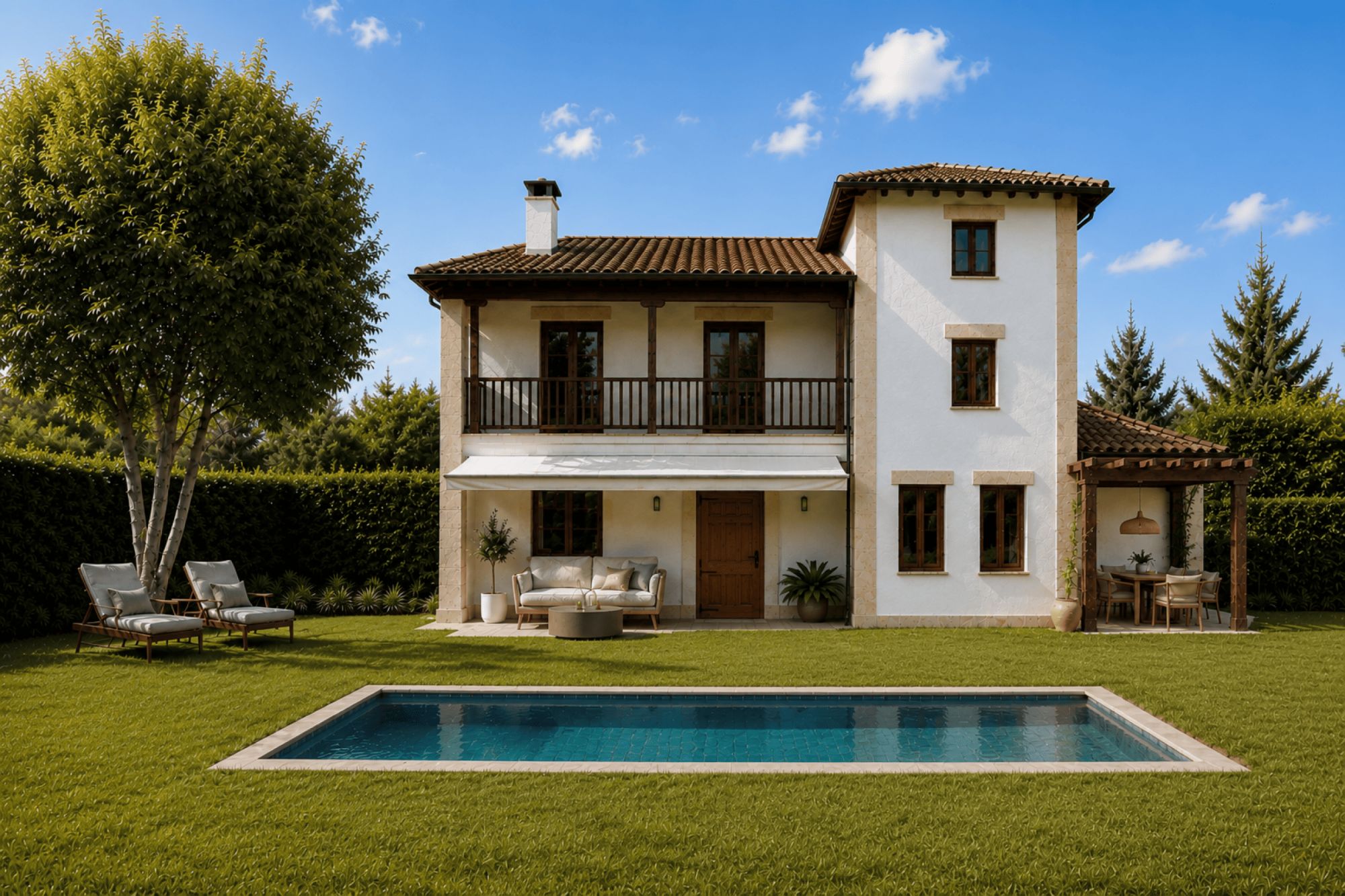
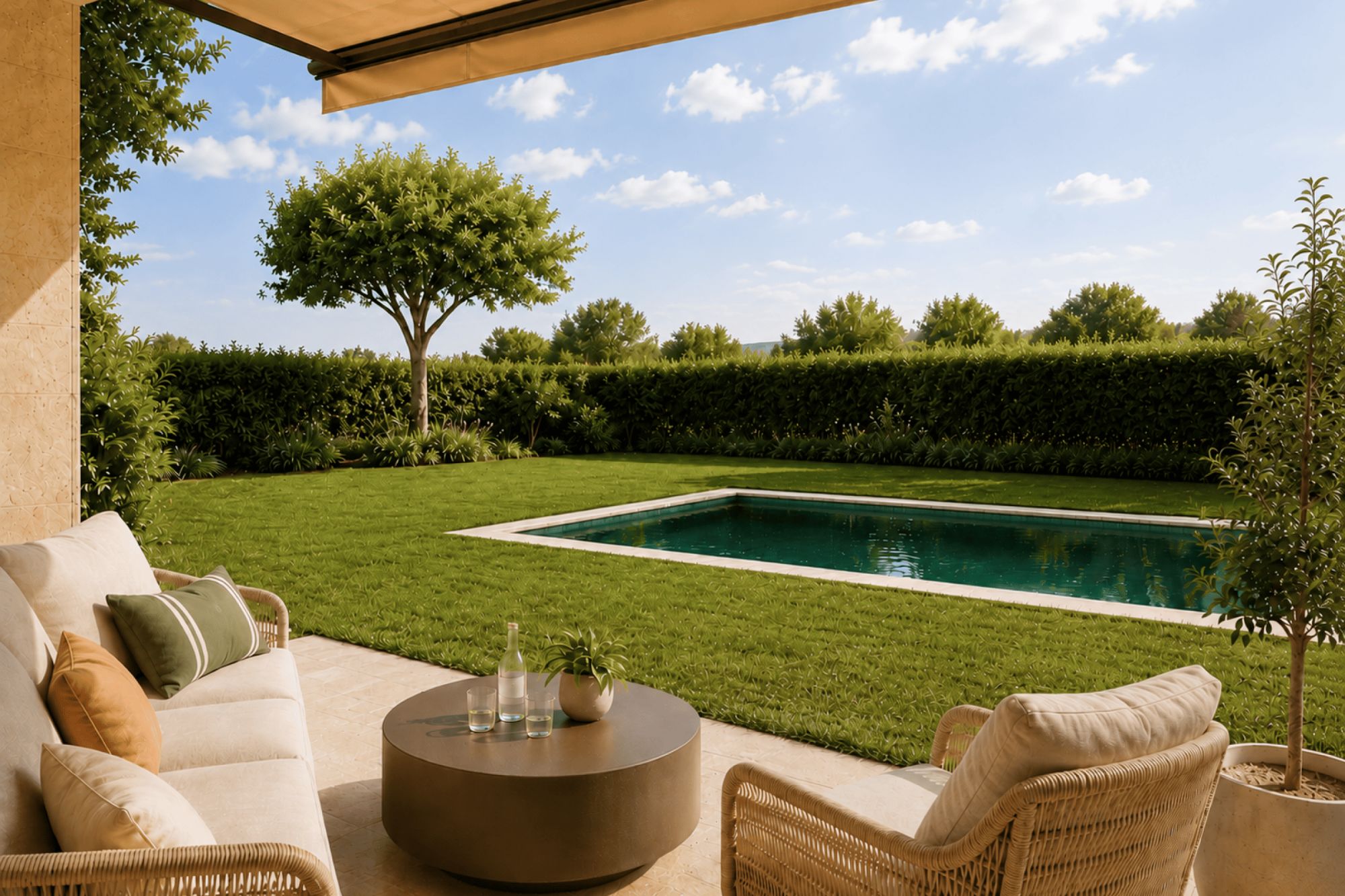
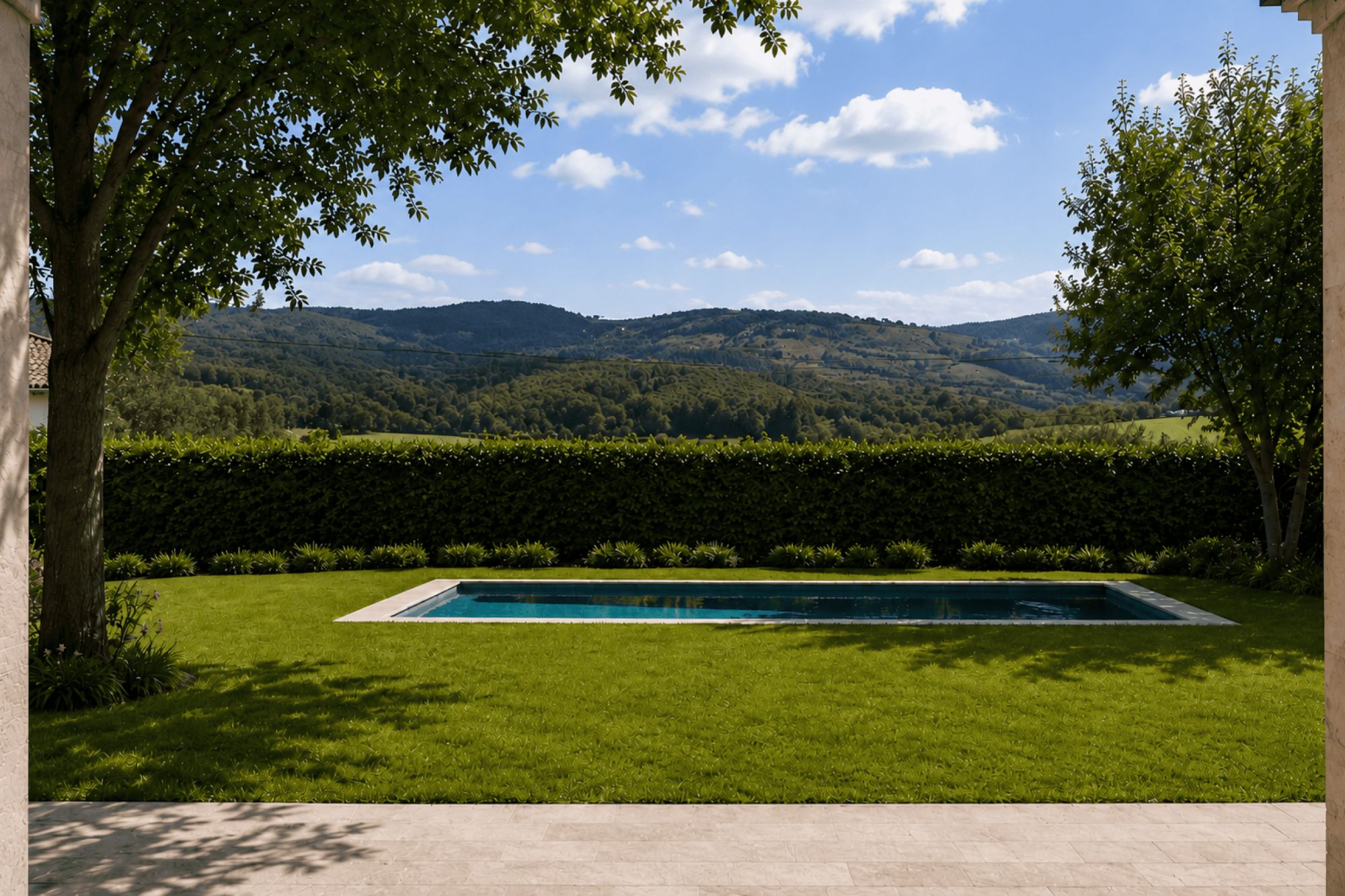
Ruiloba, Cantabria, Spain — 5-Bed House With Private Pool, Garden & Picos de Europa Views
€175,000
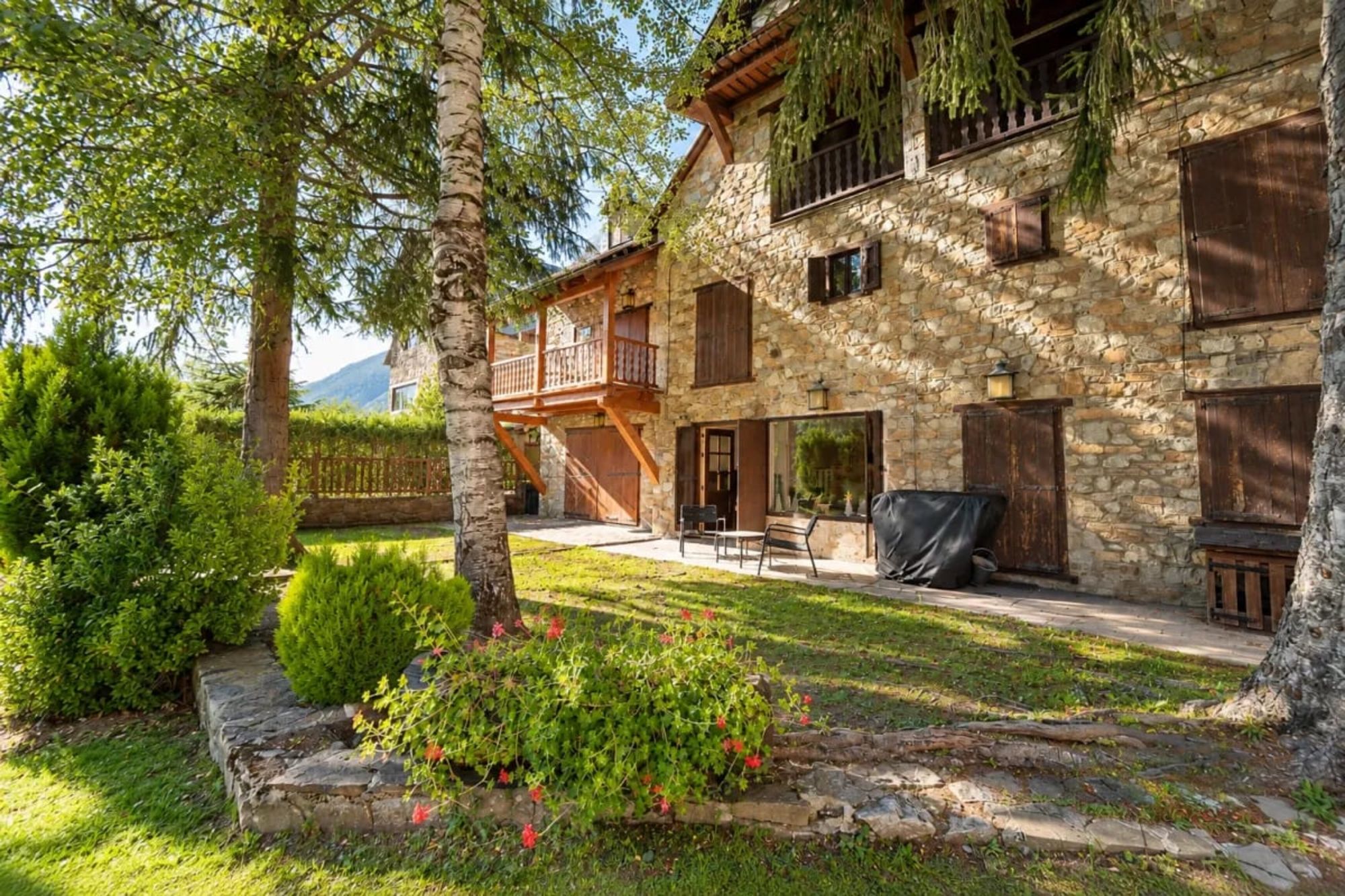
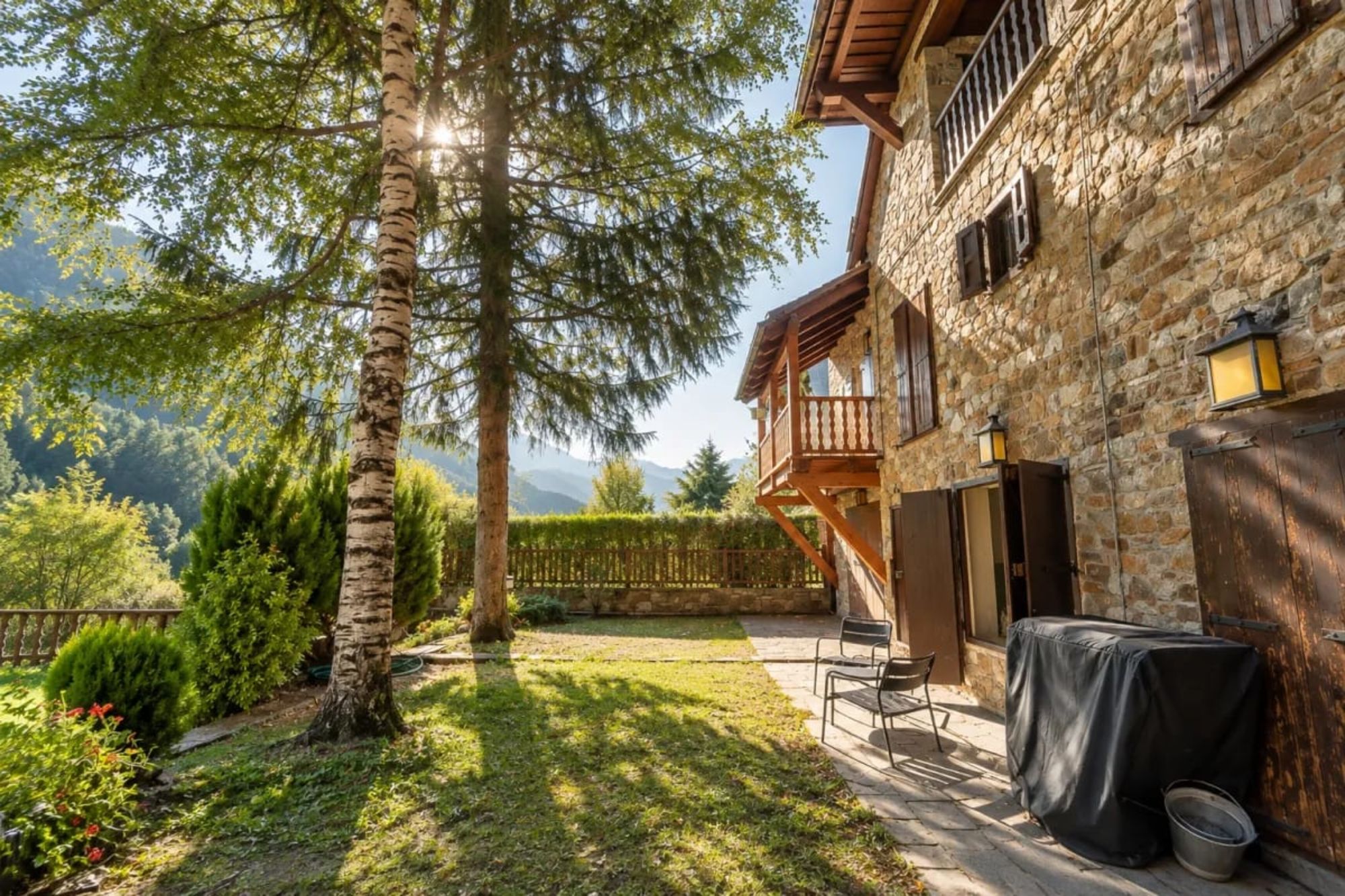
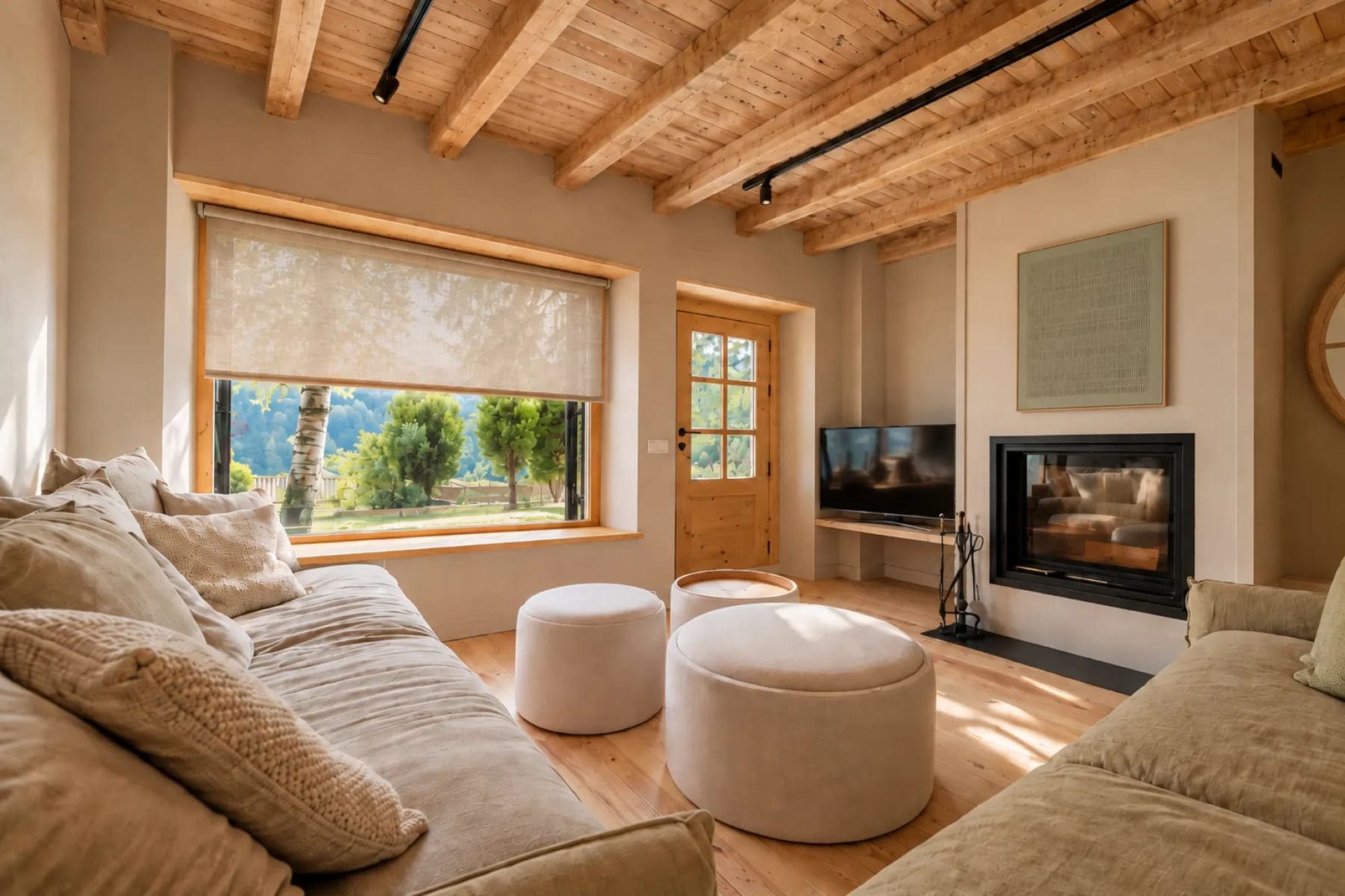
Garòs, Val d'Aran, Spain — 4-Bed Mountain House With Garden & Fireplace
€175,000
Get in Touch
Speak to an expert
Tell us what you're looking for and we'll send you the homes that fit.