Greece · The Greek Islands
Greece Fractional Ownership & Co-Ownership Properties
From a whitewashed house above a Cycladic harbour to a stone villa among the olive trees of Corfu — this is our guide to fractional ownership in Greece: how it works, where owners want to be, and the homes that people who love Greece are buying a share of today. Whether you call it fractional ownership or co-ownership, you own a real share of the home.
We have no homes in Greece yet. Leave your email and we will tell you the day the first one is listed. Homes that buyers who like Greece also choose are just below.
If you like Greece, look at these homes
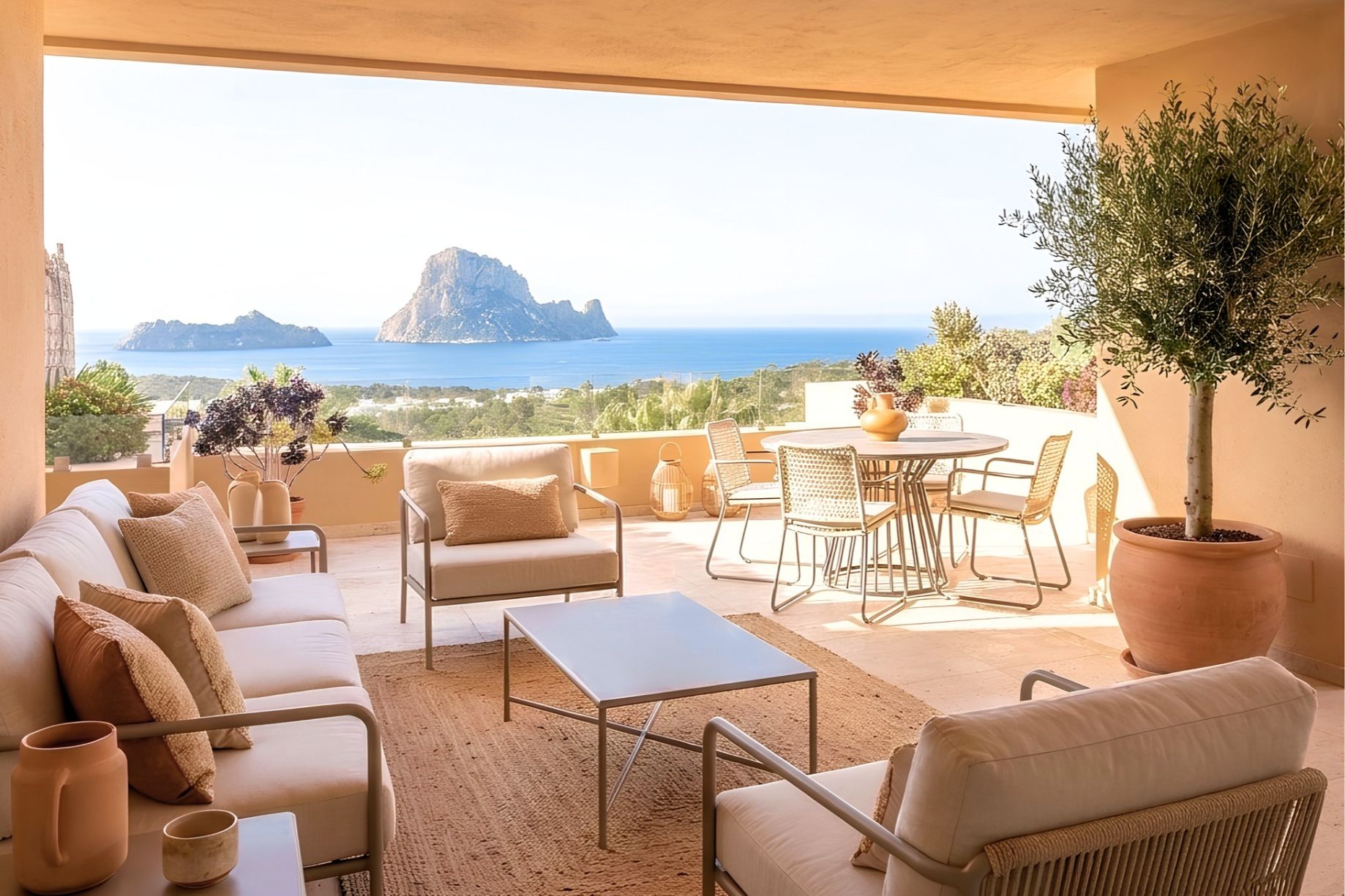
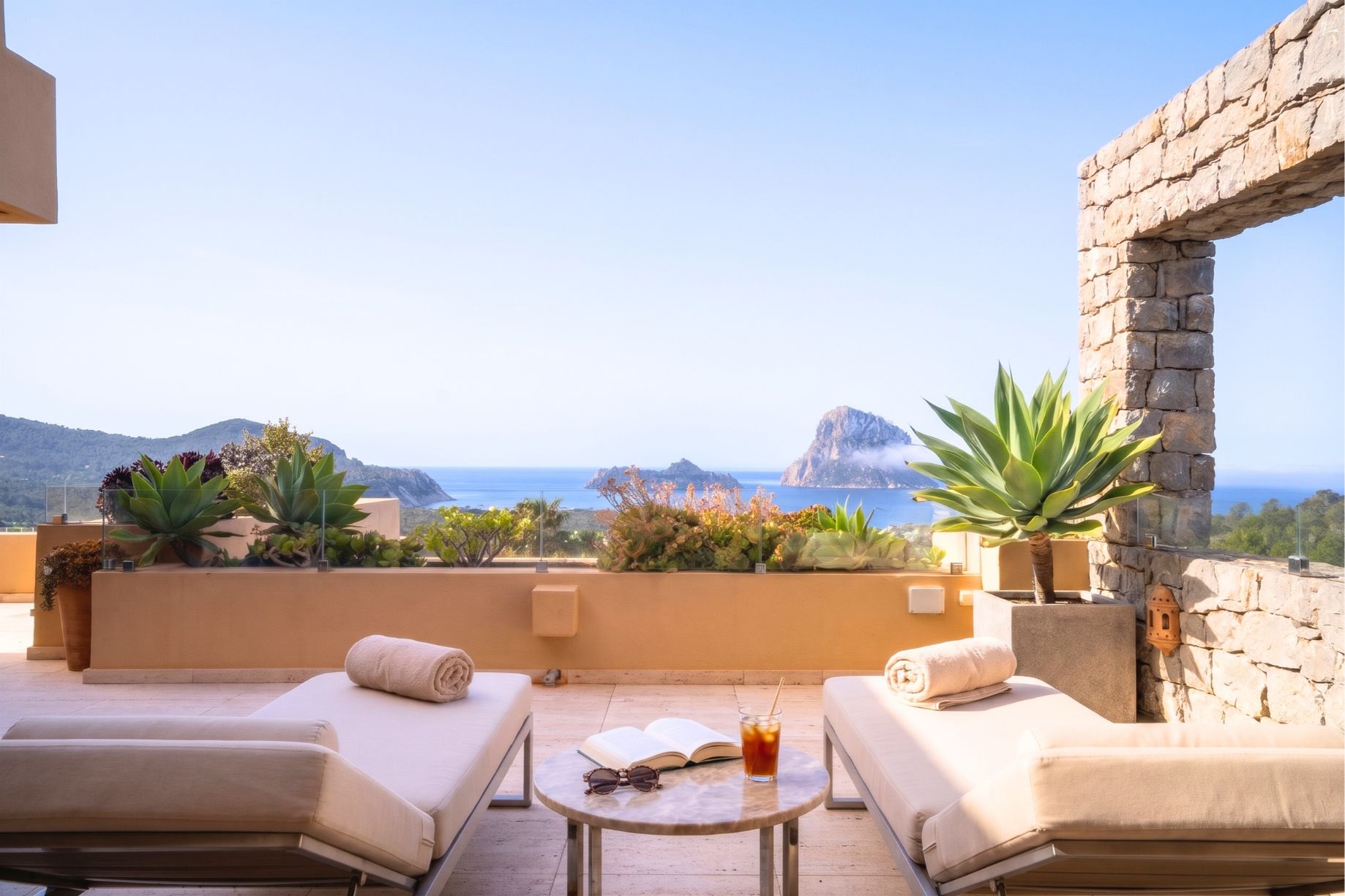
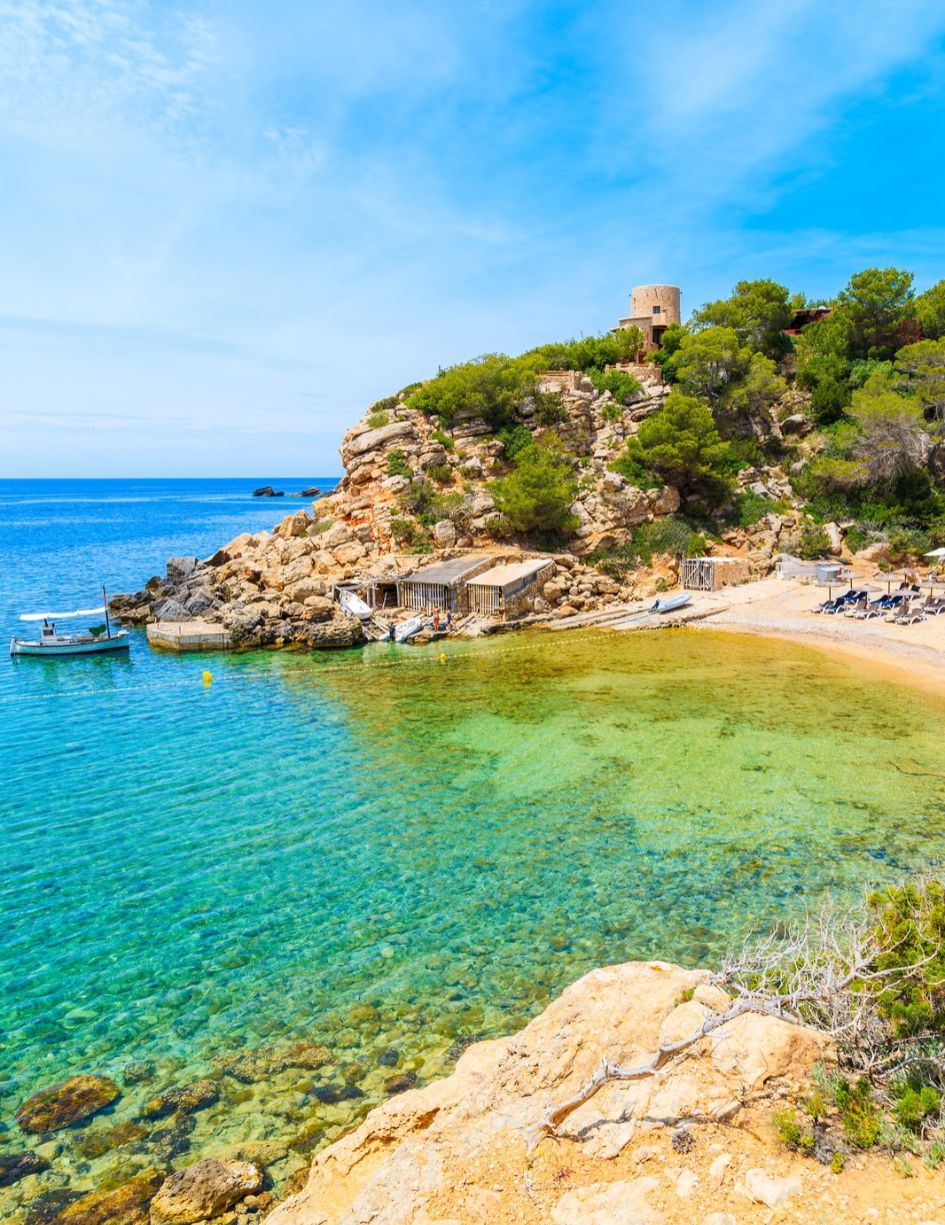
Cala Vadella, Ibiza, Spain — 2-Bed Penthouse With Es Vedrà Sea Views & Pool
€224,000
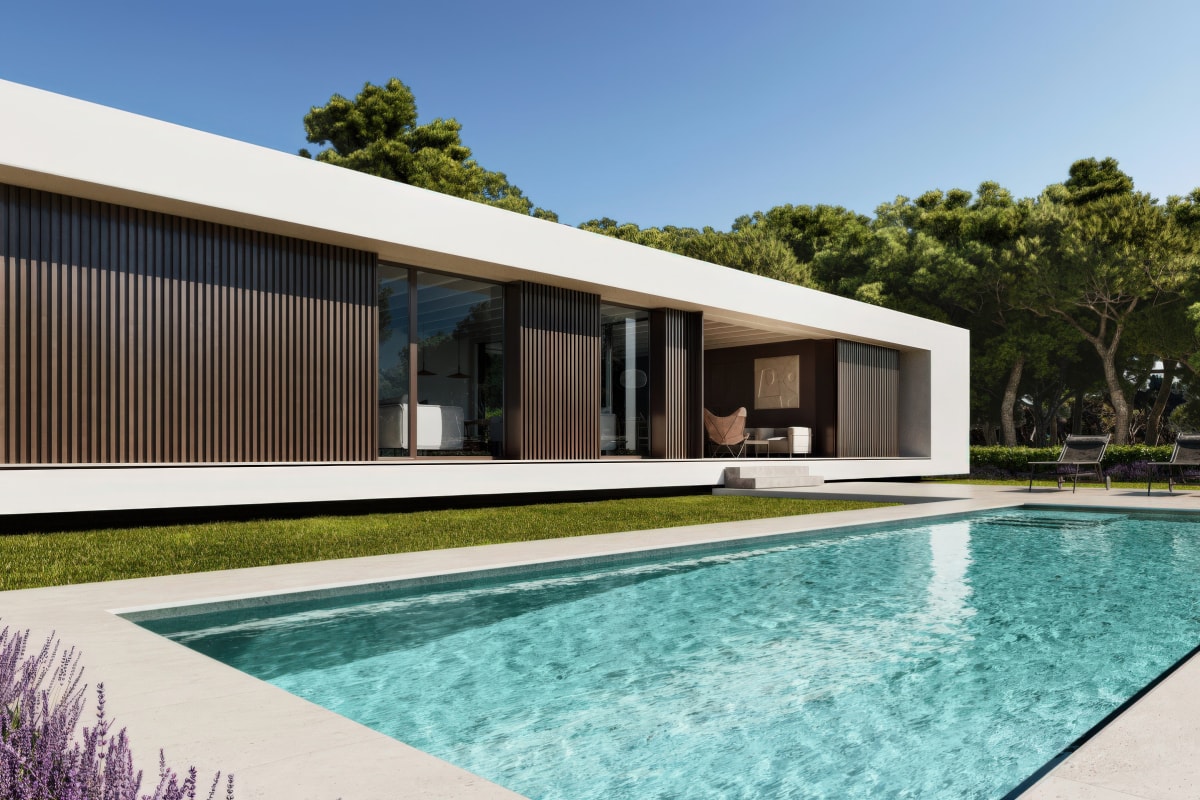
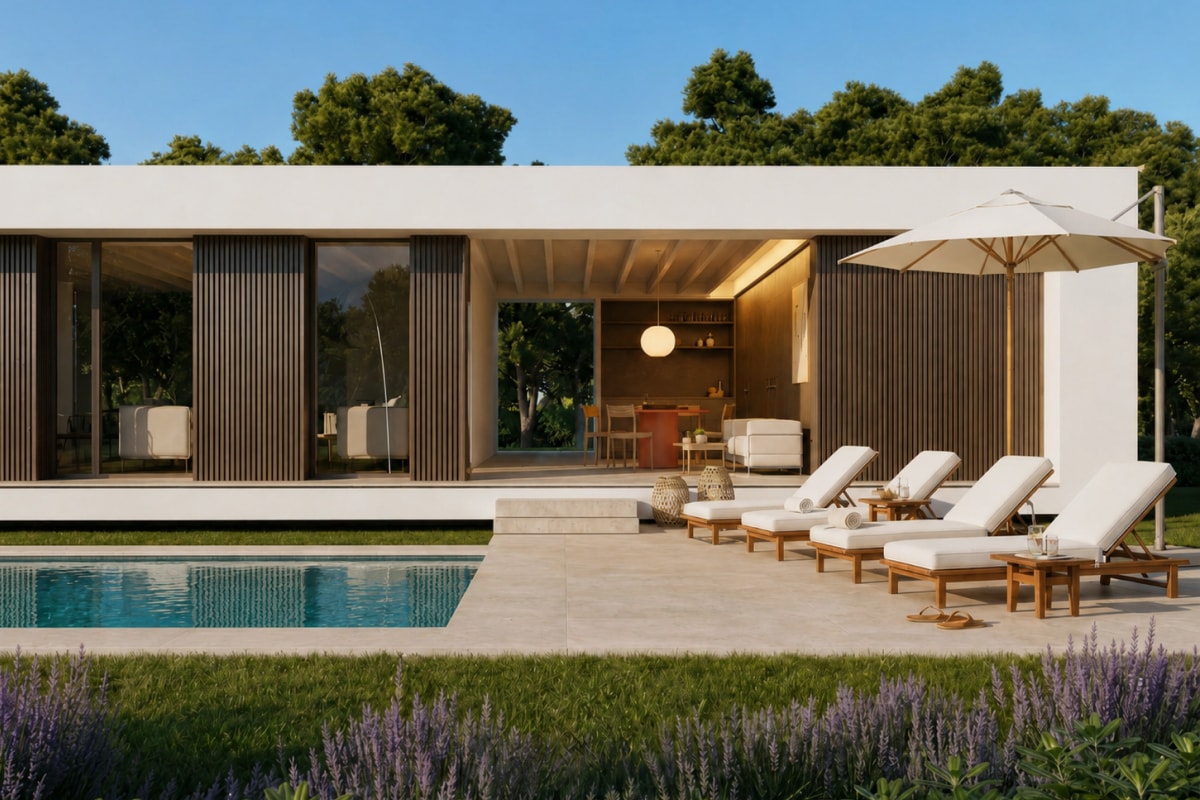
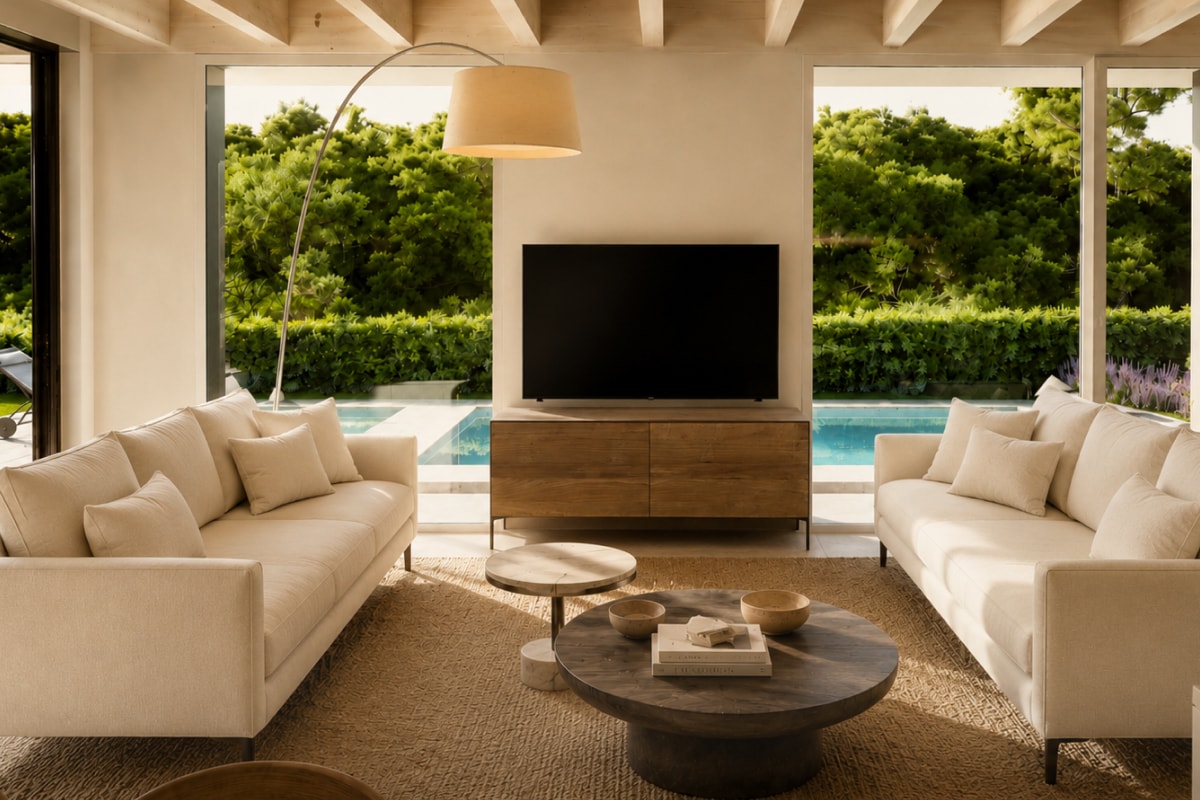
Son Parc, Menorca, Spain — 4-Bed Villa With Pool, Solarium & Garden
€210,000
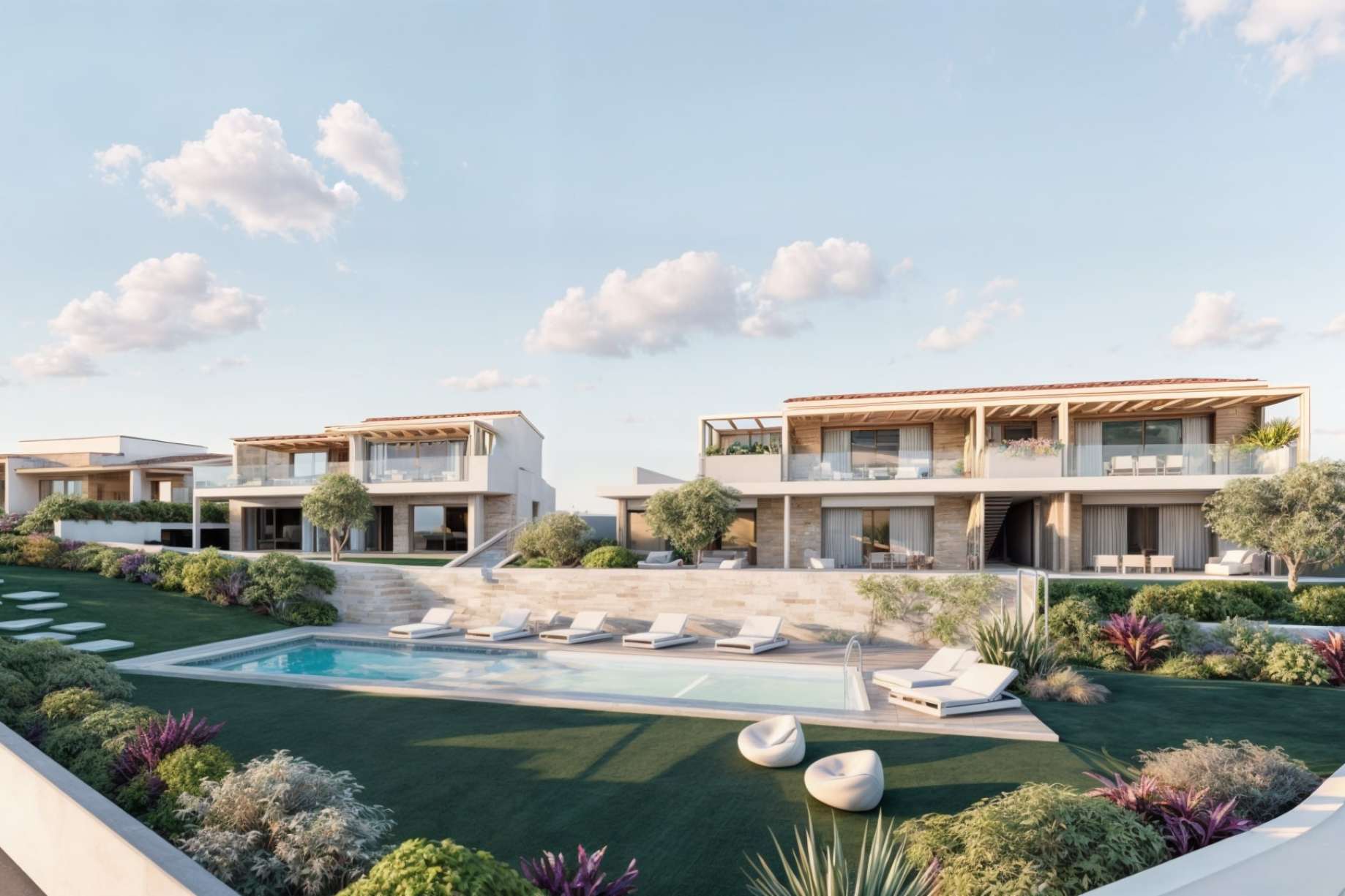
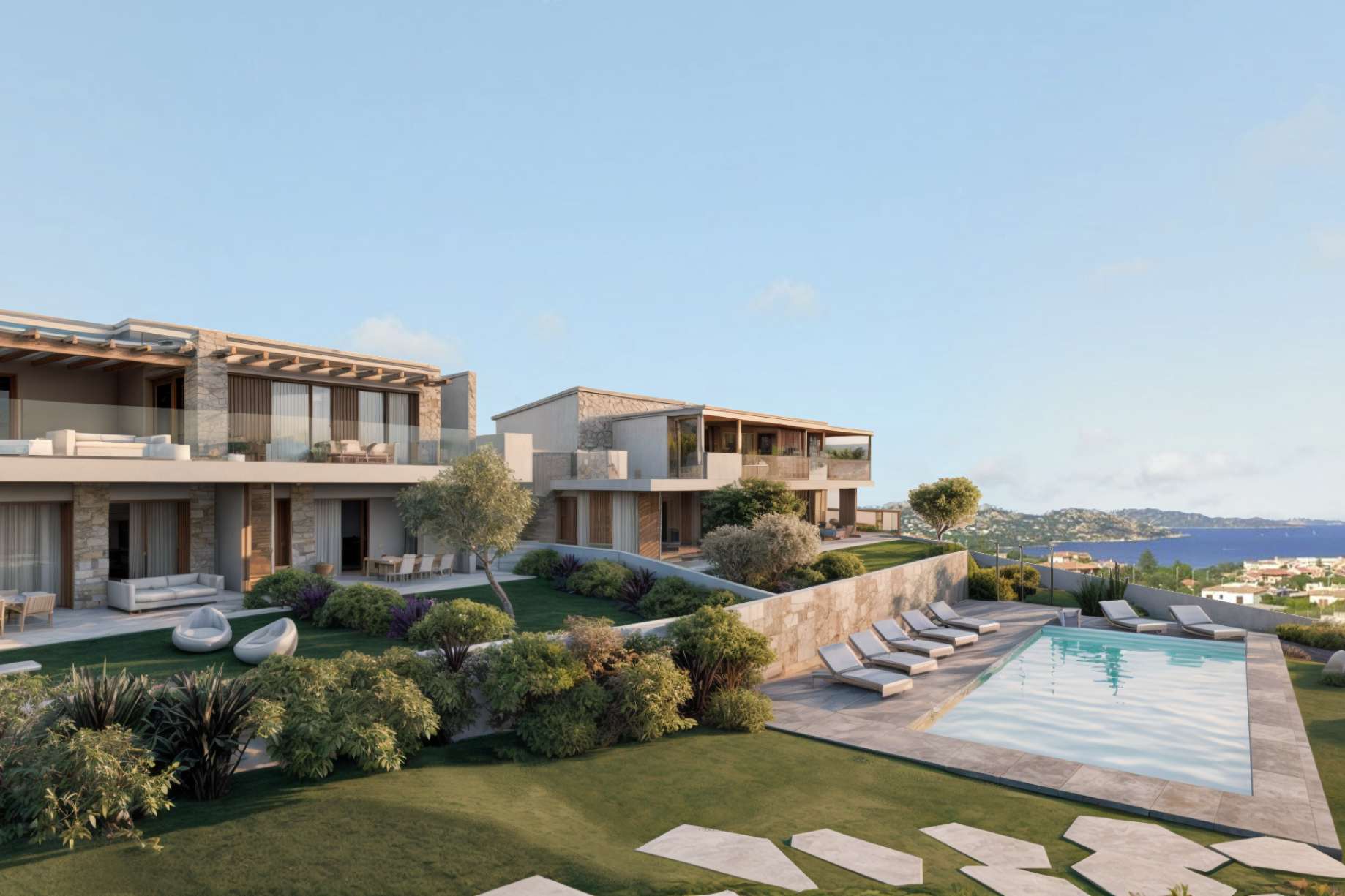
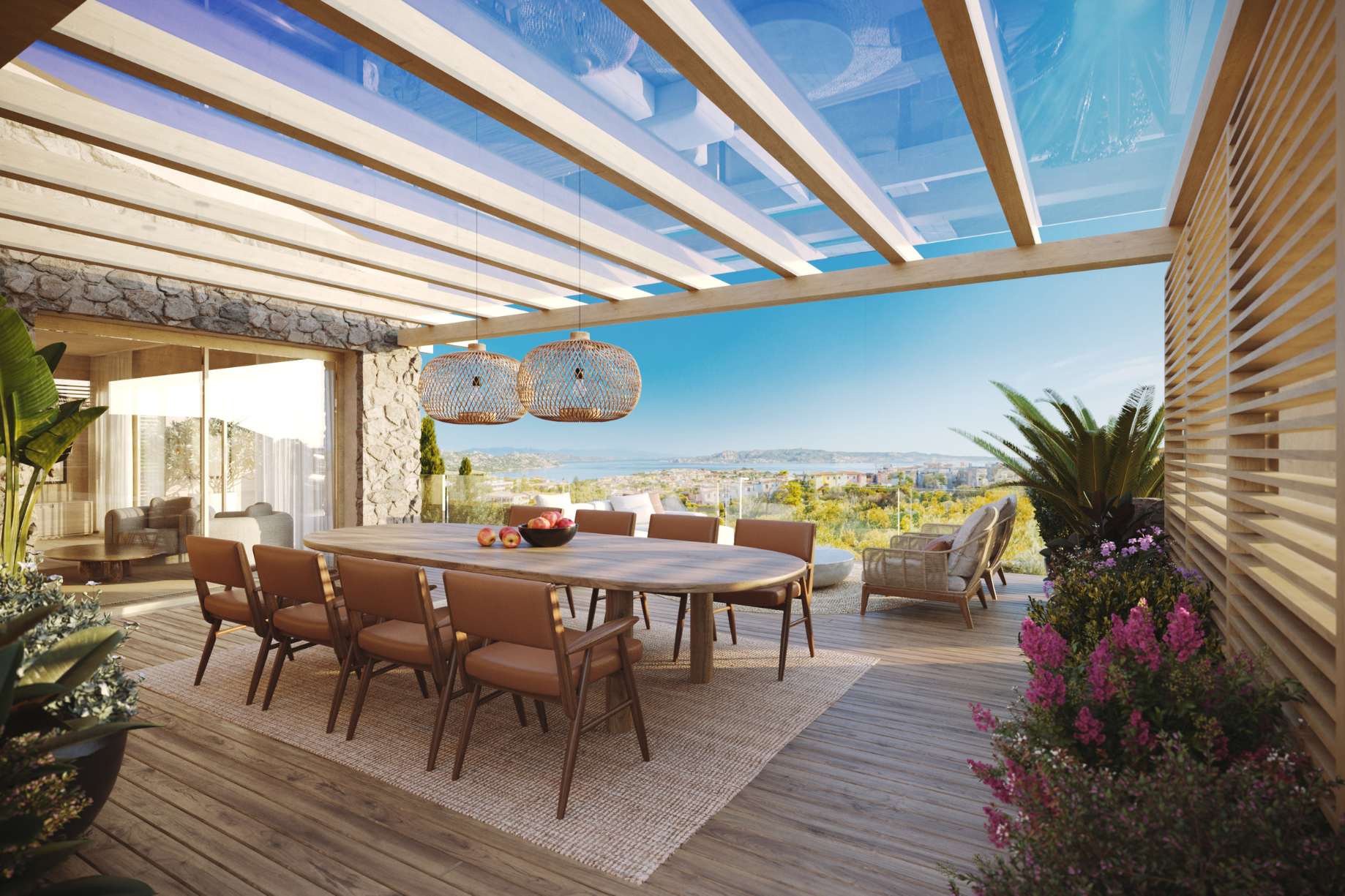
Palau, Sardinia, Italy — 2-Bed Apartment With Pool
€119,000
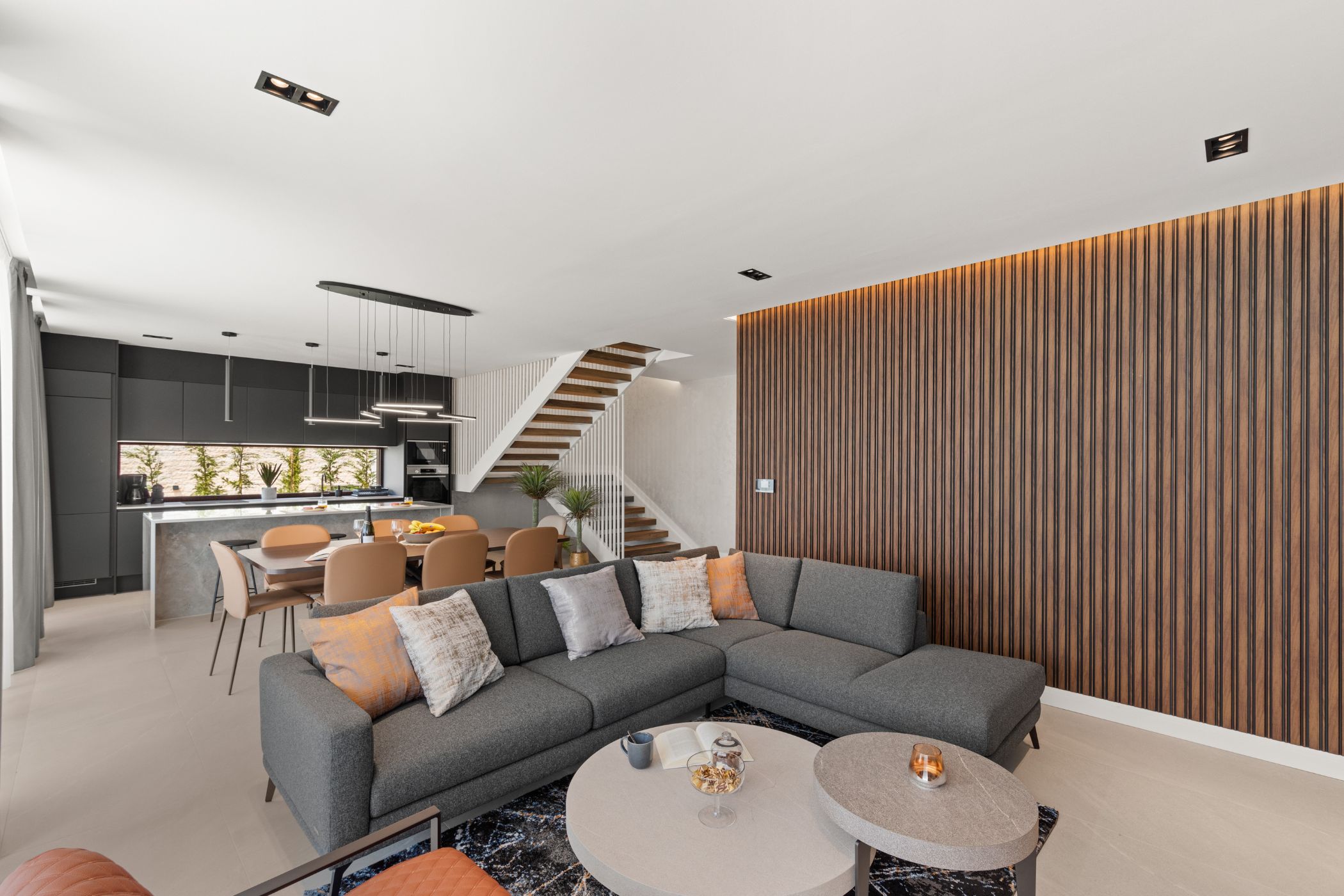
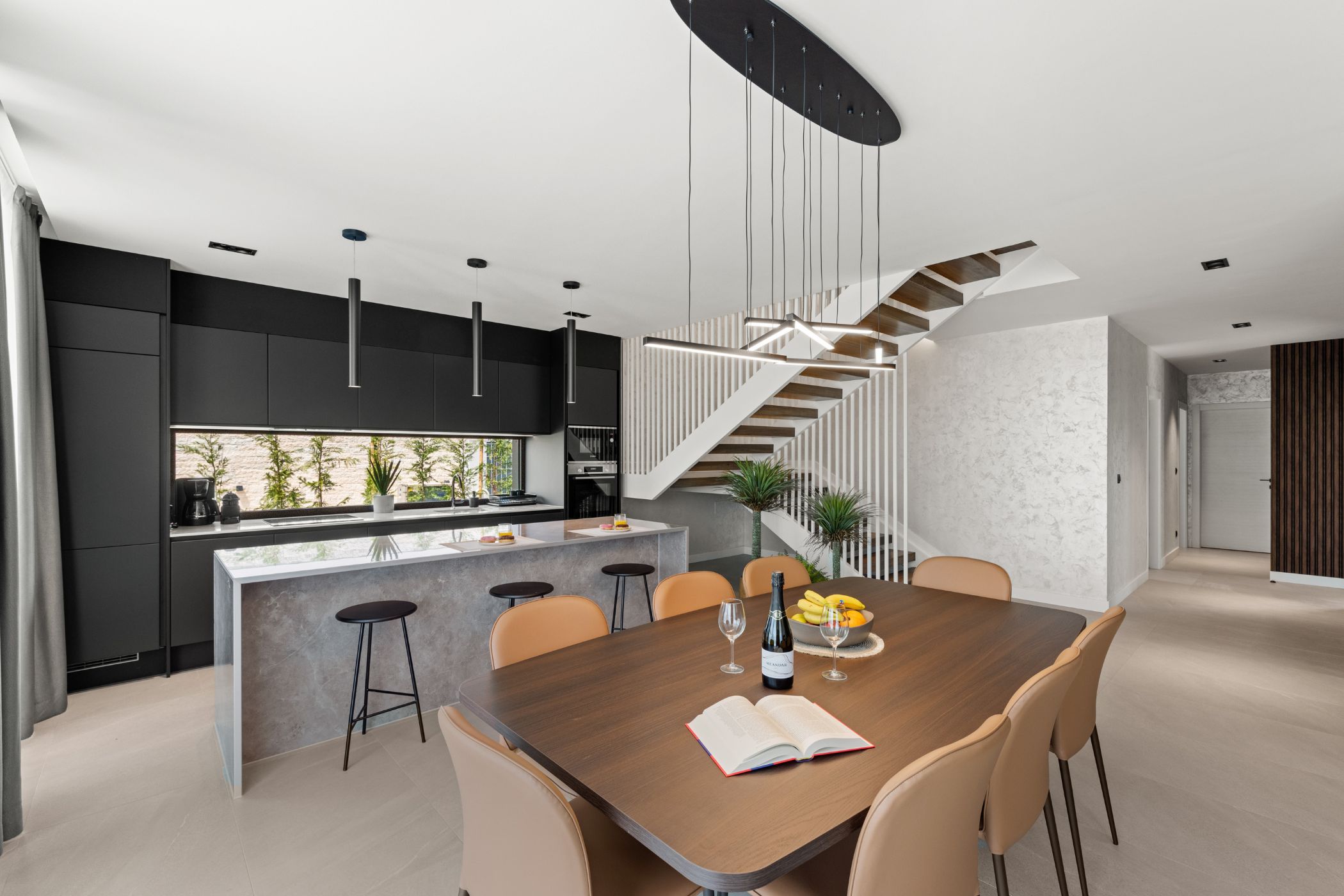
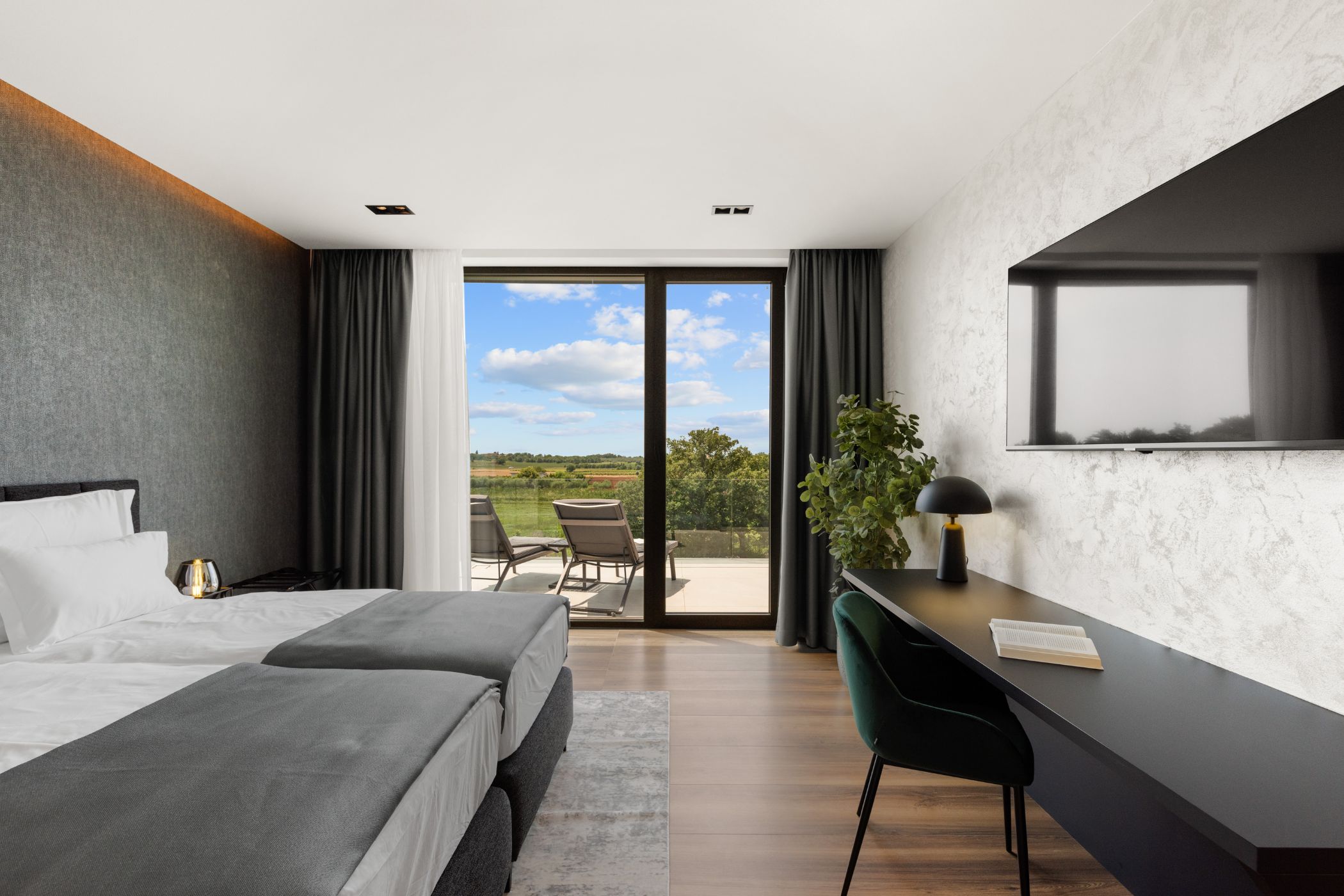
Kukci, Istria, Croatia — 3-Bed Villa With Infinity Pool
€219,000
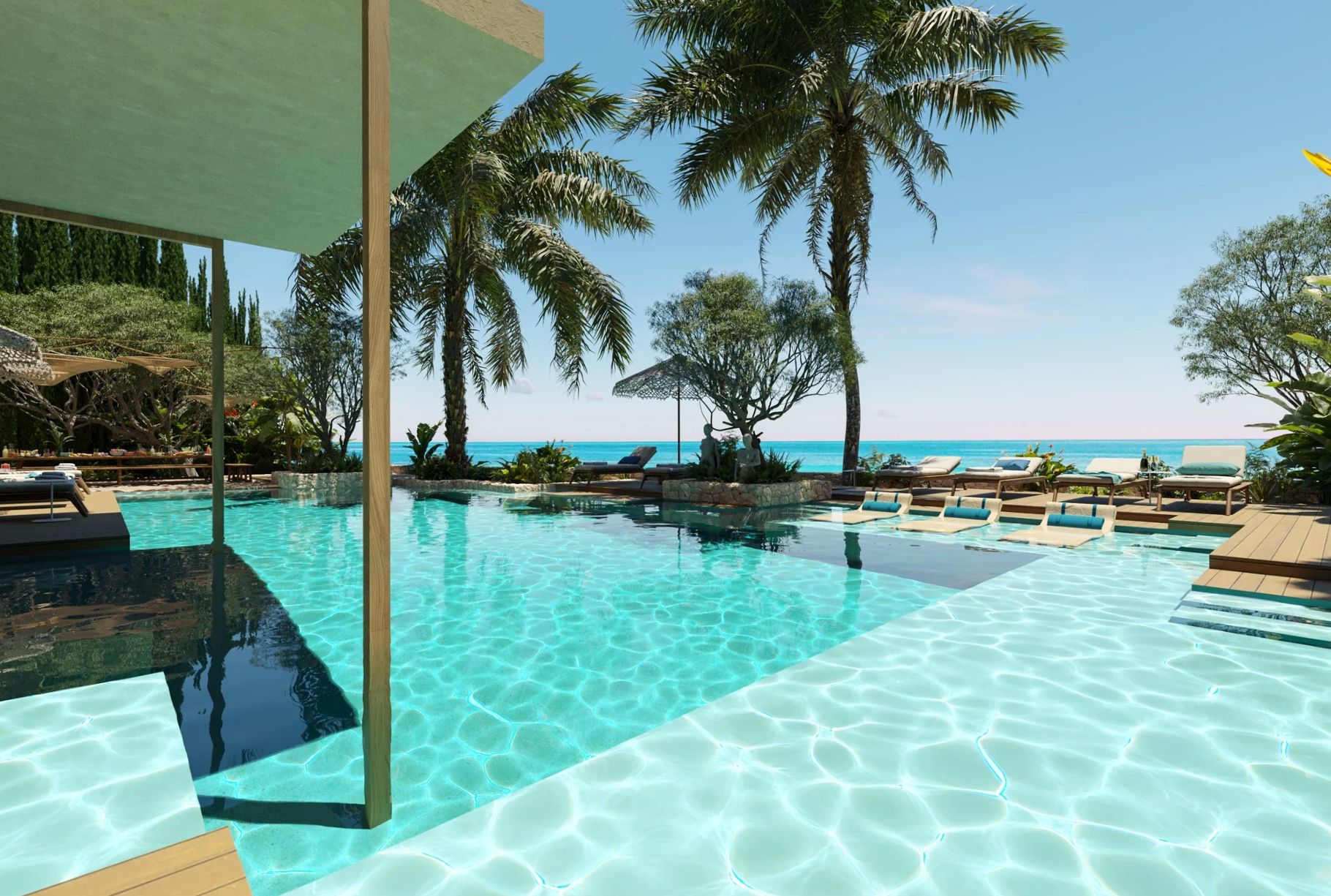
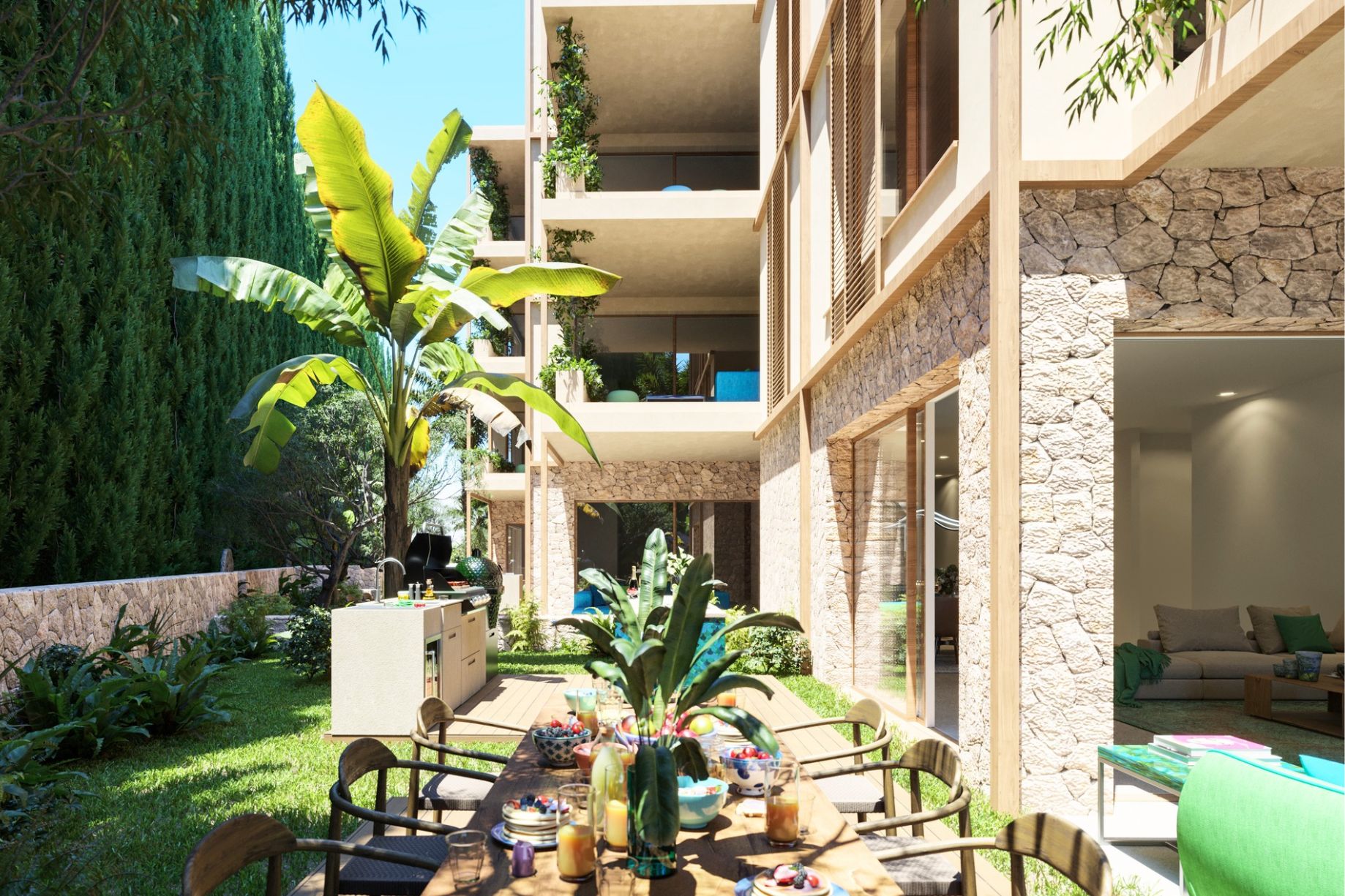
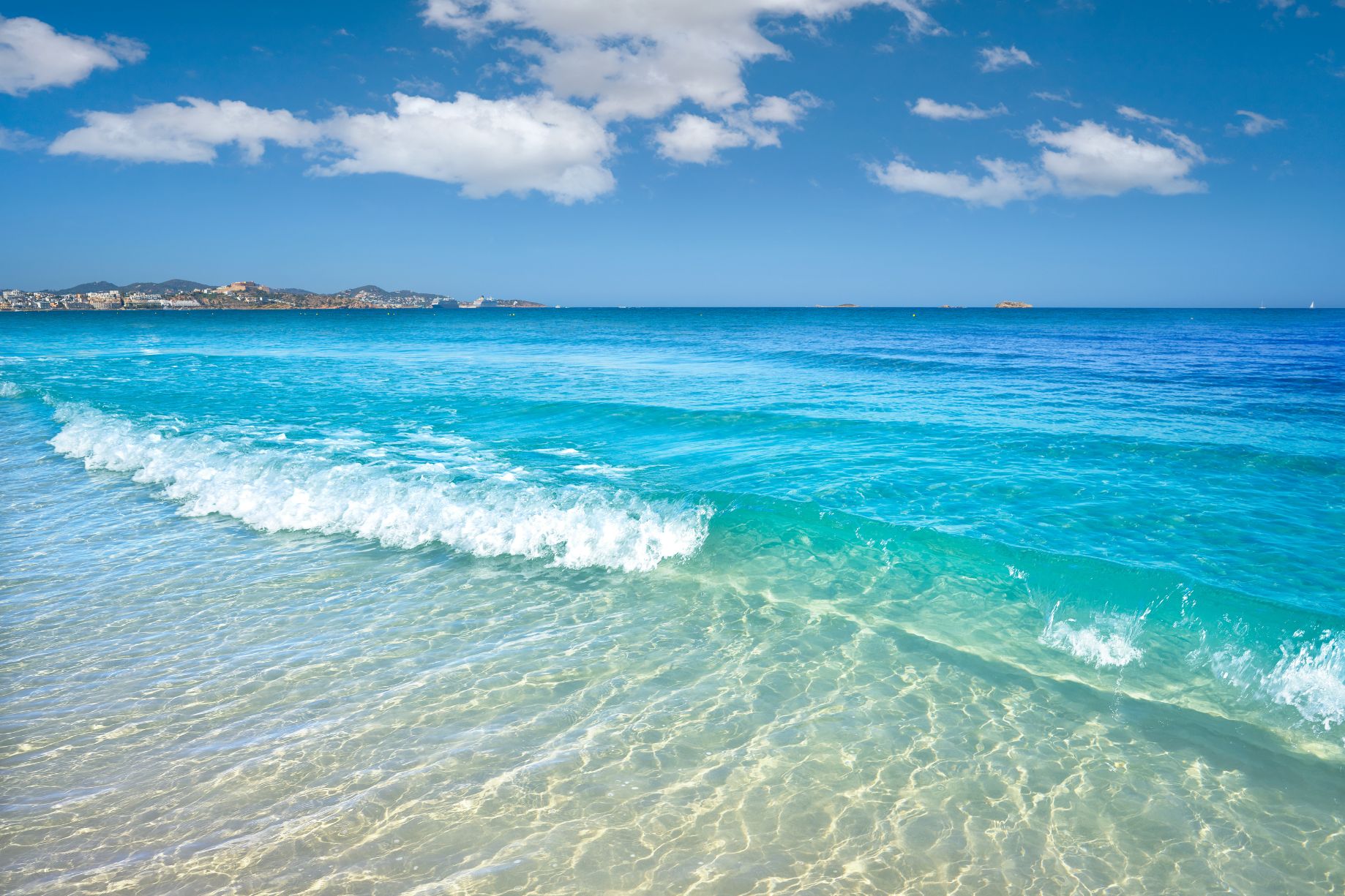
Playa d'en Bossa, Ibiza, Spain — 2-Bed Garden Apartment With Infinity Pool & Beach Club
€319,000
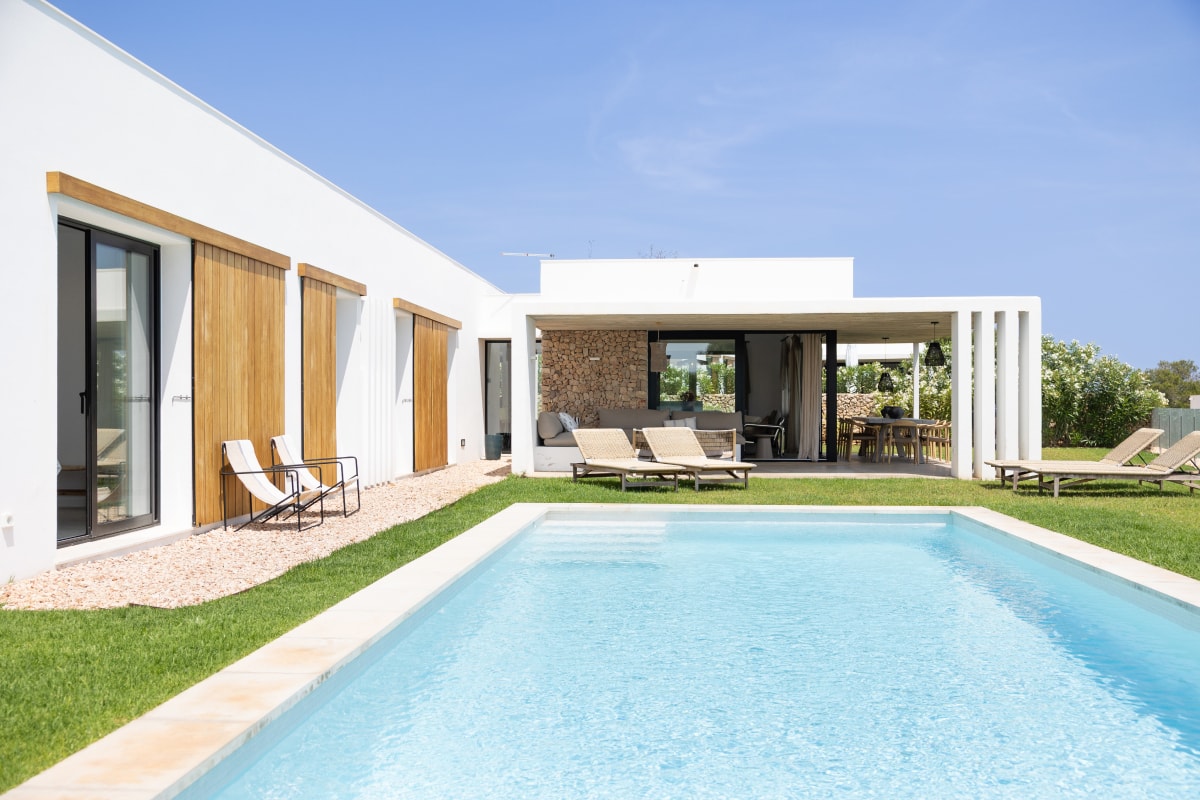
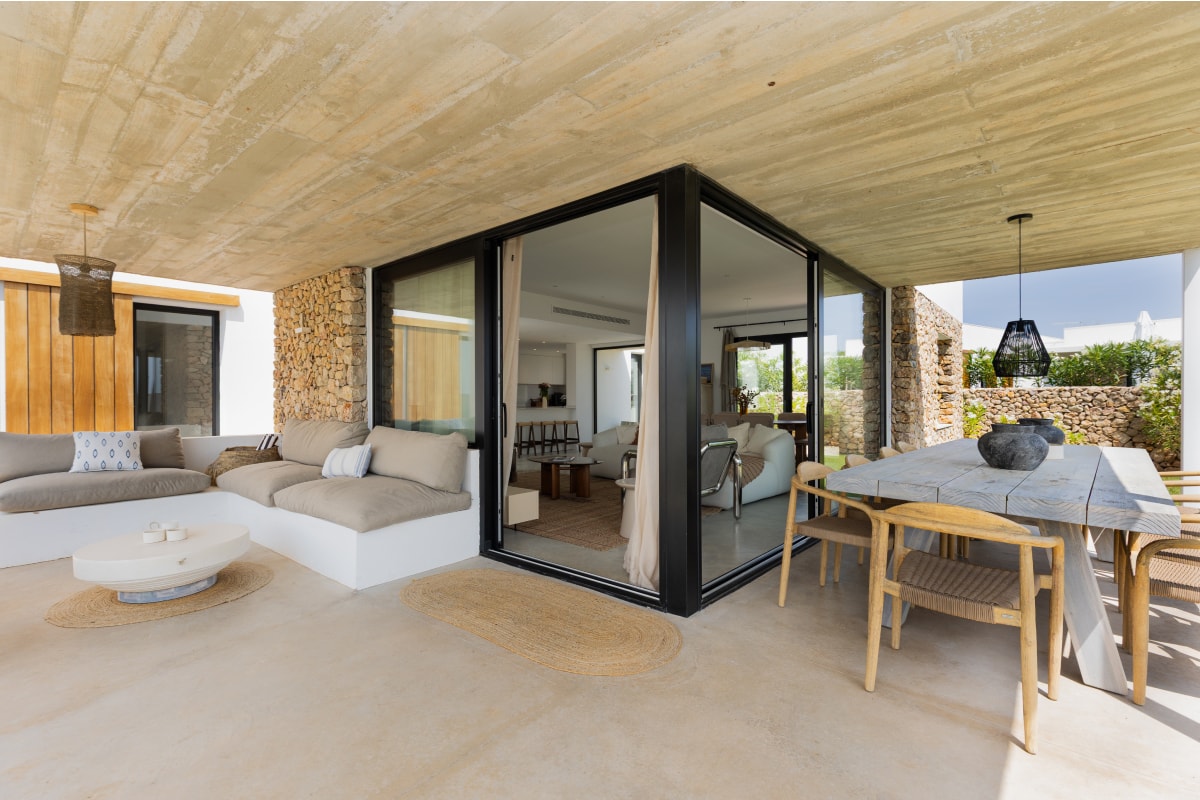
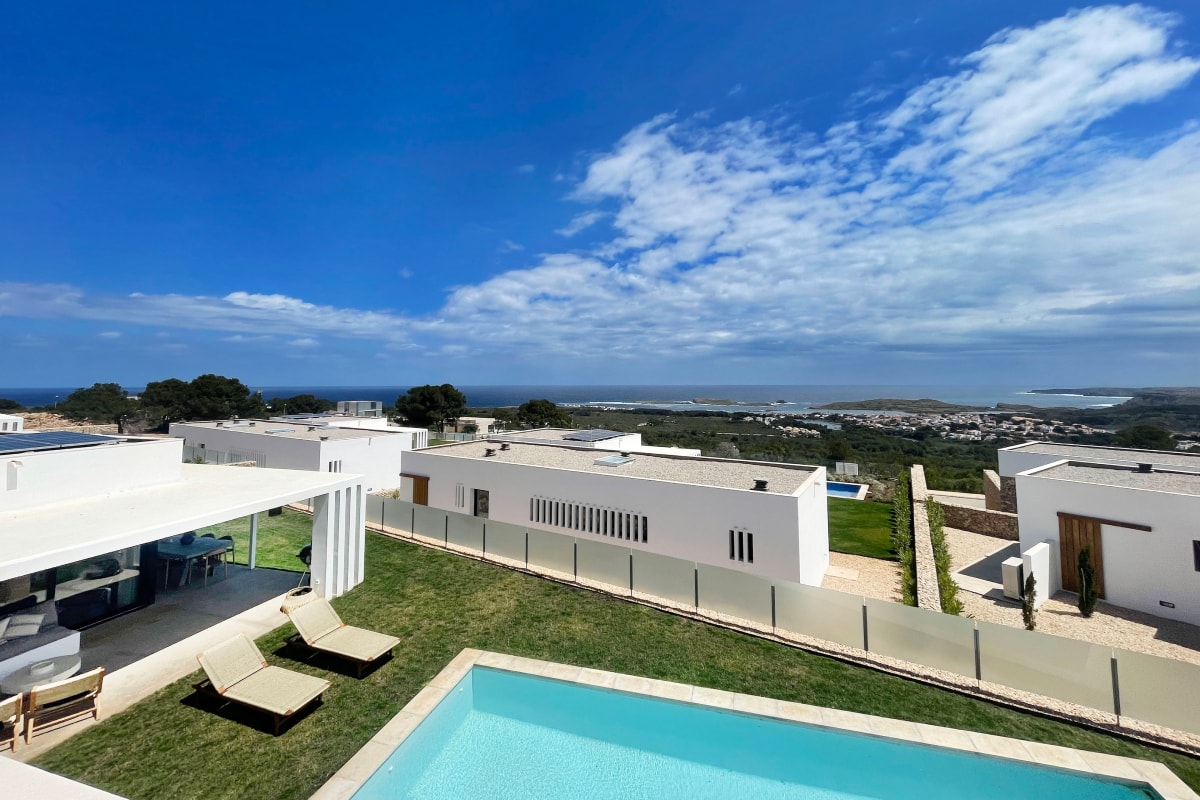
Menorca, Spain — 5-Bed House With Sea Views
€190,000
Be the first to hear when a home in Greece is listed.
We do not have a co-ownership home in Greece yet. When we do, it will be the kind we list everywhere else: a fully managed home in one of the country's best addresses, sold in real 1/8 shares with around six weeks of personal use a year. Leave your email and we will tell you the day it arrives. In the meantime, the homes below are the ones that buyers who love Greece choose.
What is fractional ownership in Greece?
Fractional ownership in Greece means buying a real share of a villa or island house, usually 1/8, with a small group of up to seven other co-owners, and using it for around six weeks a year while a professional team looks after everything. It suits the way Greece is used: a few weeks each summer on the same island, in the same house, with the pool, the garden and the winter upkeep all taken care of. You can sell it, pass it on to your heirs, and it grows in value with the home. It is not a timeshare, and not a holiday club.
Why Greece?
Everybody has a Greece. For some it is a blue-domed chapel above a sea so bright it hurts to look at. For others it is a taverna table under a plane tree, a ferry pulling out of a harbour at dusk, or the first sight of the Parthenon from a taxi. The country has been giving people these pictures for three thousand years, and the remarkable thing is that they are all still true. The sea really is that colour. The light really does make everything look newly made. And the welcome, which the Greeks call *philoxenia*, the love of strangers, is as real as it was in Homer.
The first argument for a home here is the islands. Greece has several thousand of them, of which a couple of hundred are lived on, scattered across two seas. No two are alike. There are bare, wind-polished islands of white villages and islands so green they look like Italy. There are islands with a single taverna and islands with some of the most fashionable beach clubs in Europe. Whatever kind of summer you want, there is an island that was made for it, and usually a quieter one next door that nobody has told you about.
The second is the sea and the summer. From May to October it hardly rains. The days are hot, the nights are warm, and the water is clear to a depth that surprises people who are used to other coasts. Greece has more coastline than any other country on the Mediterranean, and almost all of it is swimmable: sandy bays, pebble coves, flat rocks with a ladder into deep water. A boat, even a small one, turns every day into an expedition to a beach of your own.
The third is that Greece is old in the way nowhere else is. A morning's drive takes in a Bronze Age palace, a classical temple, a Byzantine monastery and a Venetian fortress, and the village you have lunch in has been pressing olives on the same hillside since before any of them were built. That depth gives a holiday here a quality that newer resorts cannot copy. Children who have swum off the rocks below a temple of Poseidon remember it for the rest of their lives.
The fourth is the one that makes a share, and not a whole house, the natural way to own here. The Greek season is glorious but it is a season. Most owners use an island house for a few weeks between May and October, and from November to April it stands shuttered against the wind, needing someone to air it, mend the roof after a storm and get the pool ready again in spring. A 1/8 share fits that pattern exactly. The house is looked after by professionals all year, it is ready when you arrive, and you own the part of it that matches the weeks you will really use.
A very short history
The story begins on Crete, where four thousand years ago the Minoans built palaces with painted walls and running water. The Mycenaeans of the mainland followed, and the memory of their wars became the Iliad and the Odyssey. In the fifth century BC a single city, Athens, produced within a few generations the theatre, the philosophy, the history and the idea of democracy on which the Western world still draws, and crowned its rock with the Parthenon.
Rome came, and then a thousand years of Byzantium, which left the domed churches and monasteries. The Venetians held Crete, Corfu and many of the islands for centuries and gave them their harbours, fortresses and elegant town houses. Most of the mainland spent nearly four hundred years under the Ottomans, until the war of independence that began in 1821. The modern state grew piece by piece: the Ionian islands, a British protectorate for half a century, joined in 1864, Crete in 1913 and the Dodecanese not until 1947. Every one of those layers is still there to be seen.
The Greek house
The island house is one of the great inventions of architecture. In the Cyclades it is a white cube with a flat roof, thick walls, small windows and shutters painted blue or green, built in a tight cluster with its neighbours so that the lanes between are always in shade. Everything about it is practical. The whitewash throws back the sun, the walls keep the rooms cool, and the terrace on the roof catches the evening breeze. Modern architects have been borrowing from it for a hundred years.
Elsewhere the houses change with the history. Corfu town is Venetian, with tall, shuttered houses in faded pink and ochre. On Hydra the sea captains of the eighteenth century built grey stone mansions around the harbour. Symi and Syros have neoclassical houses with pediments and painted ceilings. In the Mani, at the tip of the Peloponnese, families built stone towers. The best new villas take their manners from the place they stand in: stone, lime, wood and a pergola of vines, with a pool the colour of the sea beyond it.
Where to own in Greece
Greece is best understood as a mainland and six families of islands, each with its own landscape and character. The Cyclades are the white islands of the postcards. The Ionian islands are green and gentle. Crete is almost a country in itself. The islands of the Saronic Gulf are an hour or two from Athens, and the Athens Riviera and the Peloponnese offer the sea without a ferry. The official Visit Greece site covers them all.
The Cyclades: Mykonos, Paros, Antiparos and Santorini
The Cyclades, in the middle of the Aegean, are the Greece everyone pictures: bare brown hills, white villages, windmills and a sea of deepest blue. Mykonos is the most famous and the most glamorous, with beach clubs, restaurants and nightlife known all over the world, and villas with pools on the hillsides above its southern beaches. Santorini is unlike anywhere on earth, a drowned volcano with villages strung along the rim of the crater, a thousand feet above the water.
For a house to return to year after year, many buyers now look to Paros and its small neighbour Antiparos. Paros has pretty harbour towns at Naoussa and Parikia, sandy beaches, good restaurants and steady winds for sailing and windsurfing. Antiparos is quieter still, a single village and a string of coves much loved by people who could afford to be anywhere. Naxos, Sifnos, Milos, Tinos and Syros each have their devoted followers. Best for: lovers of light and design, sailors, families with older children, and those who want the classic island summer.
The Ionian islands: Corfu, Paxos, Lefkada and Kefalonia
Off the west coast, facing Italy, the Ionian islands are a different Greece: green, wooded and soft, with cypress trees, olive groves planted by the Venetians and a sea of pale turquoise. Corfu is the grandest. Its old town is a World Heritage Site, its north-east coast is lined with villas in coves of white pebbles, and it has been a favourite of British families since the nineteenth century, when the island was under British rule and acquired a cricket pitch that is still in use.
Paxos, an hour to the south, is tiny and exquisite, with three harbour villages and no airport. Lefkada, joined to the mainland by a bridge, has some of the most beautiful beaches in the Mediterranean. Kefalonia is large, mountainous and unhurried, and Ithaca, the home of Odysseus, is as peaceful as an island can be. The winds here are gentle, which makes the Ionian the best place in Greece to learn to sail. Best for: families with younger children, sailors, gardeners, and those who find the Cyclades too bare or too windy.
Crete
Crete is the largest Greek island and the most southerly, with the longest summer in the country, snow-capped mountains, gorges, palm-fringed beaches and a proud culture all its own. In the west, Chania has a Venetian harbour that is one of the prettiest towns in Greece, with the pink sands of Elafonissi and the lagoon of Balos within reach. In the east, Elounda and Agios Nikolaos, on the Gulf of Mirabello, have long been home to the island's finest resorts and villas.
Crete is big enough to live on all year, with two main international airports, good hospitals and villages in the hills where life goes on as it always has. Its food, built on olive oil, wild greens, cheese and honey, is the original of the Mediterranean diet. Best for: long stays, walkers, food lovers, families who want space, and owners who would use a house in April and November as well as in August.
The Saronic islands and the Athens Riviera
Not every Greek house needs a long journey. The islands of the Saronic Gulf are an hour or two from the port of Athens by fast boat. Hydra has no cars at all: everything is carried by mule or by water taxi, and its amphitheatre of stone houses has drawn painters, writers and musicians for seventy years. Spetses is pine-scented and elegant, with horse-drawn carriages on the seafront and a grand old hotel. Aegina and Poros are simpler and closer.
On the mainland, the Athens Riviera runs south from the city for forty miles to the temple of Poseidon at Cape Sounion. Its suburbs of Glyfada, Vouliagmeni and Varkiza have marinas, beaches, restaurants and a thermal lake, with the capital's museums and its airport half an hour away. Best for: short breaks and long weekends, owners who want the city and the sea together, and anyone who would rather not depend on a ferry.
The Peloponnese
The great peninsula south-west of Athens is where many Greeks have their own summer houses. Porto Heli, across the water from Spetses, is a sheltered bay of villas and yachts with a devoted international following. Nafplio, the first capital of modern Greece, is one of its loveliest towns. On the west coast, around Pylos and the bay of Navarino, a new resort community with golf courses has grown up among the olive groves beside some of the best beaches in the country. And in the far south the Mani and the rock of Monemvasia are as dramatic as anything in the Mediterranean.
The Peloponnese has what the islands lack: space, mountains, and the great sites of Olympia, Mycenae and Epidaurus within a day's outing. Best for: golfers, history lovers, families who like to drive and explore, and owners who want to reach their house by road.
Rhodes, the Dodecanese and the Sporades
In the south-east, close to the Turkish coast, the Dodecanese have the hottest summers and the longest season after Crete. Rhodes has a medieval walled city built by the Knights of St John and the white village of Lindos below its acropolis. Patmos is quiet and spiritual, with a monastery at its summit and some of the most beautiful houses in the Aegean. Symi is a harbour of pastel mansions. In the north, the Sporades are covered in pine forest to the water's edge: Skiathos for beaches, Skopelos and Alonissos for peace. Best for: those who want to be off the usual track, and sailors exploring a new coast each summer. ### Which Greek island is right for you?
With so many islands, the hardest part of buying in Greece is choosing. A few rules of thumb help.
- For glamour, beach clubs and nightlife — Mykonos.
- For the view of a lifetime — Santorini.
- For a family house near sandy beaches — Paros and Naxos.
- For quiet style and good food — Antiparos, Sifnos and Patmos.
- For green hills, calm water and small children — Corfu, Paxos and Kefalonia.
- For sailing — Lefkada and the Ionian for gentle winds, Paros and the Cyclades for strong ones.
- For a long season or a home all year — Crete and the Athens Riviera.
- For a weekend from Athens — Hydra and Spetses.
- For golf and history — the Peloponnese.
The other question is how you like to travel. An island with its own airport and direct summer flights is the easiest to reach for a short stay. An island reached only by ferry is quieter for exactly that reason, and the boat ride becomes part of the holiday. Our team is glad to talk through which would suit the way you would really use a home.
A year in a Greek home
Greece has a long summer, two short and beautiful shoulder seasons, and a mild, quiet winter. The islands live by this rhythm. They wake at Easter, fill in July and August, relax in September and October, and sleep from November to March. A share of a home, with its weeks spread through the year by a fair-rotation calendar, lets you know the island in more than one mood.
Spring (April–early June)
Spring is the secret season. The hills, brown for the rest of the year, are green and covered in wildflowers: poppies, daisies, wild orchids and the yellow broom that scents whole valleys. The days are warm, at 20–26°C (68–79°F), and by late May the sea is warm enough for all but the most cautious swimmer.
Easter is the greatest festival of the Greek year, celebrated according to the Orthodox calendar, usually in April. On Good Friday every village carries a flower-covered bier through the streets by candlelight. At midnight on Saturday the churches go dark, a single flame is passed from candle to candle, and the bells and fireworks begin. On Sunday whole lambs are roasted on spits in every garden, and strangers are waved in to eat. Anyone who has spent Easter on a Greek island will tell you it is the best week to be there.
Summer (mid-June–August)
This is high season. The days are hot and cloudless, at 30–34°C (86–93°F), and life moves to the water and to the evening. People swim in the morning, sleep after lunch, and come out again as the light turns gold. Dinner starts at nine or ten and goes on under the stars.
In the Aegean a north wind called the meltemi blows for days at a time in July and August. It keeps the Cyclades cooler than the mainland, fills the sails of every yacht and windsurfer, and makes the choice of a sheltered beach part of each morning's conversation. On 15 August, the feast of the Virgin, every island holds its biggest celebration of the year, with church processions by day and music and dancing in the village square until dawn.
Autumn (September–October)
Ask a Greek when to come and the answer is September. The crowds have gone, the sea is at its warmest of the year, at around 25°C (77°F), the wind has dropped and the light is softer. The grape harvest is under way, and on islands that make wine, such as Santorini and Paros, the smell of fermenting must hangs in the lanes. October is still warm enough to swim on most days, especially in Crete and Rhodes, and the first rain brings out cyclamen and autumn crocuses among the rocks.
Winter (November–March)
In winter the islands belong to the islanders. Many restaurants and hotels close, the ferries are fewer and the sea can be rough, but the days are often bright and mild, and in January there is a spell of calm, sunny weather that the ancients called the halcyon days. The olive harvest runs from November into the new year. Athens, meanwhile, is at its best: the museums are uncrowded, the Acropolis is quiet, and there is skiing on Mount Parnassus, two and a half hours from the city, above the ruins of Delphi. Owners with a home in Crete, on the Athens Riviera or in the Peloponnese use it in winter more than they expected to.
Greece month by month
- January — mild and quiet. On the 6th, Epiphany, priests throw a cross into every harbour and swimmers dive for it.
- February — carnival season, with parades and masked parties before Lent. The almond trees flower.
- March — Lent begins around now with Clean Monday, when families picnic and fly kites; Independence Day on the 25th.
- April — Orthodox Easter, most years, and the height of the wildflowers. About 20°C (68°F).
- May — the islands open. Warm days, cool evenings, empty beaches and the first swims.
- June — long, hot, settled days and a sea warm enough for everyone. The summer arts festival opens in Athens and Epidaurus.
- July — high summer, 30°C (86°F) and more. The meltemi blows in the Aegean.
- August — the busiest month. The feast of the Virgin on the 15th, and the full moon rising over the temples.
- September — many people's favourite: the warmest sea, calmer winds and room on the beach.
- October — still swimming weather in the south. Ohi Day, a national holiday, on the 28th.
- November — the olive harvest begins. The islands grow quiet.
- December — Christmas boats, not trees, decorate the island squares, and snow falls on the mountains.
A perfect summer week on an island
Saturday. The ferry comes round the headland, the white town appears, and by the time you have carried the bags up to the house someone has put a jug of cold water and a plate of watermelon on the terrace. You swim before the sun goes down. Sunday is the beach below the house, then a long lunch at the taverna on the sand: a Greek salad, grilled octopus, fried courgettes, a fish chosen from the ice and a carafe of the house white.
On Monday you hire a boat for the day and go round the island, anchoring in coves that cannot be reached by road. Tuesday is for the hill villages, cool and quiet, where old men play backgammon outside the café and the baker sells cheese pies still warm from the oven. On Wednesday you take the small ferry to the island next door, have lunch in its harbour and are back for a swim at six.
Thursday is for doing nothing, which in Greece is an art. On Friday you walk up to the chapel on the hill for the sunset, come down to the harbour for dinner, and afterwards stroll with everyone else along the waterfront in the warm dark, in the evening walk the Greeks call the *volta*. And on the last morning you swim once more before the ferry, and start counting the weeks until you are back.
A perfect week in spring or autumn
Out of season, Greece is for exploring. Fly to Athens and give it two days: the Acropolis early, before the heat, then the Acropolis Museum, the old streets of Plaka and dinner on a roof terrace facing the floodlit temple. Drive to the Peloponnese by way of the Corinth Canal, see the lion gate at Mycenae and the theatre at Epidaurus, where a coin dropped on the stage can be heard in the top row, and stay in Nafplio. Then take a boat to Hydra or Spetses for the rest of the week, when the islands are green, the sea is empty and you can walk the coast paths all day without meeting a soul.
Eating and drinking
Greek food is the food of a people who eat outdoors, together, and for hours. A meal begins with small plates for the table: tzatziki, fava, grilled peppers, fried cheese, tiny fish, wild greens dressed with lemon and oil. Then there is fish, sold by weight and grilled over charcoal with nothing but oil, lemon and oregano, or lamb roasted slowly with potatoes, or the vegetable dishes cooked in olive oil that are the real heart of the kitchen. The Greek salad, made with tomatoes that have ripened in this sun, is a different thing from the one served anywhere else.
Every island has its speciality: chickpeas baked overnight in a wood oven on Sifnos, cheeses and potatoes from Naxos, capers and white aubergines on Santorini, and on Crete a whole cuisine. Greek wine has been transformed in a generation, and the dry whites of Santorini, made from the Assyrtiko grape grown on volcanic ash, are now among the most admired in Europe. An ouzo by the harbour with a plate of octopus, as the fishing boats come in, is still the best drink in the country.
Sailing, swimming and walking
Greece is one of the great sailing grounds of the world. The islands are a few hours apart, the harbours are simple and inexpensive, and every evening ends at a different quay with a taverna a few steps from the boat. The Ionian and the Saronic have gentle winds for families and beginners, and the Cyclades and the Dodecanese have stronger ones for the experienced. Motor boats, caiques and small ribs can be hired by the day almost everywhere.
On land, the old stone mule paths that linked the villages before there were roads have been cleared and marked on many islands and make wonderful walking, especially in spring. There is windsurfing and kitesurfing on Paros, Naxos and Lefkada, diving on wrecks and reefs, and golf in the Peloponnese, on Crete and on Corfu.
Greece with children
Greeks adore children, and children are welcome everywhere at any hour: nobody raises an eyebrow at a five-year-old asleep on two chairs in a taverna at midnight. The sea is warm, clear and mostly calm, with no tides to speak of. There are rock pools, snorkelling, boat trips, donkeys, kittens in every harbour and ice cream on every corner. And there are the stories. A child who has stood in the labyrinth of Knossos, or looked for the cave of the Cyclops, or run a race in the stadium at Olympia, has been given something no beach club can provide.
Who buys in Greece, and where else they look
Greece has drawn overseas owners for a long time. British families have had houses on Corfu, Paxos and Crete for generations. Germans, Austrians and Swiss favour Crete, the Peloponnese and the quieter Cyclades. The French and Italians are especially fond of Paros, Antiparos, Patmos and Sifnos. Americans, many of them with Greek roots, come home to the villages of their grandparents, and buyers from Scandinavia and the Middle East have joined them.
Fractional ownership in Greece typically suits:
- Summer families — who come for a few weeks in July and August, and perhaps at Easter, and want a house with a pool for those weeks and not for fifty-two.
- Sailors — who want a base on shore at the beginning and end of a cruise.
- Spring and autumn travellers — free of school holidays, who know that May and September are the best months of all.
- Long-time visitors — who have rented the same villa for years and would like, at last, to own part of one.
- Owners building a year of homes — the Mediterranean in summer, the mountains in winter, and nothing to look after in between.
Fractional ownership in Greece: what to look for
People search for it under many names: fractional ownership in Greece, co-ownership, shared ownership of a villa, a share of a house on a Greek island, partial ownership or a quarter share. They are all looking for the same thing, which is a way to own a real part of a fine house for the weeks they will use it.
Co-ownership as we list it is one private house, owned by a small group of no more than eight owners. Each owns a real share of that home, usually 1/8, and has it for around six weeks a year, booked through a calendar that rotates the best weeks fairly. A professional team runs the house. You can sell your share on the open market at the price you set, and it rises in value as the house does. It is quite different from a timeshare or a holiday club, which sell time and not property.
Greece, Spain, Italy or Croatia?
Buyers drawn to Greece are usually choosing between the great summer coasts of the Mediterranean. Spain's Balearic Islands are the closest match: Ibiza for style and nightlife, as Mykonos is; Menorca for quiet coves and low white houses; Mallorca for the widest choice of all, with mountains, a city and flights all year. Italy offers Sardinia, with a sea as clear as the Aegean, and the Ligurian coast. Croatia has what the Ionian has: green islands, old Venetian harbour towns and wonderful sailing.
Greece has the most islands, the deepest history and the longest list of places still to discover. The others are easier to reach in winter and have more flights outside the summer. Many owners decide they do not have to choose, and take a share in each.
If you love Greece: Ibiza, Menorca, Sardinia and Croatia
We do not have a home in Greece to offer today. What we can offer are the places that give the same things — a clear, warm sea, white houses, island life and long dinners outdoors — and we have homes in all of them.
Ibiza is the closest in spirit to the Cyclades: whitewashed houses with flat roofs, beach restaurants, sunsets that people applaud, and a quiet, rural north that surprises everyone who expects only parties.
Menorca is the island for those who love Paxos or Antiparos: small, protected, unhurried, with turquoise coves reached on foot and harbour towns of real elegance.
Sardinia has water that stands comparison with anything in Greece, granite headlands and an archipelago of small islands off its northern tip. And Croatia, across the Adriatic, has stone villages, olive groves and vineyards above a sea full of sails. The wider Balearic collection includes Mallorca, where we have more homes than anywhere else.
The homes shown on this page are drawn from those places. Each is a real 1/8 share of a fully managed home. And if it is Greece itself you want, leave your email in the box at the top of this page, and we will write to you the day the first Greek home is listed.
Practicalities: getting there, getting around and owning
Getting there
Athens International Airport (ATH) is the main gateway, with flights from across Europe all year and direct flights from North America, the Gulf and Asia. In summer more than a dozen islands have direct flights of their own from European cities, among them Mykonos, Santorini, Corfu, Kefalonia, Zakynthos, Rhodes, Kos, Skiathos and the two Cretan airports of Heraklion and Chania.
Flight times: from London, about three and a half hours to Athens and a little over three to Corfu; from Paris, Frankfurt, Zurich and Amsterdam, about three; from New York, about ten hours direct. Greece is two hours ahead of London and one ahead of most of western Europe.
Greece is in the European Union and the Schengen area. Visitors from Britain, the United States and Canada can stay for up to 90 days in any 180 without a visa. Entry rules can change, so check before you travel.
Getting around
Ferries are the buses of Greece. From Piraeus, the port of Athens, and from Rafina, near the airport, fast boats reach Hydra in about two hours, Mykonos and Paros in about three, and Santorini in about five. In summer the islands of each group are linked to one another several times a day, and island-hopping needs no more planning than a glance at the timetable. Domestic flights from Athens reach most of the larger islands in under an hour.
On the islands most owners hire a small car, a jeep or a scooter, and many keep or hire a boat. Greece drives on the right. Greek is the language, and English is spoken almost everywhere a visitor goes. The currency is the euro.
Owning property in Greece
Citizens of the European Union can buy property in Greece on the same terms as Greeks, and buyers from other countries can generally buy freely too, with an extra permit needed in certain border areas, which include some of the islands close to Turkey. A purchase is completed before a notary, each buyer needs a Greek tax number, and ownership is recorded in the national land register, the Hellenic Cadastre. It is usual to appoint a lawyer to check the title before signing. As with any purchase abroad, we recommend independent legal and tax advice, at home and in Greece, before you buy.
Whole home or a share — the comparison that matters
The case for a share is clearest in a country like this one. A whole villa on a Greek island commits its owner to the full price of the property, and to keeping a house, a garden and a pool in order through a winter of wind and salt, from another country, for the four to eight weeks a year they will use it. Renting a villa of the same quality for the same weeks, summer after summer, costs a great deal and leaves you with nothing. A 1/8 share gives you a real share of a home of that quality for the weeks you want it.
| Whole second home | COP 1/8 fractional share | Villa rental each summer | |
|---|---|---|---|
| Upfront commitment | Full property value | ~1/8 of the property value | None |
| Equity in the asset | Full appreciation | ~1/8 of appreciation | None |
| Personal use | Up to 52 weeks (most use 4–8) | Around six weeks a year, fairly rotated | Whatever you book and pay for |
| Operations burden | Caretaker, garden, pool and winter upkeep, all year | Fully included | None |
What you actually own
You own a real share of the home — an eighth, a quarter — not a right to use it. You can sell it, pass it on to your heirs, and it grows in value with the home. What you hold is real ownership — not a timeshare use-right that depreciates to zero when the contract expires, not a points membership, not a fractional holiday club.
How fractional ownership works
The idea is the same wherever we list homes. A fine house is bought and furnished, and its ownership is divided into a small number of real shares, usually eight. Each buyer owns a share and has the house for their part of the year. A professional company manages it for all of them. The legal set-up differs from country to country and is arranged by our partner for each home, and it is walked through with you before you buy.
How the calendar works
Your stays are booked through a fair-rotation calendar that mixes the weeks everyone wants — in Greece, July and August, Orthodox Easter and the school holidays of late May and September — with quieter weeks across the year. Owners book months ahead, and the most sought-after weeks rotate from year to year so that no co-owner holds them all.
The professional management model
Once the purchase completes, a professional management company takes over all responsibility for the home: housekeeping, the garden and pool, preparation before each arrival, maintenance, bills and insurance. You arrive; the shutters are open, the terrace is swept and there is a bowl of figs on the table.
Resale: how to exit, typical timelines
When you decide to exit, a professional resale process is in place: you sell your share — not the whole house — at the price you set, typically after an initial twelve months of ownership. Hundreds of shares in homes like these have already been resold — in just over three months on average, and nearly three in four for more than the owner paid. The full mechanics are covered in our co-ownership explained guide.
When will there be a home in Greece?
We add a home to our collection only when it meets the same standard as the rest: a fine house in a proven address, properly furnished, professionally managed, and sold in real shares on terms we are happy to explain line by line. Greece is a place our buyers ask about, and we would like to have homes here. We will not list one until it is right. When it is, it will appear at the top of this page, and everyone who has left their email here will hear the same day.
Until then, our team is glad to talk through what you are looking for and to show you the homes in Ibiza, Menorca, Sardinia and Croatia that owners with the same tastes have chosen.
Your ownership at a glance
- Real ownership — you own a real 1/8 share of the home, not a right to use it: you can sell it, pass it on to your heirs, and it grows in value with the home. Not a timeshare, not a points membership.
- Fully managed throughout — the professional management team handles housekeeping, maintenance, bills, insurance, scheduling and the on-call concierge. You arrive, the home is ready.
- Professional resale support — when you decide to exit, our partner's resale process lets you sell your share without having to sell the whole house.
Questions & Answers
Greece Fractional Ownership — Frequently Asked Questions
Not yet. We do not have a co-ownership home in Greece at the moment. Leave your email in the box at the top of this page and we will tell you the day the first one is listed. In the meantime, the homes shown here are in the places that buyers who love Greece most often choose: Ibiza, Menorca, Sardinia and Croatia.
It means owning a real share of a home, usually 1/8, with a small group of up to seven other owners, and using it for around six weeks a year while a professional team manages it. You can sell your share, pass it on to your heirs, and it grows in value with the home.
No. A timeshare sells you a week. Co-ownership sells you the house. A timeshare is the right to use a resort for a set time, shared with a great many others. Fractional ownership is a real share of one specific home, owned with a small group of up to seven others. It moves with the value of the home, you can sell it at the price you set, and you can leave it to your children.
Yes. Fractional ownership, co-ownership, partial ownership and shared holiday-home ownership are different names for owning a real share of a home with a small group of other owners. The share is usually 1/8. Two shares make a quarter share (1/4), for around twice the time.
In the Cyclades, Mykonos, Paros, Antiparos and Santorini. In the Ionian, Corfu, Paxos, Lefkada and Kefalonia. Crete for the longest season and a home that works all year. Hydra, Spetses and Porto Heli for a house within easy reach of Athens, and the Athens Riviera and the Peloponnese for the sea without a ferry.
May, June and September are the best months for most people: warm, sunny days, a warm sea and few crowds. July and August are the hottest and busiest, at 30–34°C (86–93°F). Orthodox Easter, usually in April, is the most memorable week of the year. From November to March the islands are quiet, though Crete, Athens and the Peloponnese are pleasant all winter.
About three and a half hours from London to Athens, around three from Paris, Frankfurt, Zurich and Amsterdam, and about ten hours direct from New York. In summer many islands, including Mykonos, Santorini, Corfu, Rhodes and Crete, have direct flights of their own from European cities.
It depends on the summer you want. Mykonos for glamour and nightlife; Paros and Naxos for a family house near sandy beaches; Antiparos, Sifnos and Patmos for quiet style; Corfu and Paxos for green hills and calm water; Crete for a long season; and Hydra or Spetses for a house close to Athens.
We do not have a co-ownership home in Greece at the moment. When we list one, it will be a private house owned by a small group of up to eight owners, each with a real share and around six weeks of use a year, fully managed. Leave your email on this page to hear the day it is listed.
Around six weeks a year: a minimum of 44 or 45 nights a year with most of our partners, and no set cap with some others. Stays are booked through a fair-rotation calendar, so the most popular weeks are shared fairly between the owners from year to year.
Yes. Citizens of the European Union buy on the same terms as Greeks, and buyers from other countries can generally buy freely too, with an extra permit needed in certain border areas, including some islands close to Turkey. A purchase is completed before a notary, each buyer needs a Greek tax number, and ownership is recorded in the Hellenic Cadastre. We recommend independent legal advice before you buy.
By direct flight in summer to the islands that have international airports, or by flying to Athens and continuing by ferry or a short domestic flight. From the ports of Piraeus and Rafina, fast boats reach Hydra in about two hours, Mykonos and Paros in about three and Santorini in about five.
Very. The sea is warm, clear and mostly calm, with almost no tides; children are welcome everywhere; and there is a great deal to do, from boat trips and snorkelling to ancient sites that bring the myths to life. The Ionian islands and Crete are especially popular with families with younger children.
Greece is in the European Union and the Schengen area. Visitors from Britain, the United States and Canada can stay for up to 90 days in any 180 without a visa. Entry rules can change, so check the official requirements before you travel.
Yes. People call it fractional ownership, co-ownership, shared ownership or partial ownership. In each case you own a real share of a villa or house with a small group of other owners and use it for your part of the year. It is different from a timeshare or a holiday club, which sell time and not property.
It depends on the home. Some homes allow owners to let the weeks they are not using; others are kept for owners, their families and their guests only. The team that manages each home can explain exactly what is possible for that home before you buy.
Because they offer the same things: a clear, warm sea, white houses, island life and long dinners outdoors. Ibiza is closest in spirit to the Cyclades, Menorca to the small quiet islands, Sardinia has water as clear as the Aegean, and Croatia has green islands and Venetian harbour towns like those of the Ionian.
The price of a share is shown on each listing and is roughly an eighth of the price of the whole home. The running costs of the house are shared between the owners in the same proportion. Using COP is free for buyers, with no buyer-side fees and no obligation.
A professional management team looks after everything, all year: housekeeping, the garden and pool, maintenance, bills and insurance. You never have to find staff or arrange a repair from abroad. You arrive and the house is ready.
Yes. Our partner's resale process handles the sale for you, so you sell your share without the whole house having to be sold. After a typical first-12-months holding period you can sell at the price you set. Hundreds of shares in homes like these have already been resold — in just over three months on average, and nearly three in four for more than the owner paid.
Leave your email in the box at the top of this page. We will write to you the day the first co-ownership home in Greece is listed.
Also Explore
Get in Touch
Speak to an expert
Tell us what you're looking for and we'll be in touch.