Hawaii · USA
Fractional Ownership Homes for Sale in Hawaii
1 fractional ownership home for sale in Hawaii, where you buy a real share of the home, usually 1/4 with around 13 weeks a year. Shares start at $1,179,000. Every home is fully managed.
- 1 home for sale
- Shares from $1.17M
- Around 13 weeks a year
1 home · from $1,179,000
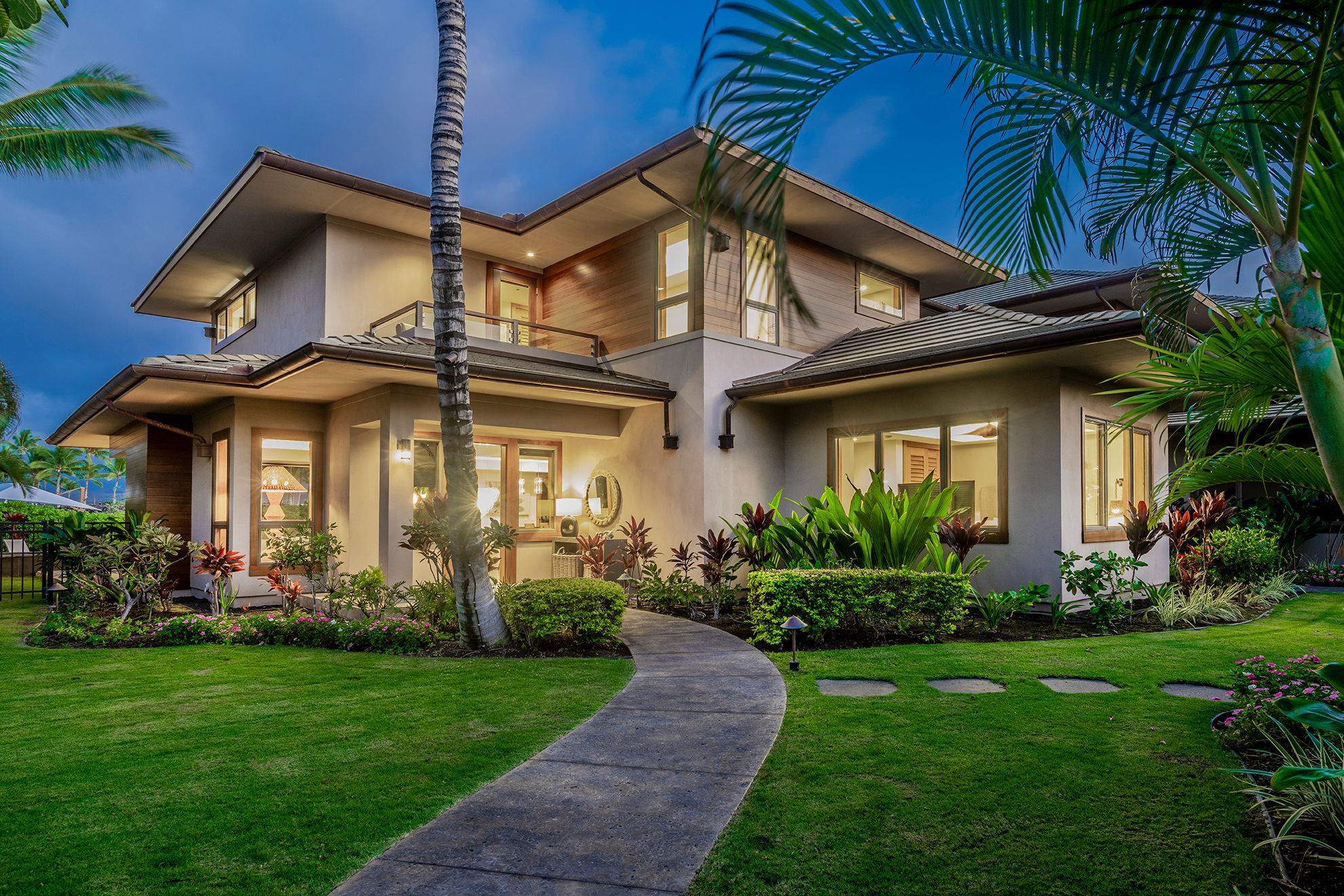
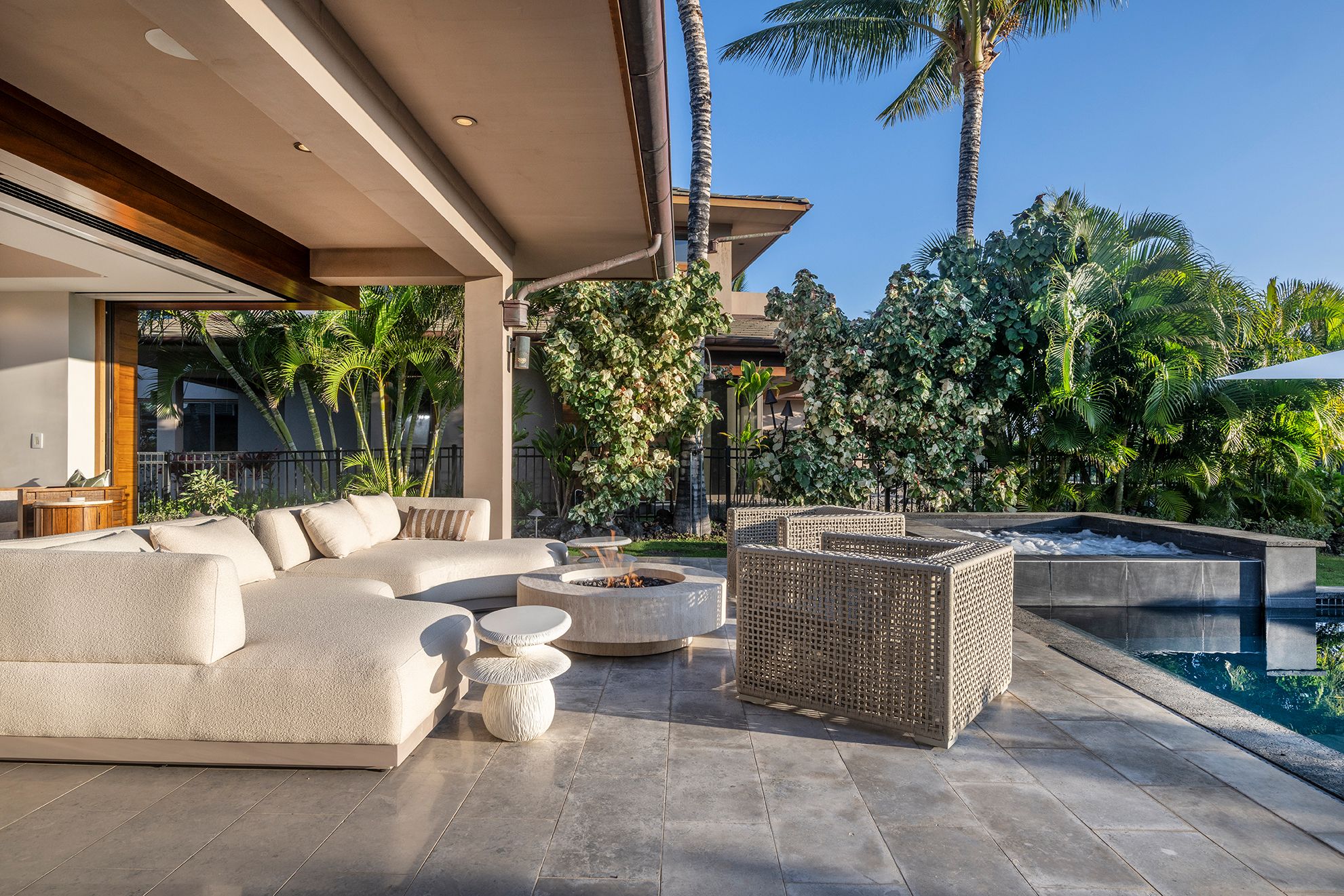
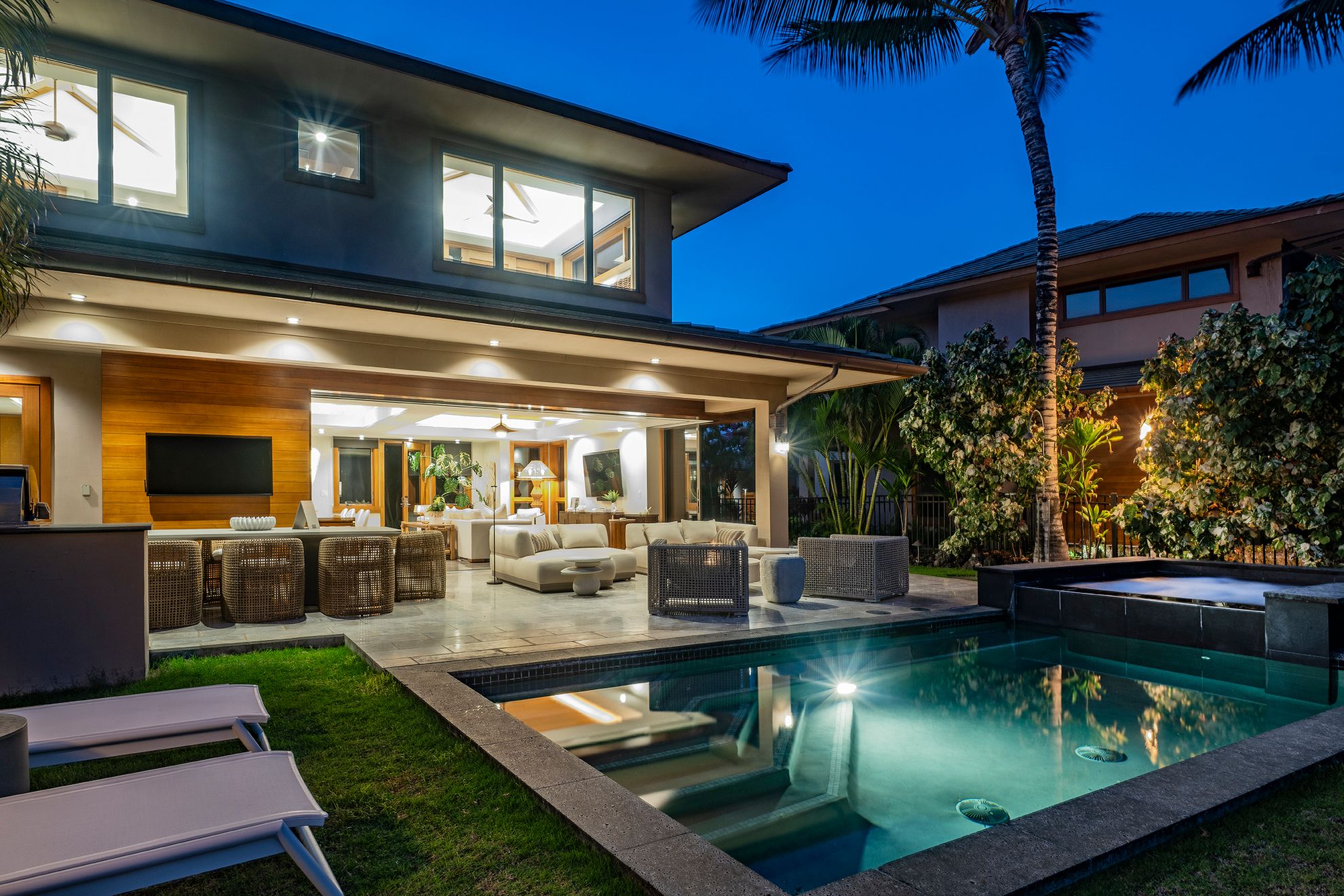
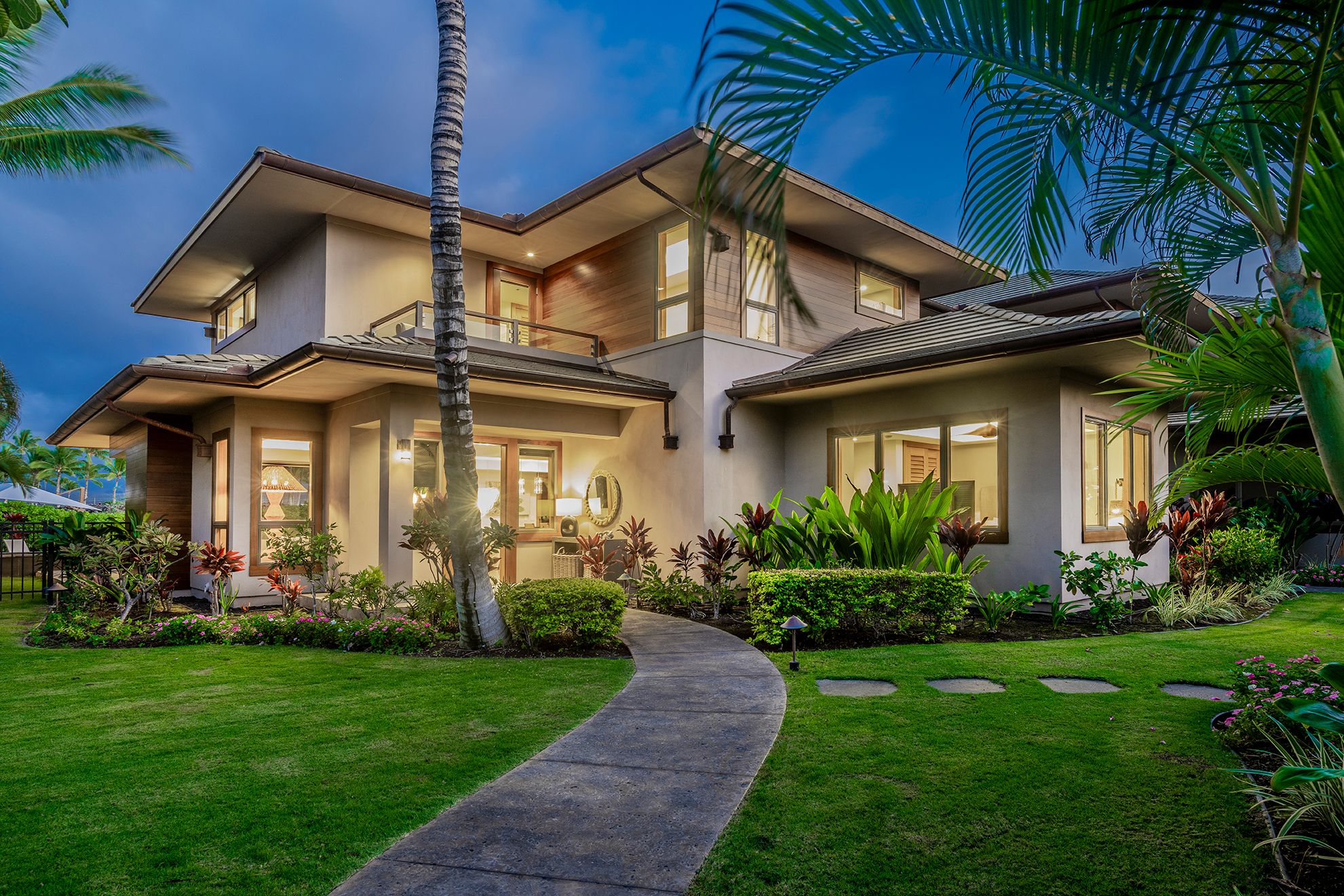
Kamuela, Hawaii, USA — 3-Bed House With Private Pool & Ocean Views
$1,180,000
More homes like these nearby
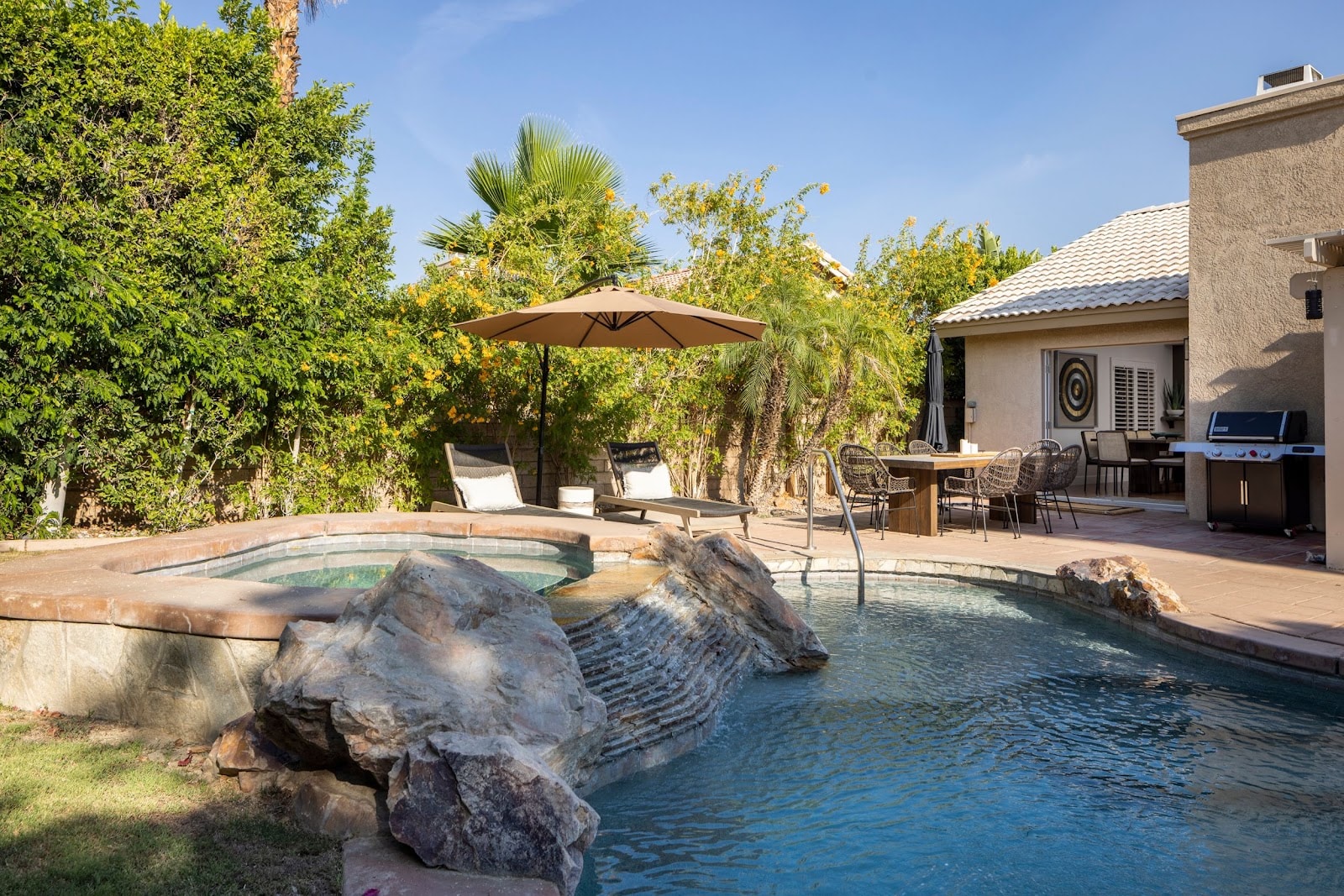
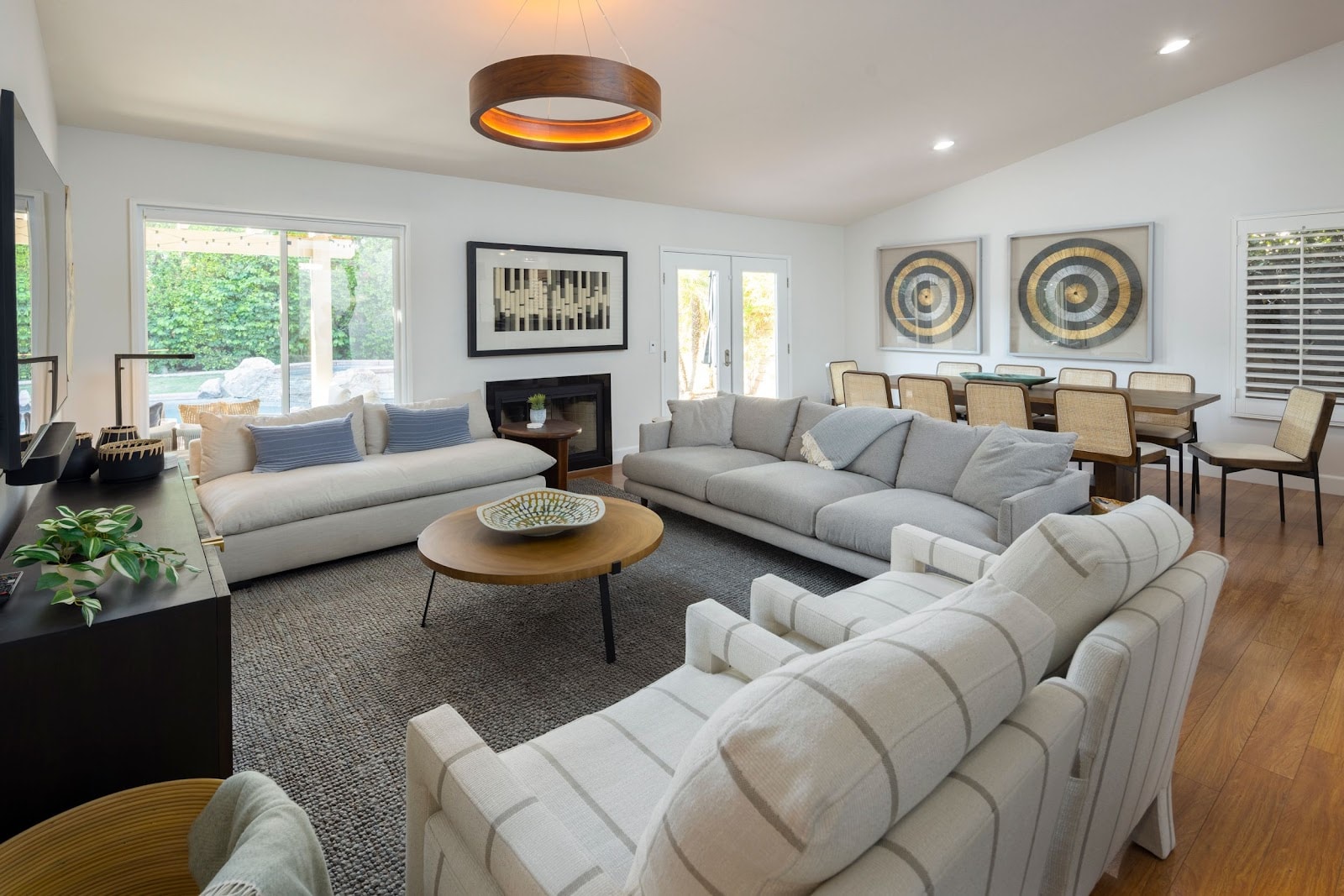
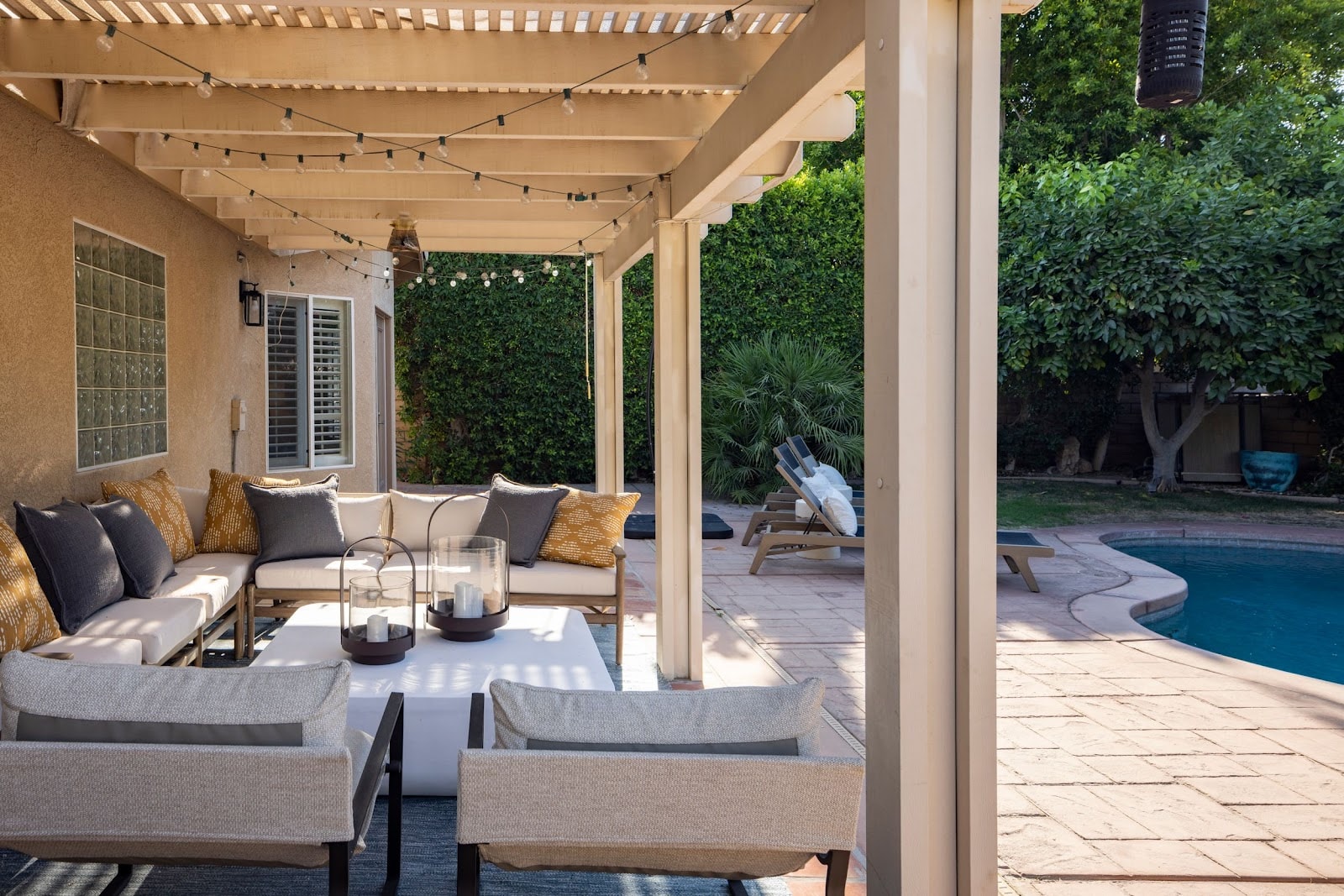
La Quinta, California, USA — 4-Bed House With Pool
$125,000
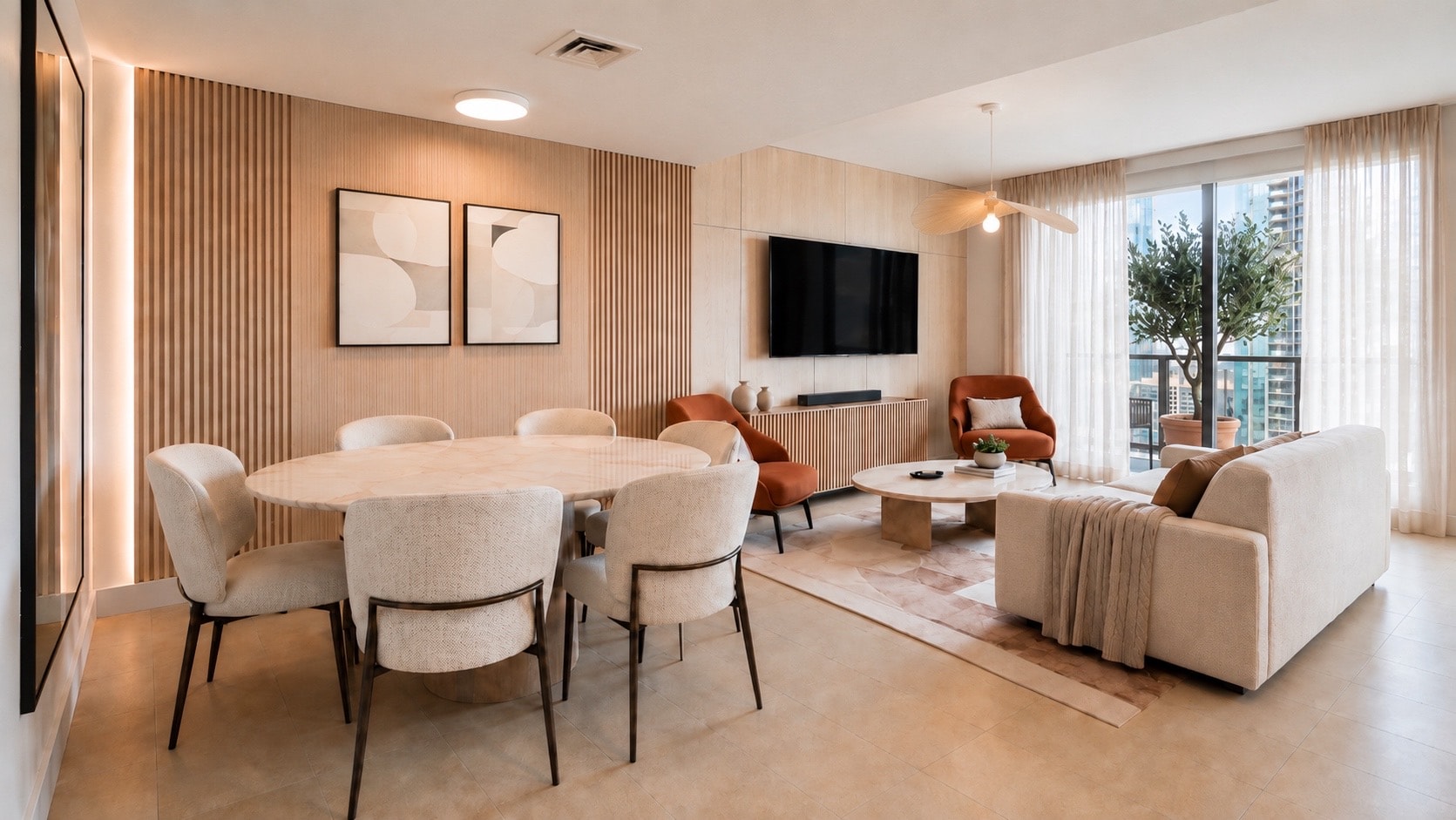
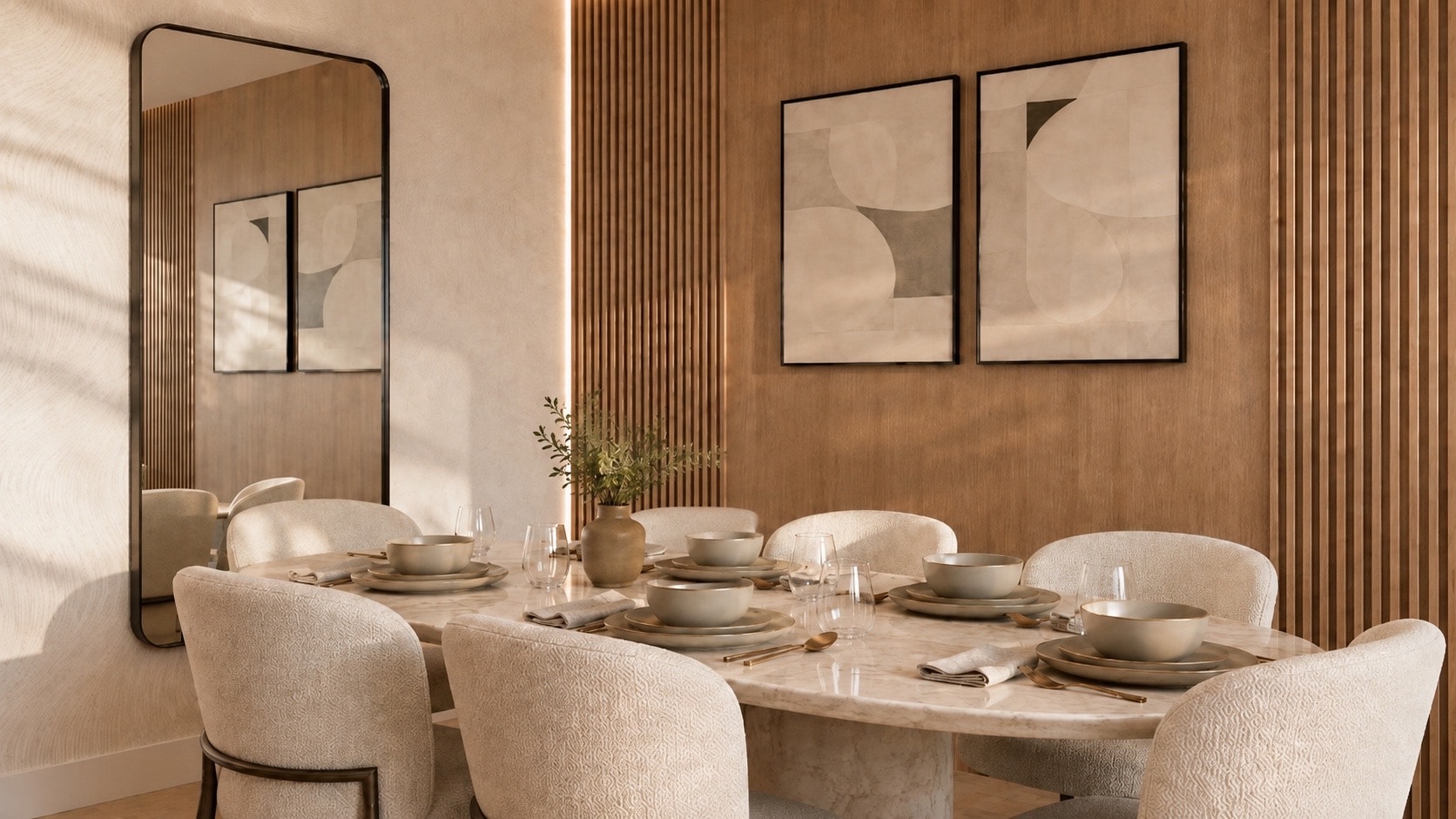
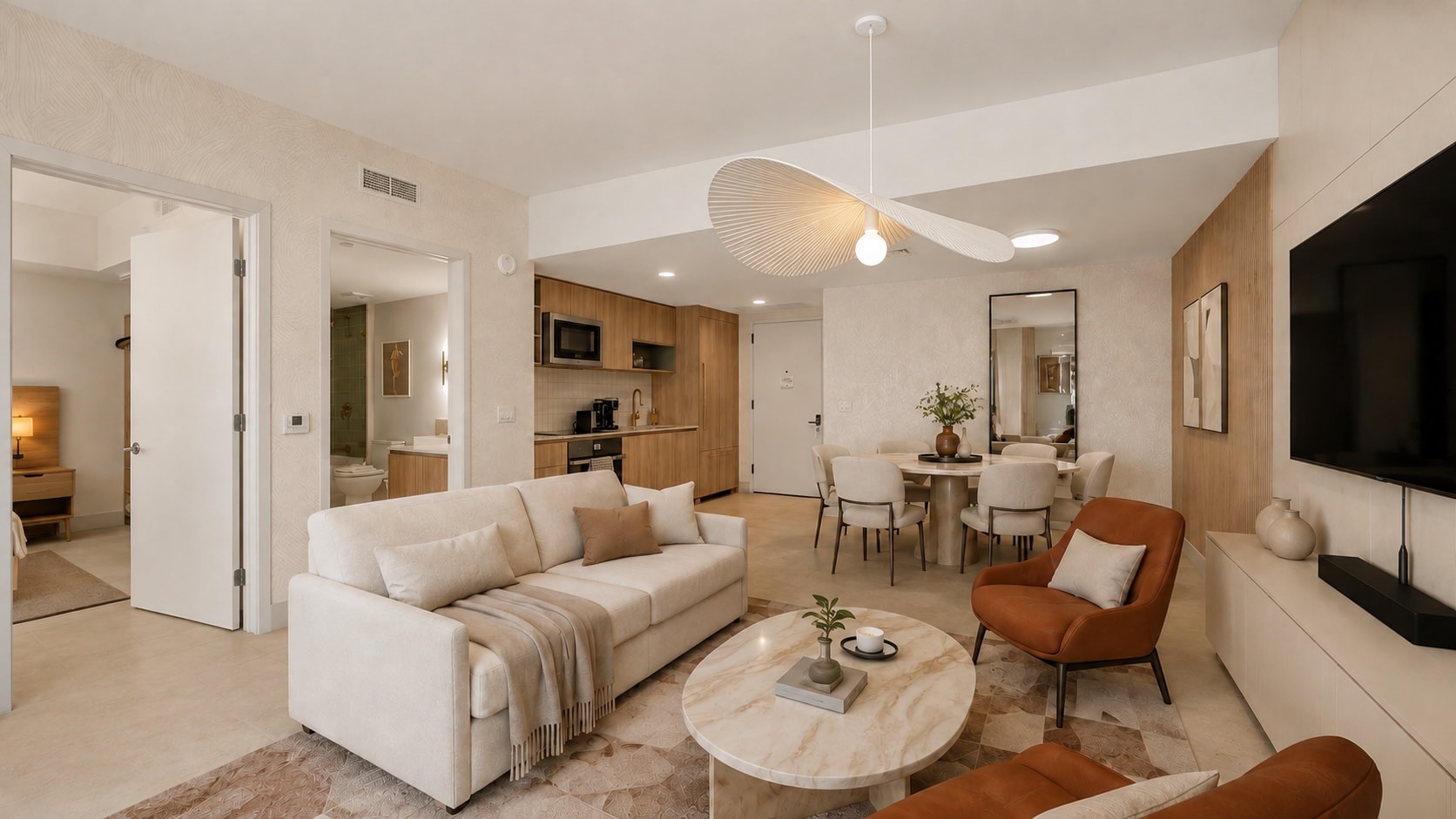
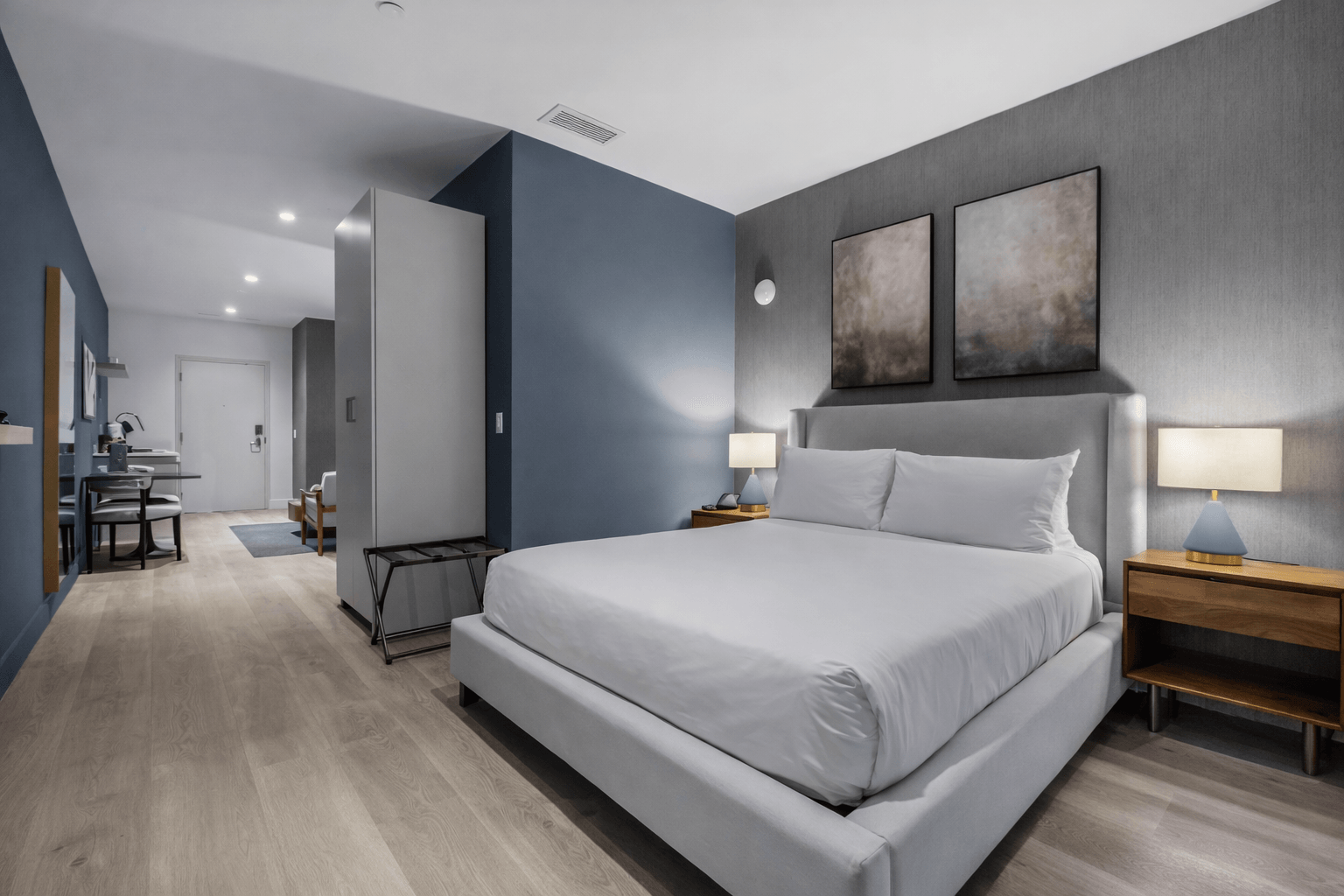
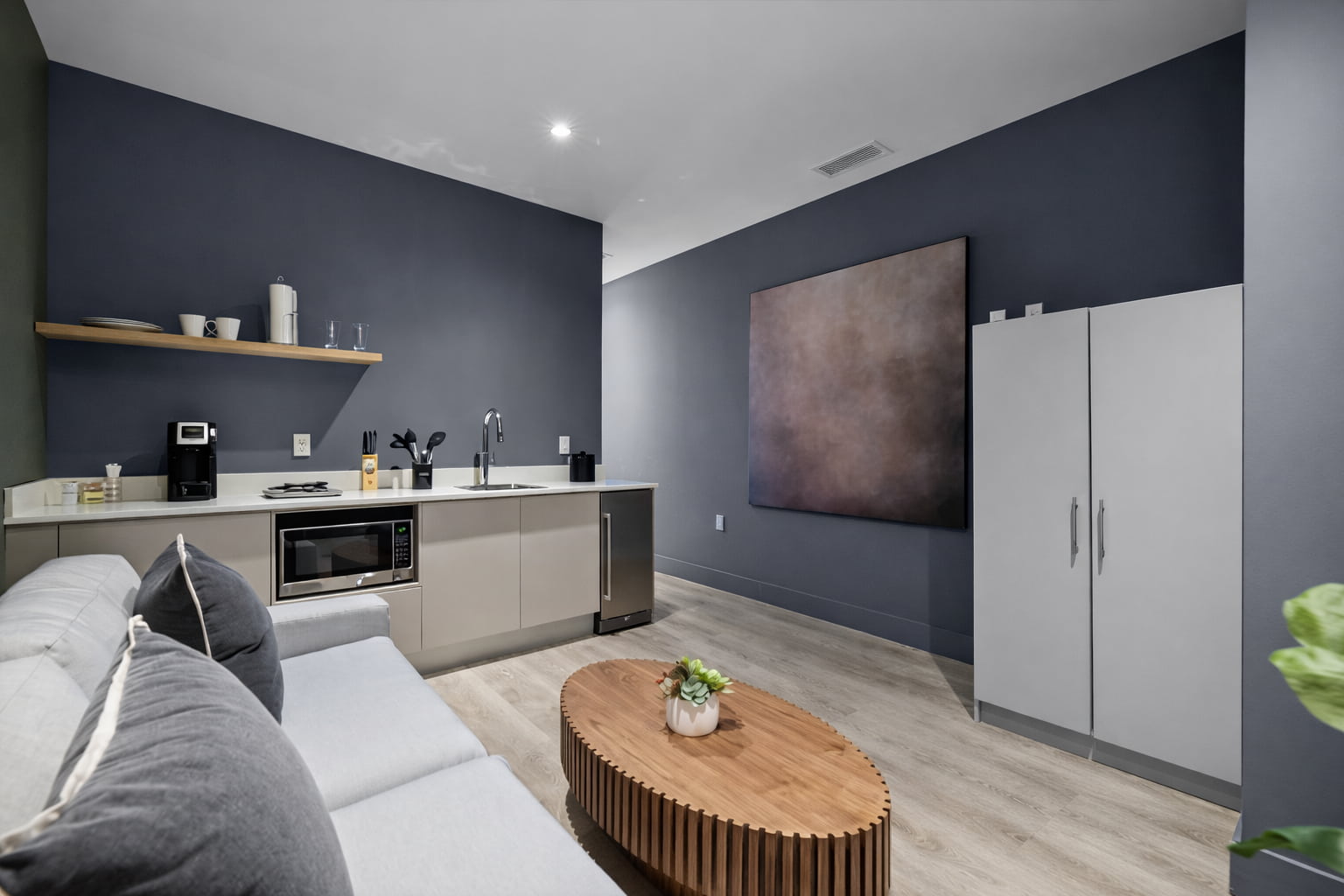
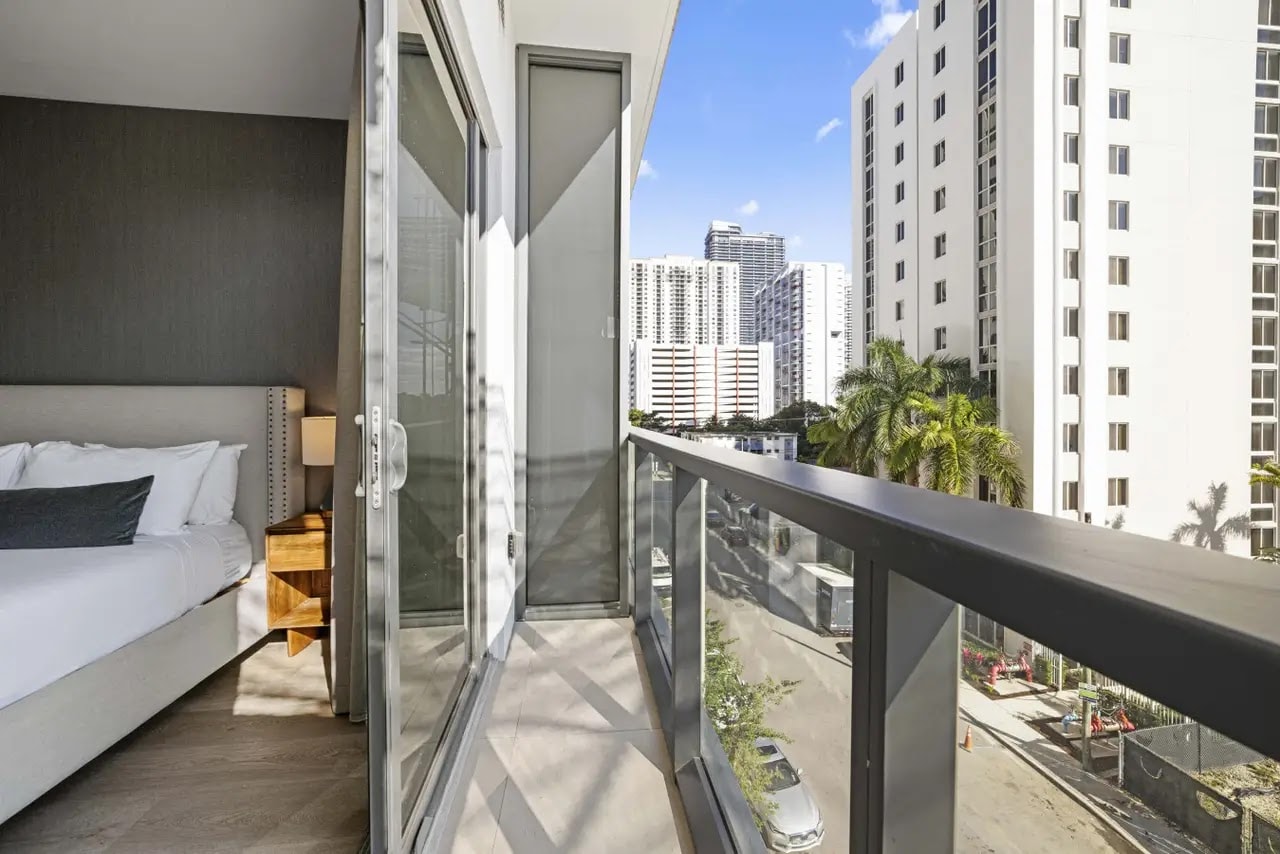
Miami, Florida, USA — 1-Bed Apartment With Bay Views & Resort Pool
$99,000
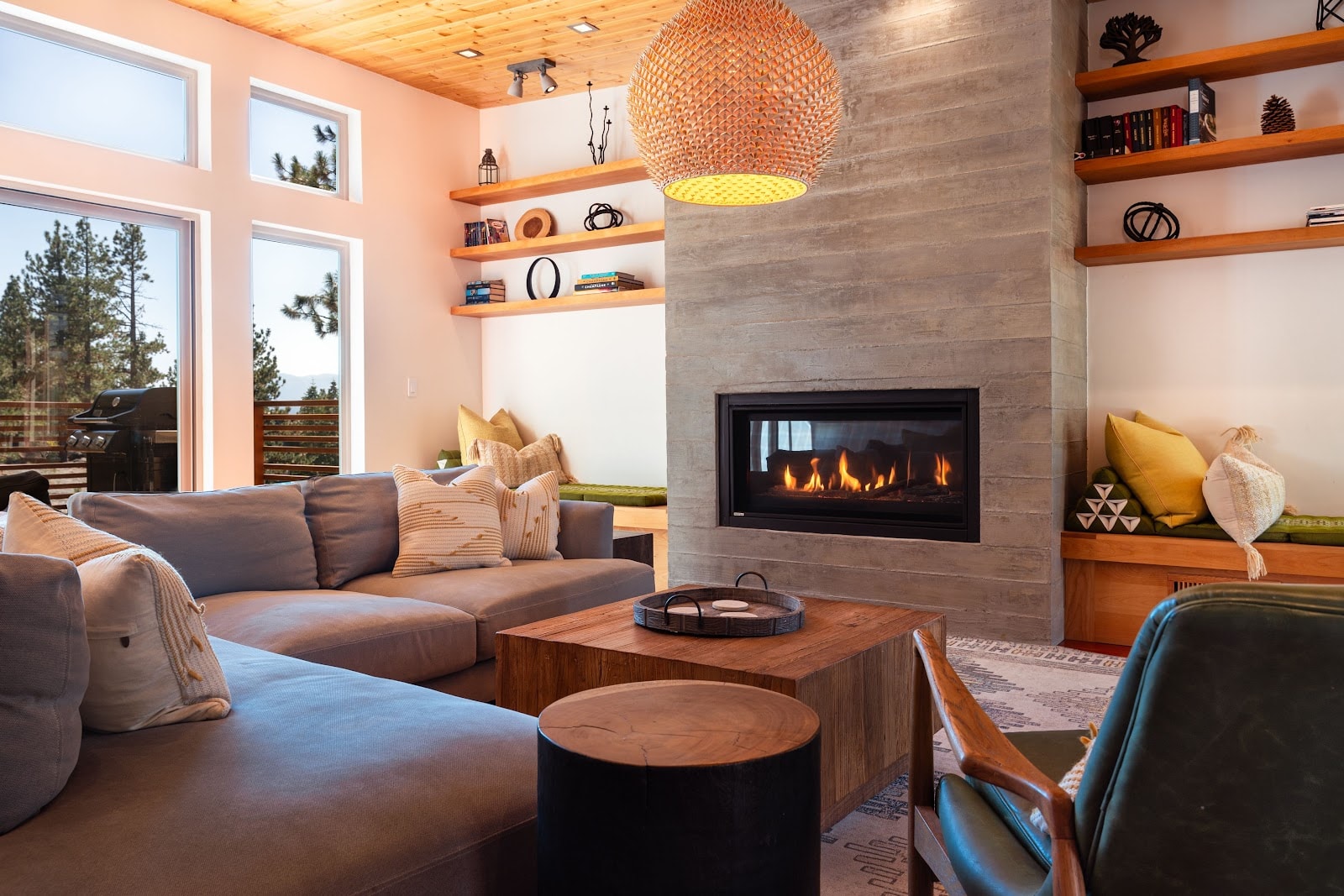
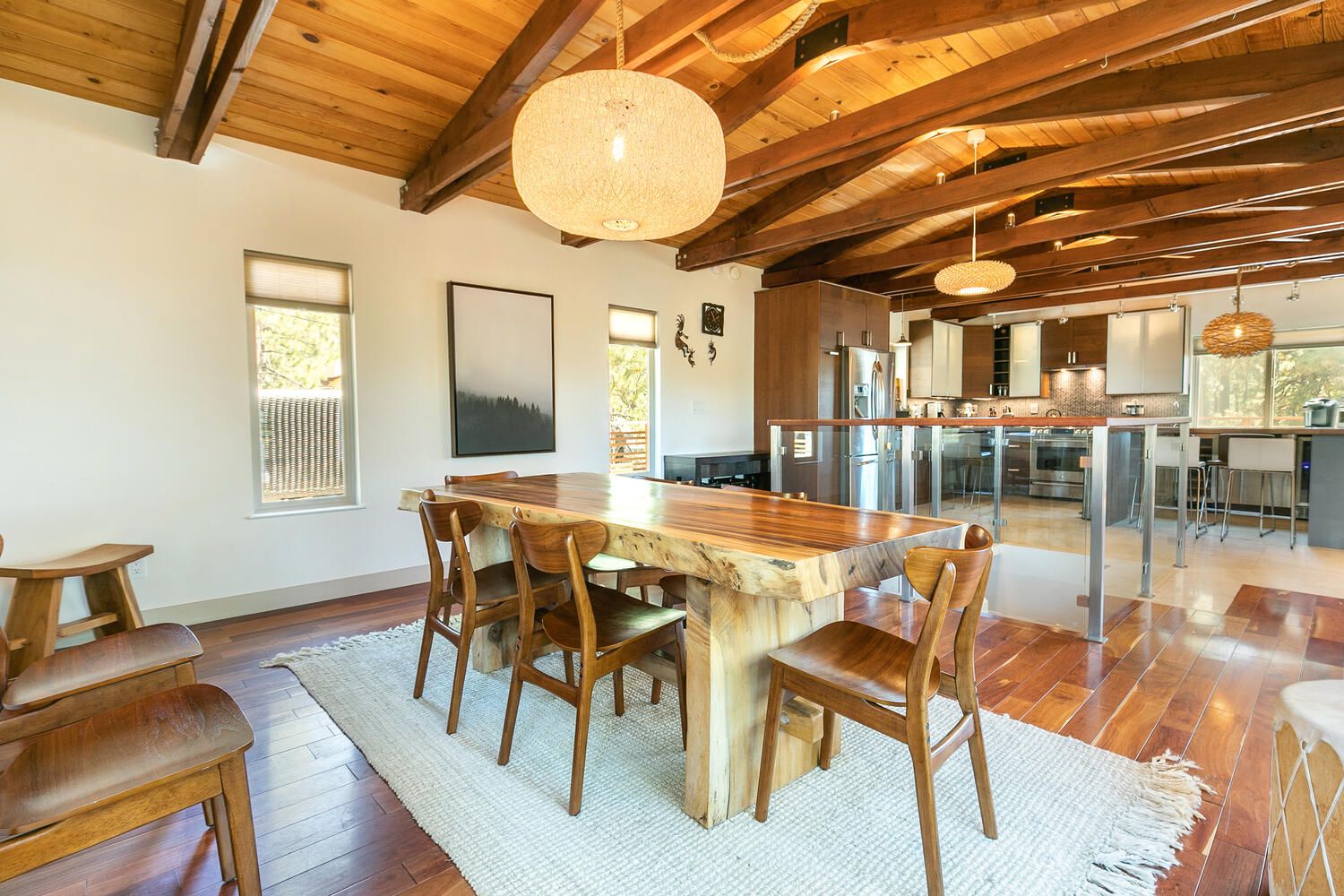
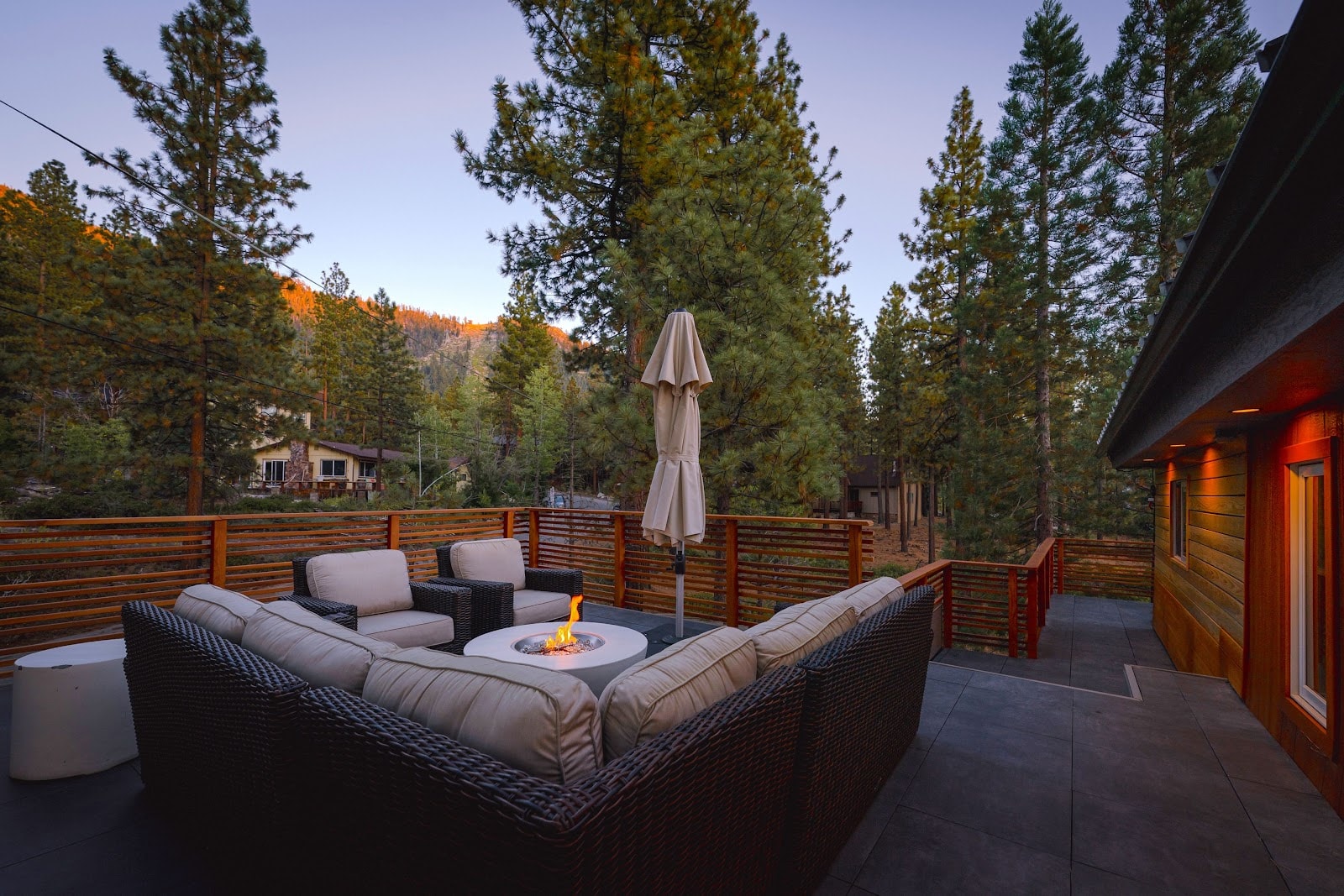
South Lake Tahoe, California, USA — 5-Bed House With Hot Tub
$249,000
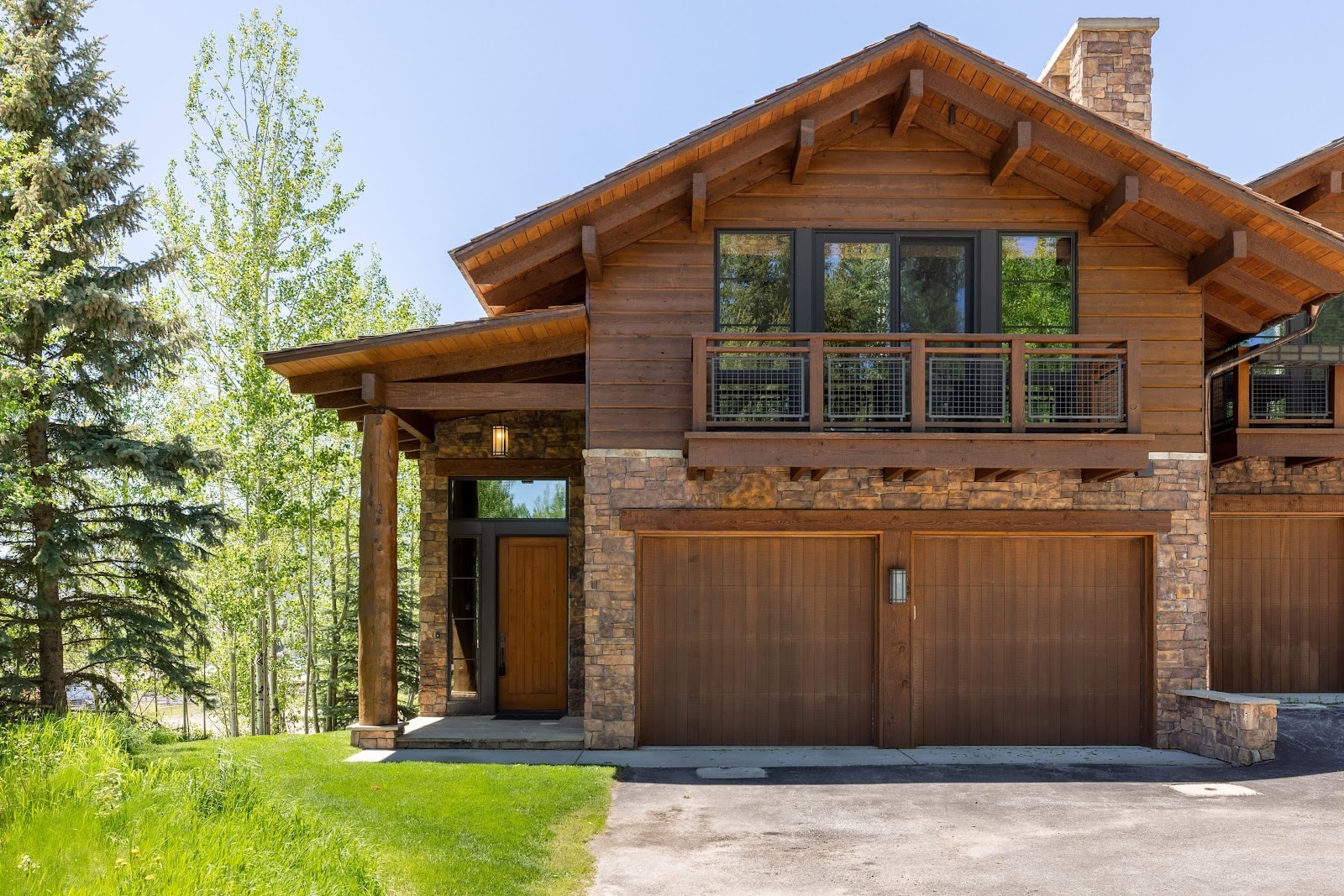
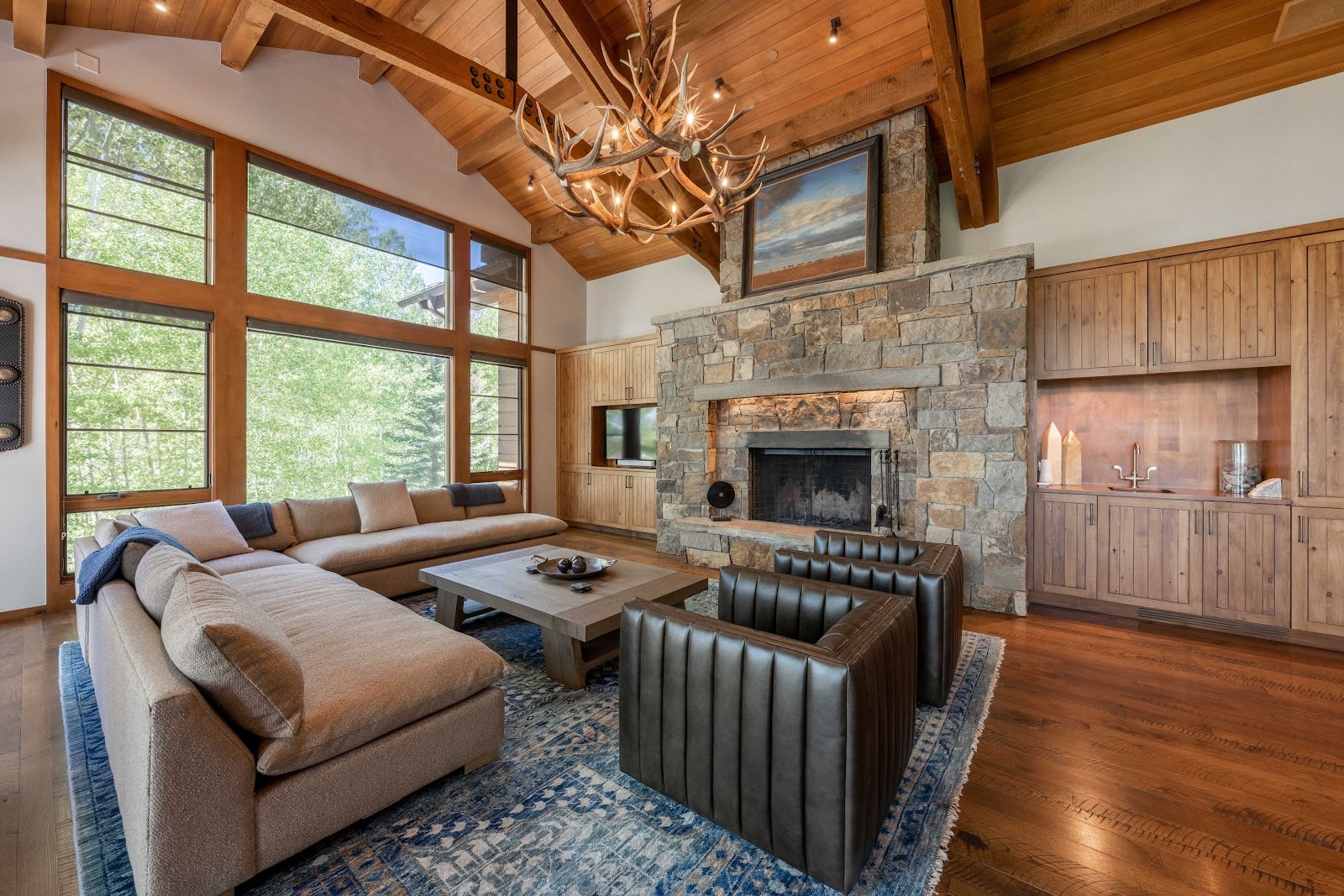
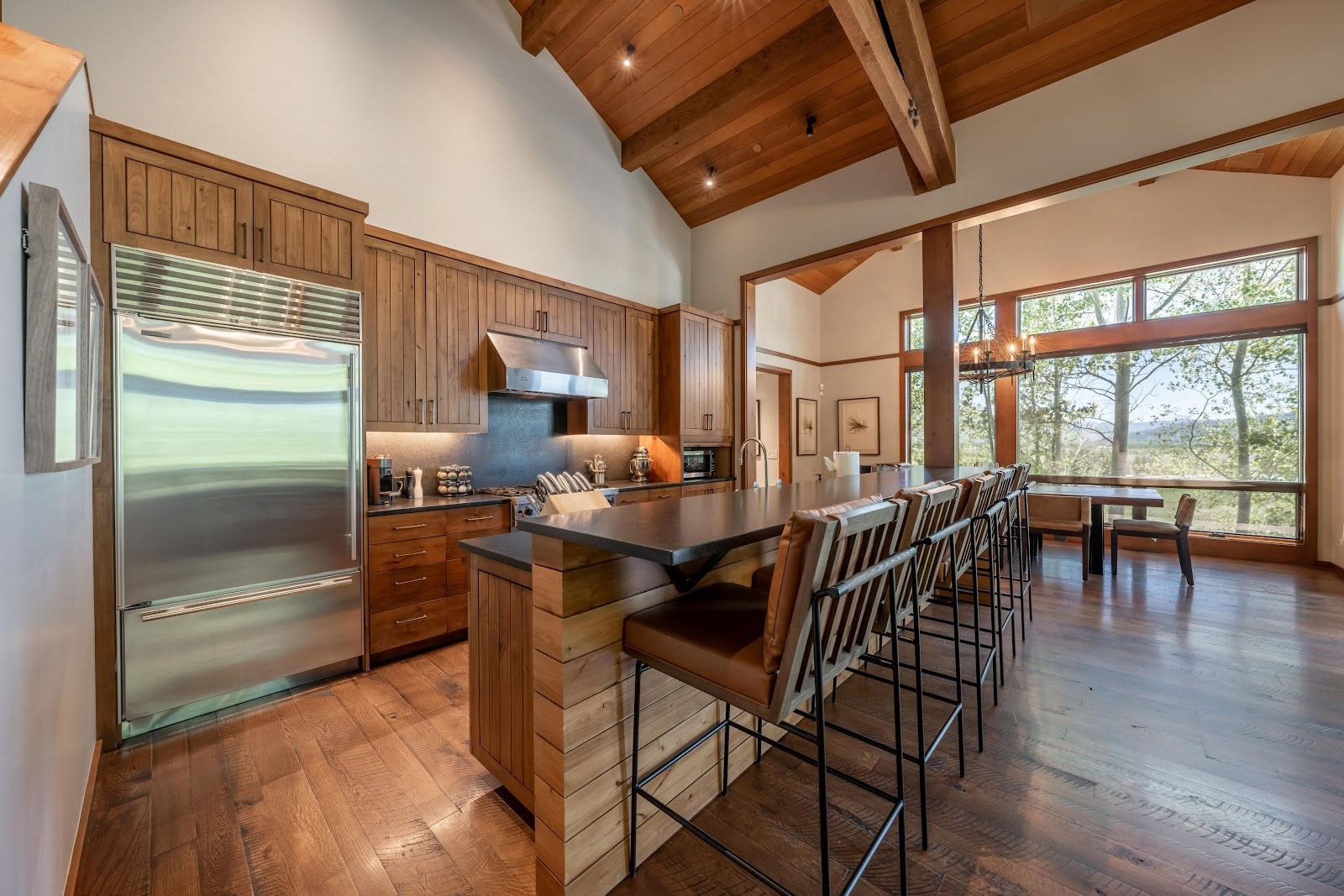
Teton Village, Wyoming, USA — 3-Bed House With Hot Tub
$935,000
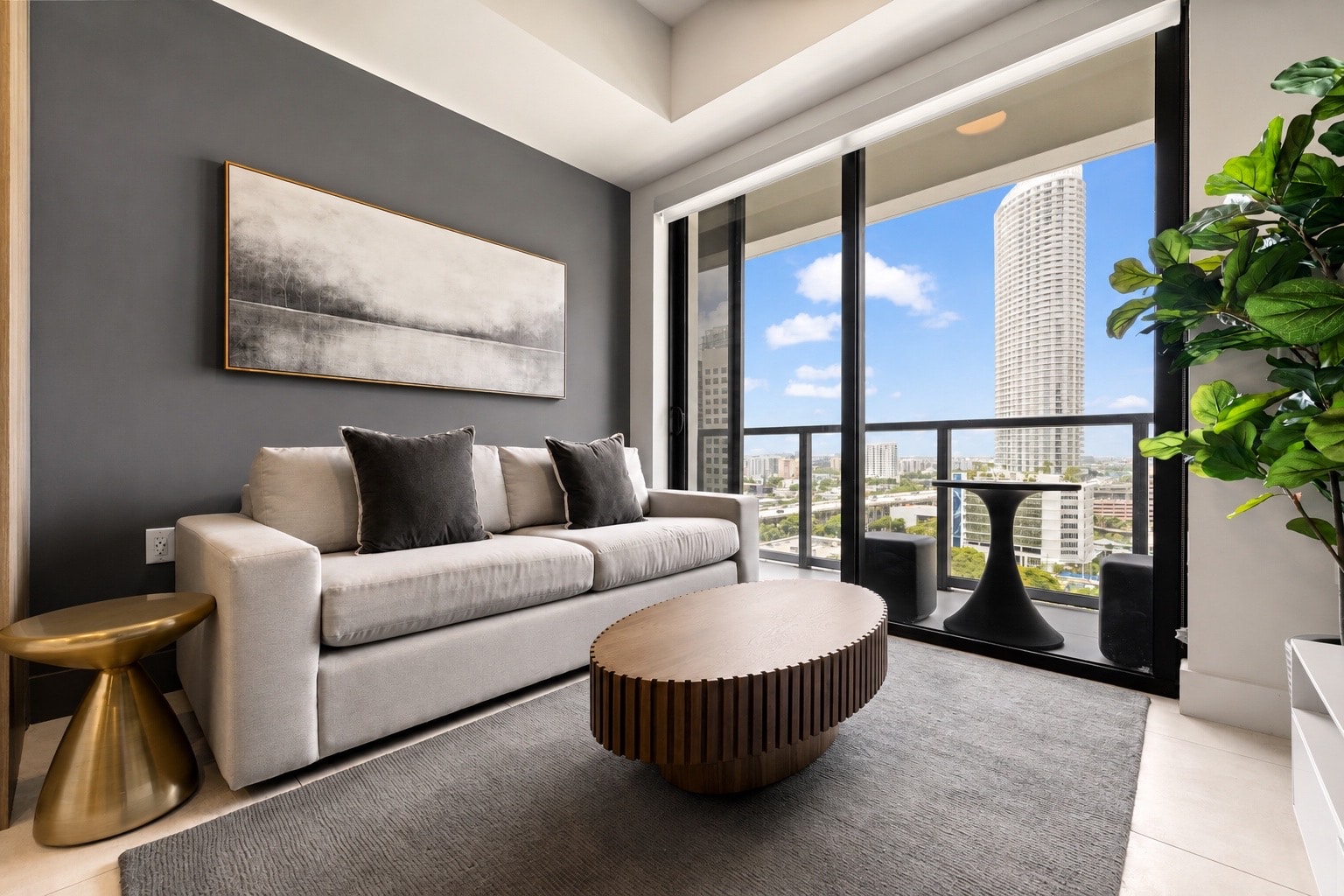
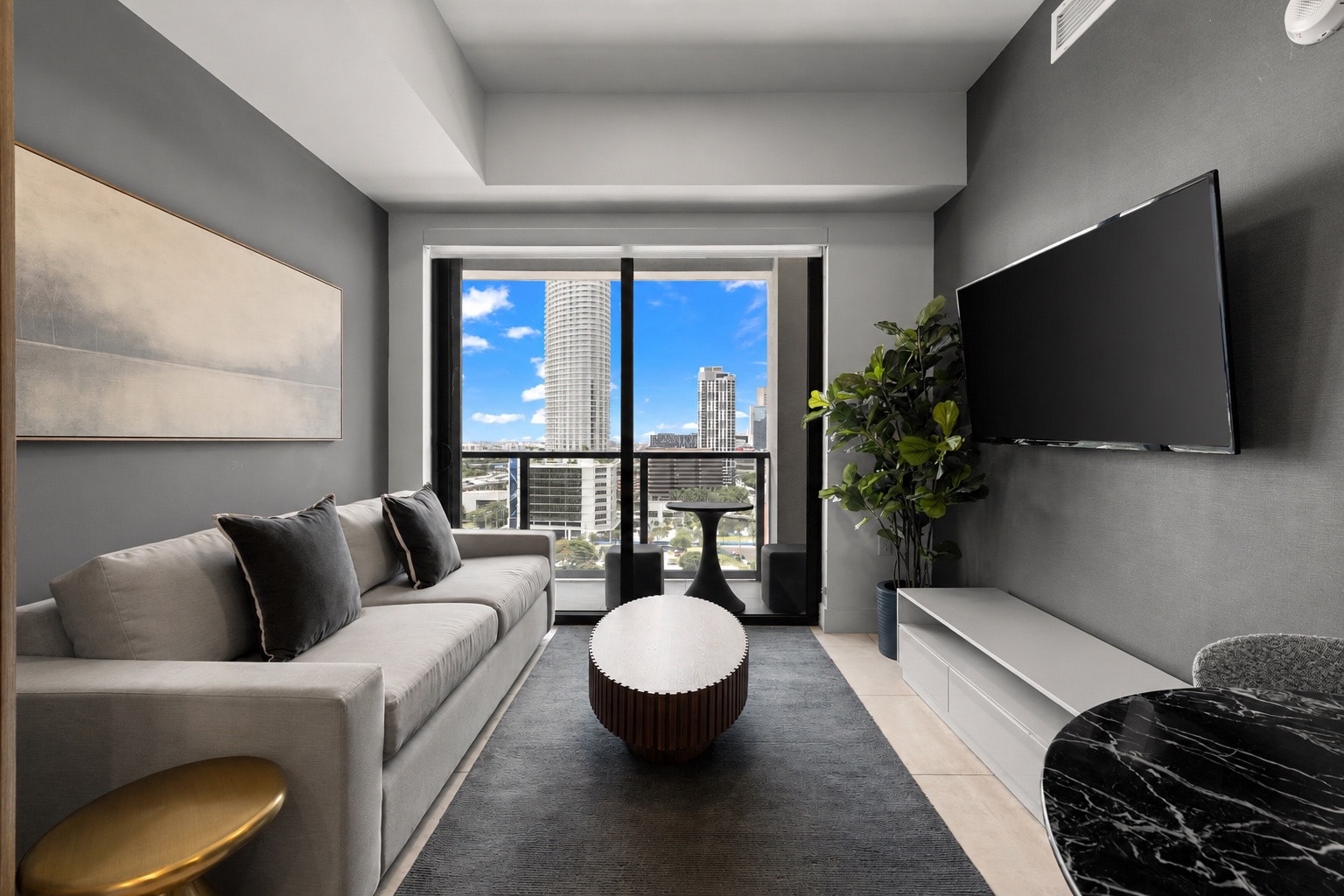
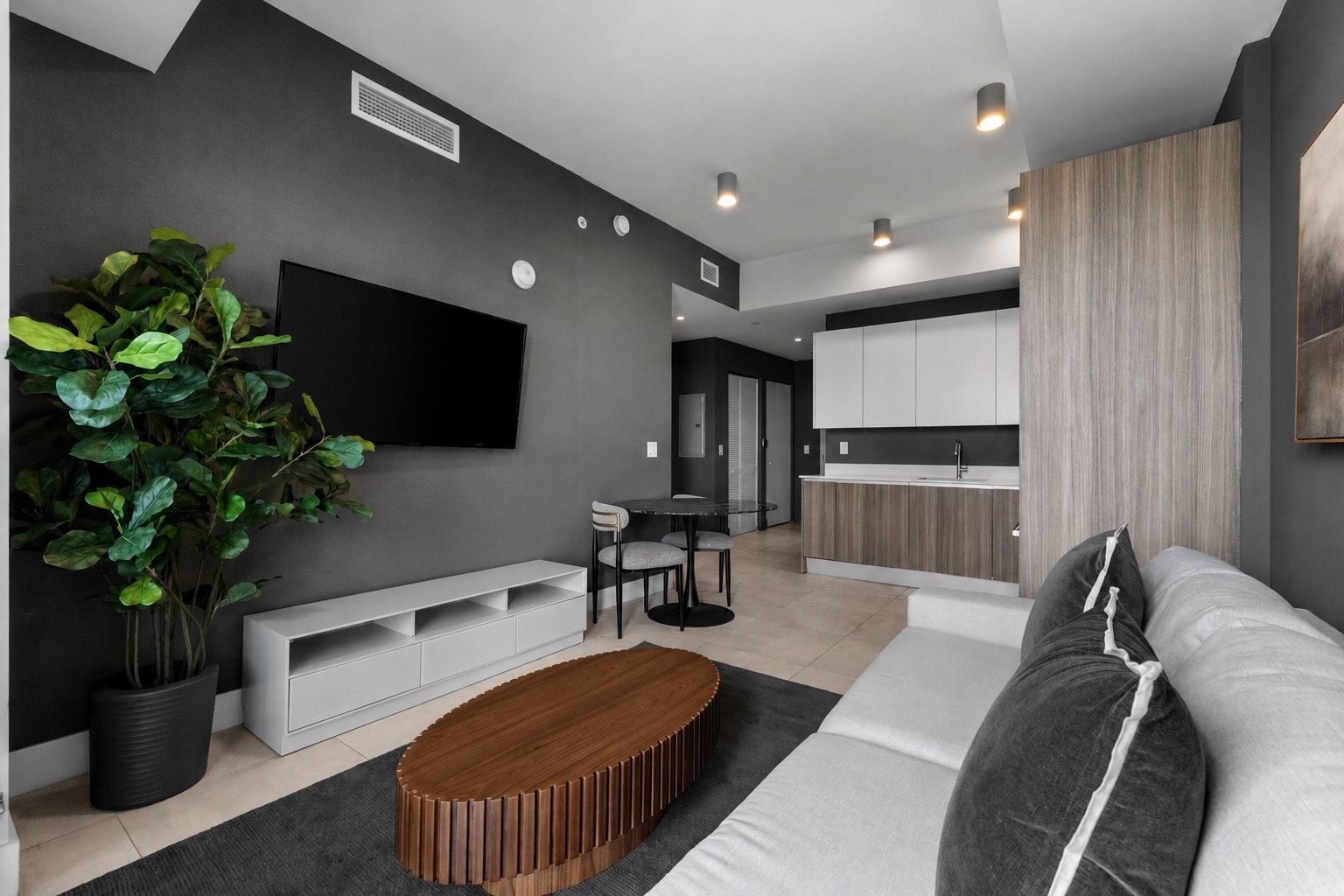
Miami, Florida, USA — 1-Bed Brickell Apartment With Rooftop Pool & Spa
$89,000
Hawaii's most coveted addresses, accessible through co-ownership.
Fully managed island homes in Hawaii's best-loved places, beginning with the Kohala Coast of the Big Island. Your 1/8 share of the home comes with around six weeks of personal use, a professional management team on call, and the long-term equity of islands where there is, quite literally, no more land.
What is fractional ownership in Hawaii?
Fractional ownership in Hawaii means buying a real 1/8 share of a luxury island home, shared with up to seven other co-owners. Each owner receives personal use set by the partner that manages the home — a minimum of 44 or 45 nights a year with most of our partners, and no set cap with some others — through a fair-rotation calendar, with all property management, maintenance, taxes and operations handled by a professional team. You can sell it, pass it on to your heirs, and it grows in value with the home — it is not a timeshare, not a holiday club. The legal set-up is arranged by our partner for each home and walked through with you before you buy.
Why Hawaii?
Mark Twain, who spent four months here in 1866 and never got over it, called Hawaii "the loveliest fleet of islands that lies anchored in any ocean". A century and a half later nobody has put it better. The islands lie alone in the middle of the Pacific, 2,400 miles (3,900 km) from the nearest continent, and everything about them follows from that: the clear light, the clean trade winds, the warm sea, the flowers that grow nowhere else, and a way of welcoming strangers, aloha, that is entirely real. People come for a fortnight's holiday and spend the flight home working out how to come back every year. Fractional ownership in Hawaii is the answer many of them arrive at.
The first argument is the climate, which is as close to perfect as the planet offers. Hawaii has no winter in any sense a northerner would recognise. Afternoons are 26–29°C (high 70s to mid-80s°F) in January and a degree or two warmer in August. The sea is 24–27°C (mid-70s to low 80s°F) all year. The trade winds keep the air fresh, and on the sheltered western coasts of each island, where the best homes are, it hardly rains at all. You can plan a wedding, a round of golf or a week on the beach for any day of the year and expect sunshine.
The second is the land itself. Each island is the top of a volcano rising three or four miles from the ocean floor, and the scenery is on that scale. On the Big Island, lava still fountains from a living volcano and snow falls on a summit 4,207 metres (13,803 ft) high. On Maui you can watch the sun rise from the rim of a crater nearly two miles above the sea. Kauai has sea cliffs half a mile high, folded like green velvet. And around all of it is the Pacific: coral reefs, sea turtles, manta rays, dolphins, and from December to April thousands of humpback whales, which come from Alaska to calve in these warm, shallow waters.
The third is scarcity. Hawaii is a chain of islands, and most of each island is mountain, forest reserve, national park, ranch or farmland that will never be built on. The strips of sunny, sheltered coast where people want to live are short. The resort communities along them were laid out decades ago, with their beaches, golf courses and gardens now fully grown, and there is very little room for more. A home in one of those places is among the scarcest things in American property, which is why they are so rarely sold and so highly valued.
The fourth is that Hawaii is America. For buyers from the mainland United States there is no passport, no currency, no foreign legal system: it is a domestic flight of five or six hours from the West Coast to a place that feels like another world. For buyers from Canada, Japan, Australia and Europe, it offers the security of American property law in the most relaxed setting imaginable.
And the last is the reason a share suits Hawaii so well. Hawaii is far away, and that is the whole point of it. Even the most devoted owners come two or three times a year, for two or three weeks at a time. A whole house stands empty for ten months, in salt air and tropical sun, needing a gardener, a pool service and a caretaker every week of them. A 1/8 share gives you the house for the time you will really be there, in perfect order each time you arrive, and somebody else has seen to the rest.
A very short history
The first Hawaiians were among the greatest navigators the world has known. About a thousand years ago, Polynesian voyagers crossed more than two thousand miles of open ocean in double-hulled canoes, steering by the stars, the swells and the flight of birds, and found these islands. They brought taro, breadfruit and sugar cane, built fishponds and temples of lava rock, and developed the arts that visitors still meet today: the hula, the chant, the lei.
Captain James Cook arrived in 1778, the first European to do so. In 1810 King Kamehameha the Great, born on the northern tip of the Big Island, united all the islands into a single kingdom. Missionaries, whalers and sugar planters followed through the nineteenth century, and workers came from Japan, China, Portugal and the Philippines to the plantations, which is why Hawaii today is the most mixed society in America, and why its food is so good. Hawaii became the fiftieth state in 1959. Two years later Elvis Presley made Blue Hawaii, and the rest of the world decided it wanted to come too.
Where to own in Hawaii
Hawaii is not one place but several, and choosing an island is the first and most enjoyable decision. The Big Island is the largest, the youngest and the most dramatic, with the sunniest coast in the state. Maui is the favourite of visitors the world over, with the best beaches and the whales. Kauai is the greenest and the most romantic. Oahu has Honolulu, Waikiki and the surf of the North Shore. And little Lanai is the most private of all. The official Hawaii tourism site has a guide to each.
The Big Island and the Kohala Coast
The island of Hawaii, which everyone calls the Big Island, is larger than all the other Hawaiian islands put together, and it is still growing. On its north-western shore, in the rain shadow of two enormous volcanoes, lies the Kohala Coast: twenty miles of black lava fields, white-sand coves and emerald golf courses under a sky that is blue more than three hundred days a year. This is the driest and sunniest corner of Hawaii, and since Laurance Rockefeller opened the Mauna Kea Beach Hotel here in 1965 it has been home to the most distinguished resorts in the islands.
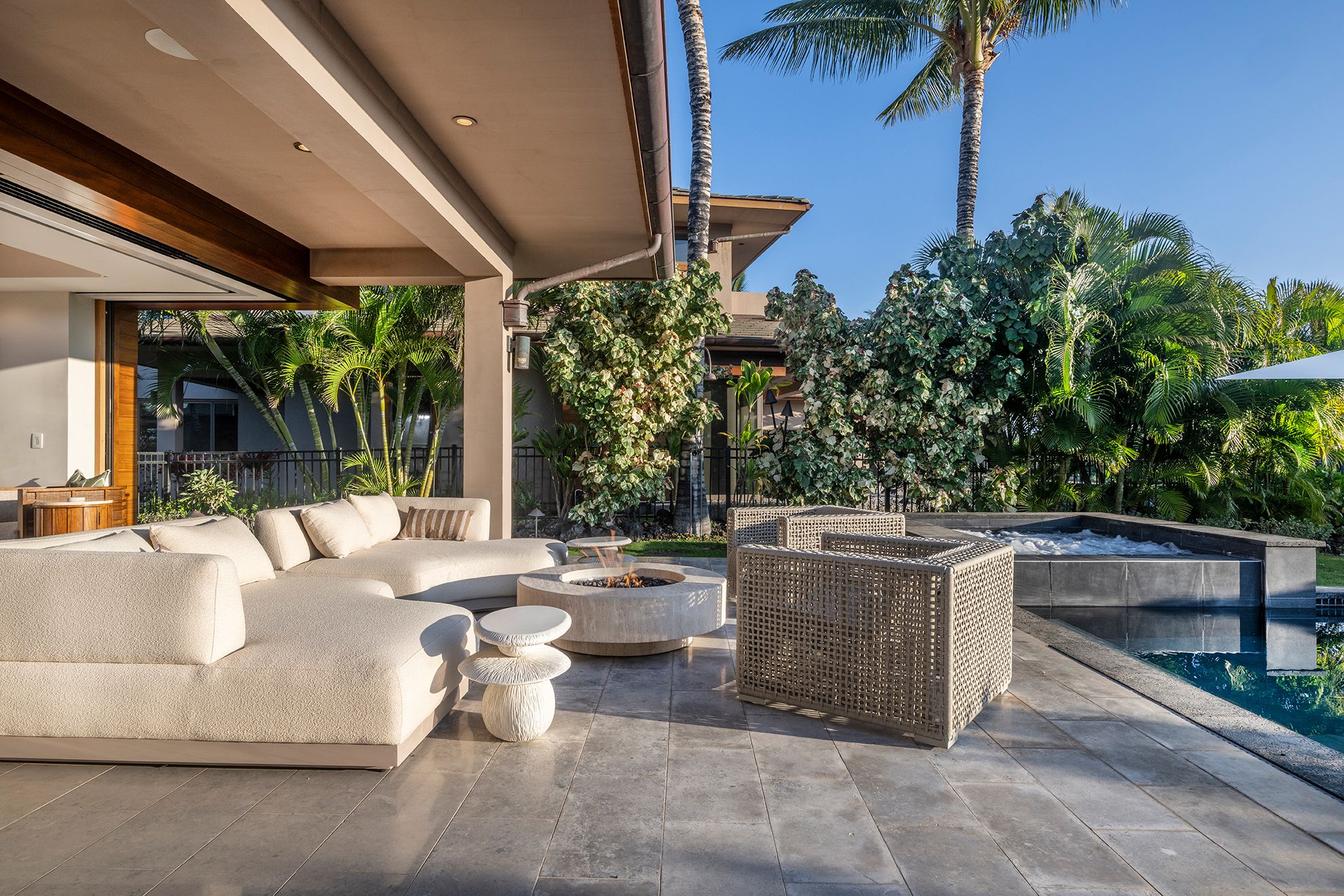
The resort communities sit a few miles apart along the shore, each with its own character. Mauna Lani is built around ancient royal fishponds, still stocked and tended, with two golf courses laid out across the lava, a beach club on a sheltered cove, and paths that wind past petroglyphs carved a thousand years ago. Mauna Kea, to the north, has a crescent of sand that is regularly named among the best beaches in America and a golf course whose third hole, played across a bay of crashing surf, is one of the most photographed in the world. Hualalai, to the south, is the most exclusive. And just up the coast is Hapuna, half a mile of broad white beach that belongs to everyone.
Behind the coast the land climbs to Waimea, a cool green town at 2,700 ft whose post office is called Kamuela. This is cattle country, home of Parker Ranch, founded in 1847 and once one of the largest ranches in the United States, and of the paniolo, the Hawaiian cowboys, who were roping cattle here before there were cowboys in Texas. Its farmers' markets and restaurants are among the best in the islands. Above it all rises Mauna Kea, dusted with snow in winter, with the world's great observatories on its summit. Best for: sun-lovers, golfers, families who want a private pool and a calm beach, and owners who like space, quiet and a landscape unlike anywhere else on earth.
The rest of the island is a week's exploring in itself. Kailua-Kona, half an hour south, is a seafront town with a royal summer palace and the fishing boats that bring in the marlin. Above it, on the slopes of Hualālai, is the Kona coffee belt, twenty miles of small farms where you can taste the coffee where it grows. On the wet, green eastern side, Hilo is an old sugar port of wooden shopfronts, Japanese gardens and waterfalls, among them ʻAkaka Falls, which drops 442 ft into a gorge of ferns and wild ginger. North of it the road runs along the Hāmākua Coast to the lookout over Waipiʻo, the valley of the kings. And in the far south are a beach of black sand where green turtles haul out to sleep, and the southernmost point of the United States.
Maui: Wailea, Kapalua and Kaanapali
Maui has been voted the best island in the world so many times that it has stopped being news. Its sunny western and southern shores hold three celebrated resort areas. Wailea, in the south, is the most polished: five crescent beaches linked by a coastal path, with grand hotels, three golf courses and villas climbing the slope behind, all looking across the water to the islands of Lanai and Kahoolawe and the sunken crater of Molokini. Kapalua, in the north-west, is wilder and greener, with pineapple-field views, bays that are marine reserves, and a championship golf course on the cliffs. Kaanapali, between them, is the classic beach resort, three miles of sand with a path along it.
Maui's great gift is variety. In a single day you can watch the sunrise from the summit of Haleakalā, at 3,055 metres (10,023 ft), drive down through the lavender farms and cowboy town of the cool upcountry, and be snorkelling with turtles by lunchtime. The road to Hana, with its six hundred curves, fifty-odd one-lane bridges and a waterfall round every corner, is one of the great drives of the world. And from December to April the channel between Maui and its neighbours is the best place on earth to see humpback whales; you can watch them breach from your lanai. Best for: beach lovers, families, honeymooners of any age, whale-watchers, and those who want the widest choice of restaurants and things to do.
Kauai: Princeville, Hanalei and Poipu
Kauai, the oldest of the main islands, has had five million years to grow green, and it is the most beautiful of them all. On the north shore, Princeville sits on a bluff above Hanalei Bay, a two-mile crescent of sand beneath mountains streaked with waterfalls. Beyond it the road ends and the Nāpali Coast begins: fifteen miles of fluted green cliffs rising three thousand feet from the sea, reachable only on foot, by boat or by helicopter. If it looks familiar, that is because Jurassic Park was filmed here.
On the sunny south shore, Poipu has the calm beaches, the golf and the monk seals dozing on the sand. Inland is Waimea Canyon, ten miles long and more than three thousand feet deep, in every shade of red and green, which has been called the Grand Canyon of the Pacific. Kauai has a rule that no building may be taller than a coconut palm, and it shows: this is the Hawaii of small towns, taro fields and empty beaches. Best for: walkers, romantics, those who want peace and green, and owners who think the best thing to do on holiday is very little.
Oahu: Honolulu, Kahala and the North Shore
Oahu is where most of Hawaii's people live, and it gives an owner something the other islands cannot: a real city. Honolulu has the restaurants, the shops, the museums and the only royal palace on American soil, ʻIolani Palace, built by King Kalākaua in 1882 and lit by electricity before the White House. Waikiki, with Diamond Head at its end, is the most famous beach in the world, and the place where Duke Kahanamoku, Olympic swimming champion and father of modern surfing, taught the world to ride waves.
East of the city, Kahala and the coast beyond are Honolulu's finest residential addresses, quiet streets of large houses on the ocean. An hour away, on the North Shore, the winter swells produce the most celebrated waves in surfing, at Waimea Bay, Sunset Beach and the Banzai Pipeline, and the whole surfing world gathers to ride them. In summer the same sea is flat and clear as glass. Best for: owners who want city life as well as the beach, surfers, food lovers, and those who like direct flights from almost everywhere.
Lanai
Lanai, nine miles off Maui, was once the largest pineapple plantation in the world. Today almost all of it belongs to one man, the technology founder Larry Ellison, and it has become the most exclusive island in Hawaii: two exceptional resort hotels, one on a marine reserve where spinner dolphins play and one in the cool pine-clad hills, a single small town, no traffic lights, and miles of red-dirt roads leading to beaches you will have to yourself. Best for: those who want to disappear.
A year in your Hawaii co-ownership home
Hawaiians traditionally count two seasons: kau, the warm, dry summer from May to October, and hoʻoilo, the slightly cooler, greener winter from November to April. The difference between them is a few degrees. What changes through the year is the sea, the visitors and the calendar, and there is no month in which a week here is not a pleasure. That is rare, and it is what makes a share of a Hawaiian home so easy to enjoy: whichever weeks the fair-rotation calendar gives you, they are good ones.
Winter (December–March)
Winter is high season, and for good reason: while the mainland shivers, Hawaii is at 26°C (79°F) with a warm sea and long, golden afternoons. It is also the season of the humpback whales. From December they arrive in their thousands from Alaska, and by February they are everywhere, breaching, slapping their tails and nursing their calves in the shallow channels between the islands. The national marine sanctuary that protects them covers the waters off Maui, the Kohala Coast and Kauai, and you can watch them from the beach.
On the north-facing shores the winter swells arrive, and with them the great surfing contests of Oahu's North Shore. On the sheltered western coasts the sea stays calm for swimming. Golfers have the professional season opening in the islands in January. The summit of Mauna Kea may be white with snow while the beach below it is in full sun, and it is possible, on the Big Island, to ski in the morning and snorkel in the afternoon. Christmas and New Year are the most sought-after weeks of all, celebrated with leis, fireworks and Santa arriving by outrigger canoe.
Spring (April–June)
Spring is the islands' quiet secret. The winter visitors have gone home, the summer families have not yet arrived, the hillsides are at their greenest after the winter rain, and the weather is flawless at 27–28°C (low 80s°F). In the week after Easter the town of Hilo holds the Merrie Monarch Festival, the most important hula competition in the world, named for the king who revived the dance. The first of May is Lei Day, when the whole state wears flowers. In June the islands honour King Kamehameha with parades on horseback and statues draped in leis thirty feet long.
The sea grows calmer by the week, and by May the snorkelling is superb on every coast. This is the season for walking, too: the trails into Waimea Canyon, across the crater floor of Haleakalā and through the rainforest to the waterfalls of the Hamakua coast are cool and clear. Many owners say that if they could choose only one time of year, it would be May.
Summer (July–September)
Summer is family season. School is out, the ocean is at its warmest at around 27°C (81°F) and as flat as a lake on almost every shore, and the days are long. Afternoons reach 29–31°C (mid to high 80s°F), cooled by the trade winds. This is the time for learning to surf on the gentle summer waves of Waikiki, for paddling outrigger canoes, for snorkelling among turtles off Maui and the Kohala Coast, and for the Big Island's most extraordinary experience: floating at night above the lights of the Kona coast while manta rays with wings twelve feet across glide and somersault a few inches beneath you.
The Fourth of July is celebrated with fireworks over the beaches and rodeos in the cowboy towns of Waimea and Makawao. Mangoes, lychees and pineapples are at their best. In the evening the light lasts until after seven, and dinner is on the lanai.
Autumn (October–November)
Autumn is the calmest season of the year, with summer's warmth, the fewest visitors and the easiest restaurant tables. In October the world's best endurance athletes come to Kailua-Kona for the Ironman World Championship, swimming, cycling and running across the lava fields where the race was made famous. In November the Kona Coffee Cultural Festival, the oldest food festival in Hawaii, celebrates the harvest on the slopes above the bay, where coffee has been grown on small family farms for nearly two hundred years. Thanksgiving, with a turkey cooked in an underground oven in the Hawaiian way, begins the winter season again.
Hawaii month by month
- January and February — whale season at its height, big surf on the north shores, calm seas on the west, 26°C (79°F). Professional golf in the islands.
- March — the last of the whales, green hills, and spring-break families on the beach.
- April — quiet and lovely. The Merrie Monarch hula festival in Hilo.
- May — Lei Day on the first. Flawless weather and calm water. Many owners' favourite month.
- June — King Kamehameha Day parades. The start of summer and the mango season.
- July and August — family season. The warmest sea, the flattest water, rodeos on the Fourth of July.
- September — still summer, with the beaches to yourself. The Aloha Festivals across the islands.
- October — the Ironman World Championship in Kona. Warm, calm and uncrowded.
- November — the Kona coffee harvest and festival. The first winter swells, the first whales, and Thanksgiving.
- December — the Honolulu Marathon, the big-wave season on the North Shore, and Christmas in shorts.
A perfect week on the Kohala Coast
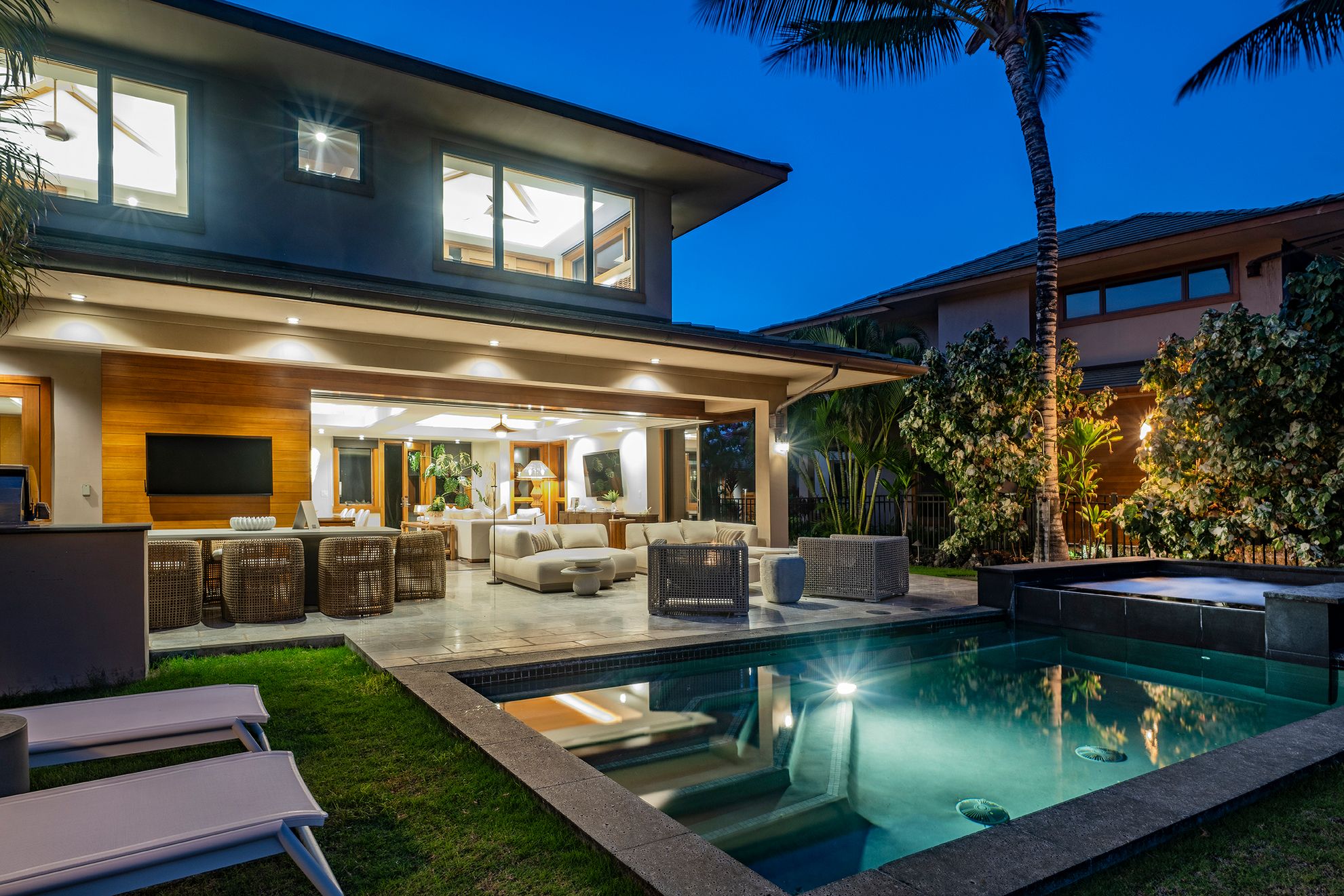
Saturday. You land at Kona in the afternoon, step off the aircraft into warm air scented with plumeria, and drive north for half an hour through fields of black lava with the ocean on your left. The house is open to the garden, the pool is lit, and the sun is going down behind a line of palms. Sunday you do not leave the property except to walk to the beach club, swim in the cove and watch the turtles feeding on the rocks. On Monday you play golf across the lava at Mauna Lani in the cool of the morning, or walk the old coastal trail past the royal fishponds, and have dinner in Waimea, where the beef comes from the ranch and the vegetables from the farm down the road.
Tuesday is the volcano. You drive around the island to Hawaiʻi Volcanoes National Park, walk through a lava tube and a forest of tree ferns, and stand at the rim of Kīlauea, one of the most active volcanoes on earth. Wednesday is for the sea: a morning's snorkelling at Kealakekua Bay, where the water is so clear that you can see the coral forty feet down, and a visit to the Place of Refuge, a sacred enclosure of palms, carved figures and a great stone wall beside the sea.
On Thursday you drive north through the green hills of Kohala to the lookout over the Pololū Valley, have lunch in the old plantation town of Hāwī, and are back for a massage and the sunset. Friday ends on the summit of Mauna Kea, above the clouds, wrapped in a borrowed parka, watching the sun go down over the whole Pacific and then the stars come out more brightly than you have ever seen them. On Saturday you leave your swimming things in the cupboard. They will be there when you come back.
And a perfect week on Maui
On Maui the week has a different shape. You begin on the beach at Wailea, walking the coastal path at sunrise with the outline of Lanai across the water, and swimming before breakfast. One morning you take a boat to Molokini, the crescent rim of a drowned crater, and snorkel inside it among clouds of yellow fish. One day you drive the road to Hana, stopping for banana bread at a roadside stall, a swim beneath a waterfall and the black-sand beach at Waiʻānapanapa. One night you set the alarm for three and drive to the summit of Haleakalā to watch the sun come up over a sea of cloud, then coast down through the eucalyptus to breakfast in the cowboy town of Makawao. In winter you spend a morning among the whales. And every evening ends the same way, on the lanai, with the sun going down behind the islands and the torches being lit along the shore.
Eating in Hawaii
Hawaii's cooking is one of the pleasures nobody expects. Its roots are in the plantation years, when Hawaiian, Japanese, Chinese, Portuguese, Korean and Filipino families shared their lunches, and the result is a cuisine found nowhere else: poke, cubes of raw tuna dressed with soy and sesame, which the rest of the world has only recently discovered; the plate lunch; sweet bread and hot sugared doughnuts from the Portuguese bakers; and shave ice in every colour for the children.
In 1991 twelve chefs agreed to build a new style on the islands' own fish, beef, fruit and vegetables, and Hawaii Regional Cuisine was born. One of them, Peter Merriman, has had his restaurant in Waimea since 1988, and the Big Island's ranchers, fishermen and farmers supply kitchens all over the state. With a kitchen of your own you can shop at the farmers' markets for papayas, avocados, macadamia nuts, sweet onions and fish landed that morning, and grill it on the lanai as the sun goes down.
The culture, and how to enjoy it well
Hawaii is the only American state that was once a kingdom, and the only one with two official languages, English and Hawaiian. Its culture is alive and is offered generously to visitors who take an interest. A lei is given with a kiss on the cheek and never refused. The hula is a way of telling stories, and to see it danced properly, to chant and drum and not to a recording, is to understand something about the islands. The ʻukulele arrived with Portuguese immigrants in 1879 and was taken up by the king himself. Shoes are left at the door. Old temple sites and fishponds are treated with respect. In Honolulu the Bishop Museum holds the finest collection of Hawaiian and Pacific art and history in the world, and is the best possible introduction. Owners who return year after year find that what brings them back is less the beaches than the people.
Golf, the ocean and the outdoors
Hawaii has more than seventy golf courses, and some of the most dramatic anywhere: fairways of bright green laid across black lava on the Kohala Coast, cliff-top holes at Kapalua and Princeville, and ocean views from almost every tee. The sea offers surfing, paddleboarding, outrigger canoeing, sailing, deep-sea fishing off Kona, where the marlin run to a thousand pounds, and snorkelling and diving in water that stays above 24°C (75°F) all year. On land there is riding with the paniolo on the ranches of Waimea, hiking in two national parks, helicopter flights over waterfalls that cannot be reached any other way, and stargazing from one of the clearest skies on the planet.
Hawaii with children
For children Hawaii is paradise in the plain sense of the word. The sea is warm and the lagoons are calm. There are turtles to watch, tide pools to explore, waves the right size to learn on, and beaches of white, black and even green sand. They can stand at the edge of a volcano, ride a horse on a real ranch, swim under a waterfall, learn to dance the hula and string a lei. Teenagers learn to surf and do not want to go home. And the journey, however long, is forgotten the moment they see the pool.
Who buys in Hawaii, and why
Hawaii's owners come first from the West Coast of the United States: from San Francisco and the Bay Area, Los Angeles, San Diego, Seattle and Portland, for whom the islands are a five- or six-hour flight with no change of currency or passport. Buyers from Texas, Colorado, Arizona and the Midwest come for the winter. Canadians, especially from Vancouver and Calgary, are a long-standing presence. And Hawaii has always drawn owners from Japan, Australia and New Zealand, for whom it lies halfway to America.
Fractional ownership in Hawaii typically suits:
- West Coast families — who come two or three times a year, at Christmas, at spring break and in summer, and want the same house, the same beach and the same friends each time.
- Winter escapers — from the Rockies, the Midwest and Canada, who want February in the sun and a lanai to have breakfast on.
- Golfers — for whom a fortnight on the Kohala Coast or at Kapalua is the best golf holiday there is.
- Multi-generational families — who want a house large enough for grandparents, parents and children to be together, with a pool for the young and a quiet corner for everyone else.
- Owners from Asia and the Pacific — for whom Hawaii is the nearest and most welcoming part of the United States.
- Portfolio builders — who pair a share in Hawaii with one in the mountains or in Europe, and have somewhere wonderful to be in every season.
What they share is a realistic view of distance. Nobody uses a house in Hawaii every other weekend. Most owners of whole homes here are in them for a few weeks a year, and for the rest of the time the house must be aired, cleaned, gardened and guarded against sun and salt by somebody they pay. A 1/8 share matches what you own to the time you will be there: around six weeks a year, which is more than most second-home owners in Hawaii manage, in a house that is ready each time you walk in.
It also changes what is within reach. A house with a private pool in one of the Kohala Coast's resort communities, or a villa above the beach at Wailea, is among the most valuable property in the Pacific when bought whole. Bought as a share, the same house and the same view come within reach of buyers who would otherwise be looking at a hotel room. Browse the listings at the top of this page to see what is available now; homes in Hawaii come up only occasionally, so it is worth joining the updates list to hear of new ones first. Our homes in Los Cabos and on the California coast offer the Pacific closer to home in the meantime.
Practicalities: getting there and what you own
Getting there — airports, flight times and ground access
Each of the main islands has its own airport with direct flights from the mainland, all run by the State of Hawaii. Honolulu (HNL) on Oahu is the main gateway, with flights from across North America, Japan, Korea, Australia and New Zealand. Kona (KOA) serves the Kohala Coast of the Big Island and is about 30 minutes by road from Mauna Lani and Mauna Kea. Kahului (OGG) serves Maui, under half an hour from Wailea and about an hour from Kapalua. Līhuʻe (LIH) serves Kauai.
Flight times: from Los Angeles, San Francisco, San Diego and Seattle, about 5 to 6 hours; from Phoenix and Denver, about seven; from Dallas and Chicago, eight to nine; from New York, around eleven nonstop to Honolulu. From Tokyo it is about seven hours and from Sydney about ten. From the United Kingdom and Europe the journey is made with one change on the West Coast, and many owners break it with a night in San Francisco or Los Angeles on the way. Flights between the islands take 30 to 45 minutes and leave throughout the day, so a week that begins on the Big Island can easily end on Maui.
Getting around
You will want a car on every island except, perhaps, in Waikiki. The roads are good, the distances are short, and driving is part of the pleasure: the coast road north from Kona, the climb through the ranchlands to Waimea, the road to Hana. On the Kohala Coast the resort communities have their own paths, shuttles and beach clubs, and many owners park the car on arrival and take it out only for excursions. Hawaii keeps the same time all year, two or three hours behind California and ten or eleven behind London.
Whole home or a share — the comparison that matters
The case for a fractional structure in Hawaii is clearest when set beside the alternatives. A whole house in a Kohala Coast resort community or above the beach at Wailea commits a buyer to the full value of some of the most sought-after property in the United States, and to keeping a tropical house and garden in order from thousands of miles away, whether they use it for three weeks a year or ten. Renting gives access without ownership, at high-season rates, and with no certainty of getting the same house twice. A 1/8 share gives you a real share of the home you actually want, the time you will really use, and none of the work.
| Whole second home | COP 1/8 fractional share | Long-term rental | |
|---|---|---|---|
| Upfront commitment | Full property value | ~1/8 of the property value | First/last/deposit only |
| Equity in the asset | Full appreciation | ~1/8 of appreciation | None |
| Personal use | Up to 52 weeks (most use 4–8) | Around six weeks a year, fairly rotated | Defined by lease |
| Operations burden | Owner-managed or hired staff; garden, pool and salt-air upkeep | Fully included | Landlord-managed |
The line that most buyers find most telling is cost against actual use. A whole house in the tropics has to be gardened, serviced, insured and watched over for all fifty-two weeks of the year, including the forty-five or so when its owner is on the other side of an ocean. A 1/8 share carries its proportion of that and no more, fully managed, so that what you pay follows what you use. Compared with renting an equivalent house for the same weeks each year, you build real equity on islands with almost no room to grow — and the share is yours to sell or to pass on.
Owning property in Hawaii
Hawaii is an American state, and property here is bought, owned and sold under American law, with a title company and an escrow agent handling the transaction as they would in California. There is no restriction on ownership by buyers from other countries. One point is particular to the islands: land in Hawaii is held either fee simple, which is full and permanent ownership of the land and the building, or leasehold, in which the building is owned and the land is leased for a term of years. The difference matters a great deal, and it is always stated on a listing. Hawaii's property-tax rates are among the lowest in the United States. The Hawaii Department of Taxation sets out the rules, and we recommend independent tax advice for your own circumstances, particularly if you live outside the United States.
What you actually own
You own a real share of the home — an eighth, a quarter — not a right to use it. You can sell it, pass it on to your heirs, and it grows in value with the home. What you hold is real ownership — not a timeshare use-right that depreciates to zero when the contract expires, not a points membership, not a fractional holiday club.
How fractional ownership works in Hawaii
The mechanics of fractional ownership in Hawaii are shaped by two things that work together: the legal set-up our partner arranges for each home, and the clear, well-tested property law of an American state. Together they make for a simple and permanent ownership experience, and every step is explained to you before you commit.
How co-ownership works for a Hawaiian home
Each home is owned by a small group of up to eight co-owners, each holding a real share. Big decisions — selling the home, major works — are decided together by the co-owners, and the calendar and the management arrangement are set out in the home's agreements. Day to day there is nothing for you to decide: the house is run for you.
The professional management model and how the calendar works
Once the purchase completes, a professional management company takes over all operational responsibility for the home. Your stays are booked through a fair-rotation calendar that mixes the weeks everyone wants — Christmas and New Year, the February and spring school holidays, Thanksgiving and the height of the whale season — with quieter weeks across the year. Owners book months ahead, and the most sought-after weeks rotate from year to year so that no co-owner holds them all. In Hawaii, where every month is a good one, that works especially well. Cleaning and linen, pre-arrival preparation, an on-call concierge, maintenance, the pool and spa, the garden, utility bills, insurance and property-tax compliance, and resort or association dues where they apply all sit with the management team. You arrive; the doors are open to the garden, the pool is clean and the lights are on.
Resale: how to exit, typical timelines
When you decide to exit your Hawaii share, a professional resale process is in place: you sell your share — not the whole house — at the price you set, typically after an initial twelve months of ownership. Hundreds of shares in homes like these have already been resold — in just over three months on average, and nearly three in four for more than the owner paid. An open-market transfer to any qualifying buyer also remains available. The full mechanics of resale are covered in our co-ownership explained guide.
For Hawaii availability, browse the listings in the property grid above, or join our list for new-property alerts as they come to market. Our team can walk you through the differences between the islands — the weather, the beaches, the flights and how each suits a family — and help you match the right home to the way you would really use it. The wider United States collection shows everything we have across the country.
Your ownership at a glance
- Real ownership — you own a real 1/8 share of the home, not a right to use it: you can sell it, pass it on to your heirs, and it grows in value with the home. Not a timeshare, not a points membership.
- Fully managed throughout — the professional management team handles property taxes, insurance, dues, the pool and garden, scheduling, maintenance, linen and the on-call concierge. You arrive, the home is ready.
- Professional resale support — when you decide to exit, our partner's resale process lets you sell your share without having to sell the whole house.
Questions & Answers
Hawaii Fractional Ownership — Frequently Asked Questions
Fractional ownership in Hawaii gives you a real 1/8 share of a luxury island home, owned with a small group of up to seven others. The legal set-up is arranged by our partner for each home and walked through with you before you buy. You have the home for around six weeks a year and it is fully managed, so it is ready each time you arrive. You can sell your share, pass it on to your heirs, and it grows in value with the home.
The homes at the top of this page are the Hawaii fractional ownership homes for sale today, with the price of a share shown on each. The list is live: when a home in Hawaii is listed or its last share sells, this page changes within the hour. If nothing here suits you, join the updates list and we will tell you when a new one arrives.
No. A timeshare sells you a week. Co-ownership sells you the house. Hawaii has many timeshare resorts, where you buy the right to use an apartment for a week, or points, shared with thousands of others. Fractional ownership is a real share of one specific home, owned with a small group of up to seven others. It moves with the value of the home, you can sell it at the price you set, and you can leave it to your children.
A residence or vacation club sells membership in a resort's apartments, with stays booked through the club and shared among many members. Fractional ownership is a real share of one private house: the same home every time, no more than eight owners in all, and something you own and can sell.
Yes. Fractional ownership, co-ownership, partial ownership and shared vacation-home ownership are different names for owning a real share of a home with a small group of other owners. The share is usually 1/8, which gives around six weeks a year. Two shares make a quarter share (1/4), for around twice the time.
It depends on what you want. The Big Island's Kohala Coast is the sunniest and driest, with private pools, golf and space. Maui has the best beaches, the whales and the widest choice of restaurants. Kauai is the greenest and the quietest. Oahu has Honolulu, Waikiki and the surf of the North Shore. Tell us how you like to spend a holiday and we will help you choose.
Maui is the island buyers ask about most, for Wailea, Kapalua and Kaanapali. When a co-ownership home on Maui is listed it will appear at the top of this page. Until then, the homes shown here are the ones available in Hawaii today, and the updates list will tell you the day a Maui home arrives.
The Kohala Coast is the north-western shore of the Big Island, about 30 minutes north of Kona airport. It lies in the shelter of two great volcanoes and is the sunniest, driest coast in Hawaii. Its resort communities, among them Mauna Lani and Mauna Kea, have calm beaches, golf courses laid across the lava, and houses with private pools and gardens.
Any month. Afternoons are 26–29°C (high 70s to mid-80s°F) all year and the sea is always warm. December to April is whale season and the most popular time. April to June and September to November are the quietest and many owners' favourite. July and August have the calmest seas and are ideal for families.
Humpback whales are in Hawaiian waters from about December to April, with the most in January, February and March. They can be seen from the shore on Maui, on the Kohala Coast of the Big Island and on Kauai, and boats go out to watch them every day.
About 5 to 6 hours from Los Angeles, San Francisco, San Diego and Seattle; about seven from Phoenix and Denver; eight to nine from Dallas and Chicago; around eleven from New York. From Tokyo it is about seven hours and from Sydney about ten. From Europe the journey is made with one change on the West Coast.
Yes. The weeks everyone wants — Christmas and New Year, the February and spring school holidays, Thanksgiving — rotate between the owners from year to year, so every owner has their turn. You book months ahead and know your dates well in advance. In Hawaii, where the weather is the same all year, there are no poor weeks.
Fee simple is full, permanent ownership of the land and the building. Leasehold means the building is owned but the land is leased for a set number of years. Both exist in Hawaii, the difference matters, and it is always stated on a listing and explained before you buy.
The price of a share is shown on each listing and is roughly an eighth of the price of the whole home. The running costs of the house are shared between the owners in the same proportion. Using COP is free for buyers, with no buyer-side fees and no obligation.
On many of our US homes, yes. Qualified buyers can finance up to 70% of the price of a share, or pay in cash. What is available for a particular home, and for buyers living outside the United States, is confirmed with you before you commit.
A professional management team looks after everything, all year: cleaning and linen, the pool and spa, the garden, maintenance, bills, insurance and property tax. In a tropical climate that care matters, and you never have to arrange any of it. You arrive and the house is ready.
It depends on the home. Some homes allow owners to let unused time and others are kept for owners and their guests only. The listing and the home's documents say which applies, and we will confirm it for any home you are interested in.
Yes. There is no restriction on foreign ownership of American homes, and Hawaii has long had owners from Canada, Japan, Australia and Europe. We recommend taking tax advice in your own country before you buy.
Simply. Our partner's resale process handles the sale for you, so you sell your share without the whole house having to be sold. After a typical first-12-months holding period you can sell at the price you set. Hundreds of shares in homes like these have already been resold — in just over three months on average, and nearly three in four for more than the owner paid.
Browse the Hawaii listings at the top of this page and send us an enquiry on any home that interests you. If nothing is available that suits you today, join the updates list and we will tell you as soon as a new Hawaii home is listed.
Also Explore
Get in Touch
Speak to an expert
Tell us what you're looking for and we'll be in touch.