Co-Ownership Homes in Malibu
4 luxury holiday homes in Malibu available as co-ownership shares, from $674,000 per share. Genuine ownership, fully managed, a fraction of the whole-home price.
The Malibu Collection
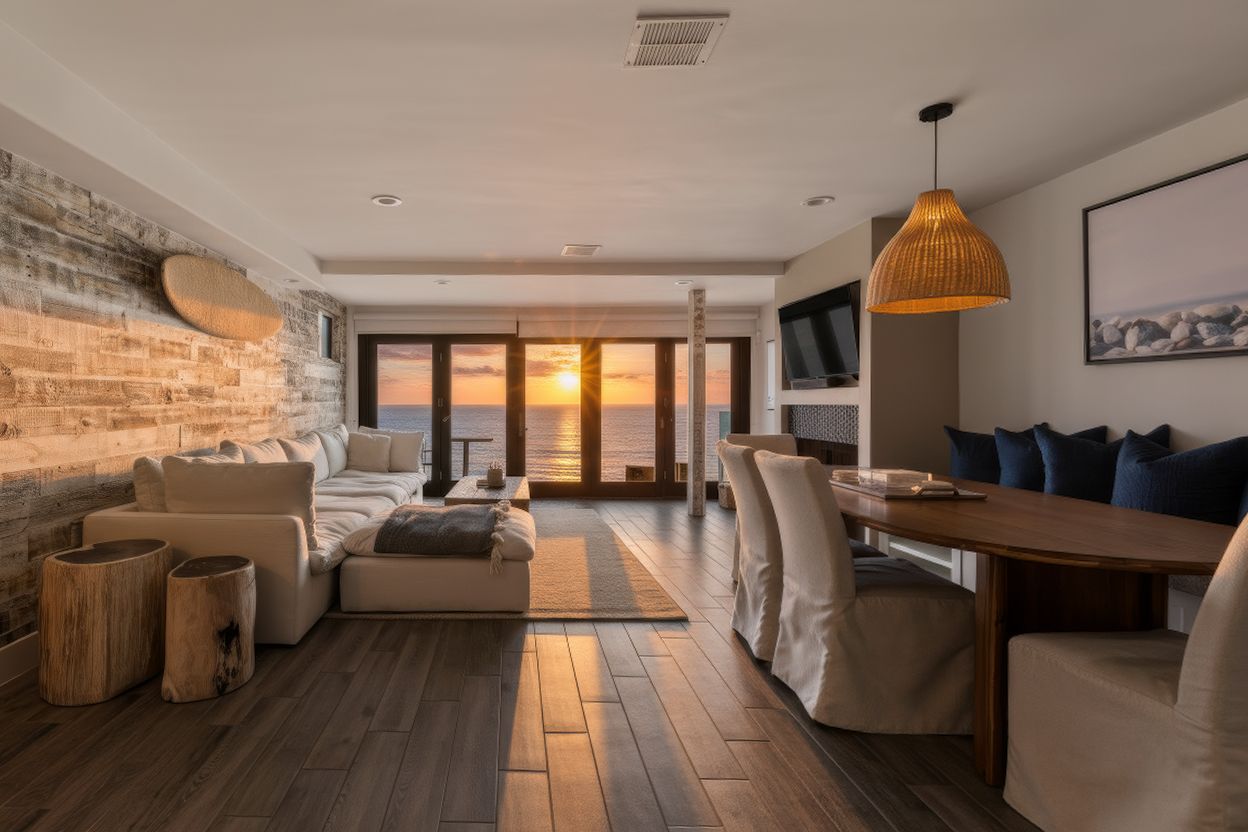
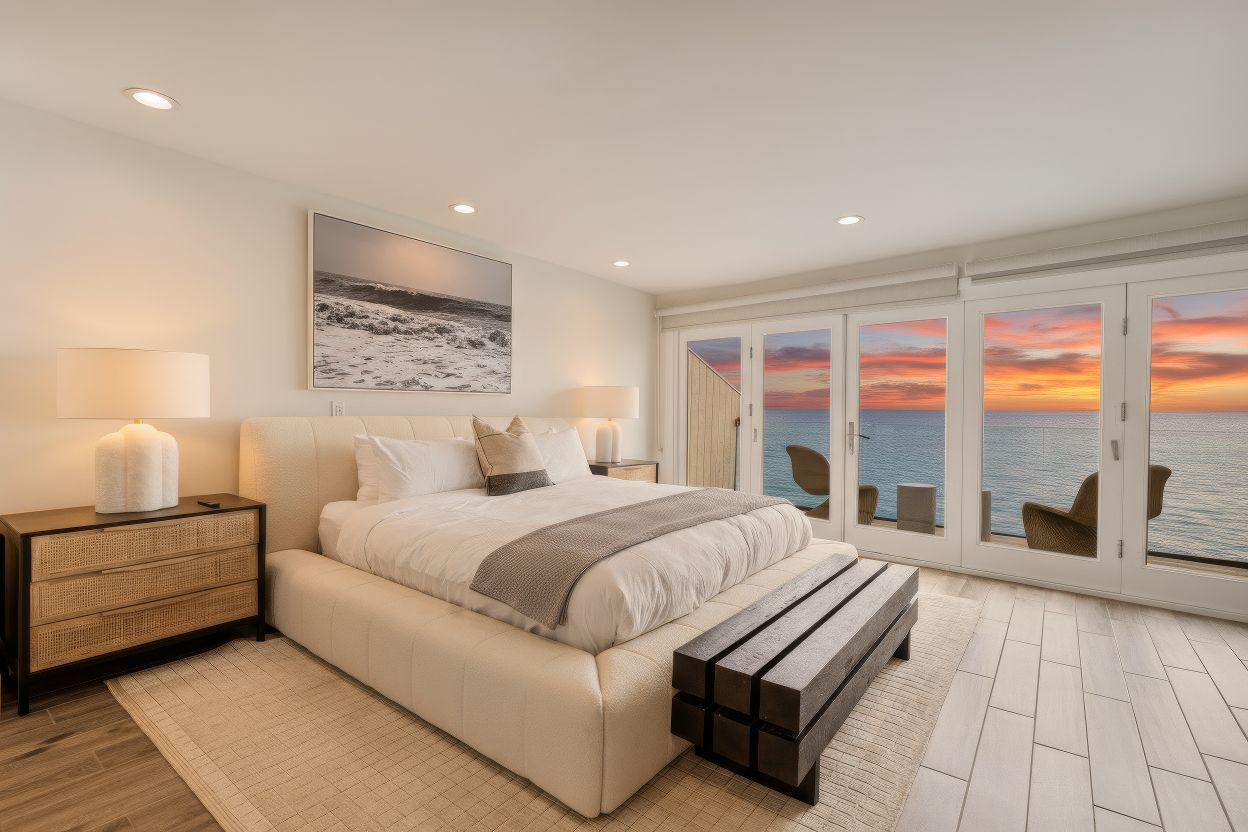
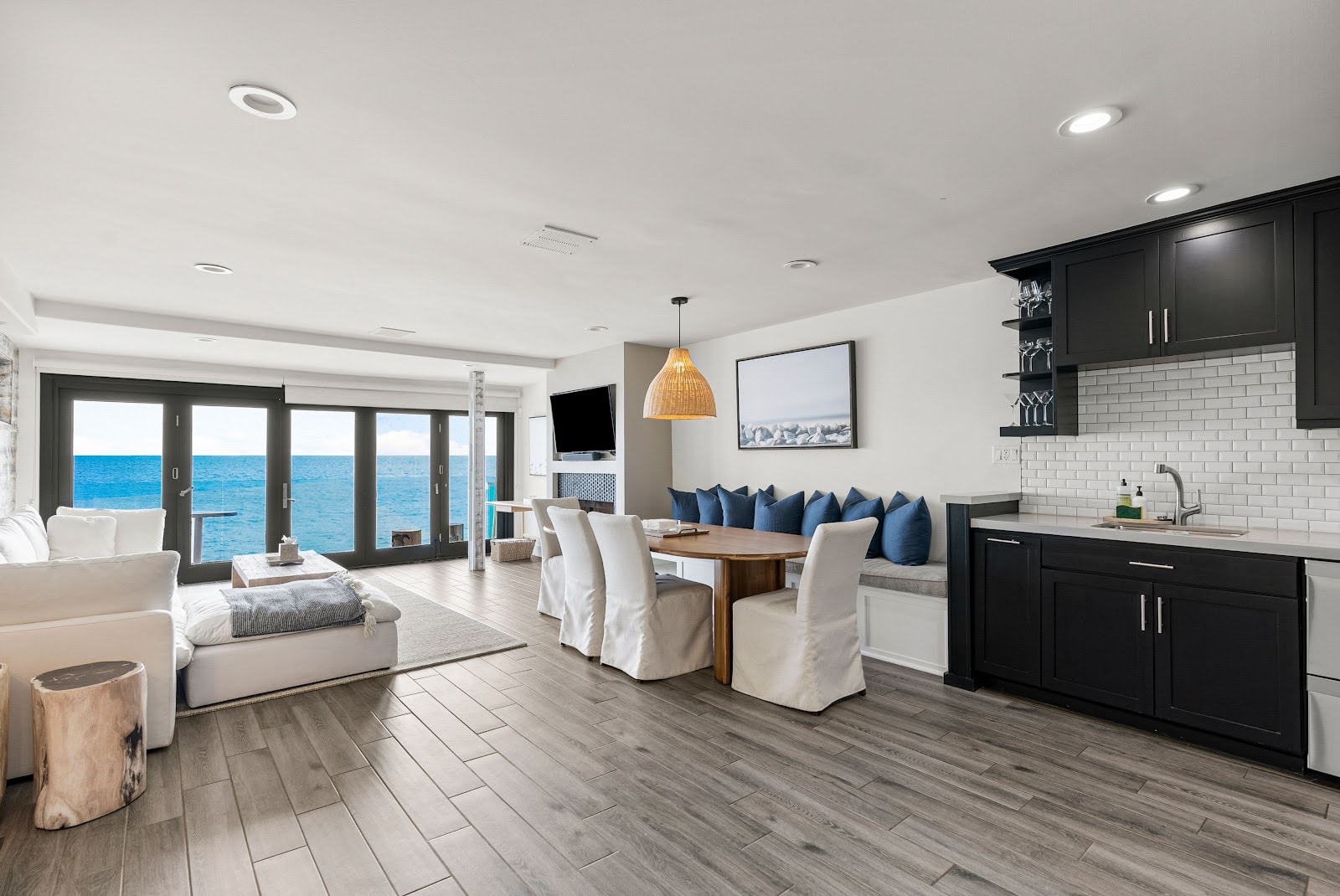
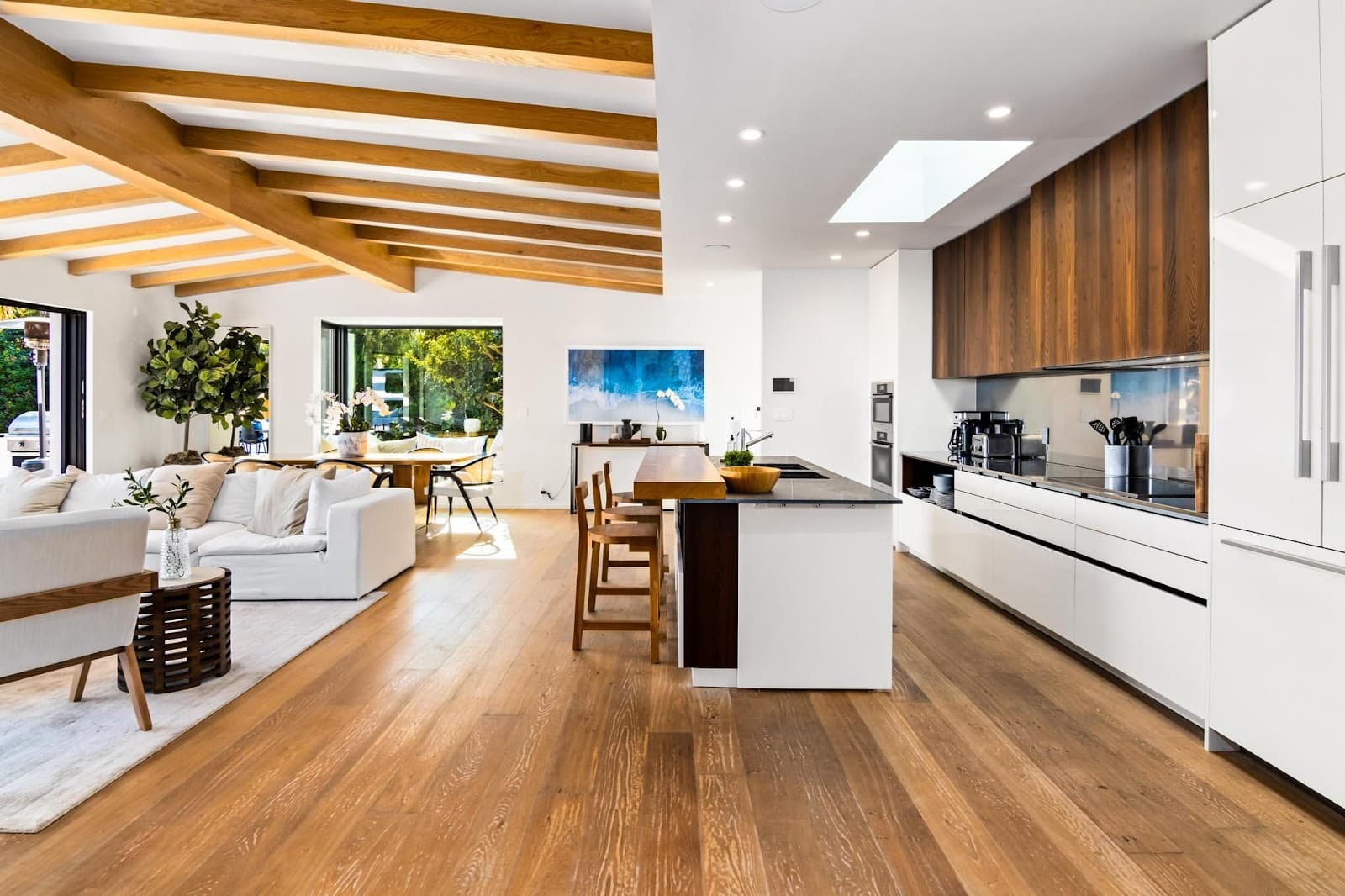
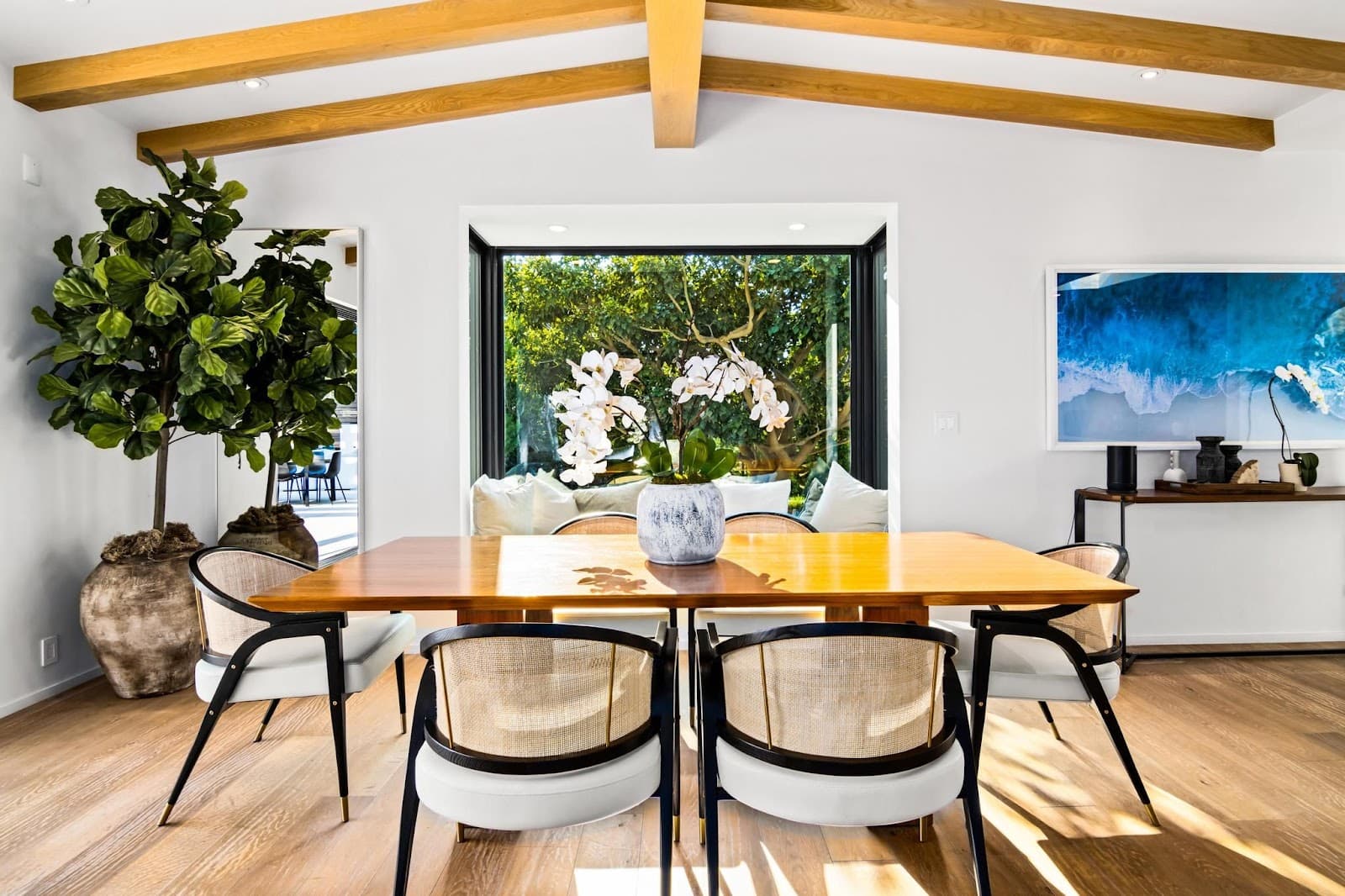
Malibu, California, USA — 3-Bed Estate With Beach Access
$674,000
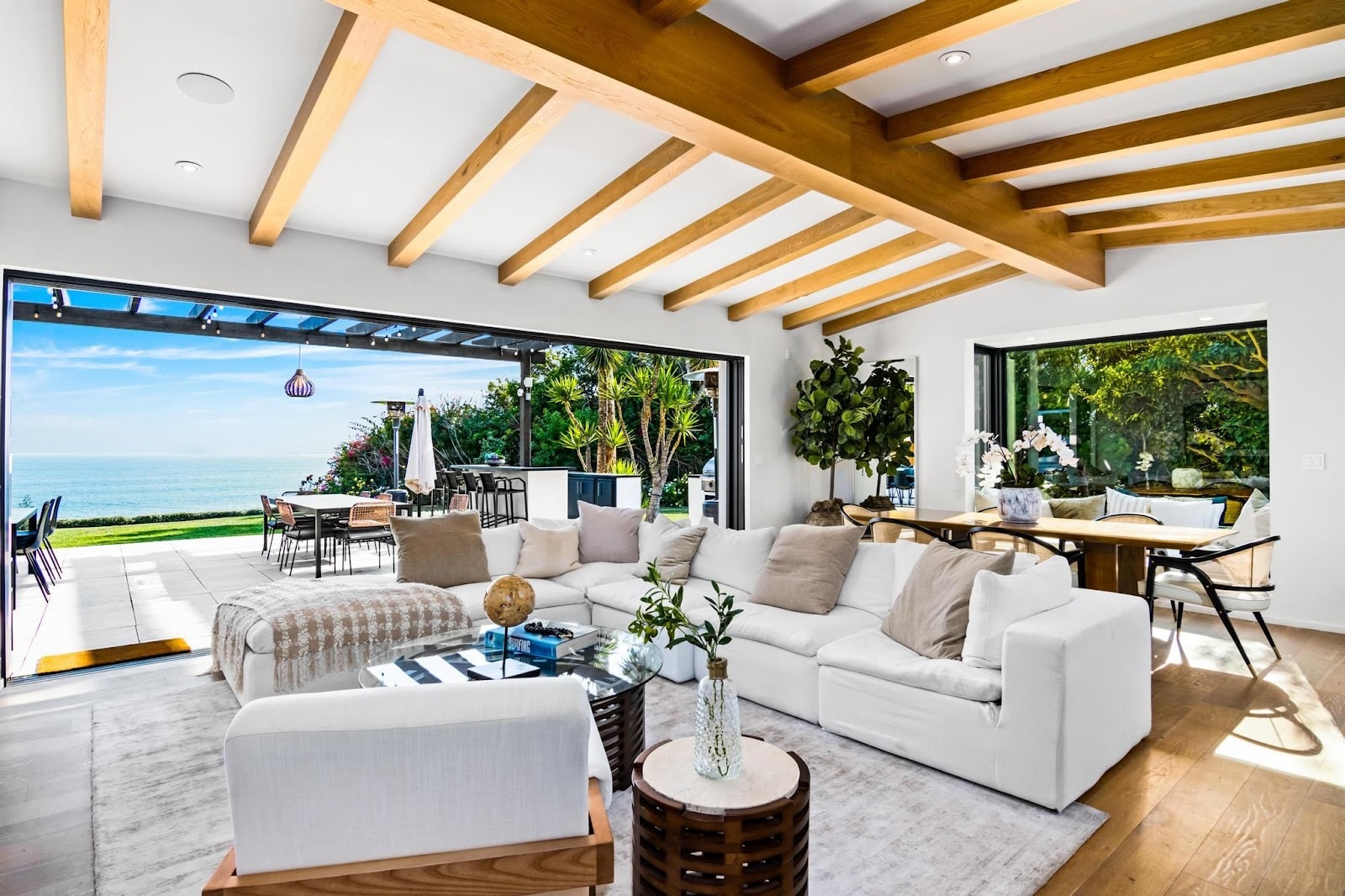
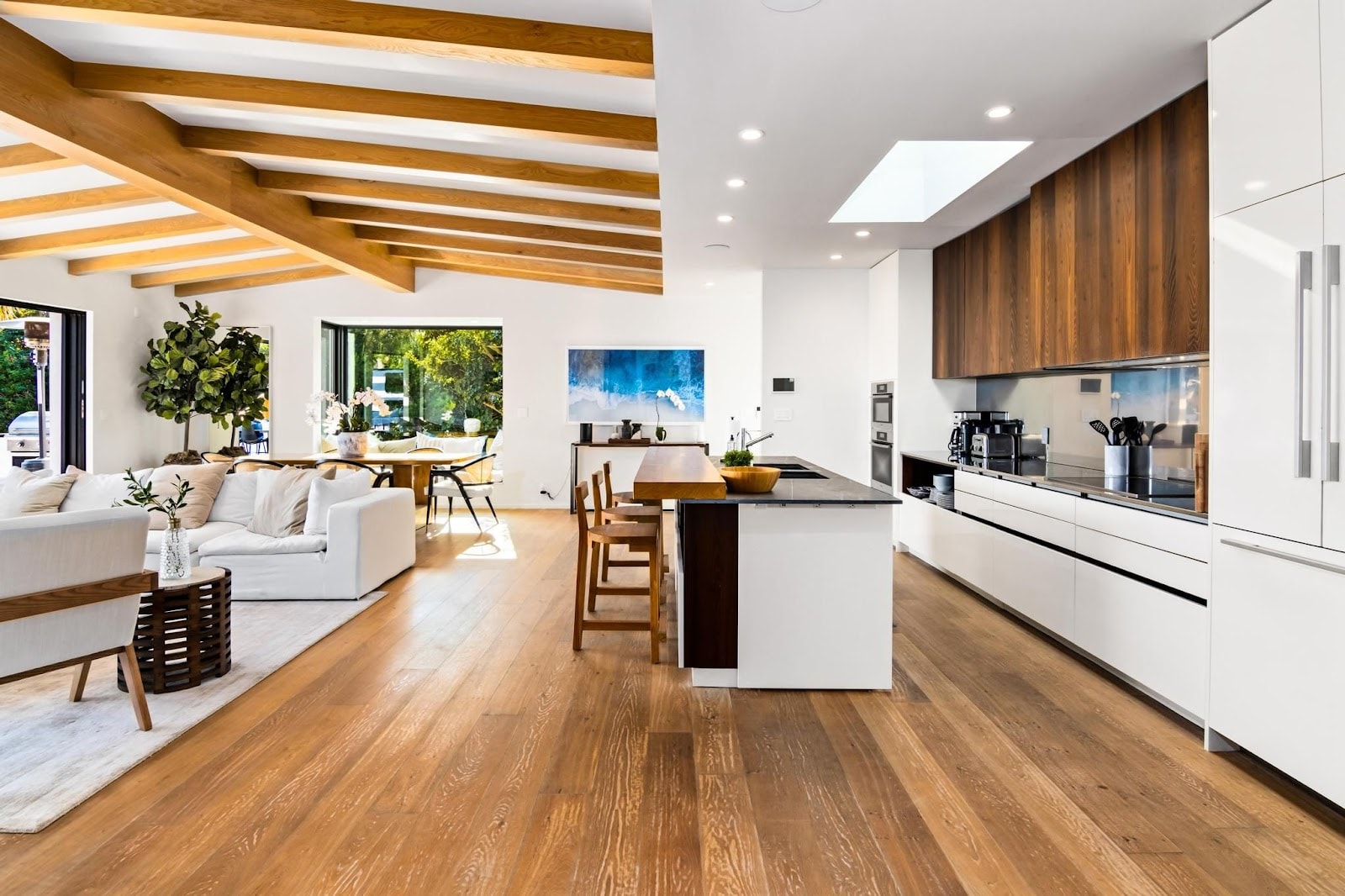
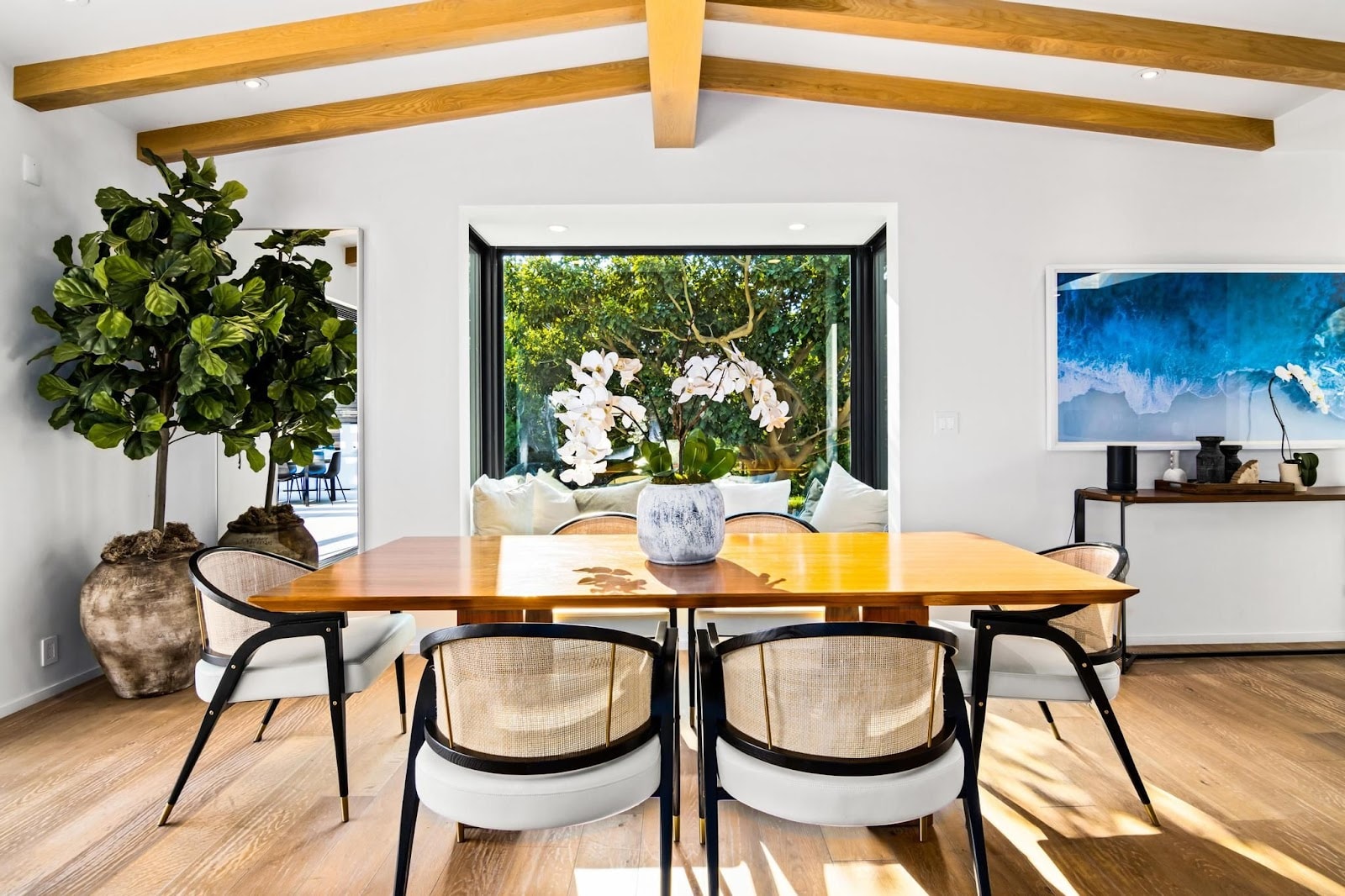
Malibu, California, USA — 3-Bed House With Beach Access
$849,000
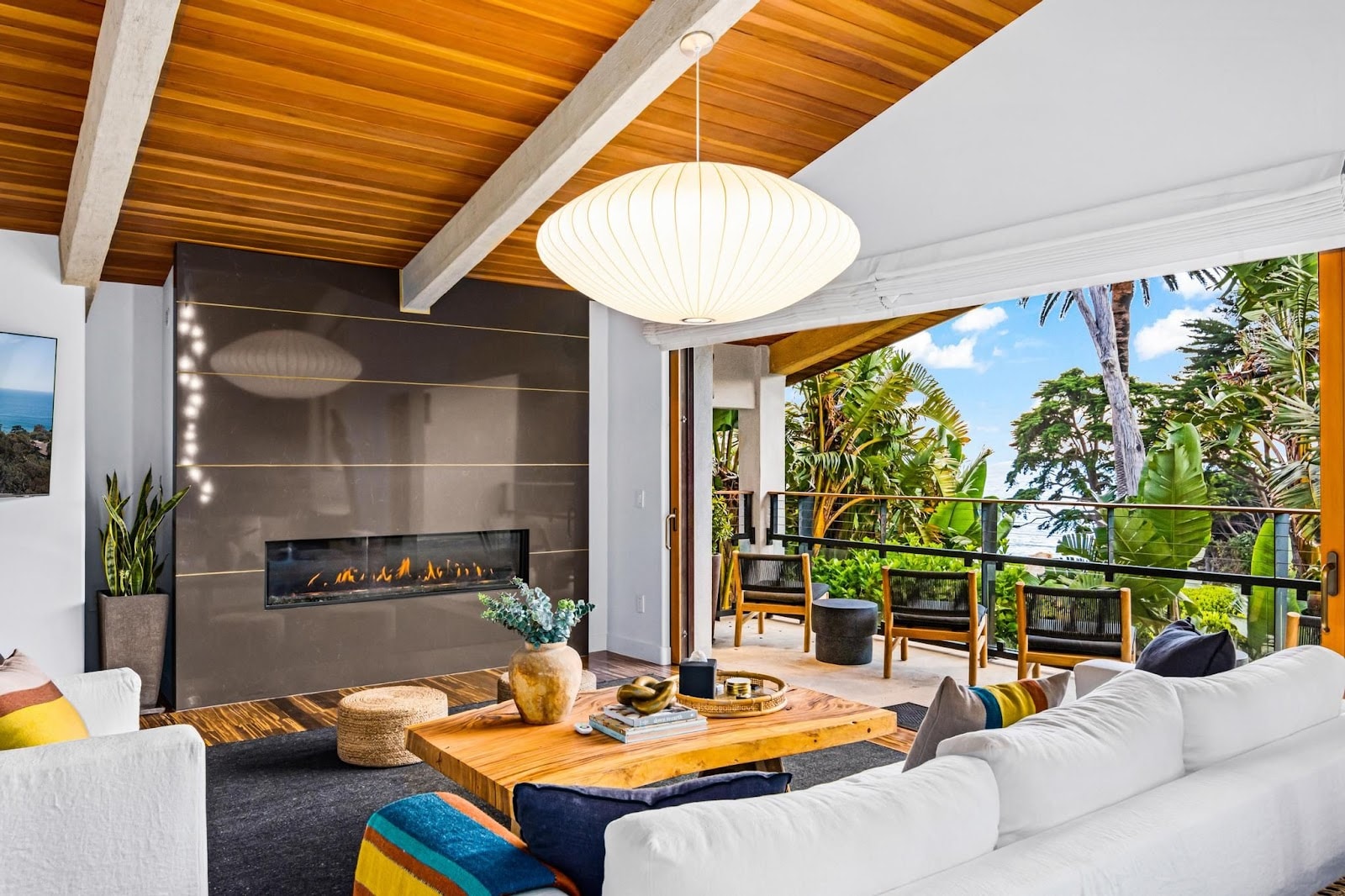
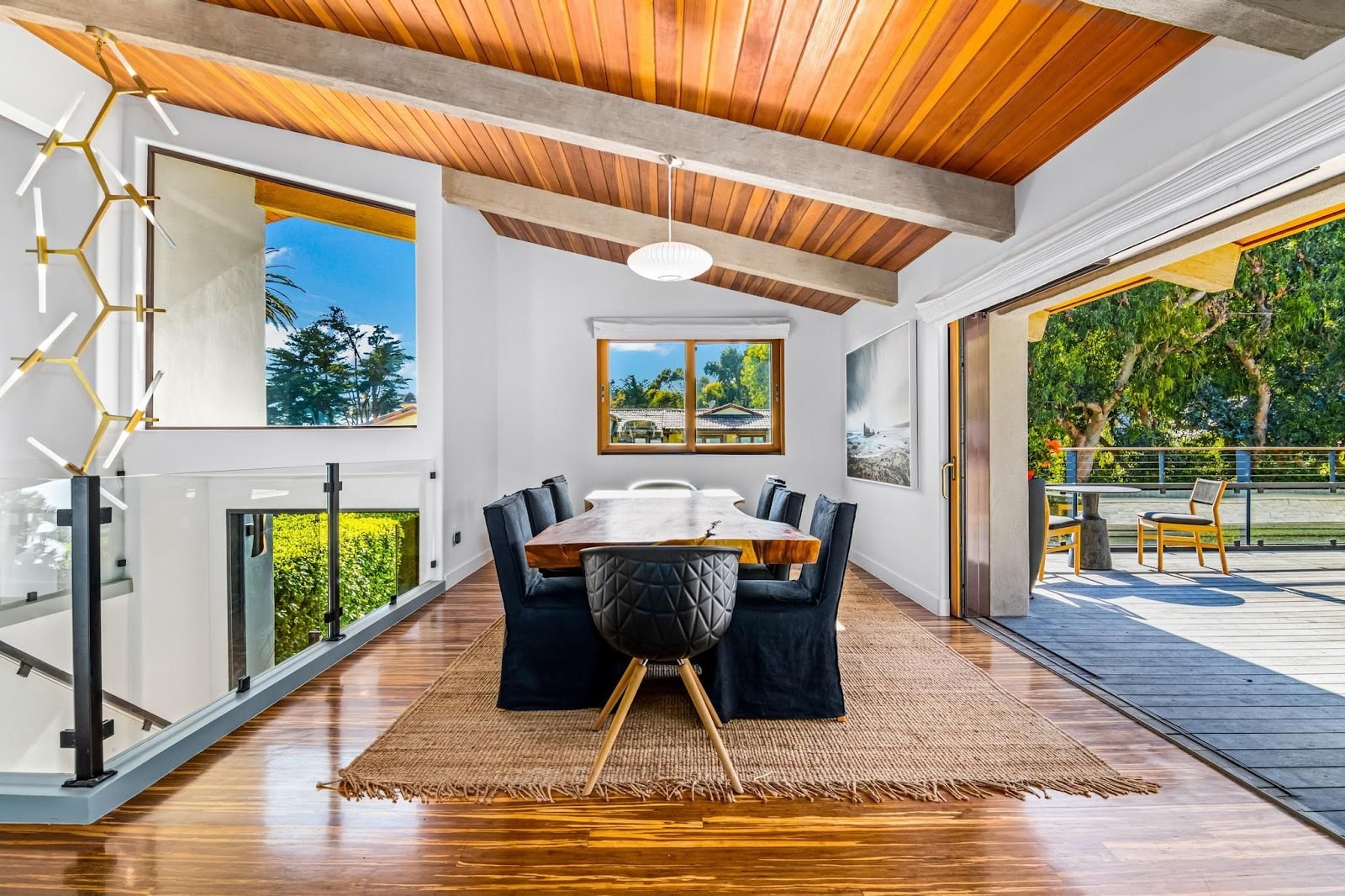
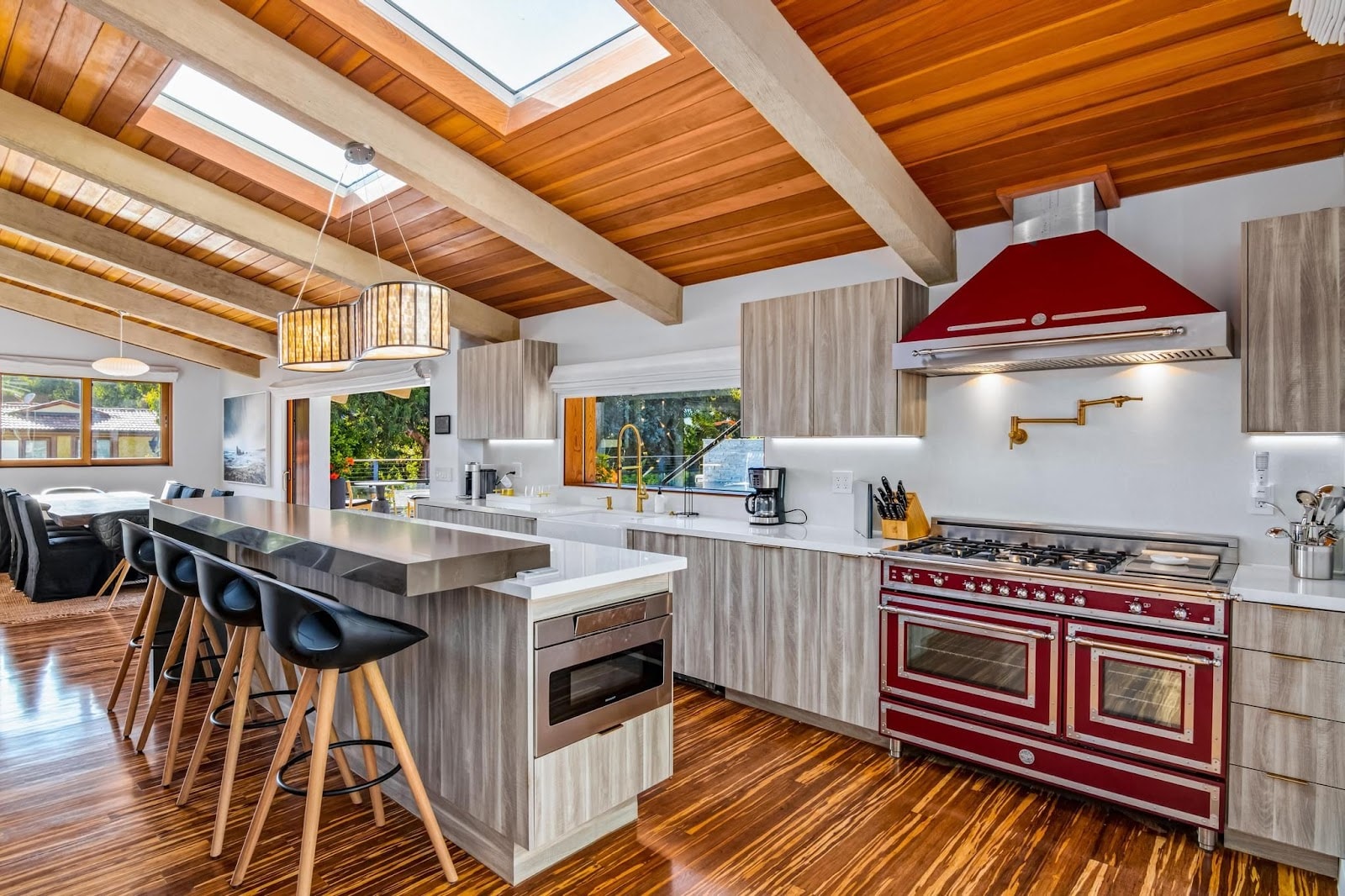
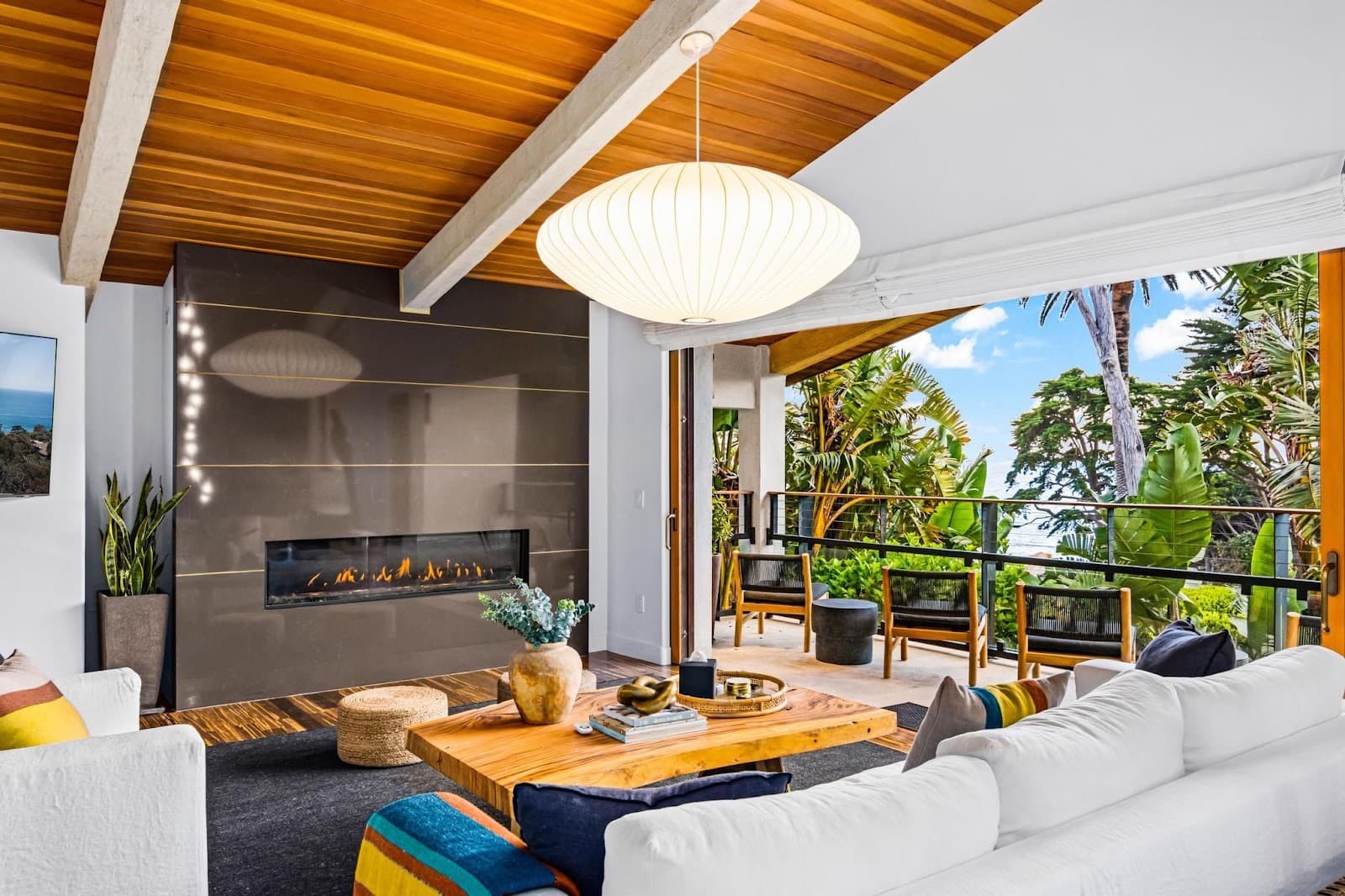
Malibu, California, USA — 3-Bed House With Infinity Pool
$949,000
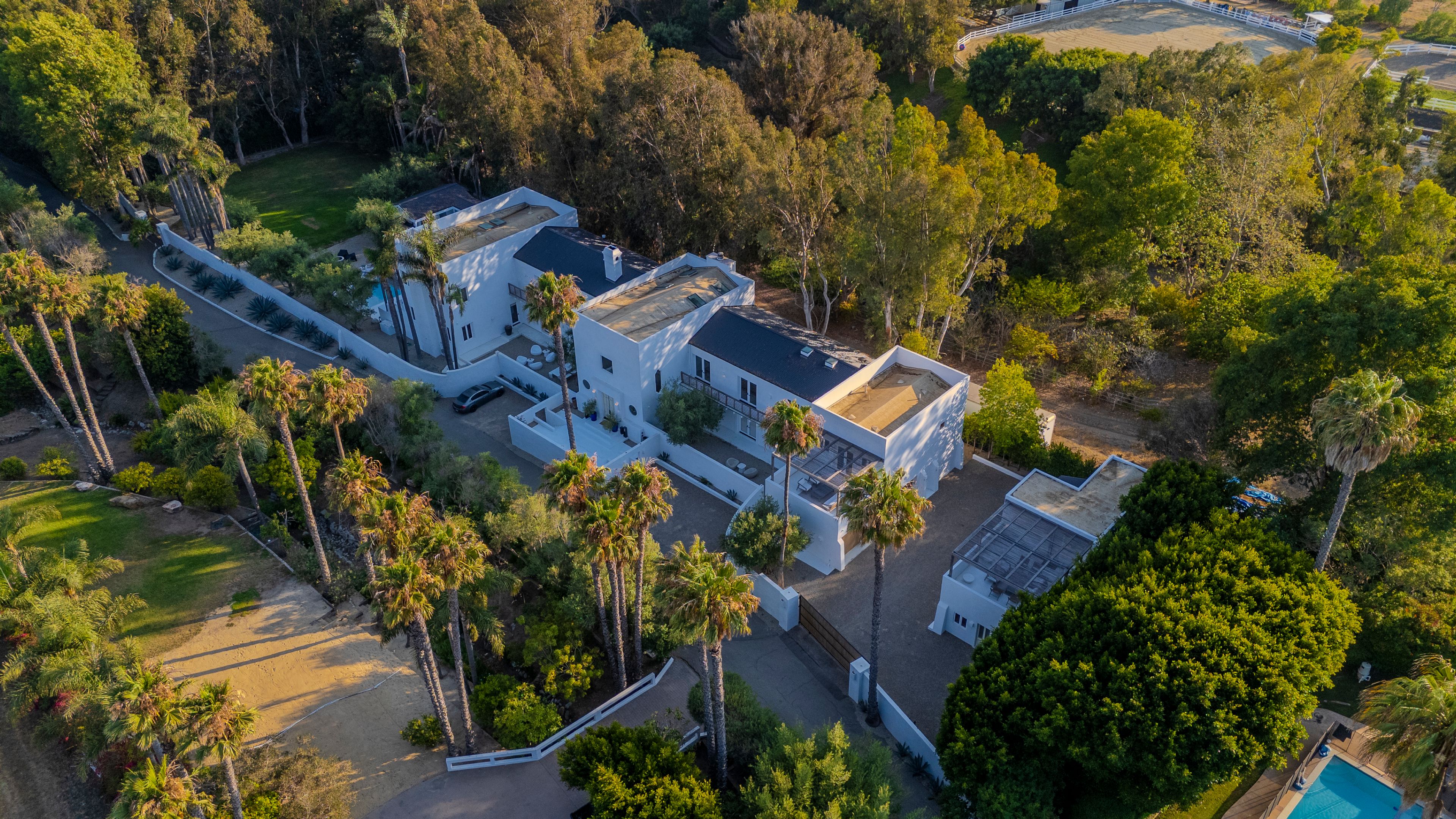
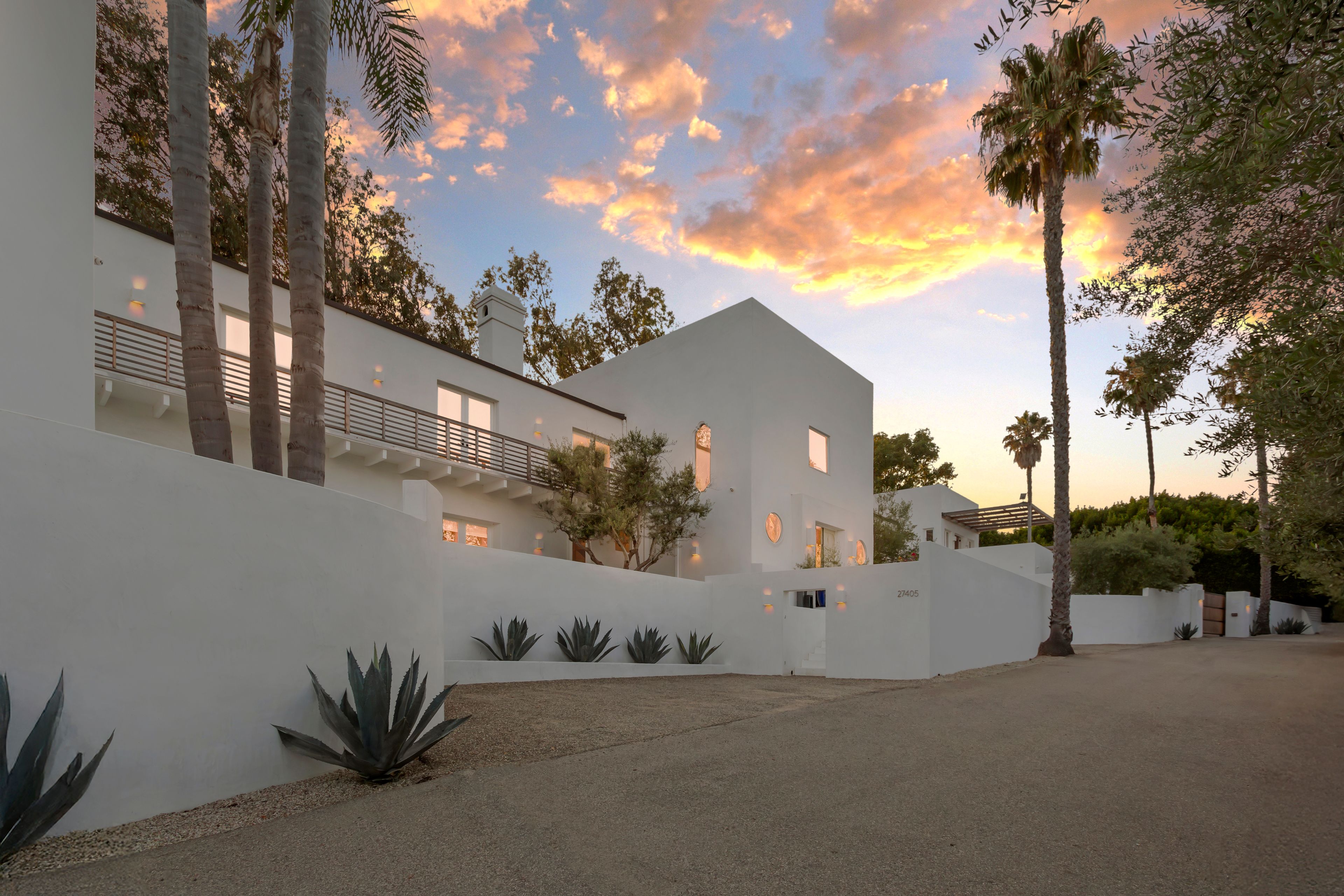
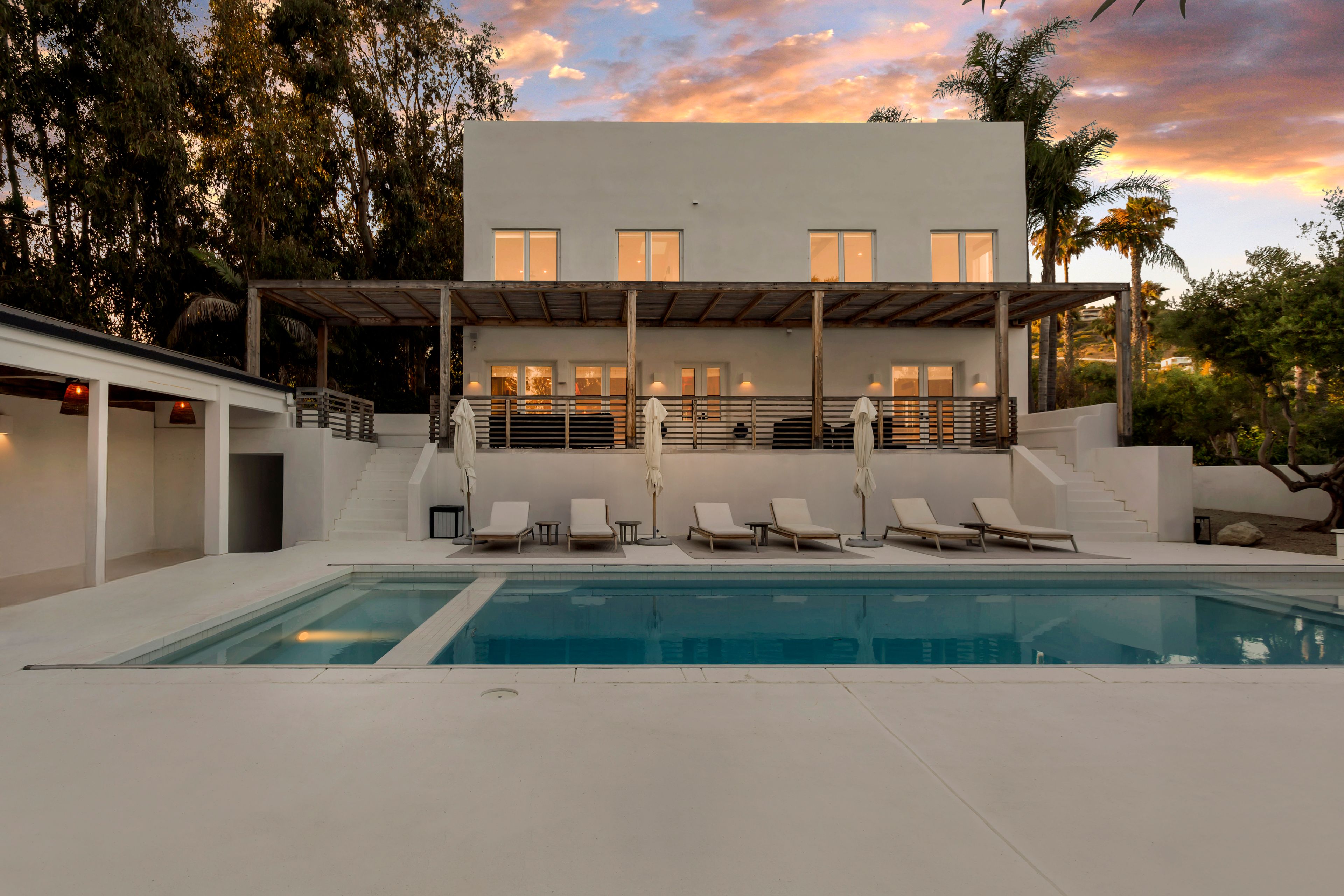
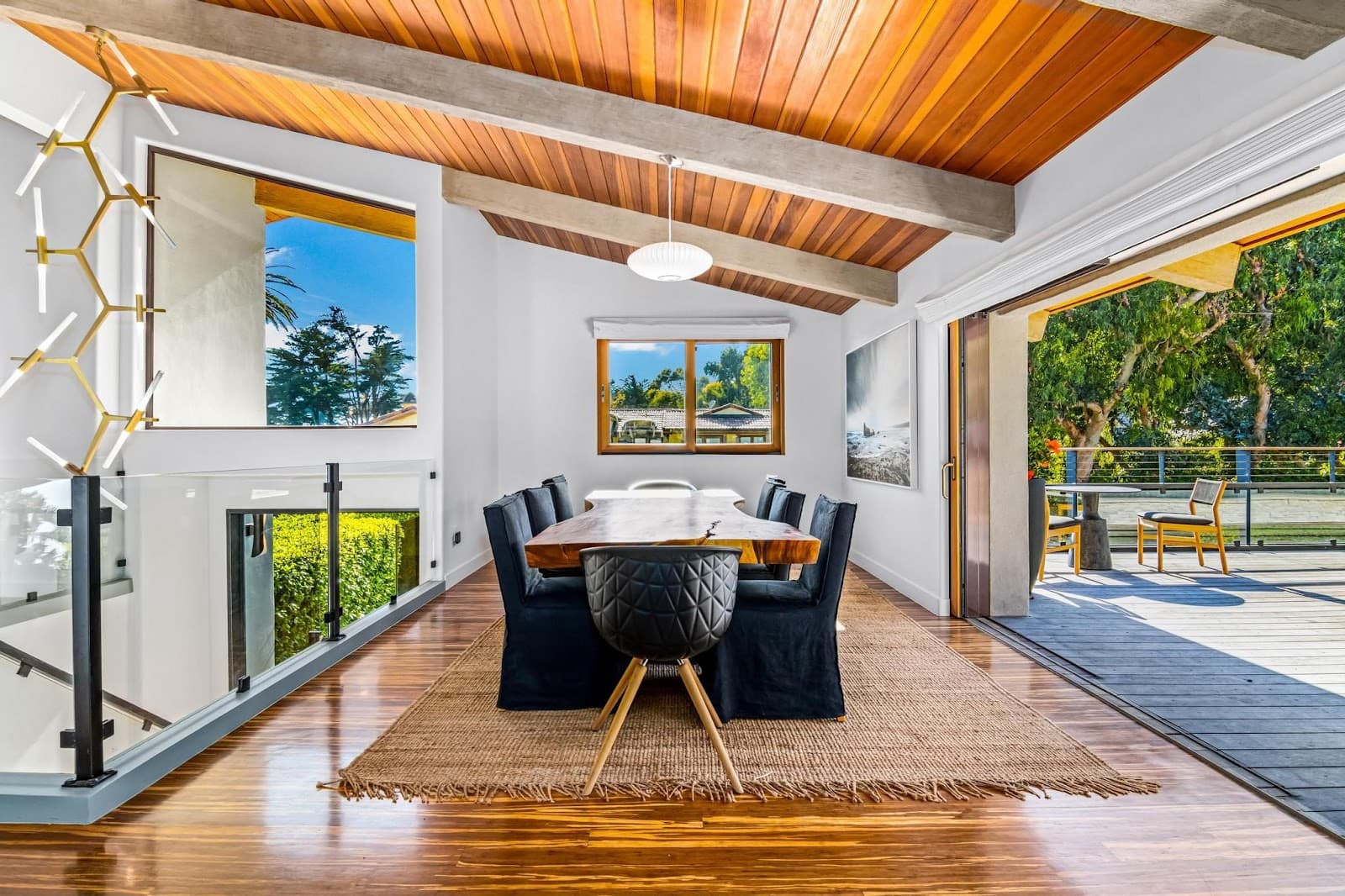
Malibu, California, USA — 7-Bed Estate With Ocean Views & Guest House
$1,750,000
Why buy a co-ownership home in Malibu?
Buying a whole holiday home in Malibu means paying full price for a house that stands empty most of the year. Co-ownership takes the same home — professionally managed, beautifully furnished — and divides it into shares, usually eighths. You own a real share of the home — not a right to use it — with roughly six weeks of use a year, a share you can sell or pass on, and running costs shared between owners rather than shouldered alone. In Malibu, that ownership starts from $674,000.
What is fractional ownership in Malibu?
Fractional ownership in Malibu means owning a real share of a fully managed home, usually an eighth, with around six weeks a year to use it, depending on the home. We currently list 4 Malibu homes, with shares from $674,000.
You own a real share of the home (an eighth, a quarter), not a right to use it. You can sell it, pass it on, and it rises and falls in value with the house. The legal set-up is arranged by our partner for each home and explained before you buy.
Malibu is twenty-one miles of coast along the Pacific Coast Highway, west of Santa Monica, with the Santa Monica Mountains rising directly behind it. Few homes come up here at all, and fewer still in shares; a share is how many buyers can own on this coast without paying for a whole house they would use a few weeks a year.
Malibu, properly understood
Malibu is twenty-one miles of coastline and, in effect, one road. The Pacific Coast Highway runs the length of it with the ocean on one side and the Santa Monica Mountains rising steeply on the other, and everything here — the houses, the beaches, the canyons, the traffic, the fires — follows from that geometry. There is no downtown. There is a string of beaches, canyons, coves and small commercial clusters strung along a single highway between Santa Monica and the Ventura County line.
What that produces is one of the most beautiful residential coastlines in the world and one of the most constrained. The mountains behind are almost entirely national recreation area and state park; the coast in front is regulated by one of the strictest coastal planning regimes in the United States; and the city itself, incorporated only in 1991, has spent its entire existence resisting development. The practical consequence is a supply of housing that is essentially fixed, on a coast within an hour of eighteen million people.
For a buyer, the framing is this. Malibu offers a quality of setting — ocean, mountains, light, surf, canyon trails from the door — that very few places on earth match, with a great city forty-five minutes east. Owning here well means knowing a few things every Malibu owner knows: fire season, the single highway, the coastline itself and insurance. This guide covers them properly, because good choices here start with them.
A short history: from Humaliwo to the highway
The Chumash lived along this coast for thousands of years; the name Malibu descends from their village name at the lagoon, generally translated as something close to 'the surf sounds loudly', which remains the most accurate description of the place anyone has managed. Spanish and then Mexican land grants turned the coast into a single vast ranch, and in 1892 that ranch was bought whole by a wealthy Massachusetts family.
What happened next explains the modern coastline. The family — and after her husband's death, May Rindge in particular — fought for decades to keep the ranch private and roadless, building a private railway to block a public one and litigating all the way to the United States Supreme Court to stop a highway being pushed through. She lost. The Pacific Coast Highway opened in 1929, and Malibu was opened with it. To raise money during the fight she had begun leasing beachfront lots to Hollywood people, which created the Malibu Colony and set the coast's social character for the next century.
The rest followed quickly: the surf culture that grew up at the point beside the pier in the 1950s and 1960s and effectively invented modern longboarding and the beach-movie era; the canyon houses and the counterculture of the 1960s and 1970s; the university on the hill; and the steady accumulation of very expensive houses on very exposed land. The city incorporated in 1991, largely in order to control its own planning. And through all of it runs the constant of this coast — fire, flood and slide — which has shaped Malibu's history at least as much as any of its residents have.
The coast, stretch by stretch
East Malibu, from the county line at Topanga to the pier, is the closest to Los Angeles and the most urban stretch: Carbon Beach and the tight run of beachfront houses along it, Malibu Colony behind its gate, the Malibu Pier, the lagoon and Surfrider Beach beside it, and the Country Mart shopping cluster which functions as the closest thing Malibu has to a town centre. Fastest access to Santa Monica and the city; most traffic.
Central Malibu runs from the pier out past Pepperdine's hillside campus to Point Dume. This is where the canyons open — Malibu Canyon, Latigo, Corral — and where a great deal of the residential hillside sits, with houses looking down the coast. Paradise Cove and its beach café are along here, as is Escondido Canyon with its waterfall walk.
Point Dume is the headland that divides the coast, and the neighbourhood behind it — a grid of streets on the bluff with private beach access rights for residents — is one of the most sought-after addresses in Malibu. Westward Beach below it and Zuma Beach immediately north are the great wide sands of this coast, and the point itself is a state preserve with whale watching in the migration seasons.
West Malibu runs from Zuma out to the county line: Broad Beach, Trancas with its market and restaurants, then the wilder end — El Matador, La Piedra and El Pescador, the pocket beaches beneath the bluffs with sea stacks and caves that are the most photographed shoreline in southern California. Beyond them, Leo Carrillo, the state park, and the county line where the surf shack at the end of the road has been selling fish and chips to surfers for decades. This is the quietest, greenest, least crowded part of Malibu — and the furthest from anything.
Where exactly to own: micro-locations, rated
Beachfront. The Malibu proposition in its purest form: the ocean beneath the deck and sand at the bottom of the steps. The most expensive land on the coast, and the most exposed — to storm surf, to erosion, and to the highest insurance costs. Also, in some stretches, to the public's right of access across the wet sand, which is a genuine and occasionally contentious feature of California law.
Point Dume. The connoisseur's neighbourhood: a bluff-top grid of streets with big lots, mature landscaping, ocean views and — for residents — private access down to the beach below. Quiet, family-oriented, and about as close to a settled residential neighbourhood as Malibu offers.
The bluffs and hillsides. Houses above the highway with the whole coast laid out below them, from modest to extraordinary. Views are the product, and they are genuinely extraordinary. The trades are access up narrow roads, greater wildfire exposure than the beachfront, and — on some parcels — geological questions worth investigating properly.
The canyons. Malibu Canyon, Latigo, Corral, Zuma and the others: oak and sycamore, creeks, seclusion, cooler air, and trailheads at the door. Materially better value than the coast, a genuinely different lifestyle, and the highest wildfire exposure on this list — which is a sentence to take seriously rather than as a formality.
West Malibu and Trancas. The quiet end: Zuma and Broad Beach, the Trancas market and restaurants, the pocket beaches, and the state parks beyond. Better value than the east, more space, and thirty to forty minutes further from Los Angeles — which for many owners is the point.
Just beyond: Ventura County. Over the county line the coast continues past Neptune's Net towards Oxnard, with dramatically lower prices and the same ocean. Worth a look for buyers who want the coast more than the postcode.
Wildfire and insurance: choosing well
Malibu sits where wild mountains meet the sea in a Mediterranean climate, and fire is part of this coast's story. The Woolsey Fire in 2018 and a fire from the Palisades area in January 2025 both reached Malibu, and both shape how a purchase here is approached — not as a reason to avoid a coast people have owned and loved for a century, but as the first question to answer.
Insurance is the key practical point. Carriers have repriced high-fire-risk areas across California and premiums in Malibu are high, so cover is confirmed for the specific property before commitment.
Beyond insurance: defensible-space requirements around homes are enforced, and modern wildland-interface building standards — ember-resistant venting, non-combustible roofing and cladding, tempered glazing — materially improve both safety and insurability, so a recently built or rebuilt house is a strong proposition. After a fire, burned slopes are watched closely through the following winter rains.
All of this is exactly what a professionally managed, shared home handles well, because brush clearance, compliance, insurance administration and fire-season preparation happen whether or not anyone is in residence. In practice the fire question sits at the centre of choosing a property: the parcel's exposure, the construction standard, the defensible space and the current insurance position. We check all of it on every home we list — and where we are not comfortable, we do not list the home.
The highway and getting about
Malibu has one great road. The Pacific Coast Highway runs the length of the city, with the canyon roads over the mountains to the San Fernando Valley as the alternatives. Knowing its rhythm is part of living here.
In ordinary conditions the highway is a beautiful drive that gets busy on summer weekends and with the eastbound commute towards Santa Monica, and owners soon learn the hours. Occasionally — in storm surf, after rockfall or during a fire — it closes for a time, so for anything time-critical it is worth building in a margin.
The practical driving numbers, in good conditions: Santa Monica twenty-five to thirty-five minutes from east Malibu; downtown Los Angeles about an hour; Los Angeles International Airport forty-five minutes to an hour and a quarter depending on traffic and on where in Malibu you are; Burbank sometimes easier. From west Malibu add twenty to thirty minutes to all of it. A car is essential; each small commercial cluster is walkable within itself.
The beaches, the surf and the water
Malibu's beaches are its glory and they are more varied than the postcards suggest. Zuma is the great wide sand — long, clean, lifeguarded, with room for everyone, and the default family beach. Westward, immediately south beneath Point Dume, is smaller and more sheltered. Surfrider, beside the pier, is the historic one: a right-hand point break that shaped modern longboard surfing in the 1950s and 1960s and was designated the world's first World Surfing Reserve. It is crowded, competitive and worth watching even if you never paddle out.
The pocket beaches at the western end — El Matador above all — are the photographed ones: sea stacks, arches and caves beneath steep bluffs, reached by stairs, and at their best in the last hour of light. Paradise Cove has a beach café that has been there for decades. Leo Carrillo at the county line has tide pools and campgrounds. Access to all of them is public, and California law protects the public's right to the wet sand even in front of private houses — a principle that has been litigated repeatedly along this coast and is worth understanding as a fact of ownership here.
In the water: surfing at every level and every point along the coast; kayaking and paddleboarding out of the coves; diving and snorkelling around Point Dume; whale watching from the headland in the migration seasons, with grey whales in winter and spring and, increasingly, humpbacks and blue whales offshore in summer; and dolphins more or less constantly. Water temperature is Californian — a wetsuit extends the season considerably, and most people here own one.
The mountains behind
The half of Malibu that visitors miss is uphill. The Santa Monica Mountains rise directly behind the coast and are almost entirely protected as national recreation area, state park and conservancy land — which is why the ridgelines are empty and why the supply of buildable land is what it is. For an owner this is an enormous amenity: hundreds of miles of trail beginning at the top of the canyons, five minutes from the highway.
The obvious walks. Solstice Canyon, an easy shaded loop past a ruined house and a waterfall. Escondido Falls, the highest waterfall in the range, up a canyon from the highway. Point Dume's headland loop for the whale watching. Malibu Creek State Park, inland through the canyon, with a gorge, a lake and the meadow where a long-running television series was filmed. Sandstone Peak, the highest point in the mountains at a little over three thousand feet, with a view from the ocean to the valley on a clear day. And running through all of it, the long-distance trail that traverses the entire range from Los Angeles to the county line.
The canyons are also the region's cycling: Latigo, Piuma, Stunt and Mulholland are famous climbs, and the coast road is a classic ride when the traffic allows. In spring, after a wet winter, the hills go green and the wildflowers are exceptional. This is the landscape that makes Malibu feel wild just minutes from the sea.
A year on the coast, month by month
January and February are cool, often bright, and the wettest months of a not-very-wet year — this is when the hills go green and the creeks run. Grey whales pass offshore. It is the quietest the coast gets and, for owners who like an empty beach and a fire in the evening, among the best times to be here. March and April bring the green hills at their peak and the wildflowers in the mountains; the walking is at its finest and the beaches are still empty.
May and June carry the coastal cloud that southern California names after those months: mornings often grey, burning off by early afternoon, with the water still cold. It is a lovely, quiet time, best inland in the morning and on the sand in the afternoon. July and August are the summer proper — warm, dry, busy, with the highway slow at weekends, the beaches full and the water at its most swimmable.
September and October are the best months of the year: warm, clear, the ocean at its warmest, the crowds gone after the first week of September, and the light turning gold. They are also the offshore-wind season, when the management team's fire-season preparation is at its most active. November brings the first rains in a normal year, cooler air and a quiet coast; December is mild, green and often beautiful. There is no unusable month here; there is only a coast that is busiest in July and at its best in October.
Eating, provisioning and the everyday
Malibu has no town centre, so its everyday life happens in a handful of commercial clusters strung along the highway. The Country Mart and the Village at the eastern end hold the largest concentration: a grocery, restaurants, cafés, shops and a bookshop, arranged around courtyards, and functioning as the closest thing the city has to a high street. Trancas Country Market at the western end does a smaller version, with a market, a couple of good restaurants and a pharmacy.
The restaurants are a mixture of the internationally famous, the long-established and the pleasantly ordinary: a celebrated Japanese restaurant on the water at the eastern end that requires planning, a beach café at Paradise Cove that requires none, a clifftop institution or two, a fish shack at the county line that surfers have eaten at for decades, and a good layer of cafés and taquerias in between. Prices at the top end are Los Angeles prices with a view premium.
For anything more, you drive: Santa Monica and Pacific Palisades to the east have the full range of shops, restaurants and services, and Los Angeles beyond them. The practical shape of a week here is a large shop done on the way in, most meals cooked at home on a deck looking at the ocean, and two or three meals out — which is not a compromise, because in Malibu the house and its view are the point rather than the restaurants.
Malibu with children
Malibu is a straightforwardly good place for children, and the one thing to plan around is the road. The assets: Zuma Beach, which is wide, clean, lifeguarded and gentle enough for small children with room to run; Westward and Paradise Cove for calmer water; tide pools at Leo Carrillo; the canyon walks, which are short, shaded and have waterfalls at the end of them; and the simple business of a house with a garden above the sea.
Beyond that: surf lessons, which this coast does better than anywhere; kayaking and paddleboarding in the coves; the whale migration in winter and spring, visible from the headland; horse riding in the canyons; and the Getty Villa at the eastern edge, a recreated Roman villa full of antiquities that is free to visit and unexpectedly gripping for older children. Los Angeles's museums, the aquarium at Long Beach and the theme parks are all within reach for a day.
The highway is the thing to plan around. It is fast, busy and runs between most houses and most beaches; children cannot cycle to the sand and crossing it on foot needs care and a marked crossing. That shapes how a family week works here — it is a driving-and-house holiday rather than a wandering one. For ownership groups the calendar is easy: this coast is at its best in September and October, so families take July and August while everyone else takes the shoulders, and the rotation has little to arbitrate.
Beyond Malibu: days out
East, the city. Santa Monica is twenty-five to thirty-five minutes with its pier, promenade and restaurants. Beyond it, Los Angeles in all its forms: the Getty Center on its hill, the county art museum, the Broad, Griffith Observatory, the food of every culture on earth, and a music and theatre calendar that runs continuously. An hour's drive puts a world city at your disposal, which is a great deal more than most beautiful coastlines can say.
Inland, over the canyons, the San Fernando Valley and beyond it the studios, the Hollywood Bowl in summer, and the route north into the mountains. Malibu Creek State Park sits in the middle of the range with a gorge and a lake. And the Santa Monica Mountains' own trail network, described above, is a day out in itself.
West and north, the coast keeps going: Ventura and the Channel Islands, from which boats run to a national park of largely uninhabited islands with extraordinary sea life; Ojai, an hour and a half inland, a small town in a valley of orange groves with a particular light at sunset that locals have named; Santa Barbara at about ninety minutes, which is the most beautiful small city in California; and the wine country of the Santa Ynez valley beyond it. A Malibu house is a base for the whole of southern California's coast, not just for one stretch of it.
The property market, honestly described
Malibu is one of the most expensive residential markets in the United States and the reasons are structural. Supply is fixed by geography and by regulation: the mountains behind are protected land, the coast in front is governed by California's coastal regime, which makes new development on the shoreline extremely difficult, and the city's own planning has been consistently restrictive since incorporation. Demand comes from Los Angeles — one of the largest concentrations of wealth on earth, forty-five minutes away — and from an international buyer pool.
The gradient runs by frontage and by view. Beachfront commands the highest premium, followed by bluff-top with ocean views, then hillside view property, then canyon and inland. Point Dume and the Colony are the established prestige neighbourhoods. West Malibu offers more space for less. Recently built or rebuilt houses carry a substantial premium over older stock, and here that is about far more than finishes — current wildland-interface construction standards materially affect both risk and insurability.
Four specifics are worth knowing. First, insurance: it is confirmed for the specific property before commitment, and it is the cost line to look at first. Second, wildfire exposure, which varies by parcel — an oceanfront lot is a different proposition from a canyon position. Third, the coastal permitting regime, which governs what can be built, rebuilt or altered and keeps this coastline as it is. Fourth, wastewater: much of Malibu uses onsite systems rather than mains sewer, a standard check on any parcel.
For a share buyer, the arithmetic in Malibu is as favourable as anywhere on our books. These are large houses carrying high fixed costs — insurance above all — for properties a single household uses a handful of weeks a year. Sharing spreads exactly the costs that are highest here, and it puts a house on this coast within reach of households for whom whole ownership here would never be sensible.
What underpins value here
Four supports, and they are strong. First, absolute scarcity: twenty-one miles of coast with protected mountains behind and a coastal regulator in front. The stock of Malibu houses is essentially fixed and, if anything, shrinks. Second, the setting itself — ocean, mountains, light and surf in a combination that has no substitute within a thousand miles, and a global recognition factor that few addresses possess.
Third, Los Angeles: a vast and wealthy metropolitan economy forty-five minutes east, with an entertainment, technology and finance base that has sustained demand for this coast for a century. Fourth, the length of the usable year — this is a twelve-month climate, best in September and October, entirely pleasant in January.
What to know: two major fire events in recent memory, a costly insurance market, a single highway, an active coastline and a careful permitting process. The market has absorbed all of them repeatedly; they mean that buying here rewards careful diligence and that running costs are higher than elsewhere — which is precisely the case for sharing them.
Who owns here
Malibu's ownership is famous at the top and much more ordinary beneath it. The best-known layer is the entertainment and business wealth that has been buying on this coast since the Colony was first leased in the 1920s, concentrated on the beachfront and at Point Dume. Below that sits a large and long-established community of people who bought before the market ran: surfers, artists, teachers, canyon families, and second and third generations of the same households.
There is a genuine year-round population with schools, a university on the hill, churches, a farmers' market and a fiercely engaged local politics — Malibu is a city that argues with itself about development, roads, sewers and wildfire policy at considerable volume, and a new owner soon finds a community that cares deeply about its coast. There is also a large seasonal and part-time layer.
For a co-owner the practical consequence is a coast entirely accustomed to houses that are occupied part of the time, with a mature property management, caretaking and maintenance industry — and, importantly here, professional handling of the things that matter most: brush clearance and defensible-space compliance, insurance administration, storm and fire-season preparation, and the systems maintenance that a house on this coast demands. A house used by several households in rotation is unremarkable; a house on this coast thrives on exactly that kind of steady attention.
Malibu against the alternatives
Buyers looking at the southern Californian coast compare a short list. Against Santa Barbara and Montecito, ninety minutes north: arguably more beautiful, more town, more genteel, with its own fire history and comparable prices — and a good deal further from Los Angeles. Against Newport Beach and Laguna, ninety minutes south: a harbour, an airport fifteen minutes away, calmer geography and much lower fire exposure, with less drama in the landscape. Against the Palisades and Santa Monica: closer to the city, more urban, less coast.
Against Europe, for a European buyer: the Mediterranean is cheaper, closer and warm in the northern summer; Malibu is warm all year and at its best in autumn. As with the other Californian and Floridian addresses on our list, it works best as a complement to a European property rather than a replacement.
Malibu's own case, stated plainly: twenty-one miles of some of the most beautiful coastline in the world, with protected mountains behind it and hundreds of miles of trail from the canyon tops; the birthplace of modern surf culture; a twelve-month climate that peaks in October; and Los Angeles forty-five minutes east. The things to weigh are the ones set out above — fire exposure, insurance and a single highway — and they are worth resolving early rather than late. For buyers who do that work, there is nothing quite like this coast.
Co-ownership in Malibu, in practice
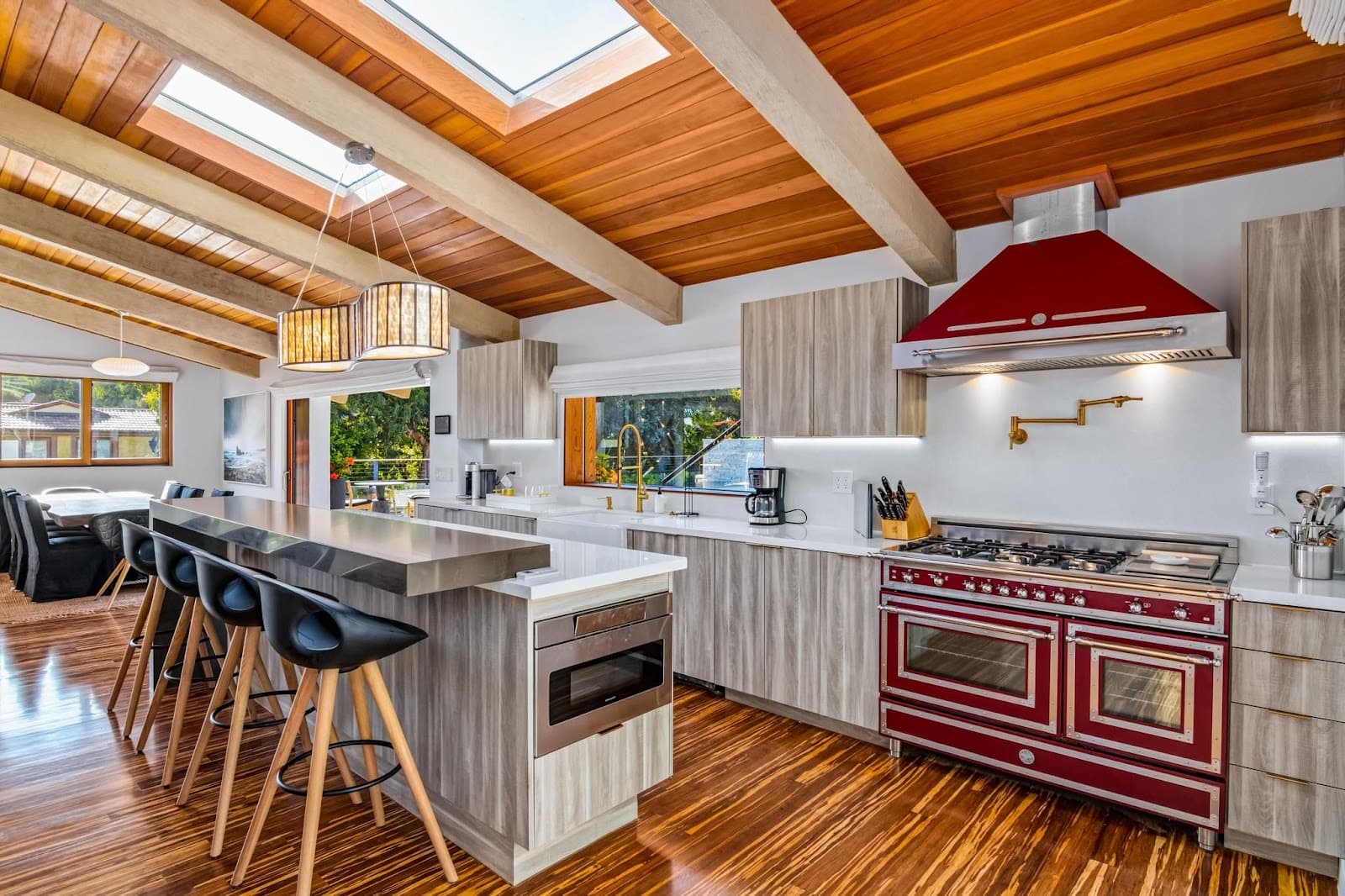
Here is how a share of a home here actually works. You own a real share of a specific, fully furnished, professionally managed home — an eighth, a quarter — not a right to use it. You can sell it, pass it on to your heirs, and you benefit when the home rises in value. A timeshare sells you a week. Co-ownership sells you the house, not points or a club membership. Your share is part of the house itself, shared with a small group of owners rather than hundreds, and you sell it on the open market at the price you set. The legal set-up is arranged by our partner for each home and walked through with you before you buy. The calendar allocates usage fairly across the owners, rotating the contested dates — the summer weeks, Thanksgiving, the Christmas period, the September and October shoulder that Malibu regulars prize most — from year to year so no owner is permanently advantaged, with flexible booking for everything else.
Malibu is the clearest cost case on our books after Aspen, and for a different reason: it is not only the purchase price. The recurring costs of a house on this coast — insurance above all, plus brush clearance and defensible-space compliance, wastewater system maintenance, salt-air upkeep and fire-season preparation — are high, and a single household carries all of them for a house used six or eight weeks a year. Sharing spreads precisely those costs, which makes the case stronger here than almost anywhere.
The management case is equally strong. A house on this coast needs steady attention between visits: brush grows, systems need servicing, salt air corrodes, and fire season calls for active preparation. Professional management handles compliance, preparation, inspection, cleaning between stays and the vendor relationships that matter when an entire coast needs the same trade at the same time.
Costs are shared in the same proportion as ownership: each owner carries their share of the home's running costs, billed transparently, covering property taxes, insurance, utilities, landscaping and brush clearance, wastewater and systems maintenance, cleaning, maintenance and the reserve that keeps the furnishings good. You see the full breakdown before you buy, not after.
Buying in the United States: how the process actually runs
American property transactions run differently from European ones and are, once understood, fast and well-supported. There is no notary in the civil-law sense. In California the transaction runs through an escrow company and a title insurer: escrow holds the deposit and coordinates the closing, while the title company researches the chain of title, resolves liens and issues title insurance protecting the buyer against defects missed in the search. That insurance is standard and one of the real strengths of the system.
The sequence: an offer on a standard state-approved contract; a contingency period during which the buyer inspects, reviews disclosures and can generally withdraw; title and disclosure review; and closing, typically within thirty to sixty days. California's disclosure regime is thorough, with natural-hazard reports covering fire, flood and seismic zones as standard. In Malibu, the contingency period is where the real work happens, and it should be used properly: insurance quotes obtained and confirmed in writing before you commit; the parcel's fire hazard severity zone; geological and drainage reports on hillside and canyon lots; coastal permit history and any restrictions on rebuilding or altering; the wastewater system and its compliance status; and, on beachfront, the erosion and sea-wall position.
There is no restriction on foreign ownership of American residential property. Non-US buyers will need a taxpayer identification number for filing purposes, should expect withholding rules to apply on a future sale, and should take advice on how their home country treats US-situs assets — including estate and inheritance treatment, the point most often overlooked at this price level. For a co-ownership share, the legal set-up is arranged by our partner for each home. We walk every buyer through the specimen documents in plain language before any commitment, and we will always encourage independent legal and tax advice. Nothing in this guide is legal or tax advice.
Three owners' years: specimen calendars
Three honest specimen years. The family: a week at Easter when the hills are green, a fortnight in July and August built around Zuma, the surf lessons and the canyon walks, a long weekend at Thanksgiving, and a few days after Christmas. Six-plus weeks in a house that already holds the boards, the wetsuits and the beach kit.
The couple who know the coast: ten days in late September and early October, which is the best fortnight of the Malibu year — warm water, empty beaches, gold light — plus a week in April for the wildflowers and the walking, a long weekend in January for the whales and an empty beach, and a few days in June inland when the coast is grey and the canyons are not. A calendar assembled almost entirely from weeks nobody competes for, and better than the peak ones.
The friends' syndicate: alternating long weekends through the spring and autumn — a surf, a canyon walk, a dinner at the Country Mart, a day in the city — plus one shared summer week when the households and children combine, and a standing Getty-and-museums day each visit. Three shapes, one common property: on a coast with a twelve-month climate and Los Angeles forty-five minutes away, six weeks a year is not a constraint to be managed. It is a budget to be spent well.
An owner's practical almanac
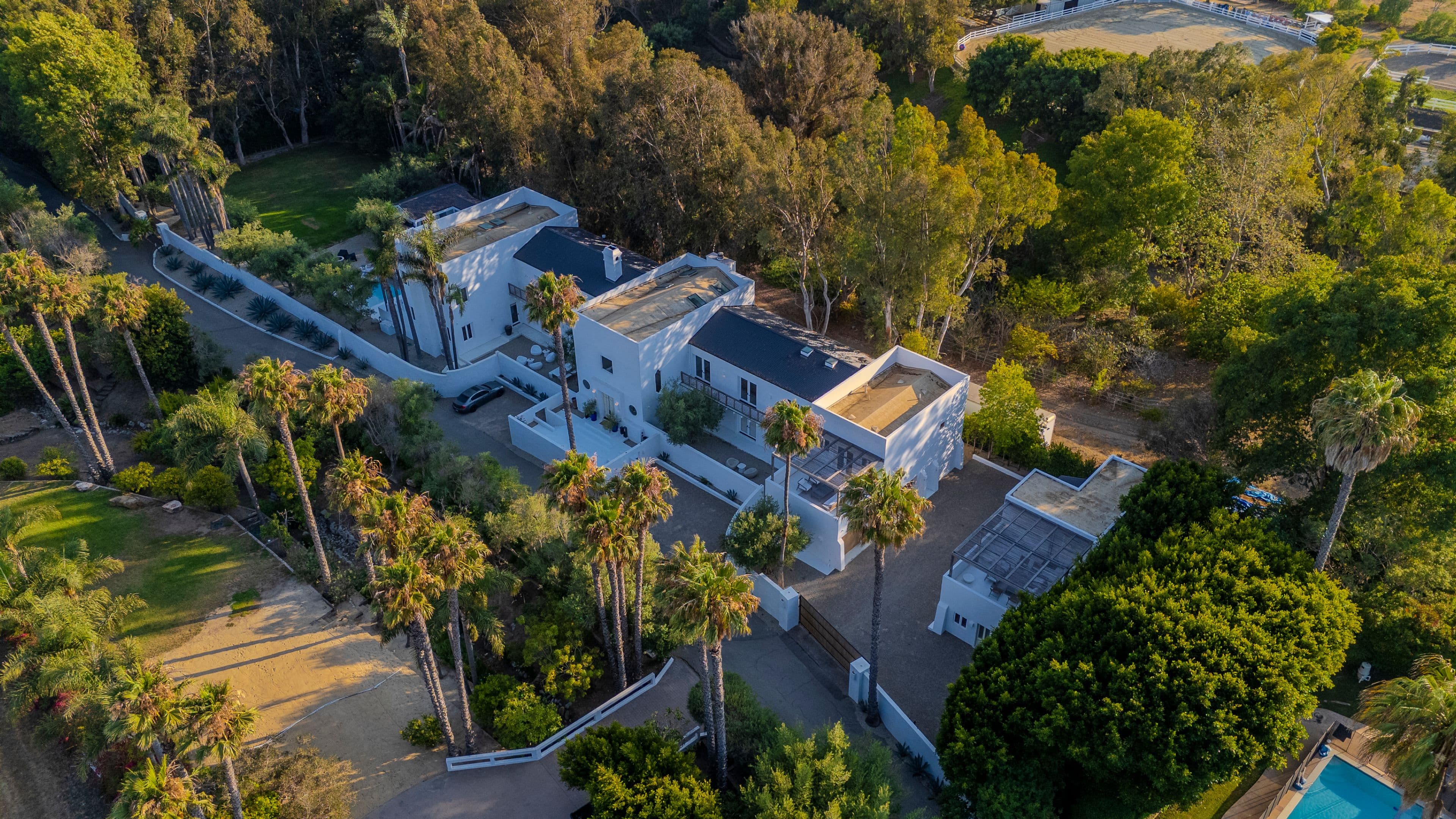
The small knowledge that makes ownership frictionless, and here some of it is safety rather than convenience. Fire season: from late summer through autumn, when offshore winds blow, keep a packed bag, know your evacuation route, sign up for the county's emergency alerts, and take warnings seriously and early rather than late. Do not wait to see. The management team handles brush clearance and seasonal preparation, but evacuation decisions are yours and they are best made quickly.
The highway: check conditions before you set out, particularly in winter after a fire year, when debris flows close it. Allow more time than the map suggests on summer weekends and in the eastbound morning. There is no alternative route, so build a margin into flights and appointments.
The coast: the surf here is bigger and stronger than it looks, rip currents are real, and lifeguarded beaches exist for a reason. Water is cool enough that a wetsuit extends the season considerably, particularly for children. Sun at this latitude is serious year-round.
The house: salt air is hard on metal, timber and glass, and a coastal house needs continuous rather than occasional attention. Brush clearance is a legal obligation with real consequences. Wastewater systems need servicing. All of it is handled by the management team, which is one of the concrete reasons an unmanaged Malibu house declines quickly. And the golden rule: whatever week you cannot use, release it early — in a place forty-five minutes from four million people, someone in your ownership group will take it.
Malibu: questions owners actually ask
How do you approach fire risk? It is central to choosing a home here. Malibu has seen two major fires in recent memory — Woolsey in 2018 and a January 2025 fire that reached eastern Malibu from the Palisades — and exposure varies by parcel: an oceanfront lot is a different proposition from a canyon or hillside position. We check the position on every home we list, and where we are not comfortable we do not list the home.
Can we get insurance? It is the right first question, and it is answered before you commit. The Californian market for high-fire-risk areas has tightened, so cover is confirmed in writing for the specific property during the contingency period.
What happens when the highway closes? Closures are occasional and usually last hours rather than days, and the canyon roads over the mountains are the alternative. For anything time-critical, owners simply build in a margin.
Is it walkable? Within each commercial cluster, yes; beyond that, Malibu is a driving-and-house destination, with the beaches and canyons a short drive from the door.
When is it best? September and October, comfortably — warmest water, empty beaches, clear air and the best light of the year. April for the green hills and wildflowers. January for whales and solitude. July and August are the busiest, the classic family summer.
More questions, answered plainly
Which stretch should we choose? Beachfront if the ocean at the bottom of the steps is the entire point. Point Dume for a settled bluff-top neighbourhood with beach access rights. The hillsides for the views. The canyons for value, seclusion and trails, with fire exposure checked closely. West Malibu and Trancas for space and quiet, a little further out. Tell us how your household actually spends a week and we will point you at the right homes below.
Can we let our weeks? On many homes, yes. Where managed letting of unused weeks is allowed, the management team handles it for you. The City of Malibu runs a short-term rental permit regime, and we confirm exactly what applies to each home before you commit.
What are the running costs like? Each owner carries their share of the home's costs, billed transparently — property taxes, insurance, utilities, landscaping and brush clearance, wastewater and systems maintenance, cleaning, maintenance and the furnishing reserve. Insurance is the largest line here, which is exactly why sharing it makes sense, and California reassesses property tax on purchase. You see the full breakdown before you commit.
Is the beach really public? Yes, below the mean high tide line, under California law — including in front of private houses. It is a settled feature of life on this coast, and part of what makes its beaches feel so open.
What should we do on a viewing trip? Come for three days, ideally in autumn. Drive the whole highway from the county line to Santa Monica and back so you understand the distances. Walk a canyon in the morning and a beach at sunset. Spend an evening at the property. Then ask us about the insurance position and fire exposure of the homes you like, because in Malibu those answers shape the choice. Three days answers more than three months of listings, and we will build the itinerary around the homes listed below.
Nearby: Newport Beach (5, from $875,000)
Taxes, resale and how ownership works for your 1/8 share of the home are covered in depth in our complete country guide. Read the full USA ownership guide →
Each listing shows the full price of its share — typically one-eighth of the home. It is a purchase price, not a deposit or membership fee: you become a co-owner of the home.
No. A timeshare sells you a week; co-ownership sells you the house. You own a real share of the Malibu home with a small group of owners, not a week at a resort shared with thousands. It moves with the value of the house, you sell it on the open market at your price, and you can leave it to your children.
A one-eighth share corresponds to about six weeks a year, scheduled fairly across seasons so every owner enjoys peak weeks over time. The home is professionally managed — you simply arrive.
Questions about a home in this collection? Our team typically replies within minutes.
Get in Touch
Speak to an expert
Tell us what you're looking for and we'll be in touch.