Telluride · Colorado · USA
Fractional Ownership Homes for Sale in Telluride
1 fractional ownership home for sale in Telluride, where you buy a real share of the home, usually 1/8 with around 6 weeks a year. Shares start at $999,000. 1 home has only 1–2 shares left. Every home is fully managed.
- 1 home for sale
- Shares from $999k
- Around 6 weeks a year
- 1 with 1–2 shares left
1 home · from $999,000
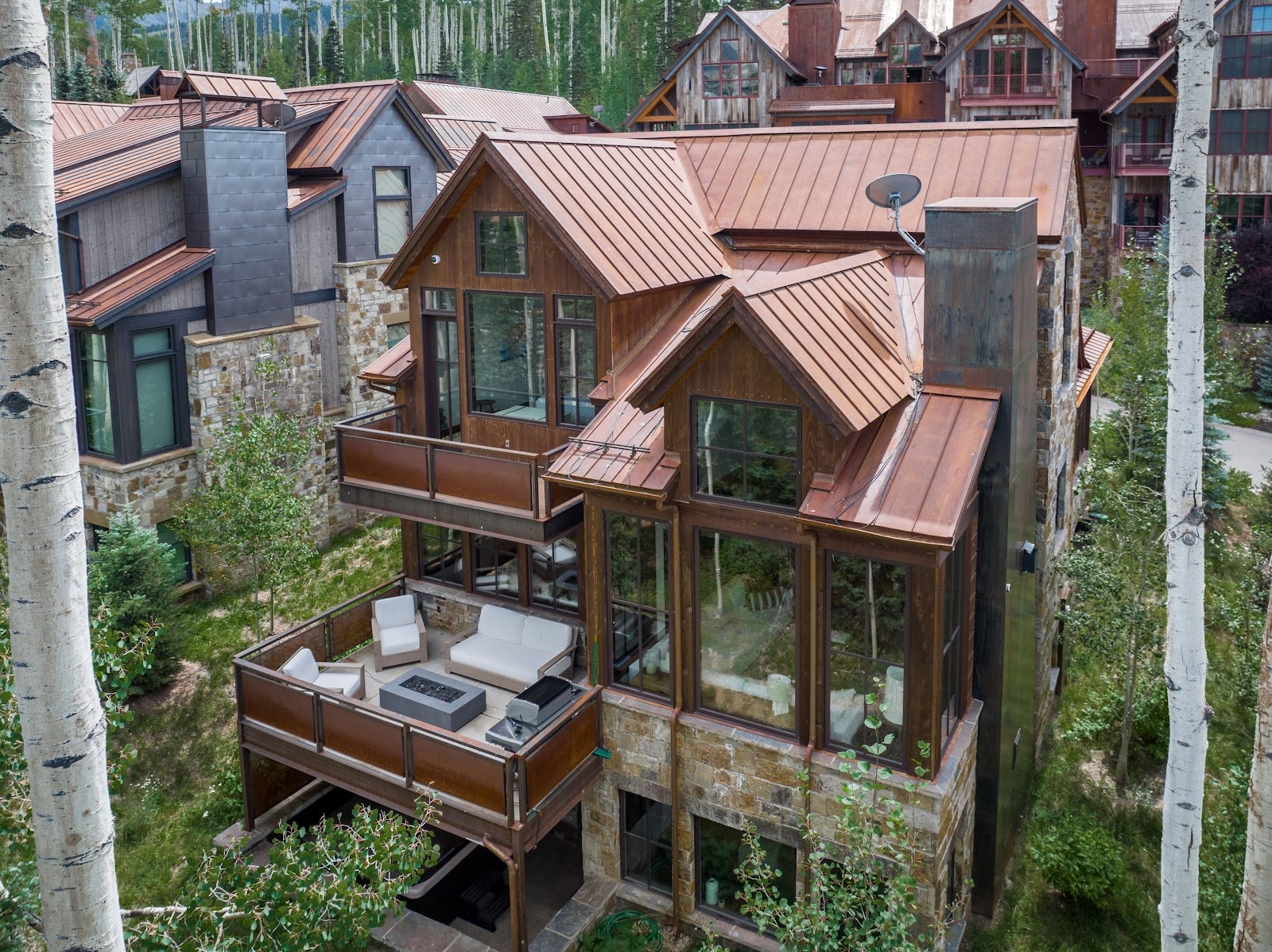
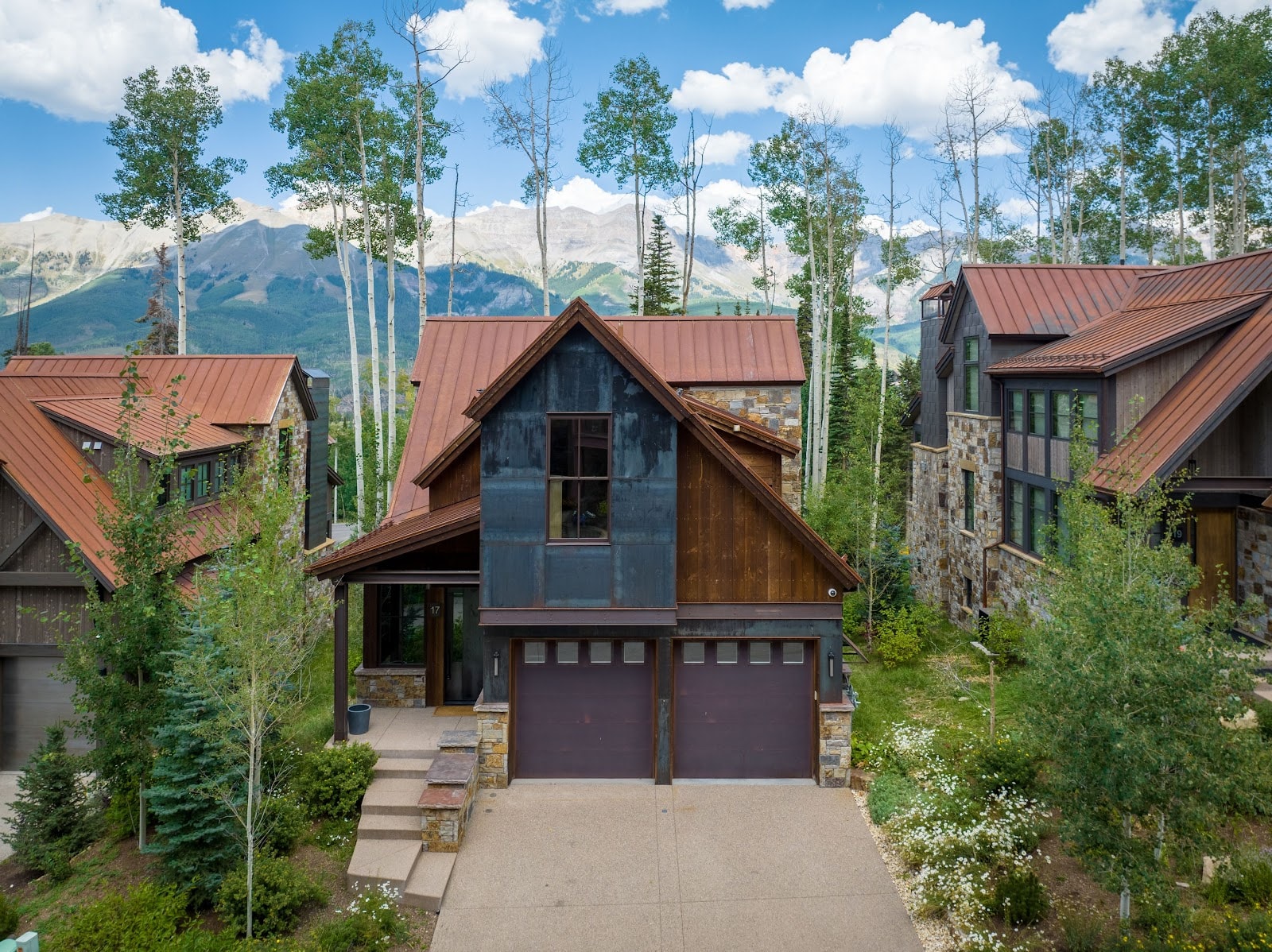
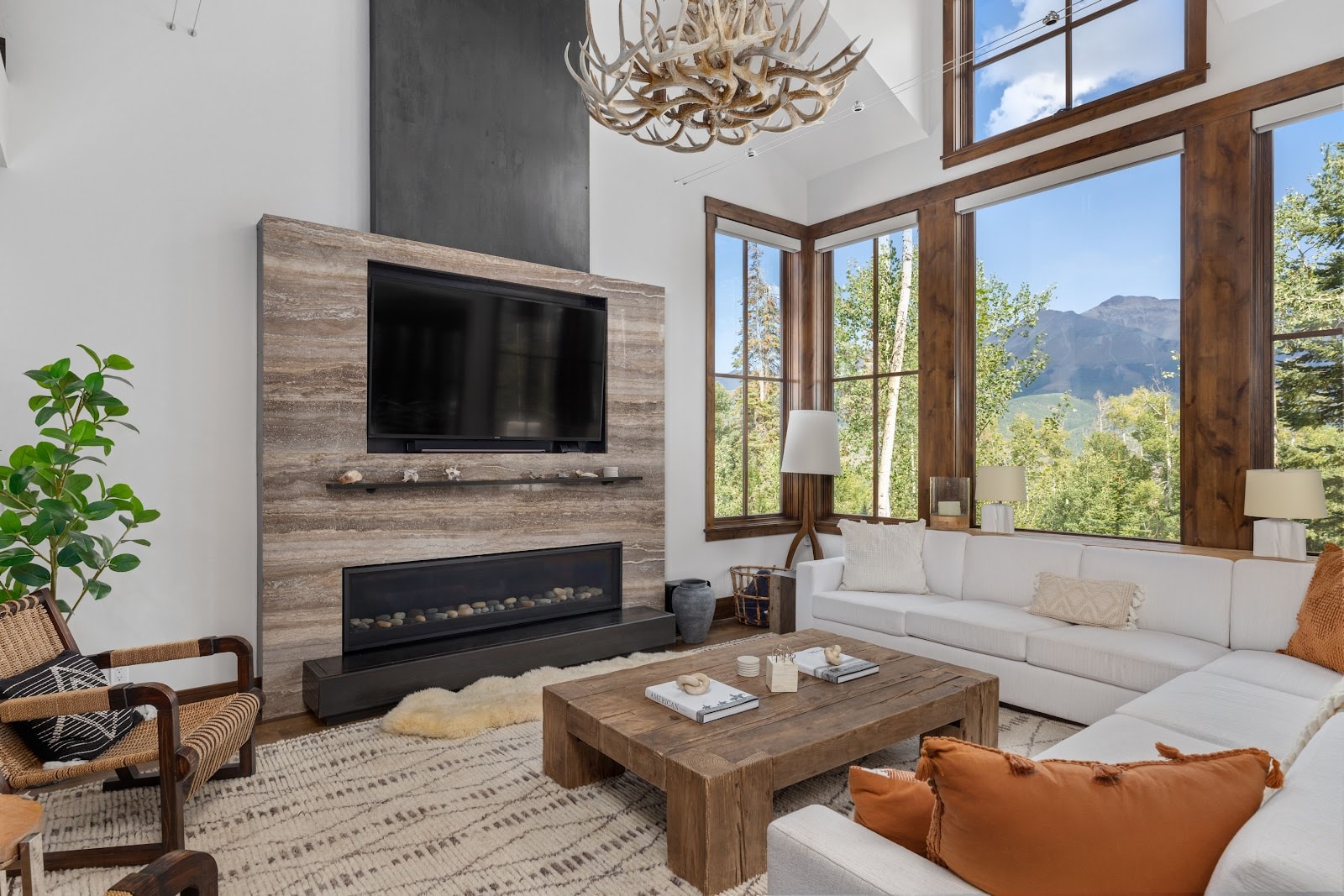
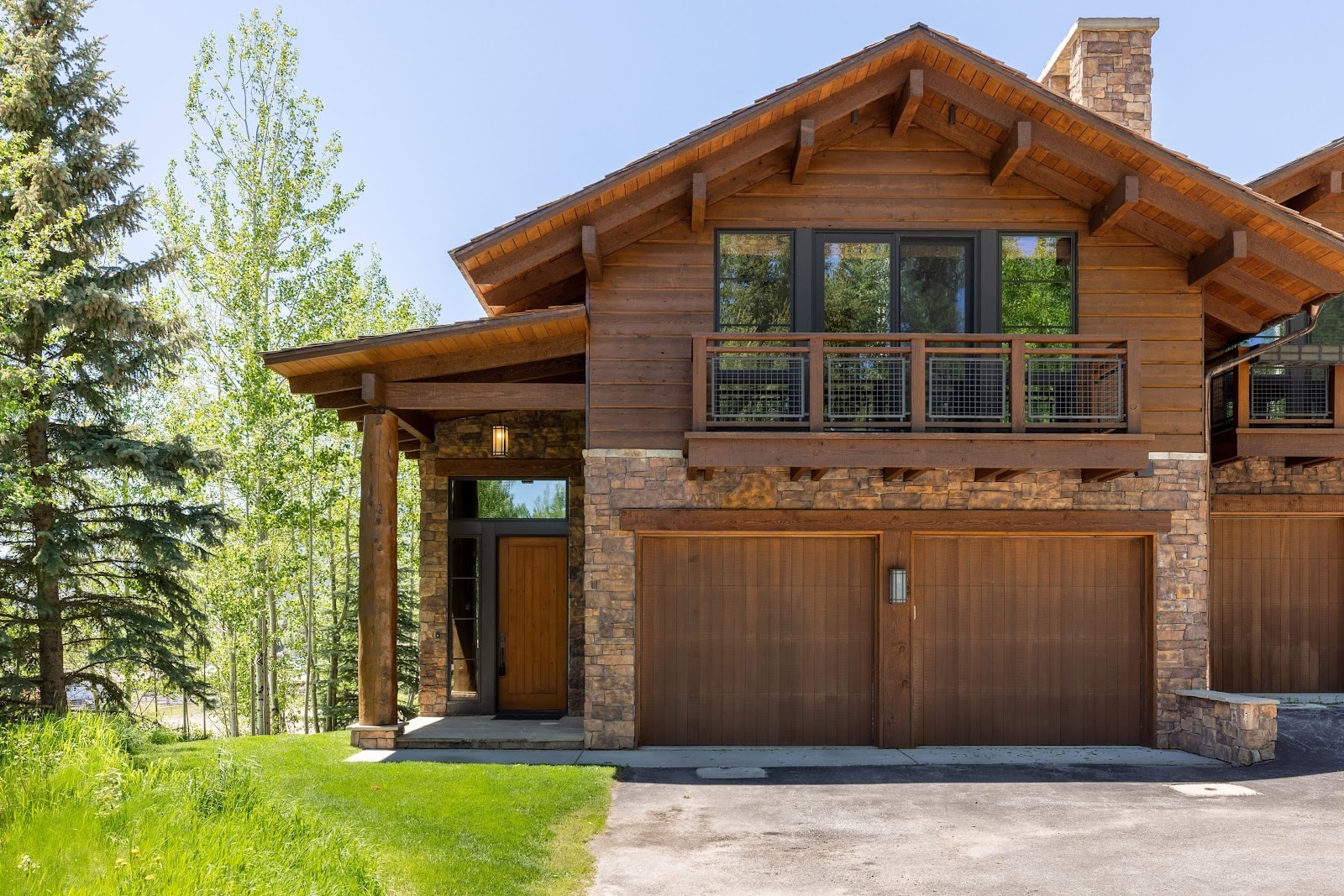
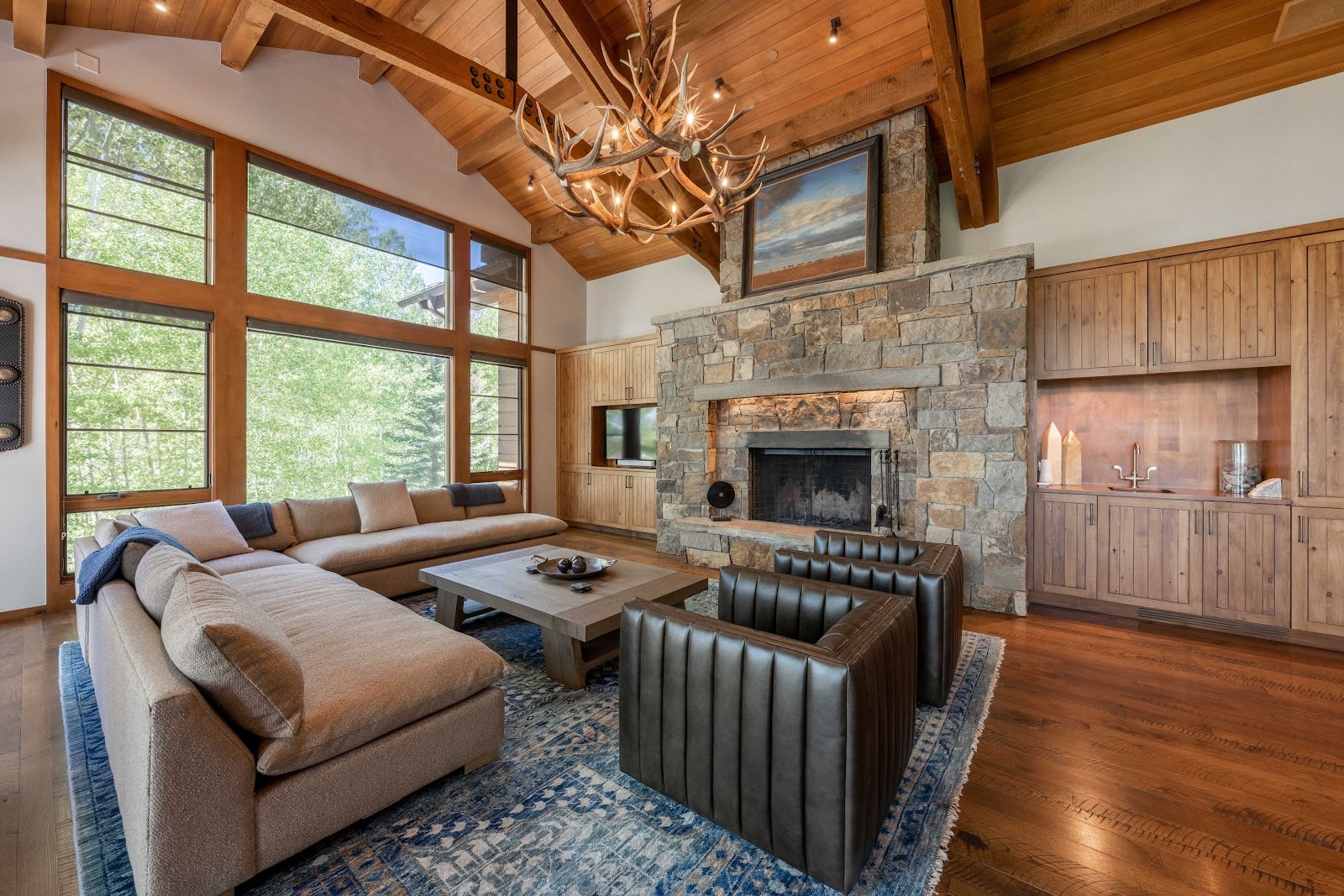
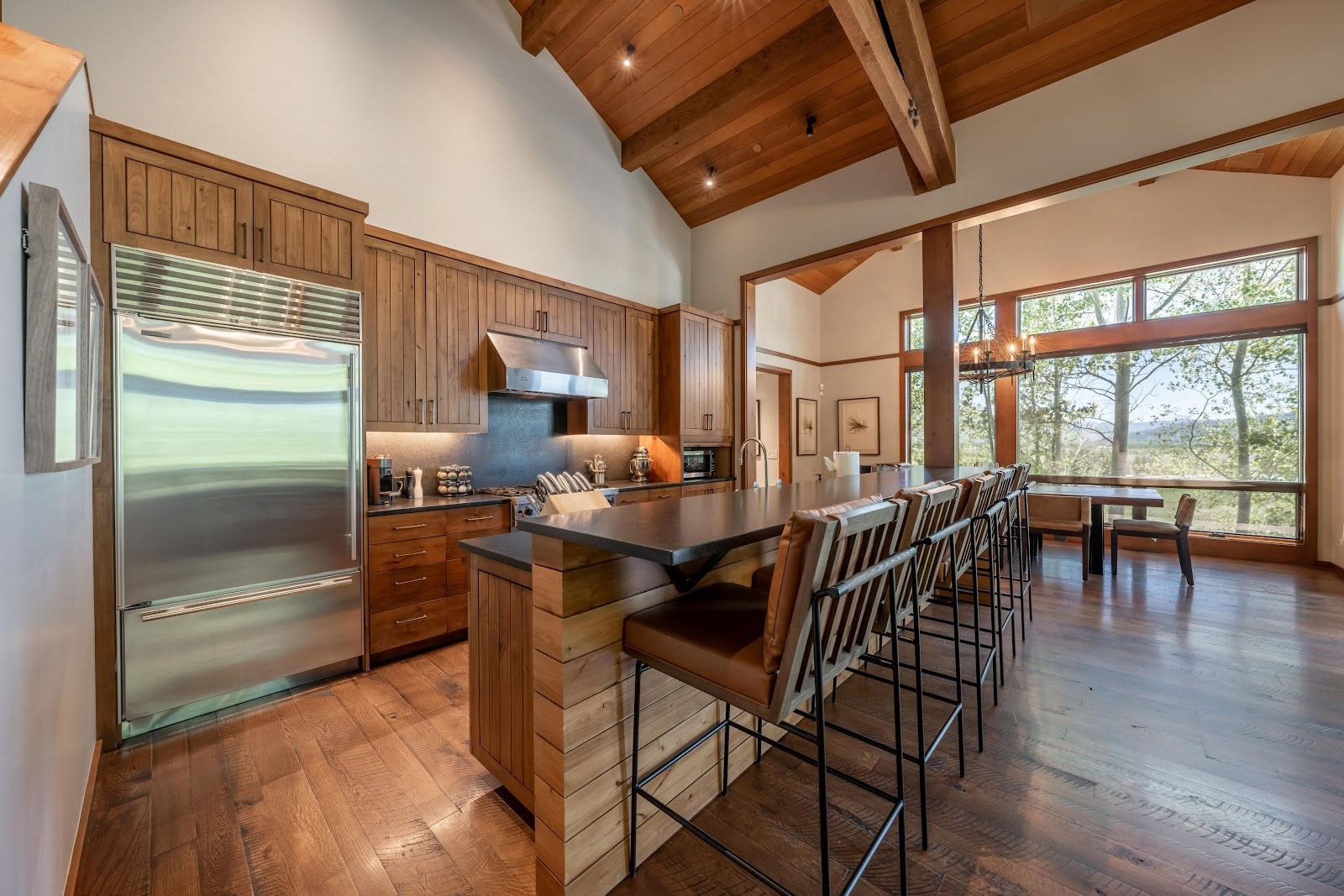
Mountain Village, Colorado, USA — 4-Bed House Ski-in/Ski-out
$999,000
More homes like these nearby
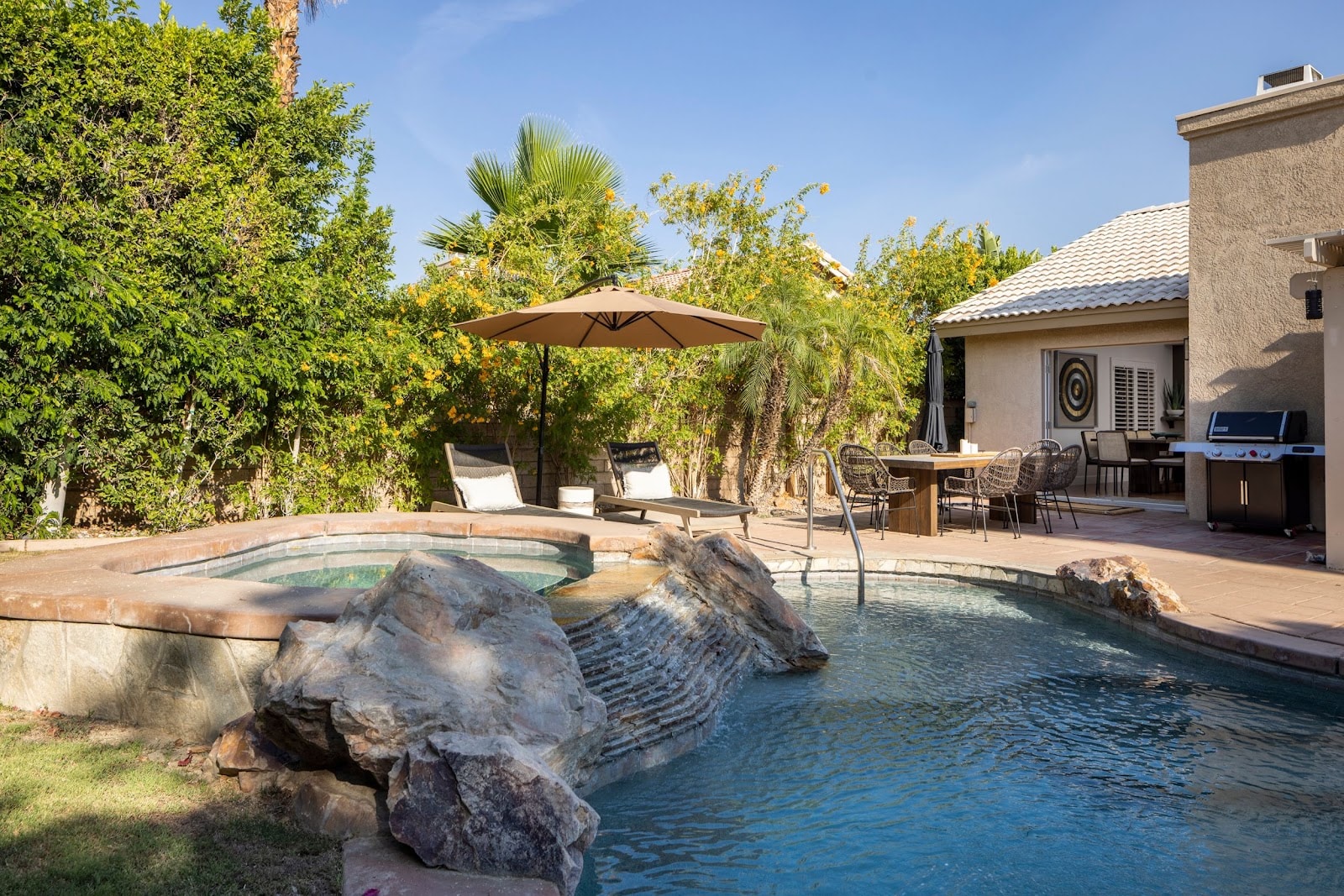
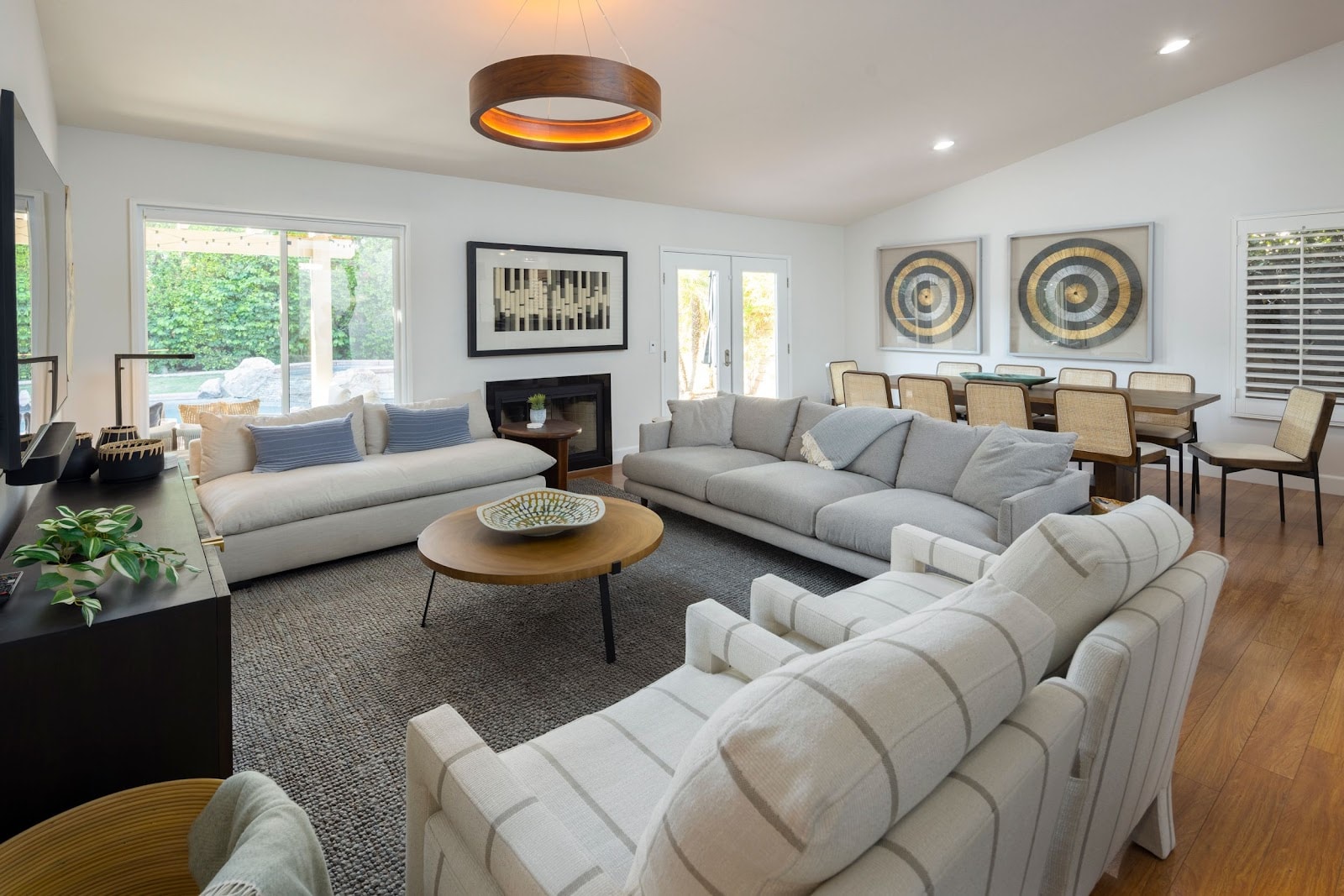
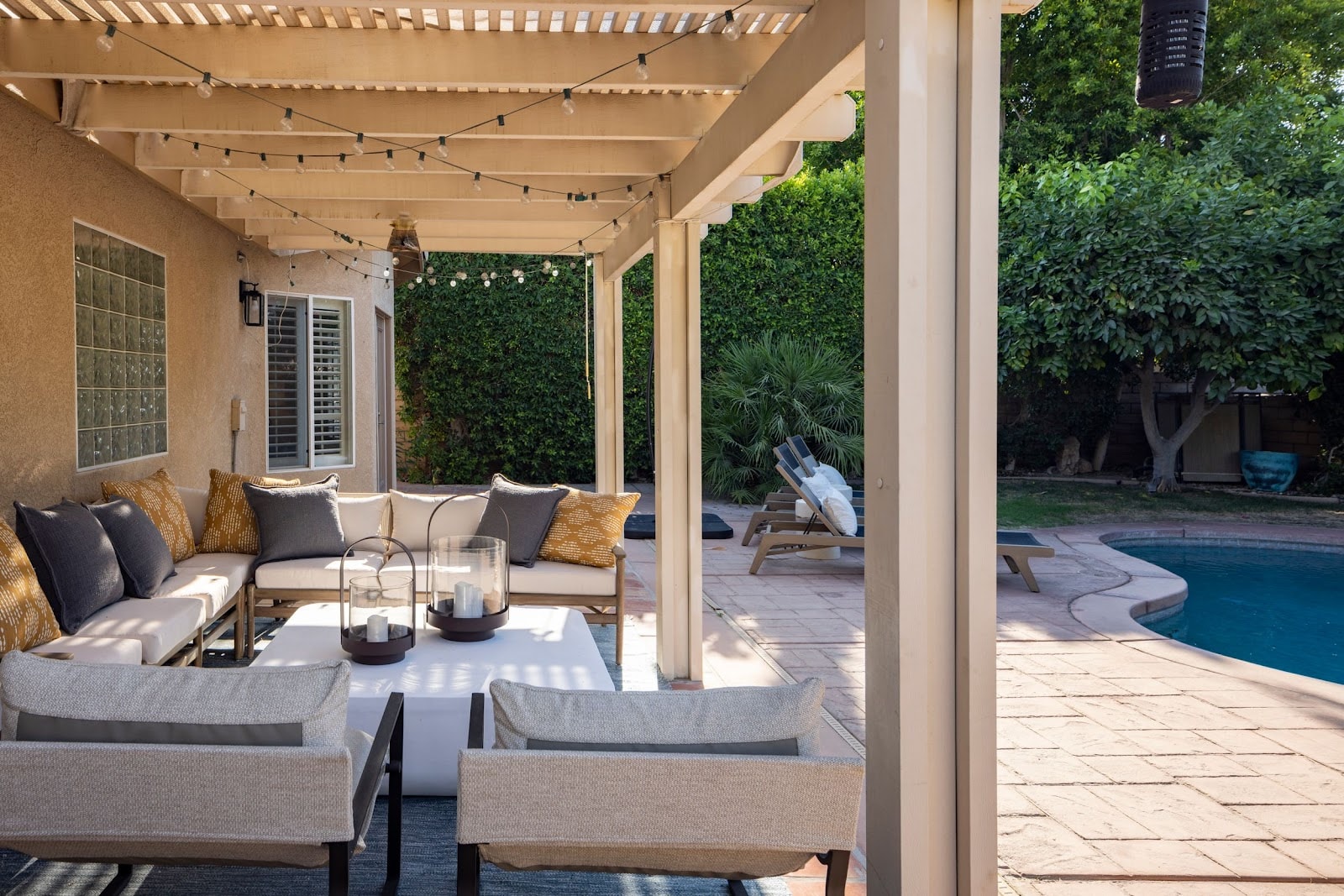
La Quinta, California, USA — 4-Bed House With Pool
$125,000
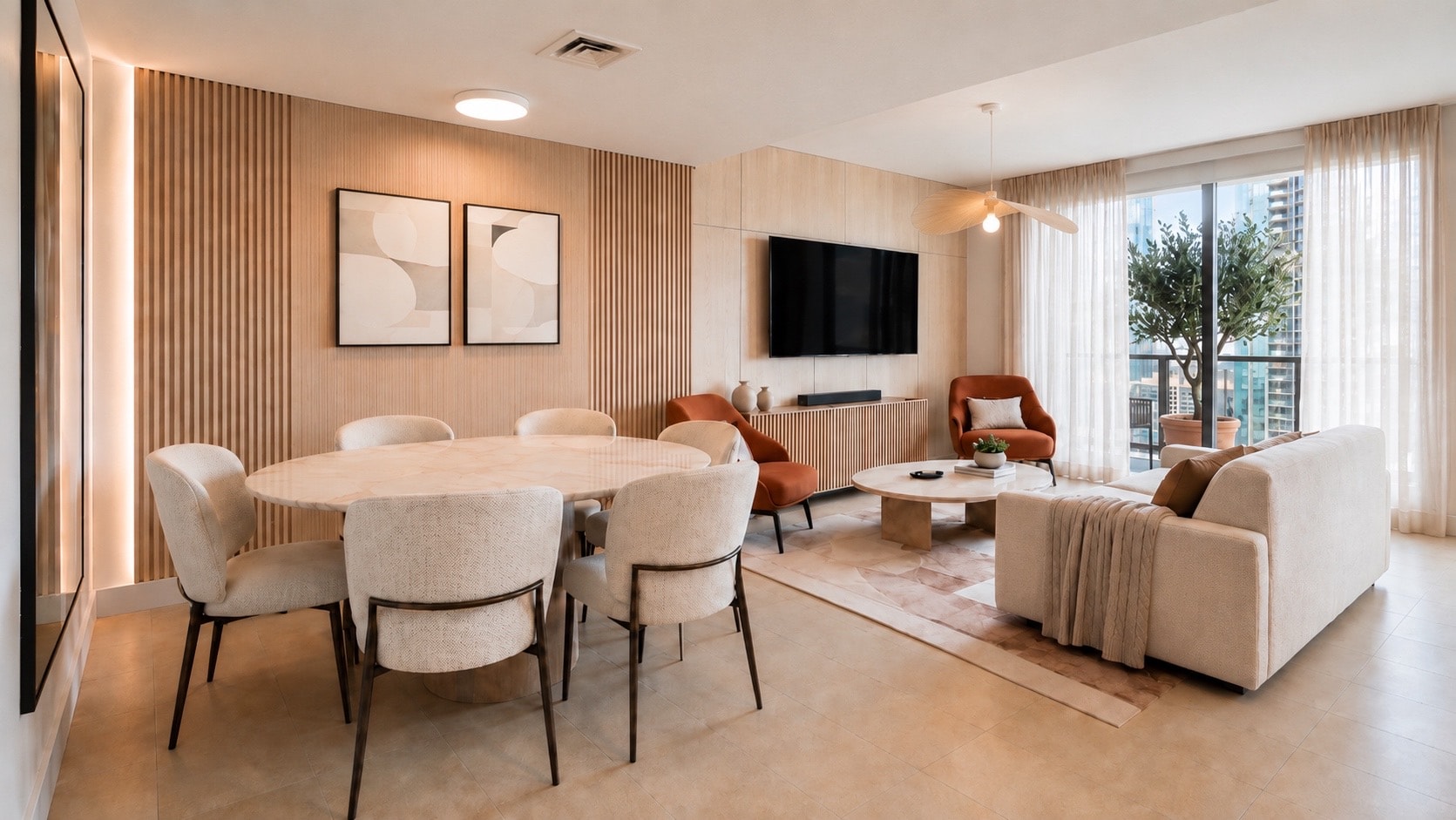
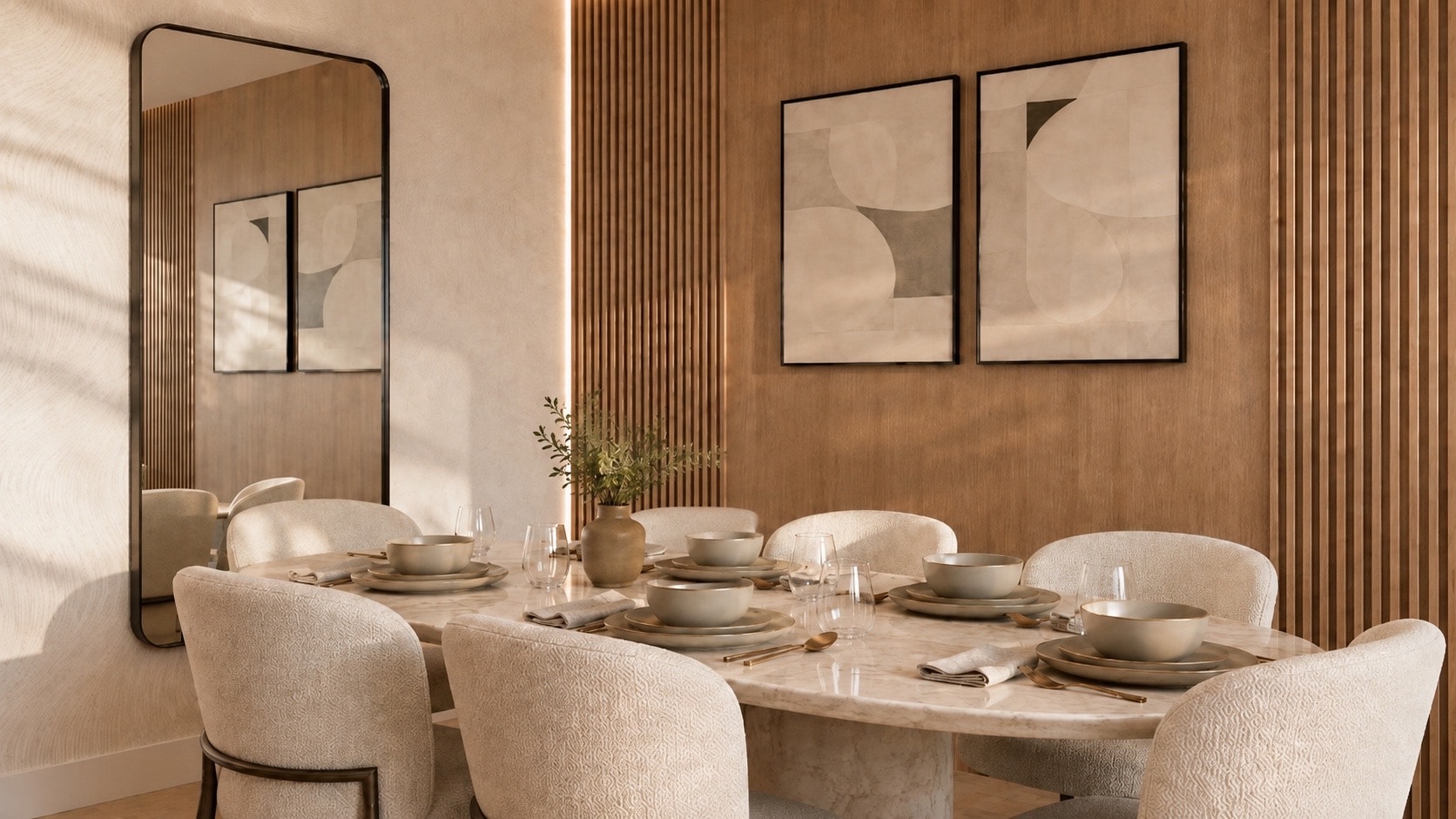
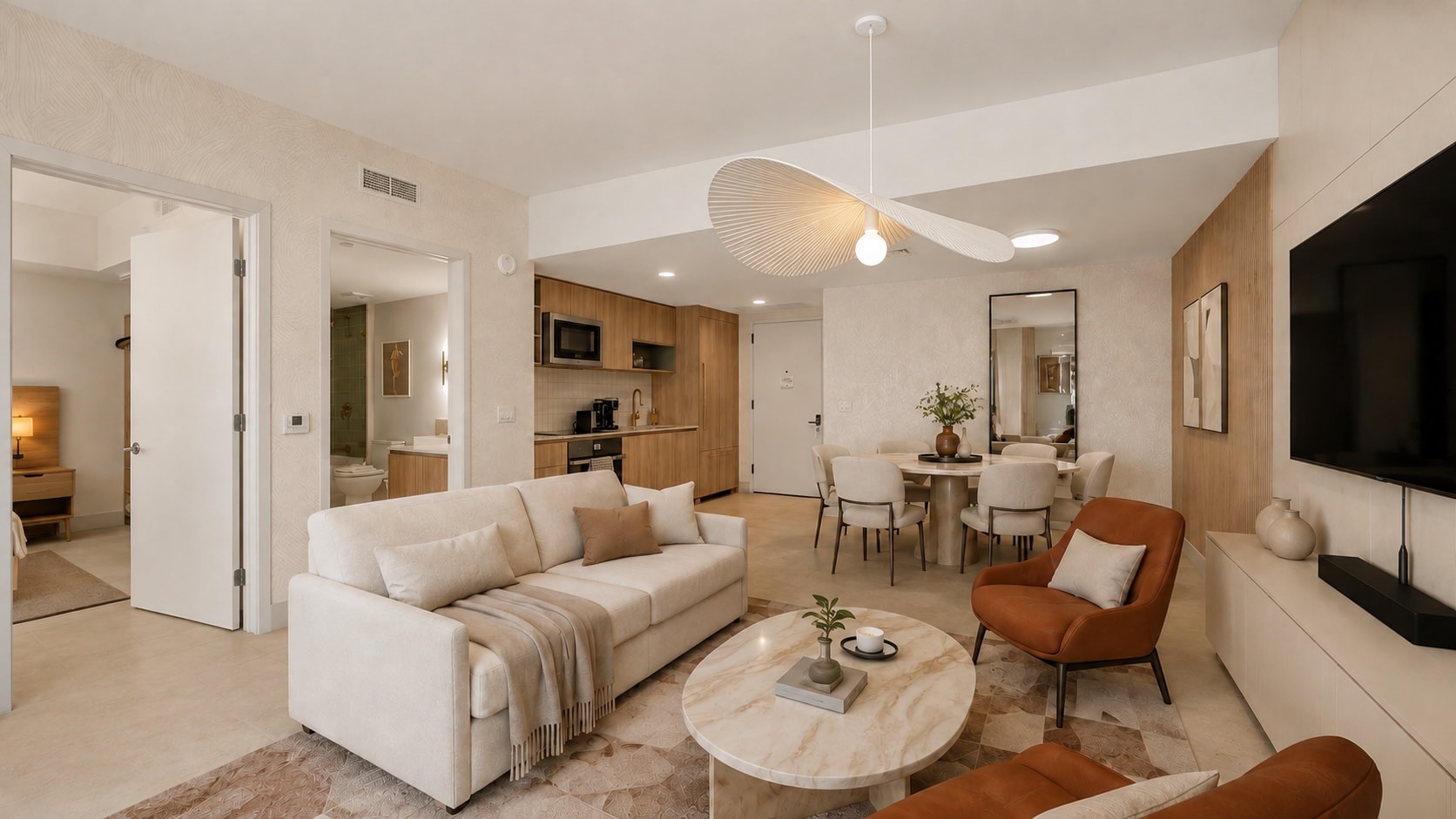
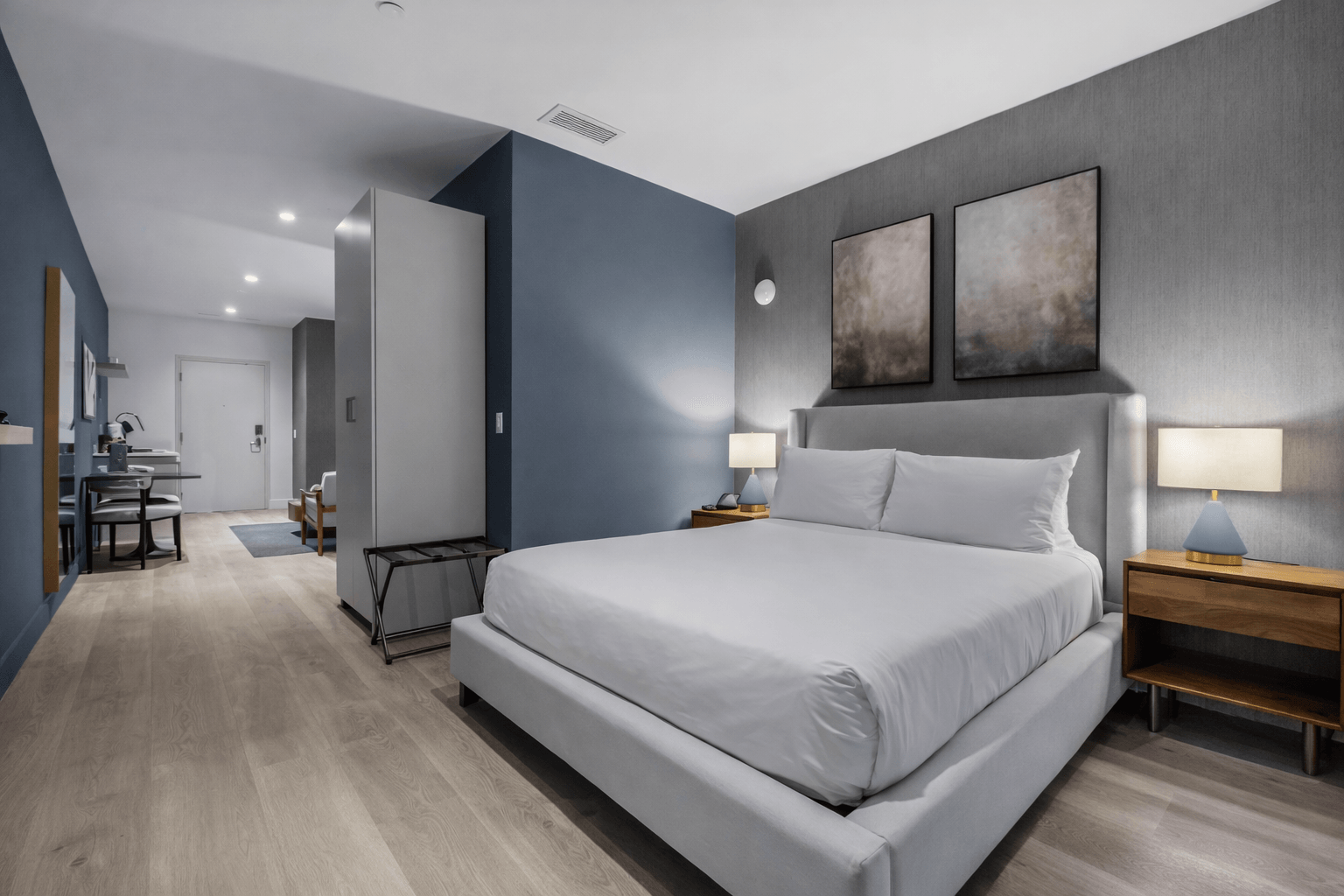
Miami, Florida, USA — 1-Bed Apartment With Bay Views & Resort Pool
$99,000
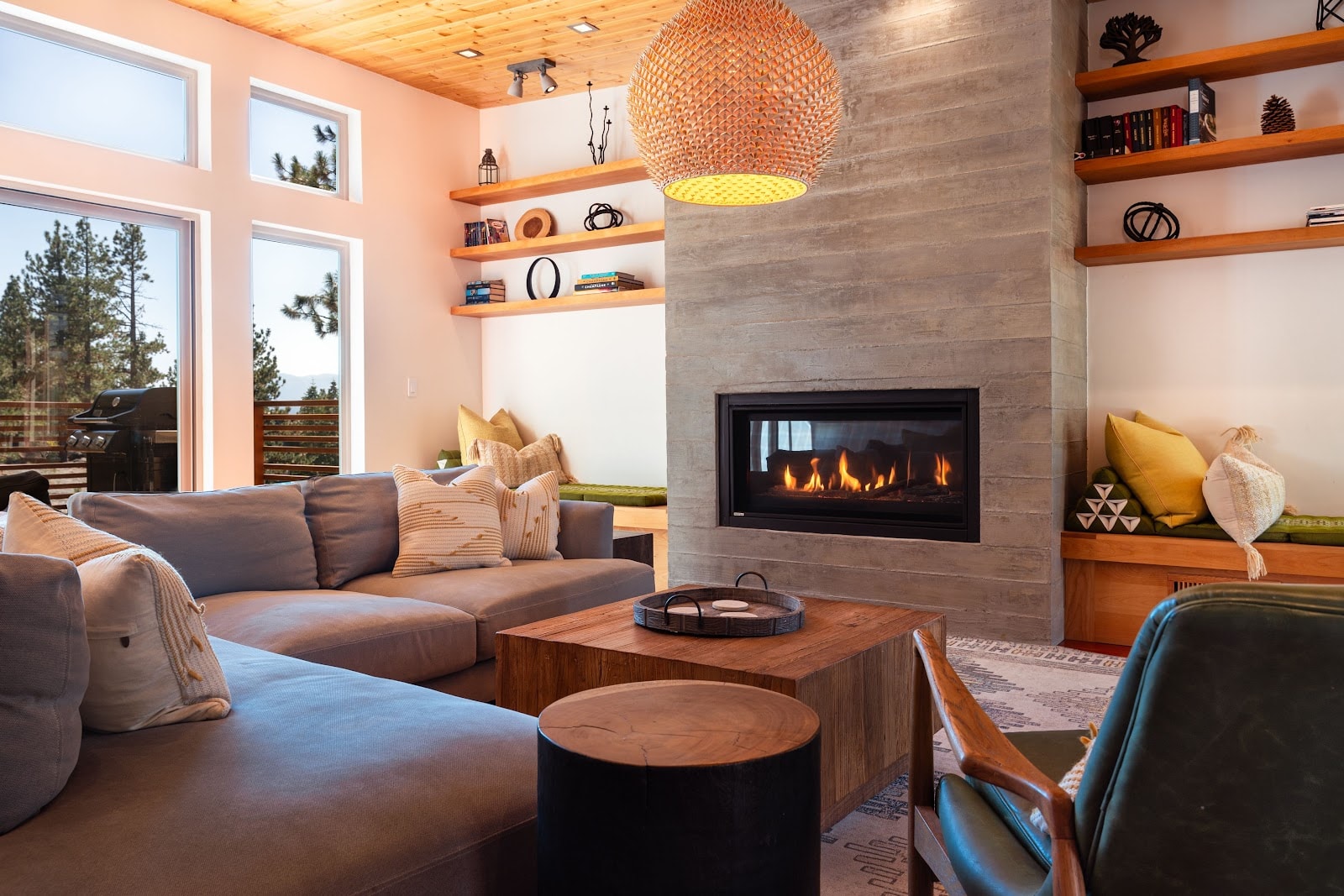
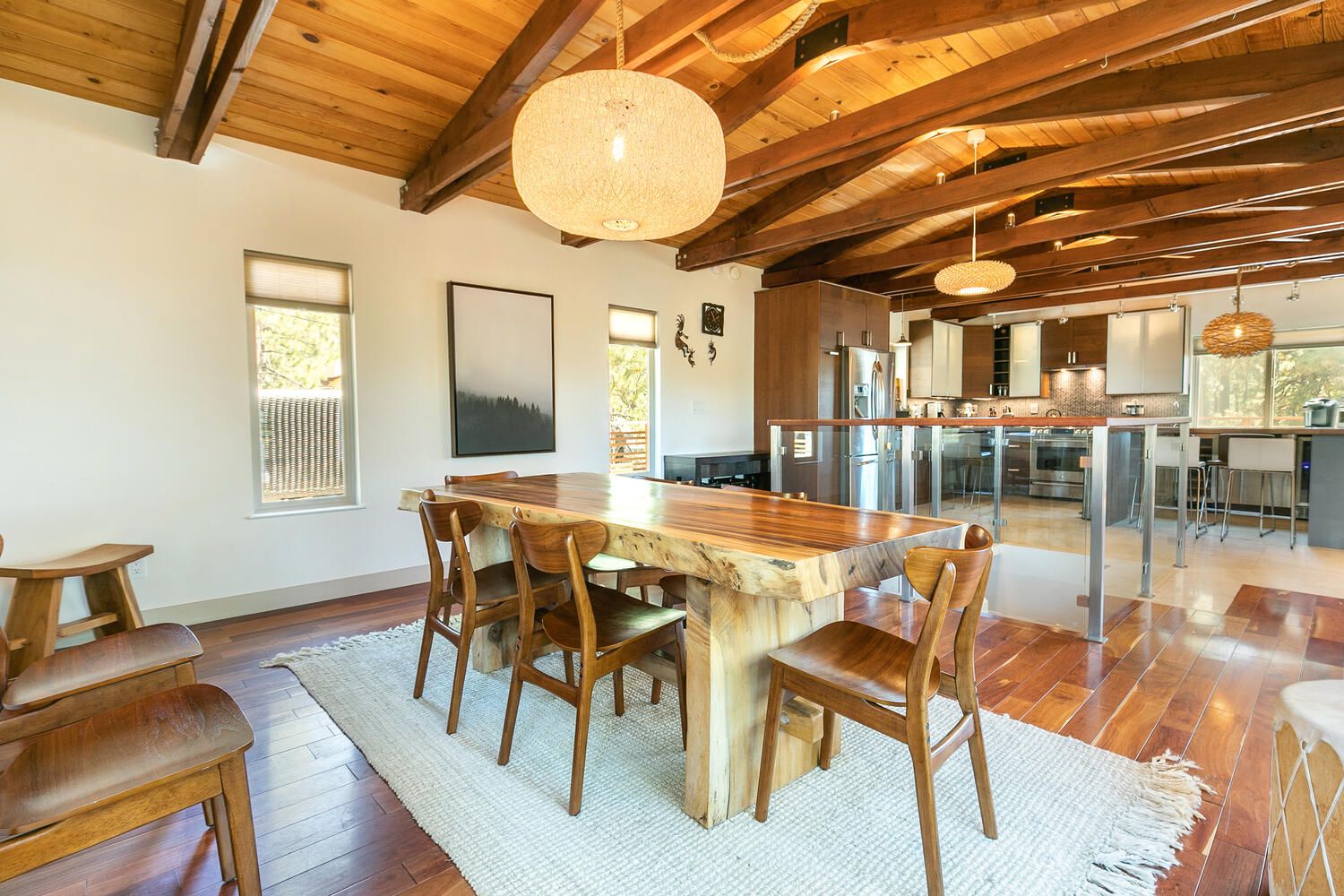
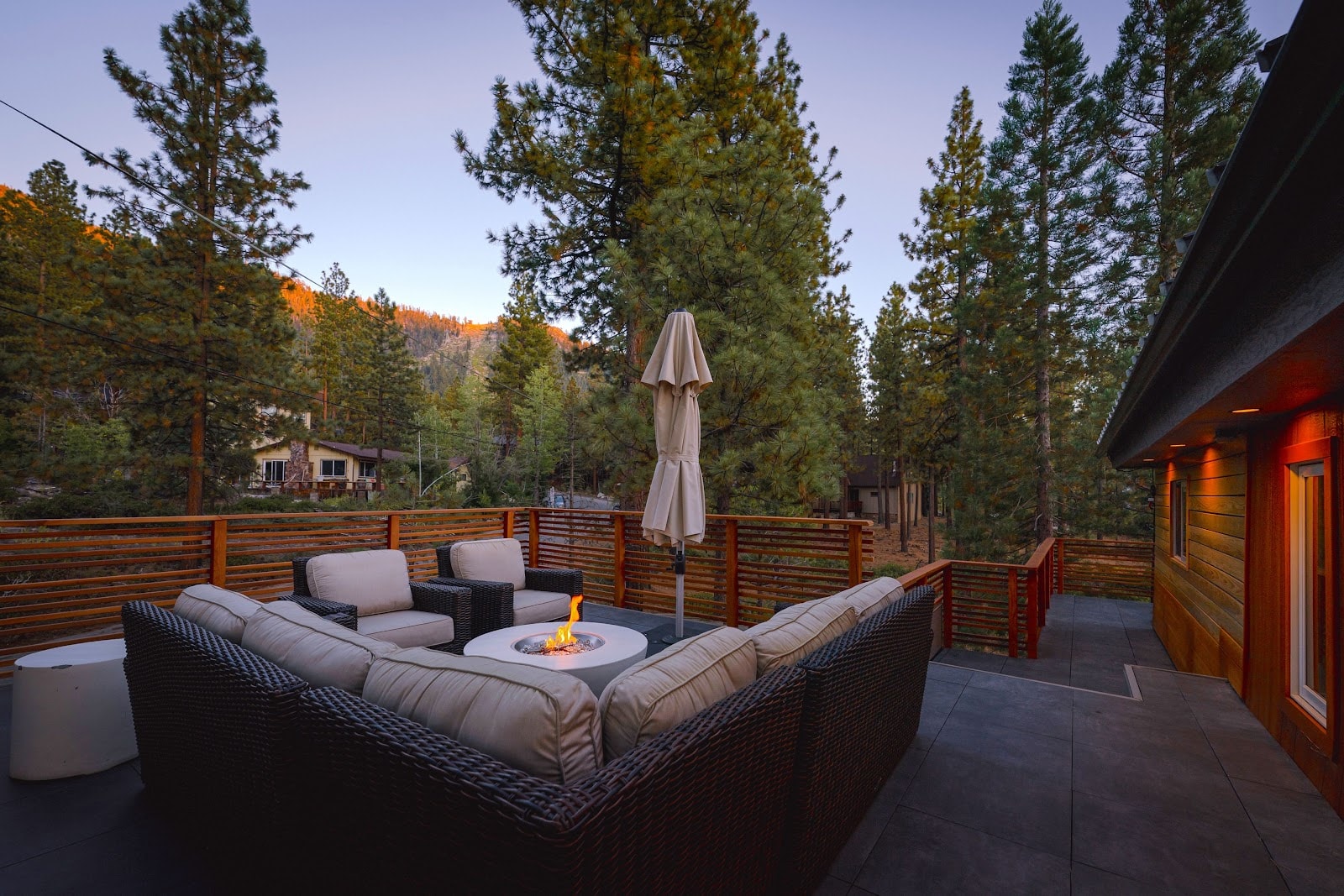
South Lake Tahoe, California, USA — 5-Bed House With Hot Tub
$249,000
Teton Village, Wyoming, USA — 3-Bed House With Hot Tub
$935,000
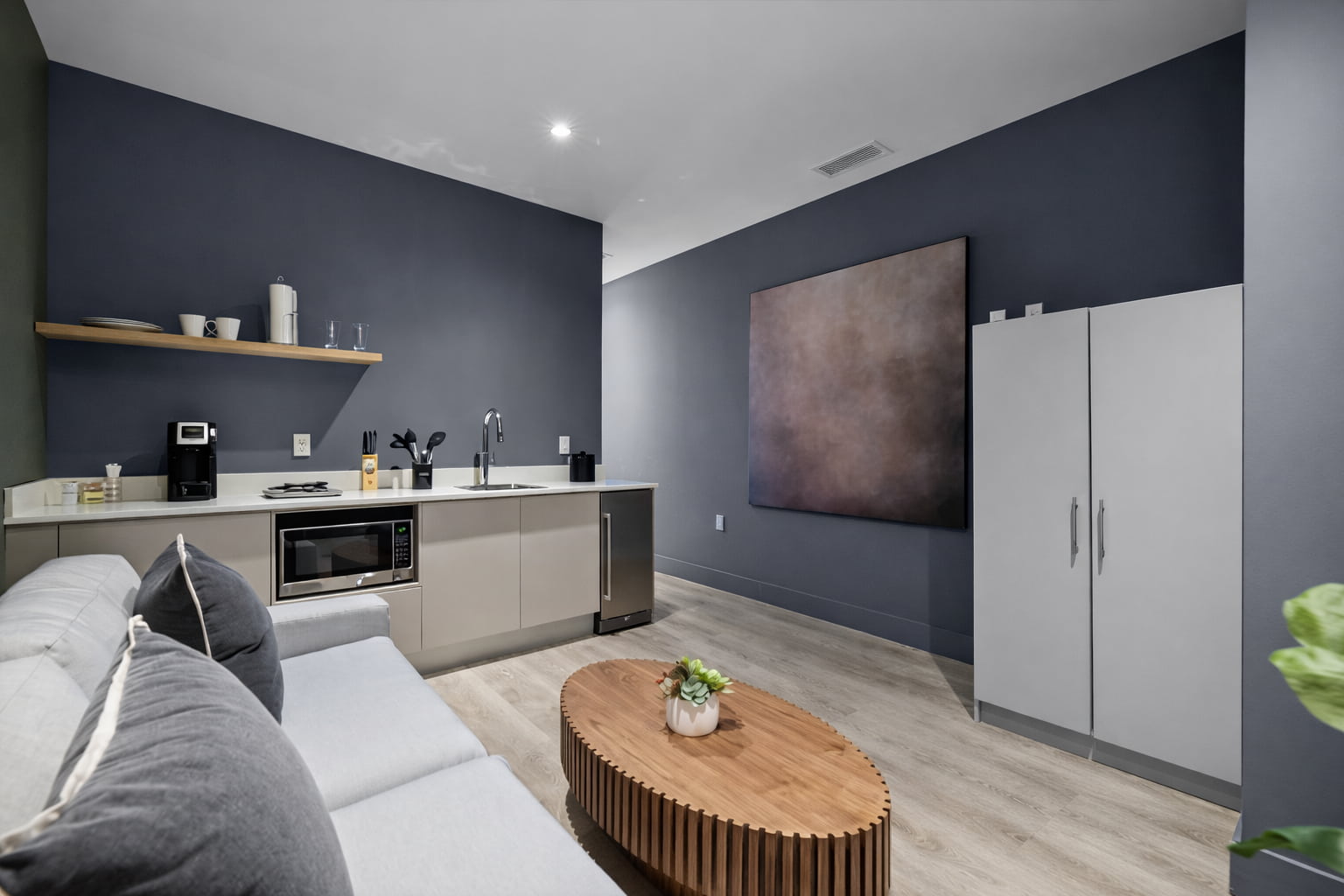
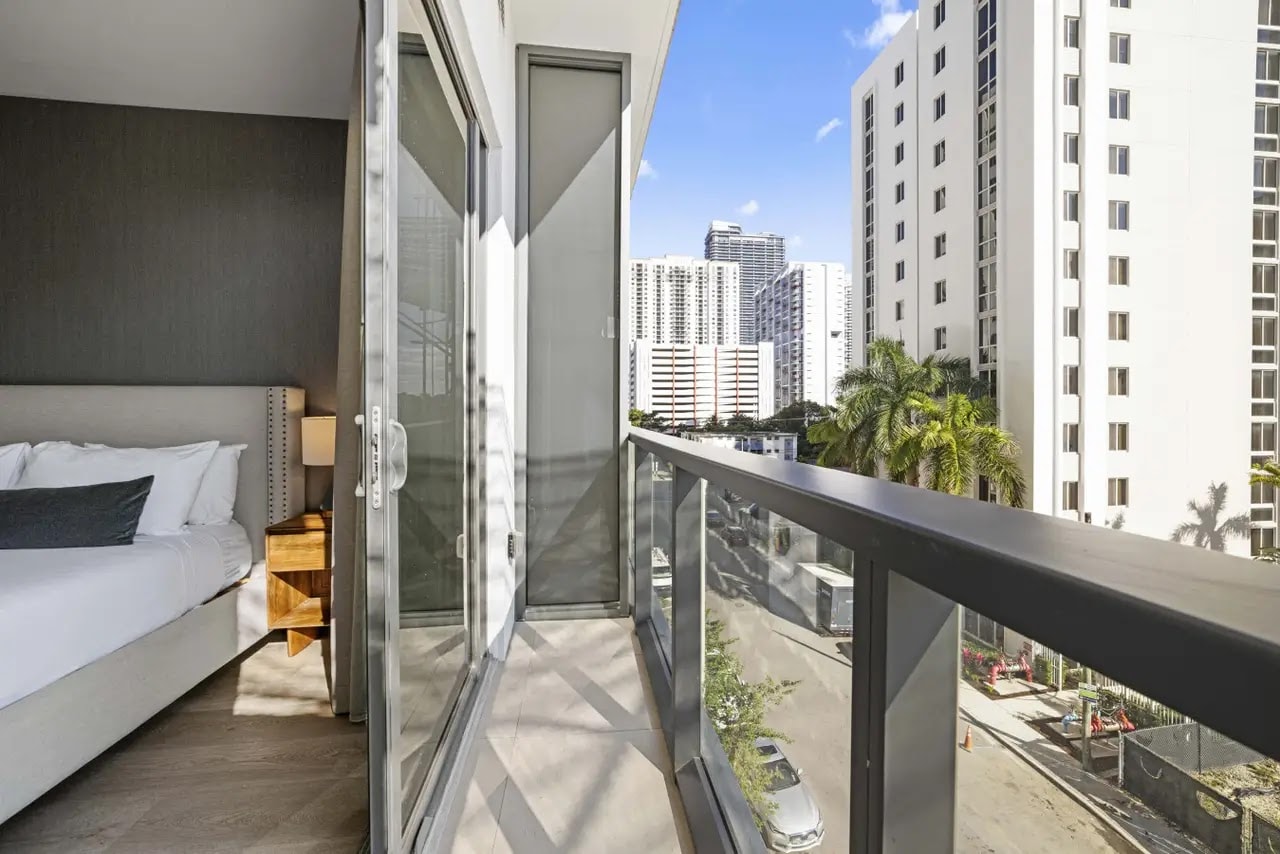
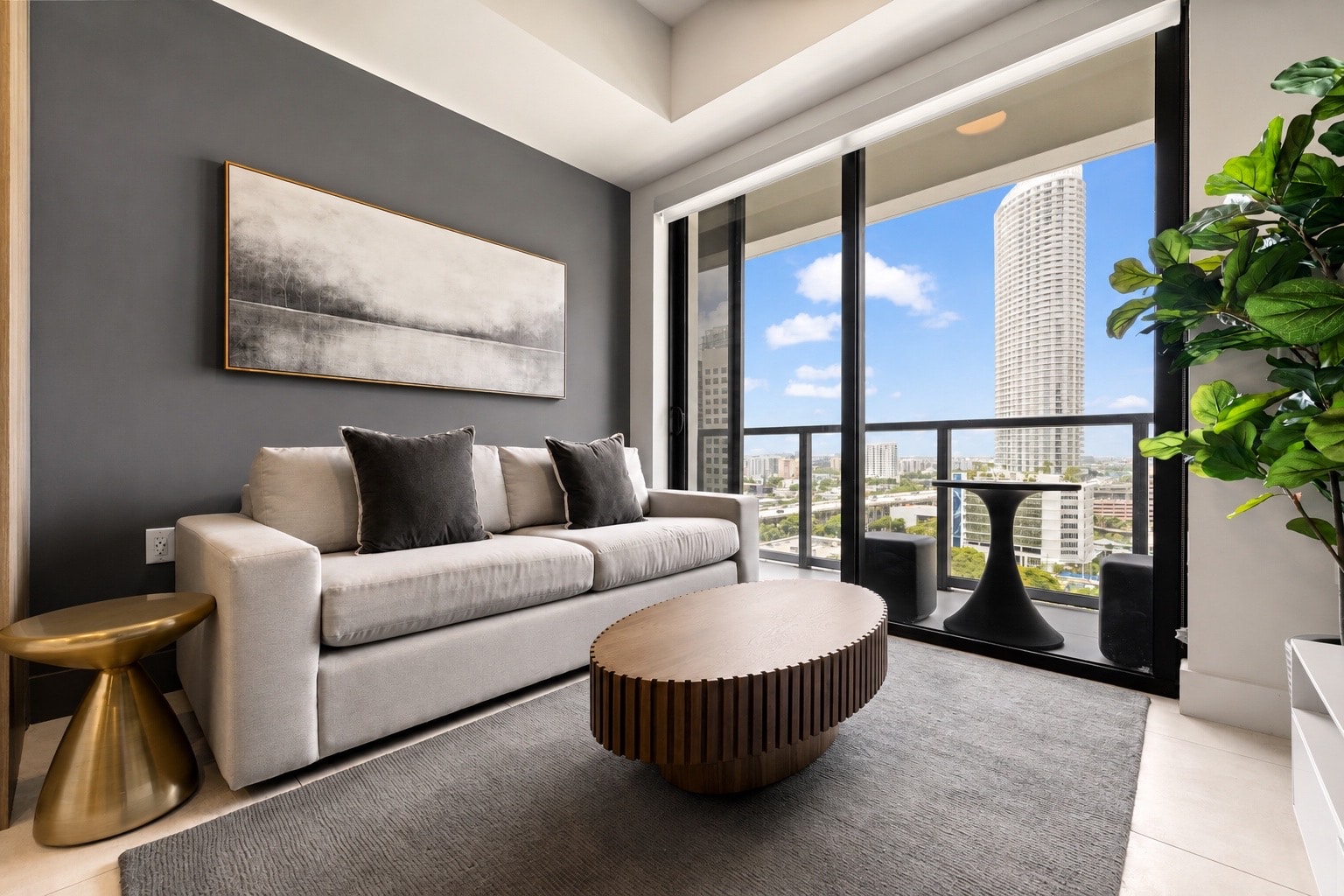
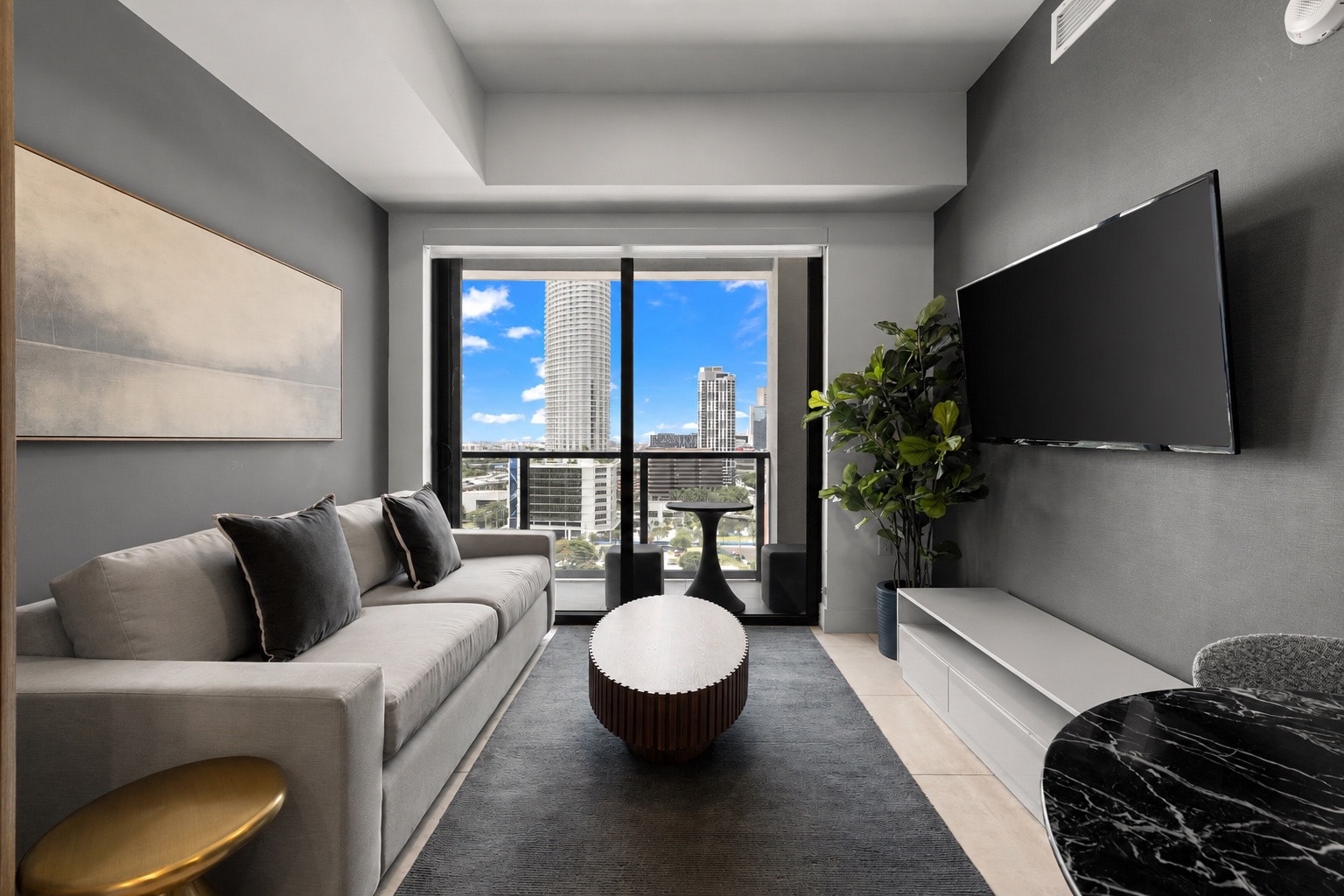
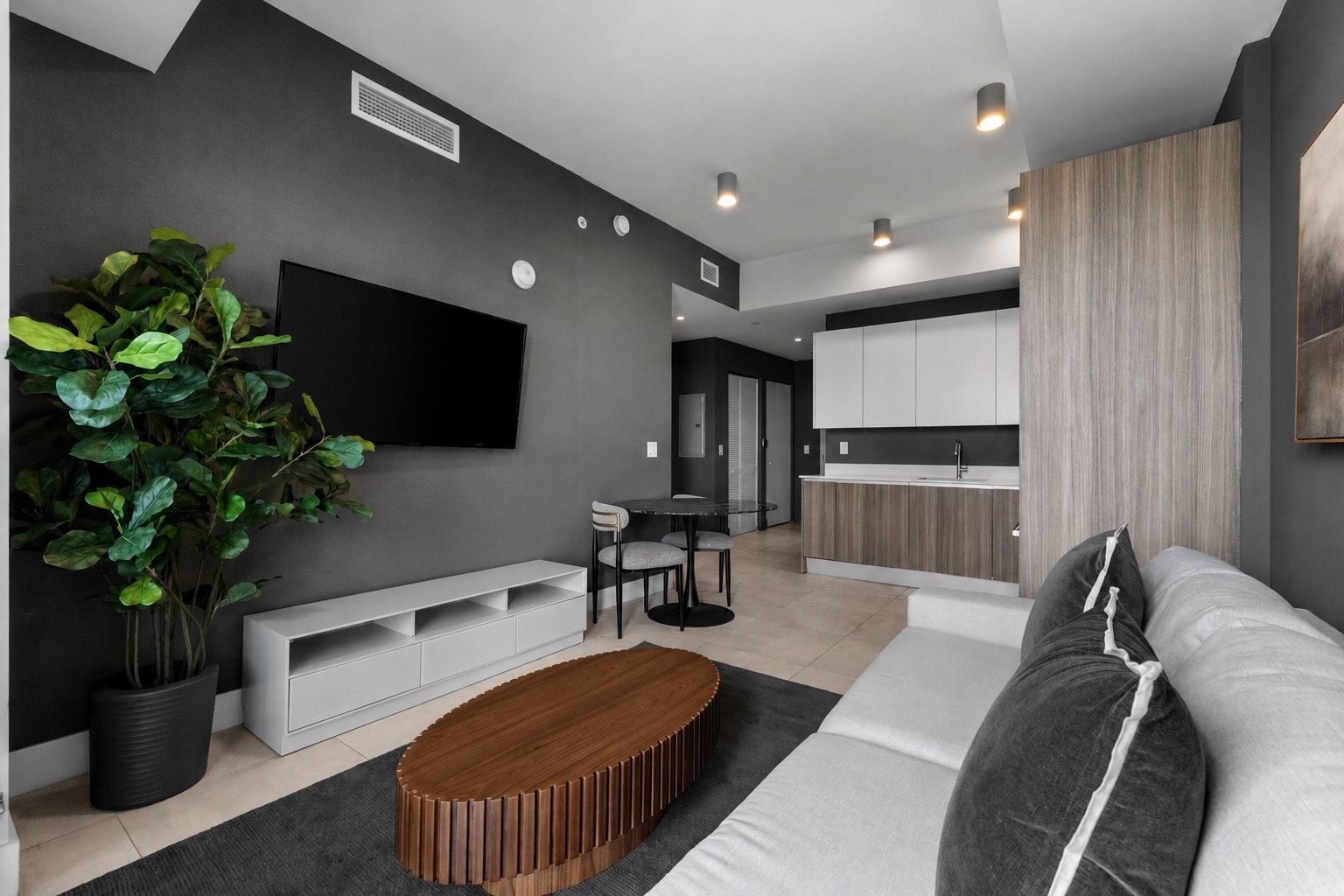
Miami, Florida, USA — 1-Bed Brickell Apartment With Rooftop Pool & Spa
$89,000
Telluride's most coveted addresses, accessible through co-ownership.
Fully managed ski homes, mountain houses and residences across the town of Telluride, Mountain Village and the mesas above the San Miguel valley. Your 1/8 share of the home comes with around six weeks of personal use, a professional management team on call, and the long-term equity of a canyon that has almost nowhere left to build.
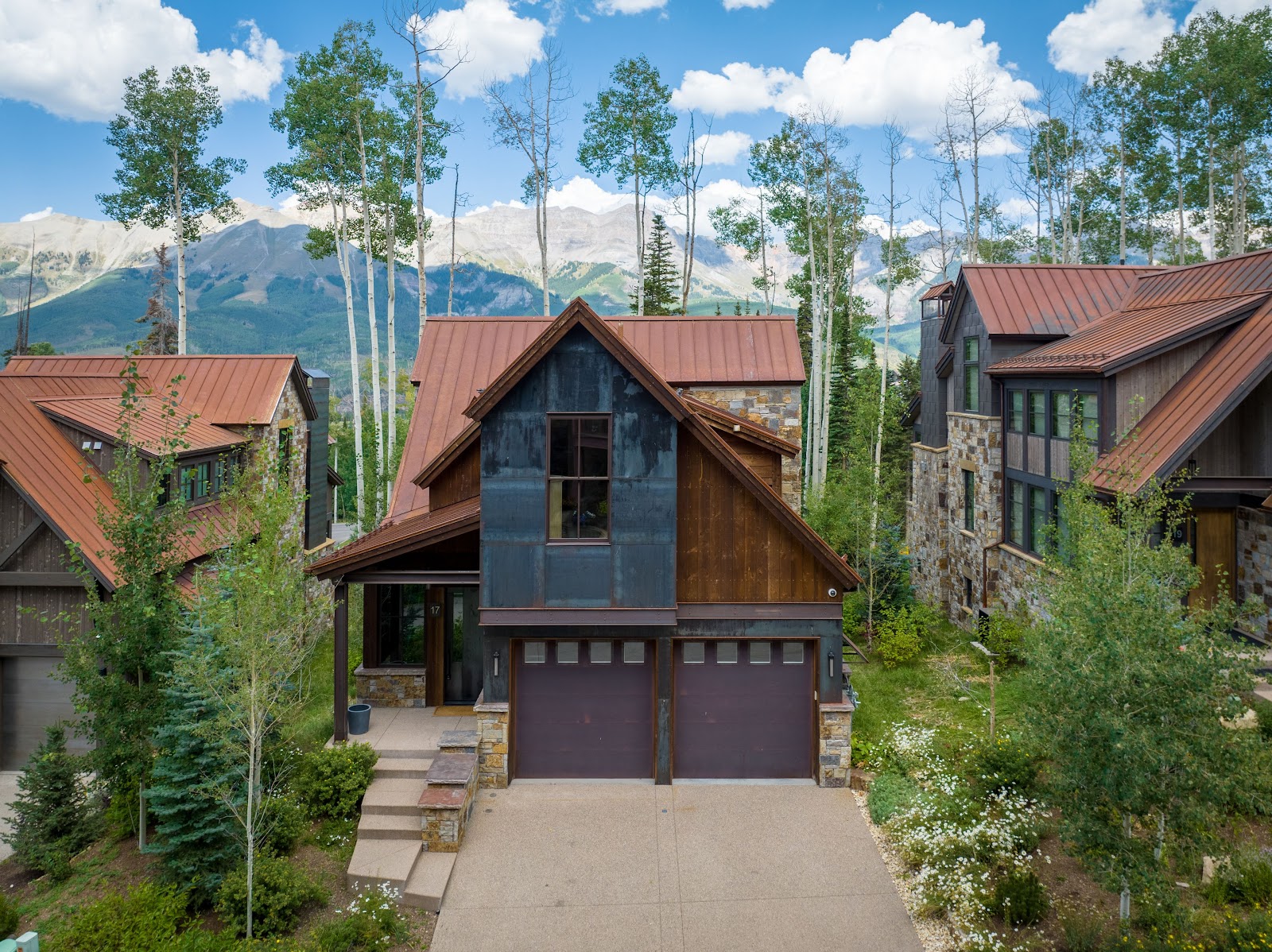
What is fractional ownership in Telluride?
Fractional ownership in Telluride means buying a real 1/8 share of a luxury mountain home, shared with up to seven other co-owners. Each owner receives personal use set by the partner that manages the home — a minimum of 44 or 45 nights a year with most of our partners, and no set cap with some others — through a fair-rotation calendar, with all property management, maintenance, taxes and operations handled by a professional team. You can sell it, pass it on to your heirs, and it grows in value with the home — it is not a timeshare, not a holiday club. The legal set-up is arranged by our partner for each home and walked through with you before you buy.
Why Telluride?
Every ski town in the Rockies has a mountain. Telluride has a setting that stops first-time visitors in the street. The town sits at 8,750 ft (2,667 m) on the floor of a box canyon in the San Juan Mountains of south-west Colorado, walled on three sides by peaks that rise more than 4,000 ft above the rooftops, with Bridal Veil Falls — at 365 ft (111 m) the tallest free-falling waterfall in Colorado — pouring off the cliff at the head of the valley. The main street, Colorado Avenue, is a dozen blocks of brick and painted clapboard from the 1880s and 1890s, and it ends, in every direction, in mountains. There is one road in. That single fact explains most of what makes fractional ownership in Telluride so appealing: this is a place that cannot sprawl, that nobody passes through by accident, and that people who find it tend to come back to for the rest of their lives.
The case for owning here starts with supply. The whole of the old town is a National Historic Landmark District, and every new building and every alteration to an old one passes in front of the town's historic review commission, which is why Telluride still looks like a Victorian mining town and not like a resort. The canyon walls set the limits to the north, south and east. To the west, where a town would normally grow, lies the Valley Floor: 570 acres of river meadow that the people of Telluride bought in 2008 and placed under permanent protection, so the approach to town is, and will stay, open pasture with an elk herd on it. Above the canyon, Mountain Village was planned from its first day in 1987 with a fixed ceiling on how much could ever be built. Around all of it is the Uncompahgre National Forest. A buyer in Telluride is buying into one of the most tightly bounded second-home markets in North America, and the boundaries are made of rock, law and public land.
The second argument is the mountain. Telluride Ski Resort covers more than 2,000 skiable acres (around 800 hectares), with lifts that reach 12,570 ft (3,831 m) and hike-to terrain on Palmyra Peak that tops out at 13,320 ft (4,060 m). The official tourism board counts more than 300 inches (7.6 m) of snow in an average winter and around 300 days of sunshine a year, a pairing that Colorado skiers call bluebird powder and that Alpine skiers find hard to believe until they see it. The terrain is split almost evenly: 41% advanced and expert, the rest intermediate and beginner, and many of the gentlest runs start high on the mountain, where the views are, not hidden at the bottom. The Plunge drops 3,140 vertical feet (957 m) straight into town; See Forever runs for more than three miles (4.8 km) along a ridge from which you can see the La Sal Mountains in Utah. And because Telluride is six hours by road from Denver, the weekend crowds that fill the resorts along Interstate 70 never arrive. Lift queues are short even in the holiday weeks. On an ordinary Tuesday in January you can ski onto a chair without stopping.
The third is the way the two towns are joined. Telluride and Mountain Village are separated by a 10,500 ft ridge and connected by a free public gondola that has run since December 1996 — the first and only free public transport system of its kind in the United States. It takes about 12 minutes, runs from 6:30 in the morning until midnight, carries skis in winter and bikes in summer, and has cabins for dogs. In practice it means an owner in Mountain Village can ski home for lunch and still have dinner on Colorado Avenue, and an owner in town can be at the golf course or the ski school in a quarter of an hour, and nobody in either place needs to drive. It is the detail that visitors mention first when they get home, and it is why a Telluride home works so well for a house full of people who all want to do different things.
The fourth is summer, which many owners end up preferring to winter. Telluride calls itself the festival capital of Colorado, and from the last weekend of May to the middle of October there is something on in Town Park nearly every week: Mountainfilm over Memorial Day, the Telluride Bluegrass Festival at the summer solstice, the Telluride Jazz Festival in August, the Telluride Film Festival over Labor Day weekend, and Blues & Brews in September. Between them are warm, dry days at around 25°C (77°F), cool nights that make air conditioning unnecessary, wildflower meadows above the tree line, trout in the San Miguel River and a golf course at more than 9,000 ft where the ball flies noticeably further than it does at home. A share in a Telluride home is a ski property and a summer house in one address.
The last is harder to measure and matters most. Telluride has kept the character of a real town. Mining was its only industry until 1972, the year the first ski lift turned, and the people who stayed on built a community before they built a resort. There are no chain restaurants on Colorado Avenue and not a single traffic light in town. The free box on the corner of Pine Street, where residents leave what they no longer need, has been there for decades. Film directors and Texan oilmen stand in the same queue for coffee as lift mechanics, and nobody looks twice. Butch Cassidy robbed his first bank here, on the main street, in June 1889, and rode out of the canyon with more than $24,000; a plaque marks the spot. For buyers who have seen the larger Colorado resorts and wanted something with more soul and fewer people, Telluride is usually where the search ends. The wider Colorado collection shows what else the state has to offer.
From gold camp to ski town
The story is worth knowing, because you walk through it every day. The Ute people spent their summers in this valley for centuries before prospectors found gold in the cliffs above it in 1875. A camp called Columbia was laid out on the valley floor in 1878 and renamed Telluride in 1887, after the tellurium ores that miners hoped to find; the old joke is that the name really comes from the conductor's shout on the train up the canyon — "To hell you ride!" The railway arrived in 1891, and in the same year something happened here that changed the world. At Ames, a few miles down the valley, a local mine manager named L.L. Nunn and the industrialist George Westinghouse switched on the first plant ever to send alternating current over a long distance for industrial use — four years before the great power station at Niagara Falls. Telluride's streets were among the first anywhere to be lit by it. By 1900 some 5,000 people lived in the canyon, with banks, grand hotels and more millionaires per head, it was said, than New York.
The mines slowly wound down, and by the 1960s Telluride was a quiet town of a few hundred people living among some of the best-preserved Victorian streets in the West. Then a Californian entrepreneur named Joseph Zoline looked up at the mountain and saw ski runs. He bought the land in 1969; the first lift turned in 1972. The young people who arrived to ski stayed to run the town, and in a single year, 1974, they founded both the Film Festival and the Bluegrass Festival. The airport opened in 1985, Mountain Village followed in 1987, the gondola joined the two towns in 1996, and the high bowls opened in 2003 and 2008. What makes Telluride unusual among ski resorts is the order in which all this happened: the town came first, by almost a century, and the skiing was added to it. You feel that in every street.
Where to own in Telluride
Telluride is small enough to learn in a weekend, and the choice of where to own comes down to four settings, each with a clear character. The town of Telluride is the historic canyon floor: Victorian streets, the restaurants, the festivals, the gondola station at the end of Oak Street. Mountain Village is the purpose-built alpine town on the other side of the ridge: ski-in, ski-out homes, the golf course, the widest views. The mesas and ski ranches above the valley are where the land opens out into aspen forest and hay meadow, with the biggest skies and the most privacy. And down valley, from Lawson Hill to Ophir and on to Ridgway, are the quieter corners that long-time locals choose for themselves.
The town of Telluride
The town of Telluride was founded in 1878 as Columbia and renamed nine years later, and the street plan has barely changed since. Colorado Avenue, which everyone calls Main Street, runs east to west along the valley floor for about a dozen blocks, lined with the brick commercial buildings of the silver and gold years: the New Sheridan Hotel of 1895, the courthouse, the old bank fronts. North of Main is the sunny side, where painted Victorian houses climb the lower slope and catch the winter sun from mid-morning until it drops behind the ridge. South of Main the streets run flat to the San Miguel River and the base of the ski mountain, where two lifts and the gondola rise directly from the edge of town. At the east end is Town Park, with the festival stage, the swimming pool and the winter ice rink. The whole of it is walkable in twenty minutes, and a free town bus, the Galloping Goose, loops around it all day for anyone who would prefer not to.
What you get for choosing town is life on the doorstep. Morning coffee and the newspaper are a short walk away, and so is dinner: 221 South Oak in its old house by the gondola, La Marmotte in the former ice house, the Chop House at the New Sheridan with its long Victorian bar next door. The Sheridan Opera House, built in 1913 and seating a little over two hundred people, puts on concerts, comedy and film all year, and during the Film Festival it becomes one of the most sought-after screening rooms in American cinema. The Telluride Historical Museum, in the old miners' hospital at the top of Fir Street, tells the story of the mines and of the Ute people who summered in this valley long before them, and the town's own historic walking tour covers the rest in an hour. Children can walk to the park, the library and the ski school on their own, which for many families is the entire argument.
Homes in town are, for the most part, restored Victorians, newer houses built to the historic district's exacting rules, and a small number of apartments and townhouses near the gondola and the river. Gardens are small and garages are rare, because the plots were laid out for miners in the 1880s. Nobody minds. Best for: owners who want to walk everywhere and be part of the town; festival-goers, for whom a house within earshot of Town Park is the best seat there is; families with older children who value independence; and anyone who wants a home that is as good in July and September as it is in February.
Mountain Village
Mountain Village sits at 9,545 ft (2,909 m) on a broad bench of aspen and spruce on the far side of the ridge from Telluride, facing west and south across some of the finest mountain scenery in the lower forty-eight states: the Wilson range, with three summits above 14,000 ft, fills the horizon, and the sunsets are long. It was laid out in 1987 as a European-style alpine village, with a pedestrian core of stone plazas, hotels, shops and restaurants at the base of the lifts, and became a town in its own right in 1995. This is the heart of the ski resort. Most of the lifts start here, the ski school and children's centre are here, and so is the largest stock of true ski-in, ski-out homes, where you put your skis on at the back door and glide down to a chair.
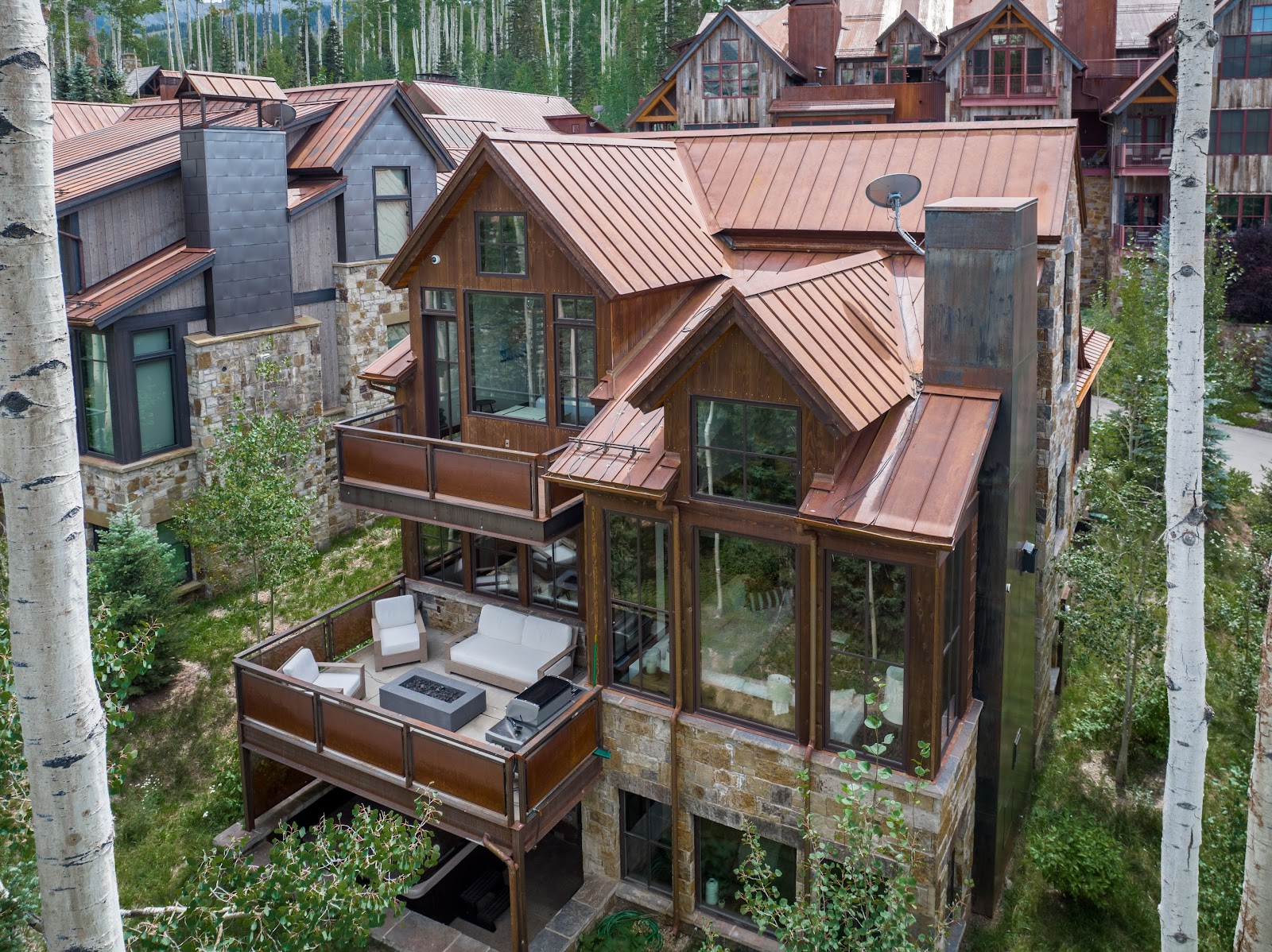
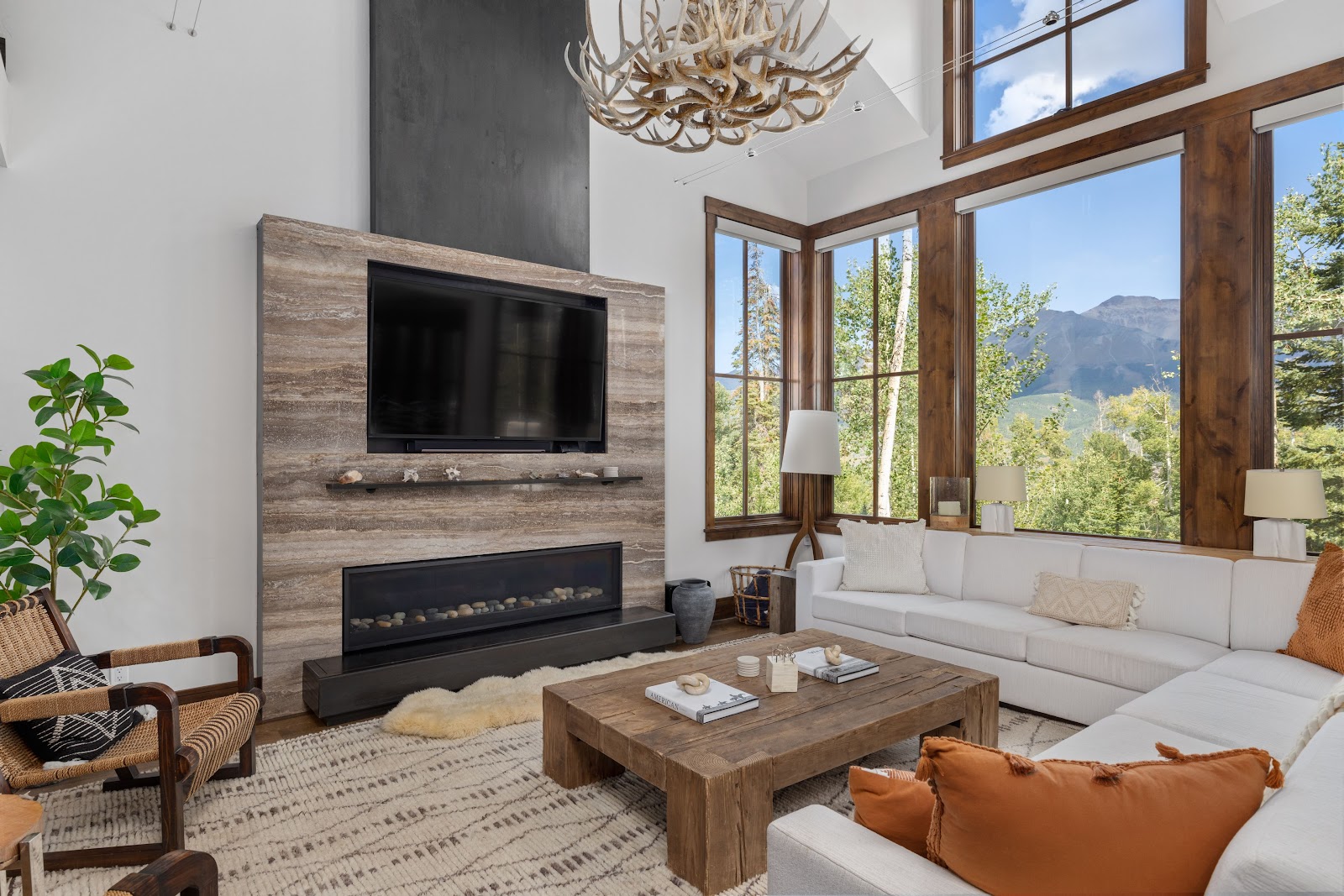
The architecture is mountain-modern at its best: heavy timber, dry-stacked stone, copper and rusted-steel roofs, and walls of glass turned towards the peaks. Houses sit among the aspens on generous plots, and the building rules keep roof heights low and the forest intact, so that even the largest homes disappear into the trees. In summer the fairways of the Telluride Golf Club wind between them at more than 9,000 ft; the lift-served bike park opens on the ski runs; and the plazas of the village core host free sunset concerts and a weekly market. In winter, the same plazas have an ice rink and fire pits, and the restaurants on the mountain itself are a short ski away: Allred's, at the San Sophia gondola station at 10,540 ft (3,213 m), looks straight down onto the lights of Telluride; Bon Vivant serves French country cooking on an open deck; and Alpino Vino, in a stone hut just below 12,000 ft, is the highest fine-dining restaurant in North America.
Mountain Village is quieter after dark than Telluride, and that is its appeal. When you want the town, the gondola takes you there in 12 minutes, free, until midnight, and a second short gondola links the village core to the market and the car park so that the whole place works without a car. Best for: skiing families and groups who want to be on the snow within minutes of breakfast; owners who put views, space and a hot tub under the stars ahead of nightlife; golfers and mountain bikers in summer; and multi-generational households, because there is a level, sunny, easy way for everyone to get around.
The mesas and ski ranches
Above the valley, the land flattens into a series of high tablelands — Wilson Mesa, Sunshine Mesa, Hastings Mesa, Deep Creek Mesa — and it is here that Telluride looks most like the American West of the imagination. Hay meadows run to the foot of the peaks, split-rail fences follow the dirt roads, and old log barns lean in the fields. Quentin Tarantino filmed The Hateful Eight on a ranch on Wilson Mesa; a generation earlier, John Wayne made True Grit in the same mountains, around Ridgway and Ouray. Closer in, the wooded neighbourhoods of the Ski Ranches and Aldasoro Ranch give a taste of the same space and quiet within ten minutes of the lifts, and a handful of large private ranches have been divided, carefully, into estates of 35 acres and more.
A home up here is about land and sky. You wake to elk in the meadow and the whole Wilson range turning pink. In summer you ride or walk straight from the door into the national forest; in autumn the mesas are the best place in Colorado to watch the aspens turn, and the unpaved Last Dollar Road across Hastings Mesa is one of the great drives of the Rockies. In winter there are snowshoe and cross-country tracks, sleigh rides to dinner by lantern at Aldasoro, and at night a sky dark enough to show the Milky Way from horizon to horizon. The lifts and the restaurants of both towns are a short drive away, and the airport is closer to the mesas than to anywhere else. Best for: owners who want privacy, room for horses and dogs, and a sense of the frontier; riders, walkers and photographers; and those who come as much for July and October as for the ski season.
Down valley: Lawson Hill, Ophir, Placerville and Ridgway
West of town the San Miguel River drops through a red-rock canyon, and the road follows it past a string of small settlements that most visitors never notice. Lawson Hill, five minutes from Telluride at the junction with the mountain road, is where many local families live. Ophir, a short drive south, is a cluster of houses in a high side-valley beneath Ophir Pass, as close to the old mining camps as anything left in Colorado. Placerville and Sawpit sit lower and warmer on the river, among cottonwoods and some of the best fly-fishing water in the county. And forty-five minutes north, over the Dallas Divide with its famous view of the Sneffels range, is Ridgway — a ranching town with a state park and a reservoir — and beyond it Ouray, the self-styled Switzerland of America, with its hot springs pool and its winter ice park.
These are places for owners who already know the area and want more of its everyday life: a house by the river, a porch, a longer view of the calendar than a ski week. The drive up to the lifts takes from five minutes to three-quarters of an hour depending on how far down you go, and the reward is a slower, greener, more private kind of mountain living. Best for: fishermen, riders and walkers; owners who plan to spend long stretches of summer here; and those who want to explore the whole San Juan range — Ouray, Silverton, the high passes — and not only the ski mountain. Most buyers looking at fractional ownership in Telluride for the first time will be choosing between town and Mountain Village, and our team is glad to talk through which suits the way you would use the home.
A year in your Telluride co-ownership home
Telluride has two high seasons and two quiet ones, and the pleasure of owning here is that all four are worth having. Winter is the ski season, from early December to the first days of April. Summer is the festival season, from the end of May to September. Autumn is short, golden and, for many owners, the best time of the whole year. Spring begins with the finest skiing of the winter and ends with the canyon almost to yourself. The fair-rotation calendar gives every co-owner a fair share of peak and quieter weeks over a cycle of years, and a 1/8 share comfortably covers a ski week or two, a summer stay and an autumn visit in the same year.
Winter (December–February)
The lifts open in early December and the mountain fills in quickly: storms come in from the south-west, cross the desert, hit the San Juans and drop dry, light snow, and the sun is out again the next morning. Days in town reach around 2°C (36°F) in January and feel warmer than that in the high-altitude sun; nights are properly cold, often −15°C (5°F) or below, which is what keeps the snow so good. A typical day starts on the groomed runs above Mountain Village, moves up to Revelation Bowl — an open, above-the-tree-line bowl that feels like the Alps — and ends, for strong skiers, on the long steep bumps of the Plunge or Spiral Stairs down the front face into town. Those who like to earn their turns can hike the ridge to the Gold Hill Chutes or to Palmyra Peak. Beginners have their own wide, quiet terrain around the Sunshine Express, and the Galloping Goose, at 4.6 miles (7.4 km), is an easy run that seems to go on for ever.
Christmas and New Year are the heart of the season. On Christmas Eve and again on New Year's Eve, skiers carry flares down the front of the mountain in a torchlight parade, and the New Year arrives with fireworks against the canyon walls. Colorado Avenue is strung with lights, the ice rinks in Town Park and in the Mountain Village plaza are open, and the restaurants are full of families who have been coming for twenty years. There is far more to winter than downhill skiing. The Telluride Nordic Association grooms cross-country tracks across the Valley Floor, around Town Park, on the golf course in Mountain Village and at Trout Lake. There are snowshoe trails up Bear Creek, fat-tyre bikes, dog-sled rides, horse-drawn sleighs to dinner, heli-skiing in the surrounding peaks and, an hour away in Ouray, one of the world's great ice-climbing parks. Presidents' Day weekend in February brings the Telluride Comedy Festival to the Sheridan Opera House, and Telluride Gay Ski Week follows at the end of the month. For an owner, a winter stay is as full or as lazy as you choose to make it, and the house, the hot tub and the fire are ready when you come in.
Spring (March–May)
March is the month that regulars keep for themselves. The snowpack is at its deepest, the storms keep coming, the days are long and the sun has real warmth in it, with afternoons in town at 7–10°C (mid-40s to 50°F). You ski in a light jacket, have lunch outside at Gorrono Ranch or on the deck at Bon Vivant with the whole Wilson range in front of you, and stay out until the lifts close. Spring-break weeks are lively without ever feeling crowded, because the mountain is so much bigger than the town that feeds it. The season ends in the first days of April with a closing-day party and a pond-skim on the snow.
Then the canyon goes quiet. From early April to late May the gondola pauses for its spring service, some restaurants close while their owners go to the beach, and Telluride belongs to the people who live there. Owners who come in these weeks find a different and very appealing town: empty trails on the sunny side of the valley, the river running high and loud with snowmelt, the first green on the aspens, deer in the streets at dusk. It is also the ideal base for the desert, which is at its best in exactly these weeks. Mesa Verde National Park, with its cliff dwellings, is around two hours to the south; the Black Canyon of the Gunnison is about two hours to the north; and the red-rock country of Moab, with Arches and Canyonlands, is about two and a half hours to the west. By the time the gondola starts again, around the third week of May, the passes are opening, the golf course is being cut, and Mountainfilm — a long weekend of documentary film, adventure and ideas that has run every Memorial Day since 1979 — brings the town back to life.
Summer (June–August)
A Telluride summer is one of the great secrets of the American West. While Texas, Arizona and the Gulf coast sit under heavy heat, the canyon has dry, bright days at around 22–25°C (low to high 70s°F) and nights that fall to 5–8°C (low to mid-40s°F), cool enough for a jumper and a fire. Mornings are almost always clear. In July and August a short thunderstorm often rolls through in the afternoon, washes the air, and leaves a double rainbow over the east end of the valley in time for dinner.
The calendar hardly pauses. The Telluride Balloon Festival fills the sky above Town Park in the first days of June. Telluride Food + Vine follows, then the Telluride Bluegrass Festival, now past its fiftieth year, which turns the solstice weekend into four days of music in what must be the most beautiful concert venue in the country. The Telluride Yoga Festival and the Plein Air painters come at the end of June. The Fourth of July is small-town America at its best: a parade down Colorado Avenue, a barbecue put on by the volunteer fire department, and fireworks that echo off the canyon walls. The Telluride Jazz Festival, running since 1977, has the park in mid-August. All of them are listed on the official festival calendar, and an owner who knows the dates can plan a stay around a favourite or deliberately between them.
Outside the festivals, summer is for being outdoors. The walk to Bear Creek Falls starts at the end of Pine Street and takes a morning. The Jud Wiebe Trail climbs the sunny side for the classic view down onto the town. The road past Town Park leads to the foot of Bridal Veil Falls, with the old power station perched on the lip of the cliff above it. Higher up, the basins fill with columbine, paintbrush and lupin from early July, and the trails to Hope Lake and the Blue Lakes are among the finest day walks in Colorado. There is a via ferrata across the cliffs at the head of the canyon for those with a guide and a head for heights, lift-served mountain biking in Mountain Village, fly-fishing for trout on the San Miguel under Colorado Parks and Wildlife rules, paddleboarding on Trout Lake, and four-wheel-drive tours over Imogene Pass, at 13,114 ft (3,997 m), to Ouray. The gondola runs until midnight all summer, and riding it up at sunset for a drink at the top, with the town lights coming on 1,750 ft below, never becomes ordinary.
Autumn (September–November)
Ask people who live in Telluride for their favourite month and most will say September. The summer visitors have gone, the afternoons are still warm at around 18–20°C (mid to high 60s°F), the sky is a deeper blue, and somewhere in the last ten days of the month the aspens turn. The San Juans have some of the largest aspen forests in the Rockies, and for two or three weeks whole mountainsides go from green to gold to a deep orange, with fresh snow on the peaks above them. The drives are famous: Last Dollar Road across the mesas, the Dallas Divide on the way to Ridgway, and the road south over Lizard Head Pass past Trout Lake. The last two are stretches of the San Juan Skyway, a 236-mile loop through Ouray, Silverton and Durango that includes the Million Dollar Highway and is regularly named among the most scenic drives in the United States.
The season opens with the Telluride Film Festival over Labor Day weekend. Founded in 1974, it is one of the most admired film festivals in the world and one of the least showy: the programme is kept secret until the day before, there are no red carpets, and directors and actors walk between the screens with everyone else. Slumdog Millionaire, The King's Speech, 12 Years a Slave and Moonlight were all shown here before they went on to win the Oscar for Best Picture. Two weeks later Telluride Blues & Brews closes the music season in Town Park, and the Autumn Classic car show and the Telluride Horror Show follow. On the Valley Floor, the elk gather for the rut and the bulls can be heard calling from the edge of town at dusk.
From late October the gondola rests again and the canyon settles into its quietest weeks. November brings the first proper snowfalls, days around 5°C (low 40s°F), and a town getting ready for winter: skis being waxed, wood being stacked, the lifts turning empty on test runs. Owners who like to read by a fire, walk a dog on an empty trail and have their pick of the restaurant tables find it a lovely time to be here. By early December the lifts are turning and the year begins again.
A perfect winter week
Saturday. You land at Montrose after lunch, and the drive over the Dallas Divide, with the Sneffels range white against the sky, is the first sign of what is coming. The house is warm and the lights are on. You take the gondola down into Telluride for dinner at the New Sheridan and ride back up at ten with the whole canyon lit below you. Sunday is for finding your legs: long, easy groomed runs along See Forever in the sun, lunch on the deck at Bon Vivant, and the hot tub by four. On Monday you take a guide for the morning and ski Revelation Bowl while the snow is still untracked, then stop at Alpino Vino for a glass of wine and a plate of pasta at nearly 12,000 ft.
Tuesday is a day off skis. You cross-country ski or snowshoe across the Valley Floor with the elk watching from the willows, spend an hour in the Historical Museum, browse the bookshop and the galleries on Colorado Avenue, and see whoever is playing at the Sheridan Opera House that night. Wednesday it snows, which is what you came for, and the day goes by in the trees. On Thursday you drive to Ouray, watch the climbers in the ice park, soak in the hot springs with the cliffs steaming around you, and come home over the divide at sunset. Friday is for last runs — the Plunge, for those who want to say they have done it — and a horse-drawn sleigh ride to dinner by lantern. On Saturday you close the door behind you. Everything else is taken care of.
A perfect summer week
In summer the same week has a different rhythm. You walk to Bear Creek Falls on the first morning to get used to the height, and have lunch on a terrace on Main Street. You play the golf course in Mountain Village one day and fish the San Miguel with a guide the next. You take a four-wheel-drive over Imogene Pass to Ouray, past the ruins of the Tomboy mine, and come back by the paved road in time for the free concert in the village plaza. You picnic by the Alta Lakes, beside a ghost town at 11,000 ft, and swim if you are brave. You give one day to the high country — Hope Lake, or the Blue Lakes under Mount Sneffels, when the wildflowers are out — and one evening to whatever festival is in Town Park, listening from a blanket on the grass as the light goes off the peaks. And you ride the gondola every day, simply because you can.
Who buys in Telluride, and why
Telluride draws its owners from further away than most Colorado resorts, because it rewards the effort of getting here. Texas has always sent a great many — Dallas, Houston and Austin all have direct winter flights into Montrose — along with California, Arizona, the New York area, Chicago and Atlanta. Buyers from Phoenix and Scottsdale come at least as much for the cool summers as for the snow. Colorado's own Front Range, six hours away by road, sends owners who have tired of the weekend traffic to the nearer resorts and want somewhere that feels like a real escape. There is also a loyal international following, British and Australian skiers above all, who know the Alps well and come to Telluride for the things the Alps find hard to offer together: dry powder, reliable sunshine, empty runs and a town with a history. Many of them first came for a festival and returned to ski, or the other way round.
Fractional ownership in Telluride typically suits:
- Skiing families who want one mountain to grow up on — parents who value a ski school with room to breathe, runs for every level that meet at the same lunch table, and a town safe enough for teenagers to explore alone. A real share of a home means the same bedrooms, the same boot room and the same neighbours every winter, without carrying a whole house for the other ten months.
- Strong skiers who are tired of queues — experts who have skied the big-name resorts and want steep, serious terrain without the crowds. The hike-to lines on Palmyra Peak and Gold Hill, and the long bump runs down the front face, are a lifetime's project.
- Summer owners escaping the heat — buyers from Texas, Arizona, Florida and the Gulf states for whom July and August at 25°C (77°F), with cool nights and no humidity, are the main reason to own. For them the ski weeks are a bonus.
- Festival people — film lovers, bluegrass and jazz followers, and the Mountainfilm crowd, who come for the same long weekend every year and would rather stay in their own home than search for a room in a town of 2,600 people that triples in size for the occasion.
- Walkers, riders, fishermen and photographers — owners for whom the San Juans themselves are the attraction, in every season, and who use September and June as much as February.
- International buyers who want an American mountain home — British, European and Australian owners who value English-speaking professional services, simple entry on an ESTA for stays of up to 90 days, and a place that pairs naturally with a summer home by the sea in Europe.
- Portfolio builders — owners who already hold a share on the coast, in Florida, California or the Mediterranean, and want the mountains as the second half of their year.
What these buyers share is a clear view of how a mountain home is really used. Most owners of whole houses in Telluride are here for a few weeks of winter and a few of summer; for the rest of the year the house stands empty at 9,000 ft, with a roof to be cleared of snow, a boiler to be watched, a hot tub to be kept running and a caretaker to be paid. A 1/8 share matches what you own to the time you will be there. You have the house for around six weeks a year, which is more than most second-home owners manage, and it is cleaned, stocked, serviced and ready each time you walk in.
Telluride, Aspen or Vail?
Most buyers looking at Colorado weigh these three, and they are different enough that the choice is usually easy once you have seen them. Vail is the giant: more than 5,000 acres of skiing, the famous Back Bowls, a purpose-built village in the Tyrolean style, and a drive of about two hours from Denver, which makes it the natural choice for owners who want to come often and at short notice. Aspen is the most worldly: four separate mountains, a Victorian town with serious restaurants, galleries and shopping, a summer of music and ideas, and an airport ten minutes from the centre. Telluride is the smallest and the furthest away, and that is exactly its attraction. The scenery is the most dramatic of the three, the lifts are the quietest, the town is the least changed, and the journey filters out everyone who is not really sure they want to be here. Owners who choose Telluride tend to say the same thing: they wanted the place that still feels like a discovery. Our guides to Aspen and Vail cover the other two in the same detail.
It also changes what you can buy. The homes that make Telluride special — a ski-in, ski-out house in Mountain Village with five-star finishes, a restored Victorian a block from Main Street — sit at the very top of the Colorado market when bought whole. Bought as a share, the same house, with the same view, the same hot tub and the same walk to the lift, comes within reach of buyers who would otherwise be looking at something much smaller and further from the snow. Our team knows both towns well and is glad to help you decide which fits your family. Browse the listings at the top of this page to see what is available now; homes here come up only occasionally, so it is worth joining the updates list to hear of new ones first. The wider collection of US ski homes shows what is on offer across the Rockies in the meantime.
Practicalities: getting there and what you own
Getting there — airports, flight times and ground access
Telluride is served by two airports, and between them the journey is far easier than the map suggests. Telluride Regional Airport (TEX) sits on the mesa just above the valley at 9,070 ft (2,765 m), one of the highest commercial airports in North America, and is only 10 minutes from the centre of both Telluride and Mountain Village. It has year-round flights from Denver, operated by Denver Air Connection and sold with United, so a passenger arriving at Denver International Airport (DEN) from almost anywhere in the world can connect straight through. It is also the private-aviation airport for the area.
Montrose Regional Airport (MTJ) is the main gateway. It lies 65 miles (105 km) north of Telluride, a scenic drive of about 1 hour 15 minutes over the Dallas Divide, and in winter it has 14 nonstop routes from 12 major hubs: Atlanta, Austin, Chicago, Dallas, Denver, Houston, Los Angeles, Nashville, New York, Phoenix and San Francisco among them, flown by American, United, Delta, Southwest and Breeze. In summer there are direct flights from six hubs. The official travel page keeps the current schedule. Shuttles and private cars meet every flight and should be booked ahead; the management team for your home can arrange this as part of preparing for your stay.
From the United Kingdom and Europe, the simplest route is a nonstop flight from London to Denver, around ten hours, and a one-hour connection to Montrose or Telluride; Dallas, Houston and Chicago work equally well as connecting points. An owner leaving London in the morning can be in the hot tub that same evening. By road, Telluride is about six hours from Denver (331 miles, 533 km), around two and a half hours from Grand Junction and a little over two hours from Durango, and every one of those drives is worth making once for the scenery alone.
Getting around — a town that works without a car
Once you have arrived, you can leave the car where it is. The free gondola links Telluride and Mountain Village in about 12 minutes from 6:30 in the morning until midnight, in both the winter and summer seasons. Within Telluride, the free Galloping Goose bus loops the town, and regional buses run by SMART, the local transit authority, connect Lawson Hill, Mountain Village and the down-valley communities. Both towns are compact and flat enough to walk. Many owners arrive by shuttle, never drive during their stay, and count that as one of the pleasures of the place.
Living at altitude
Telluride is high — the town at 8,750 ft (2,667 m), Mountain Village at 9,545 ft (2,909 m) — and that height is the source of the dry snow, the cool summers and the clarity of the light. Most visitors notice it for a day or so. The local advice is simple and works: take the first day gently, drink plenty of water, go easy on alcohol for the first evening, and wear sun cream and good sunglasses all year, because the sun is strong. By the second morning almost everyone is ready for the mountain.
Whole home or a share — the comparison that matters
The case for a fractional structure in Telluride is clearest when set beside the two alternatives. Buying a whole ski-in, ski-out house in Mountain Village, or a restored Victorian in town, commits a buyer to the full value of one of the most expensive property markets in the Rockies, and to running a mountain house at 9,000 ft from a distance, whether they use it for three weeks a year or ten. Renting gives access without ownership, at holiday rates, and with no certainty of getting the same house twice. A 1/8 share gives you a real share of the home you actually want, the time you will really use, and none of the work.
| Whole second home | COP 1/8 fractional share | Long-term rental | |
|---|---|---|---|
| Upfront commitment | Full property value | ~1/8 of the property value | First/last/deposit only |
| Equity in the asset | Full appreciation | ~1/8 of appreciation | None |
| Personal use | Up to 52 weeks (most use 5–8) | Around six weeks a year, fairly rotated | Defined by lease |
| Operations burden | Owner-managed or hired staff; snow clearing; winter checks | Fully included | Landlord-managed |
The line that most Telluride buyers find most telling is cost against actual use. A whole house in the mountains has to be heated, insured, cleared of snow, checked after every storm and looked after by someone local for all fifty-two weeks of the year, including the forty-five or so when its owner is somewhere else. A 1/8 share carries its proportion of all of that and no more, fully managed, so that what you pay follows what you use. Compared with renting an equivalent house for the same weeks each year, you build real equity in a market with almost no room to grow — and the share is yours to sell or to pass on.
Colorado taxes and the second-home owner
Colorado is an easy state in which to own a second home. Residential property is assessed for tax at a small fraction of its market value, which gives Colorado some of the lowest effective property-tax rates in the United States; the San Miguel County assessor publishes the current figures for Telluride and Mountain Village. Colorado's state income tax applies to income earned in Colorado, so an owner who simply uses their weeks has little contact with it. There is no state inheritance tax and no state estate tax. The Colorado Department of Revenue sets out the rules, and we recommend independent tax advice for your own circumstances, particularly if you live outside the United States.
What you actually own
You own a real share of the home — an eighth, a quarter — not a right to use it. You can sell it, pass it on to your heirs, and it grows in value with the home. What you hold is real ownership — not a timeshare use-right that depreciates to zero when the contract expires, not a points membership, not a fractional holiday club.
How fractional ownership works in Telluride
The mechanics of fractional ownership in Telluride are shaped by two things that work together: the legal set-up our partner arranges for each home, and Colorado's clear, well-tested property law. Together they make for a simple and permanent ownership experience, and every step is explained to you before you commit.
How co-ownership works for Telluride property
Each home is owned by a small group of up to eight co-owners, each holding a real share. Big decisions — selling the home, major works — are decided together by the co-owners, and the calendar and the management arrangement are set out in the home's agreements. Day to day there is nothing for you to decide: the house is run for you.
Property tax
Property tax on a Telluride or Mountain Village home is set each year by San Miguel County and the local districts, on an assessed value that is a small fraction of market value. For a co-owner it is one of the costs shared between the owners in proportion to their shares and handled by the management team, so there is no bill for you to remember and no county office to deal with. By the standards of New York, New Jersey, Illinois, Texas or California, Colorado's rates are low.
Inheritance in Colorado
You can pass your share on to your heirs, and Colorado does not levy a state inheritance tax or a state estate tax, which keeps the position simpler than in many other states. For families, this is often the point of owning and not renting: the house in the mountains where the children learned to ski becomes theirs, and then their children's.
The professional management model and how the calendar works
Once the purchase completes, a professional management company takes over all operational responsibility for the home. Your stays are booked through a fair-rotation calendar that mixes the weeks everyone wants — Christmas and New Year, Presidents' week, the March spring breaks, Bluegrass at the solstice, the Fourth of July, the Film Festival at Labor Day, the peak of the aspens — with quieter weeks across the year. Owners book months ahead, and the most sought-after weeks rotate from year to year so that no co-owner holds them all. Cleaning and linen, pre-arrival preparation, an on-call concierge, maintenance, utility bills, insurance and property-tax compliance, association dues where they apply, snow clearing, hot-tub servicing and heating checks through the winter all sit with the management team. You arrive; the house is warm, the drive is clear and the lights are on.
Resale: how to exit, typical timelines
When you decide to exit your Telluride share, a professional resale process is in place: you sell your share — not the whole house — at the price you set, typically after an initial twelve months of ownership. Hundreds of shares in homes like these have already been resold — in just over three months on average, and nearly three in four for more than the owner paid. Whole houses at the top of a small mountain market can take far longer to find their buyer. An open-market transfer to any qualifying buyer also remains available. The full mechanics of resale are covered in our co-ownership explained guide.
For Telluride availability, browse the listings in the property grid above, or join our list for new-property alerts as they come to market. Our team can walk you through the difference between the town of Telluride and Mountain Village — the ski access, the summer calendar, the flights and how each suits a family — and help you match the right home to the way you would really use it. If Telluride is one of several mountain towns on your list, the Colorado page sets it beside Aspen, Vail, Breckenridge and Steamboat Springs.
Your ownership at a glance
- Real ownership — you own a real 1/8 share of the home, not a right to use it: you can sell it, pass it on to your heirs, and it grows in value with the home. Not a timeshare, not a points membership.
- Fully managed throughout — the professional management team handles Colorado property taxes, insurance, association dues, snow clearing, scheduling, maintenance, linen and the on-call concierge. You arrive, the home is ready.
- Professional resale support — when you decide to exit, our partner's resale process lets you sell your share without having to sell the whole house.
Questions & Answers
Telluride Fractional Ownership — Frequently Asked Questions
Fractional ownership in Telluride gives you a real 1/8 share of a luxury mountain home in the town of Telluride or in Mountain Village, owned with a small group of up to seven others. The legal set-up is arranged by our partner for each home and walked through with you before you buy. You have the home for around six weeks a year, in winter and in summer, and it is fully managed, so it is ready each time you arrive. It is not a timeshare: you can sell your share, pass it on to your heirs, and it grows in value with the home.
The homes at the top of this page are the Telluride fractional ownership homes for sale today, with the price of a share shown on each one. The list is live: when a home in Telluride or Mountain Village is listed or its last share sells, this page changes within the hour. If nothing here suits you, join the updates list and we will tell you the day a new one arrives.
No. A timeshare sells you a week. Co-ownership sells you the house. With a timeshare you buy the right to use a resort for a week, or a bundle of points, shared with thousands of others. With fractional ownership you buy a real share of one specific home, owned with a small group of up to seven others. It moves with the value of the home, you can sell it at the price you set, and you can leave it to your children.
Yes, they are different names for the same idea. Fractional ownership, co-ownership, partial ownership and shared vacation-home ownership all mean owning a real share of a home with a small group of other owners. The share is usually 1/8, which gives around six weeks a year. Some buyers take two shares, a quarter share (1/4), for around twice the time.
A residence club usually sells a share or membership in a hotel-style building, with use shared among many members and booked through the club. Fractional ownership here is a real share of one private house: the same home every time, your own things in the cupboards, and no more than eight owners in all. You get the privacy of a house with the service of a managed property.
The price of a share is shown on each listing and is roughly an eighth of the price of the whole home. The running costs of the house are shared between the owners in the same proportion, so each owner pays their share and no more. Using COP is free for buyers: there are no buyer-side fees, and talking to us carries no obligation.
On many of our US homes, yes. Qualified buyers can finance up to 70% of the price of a share, with the rest paid as a deposit, or pay in cash. What is available for a particular home, and for buyers living outside the United States, is confirmed with you before you commit.
The town of Telluride is the historic canyon floor: Victorian streets, the restaurants, the festivals in Town Park, and everything within a walk. It suits owners who want to be part of the town all year. Mountain Village, on the other side of the ridge at 9,545 ft, is the heart of the ski resort: ski-in, ski-out homes, the golf course, the widest views and quieter evenings. It suits skiing families and anyone who wants to be on the snow within minutes of breakfast.
The two are joined by a free gondola that takes about 12 minutes and runs from 6:30 in the morning until midnight, so whichever you choose, the other is always close.
Yes. The largest choice of true ski-in, ski-out homes is in Mountain Village, where houses sit beside the runs and you can ski from the door to a lift. In the town of Telluride, homes near the gondola and the two town lifts are a short walk from the snow. Each listing says how the home reaches the mountain.
Most owners fly into Montrose Regional Airport (MTJ), 65 miles and about 1 hour 15 minutes away, which in winter has nonstop flights from hubs including Atlanta, Austin, Chicago, Dallas, Denver, Houston, Los Angeles, Nashville, New York, Phoenix and San Francisco. Telluride Regional Airport (TEX) is 10 minutes from both towns and has year-round flights from Denver. From London, a nonstop flight to Denver and a one-hour connection is the simplest route. Once you arrive you do not need a car: the gondola and the free town bus cover everything.
Telluride has two high seasons. Winter runs from early December to early April, with the deepest snow and the longest days in March. Summer runs from late May to September, with warm, dry days at around 25°C (77°F), cool nights and a festival nearly every week: Mountainfilm, Bluegrass, Jazz, the Film Festival and Blues & Brews. Many owners say the best weeks of all are in late September, when the aspens turn gold. A 1/8 share comfortably covers a ski stay, a summer stay and an autumn visit in the same year.
Yes. The weeks everyone wants — Christmas and New Year, Presidents' week, the March spring breaks, Bluegrass, the Fourth of July, the Film Festival — rotate between the owners from year to year, so every owner has their turn and nobody holds them all. You book months ahead, and you know your dates well in advance.
Your around six weeks are booked through a fair-rotation calendar that mixes the weeks everyone wants (Christmas and New Year, Presidents' week, the March spring breaks, the summer festivals, the aspens in late September) with quieter weeks across the year, so no single owner holds all the high-demand weeks. You book months ahead; the management team handles everything else.
Yes. More than half of the mountain is beginner and intermediate terrain, and many of the gentlest runs start high up, where the views are. The ski school is based in Mountain Village, lift queues are short even in the holiday weeks, and both towns are small, safe and walkable, so older children can get about on their own. Away from skiing there are ice rinks, sledging, sleigh rides and, in summer, easy walks, the bike park and the free gondola, which children never tire of.
Very much. Many owners come mainly for the summer: warm, dry days at around 25°C (77°F), cool nights, walking, fly-fishing, golf at over 9,000 ft and a festival nearly every week from late May to September. In winter there are cross-country trails, snowshoeing, sleigh rides, ice skating, hot springs an hour away and two towns full of restaurants, all joined by a free gondola.
A professional management team looks after everything, all year: cleaning and linen, maintenance, snow clearing, the hot tub, heating checks through the winter, bills, insurance and property tax. You never have to find a caretaker or arrange a repair. You arrive and the house is ready.
Yes. Your time is yours to enjoy with family and friends, and guests are welcome. Many homes also welcome dogs. The house rules for each home are set out for you before you buy.
It depends on the home. Some homes allow owners to let unused time and others are kept for owners and their guests only. The listing and the home's documents say which applies, and we will confirm it for any home you are interested in.
A share is first of all a home to enjoy. It is also real property: your share moves with the value of the home, in a canyon where almost nothing new can be built, and it is yours to sell or pass on. No one can promise what any property will be worth in future, and we would suggest buying because you will use it.
Simply. Our partner's resale process handles the sale for you, so you sell your share without the whole house having to be sold. After a typical first-12-months holding period you can sell at the price you set. Hundreds of shares in homes like these have already been resold — in just over three months on average, and nearly three in four for more than the owner paid.
Yes. There is no restriction on foreign ownership of American homes, and many owners live in the United Kingdom, Europe and Australia. Visitors from most of those countries can stay for up to 90 days at a time on an ESTA. We recommend taking tax advice in your own country before you buy.
Browse the Telluride listings at the top of this page and send us an enquiry on any home that interests you. If nothing is available that suits you today, join the updates list and we will tell you as soon as a new Telluride home is listed.
Also Explore
Get in Touch
Speak to an expert
Tell us what you're looking for and we'll be in touch.