Properties & Destinations
Costa Brava: Gastronomy Capital and Co-Ownership Guide
Costa Brava's Michelin-star density and El Bulli legacy make it Europe's gastronomy capital. Discover why co-ownership property here is the smartest move in 2026.
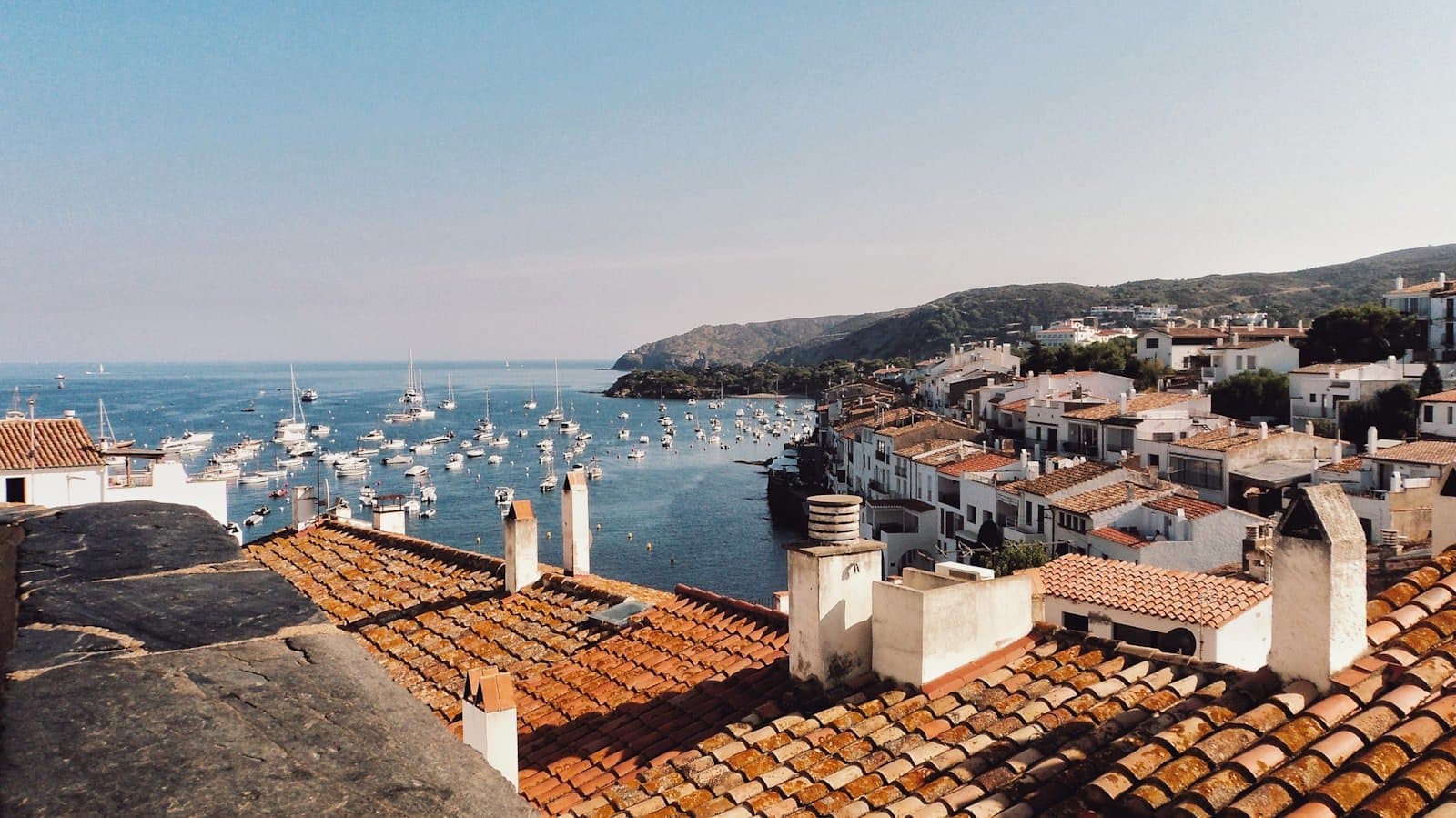
There are coastlines with beautiful beaches, and then there is the Costa Brava — a stretch of Catalonia where rocky coves meet medieval hilltop villages, where the world’s most celebrated chefs reinvented modern cuisine, and where 18 Michelin stars shine across just 15 restaurants within a ninety-minute drive. This is not merely a holiday destination. It is a cultural phenomenon that has reshaped how Europe thinks about food, travel, and luxury living. For property buyers, it represents something even more compelling: a region where co-ownership property offers a way to own a stake in one of the continent’s most desirable — and supply-constrained — real estate markets.
Since Ferran Adrià turned a beachside chiringuito in Cala Montjoi into the five-time winner of the World’s 50 Best Restaurants, the Costa Brava has attracted a particular kind of visitor — affluent, culturally engaged, and willing to return year after year. That repeat-visit profile is precisely what makes fractional ownership so logical here. Rather than paying for a full property that sits empty for eleven months, co-ownership lets you hold a real share of a luxury home and enjoy around 45 days of access annually — timed perfectly for the Michelin-star tasting menu season, the summer cove-hopping months, or the quieter autumn when the medieval festivals come alive.
Culinary Heritage
From El Bulli to a Global Gastronomy Capital
The Costa Brava’s transformation into a world-class food destination began in the late 1990s when El Bulli, perched above Cala Montjoi near Roses, started receiving three Michelin stars and global acclaim. Ferran Adrià’s molecular gastronomy — liquid olives, spherical melon caviar, edible foams — drew over two million reservation requests per season for just 8,000 covers. The restaurant closed in 2011 but reopened as elBulli1846, an exhibition laboratory preserving 1,846 original recipes and cementing the region’s place in culinary history.
What El Bulli started, a generation of ‘Bullinianos’ — chefs trained in Adrià’s kitchens — continued. The Roca brothers’ Celler de Can Roca in Girona holds three Michelin stars and has twice topped the World’s 50 Best Restaurants list. Bo.Tic in the tiny village of Corçà earned two stars for its inventive Empordà cuisine. Miramar in Llançà, under chef Paco Pérez, holds two stars with its seafood-driven tasting menus. According to the Michelin Guide 2025, the Girona province now has the highest concentration of Michelin stars per capita in Spain — a statistic that consistently drives high-net-worth tourism to the region.
This culinary infrastructure is not just about restaurants. The Costa Brava’s DO Empordà wine region produces internationally acclaimed Garnacha and Cariñena wines, and weekly markets in towns like Palafrugell, Torroella de Montgrí, and Figueres offer the raw ingredients that fuel the region’s farm-to-table philosophy. For co-ownership properties owners, this means every stay comes with a built-in cultural programme that few other Mediterranean destinations can match.
18
Michelin stars across 15 restaurants in the Girona province — the highest per-capita concentration in Spain.
5.4%
Compound annual growth rate for Costa Brava apartment prices from 2022 to 2025 (Investropa).
75 days
Average days-on-market for well-priced coastal properties in Begur and Palafrugell — a sign of exceptional demand.
1M+
Annual visitors to the Dalí Theatre-Museum in Figueres, driving sustained cultural tourism to the region.
Market Intelligence
Why Costa Brava Property Prices Keep Climbing
The Costa Brava property market has entered a phase of sustained, supply-driven growth. According to Investropa’s 2026 market analysis, apartment prices have risen from €2,413 per square metre in 2022 to €2,825 in 2025, a compound annual growth rate of approximately 5.4%. Premium coastal towns like Begur, Cadaqués, and Platja d’Aro are forecast to see 6–8% annual appreciation through 2027, with villas in Tamariu averaging over €1 million and properties in Calella de Palafrugell regularly exceeding that figure.
The fundamental driver is extreme supply constraint. Strict coastal protection regulations, limited buildable land, and lengthy permitting processes mean that new housing stock simply cannot keep pace with demand. The average days-on-market for well-priced homes near the sea in towns like Begur or Palafrugell is under 75 days — remarkably fast for southern European resort property. Meanwhile, 46% of foreign enquiries in Girona province come from French buyers, with German and Belgian buyers also active, creating consistent international demand.
For buyers priced out of full ownership — or those who recognise that a property used for just a few weeks a year represents poor capital efficiency — co-ownership explained offers a compelling alternative. A fractional share starting at a fraction of the whole-home price secures a real share of a luxury property, with all management, maintenance, and running costs split proportionately among co-owners.
Costa Brava Average Property Prices by Town (€/m², 2025)
Begur
Calella de Palafrugell
Cadaqués
Tamariu
Platja d’Aro
L’Escala
The Dalí Triangle
Art, Architecture, and the Cultural Pull of Northern Costa Brava
Beyond gastronomy, the Costa Brava holds an extraordinary cultural card: the Dalinian Triangle. The Dalí Theatre-Museum in Figueres — the most-visited museum in Spain outside Madrid and Barcelona — draws over one million visitors annually. The Salvador Dalí House Museum in Portlligat, beside Cadaqués, and the Gala Dalí Castle in Púbol complete a circuit that immerses visitors in the surrealist master’s world. These three sites generate a steady flow of cultural tourists who then discover the region’s medieval villages, coastal paths, and, increasingly, its luxury properties.
Villages like Peratallada, declared a historic-artistic site and cultural asset of national interest, and Besalú, with its Romanesque bridge and Jewish quarter, represent the kind of authentic, preserved heritage that differentiates the Costa Brava from more developed Spanish coasts. Pals, Monells, and Santa Pau offer cobblestone streets, stone arches, and the sort of timeless atmosphere that high-net-worth buyers consistently cite as their primary motivation for choosing this region over the Costa del Sol or the Balearics.
“The Costa Brava is where Ferran Adrià reinvented modern cuisine, where the Roca brothers built the world’s best restaurant, and where strict planning laws ensure that luxury property remains genuinely scarce. Co-ownership is the intelligent way to own a piece of it.”
Ownership Model
How Co-Ownership Works on the Costa Brava
Co-ownership through Co-Ownership Property means owning a real share — typically one-eighth — of a specific luxury home, not a right to use it. This is real ownership: you can sell your share on the open market at market value, and your investment appreciates with the property. It is categorically not a timeshare — there are no points systems and no depreciation trap.
Booking windows depend on the home and our partner. When you arrive, your personal belongings are taken out of storage and the home is prepared for you. All management — cleaning, maintenance, administrative coordination between owners, and optional rental management — is handled entirely for you. Running costs including taxes, insurance, and management fees are split proportionately, meaning a one-eighth owner pays one-eighth of everything.
On the Costa Brava, where full luxury properties in prime locations now routinely exceed €1 million, co-ownership shares starting at a fraction of the whole-home price make it possible to own a stake in a beautifully renovated villa or apartment in towns like Begur, Llafranc, or Calella de Palafrugell — at a fraction of the capital commitment. Explore the buying process to understand how straightforward the acquisition is.
| Feature | Full Ownership | Co-Ownership (1/8 Share) |
|---|---|---|
| Typical Capital Outlay (Begur villa) | From €1,200,000 | From around €150,000 |
| Annual Usage | 365 days (but avg. use ~30 days) | ~45 days (flexible booking) |
| Management & Maintenance | Owner’s responsibility | Fully managed, costs split 1/8 |
| Annual Running Costs | €15,000–€25,000 | €2,000–€3,500 |
| Resale | 90+ days | Partner resale process — no need to sell the whole house |
| Capital Efficiency | Low (property idle 90%+ of year) | High (usage aligned to investment) |
Lifestyle Calendar
A Year-Round Destination: When to Visit Your Costa Brava Property
Unlike single-season resort destinations, the Costa Brava offers distinct appeal across all four seasons, maximising the value of your co-ownership days. Spring (March–May) brings wildflower-covered coastal paths, the Temps de Flors flower festival in Girona, and the opening of the Dalí museums’ extended hours. Summer (June–September) is peak season for the hidden coves — Cala Sa Tuna, Aiguablava, Cala Estreta — and for the region’s major music and arts festivals, including the Cap Roig Festival and the Peralada Festival.
Autumn (October–November) is arguably the Costa Brava’s best-kept secret: the light turns golden, the crowds disappear, and the mushroom-foraging season begins — a serious culinary event in Catalonia. It is also when many Michelin-starred restaurants launch their new seasonal menus. Winter (December–February) offers a quieter pace but no shortage of character: Christmas markets in Girona, truffle season in the Empordà, and the opportunity to explore the medieval villages without the summer crowds. This year-round appeal directly supports the benefits of fractional ownership for second homes, since owners can spread their 45 days across seasons rather than being locked into a single period.
1997–2011
The El Bulli Era
Ferran Adrià’s three-Michelin-star restaurant in Cala Montjoi transforms the Costa Brava into the global epicentre of culinary innovation, attracting over 2 million reservation requests per season.
2013–2018
Celler de Can Roca Dominance
The Roca brothers’ Girona restaurant wins World’s 50 Best Restaurants twice, cementing the region’s status as a gastronomy pilgrimage destination.
2020–2023
Pandemic-Driven Demand Surge
Remote work flexibility drives unprecedented demand for second homes on the Costa Brava, with property prices rising 15–20% in premium towns. Supply constraints intensify.
April 2025
Golden Visa Ends
Spain eliminates the real estate golden visa route, filtering out speculative buyers and leaving the market driven by lifestyle-motivated purchasers.
2025–2026
Co-Ownership Growth
Fractional ownership emerges as the smartest access route to Costa Brava luxury property, offering real ownership for a fraction of the whole-home price with full management included.
2026 & Beyond
elBulli1846 & Cultural Renaissance
The reopening of Adrià’s exhibition lab, combined with new Michelin stars and expanded wine tourism, reinforces the Costa Brava as Europe’s premier gastronomy-and-lifestyle destination.
Investment Outlook
Post-Golden-Visa Dynamics: What Foreign Buyers Need to Know
Spain’s elimination of the real estate golden visa route in April 2025 has shifted the buyer profile in the Costa Brava market. Rather than deterring international interest, the change has filtered out purely speculative buyers, leaving a market dominated by lifestyle-motivated purchasers who intend to use and enjoy their properties. According to Spanish Property Insight, the Costa Brava has seen no measurable price correction since the golden visa ended, with demand remaining robust from French, German, Belgian, and British buyers.
For co-ownership buyers, this is actually positive news. The removal of speculative demand means more stable, fundamentally-driven price appreciation. For co-ownership properties, how tax works depends on the country and the home’s legal set-up, which our partner explains before you buy; we recommend independent advice.
The Costa Brava’s strict building regulations are the ultimate protection for property values. Unlike overdeveloped coasts where supply can dilute demand, the Costa Brava’s planning constraints mean that desirable properties are genuinely scarce — and becoming scarcer. For those considering their options, the co-ownership vs full ownership comparison makes the financial case clearly.
Practical Guide
The Best Costa Brava Towns for Co-Ownership Property
Begur commands the highest prestige, with its clifftop castle, a cluster of Indianos mansions, and proximity to some of the coast’s most beautiful coves including Sa Riera and Aiguafreda. Calella de Palafrugell and Llafranc are quintessential fishing-village-turned-luxury-enclave towns, with white-washed houses, arched seafront promenades, and a walkable coastline connecting them. Cadaqués, in the north, offers Dalí heritage, an artistic community, and some of the most dramatic coastal scenery in the Mediterranean.
For those seeking a balance of authenticity and amenity, Palafrugell provides a genuine Catalan market town experience with easy access to the coast, while Tamariu is a tiny cove village where the pine forest meets the sea. Further north, L’Escala offers the Empúries Greek and Roman ruins alongside a thriving anchovy tradition, and Platja d’Aro provides more cosmopolitan facilities. Browse the full range of available properties at all our homes or explore Spanish Costas properties specifically.
Resale & Exit
Selling Your Co-Ownership Share: A Liquid, Transparent Process
One of the most common questions from prospective buyers is about exit strategy — and here, co-ownership delivers a significant advantage over full property ownership. When you decide to sell, the management company first offers your share to existing co-owners in the property, who often want to increase their usage allocation. If they pass, the share is listed for sale. You never have to sell the whole house — full property sales on the Costa Brava typically take 90+ days.
This liquidity exists because co-ownership shares represent a lower capital threshold, making them accessible to a wider buyer pool, and because the turnkey nature of the arrangement — fully managed, fully furnished, zero hassle — is extremely attractive to incoming buyers. The sell fractional ownership share page explains the full process, while co-ownership case studies showcases real experiences from owners who have navigated the journey.
Common Questions
Frequently Asked Questions
What makes the Costa Brava different from other Spanish costas for property investment?
The Costa Brava combines Europe’s highest Michelin-star density, UNESCO-quality medieval heritage, and the Dalí Triangle cultural circuit with some of the strictest coastal building regulations in the Mediterranean. This means genuine scarcity of luxury property, consistent international demand from French, German, and British buyers, and year-round cultural appeal rather than just summer beach tourism.
How does co-ownership work legally on the Costa Brava?
You own a real share — typically one-eighth — of the specific home, not a right to use it. This is real ownership: your share appreciates with the property, you can sell it on the open market, and there are no timeshare-style points. The legal set-up is arranged by our partner for each home and walked through with you before you buy.
How much does a co-ownership share on the Costa Brava cost?
Shares typically start at a fraction of the whole-home price for a one-eighth stake, depending on the property’s location, size, and specification. This compares to full-ownership prices that routinely exceed €1 million for luxury villas in prime towns like Begur, Calella de Palafrugell, or Cadaqués.
Can I rent out my co-ownership share when I’m not using it?
Some co-ownership properties can be rented out as holiday homes, subject to local regulations and permits. Rental is fully managed — owners don’t need to handle bookings, cleaning, or guest communication — and income is shared proportionate to each owner’s stake.
How do I book my stays at the property?
Booking windows depend on the home and our partner. When you arrive, your personal belongings are taken out of storage and the home is prepared for you.
What happens if I want to sell my share?
You set the price. Your co-owners get the first chance to buy at that price; if they pass, it goes on the open market. There is no need to sell the whole property.
Is the Costa Brava only a summer destination?
Not at all. Spring brings wildflowers and the Girona Temps de Flors festival, autumn offers mushroom foraging and new Michelin menu launches, and winter features truffle season and Christmas markets. The year-round appeal is a key reason co-ownership works so well here — owners can spread their 45 days across all seasons.
Explore Co-Ownership Properties on the Costa Brava
Whether you’re drawn by the Michelin-star dining scene, the medieval village charm, or the Dalí heritage, co-ownership lets you own a stake in one of Europe’s most desirable — and supply-constrained — property markets.
Browse PropertiesSee the homes nearest this destination. Explore the COP Spanish collection for the co-ownership homes closest to this region, or speak with our team about what is available now.
More from Co-Ownership Property
Get in Touch
Speak to an expert
Tell us what you're looking for and we'll be in touch.