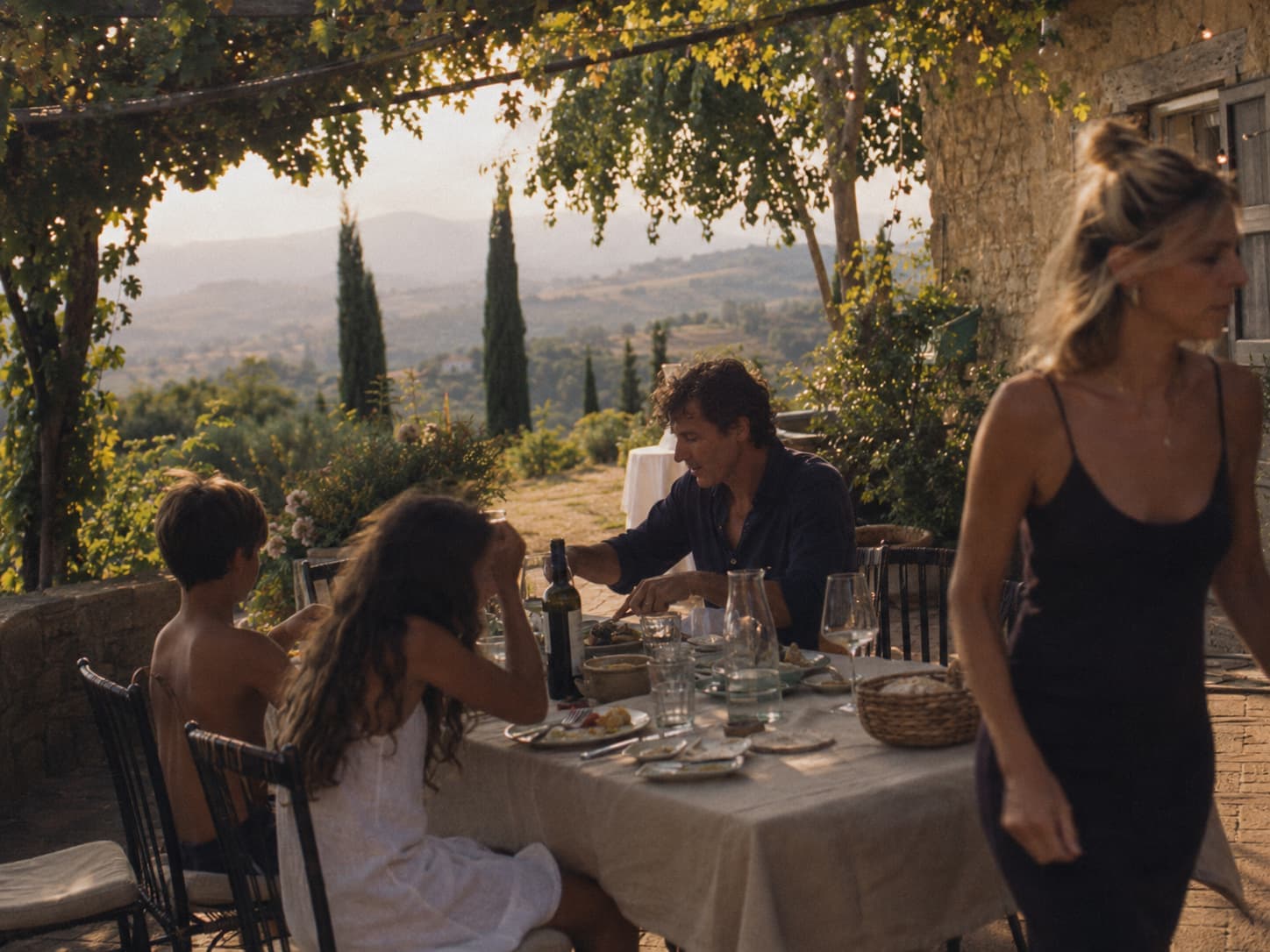
A bag of chestnuts, a piece of pecorino and no restaurant reservation: sometimes the most persuasive reason to own a home in Tuscany fits on the kitchen table. Autumn gives that table a purpose. You can spend the morning discovering something local and the evening enjoying it, without turning every meal into an outing.
For a co-owner, this is more than a pleasant travel idea. A countryside home becomes a stronger lifestyle choice when the weeks outside high summer are weeks you actively want. Southern Tuscany offers a particularly convincing version: a village base, food worth coming back for, woodland walks and enough cultural life to give a rainy day its own appeal.
The question is not whether autumn is universally better than August. It is whether you would return for a different kind of stay. Around Sarteano and Castiglioncello del Trinoro, the answer can begin with lunch.
Start with a small corner of Tuscany
Tuscany is too large to treat as one neighbourhood. A house chosen for quiet country stays should not be judged by how many famous cities you can reach before dinner. Choose a manageable area, then let familiarity do some of the work.
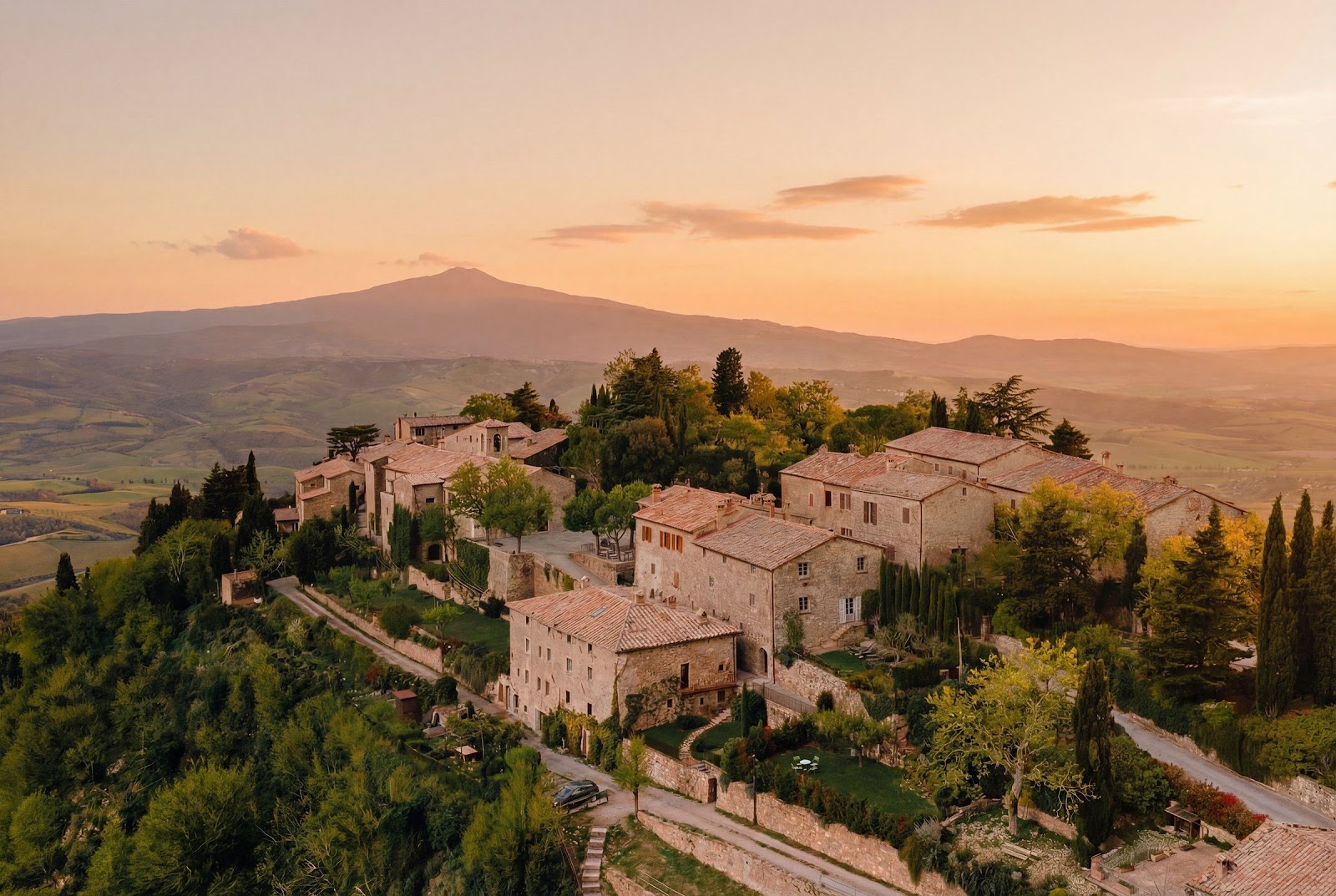
Visit Tuscany places Sarteano between the Val d’Orcia and Valdichiana. Nearby Castiglioncello del Trinoro looks across the Val d’Orcia, while the surrounding area offers Etruscan archaeology and wooded countryside. This is a useful combination for a returning owner: the view provides continuity, but the days need not repeat themselves.
On a first stay, you might make one substantial excursion each day. On a later visit, you may prefer a favourite walk and time at home. Both should feel worthwhile. A second home earns its place through these ordinary return visits, not only through the itinerary you assemble for guests.
Village life also asks for a slightly different buying brief from an isolated farmhouse. Look at how the entrance meets the street, where shopping is unloaded and whether evening meals require a drive. The right arrangement depends on your household; what matters is choosing it deliberately.
The food trail is a menu, not a driving challenge
The official Nobile di Montepulciano Wine and Valdichiana Senese Taste Trail links ten towns and lists a suggested 77-kilometre driving itinerary. Its food culture includes handmade pici, Pienza pecorino, extra-virgin olive oil and Vino Nobile di Montepulciano. That gives an owner several reasons to explore without needing a different base.
Do not try to consume the whole route in one day. Choose a town, arrange one visit and leave room for an unplanned stop. If wine tasting is part of the afternoon, organise a driver or another suitable transport arrangement. Bringing a bottle home for dinner is an equally respectable way to enjoy the region.
The kitchen changes the experience. Instead of buying only things that survive the flight home, you can shop for tonight. A little local cheese, vegetables and pasta become part of the stay rather than souvenirs. There is room to be interested without becoming an expert, and room to cook without spending the entire holiday cooking.
This is why an autumn viewing should include the domestic details. Is there enough preparation space for two people? A useful oven? Comfortable chairs for a dinner that runs late? A spectacular terrace does not compensate for a dining table nobody wants to sit at.
Chestnuts give the season a different timetable
Amiata’s tourism guidance describes a chestnut harvest period running broadly from mid-September to mid-November. Some producers welcome visitors into their groves during the season. The area’s chestnut celebrations traditionally fall in October and early November, with towns including Piancastagnaio, Santa Fiora and Arcidosso taking part.
These are seasonal patterns, not a promise that a particular activity operates on every date. Check with the producer or organiser before building a stay around it. A harvest visit needs permission and an appointment where required; a grove is somebody’s working land, not a self-service picnic basket.
For families, an arranged visit can give a country day a simple focus. For couples, it can be a reason to explore another village before lunch. Neither requires a packed schedule. The pleasure lies in connecting a place to something you can taste, then returning another year with a little more understanding.
Olive oil offers another small education. Visit Tuscany’s guide to extra-virgin olive oil recommends checking the harvest date and looking at provenance. Rather than choosing a bottle purely by its label, ask what you are tasting and how the producer suggests using it. It is the sort of conversation that makes a familiar kitchen more interesting.
A real home behind the idea
COP currently presents a four-bedroom house in Castiglioncello del Trinoro at an asking price of US$549,000 for a 1/8 share, checked on 21 September 2026. The listing describes four en-suite bedrooms, a kitchen, living room and private courtyard. The price is in US dollars, not euros, and refers to the share rather than the entire property.
That arrangement illustrates the article’s point: a country stay benefits from space to come together and space to retreat. With friends or adult children, separate bathrooms can matter more than another impressive amenity. A courtyard provides an outdoor option when conditions suit, while the indoor rooms carry the quieter evenings.
Use the example as a starting point for a conversation, not as a substitute for the documents. Ask for the current availability, complete purchase costs and annual budget. For a British buyer, establish the payment currency and how currency conversion would affect the amount required before agreeing the transaction.
The woodland morning and the indoor afternoon
The nearby Pietraporciana Nature Reserve supplies a different landscape from the open hills. Visit Tuscany describes a beechwood at roughly 750–850 metres, where cool, humid conditions support mature trees. It is a useful reminder that a southern Tuscan stay need not consist entirely of vineyards and village squares.
Choose a route to suit the people travelling and the conditions that day. Ask locally about access, surfaces and suitable footwear. A woodland outing should leave everyone looking forward to lunch, not negotiating who was responsible for the ambitious shortcut.
For another day, Sarteano’s archaeological museum provides an indoor alternative. Its collection includes a full-size reconstruction of the painted Tomb of the Infernal Quadriga. Check current opening arrangements before visiting. A home with both outdoor and indoor possibilities nearby is easier to enjoy across changing weather.
Back at the house, think in terms of simultaneous activities. Someone may want to read, someone else to prepare dinner, and another person to take a call. The best family layout accommodates that without requiring everyone to spend every hour together. This matters even more when the evenings move indoors.
Buy for the season you genuinely want
Autumn is not merely spare capacity in an ownership calendar. For a household interested in walking, food and village life, it can be the reason to buy. That makes the booking conversation more specific: how would you secure the type and length of stay you want, and how far ahead must you plan?
A one-eighth share is commonly marketed as around six weeks’ annual use, but that shorthand is not a universal entitlement. The featured listing currently describes no set cap on total nights. That does not mean unrestricted occupation or guaranteed availability: the operator’s booking rules and the other owners’ rights still govern stays.
Ask for a worked example using an actual preferred period. Can a stay span two weekends? How are competing requests handled? What happens if you need to change dates? A useful answer describes the process and its limits; it does not rely on everyone wanting different weeks.
Then test a second season. Would you also enjoy a spring visit, or time here with family in summer? Different reasons to return help a share fit real life. They do not remove the need for fair scheduling, and school-holiday demand can remain important even in a destination with year-round appeal.
A shared home, with the practical work accounted for
The attraction of managed co-ownership is that a returning stay can begin with using the home rather than organising its upkeep. The management agreement should make clear who prepares the property, handles maintenance and responds when something needs attention.
For a rural home, ask specifically about heating before arrival, reliable internet, cleaning between stays and the support available out of hours. Confirm the parking and luggage arrangements, especially for a hill-village address. These are not glamorous questions, but they are the difference between a lovely photograph and an easy holiday.
Keep the financial comparison equally grounded. Separate the acquisition outlay from the continuing ownership budget and your travel costs. A household visiting only occasionally may prefer to rent. Co-ownership is more relevant when returning to this particular home, with an ownership interest and agreed responsibilities, is itself the goal.
COP’s introduction to how co-ownership works explains the broad concept. The transaction documents must identify whether you acquire an interest in the property or its owning entity, alongside the use rules, costs and resale provisions. COP is the introducing platform and agent; the actual operator’s agreement governs the home. Neither future price growth nor a quick resale should be assumed.
Frequently asked questions
Why consider Tuscany outside the summer holidays?
Food, woodland walks, villages and cultural visits give a countryside stay a purpose beyond the pool. Autumn can suit buyers who want those experiences, provided the home is comfortable in cooler weather and the calendar fits their plans.
Are chestnut experiences available throughout autumn?
Not everywhere or every day. Amiata’s published harvest window is broadly mid-September to mid-November, but individual producers set their own visitor arrangements. Confirm the activity and dates directly before travelling.
Is the featured home’s asking price in euros?
No. The verified COP listing quotes US$549,000 for a one-eighth share. Confirm the payment currency, what the purchase price includes and the latest available share before committing.
Does a one-eighth share guarantee six weeks of my choice?
No. Annual use, peak-period access and reservation limits depend on the particular agreement. The featured home’s no-set-cap wording must be read alongside its scheduling rules; it is not a guarantee of any dates you choose.
What should an autumn-focused buyer check first?
Start with booking rules for your preferred period, then heating, indoor comfort, access and local support. Request the ownership documents, complete purchase costs, recurring budget and exit terms together.
Sources and image notes
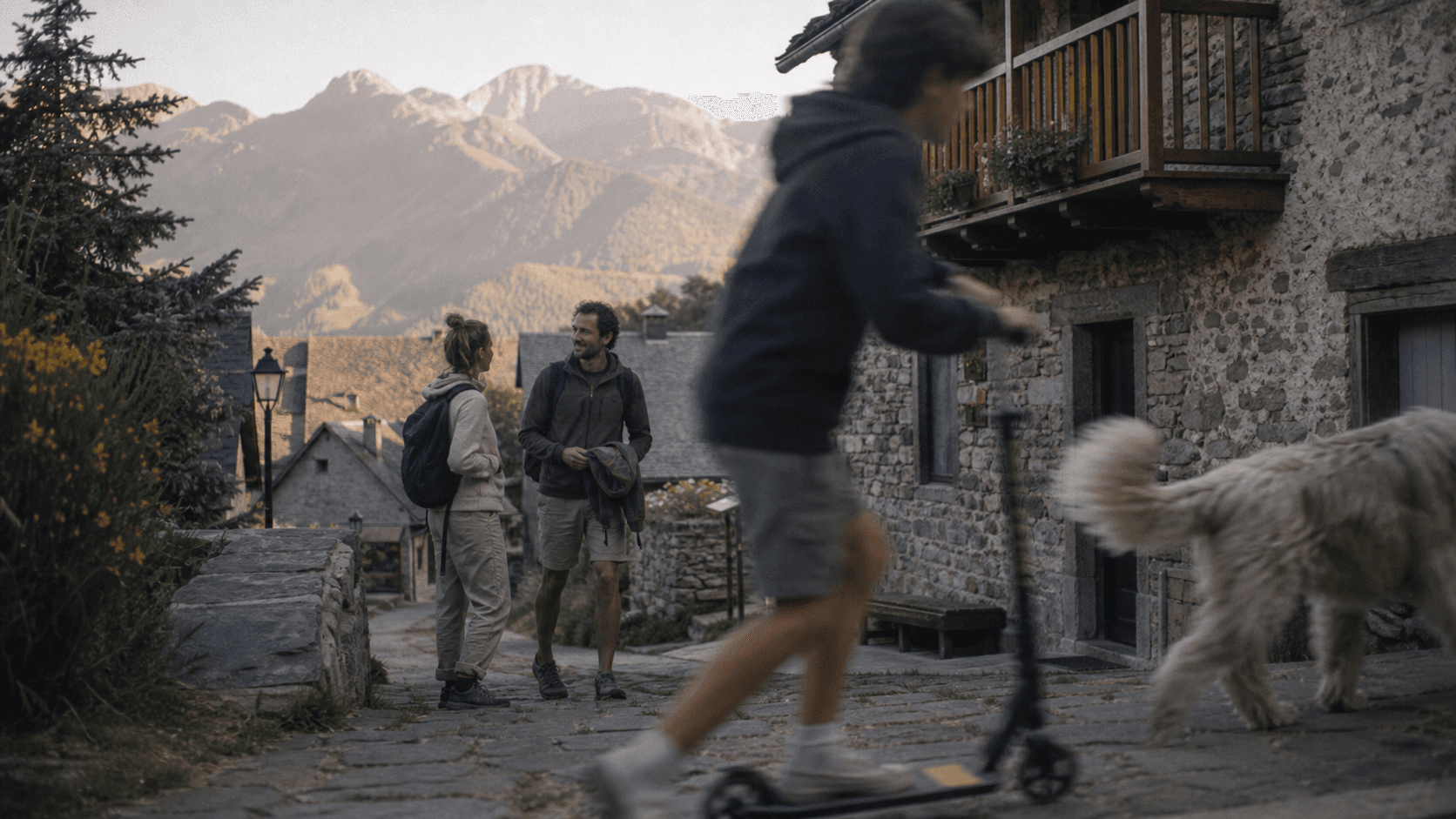
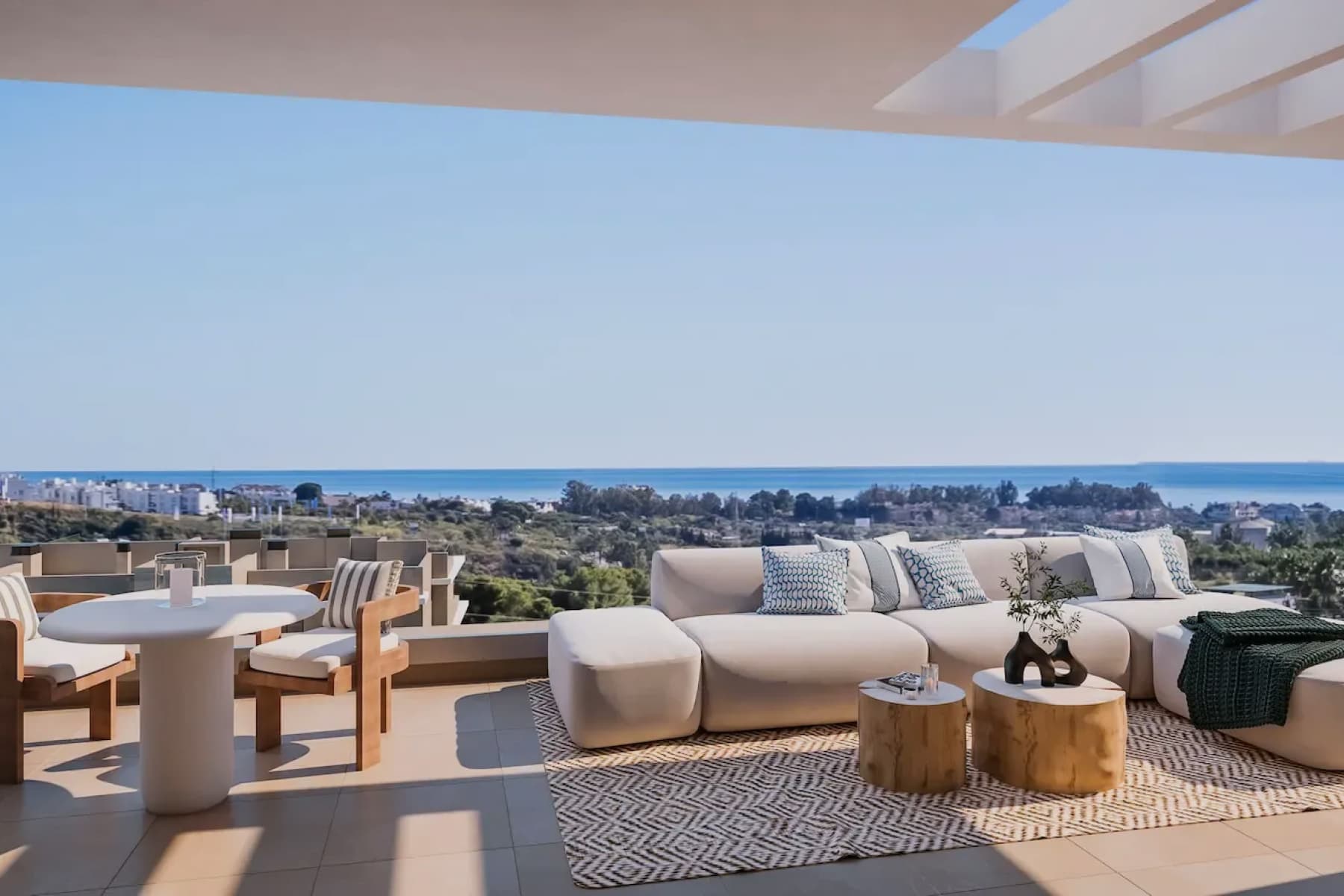
Researched on 21 September 2026. Property asking terms come from the live COP listing. Destination information comes from Visit Tuscany’s Sarteano guide, wine and food trail, Amiata chestnut guide, Pietraporciana guide and olive-oil guide. Harvest windows are seasonal guidance, not confirmed individual bookings or festival dates. The suggested ownership habits are editorial analysis, not contractual promises. The hero is an editorial illustration from COP’s existing image collection, not a photograph of the featured home; the smaller village photograph comes from the property’s listing gallery.
Browse COP’s Tuscany homes or ask us to compare a share with the stays you have in mind. If a city base is also on your shortlist, our Paris article explores the different rhythm of returning to an apartment. In Tuscany, the best test may be simpler: can you picture a week here when dinner at home is one of the things you most look forward to?