New York · USA
New York Fractional Ownership & Co-Ownership Properties
From an apartment a block from Central Park to a shingled house behind the dunes in the Hamptons — this is our guide to fractional ownership in New York: how it works, where owners want to be, and the homes that people who love New York are buying a share of today. Whether you call it fractional ownership or co-ownership, you own a real share of the home.
We have no homes in New York yet. Leave your email and we will tell you the day the first one is listed. Homes that buyers who like New York also choose are just below.
If you like New York, look at these homes
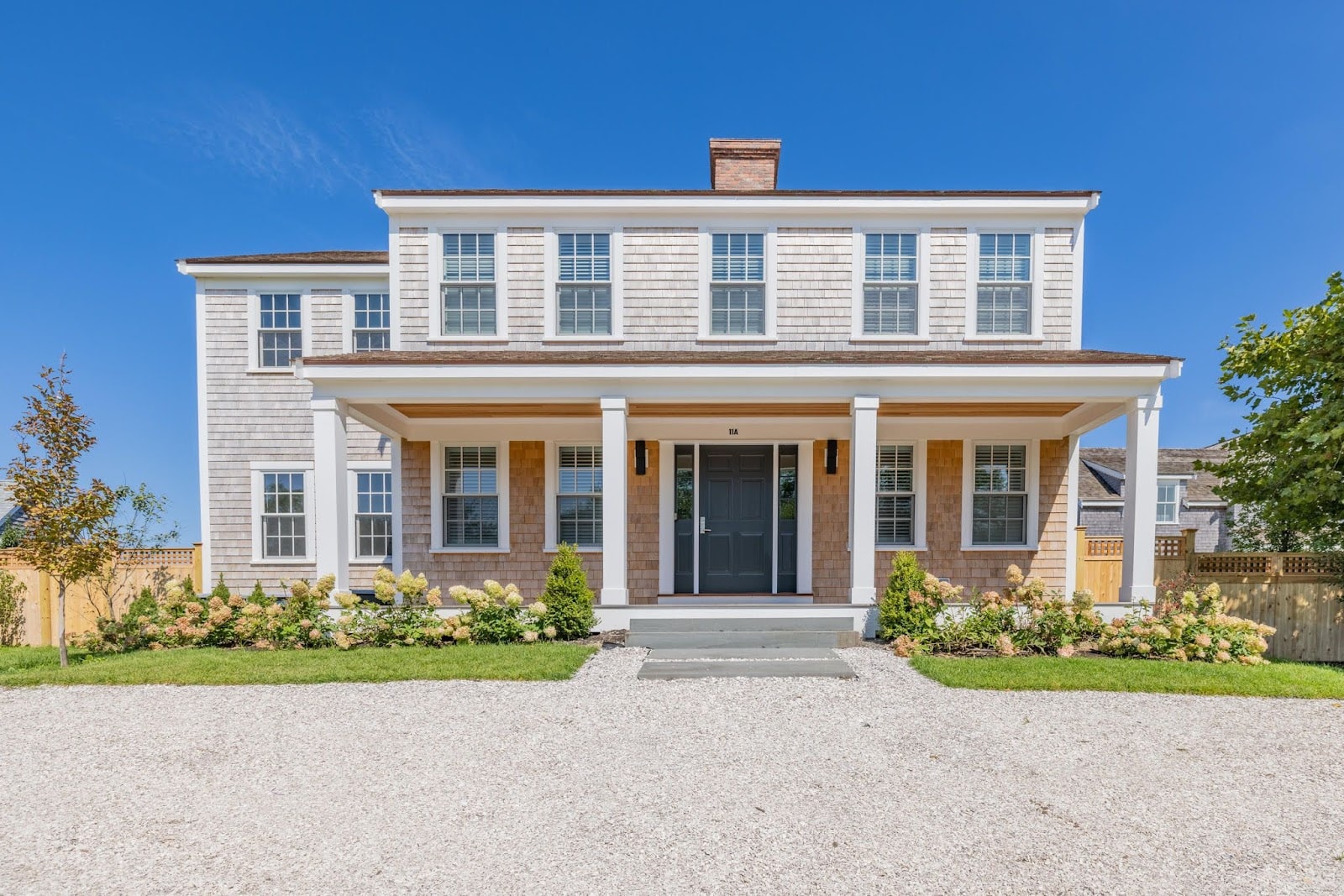
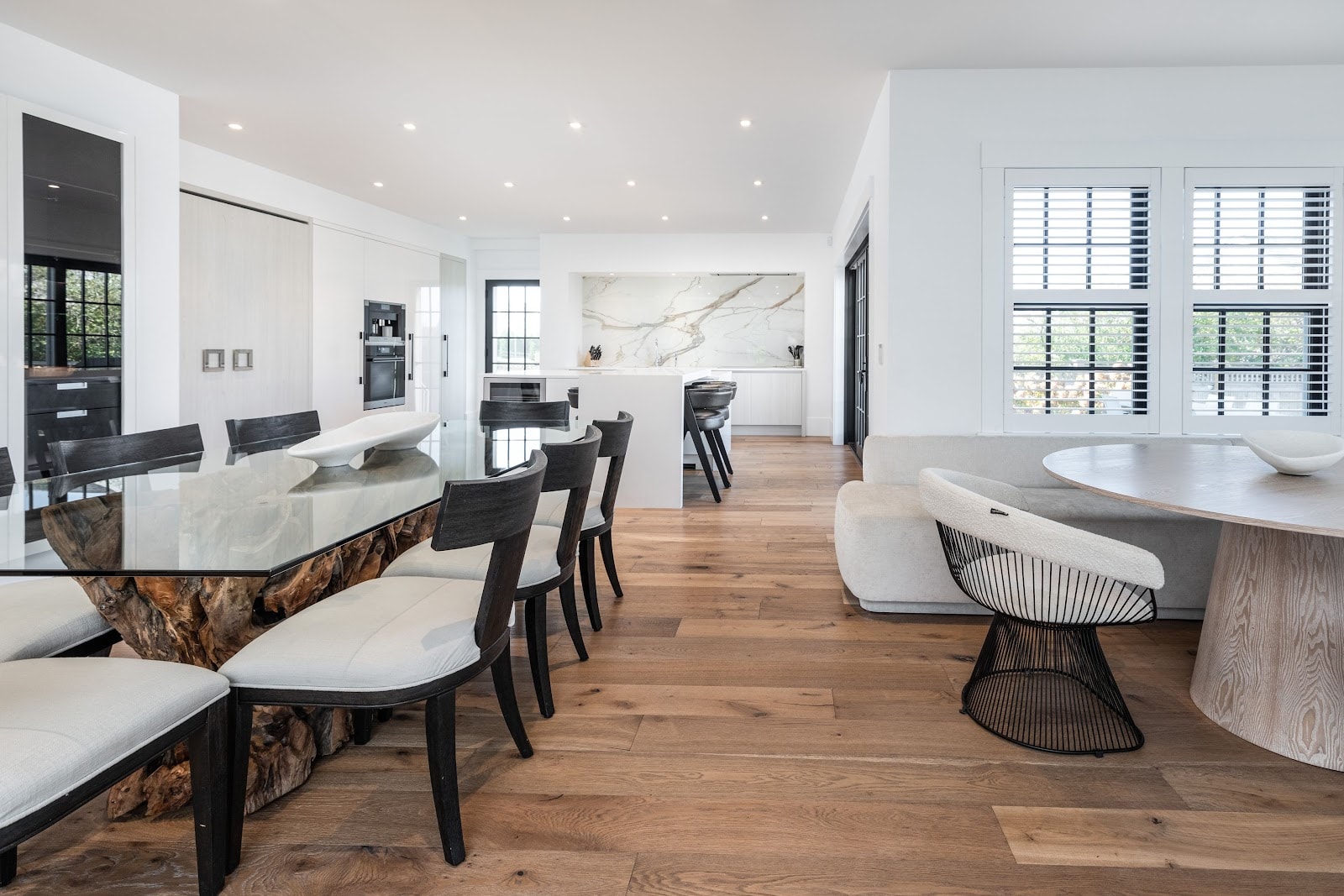
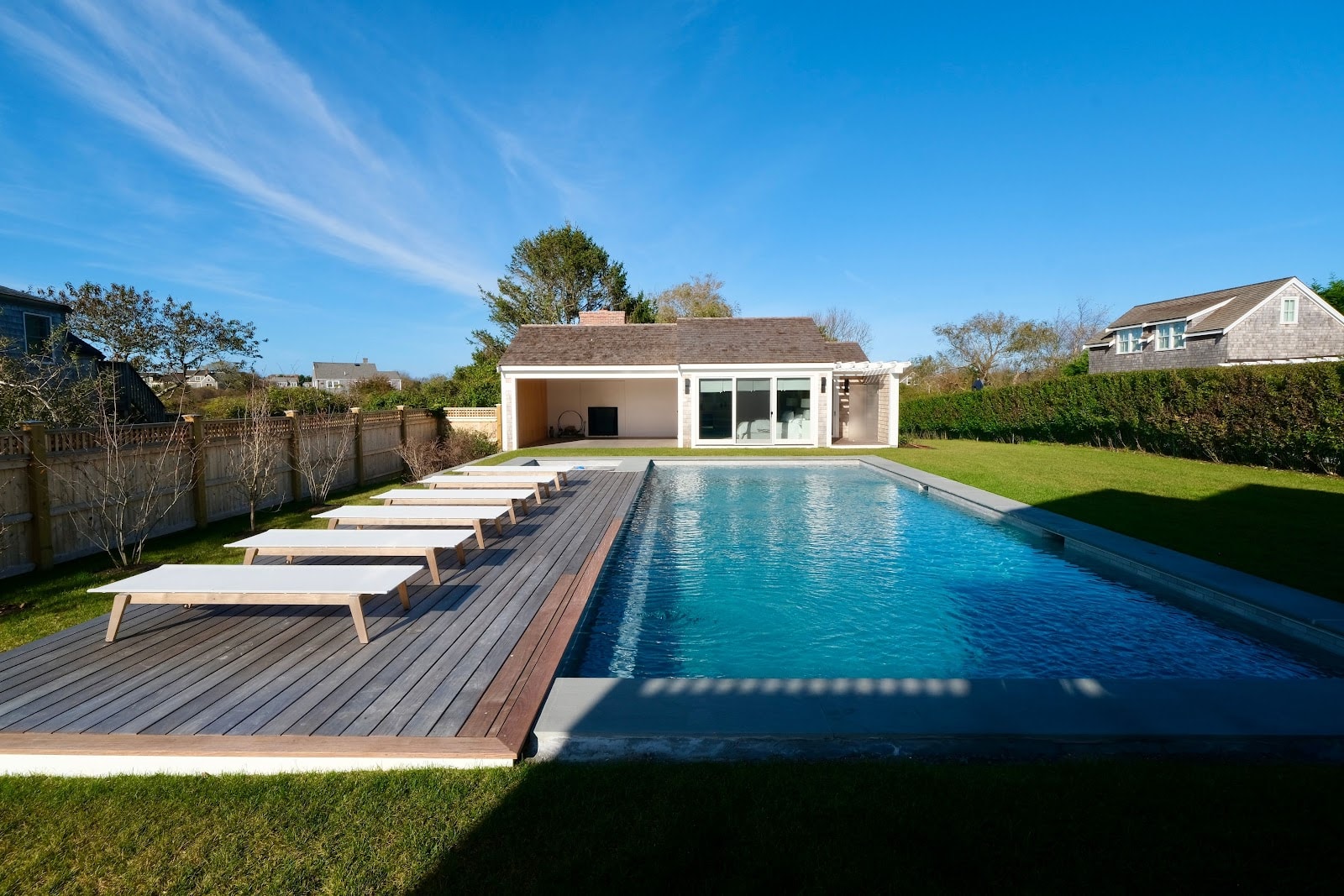
Nantucket, Massachusetts, USA — 7-Bed House With Hot Tub
$1,300,000
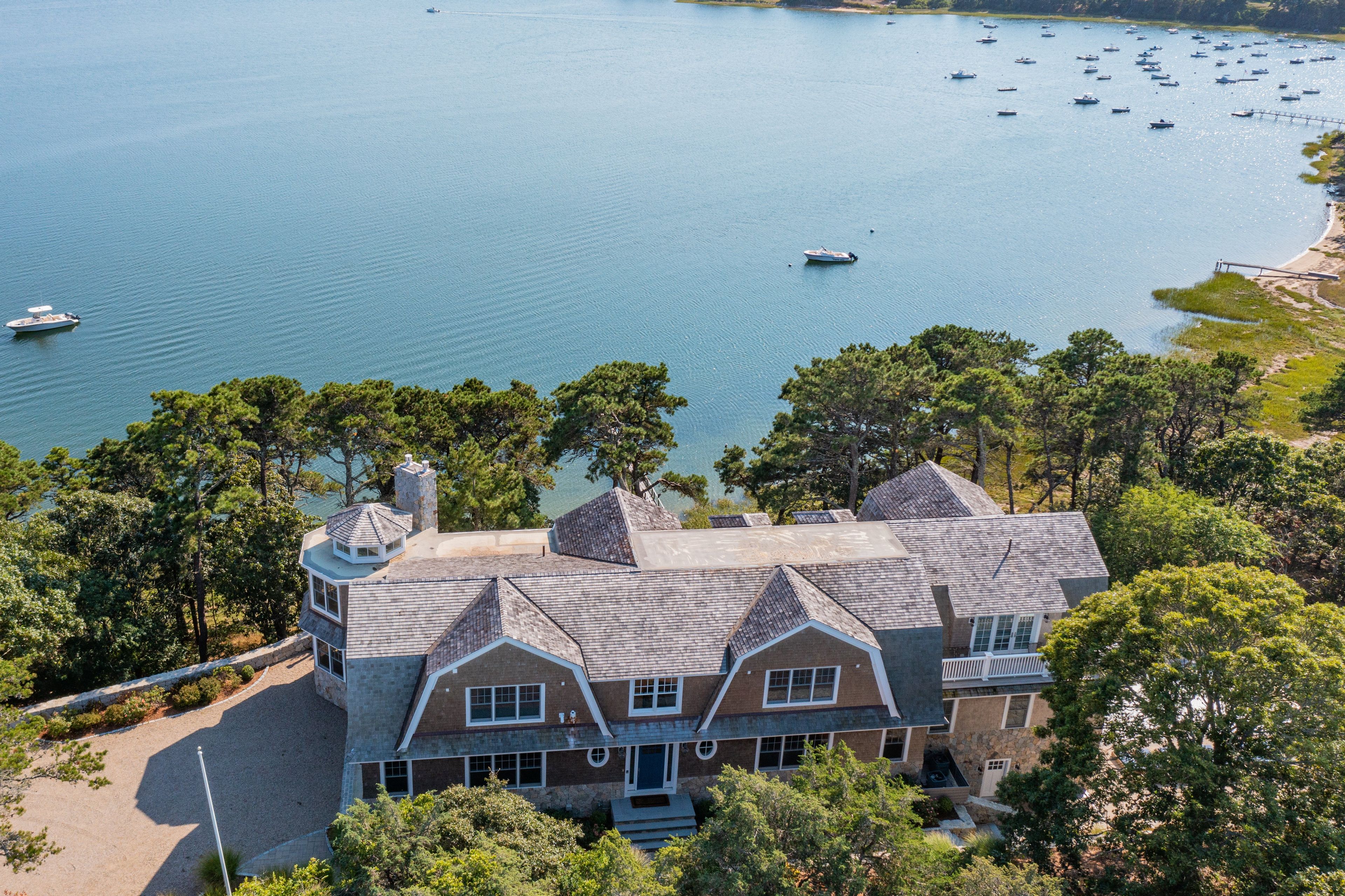
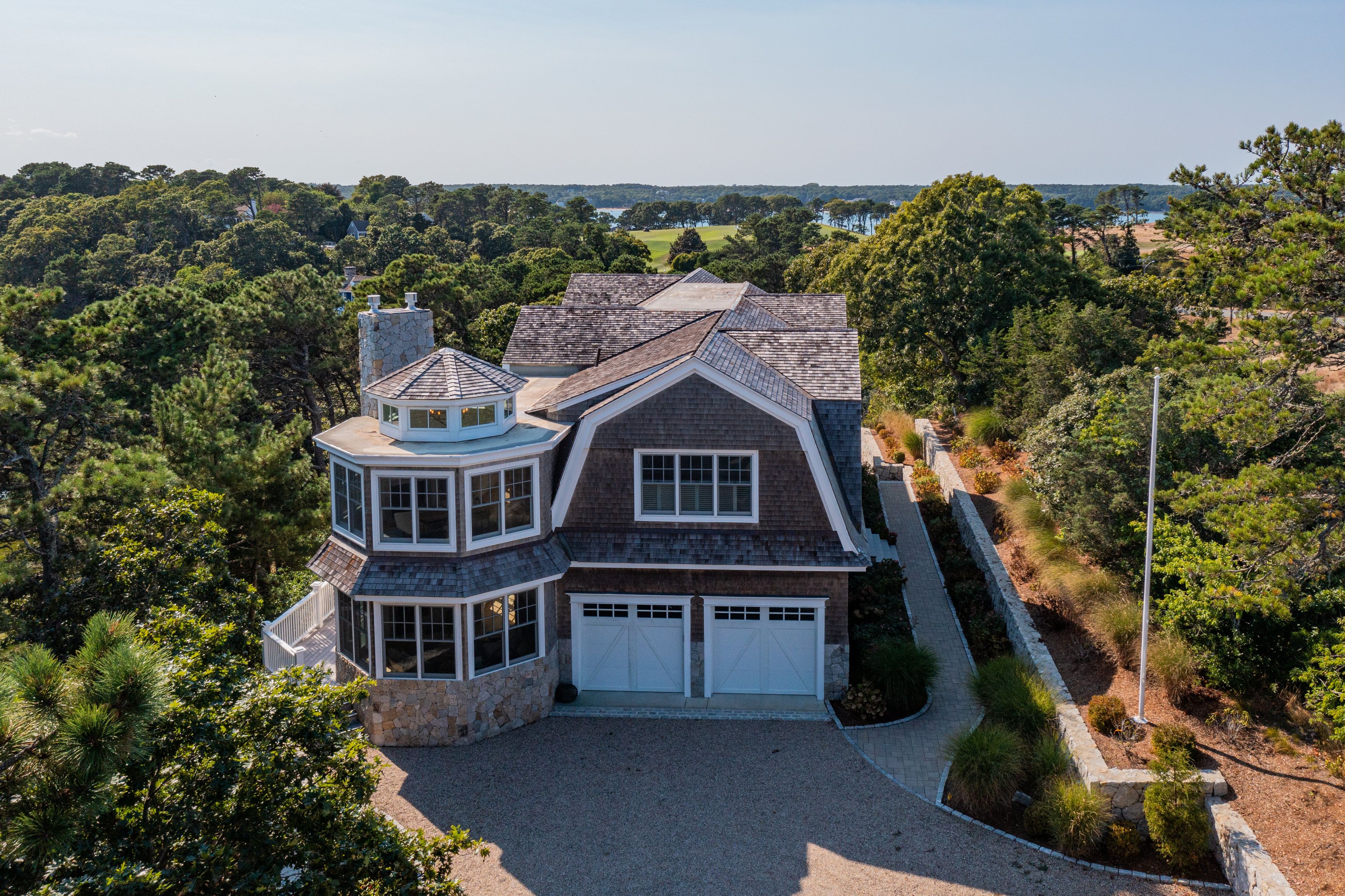
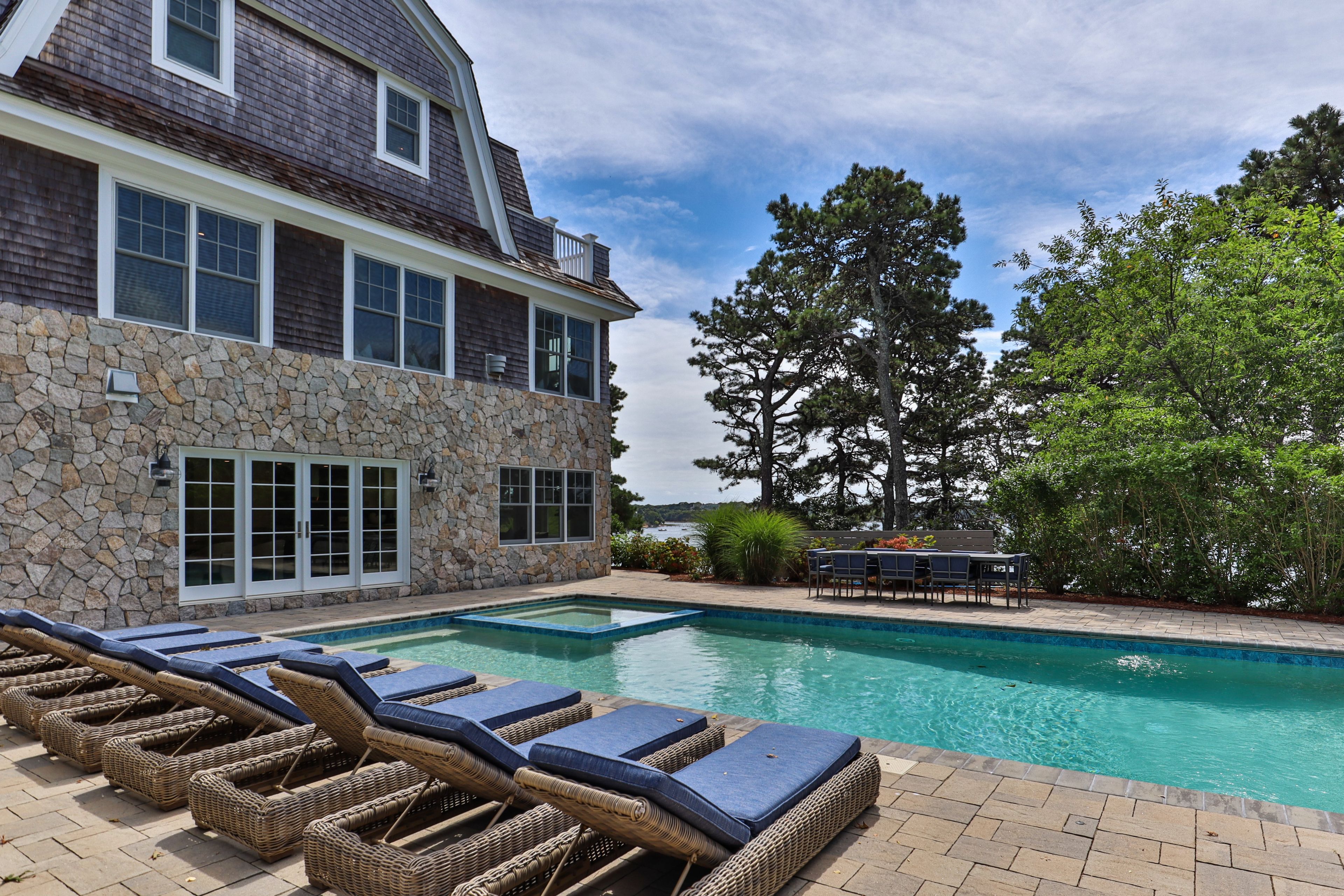
Chatham, Massachusetts, USA — 6-Bed House With Bay Views & Private Boat Dock
$1,470,000
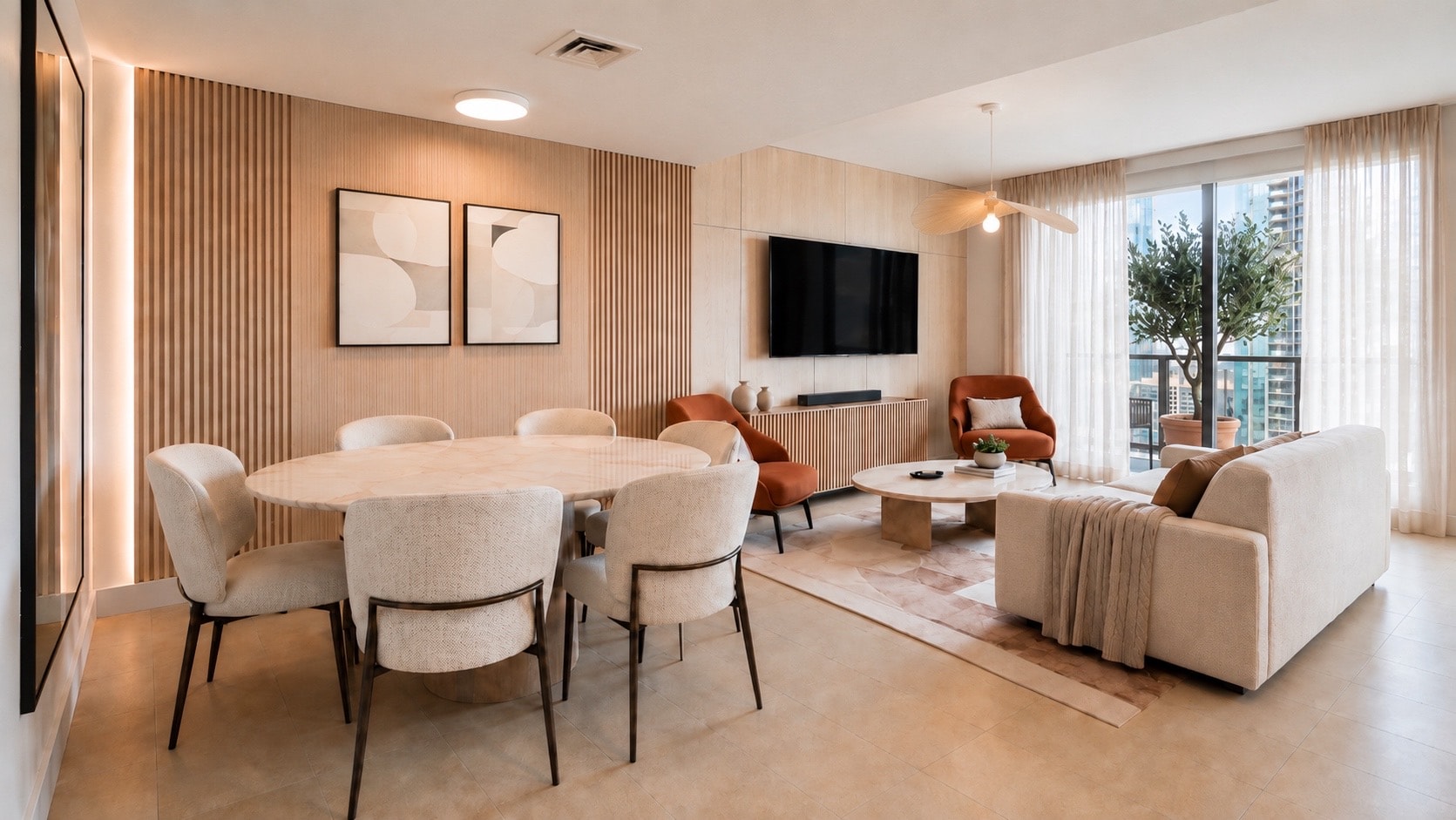
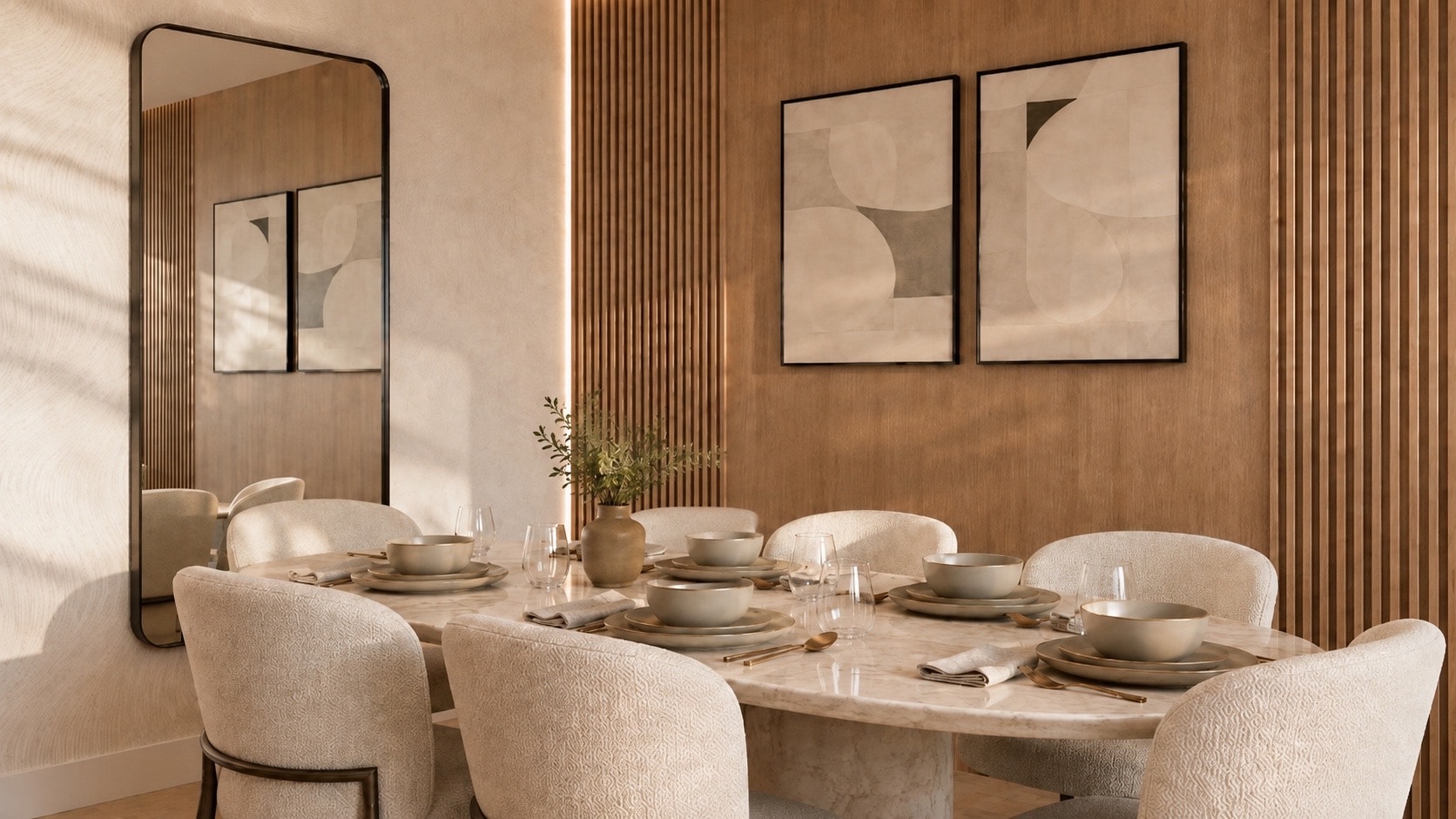
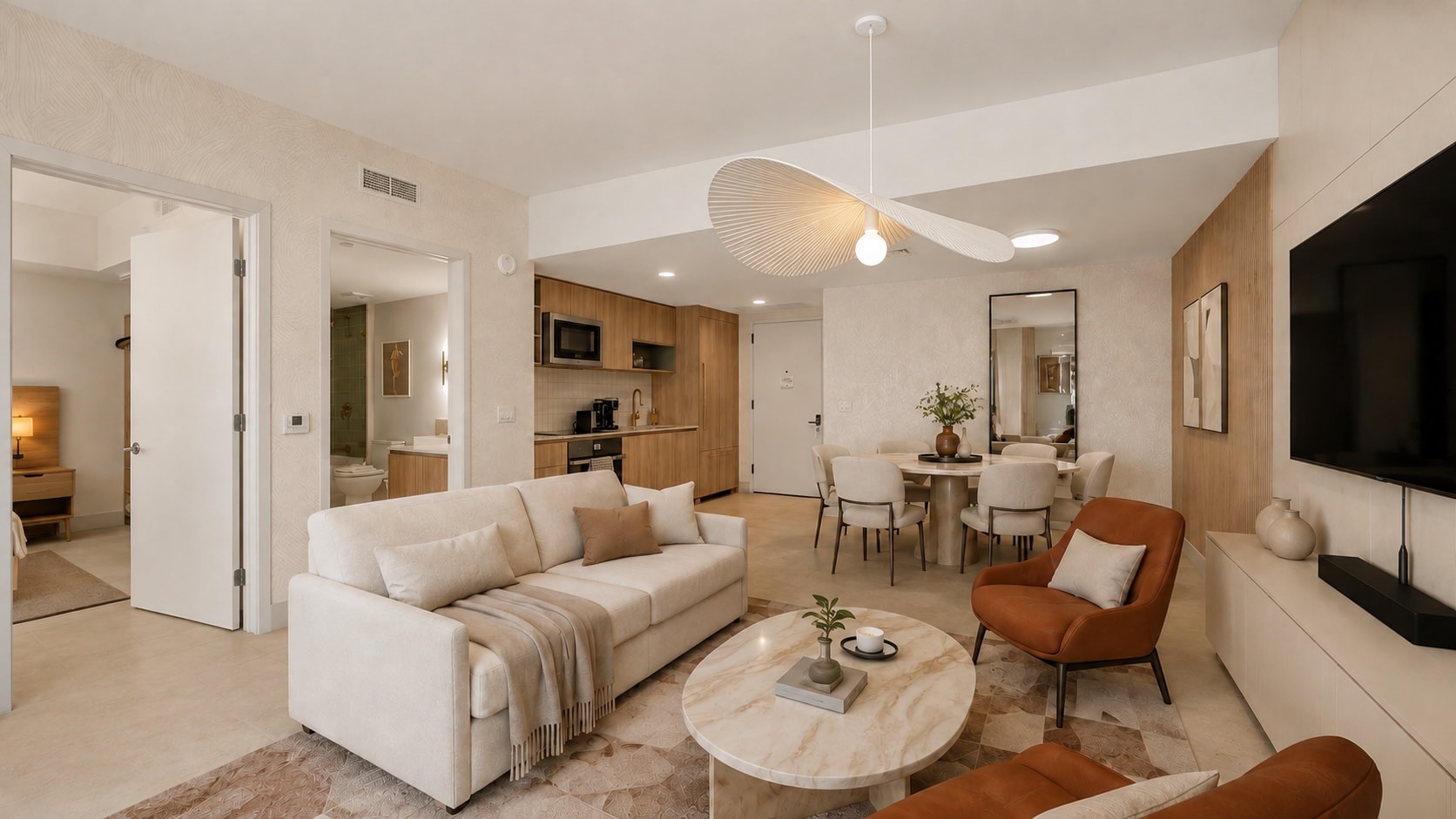
Miami, Florida, USA — 1-Bed Apartment With Bay Views & Resort Pool
$99,000
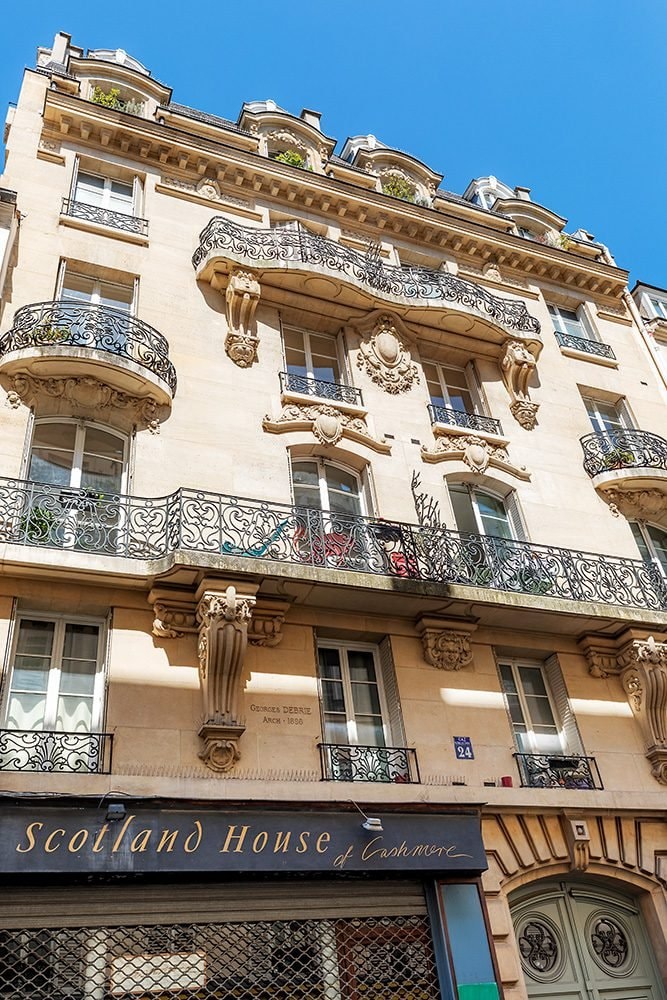
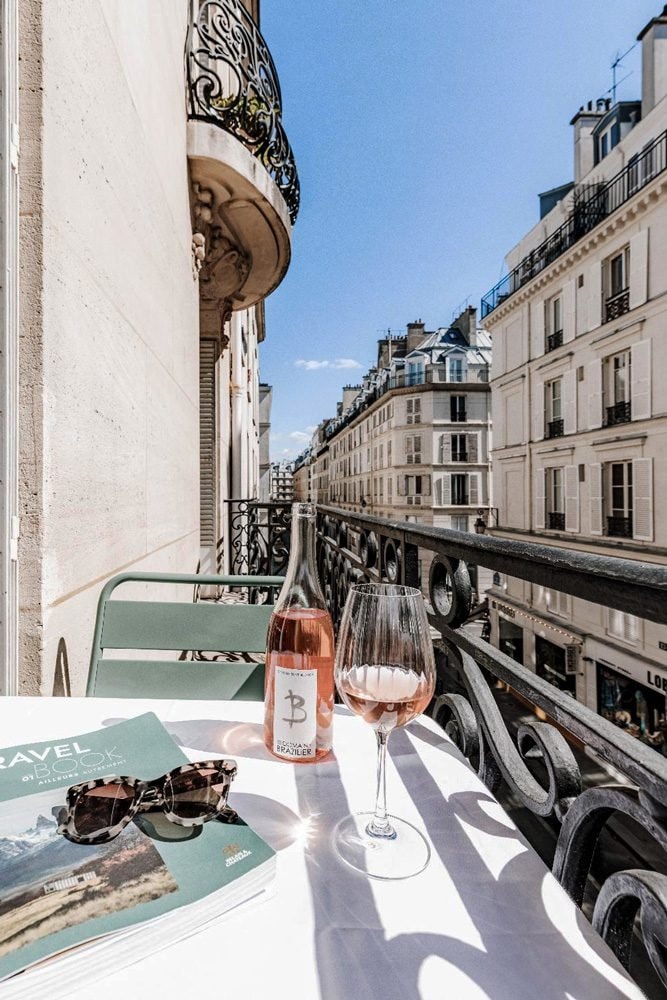
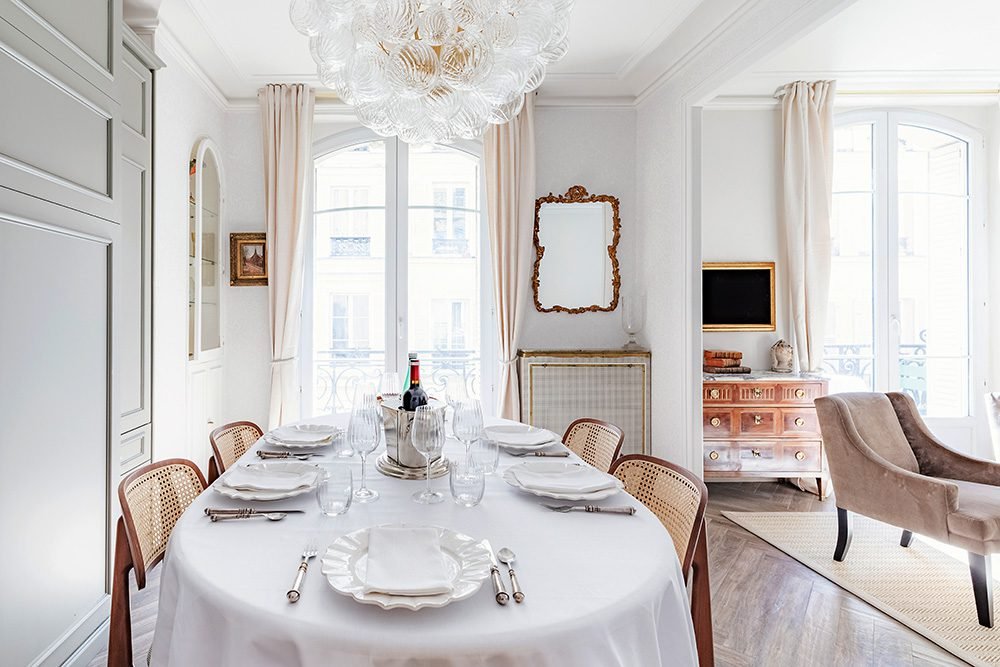
Paris 4th, France — Apartment Sleeping 4, With Balcony in the Marais
$210,000
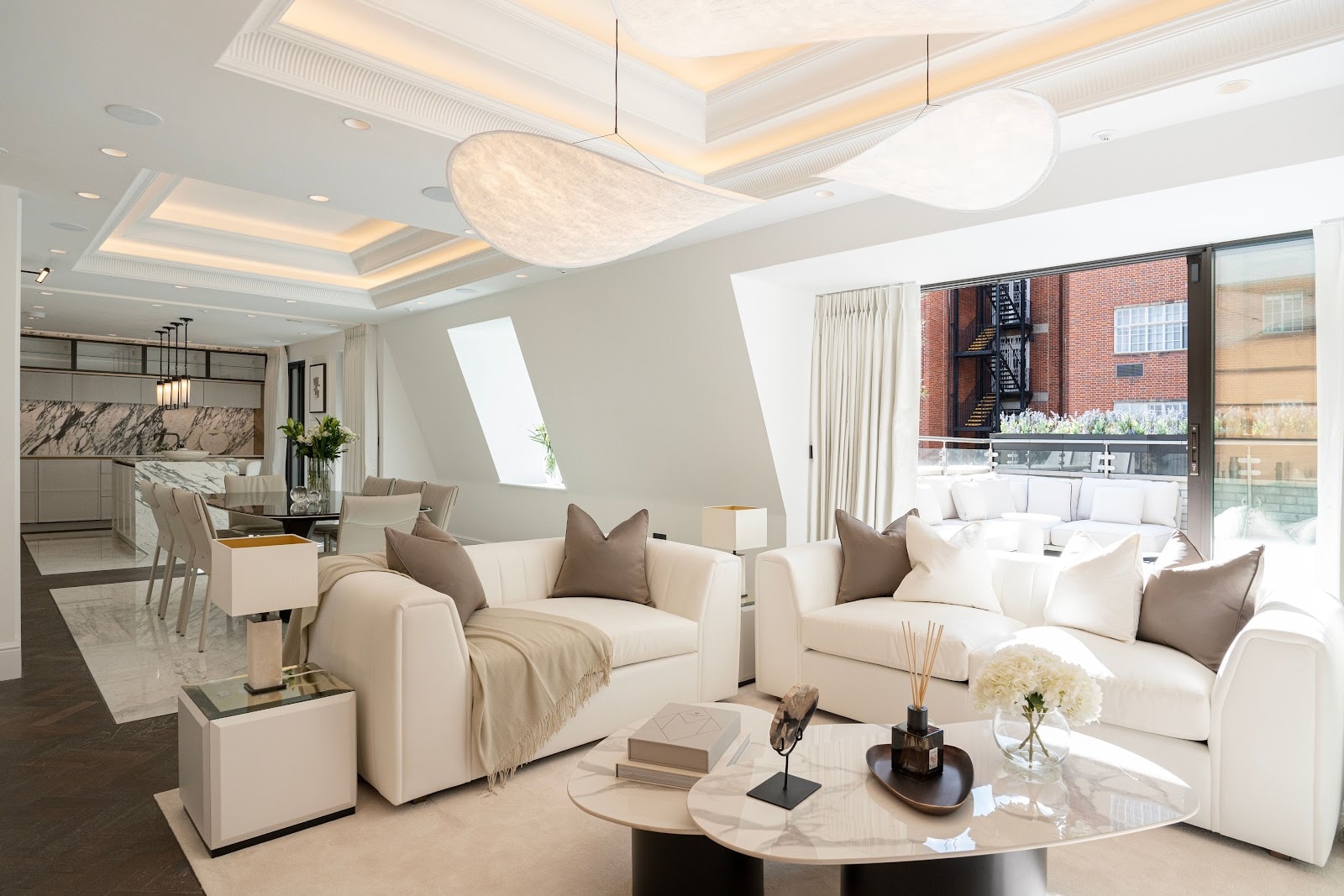
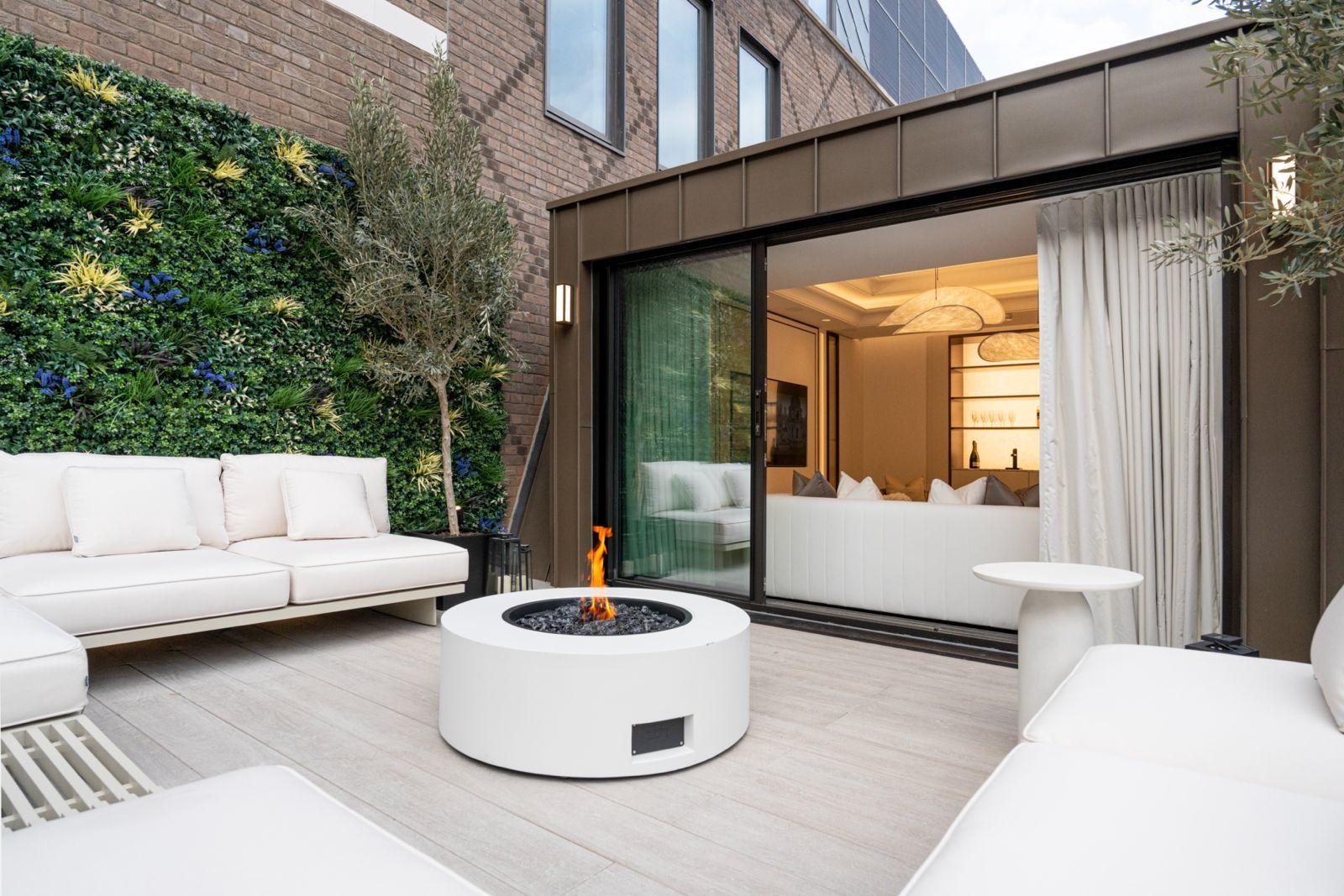
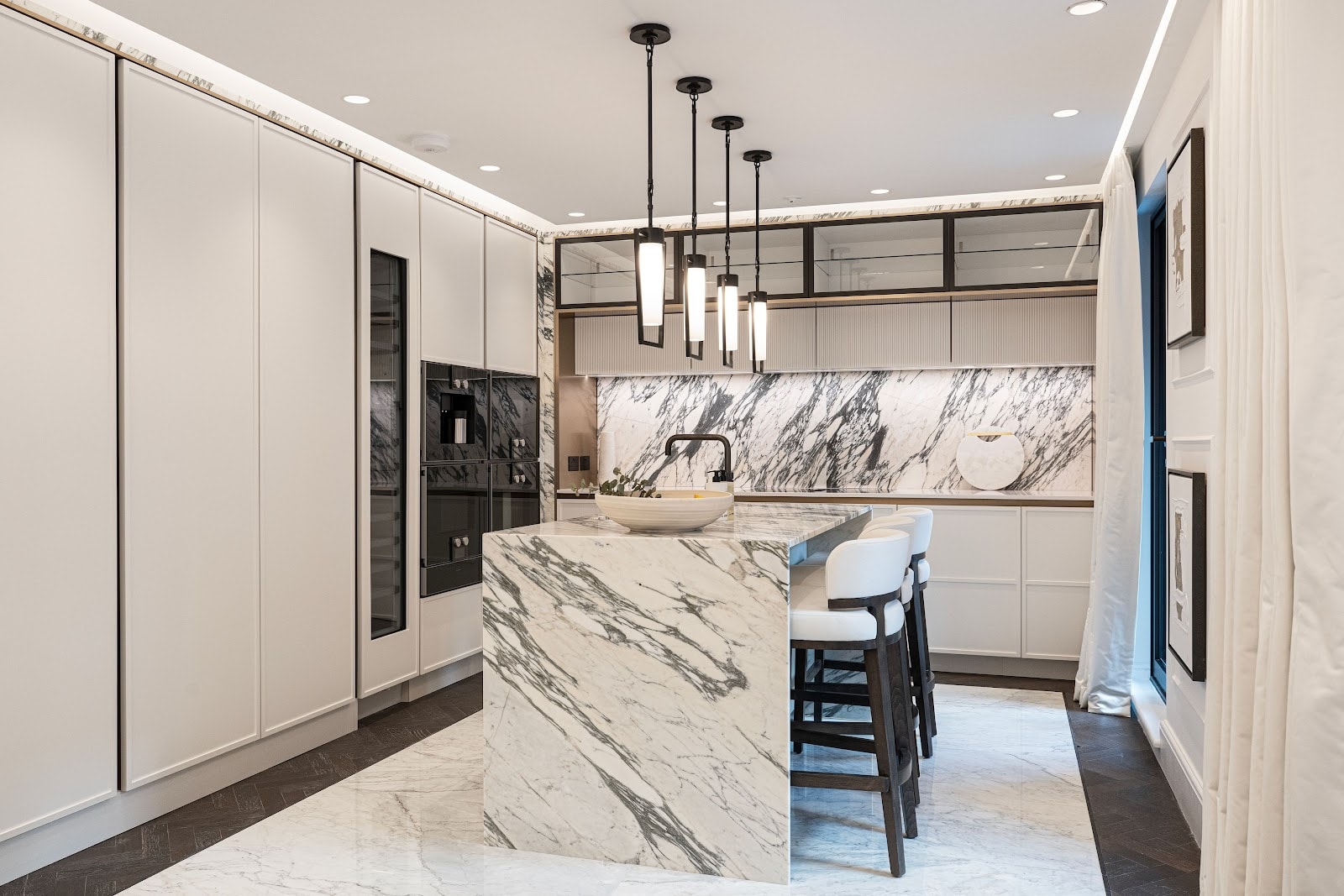
Mayfair, London, England — 3-Bed Penthouse With Private Terrace
$1,550,000

Be the first to hear when a New York home is listed.
We do not have a co-ownership home in New York yet. When we do, it will be the kind we list everywhere else: a fully managed home in one of the best addresses, sold in real 1/8 shares with around six weeks of personal use a year. Leave your email and we will tell you the day it arrives. In the meantime, the homes below are the ones that buyers who love New York choose.
What is fractional ownership in New York?
Fractional ownership in New York means buying a real share of a home, usually 1/8, with a small group of up to seven other co-owners, and using it for around six weeks a year while a professional team looks after everything. For a city apartment it is the modern form of the pied-à-terre; for a house in the Hamptons it is the grown-up version of the summer share. You can sell it, pass it on to your heirs, and it grows in value with the home. It is not a timeshare, and not a hotel residence club.
Why New York?
There are people who visit New York once and tick it off, and there are people for whom one visit is the beginning of a lifelong habit. The second kind come back every autumn for the opening nights, every December for the lights, every spring for the first warm Saturday in the park. They have a favourite hotel, a favourite corner table and a favourite walk, and at some point most of them start doing the arithmetic. Fractional ownership in New York exists for them: a home of their own in the city they keep returning to, for the weeks they actually spend there.
The first argument is simply what New York is. No other city on earth puts so much within a walk or a short cab ride. The Metropolitan Museum of Art holds five thousand years of human achievement under one roof. Forty-one Broadway theatres stand within a dozen blocks of one another. Lincoln Center houses the Metropolitan Opera, the New York Philharmonic and the New York City Ballet around a single plaza, and Carnegie Hall has been the most famous concert stage in America since Tchaikovsky conducted on its opening night in 1891. There are restaurants from every country in the world, shops that set the taste of the rest of it, and Central Park, 843 acres of lawn, lake and woodland, in the middle of everything.
The second is that New York is really two places, and owners want both. From June to September the city empties eastward to the Hamptons, a string of old villages and ocean beaches at the far end of Long Island, where the same people who fill the theatres in winter spend their weekends barefoot. North of the city, the Hudson Valley and the Catskills offer farmhouses, orchards and autumn colour within two hours. A New York year, for those who live it well, moves between the city and the country with the seasons.
The third is the arithmetic itself. New York is one of the most expensive property markets in the world, and a whole apartment in a good building near the park is far beyond what most visitors would spend on somewhere they use for a few weeks a year. It is also one of the most expensive hotel markets: a comfortable room in the weeks people most want to be here costs a great deal and comes with none of the things that make a place feel like home. A 1/8 share sits exactly between the two. You pay for the part of the year you use, you own something real, and you arrive to your own front door, your own bookshelves and your own coffee cups.
The fourth is how well New York suits short, frequent stays. This is not a place where you need a fortnight to unwind. Four nights in October, a long weekend before Christmas, a week in May, ten days in September for the tennis and the opening of the season: that is how most people who love the city use it, and it is exactly the pattern that a share of a home is built for. The calendar rotates the most popular weeks fairly between the owners, and everything in between is looked after for you.
The city you already know
Part of the pleasure of New York is that you arrive already knowing it. Audrey Hepburn stood with her coffee and pastry at the window of Tiffany's, on the corner of Fifth Avenue and 57th Street, and the window is still there. Gershwin wrote Rhapsody in Blue for a concert in Midtown in 1924, and the opening clarinet still sounds like the city waking up. Frank Sinatra sang its anthem. F. Scott Fitzgerald set The Great Gatsby on the shore of Long Island, and Edith Wharton set The Age of Innocence in the brownstones of old Manhattan. West Side Story was filmed on the streets where Lincoln Center now stands. Every corner seems to belong to a scene you half remember, and one of the quiet joys of having a home here is finding that the real place is better than the film.
The three kinds of fractional ownership in New York
The phrase covers three rather different things here, and it helps to know which is which. The first is the hotel residence club: a handful of luxury hotels in Manhattan sell membership in a set of serviced apartments, with stays booked through the club. It is closer to a private hotel than to a home. The second is the summer share, a Hamptons tradition for generations, in which a group of friends rent a house together for the season and divide the weekends, and its more recent cousin, the quarter share of a holiday cottage.
The third, and the kind we deal in, is co-ownership: a small group of up to eight buyers each own a real share of one fine home, which is theirs to use for their weeks, and which is furnished, managed and maintained all year. It gives you what the other two do not: a home that is the same every time, that you own, and that you can sell or leave to your family.
A very short history
The Dutch built a trading post at the tip of Manhattan in the 1620s and called it New Amsterdam; the wall they put up against attack ran along what is now Wall Street. The English took it in 1664 without a shot and renamed it for the Duke of York. In 1789 George Washington took the oath as the first President on a balcony a few steps from where the stock exchange now stands, and New York was briefly the capital of the new country.
What made it the greatest city in America was water. The Erie Canal, opened in 1825, joined its harbour to the Great Lakes and the whole interior of the continent, and for the next century everything and everyone came through New York. More than twelve million immigrants landed at Ellis Island between 1892 and 1954, under the gaze of the Statue of Liberty, a gift from the people of France unveiled in 1886. The Brooklyn Bridge opened in 1883. The five boroughs joined into one city in 1898. And in a few astonishing years around 1930 the skyline as the world knows it went up: the Chrysler Building, the Empire State Building and Rockefeller Center, all built within a decade of one another, and all still standing as the best of their kind.
Where to own in New York
New York is a city of villages, and where you stay decides which New York you get. For a home, five settings matter most. Uptown, on either side of Central Park, is the classic New York of museums, doormen and tree-lined side streets. Downtown, from Greenwich Village to Tribeca, is lower, older and livelier, with cobbles, lofts and the best restaurants. Brooklyn, across the East River, has the brownstones and the skyline views. The Hamptons are the summer. And the Hudson Valley and the Catskills are the country.
Uptown: the Upper East Side and the Upper West Side
The two neighbourhoods that flank Central Park are what most people from elsewhere picture when they imagine living in New York. On the Upper East Side, Fifth Avenue faces the park along Museum Mile: the Metropolitan, the Guggenheim in Frank Lloyd Wright's white spiral of 1959, and the Frick Collection, a Gilded Age mansion of Old Masters that reopened in 2025 after a long restoration. Madison Avenue, one block east, has the galleries and the shops. The side streets are rows of limestone townhouses under old trees.
The Upper West Side, across the park, is a little more relaxed and a little more bookish. It has Lincoln Center at its foot, the American Museum of Natural History and its dinosaurs in the middle, and the grand apartment houses of Central Park West — the Dakota, the San Remo, the Beresford — along its edge. Riverside Park runs down its other side beside the Hudson. Both neighbourhoods are quiet at night, safe, and a fifteen-minute cab ride from the theatres. Best for: owners who want the park at the end of the street, museum-goers, opera and ballet subscribers, families, and anyone whose idea of New York was formed by the films.
Downtown: Greenwich Village, SoHo, Tribeca and Chelsea
Below 14th Street the grid gives way to older, crooked streets, and the buildings come down to a human height. Greenwich Village is red-brick houses, jazz clubs and small restaurants around Washington Square. SoHo is five-storey warehouses with cast-iron fronts, built in the 1870s and now filled with shops and lofts. Tribeca, quieter and grander, has the largest lofts in the city on streets still paved with stone. And on the west side, the High Line, a garden laid along a disused elevated railway, runs for a mile and a half through Chelsea's galleries to the Whitney Museum of American Art at its foot.
This is the New York of long dinners and late walks home. You can spend a whole stay without going north of 23rd Street and not run out of new places to eat. The Hudson River Park gives you the water and the sunset, the ferry to the Statue of Liberty leaves from the tip of the island, and the subway takes you to the theatres in ten minutes when you want them. Best for: couples, food lovers, gallery-goers, those who like to walk everywhere, and owners who want New York to feel like a neighbourhood and not a monument.
Brooklyn: the Heights, Dumbo and Williamsburg
Across the Brooklyn Bridge, Brooklyn Heights is the most beautiful residential district in the city: street after street of brownstone and brick houses from the 1840s to the 1880s, ending at a promenade with the classic view of Lower Manhattan across the river. Dumbo, below it, has converted warehouses between the two great bridges and a waterfront park with a restored carousel. Williamsburg, further north, is the young, fashionable Brooklyn of rooftop bars, music venues and some of the most talked-about restaurants in America.
The Brooklyn Botanic Garden, with its Japanese garden and its avenue of cherry trees, and Prospect Park, laid out by the designers of Central Park, who thought it the better of the two, are a short ride away. Manhattan is one or two subway stops across the river. Best for: owners who want space, calm and a view of the skyline; those who know Manhattan well and want something different; and families, for whom a house with a garden a few minutes from the city is the best of both.
The Hamptons and Montauk
A hundred miles east of the city, where Long Island narrows between the ocean and the bay, lie the villages New York has gone to in summer for a century and a half: Southampton, Bridgehampton, Sagaponack, East Hampton, Amagansett and, at the very end, Montauk. The landscape is flat, green and washed with a clear sea light that has drawn painters since the 1870s; Jackson Pollock and Willem de Kooning both lived and worked here. The beaches are among the finest on the Atlantic, wide and white and backed by dunes, and the villages are white churches, windmills, farm stands and main streets of weathered shingle.
The Hamptons house is a type of its own: cedar shingles gone silver in the salt air, white trim, a porch, a pool behind a privet hedge, and a path to the beach. Summer life is simple and sociable. Mornings on the sand, lunch from the farm stand, tennis, a swim, and dinner with friends in the garden. Sag Harbor, an old whaling port on the bay side, has the yachts and the best walking streets. Montauk, with its lighthouse commissioned under George Washington, has the surf and the fishing boats. The season runs from Memorial Day to Labor Day, and September, when the crowds have gone and the water is at its warmest, is the month the locals love. Best for: families, groups of friends, and owners who want a beach house within reach of the city.
Each village has its own beach, and regulars defend their favourite fiercely: Coopers Beach in Southampton, regularly named among the best in America; Main Beach in East Hampton; the long, empty sands of Amagansett; the surf at Ditch Plains in Montauk. Away from the ocean there is the Parrish Art Museum in a long, low barn of a building among the fields at Water Mill, summer theatre and exhibitions at Guild Hall, and a short ferry ride to Shelter Island, where time appears to have stopped in about 1955. Across the bay, the North Fork has dozens of vineyards, farm stands and oyster shacks, and makes a perfect day out.
The Hudson Valley and the Catskills
North of the city the Hudson runs for 150 miles between wooded hills, and along it are some of the prettiest small towns in America: Cold Spring, Beacon, Rhinebeck, Hudson. This was the landscape that inspired the first American school of painting, and the great houses of the Vanderbilts, the Roosevelts and the Rockefellers still stand above the river, open to visitors. Today the valley is known for its farms and restaurants, for antiques, and for two extraordinary places to see art: Storm King, five hundred acres of fields and woods set with monumental sculpture, and Dia Beacon, a museum in a former factory flooded with daylight.
West of the river rise the Catskills, a range of forested mountains with trout streams, waterfalls, hiking trails and small ski hills. A farmhouse or a modern cabin here is the country retreat of choice for a new generation of New Yorkers. Autumn, when the hills turn red and gold in the middle of October, is spectacular. Best for: owners who want quiet, land and a fireplace; walkers and gardeners; and those who would rather spend a summer weekend by a swimming hole than on a crowded beach.
A year in a New York home
New York has four real seasons, and each one has its devotees. Autumn is when the city is at its most alive. Winter belongs to the holidays and to long evenings indoors. Spring is the park in blossom. And summer is the beach. A share of a home, with its weeks spread through the year by a fair-rotation calendar, lets you have a little of each.
Autumn (September–November)
Ask a New Yorker for the best time of year and the answer is nearly always the fall. The heat breaks in the second week of September, the sky turns a deep, clear blue, and afternoons settle at around 20–24°C (high 60s to mid-70s°F). Everyone is back from the summer and the city seems to wake up all at once. The Metropolitan Opera, the Philharmonic, the ballet and Carnegie Hall open their seasons within days of one another. The new Broadway shows begin previews. The galleries of Chelsea hang their most important exhibitions of the year.
The US Open, the last tennis Grand Slam of the year, fills the first days of September with night matches under the lights at Flushing Meadows. In October the leaves turn in Central Park and, more dramatically, along the Hudson, where a train ride up the river on a clear morning is one of the great sights of the American year. On the first Sunday of November more than fifty thousand runners cross all five boroughs in the New York City Marathon, cheered by two million people on the pavements. And the season ends with Thanksgiving, when giant balloons float down Central Park West in a parade that has been held since 1924.
Winter (December–February)
From the first days of December New York becomes the city everyone knows from the films. The great tree is lit at Rockefeller Center above the skaters on the rink. The department stores on Fifth Avenue unveil their windows. There are Christmas markets at Union Square and Bryant Park, the Rockettes at Radio City, and The Nutcracker at Lincoln Center, danced by the New York City Ballet every year since 1954. On New Year's Eve the ball drops in Times Square, as it has since 1907.
January and February are cold, with afternoons around 3–5°C (high 30s to low 40s°F), and wonderfully uncrowded. This is when owners who love the city for its own sake come: for a table at a restaurant that was booked solid in December, for the Old Masters at the Frick with the rooms almost empty, for a snowfall in Central Park, which turns the whole city silent for a morning. There is skating at Wollman Rink with the skyline behind it. The theatres are at their best. And for anyone who wants snow under their skis, the hills of the Catskills are two to three hours north.
Spring (March–May)
Spring comes late and all at once. Some time in April the cherry trees open at the Brooklyn Botanic Garden and around the reservoir in Central Park, the tulips come out down the middle of Park Avenue, and New Yorkers move outdoors as if a door had been unlocked. Afternoons rise from around 10°C (50°F) in March to 22°C (low 70s°F) by late May. Restaurant tables reappear on the pavements. The baseball season begins at Yankee Stadium and at the Mets' ground in Queens.
May is one of the finest months of the year. The art world arrives for the spring auctions and fairs. The Met Gala turns the steps of the museum into a catwalk on the first Monday of the month. The New York Botanical Garden in the Bronx is at its peak. And on Memorial Day weekend, at the end of the month, the Hamptons season opens and the first cars head east.
Summer (June–August)
Summer in the city is hot, at around 28–30°C (low to mid-80s°F), and has pleasures of its own: free Shakespeare in Central Park, presented by the Public Theater under the stars; outdoor films and concerts in the parks; rooftop bars; fireworks over the river on the Fourth of July; and restaurant tables that are easy to book because half the regulars are away.
They are away, of course, in the Hamptons. From late June to early September life out east follows its own gentle routine: the ocean in the morning, when the beach is quiet and the water, at 20–22°C (68–72°F) by August, is bracing and clean; corn, tomatoes and peaches from the farm stands; tennis or a bicycle ride in the afternoon; and long dinners outdoors as the fireflies come out. The Hampton Classic, one of the largest horse shows in America, closes the season at the end of August. And then comes September, with warm water, golden light and empty beaches, which those who know keep for themselves.
New York month by month
- January — cold and quiet, around 4°C (39°F). Restaurant tables, empty museums and the best theatre seats of the year.
- February — the same, with Fashion Week and, some years, the snowfall that turns Central Park white.
- March — the first mild days. St Patrick's Day brings the oldest parade in the city down Fifth Avenue.
- April — blossom in the parks, baseball, and the Easter bonnets on Fifth Avenue.
- May — warm, bright and at its loveliest. The Met Gala, the spring art fairs, and the Hamptons opening on Memorial Day.
- June — long evenings, Shakespeare in the Park, and the first beach weekends.
- July — hot in the city, perfect at the beach. Fireworks on the Fourth.
- August — the Hamptons at their height, the Hampton Classic, and the start of the US Open.
- September — the best month in the Hamptons and the start of the season in the city.
- October — clear skies at around 18°C (64°F), autumn colour up the Hudson, and every stage in the city lit.
- November — the Marathon, the first frosts and Thanksgiving.
- December — the tree, the windows, the skaters and the lights.
The museums, the music and the theatre
The cultural life of New York is the reason many owners are here at all, and it is worth taking slowly. The Metropolitan Museum alone would take a year of visits: an entire Egyptian temple in a room of glass, galleries of armour, Rembrandts and Vermeers, a Chinese scholar's garden, and a roof terrace with a view over the treetops of the park. The Museum of Modern Art has Van Gogh's Starry Night, Picasso's Demoiselles d'Avignon and Monet's water lilies. The Frick shows its Vermeers and Holbeins in the rooms of the house they were bought for. And at the northern tip of Manhattan, in a park above the Hudson, the Cloisters holds the Met's medieval collection, including the Unicorn Tapestries, in a building assembled from French monasteries.
In the evening there is more than anyone could attend. The Metropolitan Opera performs in a house hung with crystal chandeliers and two vast murals by Chagall. The Philharmonic, founded in 1842, is the oldest symphony orchestra in America. On Broadway the great musicals run for years, and the new plays that will be talked about everywhere open here first. And downtown, the Village Vanguard has presented jazz in the same wedge-shaped basement since 1935; almost every great name in the music has played there, and the room is still full every night.
Sport
New York is as serious about sport as it is about art. The Yankees, with twenty-seven championships, are the most successful team in baseball, and an afternoon at the stadium in the Bronx is as much a part of the city as the opera. Madison Square Garden, above Penn Station, calls itself the world's most famous arena, and for basketball, ice hockey and boxing it is. The US Open closes the summer. Golfers can play Bethpage Black, a public course on Long Island fearsome enough to have held two US Opens and the 2025 Ryder Cup, and can at least drive past Shinnecock Hills in Southampton, one of the oldest clubs in the country, where the US Open returned in 2026. And in August the horse-racing world moves to Saratoga Springs, three hours north, for a summer meeting that has been held since 1863.
A perfect autumn week
Saturday. You land in the afternoon, drop your bags in an apartment that already feels like yours, and walk into Central Park as the light turns gold on the buildings along Fifth Avenue. Dinner is at the bistro on the corner, where they remember you. Sunday is the Metropolitan Museum, for as long as your feet hold out, then a late lunch on Madison Avenue and jazz in a basement in Greenwich Village. On Monday you go downtown: the ferry past the Statue of Liberty in the morning, lunch in Tribeca, the High Line and the Whitney in the afternoon, and dinner somewhere you have been reading about for a year.
Tuesday is for shopping and a matinée, and the opera in the evening. On Wednesday you take the train up the Hudson, with the river on your left the whole way and the hills on fire with colour, to spend the day among the sculptures at Storm King or the galleries at Dia Beacon. Thursday is Brooklyn: across the bridge on foot, lunch in Dumbo, the promenade at sunset. On Friday you do nothing in particular, which in New York is its own pleasure — a long breakfast with the newspaper, a walk around the reservoir, a last show. On Saturday you lock the door. Everything will be exactly where you left it.
Eating in New York
You could eat out in New York every night for a lifetime and never repeat a restaurant, and some New Yorkers try. The Michelin Guide came to New York before any other American city, and at the top of it sit a handful of the best restaurants in the world, among them Le Bernardin, which has held three stars for seafood cooking of extraordinary refinement since the guide's first edition.
But the real glory of the city's food is everything below that. The slice of pizza eaten standing up. The bagel with smoked salmon from a shop that has been baking them since before the war. Pastrami on rye at Katz's, on the Lower East Side since 1888. Oysters under the tiled vaults of the Grand Central Oyster Bar, which opened with the station in 1913. Dumplings in Chinatown, pasta on Arthur Avenue in the Bronx, a steak in a wood-panelled room that has not changed in a century. With a kitchen of your own you can also shop like a New Yorker, at the Union Square farmers' market or one of the great food halls, and stay in.
New York with children
Children take to New York instantly. There are the dinosaurs and the great blue whale at the American Museum of Natural History, the zoo, the carousel and the rowing boats in Central Park, the ferry to the Statue of Liberty, and an aircraft carrier with a space shuttle on its deck moored in the Hudson. The Bronx Zoo is one of the largest city zoos in the world. Coney Island has a wooden roller coaster, the Cyclone, that has been thrilling visitors since 1927. And a first Broadway musical is something they will remember all their lives.
Who buys in New York, and where else they look
The people who want a home in New York without living there fall into a few clear groups. There are international buyers, from London, Paris, Milan, São Paulo, Mexico City and Hong Kong, for whom New York is the second city of their lives. There are Americans from Texas, California, Florida and the Midwest who come for the theatre, the shopping and the restaurants several times a year. There are parents whose children are at university or starting careers in the city. And there is a large and growing group of former New Yorkers who have moved to Florida or elsewhere and want to keep a foothold in the place they still think of as home.
Fractional ownership in New York typically suits:
- Culture lovers — opera, ballet and theatre subscribers who come for a week at a time, several times a season, and want to walk home afterwards.
- Frequent visitors — people in New York often for work, family or pleasure, who are tired of hotels and want their own front door.
- Former residents — who have moved away and want to return for the autumn, the holidays and a few weeks of spring without keeping an apartment empty the rest of the year.
- Families with children in the city — for whom a shared family home is the easiest way to be together.
- Summer families — who want a house in the Hamptons for part of the season and not the cost and care of one for the whole year.
- Owners building a year of homes — New York in autumn, the sun in winter, Europe in summer: a share in each, and nothing to look after in between.
If you love New York: Nantucket, Miami, Paris and London
We do not have a home in New York to offer today. What we can offer are the places that people who love New York also choose, because New Yorkers have been going to the same few places for a hundred years, and we have homes in them.
Nantucket and Cape Cod are the closest in spirit to the Hamptons, and the homes nearest to New York in our collection. Nantucket, an island thirty miles out to sea from Massachusetts, is all grey shingle, white fences, cobbled streets and wild beaches, and was once the whaling capital of the world. Chatham, at the elbow of the Cape, is a classic New England seaside town with a lighthouse and a fishing fleet. Both are within easy reach of New York, and both keep the simplicity that the Hamptons had fifty years ago.
Miami and Palm Beach are where New York goes in winter. So many New Yorkers have homes in South Florida that it is called the sixth borough, and the flight is under three hours. The appeal is simple: January on the beach in place of January in the slush, with restaurants and galleries that, increasingly, are branches of the ones at home.
Paris and London are the other two great cities of the pied-à-terre. The buyer who wants an apartment near Central Park for the opera season is very often the buyer who wants one in Saint-Germain or Mayfair for the same reason: a home in a city they love, for a few weeks at a time. We have apartments in both.
The homes shown on this page are drawn from those places. Each is a real 1/8 share of a fully managed home. And if it is New York itself you want, leave your email in the box at the top of this page, and we will write to you the day the first New York home is listed.
Practicalities: getting there, getting around and owning
Getting there
New York has three airports, and between them a direct flight from almost every large city in the world. John F. Kennedy (JFK) and Newark Liberty (EWR) take the long-haul flights; LaGuardia (LGA), completely rebuilt in recent years, serves the rest of the United States and Canada. From London the flight is about 7 to 8 hours westbound and about seven coming home, with dozens of departures a day. From Paris it is about eight hours, from Los Angeles five to six, from Miami about three. By train, the Acela of Amtrak reaches Washington in under three hours and Boston in under four, and arrives in the middle of Manhattan.
Visitors from the United Kingdom, the European Union and many other countries travel on an ESTA, which allows stays of up to 90 days at a time. The official tourism site, NYC Tourism, and the state's I Love NY have everything you need to plan a visit.
Getting around
You will not need a car in the city, and will not want one. Manhattan is a grid, twenty blocks to the mile, and walking is the best way to see it. The subway runs all day and all night to every corner of the five boroughs. Yellow cabs and ride-hailing cars are everywhere, and ferries cross the East River and the harbour for a few dollars.
To the Hamptons, the Long Island Rail Road runs from Manhattan to every village, taking a little over two hours to Southampton and nearer three to Montauk, with a faster express on summer Fridays; comfortable coaches leave the East Side every hour or so; and the drive takes two to three hours depending on the traffic, which is why seasoned owners travel on Thursday night or early on Friday. Discover Long Island covers the whole of the East End. To the Hudson Valley, the commuter trains from Grand Central follow the east bank of the river and reach Beacon in about an hour and a half.
Days out and weekends away
New York is the best-connected city in America, and much of the north-east is within easy reach of a home here. Philadelphia is a little over an hour away by fast train, Washington under three hours, Boston under four. The university town of Princeton is an hour south. Up the Hudson, at Hyde Park, are the home of Franklin Roosevelt and the Vanderbilt mansion, both cared for by the National Park Service, with the country's leading cookery school and its restaurants just down the road. Fire Island, a thin barrier island with no cars, is a ferry ride from Long Island's south shore. And three and a half hours up the coast, Newport, Rhode Island, has the palaces that New York's richest families built by the sea in the Gilded Age.
Owning property in New York
There is no restriction on foreign ownership of property in New York, and buyers from abroad are a familiar part of the market. Two things are particular to the city. First, apartments come in two kinds. In a co-operative, which is the older and more common arrangement in Manhattan, a buyer acquires shares in the building and must be approved by its board, and many boards do not welcome part-time residents. In a condominium, the buyer owns the apartment itself, and the rules are far more flexible. A home suited to co-ownership will always be a condominium, a townhouse or a house. Second, every purchase in New York is handled by attorneys for both sides, which makes the process careful and well documented.
New York State and New York City have their own taxes on the purchase and ownership of property, and the state has its own estate tax. As with any purchase abroad, we recommend independent advice, from a New York attorney and from your own adviser at home, before you buy.
Whole home or a share — the comparison that matters
The case for a share is clearest in a city like this one. A whole pied-à-terre near Central Park commits its owner to the full price of some of the most valuable property on earth and to the monthly charges of a full-service building, every month, whether they are in town for six weeks a year or six days. A hotel for the same visits, year after year, costs a great deal and leaves you with nothing. A 1/8 share gives you a real share of a home of that quality for the weeks you want it.
| Whole second home | COP 1/8 fractional share | Hotel or rental each year | |
|---|---|---|---|
| Upfront commitment | Full property value | ~1/8 of the property value | None |
| Equity in the asset | Full appreciation | ~1/8 of appreciation | None |
| Personal use | Up to 52 weeks (most use 4–8) | Around six weeks a year, fairly rotated | Whatever you book and pay for |
| Operations burden | Owner-managed, all year | Fully included | None |
What you actually own
You own a real share of the home — an eighth, a quarter — not a right to use it. You can sell it, pass it on to your heirs, and it grows in value with the home. What you hold is real ownership — not a timeshare use-right that depreciates to zero when the contract expires, not a points membership, not a fractional holiday club.
How fractional ownership works
The idea is the same wherever we list homes. A fine house or apartment is bought and furnished, and its ownership is divided into a small number of real shares, usually eight. Each buyer owns a share and has the home for their part of the year. A professional company manages it for all of them. The legal set-up differs from place to place and is arranged by our partner for each home, and it is walked through with you before you buy.
How the calendar works
Your stays are booked through a fair-rotation calendar that mixes the weeks everyone wants — in New York, Thanksgiving, the weeks before Christmas, New Year, and in the Hamptons the Fourth of July and August — with quieter weeks across the year. Owners book months ahead, and the most sought-after weeks rotate from year to year so that no co-owner holds them all. New York rewards this more than most places, because so many of its best weeks, in October, in May and in the calm of January, are ones that few people think to ask for.
The professional management model
Once the purchase completes, a professional management company takes over all responsibility for the home: cleaning and linen, preparation before each arrival, maintenance, bills, insurance and the building or the grounds. You arrive; the home is warm in winter and cool in summer, the bed is made and the lights are on.
Resale: how to exit, typical timelines
When you decide to exit, a professional resale process is in place: you sell your share — not the whole home — at the price you set, typically after an initial twelve months of ownership. Hundreds of shares in homes like these have already been resold — in just over three months on average, and nearly three in four for more than the owner paid. The full mechanics are covered in our co-ownership explained guide.
When will there be a New York home?
We add a home to our collection only when it meets the same standard as the rest: a fine house or apartment in a proven address, properly furnished, professionally managed, and sold in real shares on terms we are happy to explain line by line. New York is a place our buyers ask about often, and we would like to have homes here. We will not list one until it is right. When it is, it will appear at the top of this page, and everyone who has left their email here will hear the same day.
Until then, our team is glad to talk through what you are looking for — a city home, a beach home or both — and to show you the homes in Nantucket and Cape Cod, Miami, Paris and London that owners with the same tastes have chosen. The wider United States collection shows everything we have across the country.
Your ownership at a glance
- Real ownership — you own a real 1/8 share of the home, not a right to use it: you can sell it, pass it on to your heirs, and it grows in value with the home. Not a timeshare, not a points membership.
- Fully managed throughout — the professional management team handles cleaning, maintenance, bills, insurance, scheduling and the on-call concierge. You arrive, the home is ready.
- Professional resale support — when you decide to exit, our partner's resale process lets you sell your share without having to sell the whole home.
Questions & Answers
New York Fractional Ownership — Frequently Asked Questions
Not yet. We do not have a co-ownership home in New York at the moment. Leave your email in the box at the top of this page and we will tell you the day the first one is listed. In the meantime, the homes shown here are in the places that buyers who love New York most often choose: Nantucket and Cape Cod, Miami, Paris and London.
It means owning a real share of a home, usually 1/8, with a small group of up to seven other owners, and using it for around six weeks a year while a professional team manages it. For a city apartment it is the modern pied-à-terre; for a house in the Hamptons it is a share of a summer home that you own and do not merely rent.
No. A timeshare sells you a week. Co-ownership sells you the house. A timeshare is the right to use a resort for a set time, shared with a great many others. Fractional ownership is a real share of one specific home, owned with a small group of up to seven others. It moves with the value of the home, you can sell it at the price you set, and you can leave it to your children.
A residence club sells membership in a set of serviced apartments inside a hotel, with stays booked through the club and shared among many members. Fractional ownership is a real share of one private home: the same apartment or house every time, with no more than eight owners in all, and something you own and can sell.
Yes. Fractional ownership, co-ownership, partial ownership and shared vacation-home ownership are different names for owning a real share of a home with a small group of other owners. The share is usually 1/8. Two shares make a quarter share (1/4), for around twice the time.
It depends on the building. Most older Manhattan buildings are co-operatives, whose boards approve every buyer and often do not welcome part-time residents. Condominiums, townhouses and houses are far more flexible, and a home suited to co-ownership will always be one of those.
The Hamptons have a long tradition of shared summer houses, and co-ownership is the version in which you own your share and the house is managed all year. We do not have a Hamptons home at the moment. The nearest homes in our collection are on Nantucket and Cape Cod, which offer the same shingled houses, ocean beaches and village life.
For Central Park and the museums, the Upper East Side and Upper West Side. For restaurants, galleries and older streets, Greenwich Village, SoHo, Tribeca and Chelsea. For brownstones and skyline views, Brooklyn Heights and Dumbo. For the beach in summer, the Hamptons. For the country, the Hudson Valley and the Catskills.
September to November is the favourite of most New Yorkers: clear, mild days, the opera, concert and theatre seasons opening, and the leaves turning. December has the lights and the holidays. April and May are the park in blossom. June to early September is the season in the Hamptons.
About 7 to 8 hours from London and about eight from Paris; five to six from Los Angeles; about three from Miami. Washington is under three hours and Boston under four by train.
Yes. There is no restriction on foreign ownership, and buyers from abroad are a familiar part of the market. Visitors from the United Kingdom, the European Union and many other countries can stay for up to 90 days at a time on an ESTA. We recommend advice from a New York attorney and from your own adviser at home before you buy.
Because the same tastes lead to the same places. Miami and Palm Beach are where New York spends the winter, under three hours away. Paris and London are the other great cities of the pied-à-terre, chosen for the same reasons: culture, restaurants and a home of your own for a few weeks at a time.
The price of a share is shown on each listing and is roughly an eighth of the price of the whole home. The running costs of the home are shared between the owners in the same proportion. Using COP is free for buyers, with no buyer-side fees and no obligation.
On many of our US homes, yes. Qualified buyers can finance up to 70% of the price of a share, or pay in cash. What is available for a particular home, and for buyers living outside the United States, is confirmed with you before you commit.
Yes. Our partner's resale process handles the sale for you, so you sell your share without the whole home having to be sold. After a typical first-12-months holding period you can sell at the price you set. Hundreds of shares in homes like these have already been resold — in just over three months on average, and nearly three in four for more than the owner paid.
Leave your email in the box at the top of this page. We will write to you the day the first co-ownership home in New York is listed.
Also Explore
Get in Touch
Speak to an expert
Tell us what you're looking for and we'll be in touch.