Whistler · British Columbia, Canada
Whistler Fractional Ownership & Co-Ownership Properties
From a timber chalet beside the pistes of Blackcomb to a lakeside house on the Valley Trail — this is our guide to fractional ownership in Whistler: how it works, where owners want to be, and the mountain homes that people who love Whistler are buying a share of today. Whether you call it fractional ownership, quarter ownership or co-ownership, you own a real share of the home.
We have no homes in Whistler yet. Leave your email and we will tell you the day the first one is listed. Homes that buyers who like Whistler also choose are just below.
If you like Whistler, look at these homes
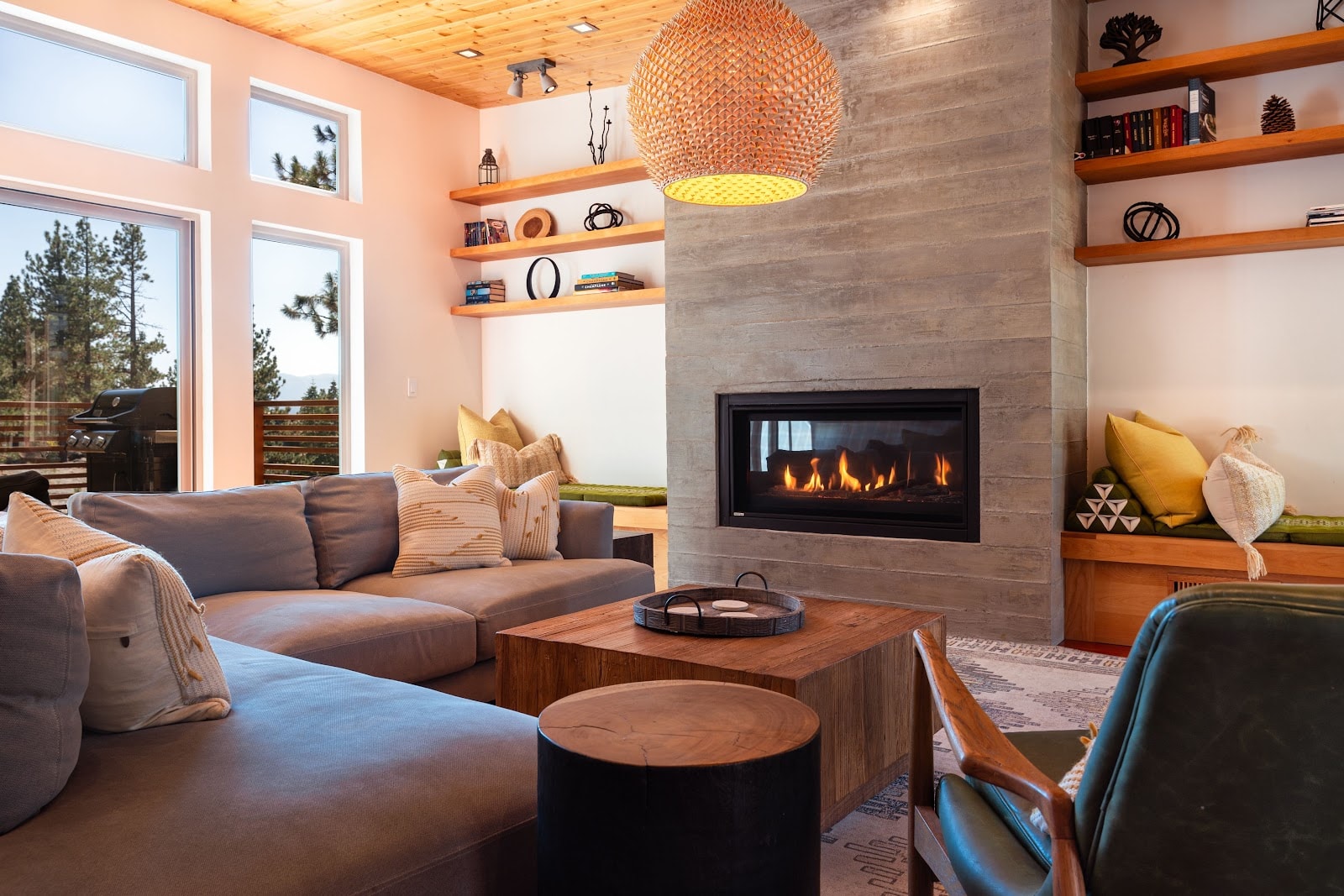
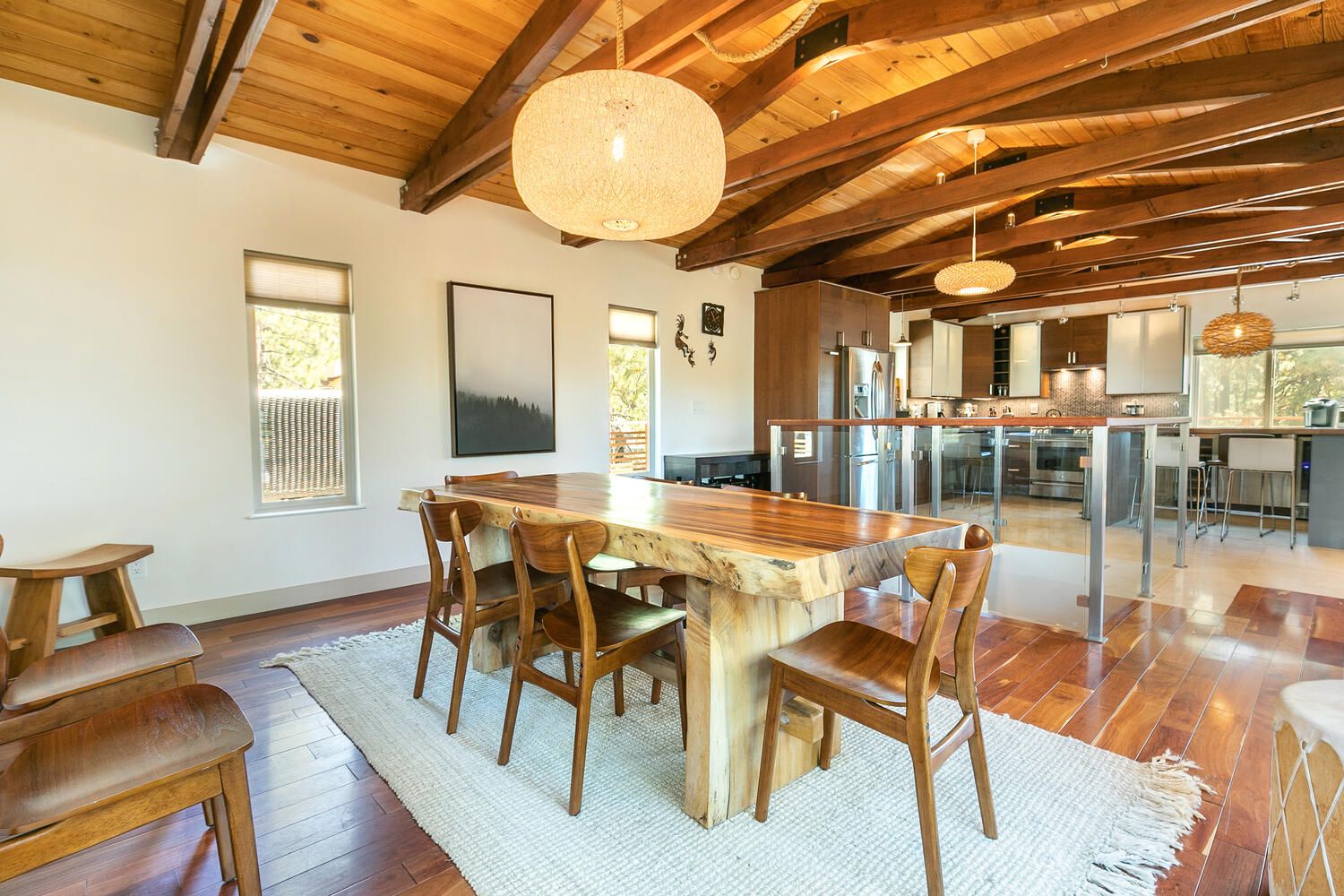
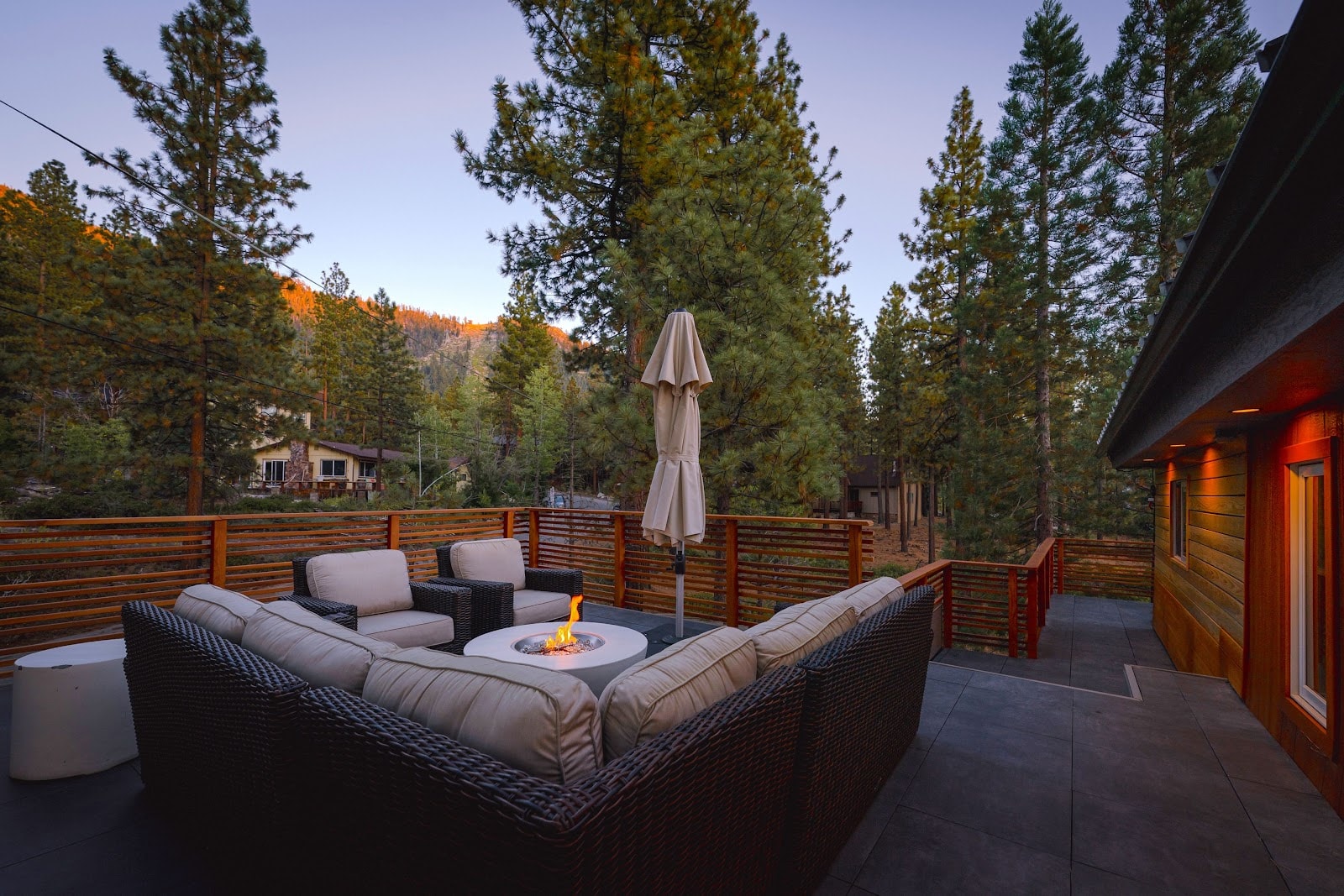
South Lake Tahoe, California, USA — 5-Bed House With Hot Tub
$249,000
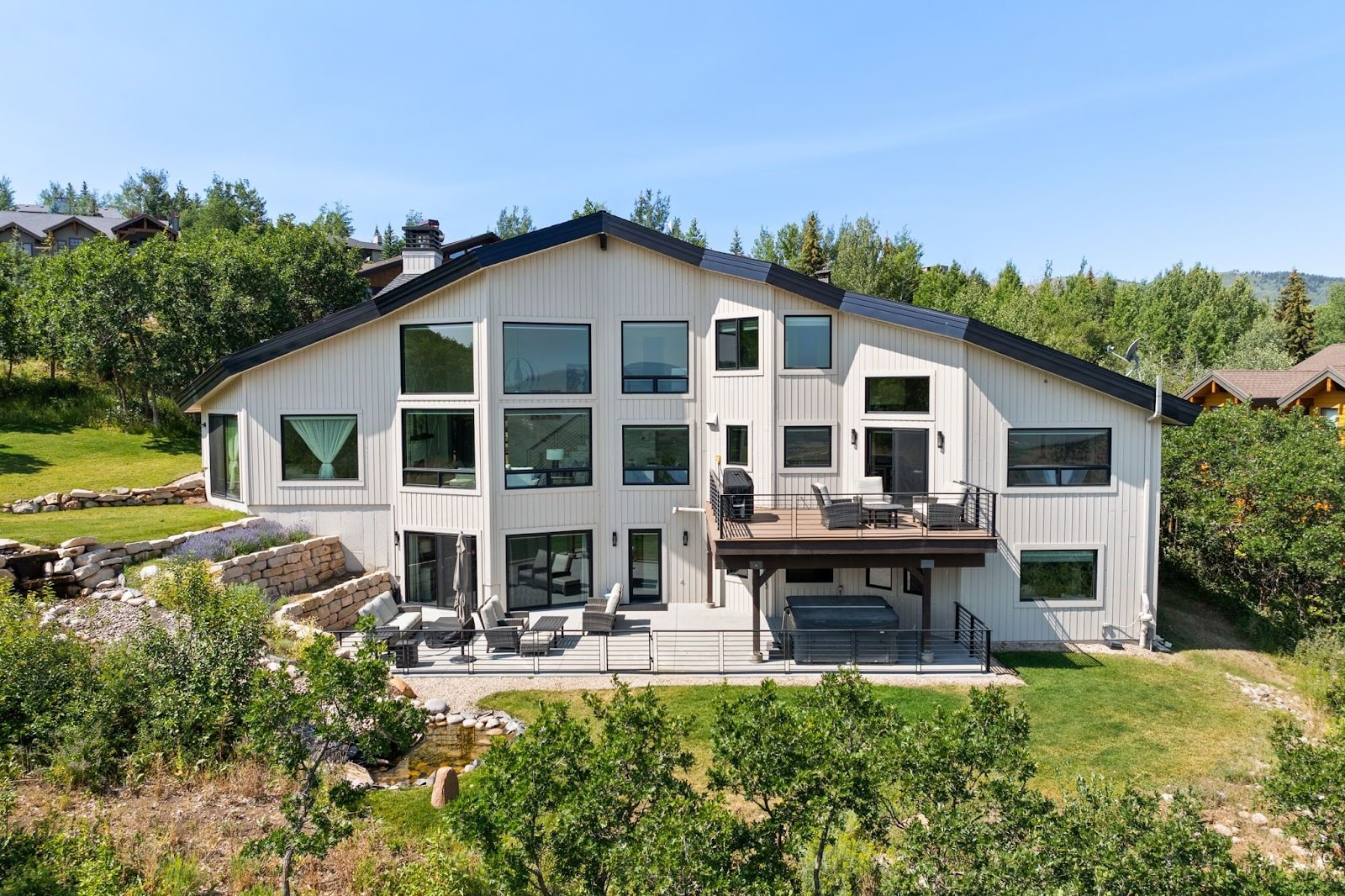
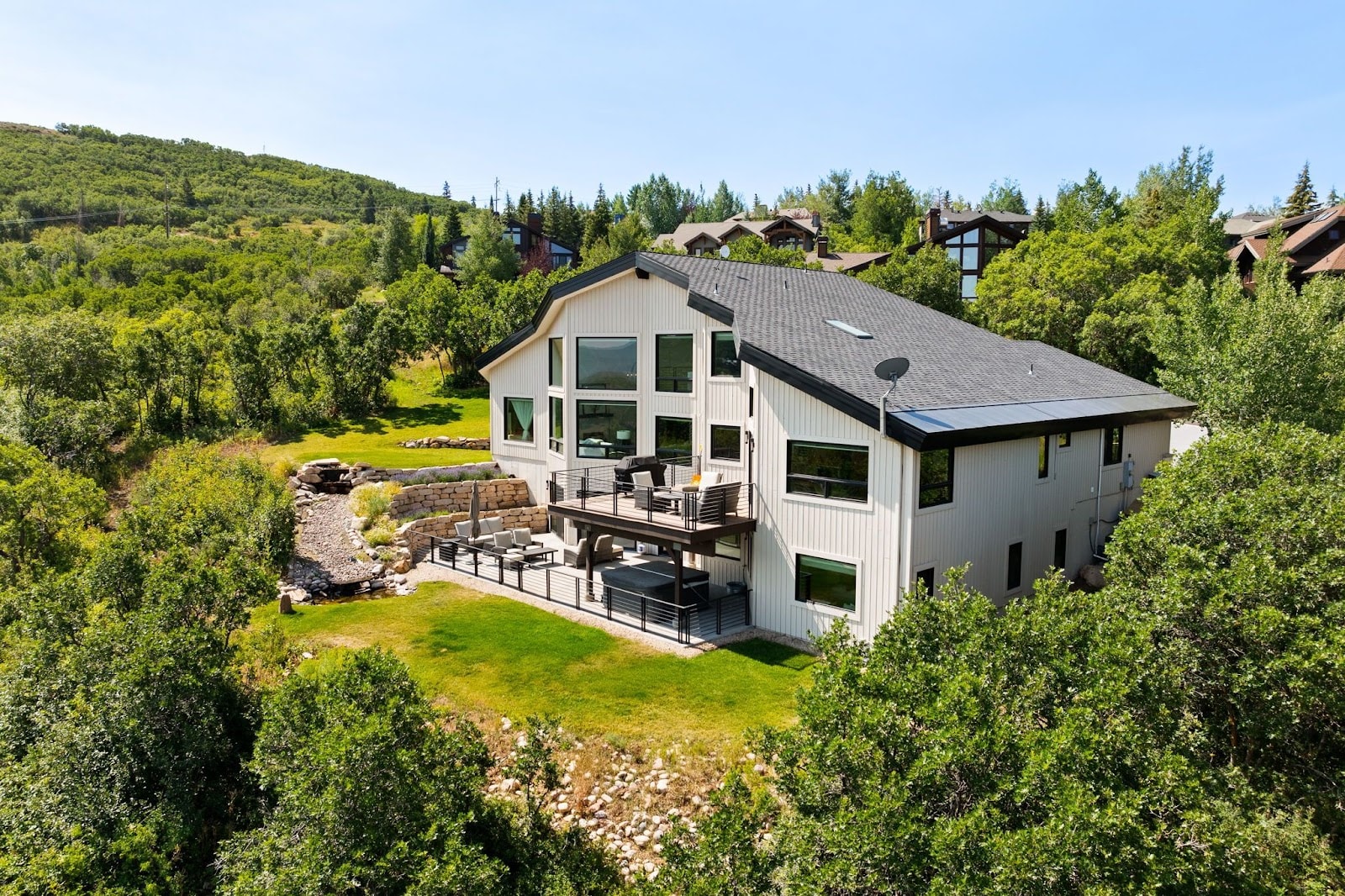
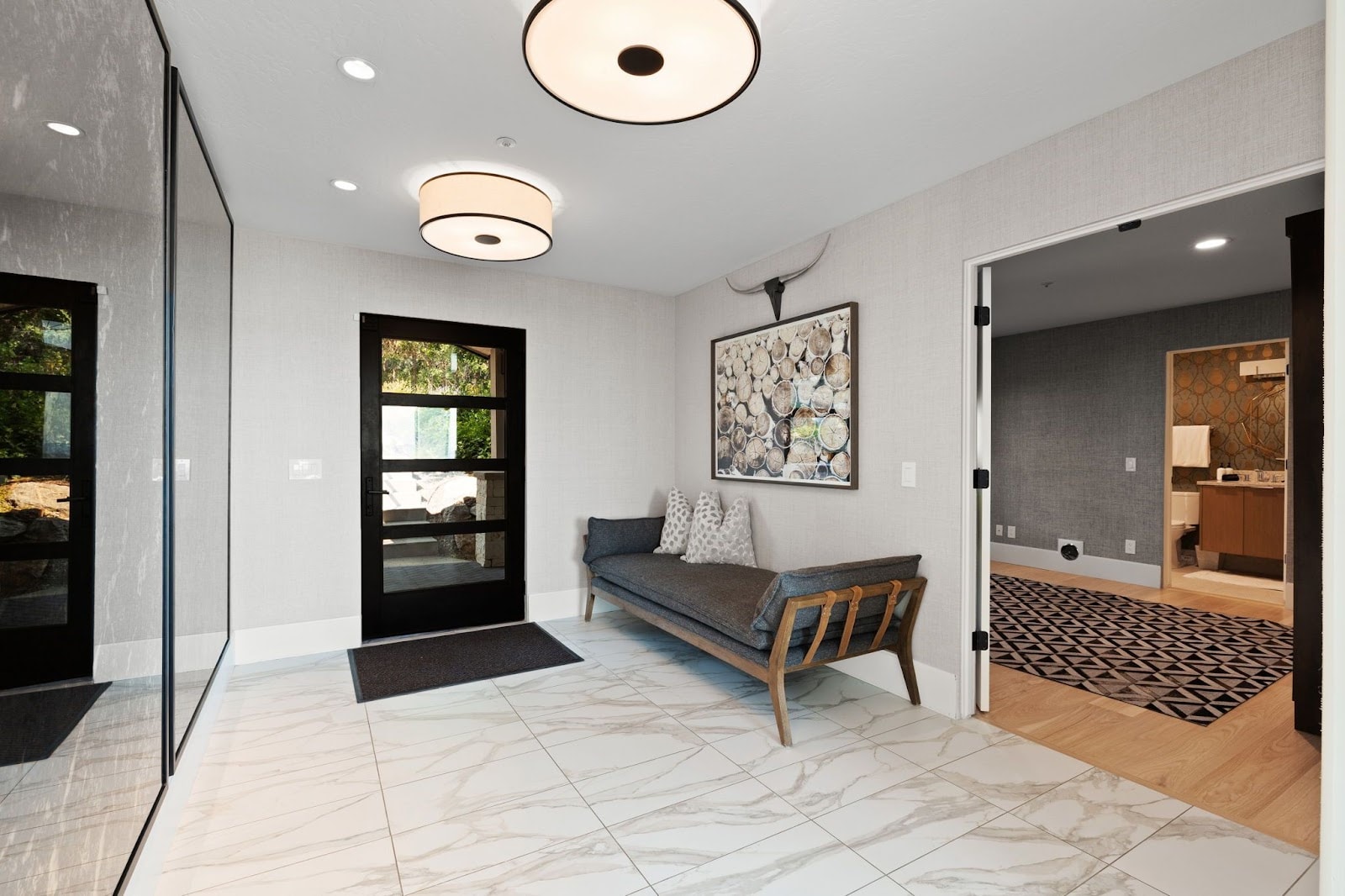
Park City, Utah, USA — 6-Bed House With Hot Tub
$740,000
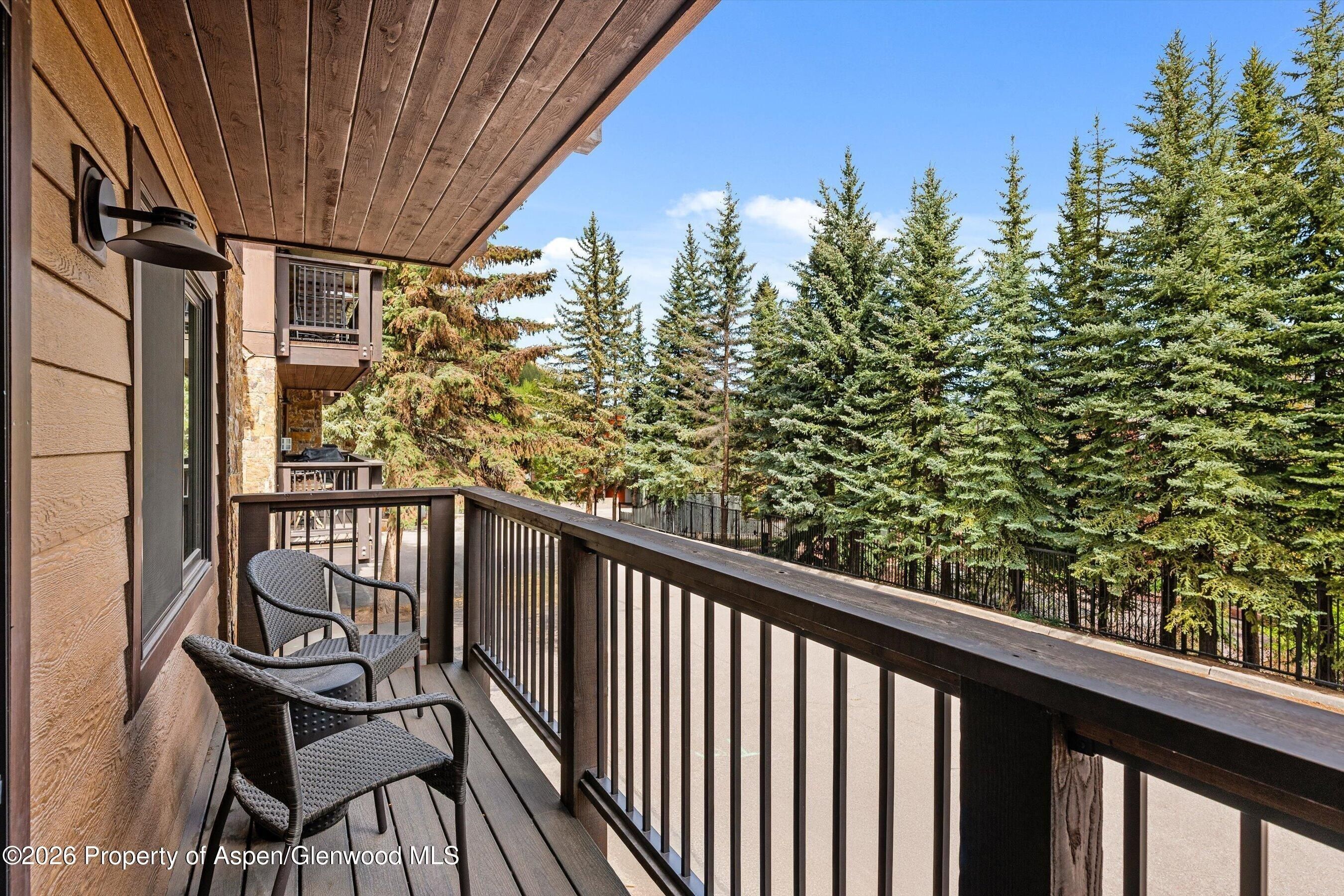
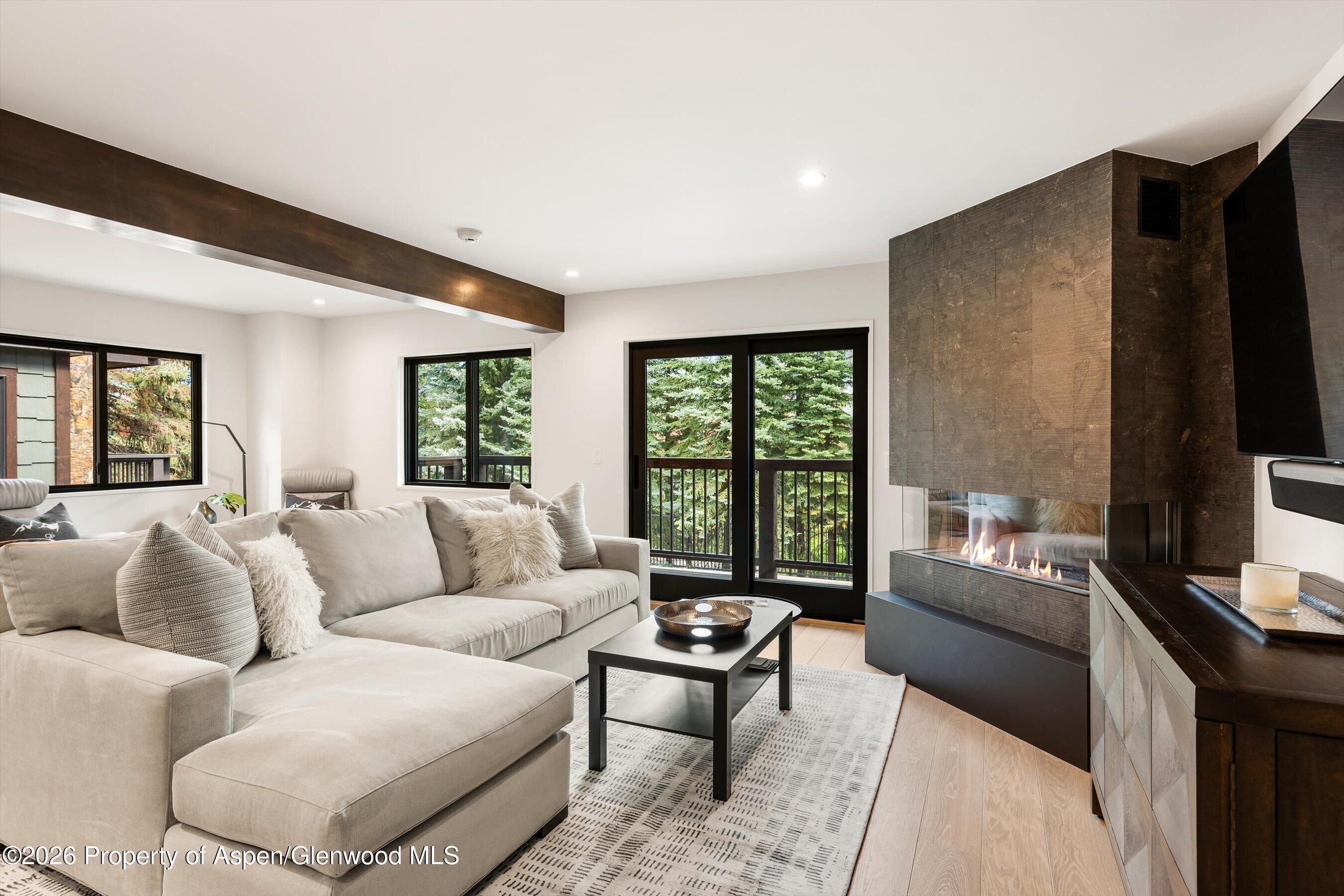
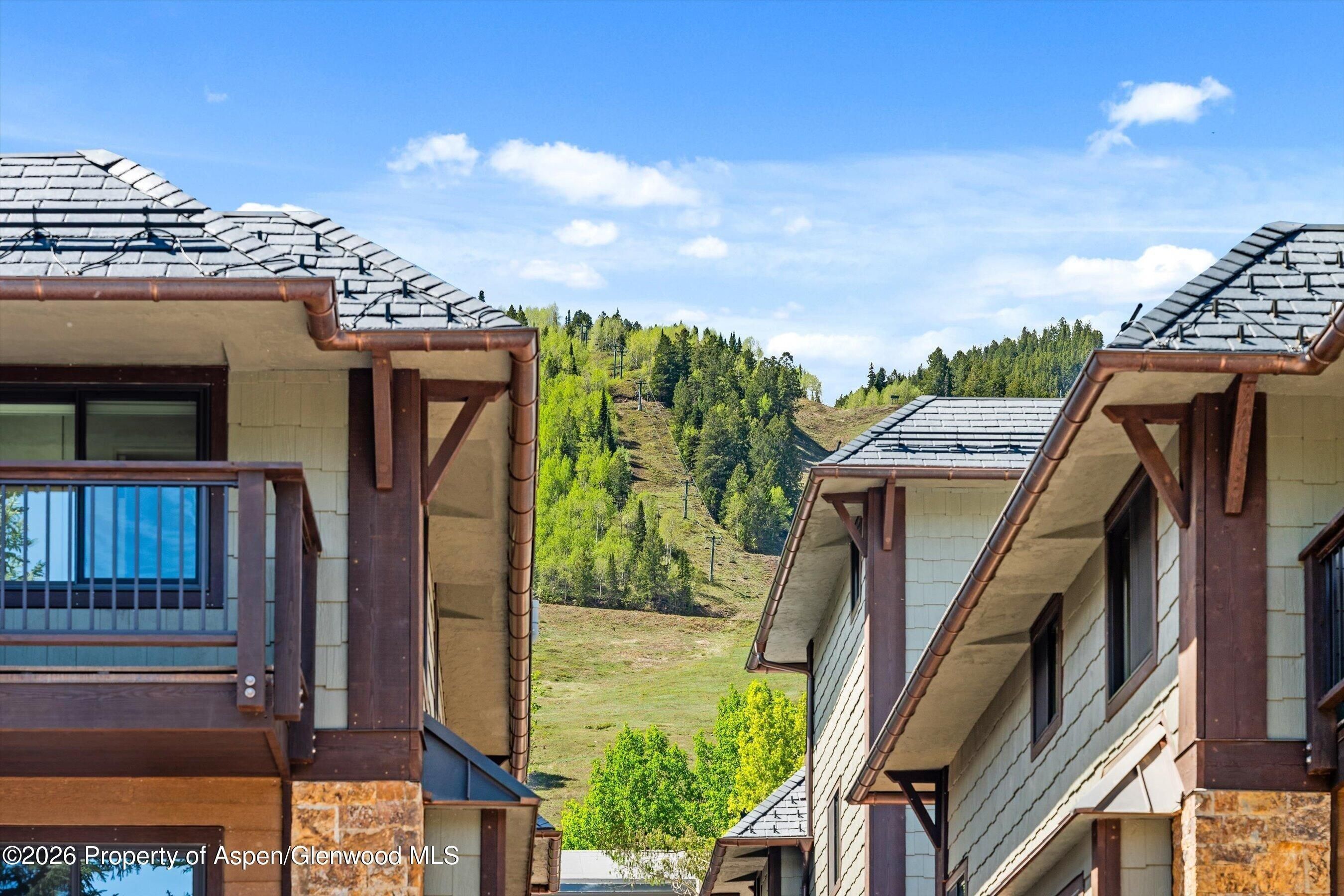
Aspen, Colorado, USA — 4-Bed Townhome At The Base Of Aspen Mountain
$1,890,000
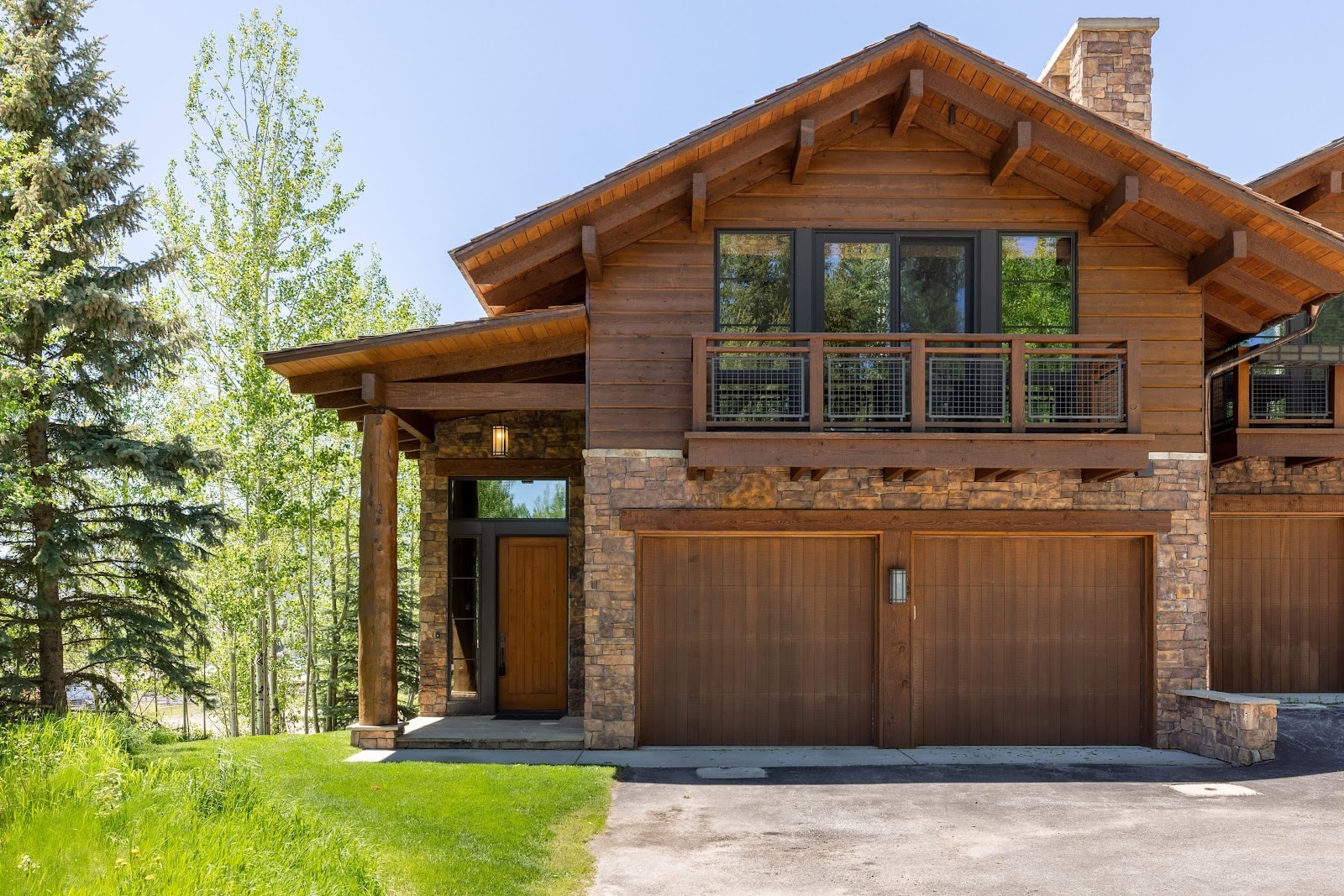
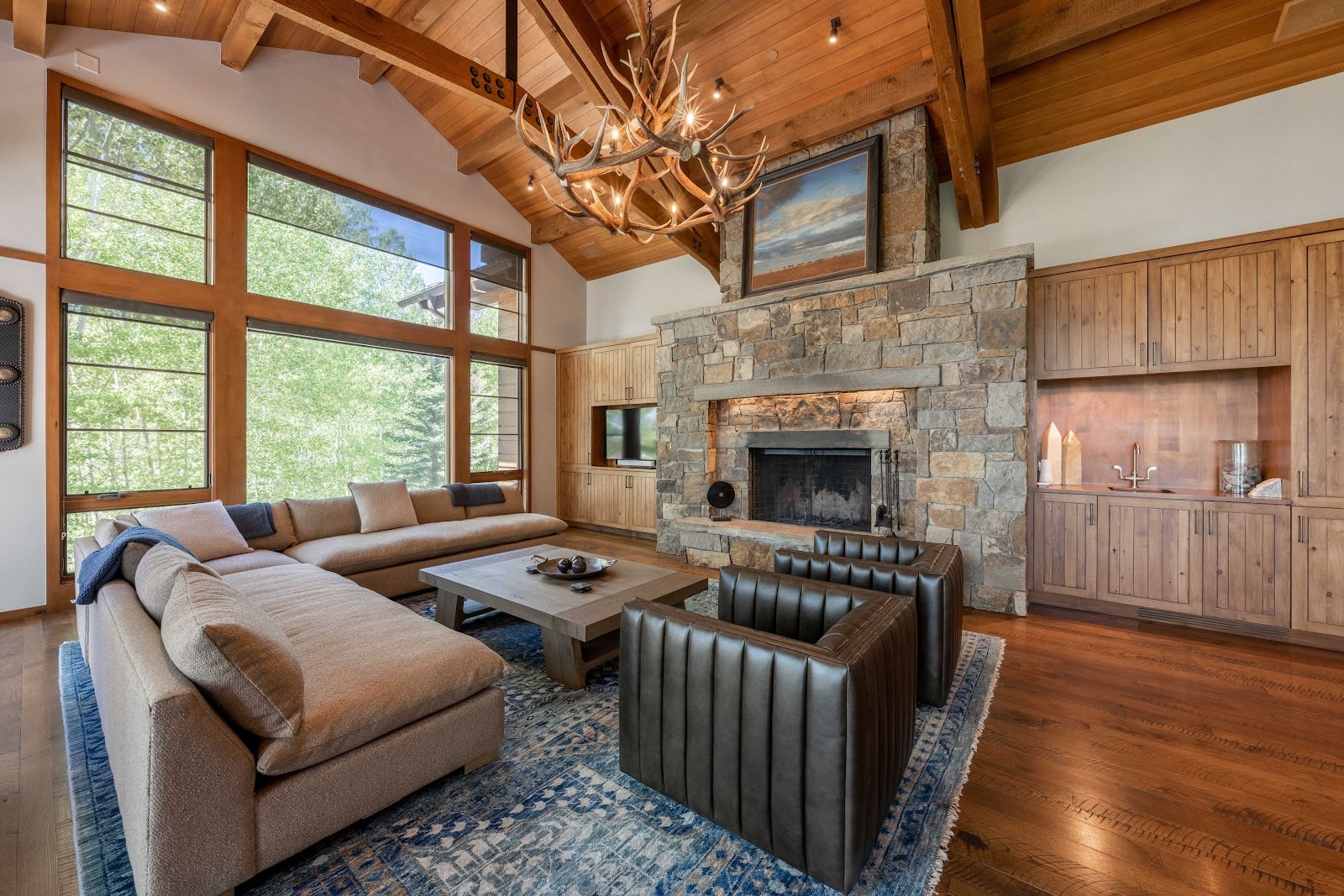
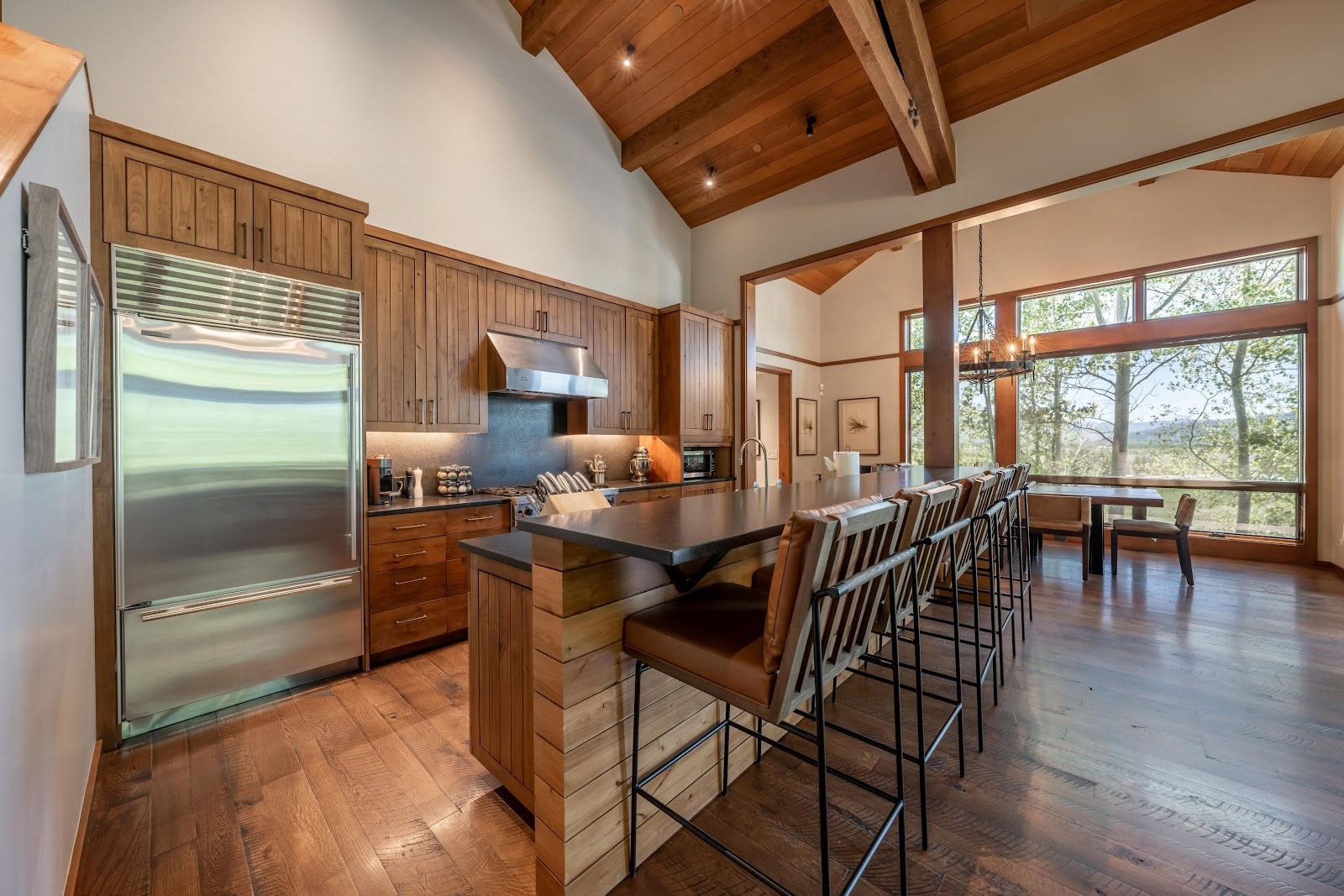
Teton Village, Wyoming, USA — 3-Bed House With Hot Tub
$935,000
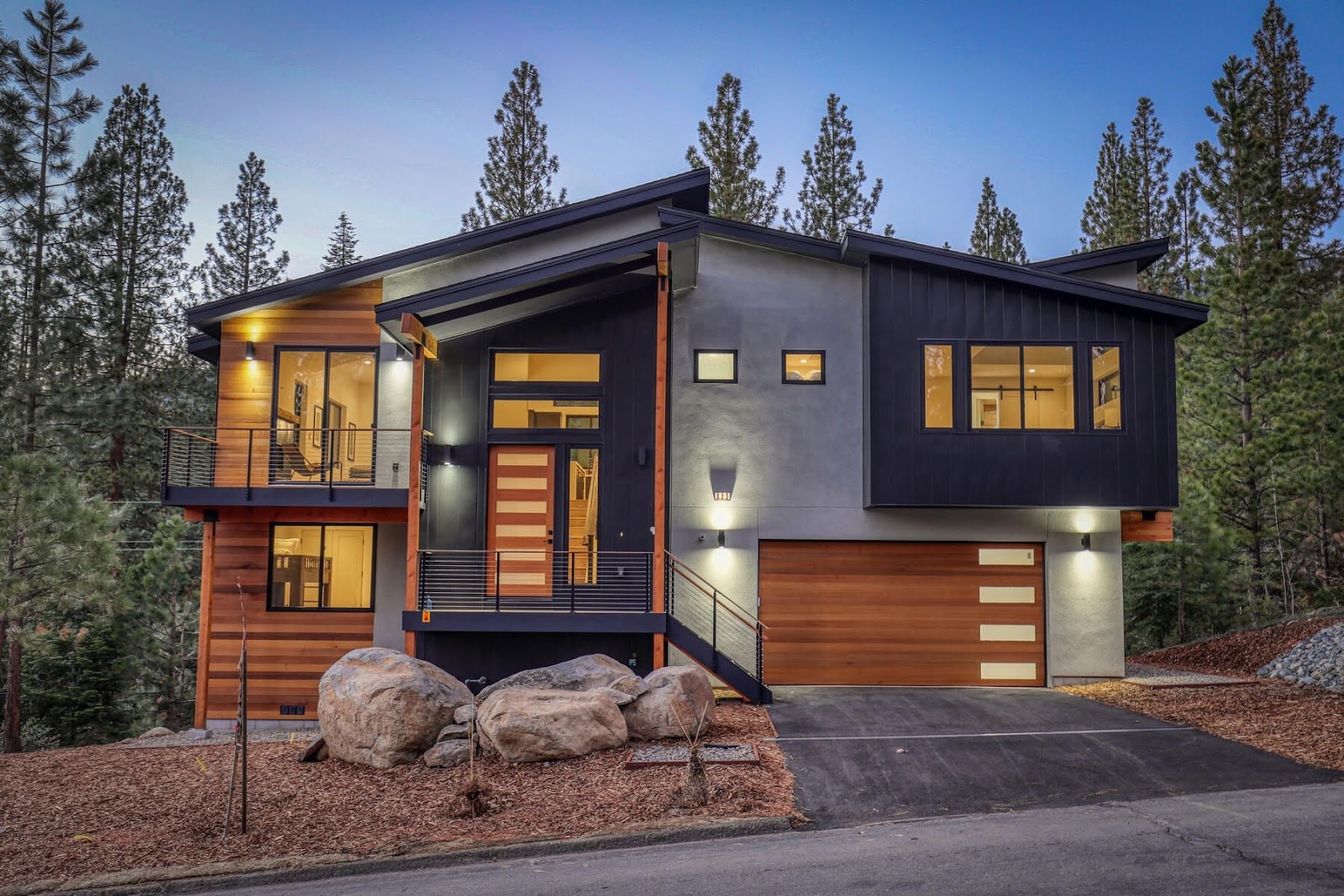
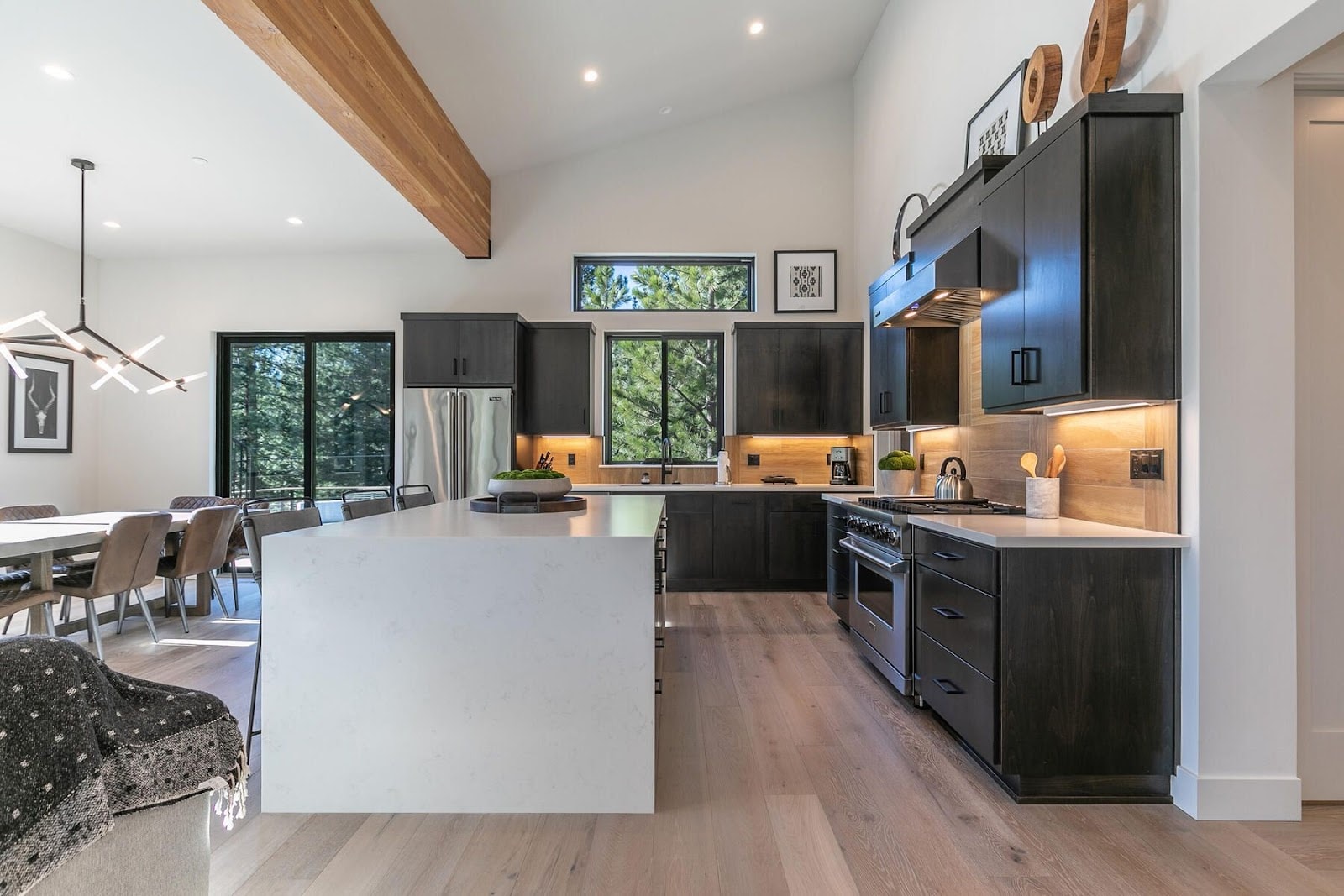
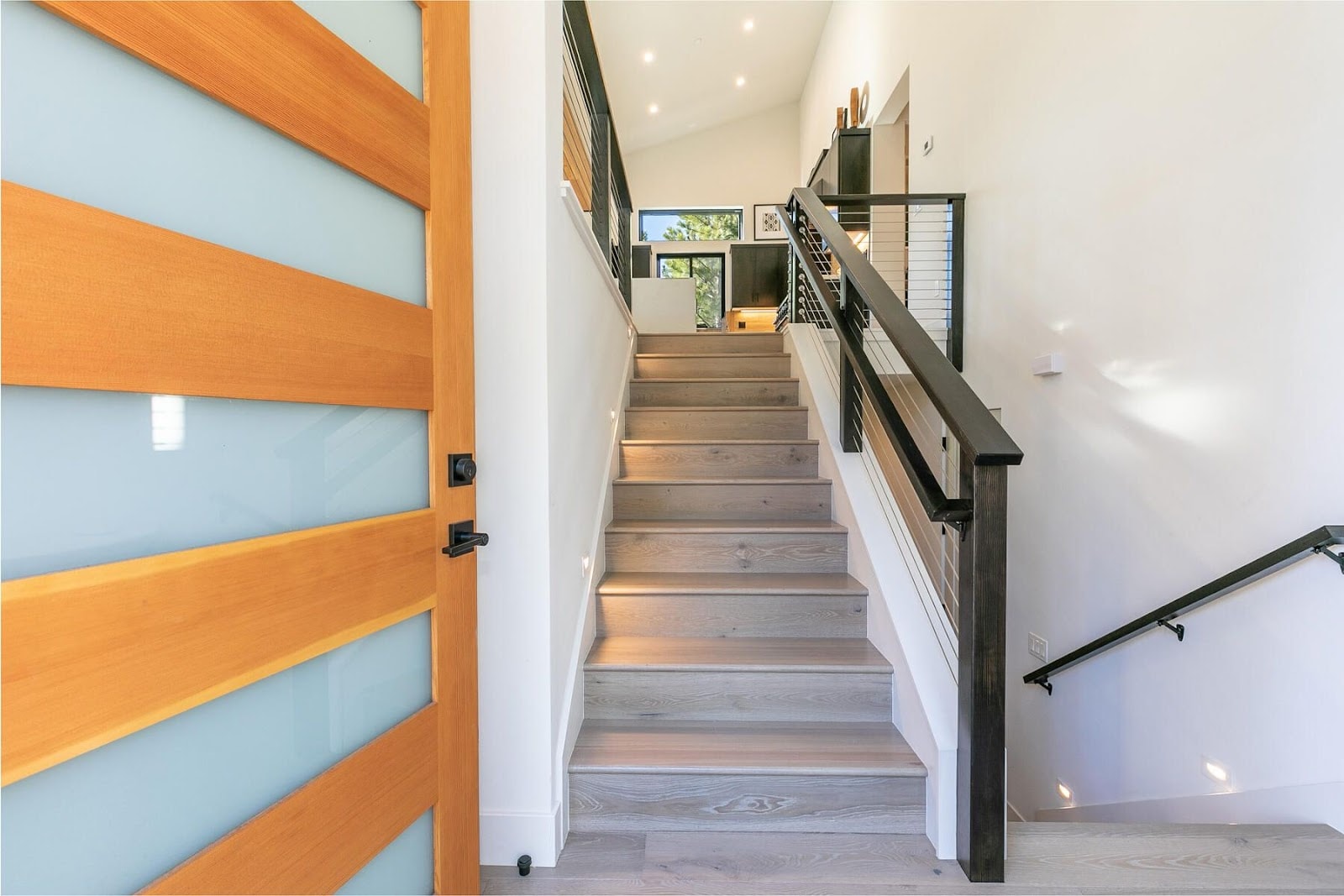
Incline Village, Nevada, USA — 4-Bed House With Hot Tub
$430,000
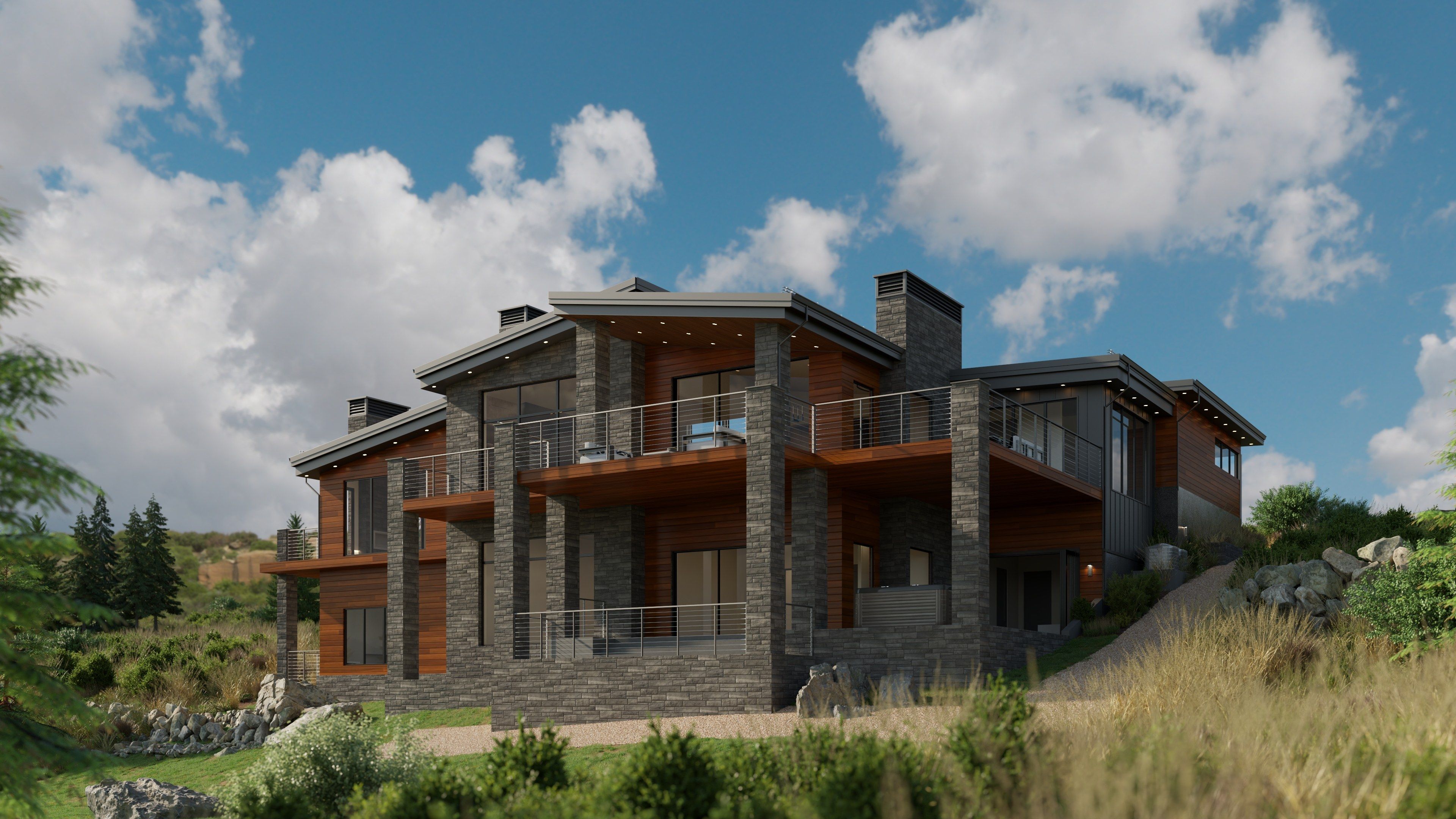
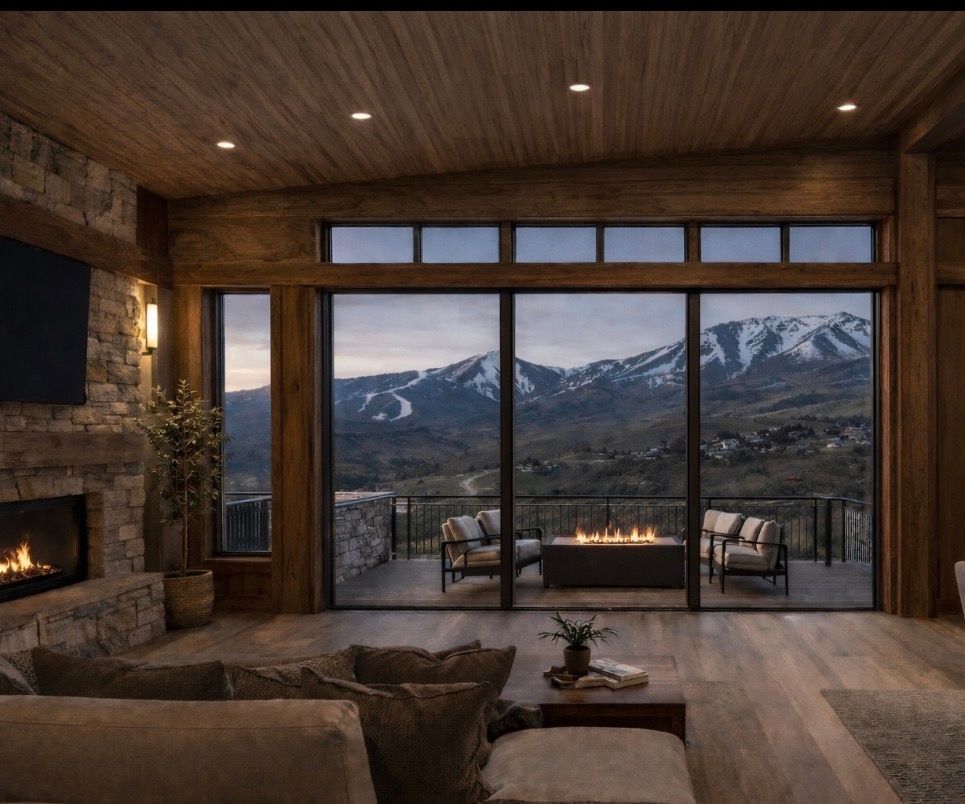
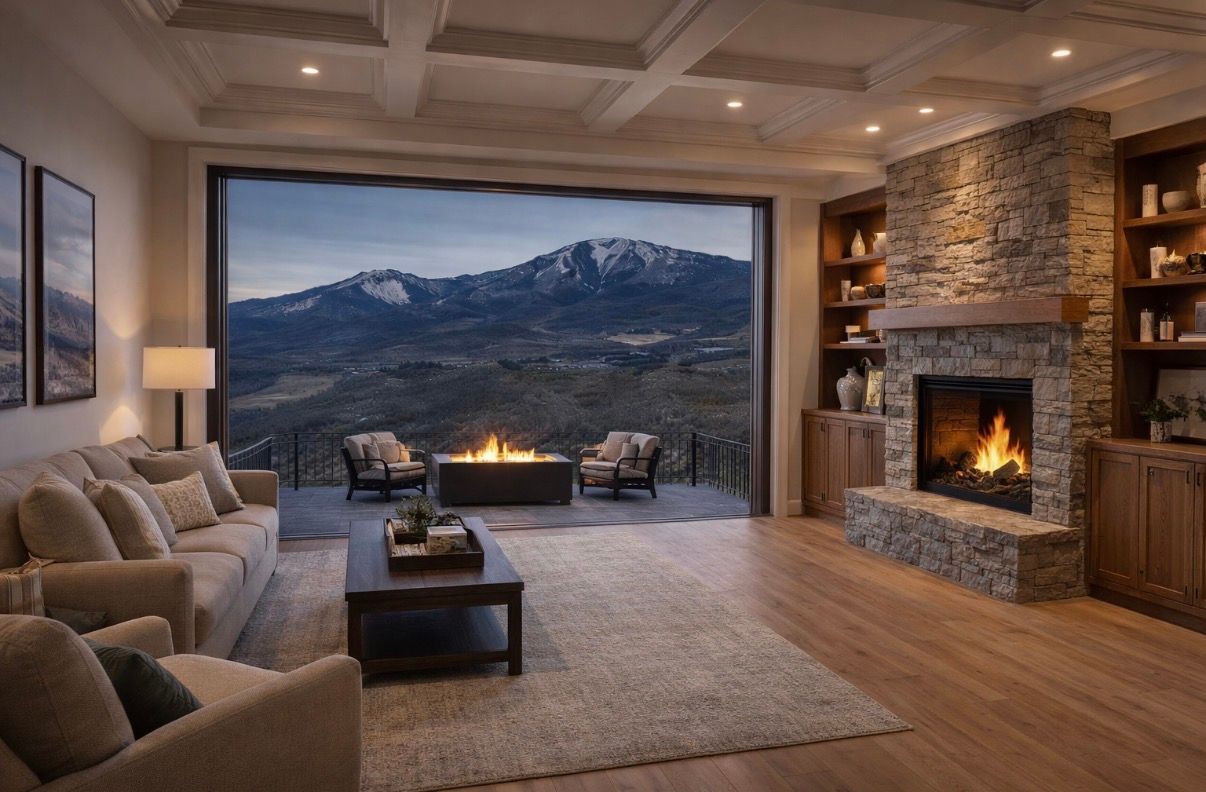
Heber City, Utah, USA — 5-Bed Mountain House With Sauna & Hot Tub
$1,190,000
Be the first to hear when a home in Whistler is listed.
We do not have a co-ownership home in Whistler yet. When we do, it will be the kind we list everywhere else: a fully managed home in one of the resort's best addresses, sold in real 1/8 shares with around six weeks of personal use a year. Leave your email and we will tell you the day it arrives. In the meantime, the homes below are the ones that buyers who love Whistler choose.
What is fractional ownership in Whistler?
Fractional ownership in Whistler means buying a real share of a chalet or mountain home, usually 1/8, with a small group of up to seven other co-owners, and using it for around six weeks a year while a professional team looks after everything. It suits the way Whistler is used: a few weeks of skiing each winter and a few of lakes, bikes and golf each summer, in the same house, with the snow clearing, the hot tub and the upkeep all taken care of. You can sell it, pass it on to your heirs, and it grows in value with the home. It is not a timeshare, and not a holiday club.
Why Whistler?
Two hours north of Vancouver, where the road from the sea climbs into the Coast Mountains, two great peaks stand side by side above a valley of lakes. Between them, at their feet, is a village with no cars in its streets. That is Whistler, and for anyone who loves mountains it is one of the handful of places in the world that has everything: the largest ski resort in North America, a summer as good as its winter, a real town with a life of its own, and a great city and an international airport down the road.
The first argument is the mountains themselves. Whistler and Blackcomb together make the largest ski area on the continent: more than 8,000 acres of terrain, over 200 marked runs, sixteen alpine bowls, three glaciers and a vertical drop on Blackcomb of 1,609 metres (5,280 feet), which is exactly a mile. About ten metres (34 feet) of snow falls at the summit in an average winter. The season runs from late November into May, and a skier could spend every one of those days on the mountain and not exhaust it.
The second is summer, which many residents say they prefer. When the snow leaves the valley, Whistler becomes a different resort: a chain of lakes, several of them warm enough to swim in, four golf courses, the best-known mountain bike park in the world, more than forty kilometres of paved trail for walking and cycling, and hiking in the high alpine among glaciers and wildflowers. The days are long, dry and warm. A house here is used twice a year, for two entirely different holidays.
The third is the village. Whistler was designed from the first as a place to walk. Its main street, the Village Stroll, winds on foot from one mountain's lifts to the other's, past restaurants, cafés, bars, galleries and shops, with the peaks filling the view at every turn. You can ski to the door of a bakery. Children can be let off the lead. And around it is a community of some fourteen thousand people who live here all year, which gives Whistler a warmth and a continuity that purpose-built resorts usually lack.
The fourth is the one that makes a share, and not a whole house, the natural way to own here. A chalet in Whistler is among the most valuable resort homes in Canada, and a mountain house needs constant attention: snow cleared from the roof and the drive, heating kept on, the hot tub maintained, everything checked after every storm. Yet most owners come for a few weeks in winter and a few in summer. A 1/8 share fits that pattern exactly. The house is looked after by professionals all year, it is ready when you arrive, and you own the part of it that matches the weeks you will really use.
A very short history
The valley is the shared territory of two First Nations, the Squamish and the Lil'wat, who travelled, hunted and traded through it for thousands of years, and whose story is told at a fine cultural centre in the village. The first settlers arrived with the railway in 1914, when Myrtle and Alex Philip opened a fishing lodge on Alta Lake that became the most popular summer resort west of the Rockies. The peak above it was then called London Mountain. Local people called it Whistler, for the shrill whistle of the marmots that live among its rocks, and the name stuck.
Skiing came in 1966, when a group of Vancouver businessmen who dreamed of holding the Winter Olympics opened the first lifts at what is now Creekside. Blackcomb opened next door in 1980, in the same year as the new pedestrian village between the two, and for years the mountains were fierce rivals before joining forces in 1997. The Olympic dream took a little longer. It came true in 2010, when Whistler hosted the alpine skiing, the Nordic events and the sliding sports of the Vancouver Winter Games, and the world saw what the founders had seen.
The Whistler house
The mountain house of the Coast Range is built of what grows around it. Great posts and beams of Douglas fir and red cedar hold up a steep roof that sheds the snow. Walls of glass face the peaks. There is a stone fireplace at the centre, a boot room with heated floors at the door, and a hot tub on the deck, because lying in hot water while the snow falls on your hair is one of the particular pleasures of the place. The style is called West Coast, and at its best it is as fine a kind of mountain architecture as the chalets of the Alps: warm, generous, full of light and wood, and completely at home among the trees.
Where to own in Whistler
Whistler lies along a valley about ten miles long, with the village at its centre, the two mountains to the east and a chain of lakes down the middle. Its neighbourhoods are strung along the valley floor and up the lower slopes, linked by the highway, by a free village shuttle and by the Valley Trail. The resort's own site, whistler.com, has maps of them all.
Whistler Village and the Upper Village
The Village is the heart of everything: the gondolas of both mountains, the Stroll, the restaurants and the Olympic Plaza, where there is skating in winter and concerts in summer. A five-minute walk across the creek, the Upper Village sits at the foot of Blackcomb, a little quieter, with a grand château hotel, a Sunday farmers' market in summer and the lifts at the door. Homes here are apartments and townhouses, and nothing is more convenient.
One thing is particular to Whistler. Many apartments and hotel suites in the village carry covenants that require them to be available to visitors for much of the year and limit an owner's own stays. Houses and townhouses in the residential neighbourhoods are free of them. Best for: those who want to walk everywhere, and families with teenagers who like their independence.
The Blackcomb Benchlands and Kadenwood
Above the Upper Village, the Benchlands climb the lower slopes of Blackcomb among the trees. This is Whistler's principal ski-in, ski-out neighbourhood: townhouses and chalets set beside the pistes, from which you put on your skis at the door and slide down to the lift. In summer the same slopes are a golf course and a network of forest trails.
On the other mountain, high above Creekside, Kadenwood is the most exclusive address in the resort: a small enclave of large chalets with views down the whole valley, and its own private gondola to carry owners to the lifts. Best for: keen skiers, families with children in ski school, and anyone for whom the first chair matters.
Creekside and the southern lakes
Creekside is where it all began. The original base of Whistler Mountain is now a village in its own right, with a gondola, a few good restaurants and shops, and a calmer, more local feel than the main village, four kilometres up the road. It is the base for the downhill course the Olympic racers used.
Around it are some of Whistler's most pleasant residential streets. Nita Lake and Alpha Lake have houses on the water with docks for a canoe. Bayshores and Nordic climb the hill among tall firs, and some of their chalets have ski trails running past the garden. Best for: families, skiers who prefer to avoid the crowds, and owners who want lake and lift within the same short walk.
Alta Lake, Alta Vista and Blueberry Hill
Between Creekside and the village, Alta Lake is the centre of summer life, with beaches, parks, sailing dinghies and paddleboards. On its eastern shore, Alta Vista and Blueberry Hill are quiet, established neighbourhoods of large houses on wooded lots, some with views across the water to the mountains beyond. The Valley Trail runs through them, and the village is ten minutes away on a bicycle. Across the highway, Brio and Sunridge Plateau sit on the hillside with fine views and a short walk to the lifts. Best for: summer lovers, swimmers and paddlers, and those who want space and trees close to the centre.
White Gold, Nicklaus North and Green Lake
North of the village the valley opens out. White Gold and Whistler Cay are family neighbourhoods a flat walk or cycle from the Stroll, close to the forest trails of Lost Lake, where there is cross-country skiing in winter and a sandy beach in summer. Beyond them, Nicklaus North is a golf community on the shore of Green Lake, whose water is a startling glacial turquoise. Floatplanes from Vancouver land here in summer and tie up at the dock.
Further north again, Alpine Meadows and Emerald Estates are where many long-time residents live, with larger gardens, big views and a real neighbourhood feeling. Best for: golfers, families with younger children, and owners who want a house that feels like a home and not a hotel.
Stonebridge, Cheakamus and beyond
On the quiet western side of the valley, Stonebridge is a small community of very large estates set in several acres of forest each, for those who want complete privacy within ten minutes of the lifts. At the southern entrance to the resort, Cheakamus Crossing, built as the athletes' village for the 2010 Games, is a lively neighbourhood beside a rushing river and some of the best walking and biking trails in the valley.
Half an hour to the north, the farming valley of Pemberton lies beneath the enormous face of Mount Currie, with ranches, market gardens and a fine golf course. And forty-five minutes south, back towards the sea, Squamish has become one of the outdoor capitals of Canada, with rock climbing, kitesurfing and a gondola to a ridge high above the fjord. Best for: those who want land, quiet and a wider view of this corner of British Columbia.
A year in a Whistler home
Whistler is one of the few mountain resorts that is as busy in July as in January. It has a long, snowy winter, a summer of warm days and cool nights, and two short quiet seasons between them that residents treasure. A share of a home, with its weeks spread through the year by a fair-rotation calendar, gives you some of each.
Winter (December–March)
The lifts open in late November, and by Christmas the village is deep in snow and strung with lights. The Pacific is only forty miles away, and storm after storm rolls in from it, so that Whistler's snow is deep and frequent. In the village the temperature stays close to freezing; on the upper mountain it averages about -5°C (23°F), which is mild by the standards of the Rockies and makes for comfortable days on the hill.
The skiing is on a scale that takes a first-time visitor days to grasp. There are long, gentle cruising runs through the trees, vast open bowls above the treeline, glaciers, steep chutes for the brave and terrain parks for every standard. The PEAK 2 PEAK Gondola crosses from one mountain to the other in eleven minutes, hanging 436 metres (1,427 feet) above the valley floor at its highest point, so you can ski both in a day. Off the mountain there is cross-country skiing at Lost Lake and in the Callaghan Valley, snowshoeing, dog-sledding, snowmobiling, skating, and a ride down the Olympic bobsleigh track with a professional pilot.
Christmas and New Year are the most sought-after weeks of the year. On Sunday evenings through the winter the resort's best skiers and snowboarders put on a free show at the foot of the mountain, jumping through a ring of fire. Late January brings one of the largest gay and lesbian ski weeks in the world. February has the most reliable snow and the school-holiday families.
Spring (April–May)
Spring is the season the locals keep for themselves. The days are long and sunny, the snow in the high bowls is still excellent, and the terraces at the base of the lifts fill up at three in the afternoon. In April a festival of skiing, snowboarding, music and film closes the main season in style. Blackcomb stays open into May, and for a few weeks you can ski in the morning and play golf or ride a bicycle in the valley in the afternoon. Bears come out of their dens and graze on the fresh grass of the lower ski runs.
Summer (June–September)
Summer days are warm and dry, at around 25°C (77°F), with light until nearly ten at night. The lakes are the centre of life: swimming and paddleboarding at Alta Lake and Lost Lake, canoeing down the River of Golden Dreams, fishing on Green Lake. The Whistler Mountain Bike Park opens on the lower slopes, with lift-served trails for every level from a child's first ride to the professionals', and in high summer the world's leading mountain-bike festival takes over the village for ten days.
High above, the gondolas carry walkers into the alpine, where trails wind among lakes and wildflowers with glaciers on every side, and a suspension bridge hangs from the summit of Whistler Mountain. There are four championship golf courses, three of them in the valley itself and designed by Arnold Palmer, Jack Nicklaus and Robert Trent Jones Jr. There is white-water rafting, zip-lining, climbing, and on Canada Day, 1 July, a parade through the village.
Autumn (October–November)
Autumn is short and lovely. The valley turns gold, the first snow dusts the peaks, and the trails are empty. The lakes are still and the light is low. In September thousands of cyclists ride up the highway from Vancouver in a single day. In November the resort holds its festival of food and wine, with more than a week of tastings, dinners and seminars, and at the beginning of December a film festival brings directors and actors to town. By then everyone is watching the snow line come down the mountain, and waiting for opening day.
Whistler month by month
- January — deep winter and some of the best snow of the year. Quiet slopes after the holidays; the pride and ski festival at the end of the month.
- February — the most reliable month for snow, and the school holidays in Britain and North America.
- March — longer days, spring break, and still plenty of fresh snow up high.
- April — sunshine, soft snow, and the end-of-season festival. Whistler Mountain closes for skiing.
- May — skiing on Blackcomb in the morning, golf and biking in the valley in the afternoon. The bears are out.
- June — the bike park and the golf courses are in full swing; the lakes warm up; the alpine trails begin to clear.
- July — high summer, about 25°C (77°F). Canada Day on the 1st, alpine wildflowers, and long evenings by the lake.
- August — the warmest water, the mountain-bike festival, and hiking at its best.
- September — clear, calm days, the first autumn colour, and the great bicycle ride from Vancouver.
- October — the valley turns gold, the trails are quiet, and the first snow on the peaks.
- November — the food and wine festival, and opening day on the mountain towards the end of the month.
- December — the film festival, the village lights, and Christmas in the snow.
Two mountains: which to ski
Regulars argue happily about which mountain is better, and the truth is that they suit different days. Whistler Mountain is the older and the gentler in character, with long, rolling runs, wide bowls that catch the morning light and the best skiing for beginners and families, high up where the snow is good and the views are enormous. Blackcomb is steeper and more dramatic, with long fall-line runs from top to bottom, two glaciers to ski and the sunny slopes of Seventh Heaven. Good skiers tend to start on Blackcomb when it is clear and move to the trees of Whistler when it snows. The Whistler Blackcomb site shows what is open each morning.
Beyond the lifts there is a whole further world. Helicopters carry skiers to untracked glaciers in the surrounding ranges. Guided tours climb on skins into the backcountry of Garibaldi Provincial Park. And twenty minutes south, the Callaghan Valley, where the Olympic cross-country and ski-jumping events were held, has more than a hundred kilometres of groomed trails for cross-country skiers and some of the deepest snow in the region.
A perfect winter week
Saturday. The drive from Vancouver airport is one of the most beautiful in the world, with the fjord of Howe Sound on one side and waterfalls on the other, and you are at the house in time to light the fire. Sunday you find your ski legs on the long cruising runs of Whistler Mountain and have lunch in the hut at the top with the Black Tusk on the horizon. Monday is for Blackcomb: the Seventh Heaven chairlift in the morning sun, the glacier after lunch.
On Tuesday it snows, so you ski the trees all day and finish in the hot tub. Wednesday is the day it stops, and you are in the queue for the first lift to the bowls. On Thursday you rest your legs: the Scandinavian baths in the forest in the morning, the Audain Art Museum in the afternoon, with its great collection of First Nations masks and the paintings of Emily Carr. And on Friday you ski both mountains by the gondola between them, stay out until the lifts close, and walk down the Stroll to dinner with the snow falling through the lights.
A perfect summer week
In July the week looks quite different. One day you ride the Valley Trail from lake to lake with a picnic and swim at each. One day you take the gondola to the top, walk the high trail along the ridge with the turquoise of Cheakamus Lake far below, and come down for a beer in the sun. One day is for golf, one for the bike park, and one for a drive north to Pemberton and the three blue Joffre Lakes. In the evenings you barbecue salmon on the deck, and the light lasts so long that the children are still on the lake at nine.
The Sea to Sky country
A home in Whistler is also a base for one of the most spectacular regions of Canada, which the province's tourism board describes well at Hello BC. Garibaldi Provincial Park, which begins at the edge of the resort, is a wilderness of volcanic peaks, glaciers and lakes of an improbable blue, reached by trails from the valley. On the road south there are waterfalls at Brandywine and Shannon, the granite wall of the Stawamus Chief above Squamish, which climbers come from all over the world to scale, and a gondola to a ridge with views down the length of Howe Sound.
In winter hundreds, and in some years thousands, of bald eagles gather on the rivers near Squamish to feed on salmon, one of the great wildlife sights of the Pacific coast. In summer black bears graze on the ski slopes, marmots whistle from the rocks, and on the drive to the coast you may see seals and, now and then, whales in the Sound. And Vancouver itself, with its beaches, its mountains, its markets and its restaurants, makes the best possible first or last night of a stay.
Eating and drinking
Whistler eats very well for a town of its size, because Vancouver, one of the best food cities in North America, is down the road. The ingredients are British Columbia's own: wild salmon, spot prawns and oysters from the coast, beef and the famous potatoes from the Pemberton valley, berries, mushrooms, and wines from the Okanagan that surprise visitors who did not know Canada made any. There are restaurants in the village that would hold their own in any capital, and a great many more that simply feed hungry skiers well.
Après-ski here is a serious institution. From three o'clock the terraces at the foot of both mountains fill with people in ski boots, a band plays, and the last runs of the day come down in front of the audience. Later there are cocktail bars, pubs with open fires and, for those with the energy, nightclubs.
Whistler with children
Whistler is built for families. The ski schools are among the best in the world, with their own children's areas on both mountains, a magic castle and a tree fort hidden in the forest. The village has no traffic, so children can run ahead. In winter there is a tube park, skating and a family après in the plaza with hot chocolate. In summer there are beaches, bike lessons, a climbing wall, adventure courses in the treetops and bears to watch from the safety of the gondola. And the Squamish Lil'wat Cultural Centre, where children can try a drum and hear the old stories, is one of the best museums of its kind in Canada.
Who buys in Whistler, and where else they look
Whistler's owners are an international group. The largest number come from Vancouver and the rest of British Columbia, for whom it is the mountain at the end of the road. Then come Americans, especially from Seattle and California, and buyers from Britain, Asia, Australia and Mexico, drawn by the snow, the scenery and the ease of reaching it through Vancouver.
Fractional ownership in Whistler typically suits:
- Skiing families — who come for Christmas, a week in February and spring break, and want a real house for those weeks and not for fifty-two.
- Summer and winter owners — who use a mountain home in both seasons and want it looked after in between.
- Mountain bikers and golfers — for whom July and August are the point.
- Overseas buyers — who want a home in Canada without the work of owning one from across an ocean.
- Owners building a year of homes — the mountains in winter, the sea in summer, and nothing to look after in between.
Quarter ownership and fractional ownership in Whistler
Whistler knows shared ownership better than almost any resort. Quarter ownership has been part of the property market here for decades: an owner buys a quarter share of a furnished residence, usually in a lodge with hotel services, and has the use of it for one week in every four on a rotating calendar. People searching for a Whistler quarter share, quarter ownership in Whistler or shared ownership in Whistler are usually looking for this.
Co-ownership as we list it follows the same idea, with a few differences. It is one private house, owned by a small group of no more than eight owners. Each owns a real share of that home, usually 1/8, and has it for around six weeks a year, booked through a calendar that rotates the best weeks fairly; two shares make a quarter. A professional team runs the house. You can sell your share on the open market at the price you set, and it rises in value as the house does.
Whistler, Colorado, Utah or Lake Tahoe?
Skiers choosing a home in North America usually compare Whistler with the great resorts of the American West. Whistler has the most terrain, the biggest vertical drop, a milder climate and the liveliest village. Its snow is deep and frequent, and a little heavier than in the Rockies, because the sea is close.
Colorado has altitude, sunshine and dry, light snow, with Aspen and Vail among the most celebrated ski towns in the world. Utah's Park City is forty minutes from a major airport and claims, with some justice, the best powder anywhere. Lake Tahoe pairs fine skiing with a vast blue lake and Californian sunshine, and Jackson Hole in Wyoming has the steepest slopes and the wildest scenery. All of them, like Whistler, are as good in summer as in winter.
If you love Whistler: Lake Tahoe, Park City, Colorado and Jackson Hole
We do not have a home in Whistler to offer today. What we can offer are the places that give the same things — great skiing, a real mountain town and a summer of lakes and trails — and we have homes in all of them.
Lake Tahoe is the closest in character: timber houses among tall pines, a choice of ski areas, and a lake for the summer. Our homes are in Truckee, Olympic Valley and around the lake.
Park City has two enormous ski areas on the edge of a handsome old mining town, with the easiest journey of any major resort. Colorado offers Aspen, Vail, Breckenridge, Steamboat and Telluride, each with its own character.
Jackson Hole is for those who love Whistler's big-mountain skiing and its wildlife, with the Tetons and Yellowstone on the doorstep. And for skiers who would as soon cross the Atlantic, our European ski homes are in the French Alps, the Austrian Tyrol and the Pyrenees. The full North American ski collection is in one place.
The homes shown on this page are drawn from those places. Each is a real 1/8 share of a fully managed home. And if it is Whistler itself you want, leave your email in the box at the top of this page, and we will write to you the day the first Whistler home is listed.
Practicalities: getting there, getting around and owning
Getting there
Whistler is 120 kilometres (75 miles) north of Vancouver. Vancouver International Airport (YVR) has direct flights from across North America, Europe, Asia and Australia, and from the terminal to the village is about two to two and a half hours by road. The route, the Sea to Sky Highway, follows the shore of Howe Sound and then climbs through the mountains past waterfalls and granite cliffs. Shuttle coaches run from the airport and from the city throughout the day, and in summer floatplanes fly from Vancouver harbour to Green Lake in about forty-five minutes.
Flight times to Vancouver: from Seattle, about an hour; from San Francisco, about two hours; from Los Angeles, about three; from Toronto, about five; from New York, about six; from London, about nine and a half hours direct. From Seattle many owners simply drive, in four to five hours including the border. Whistler keeps Pacific time, the same as California and eight hours behind London.
American visitors need only a passport. Most visitors from Britain, Europe and Australia who arrive by air need an electronic travel authorisation, which is applied for online. Entry rules can change, so check before you travel.
Getting around
Once you are in Whistler you hardly need a car. The village is for walking, a free shuttle runs between the village and the lifts, public buses serve every neighbourhood, and the Valley Trail links them all for walkers, cyclists and, in winter, cross-country skiers. A car is useful for exploring Pemberton, Squamish and the provincial parks. Canada drives on the right, and from October to March winter tyres are required by law on the highway. The currency is the Canadian dollar.
Owning property in Whistler
Property in British Columbia is held under a land title system, in which ownership is recorded in a public register guaranteed by the province, and a purchase is handled by a lawyer or a notary. Canada has restricted purchases of residential property in its cities and larger towns by buyers who are not Canadian citizens or residents since 2023, and British Columbia has its own taxes for overseas buyers in certain regions. At the time of writing Whistler lies outside the areas covered by the federal restriction, but rules of this kind can change. As with any purchase abroad, we recommend independent legal and tax advice, at home and in British Columbia, before you buy.
Whole home or a share — the comparison that matters
The case for a share is clearest in a resort like this one. A whole chalet in Whistler commits its owner to the full price of some of the most valuable resort property in Canada, and to heating, clearing and maintaining a mountain house all year, for the six or eight weeks they will use it. Renting a chalet of the same quality for the same weeks, year after year, costs a great deal and leaves you with nothing. A 1/8 share gives you a real share of a home of that quality for the weeks you want it.
| Whole second home | COP 1/8 fractional share | Chalet rental each year | |
|---|---|---|---|
| Upfront commitment | Full property value | ~1/8 of the property value | None |
| Equity in the asset | Full appreciation | ~1/8 of appreciation | None |
| Personal use | Up to 52 weeks (most use 4–8) | Around six weeks a year, fairly rotated | Whatever you book and pay for |
| Operations burden | Snow clearing, heating, hot tub and upkeep, all year | Fully included | None |
What you actually own
You own a real share of the home — an eighth, a quarter — not a right to use it. You can sell it, pass it on to your heirs, and it grows in value with the home. What you hold is real ownership — not a timeshare use-right that depreciates to zero when the contract expires, not a points membership, not a fractional holiday club.
How fractional ownership works
The idea is the same wherever we list homes. A fine house is bought and furnished, and its ownership is divided into a small number of real shares, usually eight. Each buyer owns a share and has the house for their part of the year. A professional company manages it for all of them. The legal set-up differs from country to country and is arranged by our partner for each home, and it is walked through with you before you buy.
How the calendar works
Your stays are booked through a fair-rotation calendar that mixes the weeks everyone wants — in Whistler, Christmas and New Year, the February school holidays, spring break and the middle of summer — with quieter weeks across the year. Owners book months ahead, and the most sought-after weeks rotate from year to year so that no co-owner holds them all.
The professional management model
Once the purchase completes, a professional management company takes over all responsibility for the home: housekeeping, the garden and pool, preparation before each arrival, maintenance, bills and insurance. You arrive; the drive is cleared, the fire is laid and the hot tub is steaming on the deck.
Resale: how to exit, typical timelines
When you decide to exit, a professional resale process is in place: you sell your share — not the whole house — at the price you set, typically after an initial twelve months of ownership. Hundreds of shares in homes like these have already been resold — in just over three months on average, and nearly three in four for more than the owner paid. The full mechanics are covered in our co-ownership explained guide.
When will there be a home in Whistler?
We add a home to our collection only when it meets the same standard as the rest: a fine house in a proven address, properly furnished, professionally managed, and sold in real shares on terms we are happy to explain line by line. Whistler is a place our buyers ask about, and we would like to have homes here. We will not list one until it is right. When it is, it will appear at the top of this page, and everyone who has left their email here will hear the same day.
Until then, our team is glad to talk through what you are looking for and to show you the homes in Lake Tahoe, Park City, Colorado and Jackson Hole that owners with the same tastes have chosen.
Your ownership at a glance
- Real ownership — you own a real 1/8 share of the home, not a right to use it: you can sell it, pass it on to your heirs, and it grows in value with the home. Not a timeshare, not a points membership.
- Fully managed throughout — the professional management team handles housekeeping, maintenance, bills, insurance, scheduling and the on-call concierge. You arrive, the home is ready.
- Professional resale support — when you decide to exit, our partner's resale process lets you sell your share without having to sell the whole house.
Questions & Answers
Whistler Fractional Ownership — Frequently Asked Questions
Not yet. We do not have a co-ownership home in Whistler at the moment. Leave your email in the box at the top of this page and we will tell you the day the first one is listed. In the meantime, the homes shown here are in the places that buyers who love Whistler most often choose: Lake Tahoe, Park City, Colorado and Jackson Hole.
It means owning a real share of a home, usually 1/8, with a small group of up to seven other owners, and using it for around six weeks a year while a professional team manages it. You can sell your share, pass it on to your heirs, and it grows in value with the home.
No. A timeshare sells you a week. Co-ownership sells you the house. A timeshare is the right to use a resort for a set time, shared with a great many others. Fractional ownership is a real share of one specific home, owned with a small group of up to seven others. It moves with the value of the home, you can sell it at the price you set, and you can leave it to your children.
Yes. Fractional ownership, co-ownership, partial ownership and shared holiday-home ownership are different names for owning a real share of a home with a small group of other owners. The share is usually 1/8. Two shares make a quarter share (1/4), for around twice the time.
For walking to everything, Whistler Village and the Upper Village. For ski-in, ski-out, the Blackcomb Benchlands and Kadenwood. For a quieter base with a gondola and lakes, Creekside, Nita Lake and Bayshores. For summer and space, Alta Vista, Blueberry Hill, White Gold and the golf community of Nicklaus North on Green Lake.
For skiing, December to April, with February the most reliable month for snow and Blackcomb open into May. For lakes, hiking, golf and mountain biking, late June to September, when days are around 25°C (77°F) and it is light until late. May, October and November are the quiet months.
Whistler is about two to two and a half hours by road from Vancouver International Airport. Flights to Vancouver take about an hour from Seattle, two from San Francisco, three from Los Angeles, five from Toronto, six from New York and nine and a half direct from London.
Quarter ownership is a long-established kind of shared ownership in Whistler. An owner buys a quarter share of a furnished residence, usually in a lodge with hotel services, and uses it for one week in every four on a rotating calendar. Co-ownership as we list it follows the same idea for a private house: up to eight owners, each with a real share, usually 1/8, and around six weeks a year. Two shares make a quarter.
Shared ownership is well established in Whistler, mostly as quarter shares in lodges. We do not have a co-ownership home in Whistler at the moment; when we list one, it will be a private house owned by a small group of up to eight owners, each with a real share. Leave your email on this page to hear the day it is listed.
Around six weeks a year: a minimum of 44 or 45 nights a year with most of our partners, and no set cap with some others. Stays are booked through a fair-rotation calendar, so the most popular weeks are shared fairly between the owners from year to year.
Canada has restricted purchases of residential property in its cities and larger towns by buyers who are not Canadian citizens or residents since 2023, and British Columbia has its own taxes for overseas buyers in certain regions. At the time of writing Whistler lies outside the areas covered by the federal restriction, but rules of this kind can change, so take advice from a British Columbia lawyer before you buy.
Yes, and many residents prefer it. From late June to September there are lakes to swim and paddle in, four golf courses, the best-known mountain bike park in the world, more than forty kilometres of paved Valley Trail, and hiking among glaciers and wildflowers from the top of the gondolas. A home in Whistler is used in two seasons, for two different holidays.
It is the largest ski resort in North America: 8,171 acres on two mountains, with more than 200 marked runs, sixteen alpine bowls, three glaciers and a vertical drop of 1,609 metres (5,280 feet) on Blackcomb. About ten metres (34 feet) of snow falls at the summit in an average winter, and the PEAK 2 PEAK Gondola links the two mountains in eleven minutes.
Very. The village is free of traffic, the ski schools are among the best in the world, and Whistler Mountain has gentle beginner areas high on the mountain where the snow is good. Off the slopes there is a tube park, skating, family après and, in summer, beaches, bike lessons and treetop adventure courses.
Whistler has the most terrain, the biggest vertical drop, a milder climate and a lively pedestrian village two hours from a major international airport. Colorado has higher altitude, more sunshine and drier, lighter snow, with resorts such as Aspen and Vail. Both are as good in summer as in winter; the choice usually comes down to which is easier to reach from home.
It depends on the home. Some homes allow owners to let the weeks they are not using; others are kept for owners, their families and their guests only. The team that manages each home can explain exactly what is possible for that home before you buy.
Because they offer the same things: great skiing, a real mountain town and a summer of lakes, trails and golf. Lake Tahoe adds a vast blue lake, Park City the easiest journey of any major resort, Colorado a choice of famous ski towns, and Jackson Hole big-mountain skiing and wildlife.
The price of a share is shown on each listing and is roughly an eighth of the price of the whole home. The running costs of the house are shared between the owners in the same proportion. Using COP is free for buyers, with no buyer-side fees and no obligation.
A professional management team looks after everything, all year: housekeeping, the garden and pool, maintenance, bills and insurance. You never have to find staff or arrange a repair from abroad. You arrive and the house is ready.
Yes. Our partner's resale process handles the sale for you, so you sell your share without the whole house having to be sold. After a typical first-12-months holding period you can sell at the price you set. Hundreds of shares in homes like these have already been resold — in just over three months on average, and nearly three in four for more than the owner paid.
Leave your email in the box at the top of this page. We will write to you the day the first co-ownership home in Whistler is listed.
Also Explore
Get in Touch
Speak to an expert
Tell us what you're looking for and we'll be in touch.