Barbados · Caribbean
Barbados Fractional Ownership & Co-Ownership Properties
From a coral-stone villa on the Platinum Coast to a beach house above the surf on the south shore — this is our guide to fractional ownership in Barbados: how it works, where owners want to be, and the homes that people who love Barbados are buying a share of today. Whether you call it fractional ownership or co-ownership, you own a real share of the home.
We have no homes in Barbados yet. Leave your email and we will tell you the day the first one is listed. Homes that buyers who like Barbados also choose are just below.
If you like Barbados, look at these homes
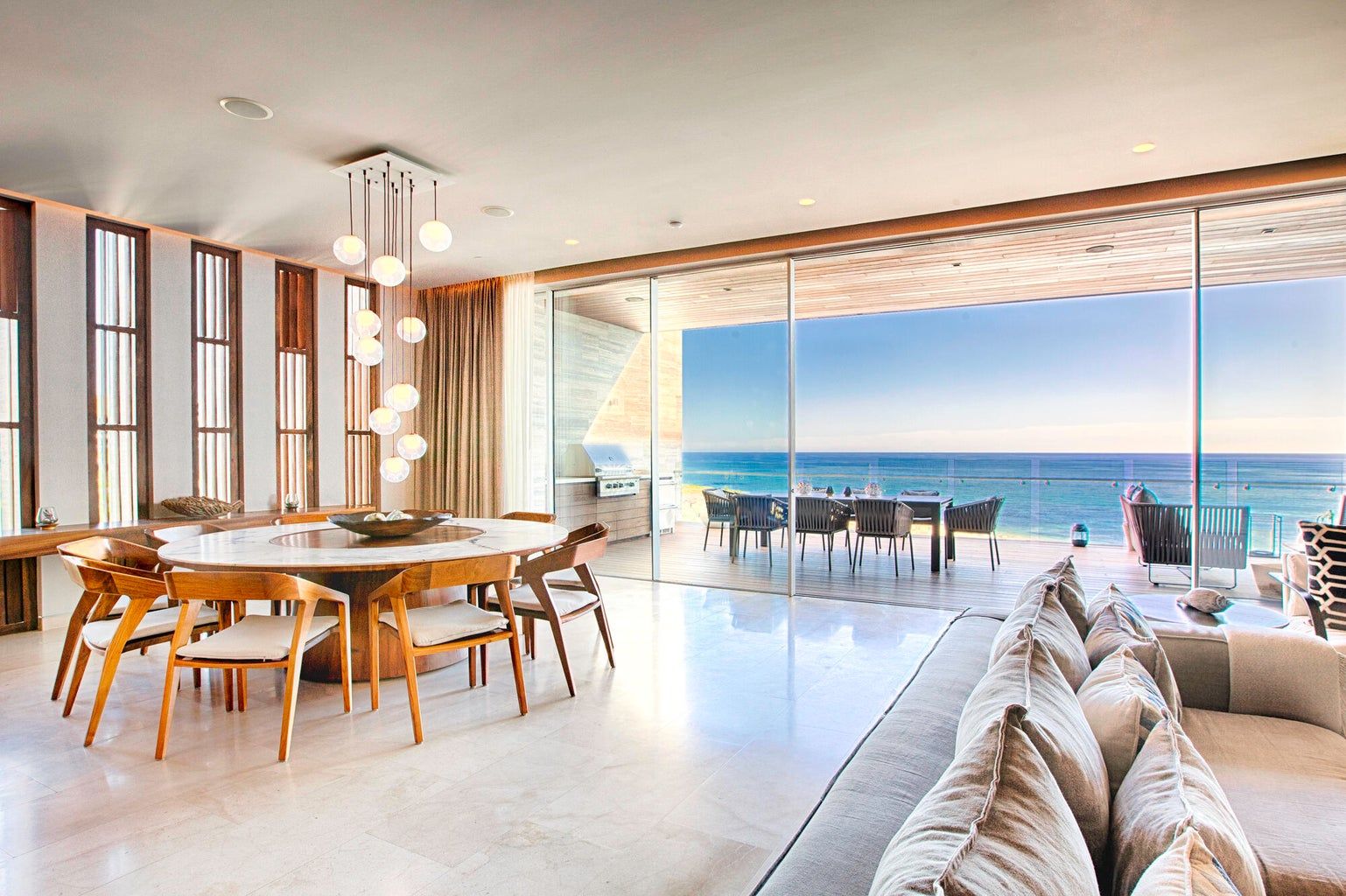
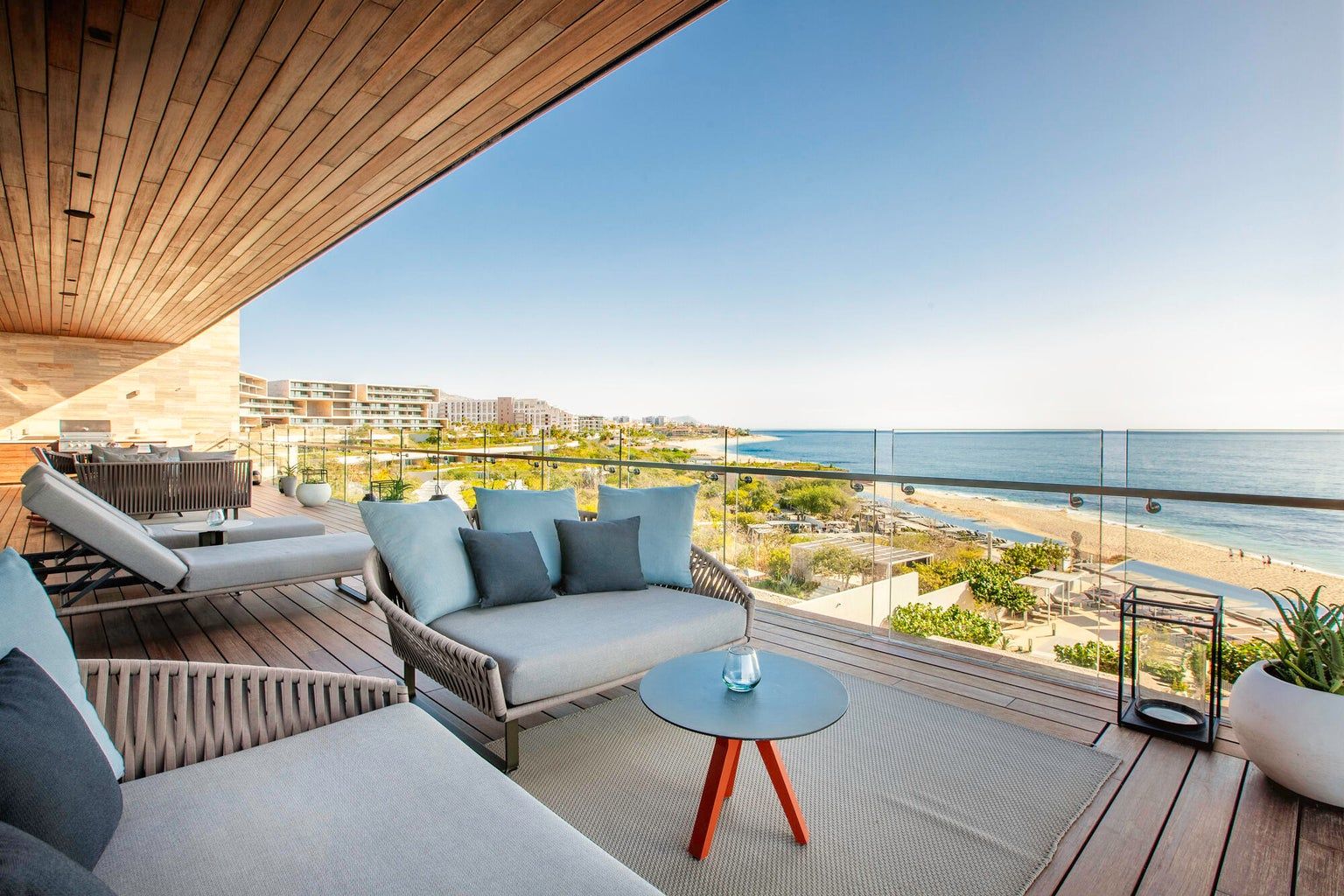
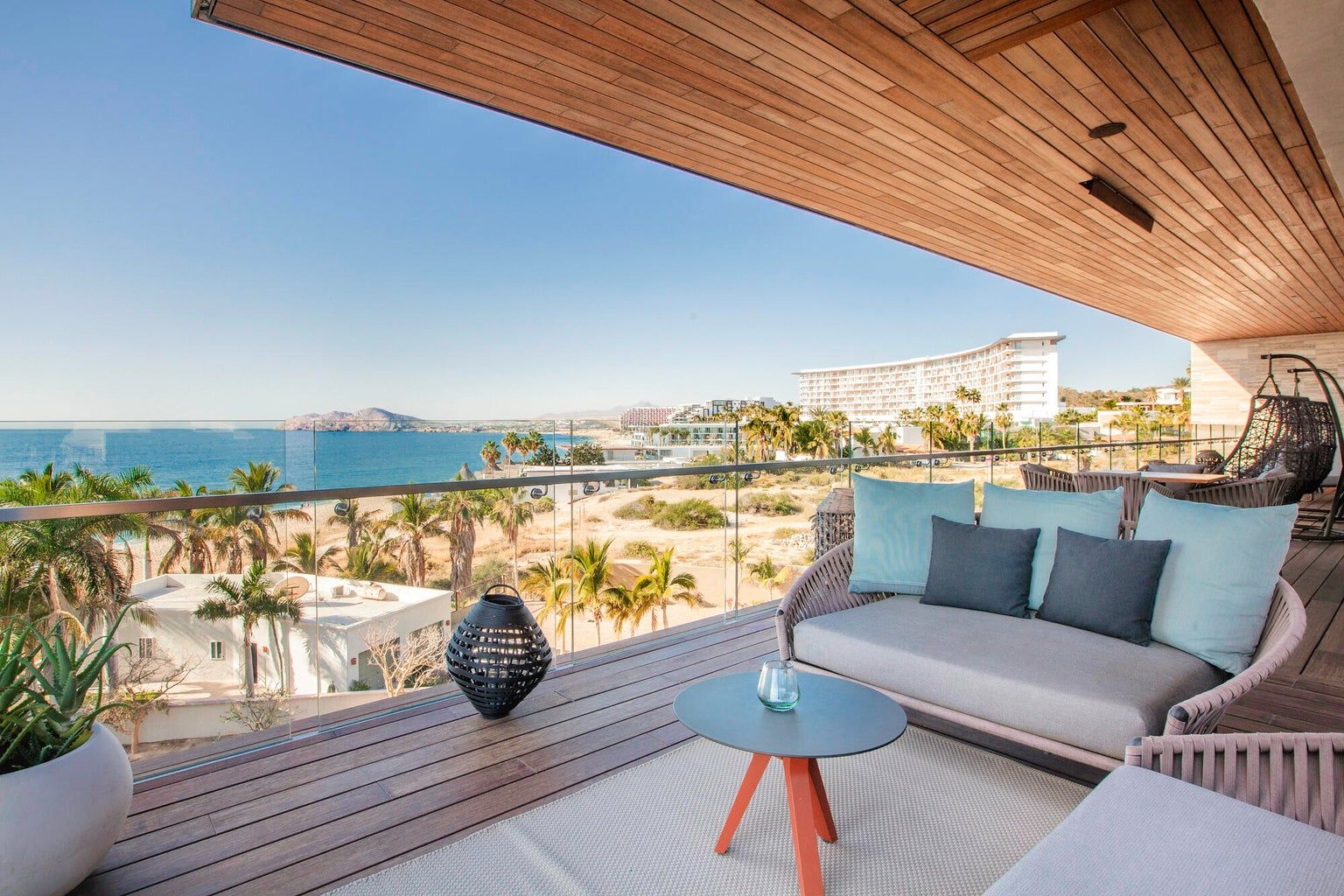
Cabo San Lucas, Mexico — 3-Bed Villa With Infinity Pool
$717,000
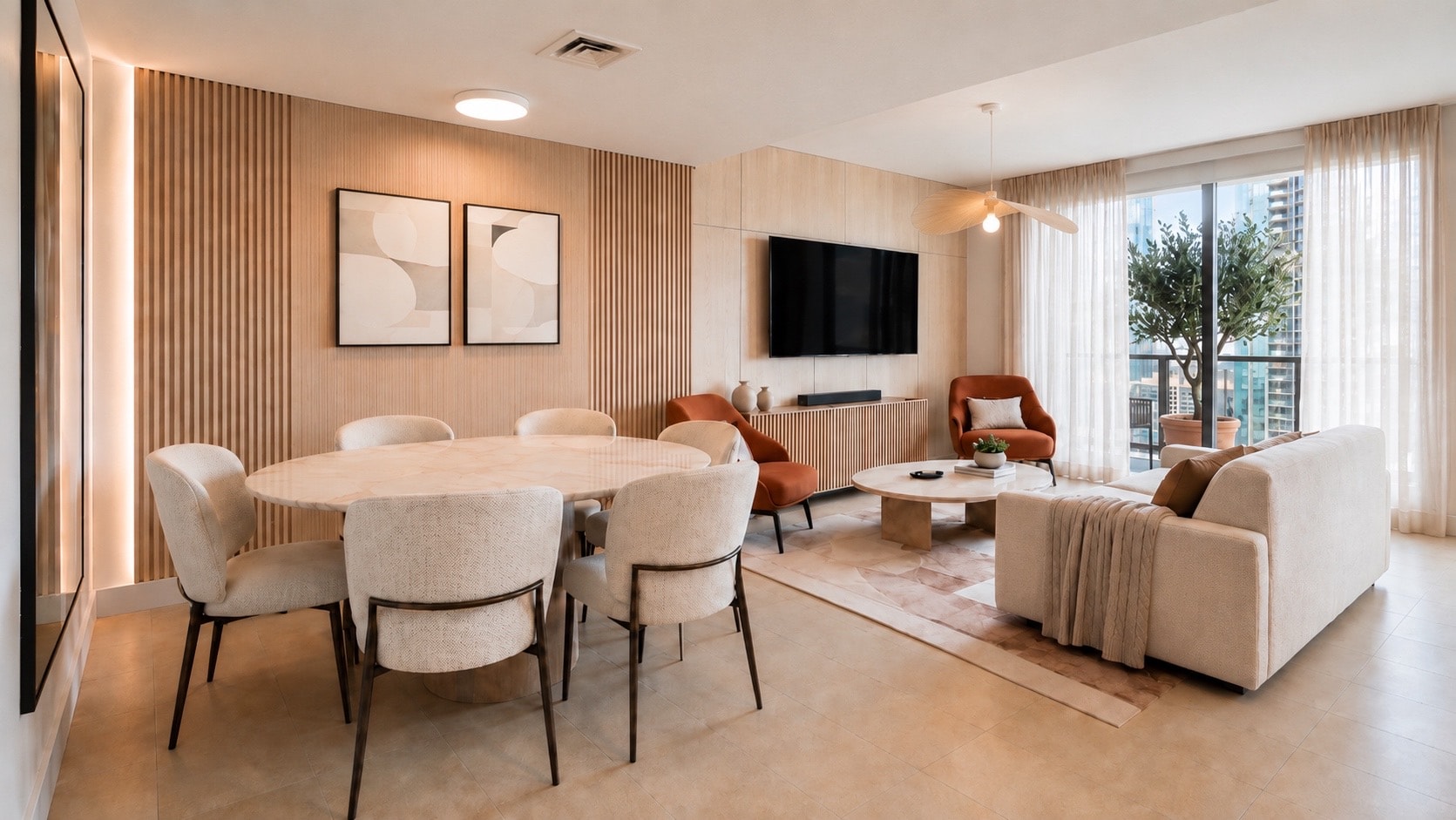
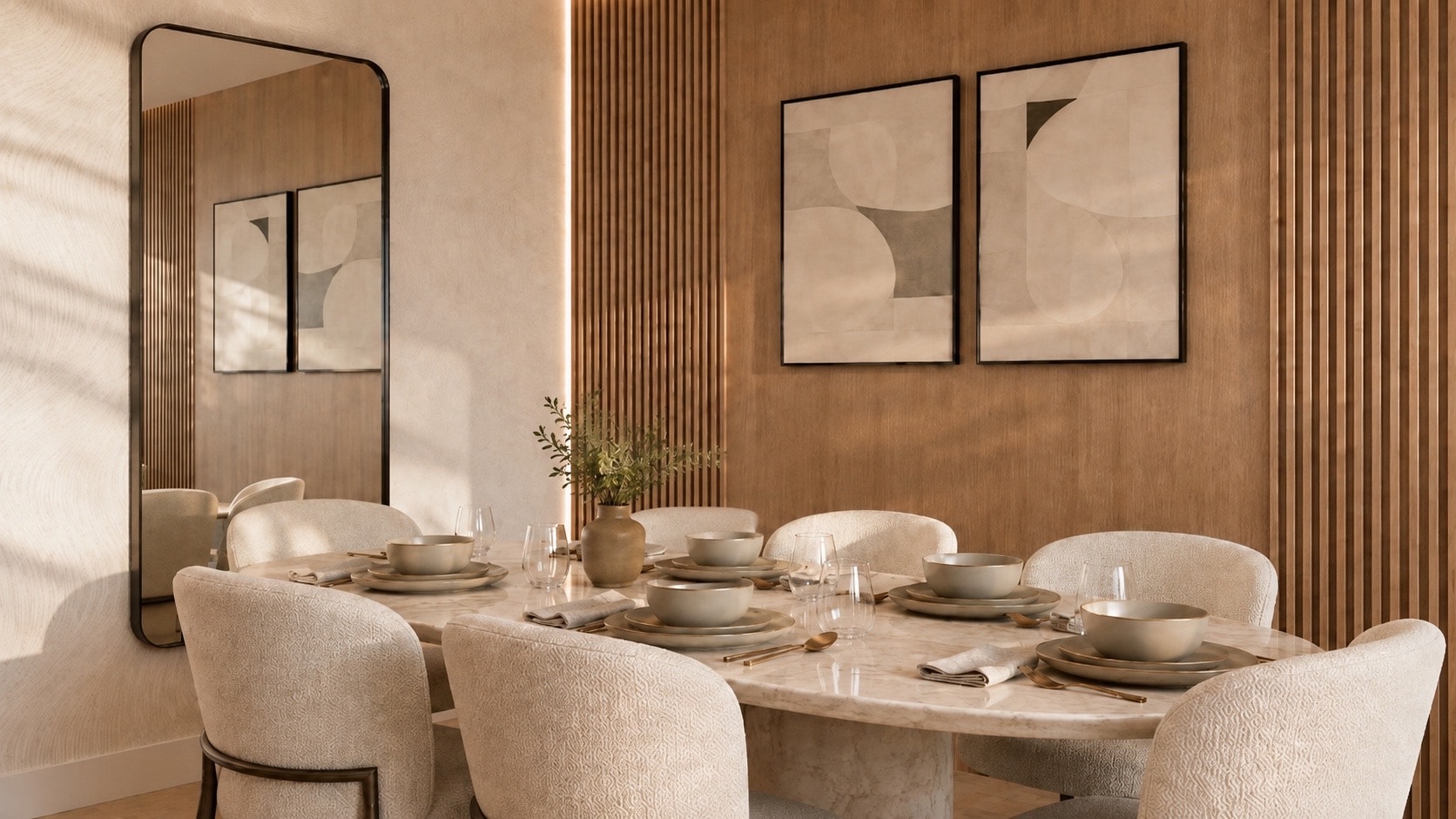
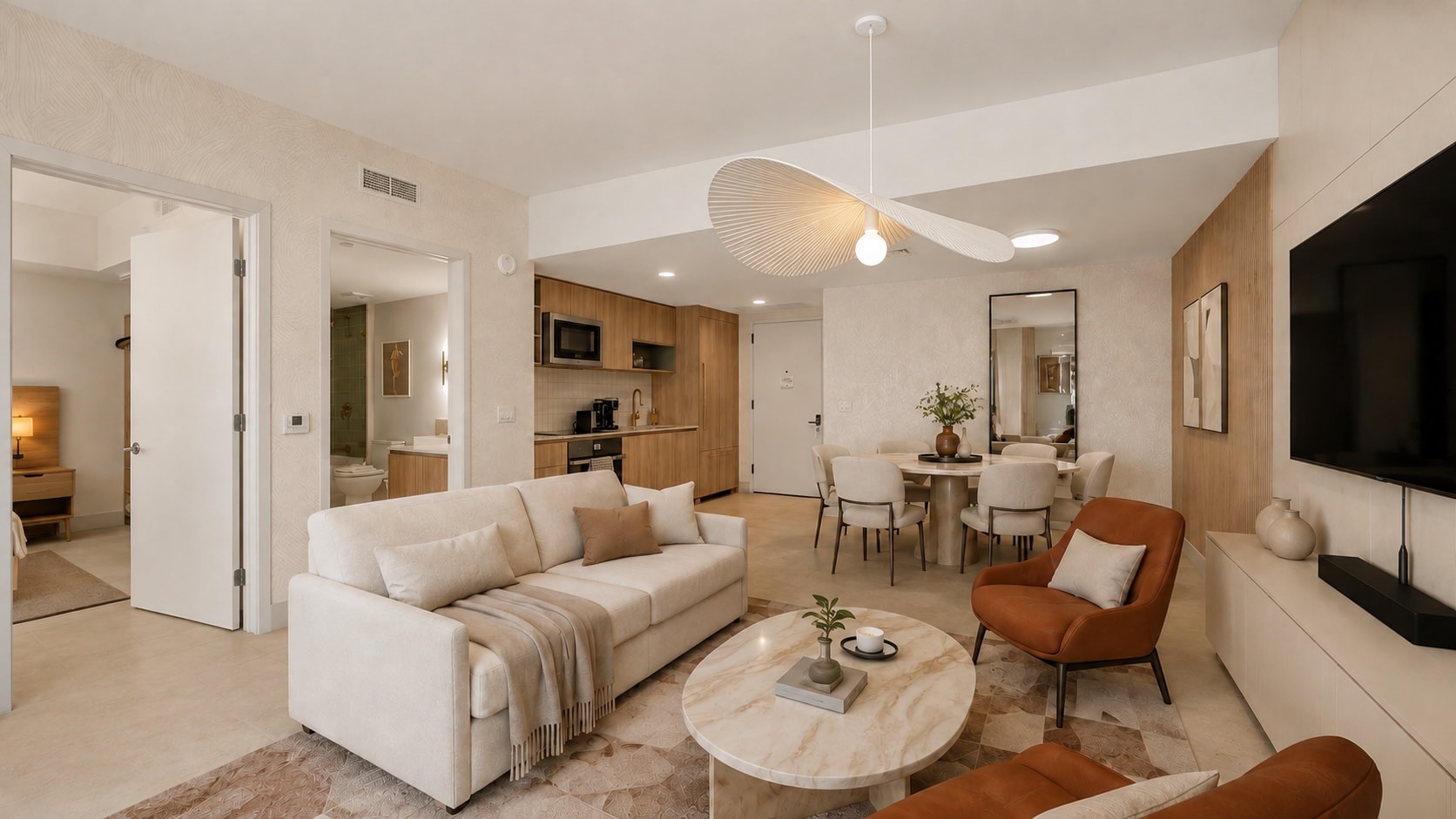
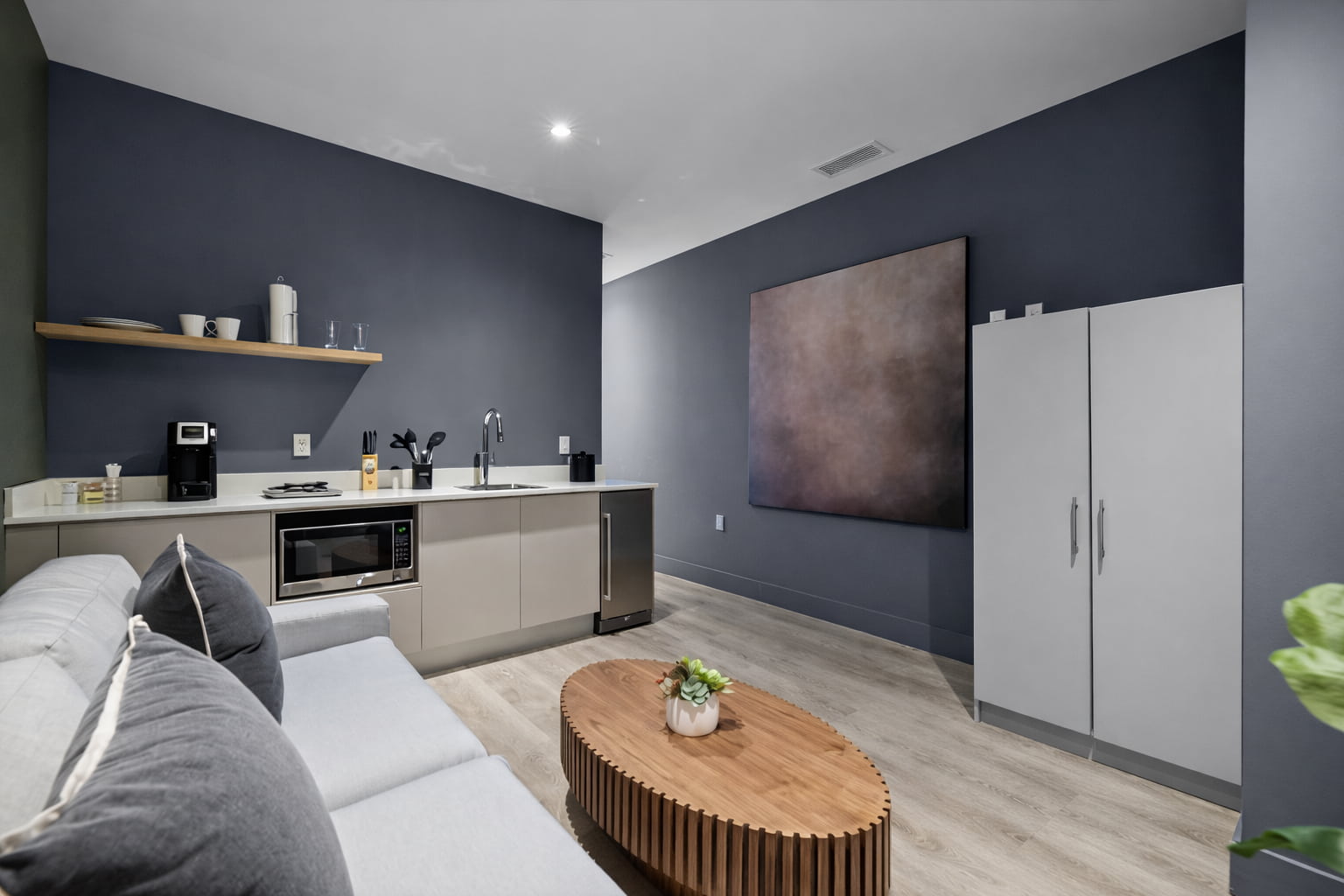
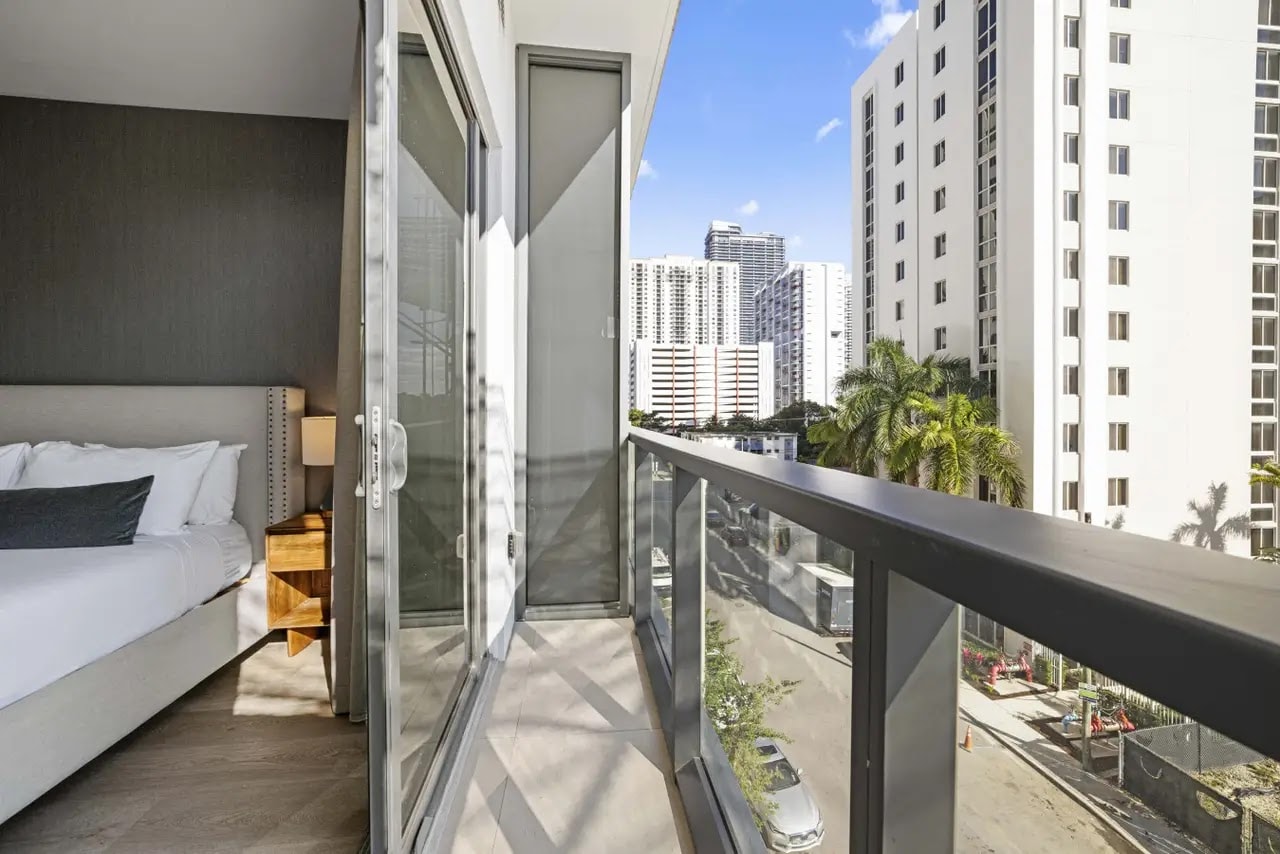
Miami, Florida, USA — 1-Bed Apartment With Bay Views & Resort Pool
$99,000
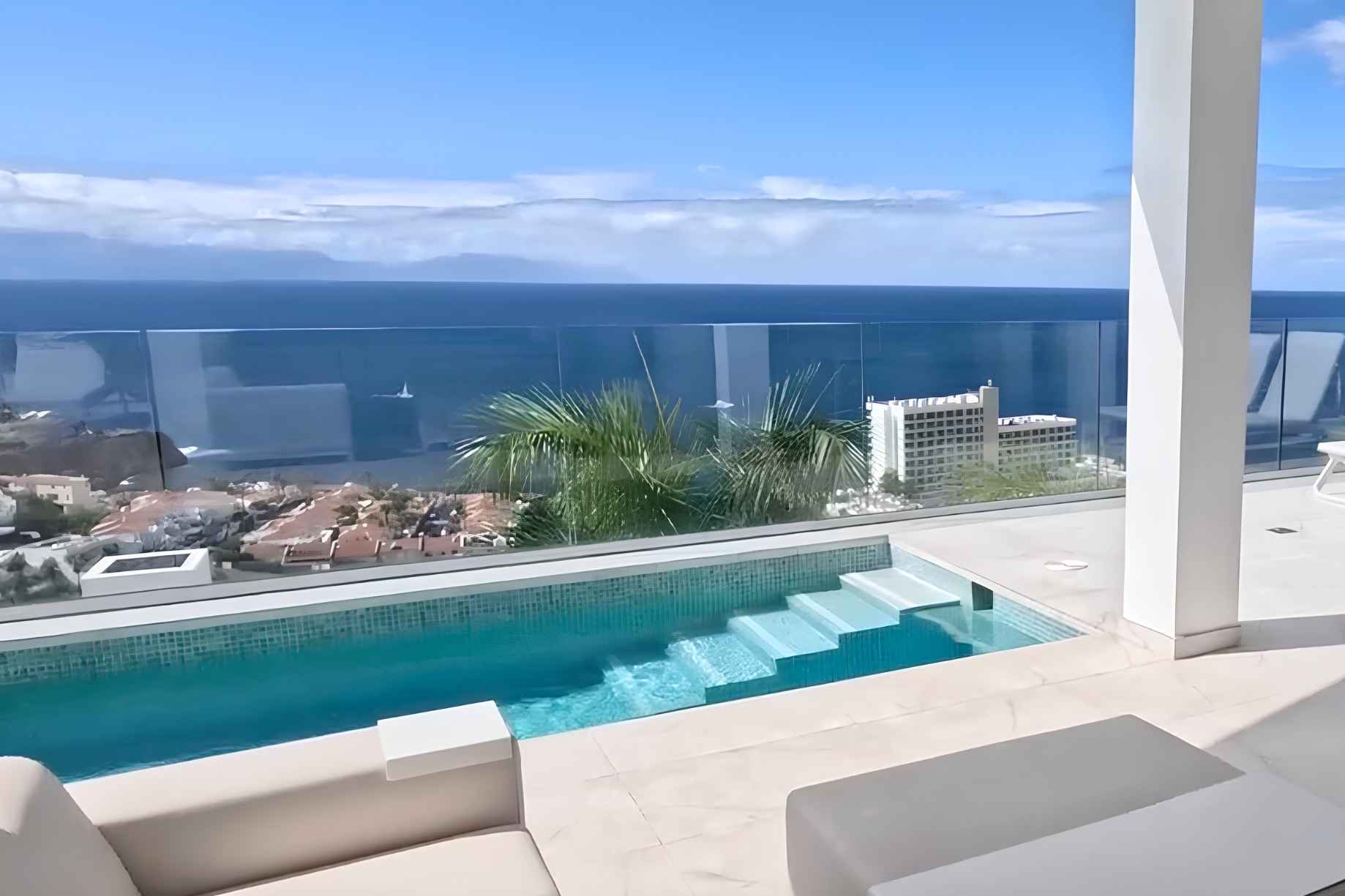
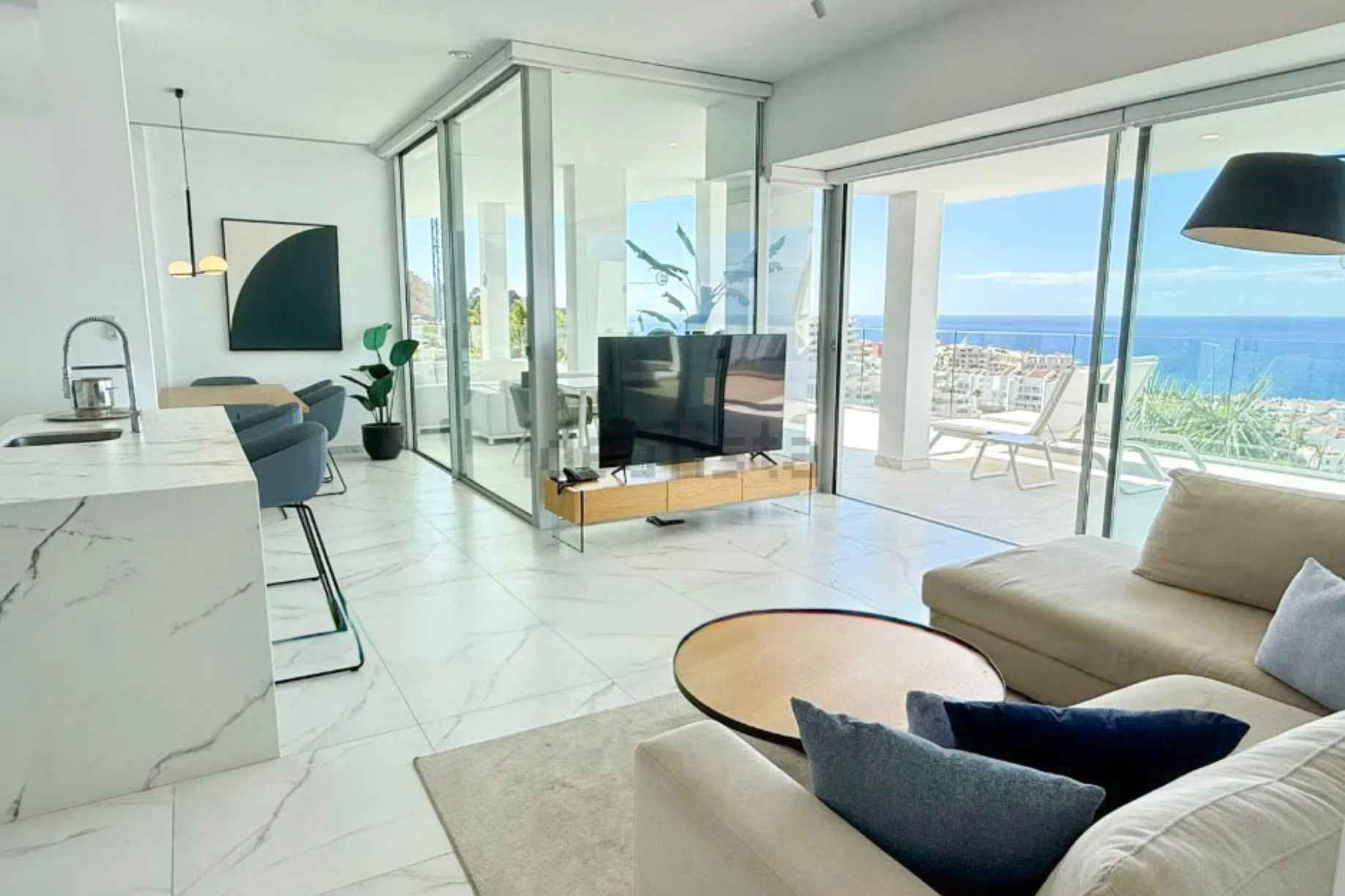
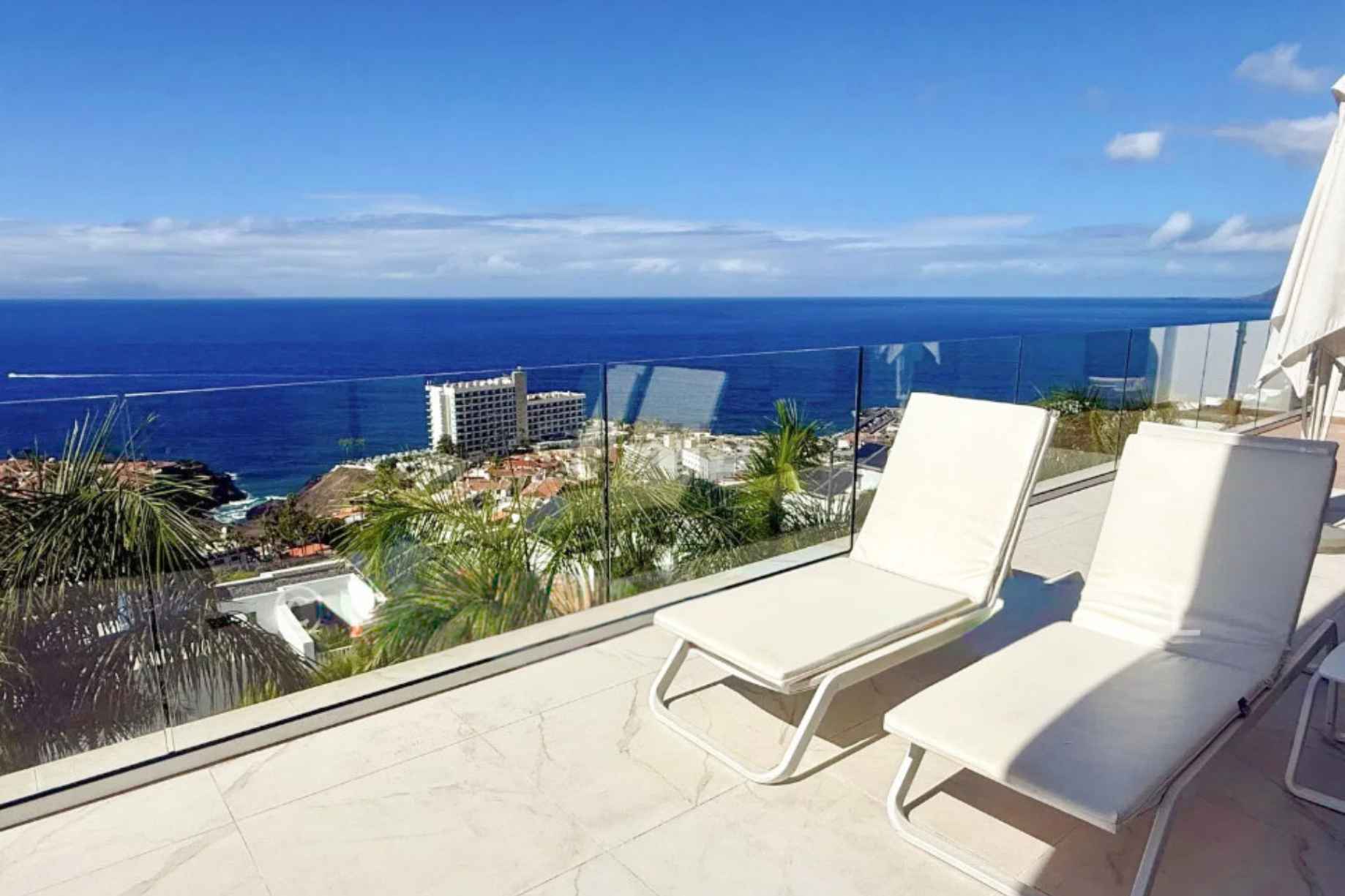
Los Gigantes, Tenerife, Spain — 2-Bed Terrace Apartment With Sea Views & Private Infinity Pool
€229,000
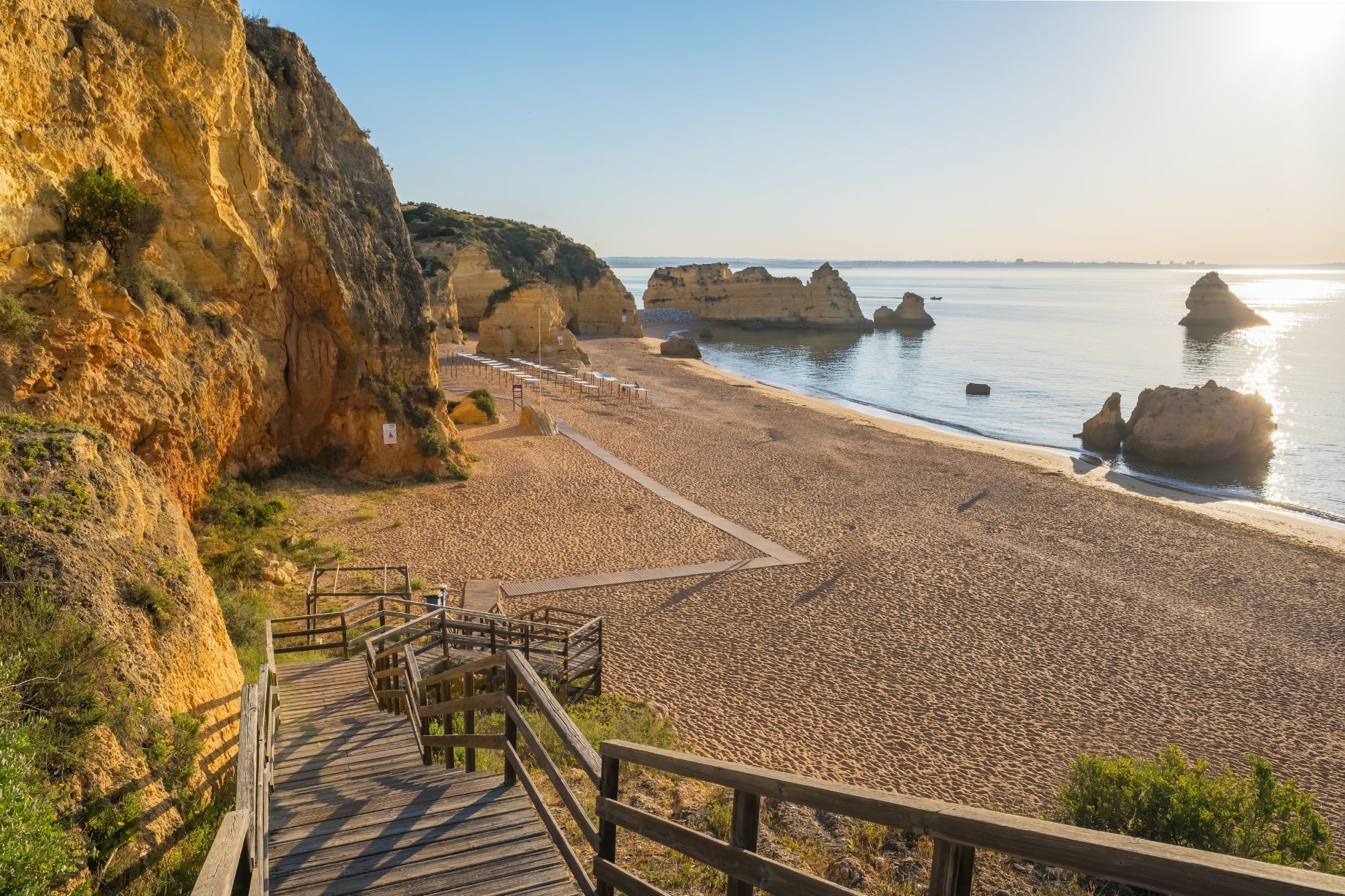
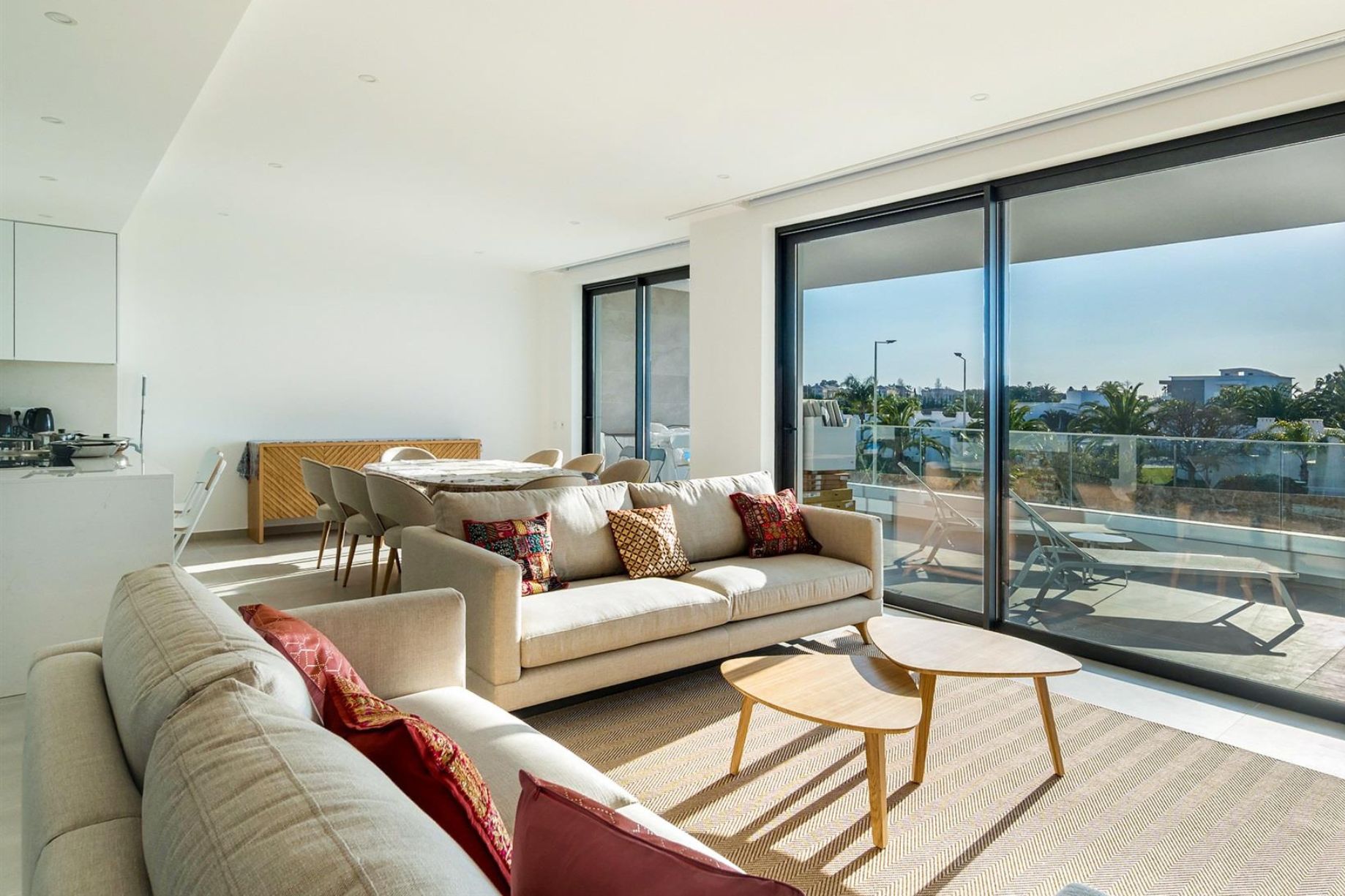
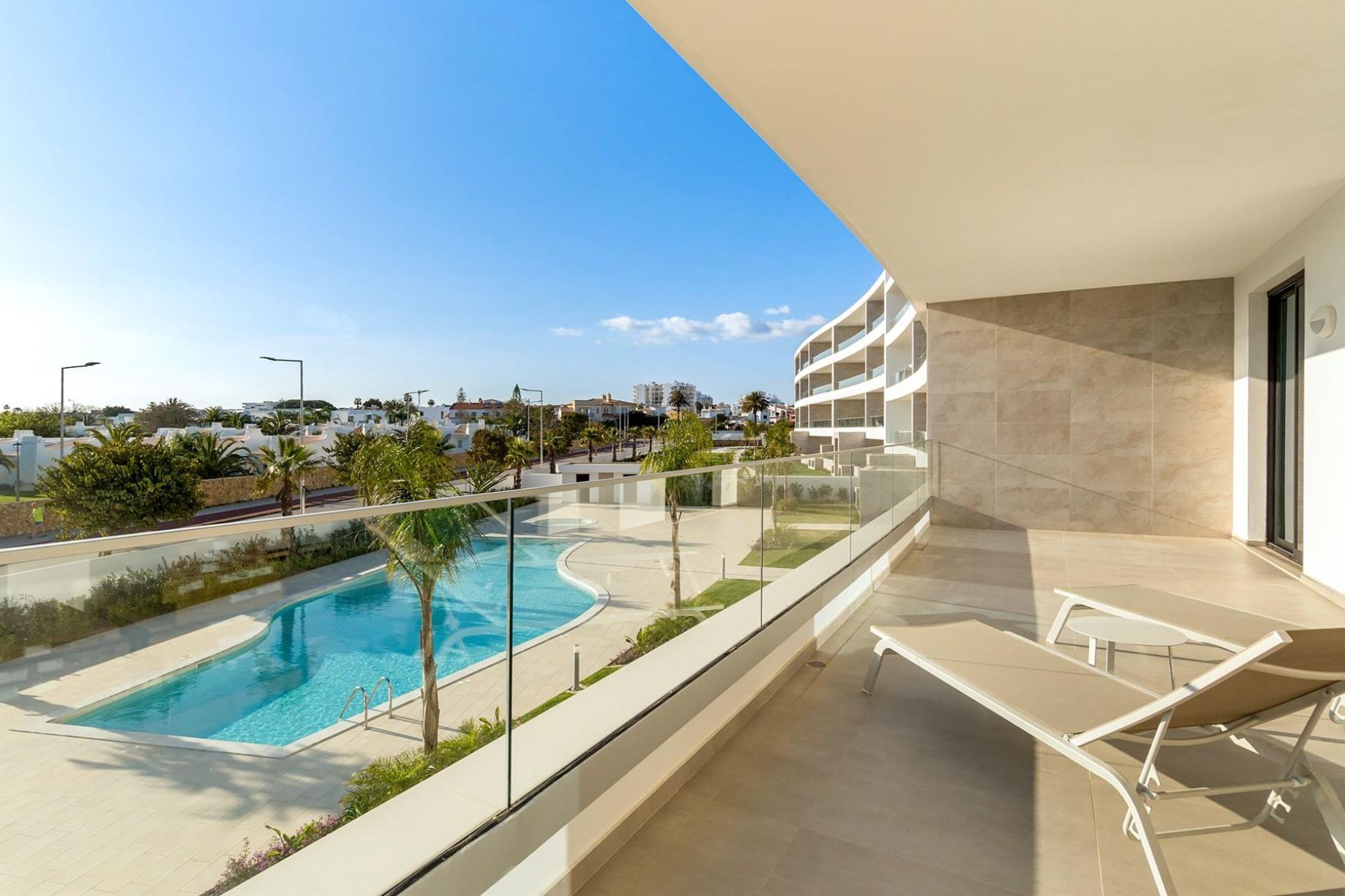
Lagos, Algarve, Portugal — 2-Bed Terrace Apartment With Sea Views & Two Terraces
€154,000
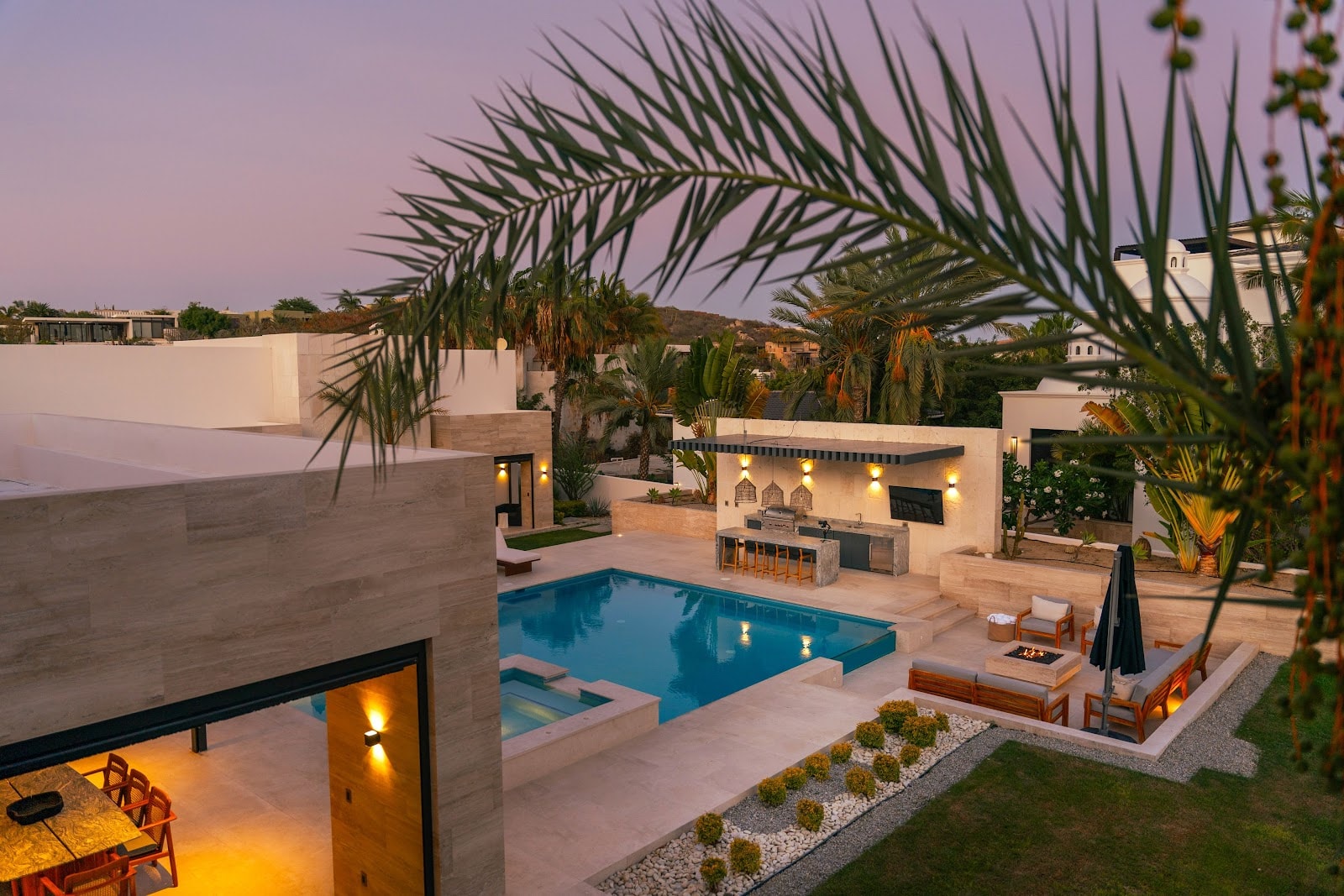
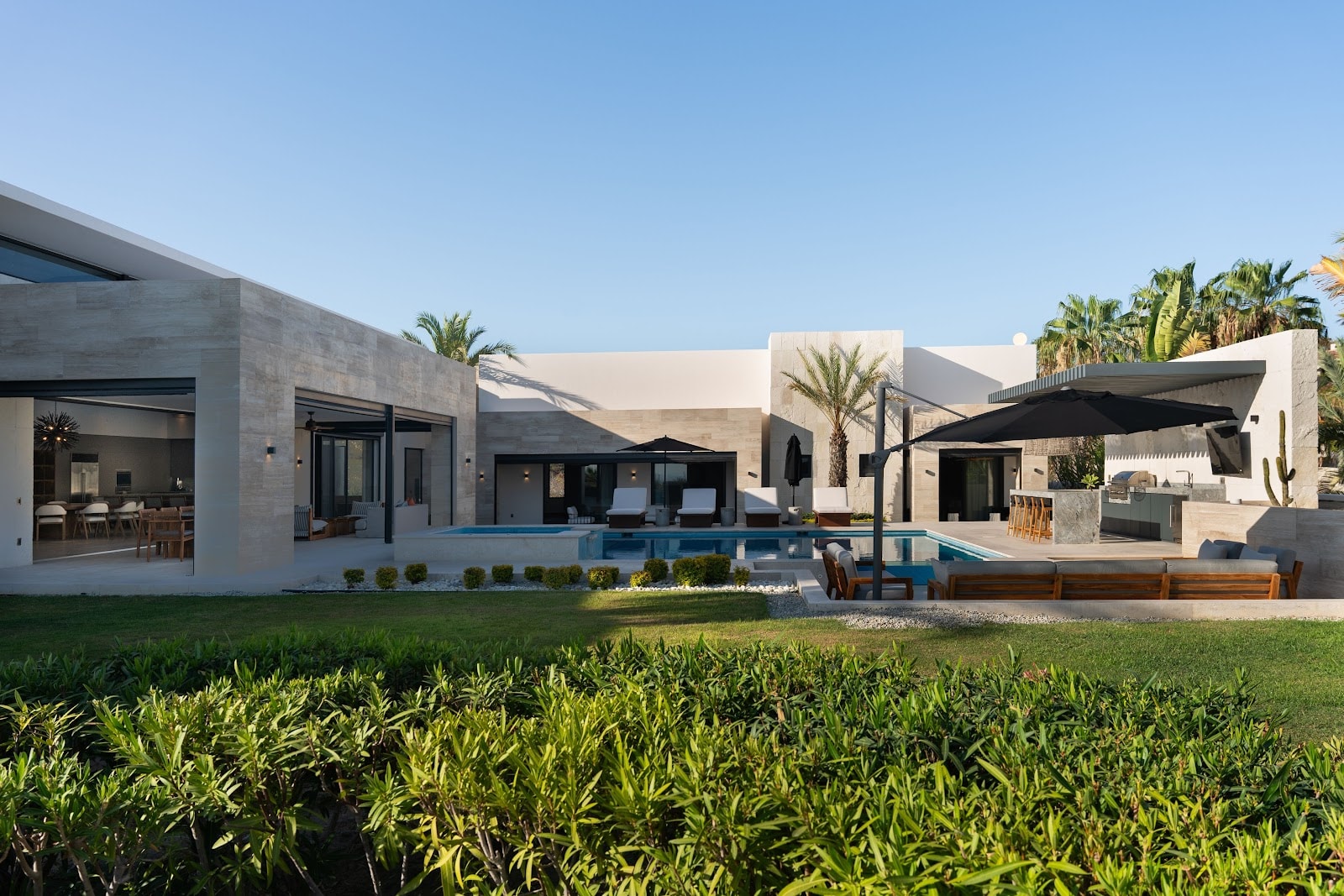
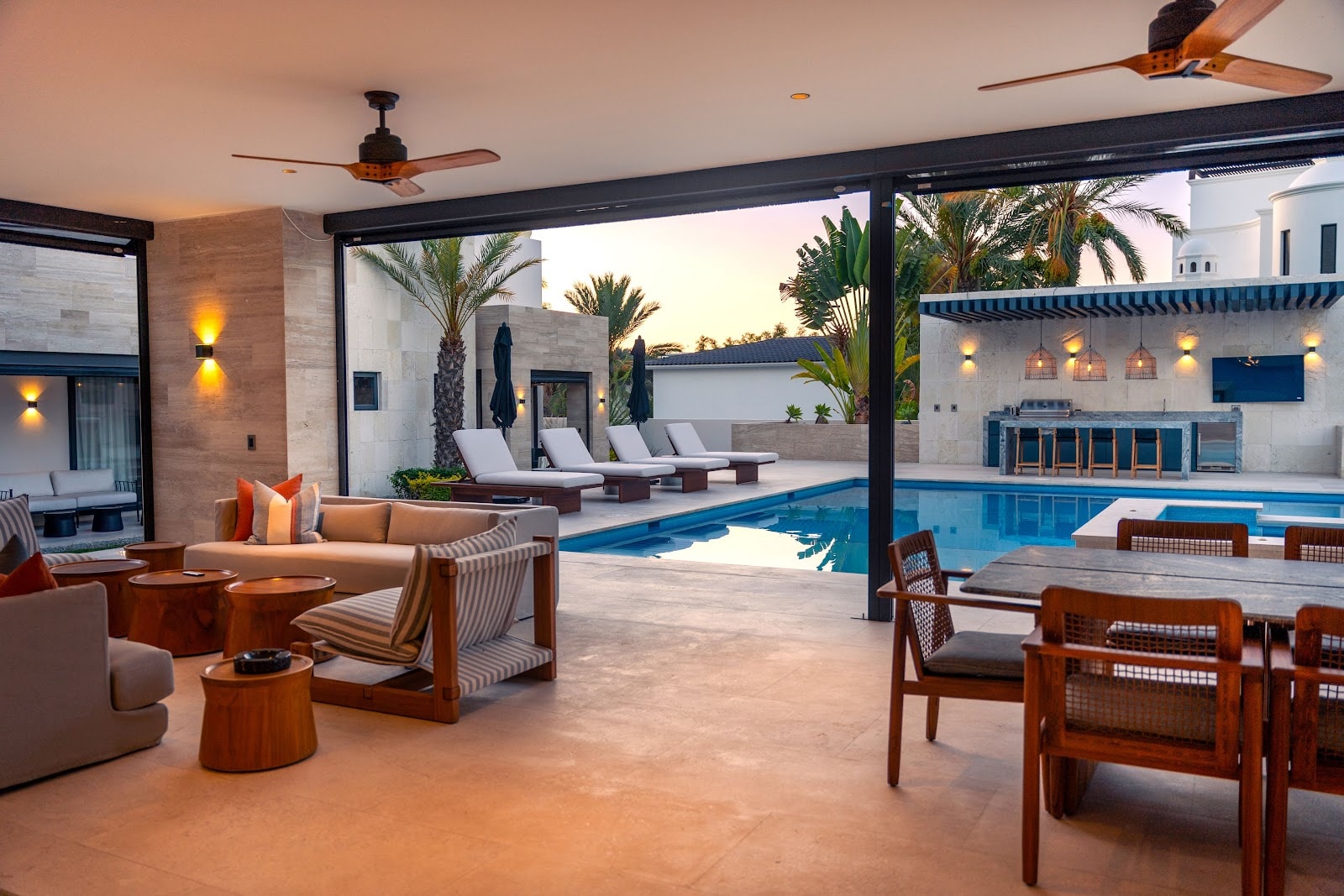
San Jose Del Cabo, Mexico — 5-Bed House With Beach Access
$875,000
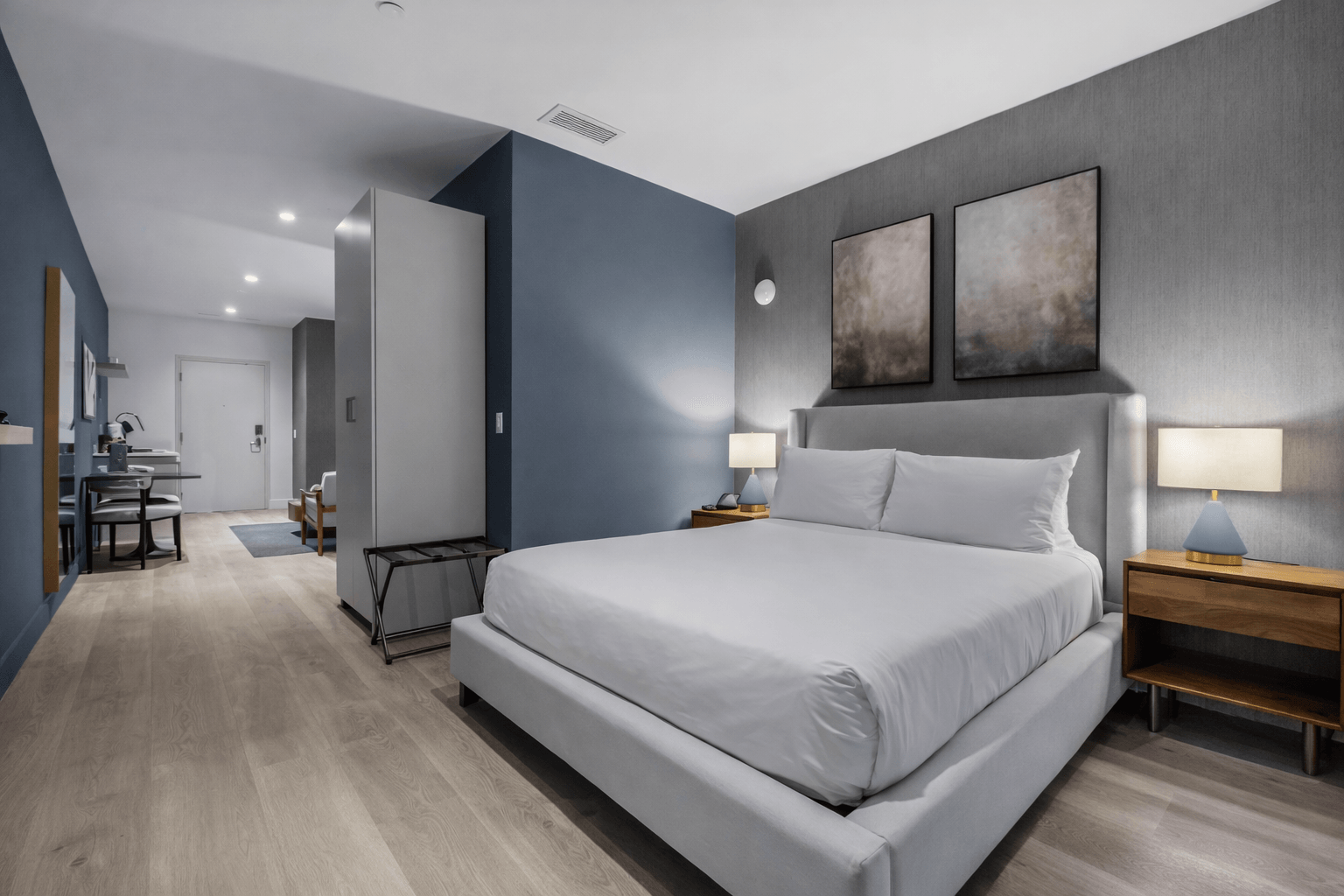
Be the first to hear when a Barbados home is listed.
We do not have a co-ownership home in Barbados yet. When we do, it will be the kind we list everywhere else: a fully managed home in one of the island's best addresses, sold in real 1/8 shares with around six weeks of personal use a year. Leave your email and we will tell you the day it arrives. In the meantime, the homes below are the ones that buyers who love Barbados choose.
What is fractional ownership in Barbados?
Fractional ownership in Barbados means buying a real share of a villa or beach house, usually 1/8, with a small group of up to seven other co-owners, and using it for around six weeks a year while a professional team looks after everything. It suits the way the island is used: a few weeks of winter sun each year, in the same house, with the staff, the pool and the garden all taken care of. You can sell it, pass it on to your heirs, and it grows in value with the home. It is not a timeshare, and not a holiday club.
Why Barbados?
There are prettier islands in the Caribbean, and wilder ones, and ones with taller mountains. None has what Barbados has, which is the gift of being easy to love. It is warm every day of the year. Its west coast is one long, calm, turquoise swimming pool. Its people are famously courteous and funny. It has good roads, good doctors, good restaurants and a direct flight from London every morning. Families who discover it tend to come back for the same fortnight every winter for thirty years, to the same beach and the same table, and their children do the same after them. That loyalty is the best description of the place there is, and it is why a share of a home here makes such sense.
The first argument is the climate. Barbados sits further out into the Atlantic than any other Caribbean island, cooled by the trade winds, with afternoons at 28–30°C (low to mid-80s°F) all year and a sea that never falls below 26°C (79°F). The dry season runs from December to May, exactly when Britain, Canada and the north-eastern United States are at their coldest. And because of where the island lies, east of the usual track of Atlantic storms, it has been troubled by them far less often than its neighbours.
The second is the west coast, which Barbadians call the Platinum Coast. For a dozen miles, from Bridgetown north to Speightstown, the Caribbean laps at beaches of pale coral sand shaded by mahogany and casuarina trees. The water is clear, warm and still; sea turtles swim in it beside you. Along this shore, since the 1950s, some of the most elegant houses in the tropics have been built, in a style all their own: white coral stone, open verandas, shingled roofs, gardens of frangipani and palms running down to the sea.
The third is that Barbados is a real country with a life of its own, and not a resort with a flag. It has had a parliament since 1639, one of the oldest in the Commonwealth. Its capital, Bridgetown, is a UNESCO World Heritage Site. It is the birthplace of rum. It plays cricket with a passion that produced Sir Garfield Sobers, widely held to be the greatest all-rounder the game has known, and it gave the world Rihanna, who grew up in Bridgetown and is now an official National Hero. On a Friday night at the fish market in Oistins, or on a Sunday at a cricket ground, visitors and Barbadians mix as easily as anywhere on earth.
The fourth is the one that makes a share, and not a whole house, the natural way to own here. A villa on the Platinum Coast is one of the most expensive homes in the Caribbean, and it needs a housekeeper, a cook, a gardener and a pool man all year. Yet almost every owner uses it in the same way: three weeks at Christmas, a fortnight at Easter, perhaps a week in the summer. A 1/8 share fits that pattern exactly. You have the house, fully staffed and ready, for the weeks you want, and you are not paying to keep it open for the forty-odd weeks you are somewhere else.
A very short history
An English ship first called here in 1625, and the first settlers landed at what is now Holetown in 1627. Barbados then remained British, without interruption, for more than three hundred years; it is one of the very few islands in the Caribbean never to have changed hands. Sugar made it, for a time, one of the richest colonies in the English-speaking world, and the plantation houses, windmills and parish churches of that era still stand among the cane fields. George Washington came here in 1751, at nineteen, the only journey he ever made outside North America, and the house he stayed in is open to visitors.
Barbados became independent in 1966 and a republic in 2021, keeping the best of what it had inherited: the courts, the schools, the cricket, the afternoon tea. The modern life of the west coast began in 1961, when a British politician named Ronald Tree opened a hotel on an old sugar estate at Sandy Lane and invited his friends. They are still coming.
The Barbados house
Barbados is made of coral. Almost the whole island is a cap of ancient reef lifted out of the sea, and for three and a half centuries its people have sawn that pale, soft stone into blocks and built with it. A coral-stone wall is cool in the heat, turns the colour of honey in the evening light and lasts for centuries. It gives the island's buildings, from parish churches to beach villas, a look that belongs nowhere else.
Three kinds of house tell the island's story. The first is the plantation great house, thick-walled and shuttered, standing in a ring of mahogany trees among the cane. Two of them, St Nicholas Abbey and Drax Hall, date from the 1650s and are among the very few Jacobean houses left in the Americas. The second is the chattel house, a small, steep-roofed wooden home with a fretwork porch and jalousie shutters, painted in ice-cream colours. Plantation workers who did not own the land beneath them built these houses on loose blocks of coral, so that the whole house could be taken apart and moved; you still see them in every village. The third is the west-coast villa, which borrows from both: coral-stone walls and arches from the great house, shutters, fretwork and shingled roofs from the chattel house, and rooms that open on every side to the breeze and the garden. It is one of the most copied styles of house in the tropics, and the original is still the best.
Where to own in Barbados
Barbados is small, only 21 miles long and 14 wide, but its coasts are as different as separate islands. The west coast is the calm, elegant Caribbean shore of the great villas. The south coast is livelier and breezier, with the best beaches for swimming in gentle surf. The east coast faces the open Atlantic and is wild, empty and beautiful. And the inland ridges, with their golf estates, have the views and the cool evening air. The official Visit Barbados site maps them all.
The west coast: St James and St Peter
The parishes of St James and St Peter are the Barbados of legend. Sandy Lane, with its coral-stone hotel, its three golf courses and its estate of private villas behind, set the standard that the rest of the Caribbean has been trying to match ever since. Holetown, just to the north, is the island's smartest small town, with restaurants on the water, a row of pretty chattel-house shops and a festival every February to mark the first landing. Further up the coast, Speightstown is an old sugar port of wooden balconies and rum shops, much as it was a century ago, and beside it a marina with berths for yachts.
The houses along this shore are the finest on the island. Several of the best known were designed or remodelled in the 1960s and 1970s by the English stage designer Oliver Messel, who invented a tropical style of open pavilions, white lattice, coral-stone arches and a soft sage green that is still called Messel green. Gardens run down to the beach. Breakfast is on the terrace with the monkeys watching from the trees. In the evening the sun drops straight into the sea in front of the house, and on a clear night you may see the green flash. Best for: families, those who want calm water at the foot of the garden, lovers of good restaurants, and anyone who has dreamed of a house on the Caribbean.
The south coast: Christ Church
From Bridgetown east to the airport, the south coast is younger and more relaxed. The beaches here, Accra, Dover, Miami Beach and, beyond the airport, the pink sands below the cliffs at the Crane, are wider than those of the west and washed by small, friendly waves. There is a boardwalk for the morning walk, the restaurants and bars of St Lawrence Gap for the evening, and at Oistins every Friday the best party on the island, when the fishing village grills the day's catch over open fires and half the island seems to come to eat, dance and play dominoes.
The trade wind blows steadily along this coast, which keeps it cool and makes it one of the best places in the Caribbean for windsurfing, kitesurfing and learning to surf. Homes are beach houses and apartments, simpler and less grand than on the west coast, and ten minutes from the airport. Best for: active families, surfers and sailors, younger owners, and those who like to walk to a beach bar.
The golf estates and the ridges
Barbados rises from the west coast in a series of coral terraces, and on these, a mile or two inland and several hundred feet up, are its golf communities. Royal Westmoreland is the best known, a championship course designed by Robert Trent Jones Jr. among old mahogany trees, surrounded by villas with long views over the sea. Apes Hill, higher still, looks out over both coasts at once. And Sandy Lane's own courses include the Green Monkey, carved from a former quarry and one of the most exclusive in the world.
Life on the ridge is cooler and quieter than on the beach, with a breeze through the house all day and a sunset that takes in the whole coast. A beach club and a table at a restaurant on the water are ten minutes down the hill. Best for: golfers, tennis players, owners who want space, privacy and a view, and those planning longer winter stays.
The east coast: Bathsheba and the Atlantic shore
Cross the island, half an hour from the west coast, and you reach another world. The east faces three thousand miles of open Atlantic, and the waves arrive unbroken from Africa. At Bathsheba, great boulders of ancient coral stand in the surf like sculptures, and the reef break known as the Soup Bowl draws the best surfers in the world. The hills behind are green and steep, the roads are empty, and the few houses are old seaside cottages on stilts where Barbadian families have spent their holidays for generations.
Nobody swims far from shore here, though the rock pools are a delight at low tide. People come for the air, the light, the walks along the old railway line and the sense of being at the edge of things. Best for: painters, writers, walkers, surfers and those who want the Barbados that tourism has hardly touched.
Bridgetown and the Garrison
Most owners come to Bridgetown for a morning and are surprised by how much there is to see. The old harbour, the Careenage, runs into the middle of the city, lined with yachts and fishing boats and crossed by the Chamberlain Bridge. Beside it stand the Parliament Buildings, in grey coral stone with Gothic windows, and a few streets away a synagogue first built in 1654, among the oldest in the Americas. A couple of miles to the south, the Garrison was the headquarters of the British army and navy in the eastern Caribbean. Its parade ground is now the racecourse, its military prison is the Barbados Museum, and George Washington's house looks over it all.
The quiet north and the countryside
North of Speightstown the villas thin out and the island turns to pasture, cliffs and fishing villages. At North Point the sea has cut a cave into the coral with rock pools you can swim in, and from the cliffs above you may see humpback whales passing in late winter. Inland, the parishes of St Andrew, St Joseph and St Thomas hold the island's surprises: a district of steep green hills that the first settlers named Scotland, a ravine of tropical forest at Welchman Hall, one of the last complete sugar windmills in the Caribbean at Morgan Lewis, and the view from Cherry Tree Hill over the whole Atlantic coast. Everything is within forty minutes of a house on the west coast.
A year in a Barbados home
Barbados has two seasons, and both are warm. The dry season, from December to May, is high season: day after day of sunshine, low humidity and a steady breeze. The green season, from June to November, is a little hotter and more humid, with short, heavy showers that pass in minutes and leave the island glowing. Prices fall, the beaches empty, and the island's own great festival takes place. A share of a home, with its weeks spread through the year by a fair-rotation calendar, lets you enjoy both.
Winter (December–March)
This is the Barbados everyone pictures. The days are bright and dry at around 28°C (82°F), the evenings cool enough for dinner outdoors without a fan, and the sea as flat as glass on the west coast. Christmas and New Year are the most sought-after weeks of the year, when families who have been coming for decades fill the houses along the Platinum Coast and the restaurants are booked for months ahead.
January brings the start of the polo season, played on grounds around the island on Sunday afternoons, with tea and rum punch in the stands. The Holetown Festival in February marks the anniversary of the first settlement with a week of music, parades and street food. In early March the island's horse-racing year reaches its height with the Sandy Lane Gold Cup at the Garrison Savannah, a racecourse on the edge of Bridgetown where races have been run since 1845. And throughout the winter the cricket season fills the grounds, from village pitches to international matches at the Kensington Oval.
Spring (April–May)
Easter is the last great week of the season, and one of the loveliest: the weather is perfect, the sea is at its clearest, and at Oistins the fishing community holds its own festival of boat races, fish-boning contests and music. After Easter the island grows quiet. April and May are still dry and sunny, the flamboyant trees come into scarlet flower, and the best tables are suddenly easy to book. Owners who can travel outside the school holidays often say these are the best weeks of all.
Summer (June–August)
Summer belongs to Crop Over, the festival that has marked the end of the sugar harvest since the eighteenth century and is now one of the great carnivals of the Caribbean. For several weeks, organised by the National Cultural Foundation, there are calypso competitions, craft markets, parties at dawn and at midnight, and on the first Monday of August the Grand Kadooment, when thousands of dancers in feathers and jewels parade through the streets to the sea. Rihanna has often come home for it.
The weather is hot, at around 30°C (86°F), with a short shower most afternoons and the sea at its warmest. It is the season of mangoes, of sea turtles nesting on the west-coast beaches by night, and of the island at its greenest. Families with children at school find that the summer holidays in Barbados are one of the Caribbean's best-kept secrets.
Autumn (September–November)
Autumn is the quietest time of the year and the most restful. Some hotels and restaurants close for a few weeks in September; those that stay open are the ones Barbadians use themselves. The sea is warm and calm, and the beaches are all but empty. In late October the Barbados Food and Rum Festival brings chefs from around the world to cook with the island's own, and on 30 November Barbados celebrates its independence with parades and lights. By the first week of December the houses along the west coast are being opened and aired, the gardens clipped, and the season begins again.
Barbados month by month
- January — dry, bright and breezy at about 28°C (82°F). The polo season opens, and a week of sailing regattas ends with a race around the island.
- February — the Holetown Festival, half-term families on the west coast, and some of the calmest seas of the year.
- March — the Gold Cup at the Garrison Savannah, cricket at the Kensington Oval, and long, cloudless days.
- April — Easter, the Oistins Fish Festival, and then the quiet, sunny weeks that many owners like best.
- May — the last of the dry season. The flamboyant trees flower, the sea warms, and the island belongs to those who live here.
- June — the first showers, the first mangoes, and the opening events of Crop Over.
- July — calypso tents, street parties and sea turtles nesting on the beaches at night. About 30°C (86°F).
- August — Grand Kadooment on the first Monday, then school-holiday weeks with the warmest sea of the year.
- September — the quietest month: warm, still and green, with the beaches almost empty.
- October — the Food and Rum Festival, and the first cooler evenings.
- November — Independence Day on the 30th, with the island dressed in blue and gold; the rains ease and the trade winds return.
- December — the season opens. On Christmas morning Barbadians put on their best clothes and stroll in Queen's Park in Bridgetown to hear the police band, and on the west coast the houses fill for the holidays.
A perfect winter week
Saturday. You land in the mid-afternoon, and the warmth as the aircraft door opens is the first pleasure of the holiday. Forty minutes later you are on the terrace with a rum punch, watching the sun go into the sea. Sunday is the beach in front of the house: a swim before breakfast with the turtles, a book under a tree, and a long lunch at a restaurant with its feet in the water. On Monday you take a catamaran up the coast, snorkel over a shipwreck in Carlisle Bay, and eat flying fish on deck under the sail.
Tuesday is for golf at Royal Westmoreland, or for St Nicholas Abbey, a Jacobean plantation house of 1658 with curved gables and a rum distillery in the yard, where a steam train now carries visitors through the mahogany woods to a view of the whole east coast. On Wednesday you cross the island to Bathsheba for the wild shore and a lunch of pepperpot on a veranda above the surf, and come home by way of the tropical gardens in a sinkhole at Hunte's. Thursday you do nothing, properly. And on Friday you go to Oistins at dusk, choose your fish from the grill, and eat it at a wooden table among half the island, with music playing and the boats pulled up on the beach behind you.
A perfect summer week
Come at the end of July and the island is in the middle of its own party. On the first morning you swim at Accra before the sun is high, then eat fish cutters at a beach shack with a cold beer. One evening you go to a calypso tent and hear the season's songs, which are funny, sharp and rude about every politician on the island. One night, late, on a quiet beach, you may watch a hawksbill turtle come ashore to dig her nest in the sand.
There is a day for the east coast, when the summer light on the hills is at its most dramatic, and a day at sea, when the water is warm enough to stay in for an hour. On the Saturday there are markets and music at every corner. And on the Monday, Kadooment Day, you stand on the roadside with a rum punch at nine in the morning as the bands come past in feathers and glitter, and by noon you have given up watching and joined in.
Eating and drinking
Barbados is often called the culinary capital of the Caribbean, and has been for decades. Along the west coast a dozen restaurants serve cooking of real distinction on terraces lit by torches a few feet above the sea. But the island's own food is just as good and costs a fraction as much: flying fish and cou-cou, the national dish; fish cakes and cutters from a beach shack; macaroni pie; pudding and souse on a Saturday; and fresh fish at Oistins.
And then there is rum, which Barbados is widely held to have invented. Mount Gay, in the north of the island, has a deed from 1703 that makes it the oldest rum distillery still at work anywhere, and several other estates now make rums that are collected like fine whisky. The island has more than a thousand rum shops, small painted wooden bars that serve as each village's parliament, and an evening in one, over a flask of rum and a game of dominoes, is the quickest way to feel at home.
Golf, sport and the sea
For golfers, Barbados is the best island in the Caribbean, with the courses of Sandy Lane, Royal Westmoreland and Apes Hill all within twenty minutes of one another. Tennis, polo and horse racing fill the winter. Cricket is everywhere. On the water there are catamaran cruises, deep-sea fishing for marlin and wahoo, diving on coral reefs and wrecks, sailing in steady trade winds, and surfing on every coast, from the gentle waves of Freights Bay, where beginners stand up on their first morning, to the Soup Bowl at Bathsheba.
Seeing the island
Barbados rewards a day in the car more than any island its size. Underground, Harrison's Cave is a long chain of limestone caverns with streams, pools and stalactites, toured by electric tram. On the east coast, Andromeda Botanic Gardens spill down a hillside above Bathsheba, several acres of palms, orchids and bougainvillea planted from the 1950s by one remarkable Barbadian gardener. Hunte's Gardens, nearby, fill a sunken forest with tropical flowers and classical music.
For history there is St Nicholas Abbey, with its great house, its rum and its railway; Sunbury Plantation House, furnished as it was in the days of sugar; the signal station at Gun Hill, from which soldiers once watched the whole south of the island; and Codrington College, founded in 1745, with its avenue of tall palms and a lily pond in front. St John's Parish Church stands on a cliff 800 feet above the Atlantic, with one of the best views in the Caribbean from its churchyard. And everywhere, between the sights, there are the cane fields, the rum shops, the cricket pitches and the sea at the end of every road.
Barbados with children
Children are welcomed in Barbados with a warmth that parents notice at once. The west-coast sea is shallow, calm and warm, and turtles really do swim up to see who is there. There are monkeys in the garden, a tram ride through the crystal caverns of Harrison's Cave, a wildlife reserve where tortoises and deer wander freely, pirate-ship cruises, and surf lessons on waves the right size. Every child should have a cricket bat put in their hands on a Barbados beach at least once.
Who buys in Barbados, and where else they look
Barbados has always been, above all, a British island for second homes. Families from London and the Home Counties have wintered here since the 1950s, and British buyers have long been the largest group. Canadians come next, escaping winters far worse than Britain's, followed by Americans from New York, Boston and Florida, and a loyal contingent from Ireland. Many have been coming for so long that they count Barbadian neighbours among their oldest friends.
Fractional ownership in Barbados typically suits:
- Winter-sun families — who come at Christmas, at half-term and at Easter, and want a staffed house on the beach for those weeks and not for fifty-two.
- Golfers and cricket lovers — for whom a fortnight on the island in January or March is the fixed point of the year.
- Multi-generational groups — grandparents, parents and children under one roof, with a cook in the kitchen and the sea at the end of the garden.
- Long-time visitors — who have rented the same villa for years and would like, at last, to own part of one.
- Owners building a year of homes — Barbados in winter, the Mediterranean in summer, and nothing to look after in between.
Fractional ownership in Barbados today
Fractional ownership is not new to Barbados. Several of the island's resorts and golf estates have sold shares of villas and residences for many years, and it is a well-understood way to own here. Those are usually shares of a residence inside a resort, with a set number of weeks and the resort's services attached.
Co-ownership as we list it is a little different. It is one private house, in a residential setting, owned by a small group of no more than eight owners. Each owns a real share of that home, usually 1/8, and has it for around six weeks a year, booked through a calendar that rotates the best weeks fairly. A professional team runs the house. You can sell your share on the open market at the price you set, and it rises in value as the house does. People who search for fractional ownership in Barbados, a share of a villa in Barbados, partial ownership or a quarter share are all looking for the same thing, and this is the form of it we believe in.
Barbados or another island?
Buyers considering Barbados usually weigh it against a handful of other islands. St Lucia is more dramatic, with rainforest and the twin peaks of the Pitons, and suits those who want scenery before society. Antigua is the sailor's island, with a beach in every cove and a famous regatta in the spring. The Bahamas and the Turks and Caicos are flat, with long white beaches and water of an extraordinary blue, and are the shortest flight from the United States. Mustique and St Barths are smaller, more private and harder to reach.
Barbados is the all-rounder. It has the easiest flights from Britain, the best restaurants, the most golf, the most to do on a rainy afternoon and the most settled community of overseas owners. It is the island people choose when they want a home in the Caribbean and not only a holiday there.
If you love Barbados: Los Cabos, Florida, the Canaries and the Algarve
We do not have a home in Barbados to offer today. What we can offer are the places that give the same things — winter sun, warm sea, golf and a house by the beach — and we have homes in all of them.
Los Cabos, at the tip of Mexico's Baja peninsula, is the closest in spirit: large villas with pools and staff above a warm sea, world-class golf, superb restaurants, and winter days of unbroken sunshine. For North American buyers it is nearer than Barbados, and in winter the whales pass close to shore.
Miami and Palm Beach offer winter sun with a city attached: beaches, boating, golf, art and restaurants, three hours from New York. Palm Beach in particular shares Barbados's taste for old-fashioned elegance.
The Canary Islands are Europe's own winter sun, about four hours from London with no jet lag, and the Algarve in southern Portugal has the golf, the beaches and the British community that make it, for many owners, the summer half of a year that begins in Barbados.
The homes shown on this page are drawn from those places. Each is a real 1/8 share of a fully managed home. And if it is Barbados itself you want, leave your email in the box at the top of this page, and we will write to you the day the first Barbados home is listed.
Practicalities: getting there, getting around and owning
Getting there
Grantley Adams International Airport (BGI), on the south coast, has direct flights from Britain, North America and the rest of the Caribbean. From London the flight takes about 8½ hours and there are direct flights from London every day of the year. From New York it is about 4½ hours, from Miami about 3½, from Toronto about five. Barbados is four hours behind London in winter, so a morning departure has you on the beach by mid-afternoon, and the overnight flight home lands in time for breakfast.
The airport is 40 minutes from Holetown and the west coast, and 10 to 20 from the south coast. Visitors from the United Kingdom, the United States, Canada and the European Union need no visa for a holiday.
Getting around
Barbados drives on the left, as Britain does, and nowhere is more than an hour from anywhere else. Many owners hire a small car, or one of the open jeeps called Mokes that have been the island's holiday transport since the 1960s. Taxis are easy to find, and the blue public buses and yellow minibuses run along both coasts all day for a fixed fare. English is the language, the Barbados dollar is fixed at two to the US dollar, and American dollars are accepted everywhere.
Owning property in Barbados
There are no restrictions on foreigners owning property in Barbados, and the law, based on English property law, will be familiar to British buyers. Purchases are handled by attorneys for both sides, and money brought into the island to buy is registered with the Central Bank of Barbados, which allows it to be taken out again when the property is sold. As with any purchase abroad, we recommend independent legal and tax advice, at home and in Barbados, before you buy.
Whole home or a share — the comparison that matters
The case for a share is clearest on an island like this one. A whole villa on the west coast commits its owner to the full price of some of the most valuable property in the Caribbean, and to the wages of a household staff and the upkeep of a tropical garden all year, for a house they will use for six or eight weeks. Renting the same villa for the same weeks, year after year, costs a great deal and leaves you with nothing. A 1/8 share gives you a real share of a home of that quality for the weeks you want it.
| Whole second home | COP 1/8 fractional share | Villa rental each year | |
|---|---|---|---|
| Upfront commitment | Full property value | ~1/8 of the property value | None |
| Equity in the asset | Full appreciation | ~1/8 of appreciation | None |
| Personal use | Up to 52 weeks (most use 5–8) | Around six weeks a year, fairly rotated | Whatever you book and pay for |
| Operations burden | Staff, garden and upkeep, all year | Fully included | None |
What you actually own
You own a real share of the home — an eighth, a quarter — not a right to use it. You can sell it, pass it on to your heirs, and it grows in value with the home. What you hold is real ownership — not a timeshare use-right that depreciates to zero when the contract expires, not a points membership, not a fractional holiday club.
How fractional ownership works
The idea is the same wherever we list homes. A fine house is bought and furnished, and its ownership is divided into a small number of real shares, usually eight. Each buyer owns a share and has the house for their part of the year. A professional company manages it for all of them. The legal set-up differs from country to country and is arranged by our partner for each home, and it is walked through with you before you buy.
How the calendar works
Your stays are booked through a fair-rotation calendar that mixes the weeks everyone wants — in Barbados, Christmas and New Year, February half-term and Easter — with quieter weeks across the year. Owners book months ahead, and the most sought-after weeks rotate from year to year so that no co-owner holds them all.
The professional management model
Once the purchase completes, a professional management company takes over all responsibility for the home: housekeeping, the garden and pool, preparation before each arrival, maintenance, bills and insurance. You arrive; the shutters are open, the fans are turning and there are flowers on the table.
Resale: how to exit, typical timelines
When you decide to exit, a professional resale process is in place: you sell your share — not the whole house — at the price you set, typically after an initial twelve months of ownership. Hundreds of shares in homes like these have already been resold — in just over three months on average, and nearly three in four for more than the owner paid. The full mechanics are covered in our co-ownership explained guide.
When will there be a Barbados home?
We add a home to our collection only when it meets the same standard as the rest: a fine house in a proven address, properly furnished, professionally managed, and sold in real shares on terms we are happy to explain line by line. Barbados is a place our buyers ask about, and we would like to have homes here. We will not list one until it is right. When it is, it will appear at the top of this page, and everyone who has left their email here will hear the same day.
Until then, our team is glad to talk through what you are looking for and to show you the homes in Los Cabos, Miami, the Canary Islands and Portugal that owners with the same tastes have chosen.
Your ownership at a glance
- Real ownership — you own a real 1/8 share of the home, not a right to use it: you can sell it, pass it on to your heirs, and it grows in value with the home. Not a timeshare, not a points membership.
- Fully managed throughout — the professional management team handles housekeeping, maintenance, bills, insurance, scheduling and the on-call concierge. You arrive, the home is ready.
- Professional resale support — when you decide to exit, our partner's resale process lets you sell your share without having to sell the whole house.
Questions & Answers
Barbados Fractional Ownership — Frequently Asked Questions
Not yet. We do not have a co-ownership home in Barbados at the moment. Leave your email in the box at the top of this page and we will tell you the day the first one is listed. In the meantime, the homes shown here are in the places that buyers who love Barbados most often choose: Los Cabos, Miami and Palm Beach, the Canary Islands and the Algarve.
It means owning a real share of a home, usually 1/8, with a small group of up to seven other owners, and using it for around six weeks a year while a professional team manages it. You can sell your share, pass it on to your heirs, and it grows in value with the home.
No. A timeshare sells you a week. Co-ownership sells you the house. A timeshare is the right to use a resort for a set time, shared with a great many others. Fractional ownership is a real share of one specific home, owned with a small group of up to seven others. It moves with the value of the home, you can sell it at the price you set, and you can leave it to your children.
Yes. Fractional ownership, co-ownership, partial ownership and shared holiday-home ownership are different names for owning a real share of a home with a small group of other owners. The share is usually 1/8. Two shares make a quarter share (1/4), for around twice the time.
For a villa on calm water, the west coast in St James and St Peter, around Sandy Lane, Holetown and Speightstown. For livelier beaches and gentle surf, the south coast. For golf and views, the estates on the ridges, such as Royal Westmoreland and Apes Hill. For wild scenery and peace, the east coast at Bathsheba.
December to May is the dry season and the most popular time: sunny, breezy days at around 28°C (82°F) and a calm, warm sea. Christmas, February half-term and Easter are the busiest weeks. June to November is hotter and greener, with short showers, quiet beaches and the Crop Over festival in July and August.
About 8½ hours direct from London; about 4½ hours from New York, 3½ from Miami and five from Toronto. The airport is around 40 minutes from the west coast.
Yes. There are no restrictions on foreigners owning property in Barbados, and the law is based on English property law. Purchases are handled by attorneys, and money brought in to buy is registered with the Central Bank of Barbados so that it can be taken out again on sale. We recommend independent advice before you buy.
Barbados lies further east than the other Caribbean islands, to the side of the usual path of Atlantic storms, and has been affected less often than most of its neighbours. The storm season runs from June to November; the dry season, when most owners visit, runs from December to May.
Because they offer the same things: sunshine, a warm sea, golf and a house by the beach. Los Cabos and Florida are the winter-sun choices closest to North America. The Canary Islands are Europe's winter sun, and the Algarve is the summer half of a year that begins in the Caribbean.
Yes. Fractional ownership is well established in Barbados, and several of the island's resorts and golf estates have sold shares of villas and residences for many years. We do not have a co-ownership home in Barbados at the moment; when we list one, it will be a private house owned by a small group of up to eight owners, each with a real share.
A resort fractional is usually a share of a residence inside a resort, with a set number of weeks and the resort's services attached. Co-ownership as we list it is one private house, owned by no more than eight owners. Each owns a real share of that home, has it for around six weeks a year through a fair-rotation calendar, and can sell the share on the open market at the price they set.
Around six weeks a year: a minimum of 44 or 45 nights a year with most of our partners, and no set cap with some others. Stays are booked through a fair-rotation calendar, so the most popular weeks, such as Christmas and Easter, are shared fairly between the owners from year to year.
The west coast has the calmest sea, the grandest villas and the best-known restaurants, and is the classic choice for a family house on the beach. The south coast is livelier and breezier, with wider beaches, gentle surf, a boardwalk and more to walk to, and it is closer to the airport. Many owners stay on one and have lunch on the other; nowhere on the island is more than an hour away.
Very. The west-coast sea is shallow, calm and warm all year, the island is easy to get around, English is spoken everywhere and medical care is good. There are turtles to swim with, caves, wildlife, surf lessons and cricket on the beach, and villas are traditionally run with a cook and housekeeper, which makes a holiday for three generations easy.
Visitors from the United Kingdom, the United States, Canada and the European Union do not need a visa for a holiday. Entry rules can change, so check with the Government of Barbados before you travel.
It depends on the home. Some homes allow owners to let the weeks they are not using; others are kept for owners, their families and their guests only. The team that manages each home can explain exactly what is possible for that home before you buy.
The price of a share is shown on each listing and is roughly an eighth of the price of the whole home. The running costs of the house are shared between the owners in the same proportion. Using COP is free for buyers, with no buyer-side fees and no obligation.
A professional management team looks after everything, all year: housekeeping, the garden and pool, maintenance, bills and insurance. You never have to find staff or arrange a repair from abroad. You arrive and the house is ready.
Yes. Our partner's resale process handles the sale for you, so you sell your share without the whole house having to be sold. After a typical first-12-months holding period you can sell at the price you set. Hundreds of shares in homes like these have already been resold — in just over three months on average, and nearly three in four for more than the owner paid.
Leave your email in the box at the top of this page. We will write to you the day the first co-ownership home in Barbados is listed.
Also Explore
Get in Touch
Speak to an expert
Tell us what you're looking for and we'll be in touch.