The Caribbean · Bahamas to Barbados
Caribbean Fractional Ownership & Co-Ownership Properties
From a villa on the calm west coast of Barbados to a beach house on a cay in the Bahamas — this is our guide to fractional ownership in the Caribbean: how it works, which islands owners choose, and the homes that people who love the Caribbean are buying a share of today. Whether you call it fractional ownership or co-ownership, you own a real share of the home.
We have no homes in the Caribbean yet. Leave your email and we will tell you the day the first one is listed. Homes that buyers who like the Caribbean also choose are just below.
If you like the Caribbean, look at these homes
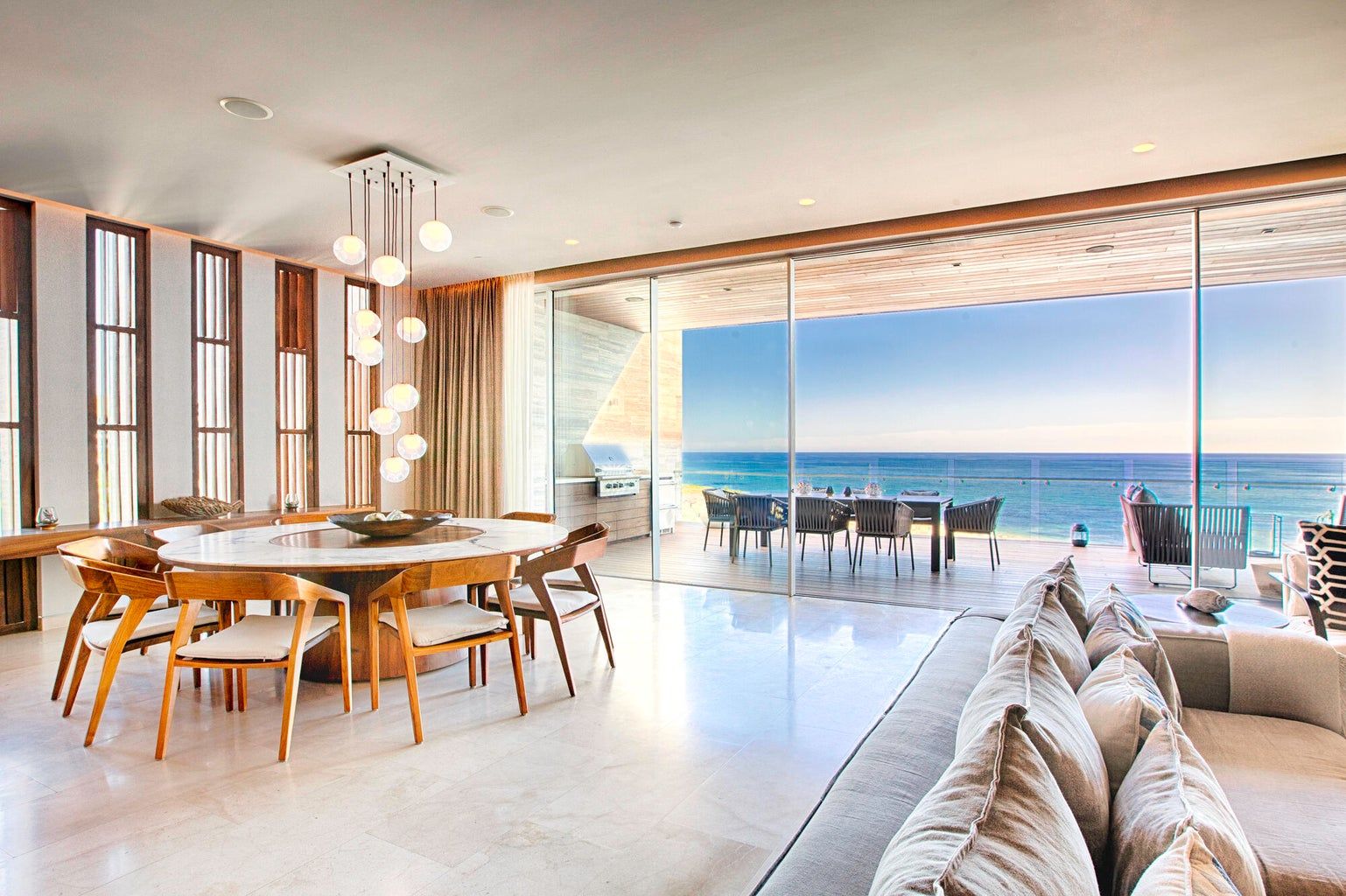
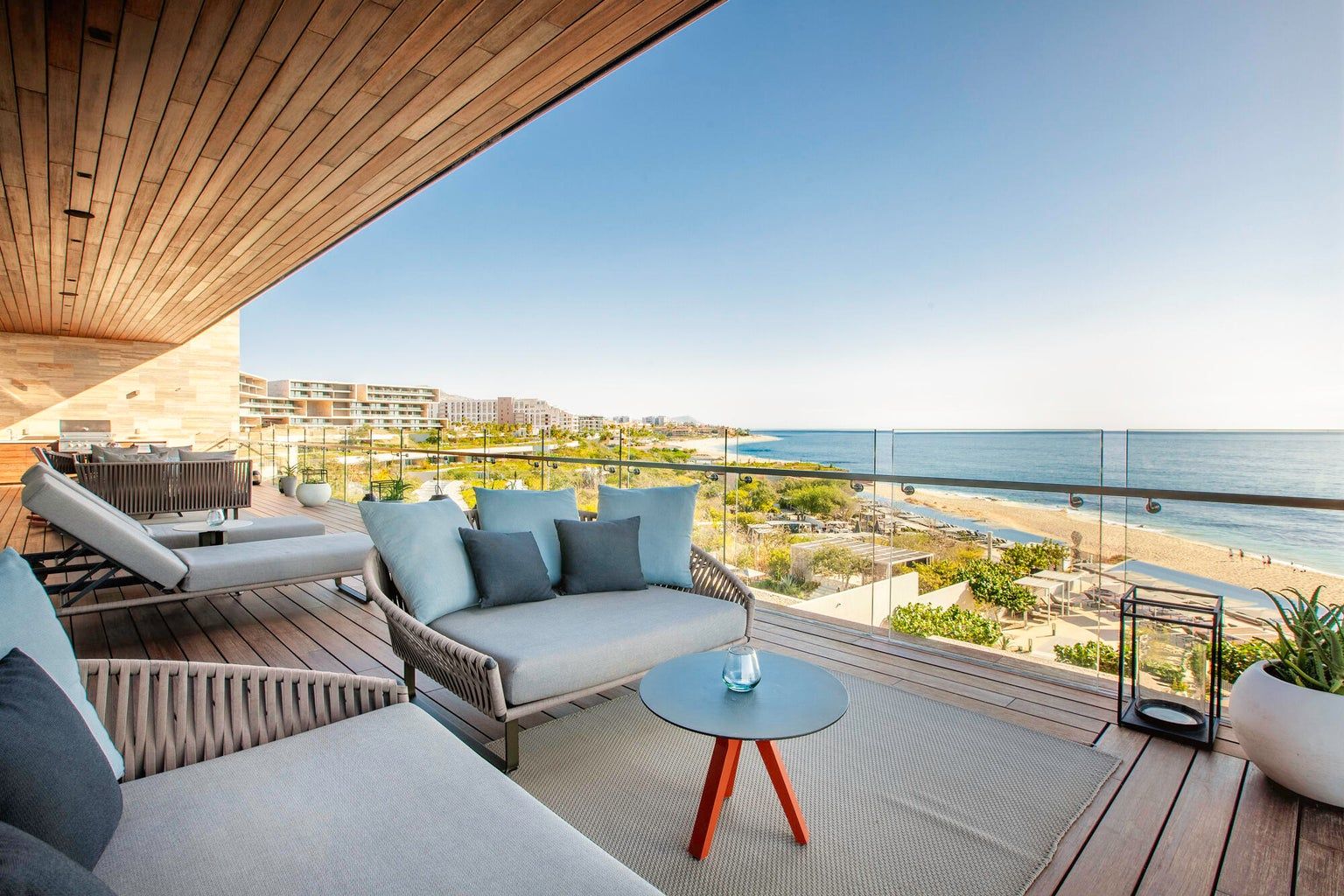
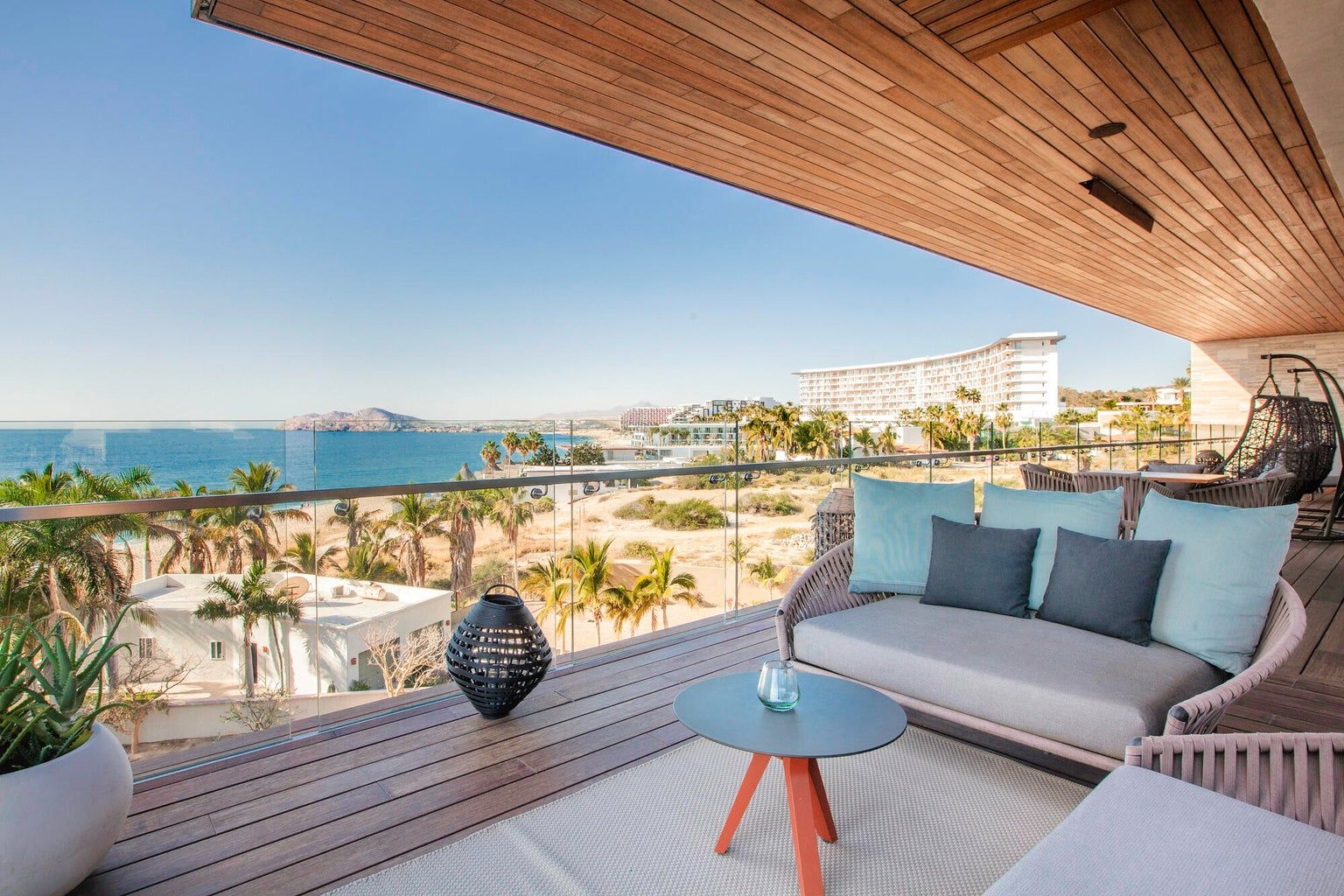
Cabo San Lucas, Mexico — 3-Bed Villa With Infinity Pool
$717,000
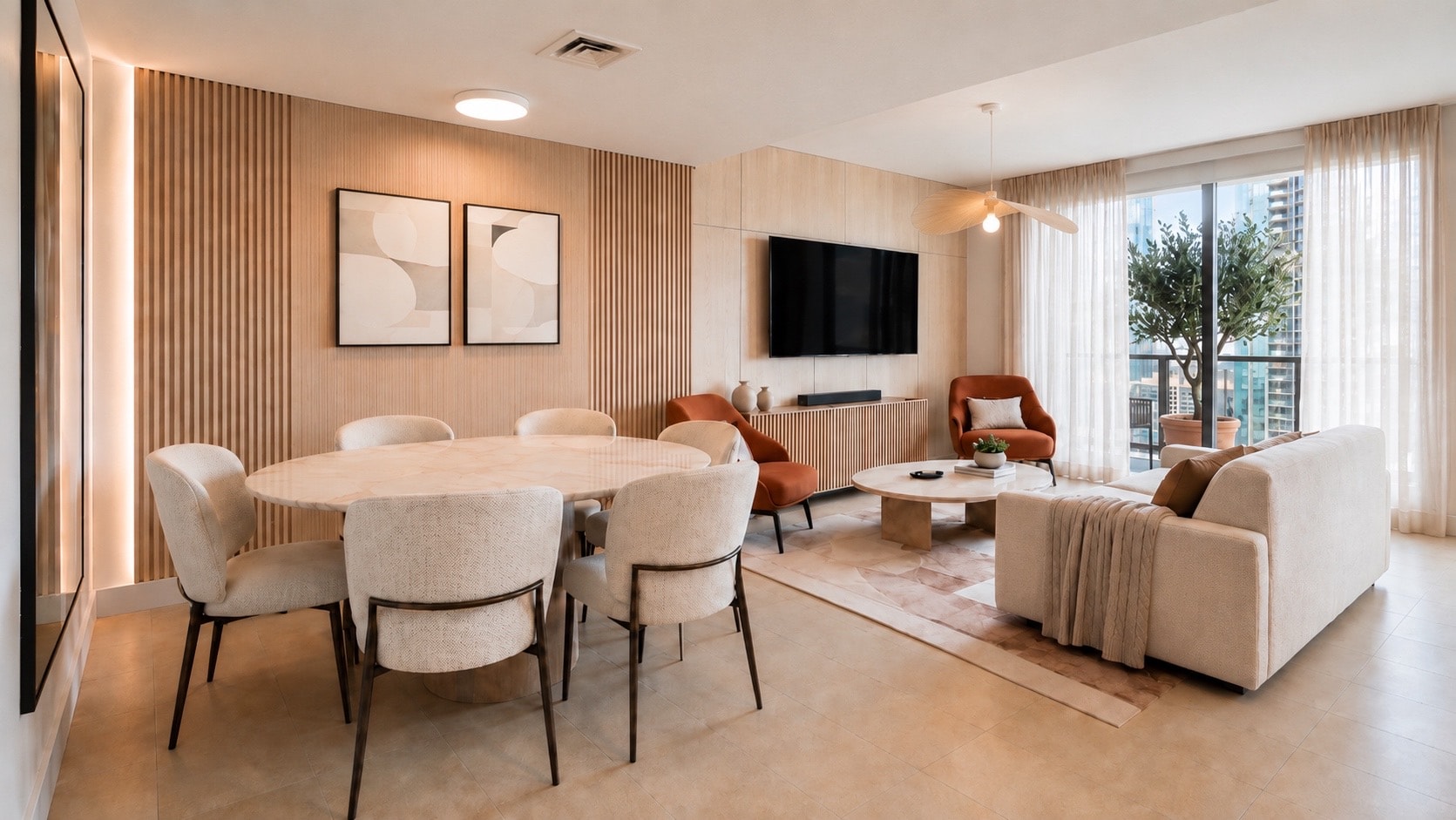
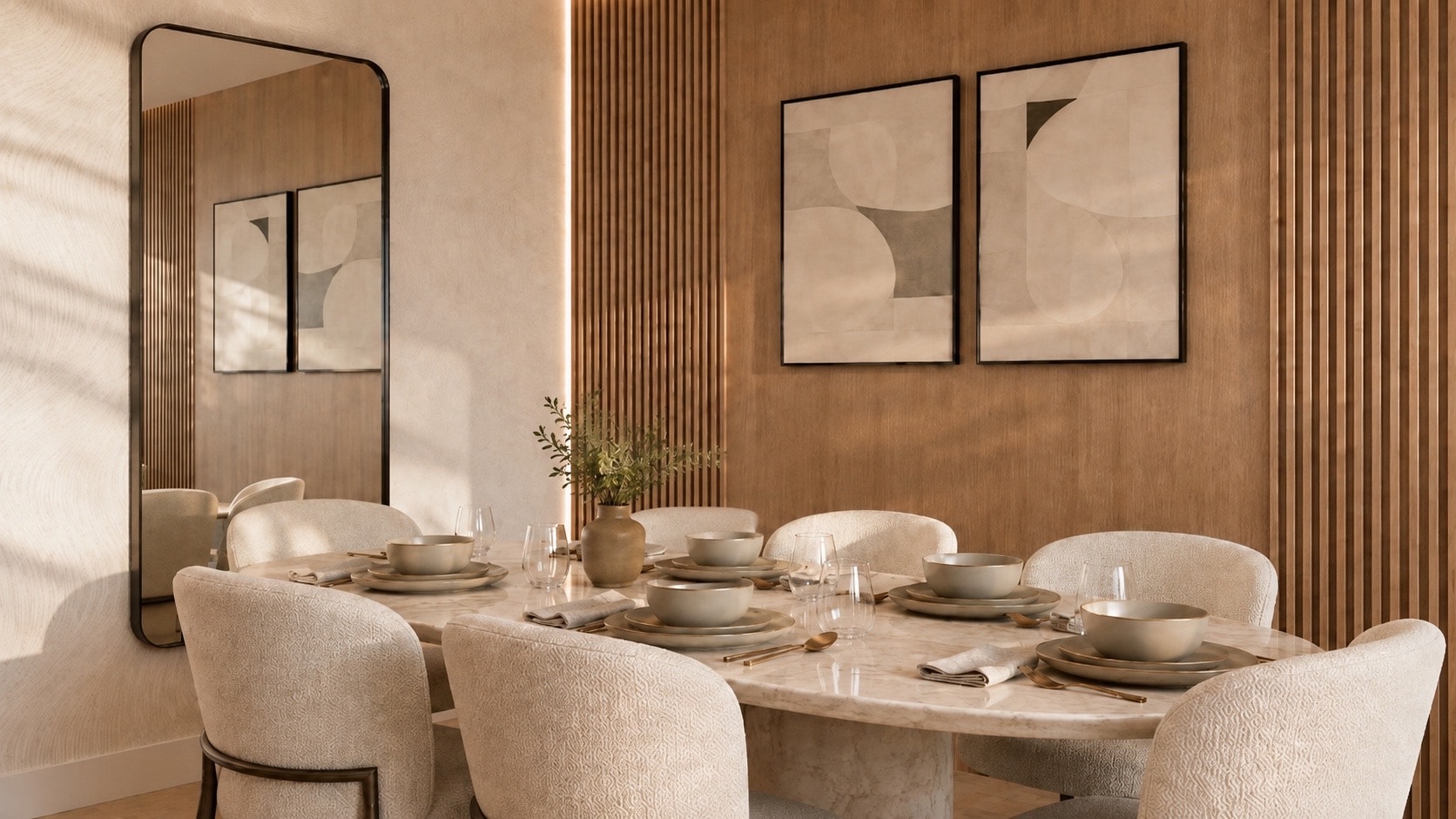
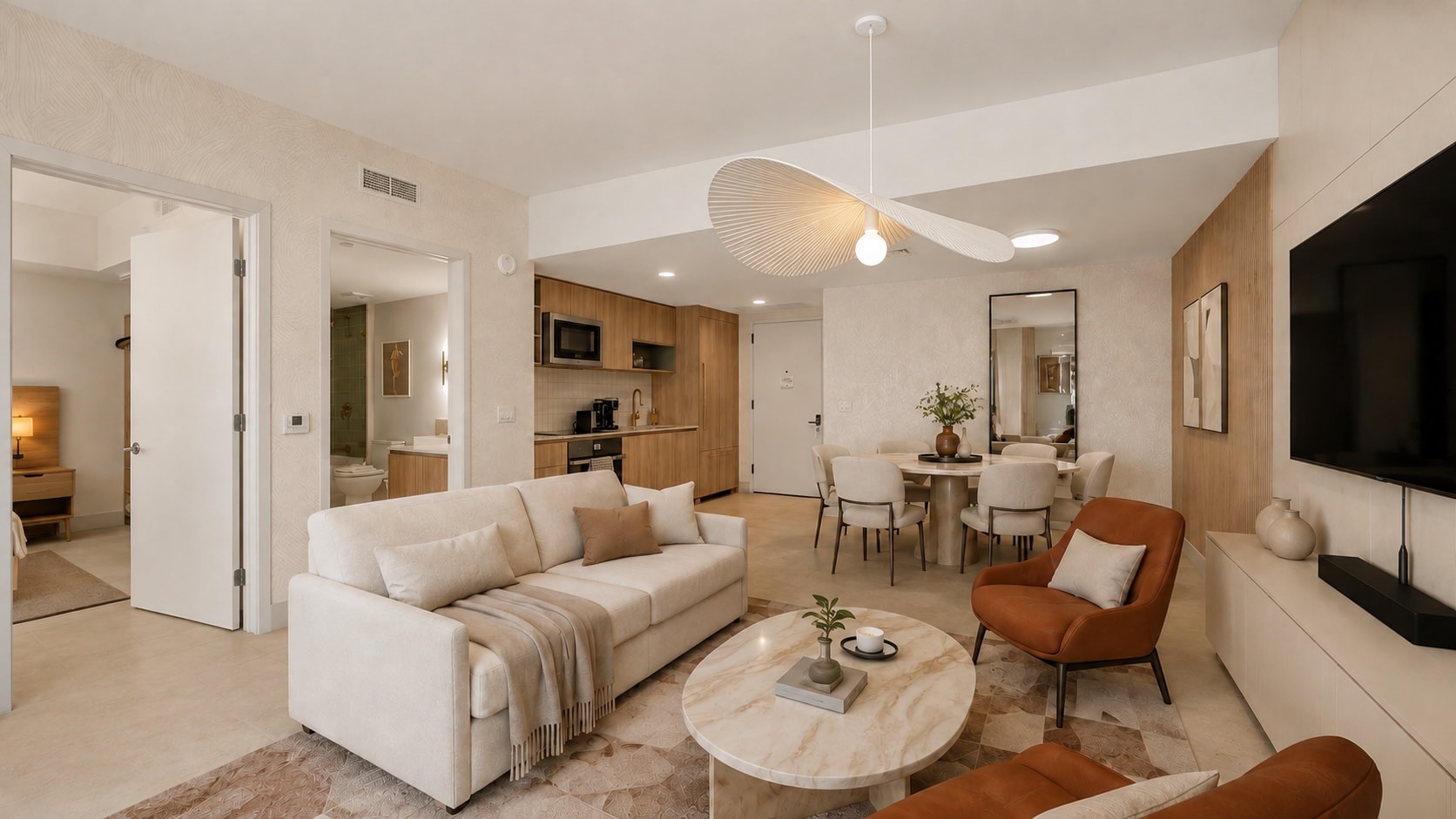
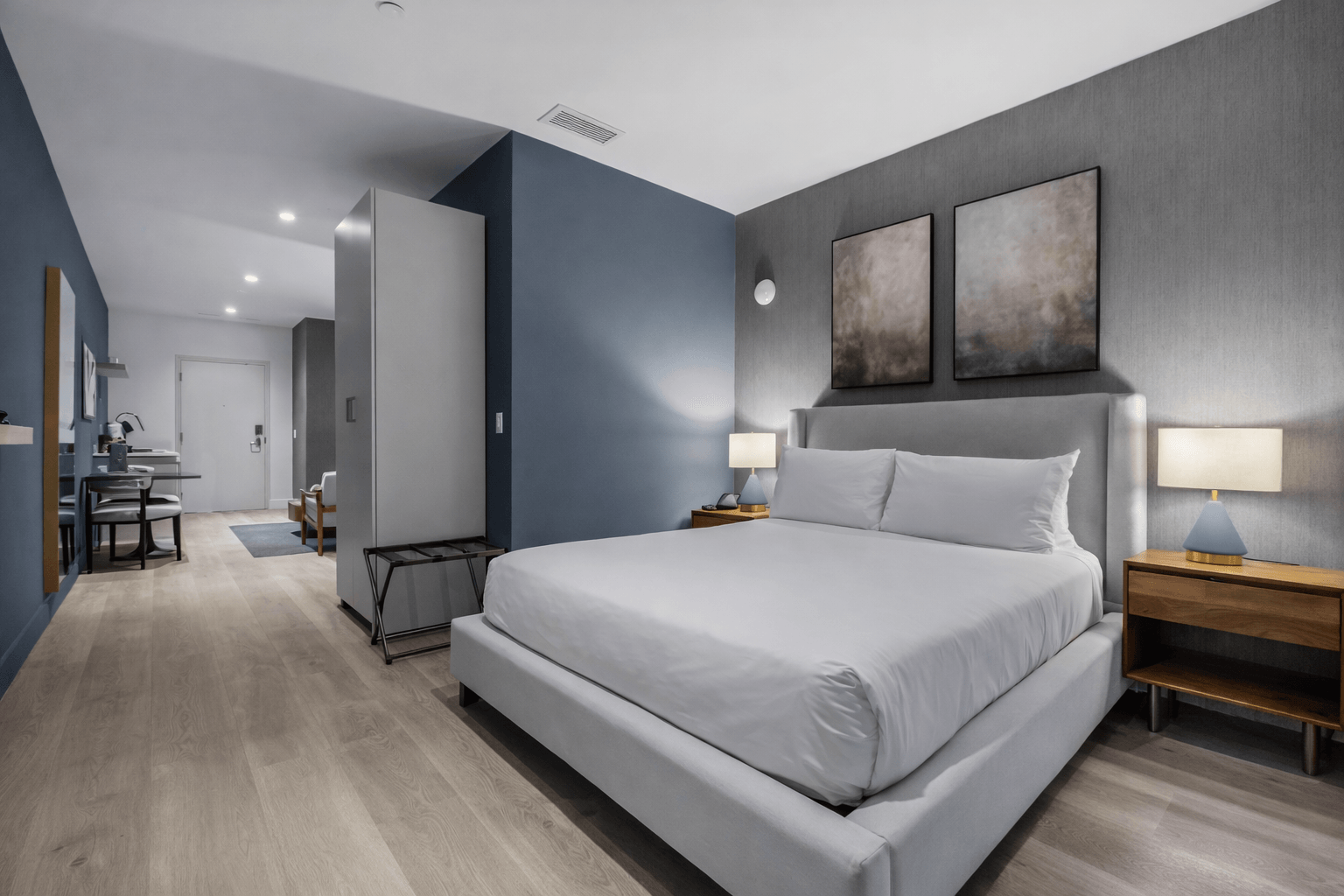
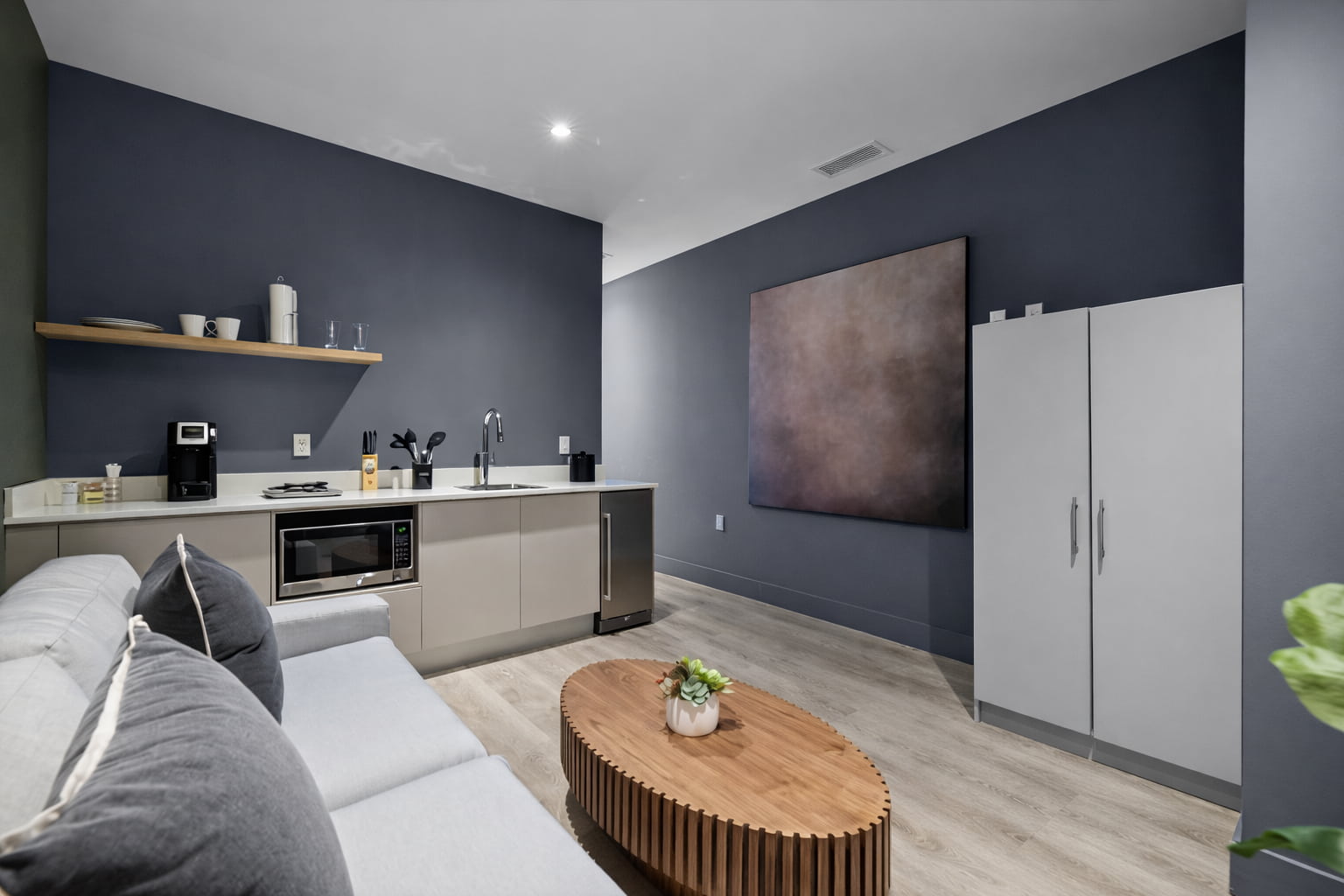
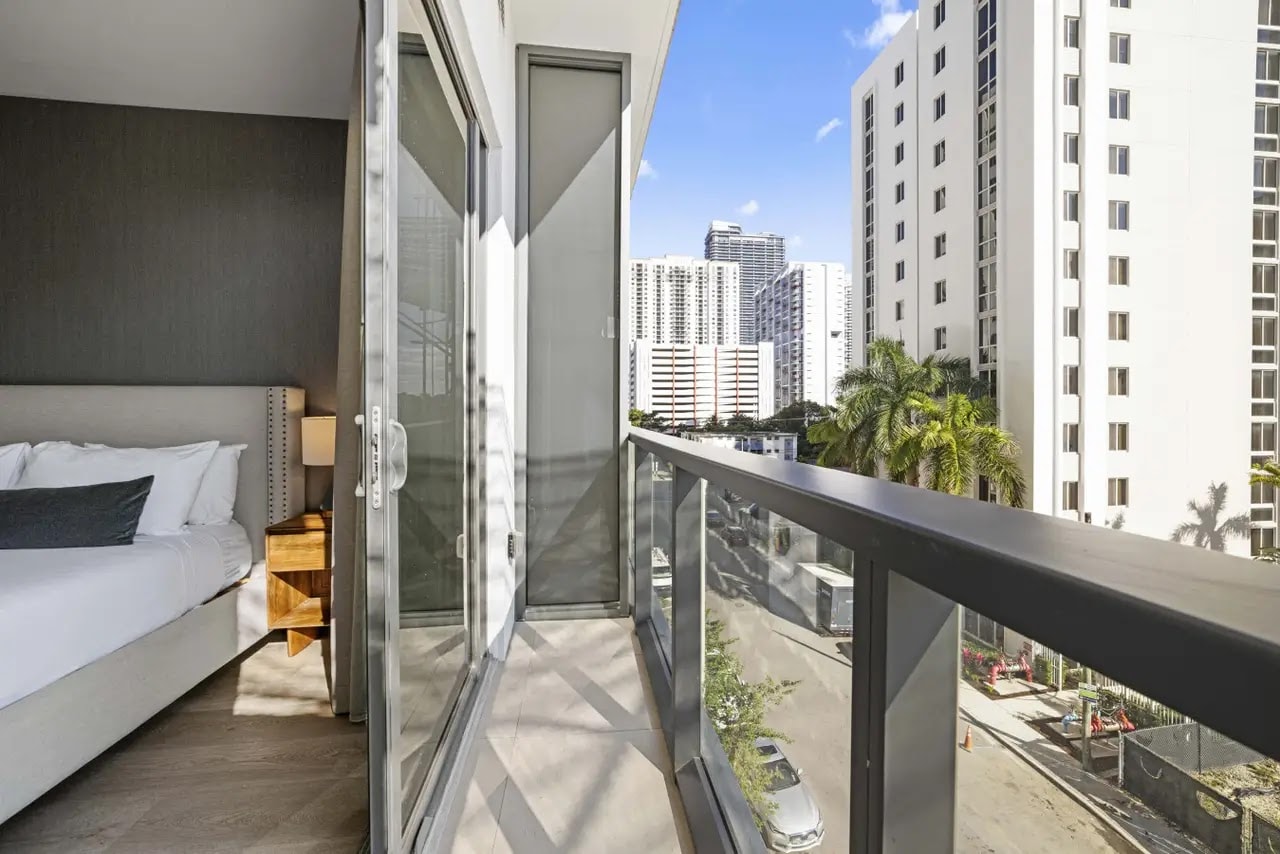
Miami, Florida, USA — 1-Bed Apartment With Bay Views & Resort Pool
$99,000
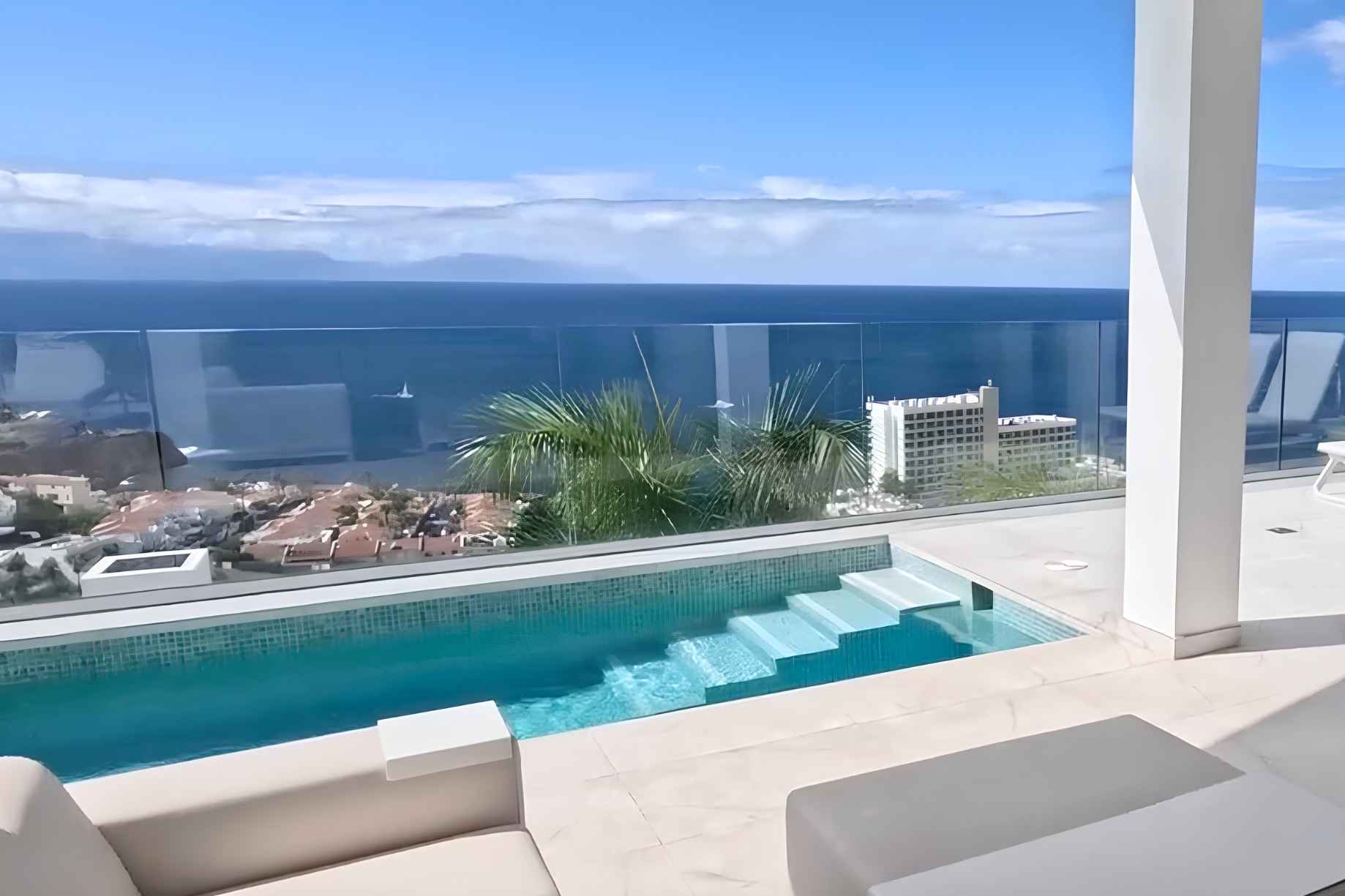
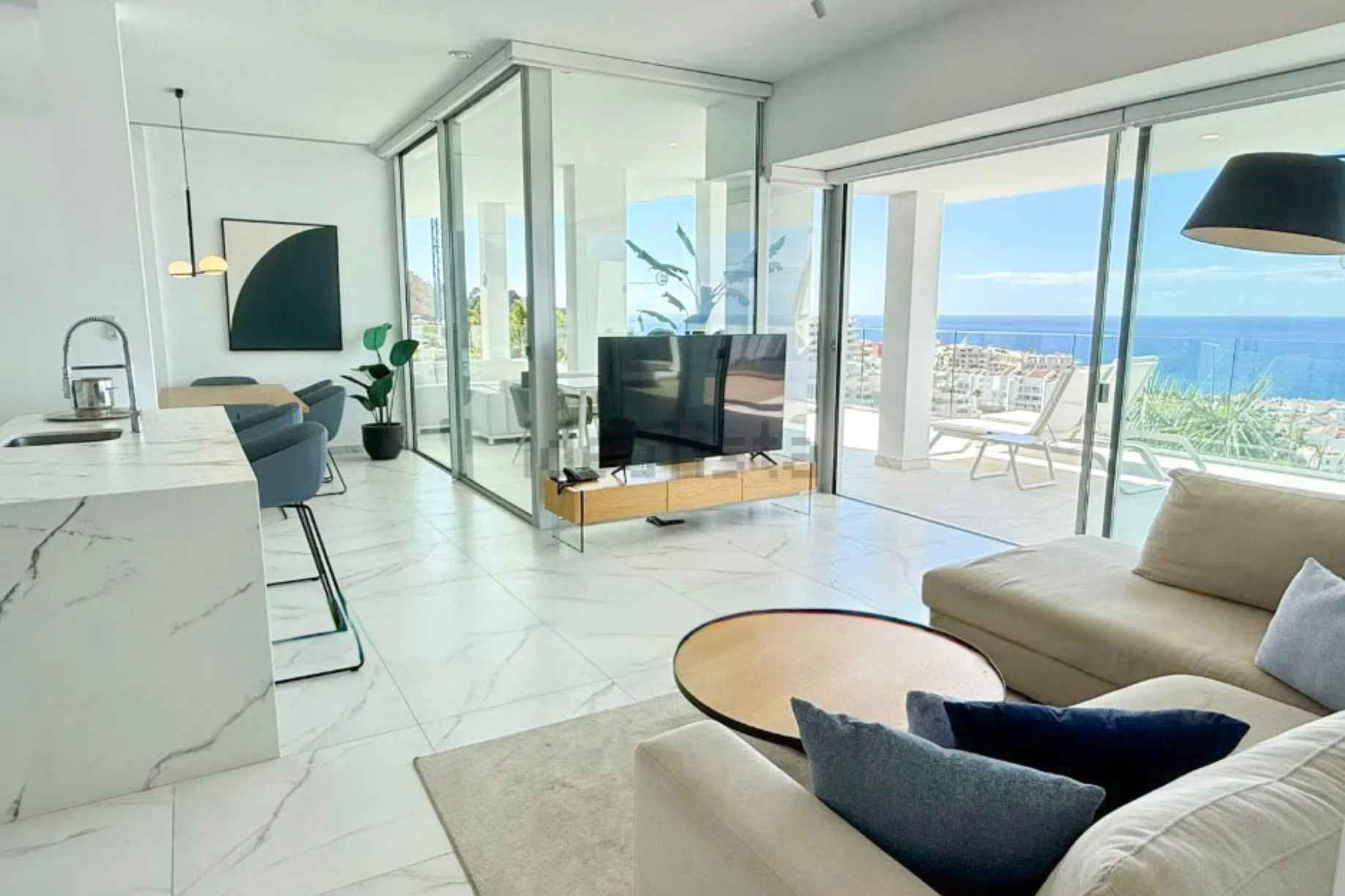
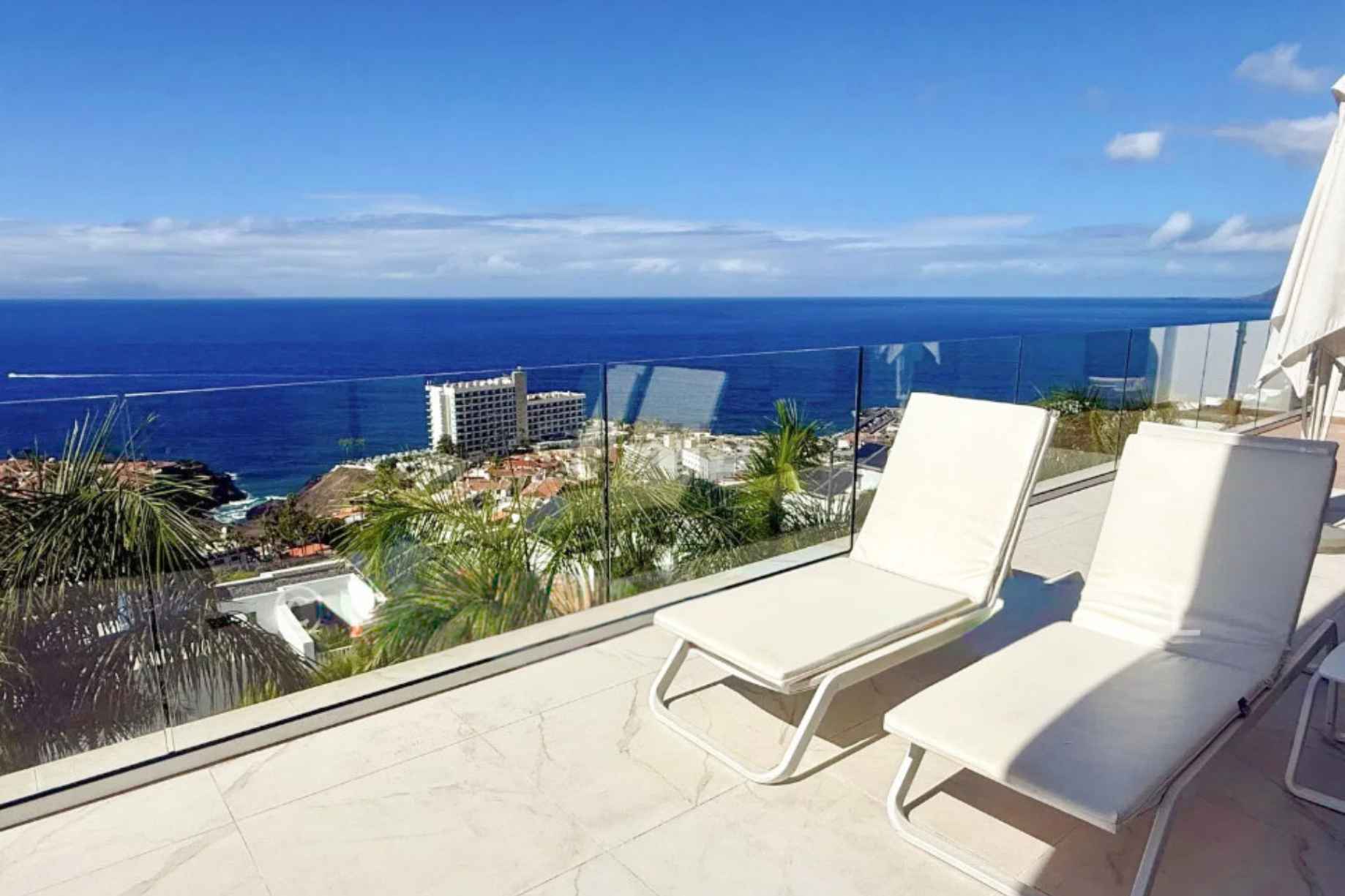
Los Gigantes, Tenerife, Spain — 2-Bed Terrace Apartment With Sea Views & Private Infinity Pool
€229,000
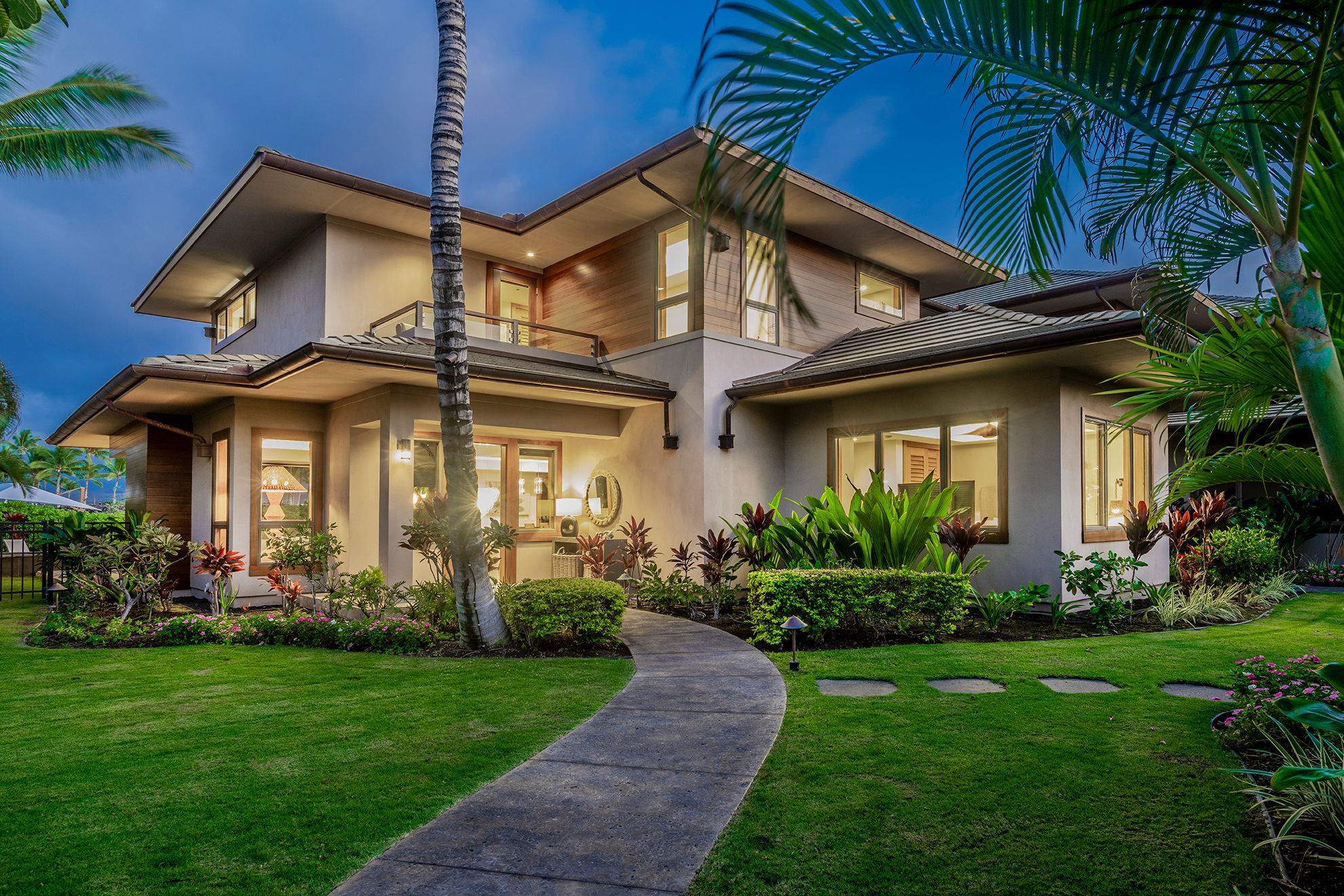
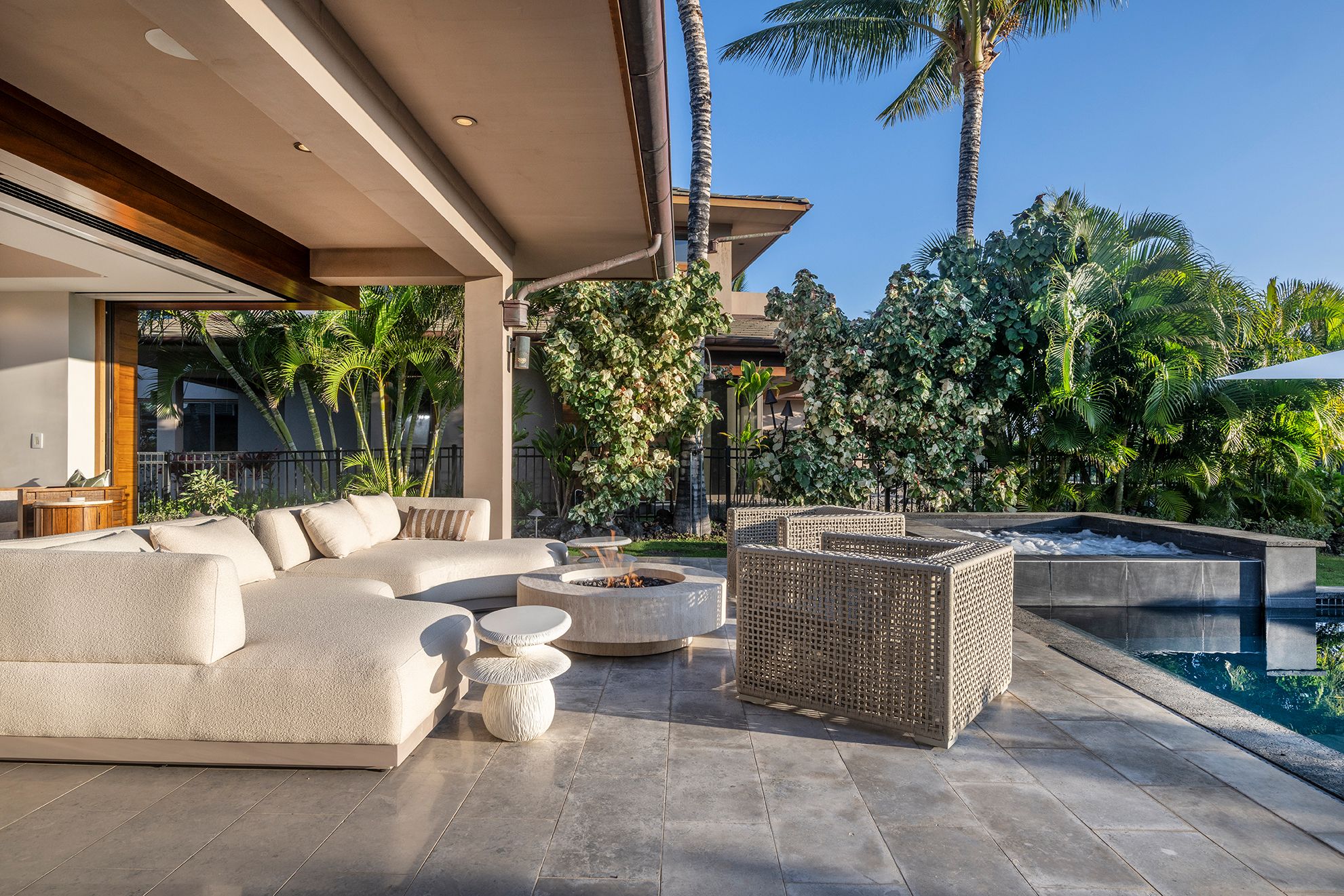
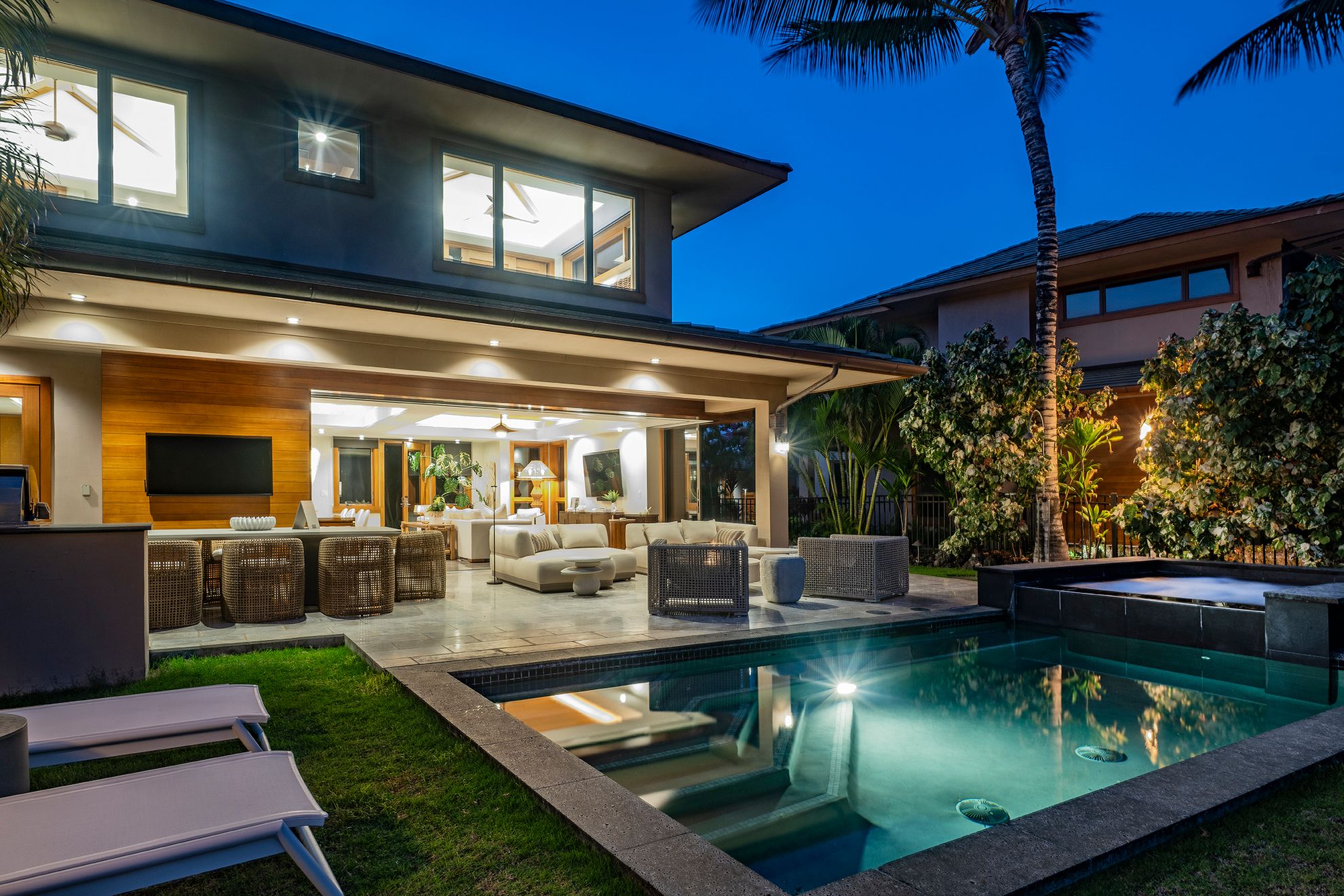
Kamuela, Hawaii, USA — 3-Bed House With Private Pool & Ocean Views
$1,180,000
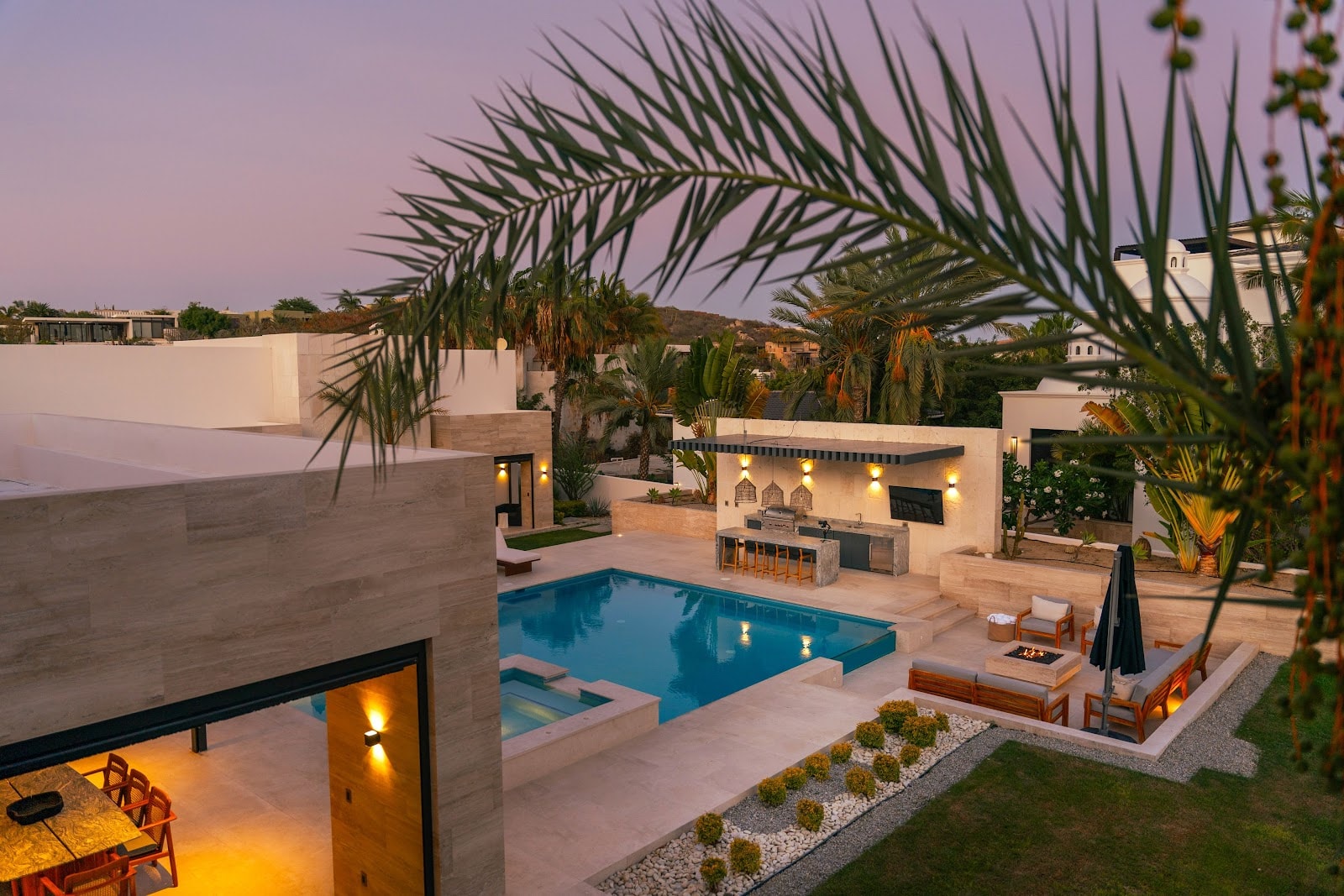
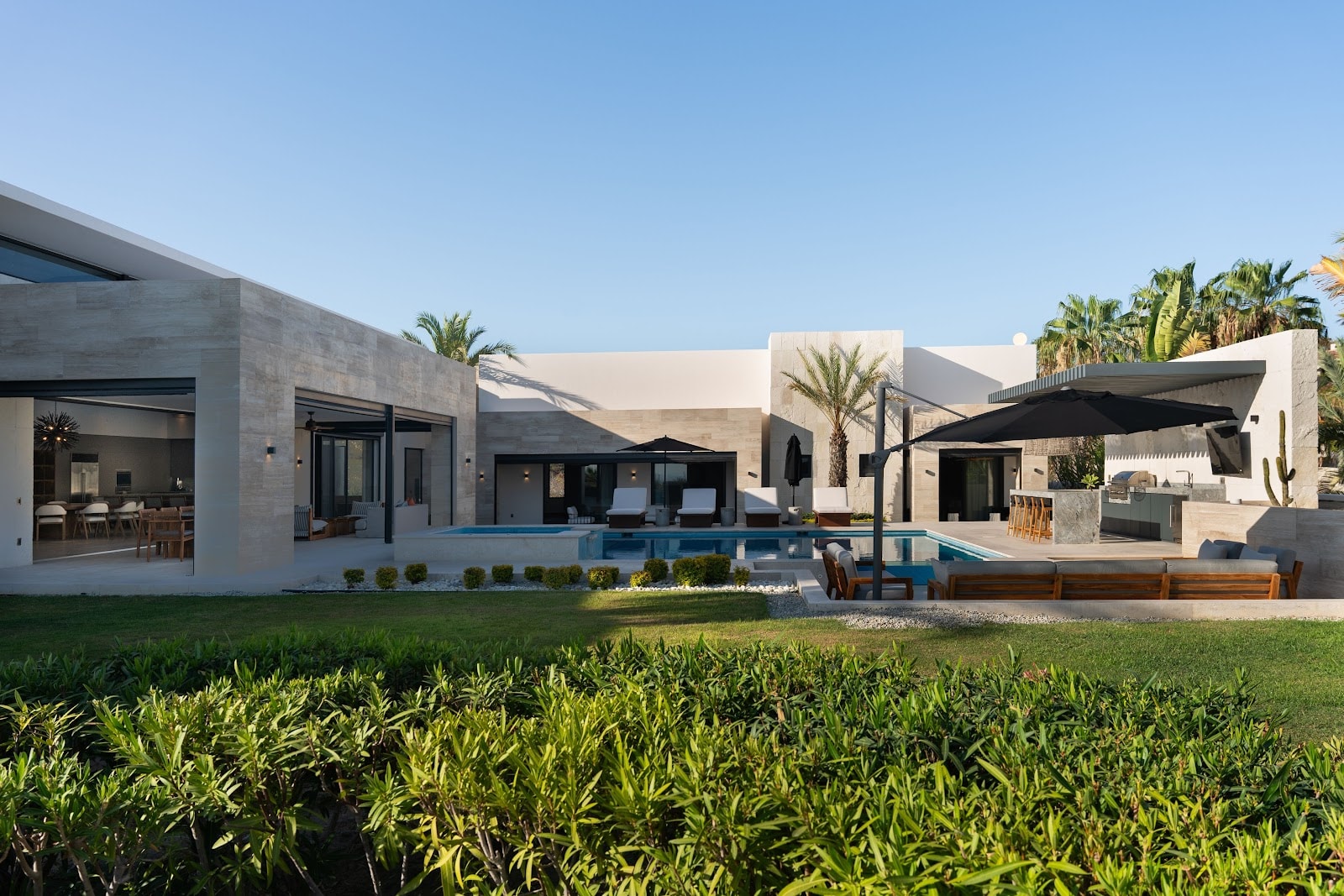
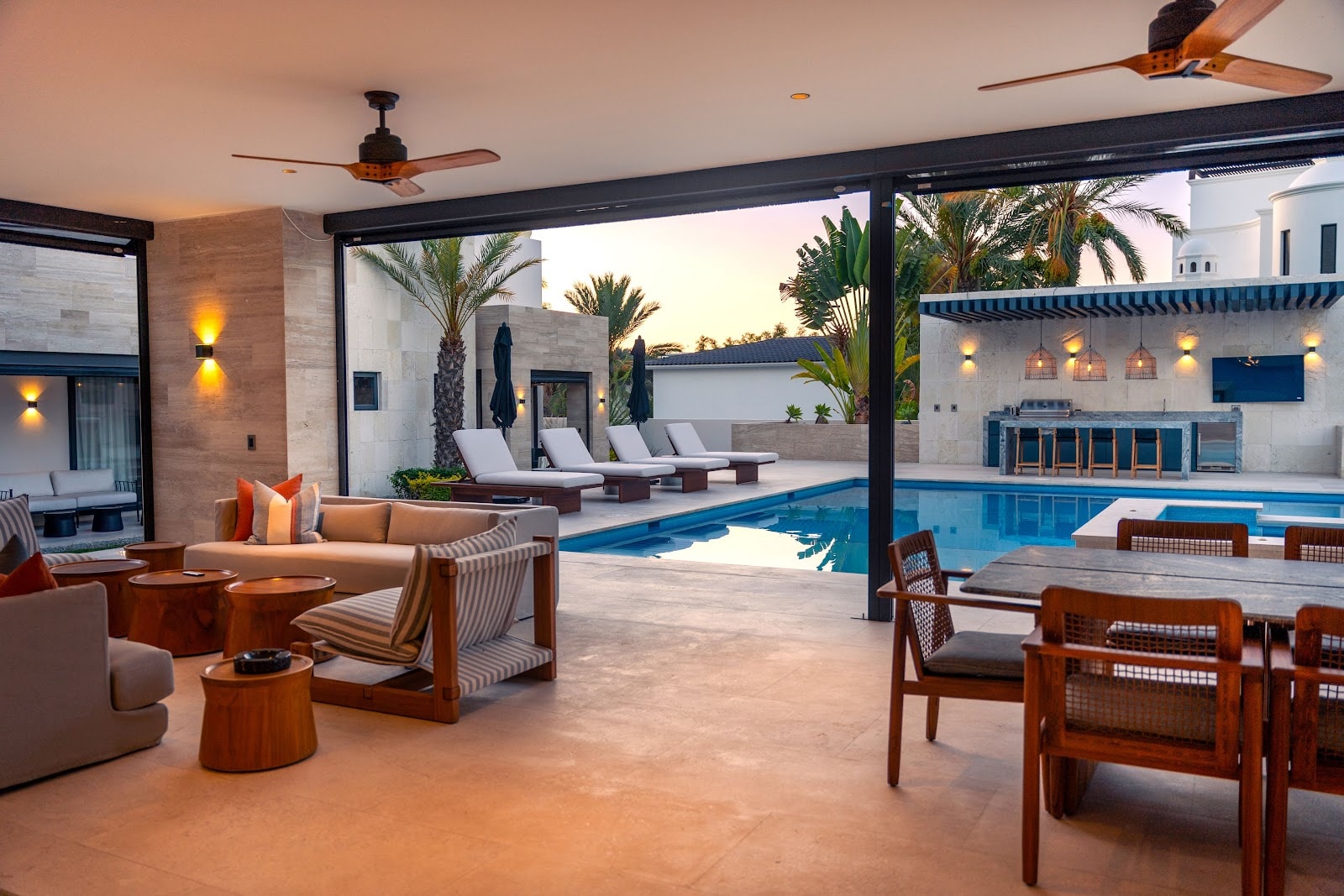
San Jose Del Cabo, Mexico — 5-Bed House With Beach Access
$875,000
Be the first to hear when a home in the Caribbean is listed.
We do not have a co-ownership home in the Caribbean yet. When we do, it will be the kind we list everywhere else: a fully managed home on one of the best islands, sold in real 1/8 shares with around six weeks of personal use a year. Leave your email and we will tell you the day it arrives. In the meantime, the homes below are the ones that buyers who love the Caribbean choose.
What is fractional ownership in the Caribbean?
Fractional ownership in the Caribbean means buying a real share of a villa or beach house, usually 1/8, with a small group of up to seven other co-owners, and using it for around six weeks a year while a professional team looks after everything. It suits the way the islands are used: a few weeks of winter sun each year, in the same house, with the staff, the pool and the garden all taken care of. You can sell it, pass it on to your heirs, and it grows in value with the home. It is not a timeshare, and not a holiday club.
Why the Caribbean?
Some time in January, when the days at home are short and grey, a great many people in London, New York and Toronto find themselves thinking about the same thing: stepping off an aircraft into warm air that smells of salt and flowers, and being in the sea within the hour. The Caribbean has been answering that wish for a hundred years. It is the original winter escape, and for all the new places that have tried to take its crown, it is still the best.
The first argument is the weather. The islands lie in the path of the trade winds, which blow steadily from the east all year and keep the heat gentle. Afternoons are 27–31°C (81–88°F) in every month, the sea is never colder than a warm swimming pool, and from December to April there is very little rain. That dry season falls exactly when North America and northern Europe are at their coldest, which is why the same families come back for the same weeks, winter after winter.
The second is the sea. The Caribbean is shallow, clear and sheltered, and over white sand it turns shades of turquoise and jade that look invented. There are beaches by the thousand, most of them open to everyone. There are reefs to snorkel over a few yards from the shore, and between the islands some of the finest sailing in the world, with steady winds, short passages and an anchorage in a different bay every night.
The third is variety. The Caribbean is not one place but thirty, speaking English, French, Spanish and Dutch, each with its own music, cooking, history and character. There are flat coral islands ringed with sand and volcanic islands covered in rainforest. There are islands with casinos and golf courses and islands with no cars. An owner who knows one corner of the region well still has a lifetime of others to explore, most of them a short flight or a day's sail away.
The fourth is the one that makes a share, and not a whole house, the natural way to own here. The Caribbean villa is a wonderful thing, traditionally run with a cook, a housekeeper and a gardener, and it is expensive to keep. It stands in salt air and strong sun all year and has to be made ready for the storm season each summer. Yet almost every owner uses it in the same way: a fortnight or three weeks in the winter, perhaps a week at Easter. A 1/8 share fits that pattern exactly. You have the house, fully staffed and ready, for the weeks you want, and you are not paying to keep it open for the forty-odd weeks you are somewhere else.
A very short history
The first people of the islands, the Taíno and the Kalinago, gave the world the words hammock, canoe, hurricane and barbecue, and gave the sea its name. Columbus made his first landfall in the Bahamas in 1492, and within a century and a half Spain, England, France and the Netherlands had divided the islands among them. Sugar made the Caribbean, for a time, some of the most valuable land on earth. It was grown by enslaved Africans, brought across the Atlantic in their millions, and it is their descendants who created the cultures of the islands today.
Slavery was ended in the British islands in the 1830s and elsewhere over the following decades. From the 1960s most of the larger islands became independent nations, while others chose to remain territories of Britain, France, the Netherlands or the United States. Out of that history, hard as much of it was, came some of the most joyful music, food and festivals in the world: calypso and the steel pan from Trinidad, reggae from Jamaica, merengue, salsa and zouk, and Carnival in a dozen different forms.
The Caribbean house
The climate has produced a kind of house found nowhere else. The classic island villa is a set of pavilions rather than a single building, each one room deep so that the breeze can pass straight through. Walls open completely on to verandas. Roofs are steep and shingled, with deep eaves against the sun and the rain. Shutters and louvres take the place of glass, ceilings are high, fans turn slowly, and the garden of palms, hibiscus and bougainvillea comes right up to the terrace.
Every island has its own version: coral stone in Barbados, bright wooden gingerbread in the French islands, white-roofed cottages in the Bahamas, where the roof collects the rain. The best new houses keep to the same principles. You live outdoors, in the shade, in bare feet, and the sea is always in view.
Where to own in the Caribbean
The Caribbean stretches for more than fifteen hundred miles, from the Bahamas off the coast of Florida to Trinidad off the coast of Venezuela. For a buyer it helps to think of it as a handful of families of islands, each with its own style. The Caribbean Tourism Organization introduces every one.
Barbados
Barbados is the island of the classic villa holiday: a calm west coast of coral-stone houses, superb restaurants, three golf estates and direct flights from London every day. It is the most settled and sociable of the islands, with a community of overseas owners that goes back seventy years. We have written a full guide to fractional ownership in Barbados. Best for: families, golfers, food lovers and British buyers.
The Bahamas
The Bahamas are the nearest islands to the United States, beginning fifty miles from Florida: some seven hundred islands and cays spread across a hundred thousand square miles of shallow, brilliantly blue sea. Nassau and Paradise Island have the resorts, and the western end of the same island has private communities of great houses on the beach. But the real Bahamas are the Out Islands. Harbour Island has a pink-sand beach three miles long and a village of clapboard cottages. The Exumas are a chain of cays with water of a blue seen nowhere else. The Abacos are among the best boating grounds anywhere. Best for: American buyers, boat owners, fishermen and lovers of empty beaches.
Turks and Caicos, the Cayman Islands and Anguilla
Three British territories share a reputation for beaches, calm and comfort. In the Turks and Caicos, the island of Providenciales has Grace Bay, a long sweep of soft white sand protected by a reef and regularly named among the best beaches in the world. The Cayman Islands have Seven Mile Beach on Grand Cayman, some of the best diving in the Caribbean and a polished, well-run feel. Anguilla is smaller and quieter, a flat coral island with more than thirty beaches and a remarkable number of good restaurants. All three use or accept the American dollar and have direct flights from the United States. Best for: beach lovers, divers, and families who want things to work.
St Barths, St Martin and the French islands
St Barths is the most fashionable island in the Caribbean, a little piece of France with red-roofed villas on steep green hills, a harbour full of yachts at Gustavia, more than a dozen beaches, and restaurants and shops that would be at home in St-Tropez. It is reached by a short hop in a small aircraft from St Martin, the island that France and the Netherlands have shared peacefully since the seventeenth century. Further south, Guadeloupe and Martinique are larger, greener and fully French, with boulangeries, rum distilleries and volcanoes. Best for: lovers of style and good food, sailors, and French-speaking buyers.
Antigua, Nevis and the Leeward Islands
Antigua claims a beach for every day of the year and is the sailing capital of the eastern Caribbean. At English Harbour, the Georgian dockyard where Nelson once served is still a working yacht harbour and is now a World Heritage Site, and every spring one of the great regattas of the world is held offshore. There are quiet villa communities on the hills and headlands, and a private island resort in the bay. Nearby Nevis is a single green volcano ringed with old plantation inns, and St Kitts, its sister, has a new marina and a scenic railway that once carried sugar cane. Best for: sailors, British and American families, and those who like their islands unhurried.
St Lucia, Mustique and the Grenadines
St Lucia is the most beautiful of the mountainous islands, with rainforest, waterfalls, a volcano you can drive into and, rising straight out of the sea, the twin green spires of the Pitons. Villas cling to the hillsides above Soufrière and Marigot Bay and line the beaches of the north.
South of it, St Vincent and the Grenadines are a string of small islands that sailors consider the loveliest cruising ground in the Caribbean. Mustique is the most famous: a private island of about a hundred villas, with no town, one beach bar and a tradition of discretion that has drawn royalty and rock stars for sixty years. Bequia is friendly and nautical, Canouan has a golf course and a marina for large yachts, and the Tobago Cays are a lagoon of turtles and reefs. At the end of the chain, Grenada, the spice island, grows nutmeg, cocoa and cinnamon above one of the best beaches in the region. Best for: those who want scenery, privacy and the sea, and anyone who sails.
The Virgin Islands
The British Virgin Islands are where many people learn to love sailing: some sixty islands close together around a sheltered channel, with a beach bar in every anchorage and, on Virgin Gorda, a shore of giant granite boulders with pools between them. Next door, the United States Virgin Islands are American soil. About two thirds of St John is a national park of forest and perfect bays, St Thomas has the harbour and the shopping, and St Croix has old Danish towns. For American buyers there is no passport to show and no currency to change. Best for: sailors, American families, and lovers of nature.
Jamaica, the Dominican Republic and Puerto Rico
The large islands of the north are countries in their own right. Jamaica has the Caribbean's richest culture, the Blue Mountains with their coffee, and around Montego Bay a tradition of staffed villas on old estates that goes back to the 1950s. The Dominican Republic has long beaches, world-famous golf on the south-east coast and direct flights from everywhere. Puerto Rico, an American territory, has a superb old Spanish city in San Juan and resort communities along the north shore. Best for: golfers, those who want a big island with a life of its own, and buyers who like an easy journey.
A year in a Caribbean home
The Caribbean has two seasons, and both are warm. The dry season, from December to April, is high season: sunshine, low humidity and a steady breeze. The summer, from June to November, is a little hotter and more humid, with showers that pass quickly, quieter beaches and the islands' own festivals. A share of a home, with its weeks spread through the year by a fair-rotation calendar, lets you enjoy both.
Winter (December–March)
This is the Caribbean everyone pictures. The days are bright and dry at around 28°C (82°F), the nights cool enough to sleep with the windows open, and the sea calm and clear. Christmas and New Year are the most sought-after weeks of the year. In the Bahamas they are marked by Junkanoo, a parade of drums, cowbells and extraordinary costumes that fills the streets before dawn. In St Barths the harbour fills with yachts for New Year's Eve, and in Barbados and Antigua the same families take the same houses they have taken for decades.
January and February bring polo, cricket and a blues festival on Mustique. Then comes Carnival. In Trinidad, on the two days before Lent, it is one of the greatest street parties in the world, and the model for all the others in the islands. Many islands hold theirs at the same time; others, sensibly, wait for the summer. In March the sailing season is at its height, with regattas in St Barths and the Virgin Islands that bring the most beautiful yachts in the world.
Spring (April–May)
Easter is the last great week of the winter season, with kite-flying, regattas and church services in every village. At the end of April, Antigua holds its famous sailing week. After that the islands grow quiet. The weather in late April and May is still dry and sunny, the sea is warming, the flamboyant trees come into scarlet flower and prices begin to fall. Owners who can travel outside the school holidays often say these are the best weeks of all. In May, St Lucia holds a festival of jazz and the arts.
Summer (June–August)
Summer is hotter, at around 30–31°C (86–88°F), and the islands turn a deep green. A shower passes most afternoons. It is the season of mangoes, of sea turtles nesting on the beaches at night, and of the best festivals. Barbados celebrates Crop Over, which ends on the first Monday of August. Antigua, St Lucia and Grenada hold their carnivals in July and August. Jamaica has its great reggae festival in July. The sea is at its warmest and calmest, which makes this the best time for diving and for children, and families with school-age children find the summer holidays in the Caribbean a very well-kept secret.
Autumn (September–November)
Autumn is the quietest time of the year. The official Atlantic storm season runs from 1 June to 30 November and is at its most active from August to October, which is when some hotels and restaurants close for a few weeks. Storms are tracked and forecast days in advance by the National Hurricane Center, and in most years most islands see none. The risk is lowest in the far south: Trinidad and the Dutch islands of Aruba, Bonaire and Curaçao lie outside the usual track, and Barbados has historically been affected less often than most of its neighbours. A managed home is prepared for the season and looked after whatever the weather. By November the air is clearing, and by early December the houses are being opened for the winter.
The Caribbean month by month
- January — dry, bright and breezy, about 28°C (82°F). Polo and cricket; the quietest weeks of high season after the New Year.
- February — the school holidays, the calmest seas, and in Trinidad the build-up to Carnival.
- March — the height of the sailing season, with regattas in St Barths and the Virgin Islands.
- April — Easter, kites and regattas, and Antigua's sailing week at the end of the month.
- May — still dry and sunny, with the islands to yourself. Jazz in St Lucia.
- June — the first showers and the first mangoes. Turtle-nesting begins.
- July — carnivals in St Lucia and Antigua, reggae in Jamaica, and the warmest, calmest sea.
- August — Crop Over in Barbados and Spicemas in Grenada; school-holiday families.
- September — the quietest month. Warm, still and green.
- October — food and rum festivals, and the last of the summer rains.
- November — the air clears, the trade winds return, and the season's first visitors arrive.
- December — the houses open, the yachts cross the Atlantic, and Christmas is spent on the beach.
A perfect winter week
Saturday. You land in the afternoon, and the warmth as the aircraft door opens is the first pleasure of the holiday. An hour later you are on the terrace with a rum punch, watching the sun go into the sea. Sunday is the beach in front of the house: a swim before breakfast, a book under a palm, and a long lunch at a restaurant with its feet in the sand. On Monday you take a boat along the coast, snorkel over a reef among turtles, and eat grilled fish on deck.
Tuesday is for golf, or tennis, or a drive across the island to the wilder Atlantic side. On Wednesday you visit an old plantation house and a rum distillery, and learn the proper proportions of a punch. Thursday you do nothing, properly. And on Friday you go where the islanders go, to a fish fry by the harbour or a beach bar with a band, and eat with your fingers and dance in the sand until late.
A perfect week under sail
The other way to see the Caribbean is from the water. Start in the Virgin Islands, or in the Grenadines, and each day is the same lovely pattern: coffee on deck in a silent bay, a sail of two or three hours in a steady breeze, lunch at anchor off a beach you have to yourself, a swim, a snorkel, and then a short hop to the evening's harbour, where there is a bar on the sand and a dinghy dock. Many owners combine the two, with a week in the house and a few days on a boat, and decide it is the best holiday they have had.
Music, cricket and island life
What visitors remember longest about the Caribbean is rarely the beach. It is the sound of a steel band drifting across the water at dusk, or a church choir on a Sunday morning, or a sound system at a street corner on a Friday night. Almost every form of popular music the world dances to has roots here, and each island guards its own: reggae and dancehall in Jamaica, calypso and soca in Trinidad and Barbados, zouk in the French islands, merengue and bachata in the Dominican Republic.
In the islands with a British past, cricket is the other religion. A Test match at the Kensington Oval in Barbados or at Sabina Park in Jamaica is a carnival in itself, and on every beach and patch of grass there is a game you will be invited to join. Add the rum shops, the fish fries, the Sunday lunches that last until dark and the habit of greeting everyone you pass, and you have a way of life that owners come to value more than the weather.
Eating and drinking
Caribbean cooking is a meeting of Africa, Europe, India and the Americas, and every island has its own. Jamaica has jerk, pork or chicken rubbed with allspice and fiery pepper and smoked slowly over wood. The Bahamas have conch, in fritters, in salad and cracked and fried. Barbados has flying fish and cou-cou, Trinidad has roti and curry, and the French islands have accras, grilled lobster and rum that is made from fresh cane juice. Everywhere there is fish straight off the boat, rice cooked with peas and coconut, fried plantain, and fruit you have never seen before.
And everywhere there is rum. The old rhyme gives the recipe for punch: one of sour, two of sweet, three of strong, four of weak. Barbados, Jamaica, Martinique, Guyana and a dozen other places each make it differently, and comparing them is a study for a lifetime. On the smartest islands there are restaurants of real distinction. But the meal people remember is usually the simplest: a lobster grilled on the beach, a cold beer, and the sea a few feet away.
Sailing, diving, golf and fishing
The Caribbean offers more to do on and in the water than anywhere else. There is sailing for every standard, with yachts and crews for hire on every island. There is diving on walls, wrecks and reefs, especially in the Caymans, the Turks and Caicos and Bonaire. There is deep-sea fishing for marlin, tuna and wahoo, and bonefishing on the flats of the Bahamas, which draws anglers from all over the world. And there is golf on courses laid out along the sea in Barbados, the Dominican Republic, Jamaica, the Bahamas and Nevis, some of them ranked among the best in the world.
The Caribbean with children
For children the Caribbean is very close to paradise. The sea is warm, shallow and calm. There are turtles to swim with, rock pools to explore, hermit crabs to race and small boats to learn to sail. The people of the islands are famously kind to children, and a villa with a cook means supper is never a problem. Many of the families who own here began as children on these beaches themselves, and are now bringing the third generation.
Who buys in the Caribbean, and where else they look
Each island has its following. Americans and Canadians are the largest group across the region, especially in the Bahamas, the Turks and Caicos, the Caymans and the Virgin Islands. British buyers have long favoured Barbados, Antigua, St Lucia and Mustique. The French have St Barths, St Martin and their own islands, and buyers from the rest of Europe and from Latin America are found everywhere.
Fractional ownership in the Caribbean typically suits:
- Winter-sun families — who come at Christmas, in the February holidays and at Easter, and want a staffed house on the beach for those weeks and not for fifty-two.
- Sailors, divers and anglers — who want a base on shore in the best waters.
- Golfers and cricket lovers — for whom a fortnight on the islands in the winter is the fixed point of the year.
- Multi-generational groups — grandparents, parents and children under one roof, with a cook in the kitchen.
- Owners building a year of homes — the Caribbean in winter, the Mediterranean or the mountains in summer, and nothing to look after in between.
Fractional ownership in the Caribbean today
Shared ownership has a long history in the Caribbean. Resorts and private clubs on many islands have sold fractional villas and residence-club memberships for decades, usually as a set number of weeks in a residence inside a resort, with hotel services attached. It is a well-understood way to own here.
Co-ownership as we list it is a little different. It is one private house, owned by a small group of no more than eight owners. Each owns a real share of that home, usually 1/8, and has it for around six weeks a year, booked through a calendar that rotates the best weeks fairly. A professional team runs the house. You can sell your share on the open market at the price you set, and it rises in value as the house does. People who search for fractional ownership in the Caribbean, a share of a Caribbean villa, partial ownership or a quarter share are all looking for the same thing, and this is the form of it we believe in.
The Caribbean, Mexico or Hawaii?
Buyers looking for a home in the winter sun usually weigh three choices. The Caribbean has the calmest and clearest sea, the widest choice of islands, the tradition of the staffed villa and the easiest flights from the east coast of North America and from Europe. Mexico's Pacific coast, above all Los Cabos, has drier weather, dramatic desert scenery, larger and newer resort communities and the shortest journey from California and Texas. Hawaii has volcanoes, surf and waterfalls under American law, and is closest for buyers on the west coast.
There is no wrong answer, only the question of where you live and what you like to do. Those who want to swim off the beach in flat water, sail from island to island and eat in good restaurants tend to choose the Caribbean. Those who want golf, fishing and guaranteed sun choose Los Cabos. Those who want to surf and hike choose Hawaii. Our team is glad to talk it through.
Which Caribbean island is right for you?
- For a classic villa holiday with restaurants and golf — Barbados.
- For the shortest journey from the United States — the Bahamas and the Turks and Caicos.
- For the best beaches — Anguilla, Grace Bay in the Turks and Caicos, and Harbour Island.
- For style and French food — St Barths.
- For sailing — Antigua, the Virgin Islands and the Grenadines.
- For scenery — St Lucia.
- For privacy — Mustique and the Out Islands of the Bahamas.
- For diving — the Cayman Islands and Bonaire.
- For American law and no passport — the United States Virgin Islands and Puerto Rico.
If you love the Caribbean: Los Cabos, Miami, the Canary Islands and Hawaii
We do not have a home in the Caribbean to offer today. What we can offer are the places that give the same things — winter sun, a warm sea and a house open to the breeze — and we have homes in all of them.
Los Cabos, at the tip of Mexico's Baja peninsula, is the closest in spirit: large villas with pools and staff above a warm sea, world-class golf and fishing, and winter days of unbroken sunshine.
Miami and the rest of Florida offer winter sun with a city attached, and are the gateway to the Bahamas and the islands. Many Caribbean owners have a home here too.
The Canary Islands are Europe's own winter sun, about four hours from London with no jet lag. And Hawaii is the Pacific's answer to the Caribbean: trade winds, turtles, palm-lined beaches and a house where the walls slide away.
The homes shown on this page are drawn from those places. Each is a real 1/8 share of a fully managed home. And if it is the Caribbean itself you want, leave your email in the box at the top of this page, and we will write to you the day the first Caribbean home is listed.
Practicalities: getting there, getting around and owning
Getting there
The Caribbean is easy to reach from North America and from Europe. From Miami, Nassau is about an hour away and most of the islands are within three and a half. From New York, the Bahamas are about three hours, the Turks and Caicos and the Virgin Islands about four, and Barbados and the Grenadines about five. From Toronto, most islands are four to five and a half hours. From London there are direct flights of eight and a half to ten hours to Barbados, Antigua, St Lucia, Jamaica, the Bahamas and others, and from Paris to the French islands.
The smaller islands are reached by a short connecting flight or a ferry from a larger neighbour: St Barths and Anguilla from St Martin, Mustique and the Grenadines from Barbados or St Lucia, Harbour Island from Nassau, Nevis from St Kitts. These last hops, low over a sea of every shade of blue, are among the most beautiful journeys in the world.
The eastern islands keep Atlantic time all year, four hours behind London in winter and one hour ahead of New York. The Bahamas keep the same time as New York. Each country has its own entry rules; visitors from the United States, Canada, Britain and the European Union need no visa for a holiday on most islands, but check before you travel.
Getting around
On most islands owners hire a small car or a jeep, and on the smallest a golf cart or a bicycle is enough. Driving is on the left in the islands with a British history, and also in the United States Virgin Islands, and on the right in the French, Dutch and Spanish-speaking islands. English is spoken almost everywhere. The American dollar is accepted on nearly every island, and several use it as their own currency.
Owning property in the Caribbean
Each country has its own rules, and most welcome buyers from abroad. Some, such as Barbados, the Cayman Islands and the Turks and Caicos, place no general restriction on overseas buyers. Others, including several islands of the eastern Caribbean, ask a buyer from abroad to obtain a licence first, which is a normal part of the process. The United States Virgin Islands and Puerto Rico are American territories under American law, and St Barths, St Martin, Guadeloupe and Martinique are part of France. As with any purchase abroad, we recommend independent legal and tax advice, at home and on the island, before you buy.
Whole home or a share — the comparison that matters
The case for a share is clearest in a place like this. A whole villa on a Caribbean beach commits its owner to the full price of some of the most valuable holiday property in the world, and to the wages of a household staff and the upkeep of a tropical house and garden all year, for the six or eight weeks they will use it. Renting the same villa for the same weeks, year after year, costs a great deal and leaves you with nothing. A 1/8 share gives you a real share of a home of that quality for the weeks you want it.
| Whole second home | COP 1/8 fractional share | Villa rental each year | |
|---|---|---|---|
| Upfront commitment | Full property value | ~1/8 of the property value | None |
| Equity in the asset | Full appreciation | ~1/8 of appreciation | None |
| Personal use | Up to 52 weeks (most use 5–8) | Around six weeks a year, fairly rotated | Whatever you book and pay for |
| Operations burden | Staff, garden, pool and storm season, all year | Fully included | None |
What you actually own
You own a real share of the home — an eighth, a quarter — not a right to use it. You can sell it, pass it on to your heirs, and it grows in value with the home. What you hold is real ownership — not a timeshare use-right that depreciates to zero when the contract expires, not a points membership, not a fractional holiday club.
How fractional ownership works
The idea is the same wherever we list homes. A fine house is bought and furnished, and its ownership is divided into a small number of real shares, usually eight. Each buyer owns a share and has the house for their part of the year. A professional company manages it for all of them. The legal set-up differs from country to country and is arranged by our partner for each home, and it is walked through with you before you buy.
How the calendar works
Your stays are booked through a fair-rotation calendar that mixes the weeks everyone wants — in the Caribbean, Christmas and New Year, the February school holidays and Easter — with quieter weeks across the year. Owners book months ahead, and the most sought-after weeks rotate from year to year so that no co-owner holds them all.
The professional management model
Once the purchase completes, a professional management company takes over all responsibility for the home: housekeeping, the garden and pool, preparation before each arrival, maintenance, bills and insurance. You arrive; the shutters are open, the fans are turning and there is a jug of rum punch on the terrace.
Resale: how to exit, typical timelines
When you decide to exit, a professional resale process is in place: you sell your share — not the whole house — at the price you set, typically after an initial twelve months of ownership. Hundreds of shares in homes like these have already been resold — in just over three months on average, and nearly three in four for more than the owner paid. The full mechanics are covered in our co-ownership explained guide.
When will there be a home in the Caribbean?
We add a home to our collection only when it meets the same standard as the rest: a fine house in a proven address, properly furnished, professionally managed, and sold in real shares on terms we are happy to explain line by line. the Caribbean is a place our buyers ask about, and we would like to have homes here. We will not list one until it is right. When it is, it will appear at the top of this page, and everyone who has left their email here will hear the same day.
Until then, our team is glad to talk through what you are looking for and to show you the homes in Los Cabos, Miami, the Canary Islands and Hawaii that owners with the same tastes have chosen.
Your ownership at a glance
- Real ownership — you own a real 1/8 share of the home, not a right to use it: you can sell it, pass it on to your heirs, and it grows in value with the home. Not a timeshare, not a points membership.
- Fully managed throughout — the professional management team handles housekeeping, maintenance, bills, insurance, scheduling and the on-call concierge. You arrive, the home is ready.
- Professional resale support — when you decide to exit, our partner's resale process lets you sell your share without having to sell the whole house.
Questions & Answers
Caribbean Fractional Ownership — Frequently Asked Questions
Not yet. We do not have a co-ownership home in the Caribbean at the moment. Leave your email in the box at the top of this page and we will tell you the day the first one is listed. In the meantime, the homes shown here are in the places that buyers who love the Caribbean most often choose: Los Cabos, Miami and Palm Beach, the Canary Islands and Hawaii.
It means owning a real share of a home, usually 1/8, with a small group of up to seven other owners, and using it for around six weeks a year while a professional team manages it. You can sell your share, pass it on to your heirs, and it grows in value with the home.
No. A timeshare sells you a week. Co-ownership sells you the house. A timeshare is the right to use a resort for a set time, shared with a great many others. Fractional ownership is a real share of one specific home, owned with a small group of up to seven others. It moves with the value of the home, you can sell it at the price you set, and you can leave it to your children.
Yes. Fractional ownership, co-ownership, partial ownership and shared holiday-home ownership are different names for owning a real share of a home with a small group of other owners. The share is usually 1/8. Two shares make a quarter share (1/4), for around twice the time.
Barbados for a classic villa holiday with restaurants and golf. The Bahamas and the Turks and Caicos for the shortest journey from the United States. St Barths for style, Antigua and the Virgin Islands for sailing, St Lucia for scenery, and Mustique for privacy.
December to April is the dry season and the most popular time: sunny, breezy days at around 28°C (82°F) and a calm, warm sea. Christmas, the February holidays and Easter are the busiest weeks. May to November is hotter and greener, with short showers, quiet beaches and the islands' carnivals; the Atlantic storm season runs from June to November and is most active from August to October.
From Miami, about an hour to Nassau and up to three and a half hours to the furthest islands. From New York, three to five hours. From Toronto, four to five and a half. From London, eight and a half to ten hours direct to Barbados, Antigua, St Lucia, Jamaica and the Bahamas.
It depends on what you want. Barbados is the most settled and sociable, with the best restaurants and golf. The Bahamas and Turks and Caicos are closest to the United States and have superb beaches. St Barths is the most fashionable, Antigua and the Virgin Islands are best for sailors, and the United States Virgin Islands and Puerto Rico offer American law.
Yes. Shared ownership has a long history in the Caribbean, and resorts and private clubs on many islands have sold fractional villas and residence-club memberships for decades. We do not have a co-ownership home in the Caribbean at the moment; when we list one, it will be a private house owned by a small group of up to eight owners, each with a real share.
A residence club is usually a set number of weeks in a residence inside a resort, with hotel services attached. Co-ownership as we list it is one private house, owned by no more than eight owners. Each owns a real share of that home, has it for around six weeks a year through a fair-rotation calendar, and can sell the share on the open market at the price they set.
Around six weeks a year: a minimum of 44 or 45 nights a year with most of our partners, and no set cap with some others. Stays are booked through a fair-rotation calendar, so the most popular weeks are shared fairly between the owners from year to year.
Yes, on almost every island, though each country has its own rules. Some, such as Barbados, the Cayman Islands and the Turks and Caicos, place no general restriction on overseas buyers. Others, including several islands of the eastern Caribbean, ask a buyer from abroad to obtain a licence first. The United States Virgin Islands and Puerto Rico are under American law. We recommend independent legal advice before you buy.
The Atlantic storm season runs officially from 1 June to 30 November and is most active from August to October. Storms are tracked and forecast days in advance, and in most years most islands see none. The dry season, when most owners visit, runs from December to April.
Fractional ownership is well established in Barbados, where several resorts and golf estates have sold shares of villas for many years. We do not have a co-ownership home there yet; our guide to fractional ownership in Barbados covers the island in detail.
It depends on the home. Some homes allow owners to let the weeks they are not using; others are kept for owners, their families and their guests only. The team that manages each home can explain exactly what is possible for that home before you buy.
Because they offer the same things: winter sun, a warm sea and a house open to the breeze. Los Cabos has villas, golf and fishing on Mexico's Pacific coast. Miami and Palm Beach offer winter sun with a city attached. The Canary Islands are Europe's winter sun, and Hawaii has trade winds, turtles and palm-lined beaches under American law.
The price of a share is shown on each listing and is roughly an eighth of the price of the whole home. The running costs of the house are shared between the owners in the same proportion. Using COP is free for buyers, with no buyer-side fees and no obligation.
A professional management team looks after everything, all year: housekeeping, the garden and pool, maintenance, bills and insurance. You never have to find staff or arrange a repair from abroad. You arrive and the house is ready.
Yes. Our partner's resale process handles the sale for you, so you sell your share without the whole house having to be sold. After a typical first-12-months holding period you can sell at the price you set. Hundreds of shares in homes like these have already been resold — in just over three months on average, and nearly three in four for more than the owner paid.
Leave your email in the box at the top of this page. We will write to you the day the first co-ownership home in the Caribbean is listed.
Get in Touch
Speak to an expert
Tell us what you're looking for and we'll be in touch.