Costa Rica · Central America
Costa Rica Fractional Ownership & Co-Ownership Properties
From a hillside villa above the Pacific in Guanacaste to a house in the jungle behind a surf beach — this is our guide to fractional ownership in Costa Rica: how it works, where owners want to be, and the homes that people who love Costa Rica are buying a share of today. Whether you call it fractional ownership or co-ownership, you own a real share of the home.
We have no homes in Costa Rica yet. Leave your email and we will tell you the day the first one is listed. Homes that buyers who like Costa Rica also choose are just below.
If you like Costa Rica, look at these homes
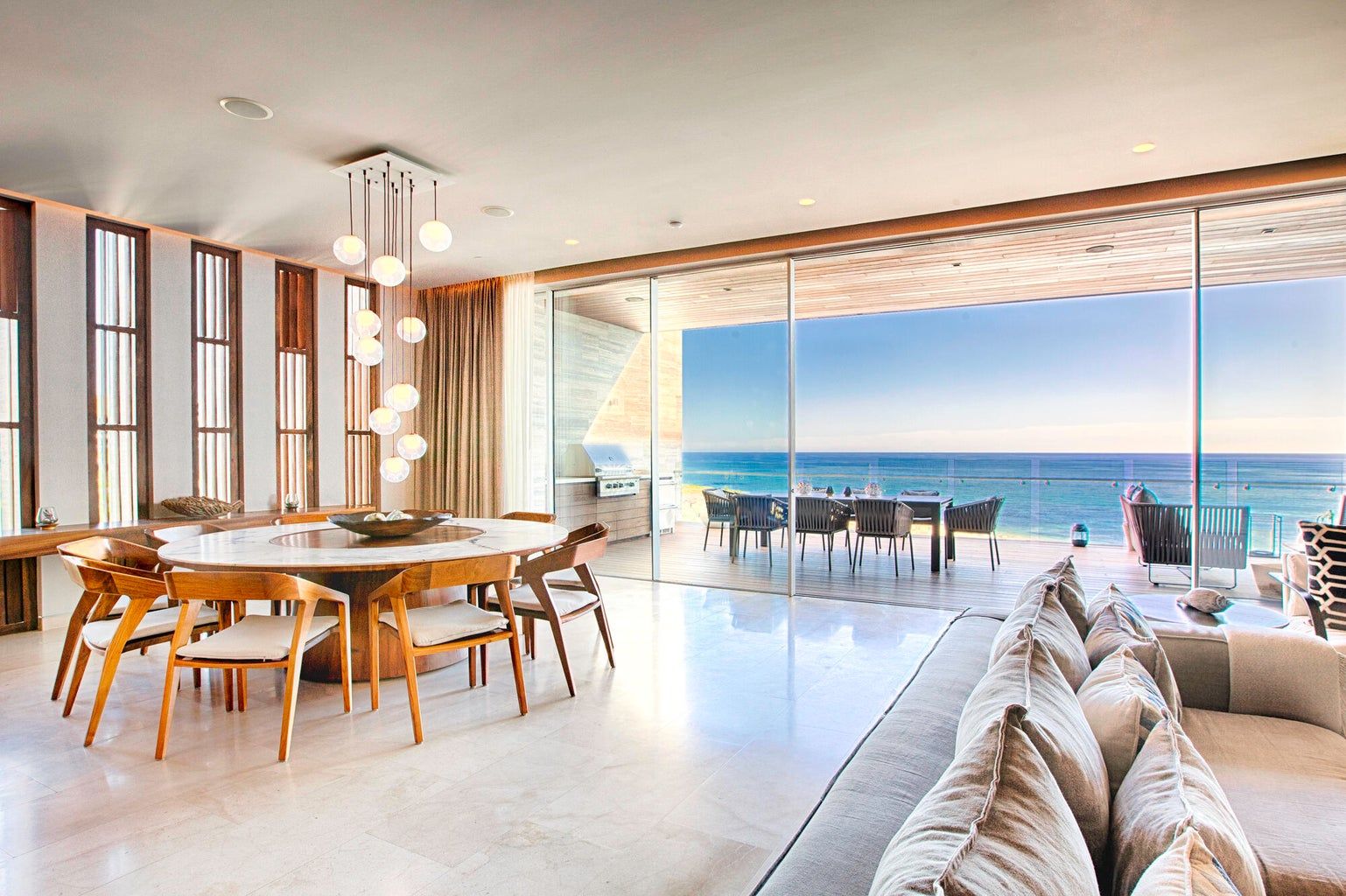
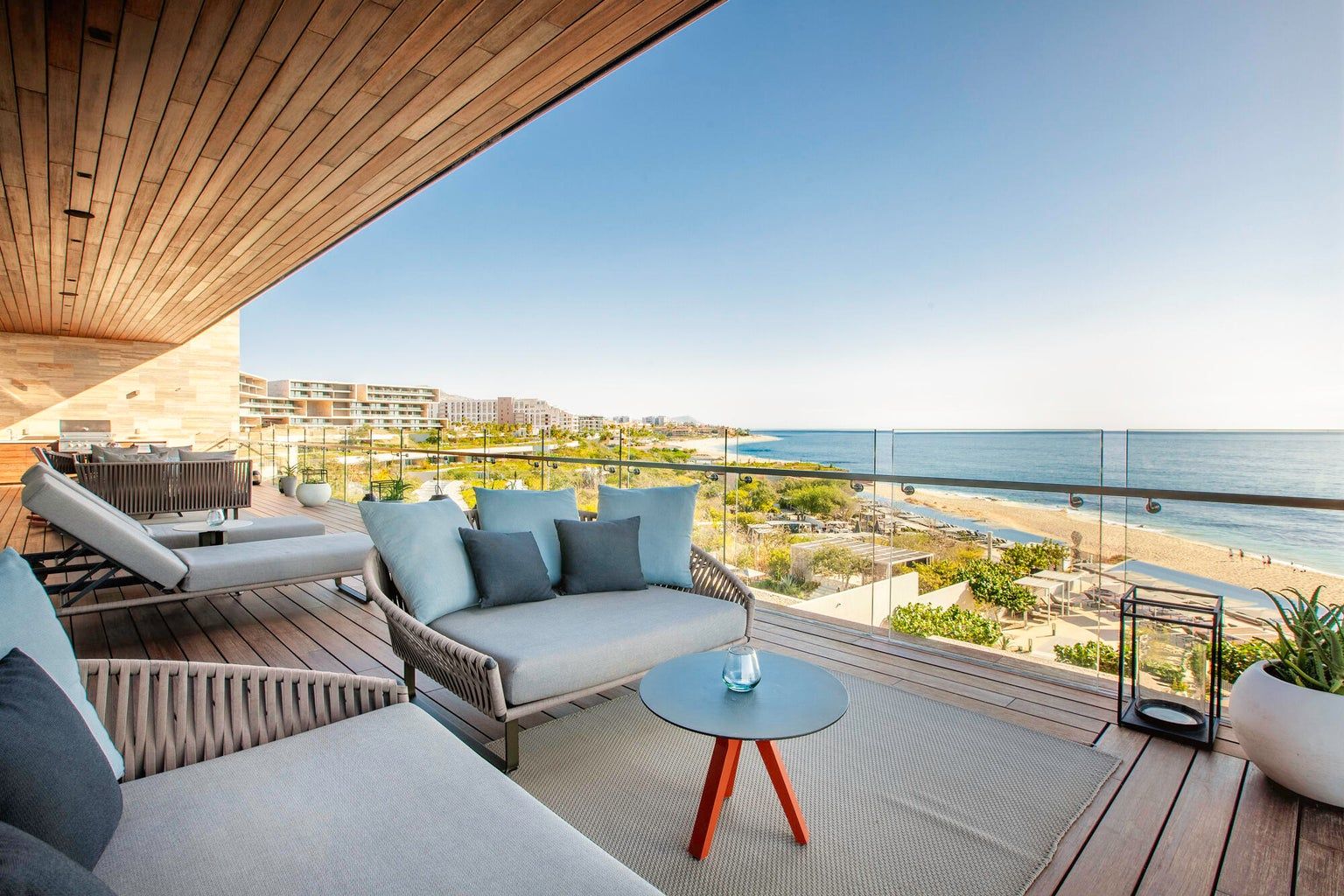
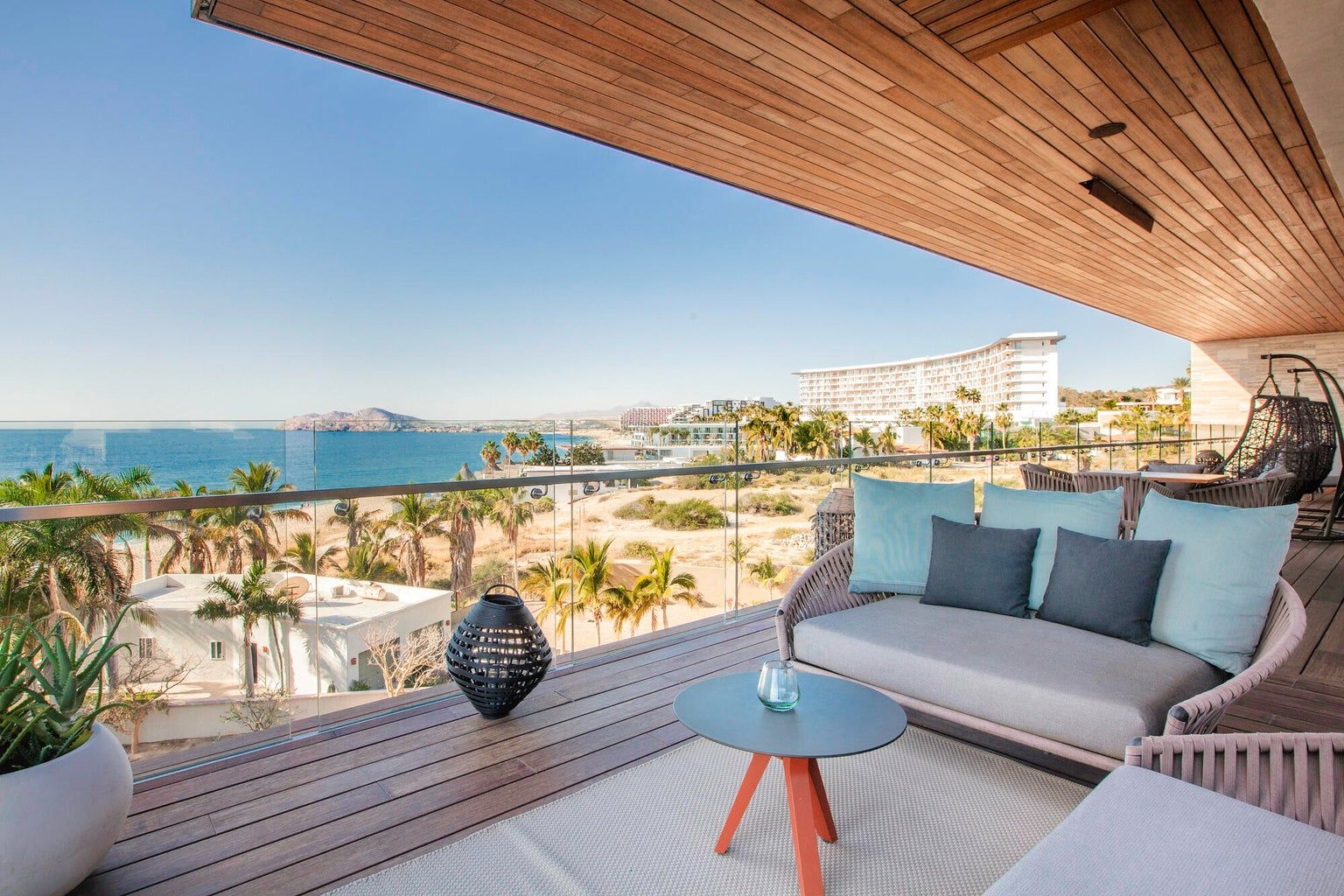
Cabo San Lucas, Mexico — 3-Bed Villa With Infinity Pool
$717,000
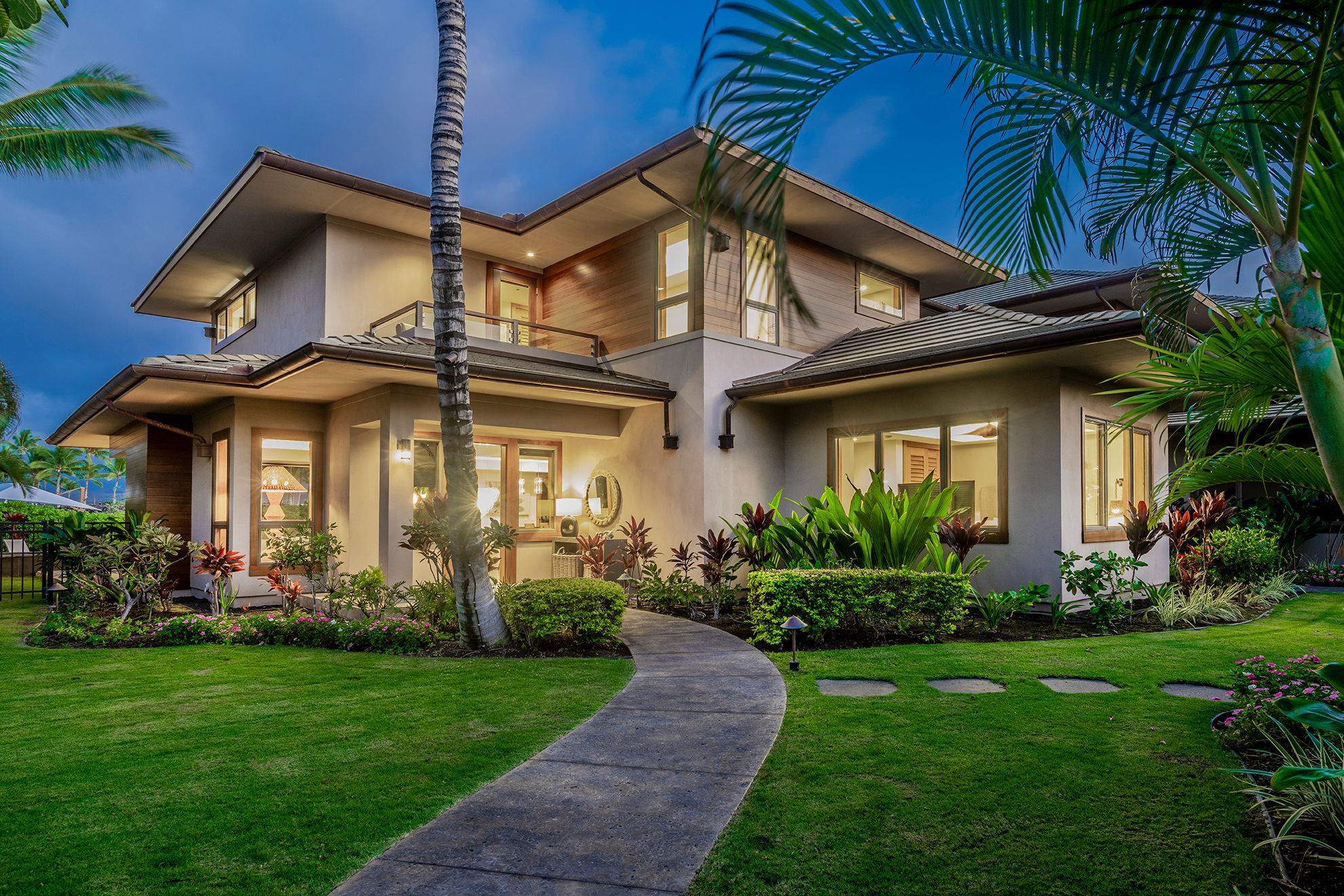
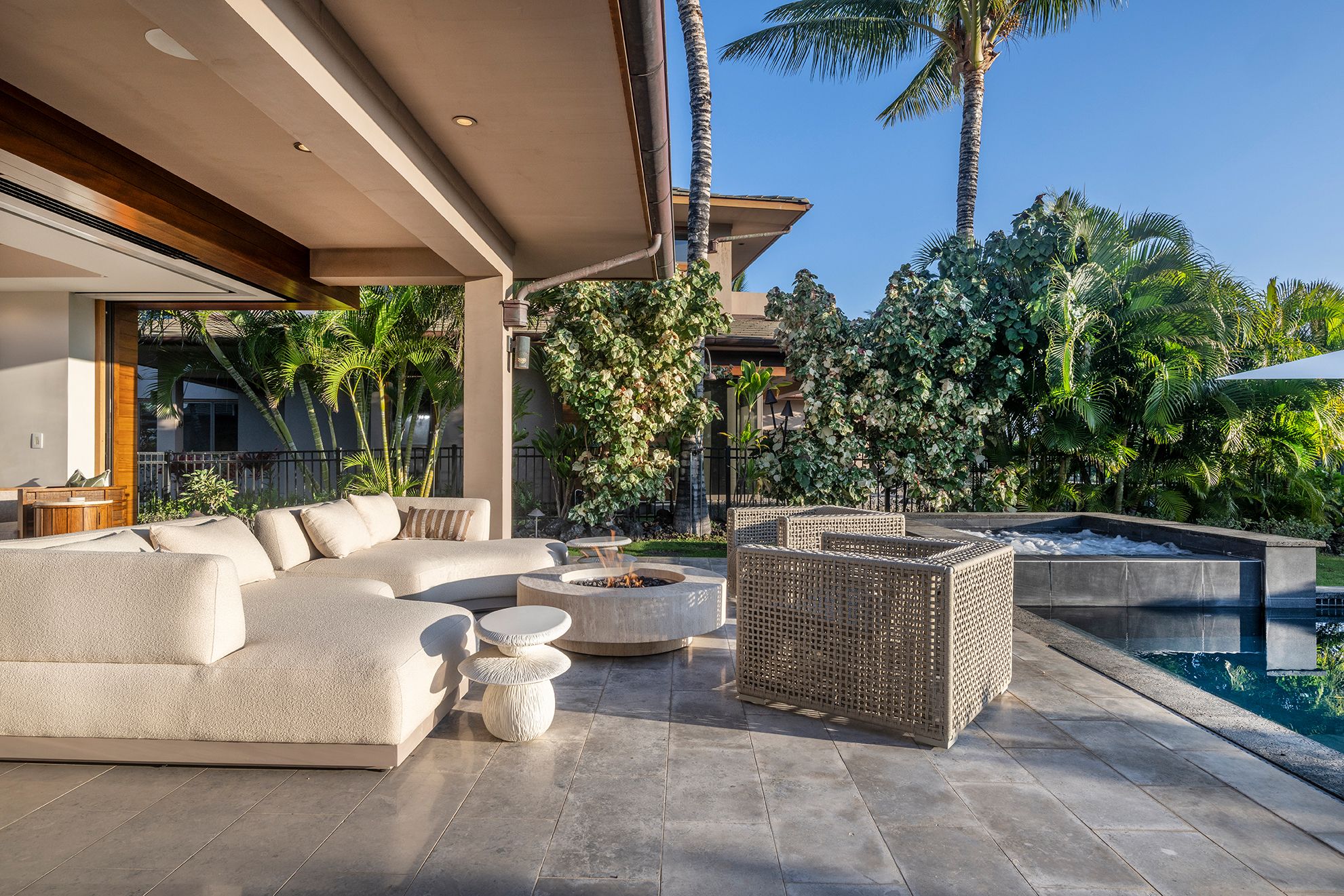
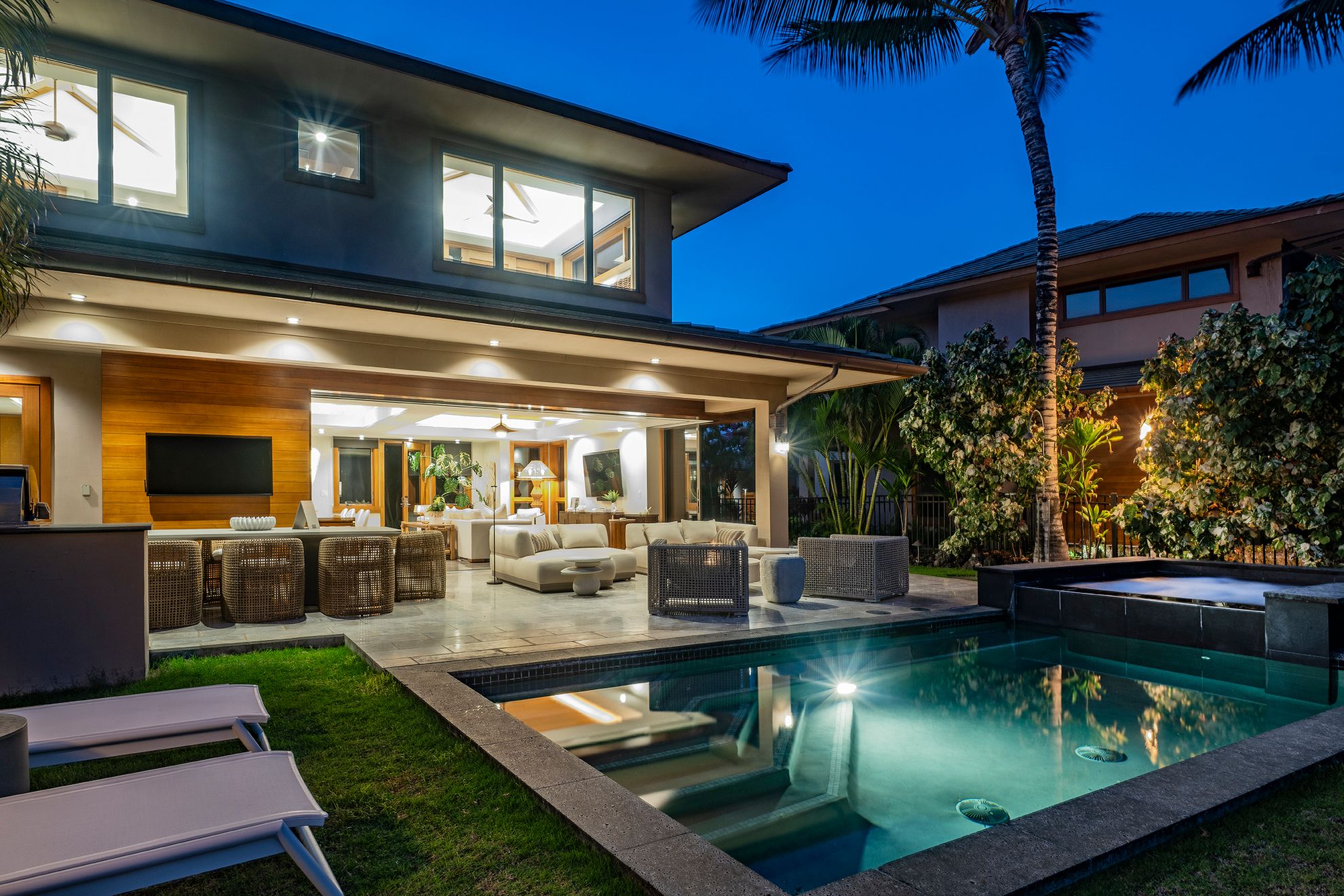
Kamuela, Hawaii, USA — 3-Bed House With Private Pool & Ocean Views
$1,180,000
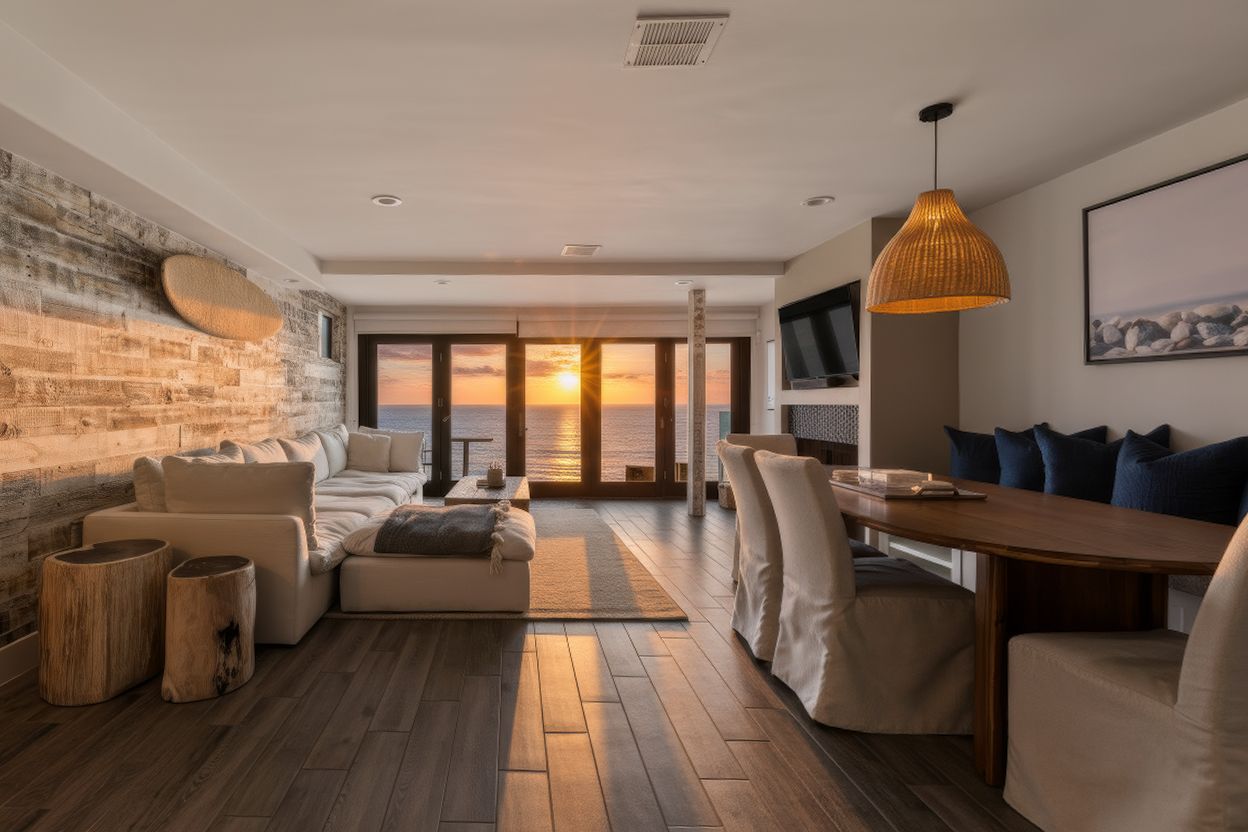
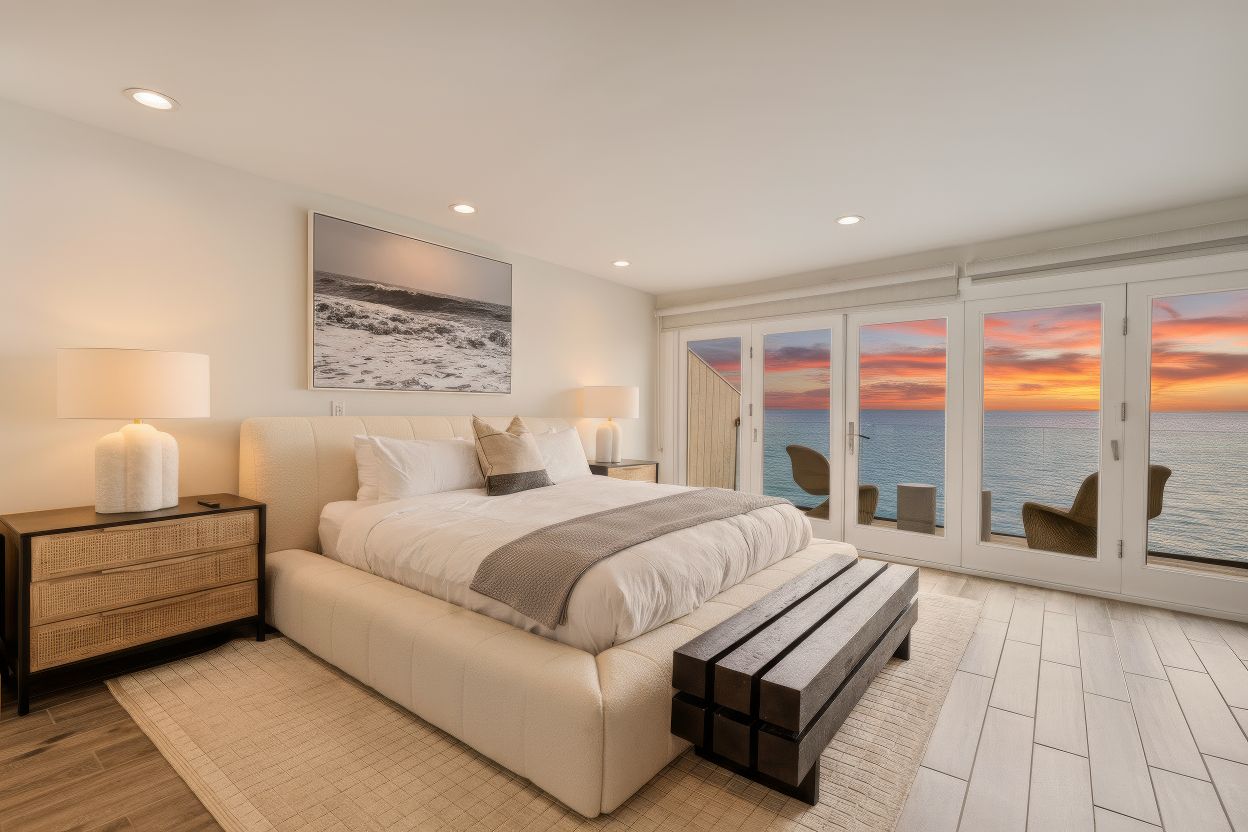
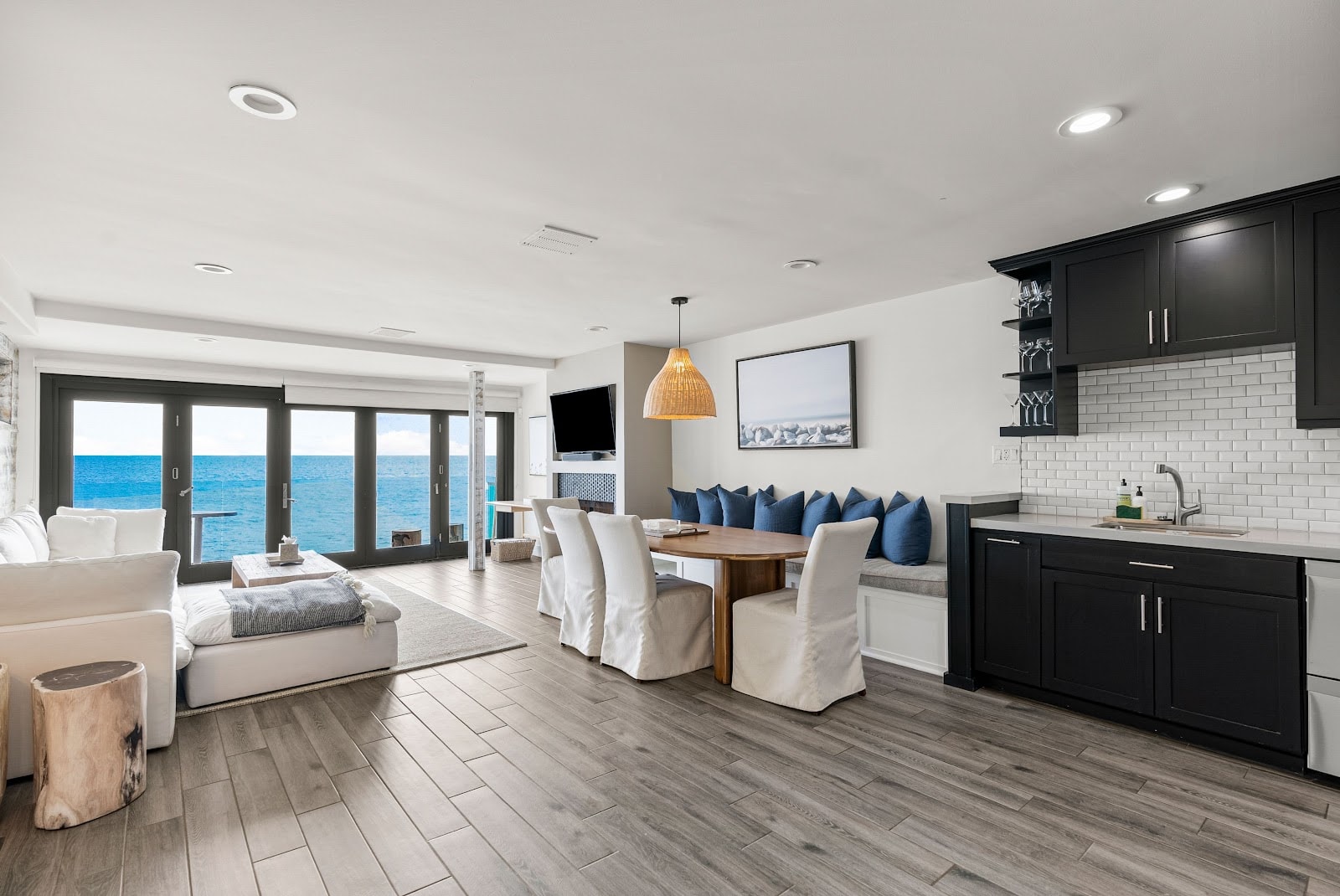
Malibu, California, USA — 3-Bed Estate With Beach Access
$674,000
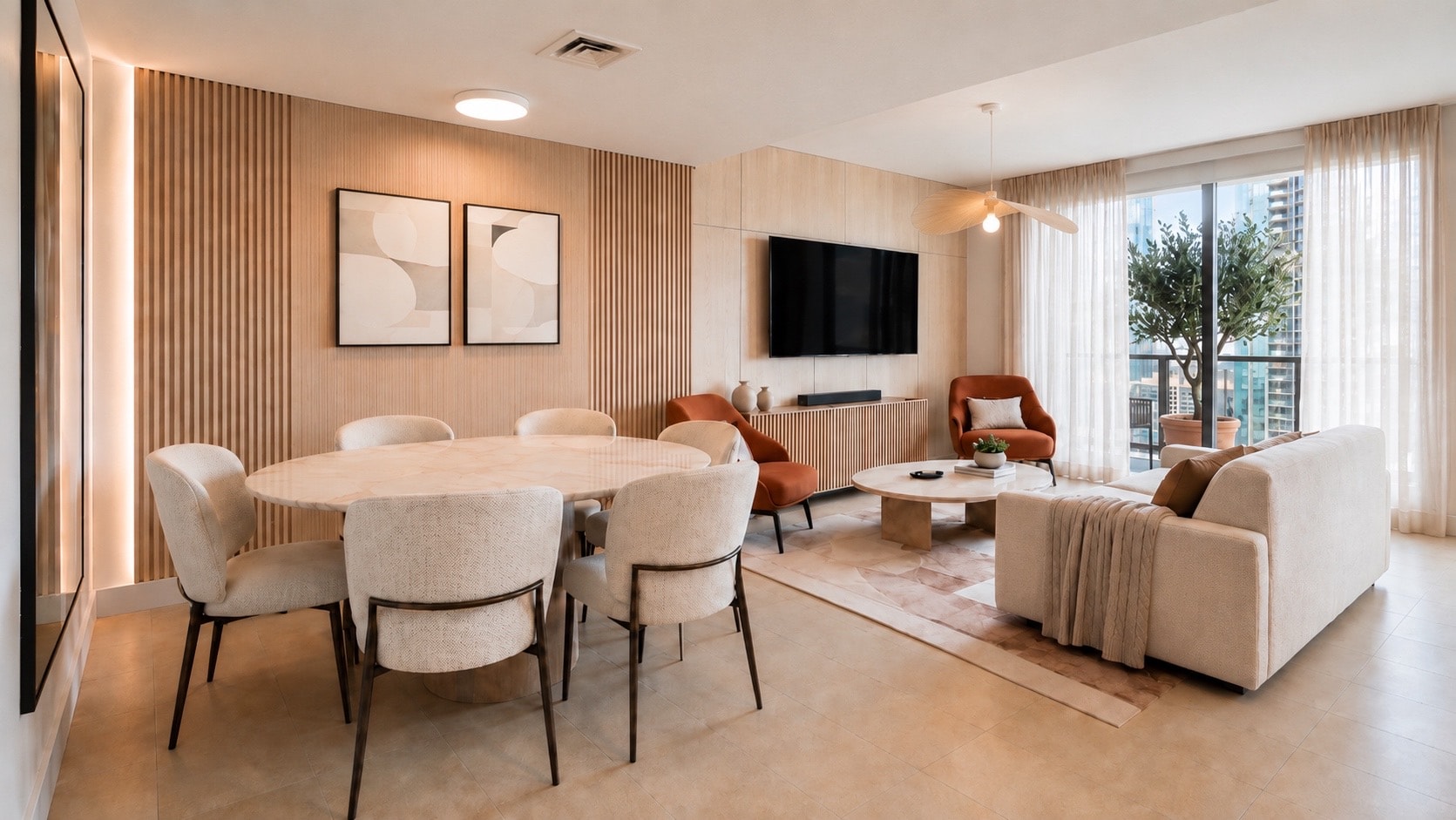
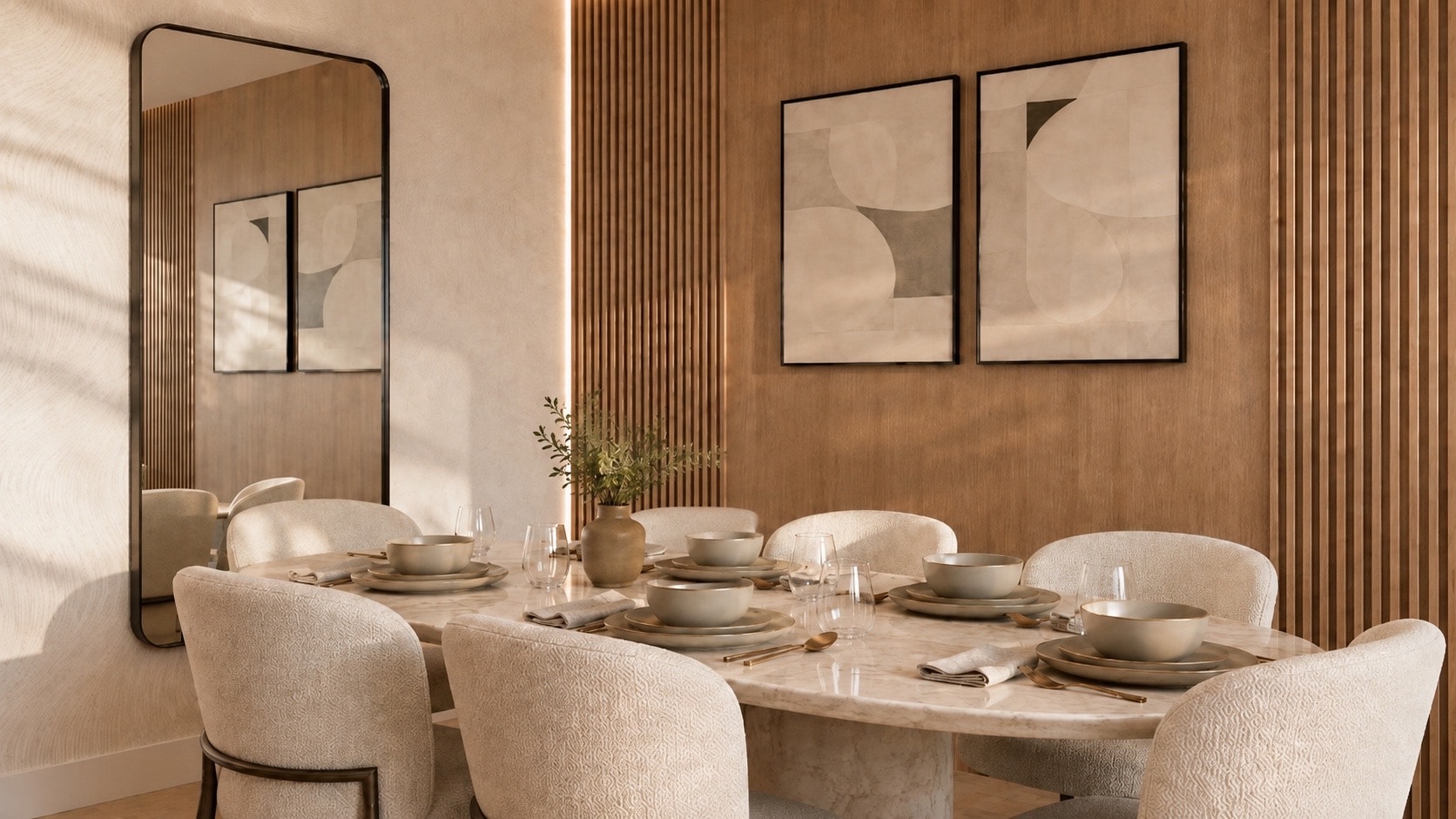
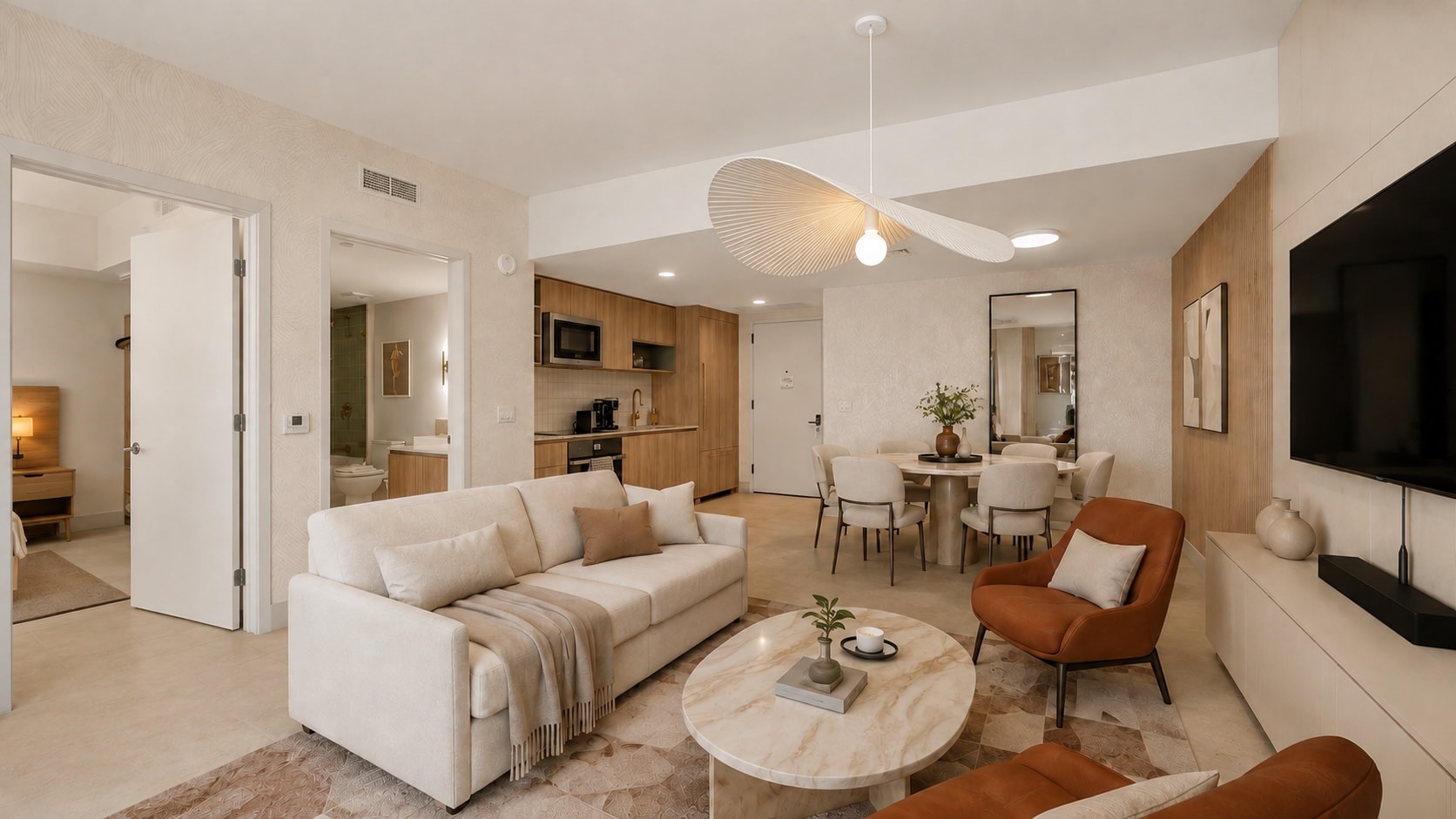
Miami, Florida, USA — 1-Bed Apartment With Bay Views & Resort Pool
$99,000
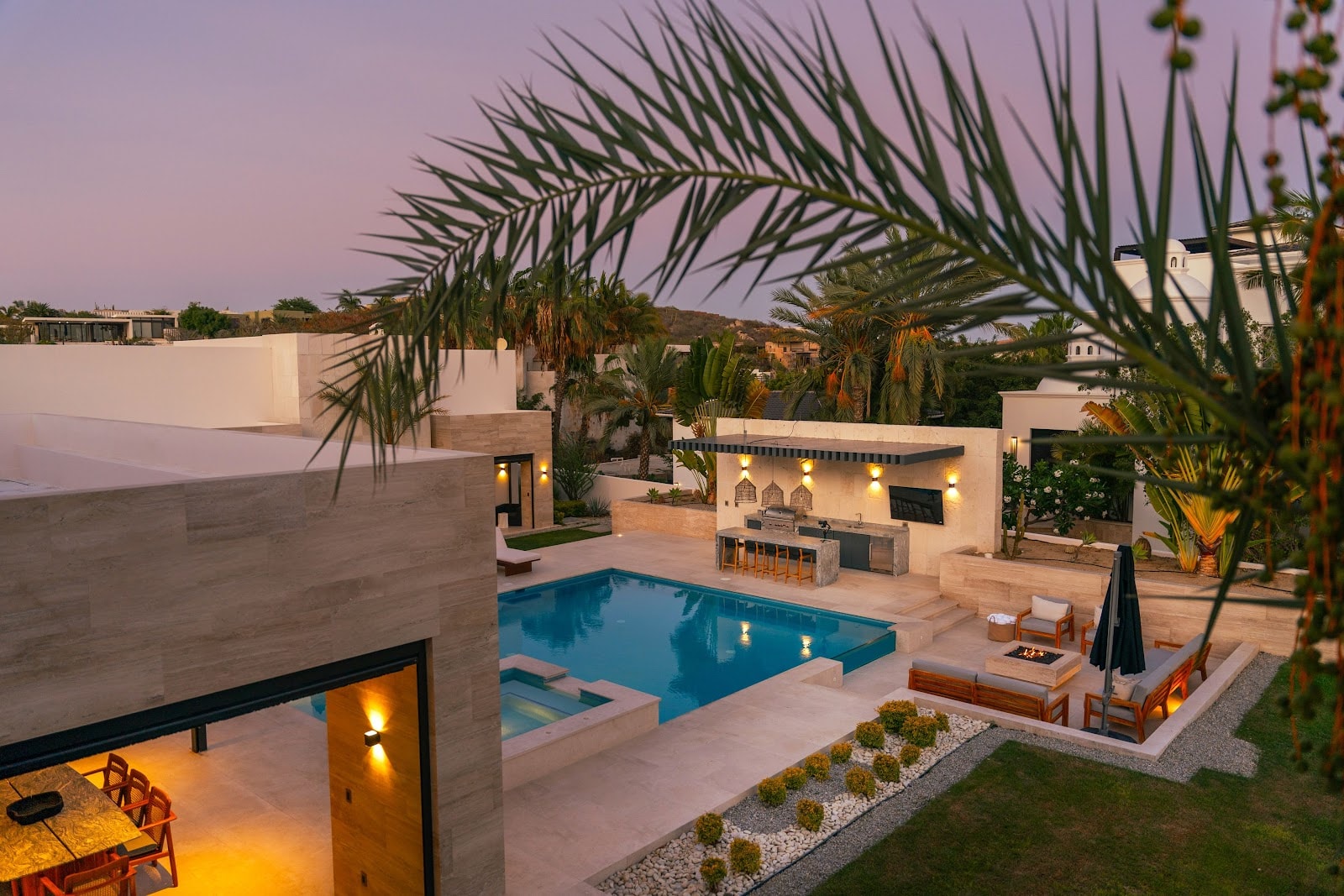
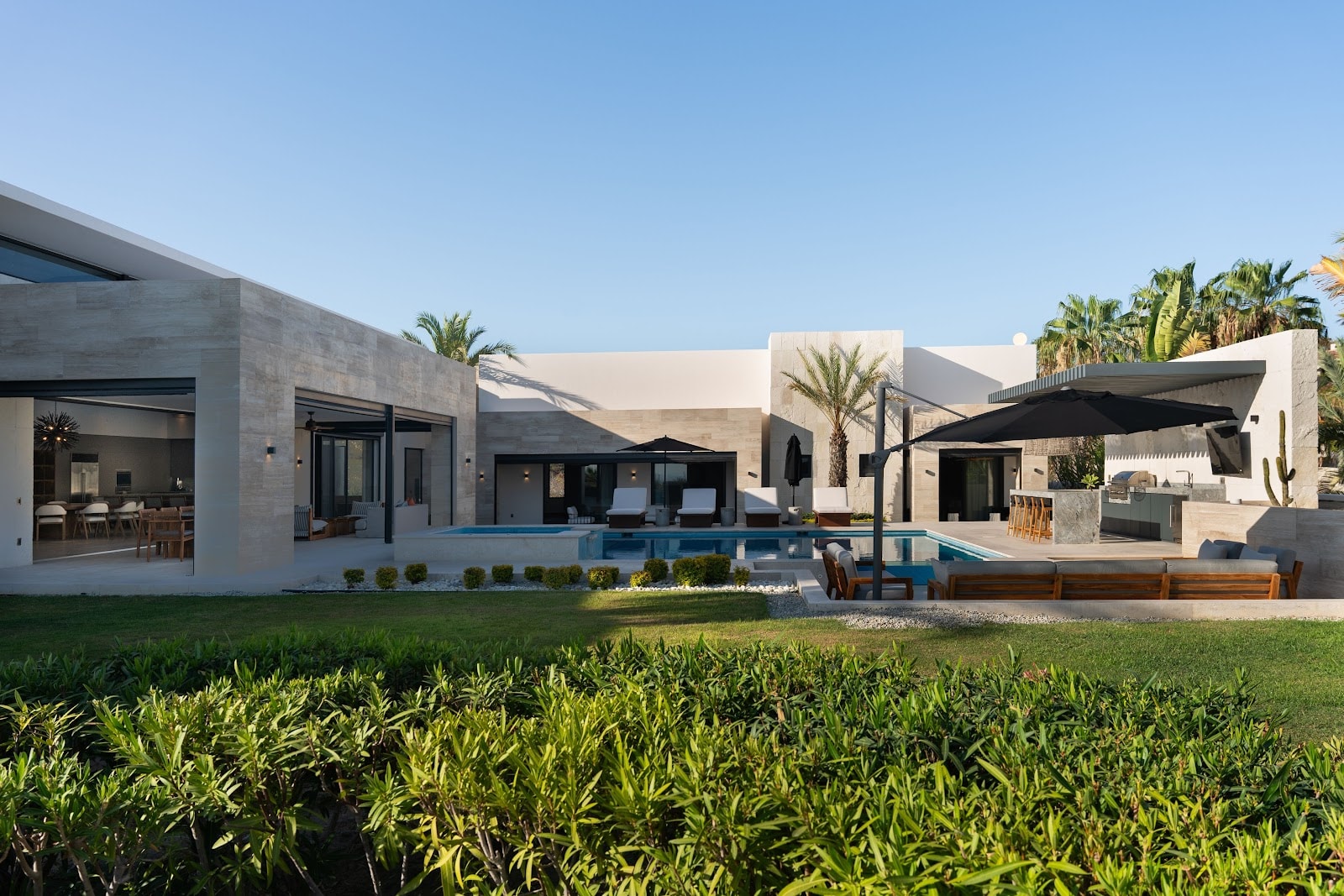
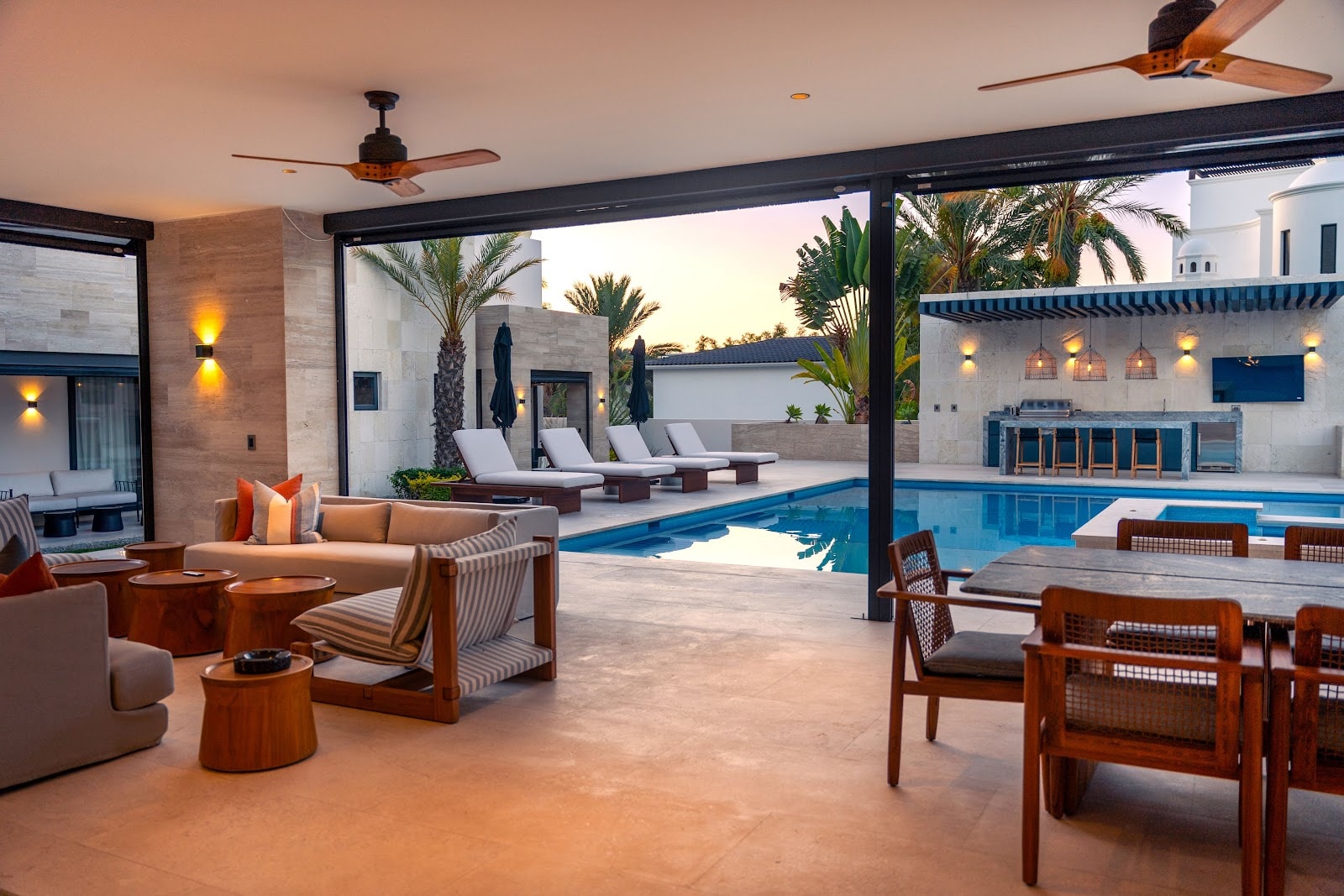
San Jose Del Cabo, Mexico — 5-Bed House With Beach Access
$875,000
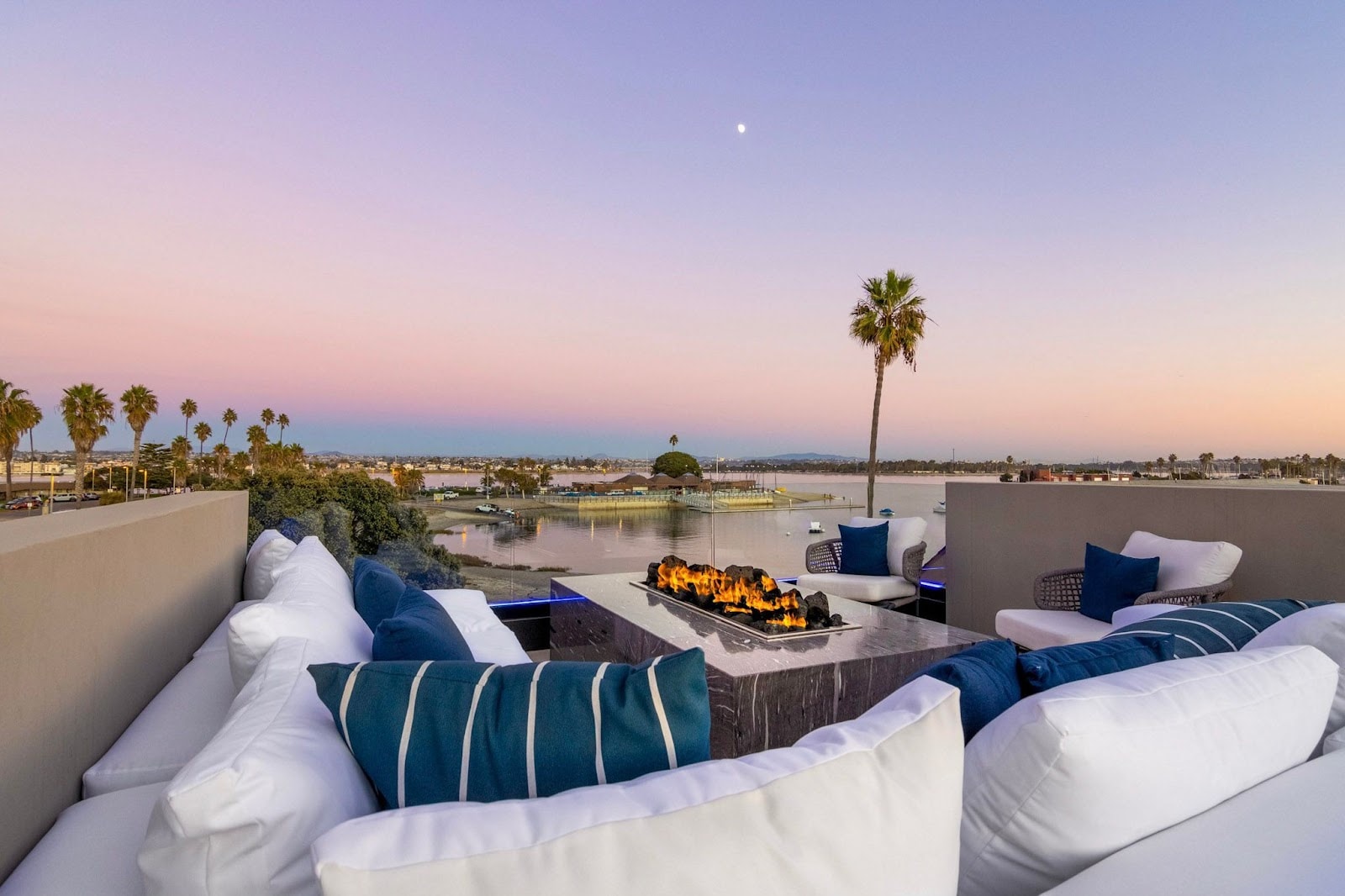
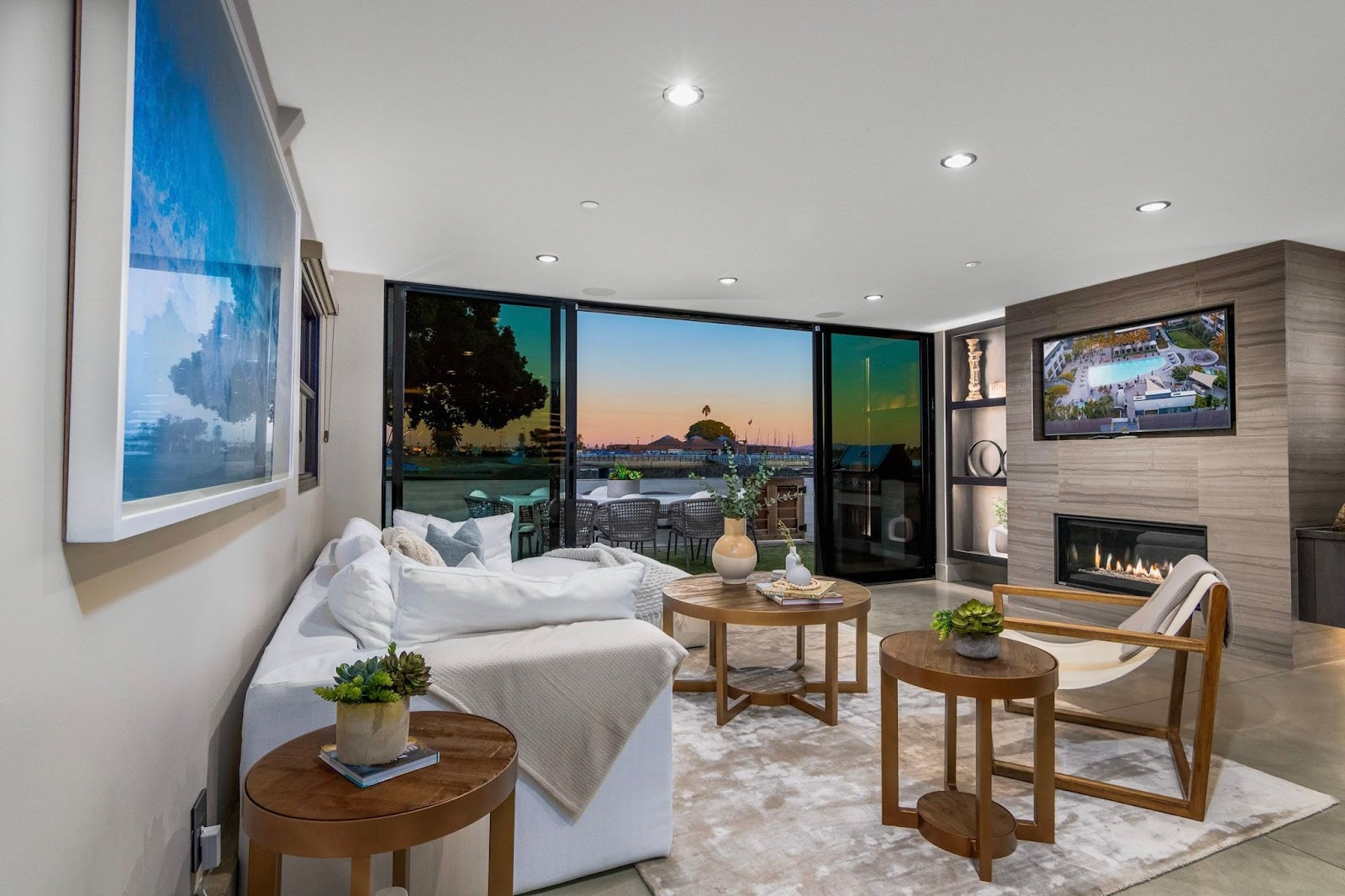
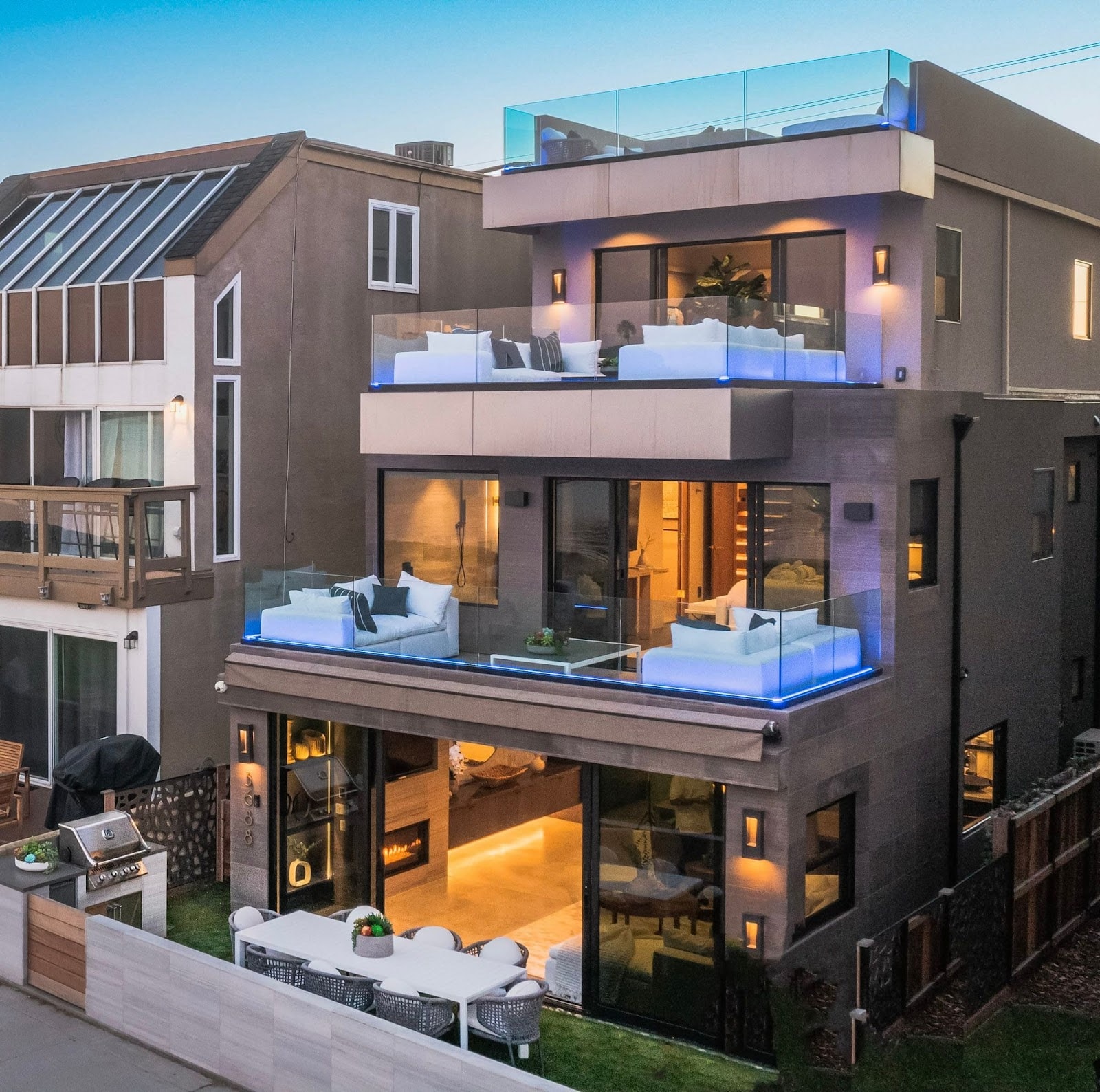
San Diego, California, USA — 4-Bed House With Beach Access
$639,000
Be the first to hear when a home in Costa Rica is listed.
We do not have a co-ownership home in Costa Rica yet. When we do, it will be the kind we list everywhere else: a fully managed home in one of the country's best addresses, sold in real 1/8 shares with around six weeks of personal use a year. Leave your email and we will tell you the day it arrives. In the meantime, the homes below are the ones that buyers who love Costa Rica choose.
What is fractional ownership in Costa Rica?
Fractional ownership in Costa Rica means buying a real share of a villa or beach house, usually 1/8, with a small group of up to seven other co-owners, and using it for around six weeks a year while a professional team looks after everything. It suits the way the country is used: a few weeks of sunshine, surf and forest each year, in the same house, with the pool, the garden and the upkeep all taken care of. You can sell it, pass it on to your heirs, and it grows in value with the home. It is not a timeshare, and not a holiday club.
Why Costa Rica?
Costa Rica is a small country that has made a large decision. Three quarters of a century ago it abolished its army and spent the money on schools, clinics and, in time, national parks. Today more than a quarter of its land is protected, almost all of its electricity comes from rivers, wind, sun and volcanoes, and a strip of Central America smaller than Scotland holds about one in twenty of all the species of plants and animals on earth. People come for a week of beaches and monkeys and go home having quietly rearranged their idea of how a country can be run.
The first argument for a home here is nature on the doorstep. This is a place where howler monkeys wake you at dawn, scarlet macaws fly over the breakfast table and a sloth may spend the whole of your holiday in the tree by the pool. There are two oceans, a chain of volcanoes, cloud forests, mangrove rivers and beaches where turtles come ashore in their thousands. Very little of it is behind a fence. You walk out of the house and into it.
The second is the climate and the coast. The Pacific shore, where almost all second homes are, has a long dry season from December to April with day after day of sunshine at around 31°C (88°F), exactly when North America and Europe are coldest. The sea is warm enough to swim in every day of the year. And the coast itself runs for hundreds of miles, from the dry golden hills of Guanacaste in the north to the rainforest of the Osa in the south, so there is a stretch of it for every taste.
The third is the people and the way of life. Costa Ricans, who call themselves Ticos, greet each other, say goodbye and answer the question of how they are with the same two words: pura vida, the pure life. It is a description of an attitude, unhurried, friendly and grateful, and visitors find they have caught it within a few days. The country is peaceful and democratic, with good private hospitals, clean water and an educated population, and the Nicoya Peninsula is one of the handful of places in the world where an unusual number of people live to a hundred.
The fourth is the one that makes a share, and not a whole house, the natural way to own here. A house in the tropics needs looking after every week of the year. The sea air, the rain and the forest all want it back. An owner who lives thousands of miles away has to find a caretaker, a gardener and a pool man, and trust that all is well for the eleven months they are not there. A 1/8 share removes that worry completely. The house is managed by professionals, it is ready when you arrive, and you own the part of it that matches the weeks you will really use.
A very short history
Christopher Columbus anchored off the Caribbean shore in 1502 and, seeing the gold ornaments of the people who met him, is said to have given the place its name: the rich coast. The gold turned out to be scarce, and for three centuries Costa Rica was a poor and forgotten corner of the Spanish empire, a land of small farmers with no great estates. That history shaped it. When independence came in 1821, and coffee followed, the wealth it brought was spread more evenly than elsewhere in the region.
In 1948, after a brief civil war, the country's new leader, José Figueres, abolished the army, and the constitution of the following year made it permanent. The decision has defined Costa Rica ever since. One of its presidents, Óscar Arias, won the Nobel Peace Prize in 1987, and from the 1970s the country built a system of national parks that became a model for the world. The visitors who came to see them were the beginning of the Costa Rica people know today.
The Costa Rican house
The best houses here are built to disappear into their surroundings. Living rooms have no walls on the side that faces the view, only a deep roof and a terrace, so that the breeze takes the place of air conditioning and the forest is part of the room. Roofs are wide to throw off the rain, floors are stone or polished concrete, and the wood is teak and other tropical hardwoods from managed plantations. A pool runs to the edge of the terrace, and beyond it there is the canopy and then the sea. It is a way of building that suits the climate perfectly, and after a week in one it is hard to remember why houses elsewhere have so many walls.
Where to own in Costa Rica
Costa Rica is small, but its regions differ more than those of countries ten times its size. The north-west is dry, sunny and golden, with the best beaches and the newest resorts. The centre of the Pacific coast is green, close to the capital and full of life. The south is wild rainforest that meets the sea. Inland are volcanoes, cloud forest and the cool valley where most Costa Ricans live. The official Visit Costa Rica site describes them all.
Guanacaste and the Papagayo Peninsula
Guanacaste, in the north-west, is where most overseas owners look first. It is the driest and sunniest part of the country, a landscape of cattle ranches, broad-crowned trees and long bays that looks, in the dry season, more like East Africa than Central America. Its own international airport at Liberia has direct flights from across North America, and the beaches begin half an hour from the runway.
The Papagayo Peninsula is the grandest address: a private headland of resorts, a marina and villas set among dry forest above a string of quiet coves. South of it, Playa Hermosa and Playas del Coco are relaxed bays popular with divers. Flamingo has a new marina and one of the prettiest beaches in the country, and neighbouring Conchal has a beach made entirely of tiny crushed shells and a resort community with a championship golf course. Best for: families, golfers, first-time buyers in Costa Rica, and those who want sunshine they can count on and an easy journey.
Tamarindo and the surf coast
Further down the same coast, Tamarindo is Costa Rica's best-known beach town: a wide bay with waves for beginners, a river mouth for the experts, and a main street of surf shops, cafés and restaurants that is busy until late. Across the estuary, Playa Grande is a national park where leatherback turtles, the largest in the world, come ashore to nest. To the south the road passes a succession of beaches, each quieter than the last: Langosta, Avellanas, Playa Negra and Junquillal. Best for: surfers of all standards, younger families, and owners who like a town within walking distance.
Nosara, Sámara and Santa Teresa
The Nicoya Peninsula is where Costa Rica's surf and yoga culture has its home. Nosara is a village scattered through the forest behind Playa Guiones, four miles of sand with one of the most consistent waves in the country and not a single building on the beach, because the whole shore is a wildlife refuge. Mornings begin with surfing or a yoga class, the roads are still mostly unpaved, and the restaurants are as good as any in the country. Nearby Ostional is one of the few beaches in the world where olive ridley turtles arrive to nest in their tens of thousands at once.
Sámara is a gentle, sheltered bay loved by families. And at the southern tip, Santa Teresa and Malpaís are a single long road behind a dazzling surf beach, with a creative, international community and some of the most striking modern houses in Central America. Best for: surfers, those who want wellness and nature, and owners looking for a place with a real community and no large hotels.
Jacó, Herradura and Manuel Antonio
The Central Pacific is the nearest coast to the capital, about an hour and a half by a good road. Herradura has the country's best-known marina and resort community, and is one of the great sport-fishing harbours of the world, where sailfish and marlin are caught and released a short run from the dock. Jacó, next door, is a lively surf town. Just north of them the scarlet macaws of Carara National Park fly over the road at dusk.
An hour or so further south, Manuel Antonio is the picture most people have of Costa Rica: forested hills falling to white beaches, with a national park at the end of the road where monkeys, sloths and iguanas are almost impossible to miss. The villas here are built on the hillsides, with views over the canopy to the sea, and the nearby town of Quepos has a marina and a busy fishing fleet. Best for: anglers, wildlife lovers, families with children, and owners who want the shortest drive from the main international airport.
The south: Dominical, Uvita and the Osa
South of Manuel Antonio the mountains come down to the shore and the forest grows taller. This is the Costa Ballena, the whale coast, named for the humpbacks that come to calve in its warm bays and for the sandbar at Uvita, which the tide has shaped, by a coincidence nobody can explain, into the exact form of a whale's tail. Dominical is a surf village. Ojochal, in the hills, is known for its restaurants. Houses here sit high above the sea with enormous views, and waterfalls are a short walk away.
Beyond lies the Osa Peninsula and Corcovado National Park, one of the richest pieces of rainforest on the planet, where tapirs walk on the beach and all four of Costa Rica's monkeys live in the same trees. Best for: naturalists, walkers, those who want space and silence, and anyone who thinks the rest of the country has become too busy.
The Central Valley, the volcanoes and the Caribbean
Most Costa Ricans live in the Central Valley, 1,100 metres (3,600 feet) up, where the temperature is that of a perfect spring day all year. The suburbs of Escazú and Santa Ana, west of San José, have the best hospitals, schools and shopping in the country, and many overseas residents live here and keep the beach for weekends. Around the valley are coffee farms and volcanoes you can drive to the top of.
To the north, the perfect cone of Arenal rises above a lake, with hot springs at its foot and the cloud forest of Monteverde across the water. And on the other side of the country the Caribbean coast is another world: Afro-Caribbean in its culture, its cooking and its music, with coral reefs at Cahuita, a surf wave at Puerto Viejo and, at Tortuguero, a maze of jungle canals where green turtles nest. Best for: long stays, year-round living, and owners who want the whole country and not only its beaches.
A year in a Costa Rican home
Costa Rica has two seasons. Costa Ricans call the dry season, from December to April, summer, and the rainy months from May to November winter, though it is warm throughout. The visitors' name for the second, the green season, is the better one. Mornings are usually sunny, the rain comes in the afternoon, and the country turns a green so intense it hardly looks real. A share of a home, with its weeks spread through the year by a fair-rotation calendar, lets you see both.
The dry season (December–April)
From the middle of December the rain stops on the Pacific side, the sky clears and a steady wind blows from the north-east. In Guanacaste hardly a drop falls for four months. Days are hot, at 30–34°C (86–93°F) on the coast, and the evenings are warm enough to eat outdoors in a shirt. The sea is calm and clear, which makes this the season for diving, snorkelling and sailing.
Christmas and New Year are the busiest weeks of the year, celebrated with fireworks on every beach. January and February bring the *fiestas*, the country fairs of the cattle towns, with horse parades, music and rodeos in which nobody harms the bull. By March the hills of Guanacaste have turned gold and the trees burst into flower, yellow, pink and orange, without a leaf on them. Easter week is the great national holiday, when the whole country goes to the beach.
The green season (May–August)
The first rains arrive in May, and within a fortnight the brown hills are green. This is many residents' favourite time. The mornings are bright, the showers are short, the dust is gone, and there are fewer visitors. The surf is at its best, with long swells arriving from the south. In July the rain often pauses for a week or two, a break Costa Ricans call the *veranillo*, the little summer, which falls conveniently in the school holidays.
It is also the season for wildlife. Turtles nest on both coasts. From July the first humpback whales arrive from the Antarctic to calve off the southern Pacific coast. And on 25 July Guanacaste celebrates the day in 1824 when its people voted to join Costa Rica, with marimba music, traditional dancing and a great deal to eat.
The wettest months (September–November)
September and October are the rainiest months on the Pacific side, with heavy afternoon downpours and some hotels closed for a rest. They are also the driest and sunniest months on the Caribbean coast, which is the country's best-kept secret: when the Pacific is wet, Puerto Viejo and Cahuita have calm, clear seas. On 15 September the whole country celebrates independence with lantern parades by schoolchildren the night before. The whales are at their most numerous, the forests at their most alive, and by the middle of November the rain is easing and the first winter visitors are arriving.
Costa Rica month by month
- January — dry and sunny on the Pacific, about 31°C (88°F). Country fairs in the cattle towns; humpback whales from the north off the Pacific coast.
- February — the driest month. Clear seas for diving, steady offshore winds, and school-holiday visitors from North America and Europe.
- March — the hottest weeks. The flowering trees of Guanacaste are at their best, and Easter sometimes falls at the end of the month.
- April — Easter week, the national holiday, and the last of the dry season.
- May — the first rains. The hills turn green in days, and the surf season begins.
- June — sunny mornings, afternoon showers, quiet beaches and lower prices.
- July — the little summer, a pause in the rain; Guanacaste Day on the 25th; turtles nesting.
- August — humpback whales arrive off the southern coast; the forests are at their greenest.
- September — the wettest month on the Pacific and the best on the Caribbean. Independence Day on the 15th.
- October — the peak of the whale season at Uvita and of the turtle arrivals at Ostional.
- November — the rain eases, the air clears, and the country is at its most beautiful.
- December — the dry season returns. A festival of lights in San José, and Christmas on the beach.
A perfect dry-season week
Saturday. You land at Liberia in the early afternoon and are at the house within the hour. The pool is the first stop, and the sunset over the Pacific the second. Sunday is the beach: a surf lesson for those who want one, a walk to the far end of the bay for those who do not, and grilled fish at a table in the sand. On Monday you take a boat out before breakfast. Dolphins ride the bow, a turtle surfaces alongside, and you snorkel off an island with nobody else in sight.
Tuesday is for the volcano. An hour or so inland, Rincón de la Vieja has trails through dry forest to waterfalls, bubbling mud pools and hot springs you can lie in. On Wednesday you do nothing at all, which is the point of pura vida. Thursday is a river day, drifting quietly through the mangroves with a guide who can find a crocodile, a boa and forty kinds of bird before lunch. And on Friday you ride horses along the beach at dusk, eat at the best restaurant in town, and agree that a week was not long enough.
A perfect green-season week
Come in July, in the little summer. The mornings are for the sea, when the surf is clean and the light is soft. One day you drive south to Manuel Antonio and walk the trails of the national park with a guide and a telescope, counting sloths. Another you go out from Uvita to watch a humpback whale and her calf roll in the swell. In the afternoons, when the clouds build over the hills, you are on the terrace with a book and a cup of the local coffee, watching the rain come across the valley and listening to it on the roof. By five it has passed, the air smells of earth and flowers, and the sunset is the best of the year.
Eating and drinking
Costa Rican food is simple, fresh and better than its reputation. The day begins with gallo pinto, rice and black beans fried together with onion, coriander and the brown sauce that is on every table, served with eggs, fried plantain and soft white cheese. Lunch is a casado: rice, beans, salad, plantain and grilled fish, chicken or beef on one plate, at a small family restaurant called a *soda*. On the coast there is ceviche, whole fried snapper and tuna landed that morning, and on the Caribbean side rice and beans cooked in coconut milk with a fiery pepper.
The fruit is a pleasure in itself: mangoes, papayas, pineapples, passion fruit and a dozen others, blended with ice into the drinks called *frescos*. And the coffee, grown on the volcanic slopes of the Central Valley and the hills of Tarrazú, is among the best in the world. In the beach towns a new generation of chefs, Costa Rican and foreign, has opened restaurants that would hold their own in any city.
Surf, fishing, golf and the forest
Costa Rica is one of the world's great surfing countries, with warm water, waves all year and a break for every level, from the gentle rollers of Tamarindo and Sámara to the long left at Pavones in the far south, one of the longest waves anywhere. Sport fishing is as good: sailfish and marlin offshore, roosterfish and snapper along the coast. There is golf at Papagayo, Conchal and other resort communities in Guanacaste, on courses laid out among the dry forest with the sea beyond.
And then there is everything the forest offers: zip-lines through the canopy, hanging bridges in the cloud forest, white-water rafting on the Pacuare, one of the most beautiful rivers in the Americas, horse riding, hot springs, birdwatching and night walks to look for frogs. The national parks service looks after more than a hundred protected areas, and you are never far from one.
The wildlife you will really see
Costa Rica's wildlife is not a matter of luck or patience. On an ordinary week at an ordinary house on the Pacific coast you can expect howler monkeys in the trees at dawn and dusk, white-faced capuchins investigating the terrace, iguanas sunning on the wall, and coatis, which look like long-nosed raccoons, crossing the garden in a line. Scarlet macaws fly in pairs along the Central and South Pacific, calling loudly. Toucans, parrots, hummingbirds and the blue morpho butterfly, the size of a hand and the colour of a neon light, are everyday sights.
With a guide and a telescope you will add sloths, both the two-toed and the three-toed kind, tree frogs with red eyes, basilisk lizards that run across water, and perhaps an anteater. At sea there are dolphins all year, turtles in most months and whales in two seasons. And in the cloud forests of Monteverde and the southern mountains lives the resplendent quetzal, emerald green with a tail a yard long, which many people consider the most beautiful bird in the Americas.
Wellness, yoga and the long stay
Something in Costa Rica makes people look after themselves. Nosara and Santa Teresa are among the best-known yoga destinations in the world, with studios open to the forest and teachers from every tradition. There are hot springs warmed by volcanoes, spas that use coffee, cacao and volcanic mud, and food that comes from a farm down the road. Many owners find that their weeks here become the healthiest of their year: up with the light, in the sea before breakfast, asleep by ten. It is also an easy country to work from, with good internet in the main beach towns and a time zone shared with North America, which is why more and more owners join their weeks together into a longer winter stay.
Costa Rica with children
There may be no better country for a family holiday. Children who have seen a sloth, a toucan and a monkey before breakfast do not ask for a screen. They learn to surf on warm, small waves, watch baby turtles make their way to the sea, fly along a zip-line, ride a horse on the beach and swim under a waterfall. The country is safe and welcoming, the food is easy, and the guides in the national parks have a gift for turning a walk into an adventure. Many of the families who buy here do so for exactly this reason: it is the holiday their children ask to repeat.
Who buys in Costa Rica, and where else they look
Most overseas owners in Costa Rica are from the United States and Canada, for whom it is a short flight in the same time zones and a winter escape. They have been joined by buyers from Britain, Germany, France, the Netherlands and Switzerland, drawn by the nature and by direct flights to San José. Some come for a few weeks each winter. Others, able to work from anywhere, stay for months.
Fractional ownership in Costa Rica typically suits:
- Winter-sun families — who come at Christmas, in the February holidays and at Easter, and want a house with a pool for those weeks and not for fifty-two.
- Surfers and anglers — for whom the waves or the fishing are the fixed point of the year.
- Nature lovers — who want to wake up in the forest and would like someone else to keep it out of the house.
- Remote workers and long-stay owners — who combine their weeks into longer stays.
- Owners building a year of homes — the tropics in winter, the mountains or the Mediterranean in summer, and nothing to look after in between.
Fractional ownership in Costa Rica today
Shared ownership is familiar in Costa Rica. Residence clubs and fractional villas have long been part of its resort communities, usually as a set number of weeks in a residence inside a resort, with the resort's services attached.
Co-ownership as we list it is a little different. It is one private house, owned by a small group of no more than eight owners. Each owns a real share of that home, usually 1/8, and has it for around six weeks a year, booked through a calendar that rotates the best weeks fairly. A professional team runs the house. You can sell your share on the open market at the price you set, and it rises in value as the house does. People who search for fractional ownership in Costa Rica, a share of a villa in Costa Rica, partial ownership or a quarter share are all looking for the same thing, and this is the form of it we believe in.
Costa Rica, Mexico or the Caribbean?
Buyers looking for a home in the tropics usually weigh Costa Rica against two alternatives. Mexico offers the Pacific resorts of Los Cabos and Punta Mita and the Caribbean coast of the Riviera Maya, with larger resort communities, grander villas and a great food culture. The Caribbean islands offer calmer seas, white sand and, on islands such as Barbados, a long-established society of overseas owners.
Costa Rica is the choice for those who want nature first. Its beaches are wilder, its houses are set in forest and not in a resort, and its days are built around surf, wildlife and the outdoors. It is also among the most stable and peaceful countries in the Americas, which matters to anyone buying a home abroad. Many owners, in the end, choose more than one: a share in a house by a calm sea, and a share in a house in the trees.
If you love Costa Rica: Los Cabos, Hawaii, the California coast and Florida
We do not have a home in Costa Rica to offer today. What we can offer are the places that give the same things — a warm Pacific, surf, wildlife and a house open to the air — and we have homes in all of them.
Los Cabos, at the tip of Mexico's Baja peninsula, is the closest in spirit: villas with pools above the Pacific, sport fishing that rivals Costa Rica's, whales in winter and reliable sunshine. It is a shorter flight from the western United States, and its winters are just as sunny.
Hawaii has the volcanoes, the waterfalls, the turtles and the surf, with American law and American ease. Our home on the Big Island's Kohala Coast is on the sunny side of the island, close to some of the best beaches in the Pacific.
The California coast, from San Diego and La Jolla to Newport Beach and Malibu, is where modern surf culture grew up, and Florida offers warm water, boating and fishing a short flight from the whole of eastern North America.
The homes shown on this page are drawn from those places. Each is a real 1/8 share of a fully managed home. And if it is Costa Rica itself you want, leave your email in the box at the top of this page, and we will write to you the day the first Costa Rican home is listed.
Practicalities: getting there, getting around and owning
Getting there
Costa Rica has two international airports. Guanacaste Airport (LIR), at Liberia, serves the beaches of the north-west and is the one most second-home owners use. Juan Santamaría (SJO), just outside San José, is the main gateway for the Central Valley, the Central and South Pacific, the volcanoes and the Caribbean.
Flight times: from Miami and Houston, about three hours; from Dallas and Atlanta, about four; from New York, about five; from Los Angeles and Toronto, five to six. From Europe there are direct flights to San José from several capitals, taking eleven to twelve hours. Costa Rica keeps the same time all year, the same as Chicago in winter and Denver in summer, so there is little or no jet lag from North America.
Visitors from the United States, Canada, the United Kingdom and the European Union do not need a visa for a holiday. Entry rules can change, so check before you travel.
Getting around
From Liberia, the Papagayo Peninsula and Playa Hermosa are about half an hour by road, Flamingo and Tamarindo a little over an hour, and Nosara about two and a half. From San José, Jacó and Herradura are an hour and a half, Manuel Antonio about three hours and Uvita about three and a half. Small aircraft fly from San José to airstrips at Tamarindo, Nosara, Quepos and the Osa, turning a long drive into a short hop.
Most owners hire a car, and a four-wheel drive is worth having, because the roads to the best beaches are often unpaved. Costa Rica drives on the right. Spanish is the language, and English is widely spoken wherever visitors go. The currency is the colón, and American dollars are accepted almost everywhere.
Owning property in Costa Rica
Foreign buyers have the same rights to own titled property in Costa Rica as Costa Ricans do, and ownership is recorded in a central public register, the Registro Nacional. A purchase is handled by a notary, who in Costa Rica is always a qualified lawyer. One rule is particular to the coast: the first 200 metres of land above the high-tide line is governed by a separate maritime-zone law. The first 50 metres is public, which is why every beach in the country is open to everyone, and the rest is held under concession and not owned outright, with its own conditions for foreign buyers. It is always clear which kind of land a home stands on. As with any purchase abroad, we recommend independent legal and tax advice, at home and in Costa Rica, before you buy.
Whole home or a share — the comparison that matters
The case for a share is clearest in a country like this one. A whole house above a Costa Rican beach commits its owner to the full price of the property, and to keeping a house, a garden and a pool in order in a tropical climate, from another continent, for the six or eight weeks a year they will use it. Renting a house of the same quality for the same weeks, year after year, costs a great deal and leaves you with nothing. A 1/8 share gives you a real share of a home of that quality for the weeks you want it.
| Whole second home | COP 1/8 fractional share | Villa rental each year | |
|---|---|---|---|
| Upfront commitment | Full property value | ~1/8 of the property value | None |
| Equity in the asset | Full appreciation | ~1/8 of appreciation | None |
| Personal use | Up to 52 weeks (most use 4–8) | Around six weeks a year, fairly rotated | Whatever you book and pay for |
| Operations burden | Caretaker, garden, pool and upkeep in a tropical climate, all year | Fully included | None |
What you actually own
You own a real share of the home — an eighth, a quarter — not a right to use it. You can sell it, pass it on to your heirs, and it grows in value with the home. What you hold is real ownership — not a timeshare use-right that depreciates to zero when the contract expires, not a points membership, not a fractional holiday club.
How fractional ownership works
The idea is the same wherever we list homes. A fine house is bought and furnished, and its ownership is divided into a small number of real shares, usually eight. Each buyer owns a share and has the house for their part of the year. A professional company manages it for all of them. The legal set-up differs from country to country and is arranged by our partner for each home, and it is walked through with you before you buy.
How the calendar works
Your stays are booked through a fair-rotation calendar that mixes the weeks everyone wants — in Costa Rica, Christmas and New Year, the February and spring school holidays and Easter week — with quieter weeks across the year. Owners book months ahead, and the most sought-after weeks rotate from year to year so that no co-owner holds them all.
The professional management model
Once the purchase completes, a professional management company takes over all responsibility for the home: housekeeping, the garden and pool, preparation before each arrival, maintenance, bills and insurance. You arrive; the doors are open to the terrace, the pool is clean and there is fruit from the garden on the table.
Resale: how to exit, typical timelines
When you decide to exit, a professional resale process is in place: you sell your share — not the whole house — at the price you set, typically after an initial twelve months of ownership. Hundreds of shares in homes like these have already been resold — in just over three months on average, and nearly three in four for more than the owner paid. The full mechanics are covered in our co-ownership explained guide.
When will there be a home in Costa Rica?
We add a home to our collection only when it meets the same standard as the rest: a fine house in a proven address, properly furnished, professionally managed, and sold in real shares on terms we are happy to explain line by line. Costa Rica is a place our buyers ask about, and we would like to have homes here. We will not list one until it is right. When it is, it will appear at the top of this page, and everyone who has left their email here will hear the same day.
Until then, our team is glad to talk through what you are looking for and to show you the homes in Los Cabos, Hawaii, the California coast and Florida that owners with the same tastes have chosen.
Your ownership at a glance
- Real ownership — you own a real 1/8 share of the home, not a right to use it: you can sell it, pass it on to your heirs, and it grows in value with the home. Not a timeshare, not a points membership.
- Fully managed throughout — the professional management team handles housekeeping, maintenance, bills, insurance, scheduling and the on-call concierge. You arrive, the home is ready.
- Professional resale support — when you decide to exit, our partner's resale process lets you sell your share without having to sell the whole house.
Questions & Answers
Costa Rica Fractional Ownership — Frequently Asked Questions
Not yet. We do not have a co-ownership home in Costa Rica at the moment. Leave your email in the box at the top of this page and we will tell you the day the first one is listed. In the meantime, the homes shown here are in the places that buyers who love Costa Rica most often choose: Los Cabos, Hawaii, the California coast and Florida.
It means owning a real share of a home, usually 1/8, with a small group of up to seven other owners, and using it for around six weeks a year while a professional team manages it. You can sell your share, pass it on to your heirs, and it grows in value with the home.
No. A timeshare sells you a week. Co-ownership sells you the house. A timeshare is the right to use a resort for a set time, shared with a great many others. Fractional ownership is a real share of one specific home, owned with a small group of up to seven others. It moves with the value of the home, you can sell it at the price you set, and you can leave it to your children.
Yes. Fractional ownership, co-ownership, partial ownership and shared holiday-home ownership are different names for owning a real share of a home with a small group of other owners. The share is usually 1/8. Two shares make a quarter share (1/4), for around twice the time.
For reliable sunshine and an easy journey, Guanacaste: the Papagayo Peninsula, Playa Hermosa, Flamingo, Conchal and Tamarindo. For surf, yoga and a village in the forest, Nosara and Santa Teresa on the Nicoya Peninsula. For wildlife and the shortest drive from San José, Manuel Antonio and Herradura. For rainforest and space, the Costa Ballena around Dominical and Uvita.
The dry season, from December to April, is the most popular: sunny days at around 31°C (88°F) on the Pacific coast and almost no rain in Guanacaste. The green season, from May to November, has sunny mornings and afternoon showers, the best surf, humpback whales and nesting turtles, and far fewer visitors. September and October are the wettest months on the Pacific and the best on the Caribbean coast.
About three hours from Miami and Houston, four from Dallas and Atlanta, five from New York, and five to six from Los Angeles and Toronto. From Europe there are direct flights to San José of eleven to twelve hours. There are two international airports: Liberia (LIR) for Guanacaste and San José (SJO) for the rest of the country.
Yes. Shared ownership is familiar in Costa Rica, and residence clubs and fractional villas have long been part of its resort communities. We do not have a co-ownership home in Costa Rica at the moment; when we list one, it will be a private house owned by a small group of up to eight owners, each with a real share.
A residence club is usually a set number of weeks in a residence inside a resort, with the resort's services attached. Co-ownership as we list it is one private house, owned by no more than eight owners. Each owns a real share of that home, has it for around six weeks a year through a fair-rotation calendar, and can sell the share on the open market at the price they set.
Around six weeks a year: a minimum of 44 or 45 nights a year with most of our partners, and no set cap with some others. Stays are booked through a fair-rotation calendar, so the most popular weeks are shared fairly between the owners from year to year.
Yes. Foreign buyers have the same rights to own titled property as Costa Ricans, and ownership is recorded in a central public register. Land within 200 metres of the high-tide line falls under a separate maritime-zone law: the first 50 metres is public and the rest is held under concession, with its own conditions for foreign buyers. We recommend independent legal advice before you buy.
Guanacaste is drier and sunnier, with the widest choice of beaches, golf and its own international airport at Liberia. The Central Pacific, around Herradura, Jacó and Manuel Antonio, is greener, with more wildlife, superb sport fishing and a shorter drive from San José. Families who want sunshine they can count on tend to choose Guanacaste; those who want rainforest behind the beach choose the Central or South Pacific.
Costa Rica is a peaceful, stable democracy that has had no army since 1948, with good private hospitals, clean water and a long tradition of welcoming visitors. For families it offers warm seas, gentle surf, national parks full of wildlife and guides who are very good with children. As anywhere, ordinary care with belongings is sensible.
Visitors from the United States, Canada, the United Kingdom and the European Union do not need a visa for a holiday. Entry rules can change, so check the official requirements before you travel.
Humpback whales from the Antarctic are off the southern Pacific coast from about July to October, and whales from the north visit from December to March. Olive ridley turtles nest in great numbers at Ostional, mainly from August to November, leatherbacks nest at Playa Grande in the winter months, and green turtles nest at Tortuguero on the Caribbean coast from July to October.
It depends on the home. Some homes allow owners to let the weeks they are not using; others are kept for owners, their families and their guests only. The team that manages each home can explain exactly what is possible for that home before you buy.
Because they offer the same things: a warm Pacific, surf, wildlife and houses that open to the air. Los Cabos has the sunshine and the sport fishing. Hawaii has the volcanoes, waterfalls and waves. The California coast has the surf towns, and Florida has warm water and boating close to home for buyers in the eastern United States.
The price of a share is shown on each listing and is roughly an eighth of the price of the whole home. The running costs of the house are shared between the owners in the same proportion. Using COP is free for buyers, with no buyer-side fees and no obligation.
A professional management team looks after everything, all year: housekeeping, the garden and pool, maintenance, bills and insurance. You never have to find staff or arrange a repair from abroad. You arrive and the house is ready.
Yes. Our partner's resale process handles the sale for you, so you sell your share without the whole house having to be sold. After a typical first-12-months holding period you can sell at the price you set. Hundreds of shares in homes like these have already been resold — in just over three months on average, and nearly three in four for more than the owner paid.
Leave your email in the box at the top of this page. We will write to you the day the first co-ownership home in Costa Rica is listed.
Also Explore
Get in Touch
Speak to an expert
Tell us what you're looking for and we'll be in touch.