Properties & Destinations
Beach, Mountain or City: Choosing a Co-Owned Home
Deciding between a beach villa, alpine chalet, or city apartment for co-ownership? Our 2026 guide helps you match your lifestyle, budget, and goals to the perfect property type.

Choosing a co-ownership property is one of the most exciting decisions you will make — and one of the most personal. Unlike buying a primary home, where commute times and school districts drive the decision, a co-ownership property is about how you want to spend your best days. Do you picture yourself waking to the sound of waves on a sun-drenched terrace? Carving through fresh powder before retreating to a roaring fire? Or strolling cobblestone streets with an espresso in hand? The answer shapes everything — from the property type you buy to the returns you can expect.
The global fractional ownership explained market has matured rapidly, with branded residence developments nearly tripling from 323 projects in 2015 to over 910 by the end of 2025, according to Savills’ Branded Residences Report 2025/26. Buyers now have more choice than ever across beach, mountain, and city destinations, making the decision both more rewarding and more complex. This guide gives you a clear, practical framework for choosing the right lifestyle — whether you are drawn to the coast, the peaks, or the city — and explains exactly how co-ownership makes each one accessible.
At Co-Ownership Property, we curate luxury fractional shares across all three lifestyle categories, so we see first-hand how buyers weigh up their options. Here is everything you need to know to make the right choice in 2026.
The Big Picture
Why Lifestyle Fit Matters More Than Location Alone
The single biggest mistake first-time co-ownership buyers make is leading with a pin on a map rather than an honest self-assessment of how they actually holiday. A couple who adores skiing but buys a beachfront villa because “prices looked good” will end up under-using their 45 days of annual access — and missing out on the experiences that matter most to them.
Fractional ownership solves the financial barrier to luxury second-home living, but it cannot solve a lifestyle mismatch. The good news is that once you know your pattern — beach, mountain, or city — co-ownership properties are available in virtually every prime destination across Europe and the United States, from the French Alps to the Costa del Sol, from Colorado to Paris.
Think of this decision in three layers: lifestyle and usage patterns, financial profile (entry price, running costs, rental yield), and long-term value trajectory. We will walk through each layer for all three property types, so you can match your priorities to the destination that truly fits.
23%
Average alpine property price growth over five years (Knight Frank 2025/26)
73%
Of HNW individuals who would consider full-time alpine living
45 days
Approximate annual usage per 1/8th co-ownership share
Resale
Shares are resold through our partner’s resale process
Sun & Sand
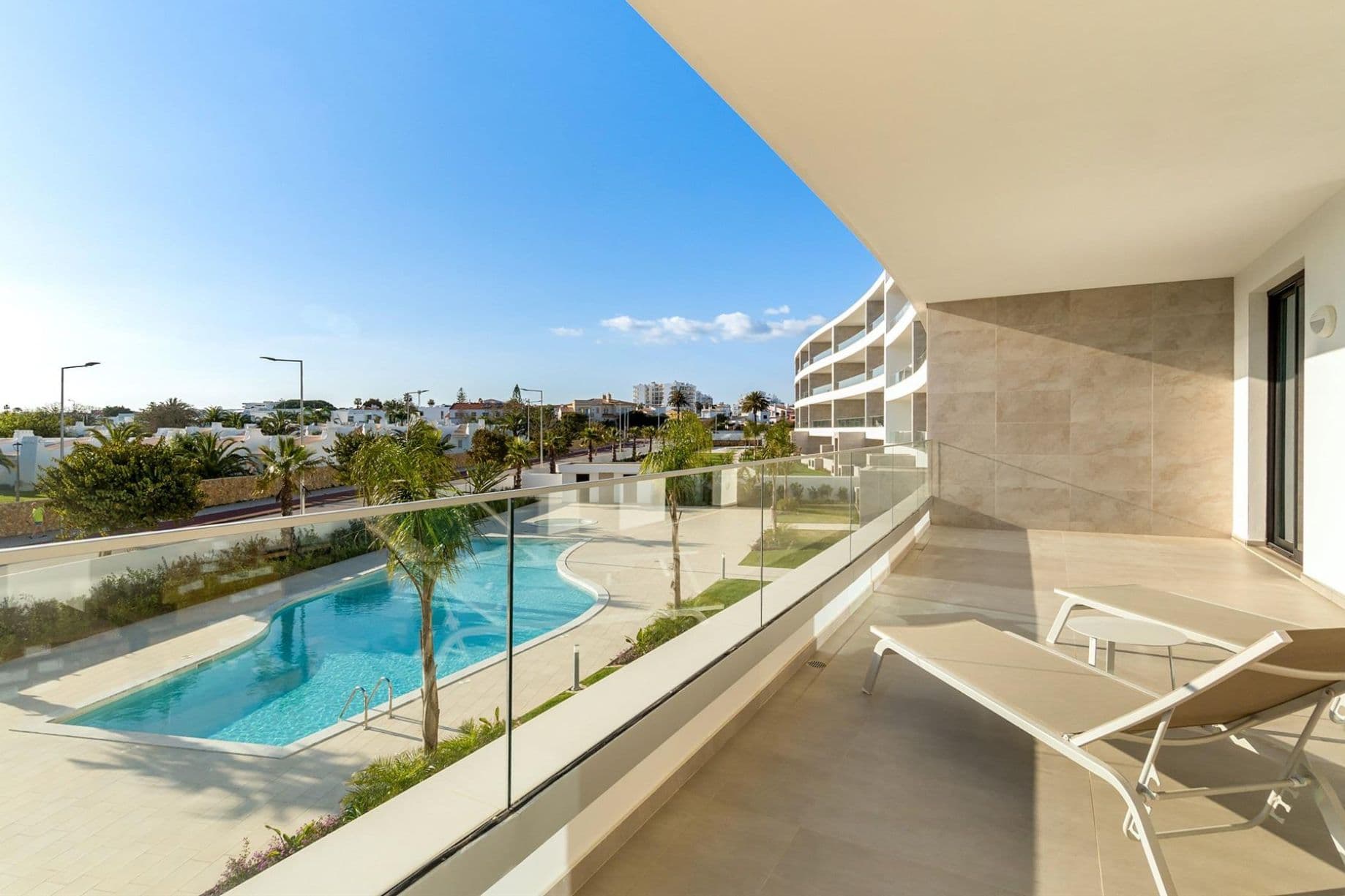
Beach and Coastal Co-Ownership Properties
Coastal properties remain the most popular category in the co-ownership market, and it is easy to see why. Beach destinations dominate holiday-home demand, with the Spanish costas, the Balearic Islands, the South of France, and Florida consistently topping buyer wish lists. A beachfront villa or apartment offers an immediate sense of escape — warm weather, outdoor living, and a pace of life that slows the moment you step through the door.
Usage patterns at coastal properties tend to cluster around spring, summer, and early autumn, with peak demand from June through September. That seasonality is a double-edged sword: high-season weeks feel magical, but if you prefer winter sun destinations like the Costa del Sol properties or Florida, you can enjoy pleasant weather almost year-round. Many co-owners combine a two-week summer stay with shorter shoulder-season breaks, spreading their 45 days across the calendar.
From an investment standpoint, coastal co-ownership shares benefit from strong holiday rental demand. Fully managed rental programmes mean your share can generate income during weeks you are not using it — all handled for you with zero hassle. Coastal properties also tend to appreciate steadily, particularly in supply-constrained destinations like the Balearic Islands and the South of France, where Savills’ European Property Themes 2026 report highlights ongoing demand-supply imbalances driving price growth.
Typical co-ownership shares in prime beach destinations start from around €100,000 for a one-eighth share, though ultra-luxury beachfront villas in Ibiza or Malibu can reach significantly higher. Running costs are split proportionately, so a 1/8th owner pays just 1/8th of all maintenance, taxes, insurance, and management fees — making coastal luxury dramatically more affordable than full ownership.
Alpine Resort Price Growth — Year-on-Year (Knight Frank 2025/26)
Andermatt
Davos
Cortina d’Ampezzo
St Moritz
Meribel
Alpine Average
Peaks & Powder
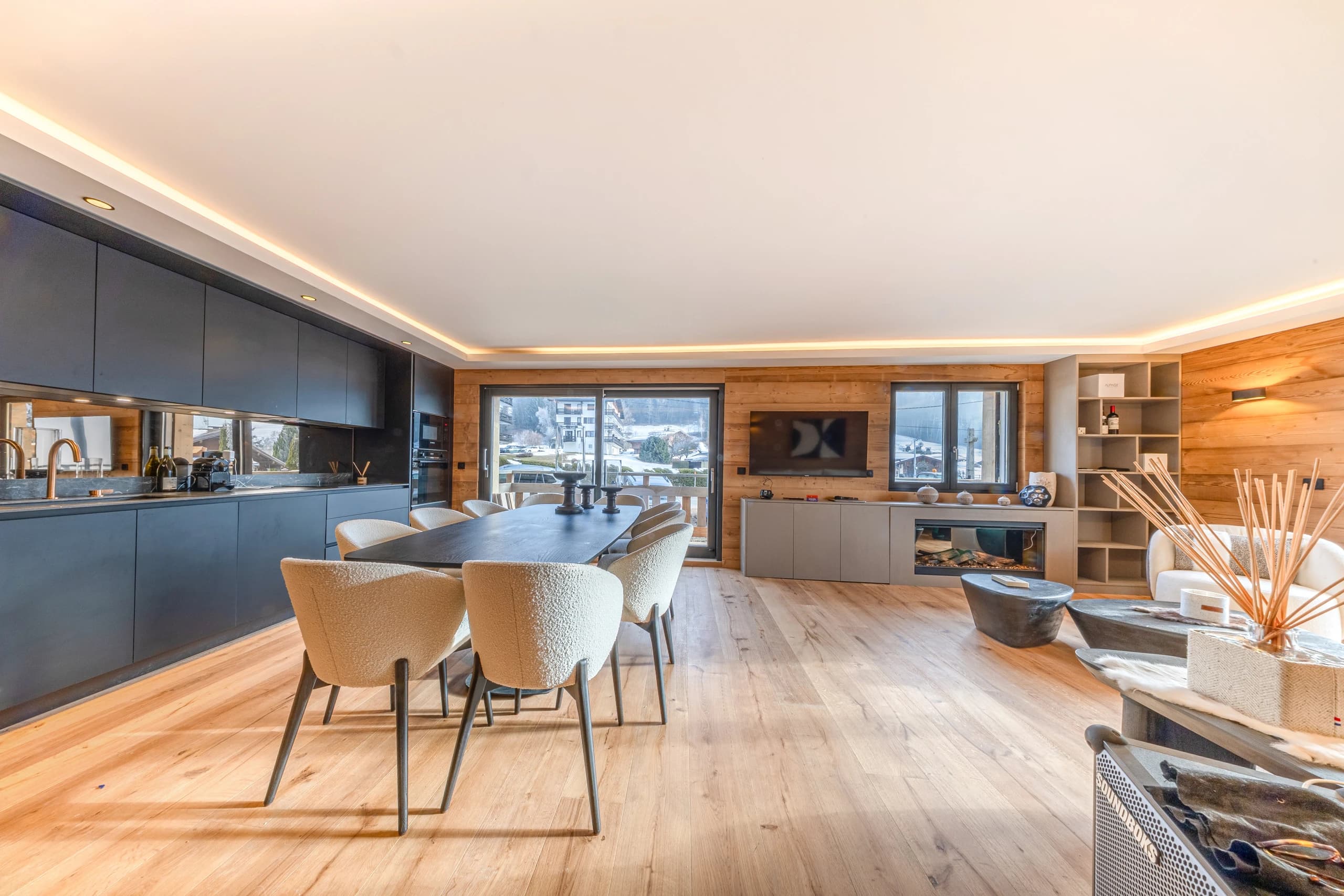
Mountain and Alpine Co-Ownership Properties
Mountain properties have undergone a quiet revolution. What were once pure ski chalets used for a few weeks each winter have become year-round lifestyle destinations. According to Knight Frank’s Alpine Property Report 2025/26, around 73% of high-net-worth individuals surveyed would now consider living full-time in the Alps, drawn by wellness, nature, and remote-work flexibility.
Alpine property prices have surged by an average of 23% over five years, with standout resorts like Andermatt recording 14.6% annual growth and Cortina d’Ampezzo up 10% year-on-year ahead of the 2026 Winter Olympics. This makes mountain co-ownership shares particularly compelling from a capital appreciation perspective. The French Alps properties and Colorado properties remain two of the strongest markets globally.
Usage patterns for mountain properties are naturally more spread across the year than many buyers expect. Winter brings skiing and snowboarding, but summer offers hiking, mountain biking, lake swimming, and festivals. Co-owners of alpine chalets often find they use their property more evenly across all four seasons than they initially anticipated, which is a significant advantage when it comes to maximising your 45 days.
Mountain co-ownership also benefits from the prestige factor. A beautifully designed ski chalet in Aspen, Vail, or Megeve carries a lifestyle cachet that is hard to replicate. Properties are typically finished to the highest standard — think designer interiors, spa facilities, boot rooms, and outdoor hot tubs with panoramic views. With co-ownership, all of this is fully managed: you arrive to a home prepared for you, with your personal belongings taken out of storage.
“The best co-ownership property is not the one with the highest returns on paper — it is the one that gets you out of your front door most often, creating the memories and lifestyle that make the investment truly worthwhile.”
Culture & Convenience
City Co-Ownership Properties
City co-ownership is the fastest-growing segment of the market, appealing to buyers who crave culture, gastronomy, art, and the energy of urban life. Paris, London, Barcelona, and Miami are among the most sought-after city destinations for fractional ownership, offering world-class dining, museums, shopping, and nightlife within walking distance.
The key advantage of a city property is year-round usability. There is no off-season in Paris or London — every month offers something different, from spring exhibitions to winter markets. This makes city co-ownership ideal for buyers who prefer frequent short breaks rather than one or two long holidays. A long weekend in Paris in March, a week in Barcelona in October, a few days in London for the theatre — city properties lend themselves to flexible, spontaneous travel.
Financially, city co-ownership shares tend to sit at the higher end of the price spectrum due to elevated property values in prime urban locations. However, they also offer the strongest year-round rental demand, with occupancy rates that far exceed seasonal resort destinations. Running costs in cities can be slightly higher (concierge services, building charges), but these are split across all co-owners, keeping individual costs manageable.
City properties are also the easiest to reach, typically located near major international airports with frequent direct flights. This accessibility is a powerful factor for buyers who plan to use their property often — lower travel friction means more spontaneous trips and better utilisation of your ownership days.
| Factor | Beach / Coastal | Mountain / Alpine | City / Urban |
|---|---|---|---|
| Peak Season | June – September | Dec – March + July – Aug | Year-round |
| Typical Entry Price (1/8th) | A fraction of the whole price | From around €120,000 | From around €150,000 |
| Rental Demand | Strong (seasonal peaks) | Strong (dual-season) | Very strong (year-round) |
| Capital Appreciation | Steady | Strong (23% over 5 yrs avg) | Location-dependent |
| Travel Accessibility | Varies by destination | Moderate (transfers common) | Excellent (major airports) |
| Usage Pattern | Longer stays (1-2 weeks) | Mixed (long winter, short summer) | Frequent short breaks (3-5 days) |
Side by Side
Comparing Beach, Mountain, and City: Key Factors at a Glance
Every buyer’s priorities are different, but certain patterns emerge when we compare these three property types across the factors that matter most. The table below distils our experience working with hundreds of co-ownership buyers into a quick-reference comparison.
The right choice is rarely obvious from numbers alone. A buyer who values capital appreciation above all else might lean towards an alpine property, while someone seeking maximum rental income might prefer a coastal villa in a high-demand holiday zone. A buyer who wants year-round access and cultural richness will gravitate towards a city apartment. The beauty of co-ownership is that whichever you choose, the buying process is straightforward, the property is fully managed, and you own a real share of the home that you can sell.
Step 1
Define Your Lifestyle Profile
Assess your holiday habits, travel preferences, and seasonal patterns. Be honest about whether you are a beach person, a mountain person, or a city person at heart.
Step 2
Set Your Budget and Goals
Determine your price range for a co-ownership share and clarify whether rental income, capital growth, or personal enjoyment is your primary goal.
Step 3
Explore Destinations and Properties
Browse available properties across your preferred lifestyle category. Compare locations, property styles, and share structures.
Step 4
Book a conversation with David or Dylan
Speak with a co-ownership specialist who can match your profile to specific properties and walk you through the buying process.
Step 5
Visit, Purchase, and Enjoy
Arrange a property visit, complete the purchase, and start booking your first stay — with everything fully managed from day one.
The Decision Framework
Five Questions to Help You Choose Your Perfect Co-Ownership Property
After helping hundreds of buyers navigate this decision, we have found that five questions consistently unlock the right answer. Be honest with yourself — the goal is not to pick the “best” destination, but the one that fits your life.
Question 1: How do you actually spend your holidays? Look at your last five holidays. Were they beach-focused, activity-driven in the mountains, or city-break oriented? Your past behaviour is the strongest predictor of future enjoyment. If three out of five were coastal, a beach co-ownership property is almost certainly right.
Question 2: Do you prefer long stays or frequent short breaks? Beach and mountain properties reward longer stays (a week or two at a time), while city properties are perfect for frequent three-to-five-day visits. Booking windows depend on the home and our partner.
Question 3: How important is rental income? If you want your property to work for you financially when you are not there, consider which type generates the strongest rental demand in your chosen location. Coastal properties in prime summer destinations and city properties with year-round appeal tend to perform best. Your property’s rental programme is fully managed — you do not need to do anything — but location matters for yield.
Question 4: What is your travel-time tolerance? City properties are almost always the most accessible. Mountain properties can involve transfers from airports, especially in winter. Beach properties vary — some are near major airports, others require a longer journey. Consider whether you want a destination you can reach in under two hours from your home airport, or whether the journey is part of the experience.
Question 5: Are you buying for now or for the future? Your lifestyle may evolve. A young family might prioritise a beach villa with pools and space, while a couple approaching retirement might prefer a cultural city base. The good news is that co-ownership shares can be sold through our partner’s resale process. But choosing a property that fits your life for the next five to ten years is the smartest starting point.
Making It Happen
How Co-Ownership Makes Any Lifestyle Affordable
The fundamental appeal of co-ownership is that it removes the financial and practical barriers to luxury second-home living. Whether you choose a beachfront villa on the Costa Blanca, a ski chalet in the Pyrenees, or a penthouse apartment in a world capital, the model works the same way.
You purchase a real share — typically 1/8th — of a specific property: not a timeshare, not a points system, not a holiday club. The legal set-up is arranged by our partner for each home and walked through with you before you buy. You own actual property that appreciates in value, and you can sell your share on the open market at market price.
Every property is fully managed — cleaning, maintenance, administration, rental coordination, and all communication between co-owners is handled for you. When you arrive, your personal belongings are taken out of storage and the home is prepared. When you leave, everything is taken care of. This zero-hassle model is one of the biggest reasons buyers choose co-ownership over full second-home ownership, regardless of whether the property is on a beach, a mountain, or in a city.
With shares starting from under €100,000 and running costs split proportionately, co-ownership lets you access properties that would cost from around €800,000 to well over €2 million to buy outright. Browse our full collection to see what is available across all three lifestyle categories, or ask David or Dylan to discuss which destination matches your goals.
Real Buyer Insights
What Experienced Co-Owners Say About Their Choice
Many of our buyers previously owned full second homes before switching to co-ownership. The pain points they escaped are remarkably consistent: properties sitting empty 90% of the year, unexpected maintenance bills, the challenge of finding reliable local managers, rental headaches, and the enormous capital tied up in a property they barely used.
Beach co-owners frequently tell us they love the simplicity — arriving at a fully prepared villa, spending quality time with family, and leaving without worrying about anything. Mountain co-owners often express surprise at how much they use the property outside of ski season, discovering summer hiking and autumn food festivals. City co-owners value the spontaneity — booking a last-minute long weekend and knowing their apartment is always maintained to the same impeccable standard.
The common thread across all three categories is the same: co-ownership delivers the lifestyle without the burden. You get the best days in a luxury property without the 350 empty days, the maintenance calls, or the financial weight of sole ownership. Whether that property overlooks the Mediterranean, a mountain range, or a city skyline is entirely up to you — and that is what makes this decision so enjoyable. Read our case studies to hear directly from owners in each category.
Common Questions
Frequently Asked Questions
Can I own co-ownership shares in more than one property type?
Absolutely. Some buyers choose a beach property for summer and a mountain property for winter, giving them year-round access to luxury holiday homes across different lifestyles. Each share is independent and can be purchased or sold separately.
How does the booking system work across beach, mountain, and city properties?
All co-ownership properties use a flexible app-based booking system. Booking windows depend on the home and our partner.
What if my lifestyle changes and I want to switch from a beach property to a mountain one?
Co-ownership shares can be sold through our partner’s resale process. You can sell your beach share and purchase a mountain or city share with complete flexibility.
Are running costs significantly different between beach, mountain, and city properties?
Running costs vary by property and location, but the co-ownership model keeps them manageable regardless. All costs — maintenance, taxes, insurance, and management fees — are split proportionately among co-owners, so a 1/8th owner pays just 1/8th of everything.
Do all property types offer rental income?
Rental availability depends on the specific property and local regulations. Many beach and city properties are well-suited to holiday rental, while some mountain properties also generate strong seasonal rental income. All rental is fully managed — you do not need to do anything.
How do I know which destination is right for me if I have never visited?
We recommend booking a conversation with David or Dylan with our co-ownership specialists. They can discuss your lifestyle preferences and budget, suggest matching destinations, and help arrange property visits so you can experience a location before committing.
Find Your Perfect Co-Ownership Property
Whether you dream of Mediterranean sunsets, alpine panoramas, or city skylines — we will match you with the perfect co-ownership share. Browse our curated collection or speak with a specialist today.
Browse All PropertiesReady to look at the homes? Browse the full COP collection across every destination, or speak with our team about what is available now.
More from Co-Ownership Property
Get in Touch
Speak to an expert
Tell us what you're looking for and we'll be in touch.