Dubai · United Arab Emirates
Dubai Fractional Ownership & Co-Ownership Properties
From a beach villa on Palm Jumeirah to an apartment facing the Burj Khalifa — this is our guide to fractional ownership in Dubai: how it works, where owners want to be, and the homes that people who love Dubai are buying a share of today. Whether you call it fractional ownership or co-ownership, you own a real share of the home.
We have no homes in Dubai yet. Leave your email and we will tell you the day the first one is listed. Homes that buyers who like Dubai also choose are just below.
If you like Dubai, look at these homes
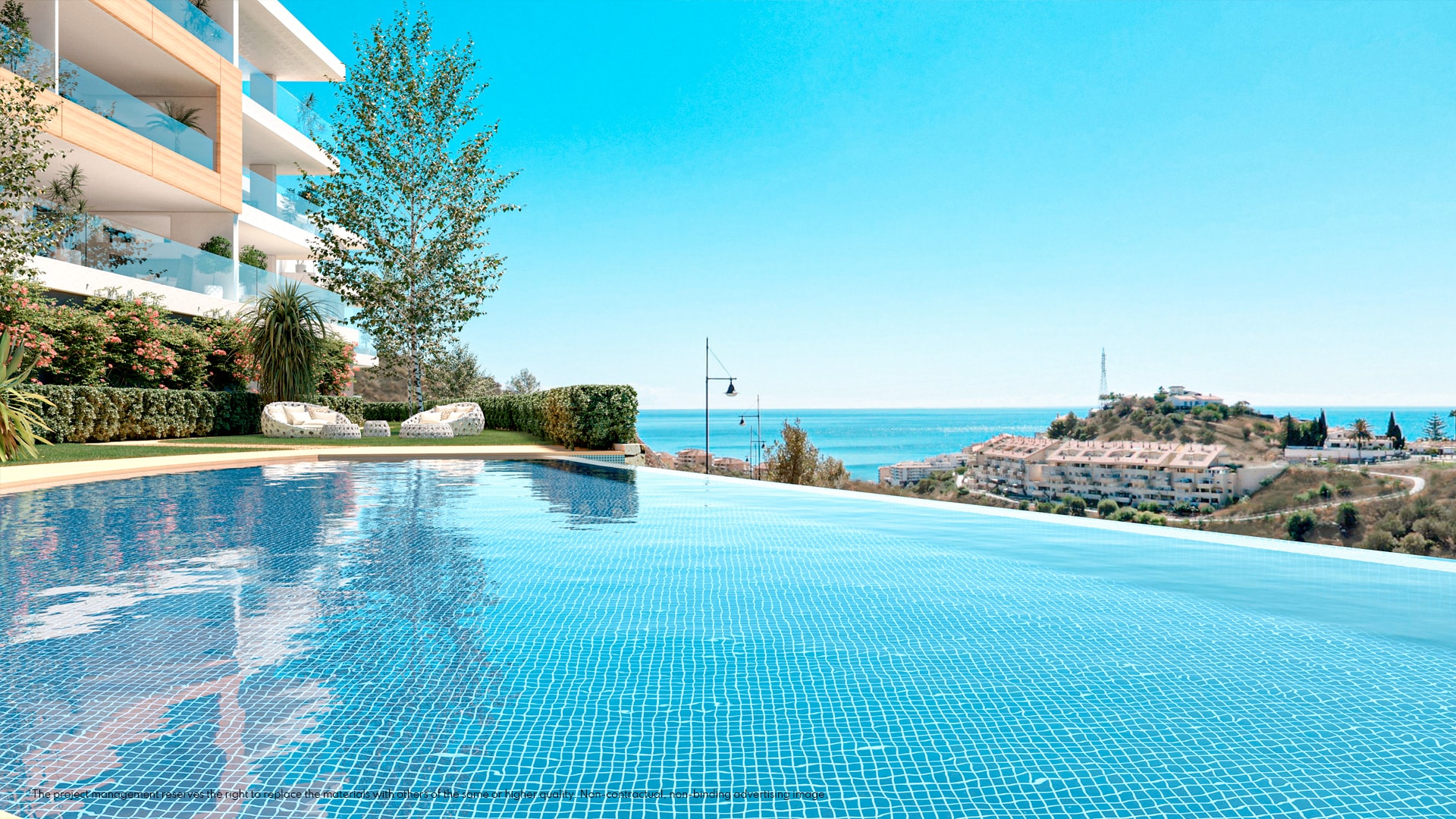
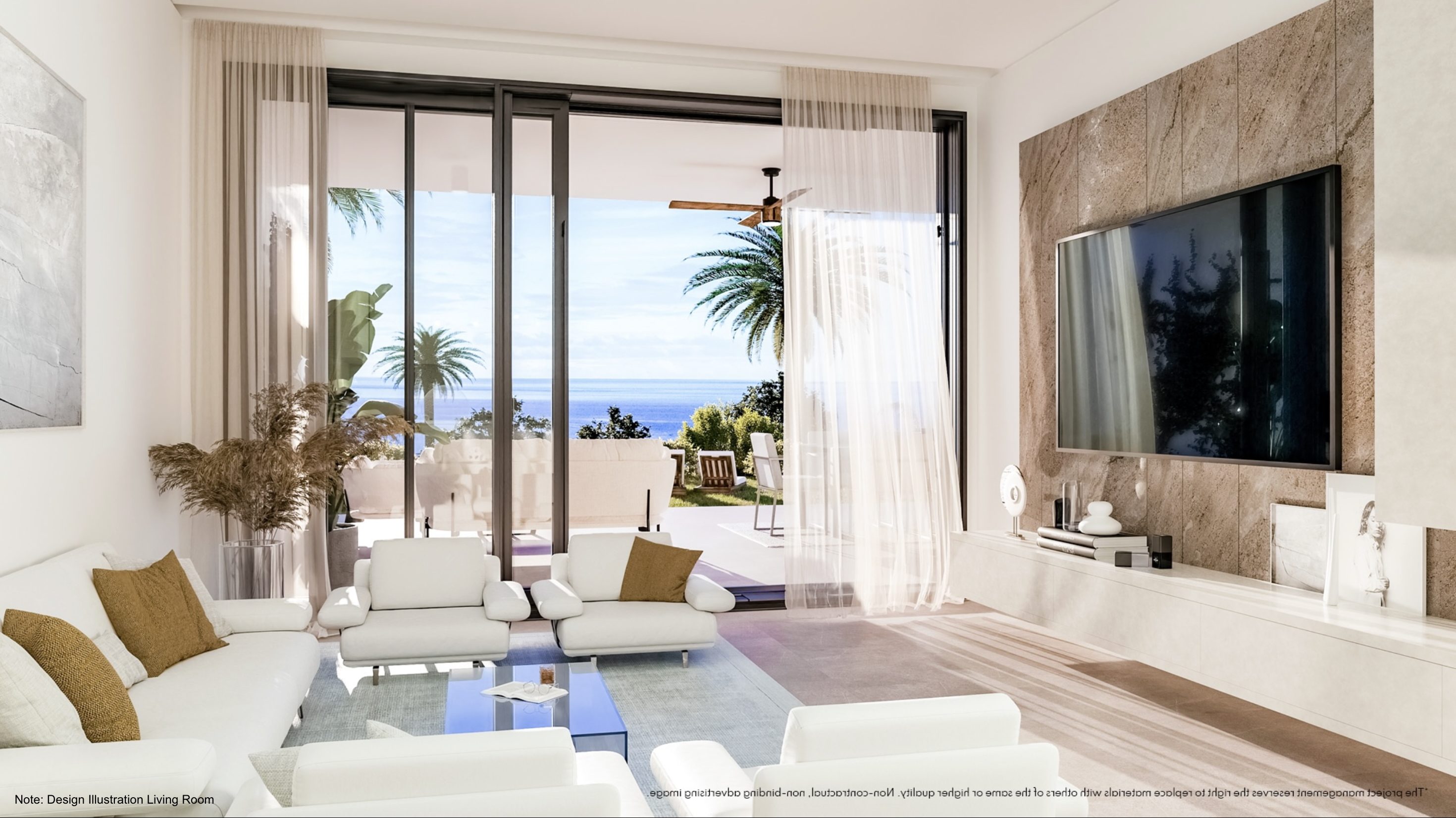
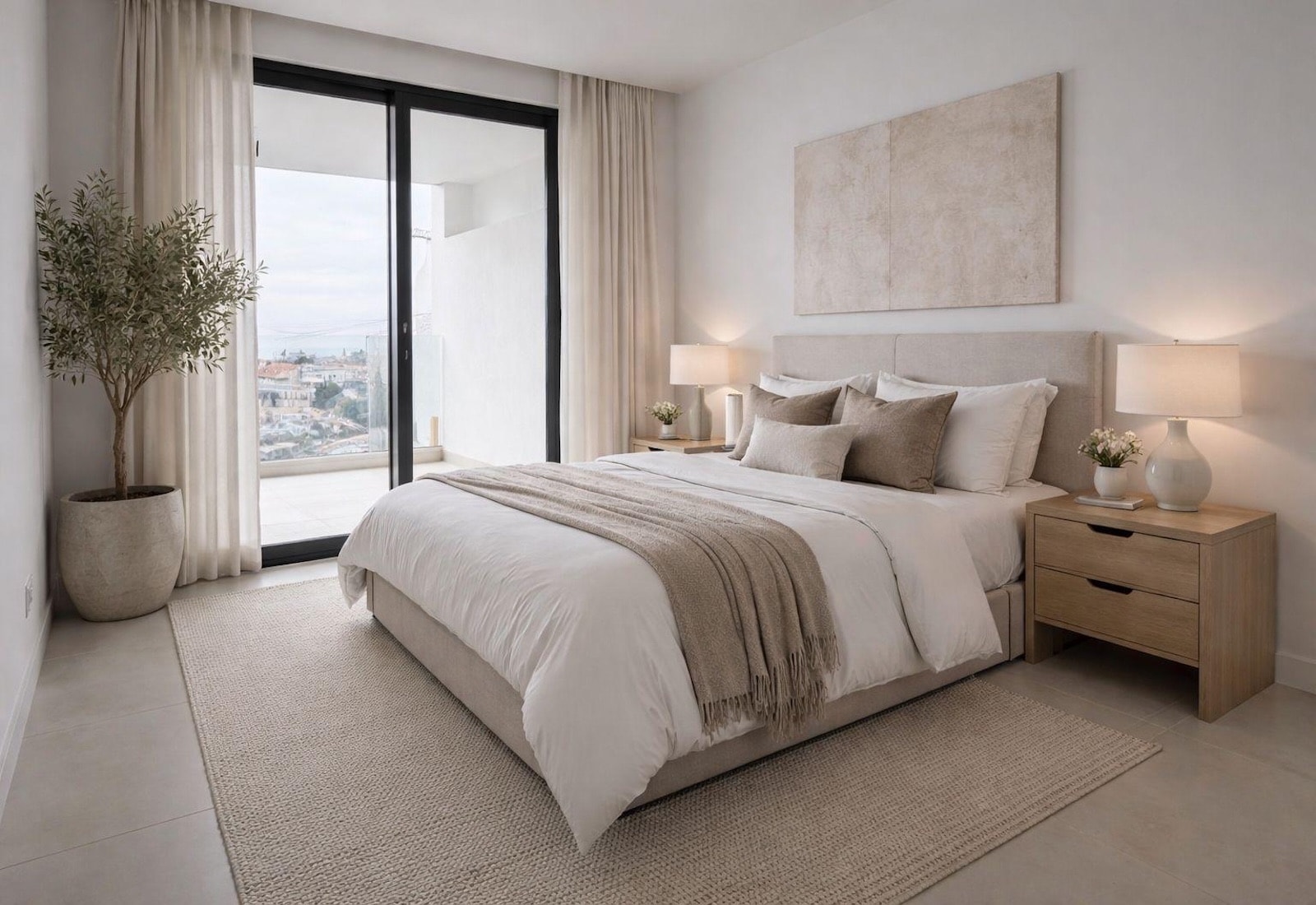
Higueron, Costa del Sol, Spain — 3-Bed Apartment With Sea Views
€125,000
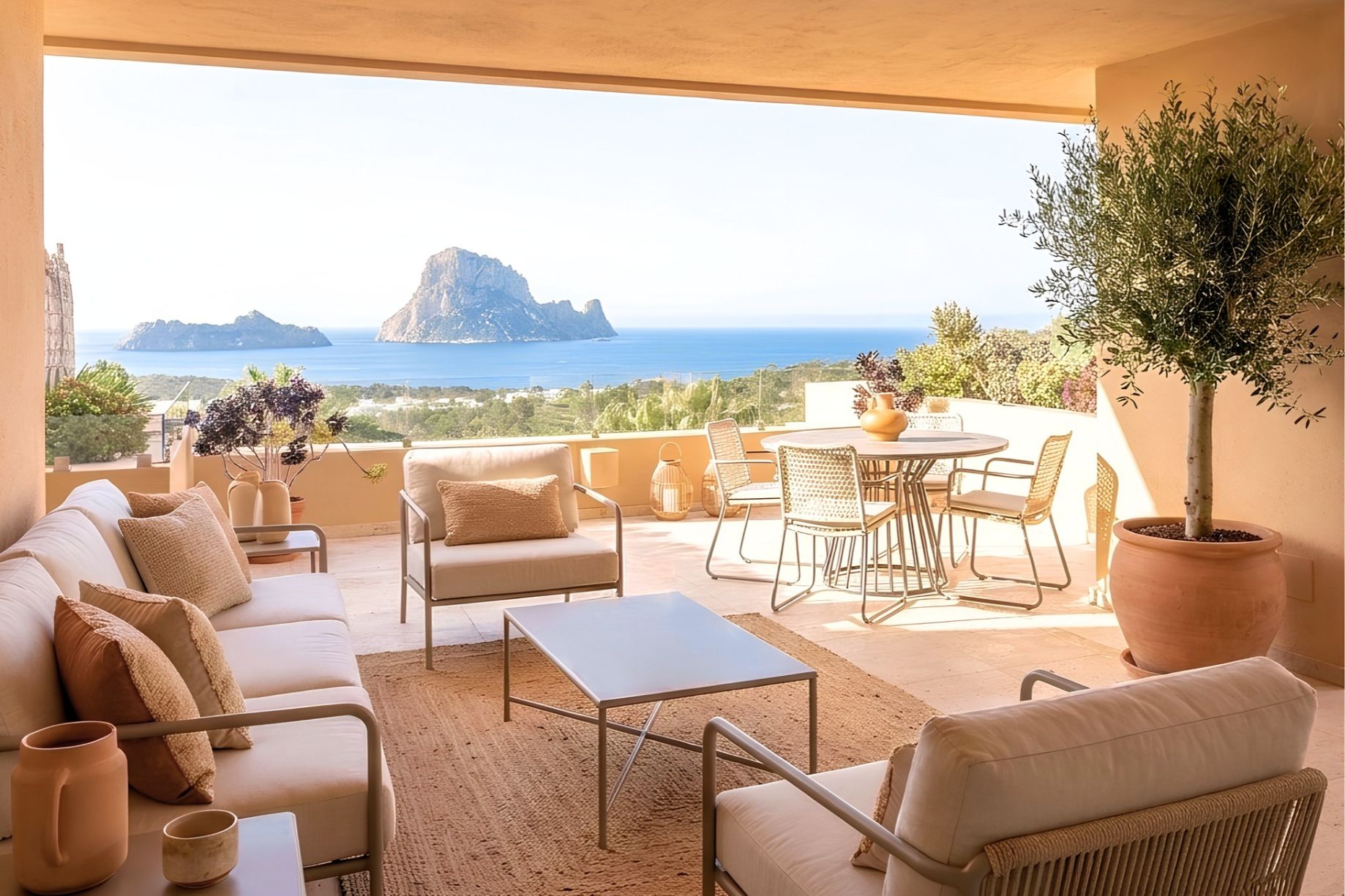
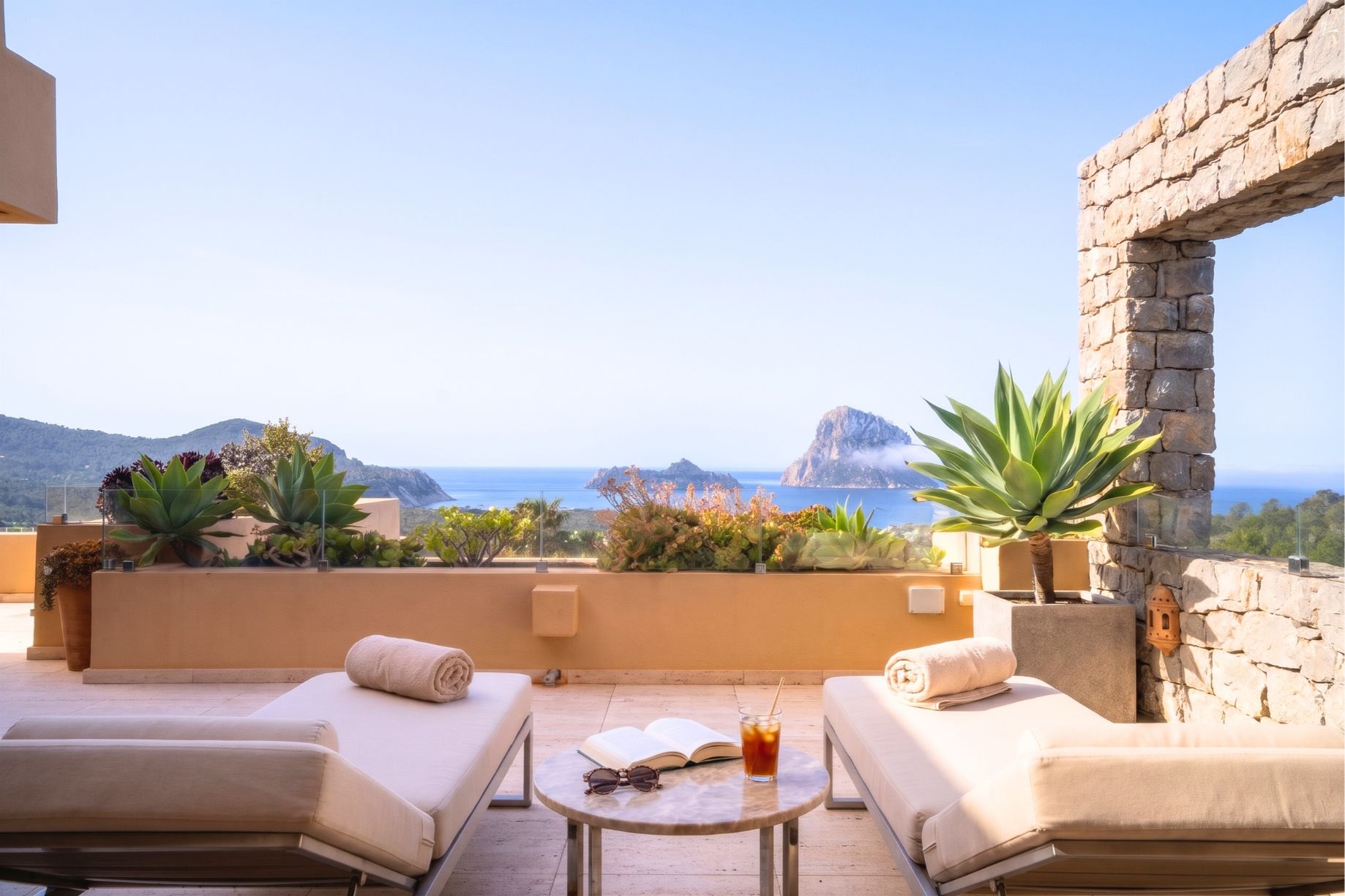
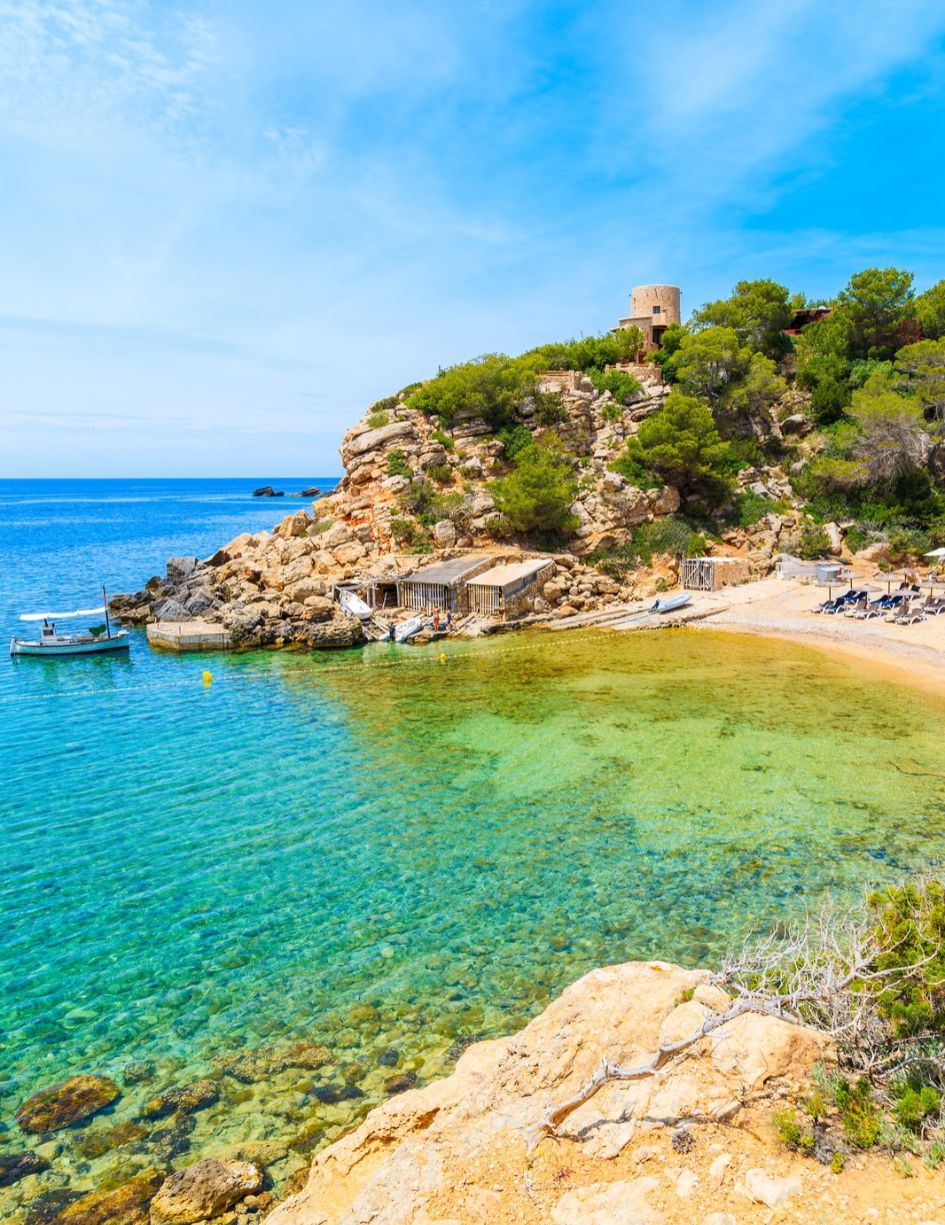
Cala Vadella, Ibiza, Spain — 2-Bed Penthouse With Es Vedrà Sea Views & Pool
€224,000
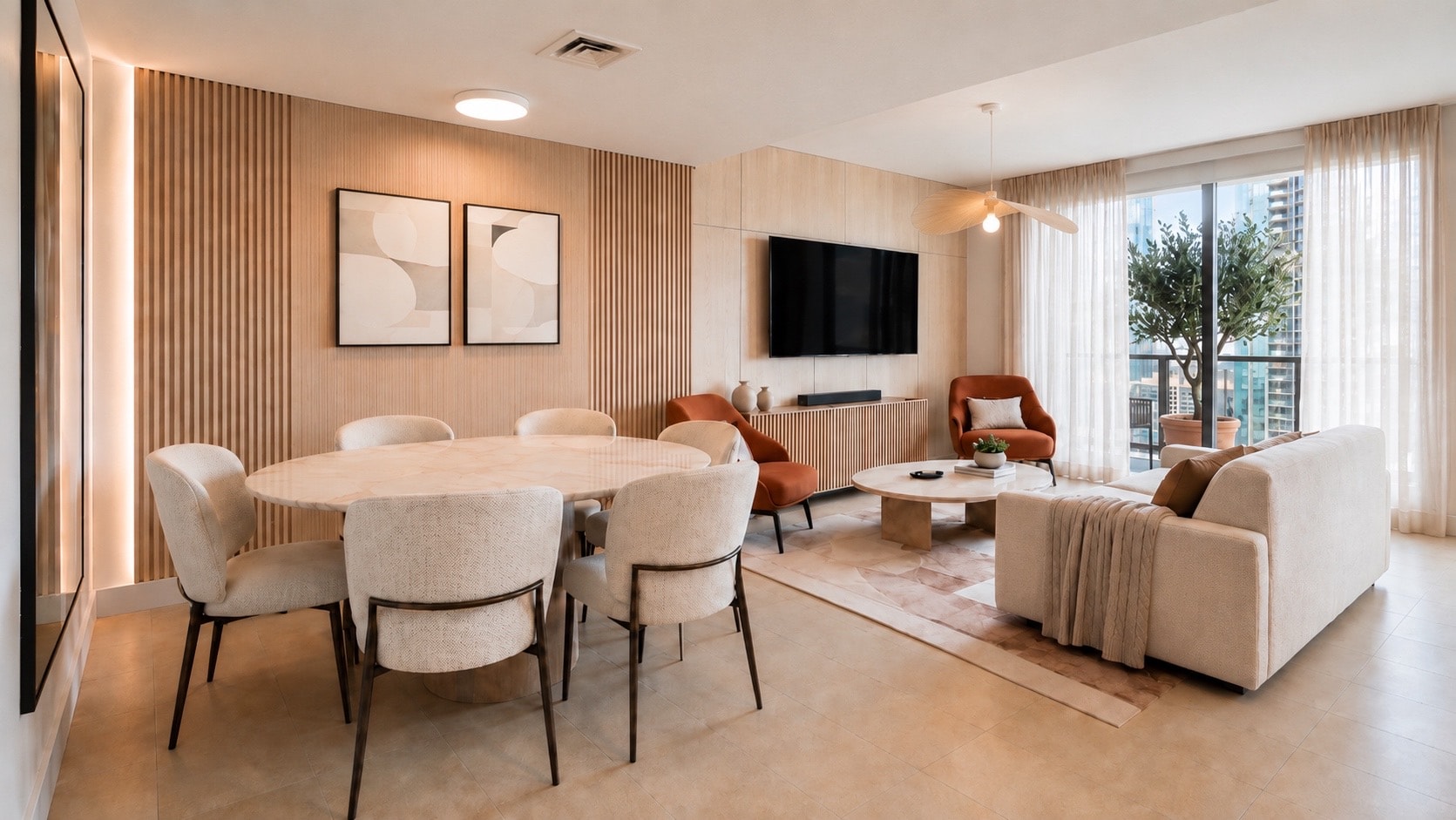
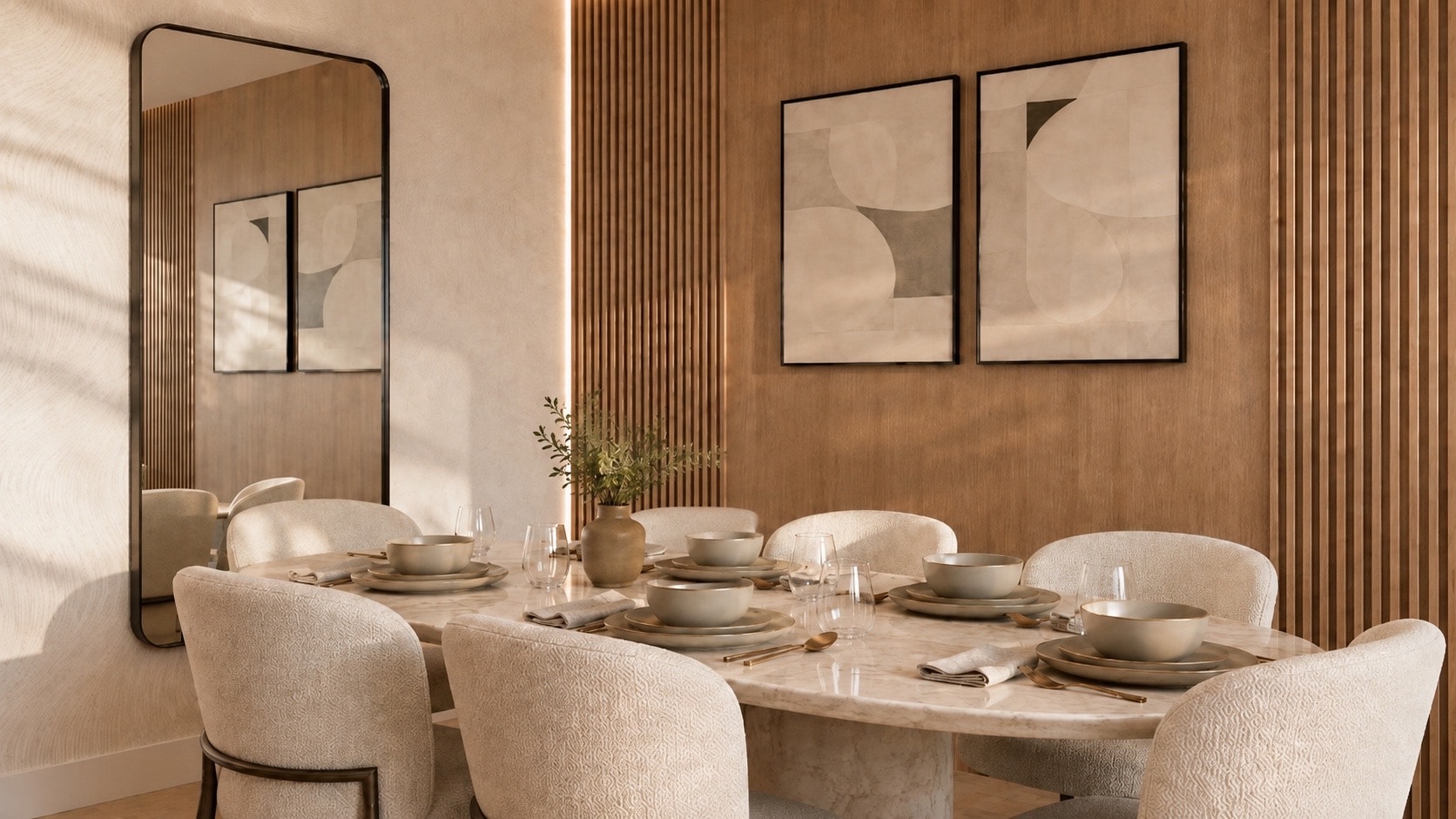
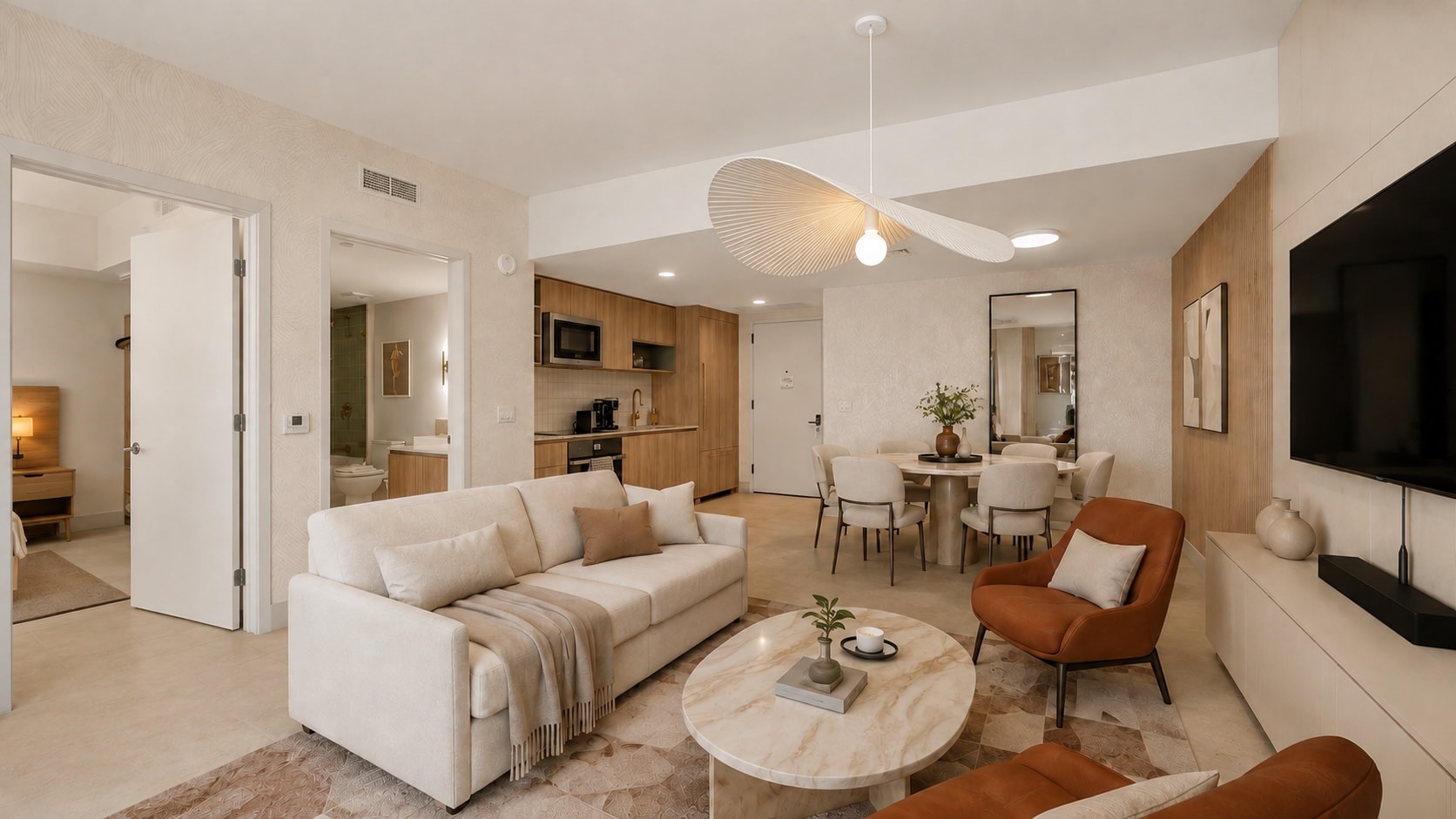
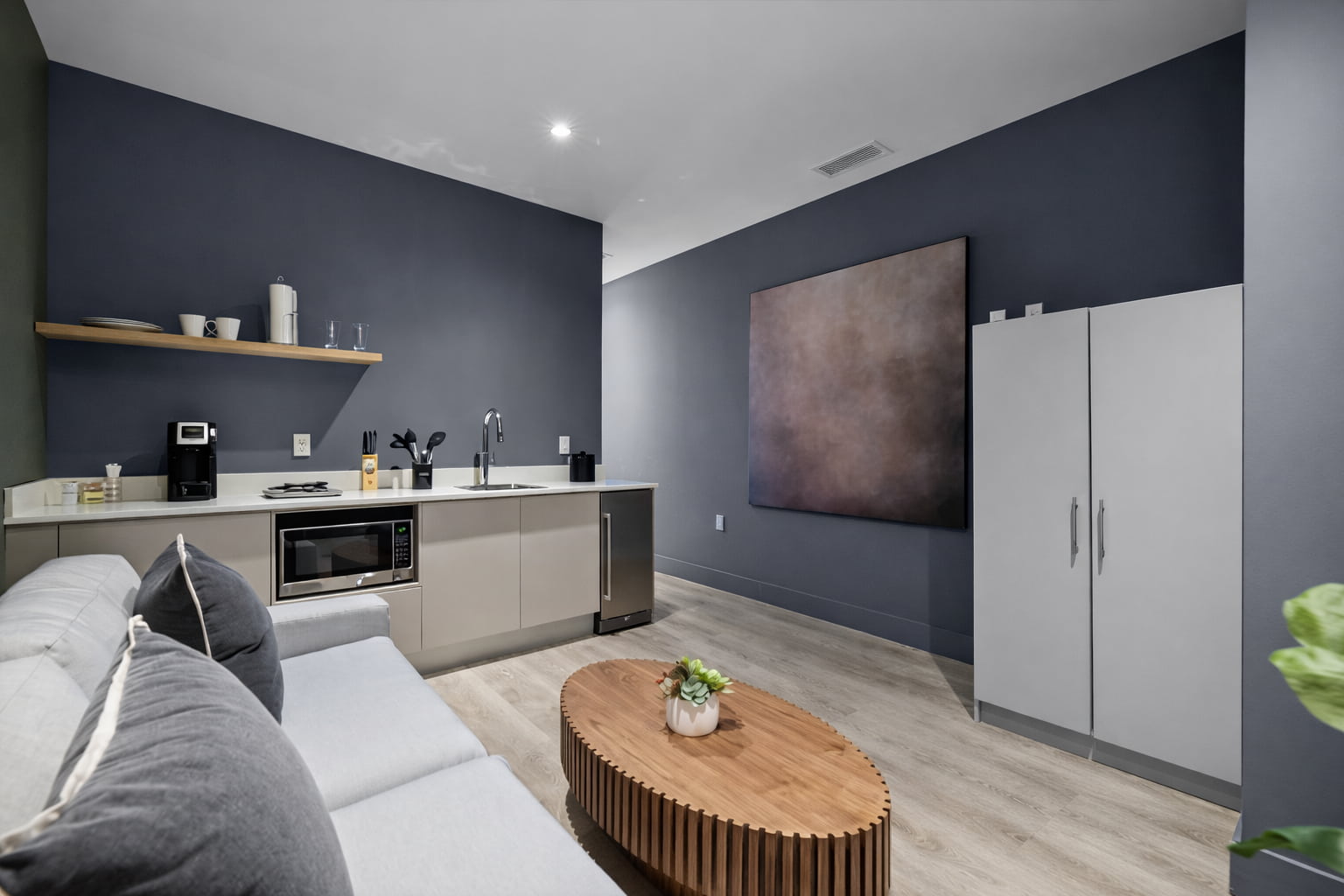
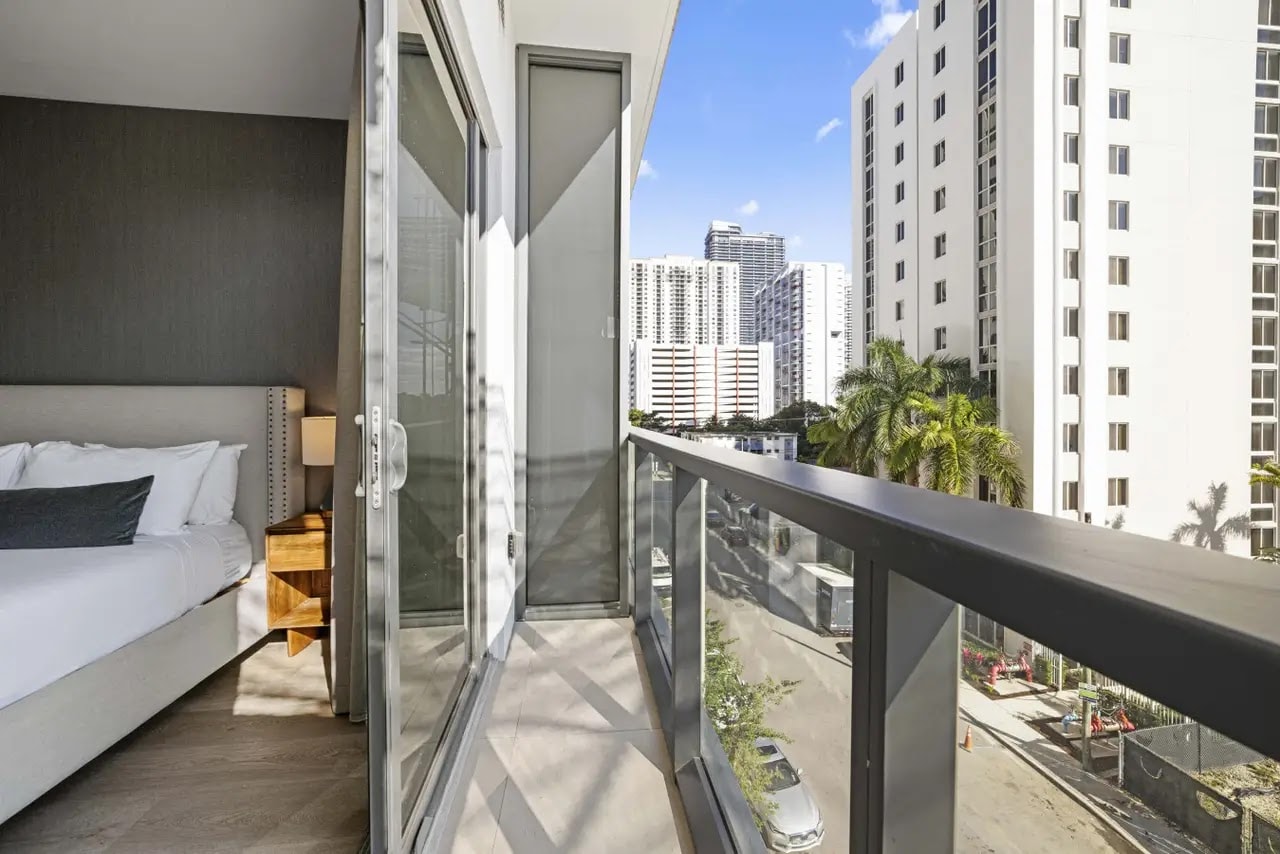
Miami, Florida, USA — 1-Bed Apartment With Bay Views & Resort Pool
$99,000
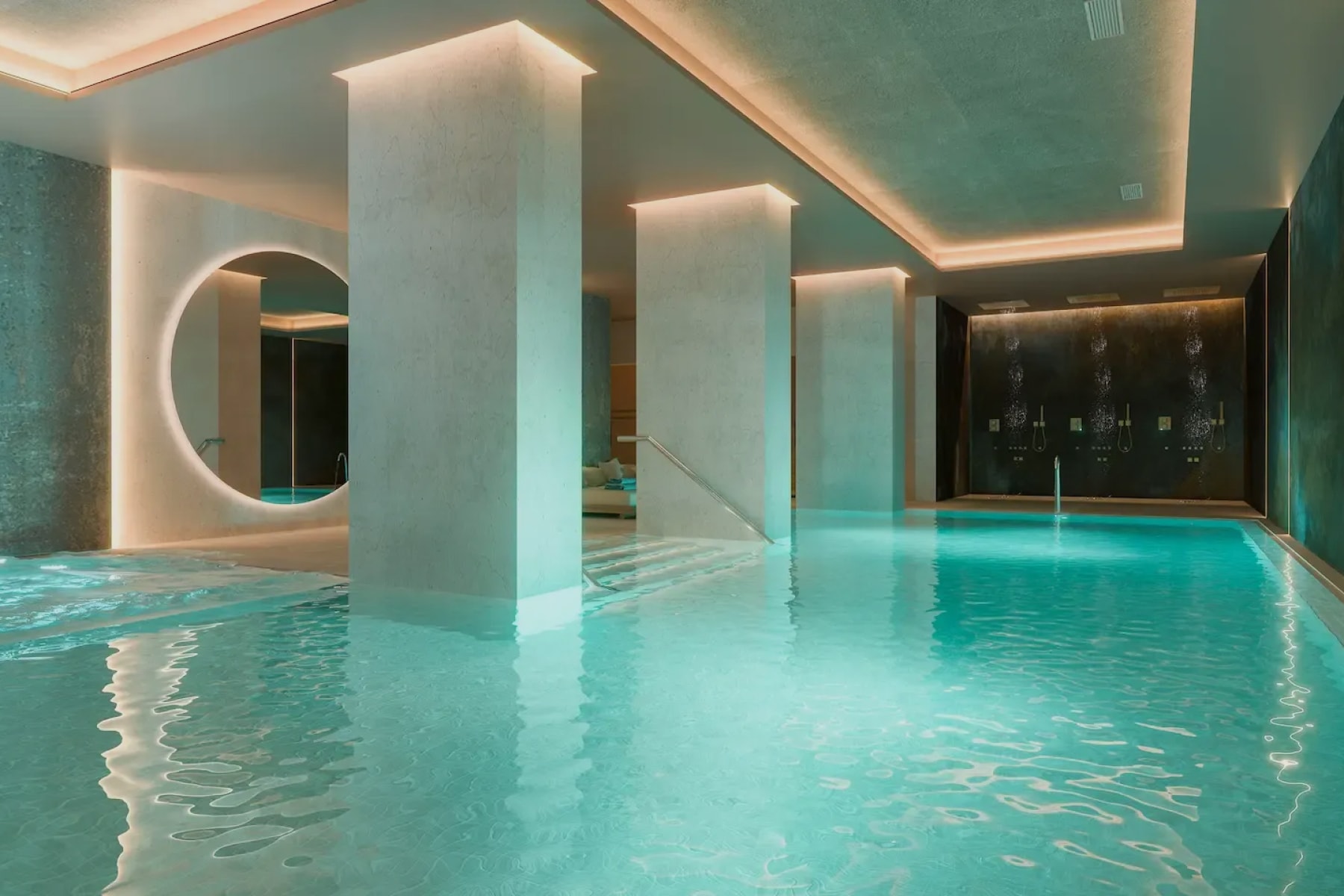
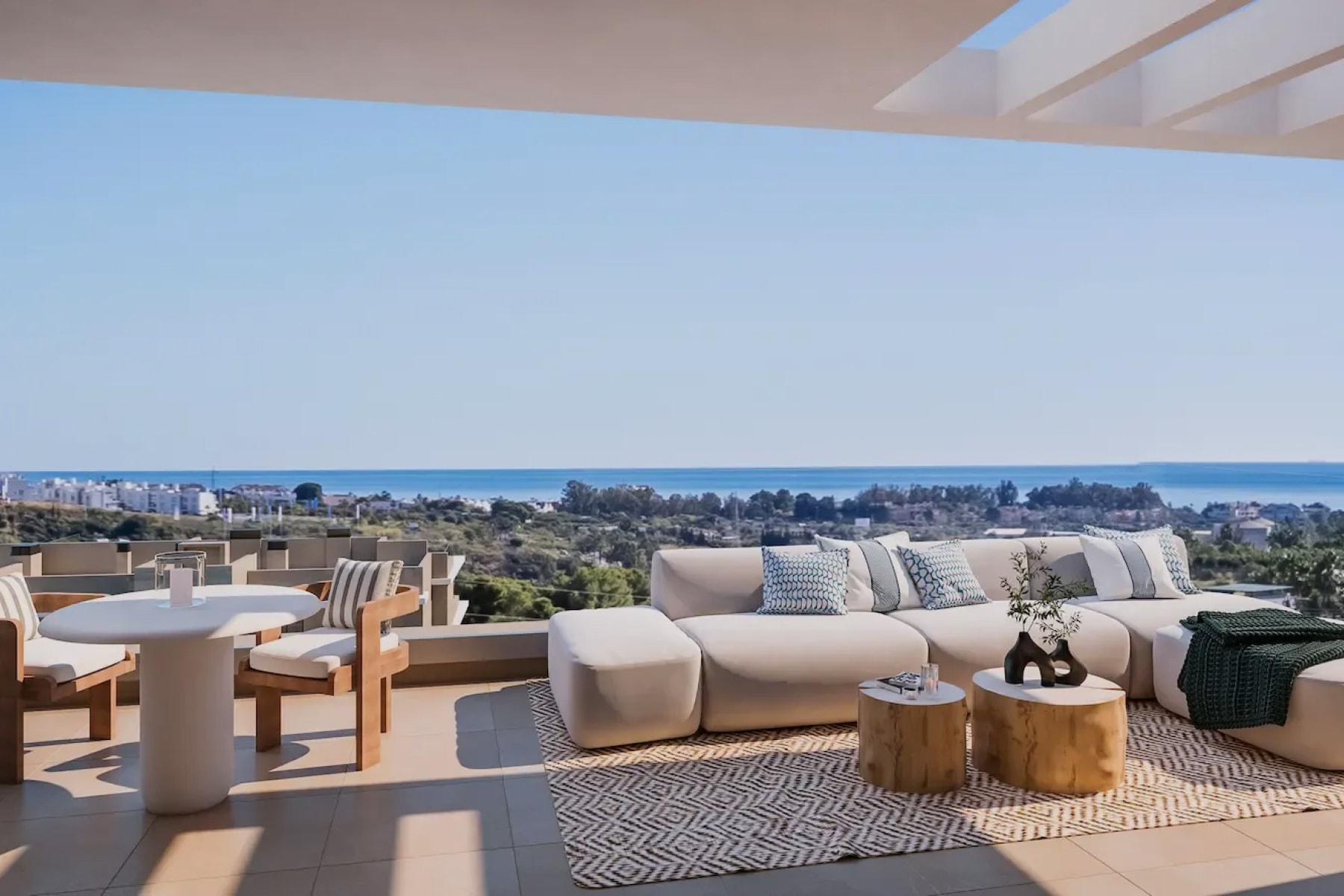
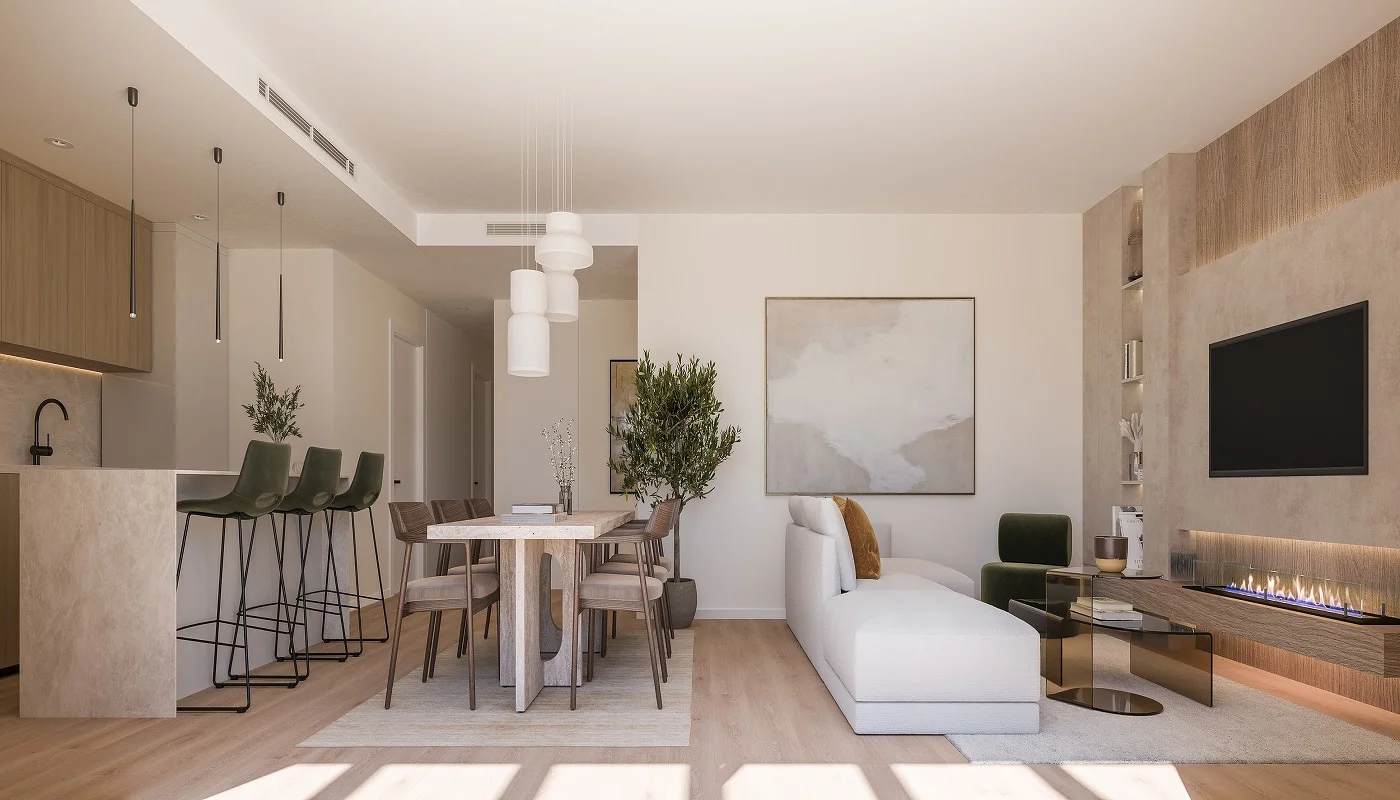
Estepona, Costa del Sol, Spain — 2-Bed Apartment With Sea Views
€135,000
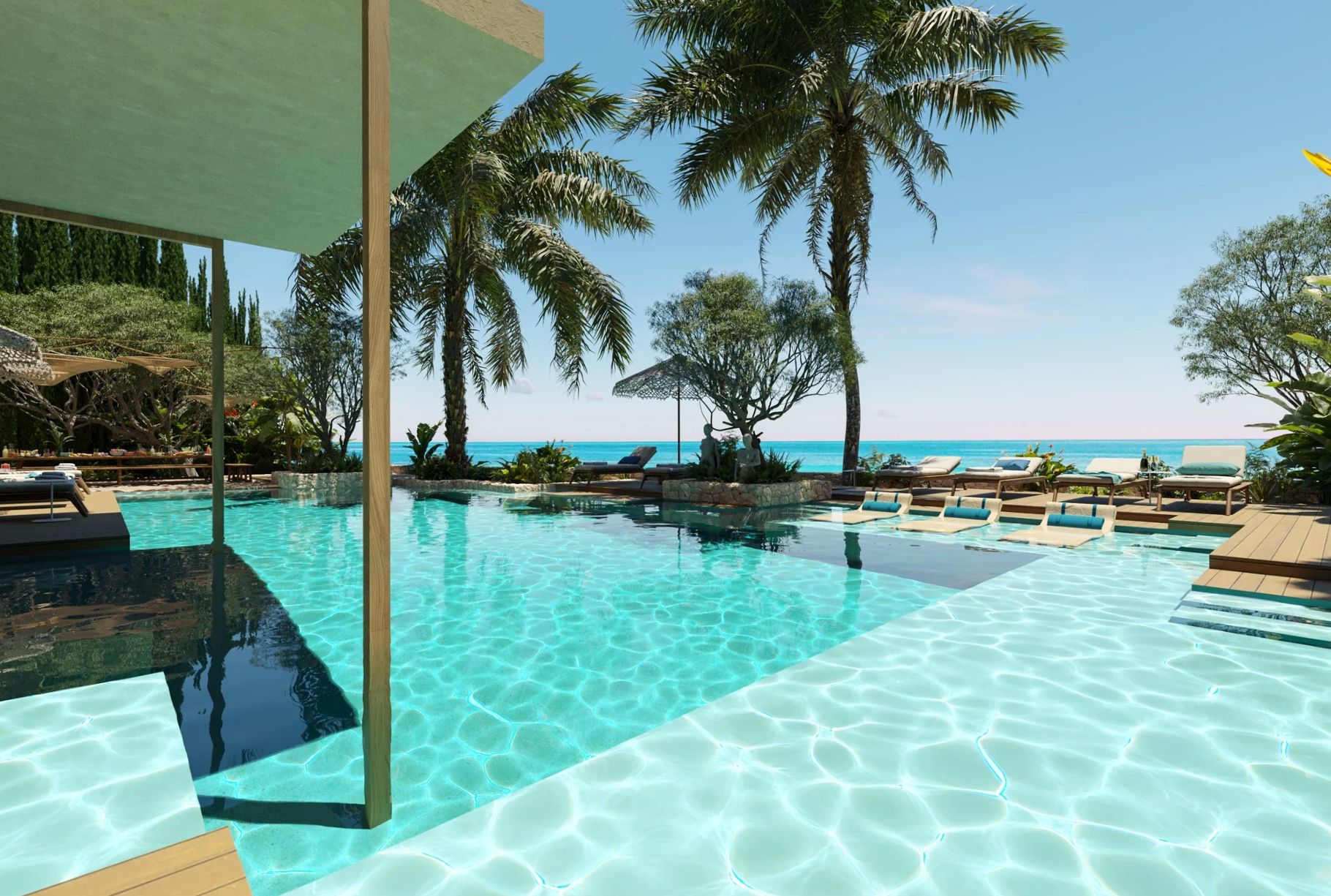
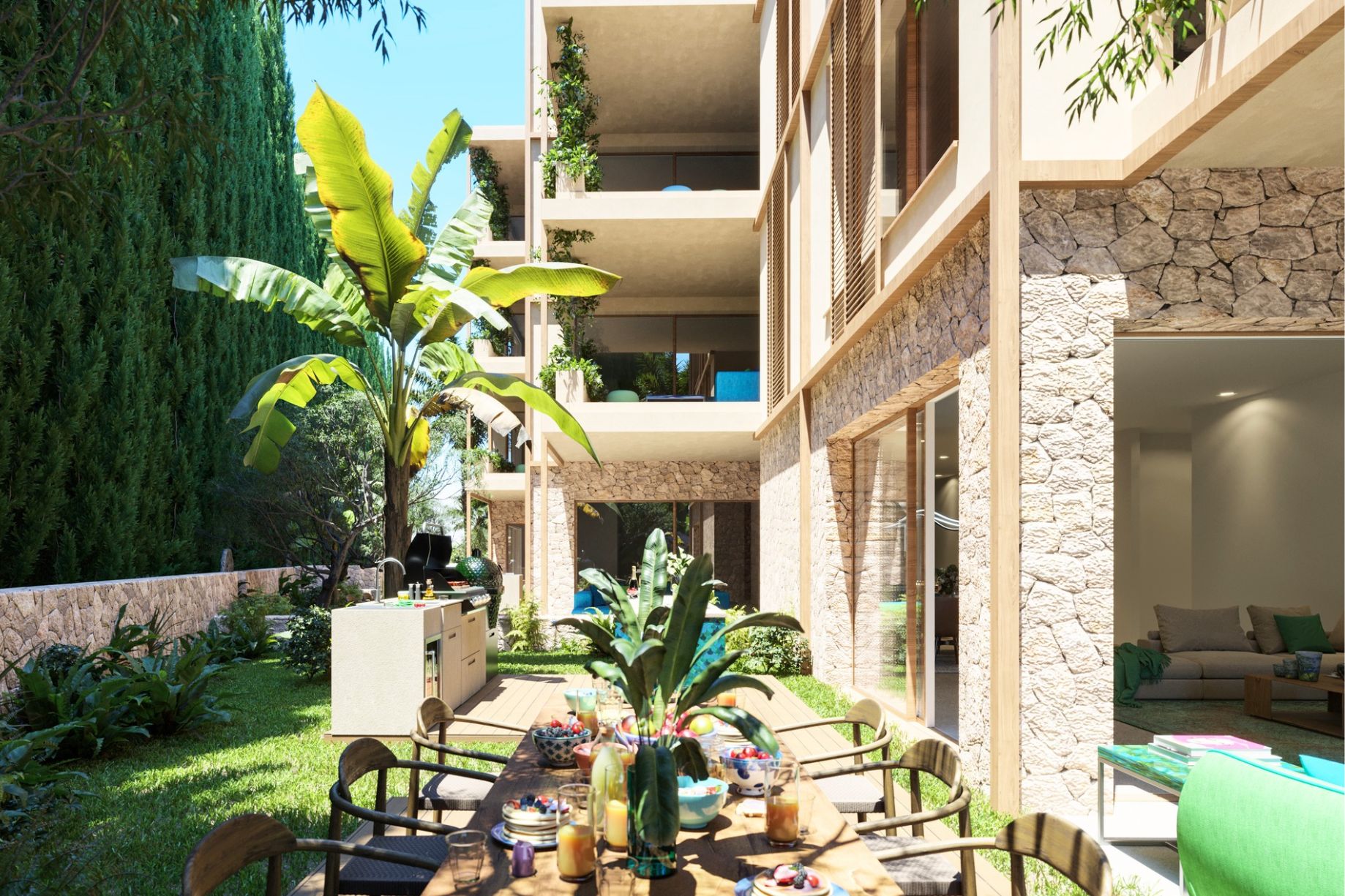
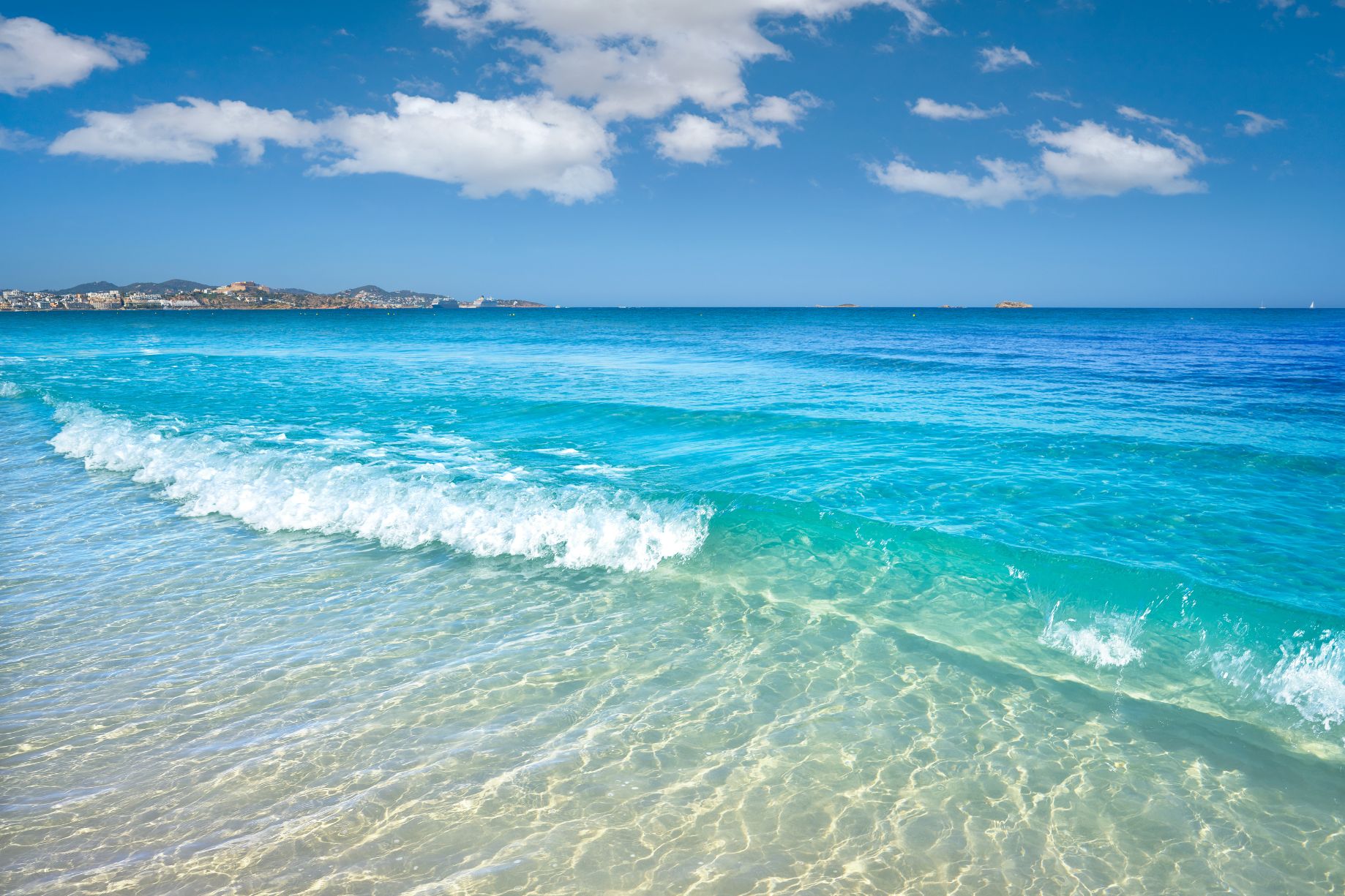
Playa d'en Bossa, Ibiza, Spain — 2-Bed Garden Apartment With Infinity Pool & Beach Club
€319,000
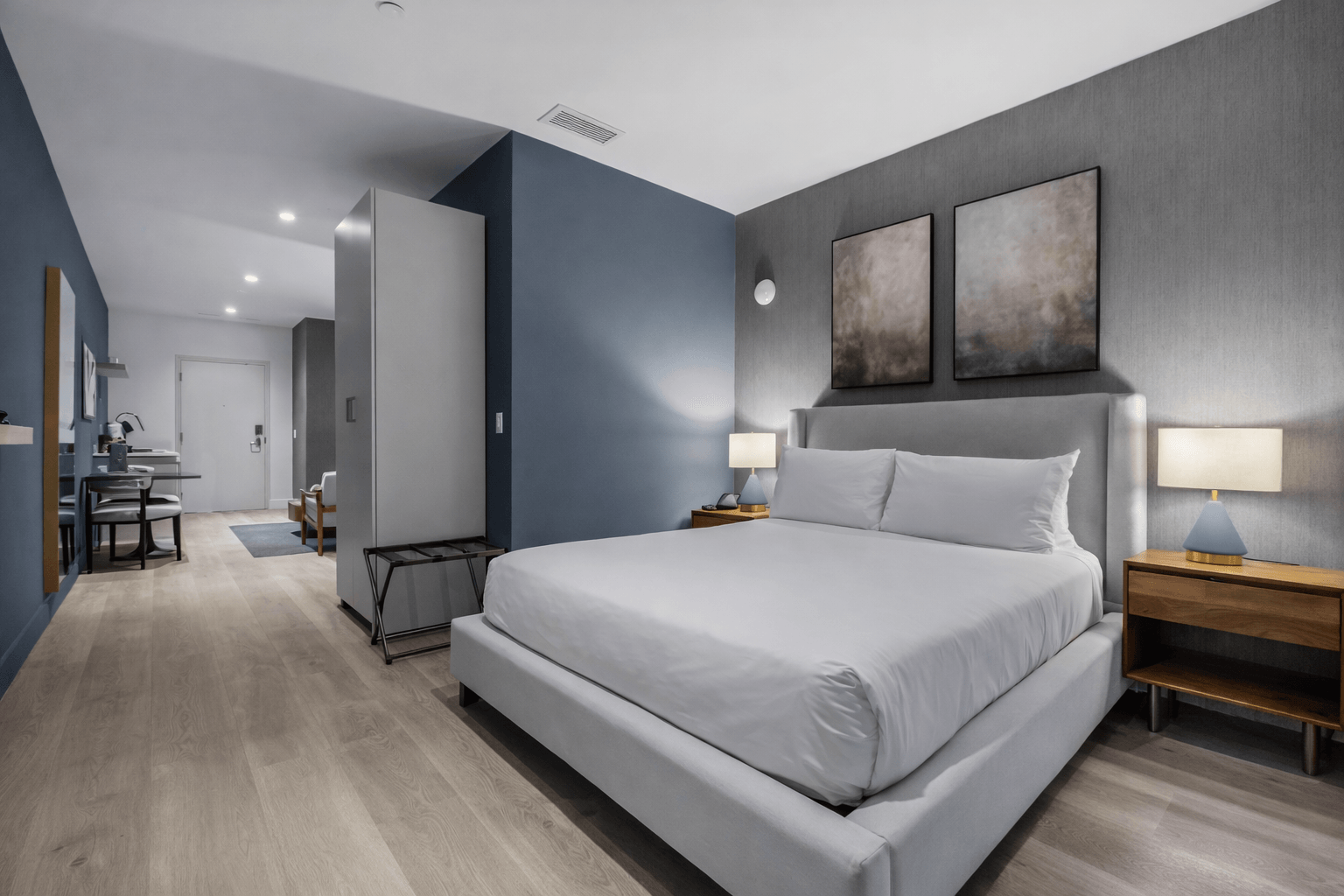
Be the first to hear when a Dubai home is listed.
We do not have a co-ownership home in Dubai yet. When we do, it will be the kind we list everywhere else: a fully managed home in one of the city's best addresses, sold in real 1/8 shares with around six weeks of personal use a year. Leave your email and we will tell you the day it arrives. In the meantime, the homes below are the ones that buyers who love Dubai choose.
What is fractional ownership in Dubai?
Fractional ownership means buying a real share of a home, usually 1/8, with a small group of up to seven other co-owners, and using it for around six weeks a year while a professional team looks after everything. In Dubai the phrase is also used for something different: investment platforms that sell very small stakes in rental apartments, which you never stay in. This page is about the first kind — a share of a holiday home you actually use. You can sell it, pass it on to your heirs, and it grows in value with the home. It is not a timeshare, and not a holiday club.
Why Dubai?
Sixty years ago Dubai was a trading town of wind-tower houses on a salt-water creek. Today it is one of the most visited cities on earth, a place of year-round sunshine, warm sea, extraordinary hotels and the tallest building ever built, eight hours or less from two thirds of the world's population. People come for a winter week by the pool and find, somewhat to their surprise, that they want to come back every year. A great many of them end up asking the same question: could we have a place of our own here, without buying a whole villa that would stand empty for ten months? That is the question fractional ownership in Dubai answers.
The first argument is the winter. From November to April, when London, New York and Frankfurt are grey, Dubai has blue skies almost every day, afternoons at around 24–28°C (mid-70s to low 80s°F), a sea warm enough to swim in, and evenings made for eating outdoors. It is the most reliable winter sun within a single flight of Europe, and there is no jet lag to speak of from most of it: Dubai is four hours ahead of London in winter. A family can leave Heathrow after breakfast and sit down to a late dinner by the sea the same night.
The second is how easy the city is to enjoy. Dubai is consistently ranked among the safest cities in the world. English is spoken everywhere. The airport is fifteen minutes from the centre. Taxis are plentiful and inexpensive, the roads are immaculate, and things work. For a second home, which is meant to be a place of rest, that ease matters more than almost anything else.
The third is what there is to do. Dubai has more than a hundred restaurants in the Michelin Guide, two of them with three stars. It has some of the best golf in the world outside the British Isles and the United States, a horse race that is among the richest ever run, tennis and rugby tournaments that fill the winter calendar, an opera house shaped like a dhow, souks that still smell of frankincense and cardamom, and a desert of red dunes forty-five minutes from the beach. It has water parks, an indoor ski slope, an aquarium inside a shopping mall and a fountain that dances to music. Whatever the ages in your family, nobody is bored.
The fourth is that Dubai welcomes foreign owners. Since the early 2000s, people of any nationality have been able to buy freehold property in the parts of the city set aside for it, which today include almost every address a visitor would recognise. Ownership is recorded by the Dubai Land Department, which issues the title deed. There is no personal income tax in the United Arab Emirates. The official UAE government guide sets out the rules, and they are among the most open in the world.
And the last is the one that makes a share, and not a whole house, the natural way to own here. Dubai has a season. From June to September the temperature passes 40°C (104°F), and those who can, including most of the people who live in the city's best villas, go somewhere cooler. That is why owners who love Dubai so often own somewhere else as well, and why the homes on this page are where they are. The buyer who spends February on the Palm tends to spend August in Marbella or Ibiza, and the American who likes Dubai's skyline, beach clubs and sunshine usually feels at home in Miami. A 1/8 share fits that way of living exactly: the weeks you want, in the season that suits each place, and nothing to look after in between.
From pearl port to world city
The story of Dubai is one of the most remarkable of the last hundred years, and it is worth knowing because the old city is still there to be walked through. In 1833 some 800 members of the Bani Yas tribe, led by the Maktoum family who rule the emirate to this day, settled at the mouth of a salt-water inlet on the Gulf. For a century the town lived by pearl diving and by trade: wooden dhows carried dates, spices, cloth and gold between Persia, India and the coast of East Africa, and merchants built tall houses of coral stone with wind towers to catch the breeze. When cultured pearls from Japan ended the pearl trade in the 1930s, Dubai turned wholly to commerce.
Its modern history begins with one decision. In 1959 the ruler, Sheikh Rashid, borrowed the money to dredge the Creek so that larger ships could enter, and trade poured in. Oil was found offshore in 1966. In 1971 Dubai joined its neighbours to form the United Arab Emirates. And then, knowing that its oil was modest and would not last, Dubai spent the proceeds on becoming a place the world would want to come to: the great port at Jebel Ali in 1979; an airline, Emirates, which began in 1985 with two leased aircraft; the sail-shaped Burj Al Arab in 1999; the Palm, begun in 2001; freehold property for foreigners the year after; and in 2010 the Burj Khalifa. A town of a few tens of thousands of people in 1960 is now a city of around four million, and it has happened within a single lifetime.
The old city is still there
Visitors who see only the towers miss the best of it. On the banks of the Creek, wooden dhows are still loaded by hand for Iran and East Africa, and abras, small open ferries, still cross between the two halves of the old town for a single dirham. On the Deira side are the gold souk, where shop windows glitter along a covered lane, and the spice souk, with its sacks of saffron, dried limes and frankincense. On the other bank is Al Fahidi, a quarter of sand-coloured houses built by Persian merchants in the 1890s, with courtyards, carved doors and wind towers, now filled with small museums, galleries and cafés. Nearby, the Sheikh Mohammed Centre for Cultural Understanding invites visitors to an Emirati breakfast or lunch, served on cushions on the floor, and to ask anything they like about the country and its customs. And at Al Shindagha, where the ruling family once lived at the mouth of the Creek, a museum tells the whole story from the pearl beds to the present.
The two kinds of fractional ownership in Dubai
Because the phrase means two things here, it is worth being clear. In recent years Dubai has become a centre for fractional property investment: regulated platforms that let you buy a small stake in a rental apartment, sometimes for a few hundred dirhams, and receive a share of the rent. In 2025 the Dubai Land Department went further and began a real estate tokenisation project, in which shares of a property are issued as digital tokens linked to the title deed; in February 2026 it opened a second phase that allows those tokens to be resold. These are investment products. You own a slice of the income, and you do not get a key.
The fractional ownership we deal in is the other kind, sometimes called co-ownership. A small group of buyers, eight at most, own a real share each of one fine home, and each has the house to themselves for their weeks. It is furnished, staffed and looked after all year. It is something you buy mainly to enjoy, and it also happens to be property. If it is rental income you are looking for, the investment platforms are the right place. If it is winters in the sun in a home of your own, this is.
Where to own in Dubai
Dubai runs for more than thirty miles along the Gulf, and its best addresses fall into five groups, each with a clear character. Palm Jumeirah is the beach-villa address, known the world over. Downtown is the city of the Burj Khalifa, the opera and the fountain. Dubai Marina, Jumeirah Beach Residence and Bluewaters are the waterfront for people who like to walk out of the door into life. Jumeirah and its islands are the old beach district and the most private new enclaves. And the golf and garden communities inland are where families who want space, grass and quiet tend to settle.
Palm Jumeirah
Palm Jumeirah is the island built in the shape of a palm tree that can be seen from space, and it remains the address most people picture when they think of a home in Dubai. Its sixteen fronds are lined with villas, each with its own strip of private beach and a view across still water to the next frond and the skyline beyond. Its trunk carries apartment buildings, restaurants and a monorail. Its outer crescent, a breakwater seven miles round, holds the great resort hotels, with Atlantis at the top.
Life on a frond is unlike anywhere else in the city. The sea at the end of the garden is as calm as a lake, so children paddleboard from the beach and adults swim before breakfast. The streets are quiet and gated. And yet the best beach clubs, the restaurants of Palm West Beach and the shops of Nakheel Mall are ten minutes away by car or boat. The classic villa here has five or six bedrooms, a pool between the house and the sand, and a roof terrace for the sunset, which on the western fronds falls straight into the Gulf. Best for: families who want a private beach and a pool, groups of friends, and anyone for whom a holiday means being beside the water from morning to night.
Downtown Dubai and the Burj Khalifa
Downtown is the Dubai of the postcards: the Burj Khalifa, at 828 metres (2,717 ft) the tallest building in the world since 2010; the lake at its foot, where the Dubai Fountain performs every evening; the dhow-shaped Dubai Opera; and the Dubai Mall, which has an aquarium, an ice rink and more than a thousand shops. Around them are boulevards of restaurants and pavement cafés, and residential towers whose upper floors look down on all of it.
An apartment here suits a different kind of stay: shorter, livelier, more about the city than the beach. You walk to dinner and to the opera, take the lift to the pool deck, and watch the fountain from your own terrace with a glass in your hand. The beach is twenty minutes away, the airport fifteen, and the financial district five. The Museum of the Future, a silver ring covered in Arabic calligraphy that opened in 2022, is just along the main road. Best for: couples, owners who combine business with pleasure, lovers of restaurants and music, and those who like to arrive with hand luggage and leave the car behind.
Dubai Marina, Jumeirah Beach Residence and Bluewaters
At the southern end of the coast, a canal two miles long has been cut inland from the sea and lined with towers, promenades and yacht berths. This is Dubai Marina, and with the beachfront of Jumeirah Beach Residence beside it and the island of Bluewaters just offshore, it forms the most walkable part of the city. You can stroll for an hour along the marina walk past cafés and moored boats, cross to the beach, swim, have lunch with your feet in the sand, and cross a footbridge to Bluewaters, where Ain Dubai, the largest observation wheel in the world at 250 metres, turns slowly above the water.
Homes here are apartments and penthouses with wide terraces and views of sea, marina or both. The atmosphere is international and relaxed, somewhere between the south of France and Miami Beach. There are beach clubs, water sports, a tram, and boats that will take you along the coast to dinner. Best for: owners who want the beach and the city on foot, younger families, sailors, and anyone who likes a view with boats in it.
Jumeirah and the private islands
Jumeirah is the original beach district, a long, low strip of villas, mosques, cafés and public beaches between Downtown and the Palm. It is where Dubai feels most like a neighbourhood. Kite Beach has the best sand and a running track beside it, with the sail-shaped Burj Al Arab on its own island at the end of the bay. The Jumeirah Mosque, of pale carved stone, welcomes visitors of all faiths. The roads behind the beach are lined with bougainvillea.
Off this shore lie some of the most exclusive addresses in the city. Jumeirah Bay Island, shaped like a seahorse and reached by a private bridge, has a small number of villas and mansions around a resort by Bulgari with its own yacht club. Further along are new beachfront districts where the houses face west over open sea. These are places of real privacy within a few minutes of everything. Best for: owners who want a house and a garden near the beach, those who prize discretion, and families who want to feel part of the city and not of a resort.
The golf and garden communities
Inland, Dubai turns unexpectedly green. Emirates Hills, built around the Montgomerie golf course, is often called the Beverly Hills of Dubai: large villas on quiet, tree-lined streets behind a single guarded gate, with lakes and fairways for a view. Dubai Hills Estate, newer and larger, has its own championship course, a great park and some of the best schools and hospitals in the city. Jumeirah Golf Estates, further south, is the home of the DP World Tour Championship, where the European golf season ends each November.
These are communities for living in. The houses have gardens and private pools, the streets are safe for bicycles, and there are clubhouses, tennis courts and cafés within the gates. The beach is twenty to thirty minutes away. Golfers can play a different championship course every day of a fortnight without repeating one. Best for: golfers, families with children, owners planning long winter stays, and anyone who wants space and calm with the city close at hand.
The districts to watch
Dubai never stops building, and several new waterfront districts will shape where owners look over the next decade. Palm Jebel Ali, a second palm-shaped island twice the size of the first, was relaunched in 2023 and is now taking shape off the southern coast. Dubai Islands, to the north, is adding miles of new beach close to the airport and the old city. Dubai Creek Harbour is a waterfront town beside a wildlife sanctuary where flamingos winter. And inland, lagoon communities such as District One and Tilal Al Ghaf have put sandy beaches and swimmable water at the centre of villa neighbourhoods. When we list a home in Dubai, it will be in a place that has proved itself: an established address with mature gardens, finished streets and everything open.
A year in a Dubai home
Dubai's year is the mirror image of Europe's. The season runs from October to April, with the very best weather from November to March, and those are the months an owner wants. Late spring and early autumn are hot and quiet, and good value for those who like a pool and an empty beach. High summer is for the air-conditioned city and for being somewhere else. A share of a home, with its weeks spread through the year by a fair-rotation calendar, lets you take Dubai when it is at its best.
Winter (December–February)
This is the heart of the season, and the reason most people fall for the place. Days are clear and bright at around 24–26°C (mid to high 70s°F), the sea is about 22–23°C (low 70s°F), and the evenings are cool enough for a light jacket and a table outdoors. It hardly ever rains. You can spend the morning on the beach, the afternoon on a golf course or in the desert, and the evening on a terrace under the stars, every day for a fortnight, and never look at a weather forecast.
The calendar is full. The Dubai Shopping Festival runs through December and January with fireworks, concerts and markets. New Year's Eve at the Burj Khalifa is one of the great firework displays on earth. In January the best golfers in the world play the Dubai Desert Classic on the Majlis course at Emirates Golf Club, the first grass course in the Middle East, with the towers of the Marina behind the eighteenth green. February brings the Dubai Duty Free Tennis Championships, where the leading men and women play in a small, friendly stadium, and the racing carnival at Meydan is in full swing. For families from the northern hemisphere, the Christmas holidays and the February half-term are the most sought-after weeks of the year.
The holy month of Ramadan, which moves earlier by about eleven days each year and falls in the winter months for the next several years, is a quieter and very beautiful time to be in the city. After sunset, families and friends gather for iftar, the meal that breaks the day's fast, and hotels and restaurants set out great feasts to which everyone is welcome. Visitors are received warmly and find those evenings among the most memorable of any stay.
Spring (March–May)
March and April are warm and lovely, with afternoons climbing from 28°C to 33°C (low 80s to low 90s°F) and the sea warming with them. It is perfect beach weather, and the Easter holidays fall in the middle of it. At the end of March the racing season reaches its climax with the Dubai World Cup at Meydan, an evening of thoroughbred racing under floodlights that carries some of the largest prizes in the sport, followed by a concert. Art Dubai brings galleries from all over the world to the canals of Madinat Jumeirah.
By May the heat is building, the beaches are emptying, and those who like to have a pool to themselves come into their own.
Summer (June–September)
Summer in Dubai is hot: 40°C (104°F) and above in the afternoon, with the sea like a warm bath. The city responds by moving indoors and into the evening. Everything is air-conditioned, from the malls and the metro to the bus stops. There is an indoor ski slope with real snow, an indoor rainforest, aquariums, museums, theatres and some of the best spas in the world. Hotels and restaurants offer their lowest prices of the year, and the city's residents, who know how to enjoy it, swim at dawn and dine at ten.
Most owners, though, treat summer as the time to be elsewhere, and this is where owning a share and not a whole house makes such sense. You are not paying to keep a villa cool and staffed through four months you will not use. Your weeks fall in the season, and the summer belongs to the Mediterranean. It is no coincidence that the beach clubs of Marbella and Ibiza are full, every July and August, of people who spend their winters in Dubai.
Autumn (October–November)
In October the heat lifts, the sea is still wonderfully warm, and the city comes back to life. Terraces reopen. Beach clubs start their season. Global Village, the vast open-air fair of pavilions from every part of the world, opens its gates until spring. By November the weather is perfect again, at around 30°C (86°F) by day and a soft warmth at night, and the sporting calendar begins in earnest: the DP World Tour Championship at Jumeirah Golf Estates, where the European season is decided, and the Emirates Dubai 7s, a three-day festival of rugby, music and fancy dress that has been running since 1970. An hour down the road, the Formula 1 season ends under the lights at Abu Dhabi. November is the month that people who know Dubai well choose for themselves.
Dubai month by month
- January — clear, mild days at around 24°C (75°F). The Desert Classic and the Shopping Festival. Bring a jumper for the evening.
- February — the same perfect weather, the tennis championships, and half-term families on the beach.
- March — warming to 28°C (82°F). The Dubai World Cup at the end of the month. Ideal for the beach and the desert.
- April — properly warm, around 33°C (91°F), with the sea at its most inviting. Easter holidays and Art Dubai.
- May — hot and quiet. Pools, early mornings and long, warm evenings.
- June to August — 40°C (104°F) and above. The indoor city, the lowest prices of the year, and the time most owners spend elsewhere.
- September — still hot, and the sea like a bath. The city begins to stir.
- October — the heat lifts to around 35°C (95°F). Terraces and beach clubs reopen and Global Village opens its gates.
- November — perfect again at around 30°C (86°F). The golf championship, the rugby sevens and the Grand Prix down the road.
- December — sunny days at 26°C (79°F), the festive season in full swing, and fireworks at the Burj Khalifa on New Year's Eve.
A perfect winter week
Saturday. You land in the evening and are at the house in half an hour. The pool is lit, the fridge is full, and the air smells faintly of the sea. Sunday is for the beach and nothing else: a swim before breakfast, a book under an umbrella, lunch at a beach club with your feet in the sand, and the sunset from the roof. On Monday you go into the old city. You cross the Creek on an abra, one of the little wooden ferries that have plied it for a century, for a single dirham; lose yourself in the spice souk and the gold souk; and wander the wind-tower lanes of Al Fahidi, where the city began. Lunch is Emirati, in a courtyard.
Tuesday is golf for some and a spa for others, and dinner Downtown with a table facing the fountain. On Wednesday you leave after lunch for the desert. An hour from the beach, the dunes of the Dubai Desert Conservation Reserve roll away to the horizon, and Arabian oryx, white with long straight horns, graze among them. You ride a camel or drive the dunes, watch a falcon fly, and eat under the stars by lantern light. Thursday you go up the Burj Khalifa at opening time, before the crowds, and spend the afternoon by the pool. On Friday you drive to Abu Dhabi for the Louvre Abu Dhabi, a museum under a dome that scatters sunlight like rain, and the white marble of the Grand Mosque at dusk. On Saturday you fly home with sand in your shoes, already counting the weeks.
Eating in Dubai
Dubai has become one of the great restaurant cities, and it happened quickly. The Michelin Guide arrived in 2022; its fifth edition, announced in October 2026, lists 122 restaurants covering 38 cuisines. Two hold three stars: Trèsind Studio, a tiny dining room on the Palm that serves some of the most inventive Indian cooking anywhere, and FZN by Björn Frantzén, the Swedish chef's restaurant at Atlantis. Orfali Bros, a bistro run by three Syrian brothers, was promoted to two stars in the same edition. The guide itself is the best place to browse them.
But the pleasure of eating here is the range. The same day can hold a breakfast of eggs with tomato and flatbread in a courtyard in Al Fahidi, a lunch of grilled fish on the beach, and a dinner of Japanese, Peruvian, Lebanese or French cooking at the level of London or New York. There is the weekend brunch, a Dubai institution, where a long afternoon is spent at a table that never empties. There are the curry houses of Satwa and Karama, unchanged in forty years. And there is Emirati food itself, which most visitors never try and should: slow-cooked lamb and rice scented with dried lime, fresh bread from a clay oven, and small hot doughnuts drizzled with date syrup, with a cup of cardamom coffee to finish.
Golf, sport and the outdoors
For golfers, Dubai in winter is close to perfect: warm, dry, windless mornings and a dozen courses of real quality within half an hour of one another. The Majlis at Emirates Golf Club, opened in 1988, is the one every visitor wants to play. Dubai Creek has a clubhouse shaped like the sails of a dhow and holes along the water. The Earth course at Jumeirah Golf Estates, designed by Greg Norman, is where the season-ending championship is decided. Several courses are floodlit, so you can tee off at sunset and play nine holes under the lights in the cool of the evening.
Away from the fairways, there is kitesurfing and paddleboarding off Jumeirah, sailing from the Marina, and diving on the coral of the east coast, less than two hours away. Cyclists have a purpose-built track that loops for more than fifty miles through the desert at Al Qudra, where oryx and gazelle wander beside the path. At dawn, hot-air balloons rise over the dunes. In the mountains at Hatta there are kayaks on a turquoise reservoir and marked trails for walking and mountain biking. And for the brave there is a parachute jump over the Palm, which is the only way to see its shape as its designers drew it.
Dubai with children
Few cities are as good at keeping children happy. The water park at Atlantis is among the largest in the world. The Dubai Aquarium fills one wall of the Dubai Mall with sharks and rays. At Ski Dubai there is real snow, a chairlift and a colony of penguins. From November to May the Dubai Miracle Garden blooms with millions of flowers shaped into castles, arches and an aeroplane. There are theme parks, indoor and out, an indoor rainforest with sloths and toucans, and beaches where the water is shallow, warm and calm. Add a camel ride in the desert and a trip up the tallest building in the world, and a week is easily filled — which is why families who come once so often come back every year.
Who buys in Dubai, and where else they look
Dubai draws buyers from everywhere, which is part of its charm: more than eight in ten of the people who live in the city were born somewhere else. British buyers have been coming since the first freehold villas were sold, drawn by the winter sun, the short flight and a large British community. Buyers from continental Europe, especially Germany, France, Italy and the Netherlands, have followed. Americans are a growing presence, helped by direct flights from New York, Washington, Chicago, Dallas, Houston, Los Angeles and San Francisco. And Dubai is the natural meeting point for families spread between Europe, India, Africa and Asia, for whom it is the one city everyone can reach in a single flight.
Fractional ownership in Dubai typically suits:
- Winter-sun families — parents from northern Europe who want the Christmas holidays, half-term and Easter by a pool, in a house large enough for grandparents and friends, without owning and running a whole villa.
- Golfers — who come for a fortnight in January or November, play a different championship course every day, and want a home in a golf community and not a hotel room.
- Frequent visitors — people who are in Dubai several times a year for work or family and are tired of hotels. A share gives them their own front door, their own wardrobe and their own coffee machine.
- Families spread across continents — for whom Dubai is the easiest place for everyone to gather, and a shared family home there the simplest way to do it.
- Owners building a year of homes — who want Dubai for the winter and the Mediterranean or the Alps for the rest of the year, and who would rather own a share in three places than a whole house in one.
If you love Dubai: Marbella, Ibiza and Miami
We do not have a home in Dubai to offer today. What we can offer is what people who love Dubai tend to buy, because the same tastes lead to the same few places, and we have homes in all of them.
Marbella is the closest thing in Europe to Dubai's way of life: more than 300 days of sunshine, beach clubs, golf courses by the dozen, superb restaurants, gated villas with pools and views of the sea, and an international crowd that includes a great many Dubai residents escaping the summer heat. Where Dubai is at its best from November to March, Marbella is at its best from April to October, and the two fit together so neatly that owning in both has become a pattern. The Costa del Sol around it offers the same climate in quieter towns.
Ibiza is where Dubai goes in July and August. The island's beach clubs, restaurants and villas in the hills draw the same people every summer, and the season there, from May to October, begins as Dubai's ends. Behind the famous nightlife is an island of pine woods, white villages and some of the clearest water in the Mediterranean.
Miami is the American Dubai: a young, fast-growing city of glass towers on warm water, with winter sunshine, beach clubs, serious restaurants, art fairs and motor racing, in a state with no income tax. Buyers from the United States who like what Dubai offers usually find Miami offers it closer to home, and buyers from Europe and Latin America use it in exactly the way others use Dubai.
Dubai and the other winter suns
Buyers looking for a home in the winter sun usually weigh Dubai against three alternatives, and we cover all three. The Canary Islands are the nearest to northern Europe, about four hours from London, with spring-like weather all winter, volcanic landscapes and a gentler, quieter pace. Florida is the American answer, with warm seas, golf and a choice of coasts and characters from Miami to the Gulf. Los Cabos, at the tip of Mexico's Baja peninsula, pairs desert and ocean in a way that has something in common with Dubai itself. Dubai's own case is its certainty — it is warm and dry almost every day from November to March — and the sheer amount there is to do. Many owners end up choosing by flight time: Dubai from Europe, India and the Gulf; Florida and Los Cabos from North America; the Canaries for the shortest hop of all.
The homes shown on this page are drawn from those places, with the most popular first. Each is a real 1/8 share of a fully managed home. And if it is Dubai itself you want, leave your email in the box at the top of this page, and we will write to you the day the first Dubai home is listed.
Practicalities: getting there, getting around and owning
Getting there
Dubai International Airport (DXB) has been the busiest airport in the world for international passengers for more than a decade, and it is the home of Emirates, which flies to well over a hundred cities. In practice this means that Dubai is a single direct flight from almost anywhere. From London it is around 7 hours, with many departures a day from Heathrow, Gatwick and Stansted and direct services from Manchester, Birmingham, Newcastle, Glasgow and Edinburgh. From Paris, Frankfurt, Amsterdam, Milan and Zurich it is six to seven hours. From New York it is about 12 to 13 hours nonstop, and there are direct flights from most large American cities. From Mumbai it is three hours, from Singapore seven, from Sydney fourteen.
The airport is in the city. Downtown is about 15 minutes away by car, Jumeirah 20, Palm Jumeirah and the Marina 30 to 35. Visitors from the United Kingdom, the United States, the European Union and many other countries need no visa in advance for a holiday; the stamp is given free on arrival. The official tourism site, Visit Dubai, keeps the current entry rules for every nationality.
Getting around
Dubai is a city of cars, and getting about is simple. Taxis are metered, clean, air-conditioned and everywhere, and the ride-hailing apps work as they do at home. The driverless metro runs the length of the city from the airport through Downtown to the Marina, with a tram and a monorail to carry you on to the beach and the Palm. Many owners never hire a car. Those who do find wide, well-signed roads and parking almost everywhere, and can be in the desert, the mountains of Hatta or Abu Dhabi in about an hour and a half.
Days out from Dubai
One of the pleasures of a longer stay is how much lies within easy reach. Abu Dhabi, the capital, is about an hour and a half down the coast, with the Louvre Abu Dhabi, the Sheikh Zayed Grand Mosque, the presidential palace of Qasr Al Watan and the beaches and theme parks of Saadiyat and Yas islands. Al Ain, the garden city on the Omani border, has a date-palm oasis watered by a system of channels three thousand years old, and is a UNESCO World Heritage Site.
North of Dubai, Ras Al Khaimah has the highest mountain in the country, Jebel Jais, with a road that winds to the top and the longest zipline in the world for anyone who would rather come down quickly. On the east coast, Fujairah faces the Indian Ocean, with coral reefs for snorkelling and diving. Further north still, across the border in Oman, the Musandam peninsula is a land of fjords where traditional dhows carry visitors to swim among dolphins. And to the south-west, beyond Abu Dhabi, the dunes of the Empty Quarter, the largest sand desert on earth, rise to three hundred feet and more.
Everyday life
The working week runs from Monday to Friday, with the weekend on Saturday and Sunday, as in Europe. The currency is the dirham, which is tied to the US dollar. English is the common language. Dress on the beach and by the pool is exactly as it would be in Spain or Florida, with a little more cover expected in malls and in the old city. Alcohol is served in hotels, clubs and licensed restaurants. Supermarkets stock everything you would find at home, from Waitrose tea to French cheese, and will deliver to the door. Medical care is excellent. It is, in short, an easy place to arrive in and feel at home.
Owning property in Dubai as a foreigner
People of any nationality, resident or not, can own property in Dubai in the areas the government has designated for it, a rule first set out in Regulation No. 3 of 2006 and widened several times since. Those areas include Palm Jumeirah, Downtown, Dubai Marina, the golf communities and most of the places described on this page. Ownership is registered with the Dubai Land Department, which issues the title deed and whose guide to buyers' rights is worth reading. There is no minimum age and no requirement to live in the country. Buyers of property above a set value can also apply for a long-term residence visa.
There is no personal income tax in the United Arab Emirates. As with any purchase abroad, we recommend independent advice on how your own country treats a home overseas, particularly for inheritance, before you buy.
Whole home or a share — the comparison that matters
The case for a share in Dubai is especially clear because of the season. A whole villa on the Palm commits its owner to the full price of one of the world's most sought-after addresses, and to cooling, staffing and maintaining a large house through the summer months, when it will almost certainly be empty. A hotel suite for the same winter weeks, year after year, costs a great deal and leaves you with nothing. A 1/8 share gives you a real share of a home of that quality for the weeks you want it.
| Whole second home | COP 1/8 fractional share | Hotel or rental each year | |
|---|---|---|---|
| Upfront commitment | Full property value | ~1/8 of the property value | None |
| Equity in the asset | Full appreciation | ~1/8 of appreciation | None |
| Personal use | Up to 52 weeks (most use 5–8) | Around six weeks a year, fairly rotated | Whatever you book and pay for |
| Operations burden | Owner-managed or hired staff, all year | Fully included | None |
What you actually own
You own a real share of the home — an eighth, a quarter — not a right to use it. You can sell it, pass it on to your heirs, and it grows in value with the home. What you hold is real ownership — not a timeshare use-right that depreciates to zero when the contract expires, not a points membership, not a fractional holiday club.
How fractional ownership works
The idea is the same in every country in which we list homes. A fine house is bought and furnished, and its ownership is divided into a small number of real shares, usually eight. Each buyer owns a share and has the house for their part of the year. A professional company manages it for all of them. The legal set-up differs from country to country and is arranged by our partner for each home, and it is walked through with you before you buy.
How the calendar works
Your stays are booked through a fair-rotation calendar that mixes the weeks everyone wants — in Dubai, Christmas and New Year, the February and Easter school holidays, and the tournament weeks of the winter — with quieter weeks across the year. Owners book months ahead, and the most sought-after weeks rotate from year to year so that no co-owner holds them all.
The professional management model
Once the purchase completes, a professional management company takes over all responsibility for the home: cleaning and linen, preparation before each arrival, maintenance, bills, insurance, the pool, the garden and the air conditioning. You arrive; the house is cool, the pool is clean and the lights are on.
Resale: how to exit, typical timelines
When you decide to exit, a professional resale process is in place: you sell your share — not the whole house — at the price you set, typically after an initial twelve months of ownership. Hundreds of shares in homes like these have already been resold — in just over three months on average, and nearly three in four for more than the owner paid. The full mechanics are covered in our co-ownership explained guide.
When will there be a Dubai home?
We add a home to our collection only when it meets the same standard as the rest: a fine house or apartment in a proven address, properly furnished, professionally managed, and sold in real shares on terms we are happy to explain line by line. Dubai is a place our buyers ask about often, and we would like to have homes here. We will not list one until it is right. When it is, it will appear at the top of this page, and everyone who has left their email here will hear the same day.
We will add Dubai homes to this page as soon as we have them. Until then, our team is glad to talk through what you are looking for — a winter home, a summer home or both — and to show you the homes in Marbella, Ibiza and Miami that owners with the same tastes have chosen.
Your ownership at a glance
- Real ownership — you own a real 1/8 share of the home, not a right to use it: you can sell it, pass it on to your heirs, and it grows in value with the home. Not a timeshare, not a points membership.
- Fully managed throughout — the professional management team handles cleaning, maintenance, bills, insurance, scheduling and the on-call concierge. You arrive, the home is ready.
- Professional resale support — when you decide to exit, our partner's resale process lets you sell your share without having to sell the whole house.
Questions & Answers
Dubai Fractional Ownership — Frequently Asked Questions
Not yet. We do not have a co-ownership home in Dubai at the moment. Leave your email in the box at the top of this page and we will tell you the day the first one is listed. In the meantime, the homes shown here are in the places that buyers who love Dubai most often choose: Marbella, Ibiza and Miami.
The phrase is used for two different things. One is fractional investment: platforms that sell small stakes in rental apartments, where you receive a share of the rent and never stay in the property. The other, the kind this page is about, is co-ownership of a holiday home: a small group of up to eight owners each hold a real share of one home, usually 1/8, and each uses it for around six weeks a year while a professional team manages it.
Yes. People of any nationality can own property in the areas of Dubai designated for foreign ownership, and ownership is registered with the Dubai Land Department, which issues the title deed. In 2025 the Land Department also began its own real estate tokenisation project, in which shares of a property are issued as digital tokens linked to the title deed. How a particular home is owned is set out in its documents, and we recommend independent legal advice before any purchase.
A timeshare sells you a week. Co-ownership sells you the house. With a timeshare you buy the right to use a resort for a set time, shared with a great many others. With fractional ownership you own a real share of one specific home, with a small group of up to seven others. It moves with the value of the home, you can sell it at the price you set, and you can leave it to your children.
Tokenised property, and fractional investment platforms in general, are a way to invest: you buy a small stake, often for a modest sum, and receive a share of the rental income. You do not use the property. Fractional ownership of a holiday home is a way to own somewhere you stay: a much larger share, usually an eighth of the home, with weeks of your own every year.
For holiday homes, yes. Fractional ownership, co-ownership, partial ownership and shared holiday-home ownership are different names for owning a real share of a home with a small group of other owners. The share is usually 1/8. Some buyers take two shares, a quarter, for around twice the time.
Yes. Residents and non-residents of any nationality can own freehold property in the areas the government has designated for it, which include Palm Jumeirah, Downtown, Dubai Marina and the main golf communities. There is no minimum age and no requirement to live in the country. Title is registered with the Dubai Land Department.
For a villa on the beach, Palm Jumeirah. For the city, the opera and the Burj Khalifa, Downtown. For a walkable waterfront, Dubai Marina, Jumeirah Beach Residence and Bluewaters. For privacy, Jumeirah and its islands. For space, gardens and golf, Emirates Hills, Dubai Hills Estate and Jumeirah Golf Estates.
November to March. Days are sunny at around 24–30°C (75–86°F), the sea is warm, it hardly ever rains, and the sporting and cultural calendar is at its fullest. April and October are hot and very pleasant. From June to September the afternoons pass 40°C (104°F), and most owners spend those months elsewhere.
Around 7 hours from London, six to seven from most of western Europe, 12 to 13 from New York, three from Mumbai and seven from Singapore. Dubai International is a single direct flight from almost every major city, and the airport is 15 minutes from Downtown.
Visitors from the United Kingdom, the United States, the European Union and many other countries need no visa in advance for a holiday; the stamp is given free on arrival. Visit Dubai, the official tourism site, lists the current rules for every nationality.
There is no personal income tax in the United Arab Emirates. How a home abroad is treated by your own country, particularly for inheritance, depends on where you live, and we recommend taking advice at home before you buy.
Because the seasons fit together. Dubai is at its best from November to March; Marbella and Ibiza are at their best from May to October, and share Dubai's taste for sunshine, beach clubs, golf and good restaurants. Miami offers Americans much of what Dubai does, closer to home. A share in each gives you the best season in both places.
The price of a share is shown on each listing and is roughly an eighth of the price of the whole home. The running costs of the house are shared between the owners in the same proportion. Using COP is free for buyers, with no buyer-side fees and no obligation.
Yes. Our partner's resale process handles the sale for you, so you sell your share without the whole house having to be sold. After a typical first-12-months holding period you can sell at the price you set. Hundreds of shares in homes like these have already been resold — in just over three months on average, and nearly three in four for more than the owner paid.
Leave your email in the box at the top of this page. We will write to you the day the first co-ownership home in Dubai is listed.
Also Explore
Get in Touch
Speak to an expert
Tell us what you're looking for and we'll be in touch.