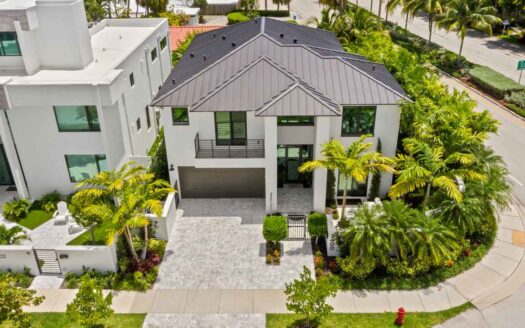
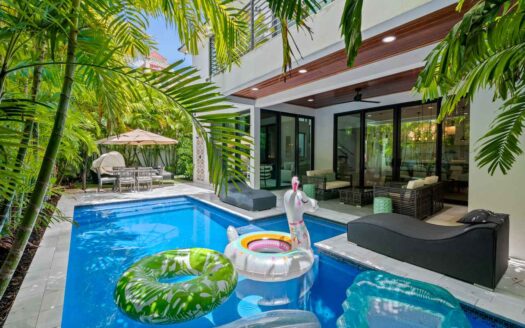
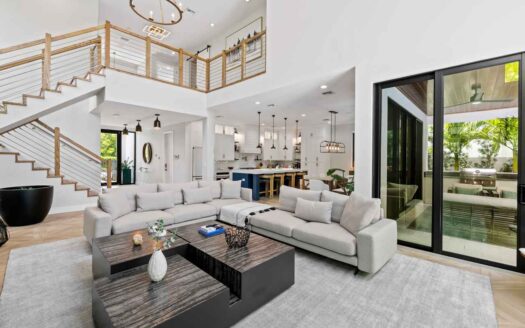
Fort Lauderdale, Florida | 4-Bed Chalet With Plunge Pool
$430,000
Treat yourself to top-tier relaxation in this beautiful 4-bedroom, 4-bathroom Fort Lauderdale retreat spanning 3,444 sq ft (320 m²) located minutes from South F ...
Park City, Utah | 6-Bed Chalet With Fire Pit
$810,000
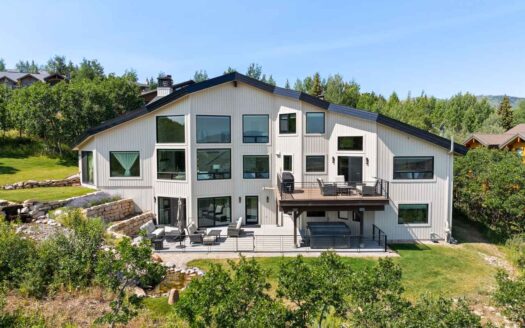
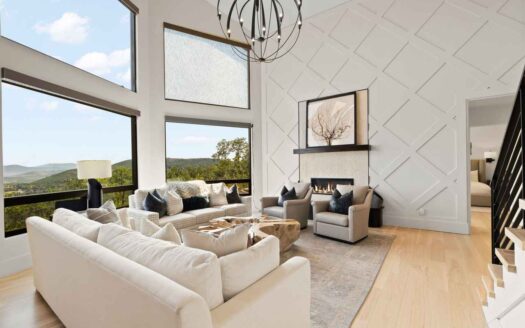
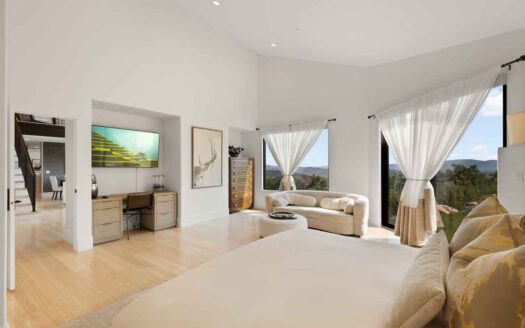
Elevated mountain living with stunning views and modern design defines this spacious 6-bedroom, 5-bathroom Park City retreat spanning 5,500 sq ft (511 m²). This ...

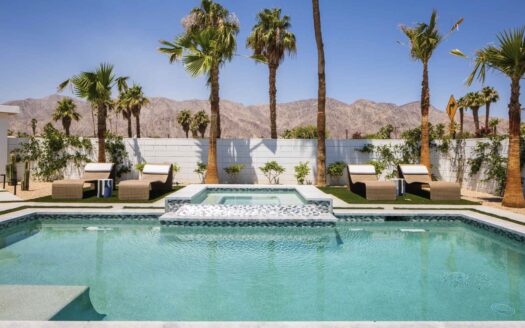
La Quinta, Coachella Valley, California | 4-bed designer villa with pool
$295,000
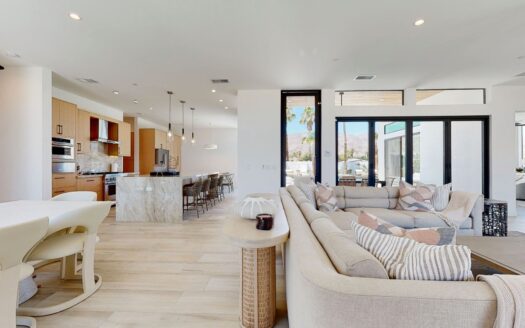
Set in the heart of Coachella Valley, this La Quinta fractional ownership villa blends crisp desert modernism with true resort living across approx. 256 m² (2,7 ...
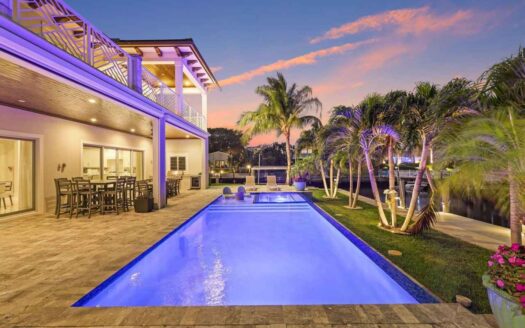
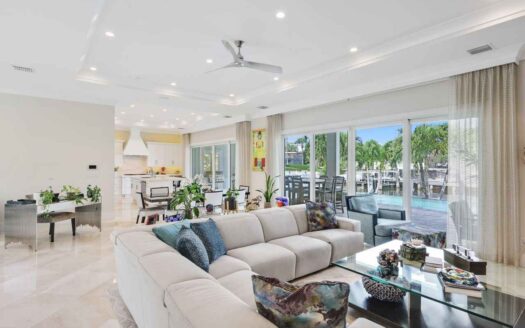
Delray Beach, Florida USA | 5-Bed Waterfront Estate
$860,000
Welcome to 917 Tropic Boulevard, a distinguished residence in the esteemed waterfront community of Tropic Isle, Delray Beach, Florida—one of South Florida's mos ...
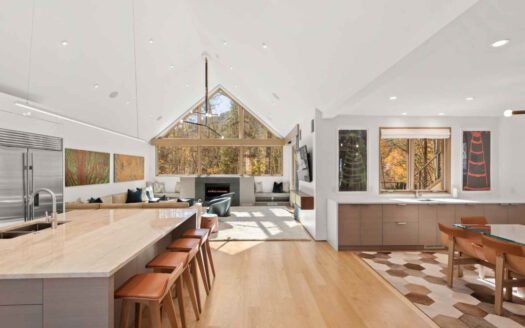
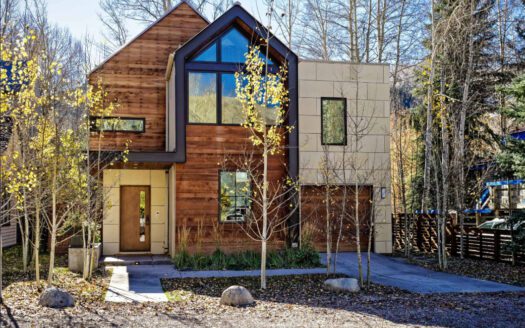
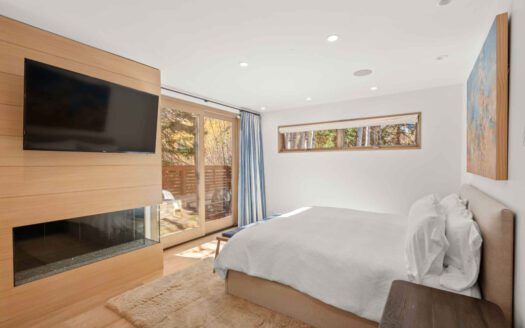
Aspen, CO | Riverside Grove Contemporary Retreat
$1,675,000
Nestled in a quiet cul-de-sac just steps from downtown Aspen, the Riverside Grove Contemporary Retreat is a striking fractional ownership opportunity offering r ...
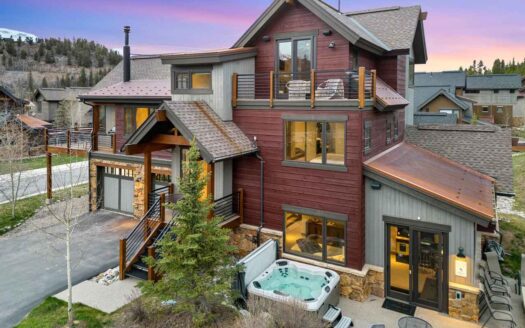
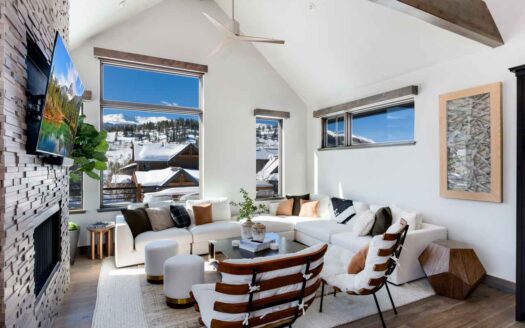
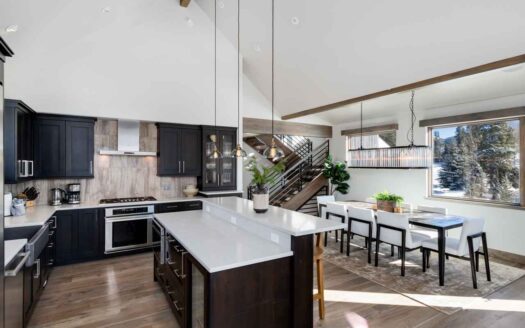
Breckenridge, Colorado | 4-Bed Chalet Blue River
$680,000
Discover mountain living in this spacious 4-bedroom, 5-bathroom Breckenridge retreat spanning 3,234 sq ft (300 m²). This generous property offers ample accommod ...
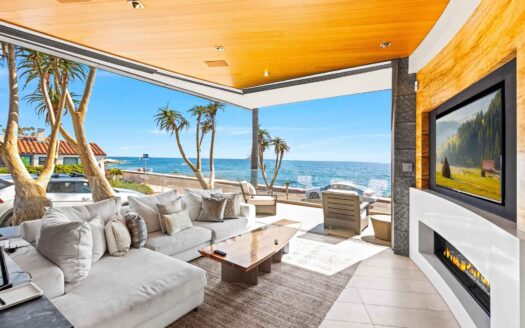
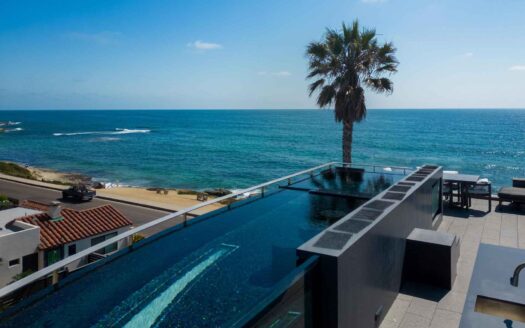
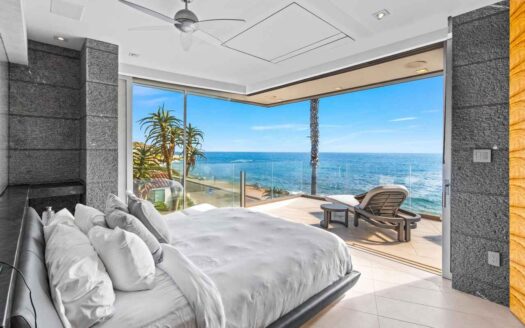
La Jolla, San Diego California | 3-Bed Chalet With Ocean Access
$1,335,000
Discover the essence of coastal California luxury in this stunning 3-bedroom, 4-bathroom La Jolla retreat spanning 3,124 sq ft (290 m²). Located on prestigious ...
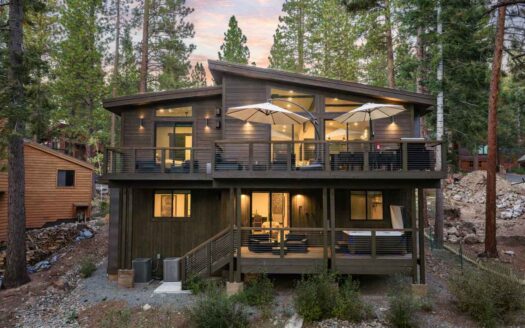
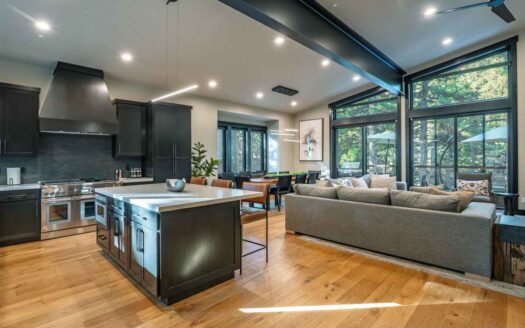
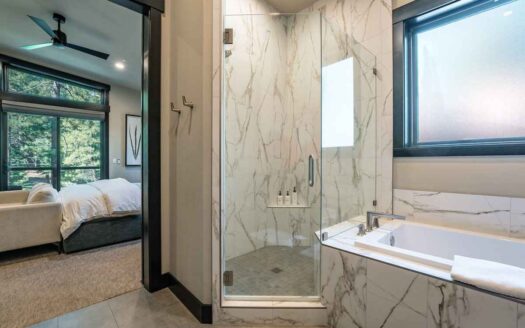
Lake Tahoe, Truckee California | 4-Bed Chalet With Mountain Charm
$399,000
Located in Truckee, this 4-bedroom, 3-bathroom chalet features mountain charm and modern comfort. Professional furnishings and thoughtful design for family vaca ...
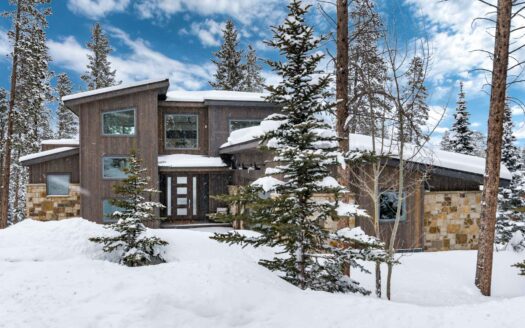
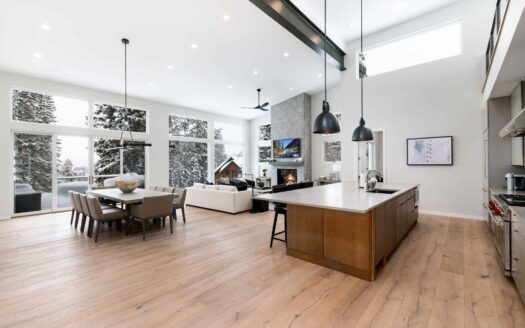
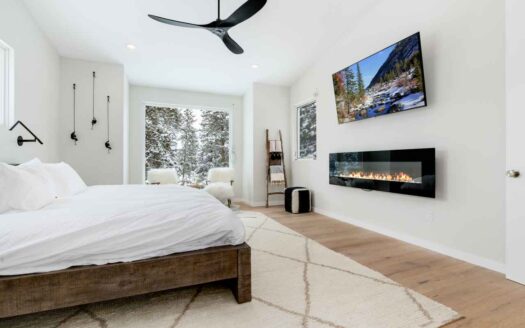
Breckenridge, Colorado | 5-Bed Estate Northwoods
$1,039,000
Discover exceptional space in this impressive 5-bedroom, 7-bathroom Breckenridge estate spanning 5,529 sq ft (513 m²). This substantial property offers one of B ...
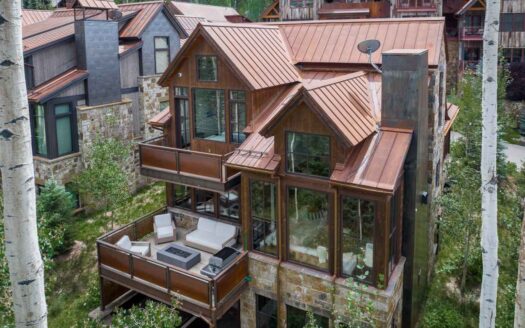
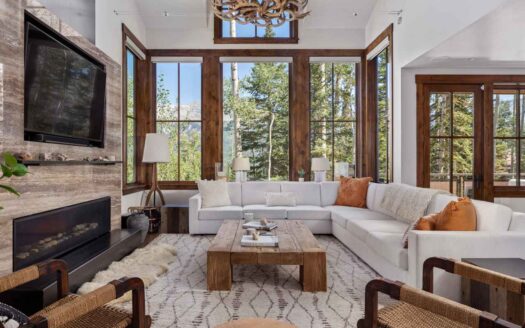
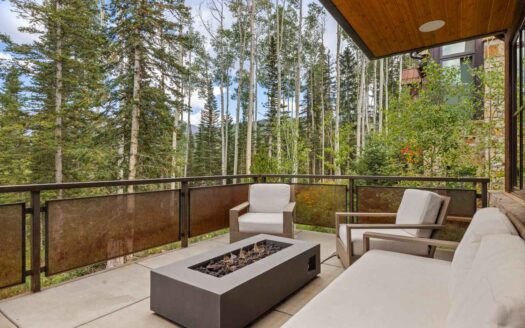
Mountain Village, Colorado | 4-Bed Chalet Trails Edge
$975,000
Experience Mountain Village living in this spacious 4-bedroom, 4-bathroom Telluride retreat spanning 4,035 sq ft (374 m²). This generous property offers substan ...
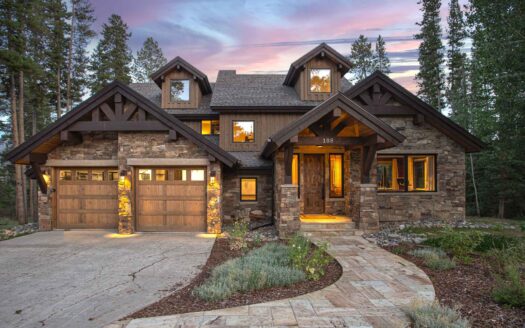
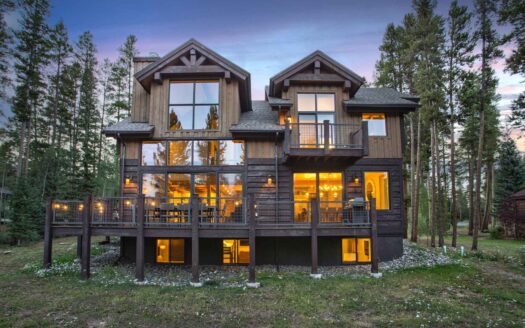
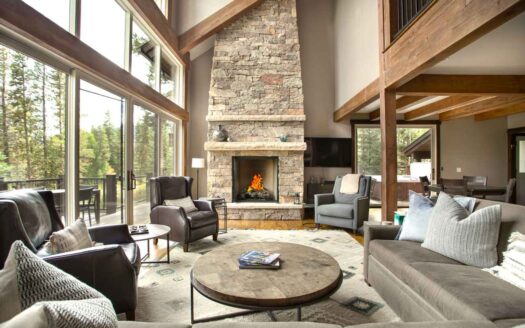
Breckenridge, Colorado | 5-Bed Chalet Windwood
$645,000
Discover spacious mountain living in this generous 5-bedroom, 4-bathroom Breckenridge retreat spanning 4,253 sq ft (395 m²). This substantial property offers ex ...
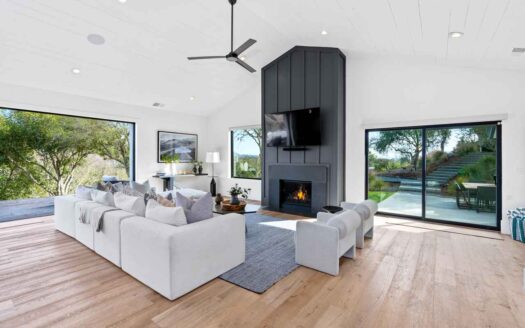
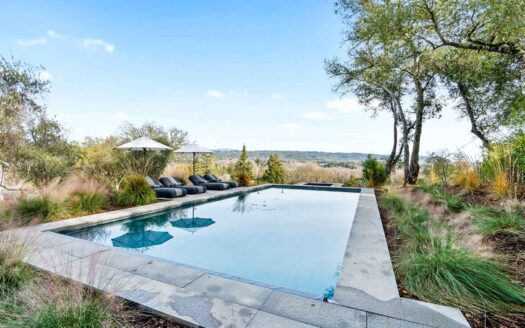
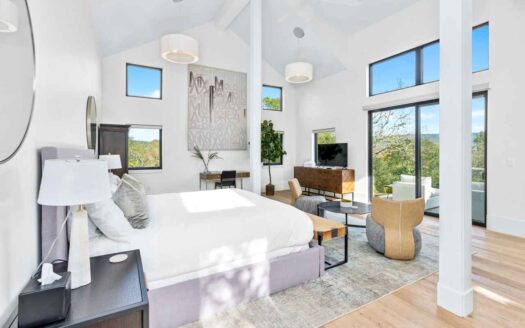
Healdsburg, California | 4-Bed Chalet With Vineyard Access
$720,000
Discover authentic Sonoma wine country living in this charming 4-bedroom, 4-bathroom Healdsburg estate spanning 3,129 sq ft (290 m²). Located on the scenic Dry ...
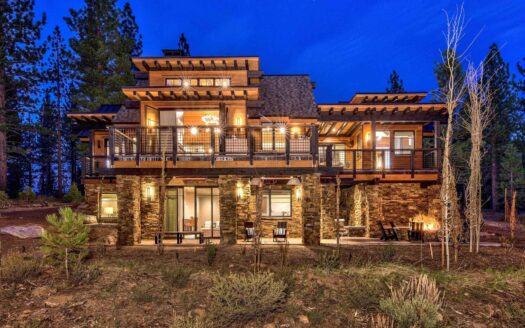
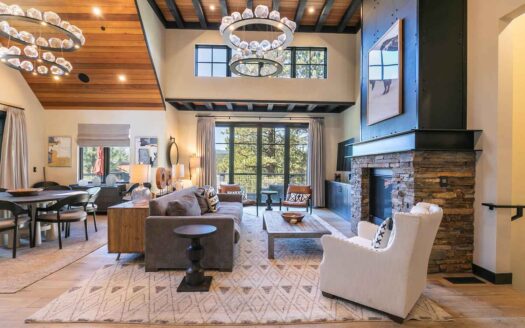
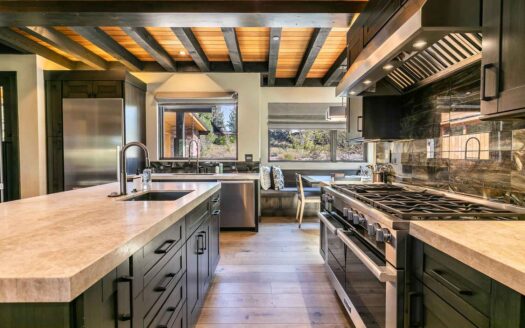
Lake Tahoe, Truckee California | 5-Bed Chalet In Gated Community
$685,000
Spacious 5-bedroom, 6-bathroom chalet in gated Lahontan community. Features Old Greenwood Club & Pool access, Northstar Club privileges, Rec Center amenities, o ...
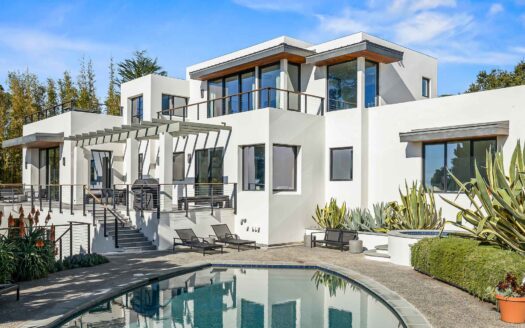
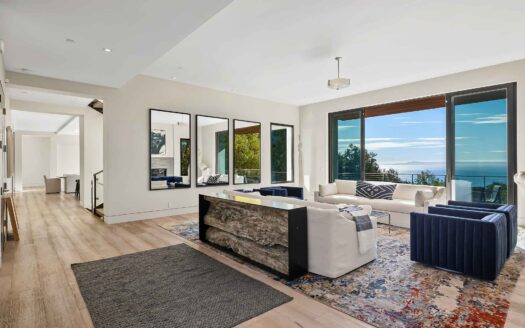
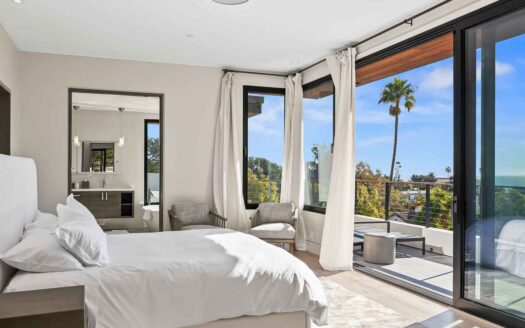
Santa Barbara, California | 4-Bed Chalet With Rooftop Deck
$949,000
Inspired by the Mexican Riviera, this picture-perfect 4-bedroom, 5-bathroom Santa Barbara estate spanning 5,100 sq ft (473 m²) stuns inside and out with elegant ...
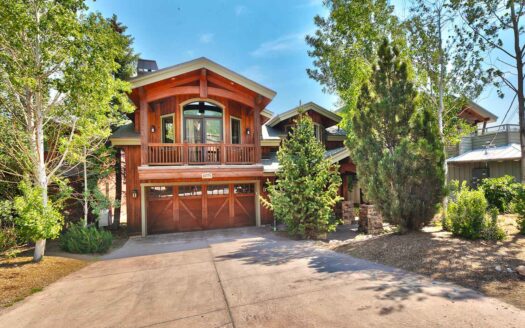
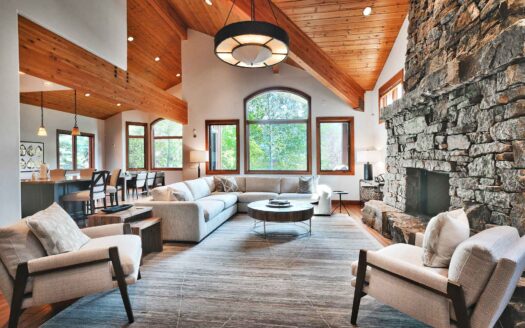
Park City, Utah | 5-Bed Chalet On Empire Avenue
$770,000
Discover mountain luxury in this spacious 5-bedroom, 6-bathroom Park City estate spanning 5,093 sq ft (473 m²). This exceptional property offers generous accomm ...
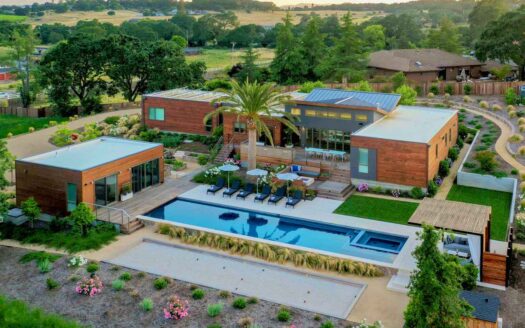
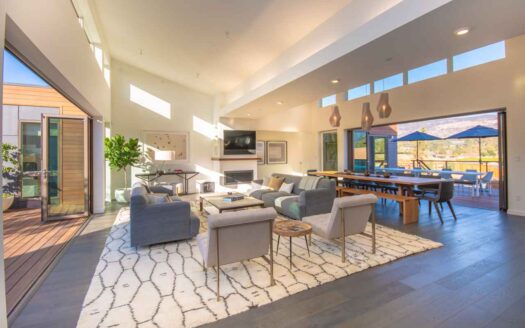
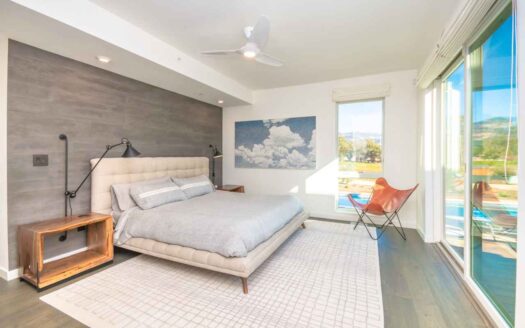
Napa, California | 5-Bed Chalet On First Avenue
$829,000
This stunning property delivers sophisticated wine country living in this exceptional 5-bedroom, 4-bathroom Napa estate spanning 3,278 sq ft (304 m²). Located o ...
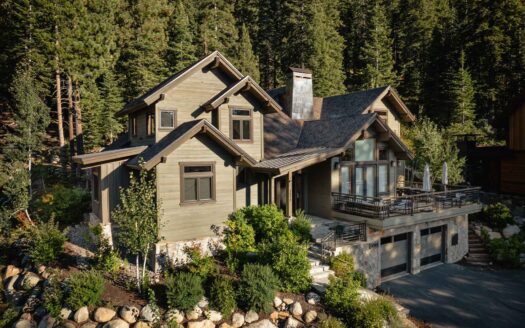
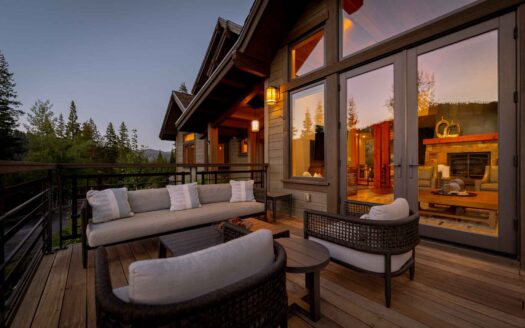
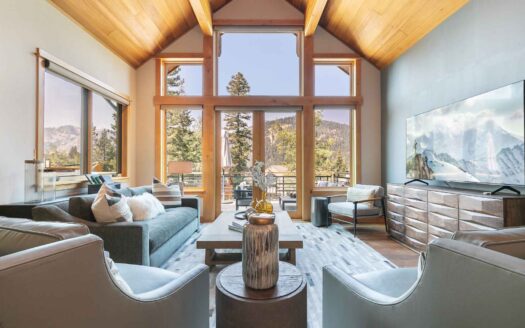
Lake Tahoe, Olympic Valley California | 4-Bed Chalet Golf Course Adjacent
$600,000
Impressive 4-bedroom, 4-bathroom chalet in Olympic Valley with championship golf course proximity and mountain views. Expansive chalet offers premium space and ...
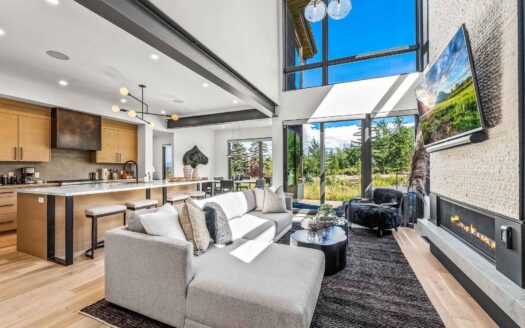
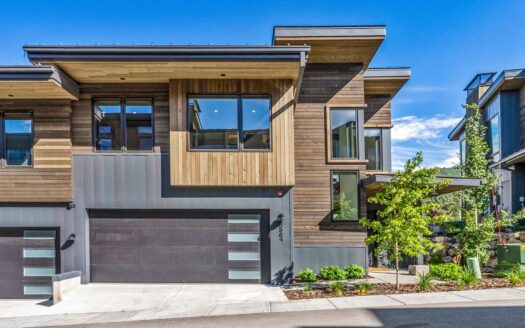
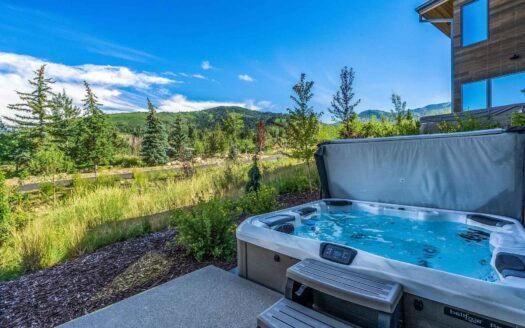
Park City, Utah | Ridgeline Vista Townhouse
$739,000
Discover an outstanding opportunity to co-own a beautifully designed mountain townhouse in the highly sought-after Canyons Village area of Park City. Located at ...
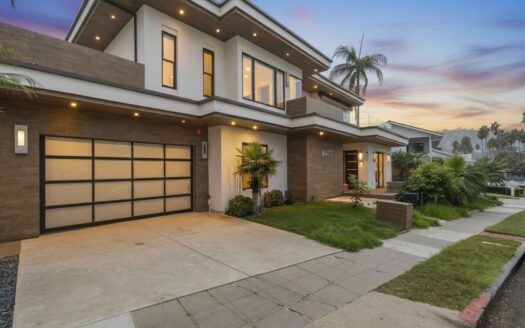
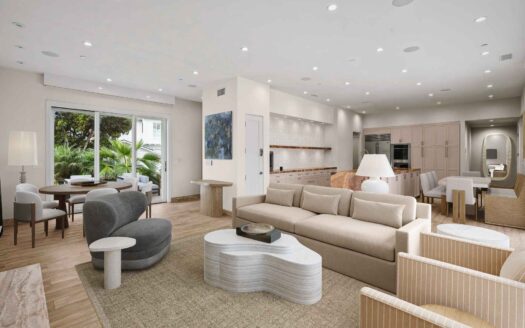
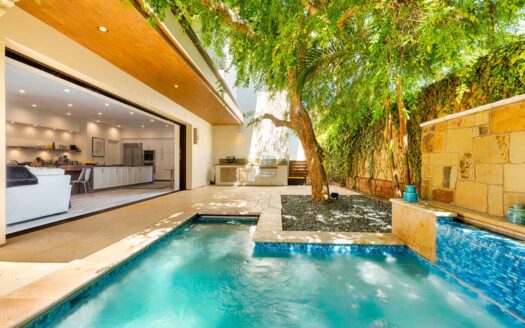
La Jolla, San Diego California | 4-Bed Chalet With Ocean Views
$1,184,000
This stunning property represents coastal California living at its finest—a stunning 4-bedroom, 3-bathroom La Jolla estate spanning 3,116 sq ft (289 m²) in one ...
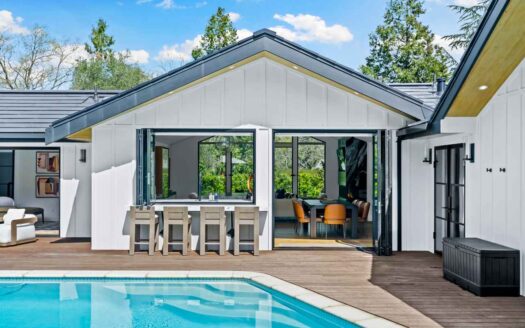
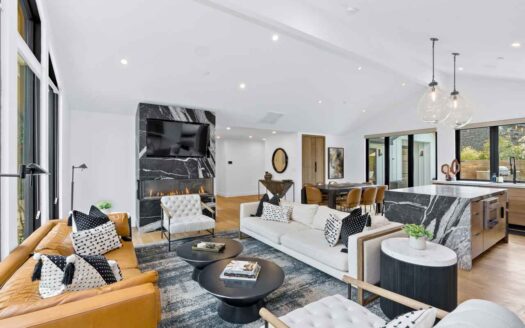
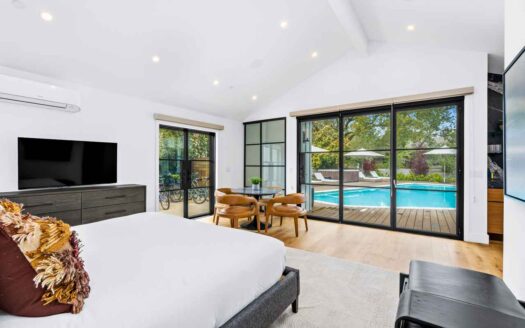
St. Helena, California | 4-Bed Chalet In Wine Country
$530,000
Discover authentic Napa Valley living in this charming 4-bedroom, 3-bathroom St. Helena retreat spanning 2,062 sq ft (191 m²).This thoughtfully designed propert ...
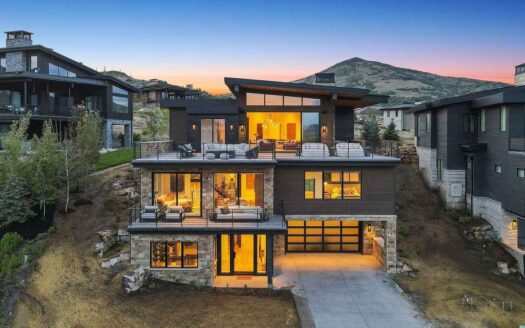
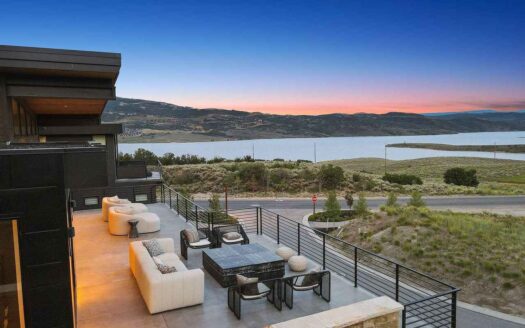
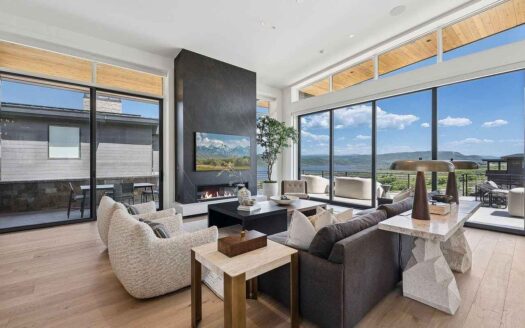
Mayflower Mountain, Utah | 5-Bed SkyRidge Retreat With Views & Theater
$950,000
Perched above Jordanelle Reservoir with sweeping views of Deer Valley's mountains, this SkyRidge retreat is designed for elevated year-round living. Expansive w ...
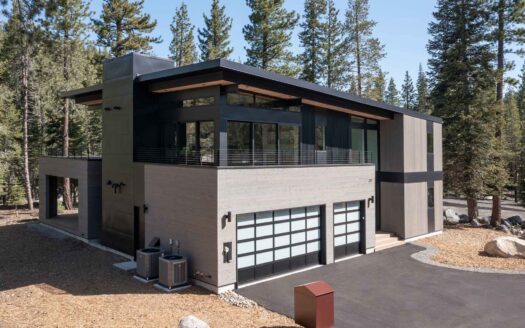
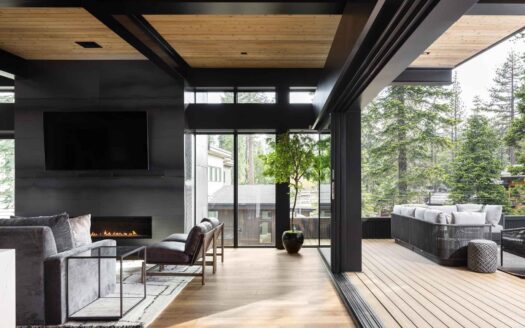
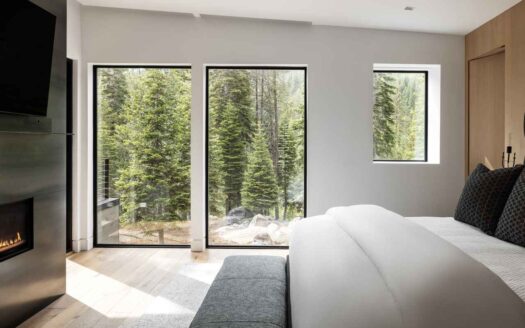
Lake Tahoe, Olympic Valley California | 5-Bed Chalet With Spacious Luxury
$769,000
Grand 5-bedroom, 6-bathroom chalet in Olympic Valley, one of the most spacious options available. Expansive chalet comfortably accommodates large groups and fam ...
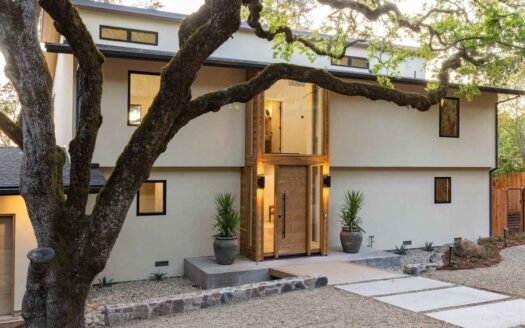
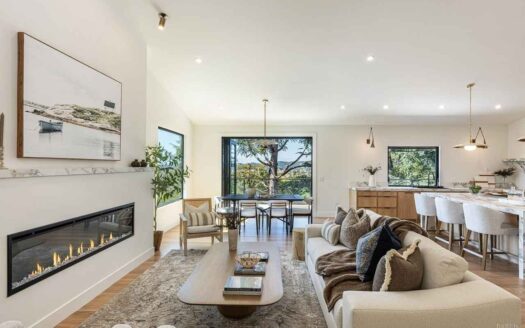
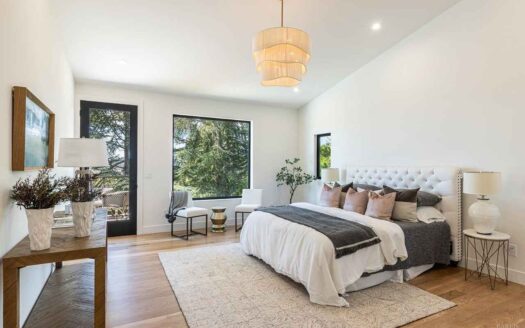
Napa, California | 3-Bed Chalet Downtown Location
$517,000
Nestled in downtown Napa, this elegant 3-bedroom, 5-bathroom retreat spanning 3,012 sq ft (279 m²) offers the perfect blend of urban wine country convenience an ...
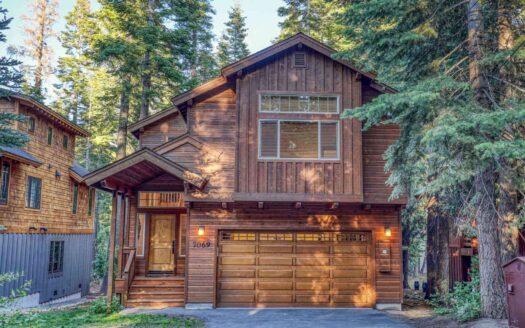
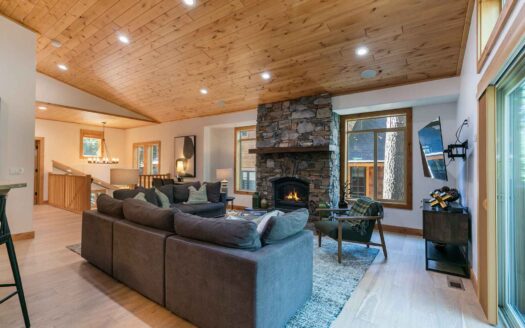
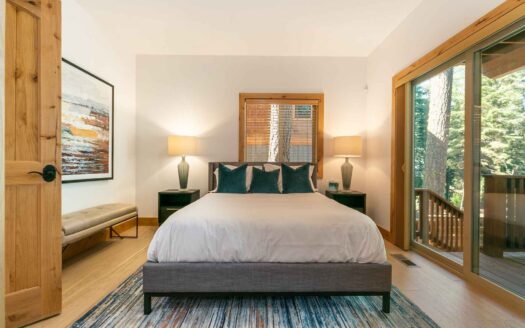
Lake Tahoe, Tahoma California | 3 Bed Home, Hot Tub, Fireplace, Vaulted Ceilings
$224,000
Unwind in the mountain serenity of this beautifully appointed 3-bedroom, 2.5-bath home in Tahoma, just moments from Lake Tahoe. Step into the spacious upper-lev ...
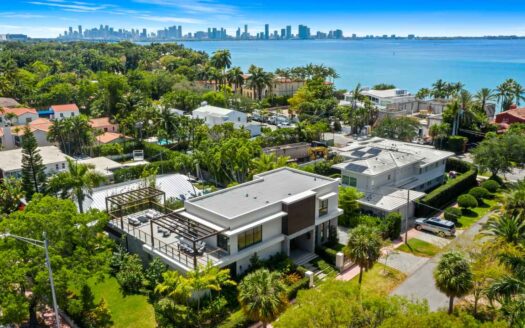
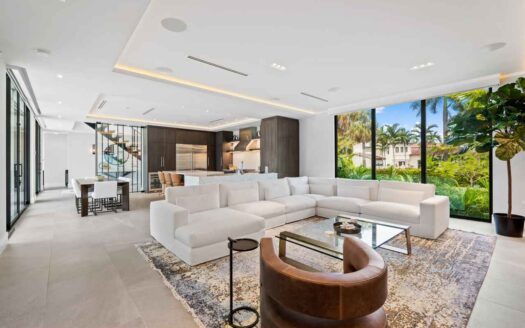
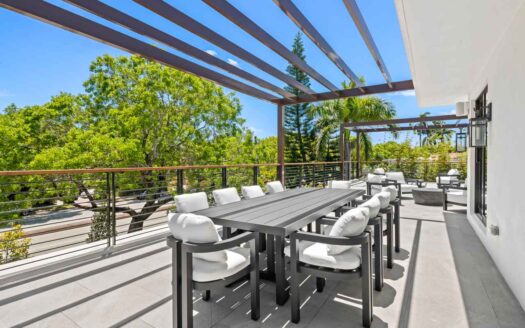
Miami Beach, Florida | 4-Bed Nautilus Estate With Rooftop Deck
$675,000
Casa Estrada is a fully renovated coastal estate in Miami Beach's desirable Nautilus neighborhood, offering over 3,200 square feet of sun-filled living space an ...
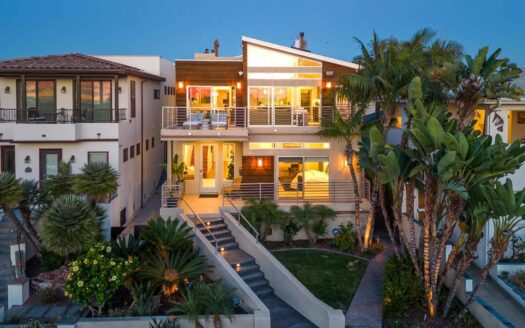
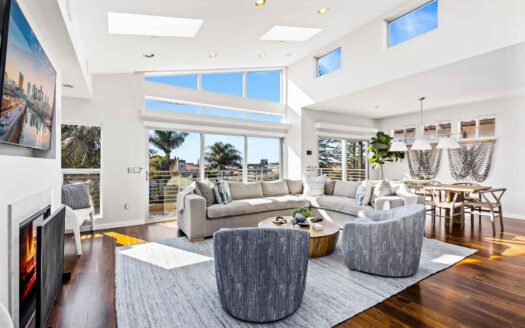
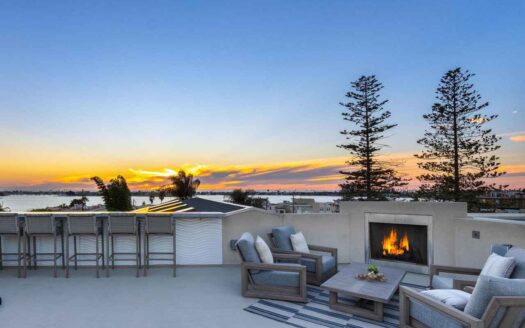
San Diego, California | 4-Bed Chalet With Bay Access
$499,000
Discover the best of San Diego waterfront living in this bright 4-bedroom, 3-bathroom retreat spanning 2,690 sq ft (249 m²). This exceptional property features ...
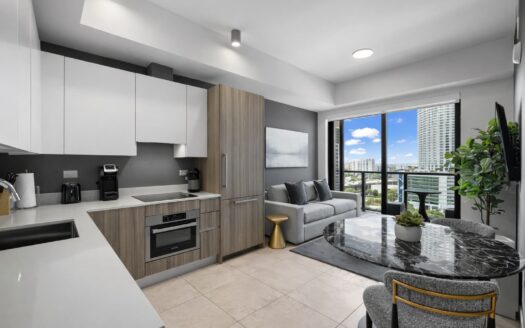

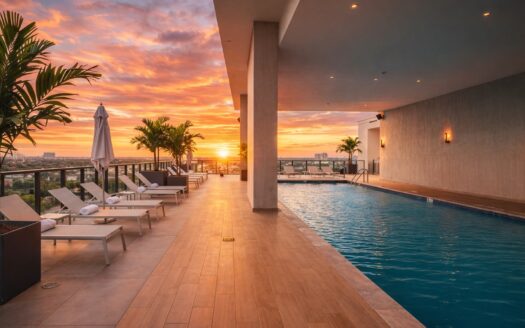
Brickell, Miami Florida | Luxury 1-Bed Apartment
$80,000
Experience Miami's most dynamic neighbourhood with this fully furnished 1-bed apartment in the heart of Brickell. Known as the "Manhattan of the South," Brickel ...
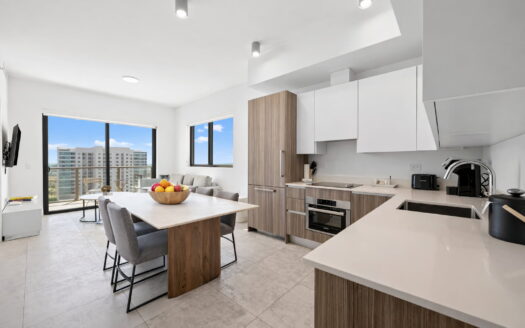
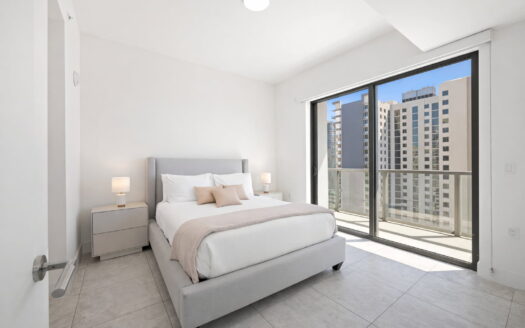
Brickell, Miami Florida | Luxury 2-Bed + Den Apartment
$100,000
Brand new completely furnished 2-bedroom + den in downtown Brickell. Recognised as the "Manhattan of the South," Brickell has evolved into Miami's leading finan ...
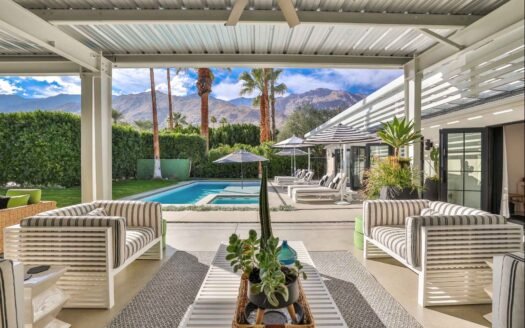
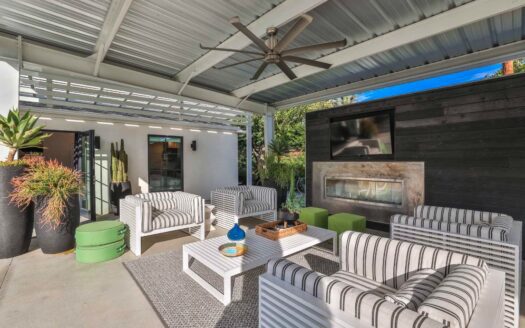
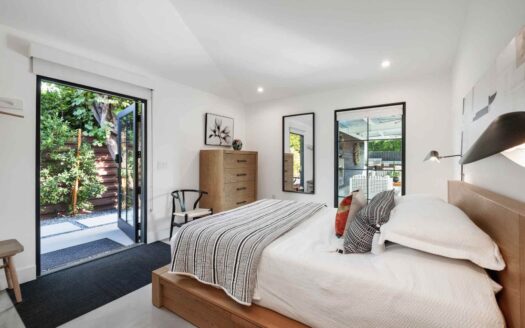
Palm Springs, California | 5-bed villa with pool
$185,000
Nestled at the tail end of a serene cul-de-sac in sunny South Palm Springs, this 5-bedroom, 5-bathroom haven offers picturesque views of the majestic San Jacint ...
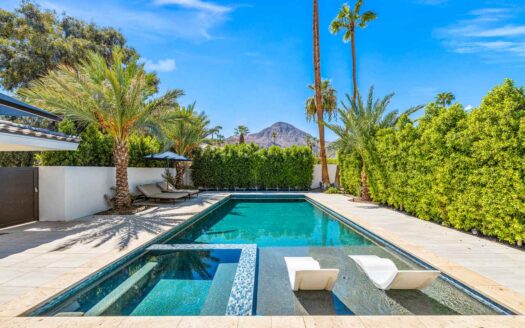
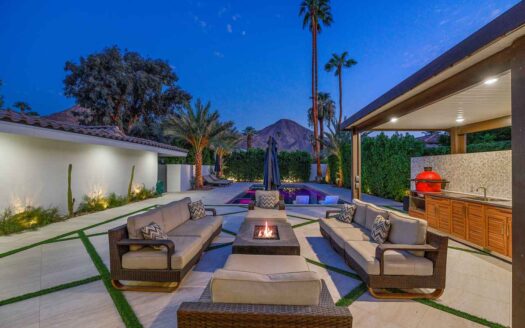
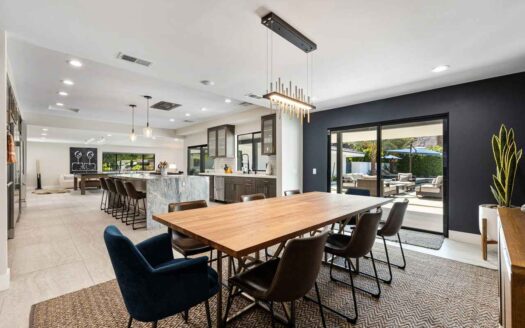
Indian Wells, California | 4-Bed Chalet With Heated Pool
$359,000
Discover sophisticated desert living in this spacious 4-bedroom, 4-bathroom Indian Wells estate spanning 3,991 sq ft (370 m²). This generous property features s ...
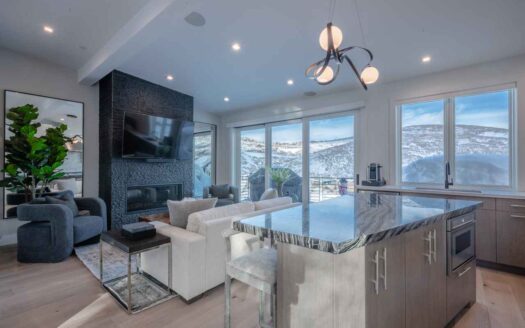
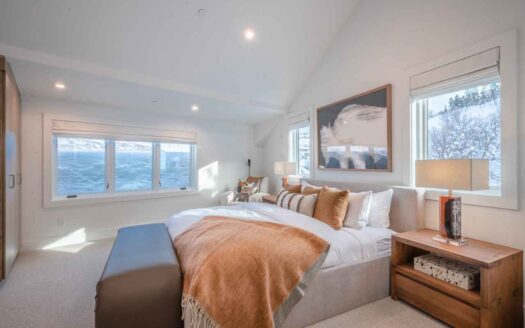
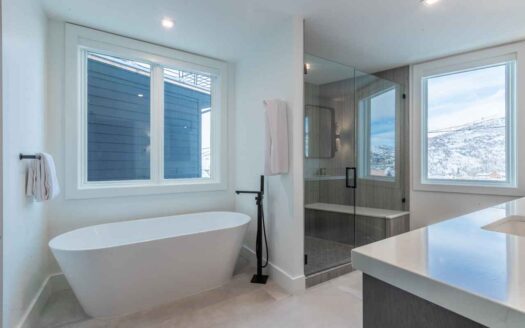
Park City, Utah | 4-Bed Chalet Empire Avenue
$799,000
Discover Old Town luxury in this well-appointed 4-bedroom, 5-bathroom Park City retreat spanning 3,197 sq ft (297 m²). This spacious property offers generous ac ...
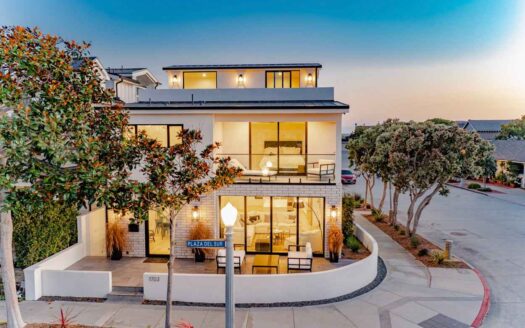
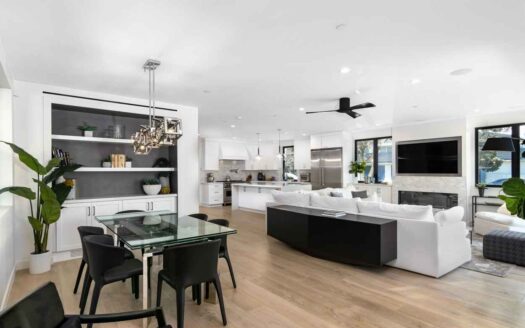
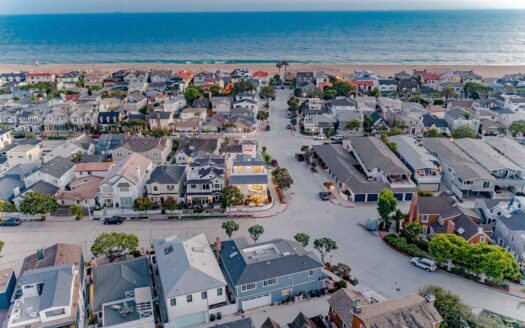
Newport Beach, California | 4-Bed Chalet With Harbor Views
$949,000
Discover Newport Beach luxury living in this exceptional 4-bedroom, 4-bathroom retreat spanning 3,117 sq ft (289 m²). This spacious property showcases contempor ...
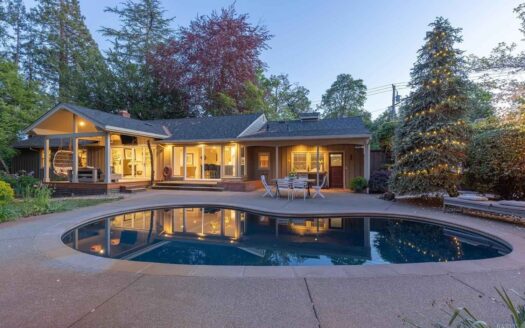
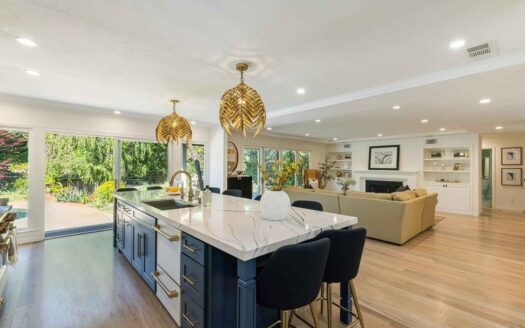
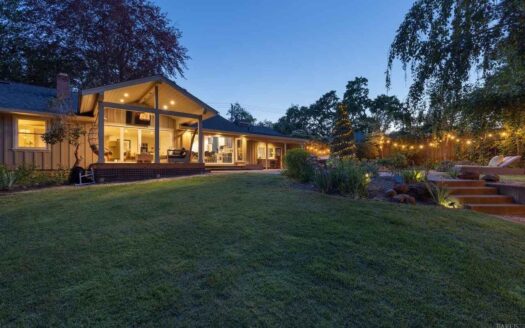
Napa, California | 3-Bed Chalet Wine Country
$377,000
Discover authentic Napa Valley living in this inviting 3-bedroom, 3-bathroom retreat spanning 1,850 sq ft (171 m²). This charming property offers comfortable wi ...
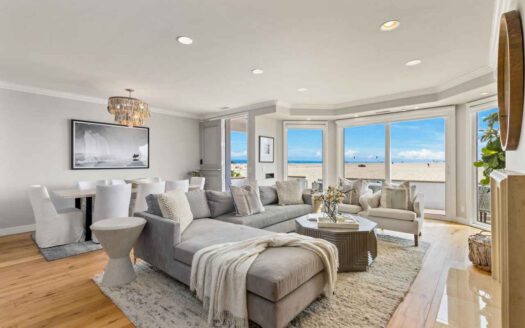
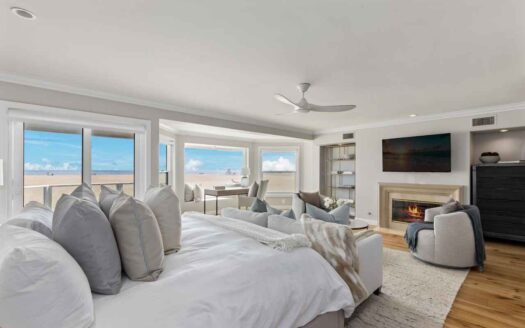
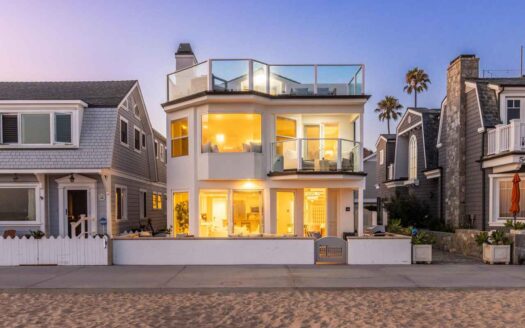
Newport Beach, California | 5-Bed Chalet Oceanfront
$999,000
Discover unparalleled Newport Beach oceanfront living in this exceptional 5-bedroom, 3-bathroom retreat spanning 2,294 sq ft (213 m²). Located directly on West ...
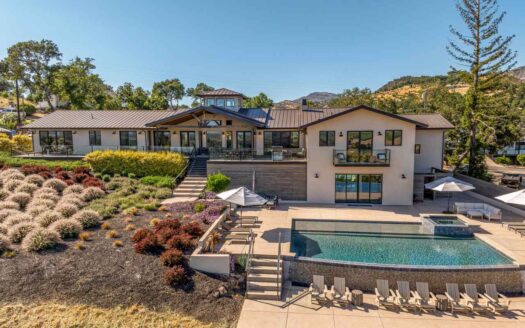
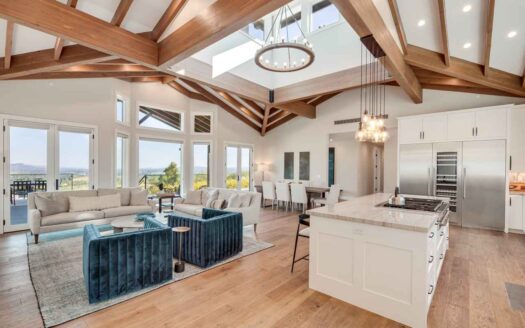
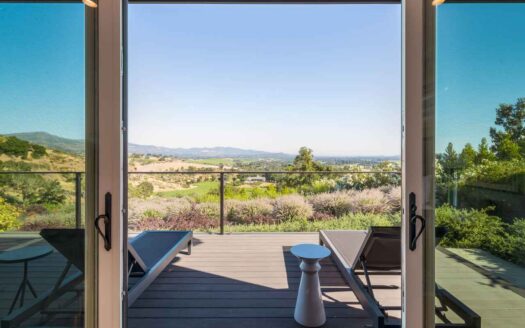
Napa, California | 4-Bed Chalet With Valley Views
$670,000
Discover panoramic wine country living in this spectacular 4-bedroom, 5-bathroom Napa estate spanning 5,000 sq ft (464 m²). Perched on Loma Vista Drive in the N ...
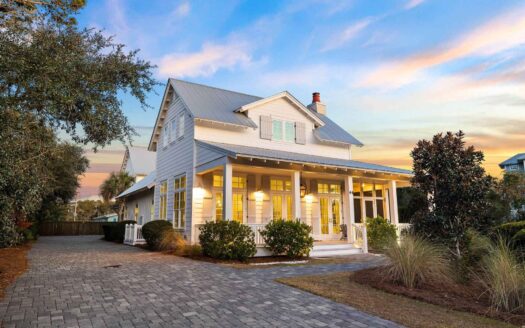
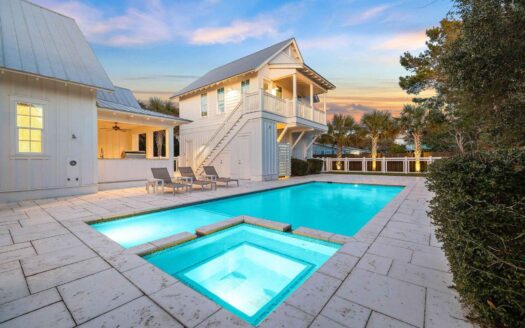
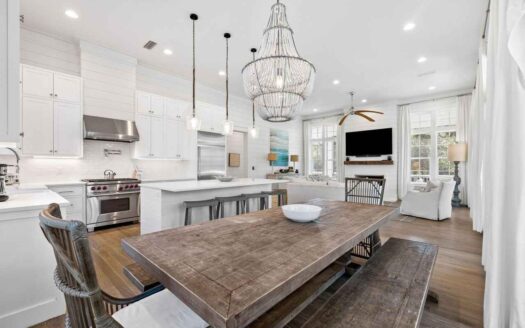
Inlet Beach, Florida | 6-Bed Chalet Beach Access
$559,000
Discover 30A luxury in this spacious 6-bedroom, 5-bathroom Inlet Beach retreat spanning 3,317 sq ft (308 m²). This generous property provides ample accommodatio ...
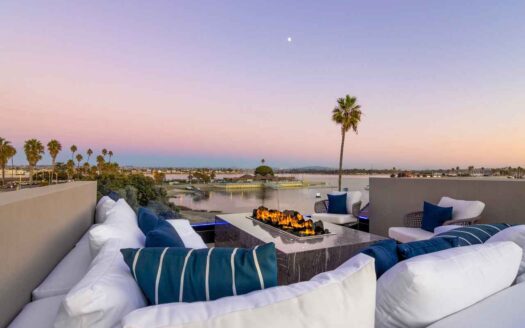
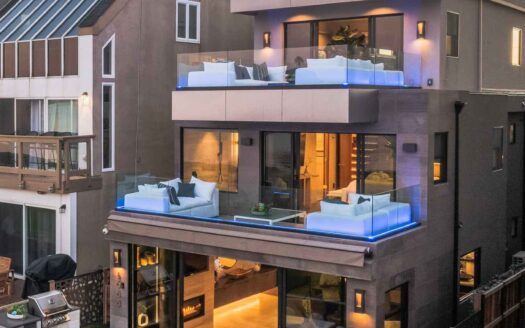
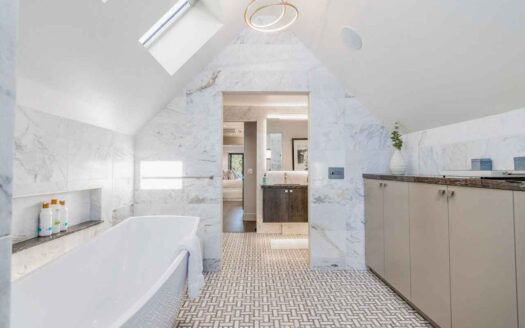
San Diego, California | 4-Bed Chalet With Bay Views
$639,000
Discover the essence of San Diego bay living in this inviting 4-bedroom, 3-bathroom retreat spanning 2,176 sq ft (202 m²). Located on the prestigious Bayside Wa ...
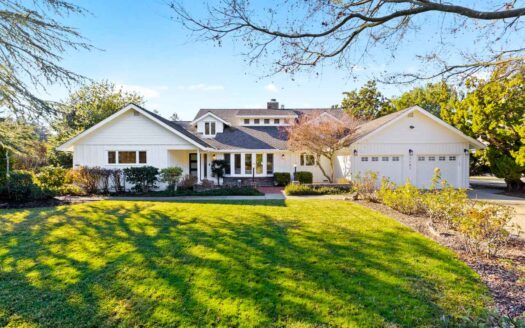
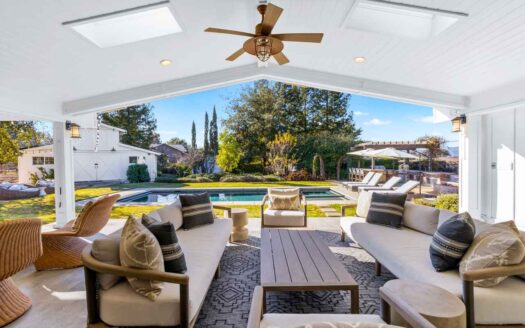
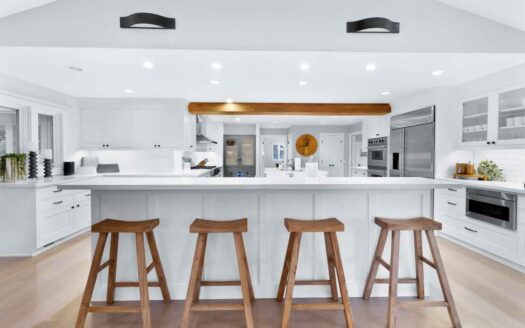
Napa Valley, California | 5-Bed Estate With Bocce Court
$859,000
Discover exceptional Napa Valley living in this luxurious 5-bedroom, 4-bathroom estate spanning 4,574 sq ft (424 m²). This substantial wine country property fea ...
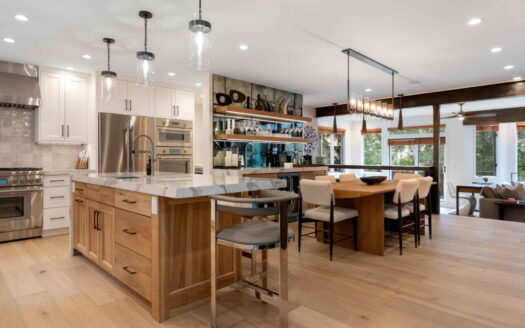
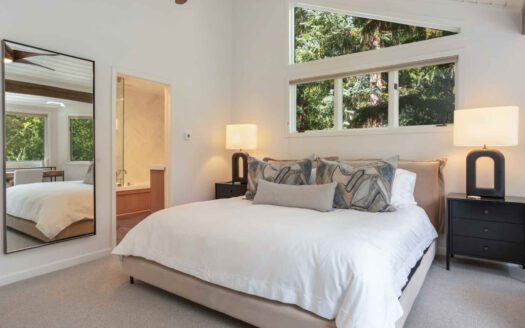
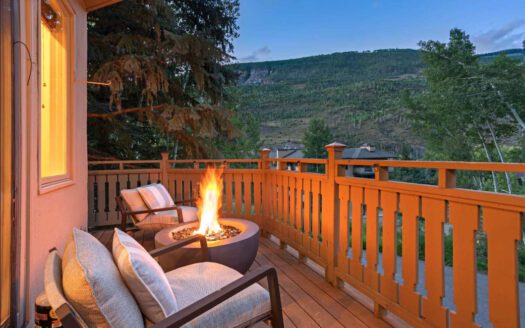
Vail, CO | GoreView Mountain Townhome
$750,000
Nestled in the prestigious Vail Golf Course neighbourhood, this mountain-contemporary townhome—GoreView Mountain Townhome—offers an exceptional co-ownership opp ...
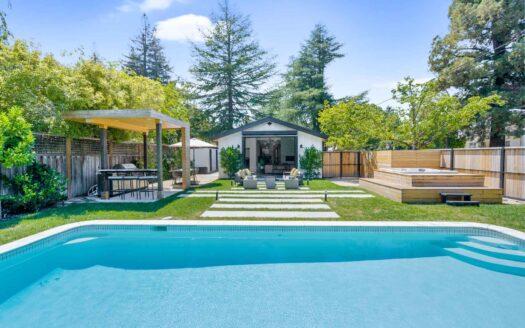
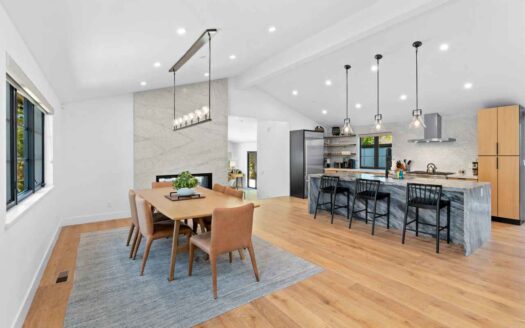
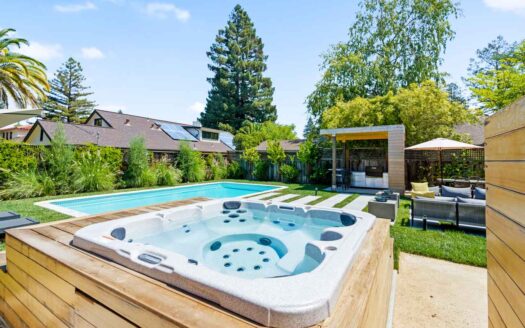
Napa Valley, St. Helena California | 3-Bed Chalet With Hot Tub
$478,000
Discover refined wine country living in this elegant 3-bedroom, 2-bathroom St. Helena retreat spanning 1,818 sq ft (168 m²).This beautifully appointed property ...
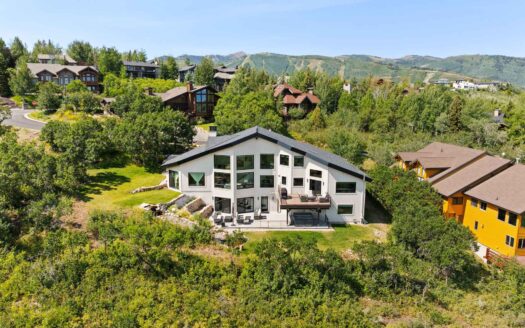
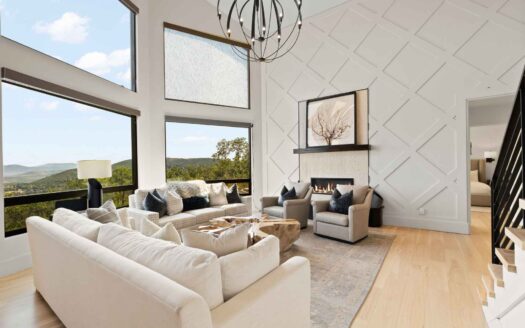
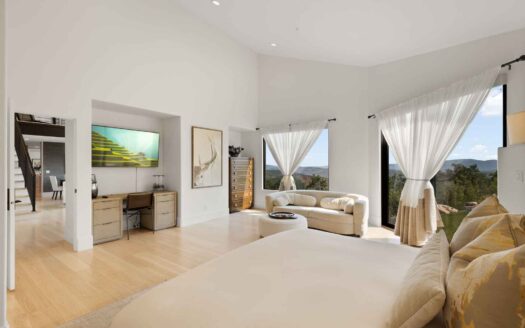
Park City, Utah | Aerie Retreat Mountain Residence
$810,000
Nestled in the exclusive Aerie enclave of Park City, this striking mountain residence offers a sublime blend of luxury, versatility and tranquil alpine living. ...
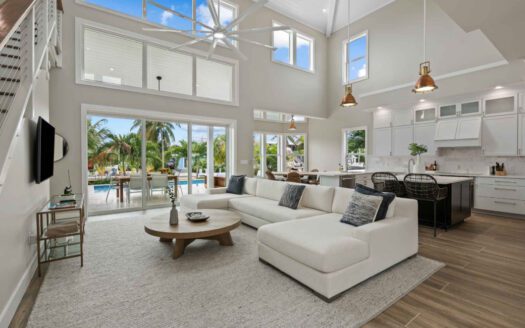
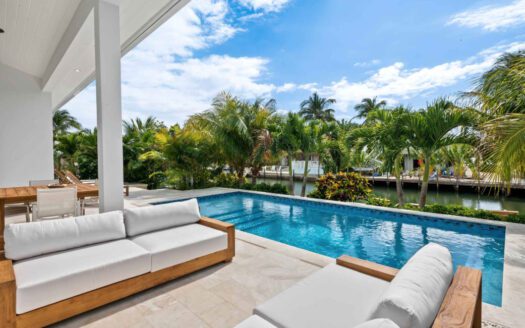
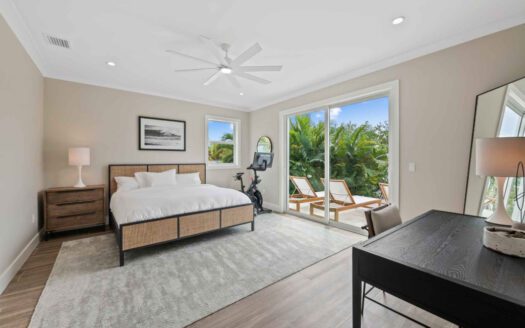
Islamorada, FL | Canal Vista Keys Residence
$450,000
Nestled in the exclusive White Marlin Beach enclave of the Florida Keys, the CanalVista Keys Residence offers a refined coastal escape through a smart co‑owners ...
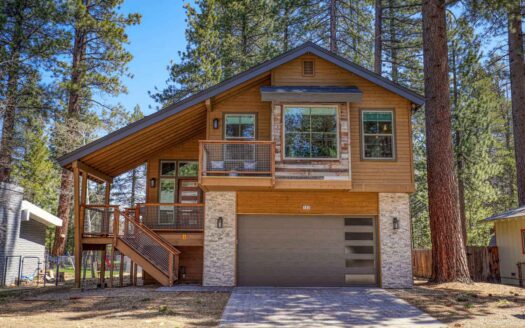
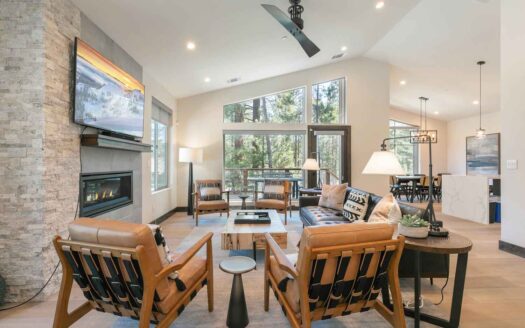
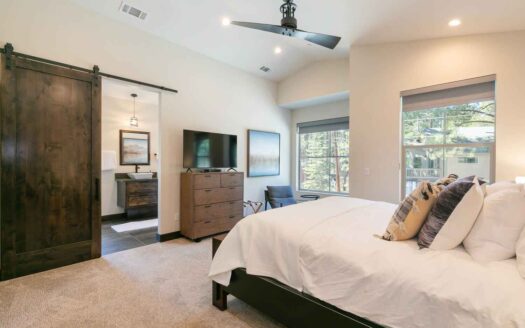
South Lake Tahoe, California | 4 Bed Home, Hot Tub, Mountain Views, 2-Car Garage
$250,000
Experience lakeside mountain living at its finest in this spacious 4-bedroom, 3-bath contemporary home in South Lake Tahoe, just steps from Cove East Beach and ...

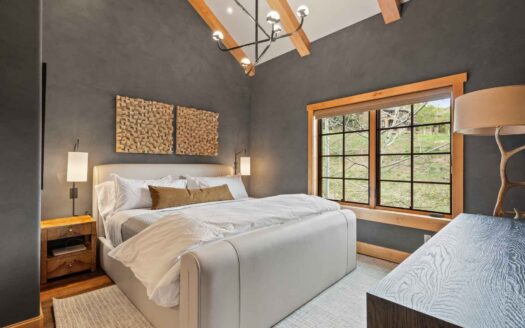
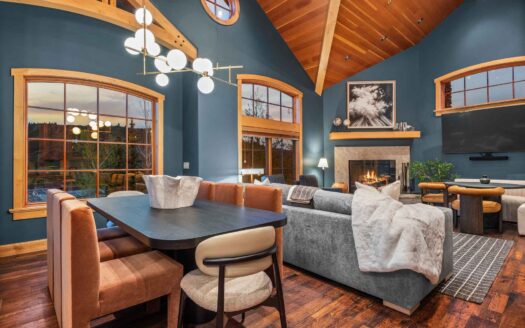
Aspen Snowmass | Exceptional Ski-in Ski-out 4-bed Chalet
$1,170,000
Experience year-round alpine living from this ski-in ski-out residence on Snowmass Mountain, perfectly positioned for effortless access to three lifts mere step ...
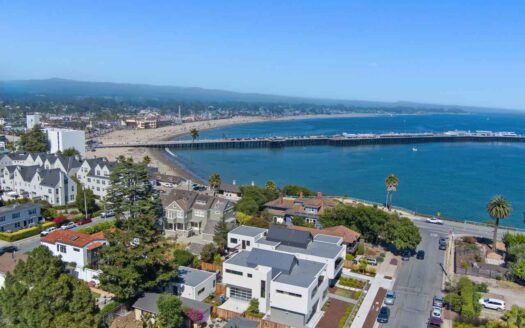
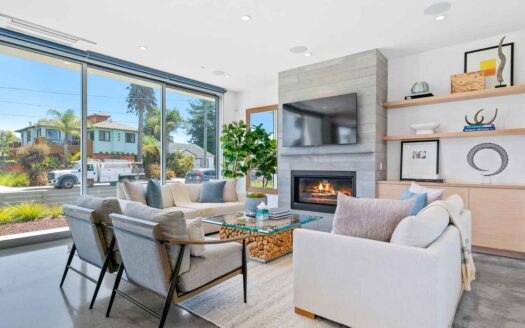
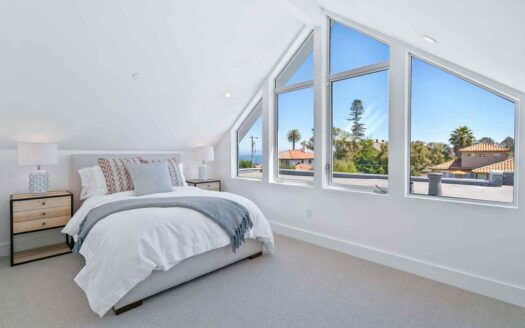
Santa Cruz, California | 5-Bed Chalet Beach Access
$800,000
Discover exceptional Santa Cruz coastal living in this spacious 5-bedroom, 5-bathroom retreat spanning 3,849 sq ft (357 m²). This generous property provides amp ...
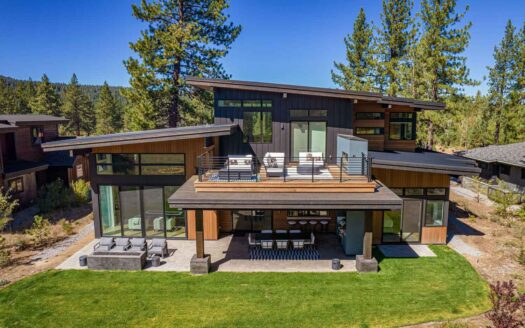
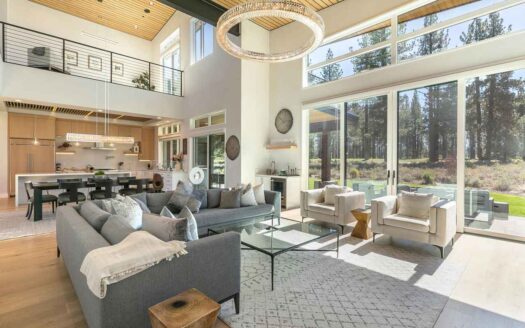
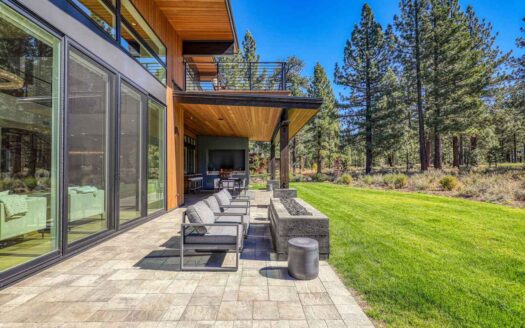
Lake Tahoe, Truckee California | 4-Bed Chalet With Golf Course Proximity
$499,000
Spacious 4-bedroom, 4-bathroom chalet in Truckee with abundant space for entertaining and family gatherings. Offers professional furnishings and contemporary de ...
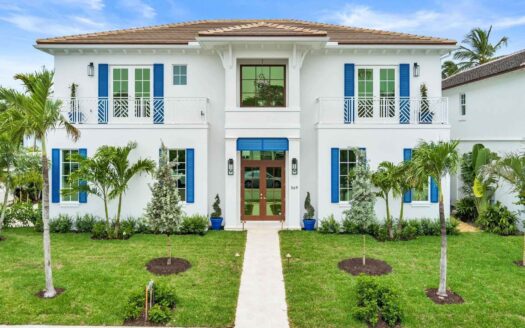
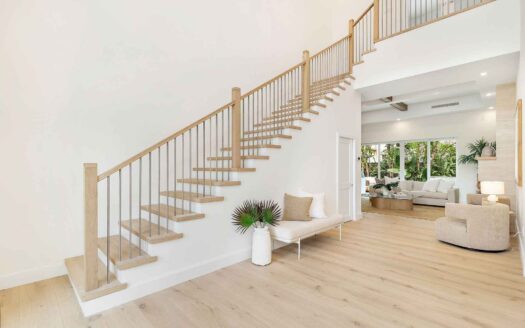
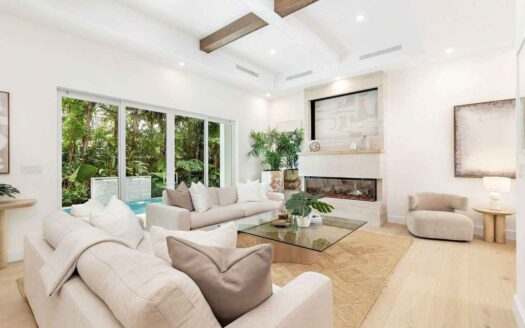
West Palm Beach, Florida | 5-Bed Estate With Pool
$859,000
Discover Palm Beach luxury in this exceptional 5-bedroom, 8-bathroom estate spanning 4,108 sq ft (381 m²). This substantial property offers generous accommodati ...
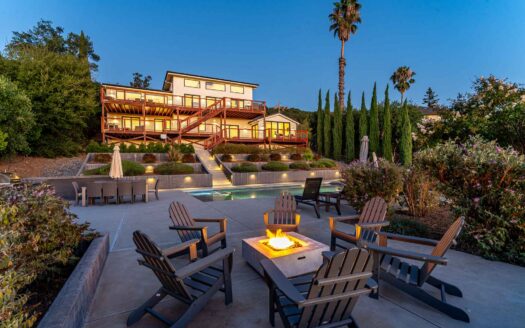
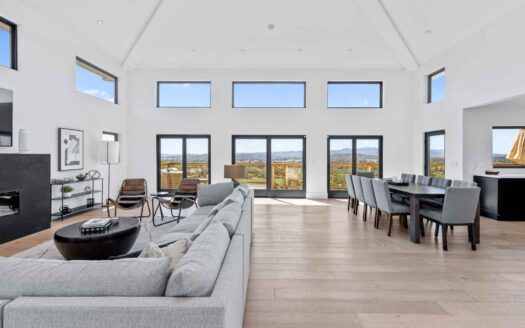
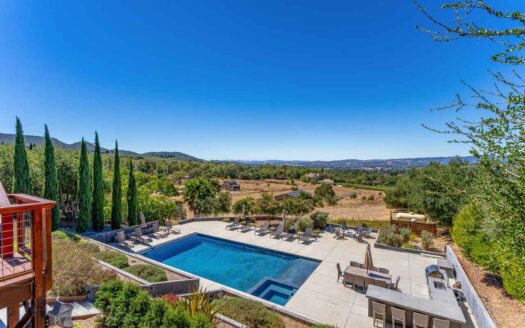
Napa Valley, California | 4-Bed Chalet In Wine Country
$519,000
Discover exceptional wine country living in this beautifully appointed 4-bedroom, 3-bathroom Napa estate spanning 3,936 sq ft (365 m²). This spacious property c ...
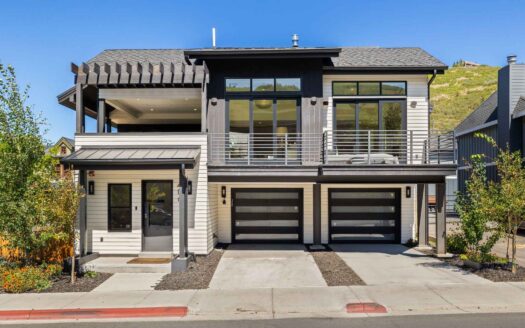
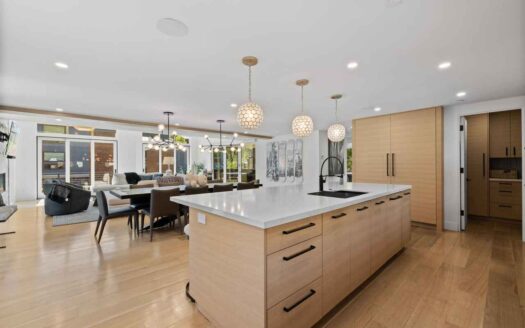
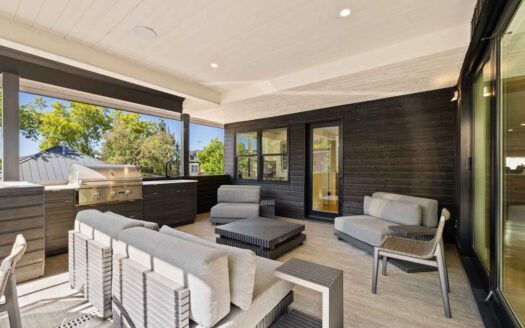
Park City, Utah | 5-Bed Estate With 360 Views
$850,000
Located in sought-after Old Town, this exceptional 5-bedroom, 8-bathroom Park City retreat spanning 4,920 sq ft (457 m²) offers both laidback living and high-th ...
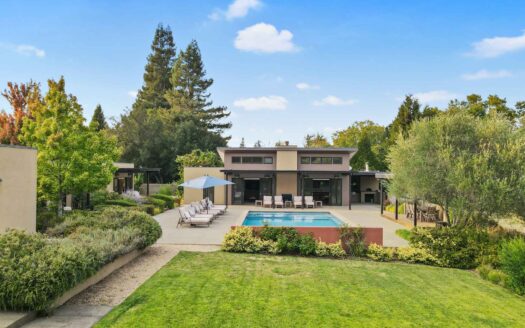
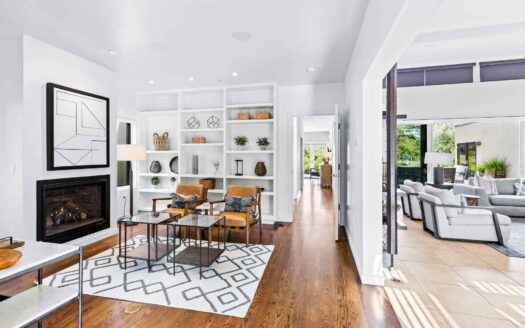
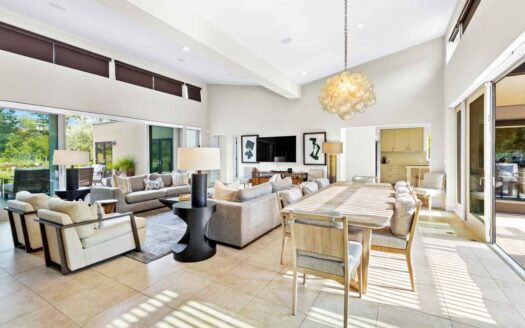
Healdsburg, California | 5-Bed Estate With Wine Country Views
$725,000
Discover exceptional Sonoma wine country living in this spacious 5-bedroom, 5-bathroom estate spanning 4,524 sq ft (420 m²). This substantial property offers ge ...
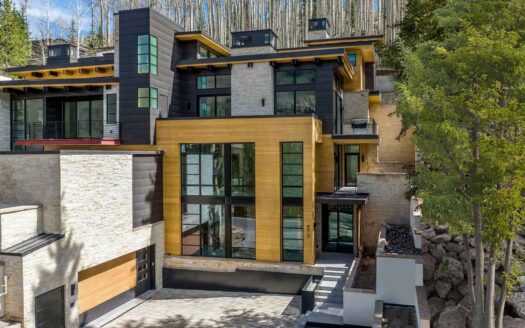
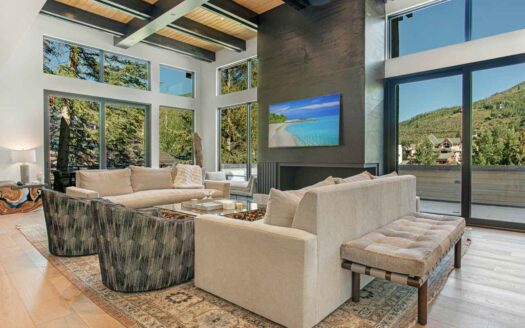
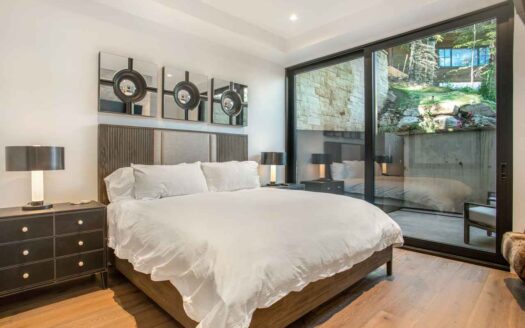
Vail, Colorado | 5-Bed Estate Forest Road
$2,375,000
Discover exceptional Vail luxury in this impressive 5-bedroom, 6-bathroom estate spanning 5,995 sq ft (557 m²). This substantial property offers one of Vail's m ...
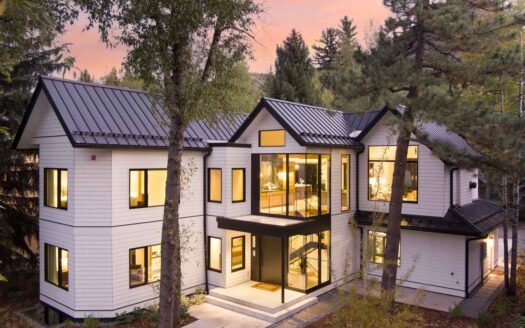
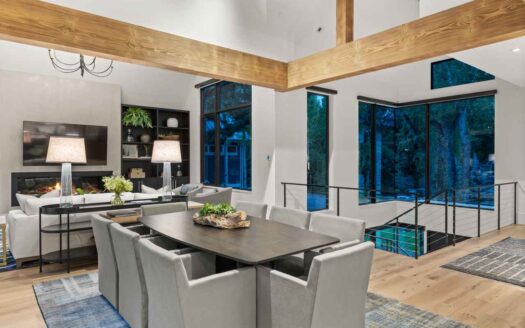
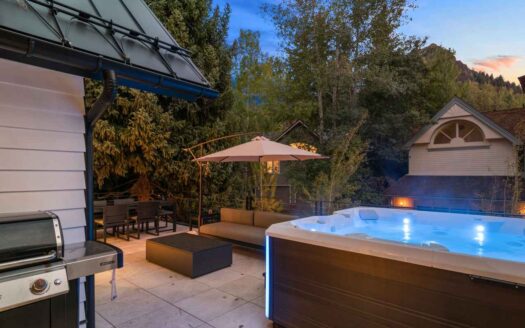
Aspen, Colorado | 5-Bed Estate Hallam Street
$3,125,000
Discover Aspen luxury in this exceptional 5-bedroom, 7-bathroom estate spanning 4,851 sq ft (450 m²). This substantial property offers generous accommodations w ...
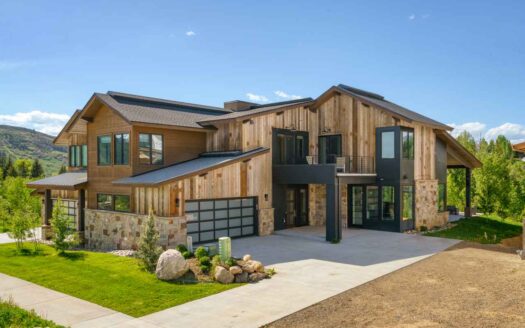
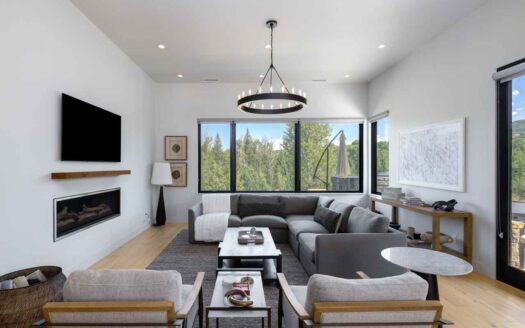
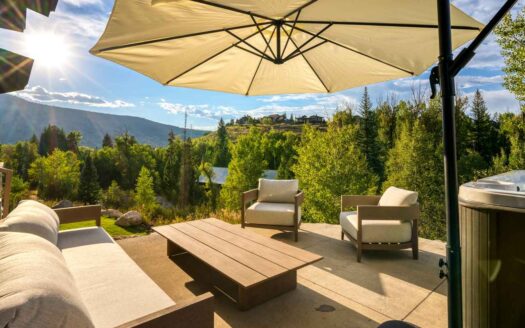
Steamboat Springs, Colorado | 4-Bed Chalet Mountain Views
$610,000
Experience Steamboat Springs living in this well-appointed 4-bedroom, 5-bathroom retreat spanning 4,064 sq ft (377 m²). This spacious property offers generous a ...
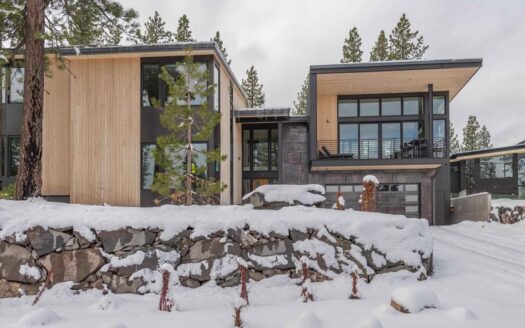
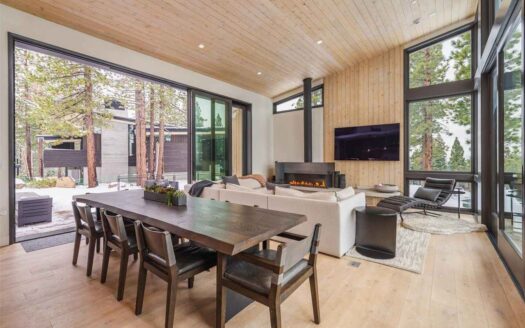
Lake Tahoe, Truckee California | 4-Bed Chalet With Fire Pit
$687,000
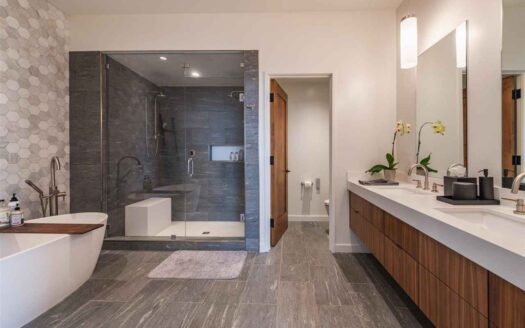
Experience mountain luxury in this exceptional 4-bedroom, 4-bathroom Truckee estate spanning 3,200 sq ft (297 m²) at 15157 Boulder Place. This architecturally s ...
Brickell, Miami Florida | Luxury 2-Bed Apartment with pool Flexible Use
$124,500
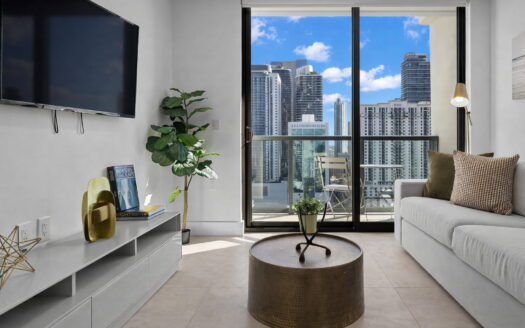
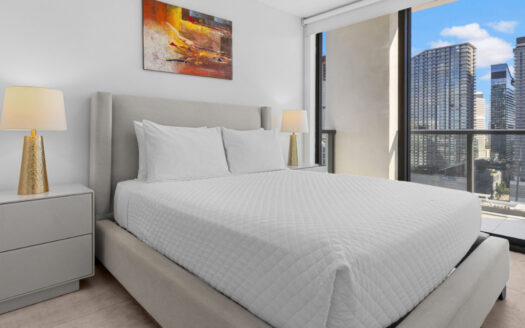
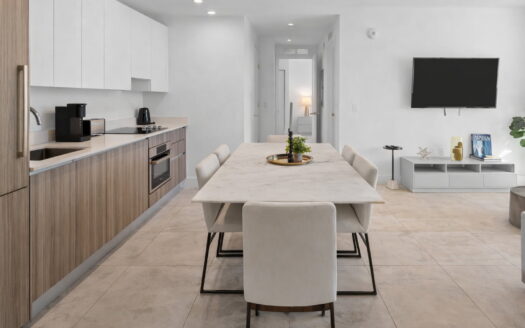
Brand new, completely furnished 2-bedroom in downtown Brickell. Recognised as the "Manhattan of the South," Brickell has evolved into Miami's leading financial ...
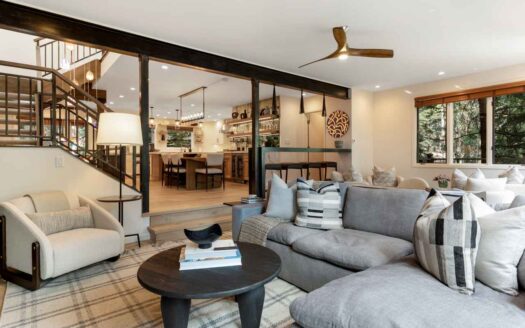
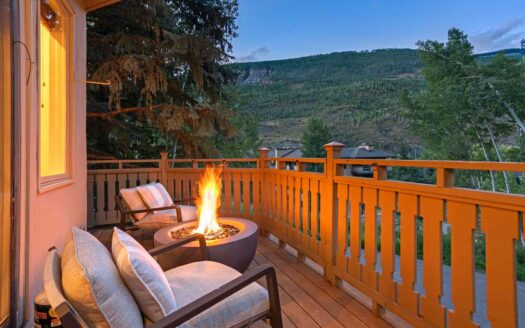
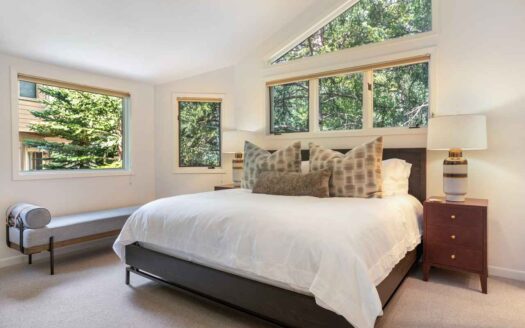
Vail, Colorado | 4-Bed Chalet Golf Terrace
$750,000
Discover Vail living in this well-appointed 4-bedroom, 4-bathroom retreat spanning 2,819 sq ft (262 m²). This comfortable property offers thoughtful design with ...
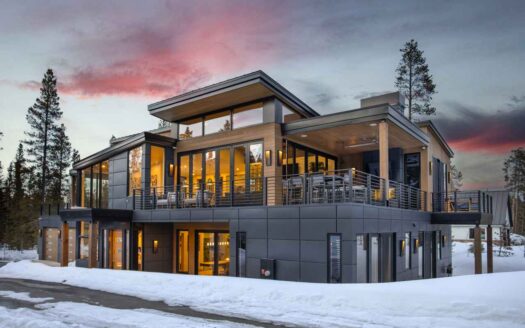
Breckenridge, Colorado | 4-Bed Chalet New Construction
$675,000
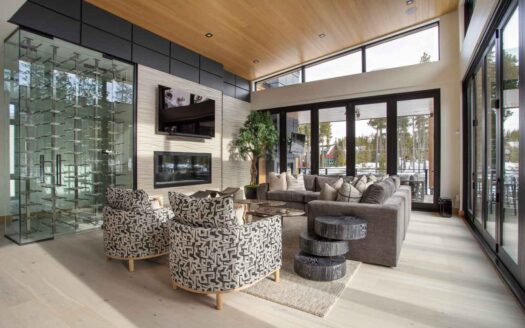
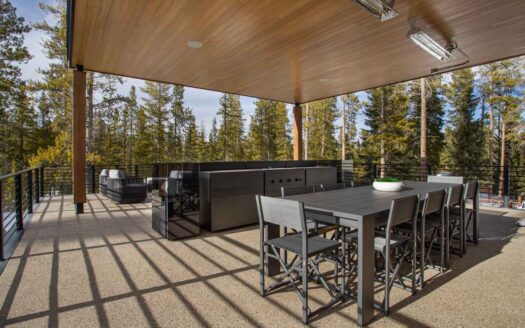
This stunning new construction 4-bedroom, 6-bathroom Breckenridge home spanning 4,103 sq ft (381 m²) represents the pinnacle of mountain living and effortless r ...
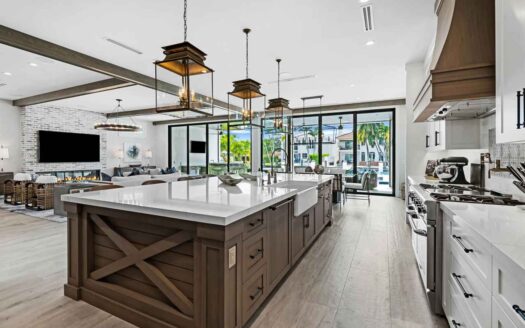
Fort Lauderdale, Florida | 4-Bed Chalet With Private Dock
$699,000
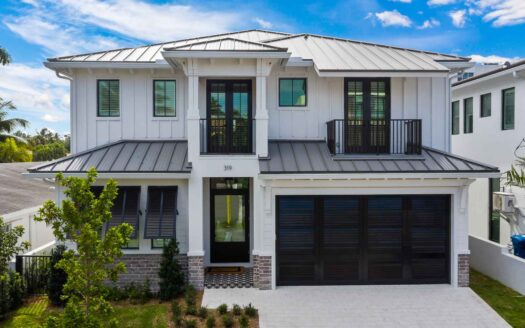
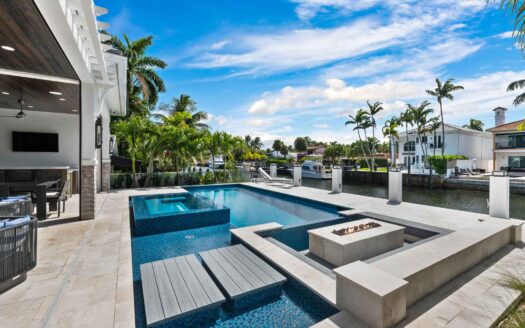
Spend days on the deck or the water at this calming resort-inspired 4-bedroom, 4-bathroom retreat spanning 3,886 sq ft (361 m²) in Fort Lauderdale. This excepti ...
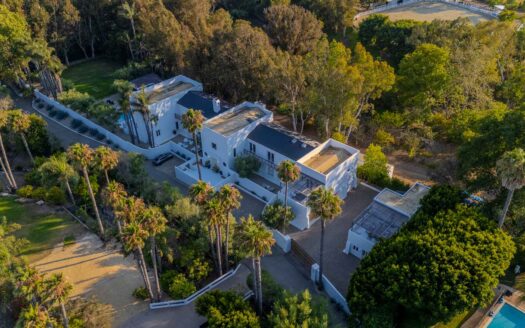
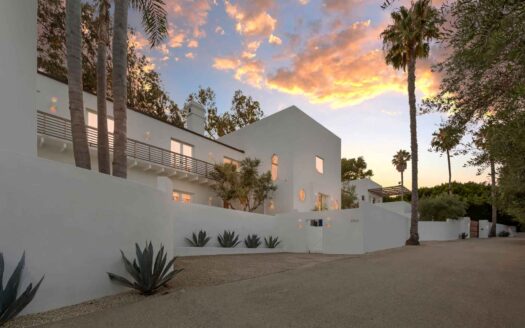
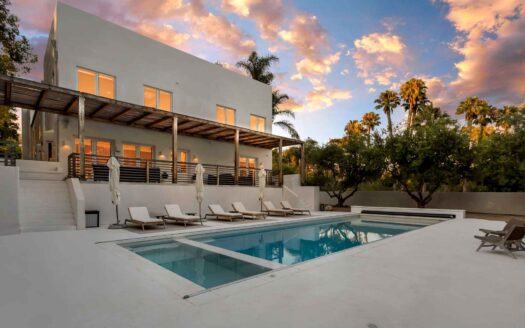
Central Malibu California | 7 Bed Designer Estate With Guest House, Pool & Spa, Ocean...
$1,995,000
Experience the ultimate California coastal estate in this extraordinary 7-bedroom, 11-bath Mediterranean-inspired compound spanning 12,504 sq ft on a pristine 2 ...
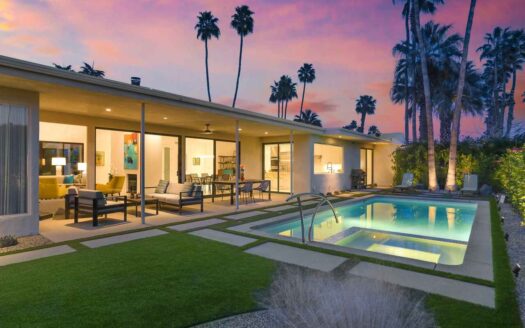
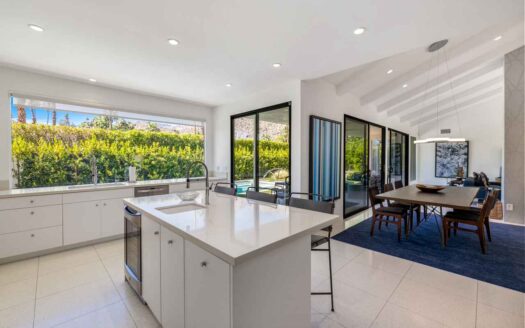
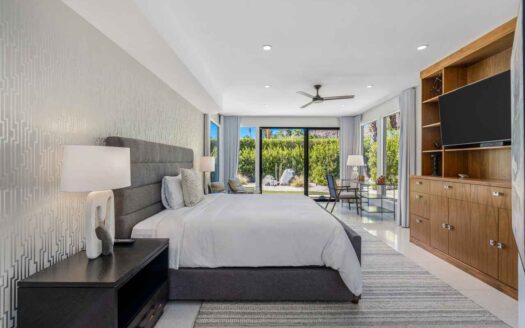
Palm Springs, California | 3-Bed Chalet Desert Living
$285,000
Embrace Palm Springs desert living in this welcoming 3-bedroom, 3-bathroom retreat spanning 2,414 sq ft (224 m²). This comfortable property combines generous sp ...
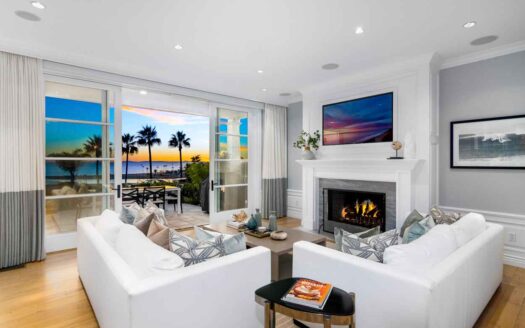
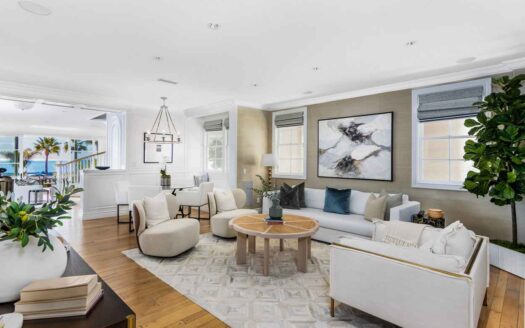
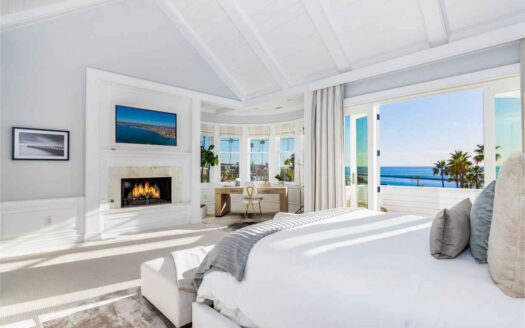
Corona Del Mar, Newport Beach California | 4-Bed Chalet Ocean Boulevard
$1,375,000
Discover the pinnacle of Corona del Mar luxury living in this exceptional 4-bedroom, 4-bathroom estate spanning 3,143 sq ft (292 m²). Located on the iconic Ocea ...
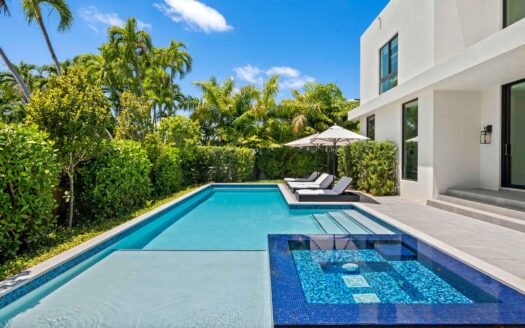
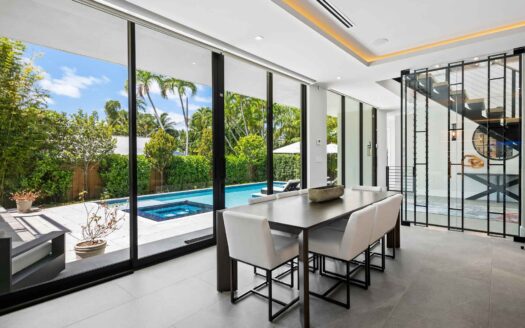
Miami Beach, Florida | 4-Bed Chalet With Rooftop Deck
$700,000
Your tropical getaway awaits at this picture-perfect 4-bedroom, 4-bathroom Miami Beach home spanning 3,263 sq ft (303 m²) where fiesta meets fine living. This e ...
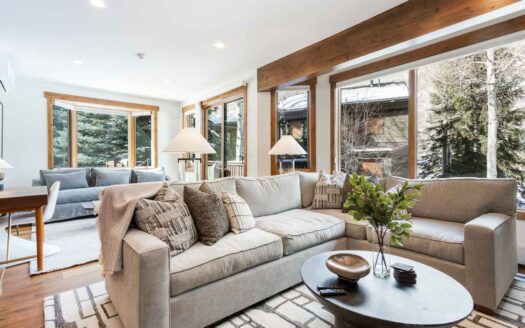
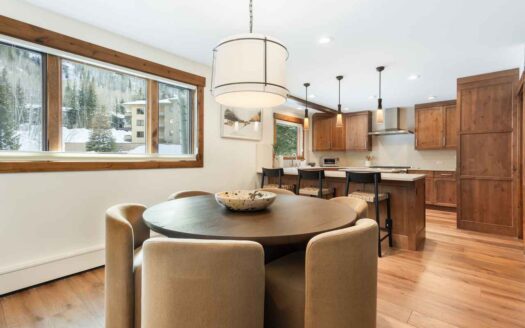
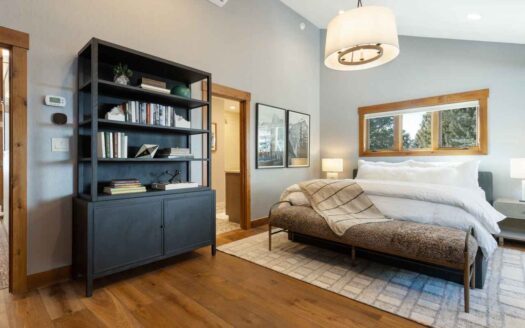
Vail, Colorado | 4-Bed Chalet With Wraparound Deck
$799,000
Step into this newly remodeled 4-bedroom, 5-bathroom Vail townhome spanning 2,871 sq ft (266 m²) in the Colorado Rockies for the ultimate high-end mountain retr ...
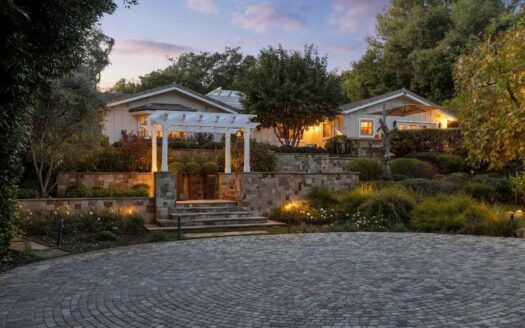
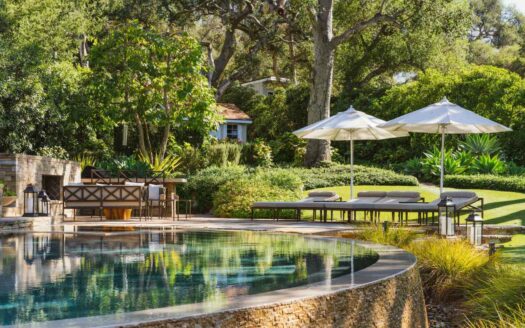
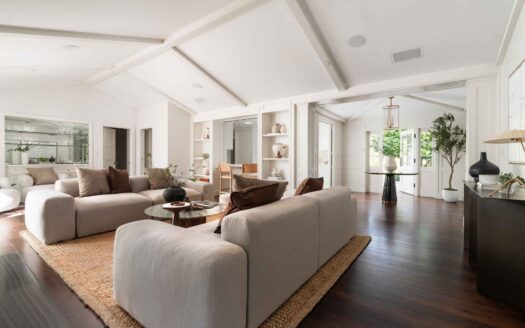
Montecito, California | 5-Bed Estate On Olive Road
$1,977,000
Experience Montecito luxury in this exceptional 5-bedroom, 4-bathroom estate spanning 2,636 sq ft (244 m²). This beautifully appointed property combines sophist ...
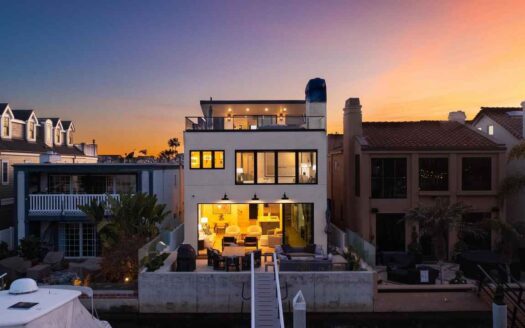
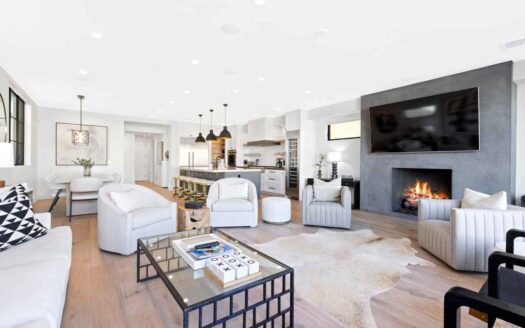
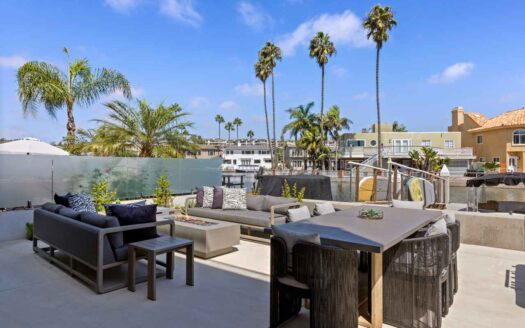
Newport Beach, California | 4-Bed Chalet Waterfront
$1,350,000
Discover premium Newport Beach waterfront living in this exceptional 4-bedroom, 5-bathroom retreat spanning 3,330 sq ft (309 m²). Located on River Avenue with d ...
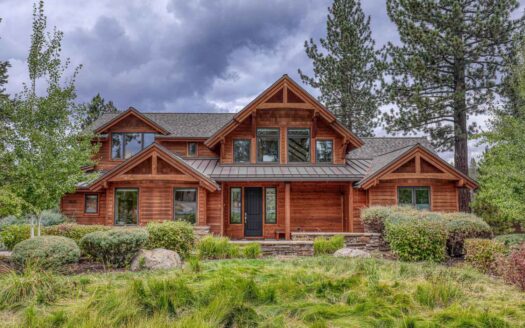
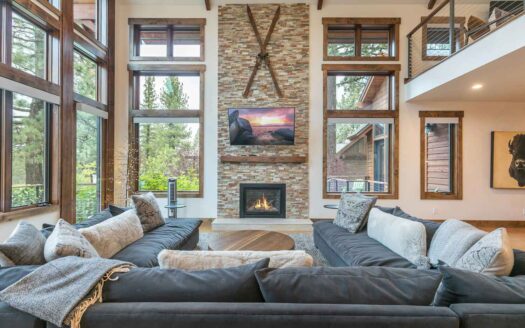
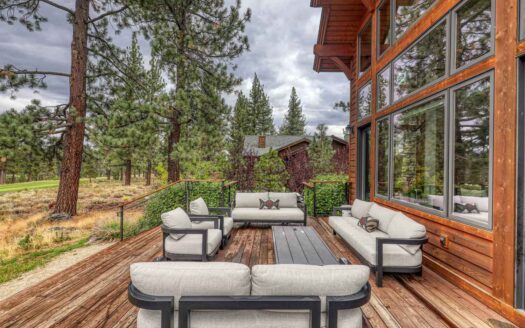
Lake Tahoe, Truckee California | 4-Bed Chalet With Golf Course Proximity
$415,000
Located in Truckee, this 4-bedroom, 5-bathroom chalet features golf course views and proximity to recreation. Offers professional furnishings and contemporary d ...
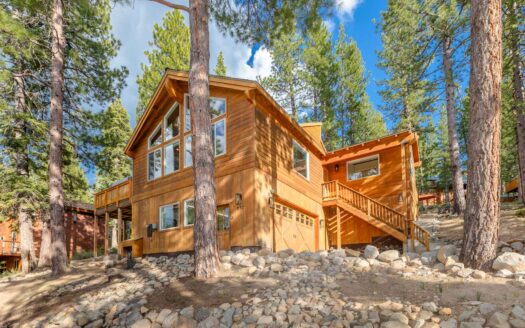
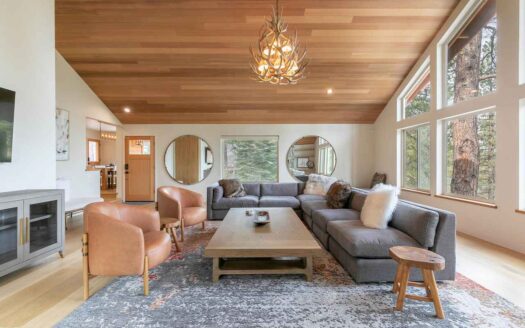
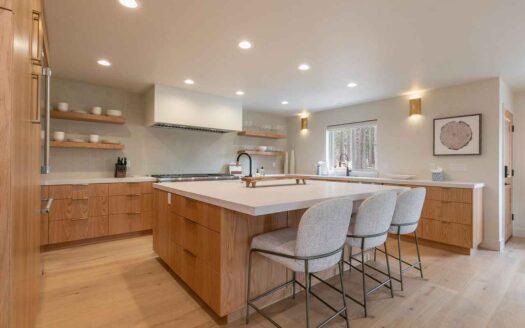
Lake Tahoe, Truckee California | 4-Bed Chalet Forest Retreat
$370,000
Located in Truckee, this 4-bedroom, 3-bathroom chalet sits in peaceful forest setting. Combines mountain comfort with professional design, offering serene retre ...
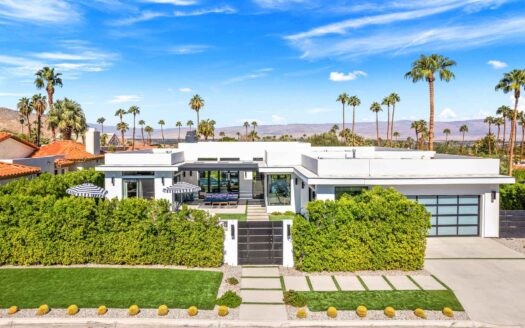
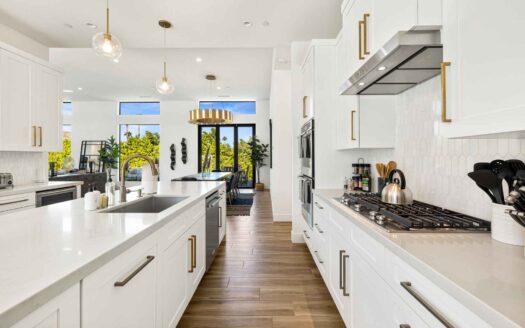
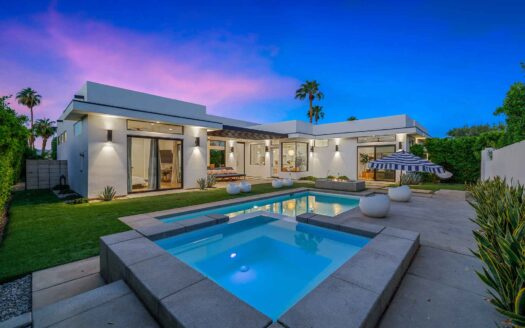
Palm Desert, California | 5-Bed Chalet Gated Oasis
$340,000
Discover the best of Palm Desert living in this modern 5-bedroom, 4-bathroom gated estate spanning 3,114 sq ft (289 m²). This indoor-outdoor oasis combines cont ...

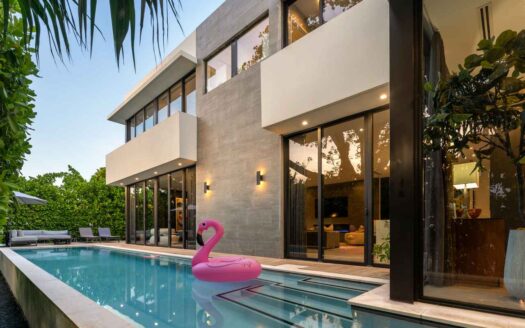
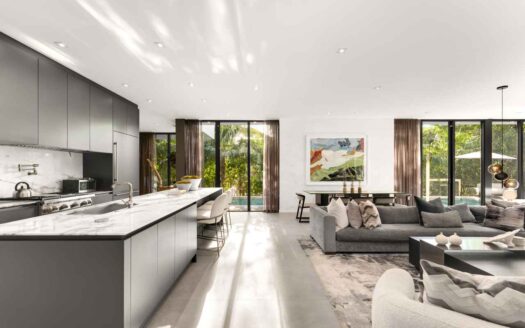
Miami Beach, Florida | 5-Bed Chalet Venetian Islands
$619,000
Discover exclusive island living in this exceptional 5-bedroom, 6-bathroom Miami Beach retreat spanning 3,614 sq ft (335 m²). This spacious property offers gene ...
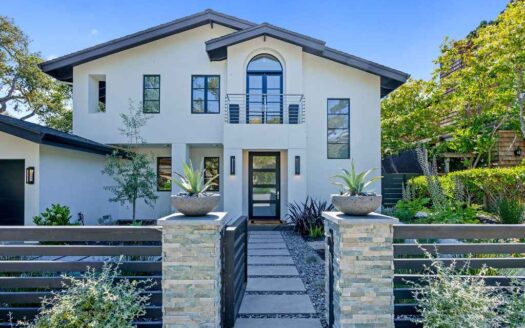
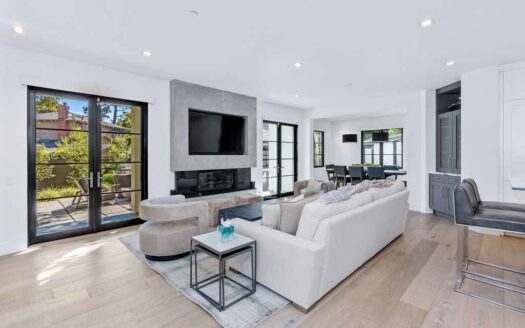
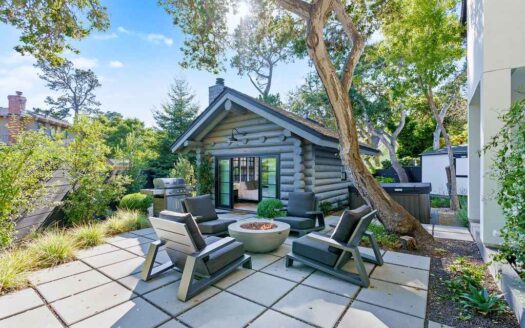
Carmel-by-the-Sea, Carmel California | 4-Bed Chalet In Village
$840,000
Discover the magic of Carmel-by-the-Sea living in this enchanting 4-bedroom, 5-bathroom village retreat spanning 2,680 sq ft (249 m²). Located just seven blocks ...
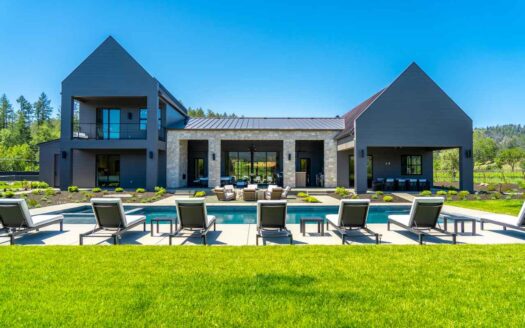
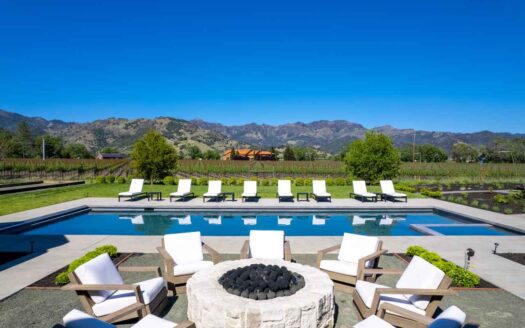
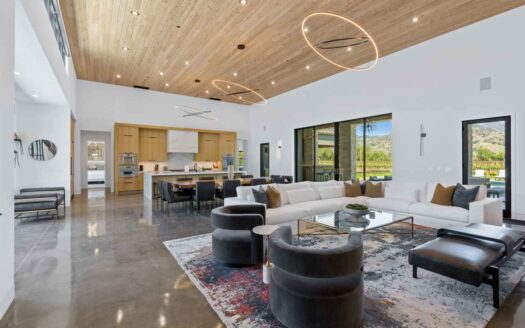
Calistoga, California | 7-Bed Estate With Vineyard Views
$1,490,000
Discover the pinnacle of Napa Valley luxury—a magnificent 7-bedroom, 8-bathroom estate spanning an impressive 8,300 sq ft (771 m²) in Calistoga's prestigious wi ...
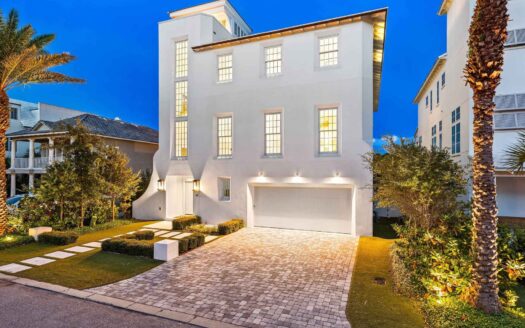
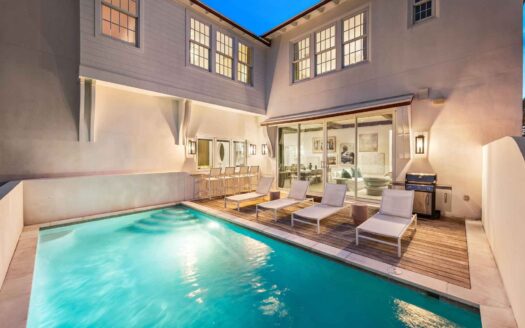
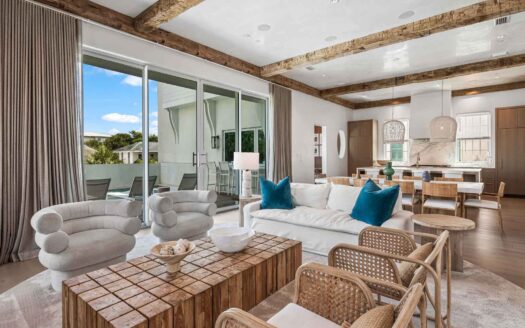
Inlet Beach, Florida | 6-Bed Estate Premium 30A
$2,286,000
Experience ultimate 30A luxury in this magnificent 6-bedroom, 6-bathroom estate spanning 5,976 sq ft (555 m²). This exceptional property offers one of the area' ...
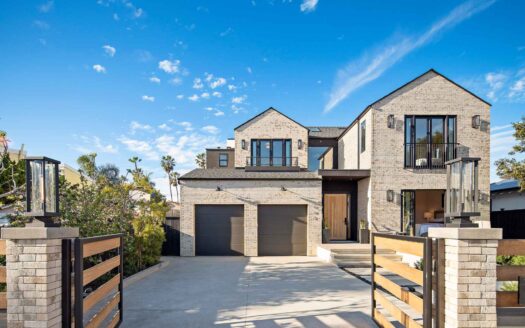
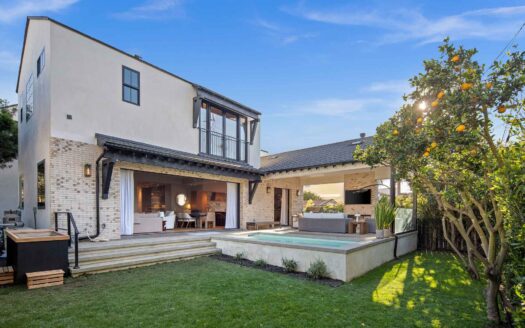
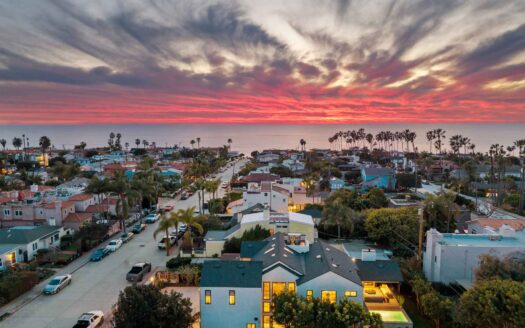
La Jolla, California | 4-Bed Chalet Village Location
$1,145,000
Experience La Jolla luxury in this exceptional 4-bedroom, 4-bathroom retreat spanning 3,663 sq ft (340 m²). This spacious property combines generous square foot ...
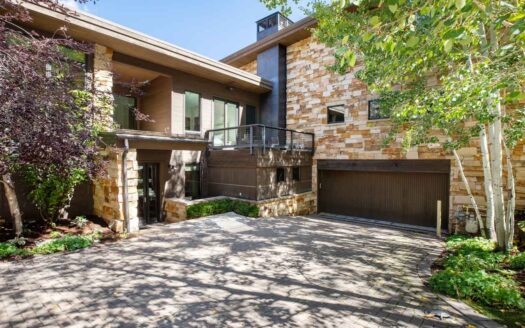
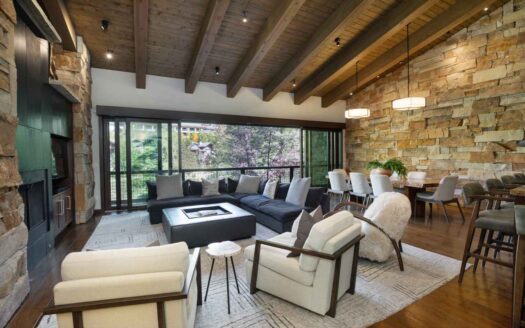
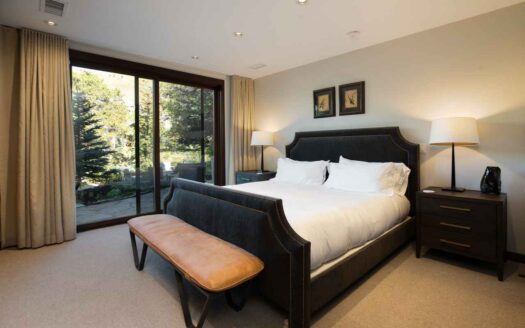
Vail, Colorado | 4-Bed Chalet Forest Road
$1,750,000
Experience Vail luxury in this exceptional 4-bedroom, 4-bathroom retreat spanning 3,667 sq ft (340 m²). This spacious property combines generous square footage ...
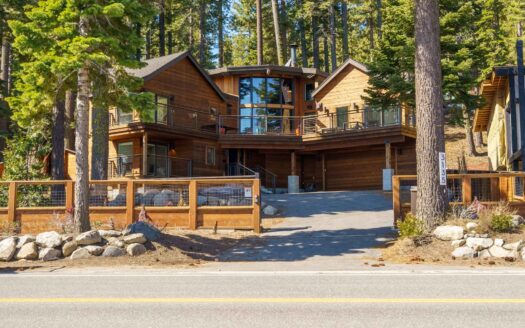
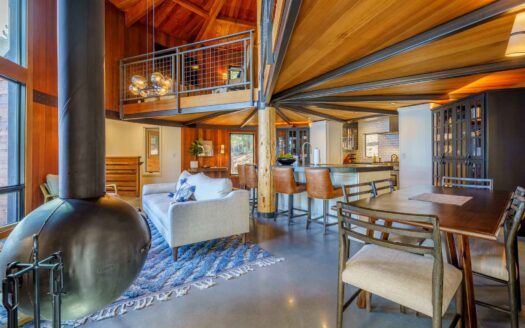
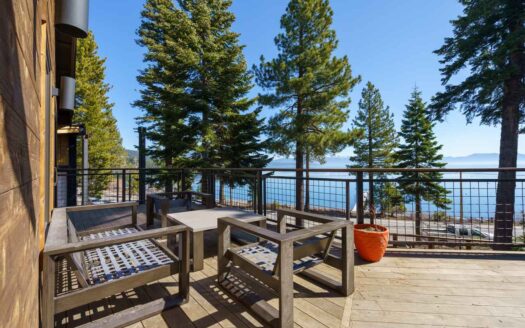
Lake Tahoe, Homewood California | 3-Bed Apartment With Lake Access
$595,000
Located in Homewood, this 3-bedroom, 4-bathroom apartment features direct lake access and views. Combines comfort with scenic lakeside living, offering convenie ...
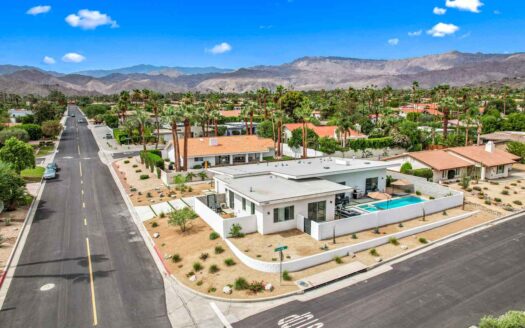
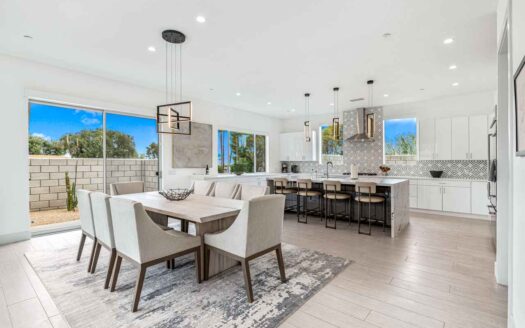
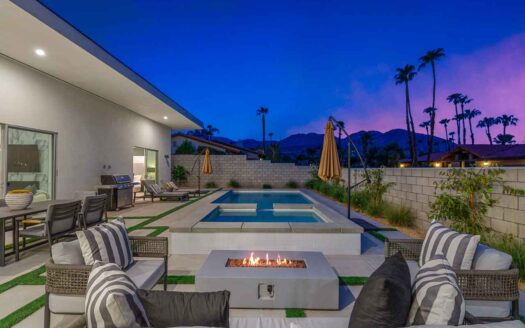
Palm Desert, California | 4-Bed Chalet With Modern Design
$299,000
Discover Palm Desert living in this stylish 4-bedroom, 4-bathroom retreat spanning 3,163 sq ft (293 m²). This modern property combines generous square footage w ...
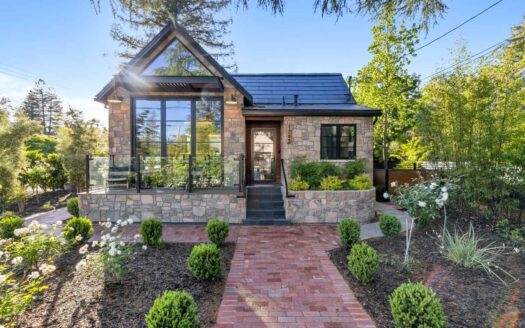
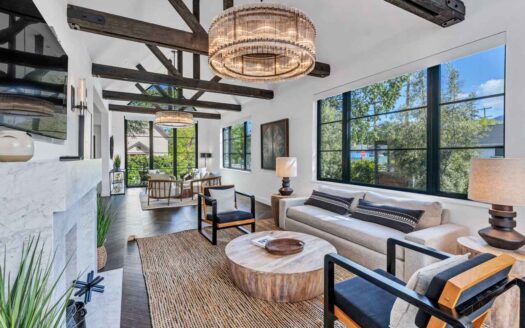
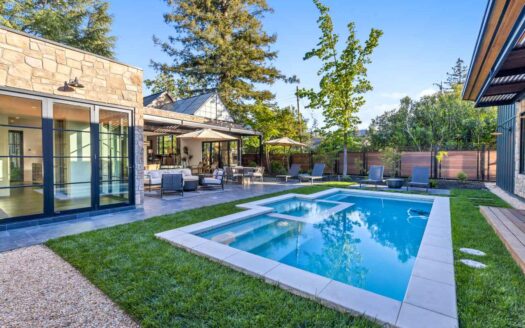
St. Helena, California | 3-Bed Chalet With Valley Views
$700,000
Discover refined Napa Valley living in this elegant 3-bedroom, 3-bathroom St. Helena retreat spanning 2,974 sq ft (276 m²).This spacious property combines gener ...
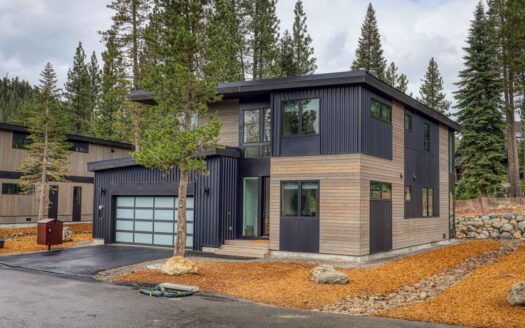
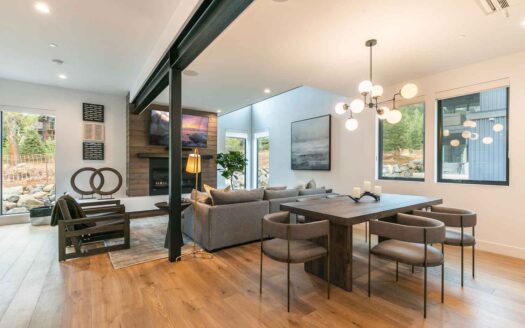
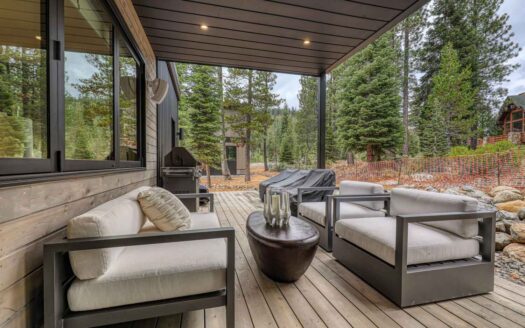
Lake Tahoe, Olympic Valley California | 4-Bed Apartment With Hiking Trail Access
$349,000
Contemporary 4-bedroom, 3-bathroom apartment in Olympic Valley with direct hiking trail and fishing access. Mountain views frame the property with hot tub, deck ...
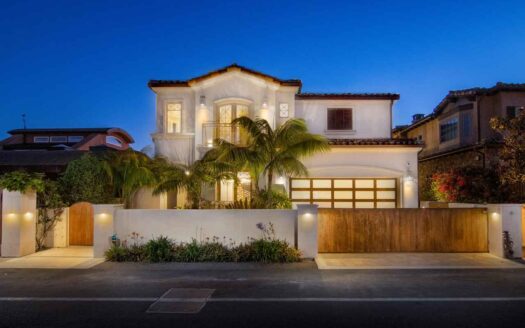
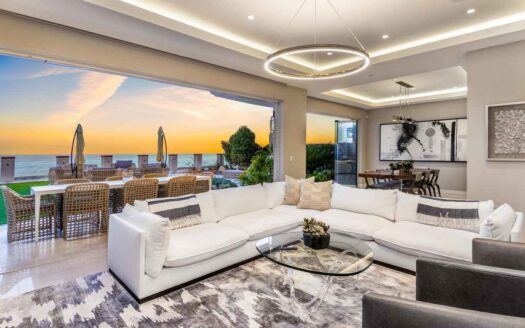
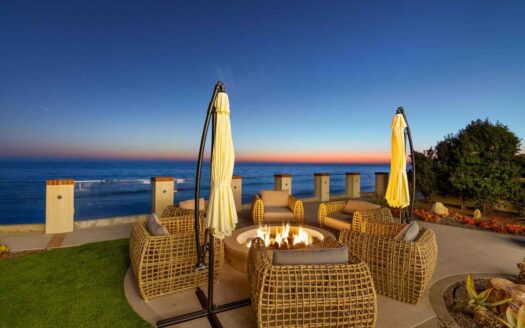
Encinitas, San Diego California | 5-Bed Estate With Ocean Views
$1,630,000
Discover coastal California luxury at its finest in this exceptional 5-bedroom, 5-bathroom Encinitas estate spanning 4,430 sq ft (411 m²). This substantial ocea ...
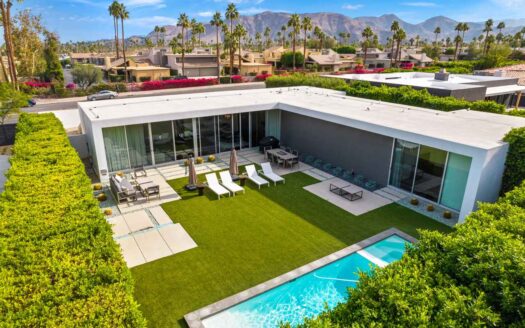
Palm Springs, California | 3-Bed Chalet With Heated Pool
$290,000
This stunning property delivers the quintessential Palm Springs experience in this beautifully appointed 3-bedroom, 4-bathroom retreat spanning 2,728 sq ft (253 ...
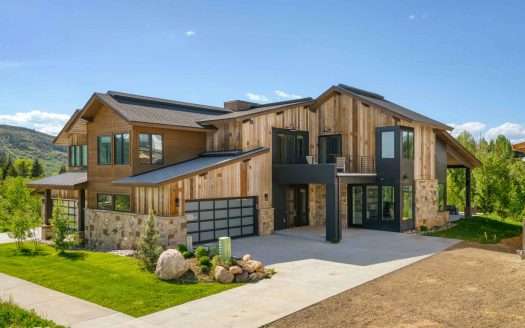
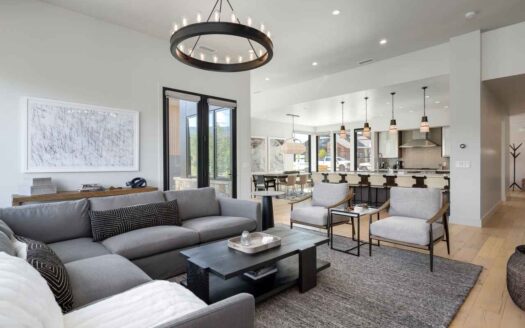
Steamboat Springs, Colorado | 4-Bed Mountain Townhome With Hot Tub
$620,000
As refreshing as its name, Sparkling Creek is a modern, light-filled townhome in Steamboat Springs' Barn Village community, combining classic mountain setting w ...
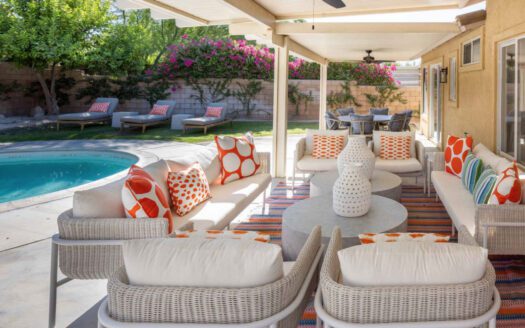
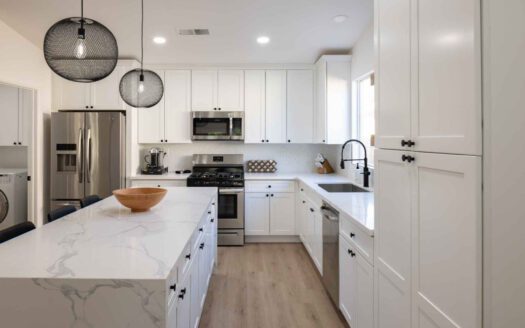
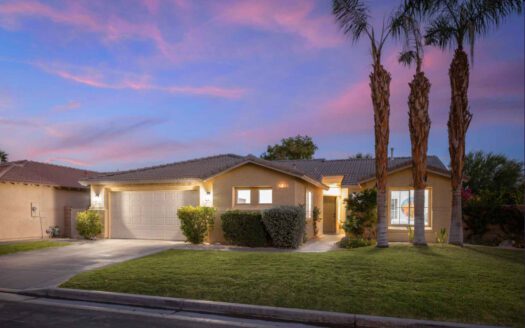
La Quinta, Palm Springs, CA | Desert Vista 4-bed villa with pool
$129,000
SOLD OUT Discover effortless desert living in Desert Vista Retreat Townhome, a beautifully remodelled 2,008 ft² (≈187 m²) property in a gated community set in N ...
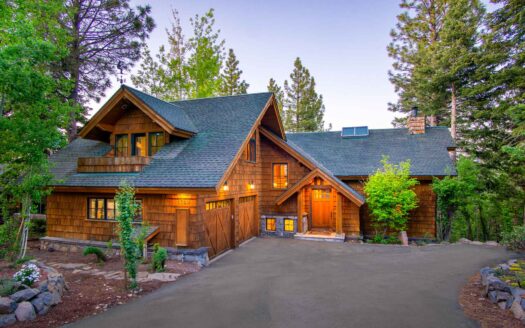
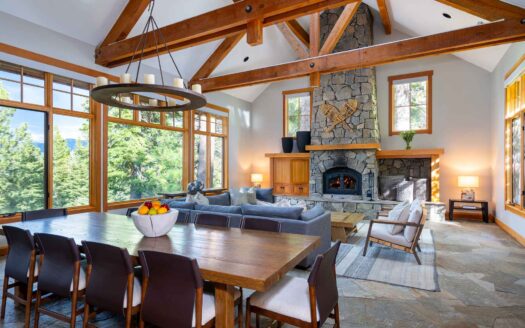
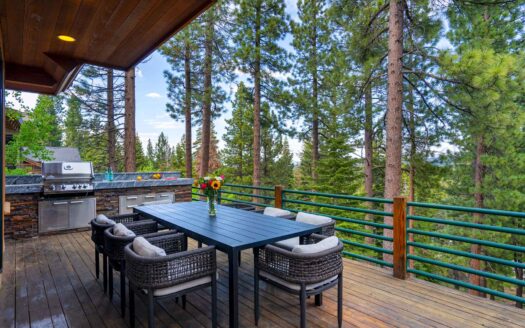
Lake Tahoe, Truckee California | 4-Bed Chalet With Golf Course Views
$499,000
Large 4-bedroom, 5-bathroom chalet in Truckee with expansive layout providing ample entertainment and relaxation space. Professional furnishings and modern amen ...
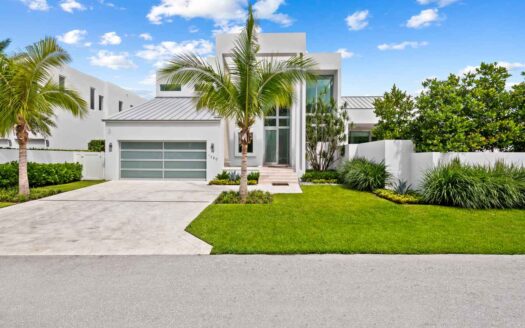
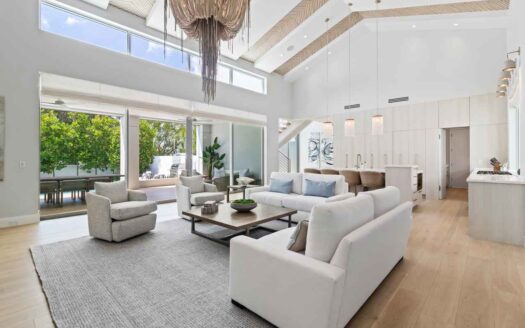
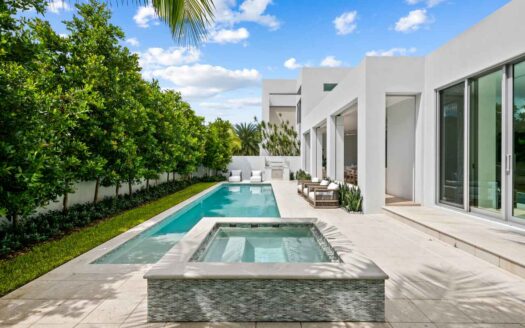
Delray Beach, Florida | 5-Bed Chalet Oceanfront
$625,000
Experience oceanfront luxury in this exceptional 5-bedroom, 5-bathroom Delray Beach retreat spanning 4,548 sq ft (422 m²). This spacious property offers generou ...
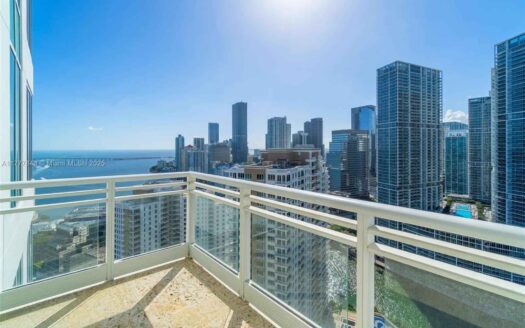
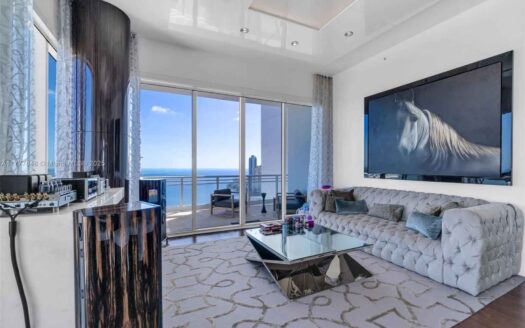
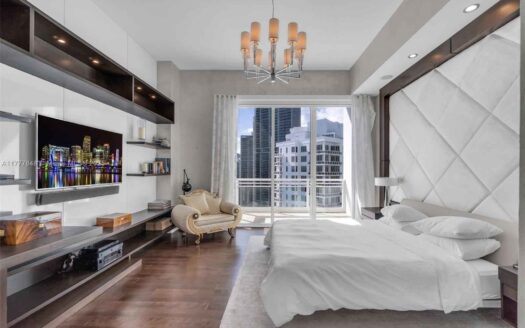
Miami, FL | Brickell Key Bayfront Condo
$542,000
SOLD OUT Perched high above Brickell Key’s exclusive island enclave, this bayfront condo at 900 Brickell Key Boulevard, Apt 2904, entices with sweeping panorami ...
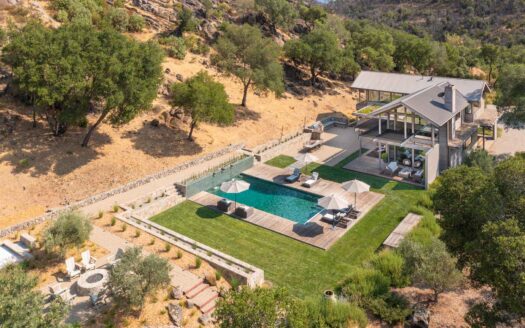
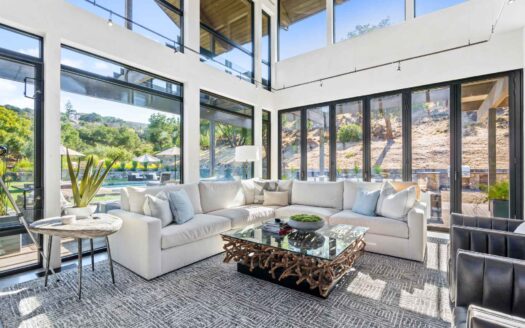
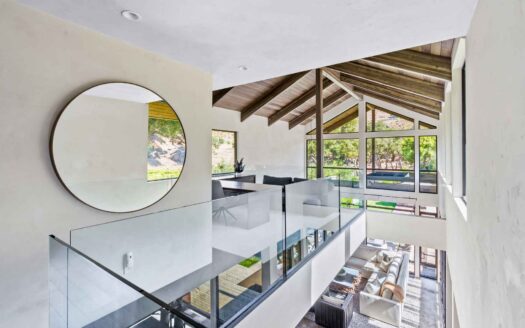
Napa Valley, Napa California | 4-Bed Chalet With Guest House
$850,000
Discover an expansive 4-bedroom, 4-bathroom Napa Valley estate spanning 3,914 sq ft (363 m²) with breathtaking vineyard views from every angle. This exceptional ...
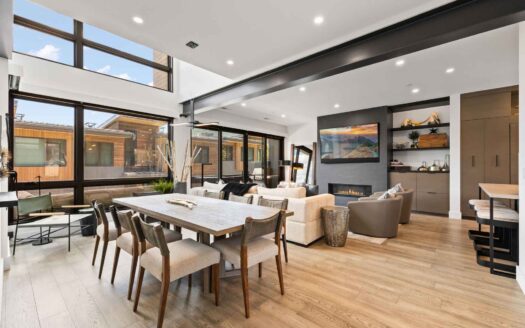
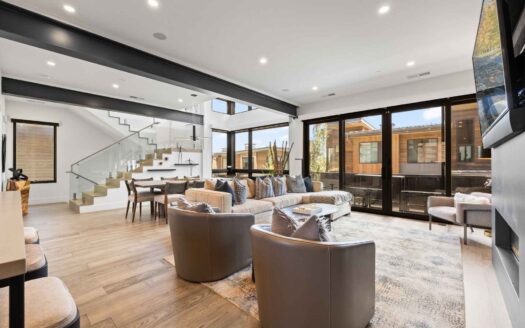
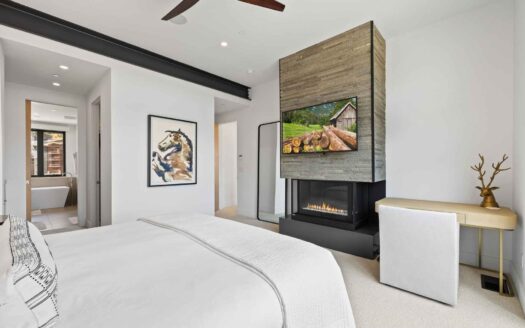
Park City, UTAH | Ridgeline Chalet Townhouse
$500,000
Situated in the vibrant heart of Canyons Village ski resort, the Ridgeline Chalet Townhouse offers an exceptional mountain home with direct ski‑in/ski‑out acces ...
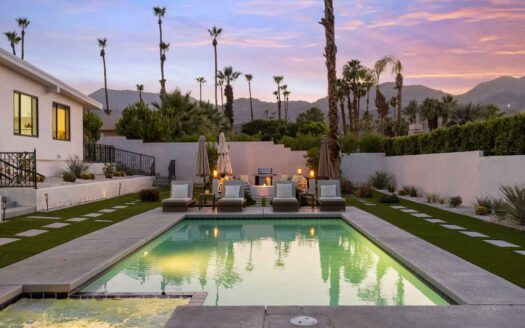
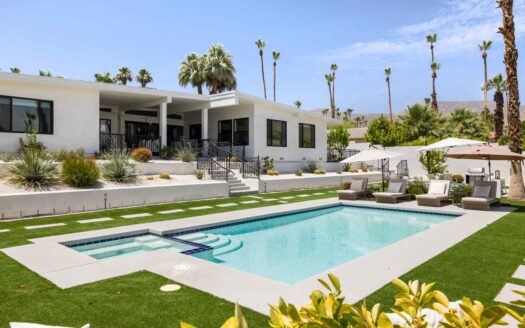
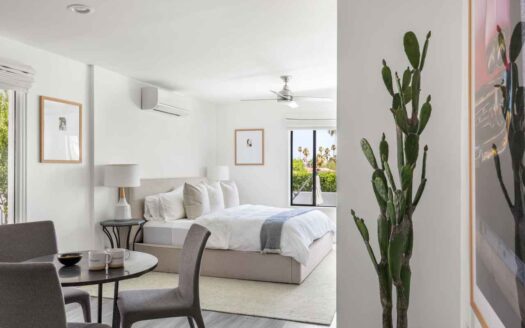
Palm Desert, California | 4-Bed Chalet With Pool
$250,000
This property delivers refined desert living in this elegant 4-bedroom, 3-bathroom Palm Desert estate spanning 2,575 sq ft (239 m²). This beautifully appointed ...
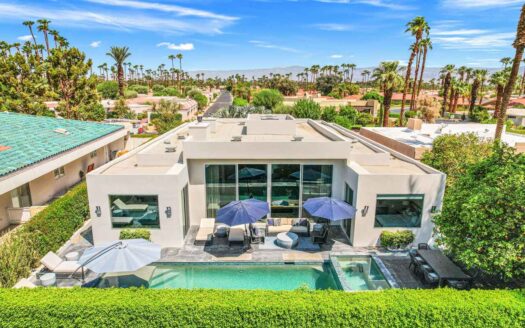
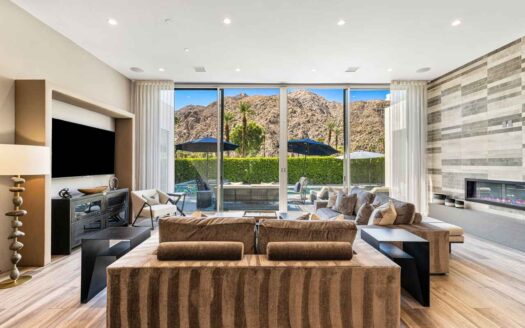
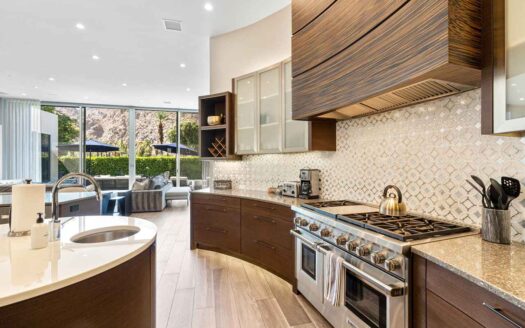
Indian Wells, California | 4-Bed Chalet With Desert Views
$359,000
Discover sophisticated desert living in this spacious 4-bedroom, 4-bathroom Indian Wells estate spanning 3,571 sq ft (331 m²). This generous property combines c ...
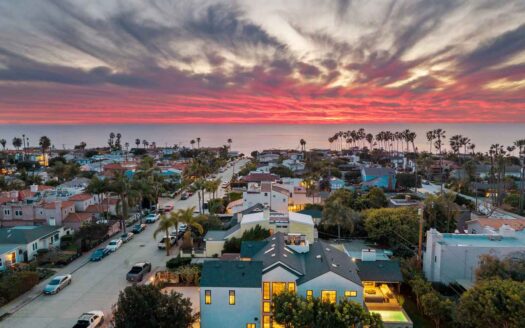
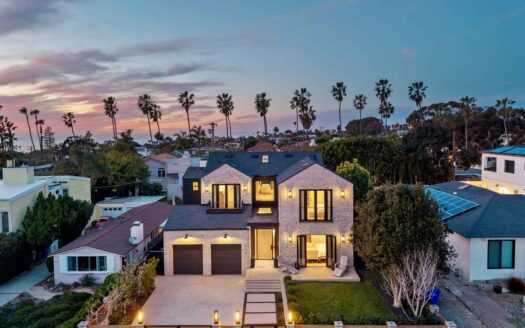
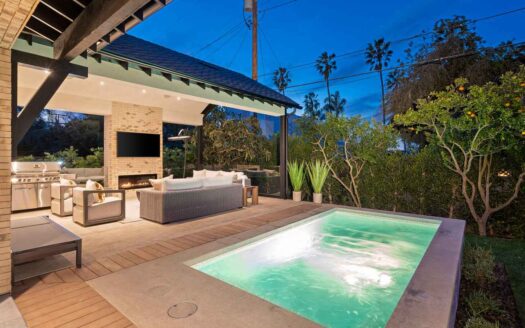
La Jolla, California | 4-Bed New Build Steps From Windansea Beach
$1,145,000
Westbourne is a newly built architectural masterpiece just steps from La Jolla's iconic Windansea Beach, epitomizing Southern California coastal luxury. High ce ...
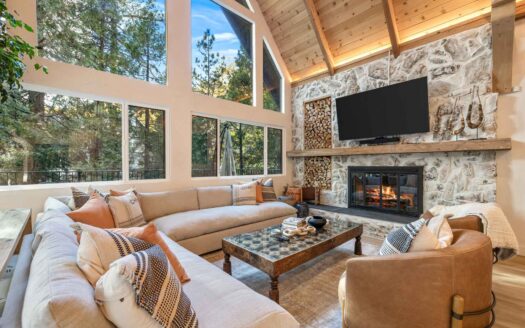
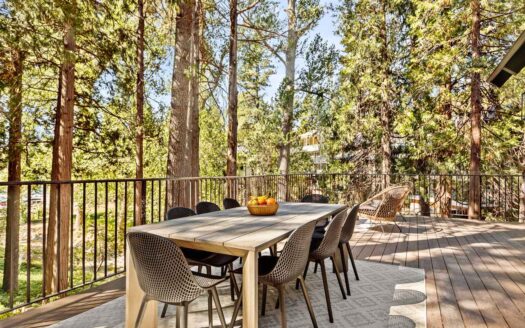
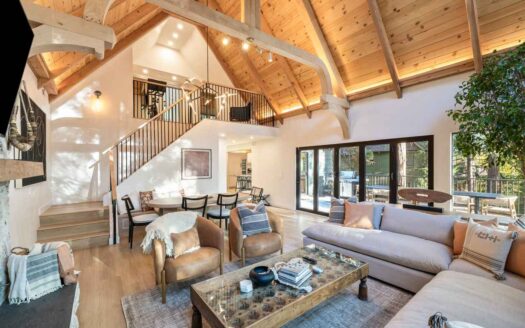
Lake Arrowhead, California | 4-Bed Chalet With Dock Access
$558,000
Choose your own adventure at this newly built 4-bedroom, 3-bathroom mountain getaway spanning 2,828 sq ft (262 m²) located in the "Alps of Southern California." ...
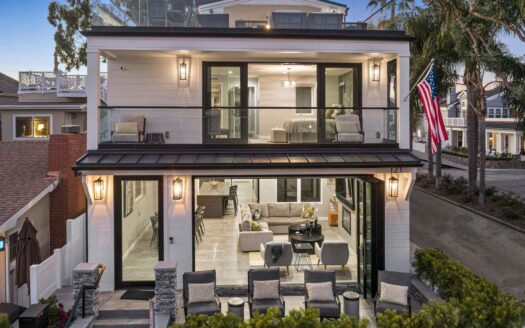
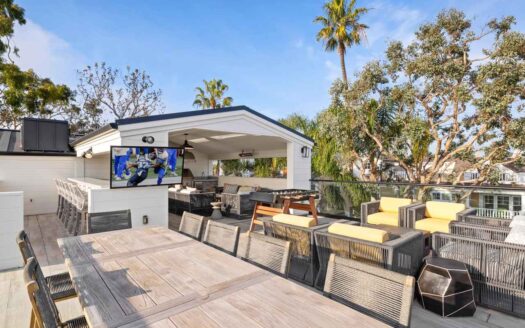
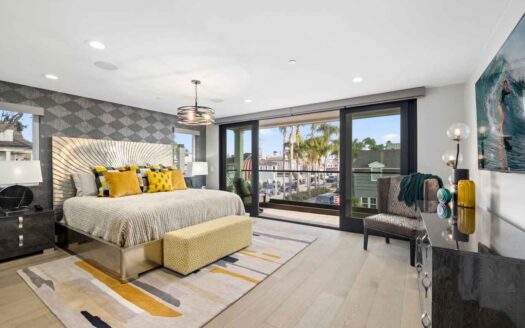
Newport Beach, California | 4-Bed Chalet On Balboa Island
$780,000
Discover the quintessential Newport Beach island lifestyle in this charming 4-bedroom, 4-bathroom retreat spanning 2,380 sq ft (221 m²). Located on prestigious ...
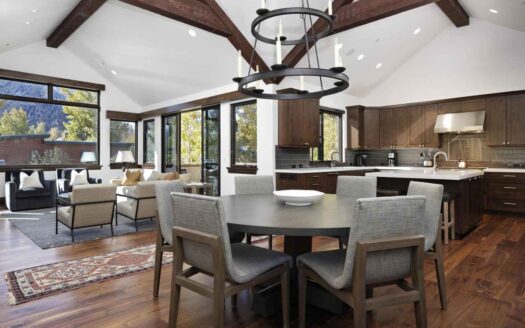
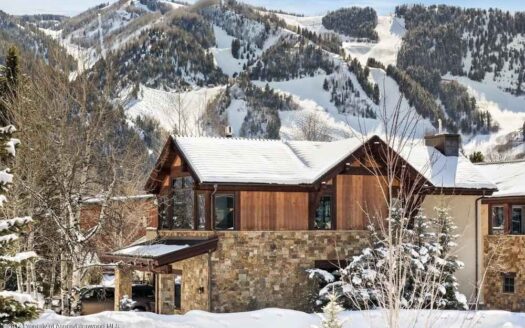
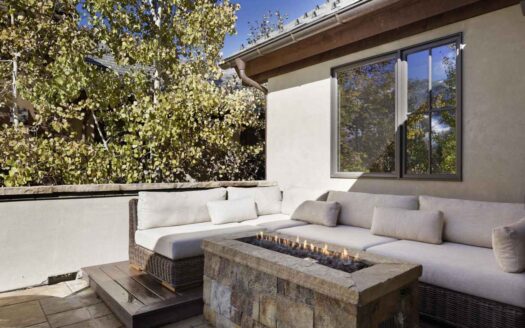
Aspen, Colorado USA | 4-Bed Contemporary Mountain Home
$1,977,000
This stunning Fox Crossing Mountain Contemporary home is perfectly situated just minutes from Aspen's vibrant downtown core while offering a peaceful mountain s ...
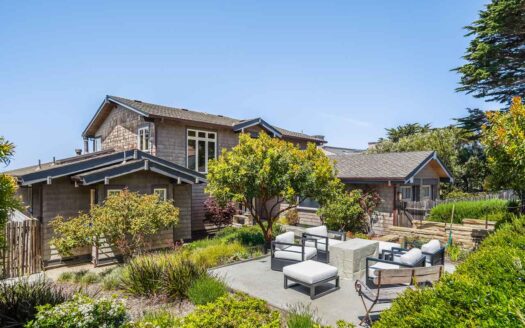
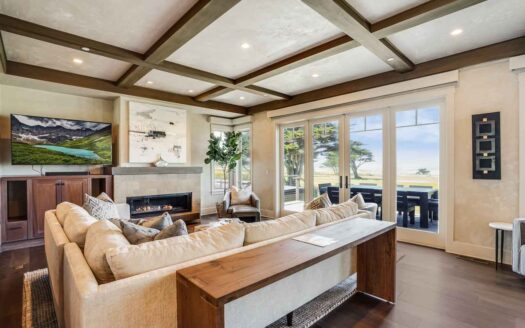
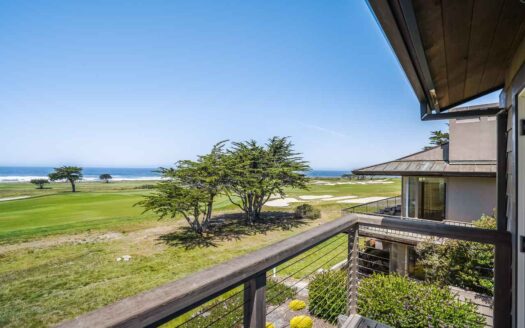
Pebble Beach, Pebble Beach California | 4-Bed Chalet With Ocean Views
$1,100,000
Discover the essence of Monterey Peninsula luxury in this inviting 4-bedroom, 3-bathroom Pebble Beach estate spanning 2,800 sq ft (260 m²). This classic-style h ...
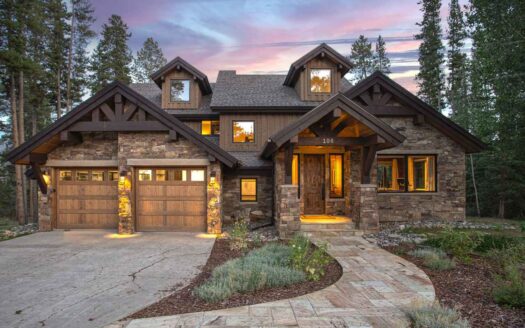
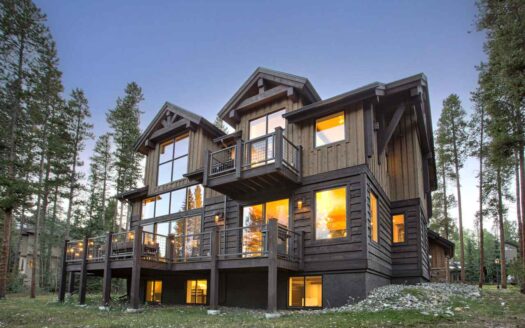
Breckenridge, Colorado USA | 5-Bed Home Mountain Views
$655,000
This modern mountain home maximizes its dramatic views of the Rocky Mountains' Tenmile Range with floor-to-ceiling windows throughout. The thoroughly renovated ...
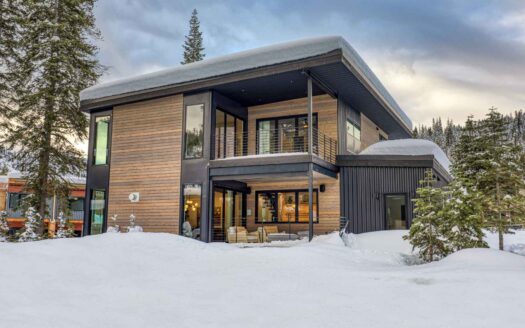
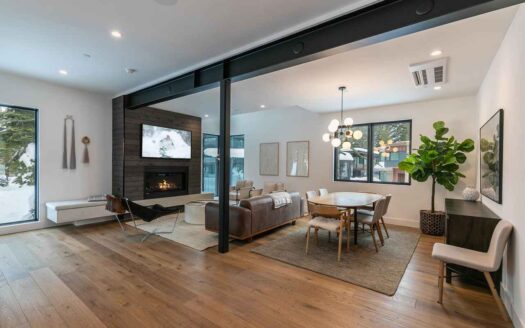
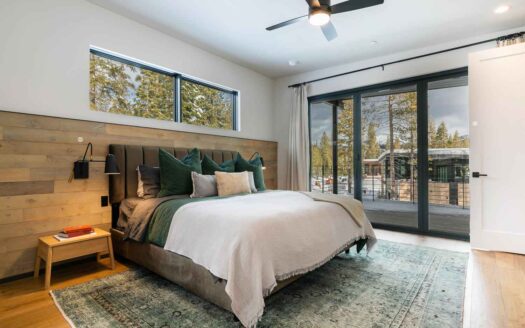
Lake Tahoe, Olympic Valley California | 4-Bed Chalet With Ski Village Access
$295,000
This 4-bedroom, 3-bathroom chalet in Olympic Valley provides excellent access to skiing, hiking, and lake activities. Property features professional furnishings ...
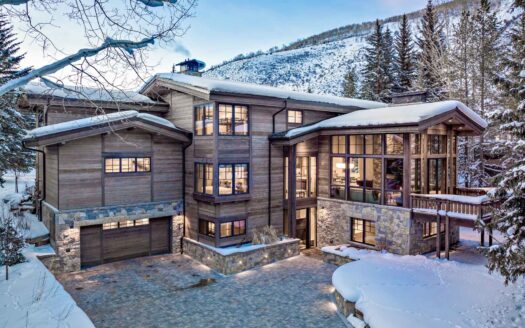
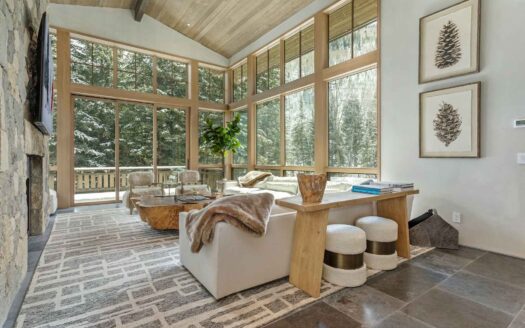
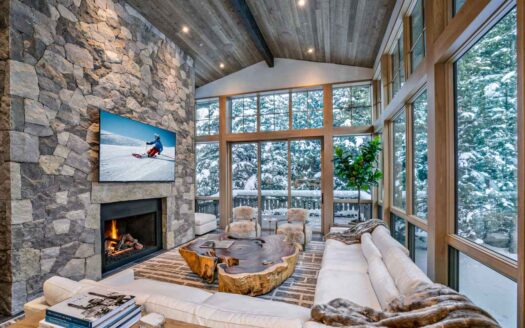
Vail, Colorado | 5-Bed Estate Homestake
$2,000,000
Experience exceptional Vail living in this spacious 5-bedroom, 5-bathroom estate spanning 4,523 sq ft (420 m²). This generous property offers substantial square ...
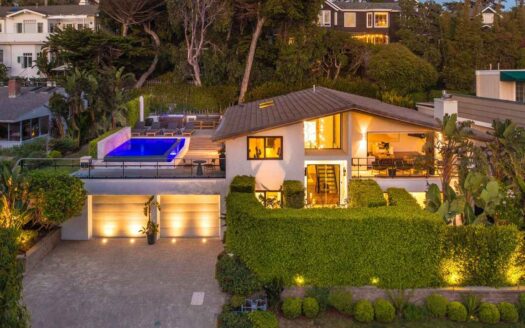
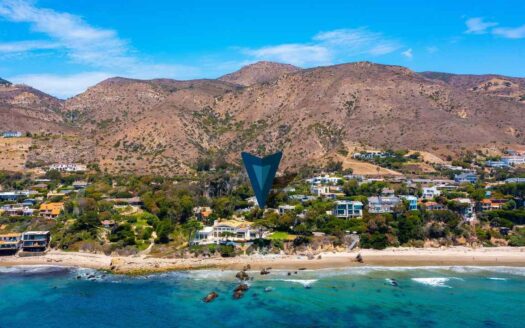
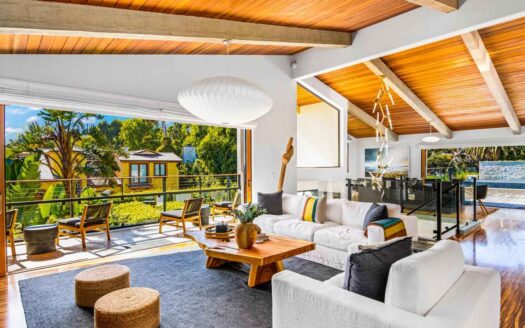
Newport Beach, California | 4-Bed Chalet On Grand Canal
$949,000
Situated on the prestigious Grand Canal in the heart of Balboa Island, this exceptional 4-bedroom, 3-bathroom retreat spanning 2,157 sq ft (200 m²) captures the ...
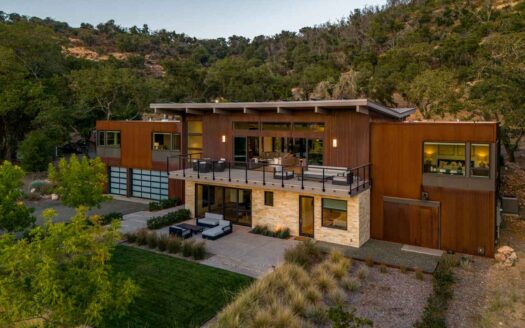
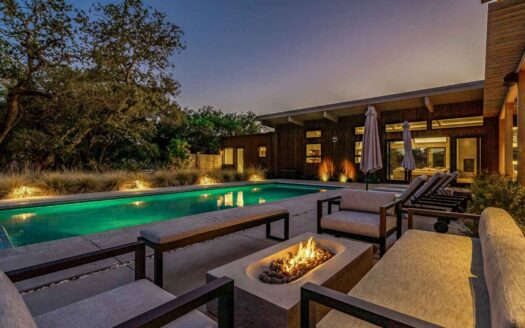
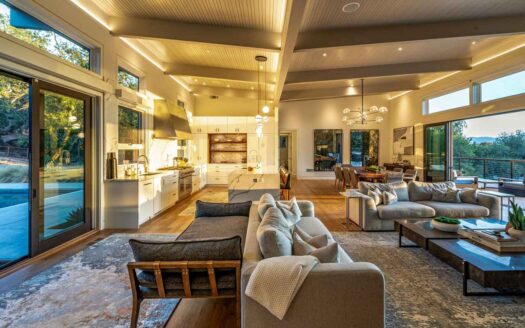
Napa, California | 5-Bed Chalet On Silverado Trail
$990,000
Discover exceptional wine country living in this luxurious 5-bedroom, 5-bathroom Napa estate spanning 5,173 sq ft (480 m²) along the famous Silverado Trail. Thi ...
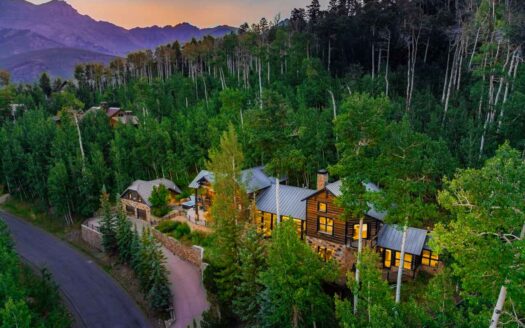
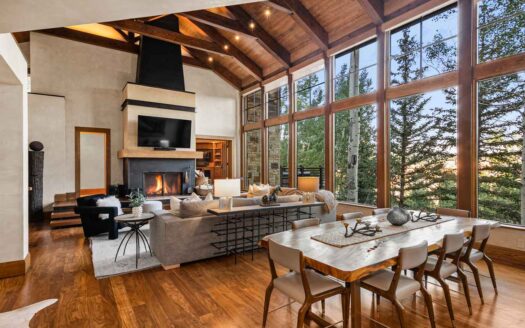
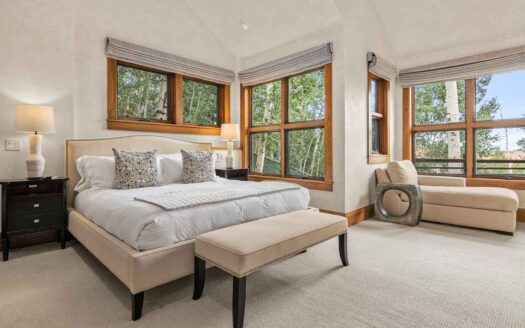
Mountain Village, Colorado | 6-Bed Chalet Telluride
$1,038,000
Experience Telluride luxury in this spacious 6-bedroom, 7-bathroom Mountain Village retreat spanning 5,325 sq ft (494 m²). This exceptional property offers gene ...
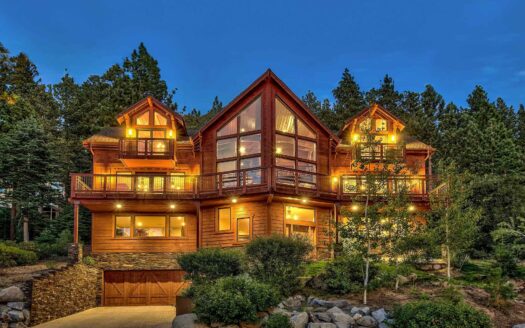
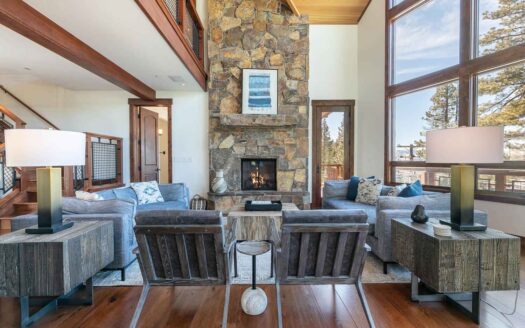
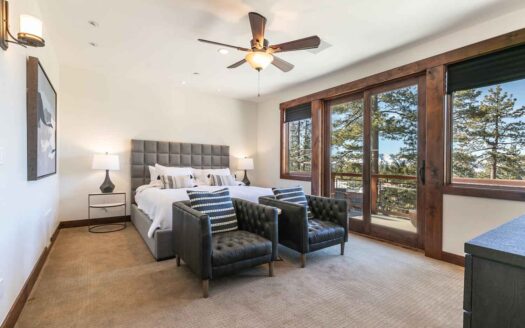
Lake Tahoe, South Lake Tahoe California | 5-Bed Chalet Ski-In/Ski-Out
$427,000
This stunning property represents the pinnacle of Lake Tahoe luxury living—a magnificent 5-bedroom, 4-bathroom ski-in/ski-out estate spanning an impressive 4,77 ...
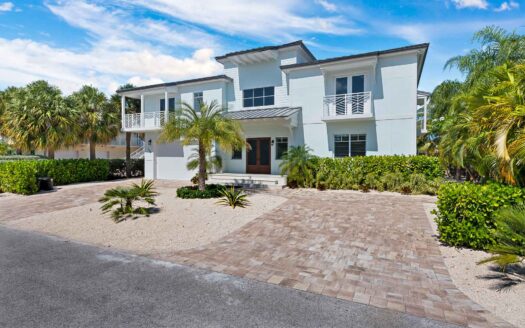
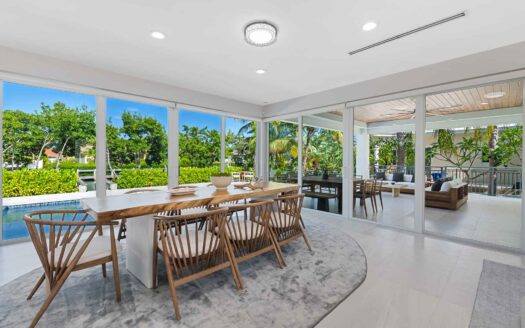
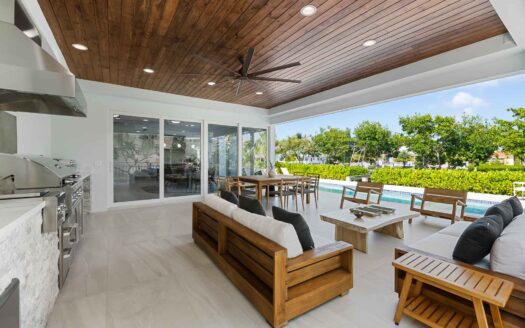
Key Colony Beach, Florida | 5-Bed Chalet With Private Dock
$474,000
Experience the ultimate Florida Keys lifestyle in this exceptional 5-bedroom, 5-bathroom waterfront retreat spanning 3,966 sq ft (368 m²). This lakefront paradi ...
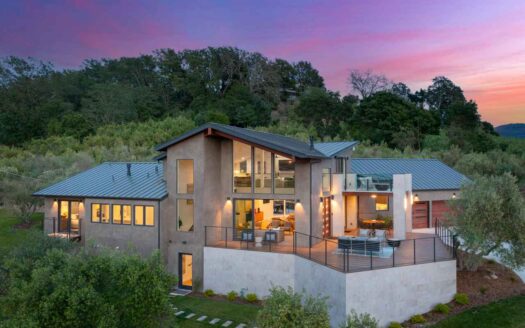
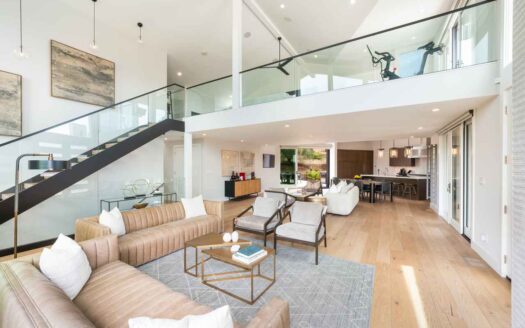
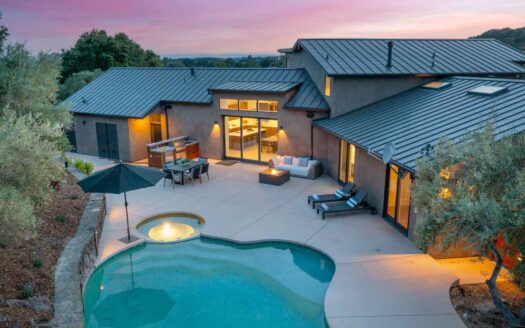
Napa, California | 4-Bed Chalet In Downtown Napa
$683,000
This stunning property offers the perfect blend of urban sophistication and wine country charm in this exceptional 4-bedroom, 5-bathroom Napa estate spanning 3, ...
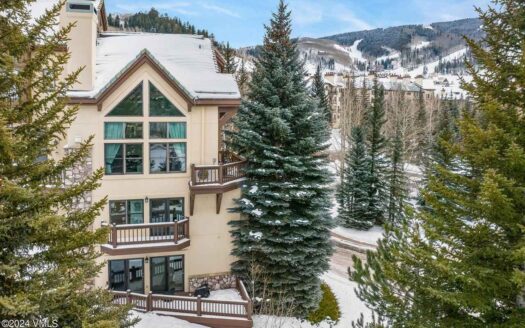
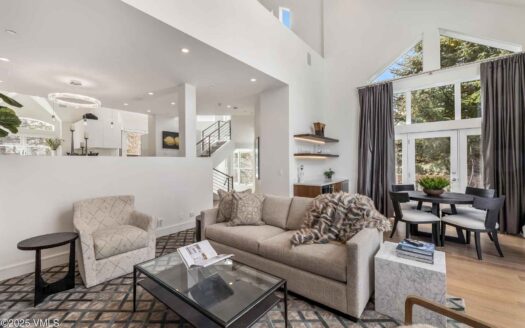
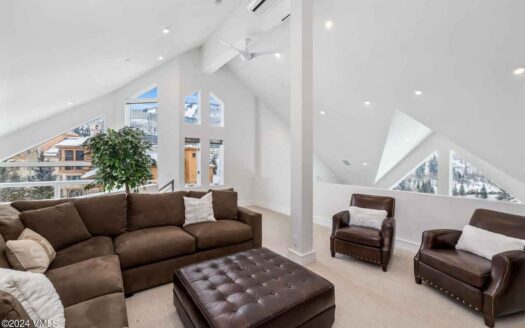
Beaver Creek, Colorado | 5-Bed Chalet With 360 Views
$963,000
Experience breathtaking panoramas in this exceptional 5-bedroom, 4-bathroom Beaver Creek retreat spanning 3,331 sq ft (309 m²) featuring spectacular 360-degree ...
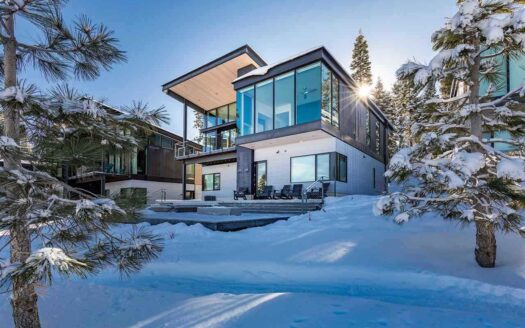
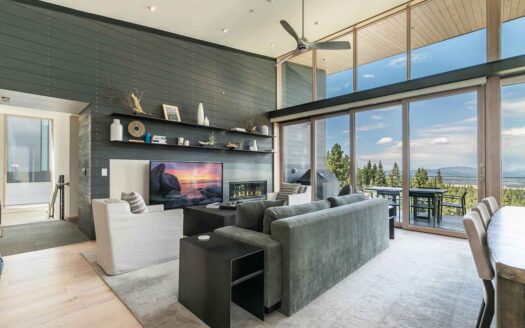
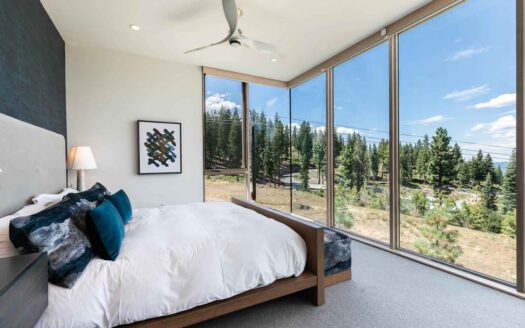
Lake Tahoe, Truckee California | 4-Bed Chalet With Mountain Views
$739,000
This 4-bedroom, 4-bathroom chalet in Truckee features scenic mountain views and contemporary design. Provides comfortable family accommodation with professional ...

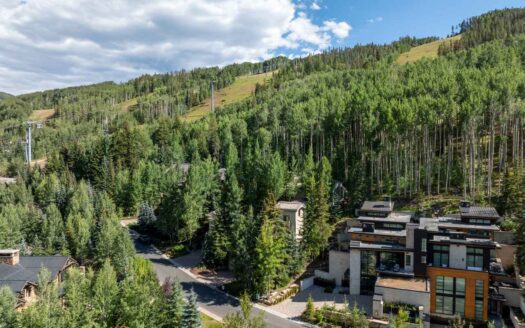
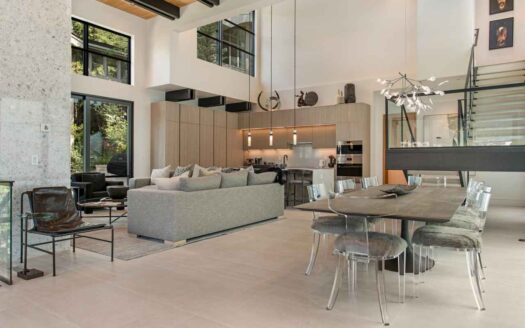
Vail, Colorado | 4-Bed Lionshead Home Steps From Ski Run
$2,000,000
This sophisticated contemporary retreat on prestigious Forest Road sits just 500 feet from Vail's Simba ski run, placing owners in a premier ski-in/ski-prox loc ...

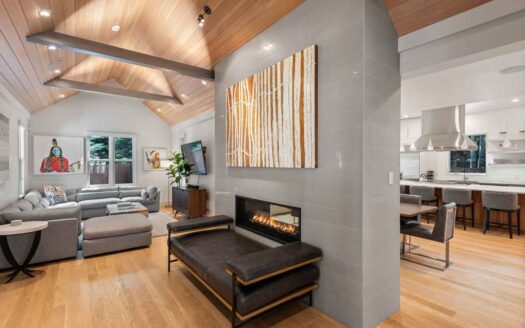
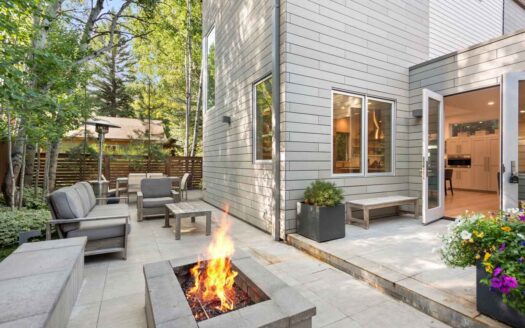
Aspen, Colorado | 3-Bed Chalet Smuggler Grove
$1,525,000
Discover refined Aspen living in this elegant 3-bedroom, 4-bathroom retreat spanning 3,166 sq ft (294 m²). This beautifully appointed property combines generous ...
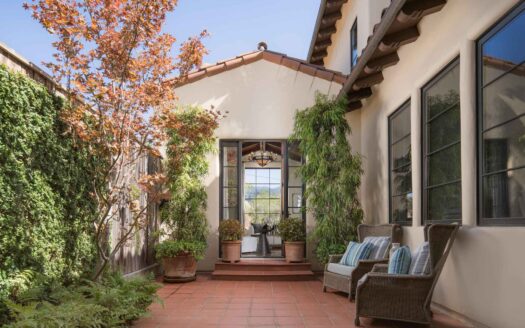
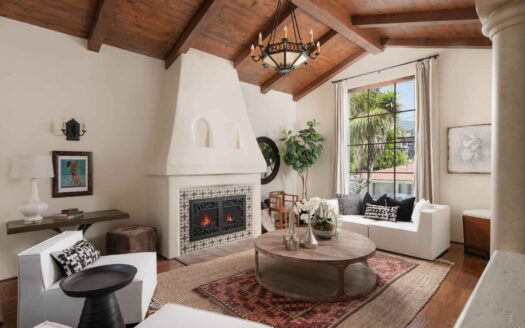
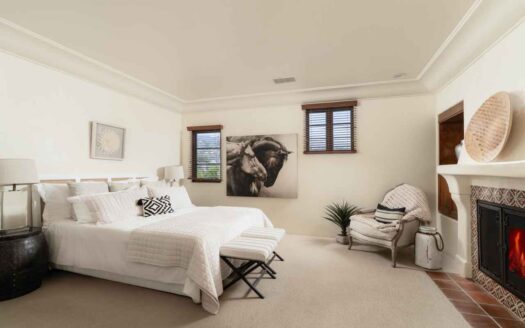
Santa Barbara, California | 4-Bed Chalet With 360 Views
$687,000
Experience breathtaking panoramas in this exceptional 4-bedroom, 4-bathroom Santa Barbara retreat spanning 3,120 sq ft (289 m²) with spectacular 360-degree view ...
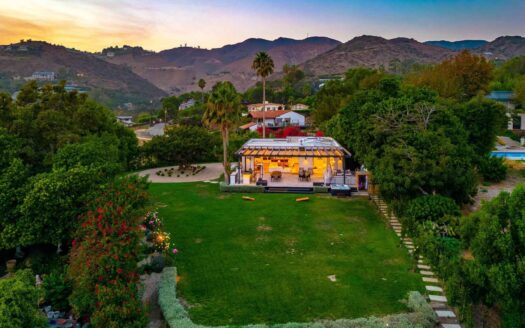
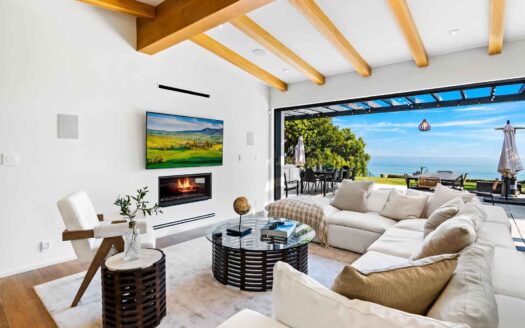
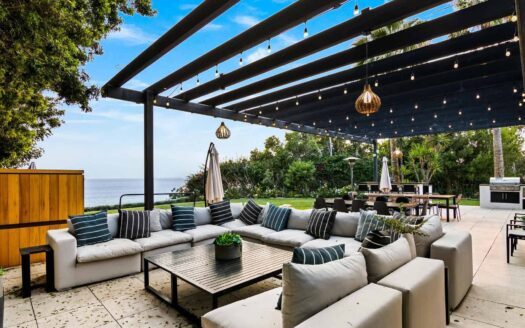
Malibu California | 3 Bed Ocean View Home, Hot Tub, Deck, Sauna, Fireplace
$925,000
Discover cool, casual contemporary living in this exceptional 3-bedroom, 3-bath Malibu California retreat on Sea Vista Drive. With sweeping ocean and mountain v ...
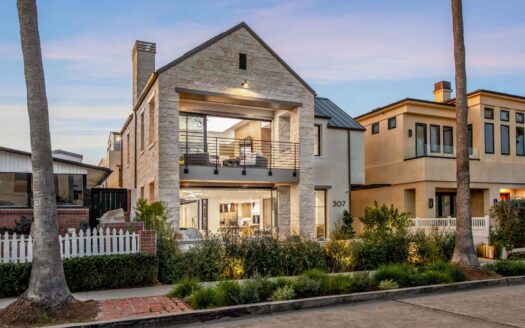
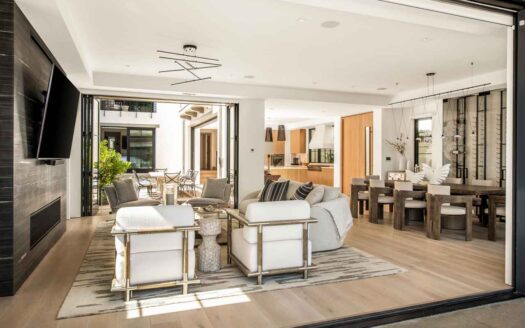
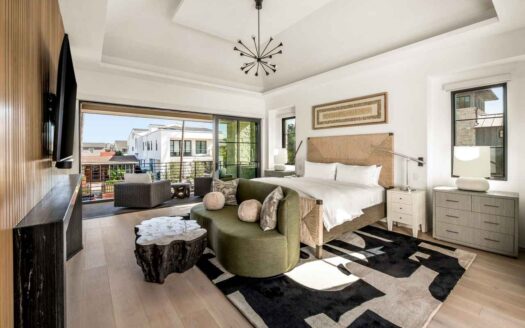
Corona Del Mar, Newport Beach California | 4-Bed Estate Premium Location
$1,350,000
Discover the pinnacle of Corona del Mar living in this exceptional 4-bedroom, 4-bathroom estate spanning 4,293 sq ft (398 m²). This substantial property offers ...
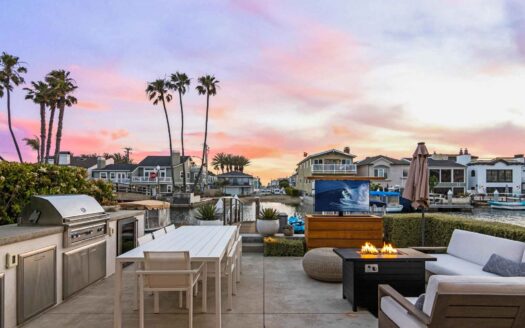
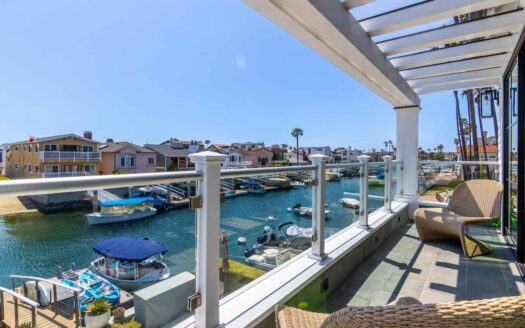
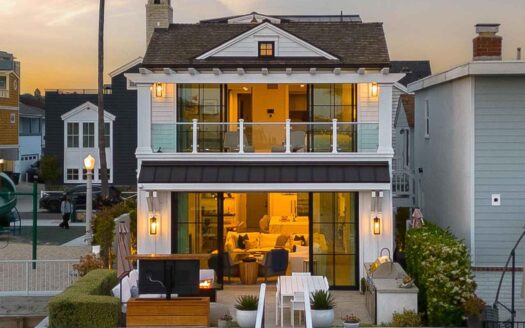
Newport Beach, California | 3-Bed Chalet On Bay
$1,350,000
Discover exceptional Newport Beach living in this stunning 3-bedroom, 4-bathroom bayfront retreat spanning 2,978 sq ft (276 m²). Located on the prestigious Marc ...
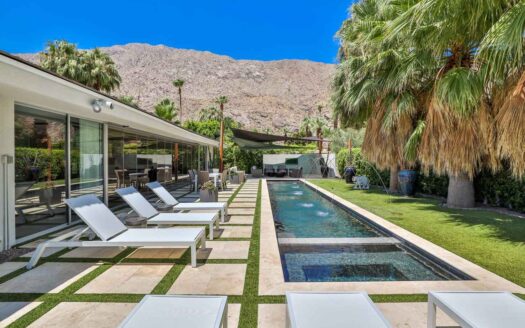
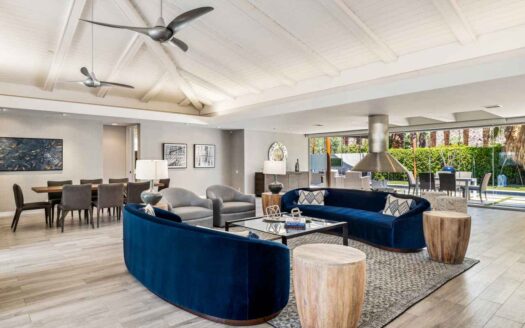
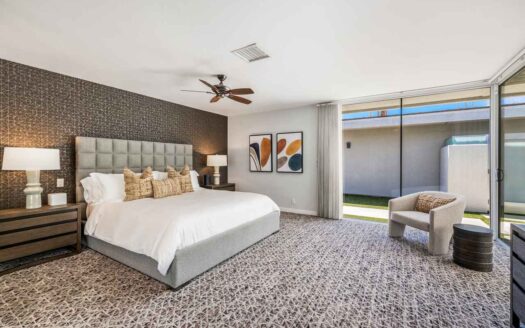
Palm Springs, California | 4-Bed Chalet With Walk-In Closets
$610,000
This stunning villa showcases Palm Springs desert modern living at its finest in this spacious 4-bedroom, 4-bathroom estate spanning 3,783 sq ft (351 m²). This ...
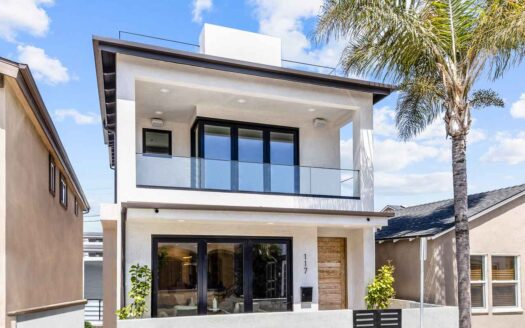
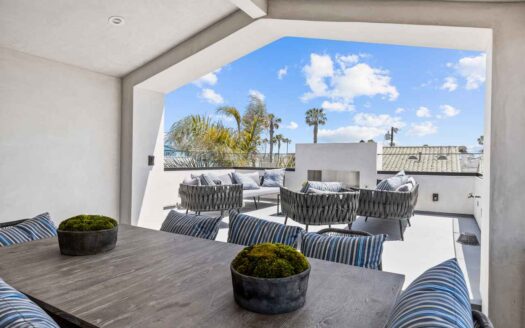
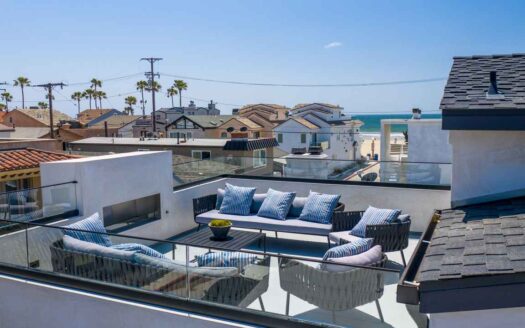
Newport Beach, California | 3-Bed Chalet With Beach Access
$848,000
Discover Newport Beach coastal living in this elegant 3-bedroom, 3-bathroom retreat spanning 2,425 sq ft (225 m²). Located on prestigious 25th Street in the hea ...
3
Country & Seaside Properties
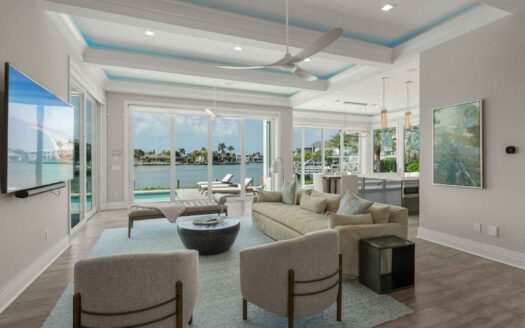
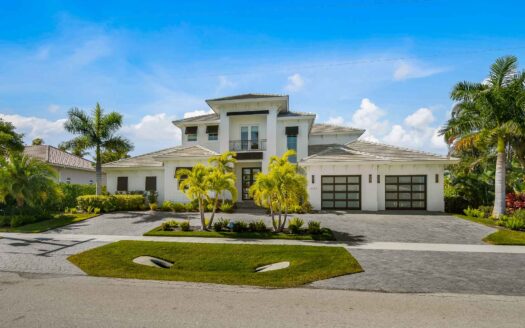
Marco Island, FL | Windmill Palms Bayfront Residence
$717,000
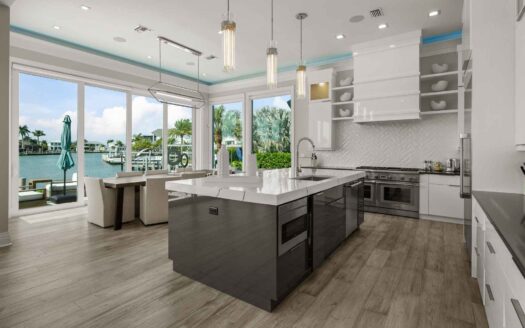
Set on the bayfront at 1608 Windmill Avenue, this contemporary residence delivers true indoor–outdoor Florida living across approximately 3,500 sq ft (≈325 m²). ...
Montecito, California | 6-Bed Estate With Pool
$1,395,000
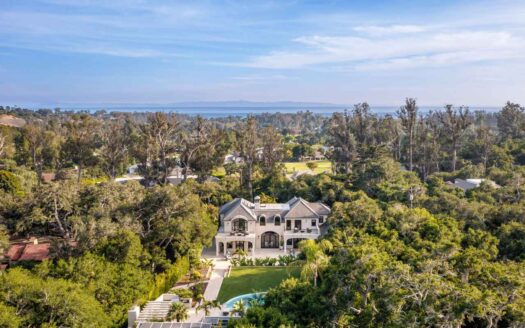
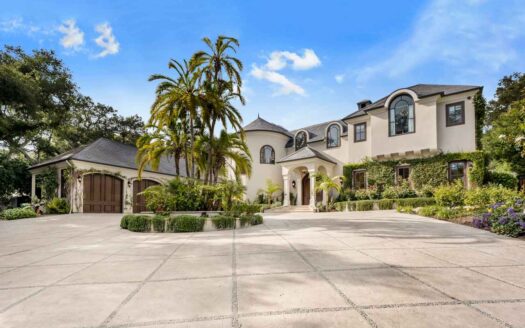
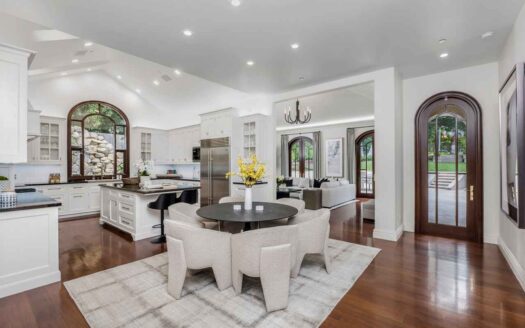
Discover Montecito luxury living at its finest in this spectacular 6-bedroom, 6-bathroom estate spanning 6,027 sq ft (560 m²). This exceptional property showcas ...
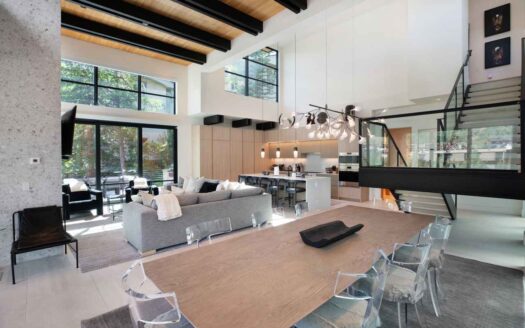
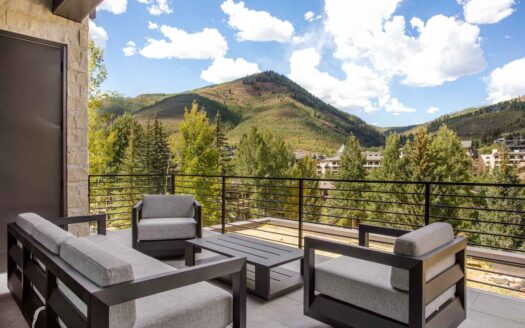
Vail, Colorado | 4-Bed Chalet Lionshead
$2,000,000
Experience premier Vail living in this exceptional 4-bedroom, 4-bathroom Lionshead retreat spanning 4,454 sq ft (413 m²). This spacious property offers generous ...
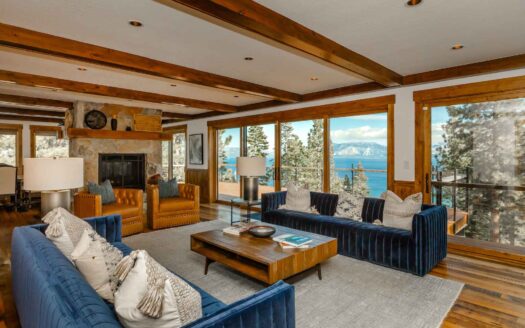
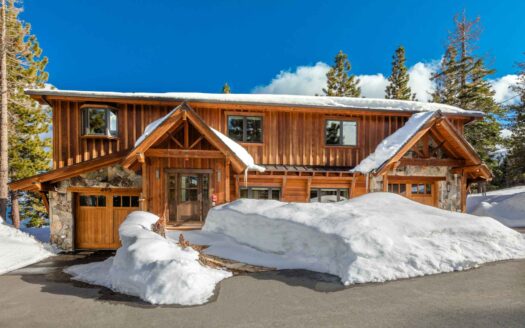
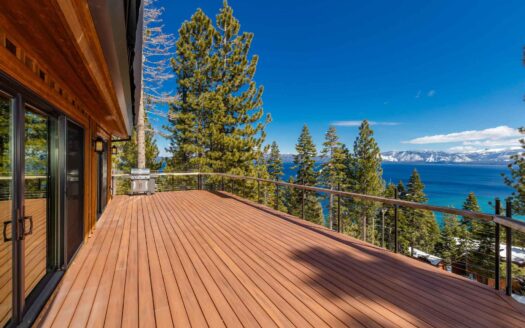
Lake Tahoe, Tahoma California | 4-Bed Chalet With Lake Shore Access
$460,000
Perched on Lake Tahoe's west shore, this rustic chic retreat offers all-season fun and epic gathering spaces. The 4-bedroom, 3-bathroom chalet features a soakin ...
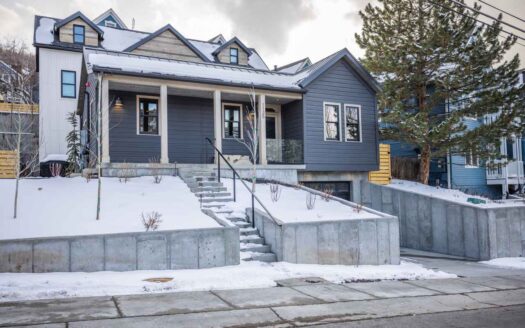
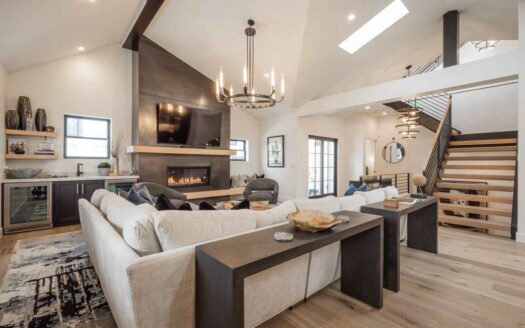
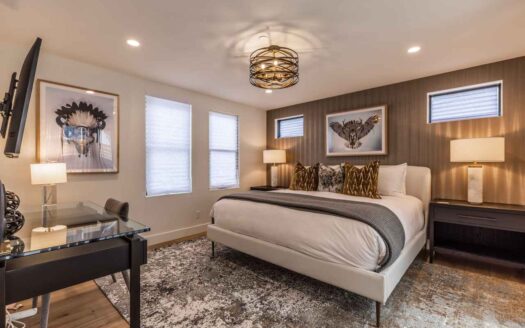
Park City, Utah | 5-Bed Chalet Norfolk Avenue
$960,000
Experience Park City living in this spacious 5-bedroom, 6-bathroom retreat spanning 4,342 sq ft (403 m²). This generous property offers ample accommodations wit ...
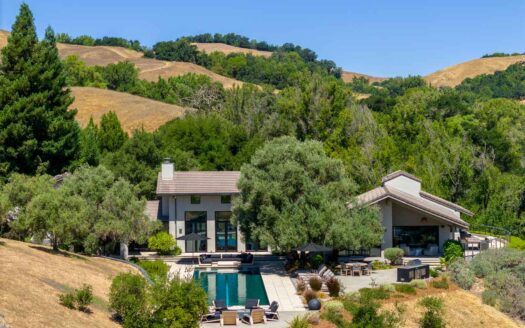
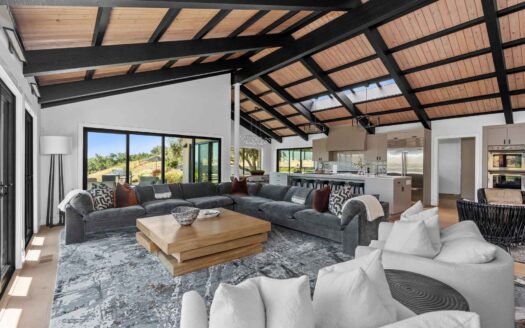
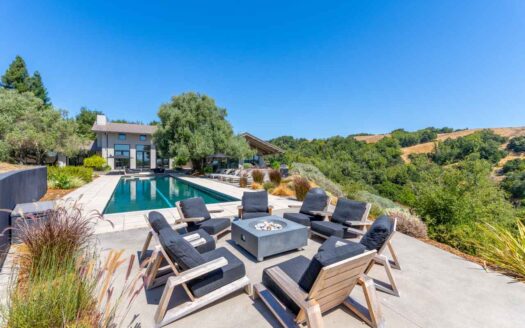
Napa Valley, California | 6-Bed Estate With Wine Cellar
$1,549,000
Discover the pinnacle of Napa Valley luxury—a magnificent 6-bedroom, 4-bathroom private wine country estate spanning an impressive 6,800 sq ft (631 m²). Located ...
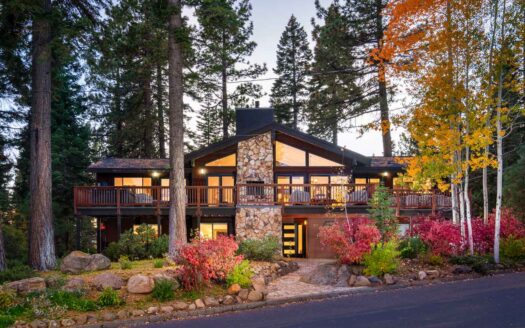
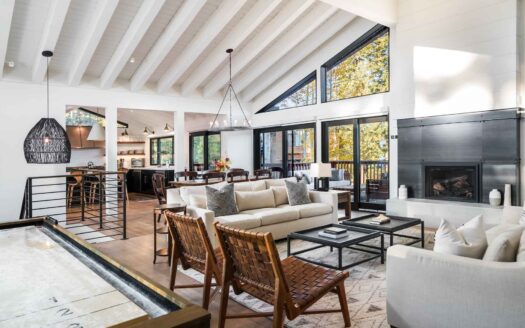
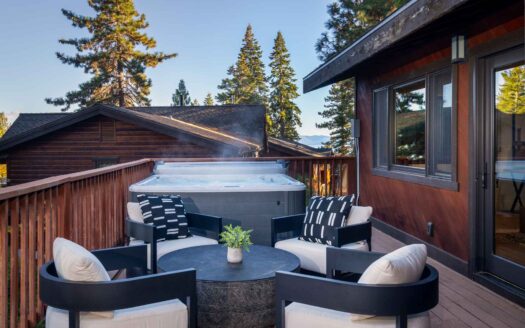
Lake Tahoe, Tahoe City California | 4-Bed Chalet In Tahoe City
$429,000
Located in Tahoe City, this 4-bedroom, 3-bathroom chalet features scenic mountain views and modern amenities. Offers comfortable family-friendly accommodation w ...
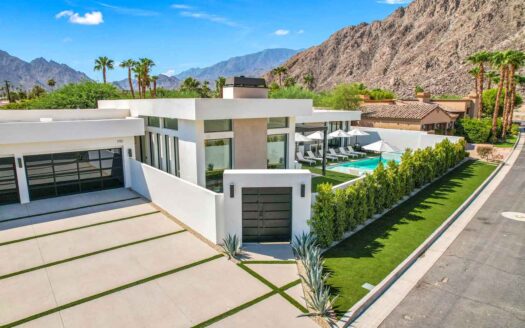
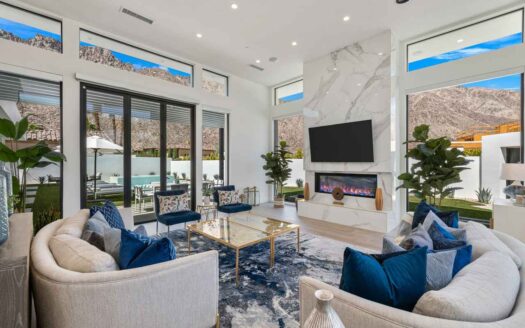
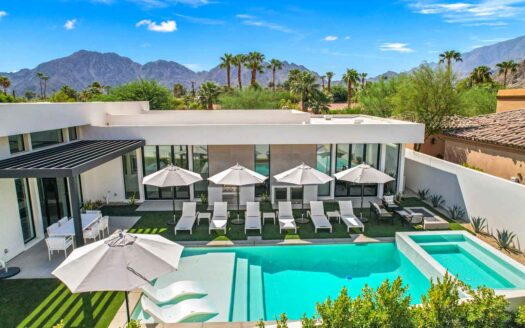
La Quinta, California | 4-Bed Chalet With Pool
$425,000
This villa embodies the best of desert living in this elegant 4-bedroom, 4-bathroom La Quinta estate spanning 3,240 sq ft (301 m²). This spacious property combi ...
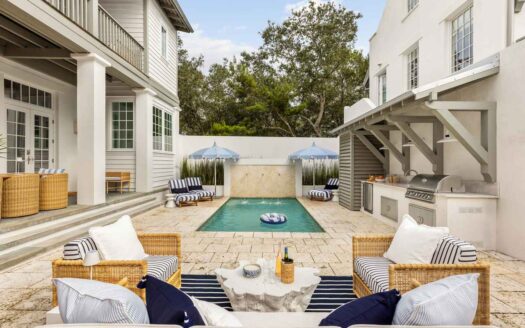
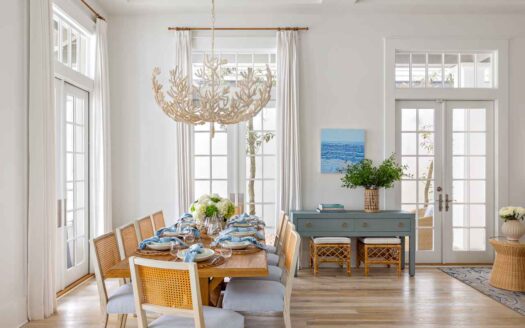
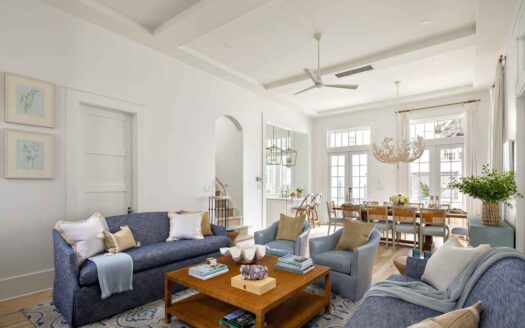
Rosemary Beach, Florida | 6-Bed Chalet 30A Living
$830,000
Experience the best of 30A in this spacious 6-bedroom, 6-bathroom Rosemary Beach retreat spanning 3,543 sq ft (329 m²). This generous property provides ample ac ...
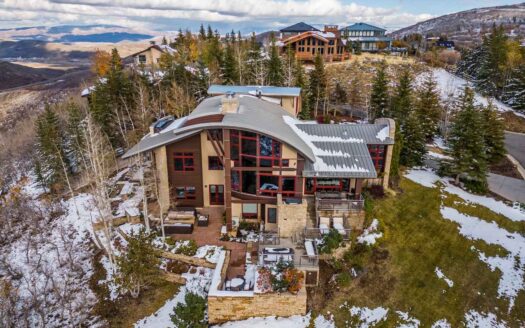
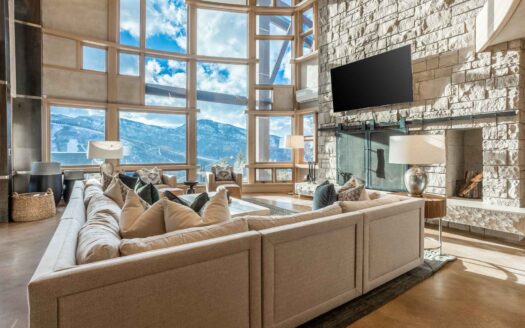
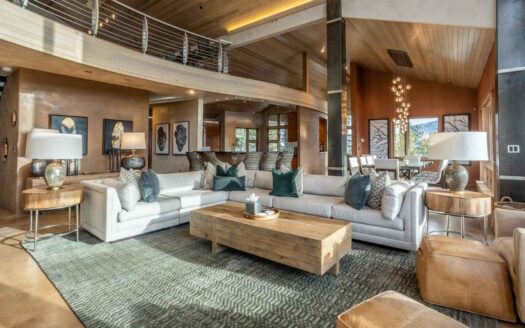
Park City, Utah | 5-Bed Estate Golden Way
$950,000
Discover exceptional space in this impressive 5-bedroom, 5-bathroom Park City estate spanning 6,102 sq ft (567 m²). This substantial property offers one of the ...
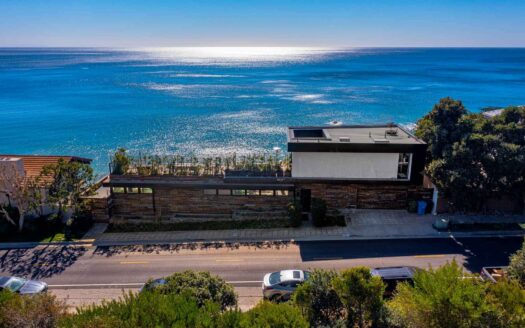
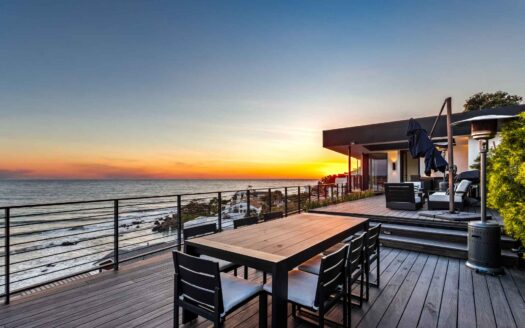
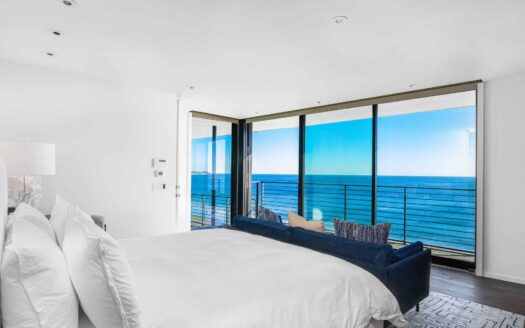
Malibu Broad Beach, California | 3 Bed Oceanfront Home, Rooftop Deck, Hot Tub, Garage
$960,000
Experience the pinnacle of Malibu oceanfront living in this exquisite 3-bedroom, 4-bath home on prestigious Broad Beach. With sweeping Pacific Ocean views from ...
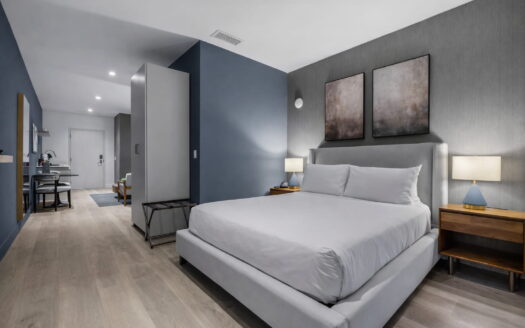
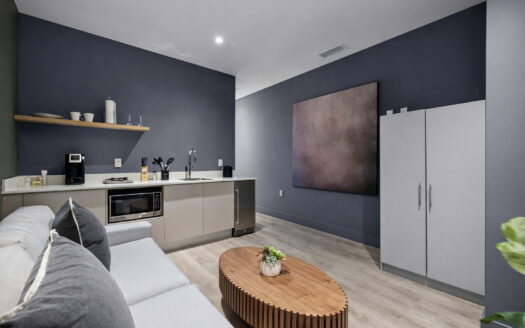
Brickell, Miami Florida | Luxury Studio Apartment
$68,000
Own a piece of Miami's most dynamic neighbourhood with this fully furnished studio apartment (more like a one-bedroom apartment with its separate living room ar ...
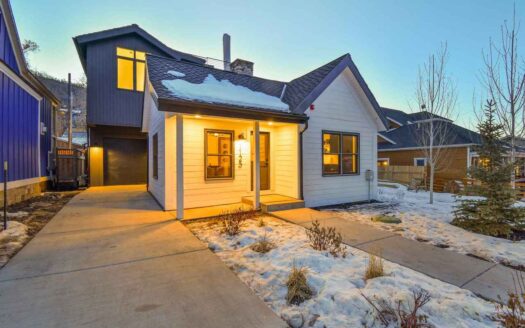
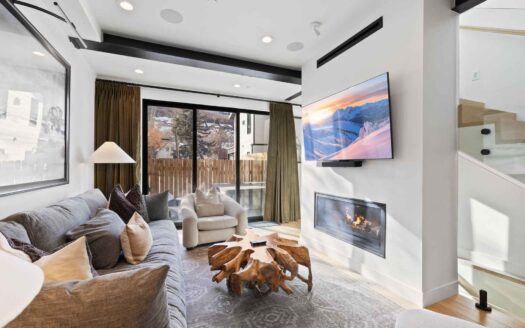
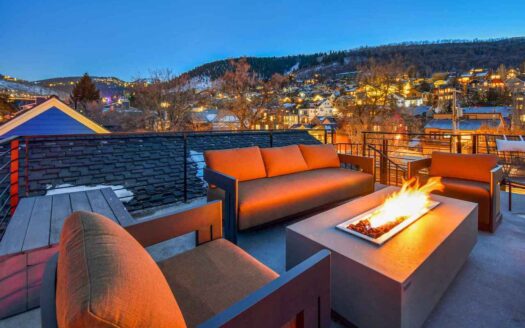
Fort Lauderdale, Florida | 5-Bed Chalet Las Olas
$630,000
Experience Las Olas luxury in this exceptional 5-bedroom, 4-bathroom Fort Lauderdale retreat spanning 3,977 sq ft (369 m²). This spacious property offers genero ...
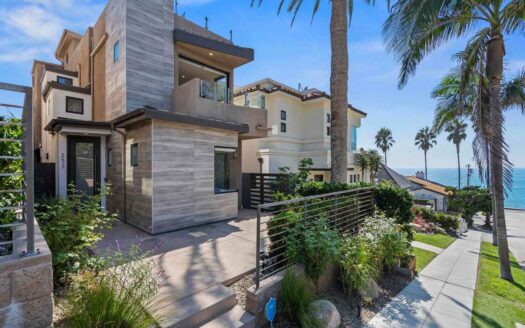
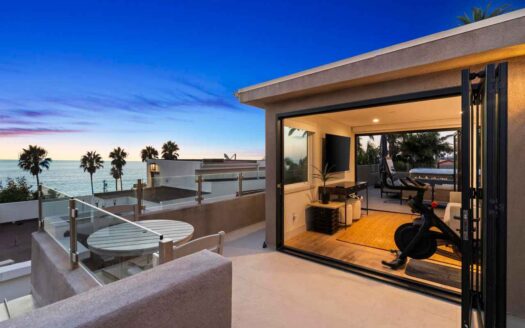
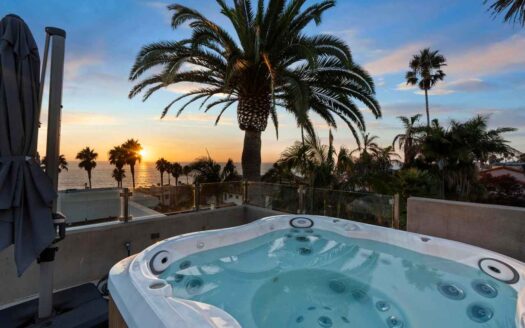
La Jolla, San Diego California | 3-Bed Chalet With Rooftop Deck
$615,000
Discover the ultimate La Jolla beach experience in this stunning 3-bedroom, 2-bathroom retreat spanning 1,870 sq ft (173 m²). This exceptional property features ...
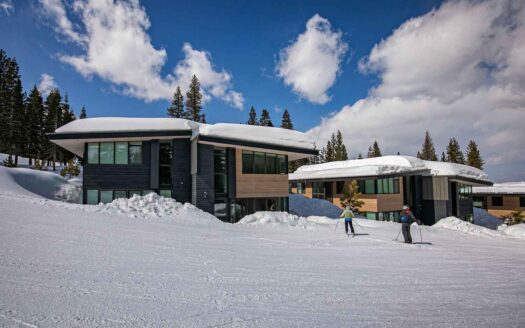
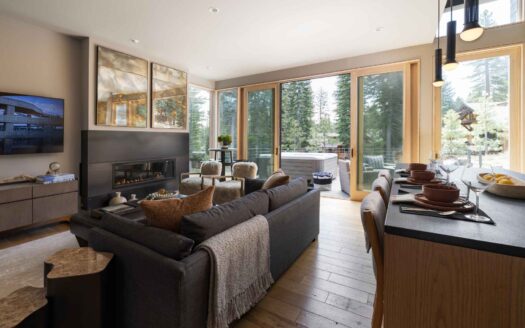
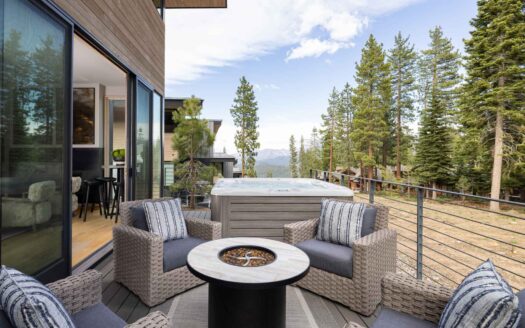
Lake Tahoe, Truckee California | 3-Bed Chalet With Peak Views
$475,000
Situated in Truckee, this 3-bedroom, 2-bathroom chalet offers comfortable living with panoramic peak views. Property features professional furnishings and desig ...
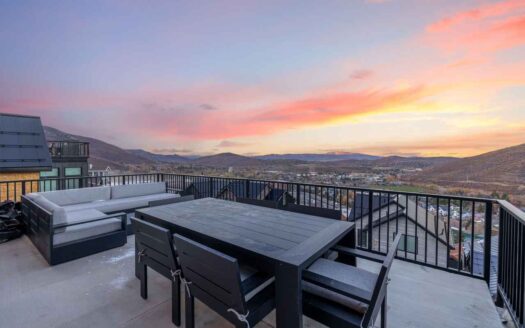


Park City, Utah | 5-Bed Chalet With Elevator
$1,000,000
Experience luxury mountain living in this exceptional 5-bedroom, 7-bathroom Park City retreat spanning 3,857 sq ft (358 m²). This impressive property features s ...

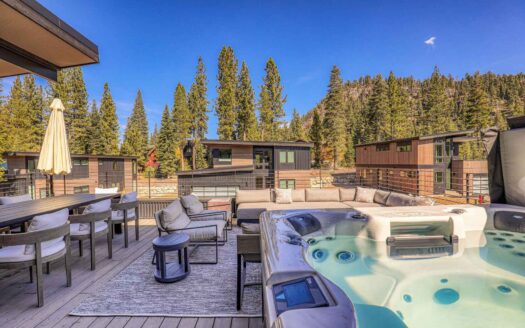
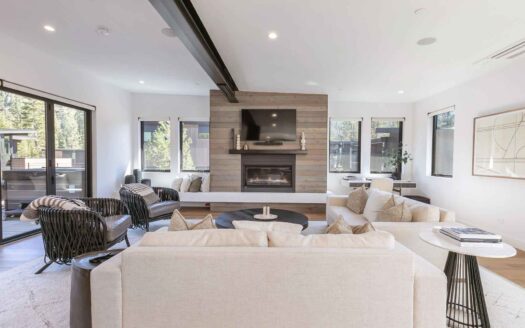
Lake Tahoe, Olympic Valley California | 4-Bed Chalet Ski-In/Ski-Out
$430,000
Located in Olympic Valley, this 4-bedroom, 4-bathroom chalet spans with stunning mountain vistas. Property combines rustic charm with contemporary comfort, idea ...
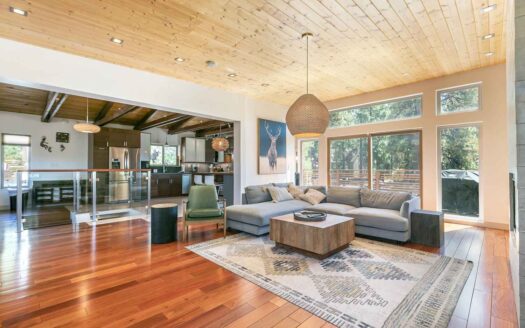
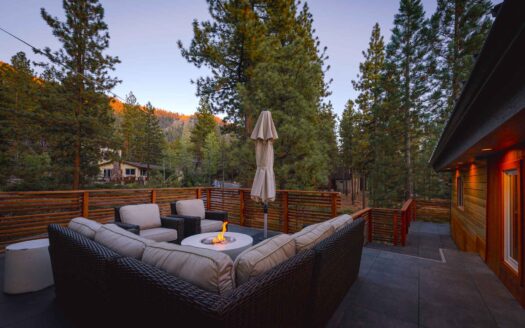
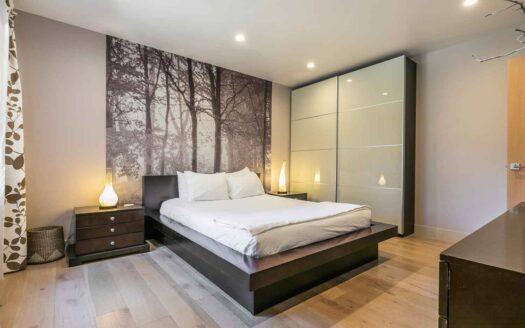
South Lake Tahoe, California | 5 Bed Designer Home, Hot Tub, Slate Deck, Fireplace
$275,000
Connect with nature in this stunning 5-bedroom, 4-bath designer-remodeled home in South Lake Tahoe. Spanning three levels and 3,168 sq ft, this Lake Tahoe Calif ...

Fractional Ownership
A smarter way to own
Buy only the share you need — with genuine deeded ownership, shared costs, and full resale rights.
Not a timeshare. Not a club. Real property ownership, made accessible.