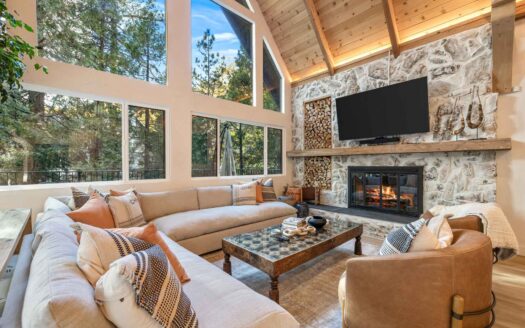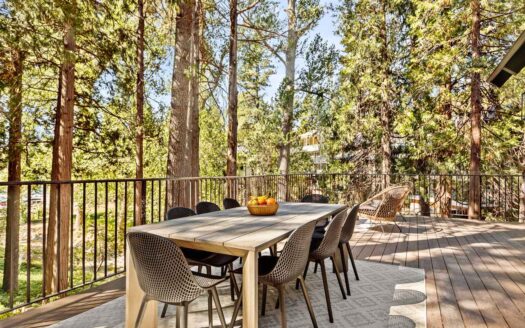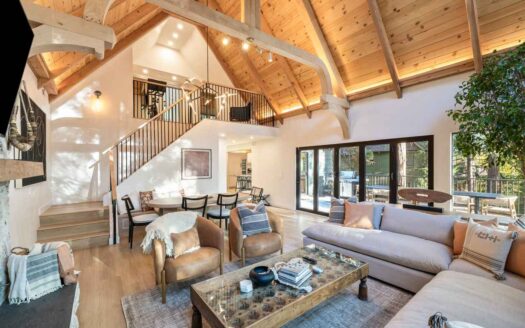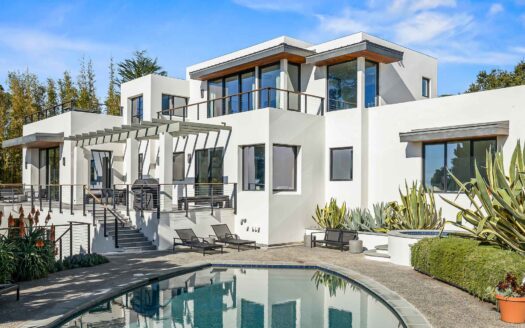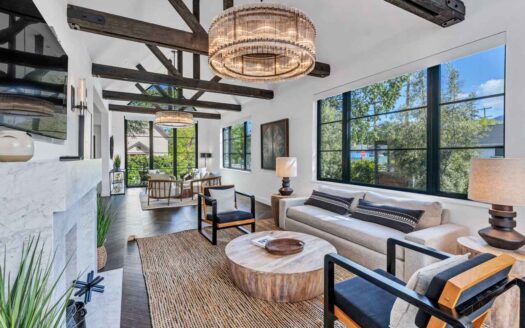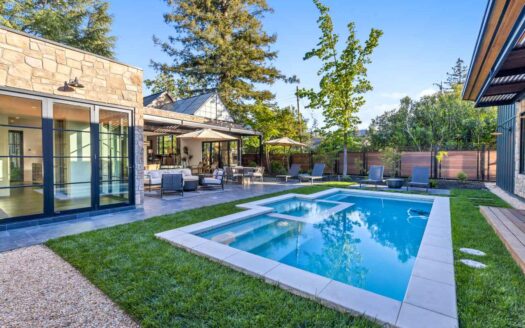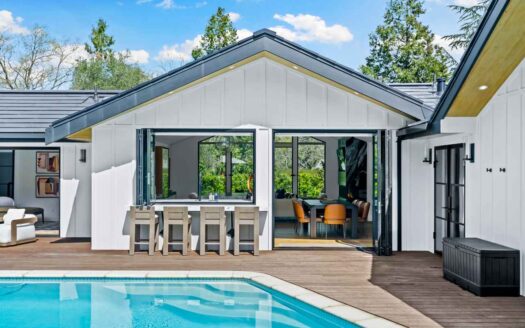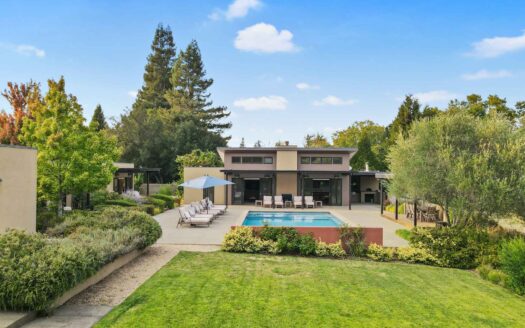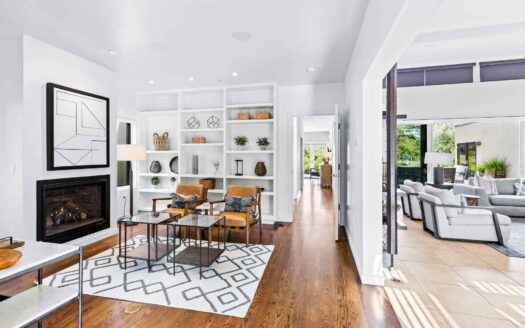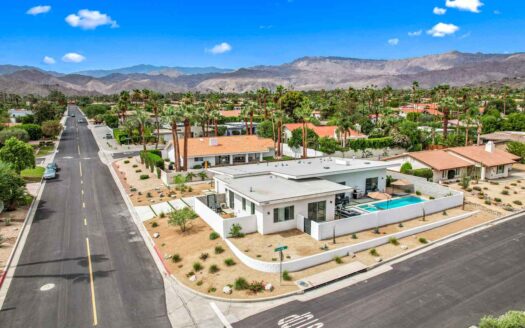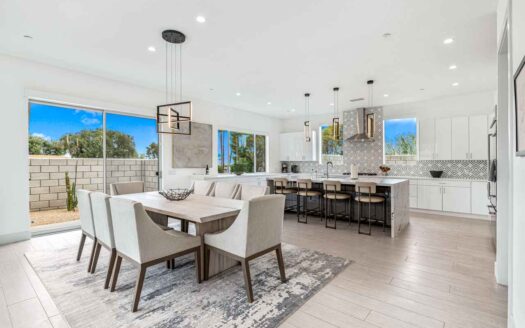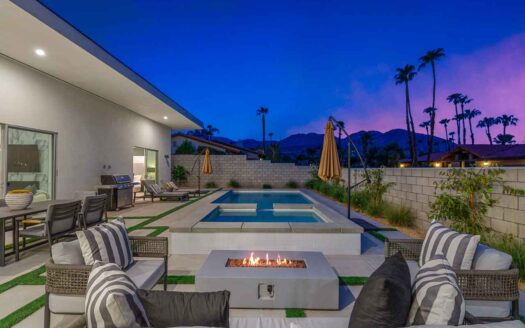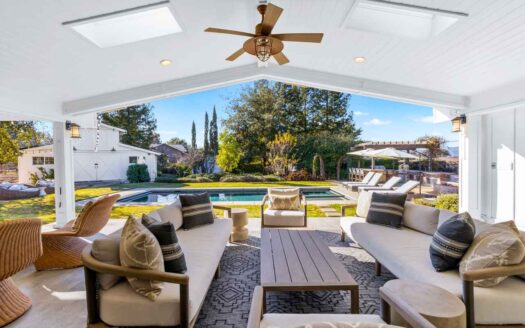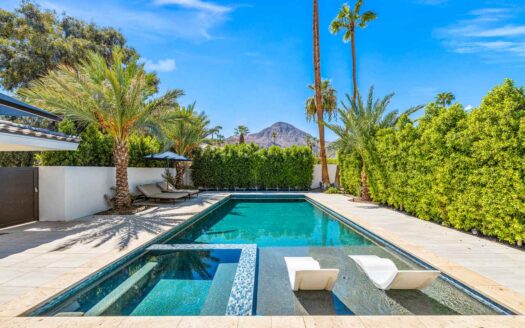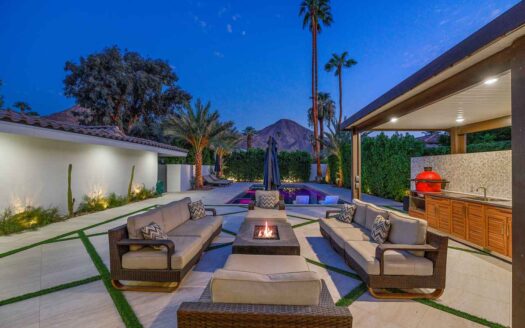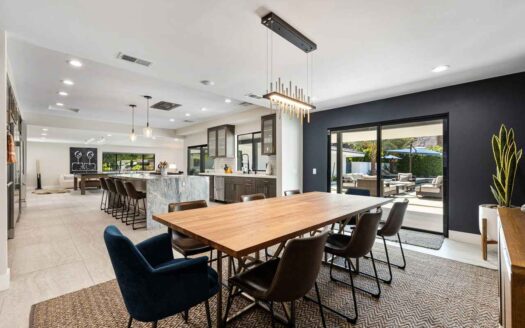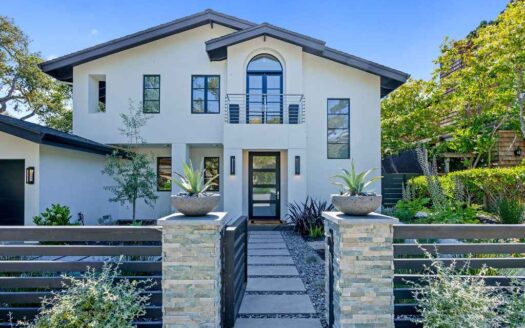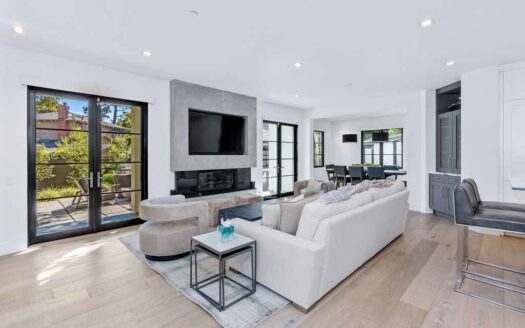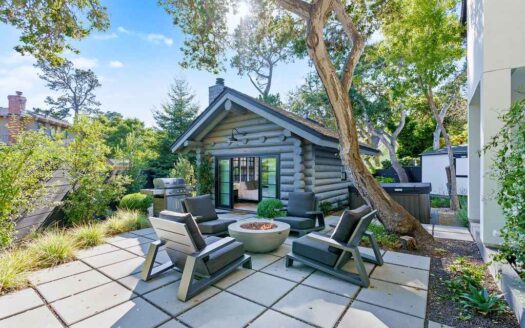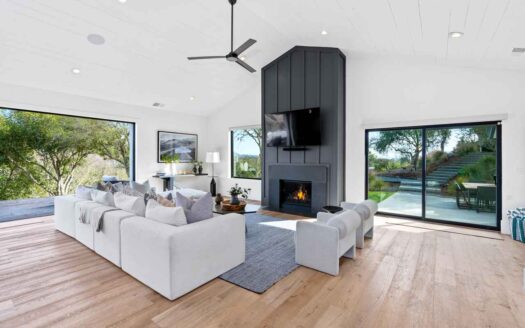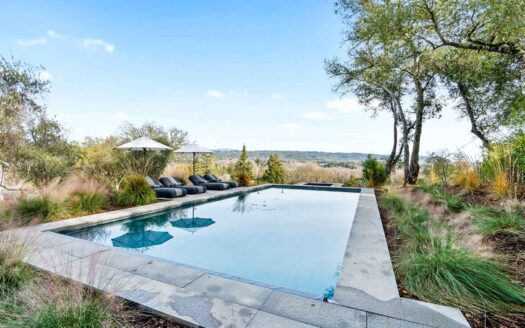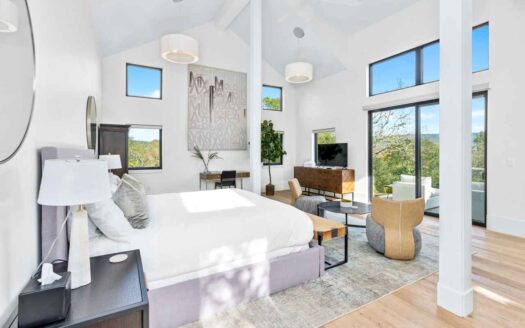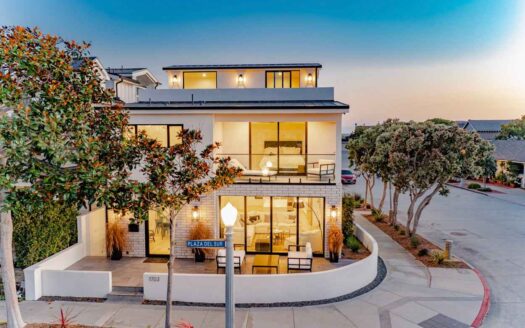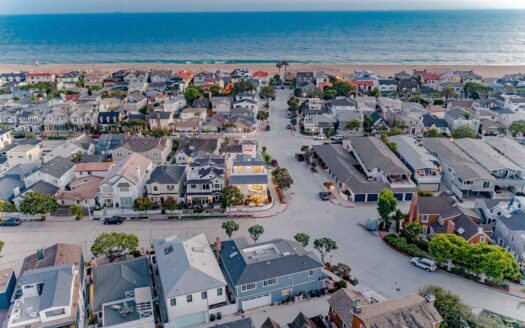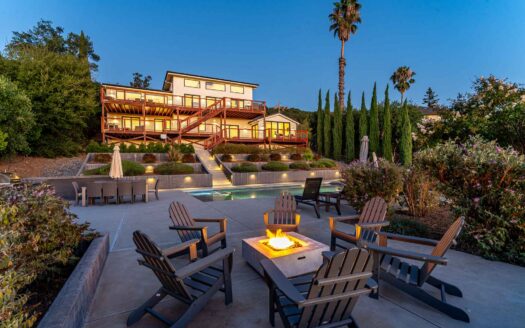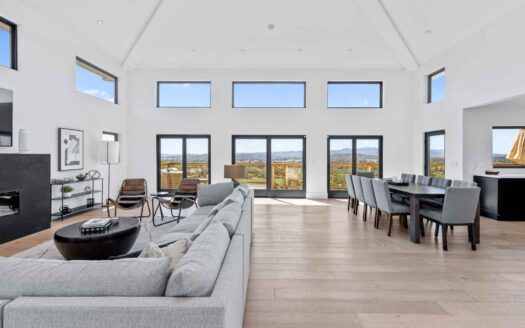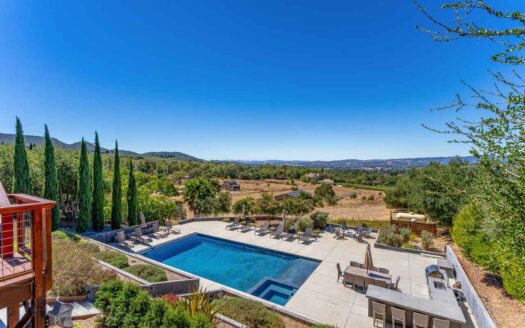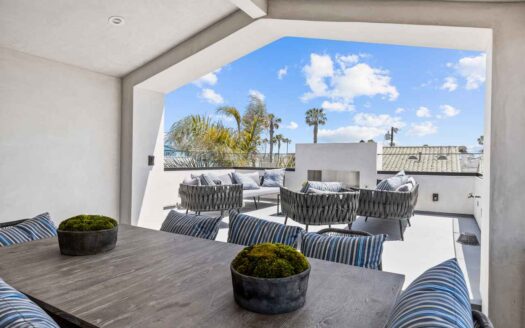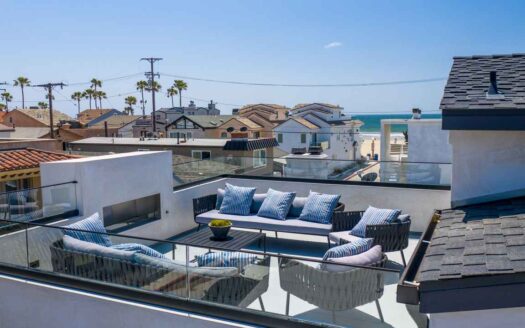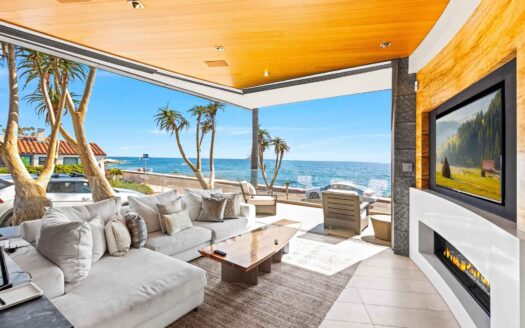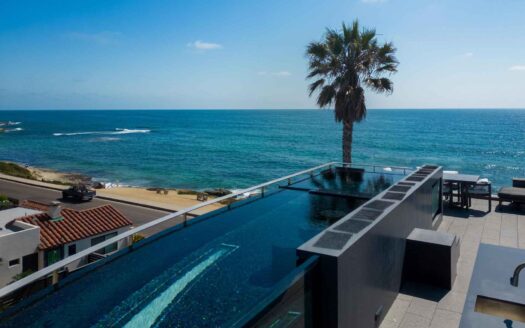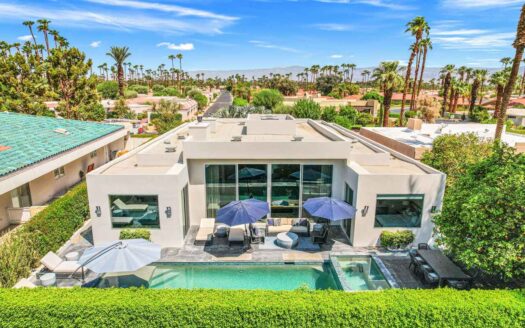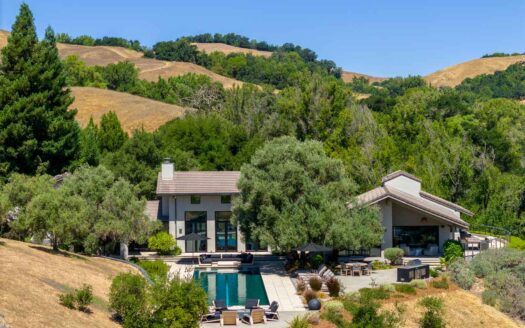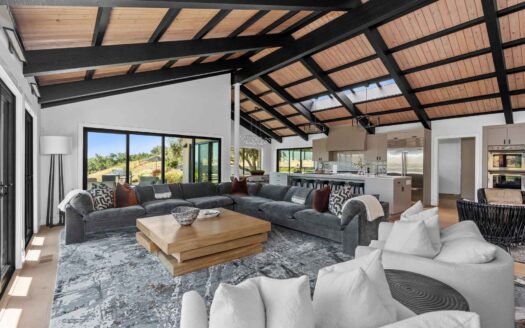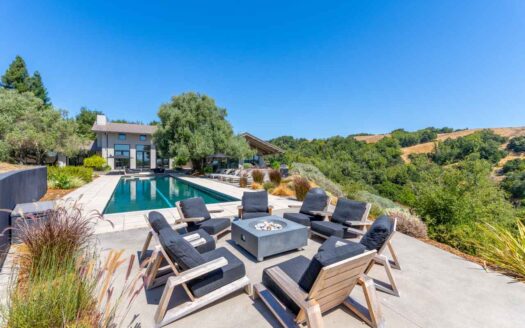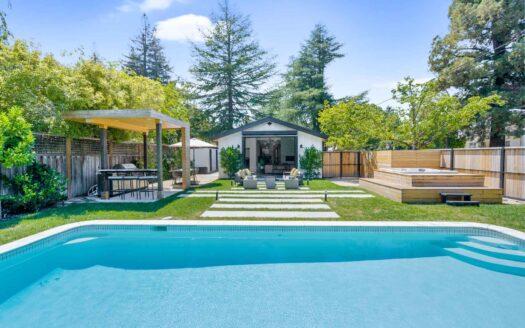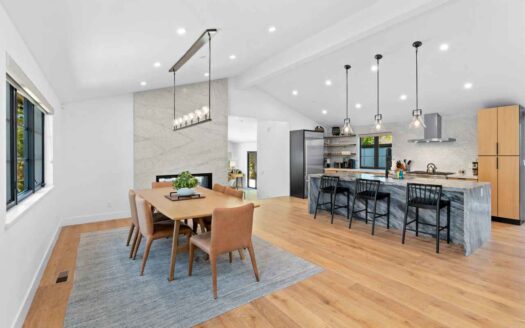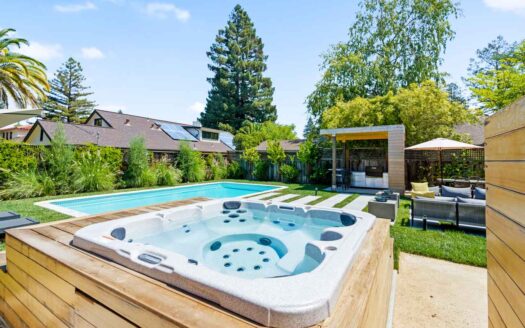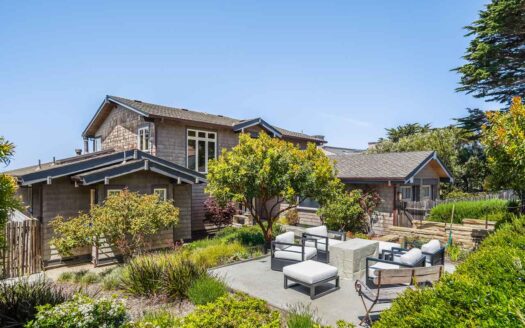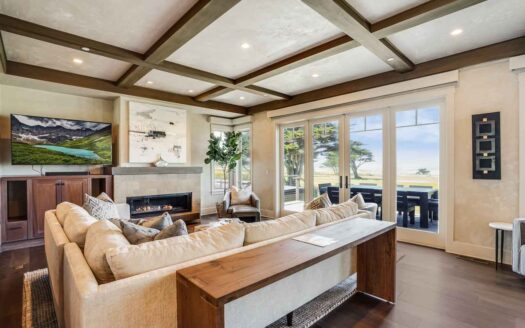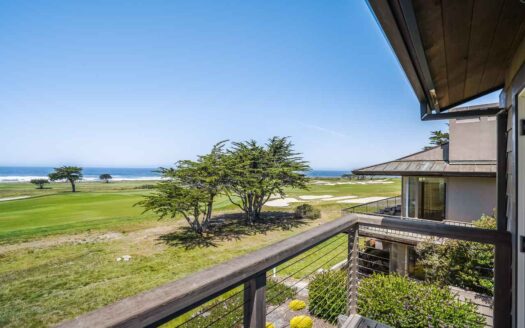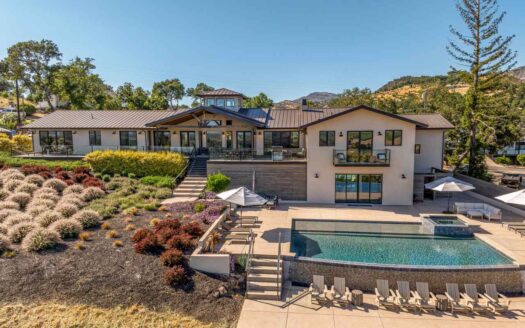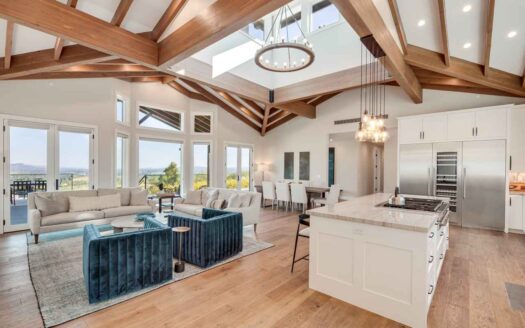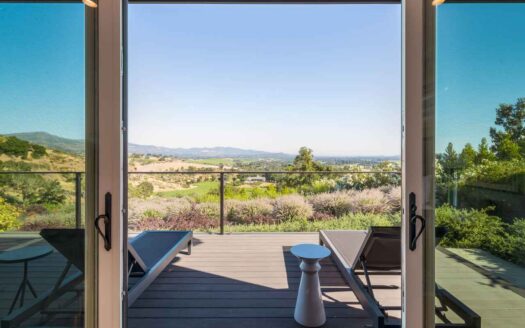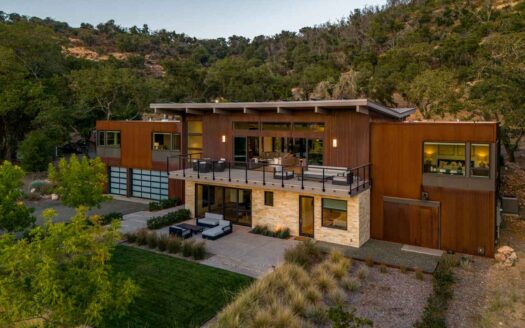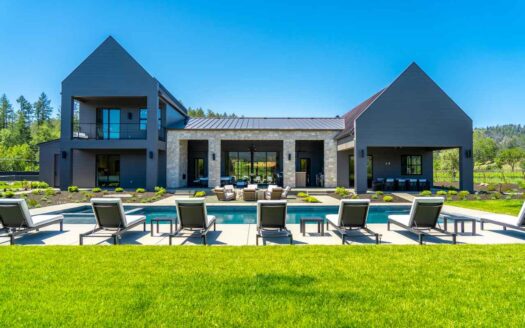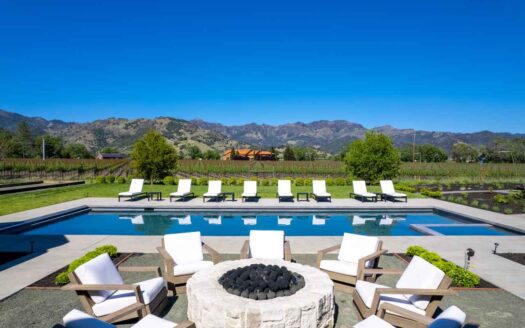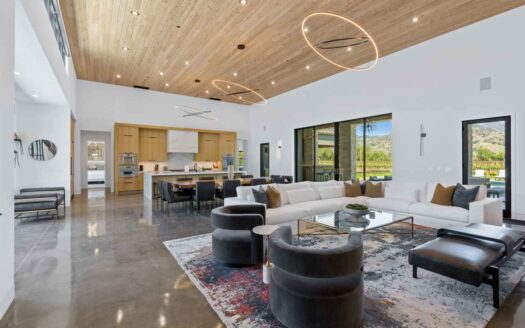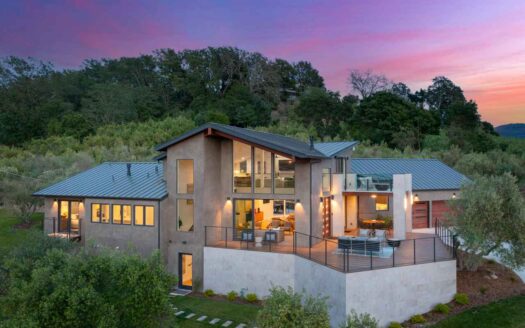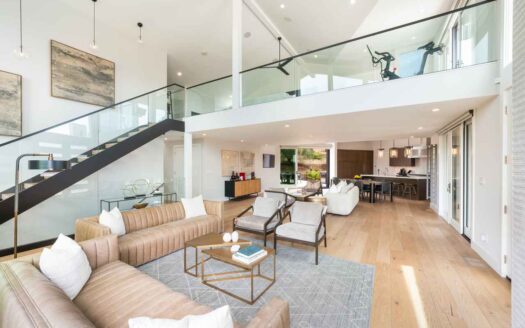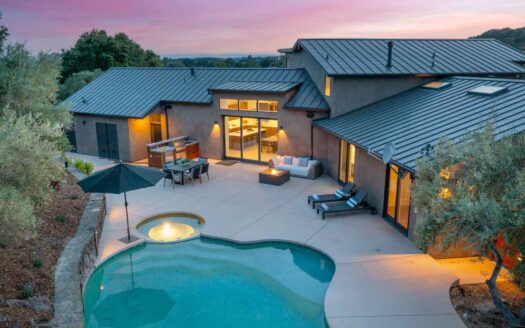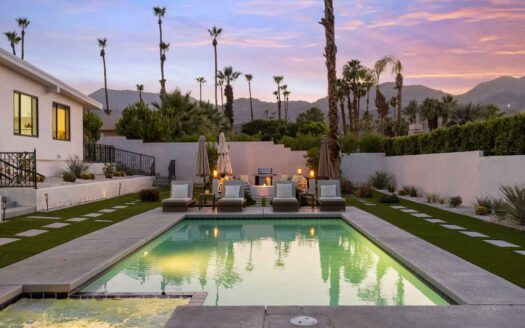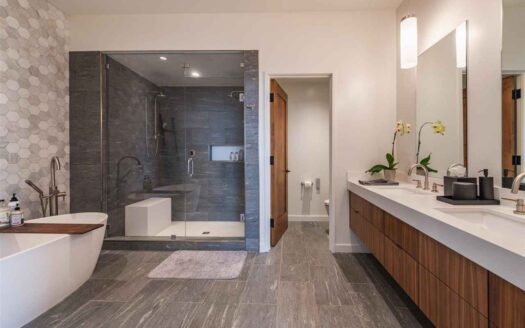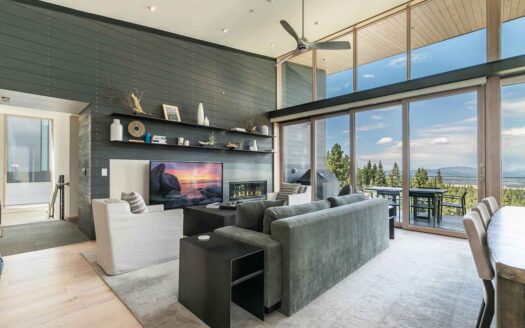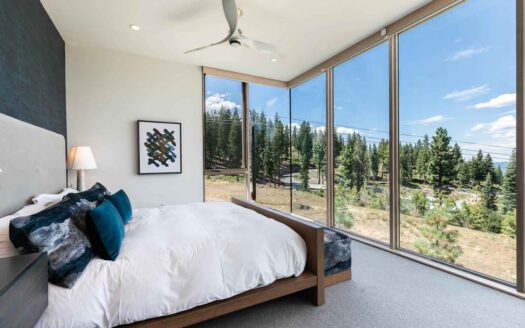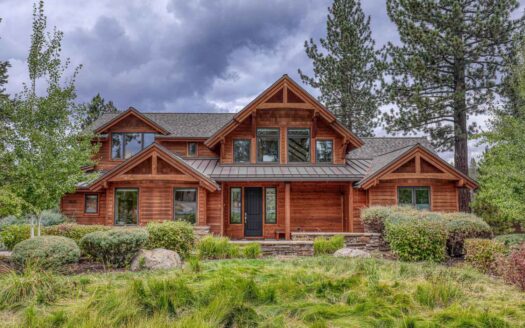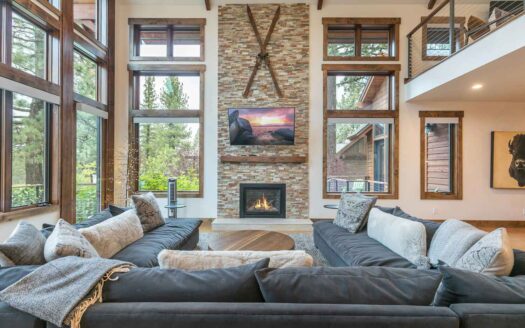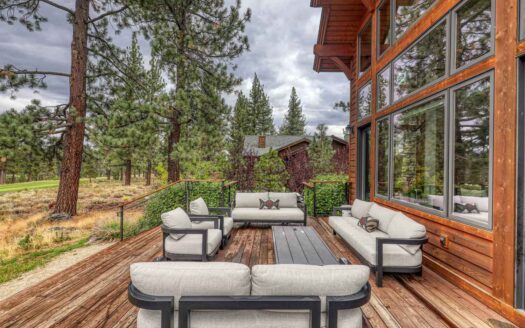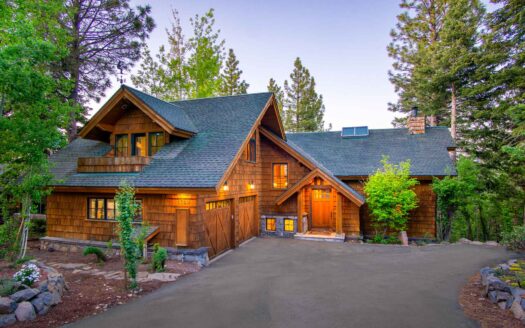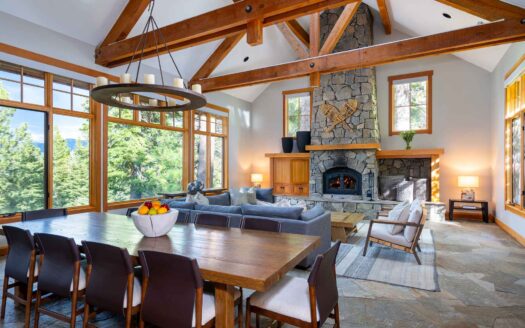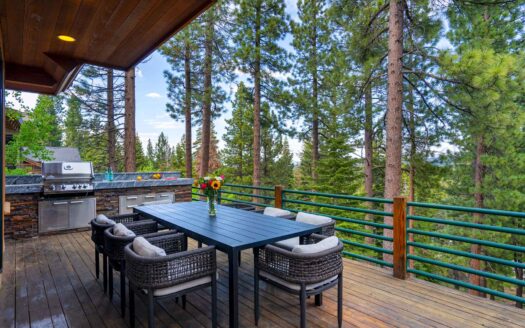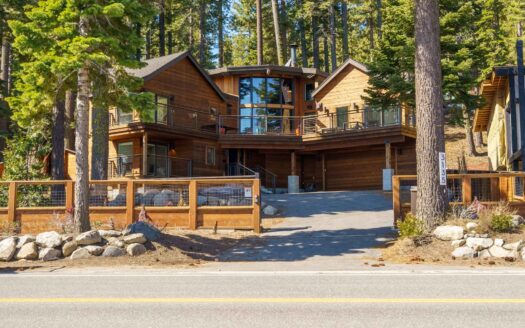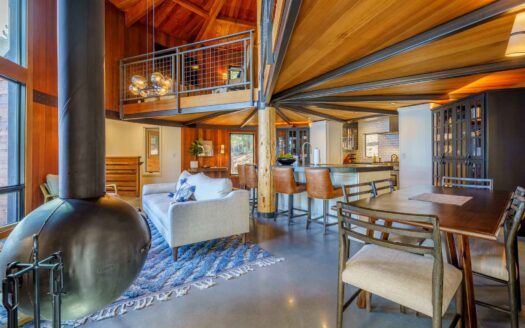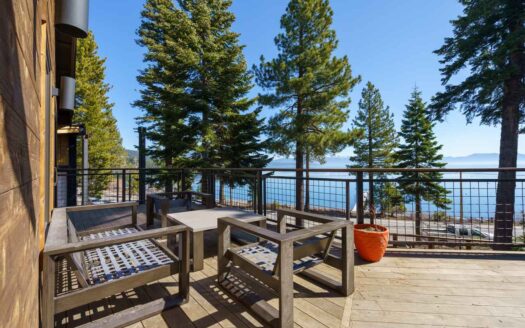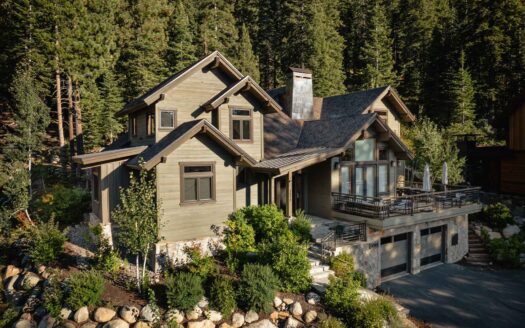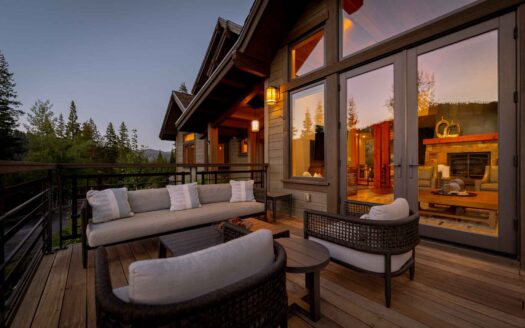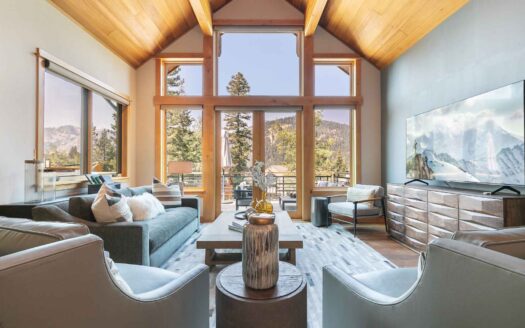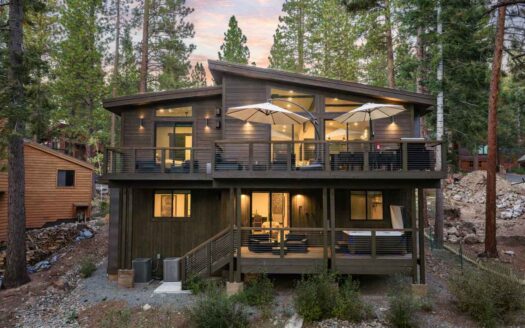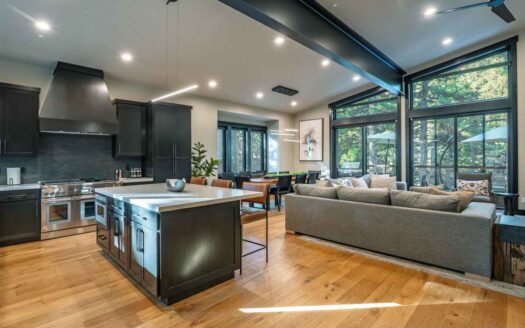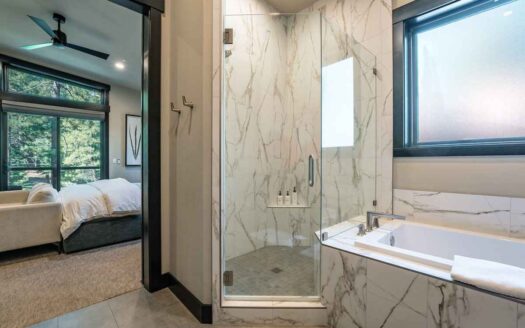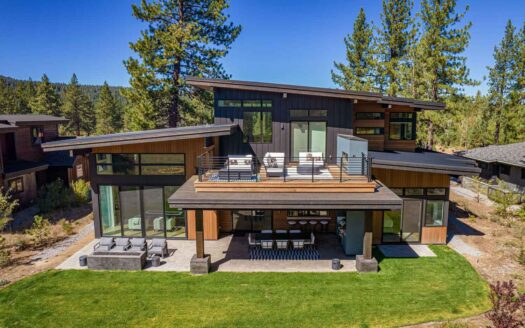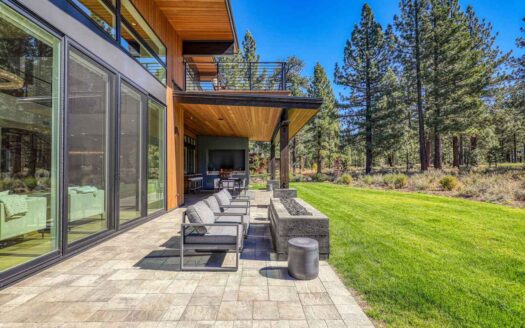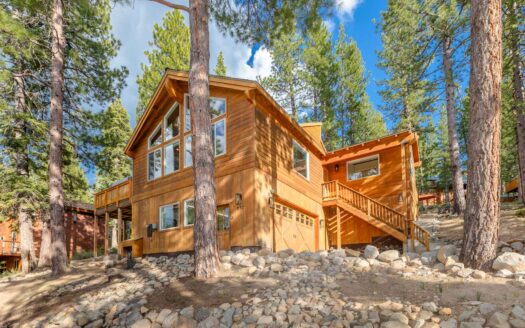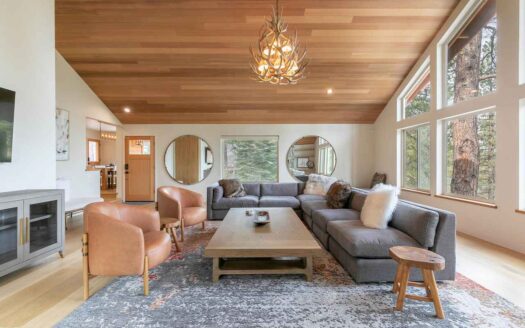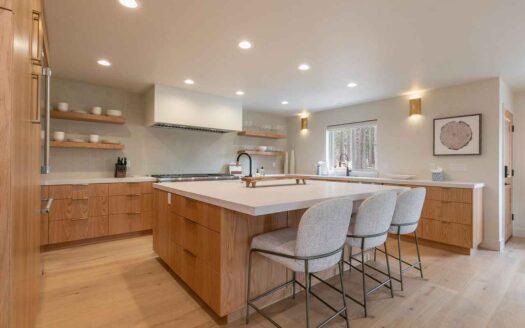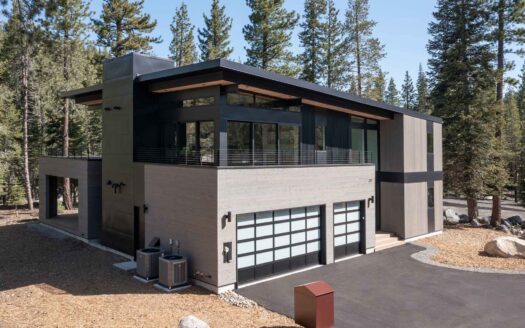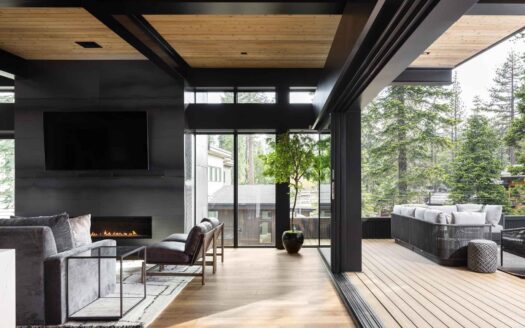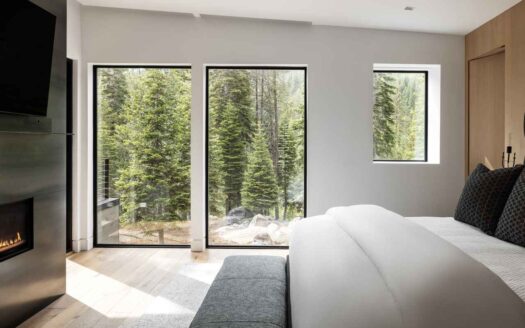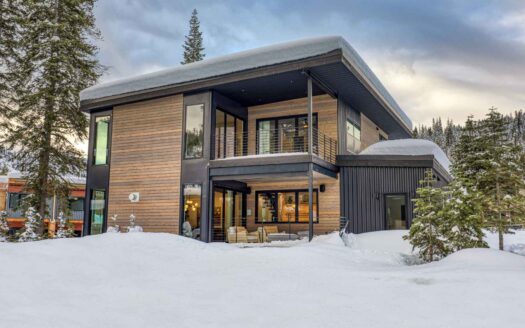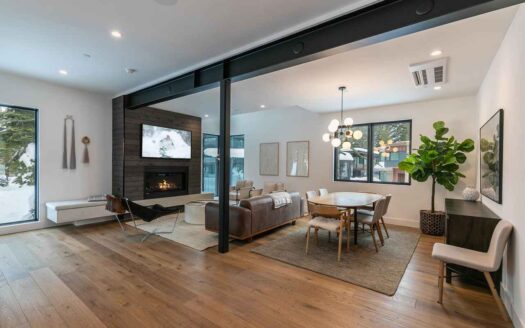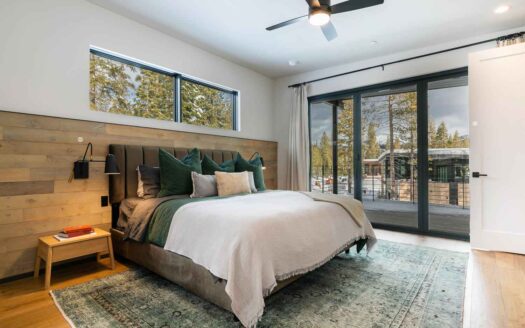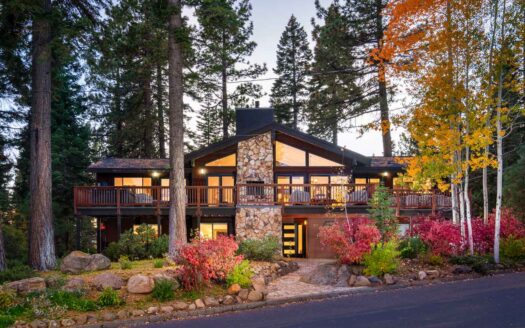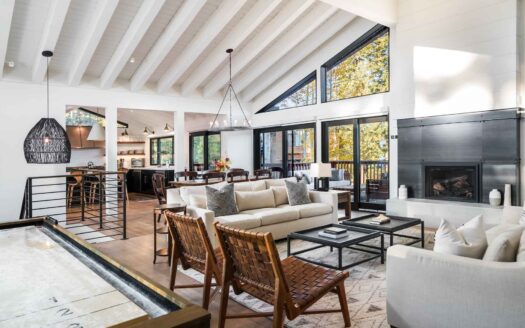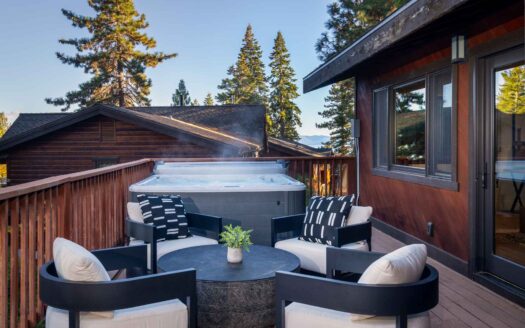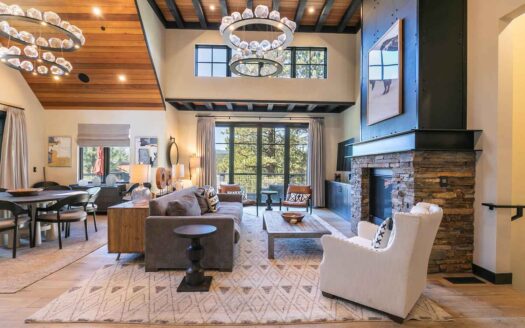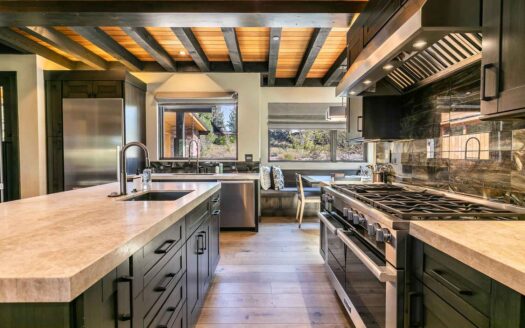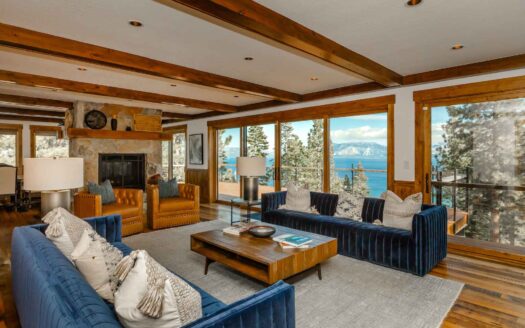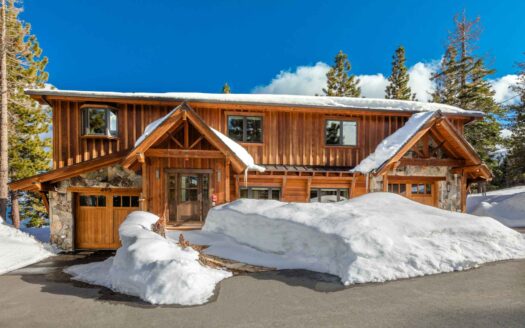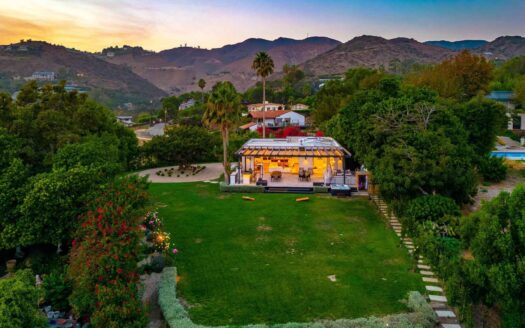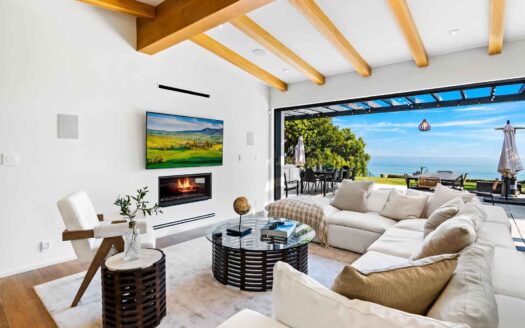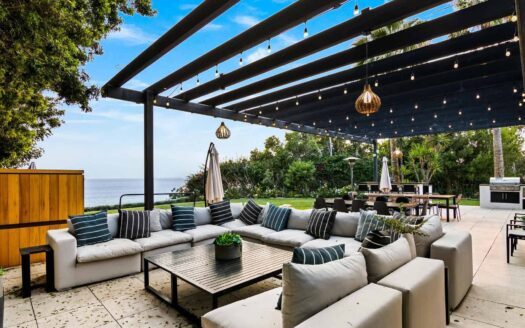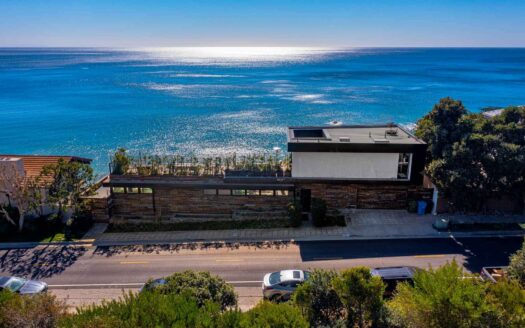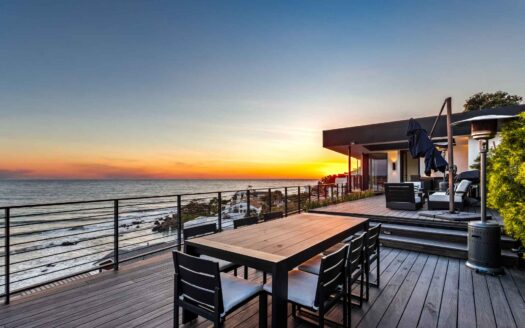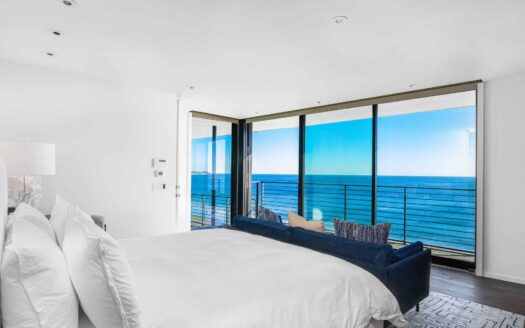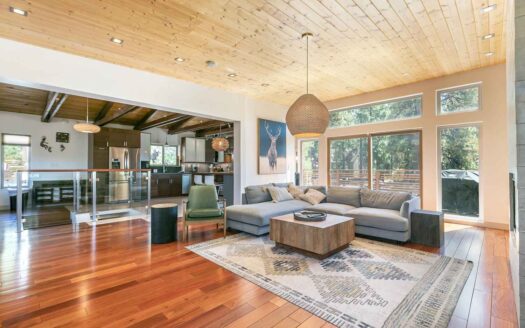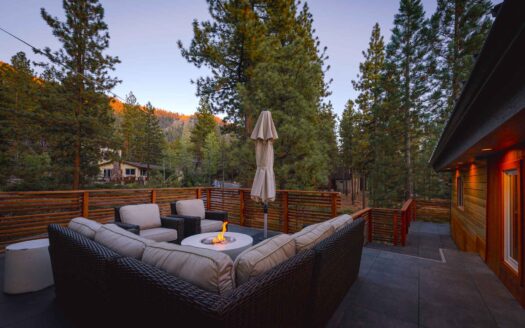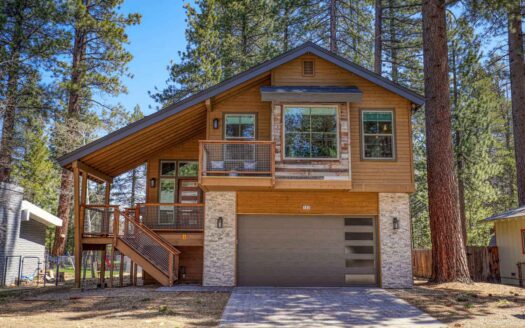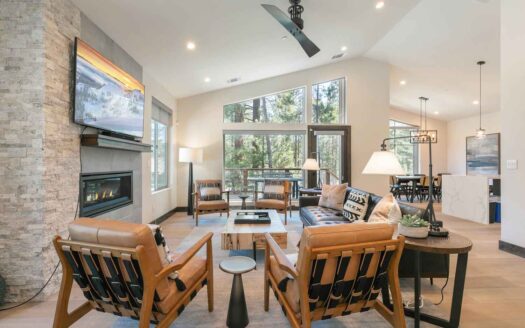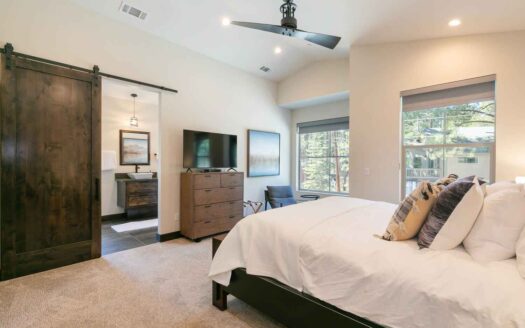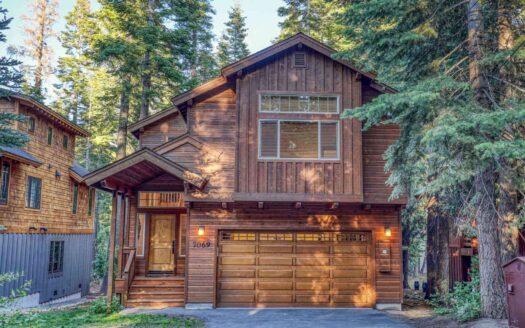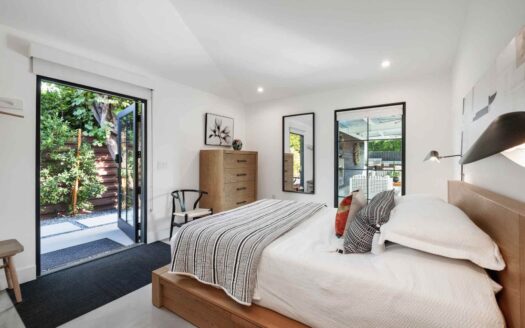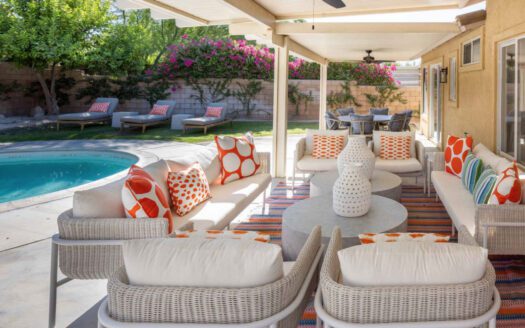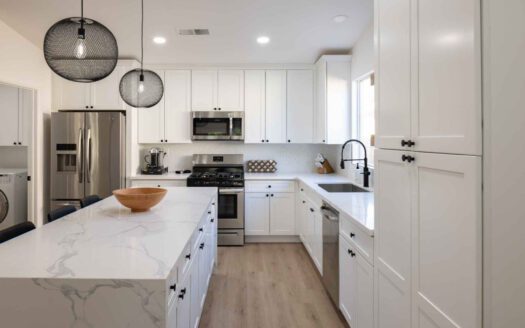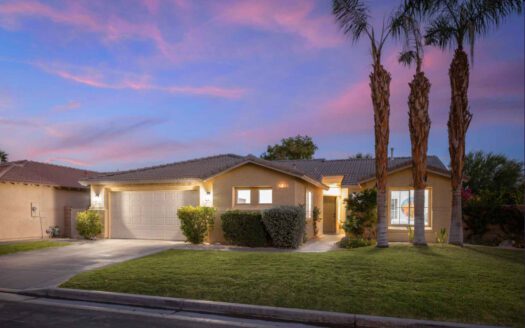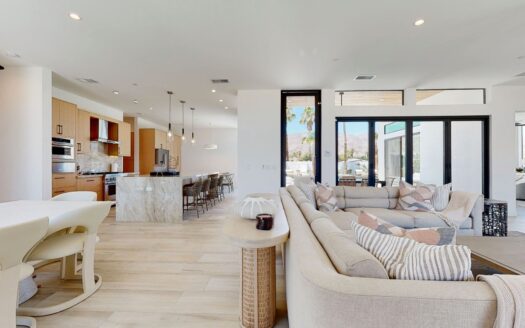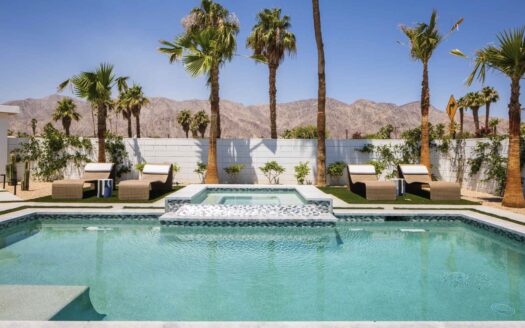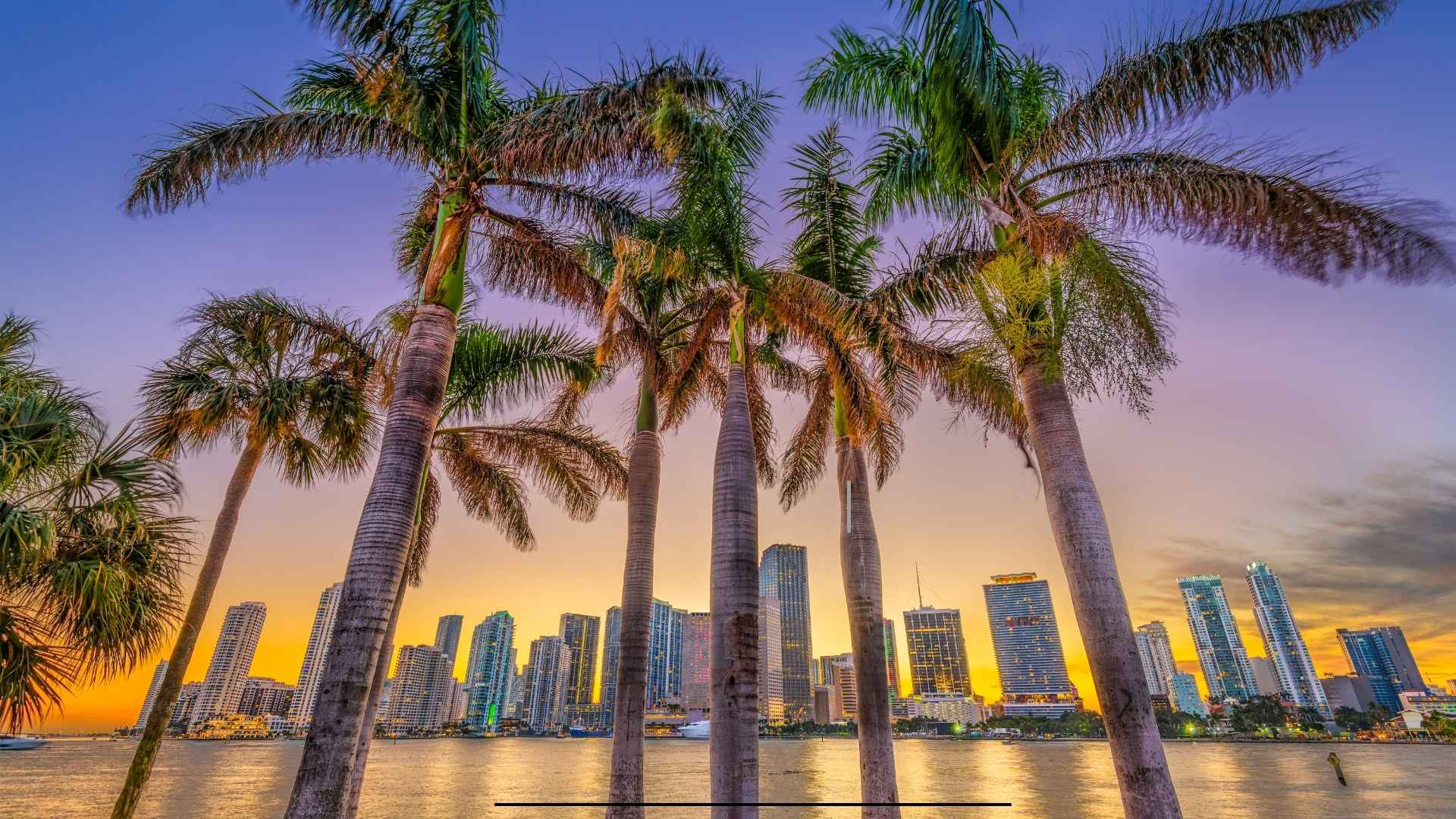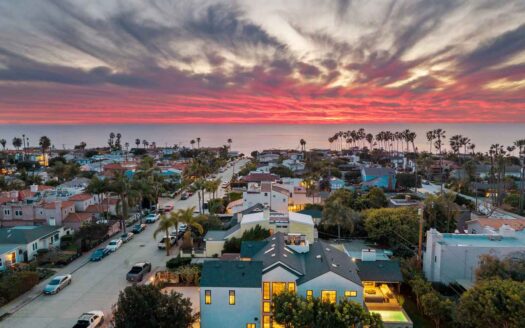
California Fractional Ownership Vacation Homes
FRACTIONAL OWNERSHIP · CALIFORNIA
California Fractional Ownership — Own Your Piece of the Golden State
California fractional ownership gives you genuine, legally structured co-ownership of a luxury vacation home in one of the world's most iconic destinations — from the sun-drenched Pacific Coast to the desert estates of Palm Springs and the alpine shores of Lake Tahoe. You purchase a 1/8 share (sometimes up to a 1/2 share), entitling you to approximately 45 days per year, with full co-ownership rights through a legally structured property company — not a timeshare, not a holiday club, and not a points scheme.
For UK buyers navigating the post-Brexit 90-day Schengen limit, California fractional ownership offers the perfect solution for a transatlantic second home — with no EU day-count restrictions. Professional management handles everything from maintenance and cleaning to scheduling and insurance, so you arrive to a home that is ready and waiting. Browse our California fractional ownership properties below to find the share that suits your lifestyle.
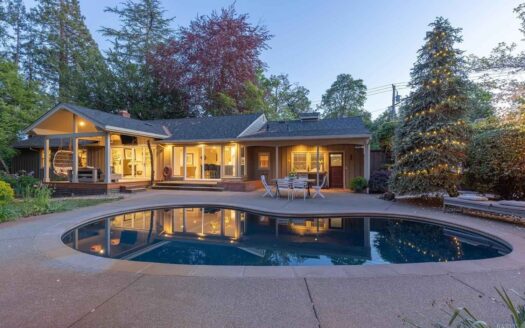
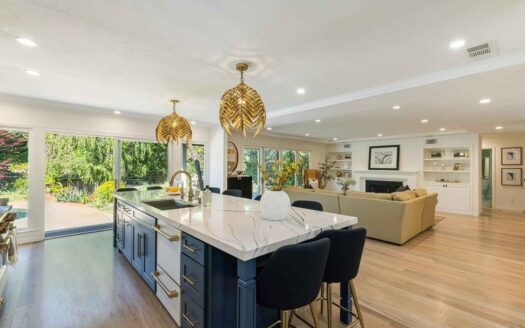
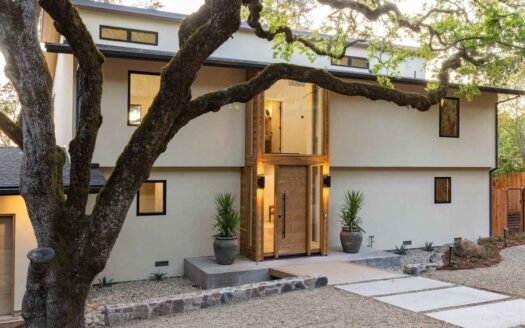
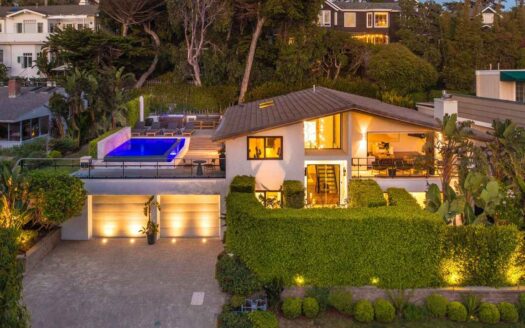
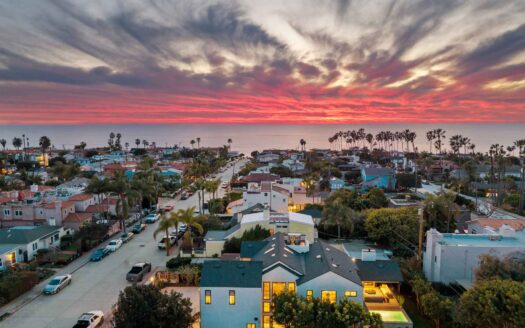
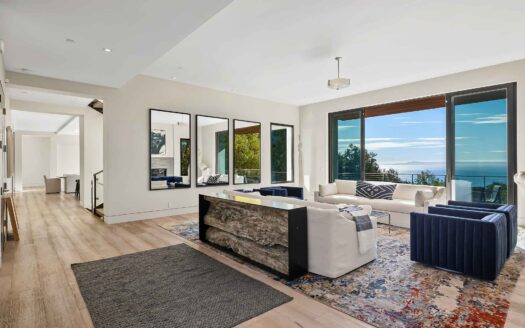
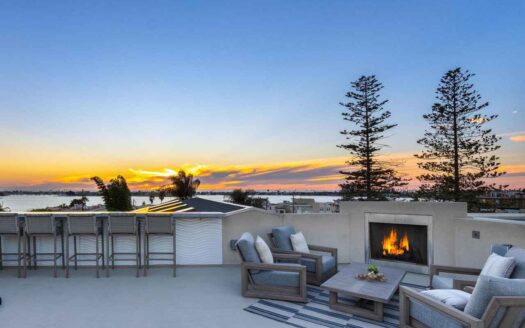
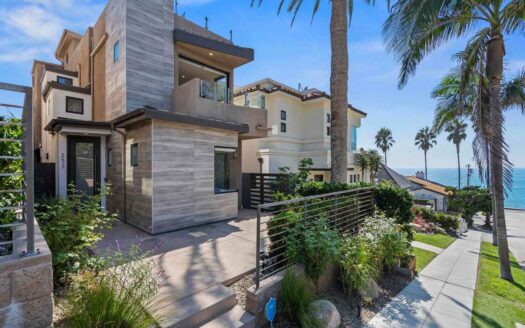
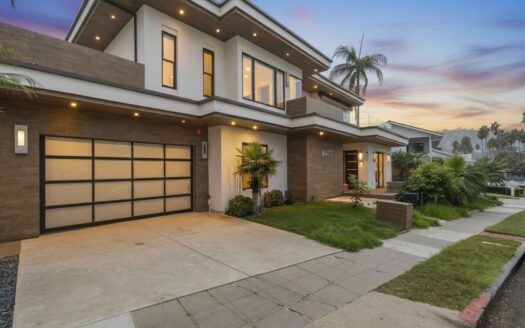
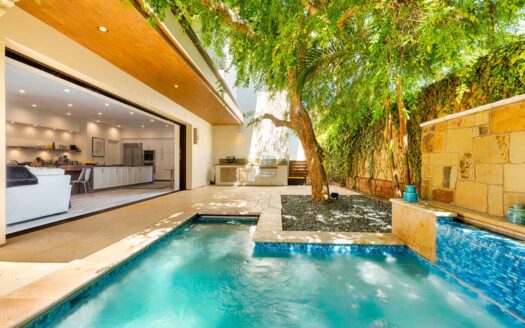
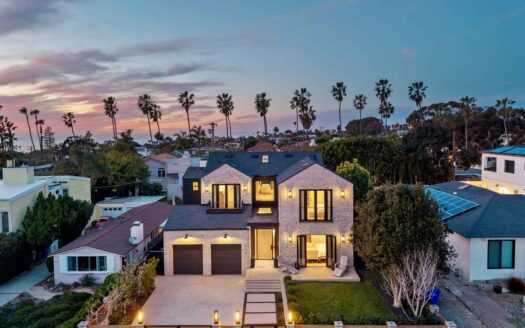
La Jolla, California | 4-Bed New Build Steps From Windansea Beach
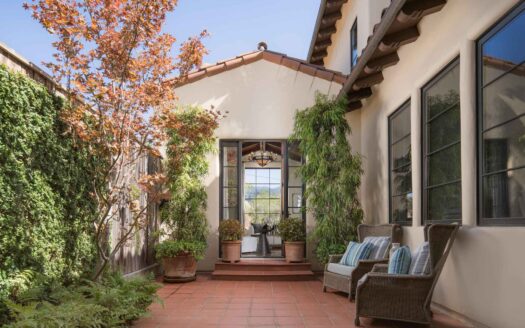
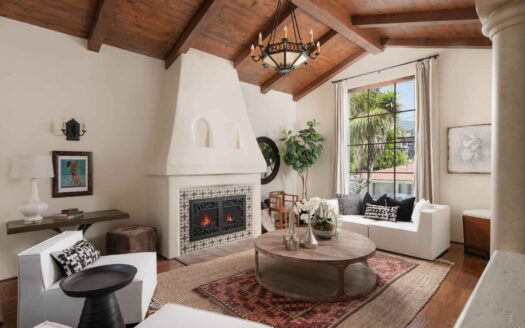
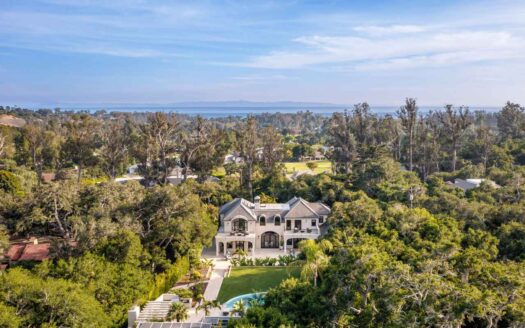
Santa Barbara, California | 4-Bed Chalet With 360 Views
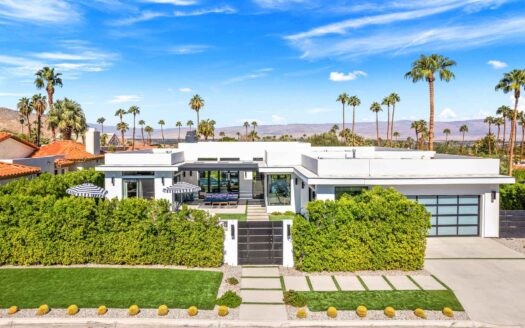
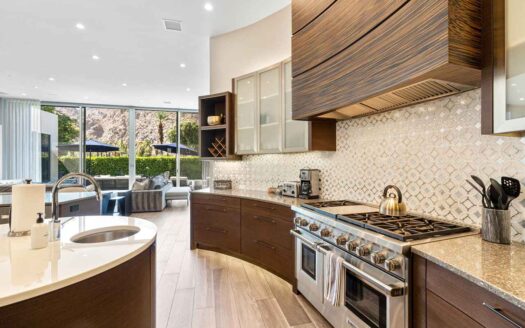
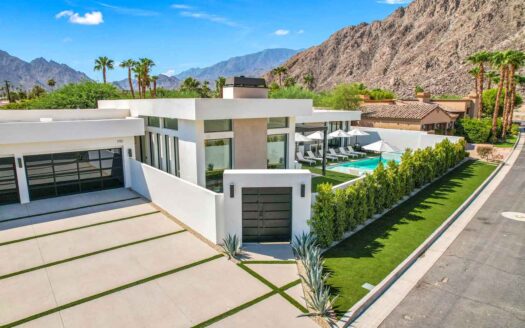
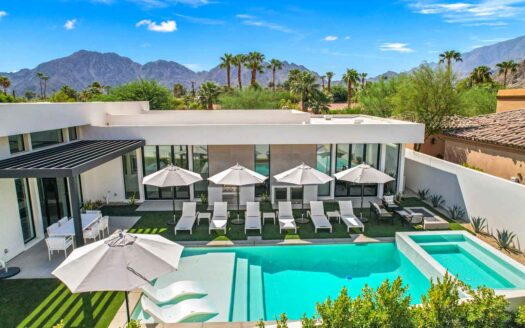
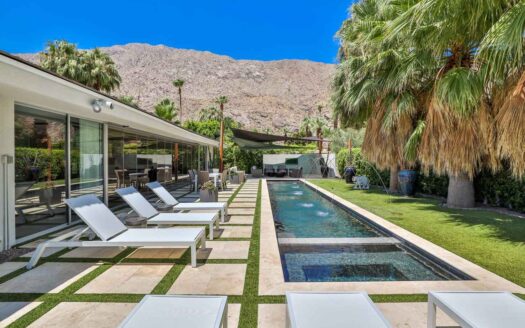
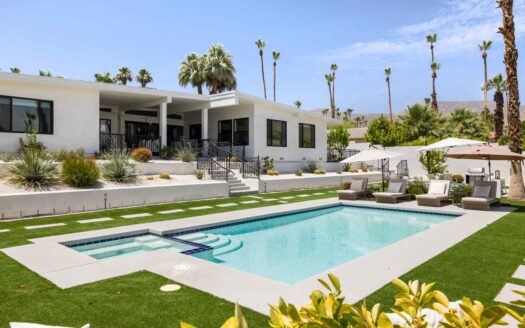
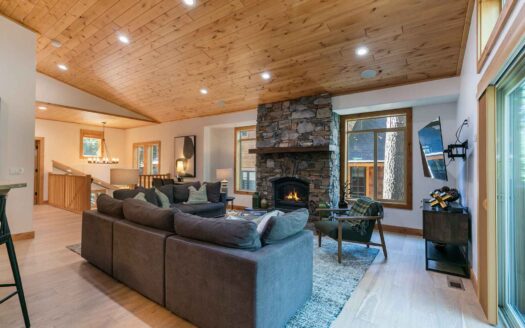
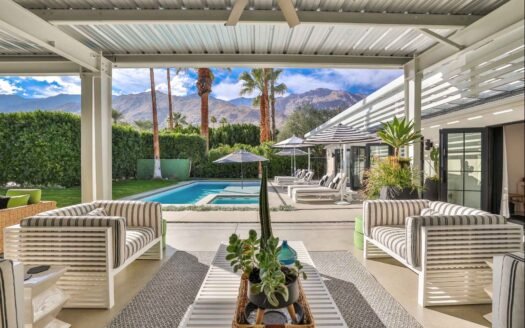
Palm Springs, California | 3-Bed Chalet Desert Living
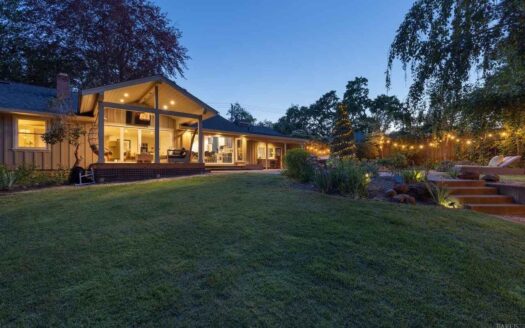
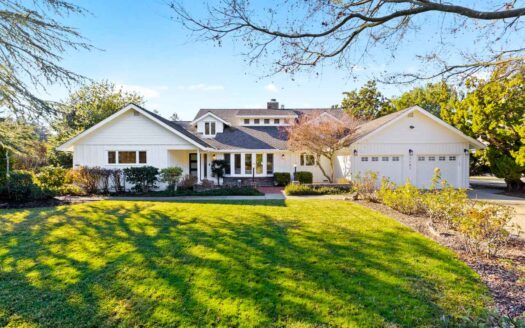
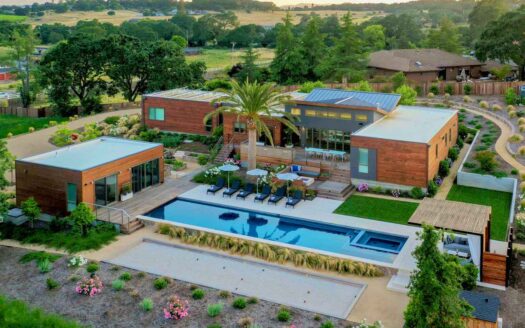
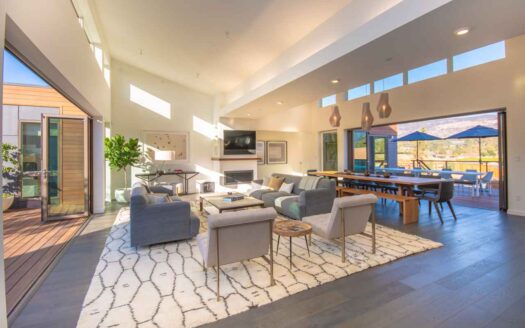
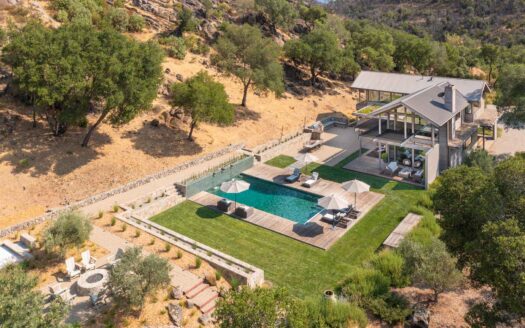
Napa, California | 3-Bed Chalet Wine Country
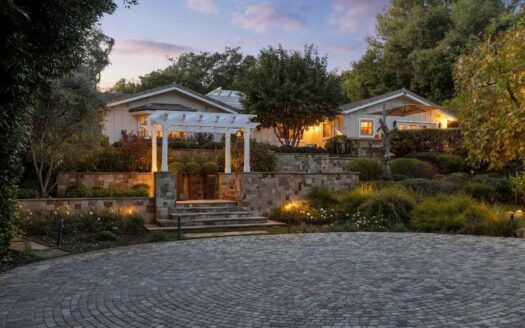
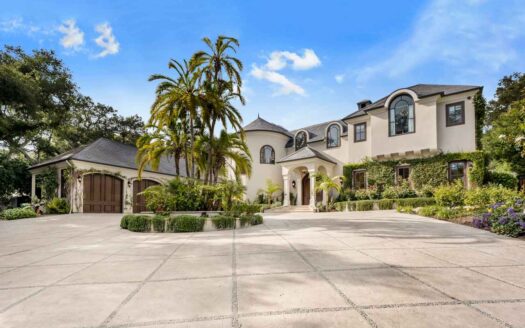
Montecito, California | 5-Bed Estate On Olive Road
Napa, California | 3-Bed Chalet Downtown Location
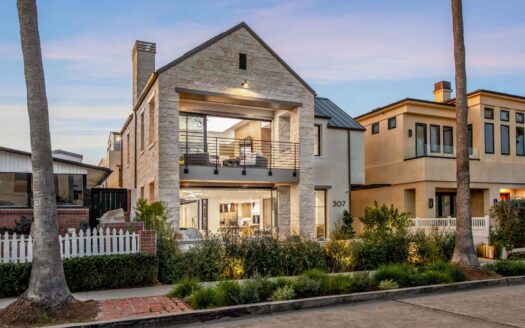
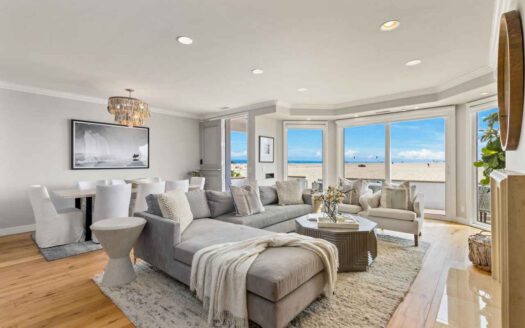
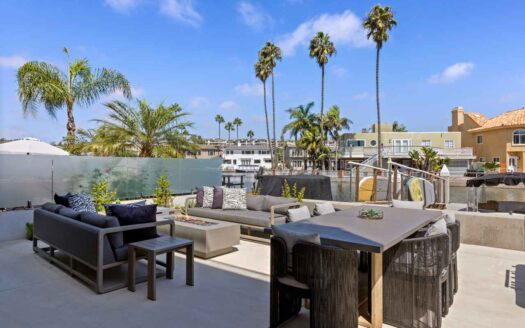
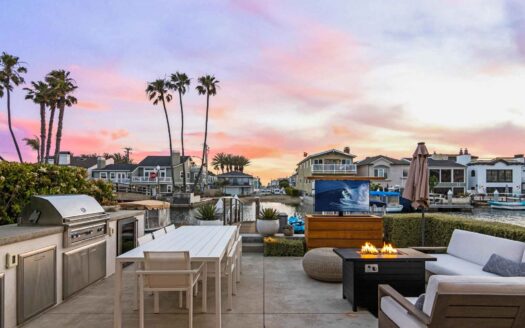
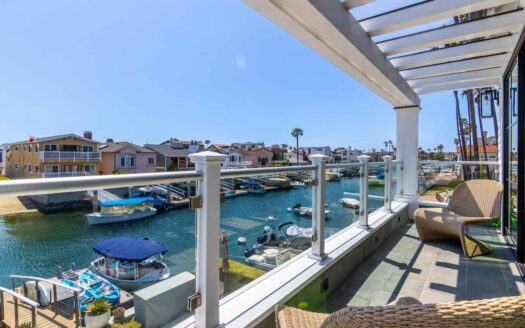
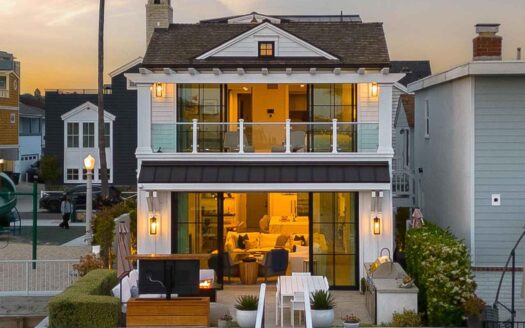
Newport Beach, California | 4-Bed Chalet On Grand Canal
La Jolla, California | 4-Bed Chalet Village Location
Lake Arrowhead, California | 4-Bed Chalet With Dock Access
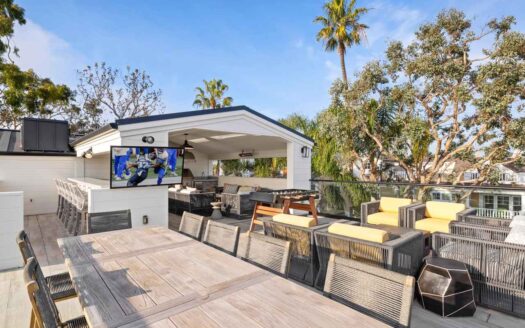
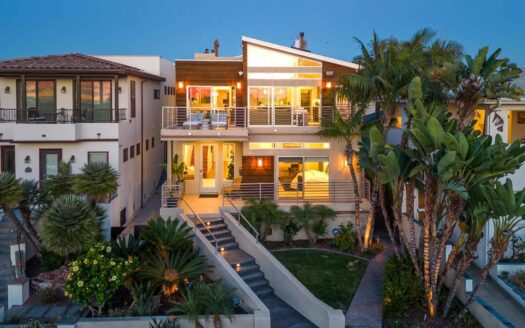
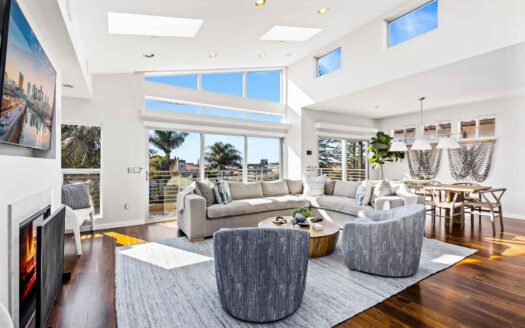
Santa Barbara, California | 4-Bed Chalet With Rooftop Deck
Corona Del Mar, Newport Beach California | 4-Bed Estate Premium Location
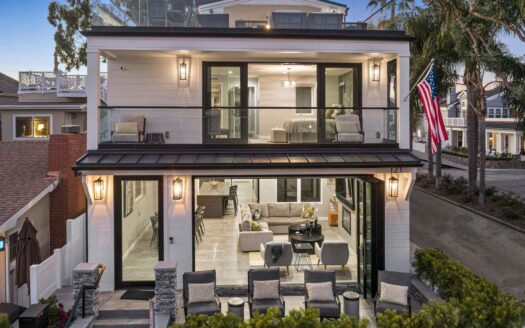
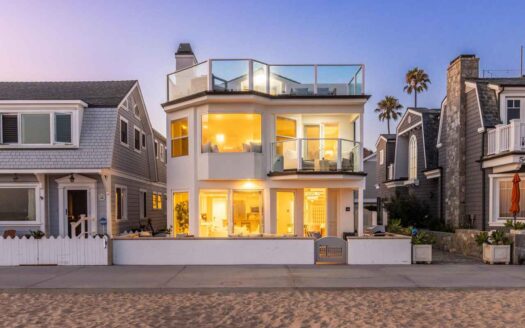
Newport Beach, California | 4-Bed Chalet On Balboa Island
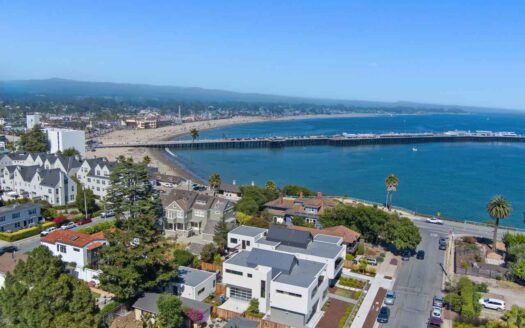
Santa Cruz, California | 5-Bed Chalet Beach Access
Encinitas, San Diego California | 5-Bed Estate With Ocean Views
St. Helena, California | 3-Bed Chalet With Valley Views
St. Helena, California | 4-Bed Chalet In Wine Country
Healdsburg, California | 5-Bed Estate With Wine Country Views
Palm Desert, California | 4-Bed Chalet With Modern Design
Newport Beach, California | 5-Bed Chalet Oceanfront
San Diego, California | 4-Bed Chalet With Bay Access
Palm Desert, California | 5-Bed Chalet Gated Oasis
Napa Valley, California | 5-Bed Estate With Bocce Court
Indian Wells, California | 4-Bed Chalet With Heated Pool
La Jolla, San Diego California | 3-Bed Chalet With Rooftop Deck
Corona Del Mar, Newport Beach California | 4-Bed Chalet Ocean Boulevard
San Diego, California | 4-Bed Chalet With Bay Views
Newport Beach, California | 4-Bed Chalet Waterfront
Newport Beach, California | 3-Bed Chalet On Bay
Carmel-by-the-Sea, Carmel California | 4-Bed Chalet In Village
Healdsburg, California | 4-Bed Chalet With Vineyard Access
Newport Beach, California | 4-Bed Chalet With Harbor Views
Napa Valley, California | 4-Bed Chalet In Wine Country
Newport Beach, California | 3-Bed Chalet With Beach Access
La Jolla, San Diego California | 3-Bed Chalet With Ocean Access
Indian Wells, California | 4-Bed Chalet With Desert Views
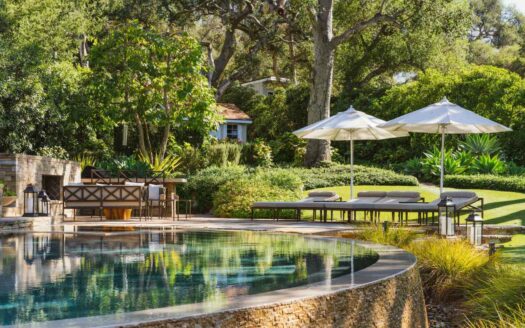
Montecito, California | 6-Bed Estate With Pool
Napa Valley, California | 6-Bed Estate With Wine Cellar
Napa Valley, St. Helena California | 3-Bed Chalet With Hot Tub
Pebble Beach, Pebble Beach California | 4-Bed Chalet With Ocean Views
Napa, California | 4-Bed Chalet With Valley Views
Napa, California | 5-Bed Chalet On Silverado Trail
Calistoga, California | 7-Bed Estate With Vineyard Views
Napa, California | 5-Bed Chalet On First Avenue
La Quinta, California | 4-Bed Chalet With Pool
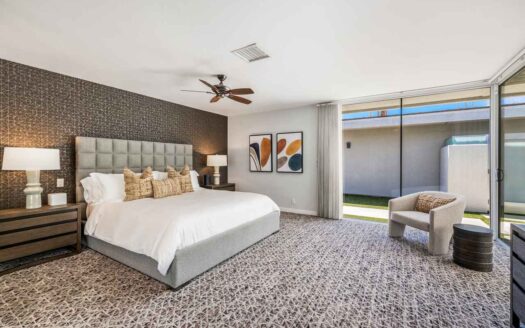
Palm Springs, California | 4-Bed Chalet With Walk-In Closets
Napa, California | 4-Bed Chalet In Downtown Napa
Palm Desert, California | 4-Bed Chalet With Pool
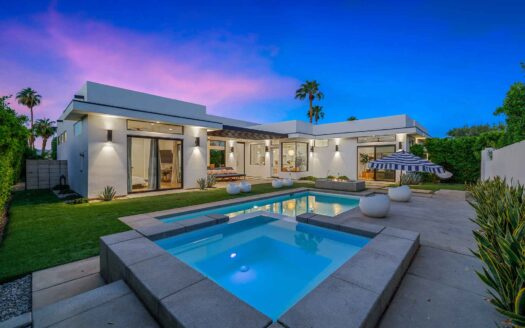
Palm Springs, California | 3-Bed Chalet With Heated Pool
La Jolla, San Diego California | 4-Bed Chalet With Ocean Views
Napa Valley, Napa California | 4-Bed Chalet With Guest House
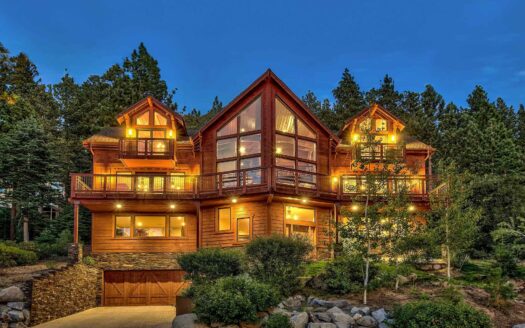
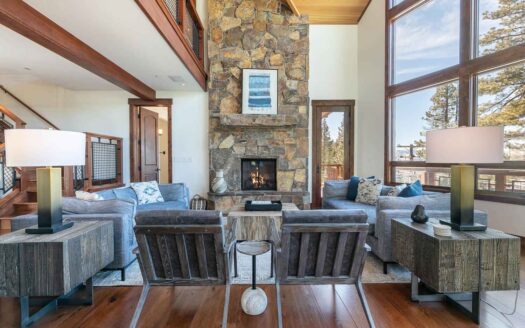
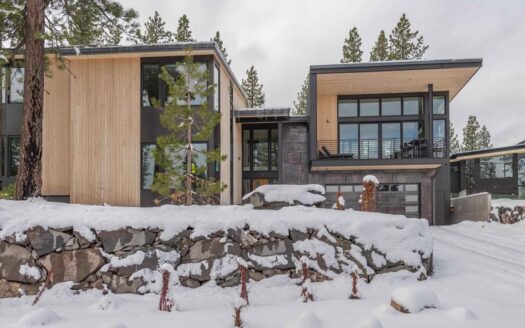
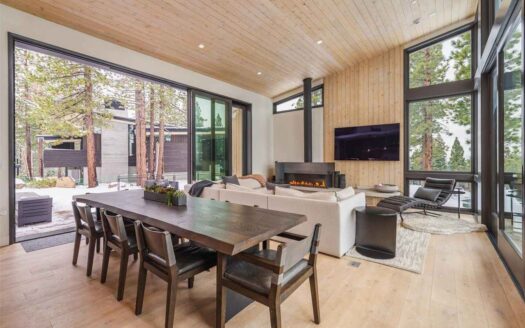
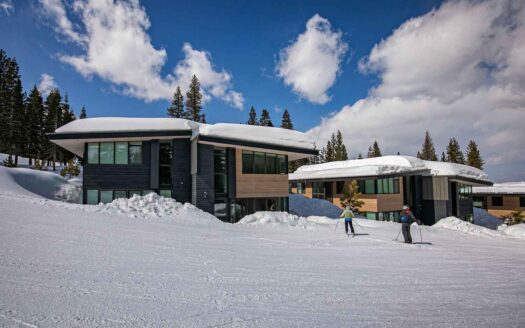
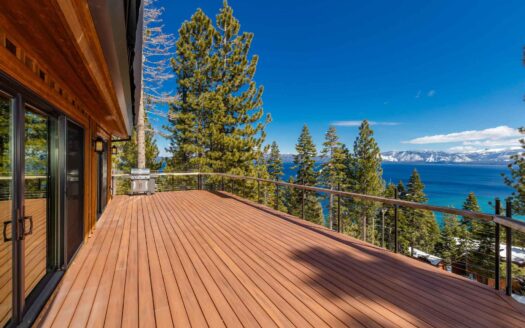
Lake Tahoe, South Lake Tahoe California | 5-Bed Chalet Ski-In/Ski-Out
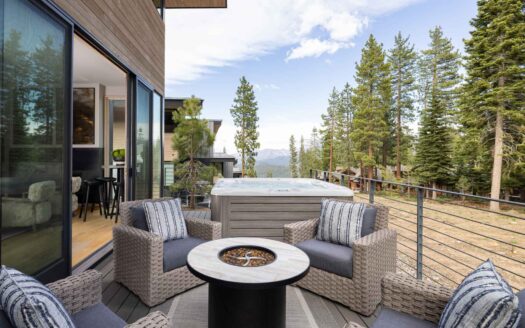
Lake Tahoe, Truckee California | 4-Bed Chalet With Fire Pit
Lake Tahoe, Truckee California | 4-Bed Chalet With Mountain Views
Lake Tahoe, Truckee California | 4-Bed Chalet With Golf Course Proximity
Lake Tahoe, Truckee California | 4-Bed Chalet With Golf Course Views
Lake Tahoe, Homewood California | 3-Bed Apartment With Lake Access
Lake Tahoe, Olympic Valley California | 4-Bed Chalet Golf Course Adjacent
Lake Tahoe, Truckee California | 4-Bed Chalet With Mountain Charm
Lake Tahoe, Truckee California | 4-Bed Chalet With Golf Course Proximity
Lake Tahoe, Truckee California | 4-Bed Chalet Forest Retreat
Lake Tahoe, Olympic Valley California | 5-Bed Chalet With Spacious Luxury
Lake Tahoe, Olympic Valley California | 4-Bed Chalet With Ski Village Access
Lake Tahoe, Tahoe City California | 4-Bed Chalet In Tahoe City
Lake Tahoe, Truckee California | 3-Bed Chalet With Peak Views
Lake Tahoe, Olympic Valley California | 4-Bed Chalet Ski-In/Ski-Out
Lake Tahoe, Olympic Valley California | 4-Bed Apartment With Hiking Trail Access
Lake Tahoe, Truckee California | 5-Bed Chalet In Gated Community
Lake Tahoe, Tahoma California | 4-Bed Chalet With Lake Shore Access
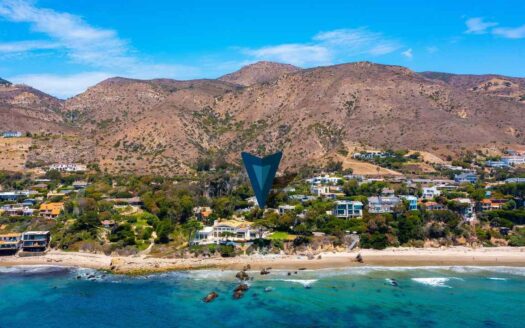
Central Malibu California | 7 Bed Designer Estate With Guest House, Pool & Spa, Ocean...
Malibu California | 3 Bed Ocean View Home, Hot Tub, Deck, Sauna, Fireplace
Malibu Broad Beach, California | 3 Bed Oceanfront Home, Rooftop Deck, Hot Tub, Garage
South Lake Tahoe, California | 5 Bed Designer Home, Hot Tub, Slate Deck, Fireplace
South Lake Tahoe, California | 4 Bed Home, Hot Tub, Mountain Views, 2-Car Garage
Lake Tahoe, Tahoma California | 3 Bed Home, Hot Tub, Fireplace, Vaulted Ceilings
Palm Springs, California | 5-bed villa with pool
La Quinta, Palm Springs, CA | Desert Vista 4-bed villa with pool
La Quinta, Coachella Valley, California | 4-bed designer villa with pool
THE CASE FOR CALIFORNIA
Why California Fractional Ownership?
California is not just a destination — it is a way of life. With over 800 miles of Pacific coastline, world-class ski resorts in the Sierra Nevada, serene vineyard estates in Napa and Sonoma, and the legendary desert modernism of Palm Springs, California offers more lifestyle variety within a single state than most countries. California fractional ownership is the most practical and financially intelligent way to hold a foothold in this extraordinary market — owning the real asset, not booking a hotel.
The California real estate market is one of the most liquid and internationally recognised property markets in the world. Prime coastal properties in Malibu, Newport Beach, and Carmel command values that make outright sole ownership prohibitive for most buyers — fractional co-ownership through a legally structured property company gives you documented, transferable rights to a property at a fraction of that cost. Your co-ownership interest is formally documented through the company structure, meaning it is a genuine asset you can hold, transfer, and pass on.
California fractional ownership is fundamentally different from a timeshare. In a timeshare, you purchase usage rights — typically for a fixed week in a specific resort unit — with no real property interest, no resale market, and fees that tend to increase year on year. California fractional co-ownership gives you a proportionate ownership interest in a specific, identified property, held through a legally structured property company. You are a genuine co-owner, not a contracted guest. The distinction matters legally, financially, and practically.
For European buyers — and UK buyers in particular — California is an attractive secondary market precisely because it falls outside the EU Schengen zone. Post-Brexit, UK nationals face a 90-day-in-180-day restriction across Europe. California carries no such restriction: you can visit as often as you wish within your ESTA or visa allowance, making a California fractional vacation home genuinely usable in a way that European second homes are becoming increasingly constrained.
Professional property management is built into every California fractional ownership arrangement. A specialist management company handles all maintenance, cleaning, utilities, insurance, and scheduling. When co-owners usage calendars are coordinated through a fair rotation system, every owner gets access to all seasons over time — summer beach season, winter ski season, spring wine country, and warm desert autumn. Your weeks are yours to use, and in some arrangements, unused weeks may be made available for rental income, though this varies by property and local licensing — always confirm for the specific home.
The co-ownership structure also means that ongoing costs — property taxes, HOA fees where applicable, maintenance, and management fees — are divided equally among co-owners. A property that might cost tens of thousands of dollars per year to maintain as a sole owner costs a fraction of that as a 1/8 co-owner, making California vacation home ownership genuinely sustainable rather than a financial burden.
The diversity of California vacation home market means that California fractional ownership appeals to a genuinely wide range of buyer profiles. Ocean-loving buyers who want mornings on the surfboard and evenings watching the Pacific sunset from a Malibu deck. Mountain households who return every ski season to the same Tahoe chalet, building a family tradition around a specific place. Wine-country devotees who time their annual visit around the Napa harvest, walking the vineyards in October with the crush underway. Design enthusiasts who have fallen for the mid-century modernism of Palm Springs and want a permanent home in that architectural landscape. California has a fractional ownership proposition for all of them — and in many cases, the same state delivers multiple lifestyle dimensions within a few hours drive of each other.
The co-ownership model is also particularly well-suited to California vacation property market because it aligns perfectly with how most people actually use a second home. Research consistently shows that vacation home owners, on average, use their properties far less than they imagined when they bought — often as few as three or four weeks per year. For a high-value California property with significant running costs, the unused time and wasted cost of sole ownership is substantial. California fractional ownership structures your access around what you will actually use: 45 days per year for a 1/8 share, shared costs among eight co-owners, and professional management covering everything in between. It is a structure designed for how people genuinely live, not how they imagine they might.
From the bluffs of Big Sur to the vineyards of Healdsburg, the tide-pools of Carmel to the poolside modernism of Palm Desert, California fractional ownership opens the door to the Golden State lifestyle on genuinely flexible, genuinely owned terms. It is the intelligent second-home model for buyers who want real value, real access, and real ownership — without the complexity and cost of going it alone.
WHERE TO BUY
California Fractional Ownership — Areas & Neighbourhoods
California's sheer geographic diversity means that California fractional ownership looks very different depending on which part of the state you choose. Each region has its own property character, climate, lifestyle rhythm, and co-ownership profile. Here is a guide to the five primary California fractional ownership destinations, helping you understand what each offers and which might suit your lifestyle.
Malibu & Santa Barbara Fractional Ownership
Malibu is the global shorthand for California coastal glamour: beach-house architecture, surf, celebrity neighbours, and some of the most dramatic Pacific cliff-top views in the country. Fractional ownership properties here typically range from beachfront bungalows on Carbon Beach to hillside villas above Point Dume, with Santa Barbara — just 90 minutes north — offering a more relaxed, Spanish colonial aesthetic with a thriving wine scene, world-class sailing, and a slower coastal pace. Both destinations suit California fractional ownership buyers who prioritise lifestyle and exclusivity in equal measure. A 1/8 share gives you around 45 days per year to enjoy the Pacific Coast at its finest, with professional management ensuring the property is immaculate for every visit.
Newport Beach Fractional Ownership
Newport Beach is Orange County's most prestigious address — a harbour city built around sailing, fine dining, and some of the best surf beaches in California. The harbour itself is one of the largest recreational small-boat harbours in the United States, and the neighbourhoods surrounding it — Balboa Island, Corona del Mar, Lido Isle — command some of Southern California's most consistently high property values. California fractional ownership in Newport Beach typically means access to sleek contemporary villas and waterfront homes at a co-ownership cost that reflects a genuine fraction of a high-value asset. The area is also extremely well connected — 45 minutes from Los Angeles International Airport and 20 minutes from John Wayne Airport — making it accessible for transatlantic and cross-country travellers alike.
Palm Springs Fractional Ownership
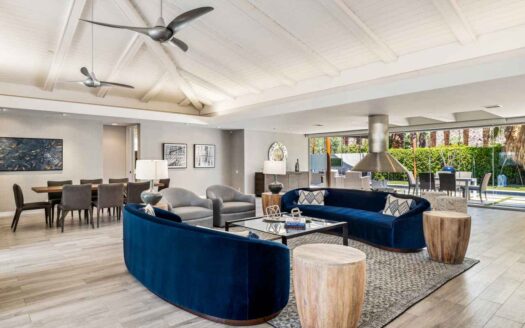
Palm Springs has undergone a remarkable revival over the past two decades — from mid-century Hollywood retreat to one of the most design-forward, architecturally celebrated small cities in America. The Coachella Valley's signature aesthetic — low-slung modernist architecture, turquoise pools, mountain backdrops, and 350 days of sunshine per year — has made it a magnet for design-conscious buyers from across the world. California fractional ownership in Palm Springs tends to focus on mid-century estates, poolside villas, and contemporary desert retreats in neighbourhoods like Little Tuscany, Movie Colony, and Palm Desert. The weather is warm from October through April, making this a perfect winter-escape destination for UK and northern European buyers, with summer reserved for the hottest months. Golf, spa, and the annual Modernism Week festival are perennial draws.
Lake Tahoe Fractional Ownership
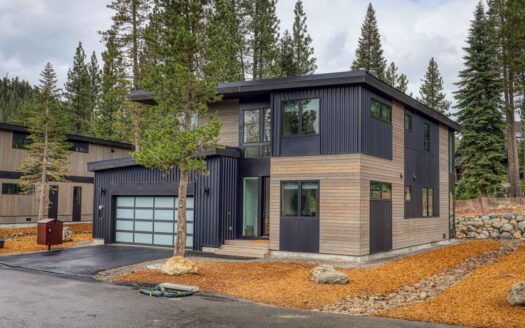
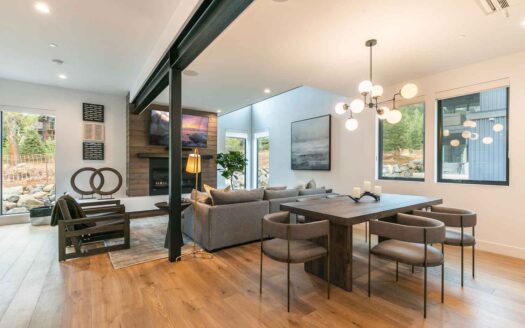
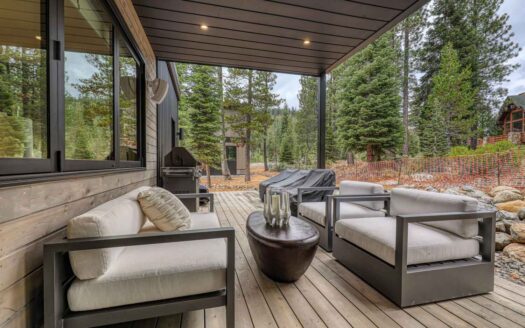
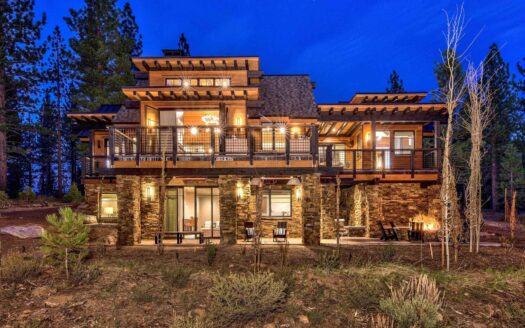
Lake Tahoe sits at over 6,000 feet in the Sierra Nevada, straddling the California-Nevada border. It is the largest alpine lake in North America and one of the world's most beautiful — the water is so clear that you can see 70 feet down in places. In winter, it is home to world-class ski resorts including Palisades Tahoe (formerly Squaw Valley), Heavenly, Northstar, and Kirkwood. In summer, it transforms into a water sports paradise of sailing, kayaking, hiking, and cycling. California fractional ownership around Lake Tahoe — particularly in South Lake Tahoe, Incline Village, and Tahoe City — gives you a genuine four-season alpine property at a co-ownership cost that makes this extraordinary destination genuinely accessible. Properties range from lakeside cabins and ski lodges to contemporary mountain villas with direct access to ski lifts.
Napa & Sonoma Fractional Ownership
Napa and Sonoma are California's wine country heartland — rolling hills thick with vines, Michelin-starred restaurants, luxury spas, and a refined agricultural beauty that feels like the Tuscan countryside translated into North American scale. For co-ownership buyers who value gastronomy, nature, and a slower pace over beach and ski activity, this is California's most compelling proposition. California fractional ownership in the wine country typically involves vineyard estates, farmhouse properties, and contemporary rural villas in and around Yountville, St. Helena, Healdsburg, and Sonoma town. A 1/8 share gives you 45 days per year in one of the world's great culinary and viticultural destinations, with professional management handling everything between your visits.
MARKET CONTEXT
California Fractional Ownership and the California Property Market
Understanding the California property market is essential context for any California fractional ownership decision. California is the most populous state in the US and home to the largest state economy in the country. Its real estate market is correspondingly large, deeply liquid, and globally recognised — the California property market is the benchmark by which other US state markets are often measured. Prime vacation home markets in coastal Southern California, the Sierra Nevada, and wine country Napa Valley sit at the most desirable and competitively valued end of that market.
What makes the California market particularly compelling for fractional co-ownership buyers is the structural gap between the value of prime California vacation homes and the cost of conventional vacation use. Comparable properties available for short-term rental in Malibu, Lake Tahoe, Napa Valley, and Palm Springs command premium weekly rates — particularly during peak season. For buyers who want to use California as a regular vacation base over many years, the economics of owning a fractional co-ownership interest rather than renting annually are compelling, especially when you factor in the asset-holding dimension.
California Proposition 13 property tax regime is particularly favourable for long-term co-ownership. Under Proposition 13, property is assessed for tax purposes at its acquisition value, and annual increases are capped at 2% per year regardless of market value increases. This means that a California fractional ownership property purchased today will have a predictable, capped property tax bill that does not escalate in line with market value appreciation — a significant advantage in a state where property values have historically trended upward over the long run.
The California vacation home market also benefits from extraordinary geographic resilience. Where some vacation destinations are fashion-sensitive — places that are highly desirable for a decade and then lose their appeal — California prime vacation destinations have endured for generations. Malibu was a celebrity and lifestyle destination in the 1960s and remains one today. Lake Tahoe appeal as a ski and summer water sports destination is structural, rooted in natural geography that does not change. Palm Springs has cycled through waves of popularity, but the fundamentals — sunshine, mountains, desert beauty, and architectural heritage — remain. These are enduring destinations, and California fractional ownership gives you a permanent, legally documented foothold in them.
International buyers should also consider the practical logistics of owning a California vacation property from abroad. California is served by major international airports at Los Angeles (LAX), San Francisco (SFO), San Diego (SAN), and Sacramento (SMF), with direct transatlantic flights from London and most major European hubs. Los Angeles is approximately 10 to 11 hours from London, with multiple daily direct flights. San Francisco is slightly further in travel terms but equally well connected. The combination of direct flight access, English-language documentation, and a mature professional property management industry makes California one of the most practically accessible international fractional ownership markets for UK and European buyers.
For buyers comparing California fractional ownership with other international co-ownership destinations, it is worth noting that the benefits of fractional ownership for second homes are universal — but the California market brings a specific combination of legal clarity, market depth, lifestyle breadth, and international accessibility that makes it particularly strong. Whether you are considering California alongside Mexico or evaluating it against European destinations like the South of France or Austria,
There is also an important distinction to draw between California fractional ownership and the private equity co-ownership funds that have emerged in the second-home market. These fund structures pool investor capital to acquire a portfolio of vacation properties, with individual investors holding a fund interest rather than an interest in a specific property. California fractional ownership, by contrast, gives you co-ownership of a specific, identified property — you know exactly which home you are co-owning, you visit it personally, and your interest is tied to that specific asset. The personal, relationship-based nature of California fractional co-ownership is a key part of what distinguishes it from purely financial real estate investment products.
The ongoing development of California infrastructure also supports the long-term appeal of California fractional ownership as a destination. High-speed rail investment between Los Angeles and San Francisco, expanded airport capacity, and continued investment in the technology, entertainment, and biotech industries that underpin California economy all point to sustained demand for California real estate at the premium end. Prime vacation home markets tend to be among the most resilient segments of any real estate market, and California prime vacation destinations have demonstrated that resilience through multiple economic cycles.
California combination of market maturity and lifestyle diversity is hard to match.THE STRUCTURE
How California Fractional Ownership Works
California fractional ownership operates through a legally structured property company — most commonly a Limited Liability Company (LLC) — that holds title to the vacation home. Co-owners purchase a share in that LLC, with each 1/8 share representing a proportionate co-ownership interest in the property. The ownership structure is governed by a comprehensive co-ownership agreement that sets out usage rights, scheduling, maintenance responsibilities, cost-sharing, resale procedures, and exit provisions. Everything is documented before you commit, and the legal framework is designed to give every co-owner the same protections and rights.
The acquisition process begins with legal due diligence. Once you identify a property, an independent US real estate attorney reviews the title, verifies the property legal status, checks for any liens, encumbrances, or HOA restrictions, and confirms that the co-ownership structure is properly established. The co-ownership agreement is reviewed at this stage — it governs how the company operates, how decisions are made, and how co-owners can eventually exit. You should always obtain independent legal advice before entering a co-ownership arrangement in California.
Completion in California follows US real estate law. A title company handles the closing process, ensuring all legal documentation is properly executed, funds are transferred through an escrow account, and the LLC ownership is correctly documented. The entire process is transparent and well-regulated — California has robust consumer protection laws and a mature, professionally managed real estate market.
Once acquired, your California fractional ownership share entitles you to approximately 45 days per year of exclusive use. A professional management company coordinates usage scheduling among co-owners — typically through a fair rotation system — ensuring access to all seasons over a multi-year cycle. Between owner visits, the management company handles all maintenance, cleaning, restocking, and utility management, so the property is always ready for occupation when you arrive.
Annual running costs — including property taxes, homeowners association fees where applicable, property insurance, management fees, and maintenance — are divided equally among co-owners. As a 1/8 co-owner, you bear one-eighth of these costs, which are typically itemised in an annual budget prepared by the management company. This transparency and cost-sharing is one of the most compelling aspects of California fractional ownership — the real-world cost of vacation-home ownership becomes genuinely manageable.
Your California fractional ownership interest can be sold or transferred. Because ownership is held through a company share structure, the transfer process is a company share transaction handled through your attorney and the co-ownership management structure. The co-ownership agreement typically includes a right of first refusal for existing co-owners, meaning they have the opportunity to purchase your share before it is offered externally. This structure protects all co-owners and ensures the quality of the co-owner group is maintained.
One aspect of California fractional ownership that buyers sometimes ask about is what happens if co-owners disagree on a significant decision — a major renovation, a decision to sell the property, or a dispute about usage. The co-ownership agreement addresses these scenarios through governance provisions: voting thresholds for different types of decisions, dispute resolution mechanisms, and deadlock provisions. A well-drafted co-ownership agreement should anticipate the most common sources of co-owner disagreement and provide clear, pre-agreed resolution pathways. This is one of the most important documents to review carefully with your attorney before purchase. It is also worth asking the management company about their track record in co-owner relations — experienced managers proactively prevent conflicts rather than simply reacting to them.
Inheritance is also provided for — your California fractional ownership interest can be bequeathed to your heirs as a company share, with the inheritance handled in accordance with your estate plan. This is a genuine, transferable asset that forms part of your estate. It is not a timeshare, and it does not expire. The question of whether rental income is possible from unused weeks depends on the specific property and local licensing rules — some co-ownership arrangements facilitate short-term rental of unused weeks, but this is never guaranteed and should always be confirmed for the specific property before purchase.VALUE & LIFESTYLE
California Fractional Ownership — Investment & Lifestyle
California fractional ownership sits at the intersection of investment discipline and lifestyle aspiration. California is one of the largest and most internationally liquid property markets in the world — the Golden State GDP would rank it as one of the largest economies in the world if measured independently, and its real estate market reflects that economic depth and international demand.
The investment case for California fractional co-ownership begins with access. Prime California vacation property — beachfront in Malibu, lakefront at Tahoe, vineyard estates in Napa — represents some of the most desirable and competitively priced real estate in North America. Outright sole ownership of a Malibu beach house or a lakefront Tahoe estate places you in a market where entry prices are typically very high. A 1/8 fractional co-ownership interest gives you genuine exposure to that asset class at a fraction of the total cost, with running costs equally divided.
The second investment consideration is cost efficiency. When you compare the total cost of California fractional ownership — purchase price plus annual running costs divided by eight — against the alternative of renting equivalent California vacation homes for 45 days per year, the calculus becomes compelling. High-end California vacation rental rates, particularly in Malibu, Tahoe, and Napa, are substantial. As a co-owner, you have a fixed, predictable annual cost structure rather than exposure to volatile short-term rental market pricing.
The lifestyle dimension of California fractional ownership is just as compelling as the financial case. California is unique in offering year-round lifestyle variety. Beach season runs from May through October on the Southern California coast. Ski season runs from November through April in the Sierra Nevada. Wine country is at its most beautiful in September and October during harvest, and spring brings wildflowers and moderate temperatures. Palm Springs and the Coachella Valley are perfect from October through April, with outdoor living, golf, and festival culture defining the calendar. Whatever your lifestyle preference, California has a destination and a season for it — and a fractional ownership model that lets you enjoy it on your own schedule.
For families, California fractional ownership offers a base for multi-generational vacation memories that hotels and rental homes simply cannot provide. A family that co-owns a Tahoe ski chalet builds a tradition around that property — the same kitchen, the same view of the lake, the same ski runs — that deepens and enriches over years and decades. The professional management means parents are not burdened with maintenance logistics; every visit is an arrival, not a working trip.
The co-ownership model solves a fundamental problem that has historically made California vacation property ownership inaccessible for most buyers: the all-or-nothing nature of conventional real estate. Either you buy the whole property — at the full market price, with all the running costs, all the management burden, and the full duration of ownership — or you rent, building no equity and no long-term relationship with a specific place. California fractional ownership creates a third path: genuine, legally documented co-ownership of a specific property at a proportionate entry cost, with shared running costs and professional management, and the full benefits of ownership — resale rights, inheritance rights, and the emotional depth of returning to your own home.
For professional buyers and investors who value genuine flexibility, the resale and inheritance provisions of California fractional co-ownership make it a proper long-term asset rather than a liability. Your co-ownership interest can be sold or bequeathed to your heirs. In some circumstances, unused weeks may generate rental income, further offsetting the cost of ownership. These are features of real property co-ownership, not hallmarks of a timeshare or holiday club.
It is also worth noting the dollar-denominated asset dimension for non-US buyers. UK, European, and international buyers holding California fractional ownership benefit from exposure to USD-denominated assets, which can act as a natural currency diversification alongside sterling or euro holdings. This is not a reason to purchase on its own, but for sophisticated buyers thinking about portfolio construction, it adds a meaningful dimension to the case for California fractional ownership as a wealth-management tool.
EXPLORE MORE
Explore More Fractional Ownership Destinations
Considering other destinations alongside California fractional ownership? Explore our full range of co-ownership destinations across the USA and beyond.
USA PILLAR
USA Fractional Ownership
Explore the full range of US co-ownership destinations — from Florida beaches to Colorado ski resorts.
USA
Colorado Fractional Ownership
World-class ski resorts and Rocky Mountain living — Aspen, Vail, Breckenridge and beyond.
USA
Florida Fractional Ownership
Year-round sunshine, white-sand beaches and waterfront homes across Florida's most desirable coastlines.
USA
Utah Fractional Ownership
Park City and Deer Valley — the greatest snow on Earth and the mountain lifestyle alternative to California.
FREQUENTLY ASKED QUESTIONS
California Fractional Ownership — Frequently Asked Questions
Everything you need to know about California fractional ownership, co-ownership structures, property rights, and the buying process.
What exactly do I own with California fractional ownership?
With California fractional ownership, you own a share in a Limited Liability Company (LLC) — or similar legal entity — that holds title to a specific California vacation property. Your ownership interest is formally documented through the company structure, and the co-ownership agreement sets out exactly what rights, obligations, and entitlements come with your share. This is a genuine property co-ownership interest: you are a beneficial owner of a specific, identifiable real property, not a holder of contractual usage rights as you would be with a timeshare or holiday club membership.
A 1/8 share is the most common structure, giving you a proportionate co-ownership interest and approximately 45 days of exclusive use per year. Some properties offer larger shares — up to 1/2 — for buyers who want more time in California and a proportionately larger ownership stake. The co-ownership agreement governs the relationship between all co-owners and is reviewed by independent attorneys before completion. It covers usage scheduling, maintenance cost-sharing, insurance, exit rights, and all other material aspects of the co-ownership arrangement.
Unlike a timeshare, your California fractional ownership interest has no expiry date, no membership structure, and no club or points system. It is a real property co-ownership interest that you hold as an asset, can sell, and can pass on to your heirs. The value of that interest reflects the underlying property value, and it changes over time in line with the California real estate market.
How is California fractional ownership different from a timeshare?
California fractional ownership is fundamentally different from a timeshare in almost every respect. A timeshare gives you the contractual right to use a resort unit for a fixed period — typically one week per year — but you do not own any real property. The developer retains ownership, and your rights are purely contractual. Timeshare fees tend to escalate annually, the resale market is notoriously difficult, and the product is sold primarily on lifestyle aspiration with little underlying financial rationale.
California fractional ownership is entirely different. You are a genuine co-owner of a specific property through a company structure. Your co-ownership interest is a real asset that can appreciate in line with the California property market, can be sold through a genuine resale process, and can be inherited. There is no developer retaining ownership, no points system, and no annual escalating maintenance fees beyond the actual running costs of the property divided by the number of co-owners.
Where timeshares are typically purpose-built resort units in hotel-style complexes, California fractional ownership properties are private vacation homes — architectural houses with design, character, location specificity, and individuality. You are co-owning a home, not booking a unit.
How much time do I get with a 1/8 California fractional ownership share?
A 1/8 California fractional ownership share entitles you to approximately 45 days of exclusive use per year — equivalent to six and a half weeks. This is typically allocated through a fair rotation system managed by the professional management company, ensuring that over a multi-year cycle, all co-owners get access to all seasons: Southern California summer beach season, the Tahoe ski season, Palm Springs winter season, and Napa harvest autumn. No single co-owner is permanently allocated only low-season weeks.
Some properties offer shares of up to 1/4 or 1/2, giving proportionately more time — up to 90 days or 180 days respectively. The right share size depends on your intended usage and how much time you realistically plan to spend in California each year. Most buyers find that 45 days per year is more than they actually use, making the 1/8 share the most efficient and most popular option for California fractional co-ownership.
The scheduling system used in most California fractional ownership arrangements is designed to be transparent and equitable. Typically, co-owners select their preferred weeks for the following year in a rotating priority order that cycles each year — so the co-owner who had first pick this year gets last pick next year, and so on. This ensures that no single co-owner consistently gets the most desirable season. Some arrangements also include a booking window for shorter stays — a long weekend or a mid-week trip — that co-owners can reserve with shorter notice when the property is available. The specifics vary by co-ownership agreement, so reviewing the scheduling provisions carefully before purchase is important.
It is also worth noting that your weeks do not have to be taken in a single continuous block. Many California fractional ownership arrangements allow you to split your allocation into multiple shorter stays — a long weekend here, a week or two there — giving genuine flexibility rather than a fixed annual vacation slot.Can I sell my California fractional ownership share?
Yes — resale rights are a fundamental feature of California fractional ownership. Your co-ownership interest, held as a company share, is a transferable asset. You are not locked into the arrangement indefinitely, and you are not dependent on a developer buyback programme or a resort company goodwill to exit. You can sell your share to an independent third-party buyer, subject to the terms of your co-ownership agreement.
Most California fractional co-ownership agreements include a right of first refusal for existing co-owners — meaning your fellow co-owners have the opportunity to purchase your share before it is offered externally. This protects the quality and cohesion of the co-owner group and is a standard, reasonable provision. If no co-owner wishes to exercise that right, you are free to find an external buyer independently or through your management company resale process.
The transfer is completed as a company share transaction, handled by your attorney. It is worth exploring the co-ownership buying process page for a fuller picture of how entry and exit work.
Can I pass my California fractional ownership share to my children?
Yes — inheritance rights are a genuine feature of California fractional ownership. Your co-ownership interest is a company share, and as with any asset you hold, it forms part of your estate and can be bequeathed to your heirs through your will or estate plan. The inheritance process is handled in accordance with the laws of your domicile and California law, and your attorney can advise on the most efficient way to structure this.
Your California fractional ownership share can become a multi-generational asset — a vacation home that your children and grandchildren can enjoy for years to come. The co-ownership structure has no expiry date, no membership renewal, and no artificial end point. As long as the underlying property continues to be held through the LLC and the co-ownership structure remains in place, your heirs inherit a genuine, ongoing co-ownership interest in a California vacation property. It is always advisable to include specific provisions for your fractional ownership interests in your estate planning documents.
What are the ongoing costs of California fractional ownership?
The ongoing annual costs of California fractional ownership are shared equally among all co-owners and typically include: California property taxes; homeowners association (HOA) fees where the property is in an HOA community; property insurance; professional management fees; routine maintenance and repairs; and utility and services costs. As a 1/8 co-owner, you bear one-eighth of these costs.
These costs are typically itemised in an annual budget prepared by the management company, so co-owners have full transparency over what they are paying and why. There should be no surprise costs or hidden fees — the co-ownership agreement will specify how the budget is set, how costs are allocated, and what happens if a co-owner fails to meet their obligations.
For a full breakdown of what fractional ownership typically costs to run, visit our guide to the running costs of a fractional ownership property. The key point is that cost-sharing makes a genuinely high-quality California vacation property financially accessible and sustainable in a way that sole ownership simply cannot match for most buyers.
Who manages the property between my visits?
Every California fractional ownership property is managed by a professional property management company. Their responsibilities cover the full range of vacation home operations: scheduling co-owner usage calendars, conducting thorough cleaning and inspection between every visit, managing routine and scheduled maintenance, overseeing any repairs or refurbishments, handling utility accounts and insurance, and managing HOA relationships where applicable.
The management company acts as the operational backbone of the co-ownership arrangement — freeing co-owners from any day-to-day property management burden and ensuring that the property is maintained to a high standard at all times. From your perspective as a co-owner, arriving at the property means arriving at a well-maintained, clean, and fully equipped home rather than spending your first day dealing with maintenance issues.
Can I generate rental income from my California fractional ownership share?
Some California fractional ownership arrangements allow co-owners to make their unused weeks available for short-term rental, generating income that can offset annual running costs. However, this is not guaranteed and varies significantly depending on the property, the co-ownership agreement, and local licensing regulations. California has a complex patchwork of short-term rental regulations that vary by city and county — Los Angeles, San Francisco, Palm Springs, and South Lake Tahoe each have their own licensing rules and permit requirements for short-term rentals.
Before purchasing a California fractional ownership share with the expectation of rental income, always confirm for the specific property whether short-term rental is permitted under local regulations, whether the management company facilitates rental of unused weeks, and what the financial terms of any rental arrangement would be. Never make a purchase decision on the basis of projected rental yields that have not been independently verified for the specific property and location.
Is California fractional ownership suitable for UK and European buyers?
Yes — and for UK buyers in particular, California fractional ownership has a specific advantage over European second-home options. Post-Brexit, UK nationals are subject to the 90-day-in-180-day Schengen Area rule, which applies to all 27 EU member states. This means a UK buyer who owns a second home in France, Spain, Italy, or Portugal is limited to 90 days per six-month period in those countries — combined, not per country. California carries no equivalent restriction: UK nationals can visit the USA on an ESTA for up to 90 days per visit, with no annual accumulation rule.
Non-US buyers should take independent legal and tax advice regarding their specific circumstances — including FIRPTA (Foreign Investment in Real Property Tax Act) implications for non-US persons holding US real estate interests — before completing any California fractional ownership purchase. A US tax professional with international expertise can advise on the most efficient structure for your specific circumstances.
How do I choose the right California fractional ownership destination?
Choosing the right California fractional ownership destination comes down to understanding your lifestyle priorities, travel patterns, and the seasons you are most likely to use the property. If you are driven by ocean, surf, and coastal lifestyle, Malibu and Santa Barbara or Newport Beach are your natural California fractional ownership destinations. If you want four-season mountain living, Lake Tahoe is unrivalled. If design, culture, and warm winters are your priority, Palm Springs offers a unique combination of modernist architecture and desert sunshine. And if gastronomy, wine, and rural beauty matter most, Napa and Sonoma are California finest.
If you are weighing California against other USA fractional ownership destinations, consider how Colorado or Florida fit into your wider travel plans — many buyers ultimately choose California fractional ownership because of the breadth of lifestyle options within a single state. Our team can help you understand the specific properties available and guide you through the process from enquiry to completion — use the contact form below to get in touch.
What legal advice do I need before buying a California fractional ownership share?
Obtaining independent legal advice is essential before completing any California fractional ownership purchase. You should engage a US real estate attorney with experience in fractional ownership and LLC structures in California to review the co-ownership agreement, the LLC operating agreement, the property title, and all associated documentation. Do not rely solely on advice from the vendor, developer, or management company.
Key areas for legal review include: the LLC operating agreement (governance, decision-making, voting rights, deadlock resolution); the co-ownership agreement (usage rights, scheduling, cost-sharing, maintenance obligations, exit provisions); the property title (verified clean and free of encumbrances); HOA documents where applicable; and any short-term rental regulations and permits relevant to the property. Non-US buyers should also take tax advice regarding FIRPTA implications.
It is also worth being aware of the specific California legal context for fractional ownership structures. California is one of the most regulated states in the US when it comes to real estate transactions, consumer protection, and business entity law. The California LLC Act provides a robust framework for LLC governance, and California courts have well-developed case law on co-ownership disputes. This regulatory maturity is one of the reasons California fractional ownership is a particularly well-protected structure for buyers compared to some international jurisdictions. Your attorney should be familiar with both the state and federal legal dimensions of the transaction.
For a broader introduction to how fractional ownership works as a structure, the guides at co-ownership explained and what is fractional ownership are both useful starting points.How does California fractional ownership compare to buying in Europe?
California fractional ownership and European fractional ownership share the same fundamental structure — co-ownership through a legally structured property company — but they differ in the regulatory environment, tax implications, and practical usability for different buyer profiles. California benefits from a mature, highly professional real estate market with robust consumer protections, English-language documentation, and a well-established LLC structure.
European destinations like Portugal, Spain, France, and Italy offer the appeal of proximity for European buyers, cultural depth, and the exceptional lifestyle of the Mediterranean and European Alps. However, for UK buyers post-Brexit, the 90-day Schengen rule is a genuine operational constraint that California does not impose.
Many sophisticated buyers hold fractional co-ownership interests in multiple countries — diversifying both their lifestyle and their property asset base across currencies and markets. California fractional ownership is an excellent component of such a strategy, offering the world most iconic state as your US base.
Ready to Explore California Fractional Ownership?
California fractional ownership is the intelligent, legally structured way to own a piece of the Golden State — without the cost and complexity of sole ownership. Browse the listings above, explore our California destination guides, and reach out to our team to discuss the properties and shares currently available.
Enquire About California Fractional OwnershipCalifornia fractional ownership — legally structured co-ownership of luxury vacation homes across Malibu, Newport Beach, Palm Springs, Lake Tahoe, and Napa & Sonoma wine country. Not a timeshare. Not a holiday club. A genuine, transferable co-ownership interest in one of the world most celebrated vacation destinations — the Golden State.
A smarter way to own
Buy only the share you need — with genuine deeded ownership, shared costs, and full resale rights.
Not a timeshare. Not a club. Real property ownership, made accessible.