
Italy Fractional Ownership Properties

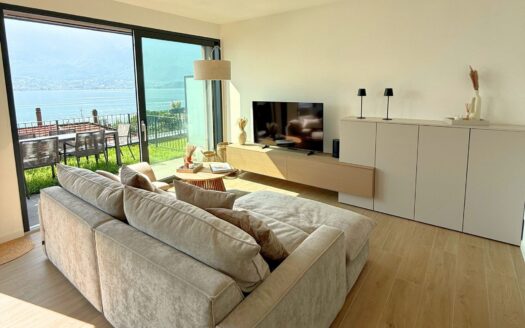

Gera Lario, Lake Como | 1+1 Bed Garden Apartment With Lake Views, Private Sauna & Poo...
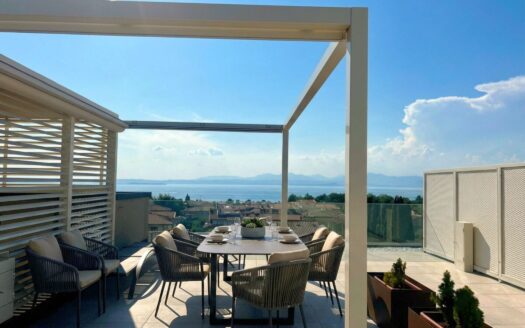

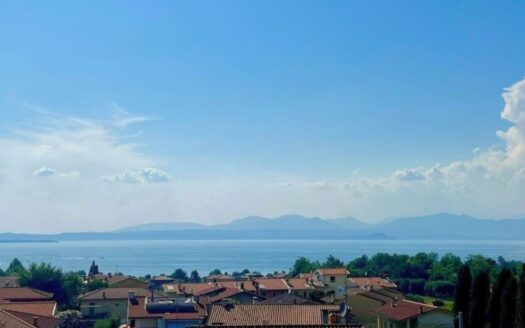
Lazise, Lake Garda Italy | 2-Bed Penthouse With Rooftop Hot Tub
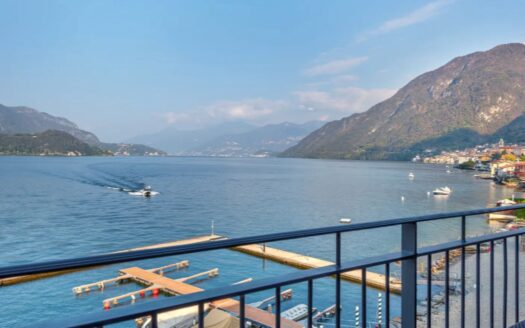
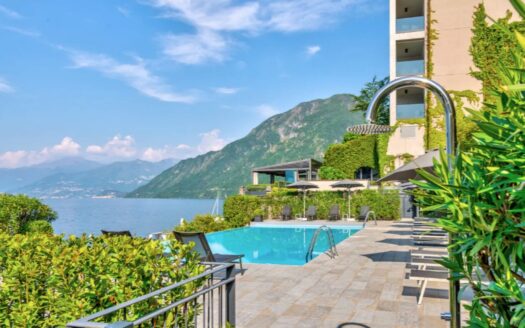
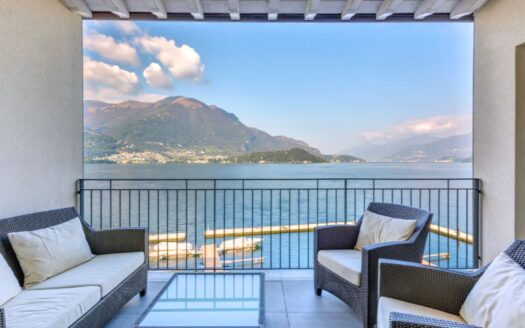
Lezzeno, Lake Como Italy | 2-Bed Penthouse First Waterline With Dock
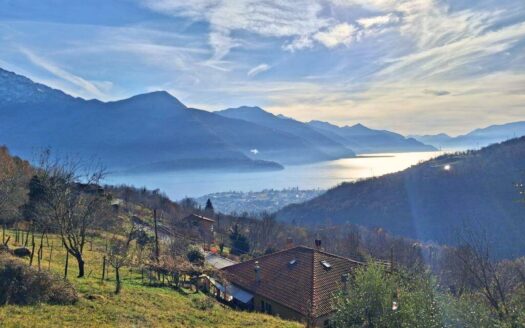
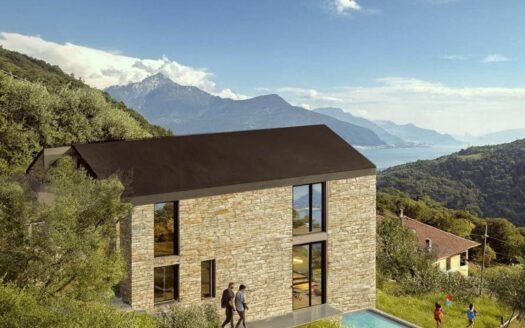
Gravedona ed Uniti, Lake Como Italy | 2-Bed House With Pool & Sauna
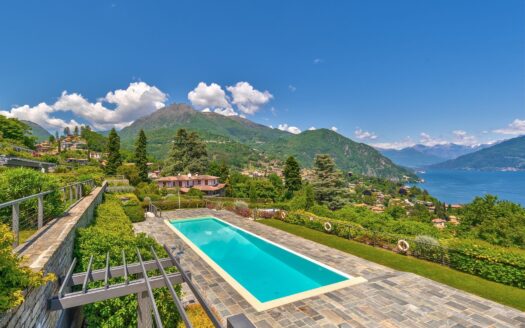
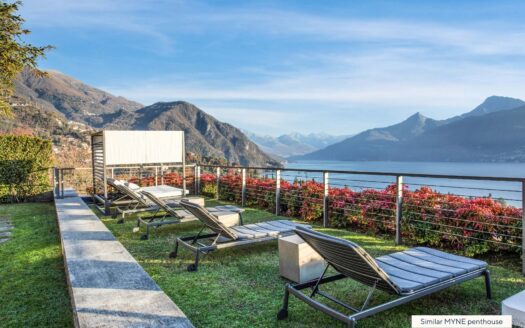
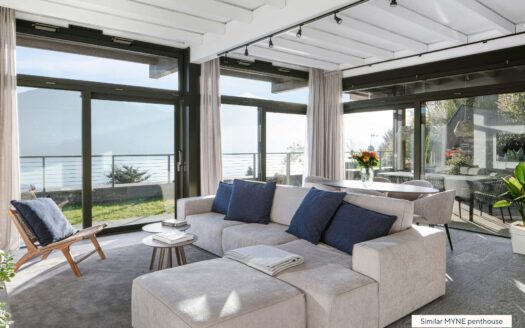
Menaggio, Lake Como Italy | 3-Bed Penthouse With Lake Views
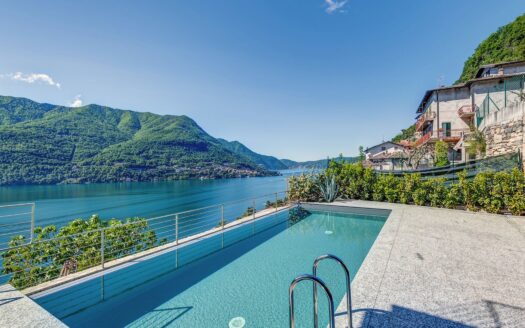
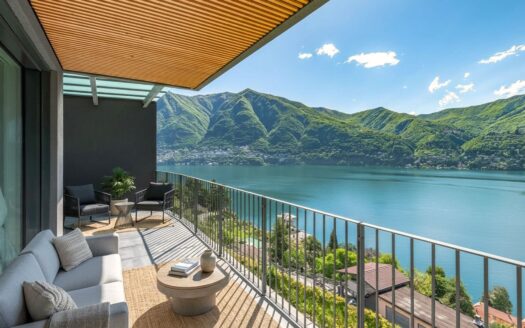
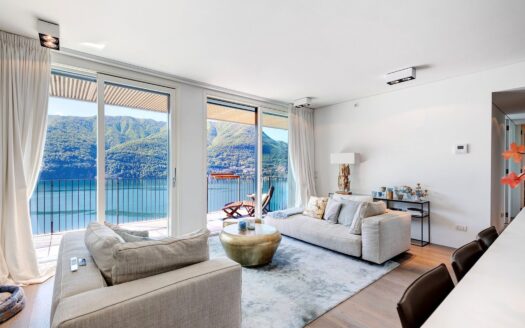
Carate Urio, Lake Como Italy | 3-Bed Penthouse With Lake Views
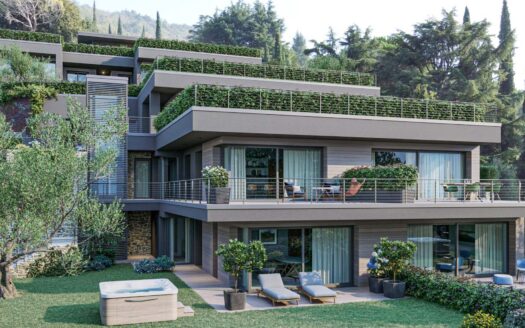
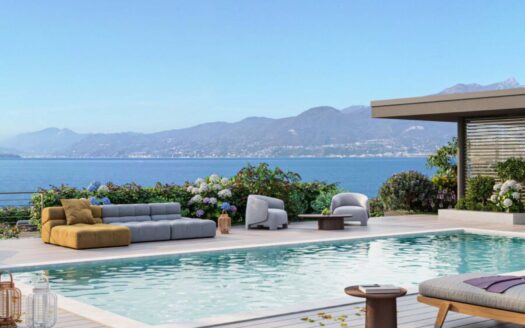
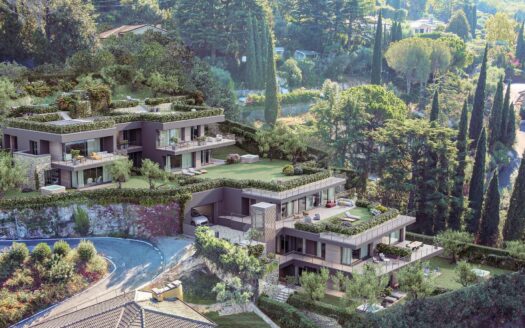
Torri del Benaco, Lake Garda Italy | 2-Bed Apartment With Roof Terrace
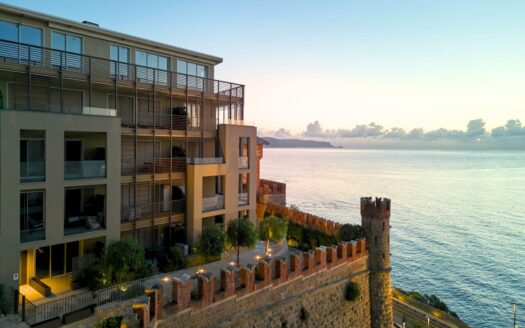
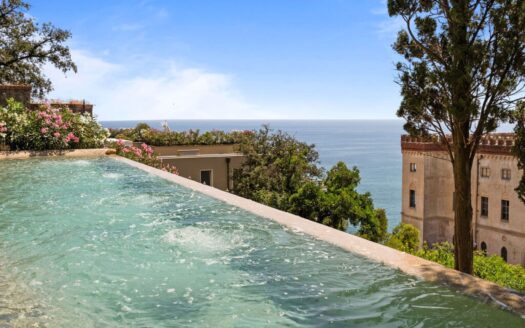
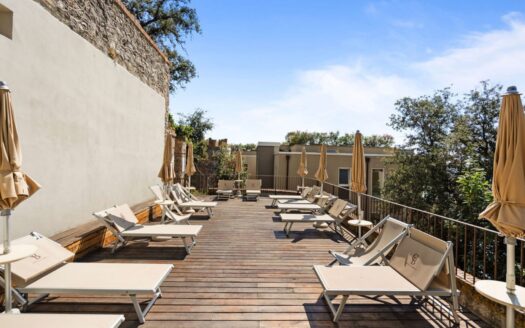
Loano, Liguria Italy | 3-Bed Apartment In Historic Castle
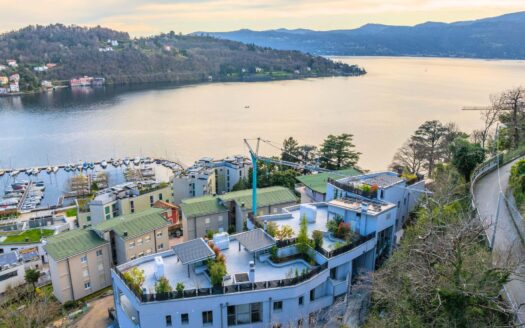
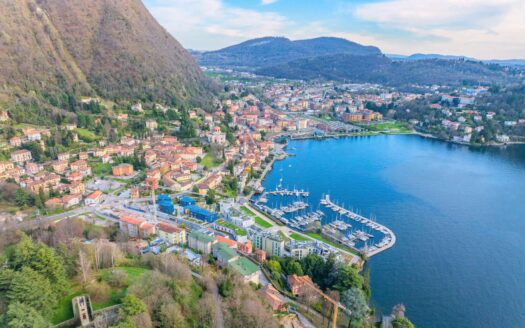

Laveno, Italy | 2-Bed Apartment With Lake Views
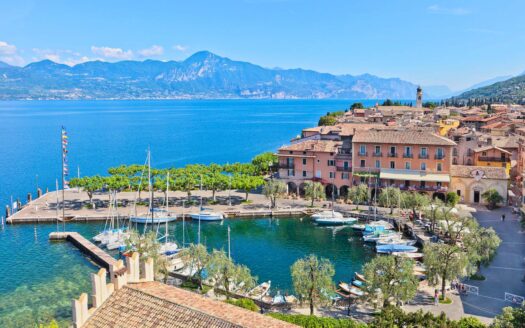
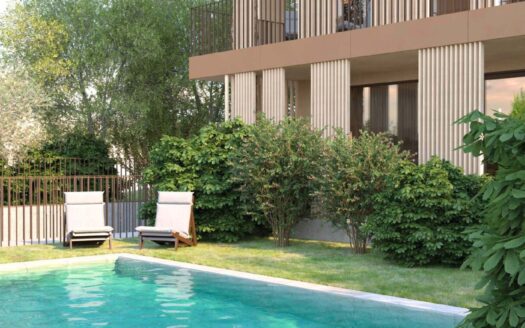
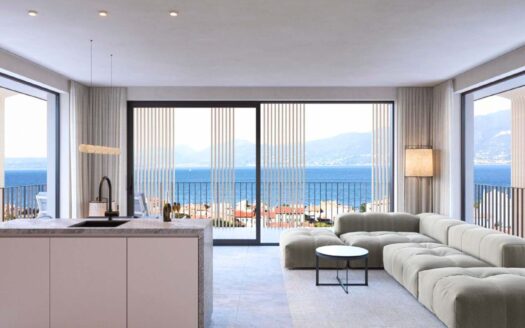
Torri del Benaco, Lake Garda Italy | 2-Bed Apartment Central Location
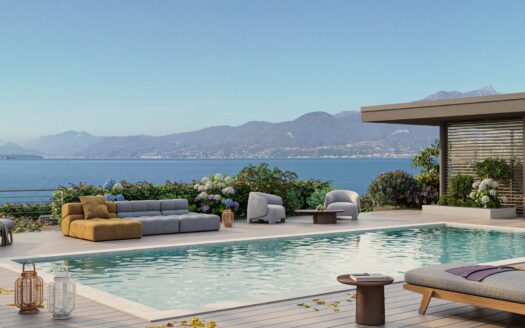
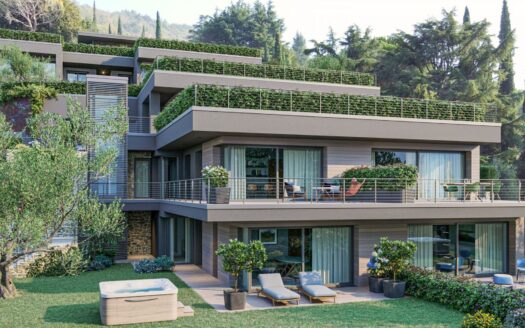
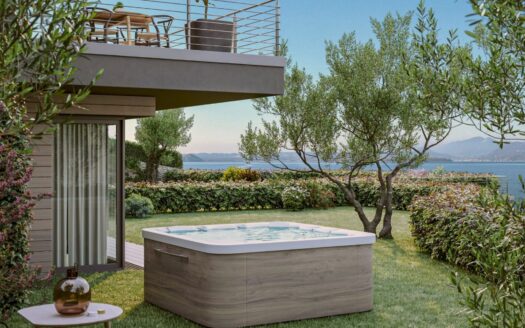
Garda, Lake Garda Italy | 2-Bed Apartment With Hot Tub
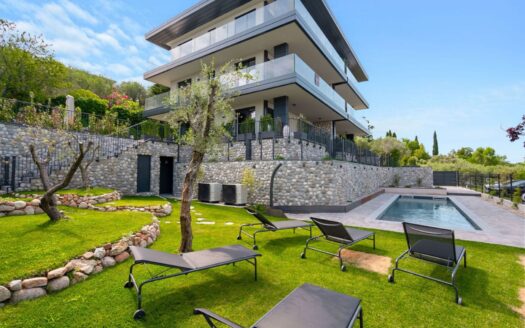
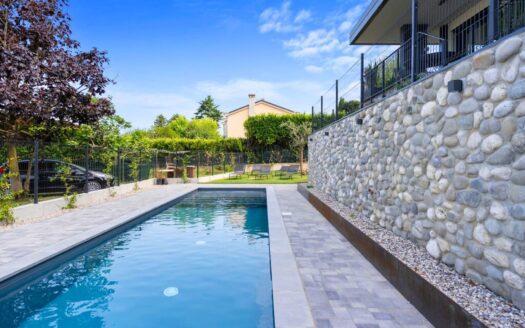
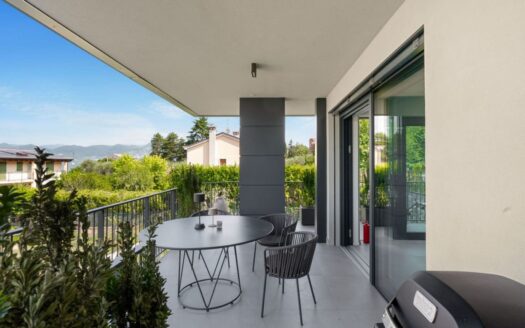
Torri del Benaco, Lake Garda Italy | 2-Bed Apartment With Pool
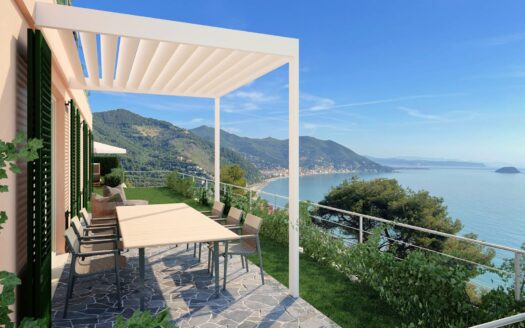
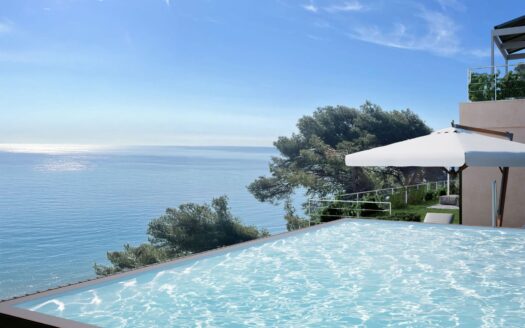
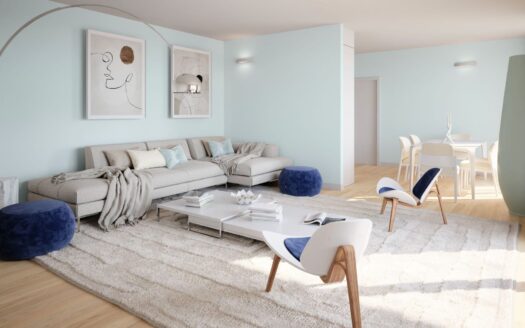
Laigueglia, Liguria Italy | 3-Bed Villa With Sea Views
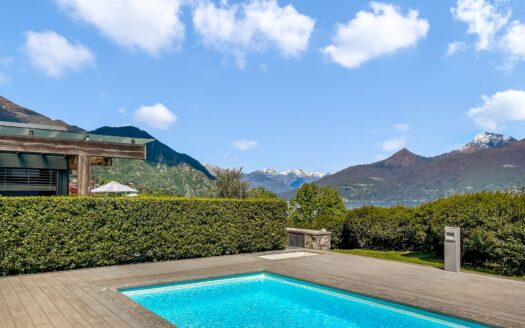
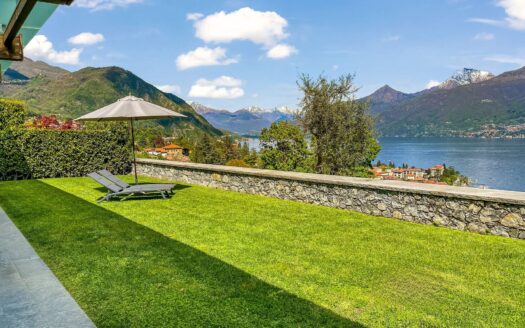
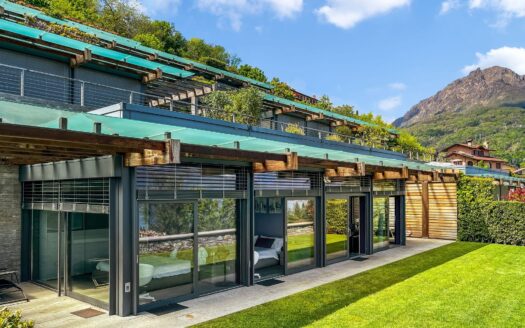
Menaggio, Lake Como Italy | 4-Bed Apartment With Lake Views
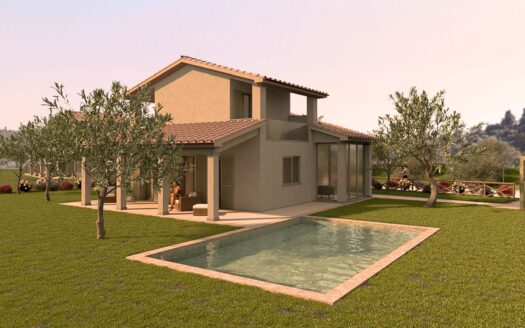
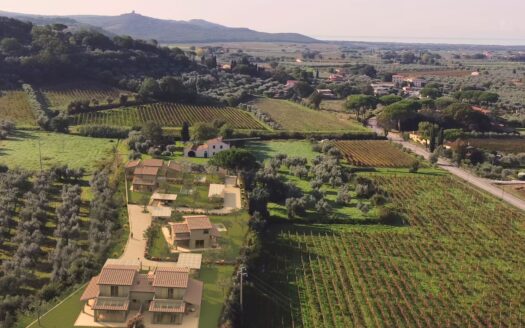
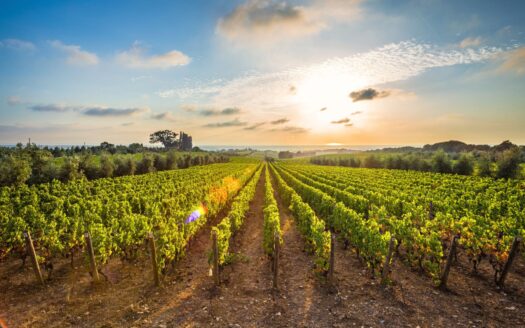
Castagneto Carducci, Tuscany Italy | 3-Bed Villa On Via Bolgherese
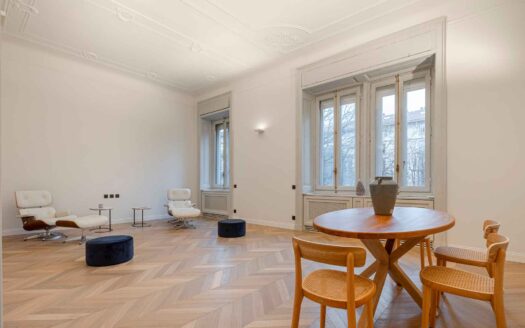
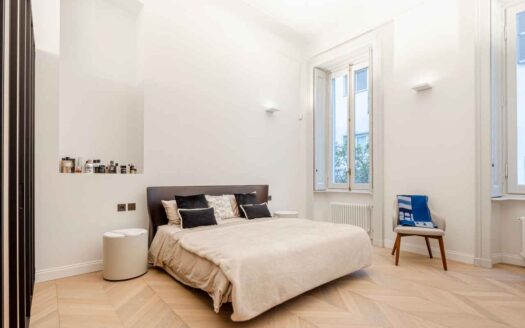

Milan, Italy | 3-Bed Apartment Historic Building
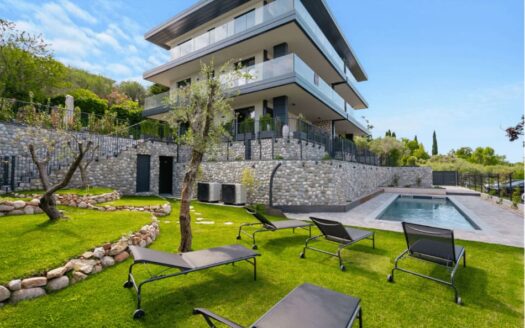
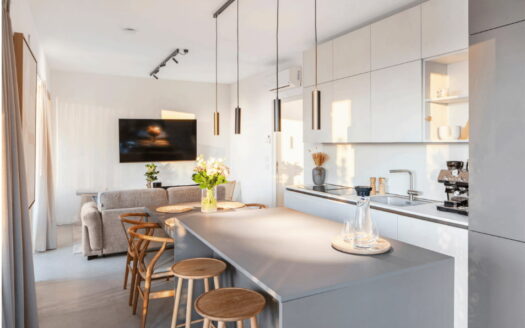
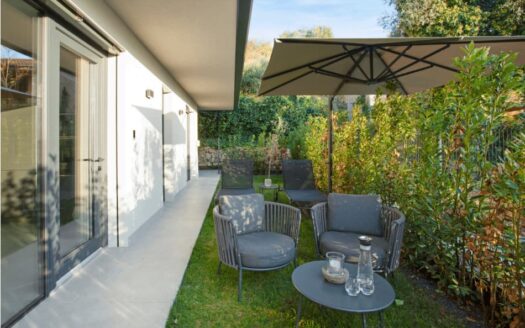
Lake Garda Torri del Benaco | Vista Benaco Garden Residence
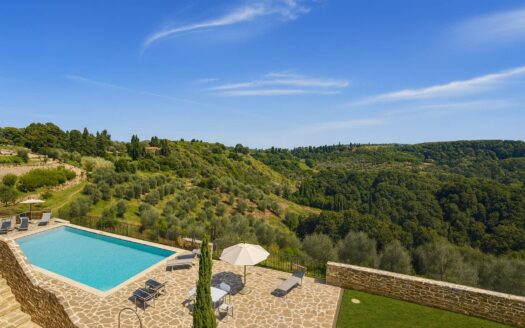
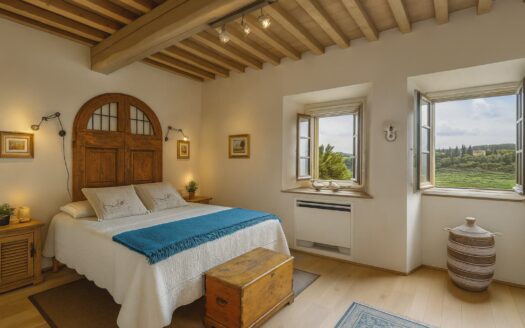
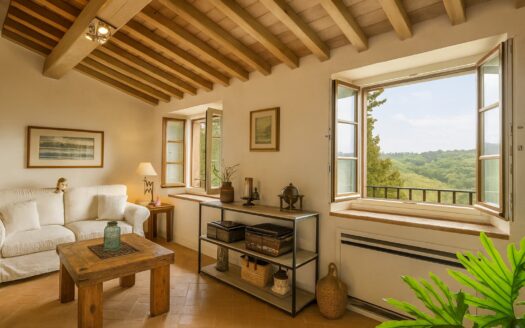
Tuscany Castelfalfi | 2-bedroom maisonette with panoramic views and pool
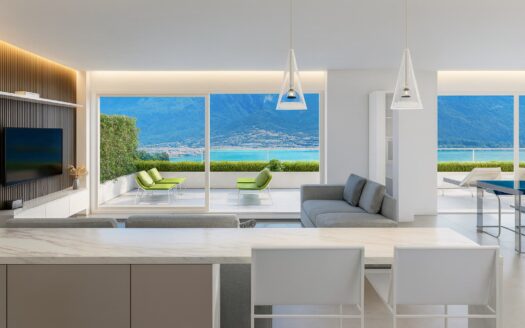
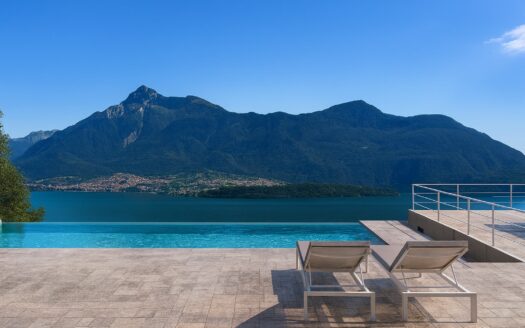
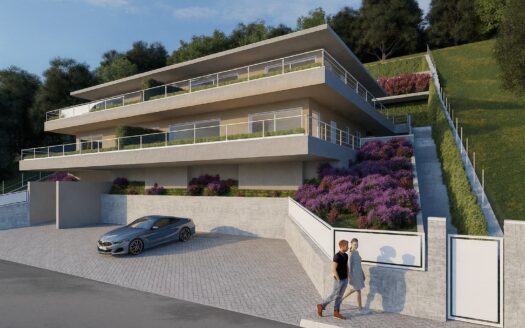
Lake Como Domaso | New-Build Penthouse With Lake Views & Infinity Pool
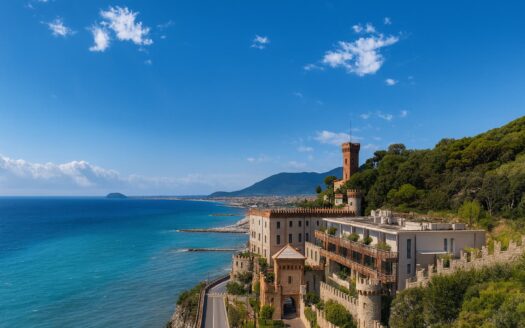
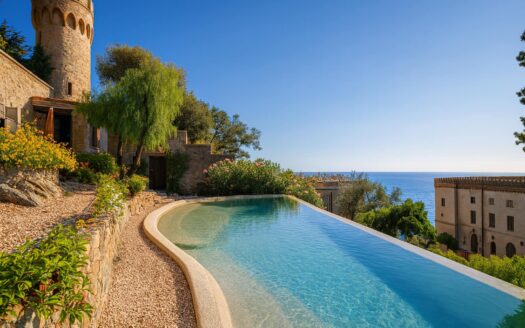
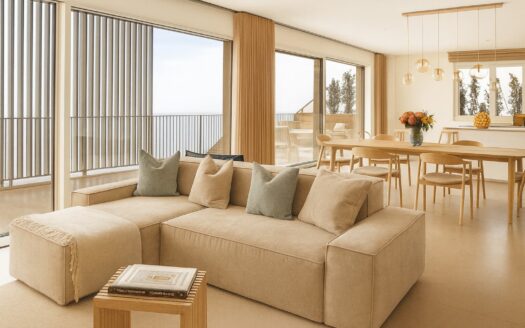
Liguria Loano | New-Build Castle Penthouse With Sea & Castle Views
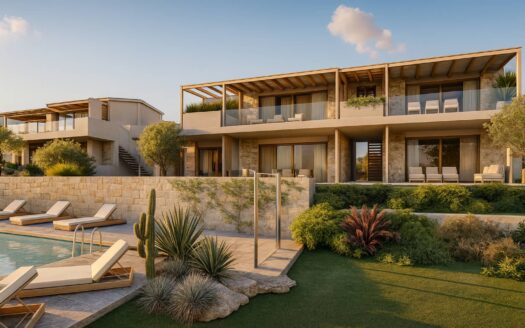
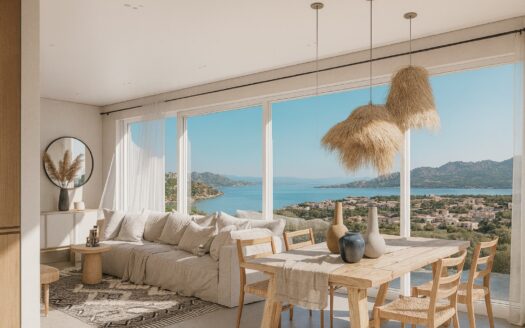
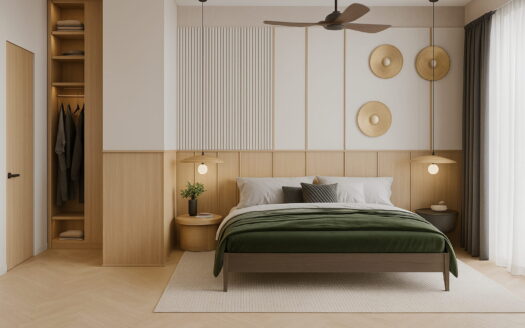
Sardinia | Terrace Apartment with Sea-View
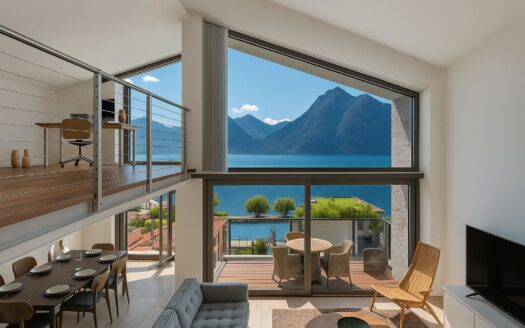
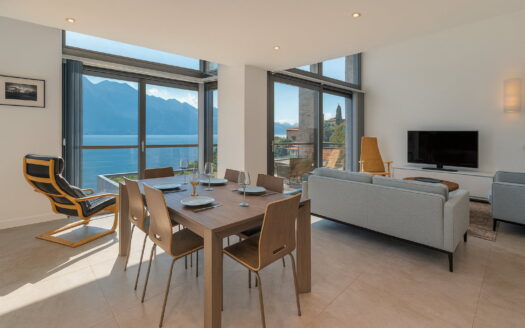
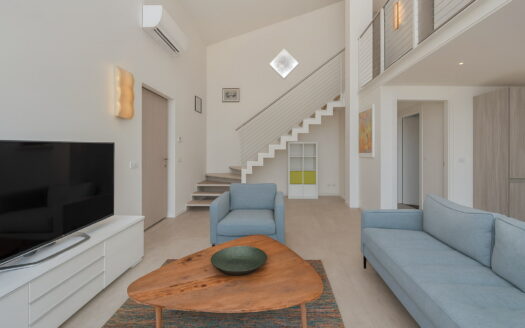
Lake Como | Penthouse with Lake & Mountain Views
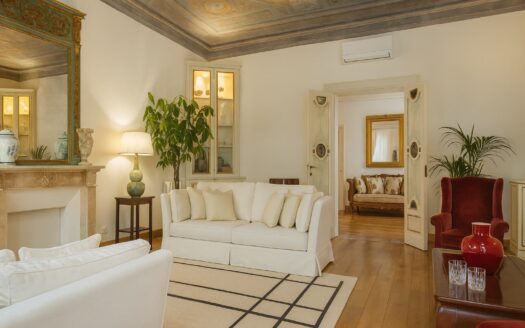
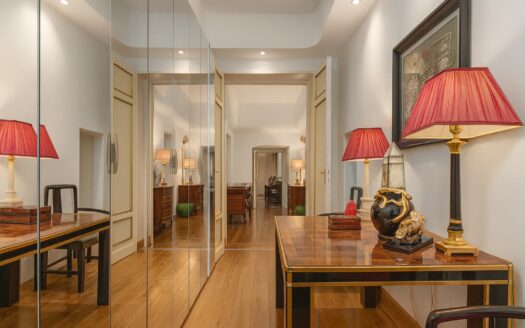
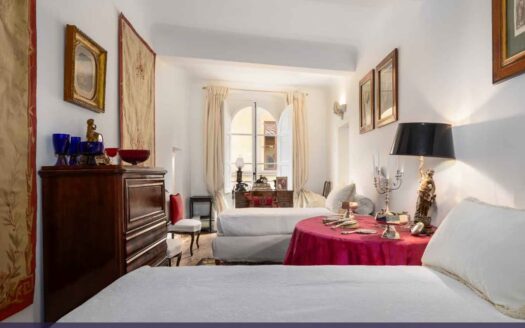
Florence | Central Grand Palazzo Residence
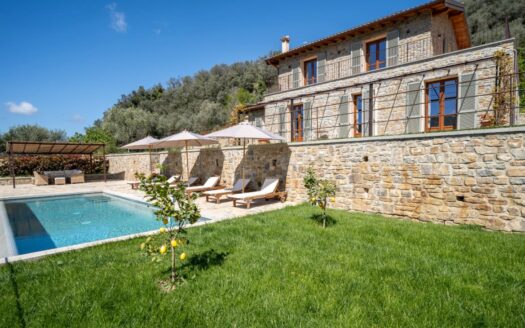
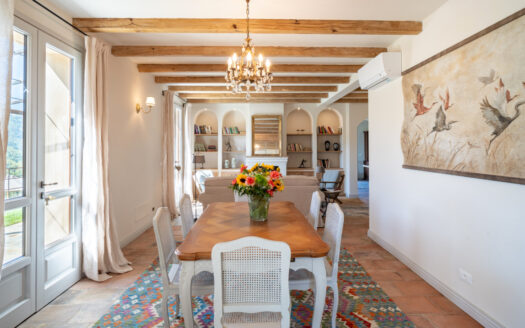
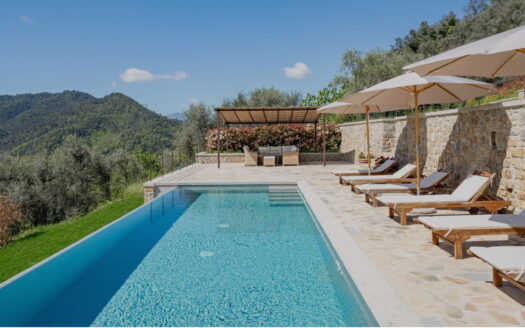
Liguria | Villa Apricale 3 Bed With Stunning Views
Why Italy fractional ownership?
Italy is the world's most coveted cultural and lifestyle second-home destination — a country of such extraordinary depth and variety that no other nation on earth combines its level of art, architecture, landscape, gastronomy, history and natural beauty within a single legal and linguistic framework. From the mirror-calm waters and Belle Époque villa gardens of Lake Como and Lake Garda to the cliff-edge fishing villages and crystal waters of the Ligurian Riviera — home to Portofino, Cinque Terre and the Riviera di Levante — and the wild, wind-sculpted granite headlands and impossibly blue sea of Sardinia, Italy's three great second-home regions collectively represent a lifetime of discovery, repeat use and deepening appreciation that few destinations anywhere in the world can rival. Prime property prices in Italy's most sought-after resort and lifestyle markets reflect decades of structural supply constraint. Lake Como commands €6,000–€12,000+ per m² for prime lakefront positions — figures comparable to Geneva or Monaco for waterfront real estate — driven by near-zero new construction, UNESCO landscape protections and a global buyer pool that has expanded every decade since the 1950s. Portofino and the Tigullio Gulf in Liguria trade at €8,000–€15,000+ per m² for prime positions, with the physical geography of the Ligurian cliff coast providing a permanent, geological supply constraint that no regulation could replicate. Sardinia's Costa Smeralda, created as Europe's most exclusive resort enclave by the Aga Khan in the 1960s, commands €5,000–€15,000+ per m² for prime positions, with the Gallura regional planning code one of the most restrictive development environments in the Mediterranean.
For buyers considering an Italian second home, the structural challenge is identical across all three regions: full ownership of a quality property in any of these markets requires committing €1.5–3 million or more to a single asset that will typically sit empty for 40+ weeks per year, accumulate annual running costs of €30,000–€60,000+ regardless of use, and demand complex remote management in a country with a notoriously intricate bureaucratic and tax environment. Italian fractional co-ownership solves this directly: a 1/8 deeded share aligns your capital, running costs and annual usage weeks to how you actually live — while preserving the same real estate equity and long-term capital appreciation potential as full ownership. Research from Scenari Immobiliari and Nomisma, Italy's leading residential research firms, consistently shows that second-home buyers across all three of these Italian regions use their properties for an average of just 4–8 weeks per year — precisely the usage profile that makes a 1/8 fractional share the most capital-efficient structure available. The fractional model does not change the property or the experience; it changes the financial structure to match the reality of how affluent international buyers actually live.
International demand for Italian resort and lifestyle second homes is structurally deep and genuinely diverse. Engel & Völkers Italy, Italy Sotheby's International Realty and Knight Frank all report that Italy's luxury second-home market is supported by one of the most internationally diversified buyer bases in Europe: German, Swiss and Austrian buyers form the dominant core in the Lakes and northern Liguria; British buyers remain highly active across all three regions despite any post-Brexit friction; American and North American buyers are the fastest-growing segment in Sardinia, Lake Como and the Amalfi-adjacent areas; French buyers are deeply rooted in Ligurian Riviera markets. This multi-nationality buyer diversity — spread across economic cycles, currencies and cultural motivations — provides a natural structural hedge for Italian resort real estate values that single-nationality markets simply cannot replicate. Combined with Italy's permanent supply constraints, world-leading cultural cachet and the irreplicable quality of Italian lakefront, Riviera and island real estate, the case for fractional co-ownership here is as strong as anywhere in Europe.
Italy: indicative prime residential price ranges by region (€ / m²)
Sources: Engel & Völkers Italy, Italy Sotheby's International Realty, Scenari Immobiliari, Nomisma 2025. Ranges reflect typical mid-to-prime residential stock; frontline and trophy assets trade higher.
Italy lifestyle: four seasons of la dolce vita
Italy is the only European country combining UNESCO World Heritage alpine lake landscapes, a cliff-sculpted Mediterranean riviera of world-famous beauty, a wild and spectacular Mediterranean island with some of Europe's finest beaches, three of the world's greatest art cities within two hours of its major second-home zones, and the most sophisticated food and wine culture on the planet — all within a country compact enough to be navigated by high-speed rail, regional flight or a few hours of scenic driving. Co-ownership homes in Italy's three great second-home regions are not simply places to relax; they are permanent bases for a layered, ever-deepening engagement with one of the world's richest civilisations. Lake Como and Lake Garda place you within an hour of Milan — Europe's fashion, design and finance capital — and within minutes of some of the most photographed villa gardens, mountain hiking and freshwater swimming in the world. Liguria gives you the Italian Riviera in its most authentic form: Portofino's harbour, the painted villages of Cinque Terre tumbling to the sea, the market towns of the inland Ligurian hills and a cuisine — pesto, farinata, trofie al pesto, branzino al sale — that is among Italy's most regionally distinct and deeply satisfying. Sardinia delivers something else entirely: a genuinely wild, unspoiled island of ancient nuraghi, pink flamingo lagoons, vertiginous granite cliffs and beaches whose water colour rivals the Caribbean at its clearest — yet with a cultural depth and culinary tradition entirely its own, worlds away from generic resort-island tourism.
Italy's connectivity from Northern Europe, the United Kingdom and North America is exceptional and improving. Milan Malpensa is 45 minutes from Lake Como and receives nonstop flights from London, New York, Dubai, Tokyo and most major European cities year-round. Verona Catullo and Bergamo Orio al Serio serve Lake Garda from across Europe. Genova Cristoforo Colombo is 30 minutes from the Ligurian Riviera with connections from major European hubs; Nice Côte d'Azur airport is also viable for the eastern Riviera, just 90 minutes from the Tigullio Gulf. Olbia Costa Smeralda Airport in Sardinia is one of Italy's best-served regional airports in summer, with direct flights from over 60 European cities, and receives year-round connections from Rome and Milan in under an hour. Alghero Fertilia serves northwest Sardinia with flights from major European cities, while Cagliari Elmas provides access to the south. For discovery and activity planning, the official Italy tourism portal, TripAdvisor Italy and GetYourGuide Italy are excellent starting points for all three regions.
The Italian Lakes at their most romantic: camellia and wisteria in full bloom on the villa terraces, the mountains still snow-capped above the lake, cycling and hiking in perfect temperatures. Liguria's Cinque Terre trails are uncrowded and spectacularly green. Sardinia's wildflower season transforms the interior. Strong shoulder-season rental demand across all three regions.
Sardinia's beaches reach their absolute peak — Europe's finest water quality, long warm evenings, the Costa Smeralda at its most vibrant. Lake Como and Lake Garda shimmer under long summer days; Bellagio and Sirmione fill with visitors from across the world. Liguria's fishing villages are at their most alive. Italy's summer is a feast of colour, heat and outdoor living at full intensity.
Italy's finest season for food, wine and atmosphere. The Lakes are bathed in a particular golden light as the hills turn amber and russet. Liguria's truffle season and olive harvest begin. Sardinia's sea remains warm well into October and beaches empty completely after mid-September. The grape harvest is underway across all regions. Autumn in Italy rewards those who know.
Milan and the Lakes' cultural season — La Scala, world-class art exhibitions, Michelin-starred restaurants full of Italians rather than tourists. Liguria's mild microclimate makes it Italy's most appealing winter coast: lemon trees flowering, coastal paths empty, fish simply grilled. Sardinia in winter is dramatically beautiful — austere, quiet, genuinely unspoiled. All three regions reward the curious winter visitor.
This four-season usability is the foundation of the Italy fractional co-ownership value proposition. A 1/8 share's 6–7 annual weeks can be deployed with extraordinary strategic flexibility: spring blooms and hiking at Lake Como, summer beach weeks on Sardinia's Costa Smeralda, an autumn truffle weekend on the Ligurian Riviera, and a winter cultural escape to Milan or Genova. Very few Italian resort second homes sit completely idle regardless of season — and that reliable year-round utility, combined with the rental potential of unused weeks in licensed properties, is precisely what makes Italy such a compelling co-ownership and wealth-preservation market across all three regions.
Key Italy fractional ownership regions
Italian Lakes — Como & Garda
Italian Lakes fractional ownership places you at the heart of Europe's most celebrated inland water landscape — a glacially sculpted arc of deep, mirror-calm lakes set between the Alps and the Po Valley, lined with centuries of aristocratic villa culture, garden art and a way of life that has captivated writers, composers, industrialists and royalty for two hundred years. Lake Como is the most globally recognised and structurally constrained of Italy's lakes: a 46km fjord-like ribbon of water flanked by near-vertical mountain slopes that physically prevent any meaningful new lakefront construction. The villages of Bellagio, Varenna, Tremezzo and Menaggio have been essentially unchanged for a century, and the prime lakefront villas lining the central lake — once summer retreats of the Milanese aristocracy — now represent some of the most coveted and irreplicable residential addresses in all of Europe. Lake Garda, Italy's largest lake, offers a different and in many ways even more versatile experience: the northern Trentino shore is Alpine in character, with dramatic cliffs and a thermal wind system that makes Riva del Garda the wind-sports capital of Central Europe; the central and southern shores transition through olive-grove terraces, medieval villages, Roman ruins at Sirmione and eventually into the gentler, more family-oriented Brescian and Veronese lakefronts where Gardone Riviera and Salò maintain a quieter, more residential elegance.
Italian Lakes co-ownership properties range from restored nineteenth-century lakefront villas with private boat jetties, terraced gardens and views that stop every first-time visitor completely in their tracks, to contemporary architect-designed apartments in historic palazzi with shared pool terraces cantilevered above the lake surface, to hillside stone case coloniche — traditional farmhouses — converted to a standard of interior quality that belies their rural origins entirely. The combined supply constraint of mountain geography, UNESCO landscape protection, historic preservation orders and regional planning restrictions on lakefront zones creates a real estate environment of near-absolute scarcity that has underpinned consistent long-term price appreciation with remarkable resilience across every economic cycle of the past thirty years. Typical 1/8 shares sit in the €175,000–€450,000 range against whole-property prices of €1.4m–€3.6m+. Best for: culture lovers, architecture enthusiasts, water sports and sailing families, gastronomes, buyers building long-term northern Italian equity close to Milan.
Liguria — the Italian Riviera
Liguria fractional ownership opens access to one of the most dramatically beautiful and supply-constrained coastal environments in the Mediterranean — a 350km arc of cliff-edge fishing villages, terraced olive groves and crystal-clear sea stretching from the French border to the Tuscan coast, with no flat land, no room for new development and a UNESCO World Heritage designation that permanently protects the most iconic stretches of coastline from any meaningful change. The Riviera di Levante — the eastern section anchored by Portofino, Santa Margherita Ligure, Rapallo and the five painted villages of Cinque Terre — is the crown of the Ligurian coast and one of the most recognisable and beloved landscapes in the world. Portofino itself is a property market of near-absolute scarcity: a tiny promontory of fewer than 500 permanent residents where every building has been frozen by heritage protection for decades, and where the demand from the world's wealthiest buyers far exceeds any conceivable supply. The Tigullio Gulf — Santa Margherita, Rapallo, Sestri Levante — offers similar character at more accessible price points, with a complete Italian lifestyle that high-season tourism barely disrupts. The Riviera di Ponente, stretching west toward France via Sanremo, Alassio and Albenga, provides a sunnier, more sheltered and increasingly sought-after alternative with its own deep tradition of international second-home ownership stretching back to the Belle Époque.
Ligurian co-ownership properties are among the most characterful in Europe: pastel-washed terraced houses with sea-view terraces above the harbour, converted fishing lofts with direct sea access, elegant Liberty-style villas set in terraced gardens above the cliff edge, and contemporary apartments in historic palazzo buildings with panoramic glazing and professional management that delivers a hotel-quality arrival experience. The physical geography of Liguria — cliffs dropping directly to the sea, no coastal plain, mountains immediately behind the coast — creates a supply constraint so permanent it is geological rather than regulatory. There is simply no land on which to build, and that reality underpins the long-term scarcity premium of every existing Ligurian property with sea views. Typical 1/8 shares sit in the €150,000–€500,000 range against whole-property prices of €1.2m–€4m+. Best for: sailors, walkers, food lovers, architecture admirers, buyers who value authentic Italian village life alongside dramatic natural beauty.
Sardinia
Sardinia fractional ownership gives you access to Europe's most exceptional island — a place of such wild, untouched beauty, so deeply different from the rest of the Mediterranean, that even those who have travelled widely find it genuinely surprising. The Costa Smeralda in the northeast — created as Europe's most exclusive resort by the Aga Khan consortium in the 1960s and protected ever since by the Consorzio Costa Smeralda's stringent architectural and environmental controls — remains the benchmark for Mediterranean luxury real estate: a 55km stretch of pink granite boulders, juniper forests and beaches of extraordinary water quality, where the Emerald Coast's famous sea colour (that particular turquoise-to-deep-teal gradient) is the result of exceptionally shallow, silica-rich seabed meeting the deep Mediterranean waters. Porto Cervo, Cala di Volpe, Romazzino and Capriccioli are the defining addresses: a world of discreet elegance that draws royalty, art world figures, fashion dynasties and international finance families year after year, generation after generation. Beyond the Costa Smeralda, Sardinia reveals itself as a far larger and more varied destination: the medieval Spanish-Gothic old town of Alghero on the northwest coast, with its Catalan dialect and coral-coloured old city walls; the silver-sand beaches and turquoise lagoons of Chia and the south coast; the ancient nuraghi stone towers of the interior; and a gastronomic tradition — bottarga, porceddu, mirto liqueur, Vermentino di Gallura, Cannonau di Sardegna — that reflects four thousand years of isolated, intensely local food culture.
Sardinian co-ownership properties span Costa Smeralda villa compounds set in pineta forests above the sea with private pools, sea-view terraces and direct cove access, to architect-designed contemporary villas on the Gallura granite headlands with panoramic sea views and infinity pools vanishing into the horizon, to beautifully restored stazzi — traditional Sardinian stone farmhouses — in the island's quieter inland and coastal valleys. The Gallura Regional Plan, the Consorzio Costa Smeralda's charter and Sardinia's regional coastal protection laws collectively make this one of the most restrictive development environments in all of Italy — new build on the Costa Smeralda is essentially impossible, and the existing stock of quality villas and compounds is finite and irreplaceable. Typical 1/8 shares sit in the €150,000–€500,000 range against whole-property prices of €1.2m–€4m+. Best for: beach lovers, families, sailors, buyers seeking the finest sea quality in Europe, investors building equity in Europe's most supply-constrained island resort market.
A week in your Italy co-ownership home
One of the most compelling things about owning a co-ownership property in Italy is how differently each stay can feel. Italy has enough depth — lakes, coastline, mountains, cities, villages, food, culture, history — that you could spend a week here every season for a lifetime and still be discovering something new. This is what a typical late-spring week at a Lake Como co-ownership villa might look like, arriving on a Sunday afternoon and leaving the following Sunday morning. Adjust the region, the season, and your own pace — and Italy reshapes itself entirely around you.
You land at Milan Malpensa mid-afternoon and within 45 minutes you are turning off the SS340 onto the lane that descends to the property. The first glimpse of Lake Como through the trees is never something you fully prepare for — that depth of colour, that stillness, the Alps rising on both sides. The property is immaculate — shutters opened, fridge stocked, boat moored at the private jetty. You arranged none of it. You unpack onto the terrace, pour a glass of local Lugana, and sit listening to the silence as the evening light turns the water copper and gold. Tomorrow the lake is waiting.
The definitive Lake Como experience is on the water, and the private boat moored below the villa is the key to the whole week. Cast off at 9am before the day-tripper ferries pick up their tempo, and spend the morning tracing the central lake's two arms — the famous triangle of Bellagio, Varenna and Menaggio, each perched at the edge of their own promontory, their coloured facades reflected in the still water. Stop at Villa del Balbianello — the most photographed villa on the lake, familiar from Casino Royale and Star Wars — for a morning guided tour of its extraordinary loggia garden. Lunch at the water's edge in Varenna: misultin (dried agoni fish), fresh lake perch, a carafe of local white. Return by late afternoon as the shadows lengthen across the water.
Lake Como's most spectacular quality is how completely the mountains rise from the water's edge. Take the Brunate funicular from Como town — a five-minute ascent to a viewpoint 720 metres above the lake, with the city, the lake and the distant Alps laid out beneath you in what feels like the best view in Lombardy. From Brunate, a network of marked hiking paths leads deeper into the hills. The two-hour loop to San Maurizio and back is manageable for most fitness levels and rewards with panoramas that change at every turn. Descend to Como in the early afternoon: lunch in the old town, a walk around the Gothic-Romanesque Duomo, and the silk shops on Via Vittorio Emanuele II — Como has been Europe's finest silk-producing city for five centuries, and the showrooms here sell to couture houses across the world.
There is a reason every return visitor to Lake Como puts Bellagio on their list without hesitation. The ferry from the nearest landing stage takes 20 minutes; the walk from the dock up the steep stone stairways into the old town takes five. Bellagio is one of the most perfectly preserved historic villages in all of Italy — narrow walled lanes opening onto sudden terraced gardens and lake views, artisan silk and leather shops operating from the same premises for generations, a handful of genuinely outstanding restaurants and the most beautiful hotel terrace in northern Italy at the Grand Hotel Villa Serbelloni. Spend the morning in the Villa Melzi gardens — a lakefront Neoclassical park of camellia allées, Japanese garden and an Egyptian-inspired temple — and the afternoon entirely at your own pace among the lanes. Return to the villa for a long, quiet evening dinner on the terrace.
One of the most compelling practical advantages of a Lake Como co-ownership base is Milan's proximity — 45 minutes by road or fast train from Como San Giovanni, 70 minutes from Varenna. Reserve Thursday for a Milan day: the Biblioteca Ambrosiana and its extraordinary art collection, a morning in the Brera quarter's galleries and antique dealers, lunch at a proper Milanese trattoria (osso buco, risotto alla milanese, a carafe of Barbera), and an afternoon in the fashion district or the Triennale design museum. If the calendar allows, the scale of Duomo cathedral and the reconstructed Santa Maria delle Grazie (Leonardo's Last Supper) are among Italy's top four or five cultural experiences and are never wasted on repeat visitors. Return to Como by early evening for the golden-hour light on the lake that no Milan hotel can replicate.
Lake Como has a concentration of historic villa gardens unmatched anywhere in Europe — Villa d'Este in Cernobbio, Villa Carlotta in Tremezzo, Villa Olmo in Como — each representing centuries of garden art in the grand Italian tradition. Villa Carlotta in May is among the top five garden experiences in Europe: forty varieties of rhododendron and azalea in simultaneous bloom above the lake, Canova sculptures in the orangery, and a terrace view that has been drawing painters since the eighteenth century. Devote the morning to one garden and the afternoon to the one you have been meaning to revisit. End the day on the property's own terrace with a Campari soda and the knowledge that tomorrow is the last morning, and it too will be perfect.
The best last days at Lake Como are unhurried. Rise early while the lake is still completely calm — the morning light on Como before 8am, the mountains perfectly reflected in the glass-still water, is one of the most quietly beautiful things Italy offers and it belongs entirely to those who are already there. Take the boat out for an hour with a coffee. Swim from the dock. Sit on the terrace and read. A long final lunch at the village trattoria you discovered on the first day. The packing can wait. Italy rewards those who let time slow down, and Lake Como slows it better than almost anywhere else in the world.
Return in September and the lakes are at their warmest, the terraces golden, the summer crowds gone. Come in winter for Milan's cultural season, the lake deserted and theatrical under low cloud, truffle lunches in the Brianza hills. Swap the Lakes for Sardinia in July for the finest beaches in Europe. Come to Liguria in April for Cinque Terre without the crowds. Italy is the only co-ownership destination in this guide where every season in every region rewards a return visit without diminishing returns. The official Italy tourism portal, GetYourGuide Italy and TripAdvisor Italy cover all three regions across all four seasons in exceptional depth.
Who buys Italy fractional co-ownership?
Italy fractional ownership attracts one of the most internationally diverse and culturally motivated buyer profiles in European second-home real estate. Unlike purely lifestyle-driven beach markets, Italy draws buyers for whom the depth of cultural, culinary and historical engagement is as important as the property itself — people who return not just for the sunshine but for the specific texture of a particular place that rewards knowing deeply over many years.
(DE, CH, AT, NL, Scandinavian)
(US, Canadian)
(FR, BE, Middle East, Asia)
German, Swiss and Austrian buyers have the longest established tradition of Italian Lakes and Ligurian Riviera second-home ownership — cultural, linguistic and geographic proximity has made northern Italy a natural extension of the Central European second-home market for generations. The Lake Como and Lake Garda waterfronts have historically been described as "the German Riviera" in local real estate circles, and the depth of this buyer base provides a structural demand floor that insulates lakefront values across economic cycles. British buyers — despite any post-Brexit friction in the ownership process — remain among the most active international participants in all three Italian regions, drawn by a cultural affinity with Italy that is among the deepest of any northern European nationality. American buyers are the fastest-growing segment in both the Italian Lakes and Sardinia markets: the combination of dollar-denominated wealth, cultural draw and Italy's flat-tax regime for new residents (€100,000 per year regardless of foreign income — an extraordinary proposition for high-net-worth American buyers) is accelerating US buyer participation at every price point.
Italy fractional ownership vs full ownership
| Factor | Full ownership | Fractional 1/8 co-ownership |
|---|---|---|
| Typical capital required | €1m–€4m+ (Lake Como / Sardinia prime) | €130,000–€500,000 (1/8 share) |
| Annual running costs | €30,000–€80,000 (100% regardless of use) | €4,000–€10,000 (1/8 share, proportional) |
| Typical annual usage | 4–8 weeks (industry average) | 6–7 weeks (precisely matched to 1/8) |
| Property management | Owner's sole responsibility | Professional, fully managed — arrive to hotel-standard presentation |
| Capital appreciation | Full value appreciation | Proportional appreciation (1/8 of same property) |
| Rental income | Full rental proceeds | 1/8 of rental proceeds from unused weeks |
| Italian bureaucracy & tax | Full solo responsibility | Managed by professional operator on behalf of co-owners |
| Resale process | Full property sale: 12–24 months typical | Fractional share sale: typically 3–9 months; wider buyer pool |
| Deeded real estate equity | Yes — full ownership | Yes — genuine deeded proportional interest |
| Portfolio diversification | Capital concentrated in single asset | Capital freed for multiple shares across Italy or other destinations |
Getting to your Italy co-ownership property
Italy's connectivity from Northern Europe, the UK and North America is one of the structural advantages of Italian second-home ownership — all three co-ownership regions are within 2–3 hours of most major European cities, and within direct long-haul reach from New York, Toronto, Dubai and Singapore via their gateway airports. The combination of scheduled airline competition, improving high-speed rail infrastructure and Italy's excellent autostrada network means that travel to an Italian co-ownership property is rarely a logistical obstacle — particularly for owners who plan their usage weeks to avoid the very peak August gridlock that affects every popular Italian summer destination.
Milan Malpensa (MXP) is the primary gateway: 45 min to Lake Como, 80 min to Lake Garda's western shore. Direct flights from London (multiple daily), Amsterdam, Frankfurt, Zurich, Madrid, Paris, New York JFK, Dubai and 60+ European cities. Bergamo Orio al Serio (BGY) serves Como in 60 min with low-cost routes from across Europe. Verona Catullo (VRN) serves eastern Lake Garda and Sirmione in 30 min. High-speed Frecciarossa trains connect Milan to Como San Giovanni in 37 min and to Desenzano del Garda (Lake Garda south) in 50 min.
Genova Cristoforo Colombo (GOA) is 30–45 min from the Riviera di Levante with direct flights from London, Paris, Frankfurt, Amsterdam, Rome and Barcelona. Nice Côte d'Azur (NCE) is 90 min from Santa Margherita Ligure and serves as an excellent alternative gateway for the eastern Riviera, with transatlantic connections from North America. Geneva (GVA) is a viable option for Swiss and northern European buyers. The A7 and A10 autostrade provide fast coastal access; Trenitalia's coastal railway line connects all major Ligurian resorts in a single scenic journey.
Olbia Costa Smeralda (OLB) serves the northeast coast — 20 min from Porto Cervo and the Costa Smeralda — with direct flights from London Gatwick, London Heathrow, Amsterdam, Frankfurt, Paris, Zurich, Milan, Rome and 60+ European cities in summer; year-round from Rome and Milan. Alghero Fertilia (AHO) serves the northwest with low-cost connections from across Europe. Cagliari Elmas (CAG) serves the south. Ferries from Genova, Civitavecchia and Livorno offer a scenic alternative for those travelling with cars or who prefer the overnight crossing from the mainland.
Investment advantages of Italian fractional ownership
Beyond the lifestyle case, Italian co‑ownership properties offer a compelling financial structure for buyers used to thinking in portfolio terms. Understanding the investment mechanics helps you evaluate fractional ownership clearly against traditional real estate and alternative vacation solutions such as holiday clubs, destination memberships or straightforward rental — and see why the numbers increasingly favour the fractional model for buyers who will realistically use a property for 6–10 weeks per year across three of Europe's most coveted resort destinations.
Capital efficiency and proportional appreciation: Your fractional share appreciates proportionally with the full property value. If a prime Lake Como lakefront villa rises 7% in a year, your 1/8 share gains the same 7%, whether you paid €250,000 or €2 million. Instead of locking €2–4 million into a single second home visited for 6 weeks, you deploy €200,000–€500,000 for comparable usage and identical percentage appreciation — freeing capital for other investments, additional co‑owned homes across the Lakes, Liguria or Sardinia, or simply keeping your wealth more liquid and diversified. Many buyers build a multi-destination Italian portfolio of fractional shares — a Lake Como villa for spring, a Ligurian clifftop house for early summer, a Sardinian compound for August — that gives them far more collective lifestyle value than a single whole property ever could.
Strict supply constraints protect long-term values: All three Italian co-ownership regions operate under some of the most restrictive planning and coastal protection frameworks in Europe. Italy's Codice del Paesaggio places binding national-level constraints on development within scenic, coastal and UNESCO-designated zones — and Lake Como, the Ligurian Riviera and the Costa Smeralda are among the most heavily protected areas in the entire country. Regional governments in Lombardy, Liguria and Sardinia have consistently tightened these restrictions over the past decade: Sardinia's Piano Paesaggistico Regionale effectively prohibits new coastal construction within two kilometres of the shoreline; Liguria enforces strict height, density and materials controls across the entire Riviera di Levante; and Lake Como's UNESCO World Heritage buffer status means any development proposal faces national-level scrutiny before a single permit is issued. This structural supply constraint is regulatory and essentially permanent — it gives well-located Italian co-ownership properties a fundamentally different risk profile from European markets where new supply can freely respond to demand.
Year‑round rental potential from unused weeks: Co-owned properties across all three Italian clusters can generate meaningful rental income from weeks the owner does not plan to use. A prime lakefront villa on Lake Como commands €8,000–€25,000 per week in peak season; a Portofino-area property on the Ligurian Riviera achieves €7,000–€20,000; a Costa Smeralda villa in Sardinia regularly reaches €10,000–€35,000 in July and August. Conservative estimates suggest that two to three unused high-season weeks in a quality Italian property can offset a significant portion — in some cases the entirety — of annual running costs including IMU, management fees and maintenance. Operators handle all rental logistics; owners simply receive their share of net proceeds without any of the administrative and legal complexity of running a short-term rental in Italy independently.
Why Italian resort property values keep rising
Italy's sustained prime resort price growth is not driven by speculation — it is the direct, measurable result of some of Europe's most restrictive residential supply environments colliding with structurally rising international demand. Across all three Italian co-ownership clusters, the regulatory picture is strikingly consistent: coastal build bans, UNESCO and landscape protection designations, regional planning moratoriums and strict caps on new accommodation capacity have combined to make meaningful new prime supply essentially impossible. The result is a structural, growing gap between rising demand from an affluent, internationally diversified buyer pool and a near-static inventory of quality lakefront, coastal and resort residential stock. Since 2015, prime prices across all three regions have risen by 70–80% — a compound annual growth rate achieved with almost zero meaningful new prime supply entering the market during that period.
Key regulatory interventions that have directly shaped this price trajectory include: the ongoing enforcement of Sardinia's Piano Paesaggistico Regionale preventing all new coastal construction within 2km of the shoreline; Lake Como's UNESCO World Heritage buffer zone tightening in 2017 that placed additional national-level constraints on any lakefront development; tightened short-term rental regulations in both Liguria and Lombardy in 2022–2023 reducing the total permitted accommodation pool; and Liguria's 2023 introduction of rental caps in the Riviera di Levante's most in-demand comuni. Far from being temporary or reversible, these interventions reflect Italy's national and regional governments' long-stated commitment to landscape preservation and sustainable tourism — the political and regulatory trajectory across all three regions is toward further restriction, not relaxation. Each new constraint further limits the total supply of quality Italian resort property available to buy, reinforcing the scarcity premium that already-existing assets command.
Italian cluster prime residential prices (€ / m²) — 2015 to 2025
Sources: Nomisma, Scenari Immobiliari, Knight Frank Italy, Engel & Völkers Italy 2015–2025. Prime zone averages; individual properties in the most sought-after positions trade significantly above these levels.
The COVID dip visible in 2020 proved brief and shallow across all three Italian clusters — within 12 months each market had not only recovered but accelerated, driven by post-pandemic reappraisal of lifestyle priorities among affluent European households who suddenly valued quality of life, outdoor space and proximity to nature far more highly than before. The Ligurian Riviera and Costa Smeralda in particular saw exceptional demand acceleration from 2021 onwards as international buyers — priced out of comparable French Riviera and Côte d'Azur assets — recognised Italian coastal property as representing extraordinary relative value at similar quality levels. The gap between what buyers want and what Italy's three premier resort regions can legally supply has widened every year since, and there is no credible planning or political scenario in which that changes materially in the medium term. For co-ownership buyers, this supply story is perhaps the single most important structural reason to have confidence in long-term Italian resort asset values.
Exit & resale liquidity
One of the most important and most frequently overlooked questions any second-home buyer should ask before committing capital is: when I want to exit, how straightforward and how profitable is it? For whole Italian resort properties priced at €1.5–4 million — whether a lakefront villa on Lake Como, a cliff-side house on the Ligurian Riviera or a Costa Smeralda compound in Sardinia — selling means finding a buyer who simultaneously has the capital, the motivation, the timing and the specific taste to pay your asking price — a rare overlap that explains why average time-to-sale for prime Italian resort villas can stretch to 12–24 months even in healthy market conditions, compounded by Italy's notoriously detailed notarial and cadastral process. For a fractional ownership share priced at €150,000–€500,000, you are selling into a buyer pool that is many multiples larger, geographically more diverse and not dependent on any single financing environment or buyer nationality. The professional management records, documented annual costs, established usage schedule and rental income history that come with a well-run Italian co-ownership also dramatically reduce the due diligence burden for incoming buyers — removing much of the friction and uncertainty that slows conventional whole-property sales in Italy's complex legal and administrative environment.
It is also worth noting that some Italian co-ownership platforms operate internal resale marketplaces — matching exiting owners with new buyers who are already familiar with the model and motivated to enter a specific property in the Lakes, Liguria or Sardinia. This can dramatically shorten sale timelines versus marketing on the open market and eliminates the full Italian agency and notarial cost structure associated with a first-sale purchase. Others operate planned collective exit horizons, giving all co-owners a clear, pre-agreed timeline for whole-property sale and capital return — typically at a premium to piecemeal individual share sales, since a single whole-property transaction in any of Italy's three co-ownership regions commands a wider buyer pool and greater competitive tension than any fractional share sale. Both mechanisms reflect a fundamentally more liquid structure than conventional single-ownership Italian property, and are worth examining carefully — alongside the operator's documented resale track record — when evaluating any specific Italian fractional co-ownership opportunity.
Italy fractional ownership: frequently asked questions
Italy fractional property ownership is a model in which a premium residential property — a lakefront villa on Lake Como or Lake Garda, a cliff-top house on the Ligurian Riviera, a villa in Sardinia's Costa Smeralda — is co-owned by a small group of buyers, typically between four and eight, each holding a legally documented proportional interest in the property title. The most common structure is a 1/8 ownership share (eight co-owners, each entitled to approximately 6–7 weeks of annual use), though 1/4 shares (four co-owners, ~13 weeks per year) and 1/6 shares (six co-owners, ~8–9 weeks per year) also exist depending on the operator and property.
The crucial legal distinction that separates fractional co-ownership from all other shared-use models is that each owner holds a genuine proportional interest in the real property itself — registered at the Italian Land Registry (Catasto and Conservatoria dei Registri Immobiliari) through the same notarial and registration process that governs any Italian real estate purchase. This is not a holiday club membership, a points system or a contractual use right: it is a proportional ownership stake in a specific physical asset that can appreciate in value, be sold at market price, be bequeathed to heirs and be used as long-term wealth collateral. The Italian Civil Code (art. 1100–1116) governs co-ownership (comunione) of real property and provides a well-established legal framework protecting every co-owner's rights.
The model solves a structural problem that confronts virtually every affluent Italian second-home buyer: the misalignment between the capital required for full ownership and the number of weeks per year they will realistically use the property. Industry data consistently shows that second-home buyers across Italy's three co-ownership regions use their properties for an average of just 4–8 weeks per year — precisely the usage profile for which a 1/8 fractional share is designed. A 1/8 share delivers 6–7 weeks of annual access to a premium property for roughly one-eighth of the full capital cost, with all carrying costs shared proportionally and all management handled professionally — making the Italian co-ownership model the most capital-efficient structure available for accessing the world's most desired cultural and lifestyle property market.
No — they are fundamentally and legally different products. Timeshare is a contractual right to use accommodation for a fixed period each year, with no underlying real estate equity. A timeshare holder does not own any portion of the property; the asset does not appear on their balance sheet; it cannot be sold at market price as an investment; and it does not appreciate with property values. The timeshare industry across Europe has been subject to extensive consumer protection regulation — including the EU Timeshare Directive (2009/122/EC) — precisely because of these structural deficiencies.
Italian fractional co-ownership is the opposite of this in every material respect. A fractional owner holds a genuine, notarially registered proportional interest in a specific real property — the same legal form of ownership as any Italian property purchase. If you own a 1/8 share in a Lake Como lakefront villa currently valued at €2.4 million, your balance sheet carries a real estate asset worth approximately €300,000. When the property appreciates to €3 million — as Como lakefront has done consistently — your share is worth €375,000. You can sell it at market value, bequeath it to your children, and hold it indefinitely as a store of wealth. None of these things are possible with a timeshare.
Italian fractional co-ownership is typically structured as a comunione (co-ownership) under Italian Civil Code articles 1100–1116, or through an Italian SRL (limited liability company) where each co-owner holds a proportional quota. Both structures are fully recognised under Italian property law. If anyone suggests that fractional co-ownership and timeshare are equivalent, they are either misinformed or misrepresenting the product. The distinction is fundamental from a legal, financial, tax and investment standpoint — and it is non-negotiable.
The best Italian locations for fractional property ownership combine world-class lifestyle appeal, structural supply constraints, deep and durable international buyer demand, consistent long-term capital performance and genuine year-round usability. By all five of these measures, the three regions represented here — the Italian Lakes, the Ligurian Riviera and Sardinia — are the most compelling fractional co-ownership opportunities in Italy.
Lake Como leads on global prestige, cultural depth and capital resilience. Its mountain geography physically prevents new lakefront construction; UNESCO landscape protections prevent any significant alteration to the existing character; and its proximity to Milan gives it a year-round lifestyle utility that purely seasonal destinations cannot match. Prime Como lakefront has outperformed virtually every other European luxury residential market on a 20-year basis. Lake Garda offers a wider range of entry price points, greater versatility of lifestyle (sailing, cycling, wine country, spa towns, theme parks for families) and arguably the strongest short-term rental demand of any Italian lake, driven by its central European accessibility. Portofino and the Tigullio Gulf are arguably the single most supply-constrained coastal markets in Europe — there is no land, there is no planning permission and there is a 150-year tradition of international aristocratic and artistic second-home ownership that shows no signs of diminishing. The Cinque Terre and Riviera di Ponente offer comparable Ligurian character at more accessible price points with exceptional hiking, gastronomy and authentic village life. Sardinia's Costa Smeralda remains the benchmark for Mediterranean island luxury real estate — a genuinely unique environment of pink granite, emerald sea and discreet architectural elegance that is legally protected from any meaningful new development. Northwest Sardinia around Alghero and the Sinis Peninsula offers extraordinary natural beauty at a significant price discount to the Costa Smeralda, with growing recognition driving strong capital performance.
The single best location depends entirely on your personal priorities: cultural and architectural depth points to Como; wild natural beauty and beach perfection point to Sardinia; authentic Italian village life with dramatic cliff scenery points to Liguria; family versatility and sailing point to Garda. Many co-ownership buyers eventually build a multi-destination Italian portfolio, combining a Lakes share for spring and autumn with a Sardinian share for summer — achieving a breadth of Italian lifestyle that no single whole-property purchase could deliver at any price.
Usage allocation is one of the most operationally important elements of any co-ownership structure, and the best Italian operators design their systems to deliver both equity across the ownership group and genuine flexibility for individual owners whose schedules shift year to year. The two most common approaches are a rotating peak-week schedule and an advance-booking calendar, and most reputable operators combine both to maximise fairness and flexibility simultaneously.
Under a rotating schedule, the most sought-after weeks — July and August at a Sardinia Costa Smeralda property; Easter and late June at Lake Como; the September truffle and harvest season in Liguria — rotate among co-owners on a predetermined annual cycle. This ensures that every co-owner accesses the most desirable calendar weeks at least once across the ownership cycle, with no owner permanently locked out of peak season. The advance-booking calendar then handles the remaining allocation: owners log into the management platform and select from available dates on a first-come, first-served or priority-rotation basis, giving flexibility to accommodate changing schedules, last-minute plans and the kind of spontaneous Italian weekend escapes that are one of the greatest pleasures of owning here.
Owners who cannot use their allocated weeks have options: exchange them with other co-owners through the operator's internal swap programme; make them available for managed short-term rental, with net proceeds returned to the owner; or in some structures, bank them forward to a future year. The governance agreement specifying the exact usage allocation system, peak-week rotation schedule and any exchange or banking provisions is a critical document to review carefully with independent legal counsel before committing to any purchase. Always ask the operator for their documented peak-week rotation schedule, and for evidence of how the system has worked in practice across previous ownership cycles.
Annual carrying costs for a 1/8 Italian fractional share are proportionally 1/8 of the whole property's total annual running costs, which encompass Italian property taxes (IMU), condominium or HOA fees, building and contents insurance, professional property management, utilities, cleaning and turnover costs between occupancies, garden and pool maintenance, notarial and administrative costs, and a capital reserve fund for planned maintenance and improvements.
To make this concrete across all three regions: a €2.5 million Lake Como lakefront villa might carry whole-property annual costs of €35,000–€70,000 — making a 1/8 share's annual carrying cost approximately €4,375–€8,750 per year. A €3 million Sardinia Costa Smeralda villa — where Consorzio Costa Smeralda fees, high-specification pool and garden maintenance, and premium management standards add meaningfully to the cost base — might carry whole-property costs of €45,000–€90,000, making the 1/8 share cost €5,625–€11,250 per year. A €2 million Ligurian Riviera house with a terrace above the sea and a private boat mooring might carry whole-property annual costs of €28,000–€55,000, making the 1/8 share cost €3,500–€6,875 per year.
These figures need to be evaluated against the rental market reality. A single peak-season week in a comparable private Como lakefront villa rents for €8,000–€25,000; a week on the Costa Smeralda for €10,000–€35,000+; a week in a Portofino-area property for €7,000–€20,000+. The total annual carrying cost of a 1/8 fractional share — delivering 6–7 such weeks per year — is routinely equivalent to the rental cost of less than one peak week in the same property. This arithmetic is the foundation of the co-ownership case in Italy, and it becomes more compelling the more premium the market.
Yes — non-Italian citizens can legally purchase fractional co-ownership interests in Italian real estate, and international buyers are the dominant force in all three Italian co-ownership regions. There is no general Italian restriction on foreign ownership of real estate; purchases are subject to standard Italian property law, conducted through a licensed Italian notaio (notary) who verifies all parties' identities and legal capacity, handles due diligence on the property title, and registers the transfer with the Italian Land Registry. The process is identical for Italian and non-Italian purchasers, though non-EU buyers will need to obtain an Italian tax identification number (Codice Fiscale) before the purchase — a straightforward process available through any Italian consulate or directly at the Agenzia delle Entrate.
For European Union citizens, buying Italian property is entirely unrestricted. For non-EU nationals — including British buyers post-Brexit, American, Canadian, Australian and other buyers — Italy applies a principle of reciprocity: if Italy allows Italian nationals to buy property in the buyer's home country, that country's nationals may buy in Italy. In practice, this principle means that buyers from virtually all OECD countries (including the UK, USA, Canada, Australia, Switzerland, Norway and all EU states) face no restrictions on Italian property purchase. British buyers should note that post-Brexit there is no change in the right to purchase Italian property — ownership rights are entirely unaffected; only the right to live in Italy for more than 90 days in any 180-day period requires a separate residence permit.
The key practical considerations for non-Italian buyers are tax structuring, mortgage availability and ongoing compliance. Italy's Flat Tax regime (€100,000 per year on all foreign-source income for new Italian tax residents — introduced in 2017 and one of the most generous high-net-worth residency incentives in Europe) is an increasingly significant consideration for North American and UK buyers who may find Italian tax residency genuinely attractive. Independent advice from an Italian notaio and a specialist international property tax advisor is strongly recommended for all non-Italian buyers before committing to any purchase, and most reputable operators can provide referrals to advisors with specific fractional co-ownership experience in the relevant region.
In properly structured Italian co-ownership properties with the correct short-term rental authorisation under Italian law, yes — unused weeks can be made available for managed short-term rental, with net proceeds returned proportionally to the owner whose weeks are being rented. This rental income offset is one of the most financially compelling features of the Italian fractional model, and in the right property and market it can substantially reduce — and in exceptional peak-season years nearly eliminate — the net annual carrying cost of ownership.
Italy's short-term rental legal framework has evolved significantly in recent years. The national CIR (Codice Identificativo di Riferimento) registration system — mandatory for all short-term rentals advertised on platforms such as Airbnb and Booking.com — applies to Italian co-ownership properties, and reputable operators handle registration, compliance and ongoing tax remittance (cedolare secca flat tax of 21–26% on gross rental income) on behalf of co-owners. Regional regulations add additional layers in some areas: Sardinia's Consorzio Costa Smeralda has historically restricted the type and scale of short-term rental activity within its perimeter, and buyers should verify the specific rental authorisation of any Costa Smeralda property carefully. Ligurian municipalities — particularly those in Cinque Terre National Park — have introduced increasingly strict short-term rental caps in recent years, and operators managing properties in these zones must navigate the regulatory environment with care. Lake Como and Lake Garda properties in managed complexes are generally well-positioned for short-term rental, subject to condominium by-laws.
The rental income potential across Italy's three co-ownership regions is outstanding for properties in the right locations. A prime Como lakefront villa achieves €8,000–€25,000 per week in July or August; two to three rented peak weeks generate rental income that covers the entire year's 1/8 carrying costs. A Costa Smeralda villa at €10,000–€35,000+ per peak week is among the most lucrative short-term rental assets in Europe. A Portofino-area terrace house at €7,000–€20,000+ per week in high season represents an exceptional return on the 1/8 share entry cost. Professional operators handle all logistics — listing, booking, guest vetting, check-in/out, cleaning, damage management and fiscal compliance — and owners receive net proceeds without any operational involvement.
Purchasing Italian real estate — including a fractional co-ownership interest — triggers a series of Italian taxes and ongoing fiscal obligations that buyers should understand clearly before committing to a purchase. At the point of purchase, the main taxes are: imposta di registro (registration tax) of 9% of the cadastral value for second-home purchases by non-Italian-resident buyers (2% for buyers establishing Italian primary residence within 18 months of purchase — Italy's prima casa relief); imposta catastale (cadastral tax) of €50; and imposta ipotecaria (mortgage registration tax) of €50. For new-build properties purchased from a developer, VAT of 10% replaces registration tax. The notaio's fee (typically 1–2% of purchase price) and any agency commission are additional purchase costs.
Ongoing annual taxes include: IMU (Imposta Municipale Unica — local property tax) levied annually by the municipality, calculated on the cadastral value multiplied by a coefficient and the local rate, typically representing €3,000–€15,000 per year for a whole property in a premium Italian resort market (i.e. €375–€1,875 for a 1/8 share); TARI (waste tax) proportional to property size, typically modest. For Italian tax residents with a qualifying property, IMU on a primary residence is exempt — a material advantage for buyers using Italy's flat-tax regime. Rental income from unused weeks is subject to cedolare secca flat tax of 21% (26% for rentals through intermediary platforms from 2024), applied to gross rental income with no deductions — the simplest and most predictable rental tax regime in Europe.
At sale, capital gains from Italian property sold within five years of purchase are subject to Italian capital gains tax of 26%; properties held for more than five years are generally exempt from capital gains tax for natural persons — a significant advantage for co-ownership buyers planning medium-to-long-term holds. Italian inheritance and gift taxes are among the lowest in Europe: transfers to direct descendants (children) are taxed at 4% above a €1 million per-heir threshold — meaning a co-ownership share worth €300,000 passes to a child effectively tax-free. Independent advice from an Italian commercialista (tax advisor) with specific experience in luxury real estate and fractional structures is strongly recommended for all buyers, and most reputable operators can provide referrals as part of their buyer support process.
Selling an Italian fractional co-ownership interest follows the same fundamental legal process as selling any Italian real estate — executed through a licensed Italian notaio, with the transfer registered at the Conservatoria dei Registri Immobiliari and the Catasto. The sale price is determined by the open market, reflecting the current value of the underlying whole property and the terms of the co-ownership agreement. Your fractional share is a market-priced real asset — not a product with a fixed or discounted buyback formula.
The practical liquidity advantage of fractional shares over whole Italian resort properties is significant and frequently underappreciated by buyers new to the model. The buyer pool for a €200,000–€500,000 Italian fractional share is many multiples wider than the pool for a €1.6–€4 million whole property in the same location. At the fractional price point, potential buyers include affluent professionals for whom a whole Italian lakefront or Sardinian villa is financially out of reach, buyers diversifying across multiple fractional shares in different destinations, and international buyers for whom the fractional price point represents a manageable and uncomplicated entry into a market they love but have been unable to access at the whole-property level. Average time-to-sale for a well-priced, properly documented fractional share in a premium Italian resort market — Lake Como, Costa Smeralda, Portofino area — is typically 3–9 months, versus 12–24 months for an equivalent whole-property sale.
Most reputable Italian co-ownership operators provide internal resale support — listing the exiting owner's share to their established database of prospective buyers before it reaches the open market, frequently resulting in faster completion and lower transaction costs. Many structures also include a right of first refusal for remaining co-owners, who may purchase the exiting share at the agreed market price before it is offered externally. And some operators offer a planned collective exit mechanism — a pre-agreed horizon (typically 10–15 years) at which all co-owners vote on a whole-property sale, which typically achieves a premium over piecemeal individual share sales and ensures every co-owner exits simultaneously on optimal terms. Always review the exit provisions, right-of-first-refusal terms, resale support commitment and documented resale track record before committing to any Italian co-ownership purchase.
Evaluated honestly against the alternatives — renting equivalent properties year after year at €8,000–€35,000 per week, or committing €1.5–4 million to a single whole property — fractional co-ownership in the right Italian market is among the most capital-efficient second-home investment structures available anywhere in Europe. The key word is "right": the investment case varies meaningfully between markets, operators and structures, and buyers should analyse every specific opportunity with care.
The investment case for Italian fractional ownership rests on four structural pillars. First, proportional capital appreciation: your fractional share appreciates at exactly the same percentage rate as the underlying whole property. Lake Como prime lakefront has appreciated by 60–80% over the past decade and shows no signs of slowing, driven by the near-impossibility of any new lakefront supply. The Costa Smeralda has seen prime villa values rise by 50–70% since 2015, driven by the global recognition of Sardinia's natural environment and the Consorzio's permanent development cap. Portofino and the Tigullio Gulf have outperformed virtually every other Italian coastal market on a 20-year basis, driven by geological supply constraint. Second, structural scarcity: all three co-ownership regions operate under genuinely permanent supply constraints — mountain geography, UNESCO protections, Consorzio planning charter, Ligurian coastal cliff topography — that no amount of demand can overcome. Third, rental income offset: unused peak weeks in properly licensed properties generate substantial short-term rental income that offsets annual carrying costs, often covering the full annual cost from one or two weeks of peak-season rental. Fourth, capital efficiency: deploying €250,000 into a 1/8 Lake Como share rather than €2 million into a whole property leaves €1.75 million free for other investments — a powerful portfolio diversification argument.
The honest qualification: Italian fractional co-ownership is a medium-to-long-term hold of 5–15+ years that delivers its full value through a combination of lifestyle utility, running cost efficiency, rental income offset and capital appreciation compounding over time. Italy's bureaucratic complexity and the transaction costs associated with notarial purchase and sale mean that short-term flipping is neither practical nor appropriate. For buyers with a genuine attachment to Italy and a 10+ year horizon, the co-ownership model in a supply-constrained Italian resort market is one of the most sound and satisfying wealth preservation strategies available to an internationally mobile, affluent individual or family.
Professional, arms-length property management is one of the most important structural advantages of a well-run Italian fractional co-ownership model — and one of the primary ways in which it delivers a superior ownership experience compared to individually managed Italian second homes, which are notoriously demanding to run remotely in a country with complex bureaucracy, demanding maintenance standards for historic properties and a property services market that rewards local knowledge and established relationships above all else.
The management scope in a premium Italian co-ownership property typically includes: pre-arrival preparation to hotel-grade standards — deep clean, fresh linen, flowers, stocked refrigerator, pool heated to temperature, shutters opened, terrace set for arrival; professional turnover between occupancies including linen service, restocking of consumables and a full post-departure clean; garden, pool and terrace maintenance on a scheduled year-round basis including lakefront or boat jetty maintenance where applicable; routine and preventive maintenance with vetted local contractors across all trades — plumbing, electrical, structural, decorating — with no owner involvement required; all Italian regulatory compliance including IMU payment, TARI payment, condominium meeting attendance, insurance renewal and CIR short-term rental registration; concierge services for arriving owners — boat hire, restaurant reservations, activity bookings, grocery delivery, private chef arrangements, airport transfer coordination; and short-term rental management including listing, pricing, guest screening, check-in/out, cleaning and fiscal compliance for owners who make unused weeks available for rental.
The quality of property management is ultimately what separates a transformative Italian co-ownership experience from a frustrating one. Italy's property services market is excellent but intensely local — the best managers in Como are not the best managers in Portofino — and the operators who have invested in building local management teams with deep regional roots consistently deliver outcomes that externally sourced management companies cannot replicate. When evaluating any specific co-ownership opportunity, ask for a detailed management scope document, the names and track record of the management team, documented response times for maintenance issues, and references from current co-owners in the same property. Do not buy into any Italian co-ownership structure without being completely satisfied with the management answer.
All three Italian co-ownership regions have delivered strong long-term capital appreciation, but their supply constraint profiles, historical track records and current growth dynamics differ in ways that are worth understanding for buyers who are prioritising investment performance alongside lifestyle value.
Lake Como has the most consistent and globally recognised long-term appreciation track record of any Italian resort property market. Prime lakefront positions — Bellagio, Varenna, Tremezzo, Cernobbio — have more than doubled in value over the past 15 years, and the combination of mountain geography, UNESCO landscape protection, historic preservation orders and the near-impossibility of new lakefront development means that supply will never increase to meet demand. Como's proximity to Milan — and Milan's rising profile as a global cultural and financial hub — provides an additional structural demand driver that purely seasonal markets lack. For buyers prioritising long-term capital preservation and maximum resilience across economic cycles, Lake Como prime lakefront has no serious rival in Italy. Portofino and the Tigullio Gulf are the most supply-constrained coastal market in Europe — the cliff geography is a permanent geological supply constraint — and have delivered prime price growth of 60–90% over the past decade in the best positions. The Portofino market is so thin in terms of transaction volume that individual sales can move the market; buyers who can access a fractional share in a prime Portofino or Santa Margherita property are acquiring one of the rarest real estate positions in Europe. Sardinia's Costa Smeralda has delivered the strongest proportional growth of the three regions since 2020, driven by a surge in global recognition of Sardinia as Europe's finest island destination, the Consorzio's permanent development cap and the dramatic increase in North American and Middle Eastern buyer participation. For buyers seeking the best current value relative to future growth potential, northwest Sardinia (Alghero, Bosa, Sinis Peninsula) offers substantial upside from a lower base as its extraordinary natural quality becomes more widely known.
For buyers who want to spread risk and maximise both lifestyle and investment diversification, combining a Lakes share for spring and autumn with a Sardinian share for summer creates a portfolio that captures Italy's two most structurally constrained and globally recognised resort markets simultaneously — delivering year-round Italian lifestyle access while building equity in assets whose supply constraints are as permanent as any in European real estate.
Italy's Regime dei Neo-Residenti — commonly known as the Flat Tax — is one of the most generous high-net-worth residency incentive programmes in Europe and is increasingly significant for international buyers considering an Italian co-ownership purchase alongside a change of tax residency. Introduced in 2017 and available to individuals who have not been Italian tax resident in any of the preceding nine years, the regime allows qualifying new Italian tax residents to pay a flat annual tax of €100,000 on all foreign-source income, regardless of its nature or amount — dividends, capital gains, pension income, rental income from properties abroad, business income — in lieu of Italy's ordinary progressive income tax rates (which reach 43% at the top). The €100,000 covers the individual; family members can be added for an additional €25,000 each per year.
For a high-net-worth individual with significant foreign income — a British or American buyer with investment portfolios, business interests, foreign property rental income or pension distributions — the saving compared to remaining tax resident in the UK (up to 45% income tax plus 39.35% dividend tax) or the USA (up to 37% federal income tax plus state taxes) can be millions of euros per year. Italy's flat-tax regime is materially more generous than Portugal's former NHR programme, Monaco (which requires full-time residence and is increasingly scrutinised), and Switzerland's forfait fiscal (which requires cantonal negotiation and higher effective payments). An Italian co-ownership property — providing a genuine owned residential base in Italy — supports the practical establishment of Italian tax residency, which requires registering at the local Anagrafe, spending more than 183 days per year in Italy and enrolling with the Italian national health service.
The regime has been the subject of ongoing political discussion in Italy, and buyers considering it as a primary motivation for their purchase should take independent Italian tax advice before structuring any purchase around this assumption. That said, for buyers who are attracted to Italy for lifestyle reasons first and find the flat-tax regime to be an additional compelling argument, the combination of Italian Lakes or Sardinian co-ownership with Italian tax residency represents one of the most attractive lifestyle and wealth-management propositions available to an internationally mobile high-net-worth individual anywhere in Europe today. Always take independent advice from a qualified Italian commercialista before making any decisions based on the flat-tax regime.
Explore Italy fractional ownership properties by region
California
Mallorca
Florida
South of France
Costa del Sol
Ibiza

A smarter way to own
Buy only the share you need — with genuine deeded ownership, shared costs, and full resale rights.
Not a timeshare. Not a club. Real property ownership, made accessible.
More European Co-Ownership
