Spanish Costas Fractional Ownership Properties
Spanish Costas fractional ownership gives you access to some of the most desirable second-home markets in southern and eastern Spain — from the golf valleys and beach clubs of the Costa del Sol, to the wide Atlantic beaches and lower-density charm of the Costa de la Luz, and the sun-rich coastal towns and marina lifestyle of the Costa Blanca — without committing millions to a property you may only use a few weeks each year. Instead of buying 100% of a villa, townhouse or sea-view apartment outright, you co-own a carefully selected home with a small group of like-minded buyers, typically through a 1/8th deeded share recorded in the Spanish Ownership Documentation.
The Spanish costas continue to attract strong domestic and international demand thanks to climate, accessibility, lifestyle appeal and a broad mix of property types, from lock-up-and-leave apartments to larger family villas. Pricing varies sharply by coast and micro-location, which is exactly why this pillar matters. It sits beneath the main Spain fractional ownership page and links down into the three major coastal clusters — Costa del Sol, Costa de la Luz and Costa Blanca — so buyers can compare different ownership styles, budgets and location profiles before deciding where their ideal Spanish coastal share should be.
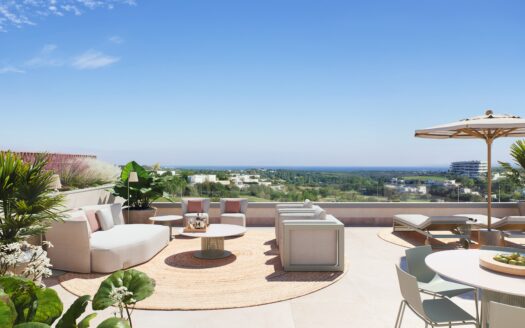
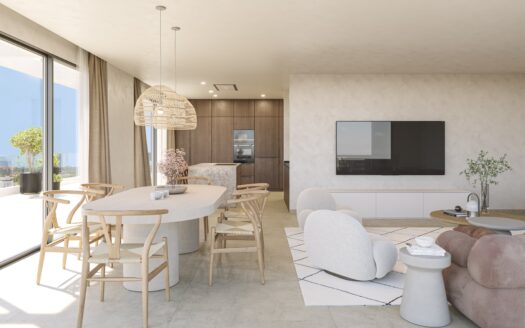
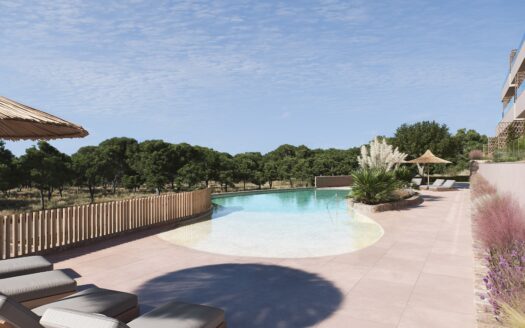
Las Colinas, Alicante | 3-Bed Corner Penthouse With Golf & Sea Views, Solarium &...

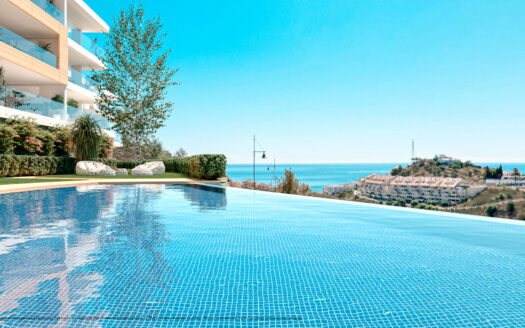

Higuerón, Costa del Sol | 3-Bed Corner Apartment With Sea Views & Private Terrace



Bahía de Marbella | 4-Bed Townhouse Soul Marbella With Resort Amenities
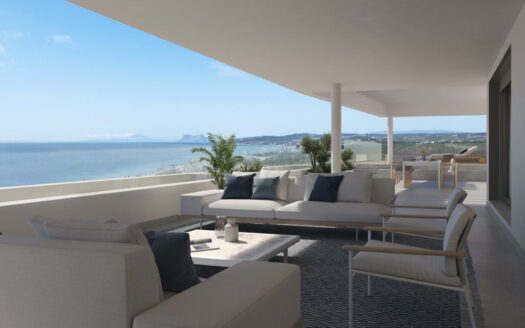
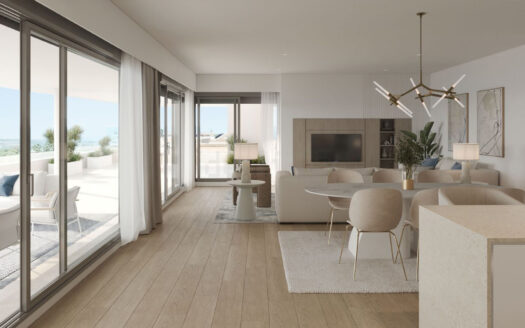
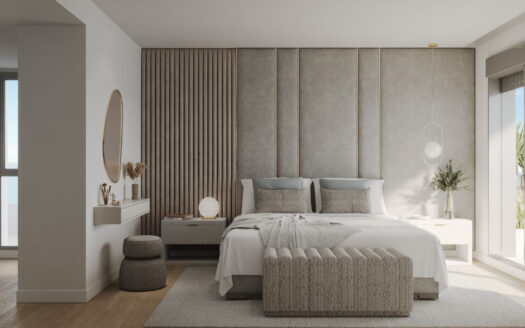
Estepona | 4-Bed Modern Home With Gym & Sea Views
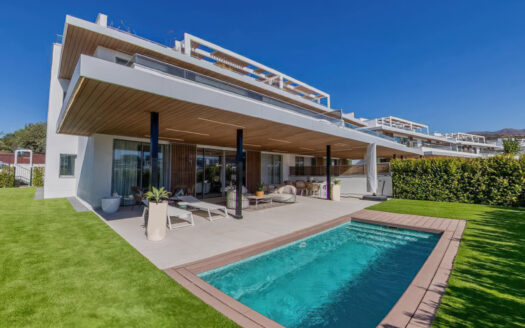

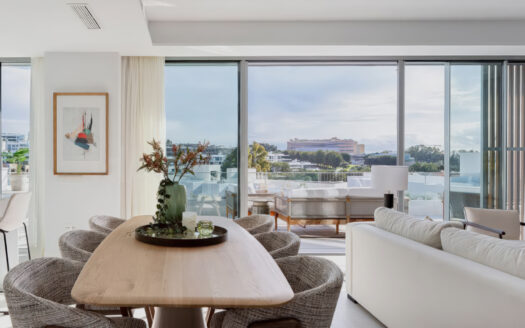
Marbella | 4-Bed Villa With Private Pool & Sea Views
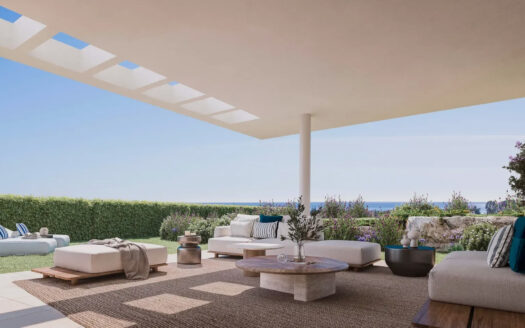

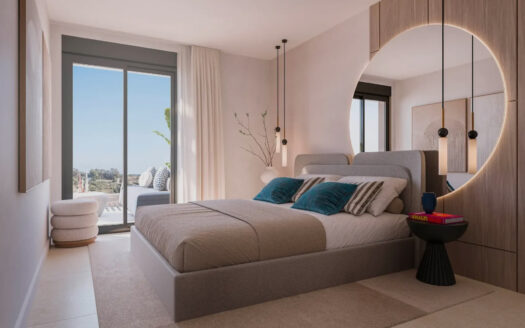
Estepona | 2-Bed Penthouse With Sea Views & Gym
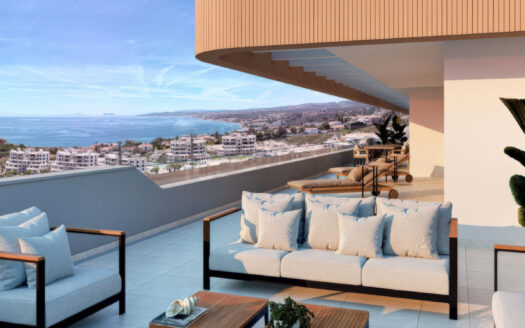
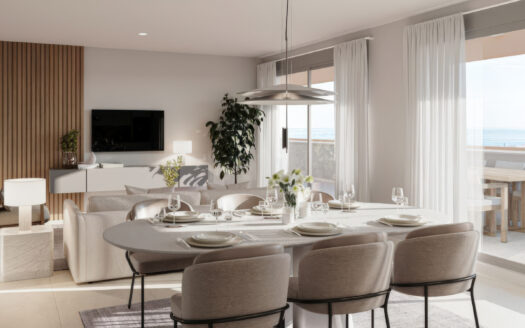
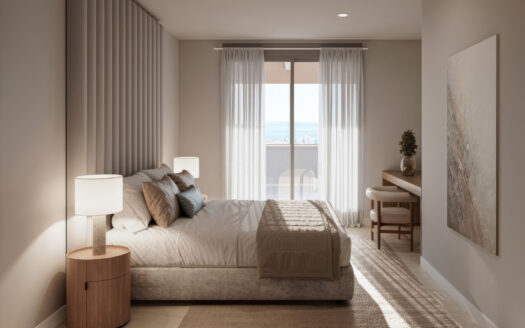
Estepona | 3-Bed Penthouse With Pool & Gym
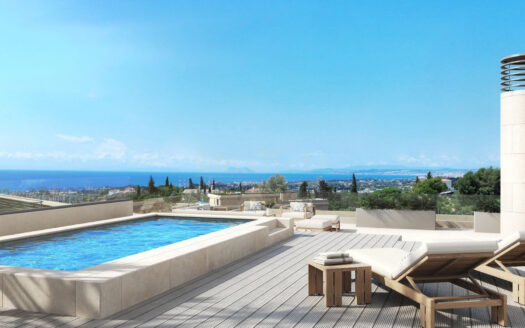
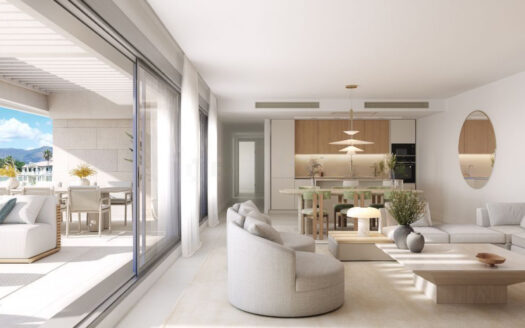
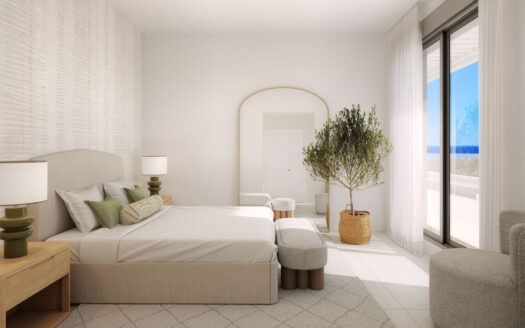
El Velerín, Estepona | 4-Bed Modern Home With Pool & Sauna
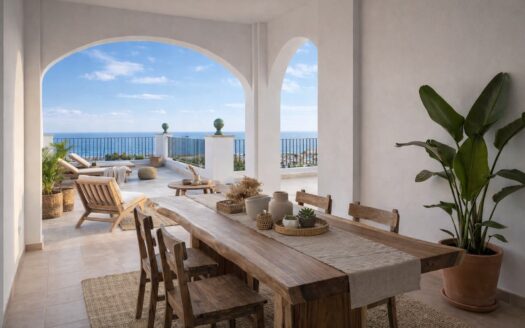
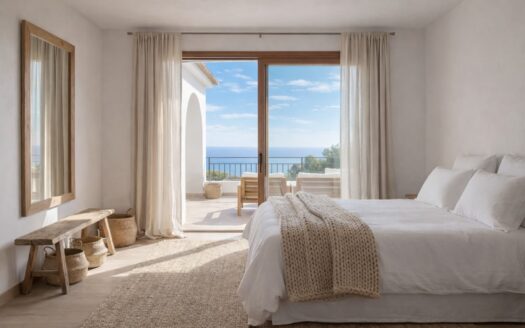
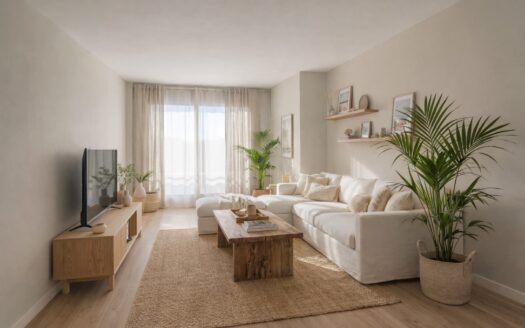
Costa De La Luz Zahara De Los Atunes | 4-Bed Duplex with Spectacular Sea Views
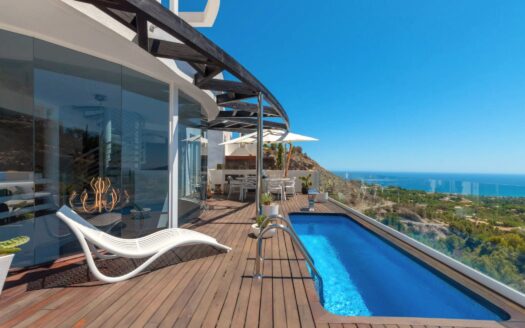

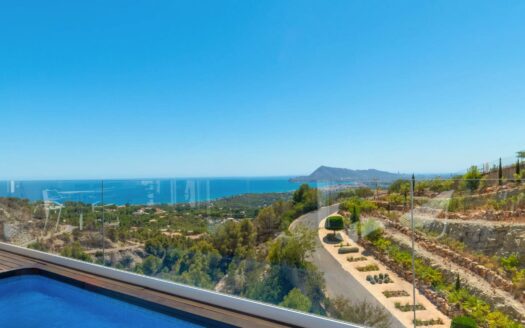
Altea, Costa Blanca Spain | 4-Bed Villa With Sea Views & Fitness
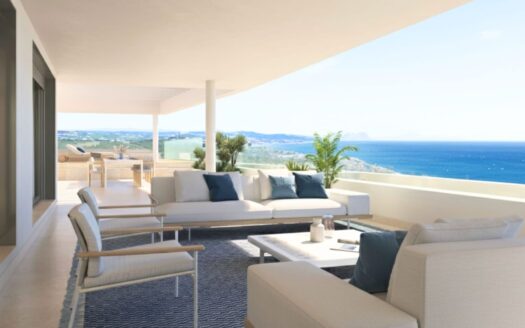
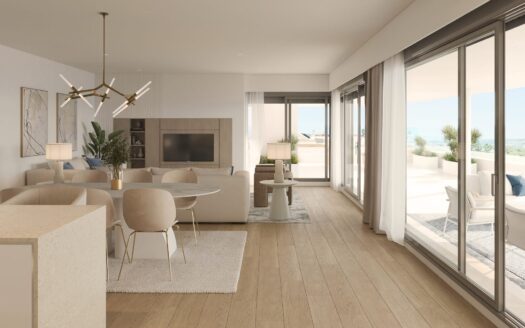

Estepona, Spain | 3-Bed Apartment With Sea Views

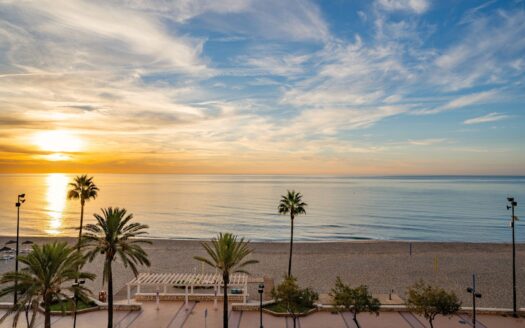
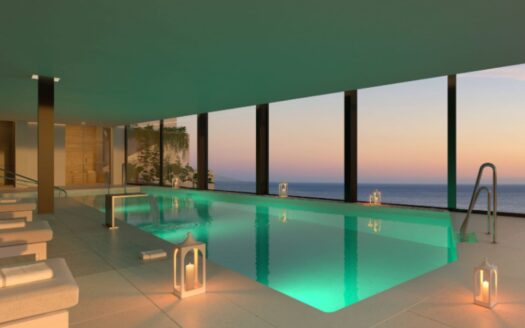
Fuengirola, Costa del Sol Spain | 3-Bed Apartment With Sea Views
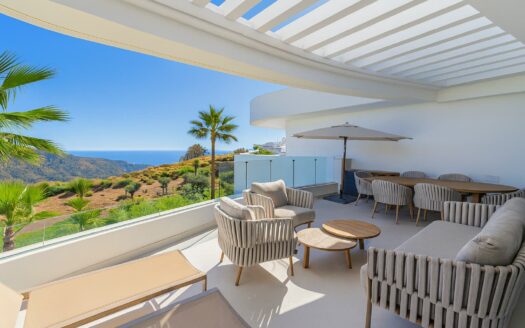
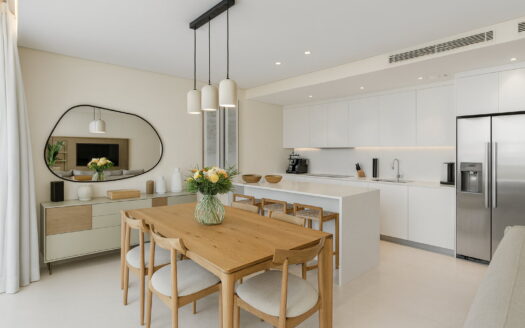
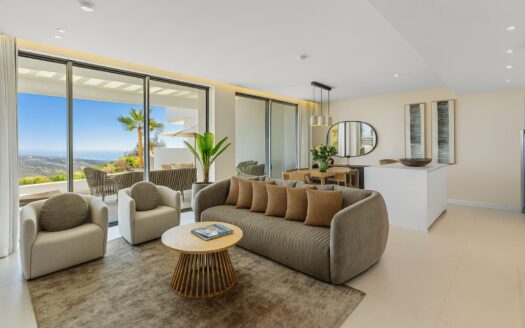
Marbella Hills, Costa Del Sol | 2 Bed Terrace Apartment, Sea Views, Pools, Wellness Area
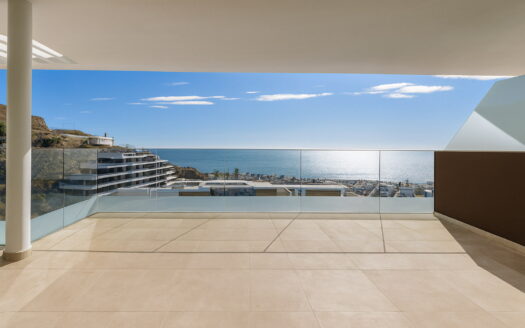
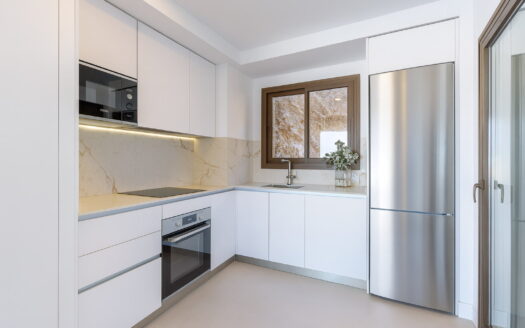
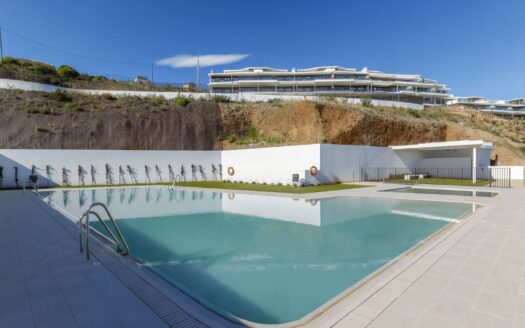
Rincón, Costa del Sol | 2+1 Bed Terrace Apartment, Panoramic Sea Views, Pool
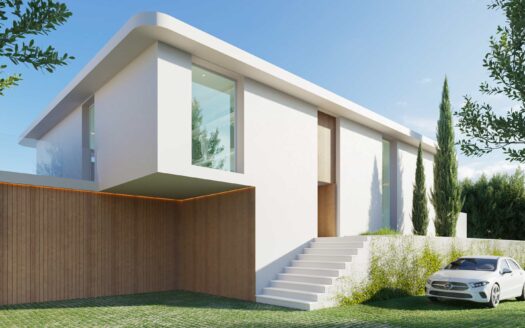

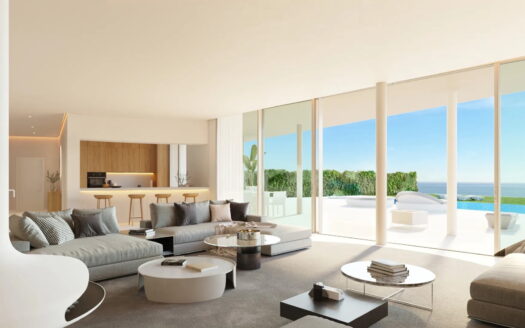
Fuengirola, Higuerón | 5 Bed Designer Villa Sea View, Pool, Jacuzzi

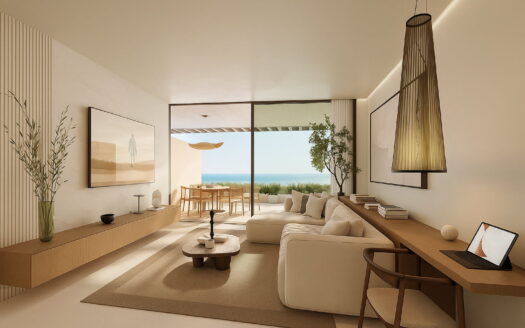

Fuengirola, Costa del Sol | 3 Bed Garden Villa, Private Pool, Sea Views, Garden
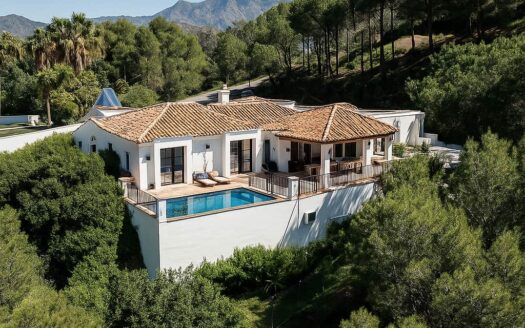
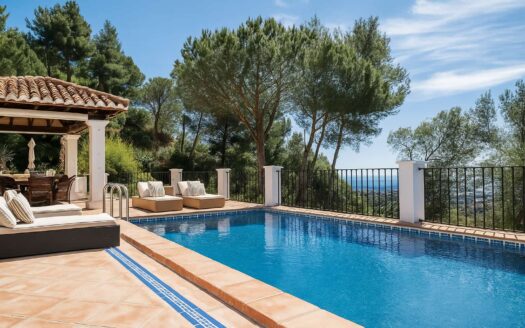
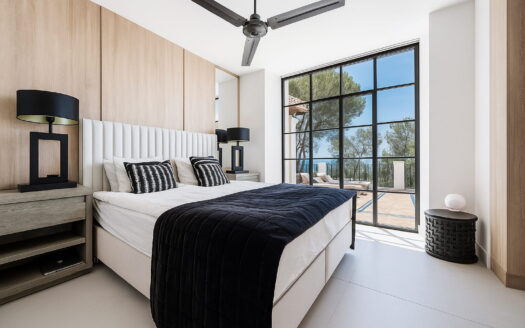
Benahavís, Marbella | 4 Bed Sea & Mountain Views, Infinity Pool, Jacuzzi
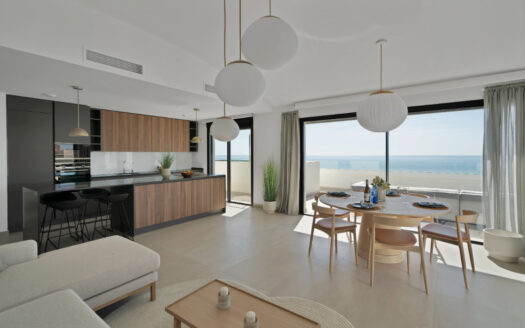
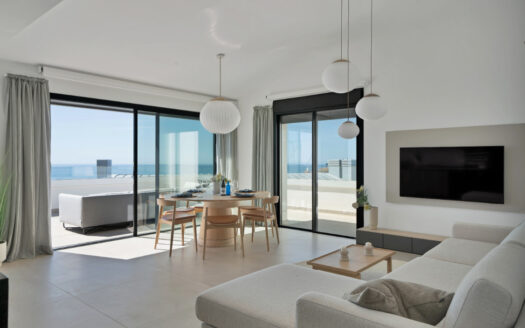
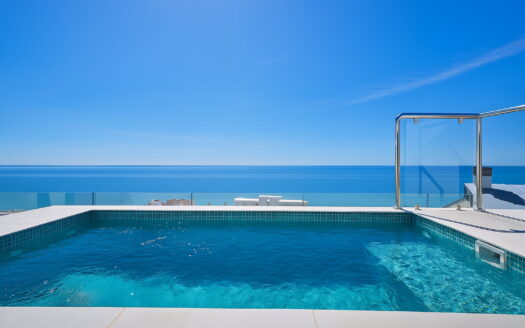
Fuengirola, El Higuerón | 3-Bed Seaviews Penthouse With Infinity Pool


Tosalet, Costa Blanca | 4-Bed Villa With Private Pool, Sea & Mountain Views
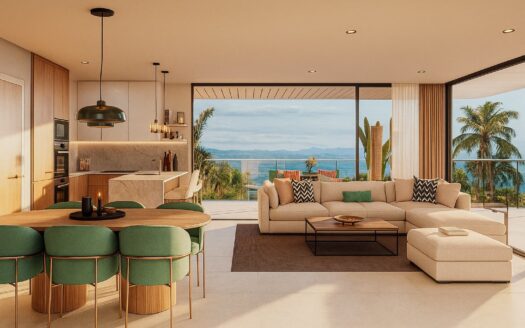

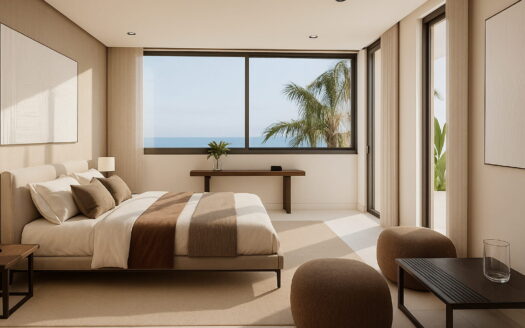
Dénia | 2-Bed New-Build Terrace Apartment, First Sea Line, Sea Views, Sunny Terrace, Pool
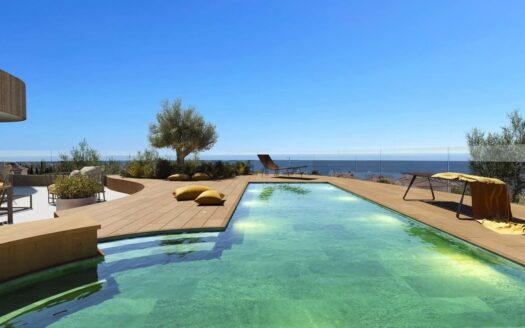
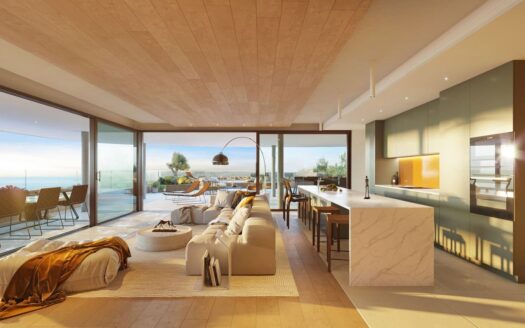
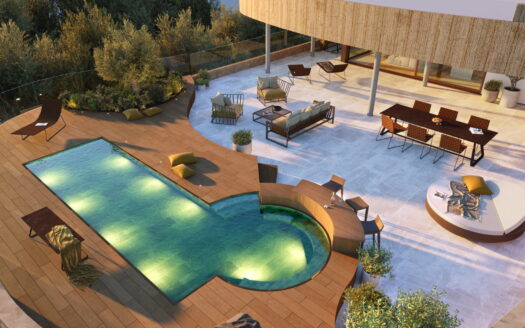
Mijas | Sur Residence Unique Rooftop Penthouse with pool
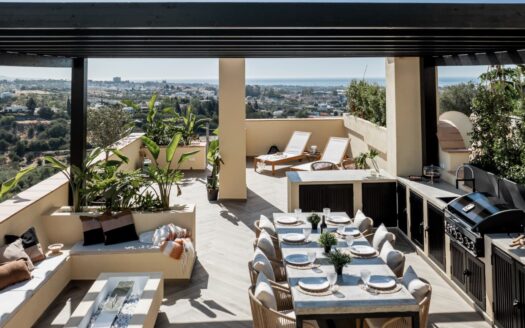
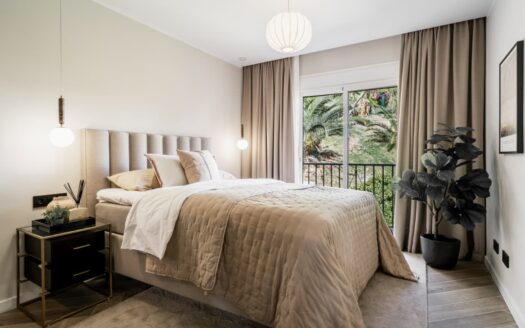
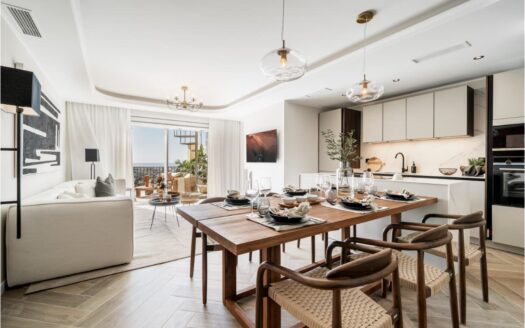
Benahavis | Residence Los Almendros


Benalmadena | Residence Higueron
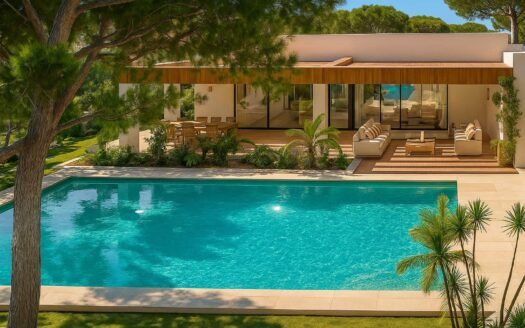
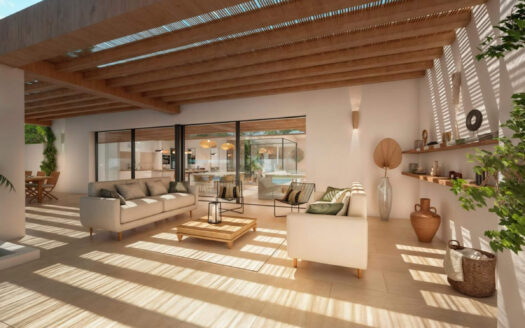
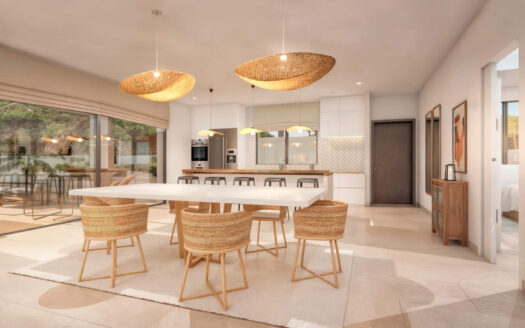
Costa De La Luz Roche | Modern Mediterranean Villa Retreat With Pool



Costa de la Luz | 4‑Bed Coastal Home With Pool
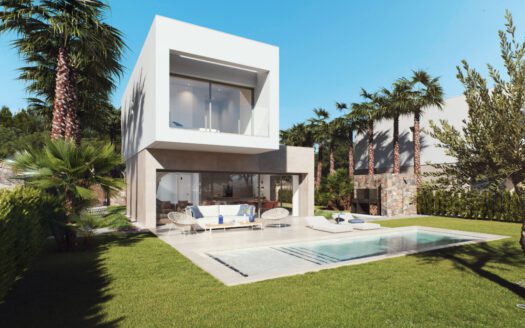
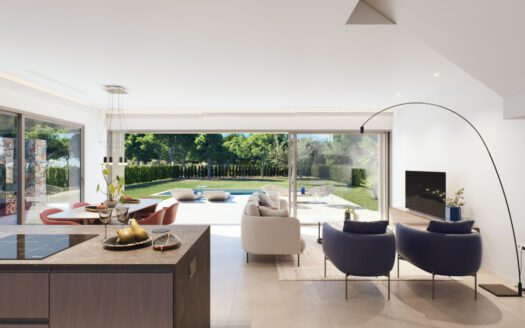
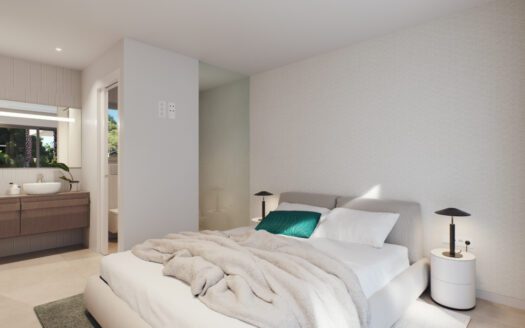
Alicante | Las Colinas Green 3 Bed Villa
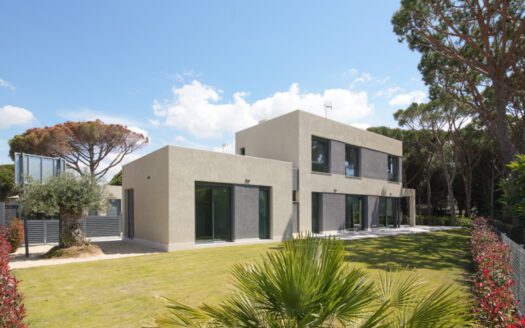
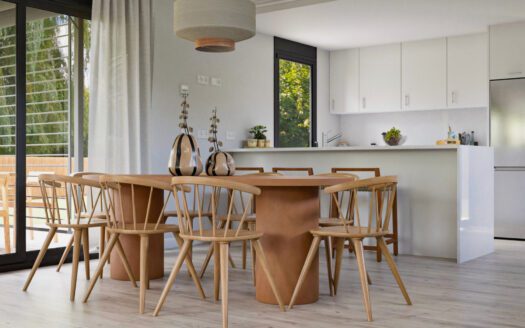
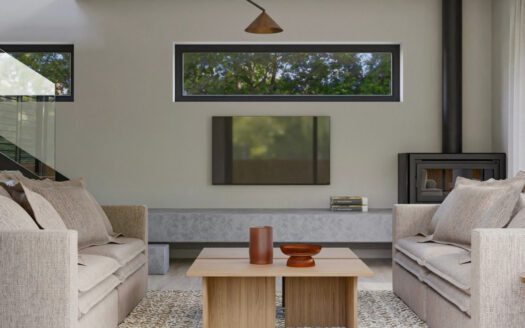
Conil de la Frontera | 4-Bed Roche Vista Seaside Villa
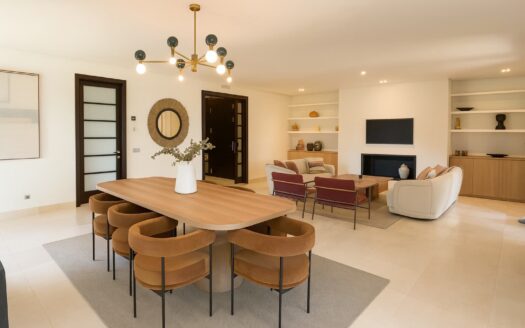
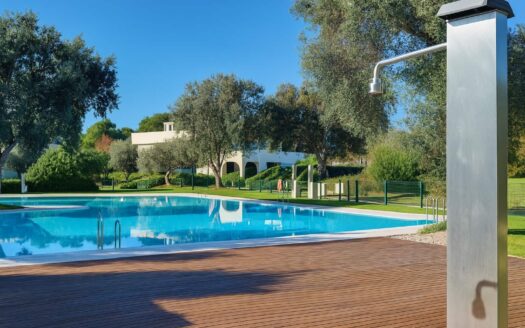
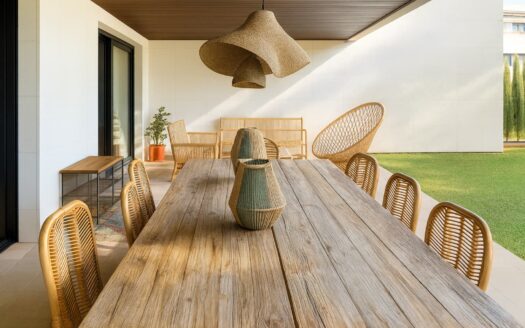
Sotogrande, Costa Del Sol | Alto Garden Oasis 3-bed Residence
Why Spanish Costas fractional ownership?
The Spanish Costas bring together some of the strongest second-home markets in mainland Spain — the globally recognised lifestyle belt of the Costa del Sol, the lower-density Atlantic coastline of the Costa de la Luz, and the broad, sun-filled residential and holiday market of the Costa Blanca. Together they offer a rare mix of marinas, golf communities, beach apartments, private villas, historic towns and year-round international infrastructure. Prime coastal property prices vary sharply by micro-location, with the Costa del Sol generally commanding the highest values, while Costa Blanca and Costa de la Luz often deliver stronger space-to-budget value. That spread is exactly what makes Spanish Costas fractional ownership so effective: buyers can access better locations and better quality homes than they would typically target through full ownership alone.
For buyers considering a Spanish coastal second home, the appeal is obvious but the maths is often ugly. Buying outright means tying up substantial capital in a property that may only be used for a few weeks a year, while carrying all the ongoing costs — taxes, maintenance, community fees, insurance and management — whether you are there or not. Fractional co-ownership fixes that neatly. A 1/8 deeded share aligns capital, running costs and annual usage to the way most people actually live, while still giving you exposure to genuine real estate equity and long-term capital growth. Instead of owning one whole property that spends most of the year staring at the sea on its own, you own the part you will realistically use.
International demand across the Spanish costas remains broad and resilient. The Costa del Sol attracts a particularly deep pool of British, Scandinavian, Dutch, Belgian and increasingly North American buyers; Costa Blanca has long appealed to both lifestyle buyers and retirees seeking value and connectivity; and Costa de la Luz remains more selective, lower-density and more understated, while still attracting informed overseas buyers looking for something less built-up. This Spanish Costas pillar sits beneath the country-level Spain fractional ownership guide and links down into the three main coastal clusters so you can compare pricing, atmosphere and buyer fit before deciding where your ideal 1/8 share belongs.
Spanish Costas: indicative residential price ranges by zone (€ / m²)
Indicative ranges reflect broad mid-to-prime residential coastal stock. Best-in-class beachfront and trophy homes trade significantly higher.
Spanish Costas lifestyle: four seasons of coastal living
The Spanish costas are not a single lifestyle — that is the point. The Costa del Sol offers polished marina living, golf, beach clubs, old towns, museums and easy access to Málaga. The Costa de la Luz feels more Atlantic, more open and more understated, with broad beaches, white villages, food culture, wind sports and protected landscapes. The Costa Blanca gives you a practical mix of resort infrastructure, marinas, family beaches, historic centres, scenic coves and year-round towns that work as genuine bases rather than just summer postcards. A co-ownership home on the Spanish coast is therefore not just a holiday bolt-hole. It can be a family base, a seasonal escape, a remote-working perch or a long-term lifestyle asset that you actually return to.
Connectivity is a major part of the appeal. Málaga Airport, Alicante Airport and Jerez Airport make the three main costas remarkably accessible from the UK and wider Europe, which matters because a second home you can reach easily gets used more. The result is that Spanish Costas co-ownership can work for long weekends, school-holiday family stays, spring golf trips, autumn remote-working weeks or winter sun escapes. Very few buyers truly need twelve months of ownership for that.
Excellent for golf, walking, cycling and coastal town breaks. Warm days without peak-summer heat make spring one of the strongest seasons for repeated owner use across all three costas.
Peak beach season, marina life, family travel and strongest holiday demand. Costa del Sol and Costa Blanca are busiest, while Costa de la Luz often feels broader, windier and less compressed.
Often the sweet spot: warm sea, fewer crowds, excellent restaurant availability and easy travel. One of the best times to enjoy a co-ownership property without the noise of peak season.
Especially attractive on Costa del Sol and Costa Blanca for winter sun, golf, walking and longer stays. Costa de la Luz is quieter and more elemental, which is either a plus or a deal-breaker depending on taste.
This year-round usability is one of the main reasons the co-ownership model works so well on the Spanish coast. A 1/8 share's 6–7 annual weeks can be split intelligently across school holidays, shoulder-season breaks and winter sun stays, rather than wasted in an empty house that quietly accumulates bills. Whether you want August with the family, a spring golf week, a quieter October escape or a few winter weeks in better light, the Spanish Costas give you enough seasonal variety to keep coming back without the location ever feeling repetitive.
Key Spanish Costas fractional ownership areas
Costa del Sol
Costa del Sol fractional ownership places you in Spain's best-known mainland second-home corridor — a coastline built around year-round sunshine, international infrastructure, championship golf, marinas, private healthcare and a deeply international buyer base. It stretches from Málaga through Marbella, Estepona and Benahavís, blending beachside apartment living, gated villa communities, golf valleys and upscale resort-style services. For buyers who want convenience, polish and liquidity, this is usually the obvious first stop.
Property types range from sea-view apartments and managed branded residences to substantial private villas with pools and mountain or coastal outlooks. Co-ownership here is particularly effective because full ownership in the best micro-markets often means committing well into seven figures for a property used only part of the year. Typical 1/8 shares bring prime Costa del Sol living into a much more practical capital band while keeping the upsides of a professionally managed, well-located coastal asset. Best for: families, golfers, year-round users and buyers who want strong infrastructure without sacrificing sunshine.
Costa de la Luz
Costa de la Luz fractional ownership is for buyers who want something less overworked and less obvious. This Atlantic-facing coast is defined by broad beaches, dunes, white villages, strong food culture and a notably lower-density feel than Spain's more built-up Mediterranean belts. The rhythm is calmer, the coastline often wilder, and the overall mood more authentic and more local. Cádiz province and its best-known beach enclaves attract buyers who value space, architecture and understatement over flash.
Properties here often include spacious villas, townhouses near the coast, low-rise developments and beach-oriented homes where land and openness still play a bigger role than on the Mediterranean side. It is not the same market as Marbella, and that is precisely the attraction. Best for: buyers seeking Atlantic beaches, lower density, design-led homes and a more grounded Spanish coastal lifestyle without the circus of heavier resortisation.
Costa Blanca
Costa Blanca fractional ownership opens up one of Spain's broadest and most varied coastal markets, stretching across established resort towns, marinas, hillside villa zones and highly liveable residential areas with excellent climate and strong year-round services. It combines practical accessibility through Alicante airport with a wide range of lifestyles — from more energetic coastal hubs to calmer, design-conscious enclaves further north. This is one of the best-value coastal ownership markets in Spain when you measure quality against capital required.
Property stock is diverse: contemporary apartments, penthouses, villas with private pools, sea-view homes in managed communities and townhouses close to beaches or old towns. For co-ownership buyers, that means flexibility. You can target sea views, walkability, family usability or lock-up-and-leave simplicity without immediately getting shoved into top-of-market pricing. Best for: practical buyers, families, mixed-use owners and anyone who wants a strong climate, solid infrastructure and better space-to-budget value than the Costa del Sol usually offers.
A week in your Spanish Costas co-ownership home
A 1/8 share usually gives you around 6–7 weeks of annual use. The example below shows how just one of those weeks on the Spanish coast could feel.
One of the strongest reasons to own a co-ownership home on the Spanish coast is that the week never feels generic. On the Costa del Sol, the rhythm leans toward elegant beach days, polished marinas, long lunches, mountain backdrops and evenings that somehow drift later than planned. On the Costa de la Luz, it becomes Atlantic light, broad beaches, white villages, seafood, wind, horses and a much more soulful Andalusian pace. On the Costa Blanca, it is sea-view mornings, swimmable coves, old towns, easy family days and the sort of climate that makes repeated ownership feel effortlessly worthwhile. Switch between the three below.
You land at Málaga Airport, collect the car and within a manageable drive you are home. The property is immaculate, cool, aired and ready. No supermarket panic, no key drama, no wasting half a day sorting out tedious little problems. You unpack, open the terrace doors, hear the faint clink of cutlery somewhere nearby and feel that very particular shift into coastal time. The light softens, the garden or terrace starts earning its keep, and suddenly the reason for owning here feels completely obvious.
The first proper day should feel slightly indulgent. A late breakfast outside, then down to the sea for a beach morning that turns into lunch without anyone pretending to be in a rush. The official Costa del Sol guide is useful for beaches, dining areas and coastal towns, while Puerto Banús offers the polished marina version of the coast if you feel like leaning into the glamorous side of it. This is the sort of day that reminds you why a proper home always beats a hotel room.
One of the reasons Costa del Sol co-ownership works so well is that you are not buying only beaches. You also get a serious city. Use the official Málaga tourism site to build a full day: old town, cathedral, harbour, rooftop drinks, then the Picasso Museum if you want a cultural anchor that actually feels worth doing. Málaga gives the week depth. It stops the coast being one-dimensional and turns ownership here into something far richer than just sunshine plus property.
Today the sea gives way to something more dramatic. The official Caminito del Rey site is an easy starting point if you want one of southern Spain’s great landscape days, but Ronda is equally compelling if you prefer stone, views, old streets and a lunch that lasts longer than intended. This is where the Costa del Sol stops feeling like a holiday strip and starts feeling like an entire lifestyle region. You come back to the property that evening pleased with yourself in the best possible way.
This is one of those days people imagine when they say they want a place in Spain. A marina departure, a few lazy hours on the water, somewhere to anchor, somewhere to swim, then lunch when everyone is sun-warm and not especially interested in the time. The Costa del Sol portal helps for coastal planning, beach areas and day ideas, but the truth is that the best version of this day is often the least overplanned. It is not about ticking activities off. It is about feeling absurdly lucky that this is your normal week here.
Head east and the mood becomes less showy and more textured. Nerja Cave is worth seeing properly, and Nerja itself gives you whitewashed streets, sea views, balconies over the water and a more human, less performative version of coastal life. Good ownership weeks need contrast, and this side of the coast provides it beautifully. It is one of those days that makes the region feel broader, smarter and more liveable than outsiders expect.
The final full day is usually best when you stop trying to optimise it. Breakfast outside, maybe one last walk, one last swim, one restaurant you already know you like. By now the property feels settled around you: the terrace chair you always choose, the route to the sea, the hour the light gets particularly good. The real luxury is not activity. It is familiarity in a place that still feels special every time you return.
Repeat this week in spring and it becomes golf, mountain air, city breaks and lunches in the sun without summer intensity. Repeat it in high summer and the beach life takes over completely. Repeat it in autumn and Málaga arguably improves. Repeat it in winter and you remember why this remains one of Europe’s most practical winter sun second-home markets. The Málaga guide and official Costa del Sol portal are both useful for planning the next version, but the real point is simpler: ownership here keeps rewarding return visits.
You arrive via Jerez Airport, head toward the coast and the entire mood changes. The light gets wider. The air feels cleaner. The horizon suddenly matters. The property is ready and the week begins without friction, which suits this coast perfectly because the Costa de la Luz is not about fuss. It is about space, stillness, beauty and a kind of understated elegance that creeps up on you rather than shouting for attention.
Use the official Cádiz tourism site and give the city the full day it deserves. Cádiz has age, wind, sea walls, golden light and that weathered beauty that many Mediterranean resorts have polished clean out of themselves. This is where Costa de la Luz co-ownership begins to feel unusually intelligent: you are buying not just beach access, but atmosphere, history and a place with real cultural weight. Lunch by the sea here tends to stretch into late afternoon without anyone resisting very hard.
The beach at Bolonia is one of the Spanish mainland’s great coastal experiences, and the Roman site at Baelo Claudia gives the day a sense of depth and place rather than just another pretty swim. This is the kind of beach day that makes other beach days look a bit lazy and forgettable. Sand, ruins, Atlantic colour, long lunch, sun on skin, wind just strong enough to feel alive — this is why the Costa de la Luz gets under people’s skin.
Jerez tourism opens up an entirely different day: old streets, bodegas, slow lunches, equestrian culture and the sense that life here belongs to itself rather than to the visitor economy. That is one of the great advantages of owning on this coast: your week can move easily between big beaches and places with real Spanish identity. It makes the whole ownership experience feel richer, more adult and far less generic than simply rotating between house, pool and beach.
On this coast, luxury often looks like space. Less noise, less density, less performance. The Doñana National Park guide is an excellent starting point if you want a day built around nature rather than another terrace reservation. The Costa de la Luz offers something increasingly rare in Europe: visual and mental room. Room for children to run, room for adults to breathe, room for the week to feel restorative rather than merely entertaining.
Vejer is exactly the sort of place that makes buyers start imagining a different rhythm of life altogether. Whitewashed walls, views over the countryside, elegant corners, a long lunch and the delicious absence of urgency. The coast is only half the story here, and that is one of the reasons repeated ownership weeks do not become repetitive. The region keeps giving you slightly different versions of beauty every time you return.
The final day on this coast should stay simple. A long walk on a broad beach, maybe one final swim, then lunch somewhere unforced and good. The Atlantic light late in the day has a way of making everything look slightly more cinematic than it has any right to. The Costa de la Luz is not trying to impress you. That is precisely why it often does.
Repeat the week in spring and the whole coast feels fresh, open and beautifully green. Repeat it in summer and the beach life dominates, but without the same compressed feeling as more built-up coasts. Repeat it in autumn and the food, towns and long lunches become even better. Repeat it in winter and the region turns quiet, local and deeply restorative. The official Costa de la Luz guide and Andalucía tourism help shape each return visit, but the real point is that ownership here gives you access to a coast with genuine emotional range.
You land at Alicante Airport and one of the great strengths of this coast becomes obvious immediately: it is practical, welcoming and easy to use well. The property is ready, the journey is straightforward, and the week starts cleanly. There is no drama, which is exactly the point. The Costa Blanca is superb at removing friction and replacing it with sunshine, sea views, usable towns and the sort of climate that makes ownership feel like a very sensible indulgence.
Use the official Alicante tourism site to build a very good city day: harbour promenade, old quarter, sea views and the climb or lift up to Santa Bárbara Castle. The Costa Blanca works so well because it gives you proper coastal living rather than one-note resort life. You get a real city, real local rhythm and enough depth that the week never feels like a copy of the last one.
This is what many buyers actually want from a Spanish coastal home: a relaxed beach morning, clear water, a lunch with a sea view, then another swim before anyone bothers checking the time. The official Costa Blanca tourism portal is useful for choosing beaches, coves, towns and coastal ideas, but the bigger truth is that this coast is very good at making simple days feel luxurious. The climate, the light and the usability do a huge amount of the work for you.
Guadalest is one of those inland days that fully justifies leaving the coast. Hilltop setting, reservoir views, old stone, slightly cinematic atmosphere. This is where Costa Blanca ownership starts to look clever: you are not just buying a beach week, you are buying access to a wider Mediterranean lifestyle that includes scenery, villages, markets and proper inland contrast. The region becomes more memorable because it is not trapped in one mood.
This is the sea-and-sun version of a very good life. Maybe a bit of boating, maybe just a marina coffee that turns into lunch and then somehow into the afternoon. The Costa Blanca is strong on these highly usable ownership days — easy, attractive and repeatable without becoming dull. That repeatability matters, because the real value of co-ownership is not one glamorous week. It is knowing that next year, and the year after, the same quality of week is still there waiting for you.
Use the regional portal and Alicante tourism to shape this into your favourite kind of day: old town streets, market produce, a viewpoint, a small harbour, a final cove, then lunch somewhere you already know you would happily return to. The great strength of this coast is that it offers options without demanding effort. It is relaxed, but not boring. Easy, but not flat.
By the final day, the real pleasure is familiarity. You know the route to the beach, the terrace that gets the best light, the restaurant worth repeating and the quiet moment of the day when the whole place feels at its best. That is what co-ownership buys you that random rentals rarely do: not just a stay, but a relationship with the place.
Repeat the week in spring and it becomes town days, sea air, easier movement and the whole region feeling fresh rather than busy. Repeat it in summer and the beach rhythm fully takes over. Repeat it in autumn and the water stays warm while the crowds thin out. Repeat it in winter and the region remains highly workable for longer stays and winter sun. The official Costa Blanca portal is a useful planning tool, but the real attraction is simpler: ownership here is wonderfully easy to enjoy again and again.
Spanish Costas with children — the family co-ownership experience
The Spanish costas work extremely well for families because they combine warm climate, short travel times from the UK and wider Europe, easy airports, practical infrastructure and a broad range of home styles that suit different ages and stages of family life. A co-ownership property improves that experience because the family returns to a place that starts to feel known. Children remember the pool, the nearby beach, the little supermarket, the terrace where breakfast happens, the ice cream stop, the route to the marina. That continuity turns a holiday into something much more valuable: a second home rhythm that builds real memory over time.
Beach choice matters — and the costas give families real variety
The Spanish coast is not one big interchangeable beach strip, and that is exactly why it works so well for families. The Costa del Sol and Costa Blanca both offer many beaches with calmer water, easy facilities, promenade access, cafés and the kind of straightforward setup parents quietly value far more than brochure adjectives. Costa de la Luz tends to be broader, wilder and more open — often superb for older children who want more space, more movement and less tightly packaged resort atmosphere.
For families, that range matters because the right beach changes with the age of the children. What works brilliantly for toddlers is not the same as what suits ten-year-olds or teenagers. A co-owned family home near the right kind of beach removes friction from every stay and makes the whole week feel lighter, easier and much more enjoyable for everyone involved.
Easy logistics beat glamorous chaos every single time
Families do not need vague “luxury lifestyle” fluff. They need things that actually work: manageable airport access, a sensible drive, proper bedrooms, a terrace that gets used, outdoor dining that is not decorative nonsense, a pool children will actually want to be in, nearby groceries and a home that feels settled from the minute you arrive. The stronger Spanish coastal markets deliver those practical things very well, which is one reason they remain such strong second-home locations.
That is also why fractional ownership works especially well for families. You get access to a better-located, better-equipped and often better-managed home than you might buy outright at the same individual budget. Instead of spending the first day sorting out avoidable issues, you arrive to a home that is already functioning as it should, which is a small miracle when children are involved.
Costa del Sol — strongest all-rounder for family infrastructure
If children are central to the decision, the Costa del Sol is often the easiest all-round package. Beaches, family dining, private healthcare, international familiarity, short transfer times from Málaga Airport, golf, marinas and good year-round services all sit together unusually well here. The official Málaga tourism site, Picasso Museum Málaga and Nerja Cave also show that family life here is not limited to just rotating between pool and beach.
More importantly, it is a coast where the adult week and the child week can coexist quite happily. Parents get a genuinely polished lifestyle region; children get a place that feels easy and fun. That combination is a big reason why Costa del Sol co-ownership can work so well as a repeat family base.
Costa Blanca — practical, sunny and brilliantly repeatable for family life
The Costa Blanca is sometimes underestimated because it sounds less glamorous on paper than other coastal regions, but for families it can be one of the smartest choices in Spain. Good climate, easy access, workable towns, family beaches, broad property choice and better space-to-budget value in many areas all make it highly practical for repeated use. The official Alicante tourism site, Santa Bárbara Castle and Guadalest also show how much the region offers beyond simple beach days.
For many families, this is exactly the appeal. Costa Blanca co-ownership can feel less showy and more useful — the sort of place where the children settle quickly, the adults relax properly and the whole week runs with much less effort than expected.
Costa de la Luz — space, Atlantic energy and a calmer family rhythm
The Costa de la Luz suits families who value open beaches, lower density, less visual clutter and a slower, more atmospheric pace. It is often a particularly strong fit for buyers who want to escape busier resort patterns and give children more room to move. The Cádiz tourism site, Doñana National Park, Vejer tourism and Jerez tourism show that the region offers culture, nature and family day trips as well as enormous beaches.
This coast often appeals to families who do not want everything over-programmed. It feels looser, more grounded and more restorative. For the right buyer, that can make it the most emotionally satisfying long-term choice of the three.
Growing up with a place, not just taking holidays
One of the biggest advantages of co-ownership for families is that children return to the same place year after year. That creates familiarity, confidence and memory in a way one-off rentals rarely can. They learn the area. They get attached to certain places. They build small rituals around the home and the coast. Over time, that sense of recognition becomes part of the value of ownership itself.
That continuity is one of the strongest reasons to own rather than repeatedly rent. A co-ownership home on the Spanish coast can give children a real relationship with a place, while giving parents access to a premium second-home lifestyle without the full financial weight and full operational burden of owning an entire villa or apartment alone.
Investment advantages of Spanish Costas fractional ownership
Beyond the lifestyle argument, Spanish Costas co-ownership makes financial sense for buyers who think clearly about capital deployment. The key point is simple: you gain exposure to a real coastal property market without tying up full-home capital in an asset you will use only part of the year. That means better capital efficiency, lower concentrated risk and far more flexibility than buying one whole second home outright.
Capital efficiency and proportional appreciation: Your fractional share participates proportionally in the value of the whole property. If a prime Costa del Sol or Costa Blanca home rises in value, your share rises by the same percentage. Instead of committing €1.2m–€3m+ to a single coastal property, you may deploy a fraction of that for the weeks you will actually use, while keeping the rest of your capital free for other investments or additional co-owned properties.
Broader choice across multiple coastal markets: The Spanish costas are not one market, which creates opportunity. Buyers can target prestige and liquidity on the Costa del Sol, value and usability on the Costa Blanca, or lower-density Atlantic scarcity on the Costa de la Luz. Co-ownership allows you to access better micro-markets and better homes than you might through whole ownership at the same budget level.
Rental potential from unused weeks: Where the property and structure allow, unused weeks can create useful income that helps offset running costs. This should always be assessed realistically, not with nonsense-projection fever, but in the right locations and with the right management setup, the rental dimension can be meaningful.
Why Spanish coastal property values keep rising
Spanish coastal markets keep attracting buyers because the combination of climate, lifestyle, accessibility and limited best-in-class stock remains structurally powerful. Prime homes in the right micro-locations — especially on the Costa del Sol and the stronger parts of the Costa Blanca — are not infinitely reproducible. Even where development continues, the very best positions remain limited, and buyer demand keeps returning. That does not mean every part of every coast behaves the same way, but it does mean quality assets in recognised coastal zones tend to hold attention, hold liquidity and, over time, hold value rather well.
The Costa del Sol has the deepest international buyer market, which supports values through wider demand and better resale visibility. The Costa Blanca benefits from scale, climate and relative value, drawing both lifestyle and retirement buyers as well as second-home owners. The Costa de la Luz is more selective and less liquid overall, but scarcity, lower density and location quality can still support strong pricing in the better enclaves. For co-ownership buyers, the essential point is that you are buying into real, functioning second-home markets, not into some invented financial wrapper with a beach photo attached.
Spanish coastal residential price trend (€ / m²) — 2015 to 2025
Illustrative coastal average showing the broad upward trend in quality Spanish coastal residential markets over the last decade.
The temporary market wobble in 2020 proved just that — temporary. Demand for well-located coastal property resumed strongly as buyers reassessed how and where they wanted to spend time, and the best markets accelerated. For co-ownership buyers, this matters because the underlying asset story is still a real property story: location quality, lifestyle value, demand depth and resale appeal.
Exit & resale liquidity
One of the most important questions in any second-home purchase is how you get out again. Full ownership of a Spanish coastal villa or premium apartment often means finding a buyer able and willing to commit a large amount of capital to one specific asset at one specific moment. That can take time. A fractional share, priced much lower, usually addresses a far wider pool of buyers. That matters because liquidity is not just about whether something can be sold. It is about how many plausible buyers exist when you want to move on.
Some co-ownership structures also include internal resale support or a known operator ecosystem, which can help match existing owners with new buyers already familiar with the model. That does not make every exit instant, obviously, but it can make the process cleaner and more predictable than selling a whole high-value coastal home on the open market.
International buyer demand & market fundamentals
The Spanish costas attract one of Europe’s deepest and most diversified second-home buyer pools, which matters for long-term value support and resale liquidity. This is especially true on the Costa del Sol, where international demand has been established for decades and remains unusually broad across nationalities, budgets and buyer motives. Costa Blanca also benefits from strong overseas appeal, particularly among British, Dutch, Belgian and other northern European buyers, while Costa de la Luz remains more selective but still appeals strongly to informed lifestyle buyers looking for a lower-density alternative.
This diversity matters because markets anchored by many buyer nationalities are generally more resilient than those dependent on one single source market. Buyers are not all arriving for the same reason either. Some want family use, some winter sun, some part-time relocation, some pure second-home lifestyle, some a mix of use and investment. That breadth of demand is a real structural strength for the coastal markets underneath the co-ownership model.
Well-located homes in recognised coastal zones therefore benefit from both lifestyle pull and real market depth. That is why the underlying asset quality matters so much. Co-ownership only works properly when the property itself sits in a location people would want to own in outright as well. On the right Spanish coast, in the right micro-market, that box is very much ticked.
How Spanish Costas fractional ownership works
Most Spanish Costas fractional ownership structures use a special-purpose company or ownership vehicle holding title to the property, with each co-owner holding shares corresponding to their ownership fraction — most commonly 1/8. Your interest is legally documented and tied to a real coastal home, not to some vague usage product. This is genuine real estate equity: you can sell your share, pass it on to family and participate in the property’s capital performance over time. It is not timeshare, and that distinction matters more than the brochures sometimes make clear.
Running costs are shared proportionally between co-owners. A professional management company typically handles the operational side — maintenance, cleaning, supplier coordination, annual budgeting, insurance, local compliance and arrival preparation. The result is that using the home feels clean and frictionless rather than like opening up a property that has been sitting empty, gathering dust and minor annoyances. The table below shows why the fractional model often wins for buyers who want a premium Spanish coastal home without deploying full-home capital.
Full ownership vs 1/8 fractional share: illustrative cost comparison
| Cost item | Full ownership (€1.6m coastal home) | 1/8 fractional share |
|---|---|---|
| Purchase price | ~€1,600,000 | ~€200,000 |
| Acquisition taxes & fees (~11%) | ~€176,000 | ~€22,000 |
| Annual running costs | €20,000–€45,000+ | ~€2,500–€6,000 |
| Annual usage | Unlimited (typically 4–8 wks actual) | 6–7 weeks |
| Management responsibility | 100% on you | Fully managed |
| Total capital deployed | €1,776,000+ | ~€222,000 |
Spanish Costas fractional ownership means buying a real, legally structured share in a specific coastal property rather than buying the entire home outright. In most cases that means a 1/8 share, giving you a meaningful ownership interest, a defined annual usage allocation and a proportional share of the property’s long-term value. In practical terms, you are buying into a genuine beach home, villa or coastal apartment on the Costa del Sol, Costa Blanca or Costa de la Luz — not simply paying for temporary access.
That is the crucial difference between fractional ownership in Spain and products such as timeshare, holiday clubs or travel memberships. With fractional co-ownership, you hold genuine real estate equity. You benefit from proportional capital appreciation if the property rises in value, and you can generally sell your share, leave it to family or hold it as a long-term lifestyle and investment asset. In other words, it behaves much more like owning a second home in Spain, just in a smarter and more efficient format.
Buying a whole Spanish coastal property gives total control, but it also means funding 100% of the purchase price, 100% of the taxes and 100% of the running costs for a home that many owners will realistically use only a few weeks a year. Spanish Costas co-ownership aligns ownership with real life: enough time to enjoy the home properly, real exposure to the property market, and far less wasted capital sitting in an underused second residence.
The financial case for Spanish coastal fractional ownership becomes very clear when you compare cost against actual use. A quality villa or premium apartment on the Spanish coast can easily require €1.2m to €3m or more for full ownership, before you add transfer tax or VAT, notary fees, legal fees, registration costs, furnishing, insurance, maintenance, community charges and ongoing management. The headline purchase price is only the start; the real cost of owning a second home in Spain is the all-in annual burden.
A 1/8 share changes the maths entirely. Instead of paying for 100% of a home you may only occupy for 6 or 7 weeks each year, you buy the proportion that fits the way many international owners actually use a property. Your acquisition costs and annual running costs are shared proportionally, but your ownership is still tied to a real asset in a real location. That means you can enjoy prime Spanish Costas property with a far lower capital outlay while still participating in the same percentage growth of the underlying home.
For many buyers, the biggest advantage is not merely “it costs less.” It is that fractional property ownership in Spain frees up capital. Instead of locking a large sum into one underused coastal home, you keep money available for other investments, for business, for liquidity or even for a second co-ownership property in another destination. That makes the model attractive not just emotionally, but financially and strategically as well.
Yes — and this is one of the most underrated benefits of fractional ownership on the Spanish coast. Traditional second-home ownership sounds romantic until you are the one dealing with cleaning teams, pool maintenance, gardening, utility contracts, insurance renewals, tax admin, repairs and the inevitable surprise issues that appear when you are in another country. Owning a home remotely is perfectly possible, but it is rarely as simple as the brochure makes it look.
In a well-run co-ownership structure, the operational side is typically handled for you. The property is professionally maintained, prepared between stays and kept to a consistent standard throughout the year. You arrive to use the home, not to manage it. That is a major difference, especially for buyers based in the UK or elsewhere in northern Europe who want a Spanish holiday home experience without becoming part-time property managers.
This does not mean owners lose control. Good Spanish Costas co-ownership models still give owners visibility on budgets, governance and major decisions. What disappears is the low-value friction: the endless logistical clutter that makes some second homes feel more like obligations than pleasures. For many buyers, that reduction in hassle is not a minor bonus. It is one of the core reasons the co-ownership model makes more sense than buying a whole coastal home outright.
There is no single winner, because the three main Spanish Costas serve different buyer profiles. The Costa del Sol is usually the strongest choice for buyers prioritising international infrastructure, year-round use, premium amenities, golf, polished marinas and broad resale liquidity. The Costa Blanca is often the strongest choice for value, climate, family use, broad property choice and highly practical coastal living. The Costa de la Luz tends to appeal to buyers who want Atlantic beaches, lower density, white villages, more open landscapes and a less overworked atmosphere.
So the better question is not “which coast is best?” but “which Spanish coast fits my lifestyle best?” If you want prestige, ease, infrastructure and a very established international market, Costa del Sol fractional ownership is often the obvious first look. If you want stronger space-to-budget value and very usable, family-friendly coastal living, Costa Blanca fractional ownership can be extremely smart. If you want authenticity, space, design and a more understated Andalusian coastal feel, Costa de la Luz fractional ownership may be the best long-term emotional fit.
The right answer is the coast that makes you want to return year after year. That matters because successful co-ownership is not just about buying a property in Spain. It is about buying into a place that keeps earning repeat use, repeat enjoyment and long-term confidence.
A good booking system is one of the foundations of successful Spanish Costas co-ownership. The goal is straightforward: every owner should have fair access to the best parts of the calendar over time, including summer weeks, shoulder seasons and key holiday periods. The strongest operators use structured rotation systems so that no owner is permanently stuck with lower-demand dates while someone else always gets August. The best models feel balanced, transparent and easy to understand.
In practice, owners normally use a shared calendar or booking platform with clear rules around requests, confirmation windows, swaps and reallocation. Many systems also allow owners to exchange weeks between themselves if both sides agree. That flexibility matters because real life changes — children’s schedules change, flights change, work changes — and a well-designed co-ownership model should adapt to that reality rather than fight it.
When evaluating any fractional ownership property in Spain, ask the operator to explain the scheduling structure in plain English. A serious operator should be able to show how fairness works across multiple years, not just wave vaguely at a calendar. When the system is well built, owners usually find the result better than expected: they get meaningful annual usage in a premium coastal home without the inefficiency of owning the entire property all year round.
Potentially, yes — but the honest answer depends on the exact property, location, operator structure and local rules. Rental regulations in Spain vary by region and, in many cases, by municipality and building type. That means rental potential should always be assessed property by property, not with generic promises. Any serious conversation about rental income from a Spanish co-ownership property needs to start with confirmed facts, not fantasy numbers.
Where the structure allows it and the property is in the right market, unused weeks can create useful income that helps offset running costs. This can be particularly relevant in strong coastal destinations where peak-season demand is deep. One of the advantages of the fractional ownership model in Spain is that owners may benefit from premium, high-demand locations they might not otherwise afford outright, which can make the rental profile more attractive as well.
The sensible way to view this is as a possible support to ownership economics, not as the entire reason to buy. The main appeal of Spanish Costas fractional ownership remains lifestyle, access, capital efficiency and real property ownership. Rental income can be a valuable bonus when available, but it should sit on top of a property you would still be happy to own even without exaggerated yield claims.
Spanish coastal fractional ownership is generally treated as real property ownership proportional to your share, which is exactly what serious buyers want to see. On acquisition, buyers may pay transfer tax on resale properties or VAT plus stamp duty on new-build properties, along with notary, legal and registration costs. The useful part is that all of those costs apply to your share, not to the full property value, which makes entry far more manageable than whole ownership.
After purchase, owners may also face proportional local property tax, possible non-resident tax exposure and other cross-border considerations depending on residence, nationality and personal asset structure. None of that makes Spanish co-ownership unattractive. It simply means you should approach it as a real property purchase, not as a casual travel product. Good tax advice early on usually makes the whole process clearer, calmer and more efficient.
The encouraging point is that fractional ownership in Spain is not some legal grey zone when properly structured. It sits inside the normal logic of real estate ownership. For international buyers, especially British buyers, that is a positive: you are stepping into a known property framework with a smaller capital commitment, while still enjoying the benefits of owning a real Spanish coastal asset.
One of the strongest things about real fractional property ownership in Spain is that your exit is based on resale, not on hoping someone wants to take over a weak holiday product. Because you own a real share in a real coastal home, you can typically sell that share, subject to the legal structure and any agreed owner rules. Some platforms also support resale through internal networks or buyer communities already familiar with the model, which can make the process more efficient.
In many cases, the lower entry price of a share compared with a full home works in your favour. A €200,000–€400,000 share often appeals to a much broader pool of buyers than a €2m whole-property purchase. That does not mean every exit is instant, obviously, but it does mean that co-ownership can offer a more accessible resale profile than full second-home ownership, particularly in desirable coastal markets with strong international demand.
The right way to assess this is to review the resale process before buying. Ask how transfers work, whether the platform assists, whether existing owners have priority rights and how pricing is determined. When the structure is transparent, the exit story becomes a genuine strength of Spanish coastal co-ownership, not a weakness.
Yes — very much so. British buyers remain one of the most important buyer groups across Spain’s coastal second-home markets, and Brexit did not remove the ability to buy, own or sell Spanish property. UK buyers can still purchase Spanish coastal real estate, including fractional ownership interests, under the normal property framework. From an ownership perspective, the core opportunity remains fully open.
The main practical change after Brexit is the Schengen time limit for stays, but this is often less problematic for a 1/8 share than for a whole home. A typical Spanish Costas fractional ownership property gives usage that usually fits quite naturally within the pattern many British buyers already follow: several well-spread trips per year rather than trying to spend half the calendar abroad. In that sense, the co-ownership model often suits post-Brexit reality better than outright ownership does.
For British buyers, the combination is compelling: lower capital outlay, real property ownership, a premium second-home experience and a usage profile that matches actual travel habits. That is one reason why fractional ownership in Spain for UK buyers can be such a strong fit, especially for those who want a proper foothold on the Spanish coast without taking on all the cost and complexity of a whole-home purchase.
Spanish Costas fractional ownership is best suited to buyers who want repeated, high-quality use of a Spanish beach home, villa or apartment without tying up the full capital required for whole ownership. It works especially well for families, internationally mobile professionals, semi-retired buyers, lifestyle investors and people who think in practical terms about cost versus actual use. If you know you want a real home in Spain, real equity and a real ownership structure — but you do not need 52 weeks a year — co-ownership is often the more intelligent route.
It is also particularly well suited to buyers who value convenience. If you want to arrive to a prepared home, use it fully, then leave without carrying the full maintenance burden alone, fractional co-ownership on the Spanish coast can be a very attractive format. It gives you premium access and genuine ownership without requiring you to personally absorb every cost and every headache of second-home administration.
Whole ownership still makes sense for some buyers. If you plan to spend several months a year in one property, want full freedom to renovate and personalise heavily, or simply prefer complete control over everything, buying the entire home may be the better choice. But for many buyers, especially those seeking a second home in Spain rather than a primary residence, the fractional model is not a compromise. It is often the better-designed solution.
This is one of the most important questions, because people often confuse two things that are fundamentally different. In Spanish coastal fractional ownership, you own part of a real property. In a classic timeshare model, you are usually buying the right to use accommodation for a limited period without owning meaningful real estate equity. That single distinction affects everything else: resale, capital appreciation, legal structure and long-term value.
With co-ownership, the asset is a real coastal home and your share is tied to it. If the property becomes more valuable over time, your share benefits proportionally. If you decide to sell, you are selling a real ownership interest. That is why fractional property ownership in Spain is much closer to buying a second home than to buying a holiday product. Timeshare, by contrast, has often earned its poor reputation because the owner’s interests and the product economics are not aligned in the same way.
So the simple answer is this: timeshare is usually about access; co-ownership is about ownership. One is often consumption. The other is a genuine property strategy. That is exactly why more buyers looking for a Spanish second home are now paying attention to fractional ownership instead of older holiday-product models.
Yes — and this is one of the most exciting advantages of the model. Because each share requires only a fraction of the capital of full ownership, some buyers can hold more than one co-owned property across different regions for less than the cost of one whole second home. That means you are not forced to put every euro into a single address if your lifestyle would actually be better served by variety.
For example, a buyer might pair a Costa del Sol share for winter sun, golf and easy international access with a Costa Blanca share for family summer use and value, or even combine a mainland Spanish coast with another country entirely. This makes fractional ownership in Spain unusually flexible: you can design a lifestyle portfolio instead of concentrating everything into one home you may still only use a few weeks a year.
The only real caution is common sense. More properties are only better if you will actually use them. But for buyers who like variety, flexibility and smarter capital deployment, owning across multiple regions is one of the clearest ways that co-ownership outperforms traditional second-home ownership.
Because the share represents real property ownership, it can generally be transferred, gifted or inherited subject to the ownership structure and relevant legal rules. That is one of the strongest points in favour of Spanish Costas co-ownership: you are not simply buying holidays for now, you are buying an asset that can have continuing family value in the future.
The exact mechanics depend on the operator documentation, the ownership vehicle and the applicable succession and tax framework. Good co-ownership structures should explain this clearly and not leave it vague. The more professional the structure, the more easily buyers can think long term — which is exactly what many second-home buyers want to do.
For families, this adds another layer of appeal. A share in a desirable Spanish coastal property can become part of a broader family asset plan, offering not only lifestyle use but also a transferable interest in real estate that may continue to appreciate over time. That is a very different proposition from a short-life holiday product or a sunk travel expense.
In a strong Spanish fractional ownership model, routine maintenance is handled through the shared management structure and annual budget. That usually includes cleaning, pool care, gardening, servicing, minor repairs, property checks and general upkeep. In better-run properties, there is also a framework for future capital works so the home does not gradually decline through neglect. The aim is consistency: the property should stay at standard, not merely be patched up when something breaks.
Major refurbishment or larger expenditure is typically governed by the owner agreement, often with owner approval required. That governance matters because it protects owners from arbitrary decisions while still allowing the home to be cared for properly over time. One of the practical advantages of co-ownership is that premium homes often end up better maintained than many individually owned second homes, because there is a formal process, a budget and shared accountability behind the maintenance.
For buyers, this is a bigger benefit than it first appears. A well-maintained property protects the ownership experience, helps preserve resale appeal and supports long-term value. In other words, good maintenance is not just operational housekeeping — it is part of the investment case for co-ownership.
Start with the coast and the property, not with marketing language. Decide first whether your lifestyle fits the Costa del Sol, the Costa Blanca or the Costa de la Luz. Then assess the actual property: location, views, outdoor space, access, climate usability, surrounding quality and how likely you are to want to return repeatedly. The best co-ownership property in Spain is the one that works best as a real second home, not just as a concept.
After that, look hard at the operator or platform. Transparency is everything. You want clarity on costs, governance, booking rules, exit mechanisms, management quality and legal structure. A serious operator should be able to explain all of this plainly. Good platforms invite scrutiny because they know that educated buyers make stronger long-term owners. Hidden ambiguity is not sophistication — it is usually a warning sign.
In the end, the strongest Spanish coastal co-ownership opportunities combine three things: a genuinely desirable property, a location with long-term appeal and a structure that is professionally run. Get those three right, and fractional ownership becomes a very attractive way to buy into the Spanish coast with more flexibility, less waste and surprisingly strong long-term logic.
Ready to own that dream property On The Costa?
Get in touch with our team to secure your share today.