Market Insights
Waterfront Co-Ownership: Owning a Share on the Water
Waterfront co-ownership property offers luxury coastal living at a fraction of full ownership cost. Discover why shared waterfront homes are the smartest investment in 2026.

Waterfront property has always been the crown jewel of real estate. Whether it’s a sun-drenched Mediterranean villa overlooking the Balearic Sea, a sleek lakefront apartment on Lake Como, or a beachfront retreat along Florida’s Emerald Coast, homes on the water command extraordinary premiums — and extraordinary demand. According to Zillow research, waterfront homes in the United States are worth more than twice as much as equivalent inland properties, with premiums exceeding 116% in many metropolitan markets. In Europe, Knight Frank’s 2025 Waterfront Homes report found that coastal properties carry an average premium of 51% over non-waterfront equivalents — a figure that continues to climb year on year.
Yet for most buyers, the dream of owning a waterfront home remains tantalisingly out of reach. Full ownership of a luxury coastal property means tying up enormous capital — often €1 million to €5 million or more — in a home that may sit empty for 300+ days a year. Add maintenance, insurance, mooring fees, and the relentless corrosive effects of salt air and humidity, and the true cost of waterfront ownership becomes staggering. That’s precisely why co-ownership is transforming the waterfront market. By sharing a property among a small group of owners — typically eight co-owners, each owning a real share of the home — buyers can access the world’s most desirable waterfronts for a fraction of the price, with none of the hassle. The global fractional property market is projected to reach $26.88 billion by 2033, growing at 16.2% annually, and waterfront homes are leading the charge.
Market Intelligence
The Waterfront Premium: Why Coastal Property Outperforms Every Other Asset Class
The numbers are unambiguous: waterfront real estate consistently outperforms inland property by wide margins. Beachfront homes now carry a 76% premium over comparable off-water properties, up from 63% just three years ago, according to data from Zillow and the National Association of Realtors. Oceanfront premiums average 45%, while lakefront and riverfront homes see increases of 25-39%. In certain high-demand markets, the gap is even more dramatic — Fort Lauderdale’s ocean-access homes hit a median of $2.3 million in 2025, an increase of 17.9% in a single year.
In Europe, the picture is equally compelling. The French Riviera, Costa del Sol, and Balearic Islands have seen waterfront values rise steadily even as broader markets cooled. Lake Como’s waterfront properties now average €2.5 million, with forecasts predicting continued growth of at least 3% annually through 2027. Spain’s coastal markets, particularly the premium enclaves of Sotogrande and Mallorca’s southwest coast, are attracting record international buyer interest following changes to the Golden Visa programme. The fundamental driver is simple: waterfront land is finite. As Knight Frank noted in their 2025 report, ‘True waterfront homes are finite — miss one and it could be years before you see another like it again.’
This scarcity dynamic creates a powerful investment thesis. While inland property markets can always expand through new developments, the coastline doesn’t grow. Climate adaptation strategies are actually reducing buildable waterfront in many regions, making existing properties even more valuable. For co-ownership buyers, this means their share in a waterfront property benefits from the same appreciation dynamics as full ownership — but with dramatically less capital at risk.
116%
Average waterfront property premium over inland homes across US metropolitan markets (Zillow Research)
$26.9B
Projected global fractional property market by 2033, growing at 16.2% CAGR annually
76%
Beachfront home premium over comparable off-water properties, up from 63% in 2022
45 days
Annual usage per 1/8 co-ownership share — more than most full second-home owners actually use their property
Buyer Education
How Waterfront Co-Ownership Actually Works
Waterfront co-ownership through a platform like Co-Ownership Property is real ownership, not a timeshare or holiday club. Each buyer owns a real share — typically one-eighth — of a specific home, not a right to use it. Your share appreciates in value over time, can be sold at market price, and can be passed on to your heirs.
The practical experience is designed for seamless luxury. Each one-eighth owner receives approximately 45 days of use per year — more than enough for most second-home buyers, given that research consistently shows the average holiday home is used just 4-6 weeks annually. Booking windows depend on the home and our partner. When you arrive, your personal belongings have been taken out of storage and the home is prepared exactly as you like it. When you leave, a professional management team handles everything — cleaning, maintenance, insurance, and even rental management for income-generating periods.
For waterfront properties specifically, co-ownership solves problems that are uniquely acute. Salt-air corrosion, boat dock maintenance, sea wall inspections, storm preparation, and coastal insurance are all handled by the management company and split eight ways. A property that might cost a full owner €30,000-€50,000 per year in running costs becomes a manageable €4,000-€6,000 annual expense for each co-owner.
Waterfront Property Premiums by Location Type
Beachfront / Oceanfront
Harbour / Port Views
European Coastal Average
Riverside Properties
Lakefront Properties
Investment Strategy
The Mathematics of Shared Waterfront Ownership
Consider the economics of a luxury beachfront villa on the Costa del Sol, valued at around €1.6 million. Full ownership requires that entire capital outlay plus annual running costs of approximately €35,000 in maintenance, taxes, insurance, and management. A one-eighth co-ownership share might start from around €200,000, with annual costs of roughly €4,400. The co-owner receives 45 days of use — statistically more than most full owners actually spend in their properties.
The investment returns are equally attractive. If that Costa del Sol villa appreciates at the regional average of 5-7% annually, the co-owner’s share appreciates proportionally. Meanwhile, the capital saved — potentially €1.4 million versus full ownership — can be diversified across other investments. Some buyers use this strategy to split their property portfolio across multiple countries, owning a beach share in Spain, a ski share in the French Alps, and a city share in Paris — a level of geographic diversification that would be impossible with full ownership at the same budget.
Resale is another strength of the model. Co-ownership shares in desirable waterfront locations are sold through our partner’s resale process, without the whole house having to be sold — full waterfront properties can take 6-12 months to find a buyer. The liquidity advantage is particularly valuable in the waterfront segment, where the high price points of full ownership narrow the buyer pool considerably.
“Waterfront land is finite — the coastline doesn’t grow. Co-ownership is the key that unlocks these scarce, appreciating assets for buyers who refuse to compromise on location but demand smarter capital allocation.”
Location Spotlight
Europe’s Hottest Waterfront Co-Ownership Markets
The Mediterranean basin remains the epicentre of European waterfront co-ownership demand. Spain’s costas — from the glamorous Costa del Sol to the rugged beauty of the Costa Brava — offer an unbeatable combination of 300+ days of sunshine, excellent transport links, and property prices that, while rising, remain significantly below the French Riviera. Sotogrande, with its world-class polo fields and La Reserva golf club, has emerged as a particular hotspot for co-ownership buyers seeking the prestige of Marbella without the premium.
The Balearic Islands represent another powerhouse market. Mallorca’s southwest coast around Port d’Andratx and Ibiza’s north shore offer some of the Mediterranean’s most spectacular waterfront settings. Recent Balearic rental law changes have actually increased co-ownership appeal — as tourist rental licences become harder to obtain, co-ownership structures provide a way to enjoy these islands without navigating the rental regulatory maze.
Italy’s Lake Como and the broader Italian Lakes region have seen a surge in co-ownership interest, driven partly by the celebrity cachet of lakefront villas and partly by the practical appeal of year-round usability. Unlike purely coastal properties, lake properties offer summer swimming, autumn hiking, winter skiing (the Alps are just an hour north), and spring gardens — making the 45-day allocation feel even more generous when spread across four distinct seasons.
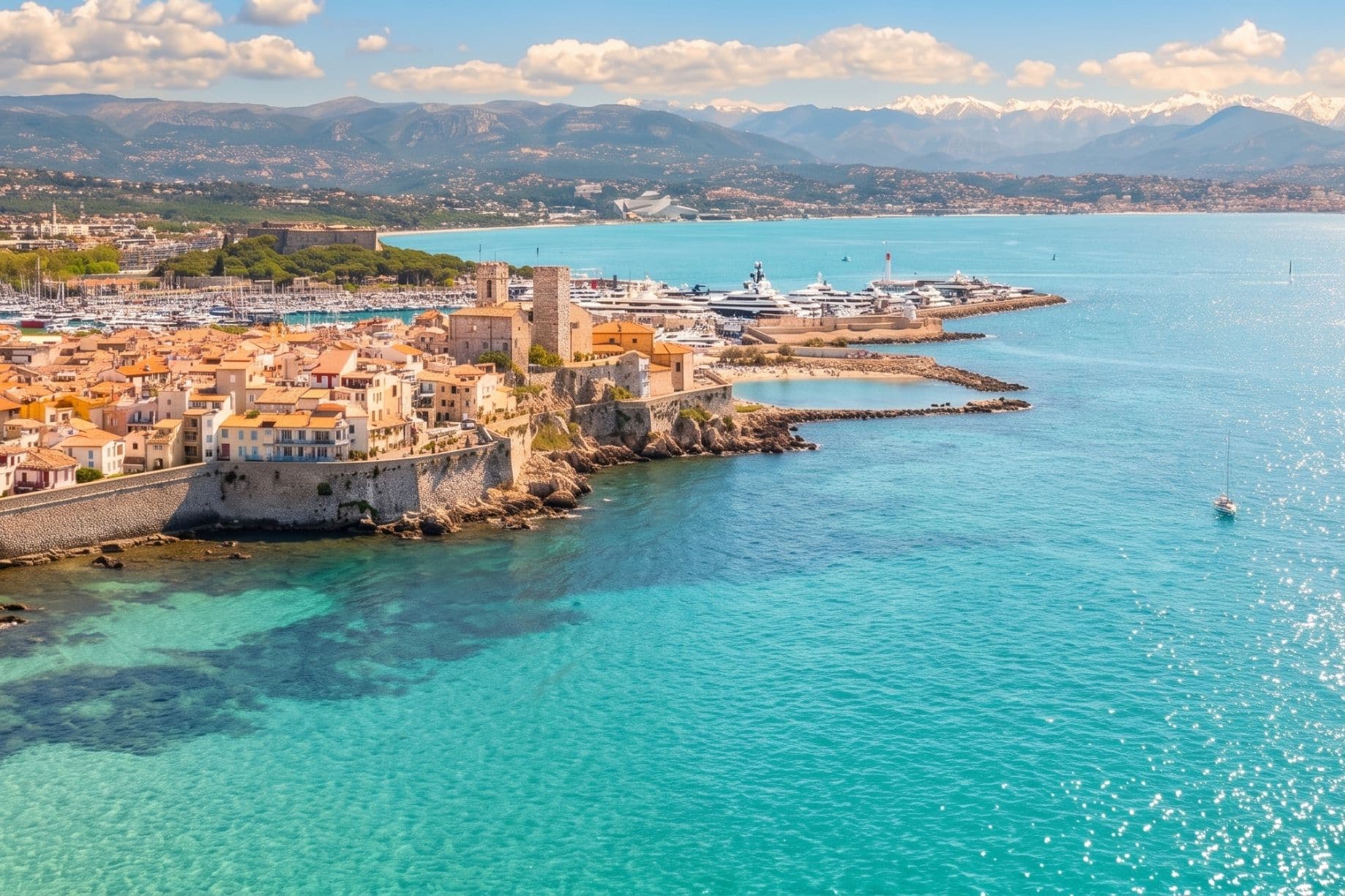
On the French Riviera and South of France, waterfront co-ownership lets buyers access one of the world’s most expensive coastal markets at attainable price points. A full waterfront property in Cannes or Antibes might command €3-8 million; a co-ownership share starts from around €300,000-€500,000, granting the same sunsets, the same beach access, and the same prestige address.
| Waterfront Market | Avg. Full Ownership | Co-Ownership Share (1/8) |
|---|---|---|
| Costa del Sol Villa | From €1.6M | From around €200,000 |
| French Riviera Apartment | From €3M | From around €375,000 |
| Lake Como Lakefront | From €2.5M | From around €310,000 |
| Florida Keys Retreat | From $2.2M | From around $275,000 |
| Mallorca Coastal Villa | From €2M | From around €250,000 |
| Lake Tahoe Lakefront | From $3M | From around $375,000 |
Market Intelligence
America’s Waterfront Co-Ownership Boom
Across the Atlantic, the United States is experiencing its own waterfront co-ownership revolution. Florida leads the charge, with Miami‘s waterfront luxury segment recording 68% of sales as cash transactions in Q1 2026 — a clear signal of confident, lifestyle-driven buying. The Florida Keys and the 30A Emerald Coast corridor have seen 95% property appreciation over the past decade, making co-ownership shares in these markets particularly attractive for capital growth.
California’s coastal markets — from Malibu and Santa Barbara to Newport Beach — offer waterfront co-ownership at price points that make full ownership in these zip codes a fantasy for all but the ultra-wealthy. In Lake Tahoe, dual-season appeal (summer lake activities, winter skiing at nearby Palisades or Heavenly) has driven co-ownership demand among Silicon Valley professionals seeking a year-round waterfront retreat within a few hours’ drive.
Colorado and Utah may not be traditional ‘waterfront’ markets, but lakefront and riverside properties in destinations like Vail, Steamboat Springs, and Park City are commanding growing premiums. The concept of ‘water access’ is broadening beyond ocean and lake to include river, reservoir, and hot-spring proximity — and co-ownership is the vehicle making these exclusive addresses accessible.
2019-2020
Pre-Pandemic Baseline
Waterfront premiums averaged 40-50%. Fractional ownership was niche, concentrated in US ski markets. Global fractional market valued at approximately $8 billion.
2020-2021
The Coastal Rush
Remote work triggered a migration to waterfront living. Coastal property prices surged 15-25% in a single year. Waterfront inventory dropped to historic lows.
2022-2023
Fractional Goes Mainstream
Co-ownership platforms expanded into European waterfront markets. Institutional investors entered the fractional property space. Beachfront premiums climbed from 63% to over 70%.
2024-2025
The Maturation Phase
Global fractional market reached $15 billion. Over 1 in 5 buyers under 40 considered co-ownership first. Knight Frank launched dedicated waterfront research programme.
2026 & Beyond
Waterfront Co-Ownership Era
Easing mortgage rates meet tight waterfront supply. European coastal regulations favour structured co-ownership. Market projected to reach $26.88 billion by 2033.
Lifestyle & Design
What Today’s Waterfront Co-Ownership Properties Look Like
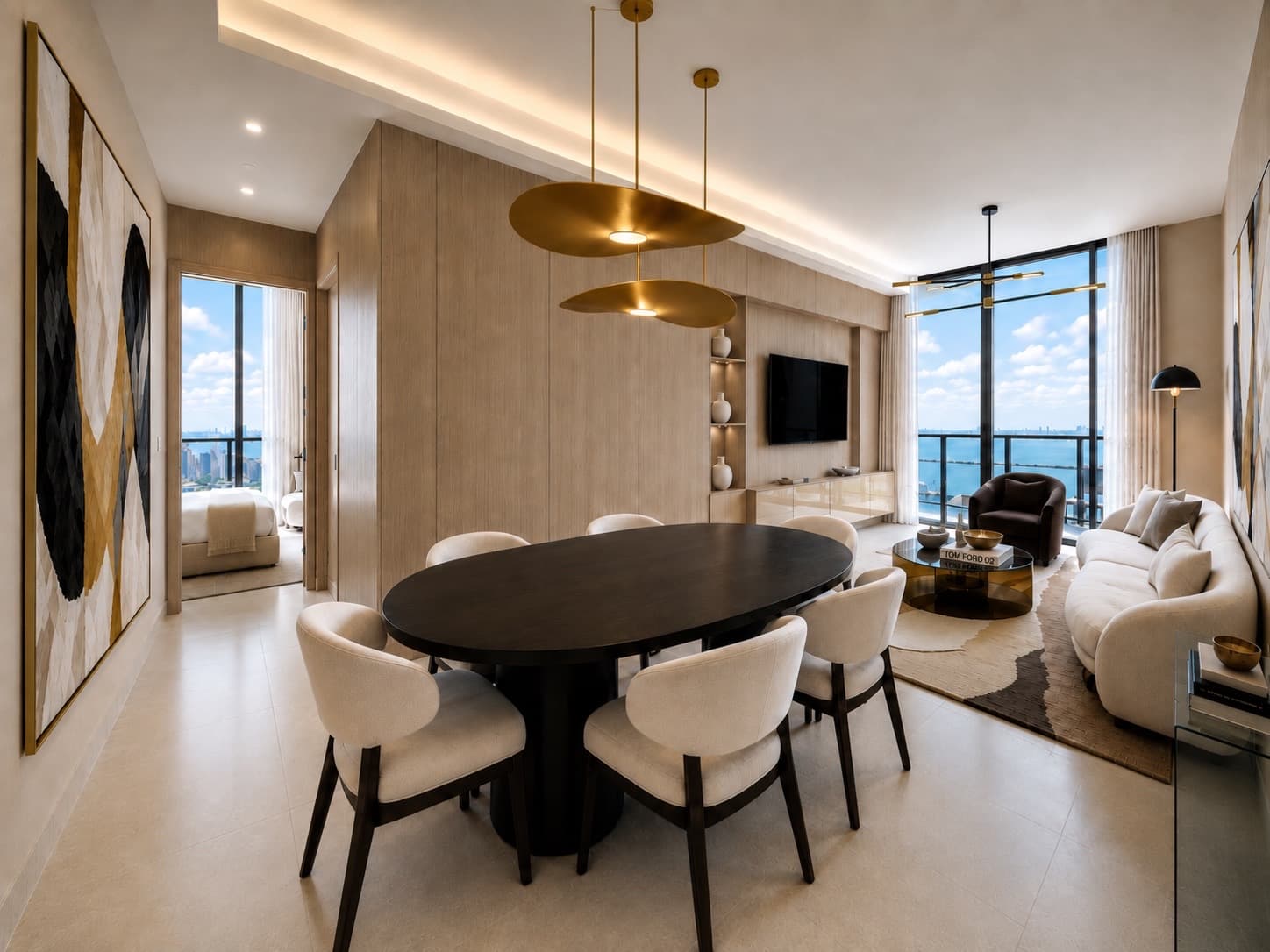
Forget dated timeshare condos with beige carpets and plastic furniture. Today’s waterfront co-ownership properties are architect-designed, fully renovated luxury homes furnished to boutique-hotel standards. Think floor-to-ceiling glass walls framing Mediterranean sunsets, infinity pools that seem to merge with the sea, private terraces with outdoor kitchens, and interiors curated by professional designers with locally sourced materials.
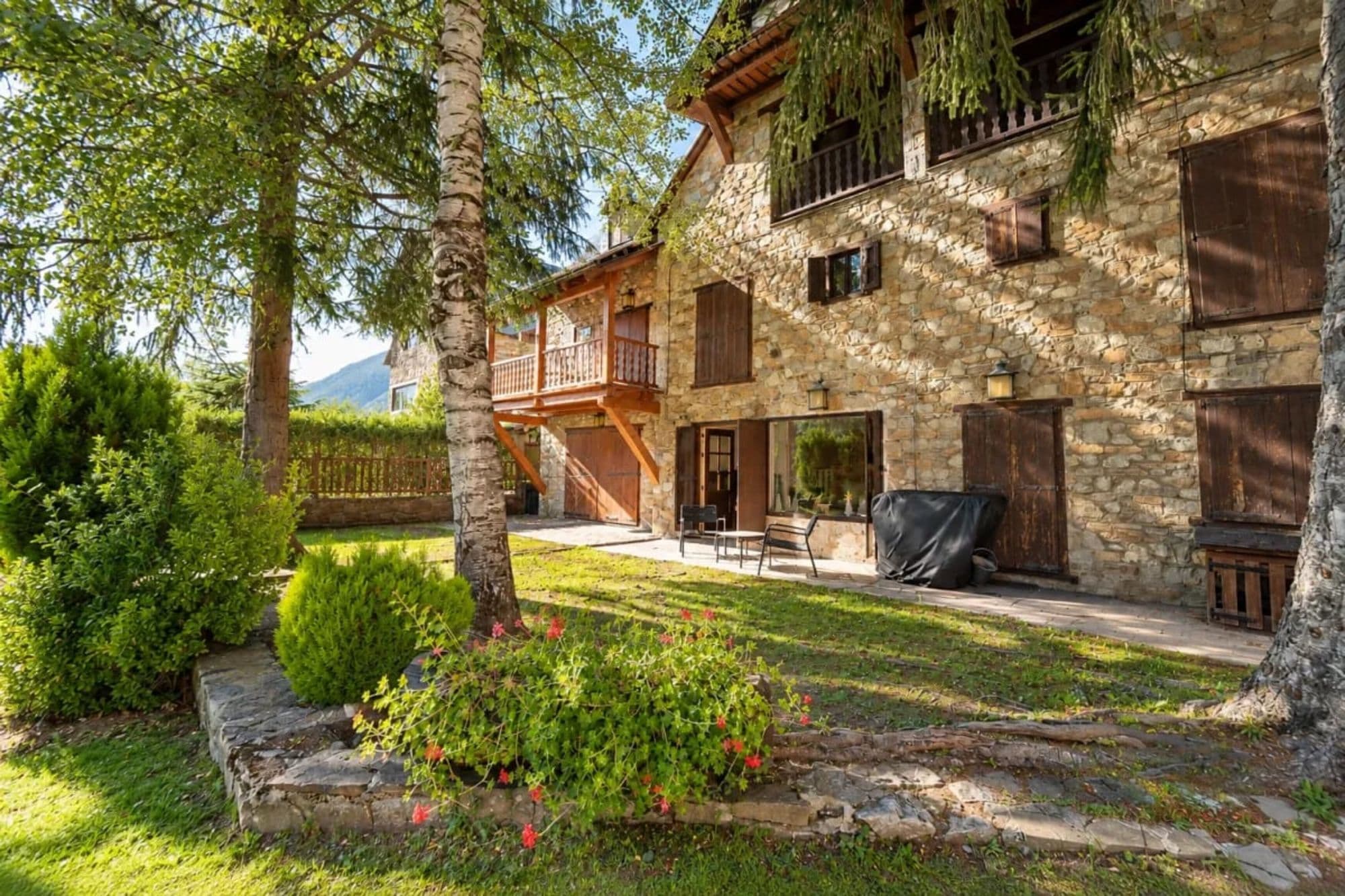
The properties available through Co-Ownership Property range from sleek modern apartments with marina views to sprawling coastal villas with private beach access, and from lakeside chalets with private docks to penthouse suites overlooking harbour towns. Each property is selected for its combination of location premium, design quality, and lifestyle appeal. Many include features specifically suited to waterfront living — covered boat storage, kayak launches, protected outdoor living spaces designed to withstand coastal weather, and landscaping that thrives in salt-air conditions.
The management standard is equally elevated. Professional teams handle everything from pre-arrival provisioning (your favourite wine chilled, the fridge stocked, the boat fuelled) to storm-season preparation and post-storm inspections. For waterfront properties, this level of hands-on management isn’t a luxury — it’s a necessity. Co-ownership makes it affordable by splitting the cost among all co-owners.
Legal & Financial
Protecting Your Investment: The Legal Framework
One of the most important aspects of waterfront co-ownership is what each owner actually owns: a real share of the home — an eighth, a quarter — not a right to use it. You can sell it, pass it on to your heirs, and it rises and falls in value with the house — fundamentally different from a timeshare points system or holiday club membership. The legal set-up is arranged by our partner for each home and walked through with you before you buy.
Co-ownership also provides practical advantages that matter for waterfront assets. Insurance is arranged for the whole property by the management company, ensuring comprehensive coverage that individual owners might struggle to obtain or afford for a waterfront home. And for international buyers owning waterfront property in countries with complex non-resident taxation rules, how tax works depends on the country and the home’s legal set-up, which our partner explains before you buy; we recommend independent advice.
When it comes time to sell your share, the process is straightforward. The management company first offers the share to existing co-owners in the property, then lists it on the open market. Because waterfront co-ownership shares offer a rare combination of real ownership, luxury specification, and attainable price points, they typically attract strong buyer interest.
Future Outlook
Why 2026 Is the Year to Act on Waterfront Co-Ownership
Several converging trends make 2026 a particularly compelling entry point for waterfront co-ownership. Mortgage rates are gradually easing, improving buying power across the market. Waterfront inventory remains historically tight — the post-pandemic rush for coastal living absorbed much of the available stock, and new waterfront construction is constrained by environmental regulations and planning restrictions.
The fractional ownership market itself is maturing rapidly, with greater institutional acceptance, improved legal frameworks, and growing buyer confidence. Over one in five urban buyers under 40 now consider co-ownership before traditional full ownership, according to recent surveys. As the model becomes mainstream, early buyers in prime waterfront locations are positioned to benefit from both property appreciation and growing demand for shares in established co-ownership properties.
Climate considerations are also reshaping waterfront demand patterns. Buyers are increasingly drawn to Mediterranean climates and elevated coastal positions that offer waterfront lifestyle with lower climate risk. The Spanish costas, Balearic Islands, and Italian Lakes tick these boxes particularly well — and co-ownership allows buyers to access these resilient markets at entry points starting from under €100,000 for select properties. Browse the full range of co-ownership properties available now, or ask David or Dylan to discuss which waterfront markets match your lifestyle and investment goals.
Common Questions
Frequently Asked Questions
Is waterfront co-ownership the same as a timeshare?
No — co-ownership is fundamentally different from a timeshare. You own a real share of the home, not a right to use it. Your share appreciates with the property market, you can sell at market price on the open market, and there are no points systems or fixed-week rotations. Timeshares typically grant a right-to-use with no real equity ownership.
How are waterfront maintenance costs handled?
All maintenance costs — including specialist waterfront requirements like sea wall inspections, dock maintenance, storm preparation, and coastal insurance — are handled by the professional management company and split proportionately among co-owners. A 1/8 owner pays 1/8 of all running costs.
Can I rent out my waterfront co-ownership share?
In many locations, yes. Where local regulations permit, the management company handles all rental activity — listing, guest management, cleaning, and compliance. Rental income is shared proportionate to ownership. Some waterfront locations have specific rental licensing requirements which the management team navigates on your behalf.
What happens if I want to sell my waterfront share?
You set the price. Your co-owners get the first chance to buy at that price; if they pass, it goes on the open market. You never have to sell the whole property — full waterfront properties can take 6-12 months to sell.
How do I book my stays at the waterfront property?
Booking is managed through a dedicated app. Booking windows depend on the home and our partner. Each 1/8 owner gets approximately 45 days per year of usage.
Are waterfront co-ownership properties a good investment?
Waterfront property has historically outperformed inland real estate by significant margins. The 76% beachfront premium and consistent appreciation in coastal markets mean co-ownership shares benefit from strong underlying asset performance. Additionally, the capital efficiency of co-ownership allows portfolio diversification that full ownership does not.
Explore Waterfront Properties With Co-Ownership Property
Whether you’re dreaming of a Mediterranean villa with sea views, a lakefront retreat in the Italian Lakes, or a beachfront escape on the Florida coast — explore our curated portfolio of luxury co-ownership properties.
Browse PropertiesMore from Co-Ownership Property
Get in Touch
Speak to an expert
Tell us what you're looking for and we'll be in touch.