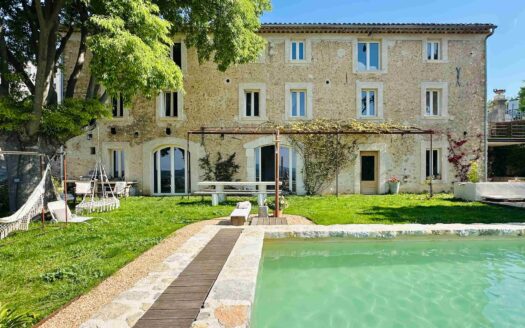
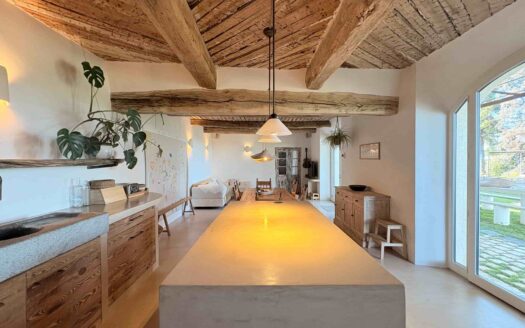
Provence Near Cannes | 5-Bed Country House With Pool & Views
285,000 €
Set within the historic heart of Fayence, this exceptional five-bedroom country house offers a rare combination of authentic Provençal character, refined modern ...
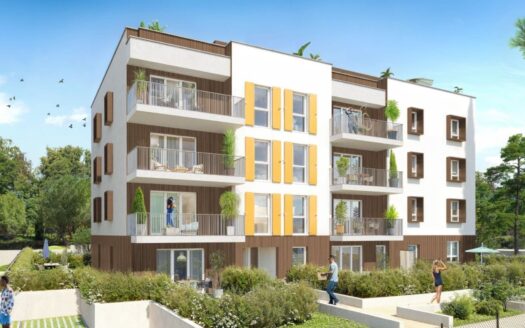
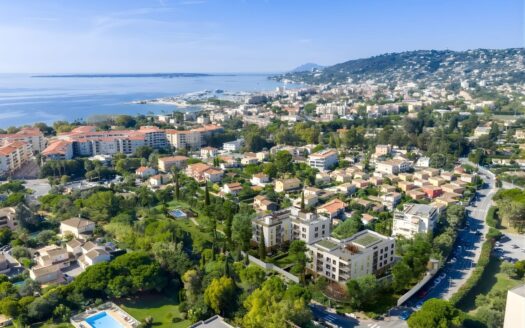
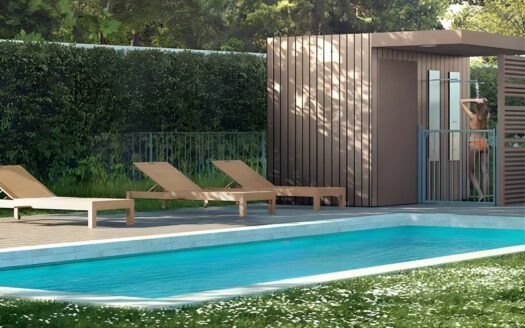
Antibes, Côte d’Azur | 2-Bed Terrace Apartment With Pool Near Beach
109,000 €
This new-build terrace apartment is located in an attractive residential area between Antibes and Cannes, offering an excellent retreat on the Côte d'Azur at an ...
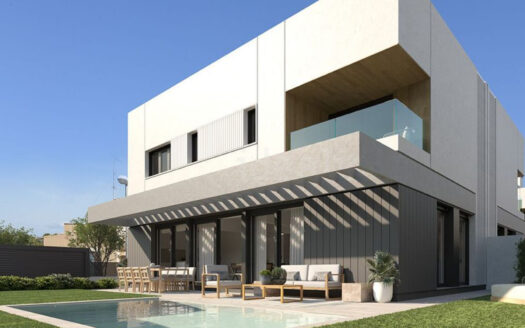
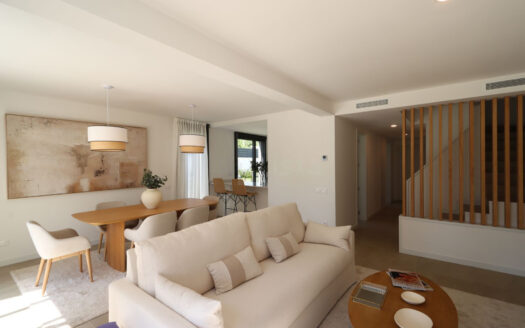
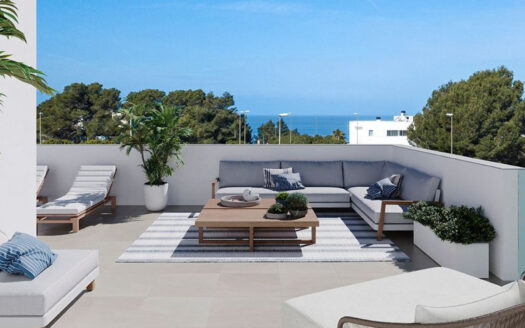
Maioris-Puig de Ros, Mallorca | 4-Bed New-Build With Private Pool & Sea Views
195,000 €
Discover this 4-bedroom new-build residence in Maioris-Puig de Ros, Llucmajor, on Mallorca’s south coast, designed to harmonise comfort, functionality and Medit ...
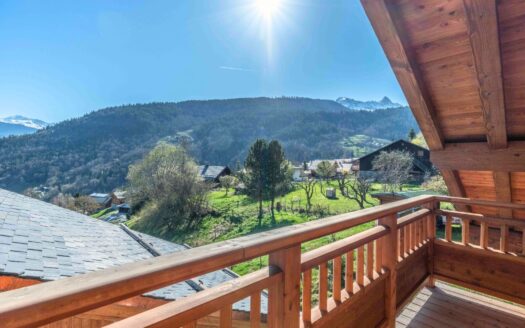
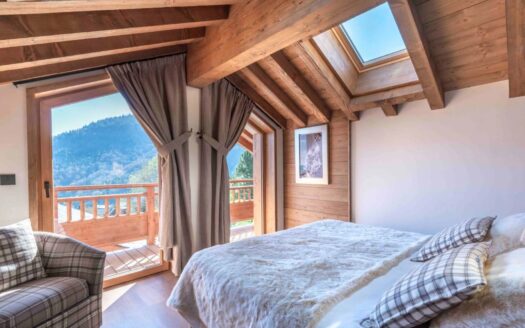
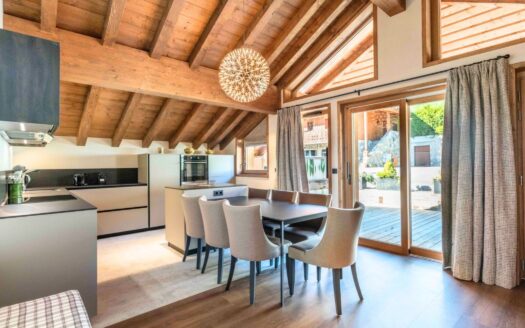
Méribel, French Alps | 2-Bed Penthouse Les 3 Vallées Ski Access
189,000 €
This new-build chalet-style penthouse is located in a sought-after location near Méribel in Les Allues and has impressive panoramic views of the Alpine mountain ...
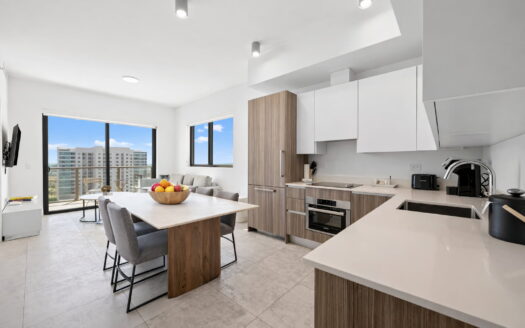
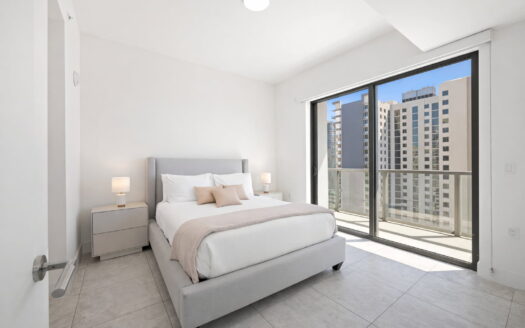
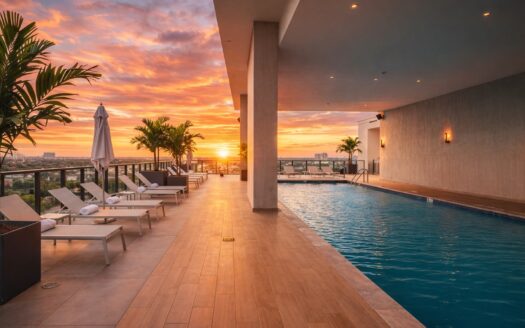
Brickell, Miami Florida | Luxury 2-Bed + Den Apartment
$100,000
Brand new completely furnished 2-bedroom + den in downtown Brickell. Recognised as the "Manhattan of the South," Brickell has evolved into Miami's leading finan ...
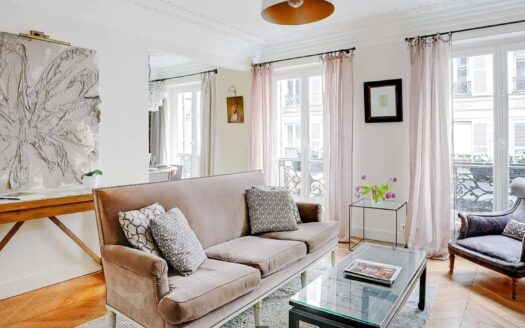
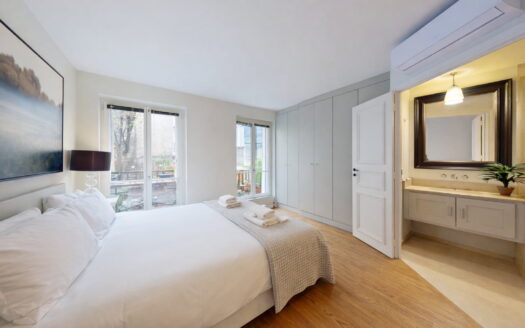
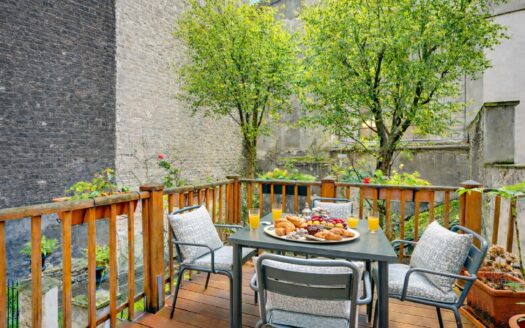
Paris, Le Marais 4th Arrondissement | 18th Century 2-Bed With Private Terrace
237,000 €
This 2-bedroom, 2-bathroom apartment occupies a beautifully renovated 18th-century building on Rue Malher, offering something increasingly rare in central Paris ...
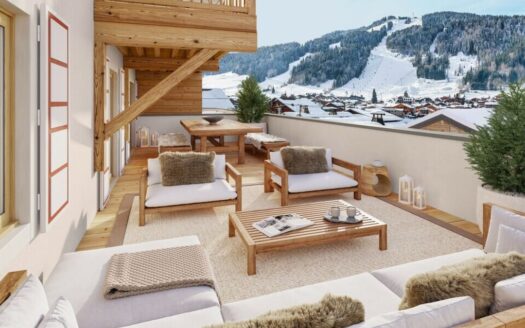
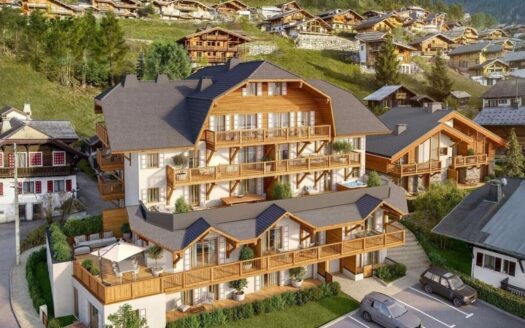

Morzine, French Alps | 2-bed apartment close to all amenities
139,000 €
This is a stunning new development in the sought-after Morzine ski resort. Nestled in a prime location with breathtaking views of the Le Pleney slopes, this mod ...
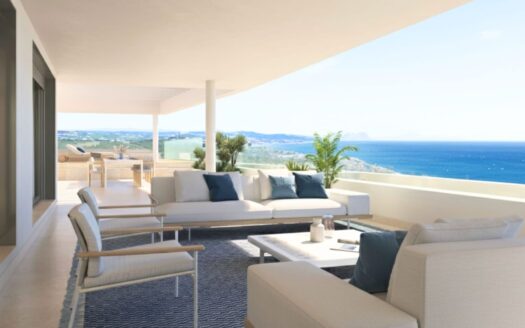
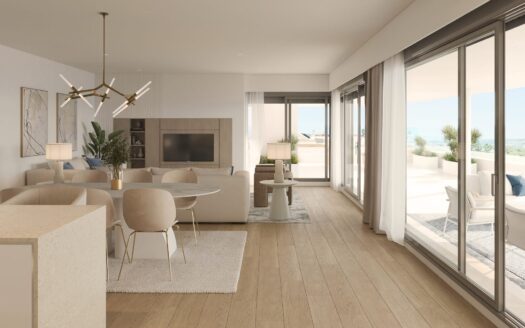
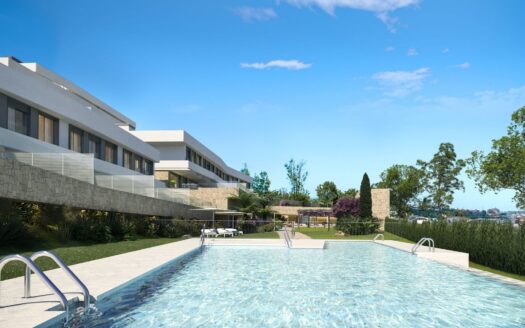
Estepona, Spain | 3-Bed Apartment With Sea Views
149,000 €
This new-build terrace apartment is located in the exclusive Zenity Índigo Resort in Estepona on the prestigious Costa del Sol. The covered south-east-facing te ...
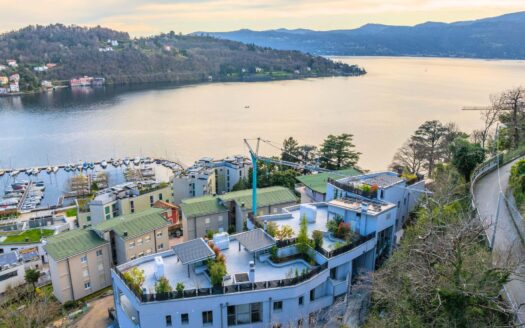


Laveno, Italy | 2-Bed Apartment With Lake Views
159,000 €
This newly built garden apartment in Laveno not only features modern contemporary design but also enjoys beautiful views of Lake Maggiore's sparkling waters and ...
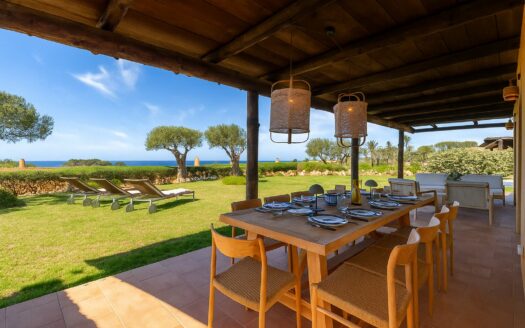
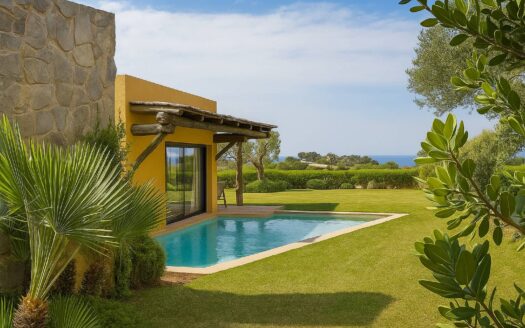
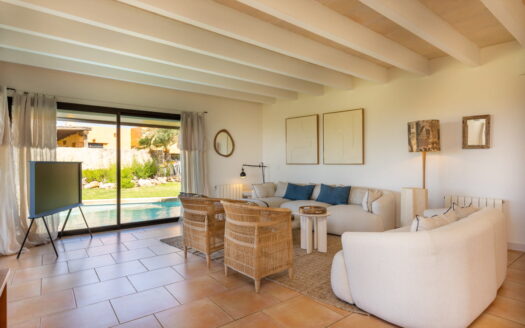
Menorca Binisafúller| Bioclimatic Sa Fua Villa
225,000 €
Nestled in the sought-after coastal haven of Binisafúller, on Menorca's south-eastern shore, Sa Fua Villa (bioclimatic home) offers a rare opportunity to own a ...
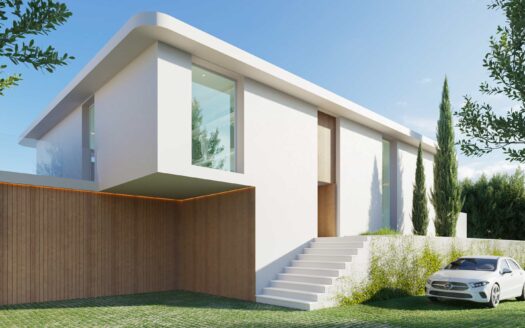
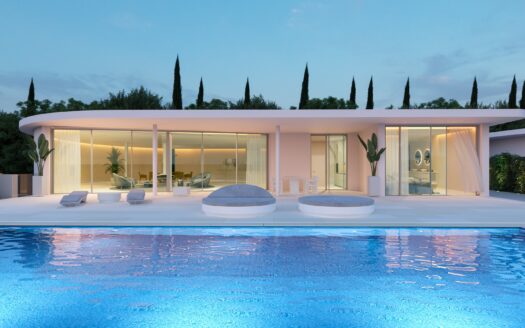
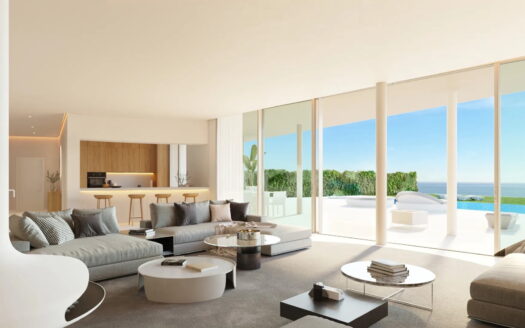
Fuengirola, Higuerón | 5 Bed Designer Villa Sea View, Pool, Jacuzzi
495,000 €
This Fuengirola Higuerón fractional ownership villa delivers Mediterranean luxury with breathtaking sea views from its hillside setting above Costa del Sol. Thi ...
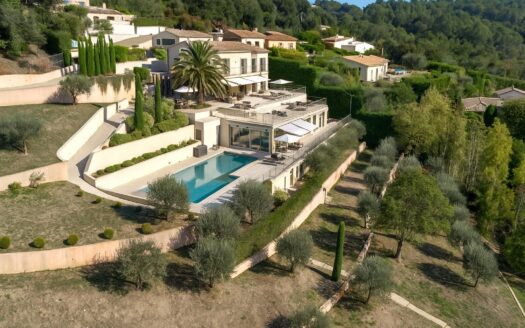
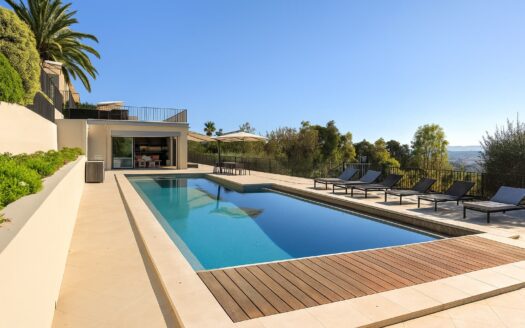
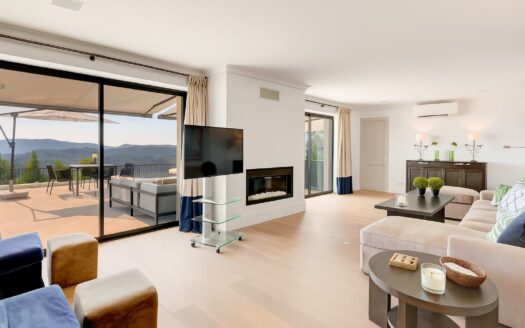
Mougins | 7-Bed Villa with Pool and Views of Esterel Mounts
565,000 €
Perched on the sun-soaked hills between the medieval villages of Valbonne and Mougins, Villa Mouans represents that increasingly rare commodity: a genuinely imp ...
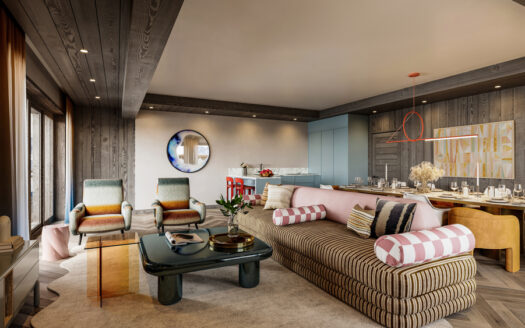

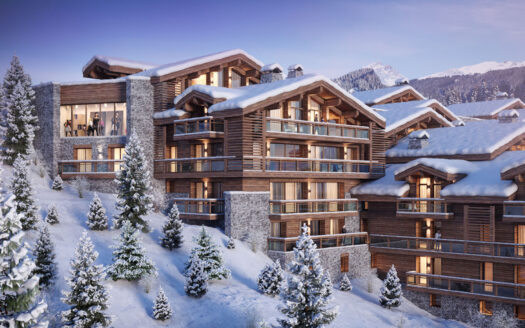
Courchevel 1650 | Exclusive 4-Bed Apartment Next To Lifts
390,000 €
This brand-new development in Courchevel 1650 offers fractional ownership of exceptional residences just 150 metres from the slopes and ski lifts in the heart o ...
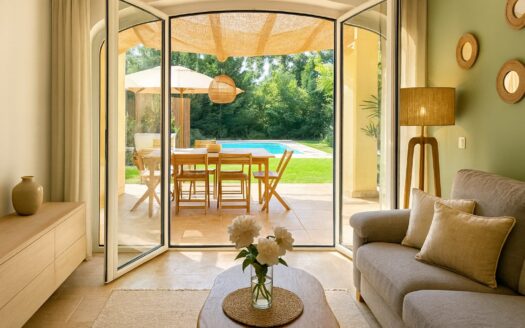
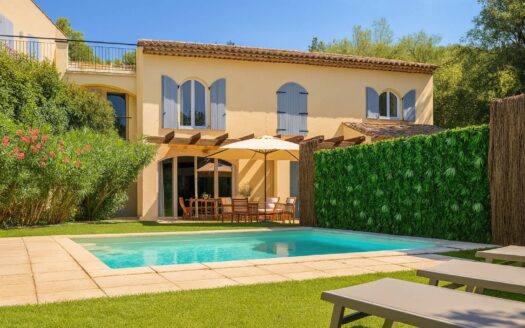
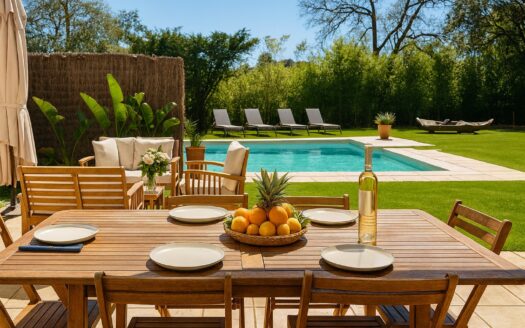
Grimaud | Provence-Style House With Garden & Heated Pool
149,000 €
Amid the green hills and vineyards of Grimaud near Saint-Tropez, this Provençal semi-detached maisonette offers a peaceful Côte d’Azur retreat. Spread over thre ...
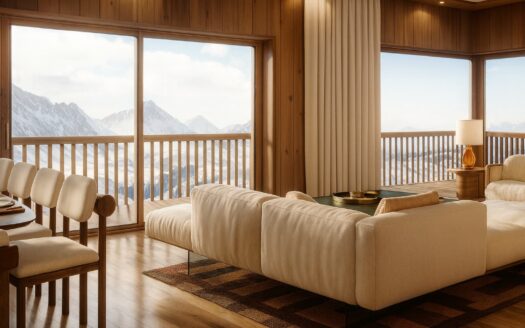

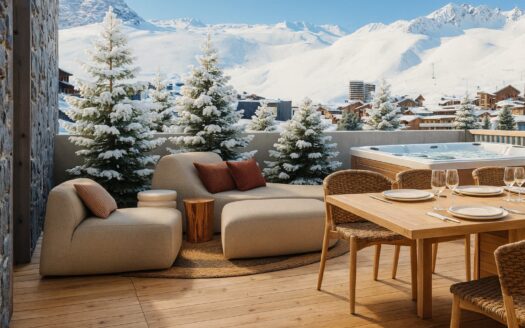
Tignes | Ski-In/Ski-Out 5-Bed Apartment With Extensive Terrace With Hot Tub
395,000 €
Set in a modern new development in Tignes Le Lavachet area (2000+ m), this 1/8th fractional ownership second-floor, west-facing residence delivers true piste-si ...
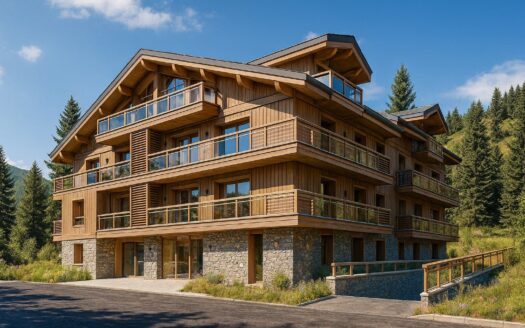
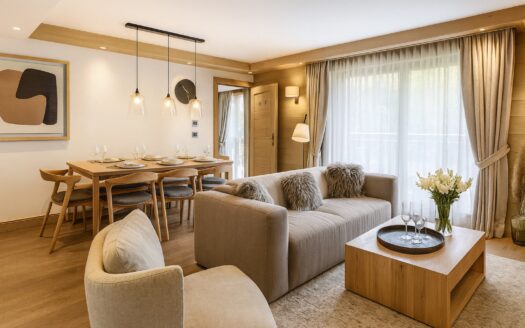
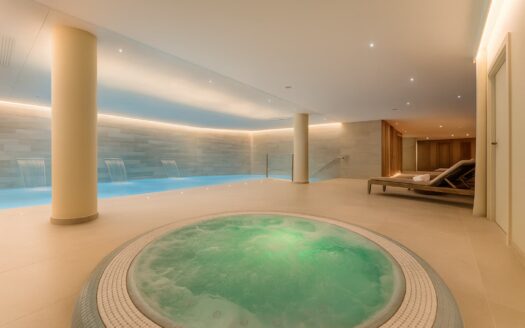
Les Gets | New-Build 4-Bed Apartment With Balcony & Spa Access
170,000 €
Discover high-end alpine living one of Les Gets’ best development (brand new). This lodge sits on the first floor, with 81 m², designed for up to 8 guests (max ...
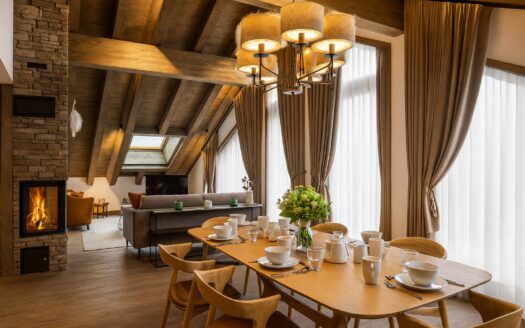
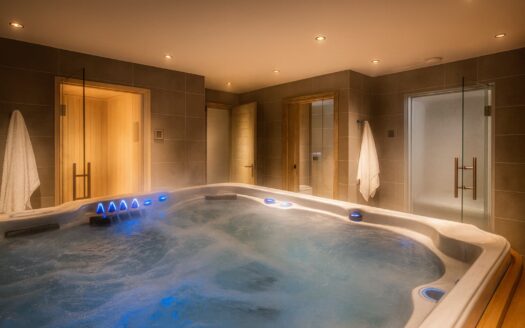
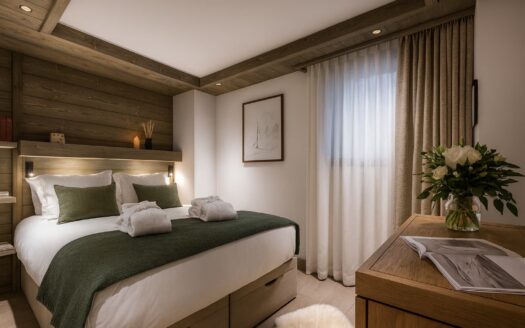
Méribel 3 Valleys | 3-Bed Residence with private Spa
540,000 €
Set in a luxury development with concierge services above Méribel’s sunlit Morel quarter, this duplex third–fourth-floor residence pairs alpine elegance with fi ...
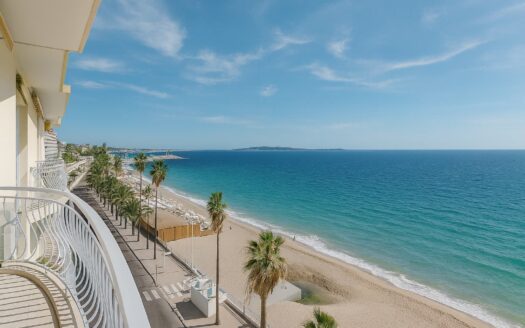
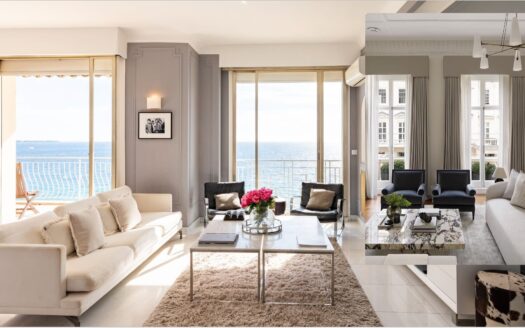
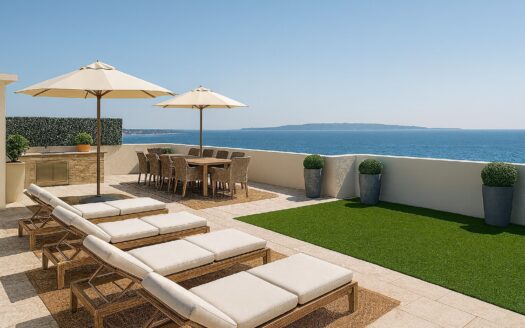
Cannes French Riviera | First‑Line Penthouse with Panoramic Roof Terrace
595,000 €
Exceptionally rare — panoramic penthouse (185 sqm interior) with vast 200 sqm roof terrace in Cannes | First line Plage du Midi | High capital growth potential ...
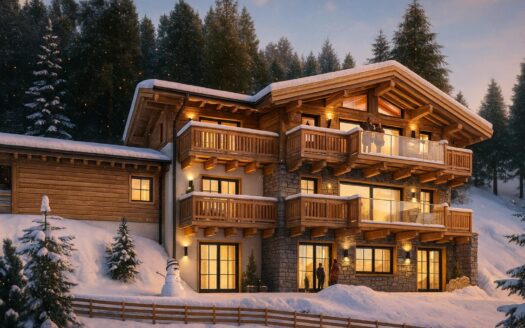
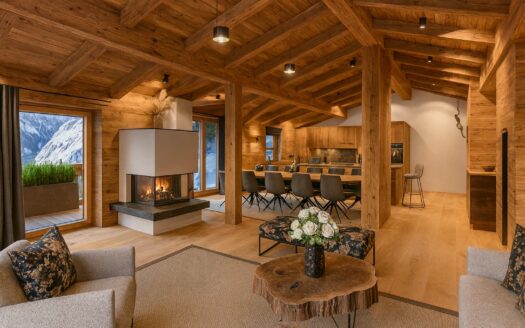
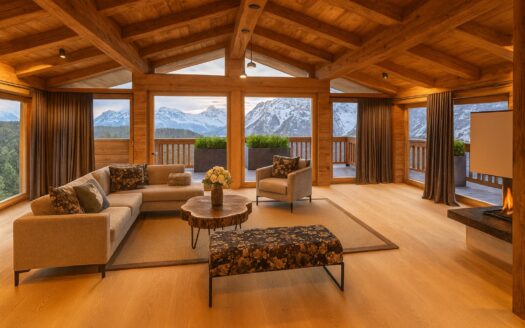
Austria Hinterglemm | New-Build 4-Bed Ski-in Chalet
499,000 €
Surrounded by the dramatic peaks of Hinterglemm, this luxurious new chalet occupies a sunny hillside position with uninterrupted, panoramic mountain views. Offe ...
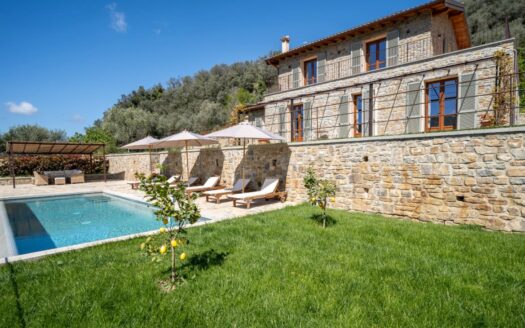
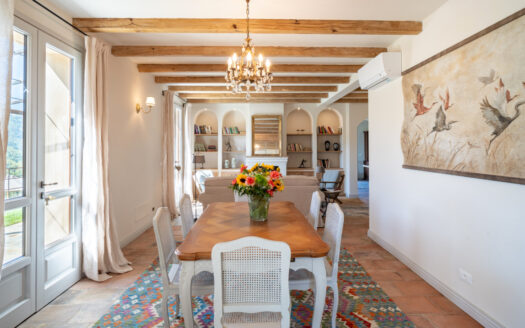
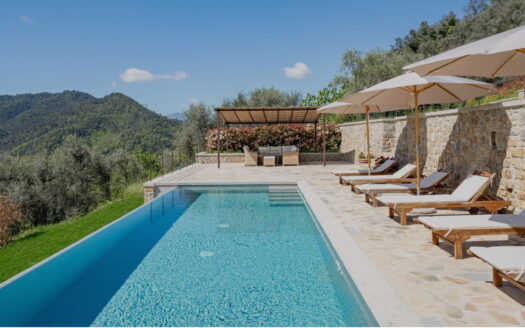
Liguria | Villa Apricale 3 Bed With Stunning Views
220,000 €
Set above the medieval lanes of Apricale, Villa Apricale is a newly built 180 m² stone residence that folds authentic Ligurian craft into modern comfort. Approa ...


Benalmadena | Residence Higueron
115,000 €
Set between the mountains and the Mediterranean in El Higuerón (Mijas), this Benalmadena fractional ownership residence delivers resort-style living with a clea ...
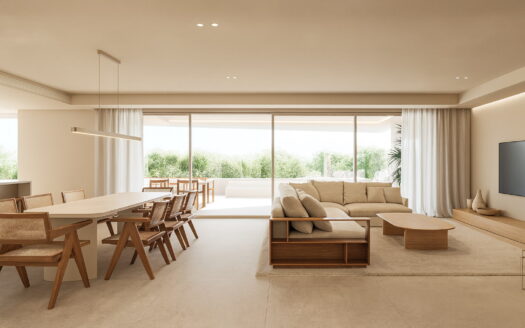
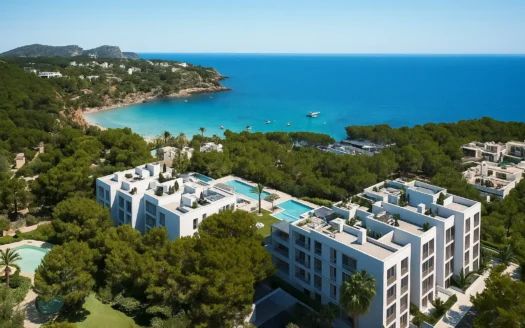
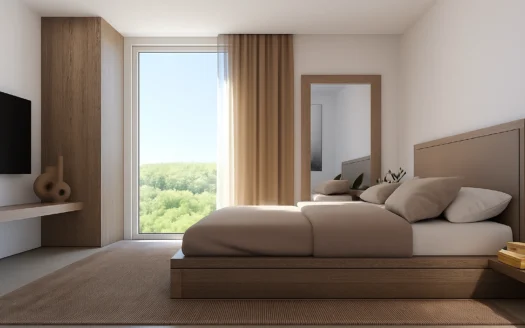
Ibiza Santa Eulària des Riu | Modern Residence Sea Views
310,000 €
Designed by a leading studio for effortless island living, this 274 m² contemporary residence occupies a privileged position in Cala Llenya, within the resort-s ...
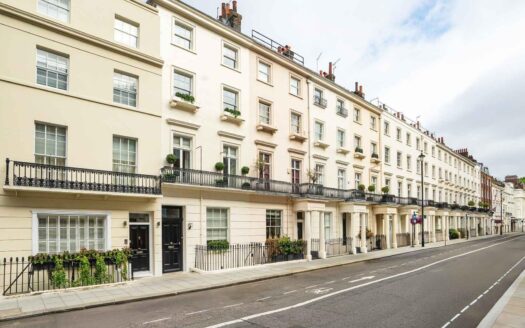
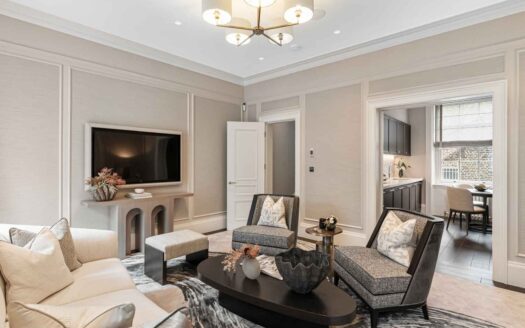
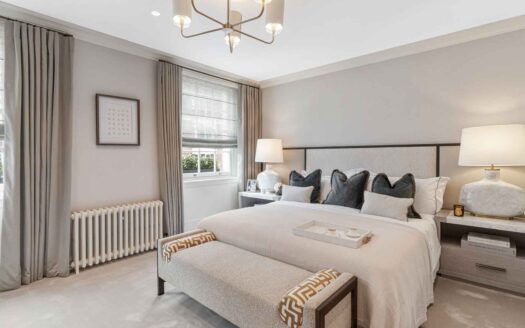
London | Prestigious Belgravia Triplex Residence
638,000 € $733,000
Located on prestigious Ebury Street in London's most coveted Belgravia district, this exceptional triplex apartment offers a rare opportunity to own a piece of ...
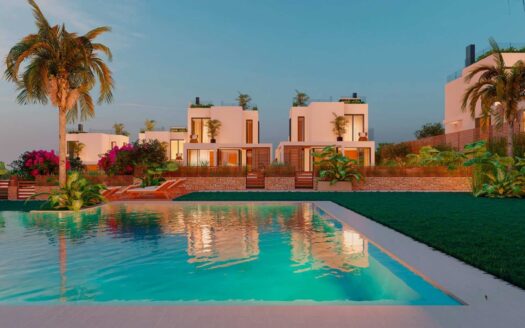
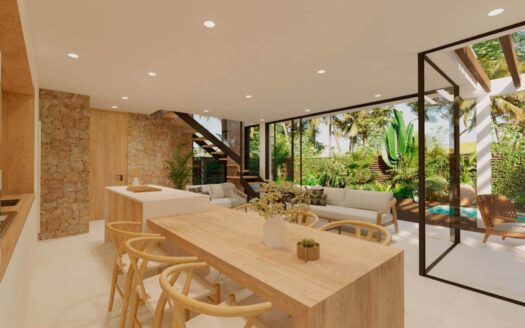
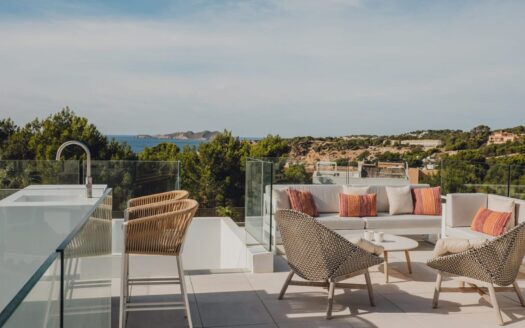
Ibiza Cala Tarida | 3-bed Modern Home With Garden Next To Beach
175,000 €
Set on Ibiza’s west coast, moments from the white sands of Cala Tarida, this Ibiza fractional ownership home pairs modern architecture with an easy beach lifest ...
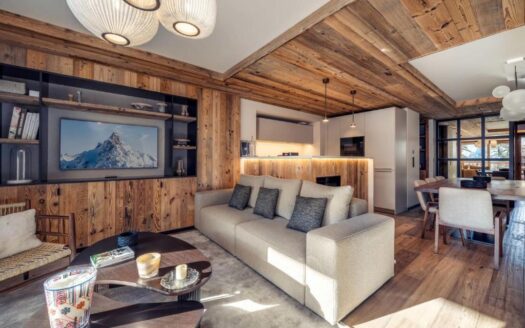
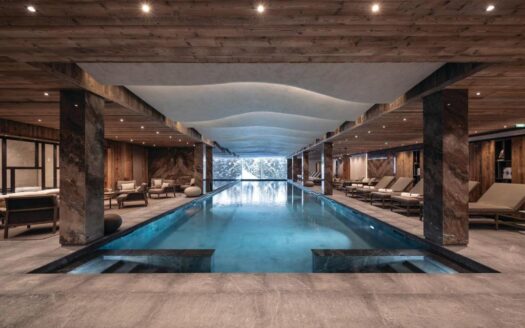
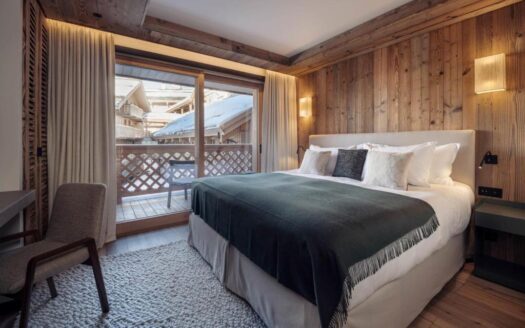
Meribel | Luxury 3-Bed Ski-In/Ski-Out Alpine Retreat
554,000 € $649,000
Discover this beautifully designed ski-in/ski-out alpine apartment nestled in the heart of Méribel, one of the most prestigious resorts in the French Alps. Offe ...
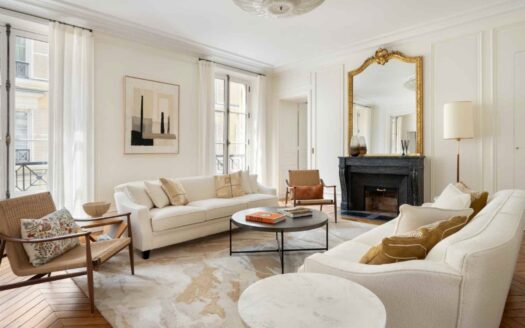
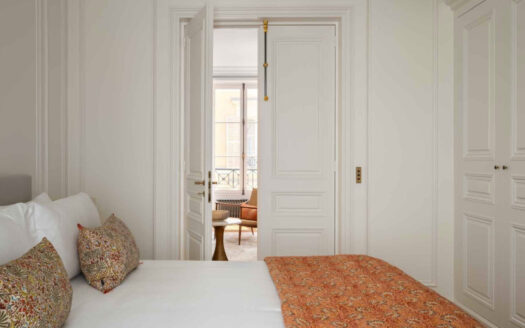
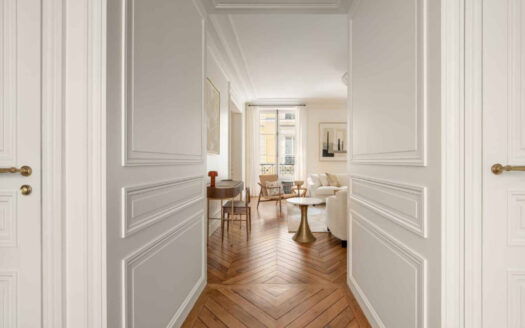
Paris 6th District | Saint-Germain Apartment
750,000 € $879,000
Located in the heart of Saint-Germain-des-Prés, Paris’ legendary artistic and intellectual centre, this exquisite 3-bedroom residence offers the perfect blend o ...
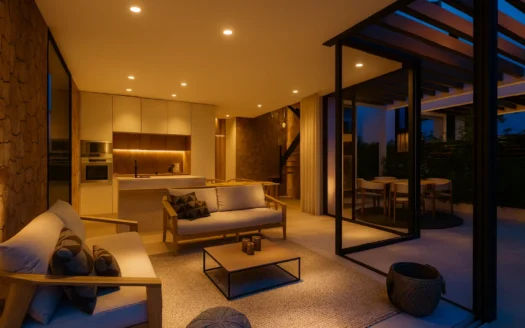
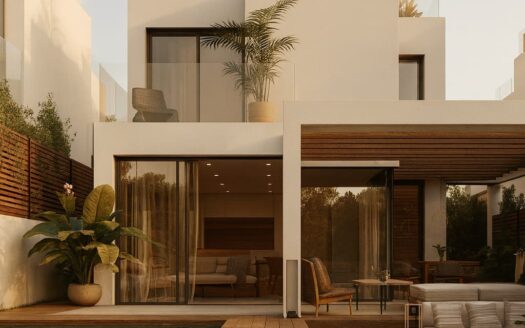
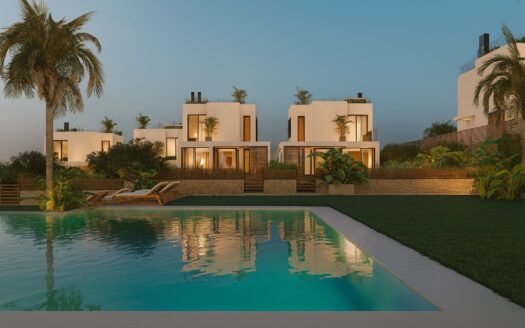
Ibiza West Coast | 3-Bed Beach View Villa
160,000 €
Perched elegantly on Ibiza’s iconic western coastline, this 3-bedroom villa presents a rare opportunity for shared ownership of an idyllic island escape. With 1 ...
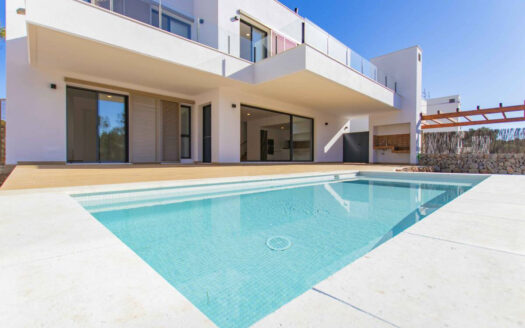
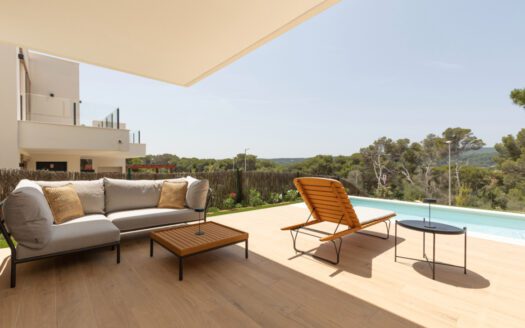
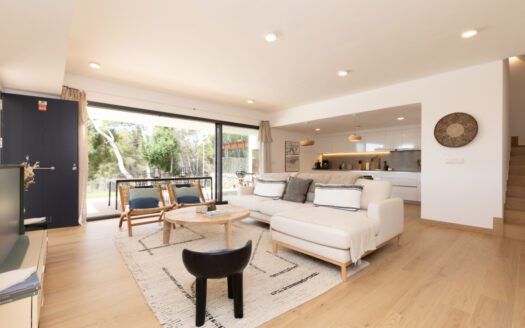
Menorca | Beautiful new-build designer villa 4 Bedrooms
145,000 €
Set within fragrant pine forests above the Mediterranean horizon, this Menorca fractional ownership villa delivers modern island living across approximately 224 ...
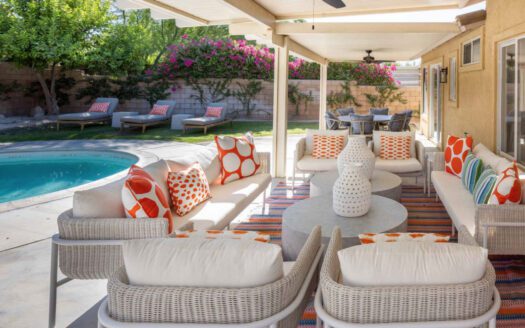
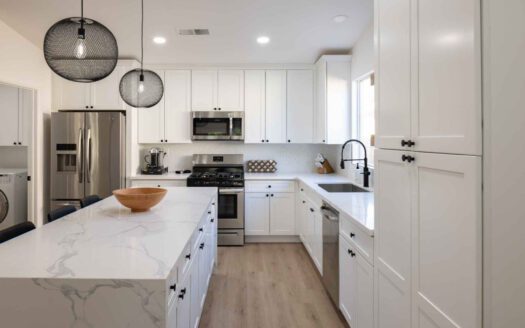
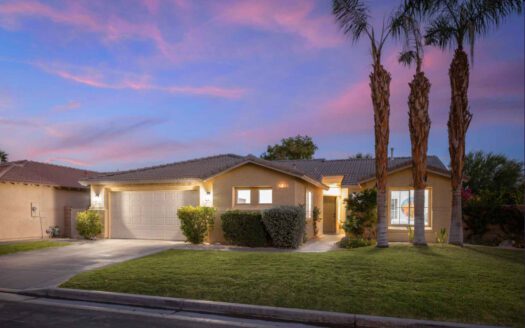
La Quinta, Palm Springs, CA | Desert Vista 4-bed villa with pool
$129,000
SOLD OUT Discover effortless desert living in Desert Vista Retreat Townhome, a beautifully remodelled 2,008 ft² (≈187 m²) property in a gated community set in N ...
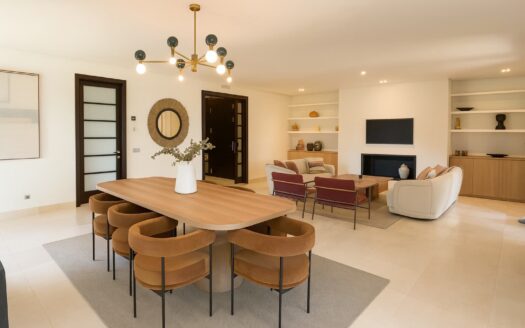
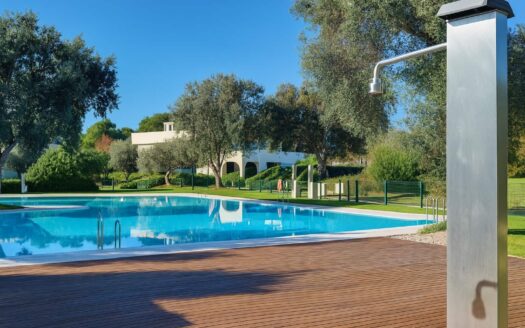
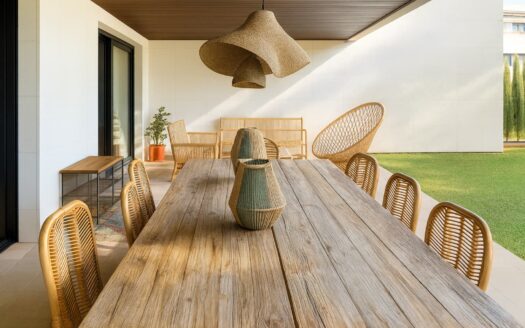
Sotogrande, Costa Del Sol | Alto Garden Oasis 3-bed Residence
165,000 €
Nestled in the highly exclusive Sotogrande Alto residential enclave, this single-level, luxury garden residence offers an unmatched blend of privacy, elegance a ...