Glass Walls vs Gravity: Alpine Architecture Reality Check
There’s a moment that plays out in nearly every luxury mountain property viewing.
A prospective buyer steps onto a sun-drenched terrace in Courchevel, Chamonix, Morzine, or Aspen, gazes at the conservative balcony doors, and asks: “Why not floor-to-ceiling glass sliders across the entire wall?”
It’s a reasonable question. Expansive sliding systems look refined, flood interiors with natural light, and define contemporary alpine luxury.
In Barcelona or Lake Como, they’re almost standard. In exposed mountain resorts between 1,850 meters (Courchevel) and 2,422 meters (Aspen), they’re conspicuously absent from weather-facing facades.
That scarcity isn’t oversight—it’s respect for physics.
The Sliding Glass Paradox in Mountain Architecture
Start with the most requested architectural element: wall-width sliding glass panels.
They photograph superbly for property listings on Co-Ownership Property. They dissolve boundaries between inside and outside. They sell dreams.
But at elevation, environmental conditions aren’t accommodating. Wind doesn’t breeze—it batters at sustained speeds. Snow doesn’t dust—it blankets relentlessly. Temperature doesn’t vary gently—it plunges to -15°F (-26°C) in Aspen winters.
Sliding mechanisms depend on tracks and precise tolerances. Under relentless wind pressure and thermal cycling at altitude, these systems face:
Air leakage through compromised seals reducing thermal efficiency
Audible whistling during valley wind storms
Degraded thermal performance over seasonal freeze-thaw cycles
Ice buildup blocking tracks entirely during extended cold periods
Even premium sliding systems remain more vulnerable than fixed glazing paired with traditional hinged French doors—the standard you’ll see in established Chamonix chalets and Courchevel developments.
In Mediterranean coastal regions, similar systems contend mainly with heat and occasional salt air. Their primary job is managing solar gain. In alpine environments like Morzine and Aspen, they must function as thermal fortresses under six months of continuous heating demand.
Same product. Entirely different battlefield.
Temperature Differentials: The Hidden Enemy
Mediterranean architecture combats heat. Alpine architecture combats catastrophic heat loss. That fundamental reversal changes every design calculation.
In southern climates, large glazing is combined with tinted glass, external shading, and cross-ventilation. The priority is preventing interior overheating while heating needs remain modest.
At altitude, the building envelope must trap warmth against extreme temperature differentials. According to Alpine Space research, buildings in mountain regions face heating systems running continuously for up to six months annually. Interior-exterior temperature differentials regularly exceed 30-35°C (54-63°F) in Courchevel, Chamonix, and Aspen.
Every seal, junction, and frame becomes a potential thermal bridge.
Triple glazing provides R-values around R-6 to R-9 for high-performance units. Yet even triple-pane windows insulate far less effectively than properly constructed insulated walls, which in Alpine and Colorado mountain regions require R-30+ insulation values compared to R-19 in moderate climates.
Research confirms that windows account for 25-40% of total heat loss in mountain buildings, with percentages climbing dramatically as window-to-wall ratios increase. Properties featured on Co-Ownership Property in destinations like Morzine and Chamonix increasingly balance view optimisation with thermal performance.
Expansive glass always represents thermal compromise. As demonstrated in comparative studies, wall assemblies with R-7 windows at 35% glazing ratio outperform walls with additional insulation but R-3 windows by nearly double (effective R-value of 11.3 versus 6.9).
Snow Load Engineering: The Weight Above
Flat roofs signal modernist sophistication. They also become dangerous snow collection platforms.
Snow load isn’t an aesthetic consideration—it’s life-safety structural engineering. Standard commercial buildings may be designed for just 20 PSF (pounds per square foot), but mountain resort requirements tell a dramatically different story:
Aspen, Colorado: 100 PSF minimum ground snow load
Chamonix elevation zones: 50-65+ PSF equivalent
Courchevel at 1,850m: 40-55+ PSF depending on exposure
Morzine and surrounding Portes du Soleil: 45-60+ PSF
For context, Aspen’s 100 PSF requirement is 5x higher than sea-level standards. Colorado mountain homes above 7,500 feet require 50-65 PSF minimum, with drift and sliding snow considerations adding 20-40% additional load requirements.
Freeze-thaw cycles relentlessly test waterproofing membranes. Drainage outlets become critical pressure points. Ice dam formation multiplies structural complications.
Pitched roofs dominate Courchevel, Chamonix, and Aspen architecture for functional reasons: they shed snow automatically, minimise standing water risk, and simplify structural calculations. Buildings in high-risk areas incorporate roof pitches of 2:12 or 3:12 (compared to 1:12 minimum) to facilitate natural snow shedding.
Flat roofs work at altitude—but demand robust structural engineering and meticulous detailing. They’re never casual design decisions in mountain environments.
Double-Height Spaces: Thermal Stratification Reality
Buyers browsing fractional ownership properties on Co-Ownership Property frequently request soaring double-height living spaces with cathedral glazing. The visual drama is undeniable.
Thermally, however, physics punishes volume.
Warm air rises and stratifies in large, open spaces, leaving occupied floor zones cooler while precious heat uselessly concentrates at ceiling level. Extensive glazing accelerates heat loss exponentially.
Studies of Alpine public buildings show that space heating accounts for 60-80% of total energy consumption in mountain structures. Developers in Courchevel, Chamonix, and Aspen typically moderate these volumes or implement careful thermal zoning, incorporating:
Supplementary radiant heating systems
Strategic fireplace placement for rapid zone warming
Ceiling fans for destratification
Localised convector units in occupied zones
Mountains tolerate architectural drama—but extract payment through measurable energy consumption. Buildings account for 42% of EU energy consumption, with heating representing the dominant component in Alpine regions.
Open-Plan Living Without Thermal Control
Contemporary alpine buyers favour open-concept living: kitchens flowing into dining areas, into lounges, onto terraces—seamless spatial continuity that photographs beautifully.
In temperate climates, this works effortlessly. In Courchevel, Morzine, Chamonix, and Aspen conditions—thermal zoning becomes non-negotiable.
Traditional mountain architecture includes sas d’entrée (vestibule entrances)—effectively thermal airlocks. Ski equipment, boots, and frigid outdoor air remain contained. Bedrooms are separate from living areas. Circulation spaces function as thermal buffer zones.
Eliminate all internal thermal separation and you eliminate heat retention control. Cold air from entrances sweeps directly into living spaces, forcing heating systems to work exponentially harder.
Open layouts absolutely succeed at elevation—with intelligent thermal planning. Otherwise, that atmospheric mountain breeze in December becomes considerably less romantic by February.
Frameless Minimalism: Engineering vs Aesthetic
Ultra-minimal window frames and frameless glazing systems define luxury alpine aesthetic. In moderate climates, they’re impressive engineering achievements.
In extreme mountain environments, they’re extraordinary engineering challenges.
Large glass panels expand and contract significantly under temperature swings exceeding 35°C between the interior and exterior. Seals endure exponentially greater stress. Frame rigidity becomes critical under sustained wind loading through valley channels.
At sea level, structural tolerances are forgiving. In Chamonix valley systems and Aspen’s wind exposure patterns, wind funnels through mountain passes with brutal consistency, exploiting every structural vulnerability.
Minimal framing requires exceptional engineering to perform reliably on exposed facades. Properties on Co-Ownership Property increasingly feature reinforced minimal systems—not impossible, just never casual choices.
Balcony Design: Romance vs Reality
Expansive terraces overlooking Courchevel’s Three Valleys, Chamonix’s Mont Blanc, or Aspen Mountain dominate luxury property marketing. Practical operational realities include:
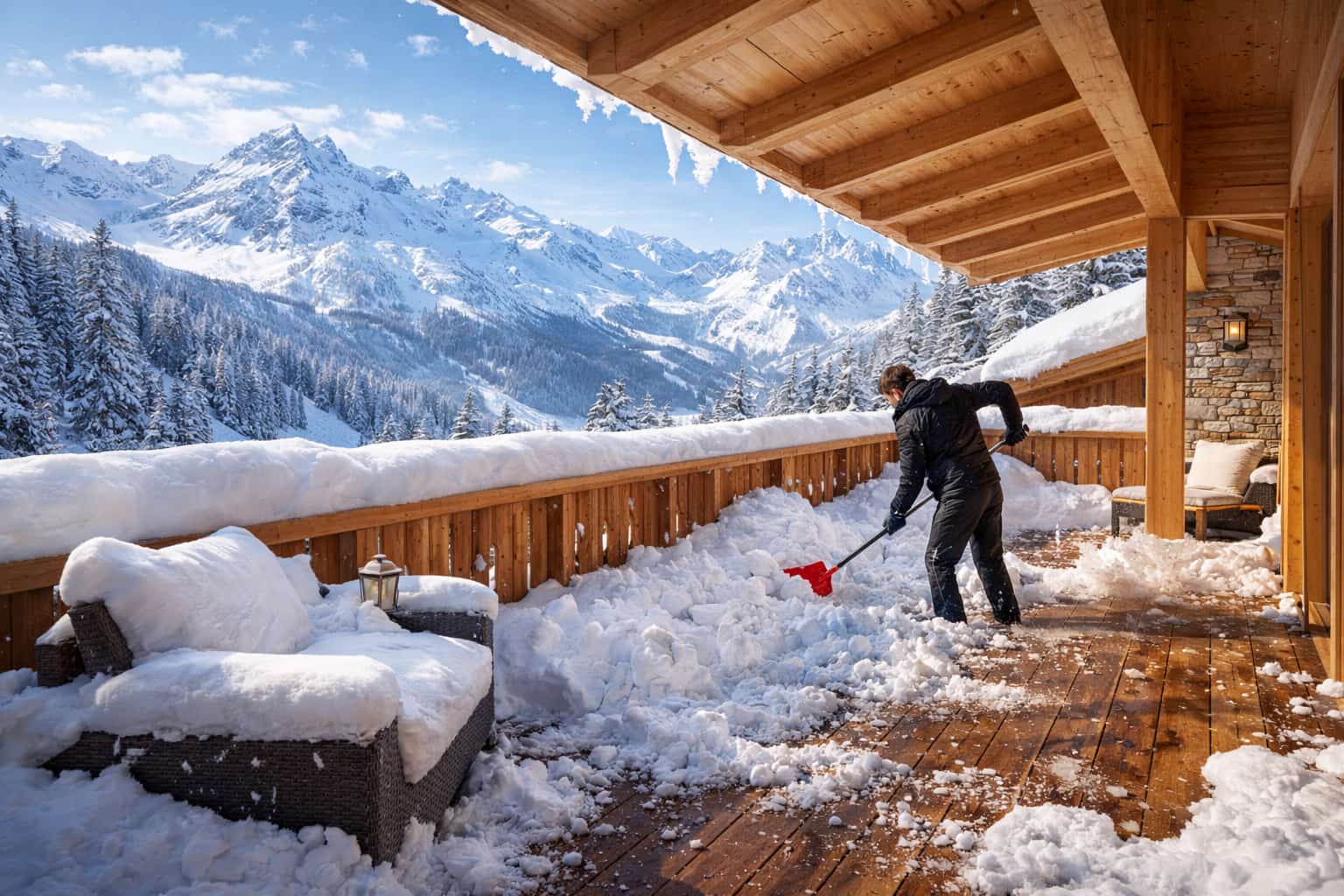
Rapid snow accumulation requires professional daily clearing
Waterproofing membranes under 6+ months of freeze-thaw stress
Timber and composite decking weather aggressively at altitude
Annual maintenance costs 3-5x coastal property equivalents
Well-designed alpine balconies in Morzine developments and Chamonix chalets typically benefit from deep roof overhangs providing 1.2-1.8m of shelter. This may reduce photogenic drama but dramatically extends usability and structural lifespan.
Romance is seasonal. Maintenance is perpetual.
Material Perception and Psychological Warmth
Raw concrete interiors communicate modernist restraint. In colder climates, concrete absorbs heat slowly and feels cold to the touch—reducing perceived comfort even when measured air temperature remains stable.
Timber interiors dominate traditional Courchevel, Chamonix, and Aspen architecture not merely for aesthetic tradition, but because wood moderates interior humidity and provides psychological warmth both underfoot and to hand contact.
Material selection affects subjective thermal comfort as significantly as measured temperature, critical for properties marketed on Co-Ownership Property, where user experience drives satisfaction.
Comparing Coastal and Alpine Design Requirements
Consider a contemporary villa in coastal Liguria. Its architectural priorities include indoor-outdoor flow, expansive sliding walls, minimal framing, flat roofs, and external solar shading. The Mediterranean climate fully supports these choices.
Now examine a luxury development in Courchevel, Chamonix, Morzine, or Aspen. Here, design must prioritise fundamentally different performance metrics:
| Design Element | Coastal Standard | Alpine Requirement (Courchevel/Aspen) |
|---|---|---|
| Window U-values | 1.8-2.2 W/m²K | Below 1.4 W/m²K |
| Snow load capacity | 10-20 PSF | 40-100 PSF |
| Wall insulation | R-13 to R-19 | R-30+ |
| Heating season | 2-3 months | 6+ months continuous |
| Wind design | Moderate coastal | Severe valley funnelling |
| Frost depth | Surface only | 36+ inches |
Identical architectural gestures produce radically different performance outcomes depending on the environment.
Why This Matters for Fractional Ownership Buyers
Many buyers approach mountain properties—including fractional ownership opportunities in Courchevel, Chamonix, Morzine, and Aspen through Co-Ownership Property—with expectations shaped by urban or Mediterranean coastal experience.
But alpine architecture isn’t merely an aesthetic expression—it’s an engineering response to measurably demanding conditions.
When developers choose fixed glazing panels with hinged doors over sliding walls, it’s a performance-based decision-making validated by decades of alpine building science.
When roofs pitch at 2:12 or 3:12 rather than flatten, it’s snow management engineering, not architectural conservatism.
When balconies shelter under substantial overhangs rather than extending fully exposed, it’s longevity optimisation.
The mountain has already conducted extensive field testing.
The Fundamental Alpine Truth
Architecture always follows climate. In forgiving conditions, design freedom expands dramatically. In harsh environments, design discipline sharpens, or buildings fail.
The most successful Courchevel, Chamonix, Morzine, and Aspen developments aren’t architecturally timid—they’re intelligently engineered. They merge contemporary luxury aesthetics with technical robustness, accepting strategic compromises where physics demands.
Buyers may request which photographs would impress on social media. Architects must deliver what performs reliably after twenty seasons.
The critical question for anyone purchasing at altitude—whether whole ownership or through fractional models featured on Co-Ownership Property—isn’t simply “Does this look modern?”
It’s “Will this still perform flawlessly after twenty brutal winters?”
In extreme mountain climates, performance is design. And the mountain always delivers the final verdict.
Quick search
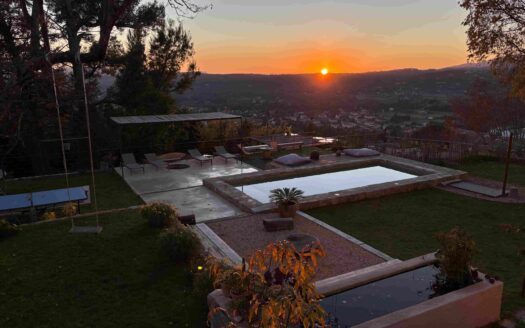
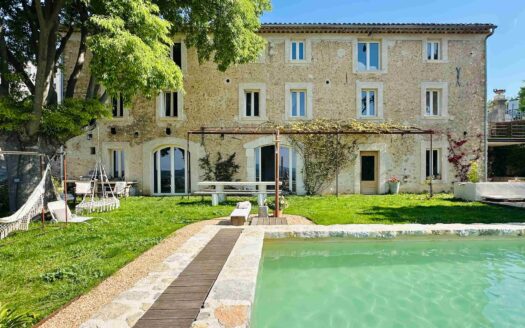
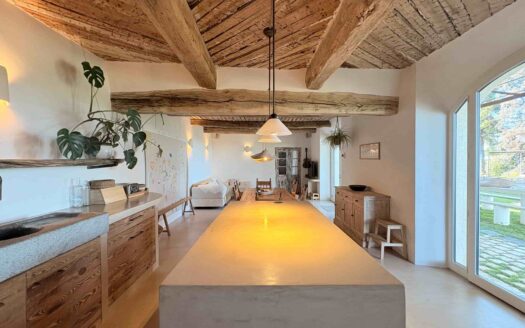
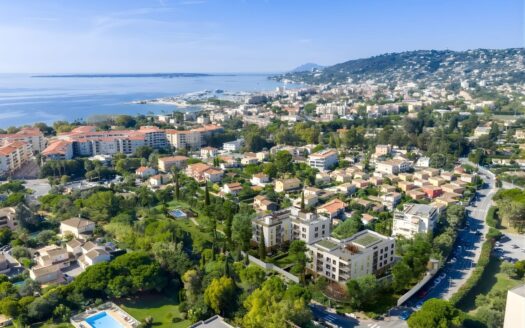
Provence Near Cannes | 5-Bed Country House With Pool & Views
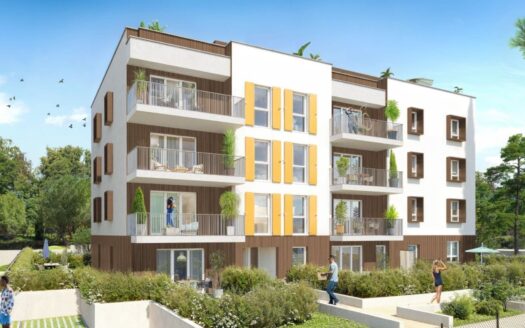
Antibes, Côte d’Azur | 2-Bed Terrace Apartment With Pool Near Beach
Maioris-Puig de Ros, Mallorca | 4-Bed New-Build With Private Pool & Sea Views
Ready to own that dream property?
Get in touch with our team to secure your share today.